Author: Mei Ling Tan

  • CIMB Singapore Partners Security Token Offerings Platform

    CIMB Singapore Partners Security Token Offerings Platform

    The bank’s partnership with iSTOX will expand private capital markets access for its clients.

    CIMB Singapore is partnering ICHX Tech to allow its clients in the Asean region to raise funds in a faster, more flexible and efficient way on its blockchain-enabled platform, a press release on Wednesday announced.

    The firm operates Singapore-based platform iSTOX, which supports the issuance, custody and secondary trading of digitized securities using advanced smart contracts and distributed ledger technology to streamline the process.

    We are pleased with this partnership to provide our clients with an alternative digital solution as digitization is one of the pillars that we are looking at to build aggressively within the bank in the next few years, Victor Lee, CEO of CIMB Bank Singapore, said in the statement.

    Founded in 2017, iSTOX is backed by Singapore Exchange (SGX), Temasek Holdings subsidiary Heliconia, Japan’s Tokai Tokyo Financial Holdings, Thailand’s Kiatnakin Phatra, and South Korea’s Hanwha Asset Management.

  • Numerous Fashion retailers commit to supporting Covid-19 causes

    Numerous Fashion retailers commit to supporting Covid-19 causes

    Numerous international fashion retailers have pledged to support causes related to the coronavirus outbreak as the pandemic continues.

    Luxury jeweler Tiffany & Co’s charitable foundation will commit US$1 million to Covid-19 related causes. It is allocating $750,000 to the Covid-19 Solidarity Response Fund for the WHO and $250,000 to The New York Community Trust’s NYC Covid-19 Response & Impact Fund.

    The firm has also offered to match employee donations to any qualified nonprofit organization supporting Covid-19 relief dollar for dollar.

    US denim brand AG Jeans will give $1 million to the Covid-19 LA County Response Fund, supporting hospitals and clinics across the states, as well as contribute to rolling out coronavirus testing. It is keeping all staff on full pay at least through to the end of April.

    Luxury group Capri Holdings, owner of the Michael Kors, Versace and Jimmy Choo brands, will give $3 million to Covid-19 relief efforts globally, targeted to each brand’s home territory – New York, Italy, and London respectively.

    Apparel, footwear and accessories business VF Corporation will donate an initial $1.5 million to support local communities around the globe responding to the pandemic. The brand’s foundation is also running a two-for-one community match campaign up to an additional $500,000 on donations from VF employees and consumers who contribute via the company’s giving page.

    VF’s contribution follows its donation in February of $100,000 to assist medical workers and community-led recovery in China.

    Esprit Europe co-founder Jürgen Friedrich, along with his wife Anke, have donated €50,000 to colleagues in China and their families who are affected by the coronavirus. The pair’s foundation works “to conserve nature and empower people”, establishing the basis for people to thrive physically and intellectually.

    Jewelry firm Pandora has committed 10,000 medical masks to Danish hospitals that had originally been earmarked for use in its crafting facilities in Thailand. The masks were assessed as not needed once a local provider was sourced.

    “We are passing on these to employees at Danish hospitals,” said Pandora’s VP of corporate communications and sustainability Mads Twomey-Madsen. “It’s a small gesture to health care workers who around the world are making fantastic efforts in these difficult times.”

  • Cebu Pacific flights remain suspended until April 30

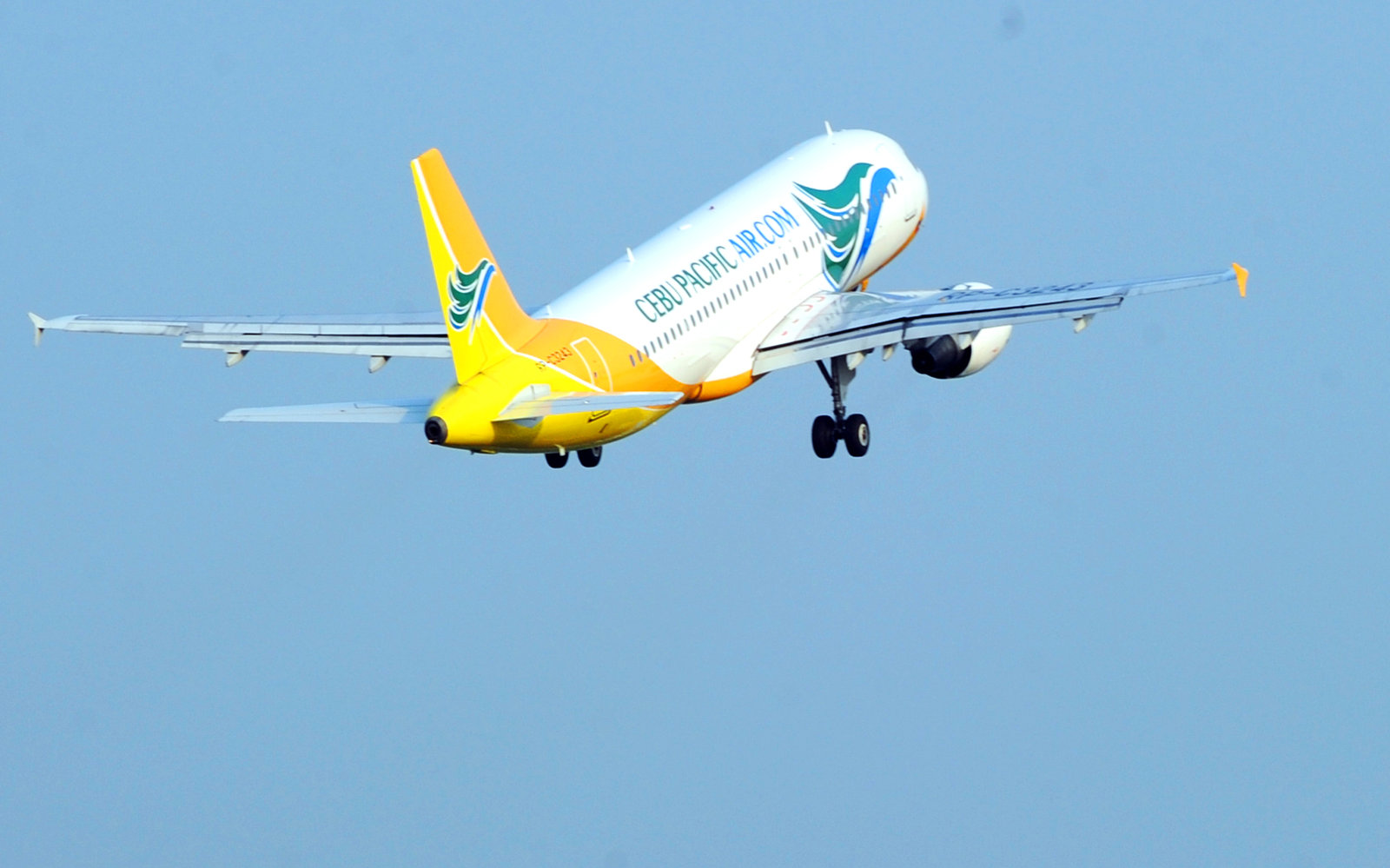
    Cebu Pacific flights remain suspended until April 30

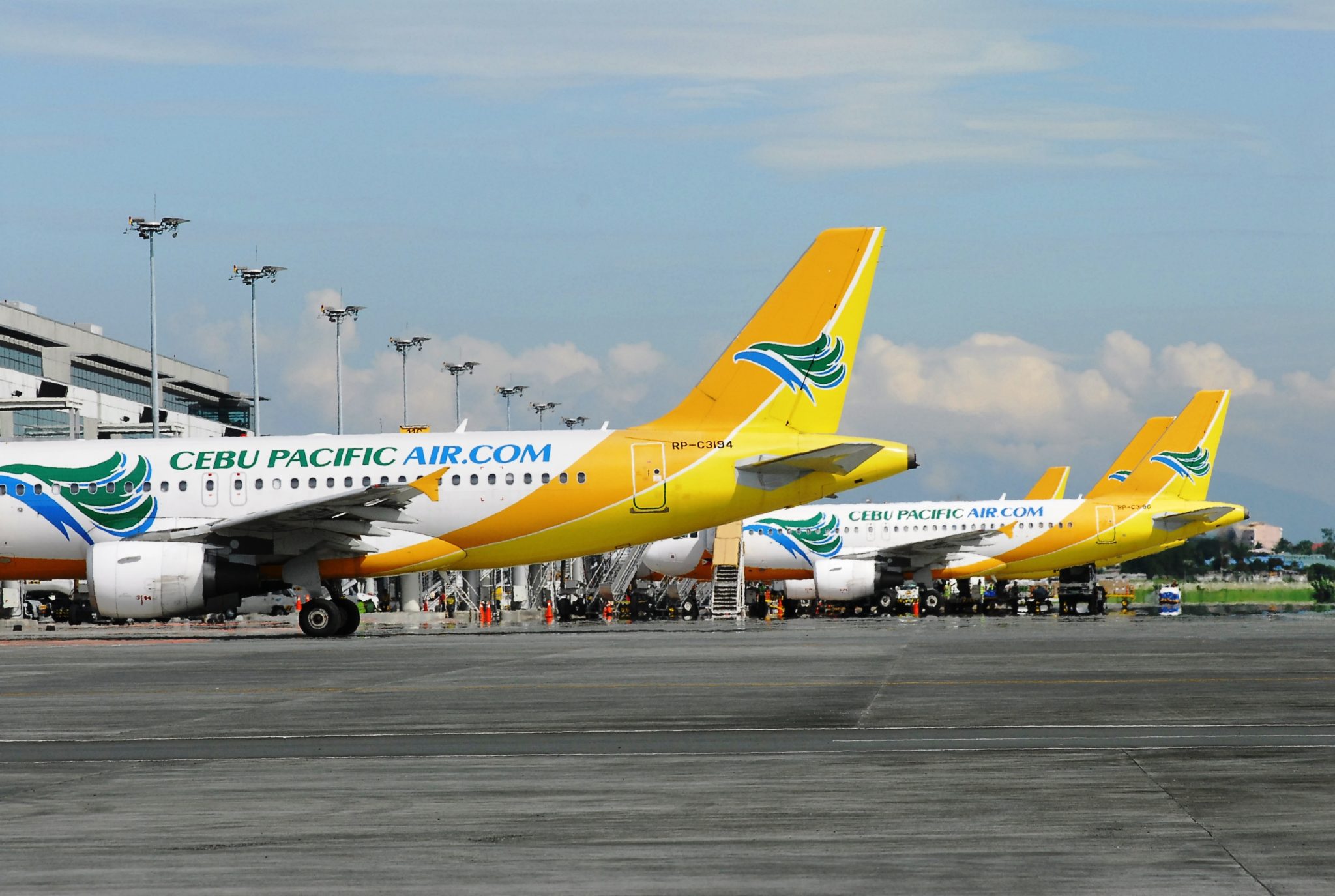
    Budget carrier Cebu Pacific said Wednesday that its flights remain suspended until the end of the Luzon-wide enhanced community quarantine on April 30.

    “Due to the extension of the Enhanced Community Quarantine (ECQ) until April 30, Cebu Pacific flights will remain suspended from April 15 to April 30, 2020,” Cebu Pacific said in a statement.

    The airline said passengers on canceled flights are encouraged to take any of the following options:

    • Free rebooking: Rebook to any other travel date within three months with change (rebooking) fees and fare difference waived.
    • Full Travel Fund: The Travel Fund is now valid for one year. Use it to either book a flight up to one year ahead, or pay for add-ons (e.g. baggage allowance, seat selection, etc.) If the Travel Fund is not used within one year, passengers can get a full refund.
    • Full refund: Processing of refunds will start on May 4, 2020—after the Community Quarantine is lifted and regular work schedules resume. However, due to the unprecedented volume of requests for refunds, the process will take as long as three to four billing cycles.

    “Flights may be managed online through the ‘Manage Booking’ portal in the Cebu Pacific website,” Cebu Pacific said.

    Further, to provide added flexibility for passengers with booked flights from May 1 to September 30, but wish to change their travel plans, CEB is offering the following options, free of charge:

    • Rebook to any other travel date within one year, change (rebooking) fees waived, but fare difference may apply.
    • Place the full cost of the ticket in a Travel Fund, now valid for one year. Decide and book travel within a year for flights as far as one year ahead

    “We thank everyone for their support and understanding during this challenging time,” Cebu Pacific said. 

  • AirAsia Philippines Cancels All Flights Until 30 April 2020

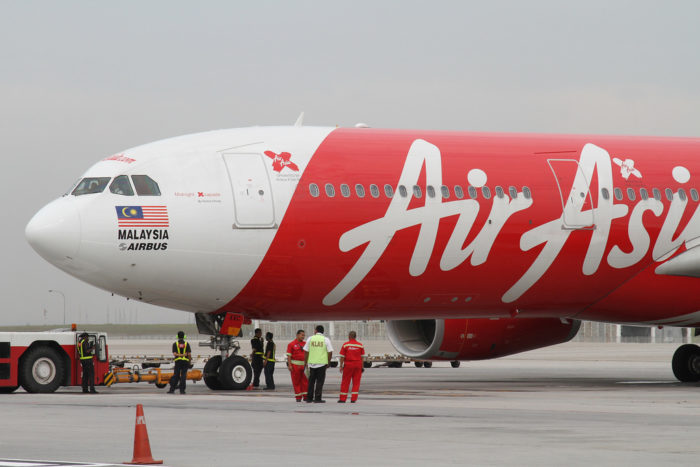
    AirAsia Philippines Cancels All Flights Until 30 April 2020

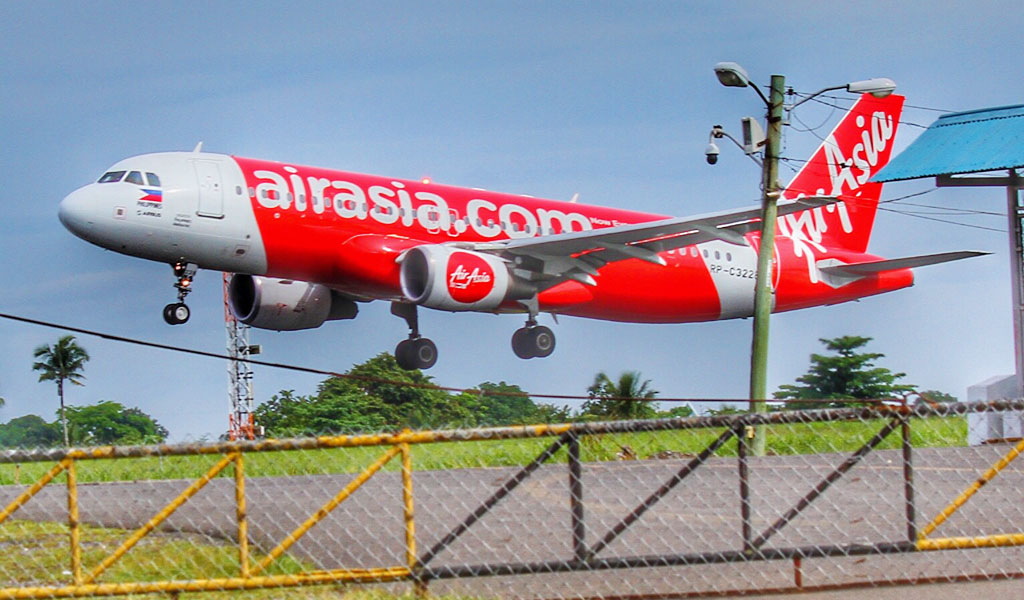
    AirAsia Philippines (Z2) has canceled all domestic and international flights until 30 April 2020, at the earliest. The decision was made after the Philippine government’s directive to extend the Enhanced Community Quarantine period in Luzon.

    AirAsia customers with existing flight bookings made on or before 22 March 2020 with a departure date until 31 May 2020 can select from a range of extended flexibility options:

    Unlimited Flight Change: Change to any new travel date before 31 October 2020 on the same route for an unlimited number of times without any additional cost subject to seat availability; OR

     Credit Account: Retain the value of the flight booking in your AirAsia BIG Member account for future travel with AirAsia to be redeemed within 365 calendar days from the issuance date.

     For bookings made through travel agents, including online travel agents, refund requests must be made via the respective travel agents.

  • New WhatsApp beta reveals a long-awaited advanced search option and more secure backups

    New WhatsApp beta reveals a long-awaited advanced search option and more secure backups

    Recently, WhatsApp has been getting a lot of features, most of which are related to the fight against the coronavirus misinformation spread. However, this time, the new features are not COVID-19 related. There is a new beta for WhatsApp Android that has been revealed and WABetaInfo reports that it is offering us some appealing functionalities.

    Firstly, there is a feature referred to as “Advanced Search Mode” which will offer a possibility to easily search for media, such as photos, videos, GIFs, links and audio, as well as documents, in the messages. The search feature is still under development for Android users and already available in the beta for iOS, but there is no official information when it will be rolled out and if it will be available at all. However, it will be very helpful for people who have a lot of messages to filter in order to find that one link.

    Another feature in WhatsApp’s beta for Android is related to the automatic download. When enabled, which will be by default, the option will not automatically download frequently forwarded images, videos, documents and voice messages and will, therefore, help you save data.

    Last but not least: here comes the more secure password-protected backup option. The feature to backup your chat history is already available for WhatsApp users and the data is saved to Google Drive, but with the new update, you will be able to protect your backups with a password. However, the password will not be stored on Google Drive, neither will it be synced to Facebook’s servers, so if you forget it, you won’t be able to access your data.

    The aforementioned features are not available globally yet, they are a part of the beta version of WhatsApp. If you would like to test future versions of WhatsApp, you can register from this page on Google Play, even though, currently, the page says that no more testers are allowed at the time being.

  • Bank of Singapore’s Global Head of Products Exits

    Bank of Singapore’s Global Head of Products Exits

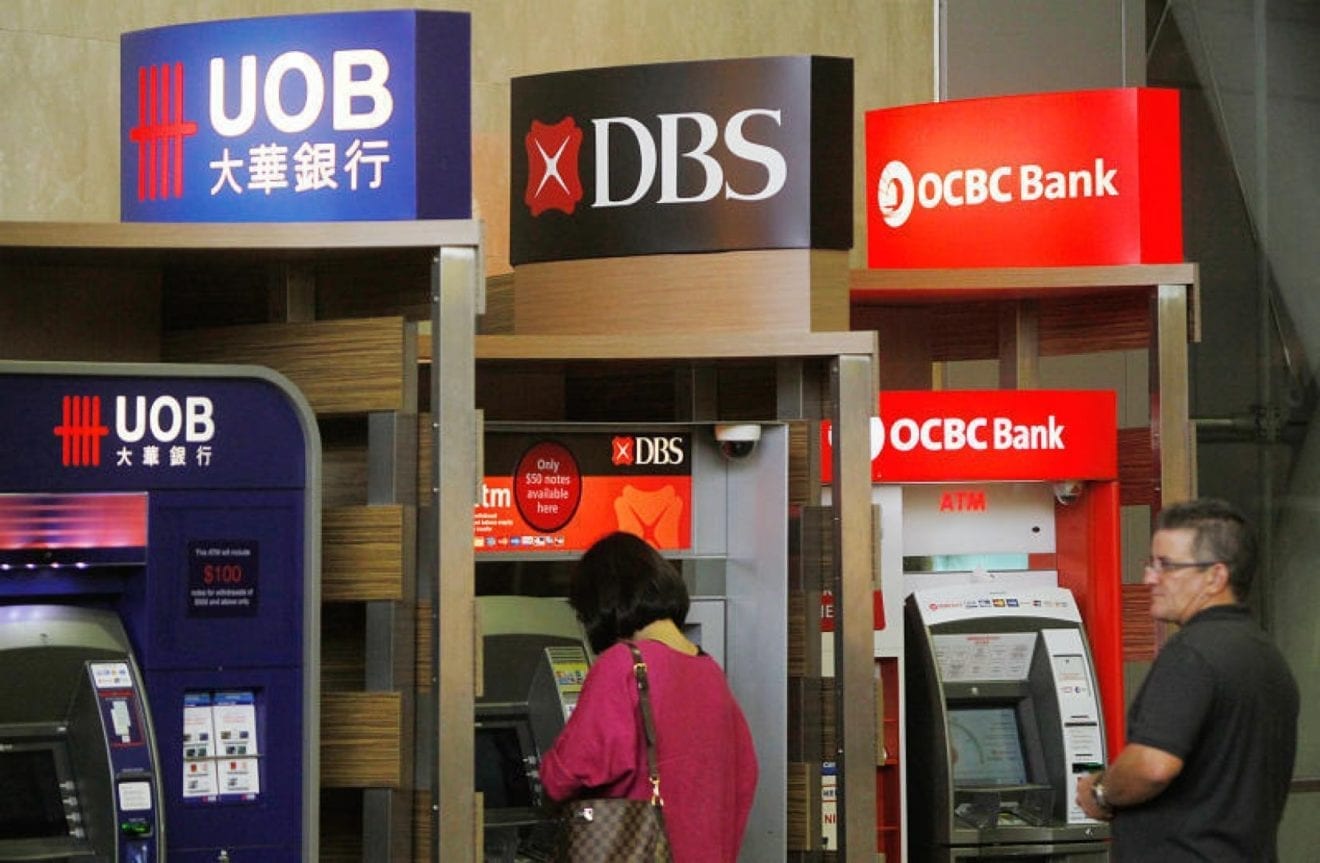
    The longstanding veteran resigned after over 11 years with the Singaporean private bank. Marc van de Walle, senior managing director and global head of products with Bank of Singapore resigned earlier this week, a spokesperson for the bank confirmed.

    “After more than a decade with the bank Marc Van de Walle has decided to pursue other interests,» the spokesperson said.

    As for his successor, we will begin by evaluating internal candidates first, given our strong bench strength and their familiarity with the bank’s strategy. This does not exclude external candidates and we always welcome new talents to bring in new experiences and external insights into our organization.

    Van de Walle first joined OCBC’s private banking arm in 2009 when it was acquired from ING where he had just spent over a dozen years including as its general manager of retail and private banking.

    In his decade-plus stint with Bank of Singapore, Van de Walle oversaw an effective expansion of its product capabilities and achievements including in discretionary portfolio management (DPM) where it is a leader amongst Asian private wealth managers by asset penetration rate. In mid-2019, the bank said that it registered DPM asset growth of 40 percent in the previous two years.

  • Vestiaire Collective charity sale in Singapore and Hong Kong kicked off

    Vestiaire Collective charity sale in Singapore and Hong Kong kicked off

    Vestiaire Collective is bringing its coronavirus charity sale to Singapore and Hong Kong this week after launching in US and European countries on April 1.

    The pre-owned luxury fashion platform has partnered with local influencers including Nicola Cheung Young (pictured above), Angie Ng, Antonia Li, Faye Tsui, Justine Lee and Jonathan Cheung to offer their luxury items.

    “At Vestiaire Collective, we stand with everyone affected, and we want to do whatever we can to assist in reducing the impact of Covid-19,” the company said in a statement.

    According to Vestiaire Collective, all proceeds from the sale will be contributed to the Hong Kong and Singapore Red Cross organizations.

    The Collective Charity sale in Singapore and Hong Kong will last for 15 days starting from tomorrow, April 10.

  • iPhone maker Foxconn reports that March revenue is 60% up

    iPhone maker Foxconn reports that March revenue is 60% up

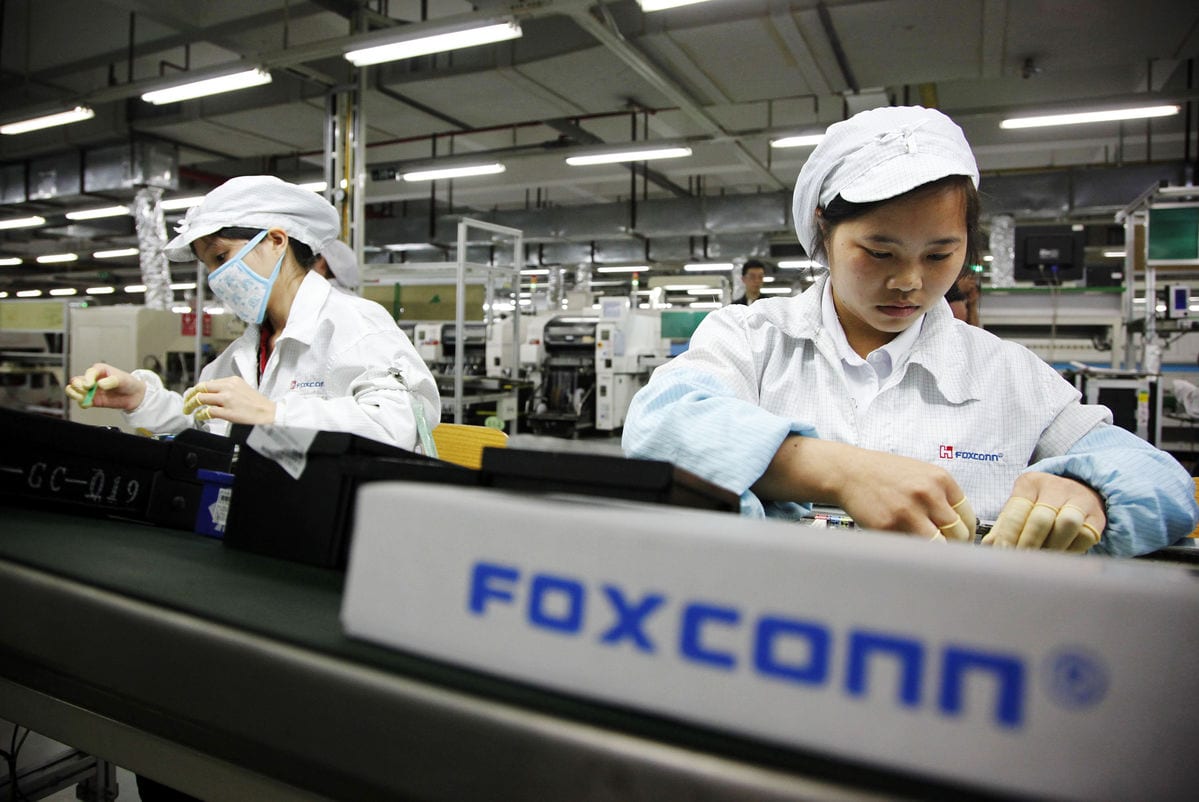
    The notorious electronics manufacturer has reported a rise in revenue for March 2020, equating to 59.9%. After having to stop most of its production during the initial breakout of coronavirus in China, Foxconn has been steadily going back to its normal working capacity in recent weeks. Initially suffering losses in revenue, particularly in the first three months of 2020, it appears that the company is recovering. Some of its products though is still being affected by travel restrictions, causing delays in product testing and other assistance from its clients.

    Half of the world’s iPhones are made at Foxconn, with other popular products such as iPad, iPod, and game consoles Nintendo 3DS, PlayStation and Xbox also being partly or fully manufactured at their facilities.

    2020 has expectedly been a difficult year for businesses, with almost all smartphone companies suffering losses in revenue. Apple, however, has reportedly enjoyed a $56 billion revenue in the first quarter of 2020, 8% higher than last year, with its upcoming 5G iPhones expected to prove even more profitable for the Cupertino company. All of this, of course, equates to more business for its partner, Foxconn.

    Foxconn has been the subject of many controversies over the years, most notably allegations over appalling working conditions. In 2012, during its production of Wii U consoles, the company was found in violation of Nintendo’s Corporate Social Responsibility Procurement Guidelines, confessing to the employment of children under the age of 16 in one of its factories.

    Despite the waves of negative attention, Foxconn remains the world’s largest provider of electronics manufacturing services.

  • Toyota Extends North American Plant Shutdown

    Toyota Extends North American Plant Shutdown

    Toyota Motor said Wednesday it plans to reopen its North American auto plants on May 4, extending its current shutdown by two additional weeks.

    The Japanese automaker cited the ongoing COVID-19 pandemic and decline in vehicle demand to extend the halt of production at all of its automobile and components plants in Canada, Mexico and the United States.

    Toyota will not furlough its direct employees but has asked its hourly plant employees to take two days out of the 10-day extension as paid time off or they can go without pay if they don’t have accrued leave.

    The Toyota Vellfire is a luxurious MPV and is the perfect vehicle for celebrities, movie stars and the likes. It is full-sized panel van and it is loaded with all sorts of creature comforts. We spent a scant amount of time with the new Vellfire an…

    For Toyota’s 5,000 workers provided by outside agencies, Toyota is releasing those workers back to their agencies. Toyota will continue to pay the benefits of those workers for the time being, and they may be eligible for unemployment.

    On Tuesday, Honda Motor Co and Nissan Motor Co on Tuesday said they had furloughed thousands of workers at their U.S. operations as the coronavirus pandemic slashes demand for cars in the country.

    A spokesman for Honda, which employs about 18,400 workers at plants in Alabama, Indiana and Ohio, said the Japanese automaker would guarantee salaries through Sunday, has suspended operations on March 23. The plants will be closed through May 1.

    Nissan said it was temporarily laying off about 10,000 U.S. hourly workers effective April 6. It has suspended operations at its U.S. manufacturing facilities through late April due to the impact of the outbreak.

    Automakers are facing a dramatic drop in sales in the United States, the world’s second-largest car market after some states barred dealers from selling new cars while “stay-at-home” orders are in place. Fiat Chrysler Automobiles NV on Monday extended its shutdown of U.S. and Canadian plants until May 4.

  • Yum acquires Chinese casual dining chain Huang Ji Huang

    Yum acquires Chinese casual dining chain Huang Ji Huang

    Restaurant operator Yum China, which operates KFC and Pizza Hut in the territory, has purchased a controlling interest in Chinese-style casual dining franchise Huang Ji Huang.

    The brand, launched in 2004, has more than 640 restaurants within China and overseas operating primarily under a franchise model, offering simmer pot and localized fast-food cuisines.

    After settling the purchase, Yum China says it will now establish a Chinese-dining business unit that will involve its three core Chinese dining brands – Little Sheep, East Dawning, and now Huang Ji Huang.

    The company hopes the new business unit will build a significant share of the Chinese-style dining market within Mainland China, building on its own scale and operational network, complemented by Huang Ji Huang’s track record and skills in product research and development, franchisee management, and Chinese dining expertise.

    As of the end of last year, Yum China had 9200 restaurants in more than 1300 cities.

  • Tesco’s Asian business returns massive profit numbers

    Tesco’s Asian business returns massive profit numbers

    Tesco’s Asian business achieved a 33.5-per-cent increase in operating profit last year, the last full trading year before it is sold to Thailand’s Charoen Pokphand group. In results released overnight, Tesco reported a profit of £426 million, and a margin of 8.2 percent in Asia, on sales of £5.2 billion, up 6.7 percent on actual currency rates, or by 0.1 percent on a constant-currency basis.

    Tesco’s overall result was a pre-tax profit of £1.315 billion, up 18.7 percent year on year, on sales of £56.5 billion, up by 1 percent on a constant-currency basis.

    Outgoing CEO Dave Lewis said the performance of the company in the UK and Asia demonstrated the success of the company’s turnaround plan.

    “Over the last five years we have focused on serving customers better, re-engaging our colleagues, completely resetting our relationships with our suppliers and as a result we have been able to add value for our shareholders,” he said.

    “These endeavors put us in a strong operational and financial position to deal with the challenges of Covid-19.”

    But Lewis warned the impact of the coronavirus on the business could be significant and the company would not issue earnings guidance for the current year.

    “Covid-19 is having a material impact on the operations of our business and we are incurring significant additional costs, particularly in payroll as we recruit additional colleagues to meet demand and cover the work of those colleagues who are absent and being paid,” he said.

    The company has carried out calculations based on various scenarios, which show a negative impact ranging between £650 million and £925 million, including significant cost increases in payroll, distribution and store expenses.

    Lewis said Tesco’s Asian business had increased market share in Malaysia, opening two new small stores following favorable legislative changes, and the company plans a further four openings in the current financial year.

    In Thailand, Tesco’s new Express proposition roll out and large store re-invention program are both progressing well and the company is testing two ‘ultra-convenient’ E-Pop stores in Bangkok.

    “We have simplified our fresh-food offer, with more competitive prices and our ‘Food Love Stories’ campaign has further improved customer quality perceptions.”

    A simplification of Tesco’s general merchandise ranges impacted headline sales by about 1 percent during the year.

    He said the company had also built trust with customers throughout the region due to a focus on reducing food waste and plastic usage.

    The sale of Tesco’s Asian business is expected to be completed in the second half of this year, subject to regulatory approvals.

  • Cebu Pacific lays off over 150 cabin crew amid COVID-19 travel restrictions

    Cebu Pacific lays off over 150 cabin crew amid COVID-19 travel restrictions

    Travel bans to and from Manila and in key provinces forced Cebu Pacific to lay off over 150 cabin crew members.

    Notices sent to probationary workers seen by CNN Philippines revealed that the budget airline terminated the employment contracts of select flight personnel after it was “forced to scale down and suspend flight operations” due to travel restrictions covering Metro Manila, as well as key provinces and cities in the country.

    The airline had to cancel flights to mainland China, Hong Kong and Macau since early February after the Philippine government-issued travel bans to these areas hard hit by the disease known as COVID-19. This was eventually broadened to cover North Gyeongsang province of South Korea, until the month-long Metro Manila quarantine forced Cebu Pacific to cancel all flights to and from the Ninoy Aquino International Airport, the country’s main transport hub.

    The airline confirmed the layoffs. One employee estimates around 180 crew members might be let go.

    “As we foresee fewer flights and reduced operations in the coming months, we will have less requirement for flying staff. Given this situation, it is a difficult decision but we are letting go of our newly hired cabin crew because fewer flights mean less time and opportunity for them to gain inflight experience. It is painful, but necessary action to take to cope with the impact of COVID-19,” Cebu Pacific said in a statement, saying that newly-hired cabin crew members would be let go after Thursday, March 19.

    In its letter to employees, Cebu Pacific said the aviation sector was “facing a crisis of proportions” amid the COVID-19 pandemic, paralyzing tourism as countries scramble to contain the spread of the disease.

    Cebu Pacific said it would be “unable to support the regularization of any further employees,” and is forced to end work contracts. Among those who received the letters were cabin crew members hired late September 2019, which meant that they were supposed to be regular employees by next week.

    The Gokongwei-led airline also bared a separation package for these displaced employees. It includes a separation pay equivalent to two months’ salary, two free roundtrip tickets, a return ticket to their home province or city, and a waiver of charges for training bond, uniforms, and accessories. The company also promised to “fast-track” the selection of that employee should the airline start hiring flight attendants again.

    Just last week, Gokongwei-owned media company Esquire reported that members of Cebu Pacific’s senior management opted to cut their own salaries to avoid layoffs.

    Cebu Pacific made ₱3.9 billion in 2018, just half the ₱7.9 billion it made the prior year.

    Last month, Philippine Airlines said it laid off 300 workers as the flag carrier owned by tycoon Lucio Tan seeks to trim losses. The country’s biggest airline said it let go of administrative and management staff to increase revenues and reduce costs, especially after PAL ended 2019 at a loss, only to be aggravated by travel bans and flight cancellations due to the coronavirus.

    Other airlines worldwide have counted hefty losses brought about by the pandemic. CNN International earlier reported that Hong Kong flag carrier Cathay Pacific asked its 27,000 workers to take three weeks off without pay to preserve cash and keep the airline afloat.

  • Covit-19 virus claims famed shoe designer Sergio Rossi

    Covit-19 virus claims famed shoe designer Sergio Rossi

    Italian shoe designer Sergio Rossi has succumbed to the coronavirus at the age of 84.

    The celebrated figure of the fashion world died on April 2 within days of being hospitalized for the illness. His death was announced by the current CEO of the eponymous brand, who called him a spiritual guide – today more than ever.

    In a tribute to the designer, the New York Times described him as renowned for his “spindly heels and designer collaborations” and “part of the postwar generation that transformed Italian fashion”.

    Rossi was a shoemaker’s son born in a small Italian town, learning the craft of bespoke footwear making from childhood. He founded his own label in 1968. He became a household name in the industry following a series of collaborations with top fashion labels, including Dolce & Gabbana and Versace.

    Rossi’s business was bought by Gucci Group – which later became Kering – in 1999 for about $96 million, but Rossi remained design director and chairman. Kering sold the brand to private-equity company Investindustrial in 2015, which relaunched Sergio Rossi in 2016.

    Rossi’s signature curved sole shoe, the Opanca, remains his foremost legacy in the trade.

    “With the unquenchable fire of your passion, you taught us that there are no limits for those who love what they do,” read a tribute from Rossi’s son, also a shoe designer. “Goodbye maestro.”

  • AirAsia launches Save Our Shops campaign to support local businesses

    AirAsia launches Save Our Shops campaign to support local businesses

    AirAsia has launched a Save Our Shops campaign which will see products from local businesses featured on the company’s new online store.

    Local businesses can list their products on the AirAsia OURSHOP online retailer for free for the month of April and any sales will be delivered by AirAsia’s logistics arm, Teleport.

    In a statement, AirAsia said: “A lot of small businesses are being hit hard due to the outbreak. So AirAsia would like to do our part in helping as many local businesses as possible in this time of need.

    “We have the right platform and infrastructure, and in this travel downtime, what better way to put our resources to good use than by lending a helping hand to those who need it.”

    Retailers who list products on the website will be required to cover the 2% banking transaction charge on every sale.

    AirAsia Chief Executive Tan Sri Tony Fernandes said: “At AirAsia we are not sitting down and crying, we are being positive and turning a crisis into an opportunity.”

    He added: “We now want to use our infrastructure and resources to help many retailers who are shut and can’t earn any revenue at the moment so we have created our shop which together with teleport will be delivering goods from shops that are closed.”

  • Baeman accused of monopolistic behaviour as merger looms

    Baeman accused of monopolistic behaviour as merger looms

    The pending merger between South Korea’s number one food-delivery app Baedal Minjok (Baemin), and Yogiyo, the industry’s second-largest player, has fuelled widespread concerns about monopolistic market behavior.

    In particular, recent changes to Baemin’s fee system from a flat rate to a pre-payment method has sparked controversy, raising concerns over such a monopoly.

    Woowa Brothers, Baemin’s owner, has apologized for causing controversy over the “open service” fee system.

    “Woowa Brothers humbly accept the criticism that we introduced the new fee system without considering the difficult situation of the restaurant owners, hit by the Covid-19 outbreak,” management said in a statement.

    Starting this month, the delivery service will apply a 5.8 percent pre-payment fee to restaurants for food orders. The system is designed to replace the current monthly fixed amount system, which costs 88,000 won (US$71.90) per month.

    This will result in 5.8 percent of sales being taken by Baemin as commission from this month.

    However, small business owners say the changes are not for small businesses.

    According to the Korea Federation of Micro Enterprise, stores with monthly sales of 1.55 million won (US$1267) or less are eligible for lower fees due to the new policy.

    Some self-employed people raised the issue, saying that the fees paid to Baemin are excessive compared to the past.

    Gyeonggi Province Gov Lee Jae-myeong openly criticized the company, citing “the tyranny of monopoly,” and targeting Baemin on his social media account.

    The controversy is continuing as politicians and consumer groups joined the campaign. A recent survey by Consumers Korea showed that 86.4 per cent of consumers oppose the merger of Baemin and Yogiyo.

    The survey also showed that Baemin accounts for 59.2 per cent of delivery apps, with Yogiyo another 35.6 per cent, suggesting a combined 94.8 per cent for the two companies post-merger.

    The biggest reason for the opposition to the merger was, “food prices and delivery fees rising due to the formation of an exclusive market,” cited by 82.9 percent of respondents.

    The decrease in incentives for business innovation or service improvement followed at 46.3 percent, reduction in consumer benefits such as coupons and events came in at 40.5 percent.