Author: Mei Ling Tan

  • Vietnam workers’ wage rises lowest in a decade

    Vietnam workers’ wage rises lowest in a decade

    Average wages at multinationals and domestic enterprises in Vietnam respectively rose 6.5 percent and 5.2 percent this year, the lowest levels in a decade.

    Over the past 10 years, average salaries in both groups had risen at least 8 percent a year, according to a report by human resources solutions firm Talentnet Vietnam and American human resources consulting firm Mercer.

    The report surveyed 600 businesses in 16 different industries including technology, consumer goods, pharmaceuticals and manufacturing. Average wages were calculated off the firms’ total salary budget for each year.

    According to the report, 14 percent of multinationals surveyed said there will be no increase in employee salaries this year, and 34 percent of domestic firms said the same. Six percent of multinationals and 3 percent of domestic enterprises also said they will continue to implement the same “austere” approach in wage policies next year.

    In 2020, the sectors with the highest wage growth have been insurance with 8.7 percent, hi-tech with 8.5 percent, and pharmaceuticals with 8.4 percent. These are sectors least affected by the Covid-19 pandemic, Talentnet said.

    Meanwhile, the oil and gas industry recorded the lowest salary growth rate at 2.1 percent, followed by banking with 5.6 percent, and processing with 6.5 percent.

    Although almost all companies said they were tightening their purse strings, many said they are willing to give special bonuses to employees who play a key role in their business. As many as 69 percent of companies surveyed said they will pay such bonuses in a lump sum by year-end, while 13 percent said they were doing this quarterly, and another 13 percent were doing it monthly.

    Due to specific industry characteristics, businesses surveyed in the financial sector including banks, consumer lending companies and fund management companies were handing out the highest performance-based rewards, with bonuses ranging between 20-20.4 percent of annual basic salary, the report said.

    As of last year, Vietnam had one of the lowest average wages in the Asia-Pacific Region. An average Vietnamese worker earned $242 per month in 2019, compared to the regional average of $1,801, according to recruitment firm ManpowerGroup’s annual Total Workforce Index 2019.

  • Uber Seeking Options Including Partial Sale For Uber Elevate

    Uber Seeking Options Including Partial Sale For Uber Elevate

    Uber Technologies Inc is seeking options for its Uber Elevate business, including strategic partnerships or a partial sale, Axios reported on Friday, citing multiple sources.

    The move reflects Chief Executive Officer Dara Khosrowshahi’s obsession with achieving profitability, the report added. Uber declined to comment on the report.

  • Singapore and Hong Kong to Create Air Travel Bubble

    Singapore and Hong Kong to Create Air Travel Bubble

    Travelers between the two cities will soon be able to make trips without the need for quarantine, stay-home notice or controlled itinerary.

    Singapore and Hong Kong have reached an in-principle agreement to establish an air travel bubble, following discussions between Hong Kong’s Commerce Secretary Edward Yau and Singapore’s Transport Minister Ong Ye Kung,

    While the bubble allows leisure trips, travelers must still produce negative Covid-19 test results and travel on dedicated flights, according to details announced by Singapore’s Ministry of Transport (MOT) in a press release on Thursday.

    It is a safe, careful but significant step forward to revive air travel, and provide a model for future collaboration with other parts of the world, Ong said about the agreement, which will be fleshed out in the coming weeks.

    Singapore has already set up reciprocal green lanes for essential and official travelers from Brunei, China, Japan, Malaysia and South Korea, although these require controlled itineraries. It has also opened its borders unilaterally to general visitors from Brunei, New Zealand, Vietnam and most of Australia.

  • Uniqlo opens massive store in Hamburg

    Uniqlo opens massive store in Hamburg

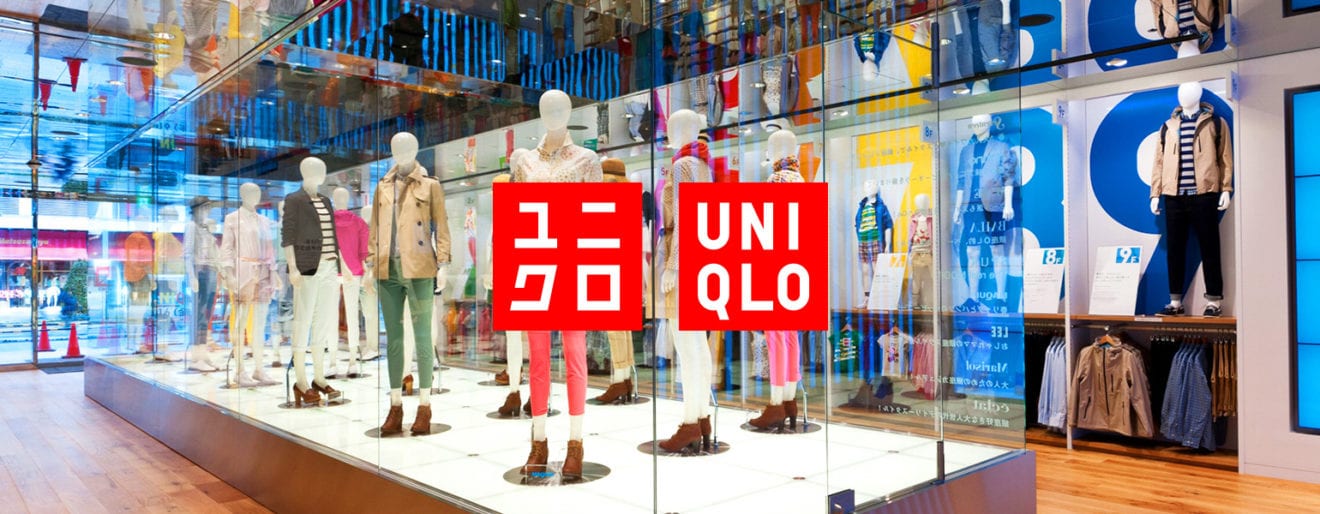
    Japan’s Fast Retailing Co. Ltd. opened Friday (October 9, 2020) its first Uniqlo store in Hamburg on Alter Wall adjacent to City Hall during festivities attended by Japanese Consul General Kikuko Kato and Astrid Nissen-Schmidt, Vice President of Hamburg’s Chamber of Commerce, and other guests. The new 1,750 square metre-store is spread out over four floors.

    The opening of the huge store in downtown Hamburg is an expression of the “belief in retail”, the daily Hamburger Abendblatt quoted Michelle Kronbergs, Head of Marketing and PR Germany at Uniqlo, as saying. Taku Morikawa, Chief Executive Officer of Uniqlo in Europe, stressed: “Hamburg is an impressive city known worldwide for its tolerance, culture and economic importance as a main European trading centre with its port. We are delighted to have found such an exceptional location for our first store in the heart of this great city.”

    The new fashion store, Uniqlo’s tenth in Germany, is located in the former premises of the Bucerius Kunst Forum. The brand highlights Japanese values of “simplicity, quality and durability”.  Since moving to Germany in 2014, Uniqlo has opened six stores in Berlin and one each in Stuttgart, Düsseldorf and Cologne. The company operates more than 2,200 stores in 25 countries.

    Uniqlo is a wholly owned subsidiary of Fast Retailing Co. Ltd, a leading international Japanese apparel retail group that designs, manufactures and sells eight major fashion labels. Fast Retailing achieved global turnover of more than USD 21.5 billion in 2019 making it one of the world’s largest clothing companies and Japan’s biggest fashion brand.

  • Mainland expansion paying off for Chow Tai Fook

    Mainland expansion paying off for Chow Tai Fook

    Growing demand due to innovation in designs and changing fashion trends will help to boost the global jewelry market in the forecasted period. Jewelry refers to ornaments such as earrings, neckless, bracelets, pendants, stones, rings, and metals. Jewelry is available in the form of gold, silver, diamond, platinum, and gems. Upsurging demand for jewelry on Retail and e-commerce platform will help to boost the global jewelry market.

    Government initiative towards Jewellery market is helping to the triggered global market. for example, The Bureau of Indian Standards (BIS) has revised the standard on gold hallmarking in India from January 2018. The gold jewelry hallmark will now carry a BIS mark, purity in carat and fitness as well as the unit’s identification and the jeweler’s identification mark. The move is aimed at ensuring a quality check on gold jewelry.

    AMA Research have added latest edition of survey study on Jewellery Market with 100+ market data Tables, Pie Chat, Graphs & Figures spread through Pages and easy to understand detailed analysis. At present, the market is developing its presence. The Research report presents a complete assessment of the Market and contains a future trend, current growth factors, attentive opinions, facts, and industry-validated market data.

    The research study provides estimates for Jewellery Forecast till 2025*. Some are the key players taken under coverage for this study is Chow Tai Fook Jewellery (China), LVMH (Paris), Rajesh Exports (India), Richemont (Switzerland), Signet Jewelers (Hamilton), Maria Black (Denmark), Missoma (United Kingdom), Gaviria (United Kingdom), Maria Tash (United States), Katerina Makriyianni (United Kingdom) and Swarovski (Austria)

  • Singapore Fintech Gears Up for Global Expansion

    Singapore Fintech Gears Up for Global Expansion

    To support its global ambitions, it has appointed a veteran entrepreneur to its board. Singapore insurtech BetterTradeOff (BTO) is preparing to expand globally through partnerships with major banks and insurance companies looking to offer their customers the benefits of BTO’s life-planning tool through a white-label enterprise solution.

    In addition, BTO plans to roll out both its direct-to-consumer «Up» life planning platform and «Up Adviser» software to new markets, following successful launches in Singapore. It also appointed Jeremie Bonnin to its board of directors, who will support its growth as it launches into new markets, the startup said in a statement on Thursday.

    Bonnin was a founding member of media and telco conglomerate Altice Group, which has recorded $25 billion in revenues across Europe and the U.S. He relocated to Singapore in 2018, where he served as senior advisor to Altice’s founder and management team, while mentoring and investing in Southeast Asian startups eyeing international expansion.

    With Covid-19 negatively impacting so many people, especially the poorest, we’re looking at partnerships that will allow us to make our solution available in more countries and to millions of more people, while bringing the power of sound financial planning to those who need it most, Laurent Bertrand, BTO co-founder and chief executive, said.

    BetterTradeOff was founded in 2015 and offers a software-as-a-service life planning solution that provides financial advisers with a collaborative digital platform for visualizing financial advice and building trust through transparency. It currently operates in Hong Kong, Singapore, Philippines, UAE, and Switzerland. The firm has raised $2 million in seed funding and has 15 staff based in Singapore.

  • Why Your IT Infrastructure Can Benefit From Server Racks?

    Why Your IT Infrastructure Can Benefit From Server Racks?

    Servers are an important part of tons of different businesses, but only if they’re done the right way. While you invest hefty amounts for the servers, you must also keep in mind the maintenance and safety aspects related to the infrastructure. If you want to make sure your server is set up optimally, here’s why you should invest in a good server rack.

    What Are Server Racks?

    A server rack is a shelf designed to hold all the different components that make up a server, which includes server computers, routers, switches, and hubs. This rack allows you to keep all of your server components neatly stored in one compact area, which provides many benefits.

    While you don’t essentially need to have a server rack to contain your server, most companies choose to. Without a good rack, it’s easy to end up with scattered components that make life a lot more complicated, which doesn’t have to be the case.

    Make Maintenance Easy

    Probably, one of the most significant benefits of investing in a rack for your server is that maintenance becomes a lot easier. You have all of your components in one space for starters, so you don’t have to go searching around for different routers, switches, and hubs to figure out where the problem lies. In addition to that, a good rack keeps all of your equipment organized, so it’s easier to access cables and other crucial components when working on a server.

    No matter how you look at it, you’re going to end up performing many maintenance activities if you want to keep your server in good shape. Whether you’re simply having software updated or trying to fix a critical problem, it’s important to have an easy server maintenance solution at all times.

    Secure Your Server

    Servers are a hugely important part of most business architecture, but they’re also vulnerable. Not only can people attack servers via the internet, but you also have to consider the possibility of your server being damaged physically. The best way to protect your server is to keep it safely stored in its own room that only authorized personnel has access to.

    If you’re going to store your server in a room, the best way to keep everything secure and neatly organized is to put everything in a server rack. The best part about server racks when it comes to secure storage is the fact that you can find locking racks that are even more secure.

    Leave Room to Grow

    Another great part of server racks is the potential for growing your server over time. While you might need a simple single-computer server at the moment, that might change as your business grows, or you need to take advantage of a larger database.

    There are a lot of server components that you might want to upgrade and having a server rack with plenty of space makes those upgrades simple. Whether you need an extra switch or a second server computer, you’ll already have the rack space to upgrade to something better.

    A Big Upgrade

    Running a business demands a lot of careful considerations, especially regarding the technology side of things. If you want to make sure your servers are set up for a long and successful future, you need a good server rack.

    The best way to make sure you’ve got a solid server setup is to work with a professional to get all the equipment you need. As long as you’ve got the right server components and a good server rack, you’ve got solid infrastructure that’s ready to expand with your business over the years.


  • What is a markup and how you can get great discounts if you understand it

    What is a markup and how you can get great discounts if you understand it

    When any company sells services or merchandise to consumers, it needs to charge a higher price than the original cost of those goods and labor so a profit is earned. As such, the cost markup represents the percentage of one product’s wholesale cost the retailer adds to the retail cost to create a profit. As you can assume, any total cost indicates the total cost of both variable and fixed and expenses needed for the production and distribution of that particular product. Markup is stated either as a percentage or as a fixed amount from the retail cost.

    Why is markup so important? Understanding it can save you hundreds if not thousands of dollars.

    Shocked? So were we. According to a recent study by The Pearl Source and PriceWaiter, markup can make or break your budget this holiday shopping season.

    How retail markup is calculated?

    The best way to describe the above definition is through a simple example. Let’s say an item that you initially got for $10.00 is sold for $22.50. This means that the product was marked up for $12.50 from the initial price you paid for. The $12.50 earned on top of the cost is known as gross profit. It is called “gross” because of the expenses associated with running the store that is subtracted before reaching the bottom profit line. The profit you have after all expenses are subtracted is called net profit.

    Discounts are out there

    As you see, there is almost no reason for you to accept the full price of anything you purchase in the store. As online shopping keeps on expanding, you can instantly make price comparisons. This puts even more pressure on the brick-and-mortar stores to earn your trust and business.

    To get great discounts, just follow a few strategies that can help you a long way:

    Practice negotiation

    People are not comfortable negotiating. Instead, they are used to opening their wallets and just pay whatever is asked from them. But very often it is worth attempting to bargain. Any savings along the way would be welcomed.

    But you cannot negotiate empty-handed. You must do the homework and be aware of the price that the product has in other places. You should also always talk with a person who can give you a discount. If the offered price is still not something you like, feel free to walk away. And in case it is good, don’t use credit cards – you will be more aware of the overall costs.

    Online tools for offline discounts

    Search for websites where you can find coupons or promo codes. Also, follow the companies you admire on social media. Many of them tend to offer special discounts or share notifications on upcoming store deals. Of course, you could always sign up for their email newsletters where they might share discounts with their subscribers.

    Or try using price-tracker which will do the legwork for you. This tool will allow you to insert products you might like to buy and will alert you any time where the is a price drop at the stores they follow.

    If your search is mostly based online, we suggest to:

    Workaround the pricing trap

    Master the dynamic pricing traps that are used by the online merchants. Their merchandise prices are never standard and change depending on location, purchasing patterns, or product demand. So, to get a fair price for products you want to shop for, you can do the following tricks:

    • Clear browser cookies
    • Sign out from social media
    • Use incognito mode
    • Select a localized website version (whenever possible)
    • During sign-in, pick a less developed country compared to yours.

    Keep products in shopping carts

    Every time you add an item to your shopping cart, it is clear that you are interested in purchasing it. But if you have such a product and just back out before making the purchase, there is a chance that you will receive an email containing a coupon or promo code, just so they can encourage you to finalize the purchase.

    So, try shopping for a few days in advance. Enter your favorite websites, add the potential purchases to the shopping carts, and close your browser. Keep an eye on your email the next days for a potential email with a promo code. You never know when you will get a better price.

    Go for the “Cancel” button

    We are sure you have seen from first-hand experience (or at least heard) that if you threaten to cancel the service, the possibility to get some type of discount is high. The same is for online stores. Many web services would offer a discount if you just click their “cancel” button on even start bringing your mouse towards closing the site.

  • Alibaba’s Taobao to exit Taiwan over political tensions

    Alibaba’s Taobao to exit Taiwan over political tensions

    Taiwan on Monday gave the domestic branch of Alibaba Group Holding Ltd’s e-commerce site Taobao six months to re-register as a Chinese investment rather than a foreign one, or leave, in the government’s latest shot against Chinese firms.

    Amid growing political tension, Taiwan has stepped up oversight of Chinese investment and the operations of Chinese tech firms on the island.

    Last week it said it planned to stop local sales of Chinese internet television streaming services, though it does not plan to block them.

    The investment commission of Taiwan’s Economics Ministry said Taobao Taiwan was operated by a British-registered company called Claddagh Venture Investment, an investment firm that was in effect controlled by Alibaba.

    The commission was also concerned about information security as user data was sent back to China, it said, adding that Taobao Taiwan had been fined T$410,000 ($13,960) and had six months to either withdraw its investment, or re-register.

    “We do not consider the company as foreign investment,” commission spokesman Su Chi-Yun told Reuters. “They will have to decide whether to disinvest or rectify their investment.”

    The company should have registered as a Chinese investment, but came in as foreign investment instead since “it’s more convenient,” he added.

    Taiwan treats investment from foreign countries differently than that from China, with far more stringent rules.

    Su said even if Taobao chose to register as Chinese investment in Taiwan, it could still fall afoul of rules barring Chinese companies from sectors vital to its business model, such as third-party payments or advertising.

    Claddagh’s Taiwan office expressed regret at the move and said it had received no formal notification from the government, but that it respected the decision and would “carry out rectification as soon as possible.” It did not give details.

    Taobao Taiwan, launched last year, has previously said it was an entirely different platform from Taobao China.

  • LG Uplus opens seven-storey product showroom targeting Gen Z

    LG Uplus opens seven-storey product showroom targeting Gen Z

    South Korean telecom giant LG Uplus Corp. said Thursday it opened a seven-story product showroom in southern Seoul by partnering with local popular establishments as part of its broader efforts to capture young customers.

    The seven-story building, including its underground floor, in the posh southern district of Gangnam houses a cafe, a bookstore and a photo studio popular among South Korean millenials and the younger Generation Z, or those born after the mid-90s.

    LG Uplus said the store allows visitors to experience its 5G services and content, such as augmented and virtual reality, although it does not directly sell the company’s products.

    The telecom operator said it also partnered with Google to set up a filming studio for YouTubers. Visitors to the building can take part in live YouTube broadcasts by reserving a spot through a proprietary application.

    LG Uplus has recently focused on beefing up its services to cater to tech-savvy younger generations.

    The carrier said in July that it started live shopping broadcasts on its online store that allow users to directly interact with shopping hosts via live chats.

  • Online marketplaces thriving in the Philippines after Covid-19 crisis

    Online marketplaces thriving in the Philippines after Covid-19 crisis

    The coronavirus crisis has divided retail companies into two distinct groups: those with functioning e-commerce businesses, and those without. Many of the have-nots won’t survive.

    The winners: The pandemic forced Amazon to hire more workers and overhaul its supply chains. But Jeff Bezos’ juggernaut has emerged stronger than ever, repeatedly trouncing Wall Street’s sales expectations.

    Other retailers that invested heavily in e-commerce before the pandemic are also thriving. Walmart is one example, but there are other less obvious success stories. Ikea, which is best known for its cavernous big box stores, reported a 45% increase in online sales over the 12 months to August.

    Going bust: The ranks of the less fortunate include companies that didn’t fully embrace online shopping, or that relied too heavily on sales in malls. J. Crew, Brooks Brothers, Sur La Table and Men’s Wearhouse owner Tailored Brands have all filed for bankruptcy in recent months. The company behind Pringle sweaters and Harris Tweed is also at risk of collapse.

    The question: Will consumers keep buying online once the pandemic fades?

    US e-commerce sales will increase 18% to $710 billion this year, research firm eMarketer estimated in June. Global sales will nearly match that pace of expansion, rising 16.5% to $3.9 trillion.

    There is some early evidence that consumers won’t revert to their old ways. A research paper from McKinsey earlier this year said trends in China suggest that between three and six percentage points of market share gained by online channels will be “sticky.”

    The longer the pandemic drags on, the more likely that consumers stick to their new habits. Companies are racing to adapt.

    “We’re seeing a much broader set of the retail ecosystem really seeing e-commerce as a top priority, and that has certainly amplified since Covid,” Bill Ready, Google’s president of commerce, told me in an interview.

    “Consumers have dramatically shifted their shopping to online over the past six months,” said Ready, adding that shoppers are embracing e-commerce innovations such as curb-side pickup in large numbers.

    Google has accelerated its own e-commerce plans in response to the pandemic, Ready said. The search giant is now allowing retailers in Europe, the Middle East and Africa to list products on its shopping tab for free, after doing the same earlier this year in the United States.

    What next: The stakes are high, especially for small businesses that were slow to get started and are now desperately trying to catch up.

    “Previously, many retailers might have said, ‘well, e-commerce is a relatively small part of the overall business, maybe 10%,’” said Ready. “Now that’s grown dramatically to 30% or 40% plus for many retailers.”

    Even e-commerce giants can’t afford a misstep. Investors will be watching closely later this week when Amazon celebrates its annual Prime Day with deep discounts on Tuesday and Wednesday.

    The event, which will be held roughly three months later than usual, is expected to generate $9.9 billion in global sales for Amazon, up 43% from last year’s event, according to eMarketer.

    India’s equivalent bonanza, which pits Walmart-owned Flipkart against Amazon in a fierce discounting battle, kicks off later in the week.

    What a Biden presidency would mean for banks

    As the nation’s biggest banks prepare to report their latest earnings this week, these titans of Wall Street face a conundrum.

    Many financial services executives are supporting Joe Biden over President Trump — even though a Biden win could be a slight negative for the industry, my CNN Business colleague Paul R. La Monica reports.

    The rub: Deregulation championed by the White House, Trump’s tax cuts of 2017, and low interest rates ushered in by Trump-nominated Fed boss Jerome Powell have helped fuel a market rally that was — at least until Covid-19 hit — good for bank profits.

    But according to a recent analysis from S&P Market Intelligence, Biden’s proposed tax plan could lead to a combined $7 billion increase in corporate taxes annually for the nation’s top 10 banks.

    Executives from JPMorgan Chase, Citigroup, Bank of America, Wells Fargo, Goldman Sachs and Morgan Stanley will almost certainly be asked about the election during this week’s earnings calls with analysts and investors.

    Counterpoint: The S&P analysts noted that a higher corporate tax rate could actually boost bank valuations. That’s because many big banks have assets on their books that would actually increase in value if tax rates went up.

    What’s more, Biden is unlikely to push for a significantly higher corporate tax rate, some experts say.

    “With the economy likely still struggling to recover from the pandemic-induced recession … moderate Democrats in conservative states … would push back on a significant tax increase,” Isaac Boltansky, an analyst for Compass Point Research & Trading, wrote in the S&P report.

  • Vietnam fashion house Icon Denim to expand abroad

    Vietnam fashion house Icon Denim to expand abroad

    ICON DENIM Co., Ltd. officially launched its first store at 12-12 Bis Cach Mang Thang 8 Street, Ben Thanh Ward, District 1, Ho Chi Minh City.

    ICON DENIM brand was established in 2017, with the desire to bring the brand fashion closer to Vietnamese men. After 2019, ICON DENIM opened 3 large Flagship stores (showrooms) located in the front of the central districts: such as the store at Cach Mang Thang Tam Street – the junction of Phu Dong near New World Hotel, store at Su Van Hanh street – the busiest entertainment street for young people, store at Le Van Sy – the biggest fashion street in the city. The floor square of Flagship stores is from 150m2 to more than 200m2 to create a spacious and comfortable shopping area for customers. Founders of ICON DENIM Mr.

    Over the past year, ICON DENIM has affirmed its brand position, as well as created its own core values for the Vietnamese fashion communities. Aiming at the mid-range segment, ICON DENIM focuses on the “real value” of products, targeting customers who tend to shop for brands whose product prices are equivalent to the actual quality of goods. The models are diverse and are always in tune with world fashion trends. The company has ambition to create “real value” products in designing beautiful, trendy and diversified products; create high-quality, durable to high-end products with reasonable prices and value for money. That is ICON DENIM’s strategy in branding in the branded fashion market.

    To keep up with market trends, ICON DENIM always researches trend reports and consumer behavior reports of the industry to better understand the fashion needs of customers and listen to customers’ opinions. Since then, ICON DENIM has adjusted and developed its products to follow the market demand. Therefore, each month, this brand launches about 80 to 100 designs that follow the world’s trends, corresponding to thousands of products ranging from shirts, pants, accessories etc.

    With many years of experiences in the fashion industry and having a unique view on the fashion market, Mr. Tran Dai Duong – CEO of ICON DENIM said that the company is determined to build a men’s fashion brand with much diversity and differences in Vietnam. “Our key message is “Restyle. Reborn “is also the mission of ICON DENIM now as well as in the future – not only to become the choice of young Vietnamese people but also to reach to the level of international fashion brands.”

    The year 2020 also witnessed ICON DENIM’s efforts to perfect the Manufacturing Process, from design, production to image and display of the store. ICON DENIM always had a methodical process and strict control. With all dedication, when entering to any stores of ICON DENIM, customers will feel the difference of trendy fashion designs, new top styles, exclusive and the sincerity and enthusiasm given from each employee.

    Through a year of challenges and opportunities, ICON DENIM has been striving every day to improve its position in the hearts of customers. In Vietnam, in 2021, the brand will continue to open 4-5 stores in Ho Chi Minh City, and also expand to Hai Phong, Hanoi. The brand is also preparing to set up the first base for development in potential Southeast Asian countries such as Thailand, Cambodia, Singapore etc.

  • Sony launches Apple TV app on select smart TVs running Android TV

    Sony launches Apple TV app on select smart TVs running Android TV

    Apple launched a brand-new Apple TV app last year, which is now available in more than 100 countries. The app is available on the iPhone, iPad, Apple TV, select Samsung smart TVs, and, starting this week, select Sony smart TVs.

    Sony announced that the Apple TV app will begin rolling out today in the United States on its X900H series via a software update. The good news is Sony plans to expand the availability of the Apple TV app to more smart TVs by the end of the year, including on select 2018 models and most 2019 and 2020 models.

    In case you didn’t know, the app features Apple TV+, Apple’s new video subscription service that offers original shows, movies, and documentaries, including The Morning Show, See, Defending Jacob, Ted Lasso, Greyhound, Boys State, and Beastie Boys Story.

    Furthermore, customers can use the Apple TV app to subscribe to Apple TV channels, such as SHOWTIME, CBS All Access, and Starz, as well as watch ad-free and on-demand, directly on the Apple TV app.

    The Apple TV+ subscription on the Apple TV app on Sony’s smart TVs is available for $4.99 per month. However, for a limited time, those who purchase a new iPhone, iPad, Apple TV, iPod touch, or Mac are getting one year of Apple TV+ for free.

  • Deliveroo Hong Kong launches new on-demand grocery delivery service, enabling Hong Kongers to access thousands of grocery products right to their doors

    Deliveroo Hong Kong launches new on-demand grocery delivery service, enabling Hong Kongers to access thousands of grocery products right to their doors

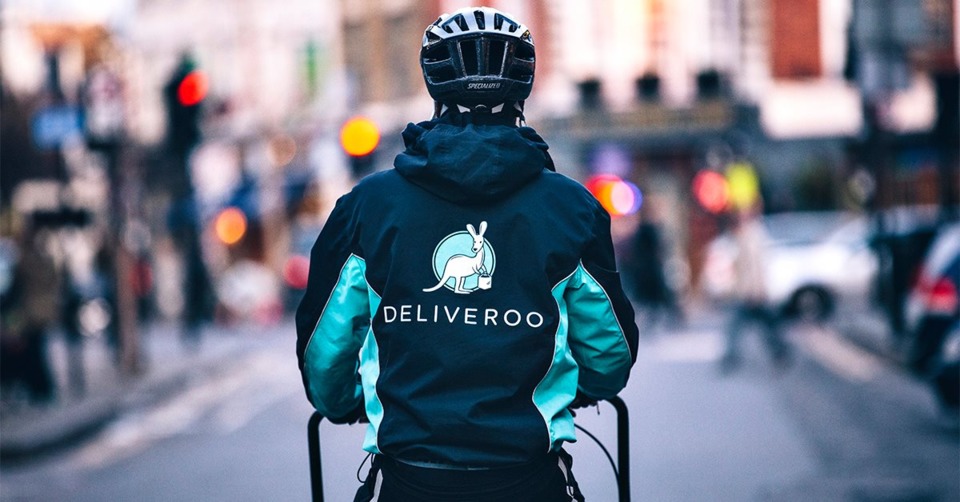
    Deliveroo Hong Kong today announces its partnership with 7-Eleven and Marks & Spencer to launch its first-ever on-demand grocery delivery service, allowing customers to access a variety of ready-to-eat meals and grocery products, which is especially important amidst the ongoing COVID-19 pandemic. Through Deliveroo’s partnership with the popular convenience chain and the British retailer, over 1,000 grocery products will be on offer, highlighting Deliveroo’s commitment to delivering great food to customers across the city.

    The new on-demand grocery delivery service will provide consumers with easier access to convenience store favourites such as on-the-go breakfast and lunch items, street-eat snacks like siu mai and dumplings, medicines, tissues, gum and mints, and a plethora of quick bites and beverages. Household essentials and fresh produce will also be on offer including fruit and vegetables, meat and seafood, eggs, milk and dairy, snacks and sweets, alcoholic and non-alcoholic beverages, as well as store cupboard essentials. With a fleet of over 7,000 riders in Hong Kong, Deliveroo is committed to delivering essential grocery items to people in as little as 30 minutes, ensuring that great food is never far away.

    Brian Lo, General Manager, of Deliveroo Hong Kong said, “Hong Kongers have grown accustomed to the convenience of ordering in and receiving takeout right to their doors given the volatility of the epidemic. At Deliveroo, we listen to our customers and pride ourselves on keeping up with consumer trends. The global pandemic has accelerated the importance of delivery services, and the need for at-home delivery services beyond takeaway food. We want to help Hong Kongers receive a variety of goods right to their doors and accommodate the shift in consumers’ needs;  that’s why we’re delighted to partner with 7-Eleven and Marks & Spencer to offer more great and delicious food to Hong Kongers all across the city.

    He added, “We are investing in building this proposition and we expect customer interactions on our platform to grow significantly with this new on-demand grocery offering. We look forward to adding more grocery partners in the coming months to offer consumers a wide range of items to make shopping from home more convenient and easy.”

    Accessing  7-Eleven tasty food anytime, anywhere

    Having your favourite snacks delivered to your door has never been easier. In the first phase of Deliveroo and 7-Eleven’s partnership, starting from October,  40 7-Eleven stores covering key areas within the city will be available for delivery in all of Deliveroo’s zones, offering approximately half of the store’s popular items. This is the first stage of a multi-phase partnership with further expansion expected.

    7-Eleven is the largest convenience store brand in Hong Kong, with Hong Kongers visiting the beloved shop frequently to buy their meals, snacks and pick up healthcare essentials whenever they have a sore stomach or head. With the help of Deliveroo, 7-Eleven will deliver ready-to-eat hot meals, snack items including cakes, crisps, coffee and milk tea, beer and spirits, and popular street-side snacks such as fish balls, udon noodles, rice dumplings and more. Some household items such as Panadol, Band-Aids, Kleenex and Dettol wipes will also be on offer.

    Alex Liu, Managing Director, 7-Eleven Hong Kong & Macau, said, “This is certainly an exciting initiative for us as it is our first time partnering with a food delivery platform. 7-Elevenis dedicated to offering a range of tasty ready-to-eat products under our own brand 7-SELECT and HOTSHOT. With over 970 stores across Hong Kong, customers can access delicious meals in a convenient way. We also continue bringing new and exclusive products to give excitement for our customers. Partnering with Deliveroo helps us to reach out to new customers and expand our customer base. With this partnership, we are extending convenience to another level, customers can enjoy our products anytime, anywhere.”

    In recognition of the grocery launch, 7-Eleven is offering delicious deals and savings of three HK$20 vouchers when new Deliveroo customers order HK$100 worth of items. Voucher codes can be found in the selected 7-Eleven stores.

    Providing Deliveroo customers more food options through Marks & Spencer partnership 

    From today customers can order an assortment of top-quality M&S food & drink products on-demand via Deliveroo, including top-selling wines, cheese and deli items, baked goods, fresh fruits and vegetables, ready meals, pet supplies, personal and household items as well as store cupboard essentials. Over 800 M&S grocery items are available via the Deliveroo app, meaning customers can find something for every mealtime.

    Customers can order a multitude of grocery items from 11 Marks & Spencer stores in different neighborhoods, such as Central, Kowloon Bay, Wan Chai and Tsim Sha Tsui.

    With over 30 years’ heritage in Hong Kong, M&S customers are known to be passionate about their food, which is why M&S have partnered with Deliveroo to help get customers the products they love as well as supporting those who currently aren’t able to visit stores easily. From M&S’ fresh Select Farms meat, dairy and produce to sweet treats and easy dinner ingredients, customers on Deliveroo can now browse and order their M&S favourites with just the click of a button – and all delivered to the doorstep by Deliveroo in as little as 30 minutes.

    In celebration of the launch, new Deliveroo customers can receive a welcome gift of two HK$50 coupons when they purchase HK$400 worth of groceries from Marks & Spencer on Deliveroo from 19 October till 19 November. Voucher codes can be found in selected M&S stores and on Deliveroo social channels. Additionally, one bottle of Prosecco will be up for grabs for new M&S customers via Deliveroo who spend HK$600 or more, while supplies last. Customers will need to add the free Prosecco item to their basket at Checkout.

  • Singapore Open to Virtual Shareholder Meetings

    Singapore Open to Virtual Shareholder Meetings

    Currently, companies are allowed to conduct their general meetings via alternate non-physical means until June 2021.

    The Monetary Authority of Singapore (MAS) and Singapore Exchange Regulation (SGX RegCo) are open to allowing hybrid or fully virtual shareholder meetings after social distancing measures are eased, post-Covid-19, if active participation can be ensured.

    The regulatory bodies are currently closely monitoring the experiences of issuers and investors during virtual meetings, Ong Chong Tee, MAS deputy managing director, said on Monday.

    What is important is that such new meeting formats should not compromise effective shareholder engagement, allow proper verification of attendees and voters, and facilitate accurate and secure voting processes, Ong said.

    Covid-19 safe distancing measures and travel restrictions have limited the conduct of physical meetings. In April, MAS, ACRA and MinLaw worked with SGX RegCo to fast-track legislation to provide legal certainty to listed issuers so that they may implement safe distancing measures imposed by the Ministry of Health and hold virtual general meetings.

    MAS also published a checklist of measures to ensure informed and effective participation, which include requirements for a live broadcast, proxy voting, allowing shareholders to ask questions and having them addressed ahead of the meeting.