Author: Mei Ling Tan

  • Singapore Economy Rebounds in Q3

    Singapore Economy Rebounds in Q3

    The improvement came on the back of the phased re-opening of the economy, following the «circuit breaker» that was implemented between April 7 and June 1, 2020.

    Singapore’s gross domestic product (GDP) in the third quarter of 2020 grew by 7.9 percent from the quarter before, based on advance estimates released by the Ministry of Trade and Industry (MTI) on Wednesday.

    On a year-on-year basis, the economy contracted by 7 percent, an improvement from the 13.3 percent contraction in the second quarter, which was its worst quarter on record.

    The ministry did not revise its full-year GDP outlook, which predicts an overall contraction of 5 to 7 percent.

    The construction sector grew 38.7 percent from the previous quarter but was still down 44.7 percent on-year. Weak external demand, travel restrictions, and sluggish travel demand contributed to the 8 percent on-quarter decline in services-producing industries – still an improvement from the previous quarter’s 13.6 percent decline.

    The manufacturing sector reversed its 0.8 percent on-year decline in the second quarter of 2020 to grow 2 percent in the third quarter. Quarter-on-quarter, the sector grew by 3.9 percent, supported by growth in electronics and precision engineering output, which were in turn driven by robust global demand for semiconductors and semiconductor manufacturing equipment, MTI said.

    On Monday, Ravi Menon, chief executive of the Monetary Authority of Singapore said that up to 20 percent of the city-state’s trade-reliant economy faces «deep scarring» as a result of the Covid-19 pandemic, highlighting the aviation and tourism industries in particular.

    The full extent of the crisis has not been seen yet, Menon said, noting that more bank loans and bankruptcies are expected, and that capital will be more difficult to raise in this environment.

    In a funny sort of way, the pandemic has made us all a lot more sensitive and aware of how vulnerable we are to the forces of nature, Menon said.

  • Chinese Regulators Add More Hiccups for Ant IPO

    Chinese Regulators Add More Hiccups for Ant IPO

    The much anticipated blockbuster listing of Chinese fintech giant Ant continues to face obstacles, this time from mainland regulators claiming a conflict of interest with its payment arm Alipay.

    The China Securities Regulatory Commission (CSRC) is looking into Alipay’s role over concerns of a potential conflict of interest, according to a «Reuters» report citing unnamed sources.

    Alipay was allegedly the only third party channel which allows access to the five Chinese mutual funds investing in the IPO.

    The efforts have proven effective as the channel has lured more than 10 million retail investors into the five mutual funds that were launched in late September, creating an alternative to traditional channels like banks and brokerage houses.

    According to the report, the probe is not expected to derail the IPO though it has delayed plans for its Shanghai listing already as Ant had hoped to obtain CSRC approval last month.

    And in Hong Kong, where Ant will conduct the other leg of its dual listing, progress was also slowed with original plans for a September 24 hearing with the local bourse’s listing committee and an official IPO after the Chinese National Day holiday that ended on October 8. Sources claim that Ant is aiming for a Hong Kong hearing in the coming days.

    Separately, Republican senator Marco Rubio called for the Trump administration to take a serious look at delaying Ant Group’s IPO, adding that it was outrageous that Wall Street is rewarding the Chinese Communist Party’s blatant crackdown on Hong Kong’s freedom and autonomy.

  • Vietnam Airlines losses soar as Covid-19 grounds flights

    Vietnam Airlines losses soar as Covid-19 grounds flights

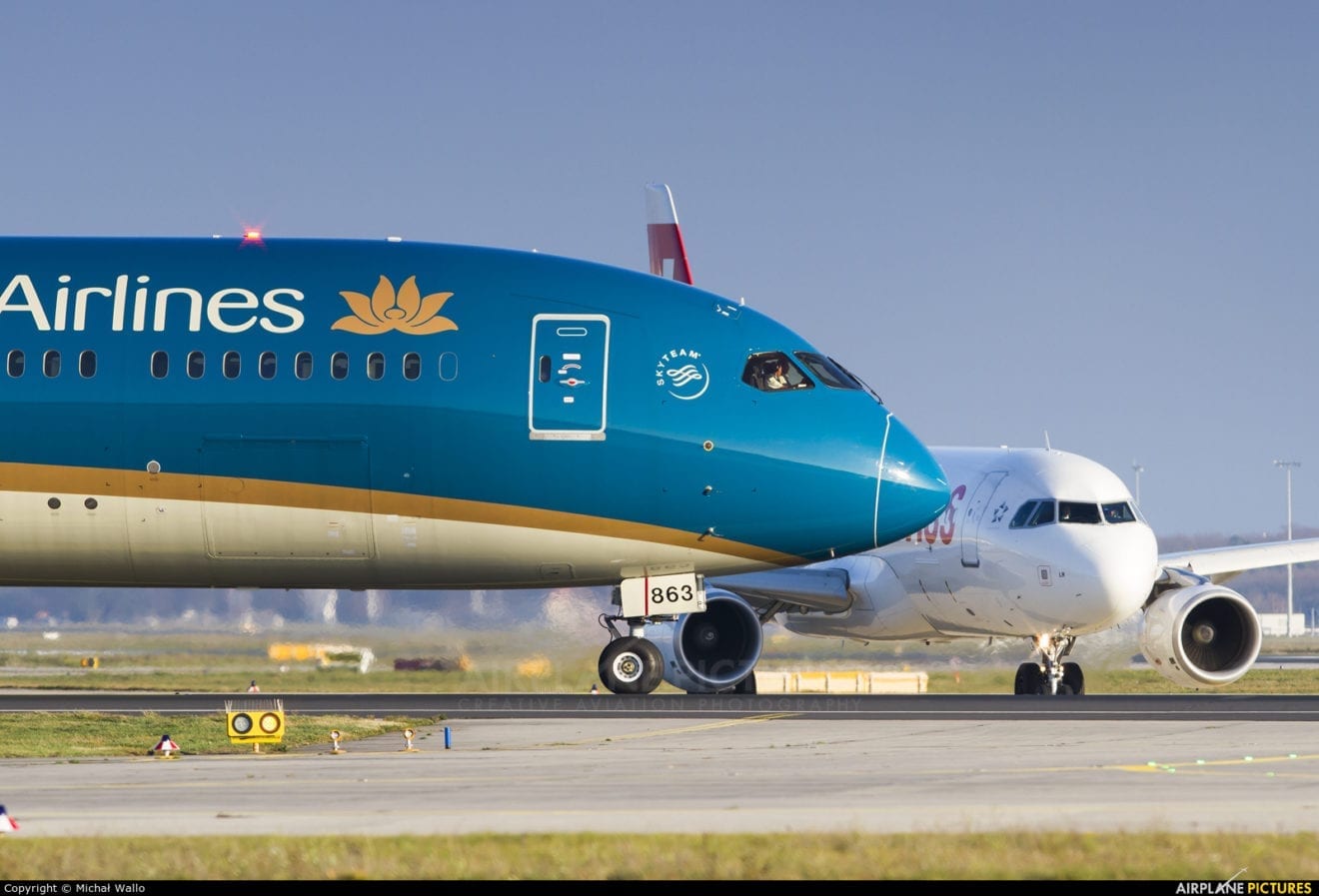
    Vietnam Airlines has reported losses of VND10.7 trillion ($464 million) in January-September, hit hard by Covid-19. The national flag carrier recorded revenues of VND23.9 trillion in the first nine months of this year, down 58.3 percent year-on-year, it said in a press release on Tuesday.

    During this period, the carrier transported 10.2 million passengers, down 41.2 percent from a year ago.

    The airline has blamed its loss on the pandemic’s impacts on the aviation industry. It said it has cut sales, financial and management expenses, reduced salaries of pilots and flight attendants as well as increased the operation of repatriation flights as part of efforts to reduce costs and boost incomes.

    The carrier’s third-quarter revenues fell 68 percent year-on-year after the second Covid-19 outbreak hit the country in late July, said Tran Thanh Hien, the airline’s chief accountant. The third quarter was usually the highest revenue earner of the year as summer travel peaked, Hien noted.

    The second outbreak forced Vietnam Airlines to cancel 22 new domestic routes during the peak period. So far, it has resumed 11 of these and is considering the viability of resuming the rest in the fourth quarter, always a low travel period.

    The national carrier currently operates more than 60 domestic routes with an average of 300 flights per day. It has resumed one-way flights to Japan and plans to reopen routes soon to mainland China, Taiwan, Laos, and Cambodia.

    As of last month, the airline said its cash reserves had gone down to just VND1.9 trillion.

    The airline has estimated this year’s total loss at around VND15.2 trillion on revenues of VND55.7 trillion.

  • Apple is giving away three free months of Arcade with the purchase of a 5G iPhone 12 handset

    Apple is giving away three free months of Arcade with the purchase of a 5G iPhone 12 handset

    Last year, Apple awarded those purchasing a new iPhone or another Apple product 12-free months of Apple TV+. And while that freebie continues to this day, starting on October 22nd anyone purchasing a new iPhone, iPad, Mac, iPod touch, or Apple TV gets three free months of Apple Arcade. With Arcade, subscribers get to play ad-free games and there are no in-app purchases. And you can start a game on your iPad and take it on the road with your iPhone seamlessly. In fact, you can switch among the aforementioned list of five Apple products and keep your place in a game that you’re currently playing.

    You can also download games to play regardless of whether you are online or offline. And if you’re a parent. you can use Screen Time to make sure that your kids aren’t spending the whole day playing games. After a one month free trial, Arcade costs $4.99 a month. So if you do buy a new Apple device, including one of the new iPhone 12 models, you are getting a bonus worth $14.97.

    Keep in mind that if you don’t cancel the free trial before it expires, you will be billed $4.99 a month. If you happen to enjoy more than one of Apple’s subscription services, you might want to sign up for Apple One. For $14.95 a month you save $6 per month on an Individual Apple One subscription which includes Apple Music, TV+, Arcade, and 50GB of iCloud storage. For $19.95 a month, the Family subscription of Apple One (which saves $8 per month) includes everything in the individual plan except with support for six subscribers and 200GB of iCloud storage. The Premier subscription is priced at $29.95 per month and saves subscribers $25 a month. It comes with Apple Music, TV+, Arcade, 2TB of iCloud storage, News+, and Fitness+ (which starts later this year). Apple One will launch later this year.

    While Apple is handing out nearly $15 in free Arcade subscriptions to those purchasing a device from the 5G iPhone 12 series, it is taking the charging adapter and the wired earpods out of the box. While the company spins this as a move to help cut carbon emissions, some see it as a move by Apple to save money and force customers to buy a new charging brick.

    Apple this fiscal year will hit the $50 billion revenue goal it has for its Services unit right on time. And it hopes to keep this part of its business surging by giving device buyers a little taste of some of the Services it is offering. The tech giant is hoping that its customers enjoy TV+ and Arcade so much over the trial period that they decide to subscribe once the trial period is over.

  • Auto sales rise to year high

    Auto sales rise to year high

    Auto sales climbed to 27,252 units in September, the highest monthly number this year, as Vietnam contained its second Covid-19 outbreak.

    It represented a 32 percent rise from August, when hundreds of new Covid-19 cases were diagnosed, according to a report by the Vietnam Automobile Manufacturers Association (VAMA).

    Passenger vehicles accounted for 75.7 percent of the sales, commercial vehicles for 23.5 percent, and special-purpose vehicles for the rest.

    However, sales in the first nine months fell 22 percent year-on-year to 179,155 units as social distancing was imposed in the second quarter due to the disease outbreak and incomes fell.

    Local brand Truong Hai Auto (Thaco) retained the top spot with a 34.6 percent share of the market through its sales fell 11 percent to 59,709 units.

    It was followed by Toyota with 41,109 units and Mitsubishi with 17,228 units, both representing double-digit declines too.

    Honda and Ford rounded off the top five.

    On June 28 the government cut first-time registration fees by half for locally made vehicles to foster sales amid the pandemic.

    The reduction will last through this year before returning to old levels on January 1, 2021.

    Auto sales had risen 11.7 percent to 322,322 units last year.

  • Rolls-Royce shuts Vietnam dealership

    Rolls-Royce shuts Vietnam dealership

    U.K. luxury car company Rolls-Royce has closed down its dealership in Vietnam and is looking for a new partner to replace it.

    The company said on Tuesday that the dealership, Regal Motor Cars in Hanoi, had not proven as effective as expected.

    However, servicing would remain unaffected for existing customers, with Regal continuing to provide it until the company appoints a new dealer.

    The dealership opened in 2014 with a showroom on Ly Thuong Kiet Street in downtown Hoan Kiem District, and a service center on Nguyen Van Linh Street, Long Bien District.

    But the focus was on servicing existing vehicles rather than selling large numbers immediately.

    There are several hundred Rolls-Royce cars currently in Vietnam, including its latest model, the Cullinan, which costs more than VND32 billion ($1.38 million) for the standard version.

    It is not known if the company is close to finding a new distributor.

    Rolls-Royce is a subsidiary of BMW, the German giant, though the two brands operate independently.

  • Honda To Introduce New 110 cc Motorcycle In India

    Honda To Introduce New 110 cc Motorcycle In India

    Honda Motorcycle and Scooter India (HMSI), one of India’s leading two-wheeler manufacturers, is getting ready to launch a new affordable motorcycle in the 110 cc category. Yadvinder Singh Guleria, Director, Sales and Marketing, HMSI, said that with the ongoing COVID-19 pandemic, a new customer has emerged who would like to shift from public transport to personal mobility. Keeping this new customer in mind, Honda Motorcycle and Scooter India is working on an affordable motorcycle which will cater to both urban and semi-urban geographies.

    “As we proceed towards Unlock 5.0, more and more people are focusing on personal mobility. Our market research shows there is a new customer who is not very comfortable at this stage of using public transport and would prefer an affordable two-wheeler. While we have launched the Hornet 2.0 and the H’Ness CB 350 in the premium segment, work is also on to introduce an affordable 110 cc motorcycle. At this stage, I can’t share a timeline on when we will introduce the product, but it will be introduced,” Guleria said during a one-on-one interaction.

    According to Guleria, almost 95 percent of Honda’s sales and distribution network is now operational. While September wholesale despatches of two-wheelers have been encouraging, he cautioned that the real picture of the industry will emerge from actual retail sales. At this point, he said, there’s still some pent-up demand for two-wheelers which is being met. Going forward, the festive season is expected to usher in some cheer to two-wheeler sales as well, but he cautioned that sustainable growth in the industry will depend on how the economy and the overall sentiment shape up in the months ahead.

  • H&M recycles old garments into new clothes

    H&M recycles old garments into new clothes

    Fast fashion chain H&M wants to turn discarded clothes into something new to wear again — within five hours. The Sweden-based retailer is about to start giving consumers at its Stockholm store the option to turn in used garments that it will then transform into one of three different clothing items.

    Once the program begins Monday, customers will be able to bring in a garment they don’t want, which will be cleaned and put into a machine called Looop. The machine will disassemble it, shredding it into fibers that are then used to create new clothing. The effort comes amid a rising volume of global clothing waste and growing concern over fast fashion’s contribution to it.

    H&M is unveiling a garment-to-garment recycling system called Looop at its store in Stockholm. The company said the recycling process, which can handle more than one garment at a time, doesn’t use water or chemicals and sometimes might need “sustainably sourced” raw materials added in, but it hopes to make “this share as small as possible.”

    The entire process takes about five hours and is visible to shoppers. For now, customers can choose one of three items to be made — a sweater, a baby blanket or a scarf for a fee of $11 to $16.

    “We are looking to expand the range available as we get to know Looop better,” the company said in an email.

    The Looop machine dissembles old clothing, shreds it, turns it into yarn, which then is used to make new clothing. H&M said the system is currently only available in Sweden, where H&M is based. It declined to reveal what future plans it may have to expand Looop, if any. While the Looop system could help spread awareness about clothing waste and recycling, for now, it lacks the scale to make any widespread impact on the volume of clothing waste generated annually.

    According to the Environmental Protection Agency’s website, 16.9 million tons of textile waste was generated in the United States in 2017, the latest data available. The recycling rate was just 15.2 percent, with 2.6 million tons recycled.

    “Fast fashion has had an impact on this because so much of the clothing is not well constructed or made with synthetic materials that can’t be easily recycled,” said Jackie King, executive director of the Secondary Materials and Recycled Textiles Association, a trade group for the textile recycling industry.

    H&M and other fast fashion sellers like Zara have taken some steps to curtail textile waste.

    In 2013, H&M launched a global garment collecting program in all of its stores and has set a goal of having all clothing sold in its stores be made from recycled or sustainably sourced materials by 2030. That figure currently stands at 57%, according to the company.

    Similarly, customers can drop off used clothing, footwear and accessories in more than 1,300 Zara stores. Last year, Zara announced that all of the cotton, linen and polyester used by the company will be organic, sustainably sourced or recycled by 2025.

    “One of the biggest drivers of clothing overconsumption are fast-fashion sellers,” said Deborah Drew, analyst and social impact lead with the global research non-profit World Resources Institute. “Large companies like H&M and Zara can have a really big, transformational impact on the industry and on consumers if they lead the way in facilitating change.”

  • EY casts doubt over Parkson Retail’s ability to trade

    EY casts doubt over Parkson Retail’s ability to trade

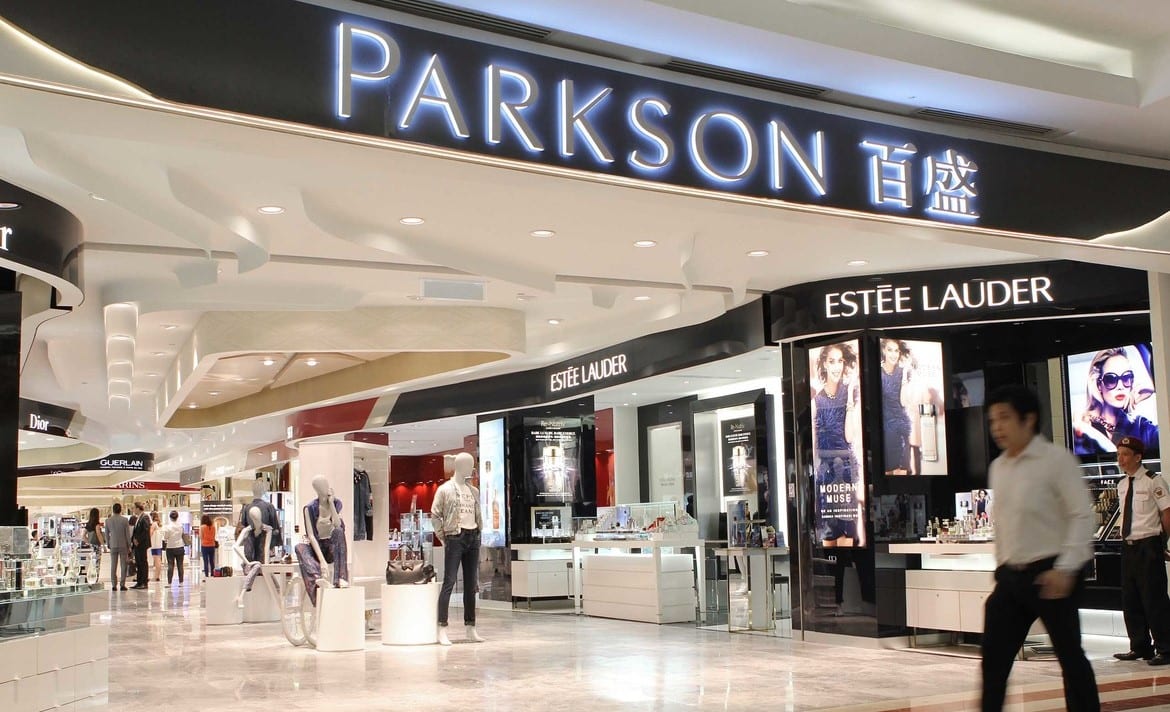
    Parkson Retail Asia’s auditor has flagged the department store operator’s ability to continue as a going concern, given that its total liabilities exceeded total assets by about S$66 million.

    In its report for the audited financial statements for the year ended June 30, the auditor Ernst & Young (EY) highlighted as an emphasis of matter that the group incurred a net loss of about S$85 million, current liabilities exceeded its current assets by S$117.4 million, and total liabilities exceeded total assets by S$66 million as at the financial year-end.

    These conditions indicate the existence of a material uncertainty that may cast significant doubt about the group’s ability to continue as a going concern, Parkson Retail Asia reported in a regulatory filing on Monday.

    EY, however, did not qualify its opinion.

    Parkson Retail Asia said its operations were significantly impacted by movement restrictions and store closure caused by the pandemic in its key markets.

    The ability of the group to continue as a going concern is dependent on it generating sufficient cash flows from operations to meet working capital needs and continued support from its suppliers and creditors, Parkson Retail Asia said.

    But its board said the auditor’s report for the preceding financial year had also included a similar emphasis of matter.

    The counter ended flat at 1.4 Singapore cents on Monday, and it is still under watch-list by the bourse operator.

  • Japan’s first gourmet restaurant delivery app lifts off

    Japan’s first gourmet restaurant delivery app lifts off

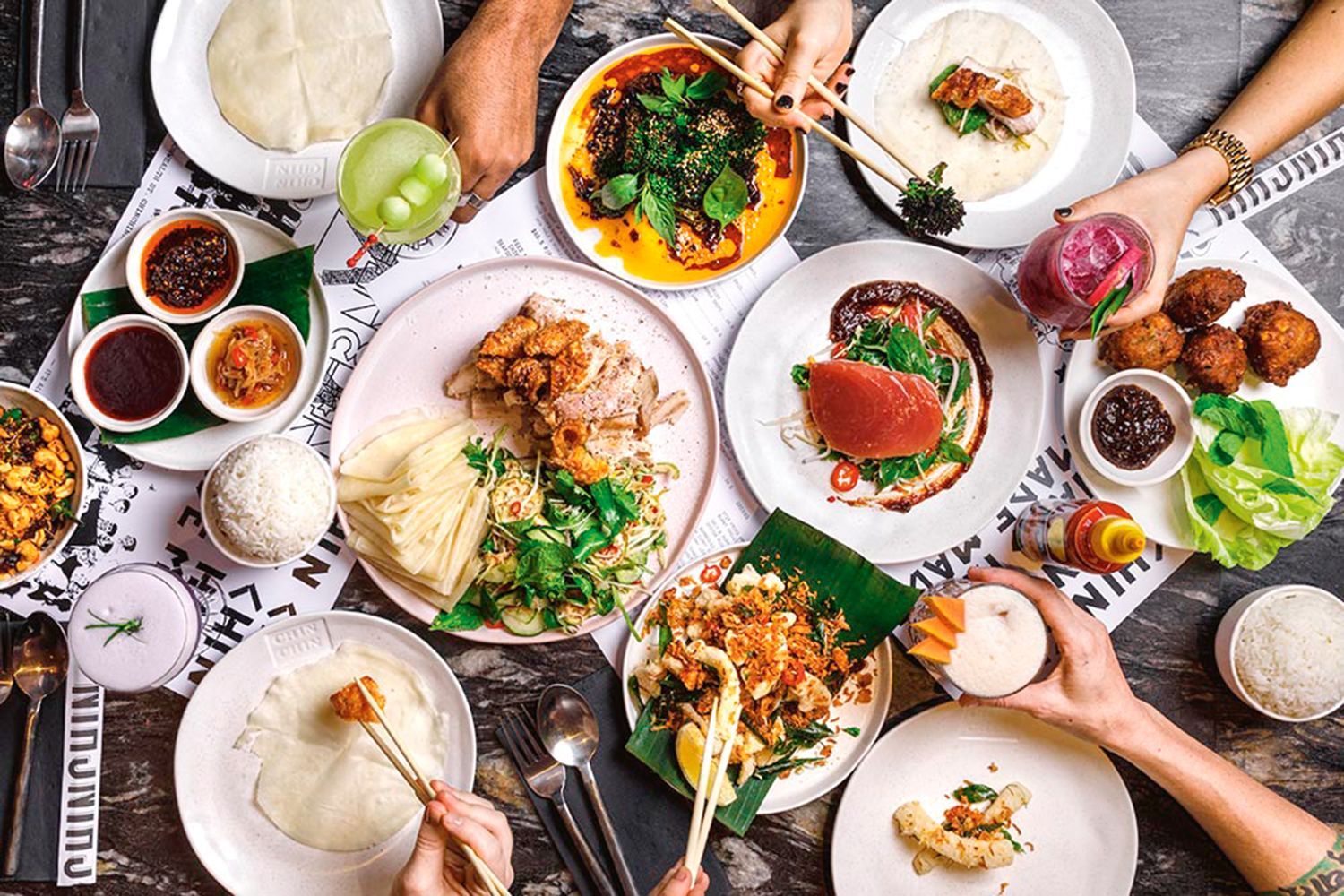
    Starting today, Tokyo foodies will no longer have to compromise when they order food for delivery. Japan’s first gourmet restaurant delivery app, Food-e, launches today in central Tokyo. With a curated collection of Tokyo’s best restaurants, exclusively available on Food-e, such as Nobu Tokyo, Elio Locanda, Oak Door, Shunbou and Chinaroom, consumers and companies can order great food, professionally delivered to their homes, offices or other locations of their choice.

    Users can access the app at www.food-e.jp from a browser on their smartphones, tablets or PCs and make their selections from menus of mouth-watering professional photos. The food will be delivered in high-quality packaging, with hot and cold items separated to control temperature. Food-e’s drivers are uniformed and insured, full-time professionals, expert in Tokyo’s roads, who will delicately handle the food to your door. Food-e is also the first delivery app offering bilingual customer service to both restaurants and users.

    For restaurants owners, Food-e has changed the traditional business model of delivery apps by charging users a fair fee for delivery and significantly lowering the commissions paid by restaurants. This allows restaurants to make a fair profit on delivery orders while gaining new customers for in-store dining.

    For users, Food-e offers a choice of great restaurants, most of which have never been available for delivery before, at prices generally the same as in-store dining. All of Food-e’s restaurants are not available on any other delivery app.

    Initially, Food-e’s delivery area is a 5km radius from Nishi Azabu, which includes parts of Minato, Chuo, Chiyoda, Shibuya, Meguro and Shinjuku wards. In the near future, Food-e will expand to other parts of Tokyo and eventually to other major cities in Japan.

    Following the official launch today, Food-e will regularly add new restaurants, offering users high quality and an increasing variety of cuisines.

  • Manhattan Associates rolls out new eCommerce solution for global clothing company during COVID-19 lockdown

    Manhattan Associates rolls out new eCommerce solution for global clothing company during COVID-19 lockdown

    As COVID-19 swept its way across the globe, and many countries were forced into lockdown, businesses that were undergoing large-scale projects were subject to the challenge of no longer being able to operate under usual conditions. However, despite being caught in the grips of a global pandemic, Manhattan Associates’ was able to deliver its (WMS) remotely under COVID-19 lockdown to a global clothing designer and manufacturer.

    Many retailers across the Asia-Pacific region have experienced a huge spike in online orders during the COVID-19 period, which has stretched processes, technologies, and people. This has led to an increased focus on how to better manage eCommerce orders and the need for solutions to support the smooth flow of online goods to customers.

    Retailers today need warehouse systems that have the flexibility and agility necessary to adapt and grow alongside their business. However, the added challenge of how to deploy such solutions in a time when the movement and availability of technical experts is limited due to COVID-19 travel restrictions and lockdowns, is significant.

    In lieu of the usual in person deployment processes, Manhattan Associates can successfully design, implement, and deploy Warehouse Management System’s (WMS) remotely.

    “The ever-changing nature of eCommerce and consumer demands means that businesses can’t wait to improve their processes. Businesses need to constantly innovate to meet customer demands and COVID-19 lockdowns won’t stop this. Retailers must have agility and scalability built into their systems in order to seize new opportunities while still maintaining operational efficiencies. This is something our WMS works to achieve by being designed to meet consumer demands now and into the future,” said Richard Wright, Managing Director, SEA, at Manhattan Associates.

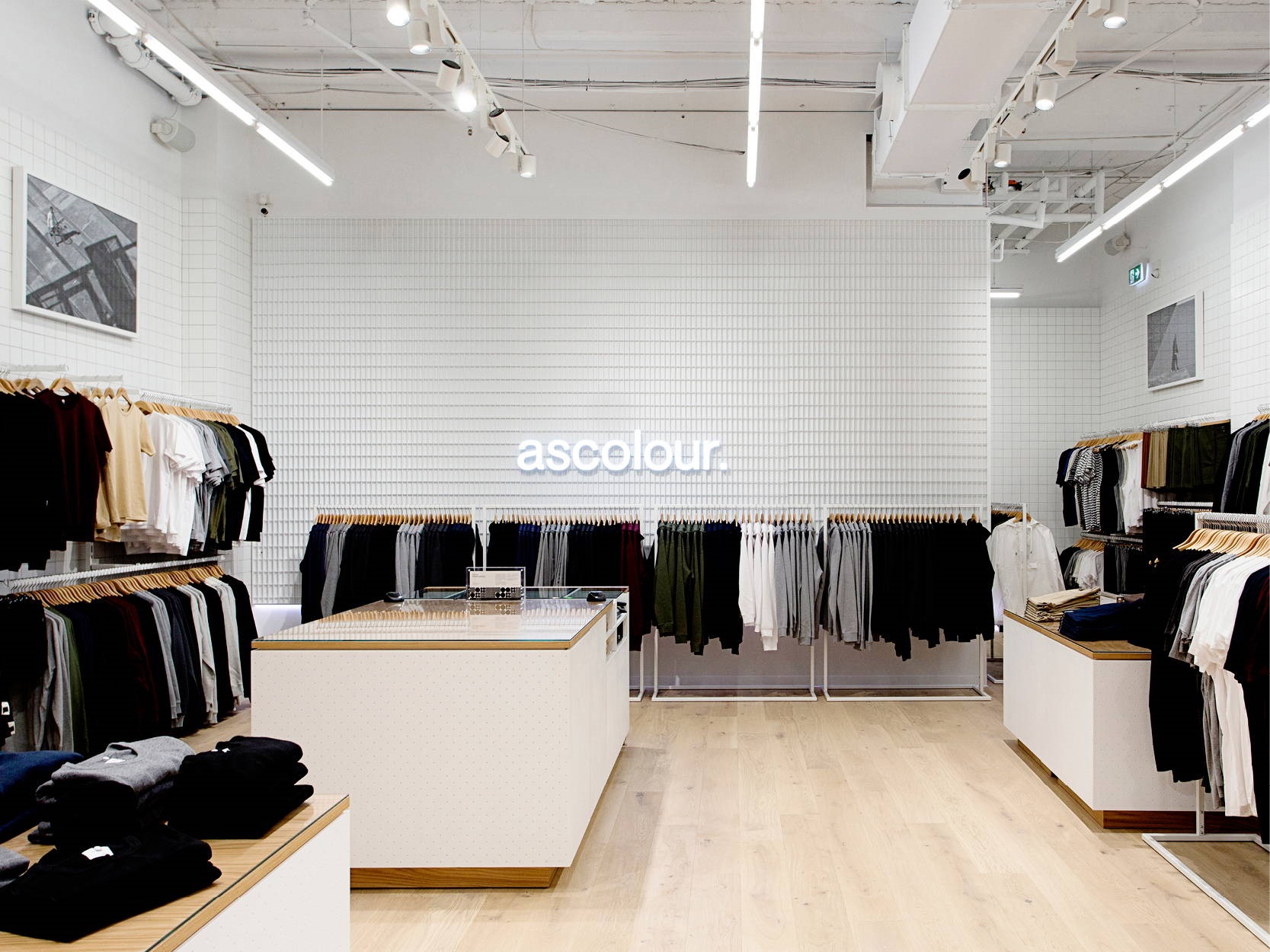
    Lawrence Railton, Managing Director and Founder of global clothing brand, AS Colour, found that after the company was forced into COVID-19 lockdown, more people were heading for the eCommerce space to buy goods, which increased the need to improve their warehouse operations, even if having a technical expert on-the-ground to deploy new technology was not possible.

    “With many lines of distribution brought to a halt in New Zealand, we saw an overflow of orders once restrictions eased, which put a lot of pressure on our DC to catch up,” said Lawrence. “This fluctuation in eCommerce demand is exactly the type of situation that drew us to implement Manhattan’s WMS technology in the first place, as it would prepare us for any future shifts in the market.”

    “When rolling out the new system, we really had to use remote working to our advantage, which in the end allowed us to launch the new system two weeks ahead of schedule and save plenty of money on travel and overheads in the process. Even under remote conditions, Manhattan’s expertise, motivation, and ongoing support ensured that the project was running smoothly, and that any issues were resolved quickly and efficiently,” added Lawrence.

    To hear more, Manhattan Associates will be hosting an APAC Virtual Summit from October 27-30. To register, go to: Manhattan Associates APAC Virtual Summit.


  • Carmaker Hyundai launches fashion collection from up-cycled waste

    Carmaker Hyundai launches fashion collection from up-cycled waste

    Hyundai Motor has announced the launch of its sustainable fashion collection – Re:Style 2020 – created by upcycling discarded automotive waste materials from manufacturing and scrapping processes.

    The company says it has taken a creative approach to sustainable fashion by converting auto waste into marketable products in collaboration with artists – Alighieri, E.L.V. DENIM, Public School, pushBUTTON, Richard Quinn, and Rosie Assoulin.

    The eco-friendly fashion collection features a variety of products such as jewelry, jumpsuits, working vests, bags, and various other clothing. For example, Alighieri created a collection of necklaces, chokers, and bracelets with repurposed car seatbelts, car glass, and foam materials. A work vest with pockets has been made using airbag materials by pushBUTTON. The collection also includes a tote bag made of seatbelt webbings, carpet fabrics, and foam, designed by Rosie Assoulin.

    The idea behind Hyundai’s ‘Re:Style 2020’ has been to make use of waste materials from the auto scrapping process that ultimately ends up in landfills. Though materials such as iron and nonferrous metals are currently recycled as part of the scrapping process, some other materials such as leather, glass, and airbags cannot be. It was these leftovers that were sent to the collaborative partners of the fashion collection.

    The sales of sustainable fashion products will begin on October 13 at London’s Selfridges pop-up store and Selfridges online store. Proceeds from the sales will go towards the British Fashion Council’s Institute of Positive Fashion.

    Hyundai says that by demonstrating that discarded resources can be reimagined into valuable products, the company aims to encourage other industries to see waste as a recreative opportunity. “(And) work collaboratively toward an environmentally accountable and economically efficient future,” says Wonhong Cho, Executive Vice President and Global Chief Marketing Officer of Hyundai Motor Company.

  • StanChart Eyes Mainland Brokerage Business

    StanChart Eyes Mainland Brokerage Business

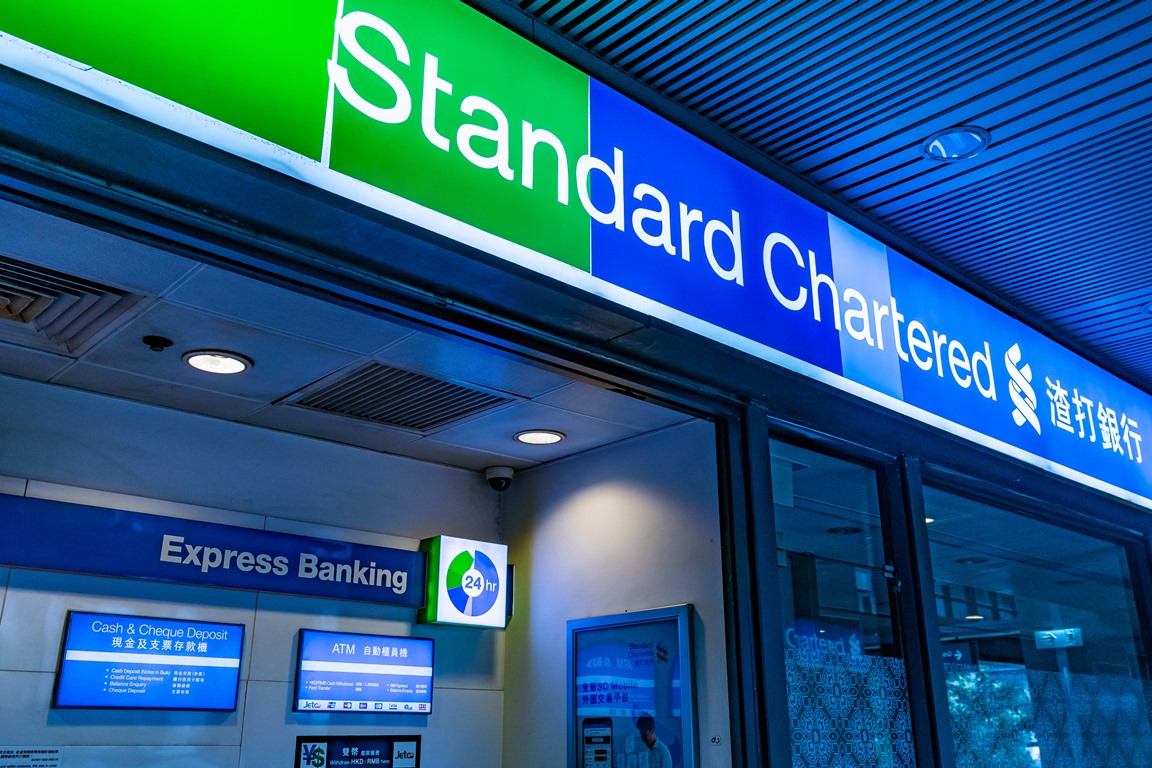
    Standard Chartered is reportedly applying for a brokerage license in China, joining its peers in the wave of foreign entry into the mainland market.

    Mainland’s securities watchdog, the China Securities Regulatory Commission (CSRC), has accepted an application from Standard Chartered Hong Kong on October 10 to set up a securities firm in the market, according to a report from state-owned media Xinhua.

    According to Standard Chartered, the bank was looking to further develop onshore business through acquiring new licenses.

    Since Beijing made good on a trade deal signed with the U.S. to scrap foreign ownership caps on securities and mutual fund firms, foreign financial institutions from the U.S., Europe, Japan and Singapore have been rapidly seeking to establish a presence to capitalize on new opportunities. Within brokerage, Japan’s SBI was the most recent to express greater interest in the mainland’s sub-sector due in part to growing political instability in Hong Kong.

  • Largest solar plant in Southeast Asia begins operating in Vietnam

    Largest solar plant in Southeast Asia begins operating in Vietnam

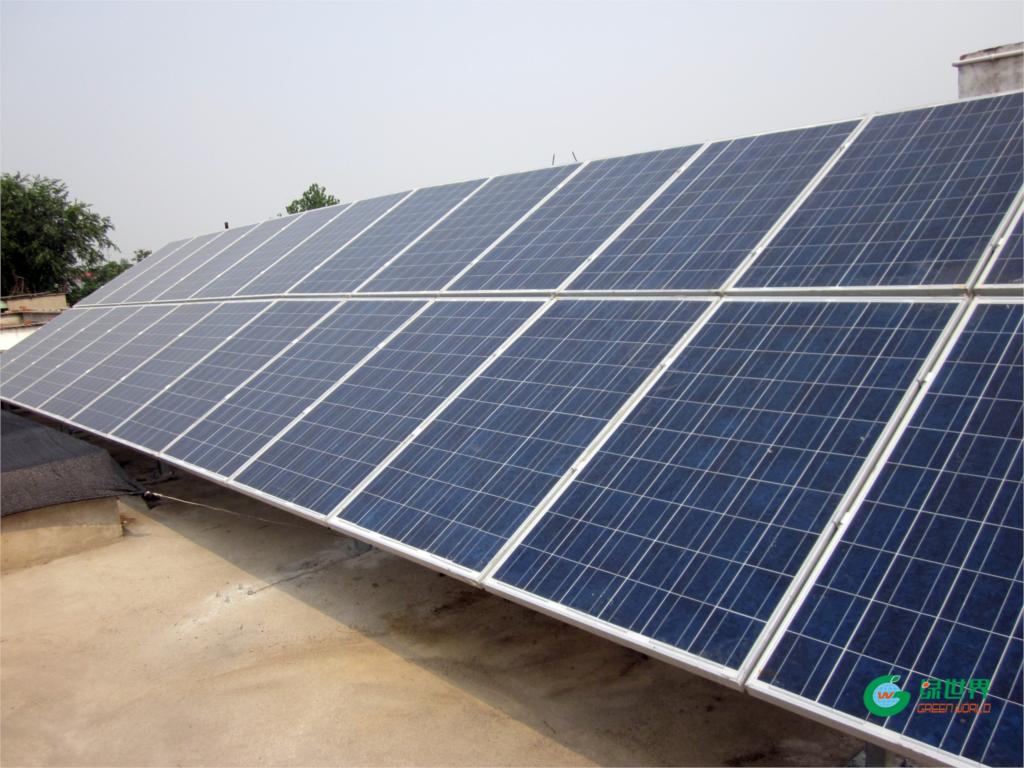
    The largest solar farm in Southeast Asia has been commissioned in Vietnam’s central province of Ninh Thuan.

    The 450 megawatt Trung Nam Thuan Nam Solar Power Plant, which spreads over an area of nearly 560 hectares in Thuan Nam District, went on stream on Monday evening, 102 days after construction began in mid-May.

    Built by Ho Chi Minh City-based energy firm Trungnam Group at a cost of VND12 trillion ($518 million), it has a plant that can produce over one billion kilowatt-hours of electricity a year and a 17-kilometer transmission line to connect it with the grid.

    This is the first time a private company has been allowed to install a transmission line, a preserve thus far of state-owned utility Vietnam Electricity (EVN).

    Laying transmission lines has become a critical task since the rising number of renewable energy plants is overloading existing ones.

    Trungnam has added a total of 1,064 megawatts capacity to the national grid comprising of hydropower and solar and wind power. It plans to have a renewable output of nearly 10,000 MW by 2027.

    There are over 100 solar power plants operating in the country with a total capacity of over 6,300 MWp.

    The Ministry of Industry and Trade is drafting a national power development plan for the next decade with a 80 GW addition to the generation capacity of which 37.5 percent will come from wind and solar power.

    Vietnam needs over $133 billion over the next decade for building new power plants and expanding the grid to fully meet its surging demand for electricity.

  • Samsung Galaxy S20 FE owners are reporting touchscreen issues

    Samsung Galaxy S20 FE owners are reporting touchscreen issues

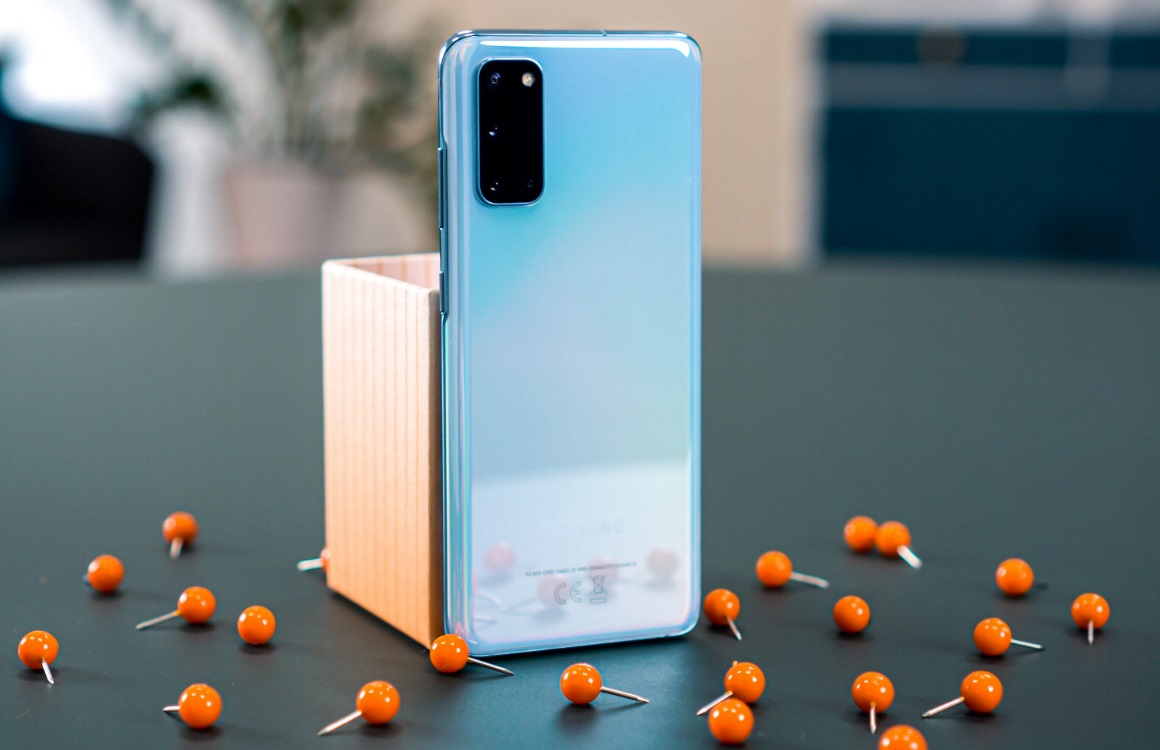
    Samsung recently launched the Galaxy S20 FE – a watered-down version of the Galaxy S20.  The phone sports a 6.5-inch display with a 120Hz refresh rate and it is powered by the Snapdragon 865. It features a triple camera system with a 12MP primary sensor, a 12MP ultrawide unit, and an 8MP telephoto module, and packs a 4,500mAh battery. The handset starts at $699, which makes it much more attractive than the Galaxy S20 which costs $999 in its entry-level configuration. Unfortunately, it seems to have a glaring flaw.

    Many Galaxy S20 FE owners have taken to Reddit and Samsung’s Community Forums to report issues related to the display. The problems differ from person to person but the common theme is that the touch responsiveness is glitchy, as a result of which sometimes the phone takes too long to recognize inputs or it responds to them erroneously. Other times, it ignores touches and swipes altogether or registers ghost touches.

    It is currently not known how widespread the problem is and whether it’s related to the hardware or software, although the latter seems more likely as a factory reset and software update resolved the issue for some people.

    Either way, it’s not a good look for Samsung. The Galaxy S20 FE was launched as a response to lower-than-expected sales of the Galaxy S20 series. It was released only recently and opened mostly to great reviews.