Author: Mei Ling Tan

  • K11 Musea launches global fashion showcase K11 Antonia

    K11 Musea launches global fashion showcase K11 Antonia

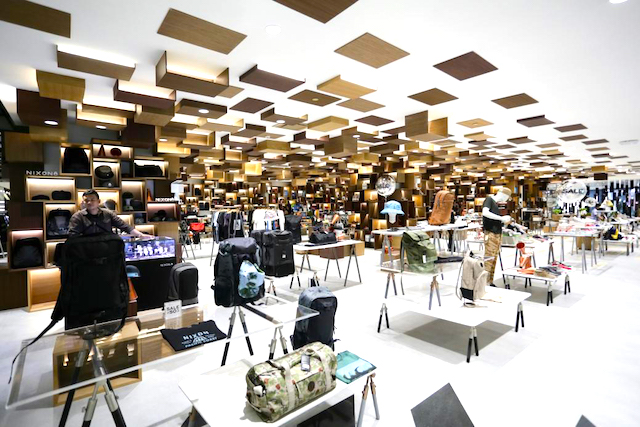
    Hong Kong cultural-retail hub K11 Musea’s fashion destination Muse Edition has launched a multi-brand flagship, K11 Antonia.

    The fashion center (situated on the site of the former New World Centre) is collaborating with influential fashion-forward style maker Antonia Giacinti in hosting the more than 5700sqft space, now featuring around 50 curated spring/summer looks. It will debut both co-founders Antonia Giacinti’s & Maurizio Purificato’s hand-picked selection and a signature blend of high fashion, streetwear and ready-to-wear brands.

    “Hong Kong is a global fashion Hub,” said Giacinti. “We have always thought of Hong Kong as the most interesting international city to open a new Antonia location… With the launch of K11 Antonia today, it marks our shared vision in which together we nurture different forms of fashion cultures and dialogues from around the world.

    “Through K11 Musea, we believe this global fashion venture will further enrich our consumers’ cultural-retail experience in the world of fashion. We are certain that it will be a success.”

    K11 Antonia will retail a broad range of brands, including Bottega Veneta, Burberry, Chloe, Miu Miu, Jacquemus, Balmain, Alessandra Rich, The Attico, Alanui, Ambush, Kolor and White Mountaineering.

    The interiors of the store’s three distinct retail spaces are designed by Italian architect Vincenzo de Cotiis, and feature mirrors, smokey glass and rustic-stained glass, steel, brass and marble with gold, gray, beige and blurred-pink tones.
  • South Korean department stores restore sales campaigns

    South Korean department stores restore sales campaigns

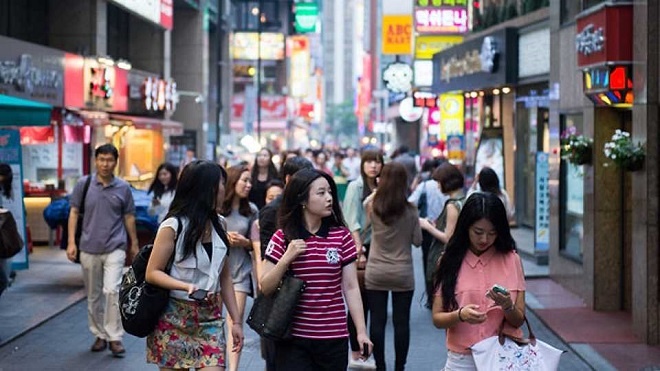
    South Korean department stores will no longer postpone their sales programs due to the coronavirus pandemic.

    In a move analysts say is aimed at restoring turnover as the coronavirus essentially comes under control in the country, stores are looking to restore volumes which plunged last month.

    Top department stores are under pressure to clear seasonal stock after drops of 10 and 20 percent in year-on-year sales in February and March respectively.

    “The most important thing is when the new coronavirus will die out here,” Eugene Investment analyst Joo Young-hoon told the Korea Times. “As soon as Korea overcomes it, the sales of department stores here will rebound faster than that of any other sectors,” he said.

    South Korean department stores are expected to resume their expected sales events over the coming fortnight, after delays in the midst of the coronavirus outbreak and called to implement social distancing.

    The stores are running various promotional programs to attract customers while at the same time attempting to spread out visits to prevent crowds and the risk of viral transmission.

    Industry analysts have predicted a strong bounce-back in the region’s retail sector once the pandemic recedes.

    Meanwhile, in Japan, department store operators have reported their worst year-on-year sales declines on record.

    J.Front Retailing said sales at its Daimaru Matsuzakaya department store chain fell by 43 percent last month, while rival Takashimaya reported a 36-per-cent fall.

  • Don Don Donki opens second store in Thailand

    Don Don Donki opens second store in Thailand

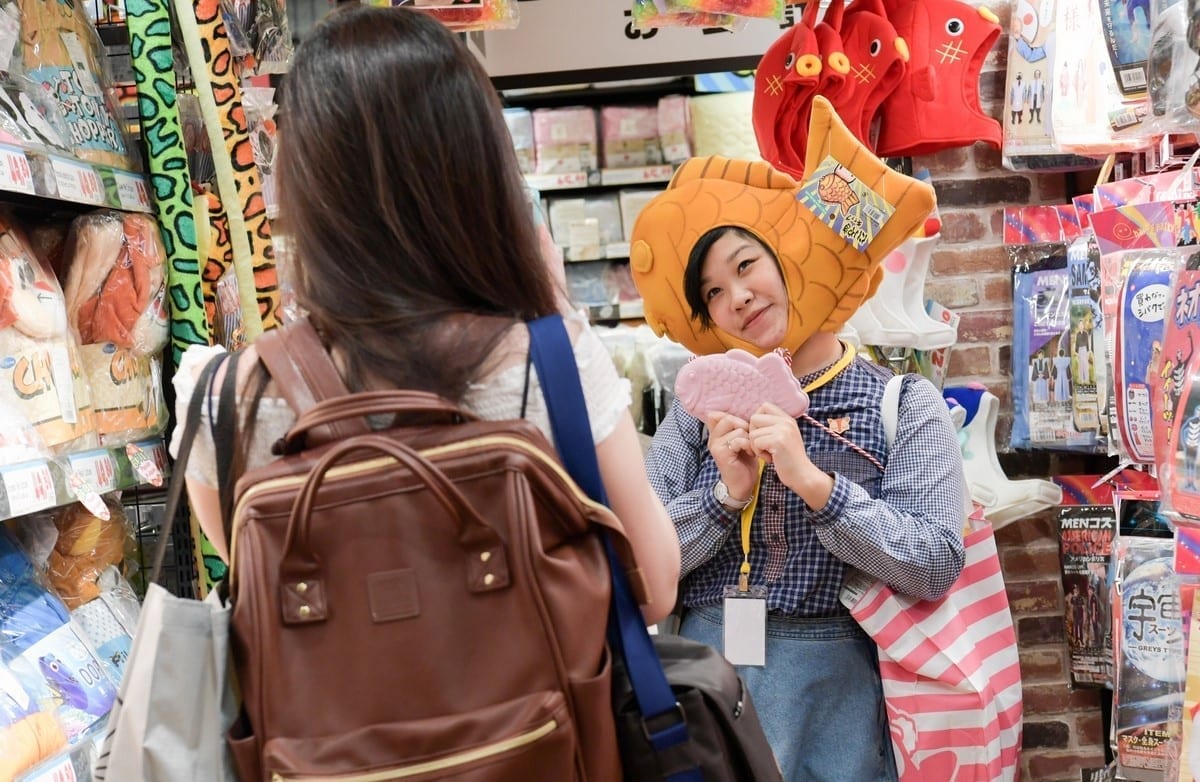
    Amidst the Covid-19 outbreak, Japanese discount-variety store Don Don Donki has continued ahead with the opening of its latest branch in Bangkok, Thailand as part of its international expansion.

    The Japanese retailer, known at home as Don Quixote, entered Thailand in February last year, opening a Donki Mall in the expatriate haven of Thonglor.

    The new store, located at The Market mall, will retail more than 130,000 items including fresh groceries and daily necessities.

    The new branch also features its private-label Jonetsu Kakaku with an in-store dining space. However, in the short term, the branch will provide only take-away services for cooked food due to the coronavirus pandemic and government limits on cafe operations. To further adjust to the current situation, the retailer will limit the number of store entrances and exits and will control the flow of customers into the store. The temperatures of staff and customers will be checked at numerous touchpoints around the store and baskets and cashier counters will be sterilized frequently.

    Chairman Shimanuki Yosuke says the company had imported large stocks of products in advance of the opening, and before the coronavirus pandemic broke out.

    Meanwhile, in Hong Kong, the daily customer count of the company’s stores there tripled during recent weeks as locals stocked up on imported goods, unable to travel abroad.

    There are widespread rumors that Don Don Donki is about to open its fifth outlet in the territory, at Central. The news leaked out during rental leasing negotiations for nearby properties.

    Local media is reporting that the retailer has its eye on two-storey premises at 100 Queen’s Road Central, spanning 17,800sqft. Earlier reports had the company opening more stores at Tseung Kwan O and Causeway Bay, to complement its flagships in Tsim Tsa Tsui and Tsuen Wan.

  • Huawei CEO would like Google to submit its apps on Huawei’s AppGallery store

    Huawei CEO would like Google to submit its apps on Huawei’s AppGallery store

    Huawei just released its new flagship line, the P40 series, and with it promised some appealing camera-related features for smartphone photography. Unfortunately for Huawei though, last year, the US government added the China-based company to a trade blacklist, making the company unable to do business with American companies and therefore, there are no Google apps on its new flagship devices.

    However, Huawei’s CEO, Eric Xu, stated that the company hopes Google’s apps would be available in the AppGallery Store, Huawei’s version of the Google Play Store. He compared it with the case of Apple’s App Store, where Google submits its apps for Apple’s approval. If Google submits its apps on the AppGallery, this could make them available for download on Huawei smartphones.

    Although the lack of Google apps on Huawei smartphones might not be a problem for the company’s home market, given the fact that Google apps are prohibited in China, this seems like a big minus for international customers. Eric Xu said that the blacklist caused Huawei a $10 billion benefit shortfall for 2019, meaning the company’s revenue was $10 billion lower than its target.

    Last month, Google submitted a request for permission to work with Huawei, but it can take quite some time for such procedures to be completed, even if the US government was to approve Google’s request. For now, there is no prospect that Google’s apps will come pre-installed on Huawei smartphones in the near future.

  • HSBC, StanChart to Scrap Dividends on BOE Orders

    HSBC, StanChart to Scrap Dividends on BOE Orders

    Recession fears drove the Bank of England to call the U.K.’s largest banks, including HSBC and Standard Chartered, to scrap dividends and share buybacks.

    Alongside Lloyds, Royal Bank of Scotland and Barclays, the two largest British lenders in Asia made statements to temporarily halt shareholder payouts and share buybacks for 2019 and throughout 2020 following discussion with the Bank of England. The five largest banks in the U.K. had originally planned for 7.4 billion pounds ($9.3 billion) in dividend payments over the next two months.

    In addition, the BoE also ordered banks to scrap cash bonuses to prepare for a likely recession.

    The PRA also expects banks not to pay any cash bonuses to senior staff, including all material risk-takers, and is confident that bank boards are already considering and will take any appropriate further actions with regards remuneration over coming months, said the BoE’s head of prudential regulation authority Sam Woods in a statement.

    Whilst workers will undoubtedly feel the brunt of the economic malaise, numerous efforts are being made to shift some of the burden to others including corporates and their shareholders.

    In addition to dividend cuts, banks have also committed to retaining jobs with HSBC, as well as a raft of global banking giants, recently announcing temporary halts to job cutting. The measures will retain costs that were due for unloading and over 60,000 jobs.

  • Hyundai’s Global Sales Drops By 21% In March As Coronavirus Hits Demand

    Hyundai’s Global Sales Drops By 21% In March As Coronavirus Hits Demand

    Global sales for Hyundai Motor Co tumbled 21% in March to an 11 year-low for the month as the coronavirus pandemic batters demand and forced several of its overseas plants to suspend production.

    The South Korean automaker reported provisional global sales of 308,503 vehicles for March.

    The top automotive news of the day – Hyundai has launched the 2020 Verna in India. Royal Enfield Meteor 350 spied. Mahindra to manufacture face shield for medical personnel.

    Hyundai Motor closed its Montgomery, Alabama, assembly plant last month after an employee there tested positive for the disease, and also suspended production at plants in the Czech Republic and India over the virus.

    Plants in South Korea are, however, running at close to full capacity.

    Credit ratings agency Moody’s Investors Service said in a report last month it expects global sales for the auto industry to slide 14% this year. It placed the ratings of Hyundai and its affiliate Kia Motors Corp on review for a possible downgrade.

  • Citi Extends Relief Payouts to Hong Kong

    Citi Extends Relief Payouts to Hong Kong

    Lower-income staff at Citi will receive payouts in line with chief executive Michael Corbat’s call to extend global support during the crisis.

    Hong Kong-based employees with an annual base salary of HK$470,000 (US$60,622) or less will receive a one-time payment of HK$8,000 ($1,032). This follows the bank’s announcement last week to provide economic support to 75,000 staff globally including $1,000 to each worker in the U.S. with an annual salary of $60,000 or below.

    This initiative is for colleagues who are more likely to face economic hardship in the current situation,» said Angel Ng Yin-yee, Hong Kong and Macau chief executive at Citi, in a statement. «We hope that our support will help lighten their load as they cope with other challenges and family priorities during this time.»

    Citi also made a similar announcement in Singapore, highlighting relief measures to support retail and institutional clients such as interest and fees waivers, tenure extensions, alternative settlement arrangements, and loan payment reduction programs. And in support of the Singapore government’s latest financial relief program, Citi will also offer clients the option to convert outstanding unsecured balances from their Citi credit cards into low-cost term loans.

    «We recognize the financial stress to our clients as a result of the COVID-19 situation,» said Amol Gupte, ASEAN head and Singapore country officer at Citi, expressing support for clients and the city-state’s government.

    For the time being, global banks continue to demonstrate support for the global economy, especially the economically vulnerable, amidst a persistent coronavirus pandemic. In addition to payouts or loan-related relief, the industry has committed to temporary job cut halts, dividend cancellations and even free online classes for homebound children.

  • Apple Store workers are being asked to work from home

    Apple Store workers are being asked to work from home

    Last month, a leaked internal memo revealed that Apple plans on reopening on a staggered basis, the 458 retail stores it owns outside of China. Apple hoped to start opening these locations during the first two weeks of this month, although whether this happens remains to be seen. In China, the company has reopened all 42 Apple Store locations as the country claims to be on the mend.

    While the Apple employees that man the 458 closed stores are stuck at home, Bloomberg reports that the company is asking some of them to work from home answering technical support questions as part of the AppleCare team. Those who want to participate must set up a workspace in a quiet room in their home with the ability to accommodate the 27-inch Mac that Apple will send to workers. These makeshift workspaces also must have a strong internet connection, and the employees need to go through a two-week virtual training course.

    The report notes that Apple Store employees were sent forms to fill out in order to apply for the technical support jobs. Those who aren’t interested in answering these calls from home are asked to explain why. Despite this, Apple claims that the program is not mandatory and that all of its retail employees are still getting paid their full paychecks and receiving their benefits whether they participate in the program or not.

    But those who cannot work from home have concerns. They worry that by not agreeing to answer AppleCare and technical support calls from their home, they will look bad in the eyes of their managers. To be sure, there are Apple Store employees happy to help out during the crisis although others don’t understand why they are being asked to do this work. This latter group notes that Apple already promised them their full pay and benefits just for staying home.

    While Apple had started the work from the home program a few weeks ago, over the last week it has reached out in earnest to Apple Store employees seeking to fill the gaps in the AppleCare system. On Friday, the tech giant’s retail chief, Deirdre O’Brien, said that the recruiting “has been going great.”

    Most of Apple’s engineers are working from home and Apple has been reimbursing these employees for desks and computer monitors needed to set up a home office. Apple is also sending tips to employees on how best to create an ergonomic environment. And it also is allowing, with permission from those in the higher ranks of the company, some engineers to take home unfinished hardware and software to work on. The COVID-19 pandemic is resulting in the delay of new products. Apple did launch its two new iPad Pro tablets a couple of weeks ago, although they reportedly were manufactured back in January. The budget-priced iPhone 9, originally rumored to be introduced on March 31st, is now expected to first see the light of day on April 15th with its release a week later. And today, contract manufacturer Foxconn said that it still hopes to have the upcoming 5G 2020 iPhone models ready in time for the holiday shopping season.< Apple originally closed its Apple Stores in China on February 3rd. As new domestic infections started to decline sharply in the country, Apple reopened these locations on March 13th. The very next day, all of the firm's brick and mortar stores outside of China were shuttered. At first, Apple said that those stores would be closed until March 27th, but that was later revised to "until further notice." And while the aforementioned leaked memo from O’Brien discusses reopening all closed stores this month, Apple might take a more conservative path and keep the stores closed for a few additional weeks.

  • Gome Retail boosts GMV, cuts losses as restructure continues

    Gome Retail boosts GMV, cuts losses as restructure continues

    Gome Retail says its revenue last year fell, but it nearly halved its annual loss as its restructuring program continued to pay dividends.

    Gome Retail is in the midst of a major transition and restructure from a brick-and-mortar-dominated format into a multichannel digital business anchored around its online platform. It is also expanding its physical store network into low tier cities and rural locations across China.

    The company says its gross merchandise volume (GMV) doubled last year. GMV from stores in rural parts of China soared by 61 percent and from new businesses such as home solutions and kitchen cabinets integrating electrical appliances, increased by 86 percent. GMV from smart products increased by 43 percent and from services by 61 percent, the company said.

    Despite a 7.57-per-cent decline in total sales to RMB 59.48 billion (US$8.376 billion), the company’s loss attributable to shareholders fell from RMB4.887 billion ($688 million) in 2018 to RMB2.590 billion ($365 million) last year.

    “The booming new business indicates that the group’s strategic transformation is progressing well,” the company said in an earnings statement.

    During the year ahead, it plans to accelerate its strategy to penetrate into lower-tier markets, using a franchising model.

    “This will enable Gome to seize market share with low operating costs.”

    The company plans to build 100 franchise stores this year, with a target turnover of RMB100 million ($14 million) for each.

  • Dean & Deluca US heading towards bankruptcy

    Dean & Deluca US heading towards bankruptcy

    Thailand’s Pace Corporation has finally filed for the bankruptcy of its Dean & Deluca US business after all of its North American stores were shuttered last year.

    According to documents submitted with the filing, Dean & Deluca US has liabilities as high as US$500 million, and assets of just $50 million. But the company, which has declared it has only one employee now, says it has a plan to reconfigure the business and reopen stores under a new business model.

    In Asia, Dean & Deluca is opening cafe-centered retail spaces in urban locations including in Thailand, Japan and the Philippines, along with airport stores in partnership with Lagardere Travel Retail. When that partnership was struck in late 2018, the two companies planned 150 stores over five years. Cafes have subsequently opened in Hong Kong International Airport.  Airport stores in Bangkok trade significantly higher than those in city locations, Pace said at the time.

    However the new style Dean & Deluca retail model in Asia is vastly different from the US model, focused on coffee, smoothies, pizzas and light meals. It may be the model the company hopes to take to the US.

    The original Dean & Deluca US store opened in Soho in 1977, earning the nickname “museum of fine food”. It claimed to be the first retailer in the US to sell radicchio, balsamic vinegar and sun-dried tomatoes. But over time its exclusivity waned – as one food writer observed: “You can buy extra virgin olive oil on Amazon now”.

    The company’s website shows it has two stores operating in Hawaii, which may be franchised and unrelated to the parent company.

    Pace bought the company for US$140 million in 2014, including a network that at one point reached more than 30 stores in the US. By May 2018, however, the US network was down to just nine stores and by last July there were only four.

    The Chapter 11 bankruptcy petition filed in the New York court this week was signed by Pace Corporation CEO Sorapoj Techakraisri. Among liabilities listed in the filing were Pace, owed $250 million, a $45 million loan from Siam Commercial Bank, a $2 million US tax debt and $230,000 owed to Thailand’s finance ministry.

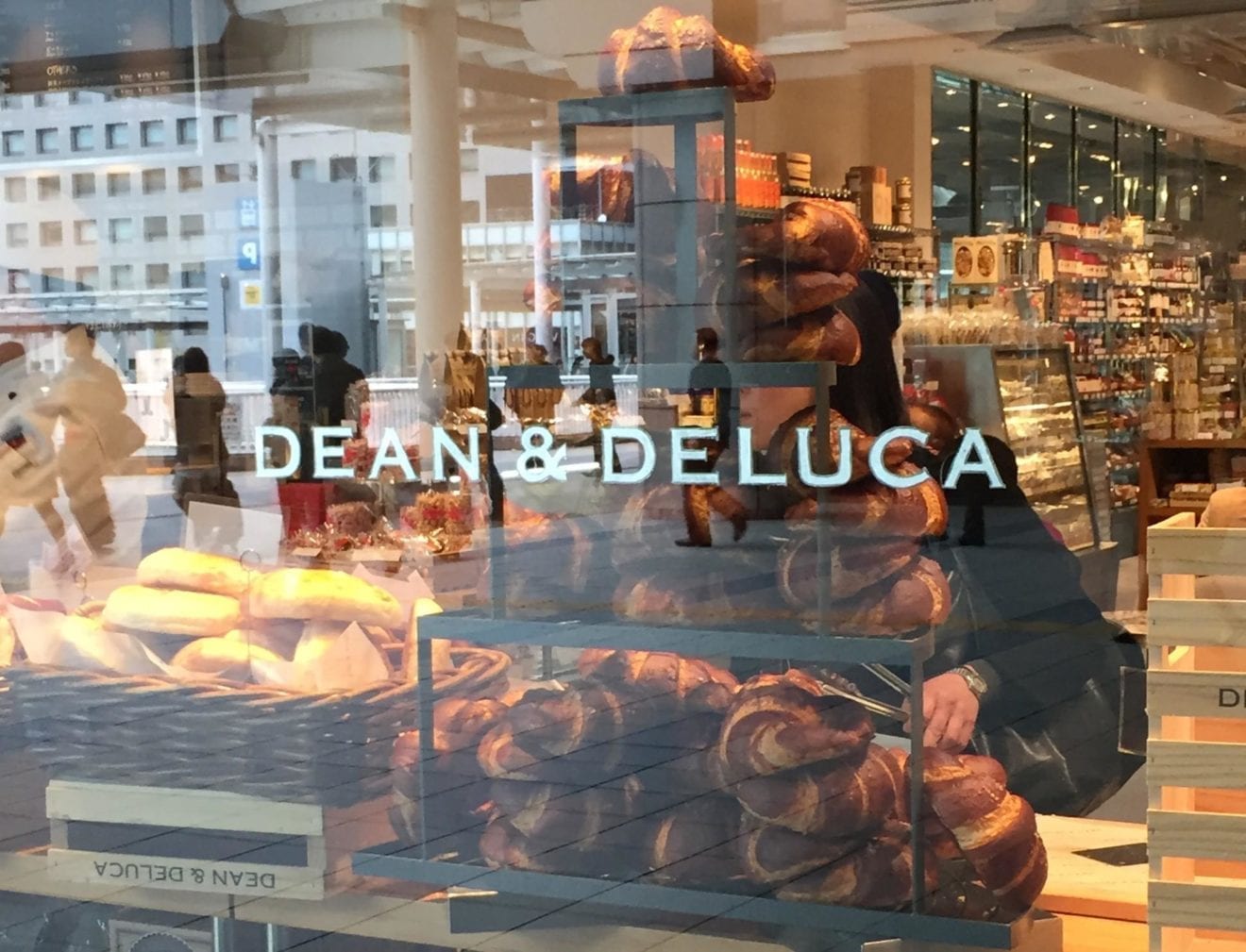
    Last month, Dean & Deluca opened a new store in Japan with a local franchise partner, (pictured above), and another in Bangkok.

  • Siam Piwat uses online media to connect shoppers and retailers

    Siam Piwat uses online media to connect shoppers and retailers

    Bangkok shopping mall operator Siam Piwat has launched new retail services to engage and support customers and retail tenants during social distancing.

    The new services include Call & Pick up, Eat at home and OneSiam Chat & Shop, which allow customers to shop online via live chat at OneSiam Line official accounts, shopping centers’ social media and OneSiam mobile application.

    “Amid the current situation, OneSiam has worked in line with the government’s attempts to cease the spread of Covid-19,” said Chanisa Kaewruen, senior deputy MD of Siam Piwat.

    With Call & Pick up service, loyalty program members can place orders for grocery shopping via phone and collect their groceries at the pick-up point. Meanwhile, the Eat at Home service allows customers to order food from more than 50 restaurants at Siam Paragon, Gourmet Garden, Paragon Food Hall and IconSiam.

    OneSiam Chat & Shop is the company’s new omnichannel service, providing live chat that connects customers with shopping advocates to make purchases on OneSiam’s Line account and its other social media channels.

    “Social media has been our major platform to communicate and keep our customers updated with interesting and relevant information,” said Suthida Maleipan, deputy MD at Siam Piwat. “This is in tune with our social commerce strategy and the Chat & Shop service is expected to increase customer engagement to over 25 million followers next year.”

  • Cebu Pacific net income doubled in 2019

    Cebu Pacific net income doubled in 2019

    Cebu Pacific on Wednesday reported a 132.6-percent jump in net income for 2019, before the coronavirus pandemic grounded world travel and plunged airlines into financial turmoil.

    The Philippines’ largest airline posted net income of P9.123 billion last year from nearly P4 billion in the previous year, according to a stock exchange filing. Passenger revenue grew 8.7 percent to P4.3 billion while cargo revenue rose 19.3 percent to P887.8 million.

    Gokongwei-led Cebu Pacific, Philippine Airlines and AirAsia Philippines on Tuesday sought credit relief from Manila, saying their survival was at stake. Flight were suspended throughout the 1-month Luzon lockdown, scheduled to end on April 12.

    “While it is difficult to predict when operating conditions will improve, the Group believes that it remains a going concern, given the measures undertaken, its liquidity position, its access to short and long term funding, and the strong relationships it has with major suppliers,” Cebu Pacific said.

    Cebu Pacific earlier said its senior management took pay cuts to avoid layoffs.

  • Gordon Ramsay closing three Hong Kong city restaurants

    Gordon Ramsay closing three Hong Kong city restaurants

    British celebrity chef and restaurateur Gordon Ramsay have quit Hong Kong, following the footsteps of compatriot Jamie Oliver last month.

    Three of his restaurants – Bread Street Kitchen & Bar, London House and Maze Grill – will shut today, April 1. These eateries are currently operated by his Hong Kong partner, Dining Concepts.

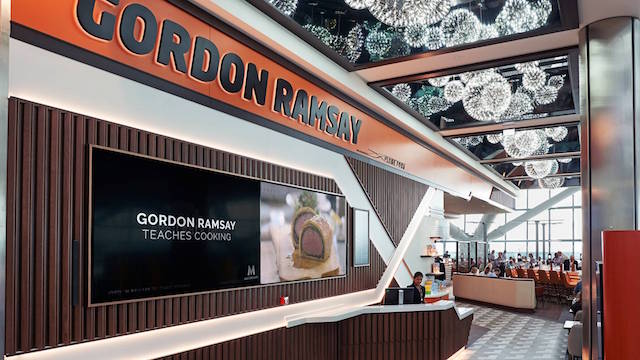
    However, an official statement about the closures did not refer to the status of his Hong Kong International Airport branch Gordon Ramsay Plane Food To Go, which opened last year in partnership with SSP Group.

    In the UK, Gordon Ramsay will close 16 of his outlets, but these are described as temporary closures relating to government lockdowns and have caused the suspension of more than 500 jobs.

    Hong Kong has introduced regulations requiring restaurants to place tables 1.5 meters apart and set a limit of four diners per table, with stringent enforcement. This week, Chinese restaurant operator Tao Heung shuttered 48 of its venues as a result of the new health-and-safety measures.

    In other news, American luxury jeweler Tiffany & Co has closed its 4000sqft store at 1881 Heritage in Tsim Sha Tsui permanently. With retail sales affected by last year’s social unrest and the advent of the pandemic this year, the company decided not to release its lease at the premium shopping destination. The retailer still has 11 stores remaining in the city.

  • Get SiriusXM free for your iOS or Android device through May 15

    Get SiriusXM free for your iOS or Android device through May 15

    While you’re stuck at home trying to entertain yourself or looking for the latest news about the COVID-19 outbreak, satellite content provider SiriusXM is offering iOS and Android users a free subscription through May 15th. More than 300 channels are available featuring music, news, sports talk, comedy and politics (and some times the lines between the last two are blurred). The SiriusXM “steam free” offer doesn’t require a credit card charge or a commitment to become a paid subscriber down the road.
    The announcement was made by “Shock Jock” Howard Stern, who is broadcasting from home these days. SiriusXM CEO Jim Meyer said, “With so many people asked to stay at home, we are making our full streaming lineup of music, entertainment, news, and information easily accessible to everyone. In the days ahead, we hope it’s a valuable source of information or diversion, a generous mix of fresh live content, and a source of companionship that comes from the hosts on our many shows and channels. And there was no better way to launch the Stream Free content than with Howard this morning.”
  • Hong Kong retail sales plunge 44 per cent in February

    Hong Kong retail sales plunge 44 per cent in February

    February saw a catastrophic collapse in Hong Kong retail sales, which slumped a massive 44 percent year on year, the greatest fall since records were first taken. The unprecedented collapse followed a 21.5-per-cent decline in January and a 19.4-per-cent fall in December. For the first two months of this year, Hong Kong retail sales felt by 31.8 percent.

    The collapse in sales followed the effective lockdown of Mainland China for the last week of January and all of February and came as Hong Kong tightened travel into the territory worldwide following the outbreak of the coronavirus pandemic.

    A government spokesman confirmed the fall mainly reflected the heavy blow to tourism- and consumption-related activities dealt by the pandemic, although a distortion from the timing of Lunar New Year also contributed.

    “The business environment of retail trade will remain extremely austere in the near term, as the Covid-19 pandemic has brought inbound tourism to a standstill and severely dented local consumption demand,” the spokesman said.

    Figures released today by the Census and Statistics Department (C&SD) provisionally estimated the value of Hong Kong retail sales in February, at $22.7 billion (US$2.9 billion).

    After netting out the effect of inflation, total retail sales fell by 46.7 percent, following a 23.1-per-cent fall in January. For the first two months of the year, the inflation-adjusted decline was 33.9 percent.

    While sales of jewelry and luxury goods fell by 58.6 percent in January and February combined, it was a surprising 9.3-per-cent slump in the sale of food, alcohol and tobacco which caused the most significant impact on the overall figures, according to the C&SD.

    Sales of miscellaneous consumer goods fell by 21.9 percent; of electrical goods and other consumer durables by 25.1 percent; and of medicines and cosmetics by 42.7 percent.

    Department-store sales slumped 41.4 percent, apparel sales by 49.9 percent; footwear and accessories by 43.1 percent; furniture and fixtures by 19.6 percent; Chinese drugs and herbs by 23.7 percent; books, newspapers, stationery and gifts by 35 percent; and optical shop turnover slumped 28.6 percent.

    The only two categories showing growth were supermarkets, which boosted sales by 11.1 percent, during the first two months of the year, and fuels, up by 6.5 percent.