Author: Mei Ling Tan

  • Dark Sky announces acquisition by Apple and discontinuation of Android support

    Dark Sky announces acquisition by Apple and discontinuation of Android support

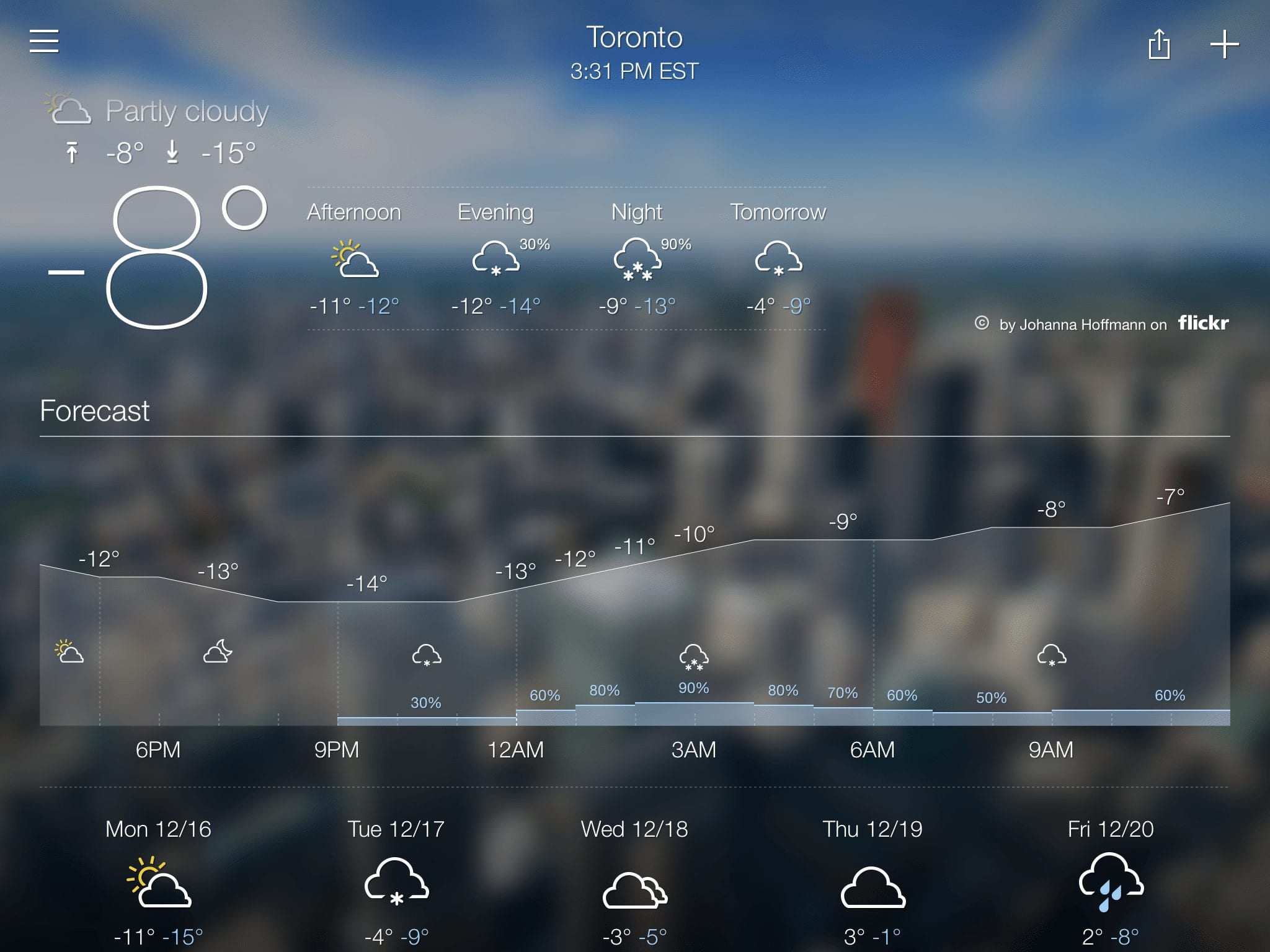
    Popular weather app Dark Sky made a huge announcement, and the forecast for Android users doesn’t look good. The company revealed that it has been acquired by Apple, causing some major changes for users in the near future.

    Dark Sky, which describes itself as a hyperlocal weather app, made its name on down-to-the-minute precipitation forecasts based on a number of sources, including crowdsourced data from users who opt-in. Receiving widespread acclaim, the app quickly amassed over 1 million Android users, establishing itself as a formidable force in the weather service market.

    Following the acquisition by the iPhone maker, announced in a company blog post, Dark Sky reportedly won’t go through any major branding changes (no iDark Sky for now), but support for Android will be discontinued on July 1, 2020.

    A complete drop of support for a large portion of users is kind of a big deal, especially for Android users like me, but the company also announced that all active subscribers will be given a refund at the date of discontinuation, which will also affect Wear OS and web clients of the service.

    Given Dark Sky’s reputation as the best weather app around, it’s sad to see it go as far as the Play Store is concerned. But based on the app’s #1 status in the Weather category of the iOS App Store, Dark Sky will likely still enjoy much popularity on the other side of the fence.

  • Citi Partners With Major Hong Kong E-Shopping Platform

    Citi Partners With Major Hong Kong E-Shopping Platform

    Citi is the latest in Asia to tap into the digital commerce channel amidst the coronavirus pandemic, partnering with major Hong Kong e-shopping platform HKTVmall. Citi Hong Kong’s partnership with the renowned HKTVmall will include a specialized credit card that leverages API technology to enable instant application and approval. The Citi HKTVmall Credit Card also provides other benefits such as discounts and additional points on specific days of the week, according to a Citi statement.

    The partnership is timely as HKTVmall has emerged as a major player for homebound Hong Kongers who use the platform to purchase daily necessities. The firm estimates that it has registered $155 million worth of orders in the first quarrier – double of last year – and is set to witness even more demand as it recently announced a decision to start selling surgical masks on the platform as well.

    Citi Hong Kong has long collaborated with HKTVmall to enhance customers’ spending experience through Open API,» said Lawrence Li, Citibank Hong Kong’s head of cards and unsecured lending, adding that the latest move furthers the development of smart banking.

    Citi is the latest player to leverage digital capabilities to capitalize on the scarce number of potential opportunities available in the struggling economy. Last week, DBS launched a new offering to support F&B businesses by launching a homegrown platform that will enable online ordering and delivery for its SME clients.

    The retail industry in Hong Kong is facing unprecedented challenges at the moment. With the changes in the social environment and technological advancement, Hong Kong consumers are now shifting their consumption habits to online shopping, said Ricky Wong, CEO of HKTV.

    While it is all about total customer experience for online shopping, every single detail in marketing and promotion, payment and delivery that counts.

  • Singapore retailers call for ‘unprecedented rental relief’

    Singapore retailers call for ‘unprecedented rental relief’

    “Unprecedented rental relief measures” are needed from landlords to help retailers overcome the coronavirus crisis, according to the Singapore Retailers Association.  In an open letter to landlords, the association has urged landlords to implement a rental payment structure for six months capped at no more than 15 percent gross turnover or a 50-per-cent base rent reduction, whichever is lower. It also asks landlords to allow retail businesses who cannot sustain their businesses to exit before their lease expiration without losing security deposits or risking punitive legal action.

    “We fully realize and appreciate that both mall operators and tenants have been working very hard over the past two months to minimize the business losses from the drastic drop in footfalls,” read the letter signed by Singapore Retailers Association president R Dhinakaran, on behalf of its 400 members.

    “However with the government advice of safe distancing and stay at home (heading to malls for essentials like food only) … the sales of the majority of retail stores will be equivalent to zero sales, similar to a lockdown situation.”

    The letter asks landlords to exercise the requested measures to avoid massive permanent store closures and loss of jobs within the next three months.

  • DBS Adds Online Classes to Relief Portfolio

    DBS Adds Online Classes to Relief Portfolio

    The Singaporean lender continues to provide innovative digital support to locals affected by the ongoing pandemic alongside financial relief. To help cope with the crisis, DBS will offer free online supplementary classes for primary and secondary school students. In terms of financial relief, home loan payment relief and free Covid-19 relief insurance coverage will be provided, the latter of which has already attracted 600,000 customers.

    And for SMEs, the bank rolled out a 6-month principal repayment moratorium on property loans and collateral-free digital business loan of up to S$50,000 ($35,000).

    While the Covid-19 situation is an unfolding one, it is apparent that some sectors and individuals are being hit particularly hard,» said Shee Tse Koon, Singapore country head at DBS, adding that more relief measures will be announced next week. As the largest bank in Singapore, DBS is committed to joining the industry to help Singaporeans and SMEs tide through these challenging times.

    More than just providing pure financial support, DBS has stood out for its creative approach to providing potentially effective relief.

    In addition to online classes, the bank recently rolled out a homegrown digital food delivery platform to help its F&B SME client base boost revenues in dire times of need. Interested users will be supported by the bank for end-to-end processes from marketing and e-menus to payment and physical delivery.

  • Many Hong Kong retail landlords rally to rent reduction call

    Many Hong Kong retail landlords rally to rent reduction call

    Landlords in premium Hong Kong retail areas are proving flexible on rents as retailers experience an unprecedented drop in sales of between 50–80 percent during the first financial quarter this year.

    Figures from real estate firm Savills show multiple mall landlords are offering temporary rent relief of 30 to 60 percent to beleaguered tenants who have faced numerous crises over the past year, of which the coronavirus outbreak is the latest. However, some shopping-center landlords are proving reluctant to relieve rents despite growing tenant vacancies.

    Retail rents in the region fell 14 percent quarter on quarter and by an average 43 percent year on year.

    “A hardening local situation combined with a lack of visibility is giving rise to a wide range of reactions to the current crisis from landlords and tenants,” said Savills research & consultancy senior director Simon Smith. “But on a more positive note, the lower rental costs will attract newcomers to the Hong Kong market, which for too long has changed the world’s highest occupational costs.”

    “As far as we can see, vacancies are expected to rise over the next six to 12 months,” said Savills MD Nick Bradstreet, “which will put more pressure on rents over the rest of the year.”

  • Vestiaire Collective launches coronavirus charity sale

    Vestiaire Collective launches coronavirus charity sale

    Vestiaire Collective, the online platform for pre-owned luxury fashion, has launched a charity sale to support the fight against coronavirus.

    Vestiaire Collective has partnered with more than 50 influential celebrities, including Kate Moss, Rachel Weisz, Thandie Newton, Anna Dello Russo and Charlotte Tilbury, to offer luxury pieces from their wardrobes.

    Some items were already sold on the first day of the sale such as leopard print faux fur coat from Kate Moss or a Penny Packham maxi dress from Charlotte Tilbury.

    “We’re doing everything we can to combat the effects of the virus with our community, and to help fight it with charity fundraising,” the company said in a statement.

    According to the company, all proceeds from the sale will be used to support hospitals and scientific researchers working on coronavirus, including the World Health Organization, the Italian Lombardia Region Fundraising, the France/Paris Hospitals Foundation and Madrid’s La Paz Hospital.

    Founded in Paris in 2009, Vestiaire Collective now has more than 7 million members from more than 50 countries across Europe, the US, Asia and Australia, with 25,000 new items submitted every week.

  • Tesla To Supply FDA-Approved Ventilators Free Of Cost In U.S.

    Tesla To Supply FDA-Approved Ventilators Free Of Cost In U.S.

    American electric carmaker Tesla’s CEO Elon Musk has said that the company has extra FDA-approved ventilators that can be shipped free of cost to hospitals within the company’s delivery region. Announcing the news on his social media handle, Musk confirmed that the device and shipping cost will be free, but his only requirement is that the ventilators should be immediately used for patients who need it, not stored in a warehouse. Those who need it can contact Musk of Tesla on their respective Twitter pages or other official channels.

    Tesla did not immediately respond to a request for comment on how many ventilators it has to offer, or how the company will prioritize requests. However, while answering a Twitter user’s question regarding where did the company get the ventilators from, Musk confirmed that Tesla bought 1255 FDA-approved ResMed, Philips & Medtronic ventilators from China, and got it shipped to Los Angeles.

    Yup, China had an oversupply, so we bought 1255 FDA-approved ResMed, Philips & Medtronic ventilators on Friday night & air-shipped them to LA. If you want a free ventilator installed, please let us know!

    Governments across the globe have appealed to automakers and aerospace companies to help procure or make ventilators and other medical equipment amid a fast-spreading coronavirus outbreak, which has infected more than 777,000 people globally and killed over 37,500. In the United States, states hard hit by the pandemic have pleaded with the Trump administration and manufacturers to speed up the production of ventilators to cope with a surge in patients.

    Earlier this week, Ford Motor Co said it will produce 50,000 ventilators over the next 100 days at a plant in Michigan in cooperation with General Electric’s healthcare unit, and can then build 30,000 per month as needed to treat patients afflicted with the coronavirus.

  • Tse Sui Luen ready to take hefty loss

    Tse Sui Luen ready to take hefty loss

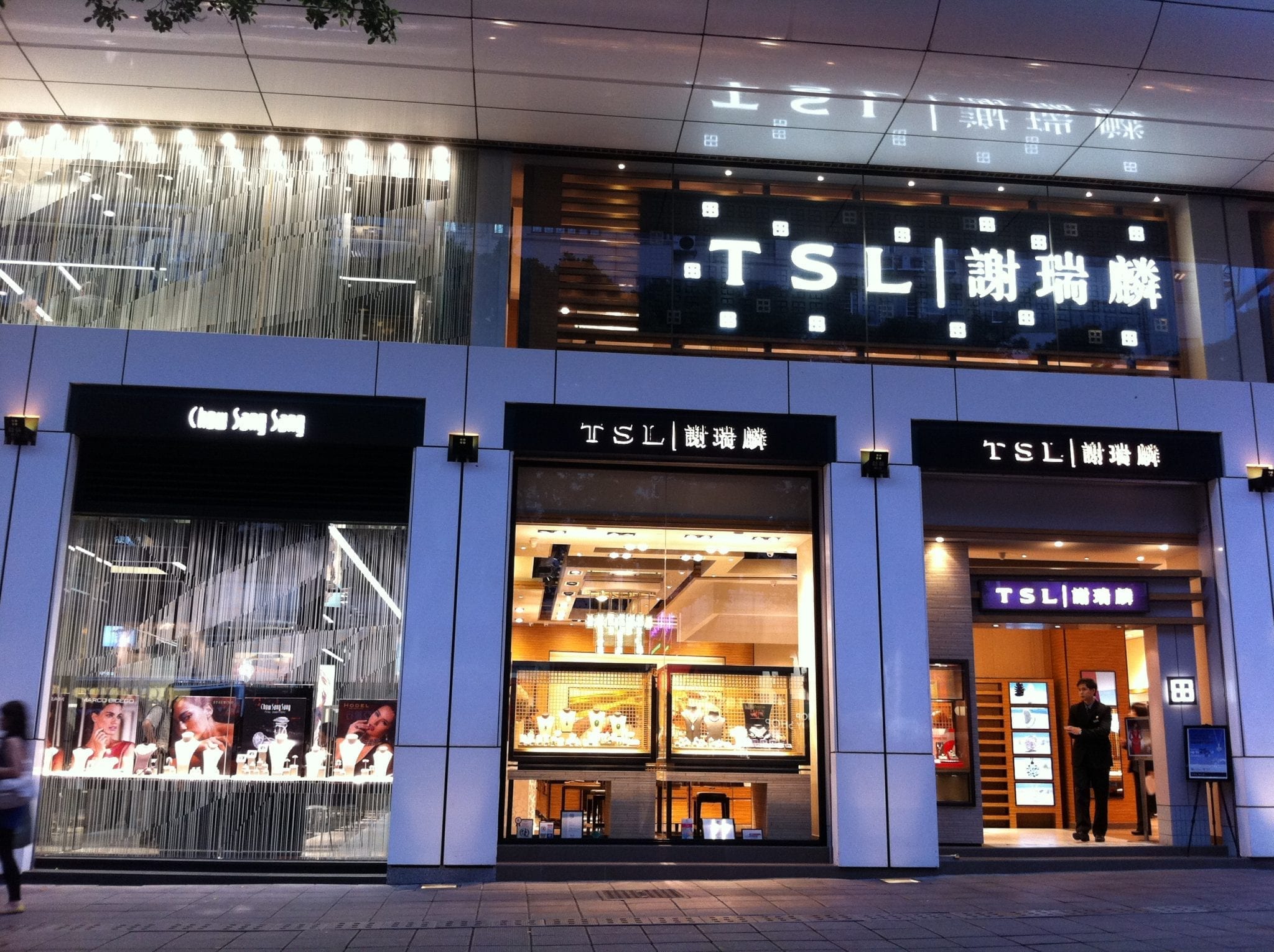
    Jeweler Tse Sui Luen is projecting a loss of HKD 80 million (US$10.3 million) for the year to March – a stark reversal from last year’s net profit of HK$54 million ($6.96 million.

    In a profit warning issued to the Hong Kong stock exchange, the company said its estimate was based on a review of the accounts for the first 11 months of the financial year, and other information available.

    Sales in February fell by 88 percent as Hong Kong’s borders all but shut, and without the benefit of Lunar New Year turnover, which last year largely fell in February.

    “Such expected loss is mainly attributable to the sluggish retail sales since July,” the company’s chairman Annie Yau On Yee said.

    “The coronavirus outbreak in January 2020 has taken a heavy toll on the retail industry, dealing a severe blow to the Hong Kong and Mainland China economies already hampered by the prolonged local social unrest in Hong Kong and escalated US-Sino trade tensions.”

    Yau said Tse Sui Luen was mitigating the economic fallout from the social unrest in Hong Kong and the global coronavirus epidemic, with measures such as negotiating rent relief with landlords, which “have helped improve the group’s cost-effectiveness to a large extent”.

    “We have also streamlined our business operation to minimize all costs and expenses, and are restructuring our retail store network including store closures for maintaining profit contribution at a sustainable level,” she said.

    “The board believes that we are well-positioned to weather the current unfavorable environment.”

    Full-year results are scheduled for release in late June.

  • DBS Plans to Take Lion’s Share of Used-Car Loans

    DBS Plans to Take Lion’s Share of Used-Car Loans

    DBS has doubled its used-car loan market share, space traditionally dominated by lenders like Hong Leong Finance and Maybank. It hopes to grab 80 percent of used-car loans taking place online by 2021.

    The bank’s decision to focus on the used-car segment came about two years ago, partly due to regulatory changes as well as expectations of decreasing certificates of entitlement (COEs) over time.

    «With the COE quota reducing, the argument is that the premium could possibly go up, but we have not seen it yet as it’s too early to tell,» said Nelson Neo, head of new business for DBS’ deposits and secured lending division.

    «So what we see is really the potential, where consumers will continue to buy used cars, so that’s why we decided to intensify our focus around used cars,» added Neo, who plans to plans to rev up growth in used-car loans by 20 percent.

    Prior to 2018, used-car loans made up 10 percent of the bank’s auto loans, with new-car loans accounting for the rest. Now that used-car loans make up 20 percent, DBS is aiming for 80 percent of used-car loans taking place online by 2021.

    The rapid expansion was a combination of competitive pricing by offering one of the lowest rates in town, stronger partnerships with dealers, and enhanced digital capabilities that allow car owners to complete a loan application online, Neo said. Its interest rates for used cars are similar to new cars at about 2.28 percent.

    Two years ago, used-car loan rates were higher than that of new cars, but they have since fallen to either on par or even lower, depending on promotions.

    Aside from its new car pricing strategy, it is the bank’s data and digital capabilities that have been a game-changer.

    Last October, DBS fully digitized its sign-ups, allowing customers to apply online either through the national data repository MyInfo or DBS’ digital banking platform.

  • Grab Hires Chief Financial Officer

    Grab Hires Chief Financial Officer

    Grab has appointed a chief financial officer with extensive experience in scaling rapidly growing technology companies.

    Based in Singapore, Peter Oey reports to group CEO and co-founder Anthony Tan. He will be responsible forfinance operations, treasury, tax, procurement, and real estate and facilities, the firm said in an announcement on Wednesday.

    He will also work closely with Grab president Ming Maa, who will continue to lead strategic business planning for the company, the statement said.

    Oey brings extensive experience scaling rapidly growing technology companies. He spent two decades of corporate finance and strategic planning, and was previously CFO for legal tech firm Legalzoom and personal information broker Mylife. He also spent 12 years in various roles at gaming firm Activision Blizzard, including vice president, corporate controller.

    The past year has seen Grab growing its food delivery, payments and financial services businesses significantly. According to the firm, Grab Food saw its gross merchandise value grow by over 400 percent across Southeast Asia, led by Indonesia, Thailand and the Philippines, while Grab Pay increased total payments volume by 170 percent.

    Apart from launching e-money, lending and insurance distribution on its platform, the firm has partnered Singtel in its application for a digital bank license in Singapore. It also moved into wealth management with the acquisition of Singapore-based robo-advisor Bento.

    In the coming year, Grab said it expects to expand its financial services offerings, grow its daily essentials delivery and concierge services and develop more business-to-business service offerings.

  • Xiaomi-Backed Virtual Bank Announces Hong Kong Pilot

    Xiaomi-Backed Virtual Bank Announces Hong Kong Pilot

    AirStar Bank has announced the launch of a pilot trial in Hong Kong, which will be conducted within the Hong Kong Monetary Authority’s Fintech Supervisory Sandbox.

    About 2,000 friends and families of the staff of Airstar, Xiaomi Hong Kong and AMTD Group will be onboarded to the virtual bank to gather user feedback and gauge requirements ahead of a full roll-out, according to an announcement by the bank on Tuesday.

    The bank is a joint venture virtual bank between Chinese electronics company Xiaomi and AMTD Group – Asia’s largest independent corporate finance and advisory house.

    According to the announcement, Airstar will offer tiered-pricing savings deposits and time deposits, and is promising up to 1 percent per annum for HKD saving deposits between HKD 500,000 ($64,500) and HKD 1,000,000. It will also offer unsecured lending products at transparent pricing with interest accrual on a daily basis.

    Airstar was among eight firms to receive a virtual bank license from HKMA in 2019. It is the second among the group to launch trials, following ZA Bank, which started operations in March this year.

    Currently Xiami has commenced pilot trial onboarding round 2,000 customers from friends and families of the staff of Airstar, Xiaomi Hong Kong and AMTD Group.

  • Two more AirAsia carriers suspend operations from April

    Two more AirAsia carriers suspend operations from April

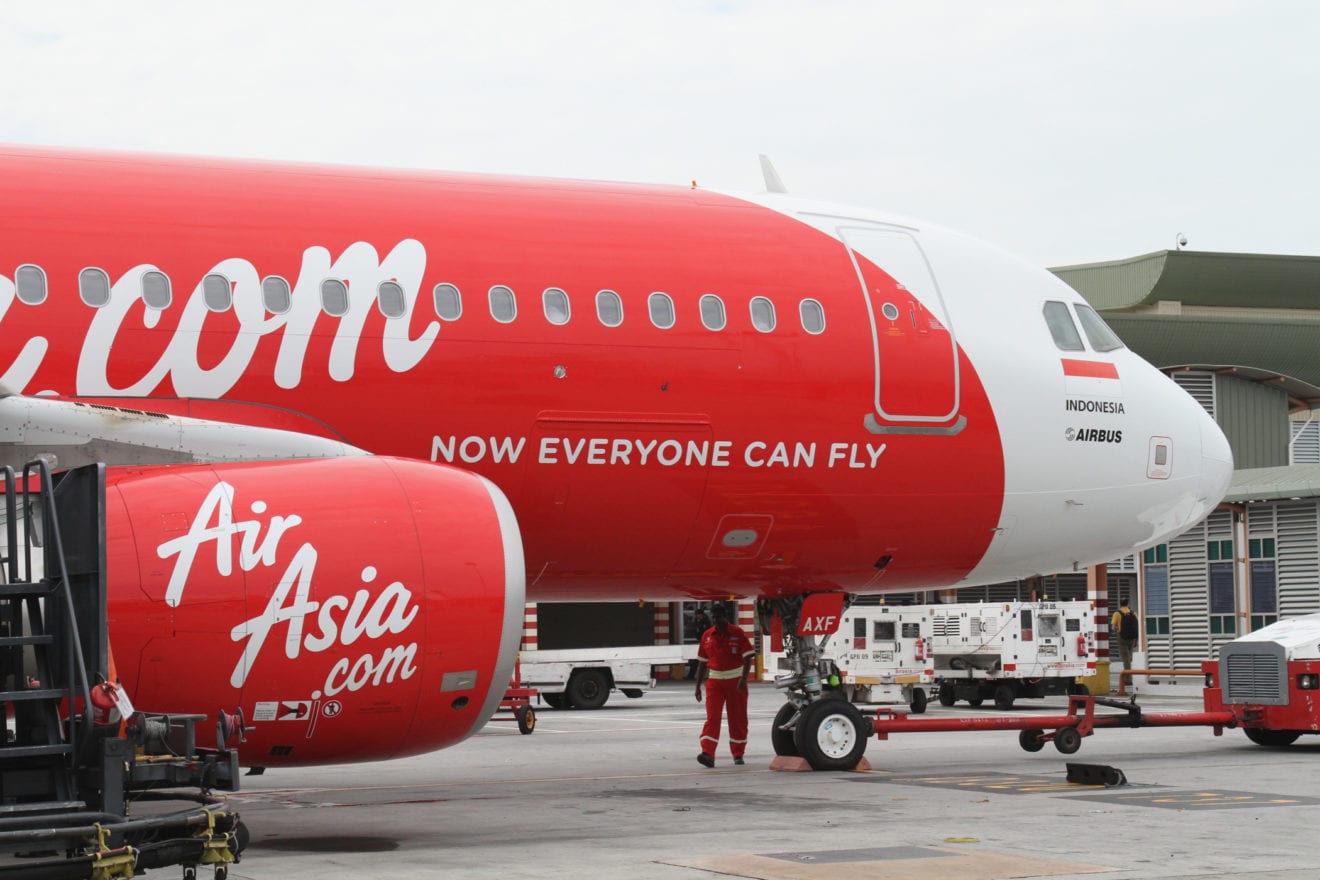
    Indonesia AirAsia and Thai AirAsia are the latest among the AirAsia Group carriers to suspend operations, leaving just AirAsia Japan in service.

    Indonesia AirAsia will suspend domestic flights until 21 April and international flights until 17 May. Thai AirAsia will halt all domestic services during the month of April, having suspended international flights since 22 March. Indonesia AirAsia’s grounding will not have a significant impact on Indonesia, as Lion Air dominates the market.

    The grounding of Thai AirAsia will have a more significant impact on Thailand, as the airline accounts for 19% of Thailand’s total capacity in February.

    Thai AirAsia’s parent Asia Aviation says the airline is implementing cost reduction measures. This includes voluntary pay cuts for management and senior employees, halting non-essential employee travel, and imposing a hiring freeze.

    Asia Aviation expects a reduction in Thai AirAsia’s variable expenses, which makes up around 70% of its total cost. General administrative expenses could also be reduced through a work-from-home scheme for employees.

    To cope with the suspension, the company is building up its liquidity levels. At the end of 2019, its cash on hand and current investments were collectively valued at Bt3.98 billion ($122 million).

    It says: ”Thai AirAsia also has unutilized revolving credit facilities with banks and has the ability to mobilize the liquidity further by way of the credit facility backed by the remaining no-encumbrance owned aircraft and/or other approaches in the future.”

    It discloses that a transaction announced in January, for the sale-and-leaseback of nine aircraft and the outright sale of one, has been completed in March, with net proceeds totaling Bt3.6 billion.

    Moving forward, Thai AirAsia will not take delivery of any aircraft this year and will study the number of aircraft it needs. The parent company adds that any significant capital expenditures will either be suspended or delayed.

  • Panic buying underpins Japanese retail sales growth

    Panic buying underpins Japanese retail sales growth

    Japanese retail sales have recorded a distinct uptick as consumers enter a panic-buying mode in response to the coronavirus outbreak, according to Nikkei Asian Review. According to the Ministry of Economy, Trade and Industry, Japanese retail sales rose 1.7 percent year on year in February.

    Pharmacy sales showed the highest rate of growth, surging 18.9 percent due to higher sales of protective masks and toilet paper, among other hygiene-related purchases.

    Supermarket sales increased 6 percent following increased purchases of consumer goods.

    By contrast, sales figures for department stores slipped 11.8 percent resulting directly from a drop in tourism.

    The slowing down of local business has concurrently seen a drop in employment figures, with fewer businesses seeking to fill positions.

  • Bonjour trims range, relocates stores as losses mount

    Bonjour trims range, relocates stores as losses mount

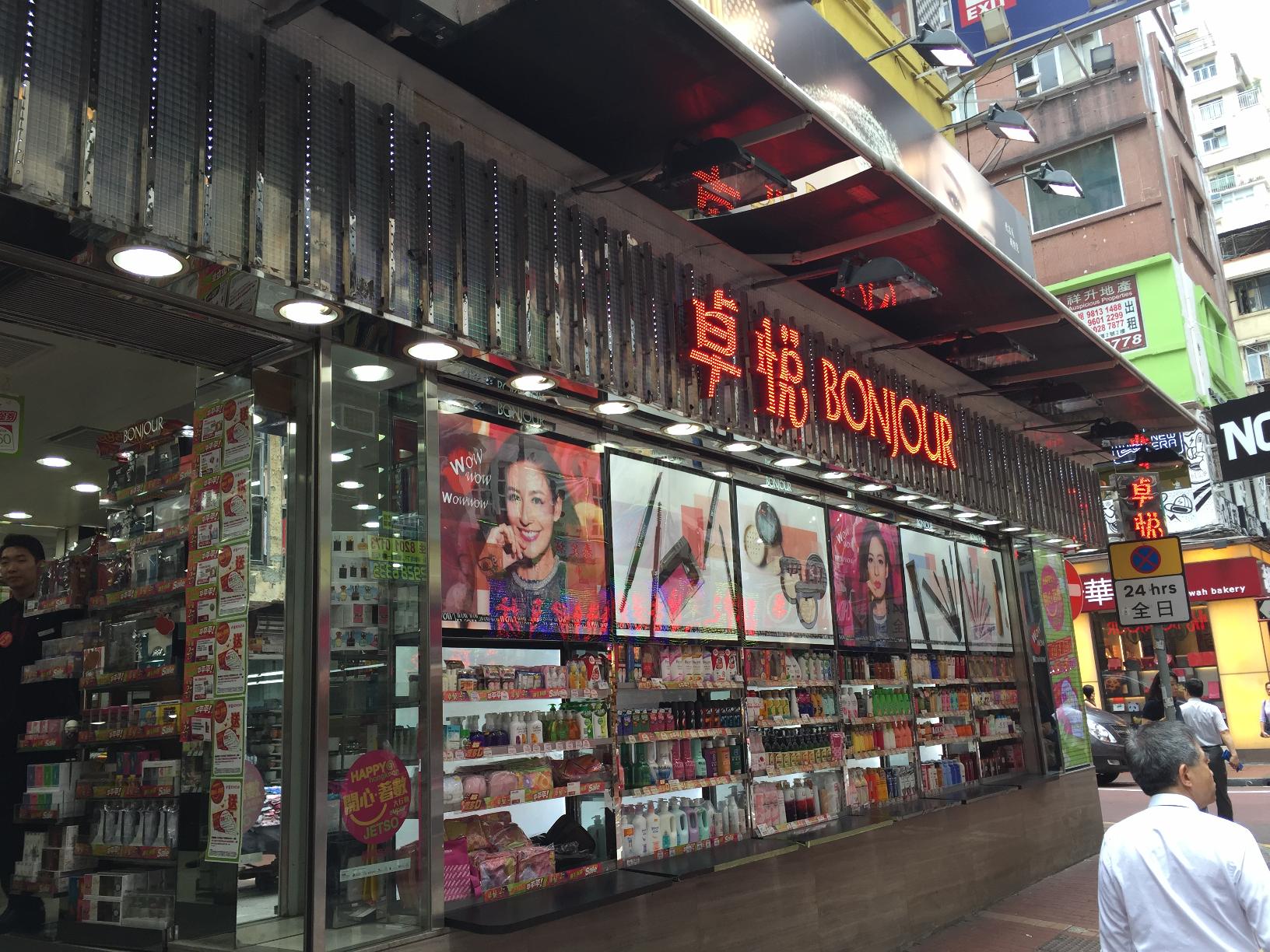
    Hong Kong cosmetics retailer Bonjour Holdings has delisted slow-moving products and trimmed its store network as it grapples with falling sales and mounting losses.

    The company has just released its results for last year, when sales fell by 18.7 percent, following a 7.3-per-cent decline in 2018. The company’s annual loss attributable to shareholders ballooned from HKD39.6 million (US$5.1 million) in 2018 to HKD129.6 million ($16.7 million) last year.

    Culling non-performing SKUs in stores, Bonjour Holdings shifted its focus to brands and products which are faster moving and/or have higher margins. Store layouts were changed to better display top-selling products and trendy lines to create an enhanced shopping experience.

    Bonjour ended the year with 37 stores in Hong Kong, Macau and Guangzhou, two fewer than a year earlier. But within that figure, stores with weak sales performance were replaced by new ones in community districts as the company joined many local brands by shifting focus to locations frequented by locals rather than inbound visitors.

    The company is also open to short-term leases for street-front shops which would be more flexible during the unsettled economic times and with negotiable rents.

    In a stock-exchange filing, Bonjour Holdings said it was responding to a market disrupted by social unrest last year and now the coronavirus pandemic, by reducing its operating costs. Such measures include reducing store trading hours by reducing from two shifts to one, and requiring all staff to take at least five days of unpaid leave to reduce staff costs.

  • AirAsia Indonesia suspends all flights starting April 1

    AirAsia Indonesia suspends all flights starting April 1

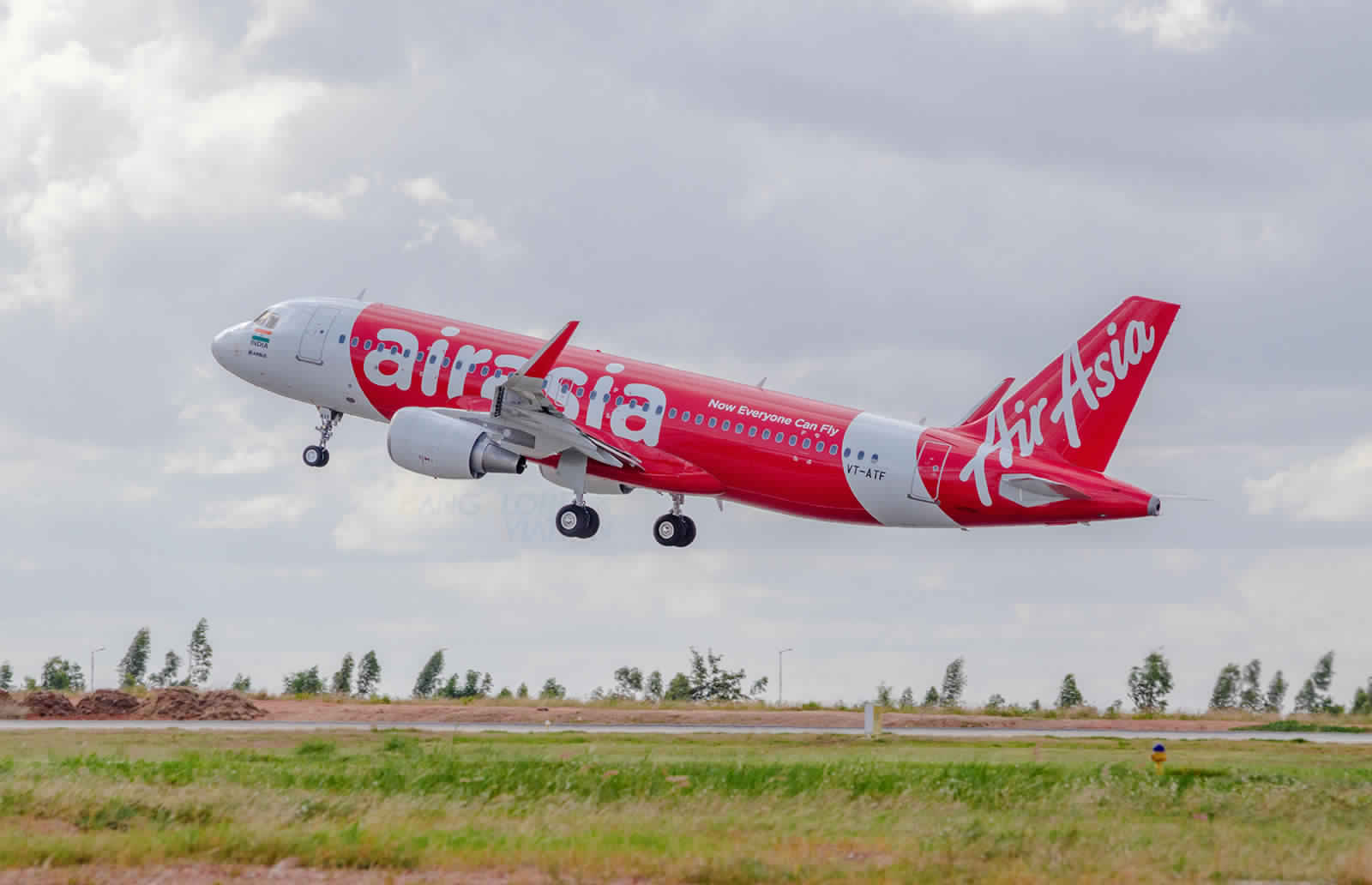
    Amid the alarming spread of COVID-19 across the country, low-cost carrier AirAsia Indonesia announced on Saturday that it would suspend all its QZ flight code services starting April 1.

    The carrier’s domestic and international routes will be temporarily suspended until April 21 and May 17, respectively.

    “AirAsia Indonesia will continue to monitor the development of the situation and conduct steps to anticipate what’s required to continue our flight services,” read the statement.

    The airline said affected passengers would be notified by email and SMS. Passengers can access support.airasia.com to either reschedule their flight before Oct. 31 at no additional charge, or convert the amount paid for the flight into a credit account that can be used for the next 365 days.

    Those who booked their flights through booking group services, travel agencies or other third parties are advised to contact the respective parties.

    Passengers who need to travel in the near future are advised to reschedule their flight to a date prior to April 1.

    Meanwhile, on March 20 national flag carrier Garuda Indonesia announced that it would continue to operate some of its services, including to Australia and Netherlands.