Author: Mei Ling Tan

  • Hypebeast opens its first cafe, in Hong Kong: Hypebeans

    Hypebeast opens its first cafe, in Hong Kong: Hypebeans

    Following the reopening of the HBX Hong Kong location, HYPEBEAST is now officially launching HYPEBEANS. Serving as HYPEBEAST’s first step into the realm of culinary culture, HYPEBEANS is a communal destination centered around quality coffee.

    Located inside the retail expression, the offshoot offers a menu created with quality over quantity in mind. HYPEBEANS strives to accent lifestyles, effortlessly becoming part of daily routines. HYPEBEANS is a reflection of the intimate friendship between Kevin Ma and world-renowned barista Hiroshi Sawada, connected by mutual friend Hiroshi Fujiwara. The two became closer through a shared interest in fashion and the culinary arts, commemorating their bond through space where like-minded individuals in the city can gather.

    “Here at HYPEBEANS, we want to promote a lifestyle surrounded by culture,” says Kevin Ma, CEO and founder of HYPEBEAST, “we encourage creative collaborations here as an extension of the HYPEBEAST community.”

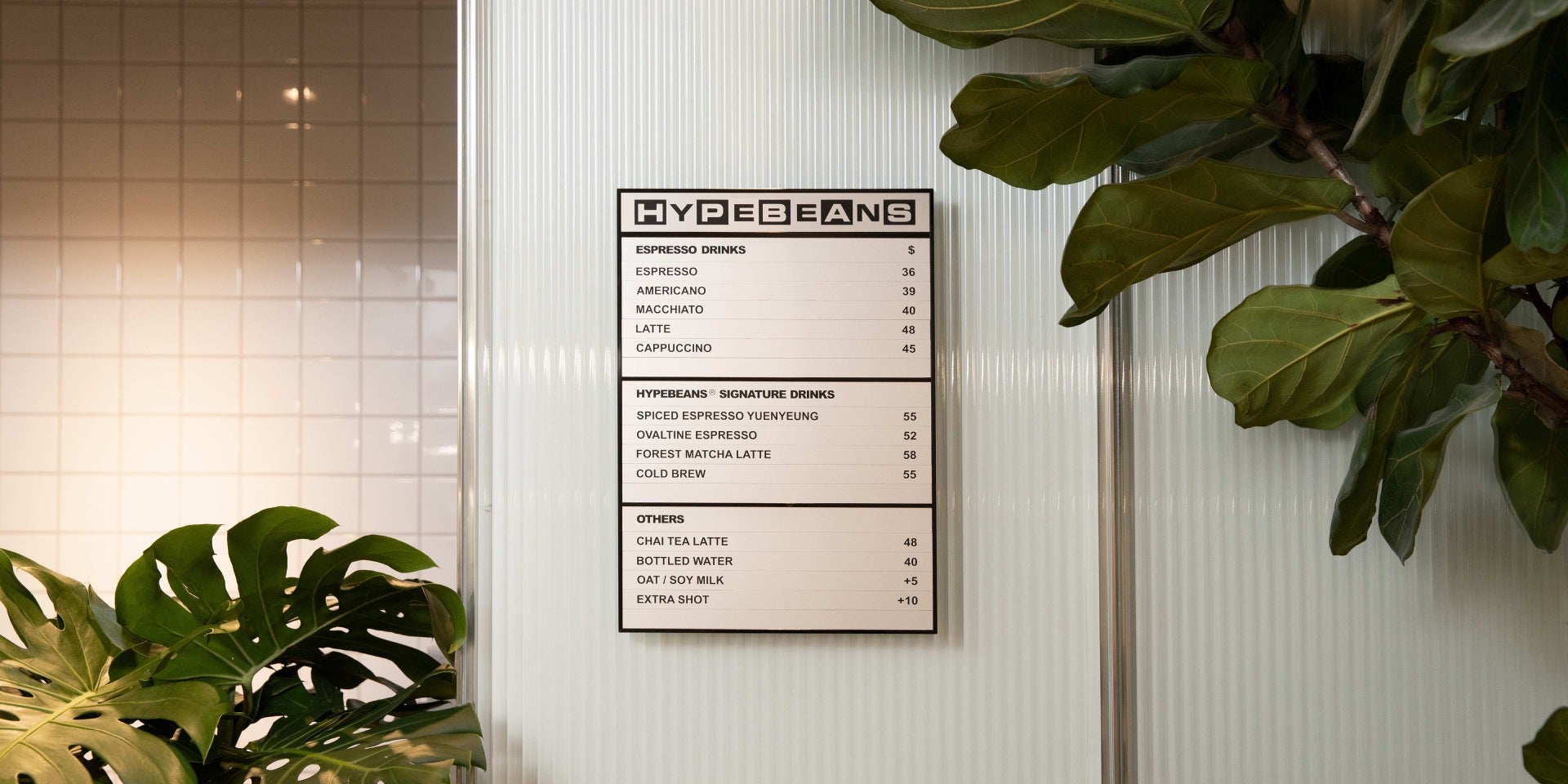
    For the menu, Sawada drew inspirations from Hong Kong-style cafés to present contemporary creations with nostalgic flair and traditional beverages crafted with a unique blend of coffee beans roasted by Japanese artisans. Signature drinks include the Spiced Espresso Yuenyeung – inspired by the iconic black tea and coffee drink and finished with star anise, Ovaltine Espresso – a milky drink utilizing the classic milky malt extract, Matcha Latte – a signature at SAWADA COFFEE USA centered around a custom blend of matcha and espresso, along with the HYPEBEANS Cold Brew.

    Take a look at the space below and check out some of the offerings at HYPEBEANS above.

    HYPEBEANS
    Shop B30, LANDMARK MEN, LANDMARK ATRIUM
    15 Queen’s Road Central
    Central, Hong Kong
    Opening Hours: Monday – Friday: 8 a.m. – 6 p.m. / Saturday, Sunday & Public Holidays: 10 a.m. – 7 p.m.

    For more food and beverage news, Shake Shack recently introduced its interactive “Shack Camp” family experience.
  • Tipster says that Samsung will soon introduce the chips that will power the Galaxy S21 line

    Tipster says that Samsung will soon introduce the chips that will power the Galaxy S21 line

    A tweet disseminated on Saturday by tipster MauriQHD (@MauriQHD) says that the next Exynos chipset will be introduced by Samsung at any moment. According to the tweet, the Exynos 2100 will be the successor to the Exynos 990. A recent Geekbench test of the Exynos 2100 allegedly running on the Galaxy S21+ had a single-core score of 1038 and a multi-core score of 3060. That pales in comparison to the Geekbench results recently posted for the Apple A14 Bionic SoC that will power the iPhone 12 series. That chip, tested while powering an iPad, had single-core and multi-core scores of 1583 and 4198 respectively. At this point, it is possible that the Exynos 2100 score is based on a test using unoptimized firmware so we need to hold off on making any direct comparisons.

    Both the A14 Bionic and the Exynos 2100 will be manufactured using the 5nm process which means that more transistors will fit inside a square mm allowing for greater performance and improved energy consumption. Like the Exynos 2100, the Qualcomm Snapdragon 875 chipset will be manufactured by Samsung Foundry using the 5nm process node. We could see the new Snapdragon flagship chip unveiled in December during the Snapdragon Summit.

    The tipster also said in his tweet that the Exynos 2100 should be “way better” than the Exynos 990. Considering that the latter was manufactured using the 7nm EUV process (EUV is a technique used to mark wafers with very thin ultraviolet beams allowing more transistors to be placed inside a chip) compared to the more powerful and energy-efficient 5nm Exynos 2100, this is pretty much a sure thing.

    The Exynos 2100 and Snapdragon 875 will both be found in consumer devices starting early next year. The A14 Bionic, which Apple already introduced when it unveiled the fourth-generation iPad Air last month, could be in consumers’ hands as soon as later this month as the chip will power both the aforementioned tablet and the 2020 iPhone models, both of which are expected to be released later this month. Another 5nm chip manufactured by TSMC this year is Huawei’s Kirin 9000 chipset. The chip will power the Huawei Mate 40 line and the Huawei Mate X2 foldable model. But due to a change in U.S. export regulations, Huawei can no longer get deliveries of this chip sent to it by the foundry. The Chinese manufacturer has been building up a stockpile of Kirin 9000 chips that it will be able to use until the inventory is all gone.

    So how will the Exynos 2100 compare with the Snapdragon 875? Both 5nm chipsets, as we pointed out, will be manufactured by Samsung, but Twitter tipster Ice Universe said back in August that while Samsung will close the gap, the Snapdragon 875 will still be the superior chip (note that the Exynos 1000 is a rumored name for the same chip that we are calling the Exynos 2100). While Samsung is moving to AMD for the GPU on its new component, Qualcomm is debuting the 7 series for the Adreno GPU found inside the Snapdragon 875.

    The Exynos 2100 SoC will most likely make its debut on the Samsung Galaxy S21 line which will probably include the Galaxy S21, Galaxy S21+, and the Galaxy S21 Ultra. If Samsung sticks with tradition, the Exynos 2100 will power the vast majority of Galaxy S21 series models; those in the U.S., China will get the version of the phone powered by the Snapdragon 875. However, for the Galaxy S20 line this year, Samsung equipped all of the units shipped everywhere but Europe with the Snapdragon 865. That humiliated Samsung employees in the company’s home country of South Korea. But the Exynos 990 just did not have the performance capabilities that Sammy’s executives were hoping for. This year, we could see Samsung return to the Exynos chip for its first flagship line of the year in most markets

  • AirAsia Japan may be closed down

    AirAsia Japan may be closed down

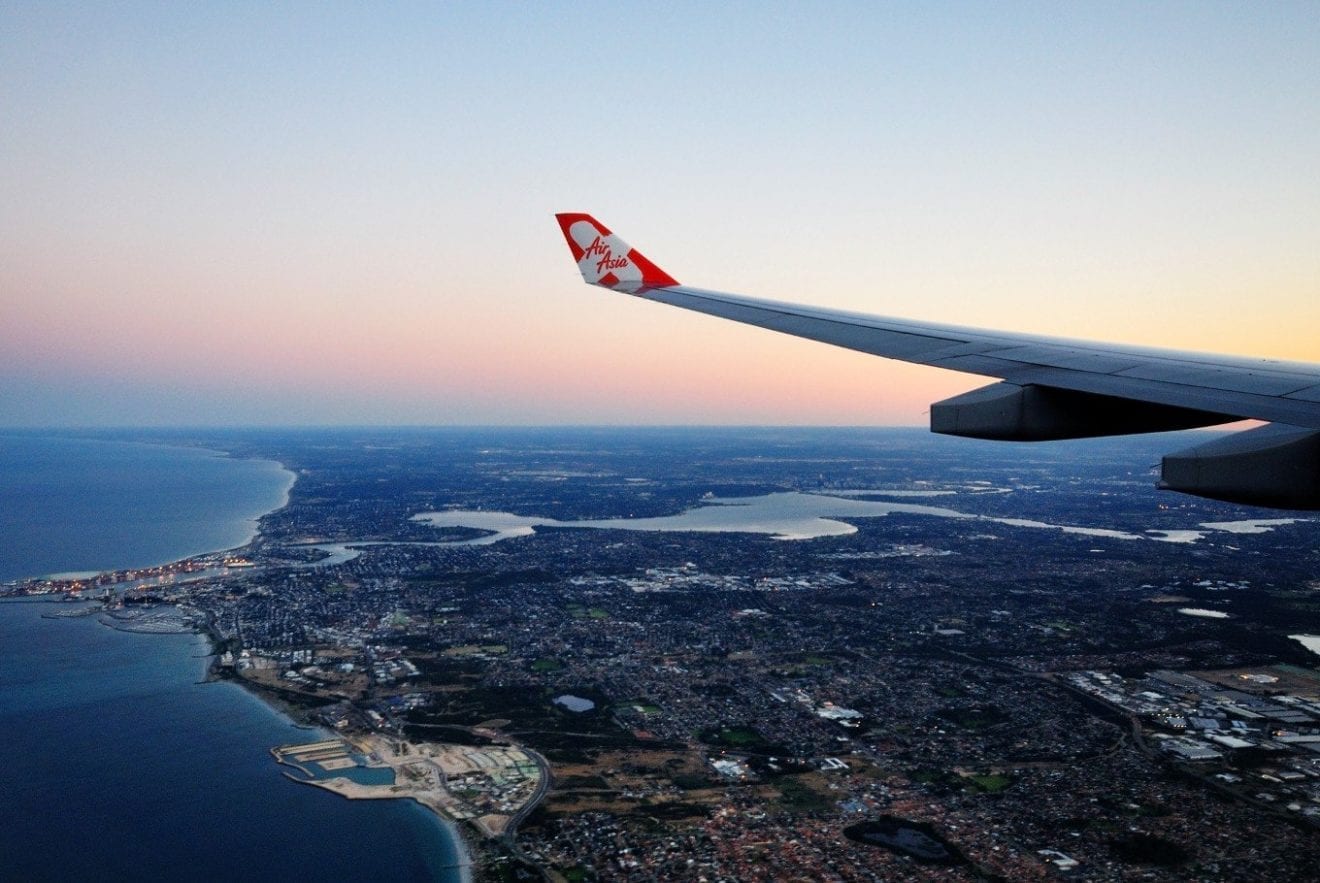
    Low-cost airline Air Asia is exploring all options over its dwindling operations in Japan, including closing it down.

    There have been reports that the group is planning to discontinue the operations of its affiliate, AirAsia Japan, due to the weak demand following the Covid-19 pandemic.

    Chief executive officer Tan Sri Tony Fernandes did not deny the reports. “We have to look at every option, including closing down the operation. We haven’t reached a decision yet, ” he said when asked to comment on the recent reports.

    On the termination of AirAsia’s flights from Malaysia to Japan, he said that was merely speculative and the board had not made a decision.

    Currently, he said, the airline is unable to fly to Japan due to the international border shutdown, and since its presence in Japan is relatively small, the board was currently evaluating possibilities, including the cessation of its flights there,

    Fernandes, who was speaking to reporters after the launch of the Redbeard Academy, said the academy was initially established in the belief that the digitalization of its airline operations may lead to many of its staff being left redundant.

    “We have to look at every option, including closing down the operation. We haven’t reached a decision yet, ” Fernandes said.

    “Hence, we have Redbeat Academy. But now, of course, we are in a position where the airline has to make retrenchments, and it’s unavoidable. Many of them, hopefully, will come here (Redbeat) and reskill themselves as well, ” he added.

    AirAsia Group’s digital arm, AirAsia Digital, has partnered with Google to launch Redbeat Academy as part of its continuous digital transformation journey.

    AirAsia Digital president Aireen Omar said admissions to the academy, which was previously open only to AirAsia’s staff, is now available to the public and businesses.

    The academy offers a series of tech workshops in areas such as Artificial Intelligence, Machine Learning, Software Engineering, Cybersecurity, Big Data and Infrastructure. Aireen said the course period ranged from two months to a year.

    “For those who have no technology background, they might have to go for a fundamental course, which takes about a couple of months or so, ” she told reporters at the launch.

    The academy was launched by Science, Technology and Innovation Minister, Khairy Jamaluddin.

    Also present were AirAsia Group executive chairman Datuk Kamarudin Meranun and Google Malaysia country head Marc Woo.

    Aireen said the tuition fee was affordable and the curriculum suited to market needs.

    “This is all based on our own experience on the kind of talent we need. The classes will be both online and physical; some classes need to be instructor-led because it’s too difficult to teach online, ” she said.

    During the event, Redbeat Academy also signed a partnership with Malaysian Industry-Government Group of High Technology to reskill a pool of talents in software engineering and high-tech projects.

    The academy also inked a partnership agreement with Universiti Teknologi Malaysia, Universiti Malaya and Asia School of Business, in collaboration with MIT Sloan Management, in awarding a micro-credential to Redbeat Academy’s courses and acknowledging it as part of the Accreditation of Prior Experiential Learning.

  • Standard Chartered Names Management Team for New Unit

    Standard Chartered Names Management Team for New Unit

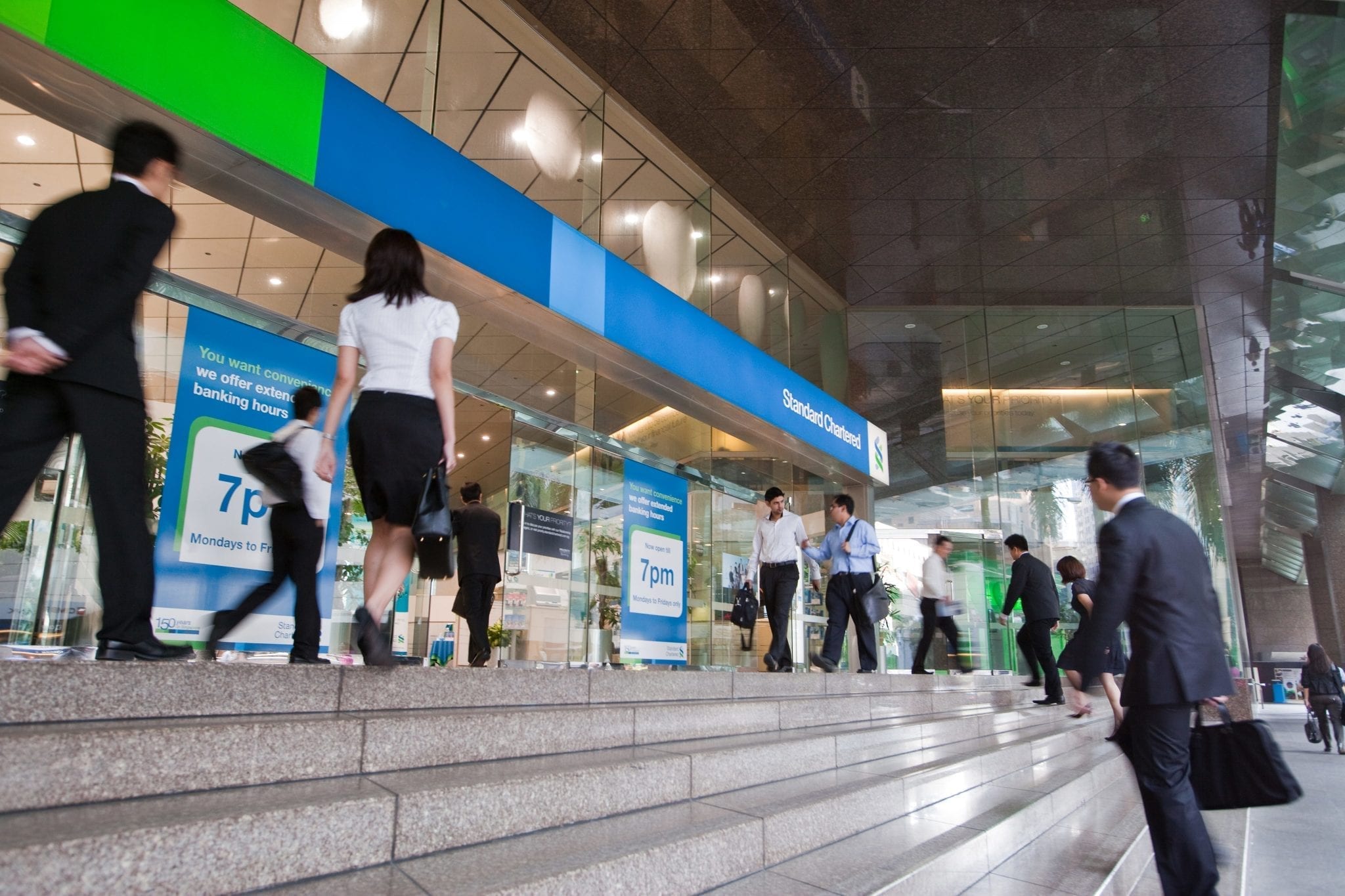
    Announced in March, the Financing and Securities Services (FSS) unit brings together Securities Services (previously under Transaction Banking) and Portfolio Risk Management in the Financial Markets business.

    Standard Chartered Bank on Thursday named its FSS management team, who will support Singapore-based co-heads Margaret Harwood-Jones and Emmanuel Ramambason.

    Members of the FSS senior management team include:

    • Francois Verlaine – Regional Head, FSS, ASEAN & South Asia
    • Simon Kellaway – Regional Head, FSS, Greater China & North Asia
    • Luke Brereton – Global Head, FSS Sales and Business Development
    • Ryan Cuthbertson – Global Head, FSS Products
    • Liu Chee Wei – Head, Central Funding Desk and XVA, ASEAN & South Asia, Greater China & North Asia
    • Sam Phillips – Head, Central Funding Desk and XVA, Africa & Middle East, Europe & Americas
    • Madeleine Senior – Regional Head, FSS, Europe & Americas
    • Scott Dickinson – Regional Head, FSS, Africa & Middle East
    • Marten Bengt – Head, Modelling and Analytics Group
    • Tan Ying Ying – Chief Operating Officer, FSS

    The reorganization aims for the bank to become more client-centric and having targeted and integrated engagement with clients across various solutions and services, Standard Chartered said.

    Separately, the bank announced the addition of independent non-executive director Maria Ramos, with effect January 1, 2021.

    Based in South Africa, Ramos was chief executive officer of ABSA Group (previously Barclays Africa) from 2009 to 2019. Before joining ABSA, she was the group chief executive of state-owned freight transport and logistics service provider Transnet and served as director-general of South Africa’s National Treasury (formerly the Department of Finance).

    Standard Chartered also appointed independent non-executive director David Tang to the Board Risk Committee. Tang brings deep understanding of the bank’s key market of Greater China, and will contribute his expertise in relation to emerging technologies, digital and associated risks.

  • H&M to close 250 stores globally as customers move online

    H&M to close 250 stores globally as customers move online

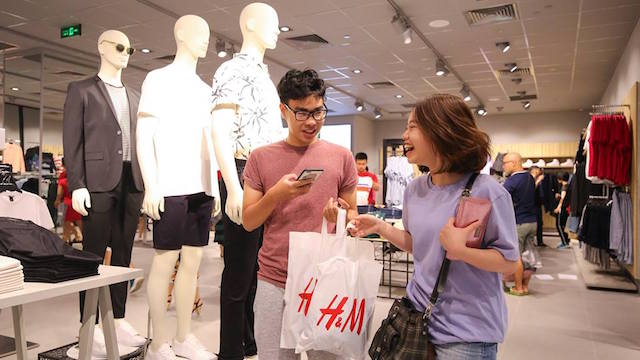
    The world’s second-biggest fashion retailer, Sweden’s H&M, says it plans to cut 250 of its stores globally. The closures will come next year after the firm said the Covid-19 pandemic had moved more shoppers online. Although it said sales had continued to recover in September, they were still 5% lower than the same month in 2019.

    The firm has 5,000 stores worldwide, but it is not yet clear how many closures will be in the UK.

    It said it was “too early for us to give any details on this, the numbers will differ from national market to market”.

    H&M has the contractual right to renegotiate or end leases on about a quarter of its stores every year. The retailer said that it planned a “net decrease of around 250 stores” next year.

    While its pre-tax profits fell to 2.37bn Swedish krona (£210m) for the nine months to 31 August, this was better than analysts had expected.

    However, it said 166 of its stores worldwide remained closed, and a large number still had local restrictions and limited opening hours

    Analyst Richard Lim of Retail Economics said: “What we have seen generally over the past few months of the pandemic has been a step-change in the number of sales going online.

    “That has affected all parts of the industry, but particularly clothing and footwear.”

    He also said that in terms of consumers physically visiting stores to do shopping, there had been a move from High Streets and shopping centers towards retail parks.

    “People can go in their cars instead of using public transport, and they are also able to buy in bigger bulk at retail parks,” Mr Lim said.

    H&M said it would now accelerate its plans to increase digital investment to cope with growing online demand.

    The Stockholm-based firm said it had taken “rapid and decisive action” to manage the impact of the coronavirus, including changes to purchasing, investments, rents, staffing and financing.

    Chief executive Helena Helmersson added: “Although the challenges are far from over, we believe that the worst is behind us and we are well placed to come out of the crisis stronger.”

    Sofie Willmott, from analytics firm GlobalData, pointed out that H&M’s sales in September “fell just 5% demonstrating the relevance of its product offer as shoppers start to feel more confident returning to stores”.

    But she said the firm “must enhance its online proposition given the importance of digital channels, to succeed in a very tough market”.

    In addition, Ms Willmot said H&M should consider “more significant changes” with regards to shop closures, or it will “continue to be hindered by its excessive store estate”.

  • Visa Partnership to Tap on Growth in Digital Economy

    Visa Partnership to Tap on Growth in Digital Economy

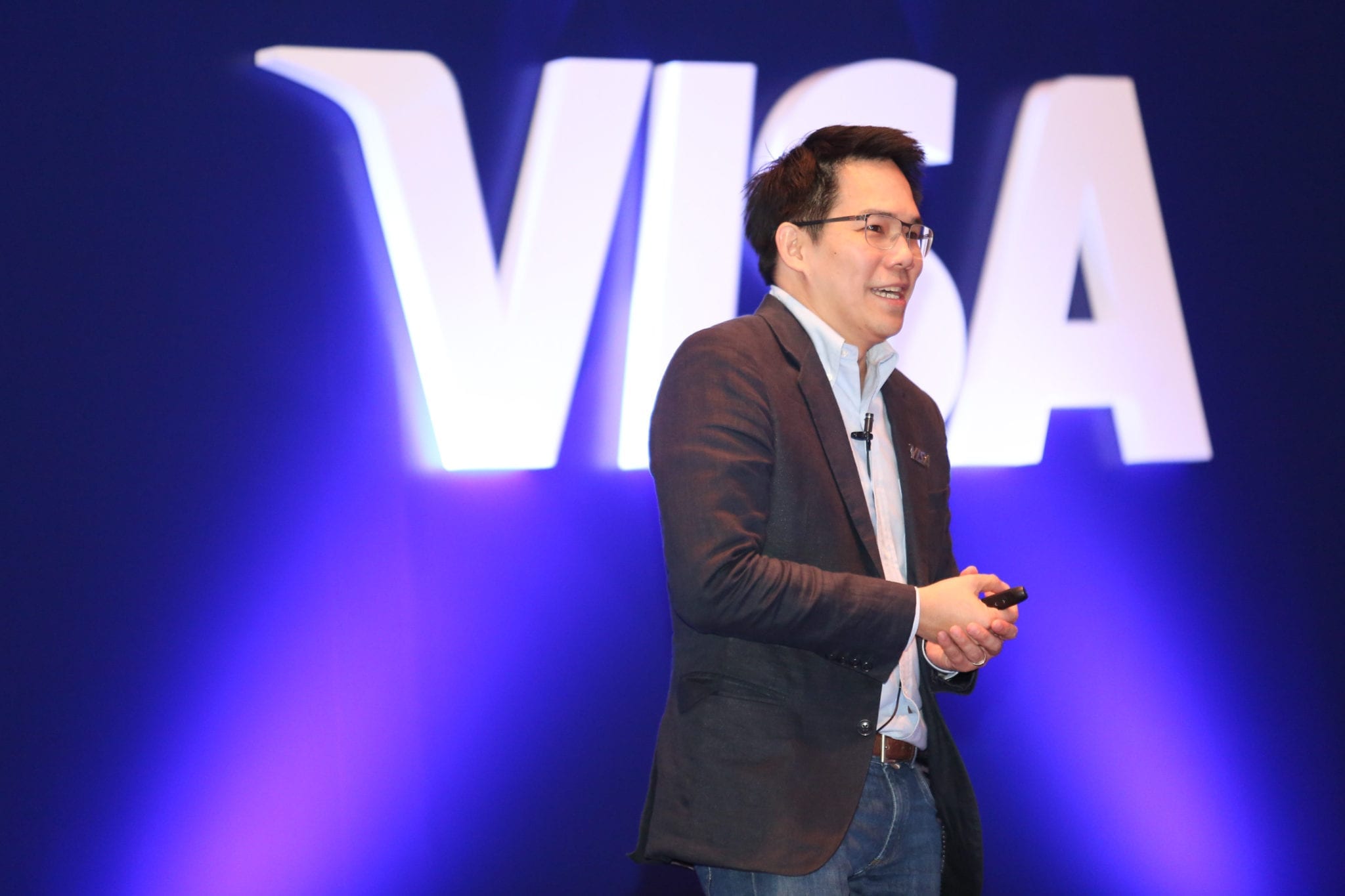
    Visa has announced a five-year regional strategic partnership with e-commerce platform Shopee that intends to spur greater participation in Southeast Asia’s digital economy.

    The agreement includes collaboration on a number of initiatives to extend access to the digital economy for micro, small, and medium enterprises (MSMEs) across Southeast Asia.

    These businesses will be incentivized to digitalize their business on Shopee and adopt digital payments through Visa. The payments giant will also tap on Shopee’s extensive user base to expand its presence with Southeast Asia MSMEs and online shoppers, the announcement said.

    Shopee and Visa will also launch co-branded credit cards in selected markets in partnership with local banks in the next few months. The cards will offer shoppers integrated and seamless rewards and allow Visa to reach more local consumers, Shopee said.

    When a small business goes digital, it’s plugged into a much broader commerce landscape. Visa is working to help any business, regardless of their size or location, better attract and serve more local and global customers by getting enabled to accept digital payments in a safe and secure manner,» Neil Mumm, Visa’s regional head of merchant sales and acquiring, Asia Pacific, said.

    The announcement noted that Southeast Asia is on track to become the fourth-largest economy by 2030, with an increasing share of GDP driven by the digital economy.

    The region’s e-commerce market is estimated to be worth $150 billion by 2025, up from $38 billion in 2018, according to a report by Google.

    Shopee, which is owned by internet gaming, commerce and digital payments firm Sea, is a force to be reckoned with in Southeast Asia. Launched in 2015, the platform accounted for nearly a quarter of the combined gross merchandise value in Singapore, Malaysia, Thailand, Indonesia, the Philippines and Vietnam in 2019.

    Sea’s second-quarter earnings, released in August, indicated revenues of $1.3 billion – almost double from the quarter before, fuelled by revenue gains in online gaming and e-commerce, jumping 62 percent to $716 million and almost tripling to $511 million, respectively.

    The company remains unprofitable, with losses for the quarter growing 59 percent year-on-year to $373 million, largely due to Shopee’s costly battle for market share with regional rivals Lazada, which is owned by Alibaba, and Tokopedia in Indonesia, also backed by Alibaba.

  • Google Maps’ coolest new feature becomes more useful to Android and iOS users

    Google Maps’ coolest new feature becomes more useful to Android and iOS users

    Last year, Google Maps tested a beta version of what it calls AR Live Mode that uses augmented reality to layer the Maps UI over a real-time image from your phone’s front-facing camera. The result is the navigation for those-perhaps yourself-who enjoy getting around by walking around a city. The mode points out landmarks, how far they are from you, and how to get there. For example, if you’re walking through the Big Apple and happen to find yourself in Midtown Manhattan, you might see some information in AR Live Mode directing you to the Empire State Building.

    Google posted a blog today in which it says that the landmarks highlighted in Live View include well-known places, like local parks and tourist attractions. Besides the Empire State Building in New York, other noteworthy places include the Pantheon in Rome. 25 cities worldwide will soon have their Landmarks available to be viewed using Live View. Those cities include Amsterdam, Bangkok, Barcelona, Berlin, Budapest, Dubai, Florence, Istanbul, Kuala Lumpur, Kyoto, London, Los Angeles, Madrid, Milan, Munich, New York, Osaka, Paris, Prague, Rome, San Francisco, Sydney, Tokyo, and Vienna.

    Live View can be accessed by tapping on the button of the same name when looking up a place on Google Maps. It now can be used on the transit tab if part of your journey includes walking. Google points out that this is useful when you exit a transit station but don’t know which way to go once out of the station.

    Google also announced today that the Live View feature that previously was added to Location Sharing for Pixel users will soon be available to all Android and iOS users worldwide. Google explained this in today’s blog by noting that if a friend has chosen to share their location, you can tap on his icon and then on Live View to see where and how far away he is. Overlaid arrows and other directions make it easy to figure out how to get to where your friend is.

    Lastly, in Live View, using Machine Learning and Google’s understanding of the world’s topography, Google can more accurately place a destination pin. In the accompanying images, you can see how much closer Lombard Street in San Francisco appears when using Live View.

  • Trading in Tokyo Resumes Following Glitch

    Trading in Tokyo Resumes Following Glitch

    The Tokyo Stock Exchange (TSE) has resumed regular operations on Friday after a technical outage that lasted all day Thursday.

    TSE is currently planning to replace the hardware and taking steps, including other maintenance, to ensure normal trading from tomorrow onwards, bourse operator Japan Exchange (JPX) said on Thursday evening.

    There was no indication that the exchange’s biggest glitch in a decade was caused by hacking or other cybersecurity breaches.

    JPX explained that Thursday’s outage was the result of a hardware failure. «The switchover from the failed device to the backup device did not work properly, and as a result, market information could not be distributed, JPX said.

    JPX has been on the receiving end of criticism over its crisis management and poor communication to investors regarding the outage.

    The matter has also raised questions over Japan’s digital systems and infrastructure, particularly as the country seeks to boost its status as an international financial hub.

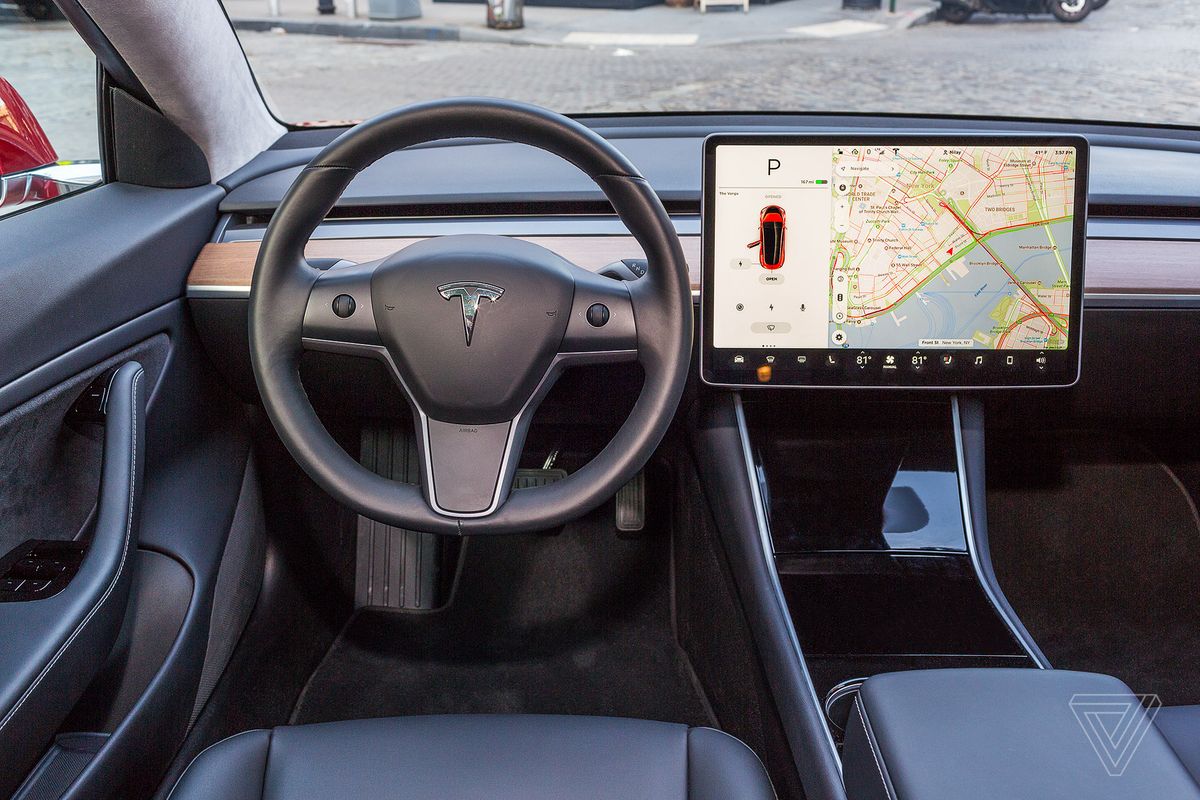
  • Tesla Autopilot Scores Low For Driver Engagement In European Safety Rating

    Tesla Autopilot Scores Low For Driver Engagement In European Safety Rating

    Tesla’s Autopilot has ranked sixth in 10 driver assistance systems evaluated in a European safety assessment, scoring low on its ability to keep drivers engaged. The Tesla Model 3’s Autopilot scored just 36 when assessed on its ability to maintain a driver’s focus on the road. But it gained the highest marks for performance and ability to respond to emergencies, receiving an overall score of 131 and a rating of ‘moderate’.

    In contrast, the Mercedes GLE’s system, which had the highest overall score of 174 and received the top rating of ‘very good’, received a score of 85 for driver engagement. Most other vehicles had scores of 70 or above for driver engagement.

    The European New Car Assessment Program (NCAP), which worked with UK insurance group Thatcham Research, called the assessments the first consumer ratings specifically focused on driver assistance systems – technology that automates some tasks, including acceleration, braking and steering support.

    Safety and insurance researchers have frequently warned of the risks of consumers overestimating the systems’ abilities, a misconception increased by some automakers calling their products Autopilot, ProPilot or CoPilot.

    Tesla’s Autopilot has been criticized by the U.S. National Transportation Safety Board for allowing drivers to turn their attention from the road and U.S. regulators have investigated 15 crashes since 2016 involving Tesla vehicles equipped with Autopilot.

    “Unfortunately, there are motorists that believe they can purchase a self-driving car today. This is a dangerous misconception that sees too much control handed to vehicles that are not ready to cope with all situations,” said Matthew Avery, a Euro NCAP board member and research director at Thatcham Research.

    In addition to the Mercedes GLE, the BMW 3-Series and the Audi Q8, received the highest rating of ‘very good’ while two models, the Renault Clio and the Peugeot received the lowest rating of ‘entry’.

  • Google Meet will get Q&A and polling features for more engaging online meetings

    Google Meet will get Q&A and polling features for more engaging online meetings

    Next week Google’s popular Google Meet platform for video calls and conferences is going to receive some useful features to further improve the video conferencing experience. The two features that will be coming starting next week are the ability to create polls and a Q&A feature.

    The Q&A feature would be particularly useful for students, attending online lectures or classes. With the new Q&A feature, students or meeting participants can ask questions without disturbing the flow of the presentation. After a question has been submitted, other participants can upvote it as well.

    The second collaboration-oriented Google Meet feature that is going to come soon is Polls. Polls allow meeting organizers to get feedback from their audience in a real-time manner, which should make a meeting more engaging for all participants. Meeting moderators will have the possibility to launch multiple polls even during a video call, while results and data from the poll will be mailed to them. Moderators will also receive the results from the poll right away.

    These two new features are expected to start deploying on October 8. Google expects deployment to all users to be completed in 15 days. These features will be available for subscribers of G Suite Essentials, G Suite Business, G Suite Enterprise, and G Suite Enterprise for Education.

  • Apple set to add Vietnamese to Siri

    Apple set to add Vietnamese to Siri

    Apple has placed an advertisement for a Vietnamese language specialist for its virtual assistant Siri team.

    According to the LinkedIn job post, the person will be based at Ang Mo Kio in Singapore. The 15 key qualifications applicants require include reading, writing, and comprehension skills in both English and Vietnamese, understanding verbal nuances in Vietnamese, and having an understanding of the Asia-Pacific region and cultural variations where the language is spoken.

    Analysts said the company might be seeking to develop Siri in the Vietnamese market. It currently supports 37 languages, but not Vietnamese.

    According to MacRumors forum, an aggregator of Apple-related rumors and reports on the web, Apple is also looking for Ukrainian, Hungarian, Slovak, Czech, Croatian, Greek, Flemish, Romanian, Polish, and Indonesian language specialists.

    If successful, it is possible these languages will be added to Siri in the iOS 15 update. Apple has gone on a hiring spree in Vietnam since the beginning of this year including from senior roles like regional operations.

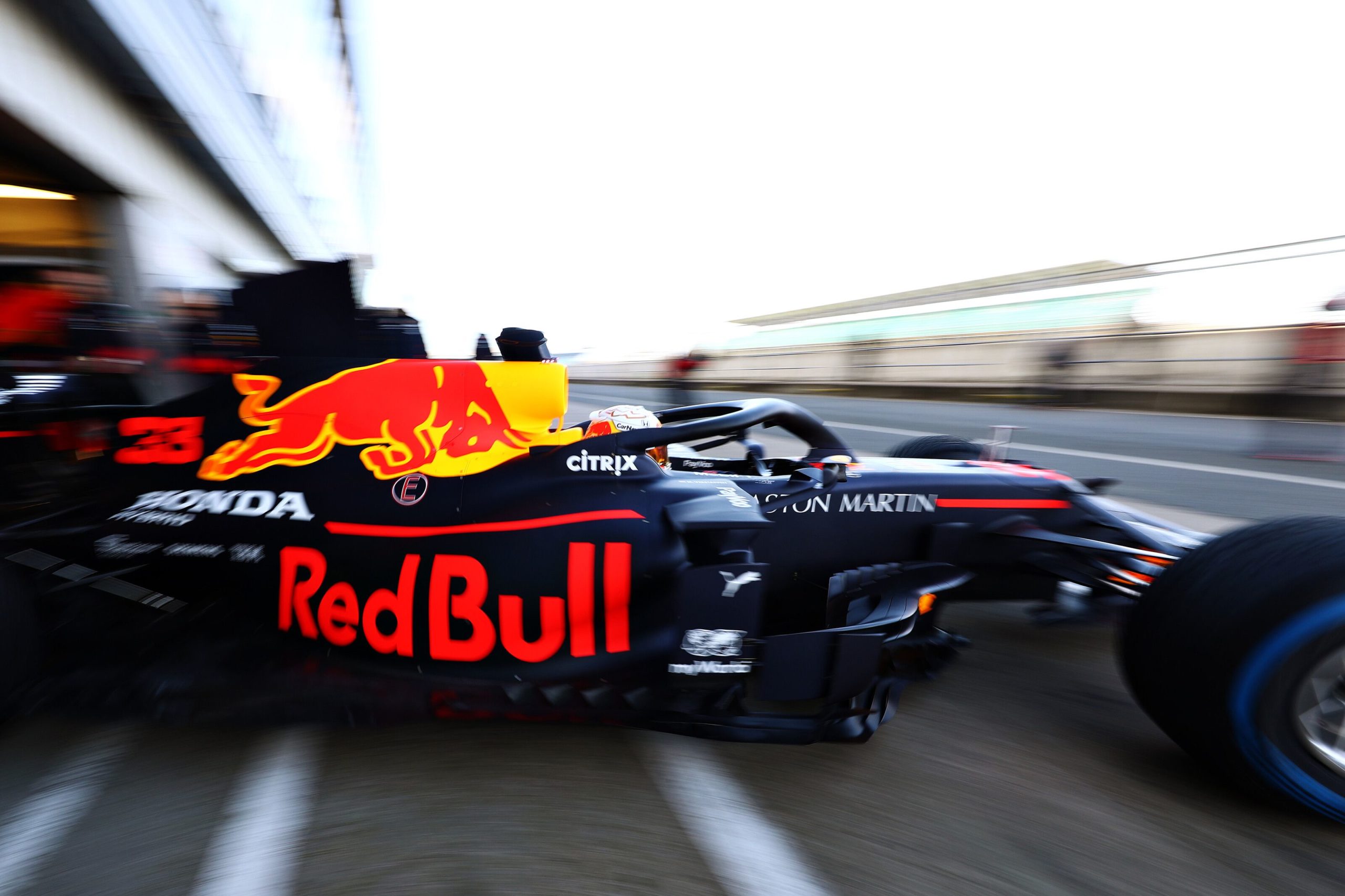
  • Red Bull Spent Two Times More In 2019 Than What It Will Be Allowed In 2021

    Red Bull Spent Two Times More In 2019 Than What It Will Be Allowed In 2021

    Red Bull spent $305.04 million dollars in its 2019 campaign to win the F1 world championship which is reflective of the challenges that the big teams are up against in light of the upcoming budget cap that’s incoming. Next season teams will be only allowed to spend $145 million, though this number doesn’t include things like driver salaries. This number was also achieved after a minor reduction of $2.95 million from 2018 which was preceded with years of increasing expenditure. The big three teams – Mercedes, Ferrari, and Red Bull are all in for major restructuring as the budget cap will not allow them to spend as much on their F1 programs. Ferrari has also revealed that it is willing to explore participating in the Indy Car franchise to transfer some of its staff from F1.

    “The directors consider race performance, Championship performance, and a controlled cost base to be principal key performance indicators to assess progress towards strategic goals,” said Red Bull team boss Christian Horner.

    “Costs remain under control and the team is mindful of adaptions necessary for new financial regulations coming into force for 2021,” he added.

    Red Bull’s racing unit remains profitable but just slightly as it made a profit of $0.79 million which is peanuts in the scheme of things. This number also fell when compared to what Red Bull made in 2018. It made $1.18 million in that year when it also finished P3 in the constructor’s world championship behind Mercedes and Ferrari.

    Even these numbers are complicated as Red Bull’s association with its parent company Red Bull Technologies is complex as it employs and hires a lot of the designing and manufacturing staff. The complications are compounded by the fact that Red Bull Technologies is the parent behind the sister AlphaTauri team and also works with Aston Martin on the Valkyrie project.

    The 2010, 2011, 2012, and 2013 world championships were won by Red Bull with Sebastian Vettel becoming world champion four years in a row, till 2014 ushered in the new hybrid era of F1 engines and Mercedes started to dominate.

  • Traditional matches producer to delist

    Traditional matches producer to delist

    Matches producer Thong Nhat Match Jsc will delist its shares this month since the number of its shareholders has fallen below the minimum requirement of 100.

    They will be delisted on October 21, the Hanoi Stock Exchange announced. It had only 45 shareholders as of the end of last year, according to the company’s annual report.

    The 64-year old company ceased matches production after sales slumped this year and instead switched to importing from India. It had said last year the popularity of lighters was largely to blame for falling demand for matches. Besides, the cost of wood was rising and its outdated equipment could no longer make matches cost-efficiently, it said.

    The company now focuses on producing lighters. Its profit fell 58 percent last year to VND920 million ($39,600). Thong Nhat Match was established in 1956 as a state-owned company with a factory in northern Vietnam. It was equitized in 2002, and has charter capital of VND22 trillion ($950 million).

    Like other traditional companies Thuy Ta Ice-cream and Thuong Dinh Footwear, all over 60 years old, it too has been struggling to grow in the modern competitive market.

  • Monitoring and Controlling Temperature using Wearables

    Monitoring and Controlling Temperature using Wearables

    Regulating body temperature is a problem that humankind has been contending with for millennia. Our physiology adapted to cope with quite a small part of the world, where the climate is a certain way. Once we spread out across the globe, we had to cope with the entire range of weather systems – from hot and humid jungles to icy tundra.

    Of course, when it’s too cold, the technological solution is simple: just wrap up warm. But what happens when it’s too hot? That’s the problem which a new wave of wearable devices aim to solve.

    Perhaps the most eye-catching of these is the Reon Pocket from Sony – a small piece of plastic, chargeable via USB-C, which is built to sit against your skin, and to cool you down via the Peltier effect. Released exclusively in Japan, where the humidity during summer is a problem in some regions, it functions, basically, like a small cold device which sits against the skin, which, while welcome, is a little more local as a cooling effect than some of the marketing material might suggest.

    What’s the Peltier Effect?

    The Peltier Effect is one of three thermoelectric effects, produced by thermocouples of the sort you might find on the RS Components webstore. It allows the creation of solid-state heat pumps. If we take two junctions, and apply a voltage across them to create a current, heat will be removed from one and be deposited at the other. Note that this only works in the case of DC circuits; otherwise you’d have heat being moved rapidly from one junction to the other without any useful effect.

    The traditional means of air conditioning involves pipes of coolant, motors and compressors. Heat is absorbed at one end of a loop and dispersed at the other. This is the function of those big air-conditioning units you might see sprouting from the tops of office buildings. Obviously, this method wouldn’t be practicable in a wearable device. But it’s only very recently that Peltier-based circuitry has gotten small enough that it can be fitted into a wearable device.

    On the other hand, we also have devices powered by another thermoelectric effect – the Seebeck effect – which actually allows for smartwatches which don’t ever need to be charged. Wearable devices like the Matrix Powerwatch can be powered by body heat alone, meaning that you never have to worry about charging them ever again.

    What about the Environment?

    Naturally, a world where we’re all walking around with air-conditioned jackets is sure to impose a cost on the environment, in much the same way that air-conditioned buildings has done. If the Seebeck effect is properly leveraged, however, then the effect might run in the opposite direction – we’ll have wearable devices that never need to be charged again!

  • DHL Supply Chain partners with Shopee to provide world-class delivery services for the exciting ‘Shopee 10.10 Brands Festival’

    DHL Supply Chain partners with Shopee to provide world-class delivery services for the exciting ‘Shopee 10.10 Brands Festival’

    DHL Supply Chain Thailand, the global market leader in contract logistics solutions, is partnering with ‘Shopee’, the leading e-commerce platform in Southeast Asia and Taiwan, to support  ‘Shopee 10.10 Brands Festival’. In anticipation of the expected spikes in online sales, DHL Supply Chain will extend its logistics support to include the transportation of large and bulky items directly to its customers.

    Kevin Burrell, CEO DHL Supply Chain Thailand Cluster said, “Our partnership with Shopee extends beyond logistics. We see ourselves as a strategic partner who can provide a full range of end-to-end services from warehousing to handling and delivering white goods. With DHL’s innovative technology that is integrated throughout our warehouse and transport services, I am convinced that we are best placed to manage the increased volume with ease and demonstrate our value in ensuring that all of Shopee’s customers receive the best shopping experience.”

    E-commerce is fast becoming a popular choice for savvy shoppers in Thailand, who expect to receive their purchases in pristine conditions and on time. The total value of Thailand’s business-to-consumer sector is valued at about USD 5.5 billion this year up by about 14% as compared to 2019. In reports by App Annie, Shopee continued to rank first in the ‘Shopping’ category by downloads in Southeast Asia in Q2 2020, and was among the top three worldwide in the same category.

    Eric Bui, Head of Operations, Shopee (Thailand) said, “With online shopping growing day by day in Thailand, it is our priority to consistently provide a seamless shopping experience for our users, from the moment they go online, to the purchase, and then delivery. That is why we teamed up with a world-class expert. DHL’s wealth of experience and innovative systems exceeded our expectations from day one, ensuring that we continue to maintain our good reputation with our users. With the previous Shopee double date campaigns, we encountered a spike in demand but DHL was able to meet our customers’ expectations, which made the campaign a resounding success. They will once again be an important partner for us during the Shopee 10.10 Brand Festival.”

    DHL Supply Chain utilizes its expertise to ensure products sold on Shopee are delivered to customers effortlessly. In particular, leading brands on Shopee Mall, which carry many types of products including large and bulky items will benefit from this partnership given that DHL excels in the transportation of such items which require extra care and precision.