Author: Mei Ling Tan

  • South Korean retail sales surged in August

    South Korean retail sales surged in August

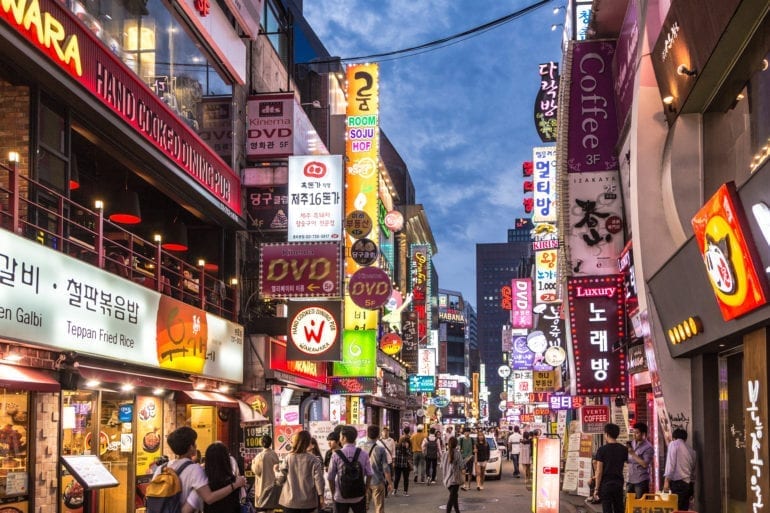
    South Korea’s non-store retailers including online shopping and delivery operators raised a record 46.2 trillion won ($39.1 billion) in sales in the first six months of the year as consumers relied much on non-face-to-face businesses amid coronavirus fears.

    According to data from Korea Small Business Institute and Statistics Korea on Monday, non-store retail sales jumped 19.4 percent year over year to an all-time high of 46.2 trillion won in the January-June period. The amount was 13 percent more than the second half of last year and more than doubling 22.6 trillion won in the first half of 2015.

    It was the first time for the bi-annual amount of non-store sales to jump more than 7 trillion won on year from the previous six-month period. The previous record increase was 4.8 trillion won in the first half of last year.

    The rapid increase was largely attributed to the outbreak of COVID-19 as non-store retailers gained huge popularity for its convenience of being able to allow consumers to purchase goods without having to visit offline stores amid social-distancing measures to contain coronavirus. Many companies also advised employees to work from home.

    According to Woowa Brothers, the operator of the country’s largest food delivery app Baedal Minjok, the number of mobile orders jumped 176 percent on year in the January-June period. The surge has further accelerated during the coronavirus outbreak.

    Amid growing demand for non-store shopping due to the virus scare, retailers have turned aggressive in selling products via online and home shopping channels.

    As more people opt for non-store shopping, sales at department stores fell 13.4 percent on-year to 12.9 trillion won in the first six months of the year and those of specialty retailers 10.3 percent to 61.1 trillion won. Sales of duty-free stores especially plunged 37.1 percent during the cited period as board-crossing traveling was virtually impossible.

    Sales at large discount stores, supermarkets, and convenience stores increased in the first half of the year from a year ago but growth was smaller than those of non-store retailers.

    Large discount stores raised 16.2 trillion won in sales in the January-June period, up 1.1 percent from a year ago. Sales at convenience stores increased 2.8 percent to 12.7 trillion won and supermarkets 6.8 percent to 23.2 trillion won.
  • Google reveals one change coming to Android 12

    Google reveals one change coming to Android 12

    We’ve been asked this question multiple times. If both Apple and Google take a 30% cut of in-app purchases, why is Apple and the App Store considered a monopoly while Google and the Play Store are not? It comes down to this: Apple does not allow iOS users to install apps from third-party stores. Thus, the infamous walled garden forces iPhone users to install apps from the App Store even if it means paying more for an app. Google allows Android users to sideload apps from third-party app stores such as the Amazon Appstore or Samsung’s Galaxy App Store thus giving Android users the opportunity to install an app from another store rather than the Google Play Store.

    Thanks to the Epic v. Apple suit, the question about whether Apple is a monopoly because it demands that developers use its In-App Payment system (and only this system) to list its app in the App Store is highly relevant. Epic Games wanted to give iOS users who downloaded Fortnite from the App Store the opportunity to subscribe to the game at a cheaper price directly from Epic. Apple emphatically said “No!” and removed the popular game from its iOS App storefront.

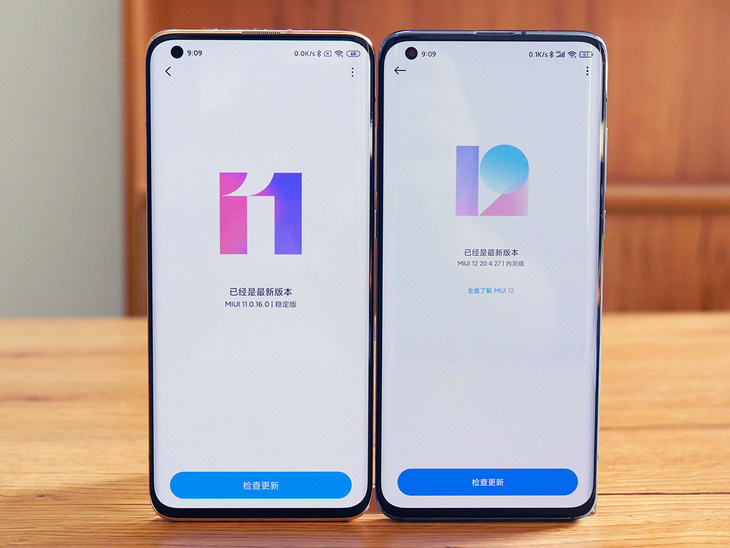
    Google says that it will respond to feedback from developers with next year’s Android 12. The 2021 release, Google announced, will “make it even easier for people to use other app stores on their devices while being careful not to compromise the safety measures Android has in place.” However, Google is going to continue to demand that developers selling digital items in their apps use the Google Play billing system. Just to make this clear, it is changing the language of its payment policy. Any app not using the Google Play system for in-app payments must add it by September 30th, 2021.

    Pointing out its differences with the App Store, Google notes that even with Epic Games’ Fortnite kicked out of the Play Store for supporting alternative payment methods, the game can be downloaded on an Android device via a third-party store. Google states that “even if a developer and Google do not agree on business terms the developer can still distribute on the Android platform.”

    Certainly, Android 12 will bring plenty of new features that we will probably hear about next May during Google I/O 2021. But for now, Google promises to make the use of third-party app stores easier with Android 12.

  • UOB Launches Platform for Corporate Clients

    UOB Launches Platform for Corporate Clients

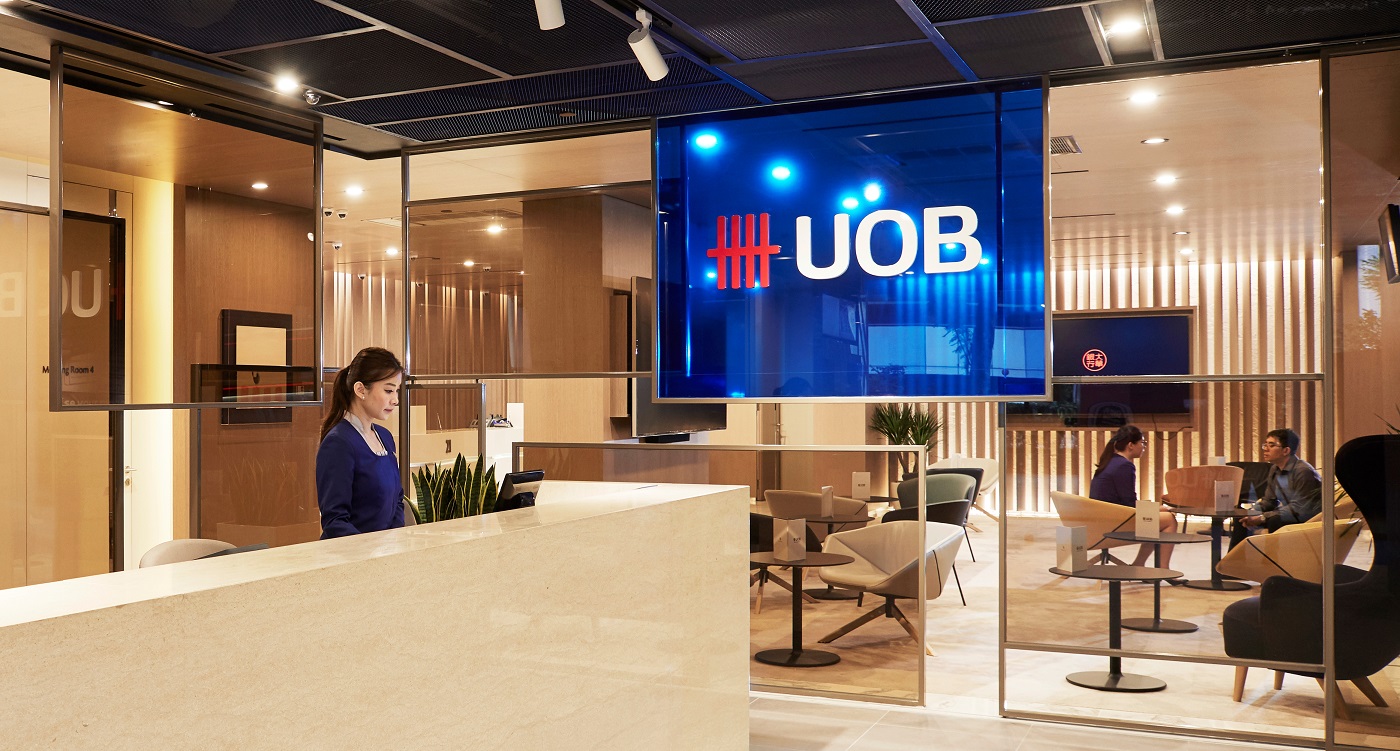
    The new platform aims to transform the digital banking experience for corporate clients and manage their banking needs in a simpler, smarter, and more personalized manner.

    Customers will be able to manage a range of domestic and cross-border banking activities on UOB Infinity, which aims to streamline business banking by integrating features such as cash management and trade finance, as well as real-time payment receipt confirmation at the beneficiary bank and information on charges for the cross-border transaction, including those from the intermediary bank.

    In addition, its app allows clients to make a wide range of payments – from local bill payments to making domestic and cross-border fund transfers – through services such as PayNow, FAST, and telegraphic transfers.

    The platform will be rolled out across the region, beginning with Singapore, the bank said in an announcement on Wednesday. Users of BIBPlus, the bank’s existing business internet banking platform, can use Inifinity with the same credentials.

    The design of Inifinity, such as its customizable desktop, comes amid rising demand for personalized digital experiences and increased use of electronic payments for business transactions.

    The result is «an experience that is intuitive for corporate clients and enables them to access the financial intelligence they need quickly and easily,» So Lay Hua, UOB head of group transaction banking, group wholesale banking, said.

  • Android 11 update roadmap for Nokia smartphones leaks

    Android 11 update roadmap for Nokia smartphones leaks

    HMD Global did a little blunder recently when it decided to tweet the Android 11 update roadmap for Nokia smartphones and then delete it quickly afterward. That usually means that the company is not ready to commit to those dates highlighted in the document, so take the information with a grain of salt even if it comes through official channels.

    As many Nokia fans already know, HMD Global usually updates all its smartphones, regardless of the hardware inside. That being said, it’s no surprise that we’re seeing devices like Nokia 1 Plus and Nokia 1.3 on the list of devices eligible for an Android 11 upgrade.

    You can check the picture above to see when exactly your Nokia smartphone will receive Android 11, or you can read below if what’s in the image isn’t too clear for you. Just like every other year, HMD Global will push Android 11 in waves, so here is a quick rundown of the situation:

    • Nokia 2.2, Nokia 5.3, Nokia 8.1, Nokia 8.3 5G: Q4 2020 and early Q1 2021
    • Nokia 1.3, Nokia 2.3, Nokia 2.4, Nokia 3.4, Nokia 4.2: Q1 2021
    • Nokia 3.2, Nokia 6.2, Nokia 7.2: Q1-Q2 2021
    • Nokia 1 Plus, Nokia 9 PureView: Q2 2021

    Since HMD Global decided to take down the document maybe some of the estimates will be modified. Well, at least we have an idea of what to expect from the Finnish company when it comes to Android 11 updates.

  • Microsoft’s OneDrive updated with several new features for iOS 13 and 14 users

    Microsoft’s OneDrive updated with several new features for iOS 13 and 14 users

    The last time OneDrive for iOS was updated, the app received a couple of new features specifically designed for iOS 14. This time Microsoft is rolling out a slew of new features aimed at both iOS 13 and 14 users.

    First off, we have a brand new OneDrive widget available only for iOS 14 users. Then, there’s a new Home tab that should make it easier for OneDrive users to pick up where they left off. The new Home tab features a user’s Recent view for easy access to files, as well as an Offline Files section that lets you access and manages files already downloaded for offline access. The new Home tab is available now for all iOS users.

    Microsoft also revealed that OneDrive personal users will get On This Day featured at the top of the new Home tab. Finally, the update makes it easier for users of OneDrive at work or school to get their Shared Libraries from the Home tab.

    Besides the new features related to the Home tab, Microsoft made two improvements to OneDrive for iOS. Firstly, it fixed an issue with an unexpected dialog showing up when users would tap the widget to sign into a personal account. Secondly, it improved the widget to make it look even better.

    The new OneDrive for iOS 12.0.2 is already available for download via the App Store, so you might want to update your app to benefit from all these nifty improvements.

  • Firefox for Android to get some useful extensions soon

    Firefox for Android to get some useful extensions soon

    After Firefox for Android received a major redesign one month earlier, now Mozilla is working on improving the user experience on the mobile browser even more. The company is now going to add some welcome browser extensions, however, these are first coming to Firefox Nightly for testing.

    The company says that the new extensions will be available in the release version of Firefox for Android in November, that’s why they are currently being tested out on the browser’ Firefox Nightly version (used to be called Firefox Preview).

    The new extensions the mobile browser is getting include some quite useful features. The first one, called Video Background Play Fix will keep videos playing in the background when you switch to a new tab. The browser will also get Image Search Options, a tool that will help you dig deeper into web content and find images more easily.

    In the privacy department, the browser will get the extensions FoxyProxy, which is a proxy management tool, and Bitwared, a password manager tool.

    Keep in mind that these extensions are for now only available in Firefox Nightly (if you want to test them, you can install Firefox Nightly) and will be available in the official Firefox for Android in November.

  • Starbucks struggles to beat Vietnamese coffee chains

    Starbucks struggles to beat Vietnamese coffee chains

    Despite recording double-digit growth last year, the American coffee chain Starbucks remained in third place in revenues behind two local competitors.

    Its 2019 revenue of VND780 billion ($33.6 million), up 32 percent year-on-year, was behind market leader Highlands Coffee at VND2.2 trillion and The Coffee House at VND863 billion.

    This makes the international coffee shop chain rank third in revenues for the second year in a row after securing second place behind Highlands Coffee in 2017.

    It also stood in the third place in terms of growth rate behind Phuc Long’s 65 percent and Highlands Coffee’s 35 percent. Although Starbucks, the only foreign brand in Vietnam’s top five coffee chains, has been established in the country for seven years, the number of outlets in four localities (60) remains small compared to main competitors. Highlands Coffee has 336 outlets and The Coffee House has over 150.

    The number of outlets is less than one-fifth of its presence in other Southeast Asian markets. Starbucks Thailand has 336 outlets and Starbucks Indonesia more than 320. In terms of gross margin, Starbuck’s rate of 19 percent is smaller than 60-70 percent for Highlands Coffee and The Coffee House and 35 percent for Phuc Long.

    One of the reasons for the lower margin is that Starbucks sources its coffee from the U.S. to ensure the same quality globally, so its costs are higher than those making local procurements.

    The brand, however, is among a few that remain in the market even as several other foreign brands have left, including Australia-headquartered Gloria Jean’s Coffees and Singapore’s New York Dessert Coffee (NYDC).

    Another foreign brand, U.S.-based The Coffee Bean & Tea Leaf, saw revenues in Vietnam dropping 30 percent year-on-year to VND71 billion last year.

  • Singapore’s market undervalued because of the problems in 2020

    Singapore’s market undervalued because of the problems in 2020

    Financial experts have noted that because of the fact that Singapore did pretty badly in 2020 for various reasons, it is undervalued and a lot of people do not pay attention to it. Even though it has been a bad period for the Asian Tiger, it is a good idea to buy the market in Singapore.

    This trend was not typical for Singapore only, as China and North Korea also experienced the same very heavily amid the coronavirus pandemic. Singapore’s Straits Times Index is among Asia’s worst performing indexes by far in 2020. It is still down more than 21% year to date.

    Huge allocation of funds from the government

    About 8 billion Singapore dollars ($5.8 billion) to support the economy to overcome the consequences of the coronavirus was allocated by the Singapore government, Deputy Prime Minister and Finance Minister Heng Swee Keat declared that on August 17.

    The minister said in a televised address that as a result of the damage brought by the coronavirus, the economic consequences were serious. He also added that “the global economy remains very weak,” and the recovery “will depend on how well countries are at containing the spread of the virus.”

    Because of the crisis in the country, the Forex industry was also affected and forex trading brokers in Singapore expressed their fears about the upcoming period as well.

    The government has allocated an additional S $187 million (US $136.5 million) in assistance to the airline industry; it also provides cash payments to unemployed Singaporeans or those who have lost significant income, as well as workers with low wages.

    Meanwhile, the new measures also include S $20 million in “travel loans” to Singaporeans to encourage domestic tourism.

    The Southeast Asian country last week reported a 13.2% decline in its gross domestic product in the second quarter compared to the same period last year, the worst ever, according to official statistics.

    According to official figures, the Singapore government expects the economy to contract 5-7% this year, the worst recession on record.

    Economic growth contracted 41.2% due to the coronavirus pandemic.

    Singapore’s economy plunged into recession in the second quarter. Economic growth contracted 41.2% from the previous quarter, according to the BBC.

    According to local authorities, this recession is one of the worst in the country’s history since independence from Malaysia in 1965. One of the reasons is the coronavirus pandemic, which has affected business and trade in the city-country.

    Official data show that Singapore’s GDP contracted 12.6% in the second quarter over the previous year. Before that, there was a drop in GDP in the first quarter by 2.2%.

    The coronavirus pandemic has significantly impacted the country’s trade, especially its exporters. The construction industry is also experiencing record rates of decline.

    Singapore is not the only Asian country to experience serious economic problems due to the coronavirus pandemic. Japan’s GDP in the second quarter contracted by 20% compared to the previous period. But the data for China indicate its return to economic growth.

    In Singapore, the total number of coronavirus cases was more than 56,000. The death toll stands at 27.


  • Russian ride-hailing app makes Vietnam debut

    Russian ride-hailing app makes Vietnam debut

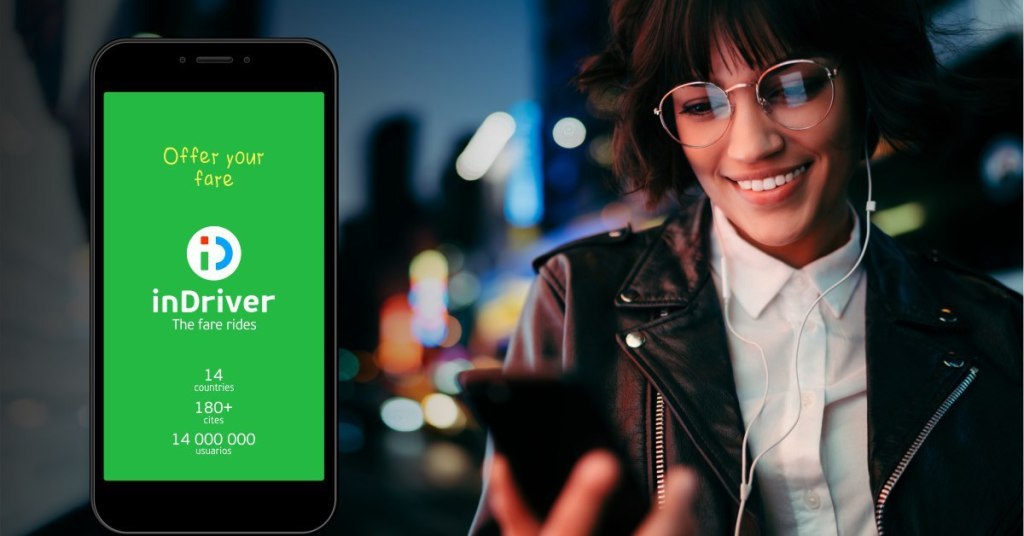
    Russia’s InDriver has become the latest entrant in Vietnam’s growing but fiercely competitive ride-hailing market, joining several foreign and domestic firms in the fray.

    Starting this month, the company is offering car and motorbike ride-hailing services in the central province of Thua Thien Hue, the southern city of Can Tho, and the northern city of Hai Phong.

    It now has 260 car and 300 motorbike driver-partners. The company currently does not charge any fee from drivers, allowing them to receive in full the amount that customers pay.

    The biggest difference between InDriver and other ride-hailing apps is its real-time deal feature, which allows customers to offer an initial fare for the ride and send it to nearby drivers, who have the option to either accept the fares or propose a higher one.

    While other companies automatically select drivers, InDriver allows customers to manually choose one based on their proximity, reviews and price offers.

    A company spokesperson said this feature goes against popular algorithms which automatically increase fares during peak and high-demand hours.

    InDriver has over 50 million users worldwide. Its main competitors in Vietnam are currently Singapore’s Grab, domestic player Be, and Indonesia’s Gojek.

    U.S.’s ABI Research estimates Grab dominates the Vietnamese market with a 73 percent share, followed by Be with 16 percent and Gojek with 10.3 percent.

    In July, domestic player GV Taxi became a new player in the ride-hailing market, aiming to have 8,000 partner drivers in six months.

    Vietnam’s ride-hailing market was the fourth largest in Southeast Asia last year behind Indonesia, Singapore, and Thailand, according to a report by Google.

  • HTC’s foldable smartphone is awkward rather than exciting

    HTC’s foldable smartphone is awkward rather than exciting

    Many companies have already jumped on the foldable phone bandwagon, but it may take years for the market to reach maturity. As such, the first companies to have their own foldable smartphones available on the market have a big advantage over those who didn’t have the courage or resources to come out with such products yet.

    Even though these foldable smartphones are still crazy expensive, there seems to be an audience for these. It remains to be seen how large this audience really is and whether or not foldable smartphones will become a thing, unlike 3D phones that disappeared very fast.

    After Samsung, Motorola, and Huawei, it looks like HTC is readying its own foldable smartphone. Although HTC’s foldable smartphone exists just on paper at the moment, the Taiwanese company seems to be interested in the concept.

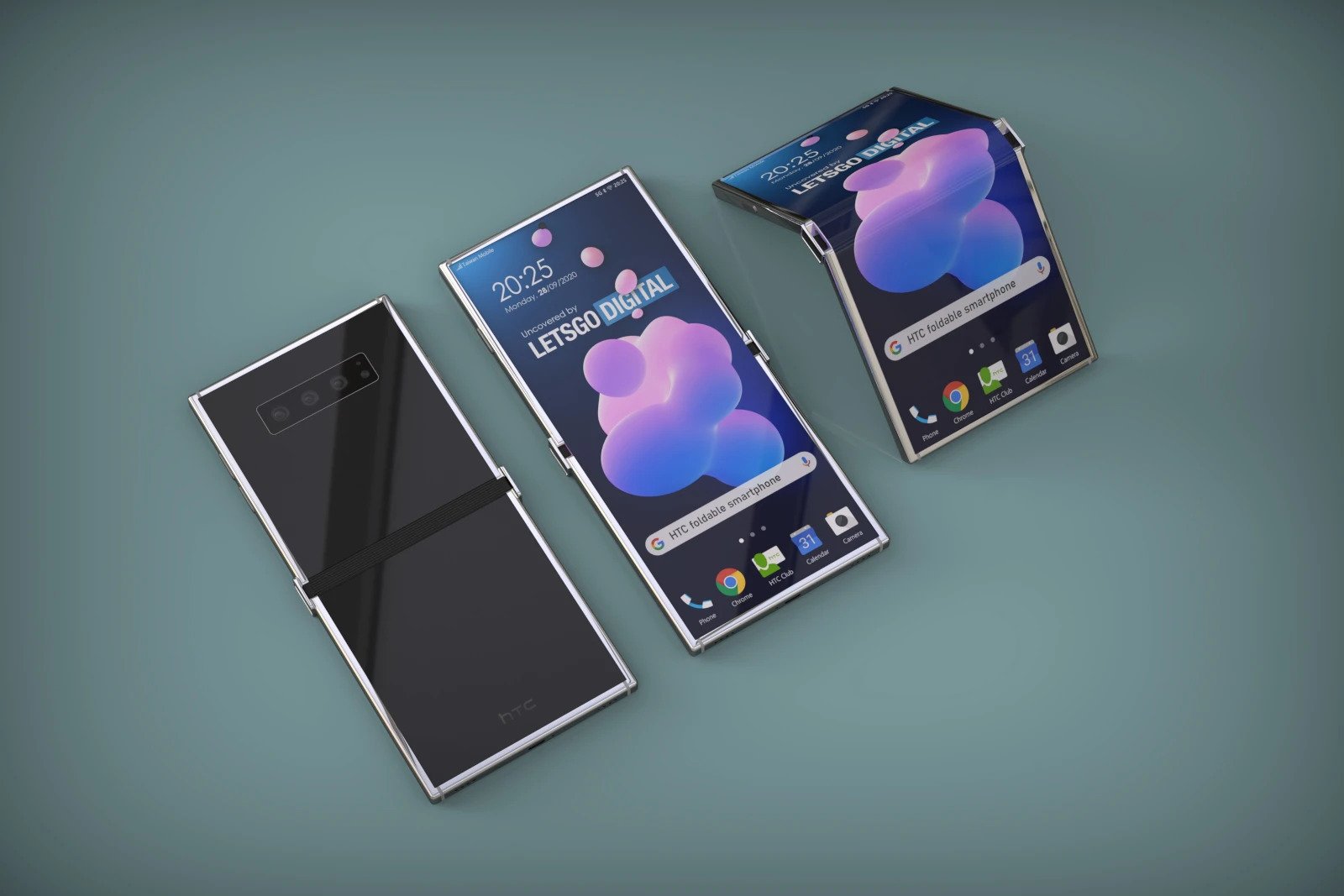
    HTC filed a patent for a new foldable smartphone late last year. The patent was published back in August by the WIPO (World Intellectual Property Office) and judging from the sketches, HTC’s device doesn’t look too good. The technology behind it needs to be streamlined, that’s for sure.

    The hinge mechanism is the first weird thing noticeable in the pictures. It protrudes outwards and while it might offer an additional layer of sturdiness to the phone, it’s quite unpleasant for the eyes. But the biggest question mark is that HTC’s device folds outwards, so the display will always be on the outside.

    HTC’s foldable smartphone doesn’t seem to feature a secondary display like Motorola’s new RAZR, but because it folds outwards, it should allow users to operate the phone without having to open it, at least in theory.

    LetsGoDigital made a handful of renders based on the patent drawings filed by HTC, but the final device might not look like what we’re seeing in these images. It’s hard to say if HTC is still determined to launch its own foldable smartphone, but if it does, let’s hope it comes up with a better concept.

  • Ikano Centres to build drive-thru F&B facility next to Ikea Batu Kawan

    Ikano Centres to build drive-thru F&B facility next to Ikea Batu Kawan

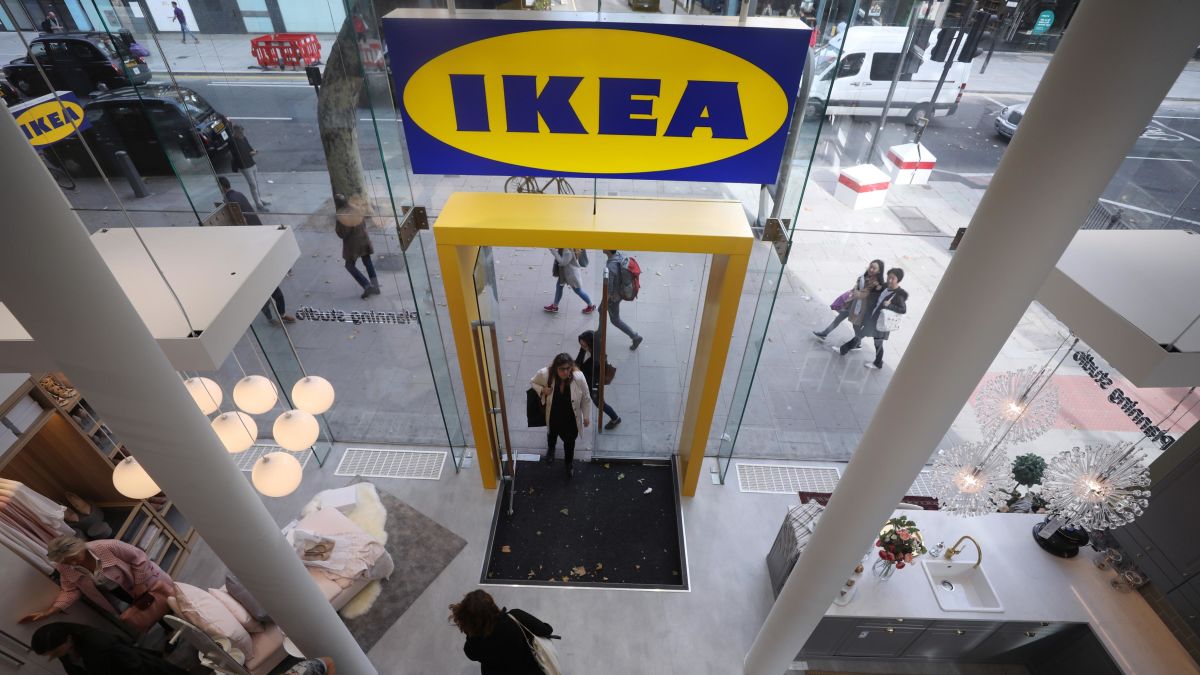
    Building on the first phase opening in December last year, Ikano Centres, part of IKEA Southeast Asia, is excited to launch a new drive-thru concept next to IKEA Batu Kawan in North Malaysia. Focusing on food and beverage (F&B), the drive-thru will be the natural next phase in the development of its meeting place that embraces the new age of convenience.

    Expected to be fully operational by mid-2021, the drive-thru component will complement the current dine-in IKEA restaurant and F&B tenants. The latest addition will see more food options across the 200,744 square feet gross leasable area.

    “Malaysians have a great love for food and appreciate the convenience,” said Christian Roejkjaer, Managing Director of IKEA Southeast Asia & Mexico. “For many, drive-thrus have become a quintessential part of their lifestyle and may play a crucial role in our ‘new normal’. Building our first drive-thru concept in Batu Kawan is one way for us to create a safe and positive space for the community to come out and enjoy their favorite food.”

    IKEA Southeast Asia’s Shopping Centre and Mixed-Use Director, Christian Olofsson added, “We look forward to welcoming more partners that share the same community-spirit, to further build a retail destination that Malaysians and tourists will want to visit.”

    Ikano Centres is also pleased to welcome its first partner to complement the on-the-go concept – McDonald’s Malaysia. Taking up approximately 35,000 square feet space, the quick-service restaurant at Batu Kawan will be Penang’s 16th free-standing McDonald’s Malaysia outlet.

    According to Azmir Jaafar, Managing Director and Local Operating Partner of McDonald’s Malaysia, this outlet will reflect the iconic fun, bright and comfortable atmosphere that most Malaysians have come to love.

    “At McDonald’s Malaysia, we continue to cater to changing trends among customers who are increasingly seeking convenience, as well as fast and friendly service to complement their on-the-go lifestyles. We are excited to expand our drive-thru footprint to Batu Kawan, where customers can now enjoy ‘feel-good-moments’ just by conveniently driving by and ordering their favorite meals from a McDonald’s restaurant window,” said Azmir.

    Also, Ikano Centres is in dialogue with petrol station operators to meet the high demand within the growing township of Aspen Vision City in Batu Kawan.

    The latest anchored-by-IKEA commercial development is a joint-venture between IKEA Southeast Asia and Malaysia’s Aspen Group to develop Aspen Vision City, transforming Batu Kawan into an iconic hub in the Northern region of Malaysia.

    “Batu Kawan’s development has been tremendously progressing towards becoming the third satellite city of Penang. We are elated to welcome another well-known international brand, McDonald’s to Aspen Vision City’s (AVC) neighborhood. As a globally famous quick-service restaurant chain, their presence in AVC will surely be a crowd-puller, which also caters to a workforce of approximately 16,000 at the Batu Kawan Industrial Park.

    Earlier this year, we also saw students joining the newly launched The Ship Campus as well as the University of Wollongong KDU Batu Kawan Campus. Other projects to be completed are Vertu Resort, Vivo Executive Apartment, and Viluxe with 3,132 units of residential units which will add traction to AVC,” said Dato’ Murly Manokharan, President & Group CEO of Aspen Group.

    Within the region, IKEA Southeast Asia owns and operates five shopping centers anchored by IKEA. Both the blue-box home-furnishing stores and its meeting places are committed to serving the evolving needs of millions of visitors to create a better everyday life for many people.

  • Amazon reveals Singapore date for Prime Day

    Amazon reveals Singapore date for Prime Day

    After a delay of a few months, Amazon has officially confirmed when its Prime Day shopping event is taking place. Amazon Prime Day 2020 will, once again, actually run for two days. Following a postponement from the usual mid-July period, the first discounts will launch at 00:01 on Tuesday, October 13, with offers running until 23:59 on Wednesday, October 14.

    It’s been confirmed that Prime Day will run on these dates in the UK, the US, Canada, Australia, Spain, Italy, Germany, France, the Netherlands, Belgium, Austria, Luxembourg, Singapore, UAE, Mexico, China and Japan. First-time Prime Day events in Turkey and Brazil will also run on October 13 and 14.

    The annual sale, which first happened in 2015, usually features a selection of spotlight deals running for either 24 hours or (as was the case for some products during 2019’s two-day event) 48 hours, plus shorter flash sales which may only last for a few hours. Discounts are available across a broad variety of departments – home, fashion, beauty, tech and much more.

    Prime Day is, as you’ve probably guessed from the name, exclusive to Amazon Prime members.

    An Amazon Prime subscription costs £7.99 per month, or £79 per year, for UK customers, and the perks that come with it include free delivery, Prime Video access (with content ranging from original TV shows like The Boys to selected live Premier League football games), unlimited music streaming, and Prime Reading, which features a regularly-rotating selection of books and magazines.

    This year, you can also take advantage of an offer where if you spend £10 with selected small businesses in the run-up to Prime Day, you can claim £10 credit to spend on October 13 or 14. Terms apply, and more details about the pre-Prime Day small business promotion are available here.

    It’s been a busy few days for Amazon, with the announcement of an all-new Echo range (including a sphere-shaped Echo Dot) and new Fire TV sticks.

    The company, which already owns Twitch, also recently unveiled its own gaming streaming service called Luna.

  • Shopee launching premium portal Shopee launches Shopee Premium, an exclusive destination for premium brands to connect with digital-first shoppers

    Shopee launching premium portal Shopee launches Shopee Premium, an exclusive destination for premium brands to connect with digital-first shoppers

    Shopee’s press release said the Mall offers 100 percent authenticity guarantee, free shipping and 15 days return on all products, with an additional wave of unbeatable deals and promotions during the grand launch.

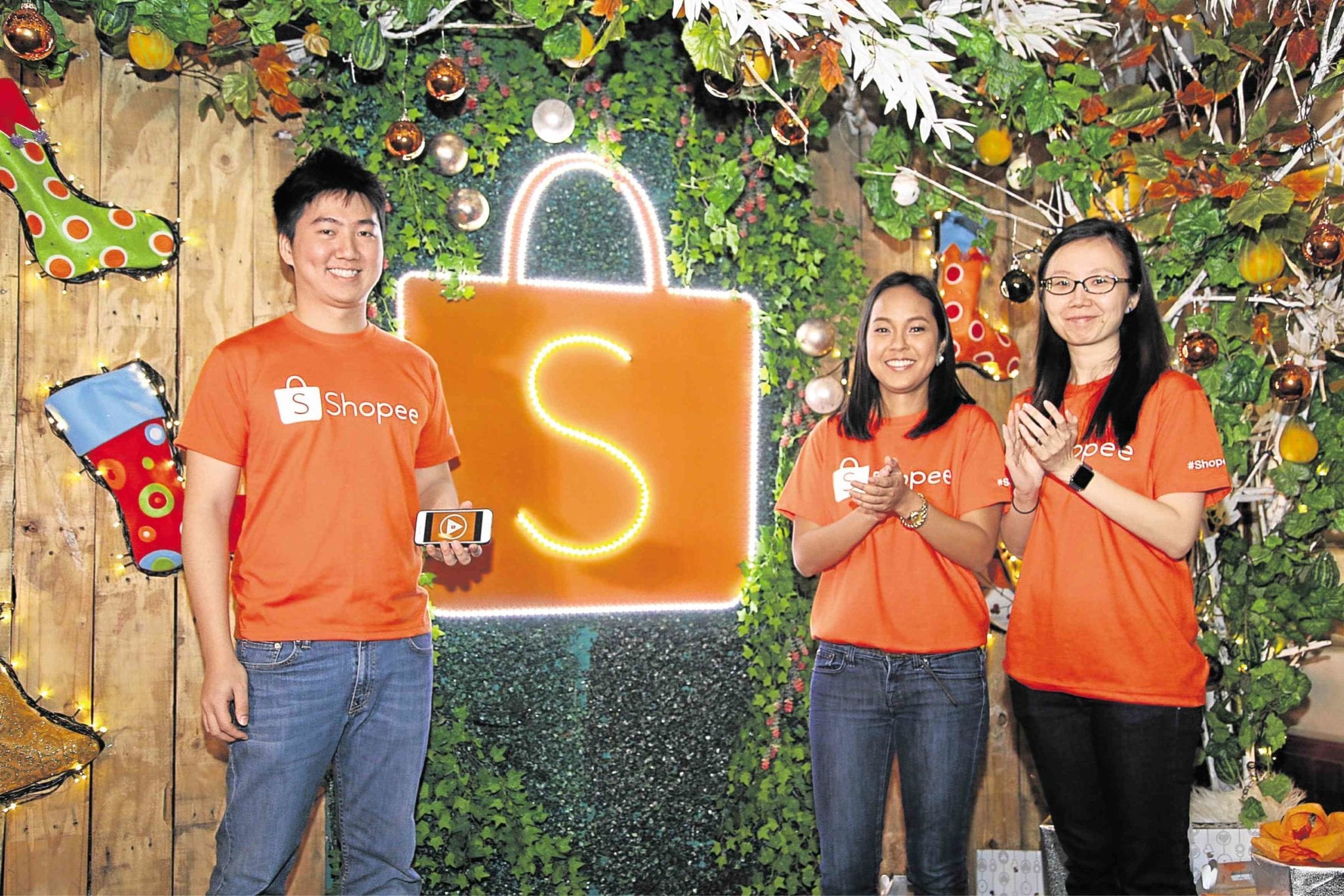
    Shopee, the leading e-commerce platform in Southeast Asia and Taiwan, has officially launched ‘Shopee Mall’, a new dedicated portal featuring thousands of products sold by leading brands and Shopee’s top sellers, revealed the press statement.

    The Mall will give users direct access to a variety of prominent brands such as Loreal, Unilever, Huawei, Nestle, Phillips and many more. All products on Shopee Mall come with 15 Days Return Policy, 100 percent Authenticity Guarantee, and Free Shipping nationwide.

    Terence Pang, chief operating officer of Shopee said that following the tremendous growth of Shopee Thailand in the recent years, it has taken a major step to officially launch Shopee Mall as a way to cement our position as the one-stop-shopping platform of choice in the market, and also to expand and diversify our product assortment to cater to users all across Thailand.

    “Moving forward, Shopee will continue to establish more strategic partnerships with leading brands, and to work closely with them to further provide an unprecedented choice of products and services to enhance users’ overall shopping experience, and to drive forward the growth of Thailand’s e-commerce industry.”

    The Mall was conceptualized to solve shoppers’ concerns about product authenticity, which is a major concern among buyers when shopping online. The newly launched portal caters to the demands of Thai shoppers where they can shop for their favorite brands and products from the brand owners themselves.

    Additionally, with more Thai brands embracing e-commerce, Shopee Mall provides a platform for traditional brands and retailers to tap on to expand their digital presence, according to the statement.

    This reflects Shopee’s commitment to constantly innovating and enhancing its platform, features, and services to adapt to the rapidly-changing e-commerce scene and consequently, the needs of users.

    To identify the product listings, shoppers can look out for the distinctive red ‘Mall’ label while browsing. Shopee ensures a premium online shopping experience with the following benefits:

    15 Days Return Policy: Shoppers can enjoy hassle-free returns within 15 days at zero cost for all Shopee Mall products.

    100% Authenticity Guarantee: Serves to eliminate buyer concerns about product authenticity. Any shopper who receives a counterfeit product when purchasing from Shopee Mall is entitled to a 200% refund.

    Free Shipping nationwide: Shoppers can enjoy greater cost savings with free shipping nationwide on every order, subject to a minimum spend of 200 baht.

    Get ready for a series of super deals and promotions during Shopee Mall Grand Launch

    During Shopee Mall Grand Launch campaign happening from 5 to 11 March, users can look forward to endless irresistible deals including multiple daily flash sales, discounts of up to 80% off, surprise voucher codes and up to 12% Shopee coins cashback across all product categories on Shopee.

  • DHL Global Forwarding connects China-Amsterdam-US-South Korea with dedicated service

    DHL Global Forwarding connects China-Amsterdam-US-South Korea with dedicated service

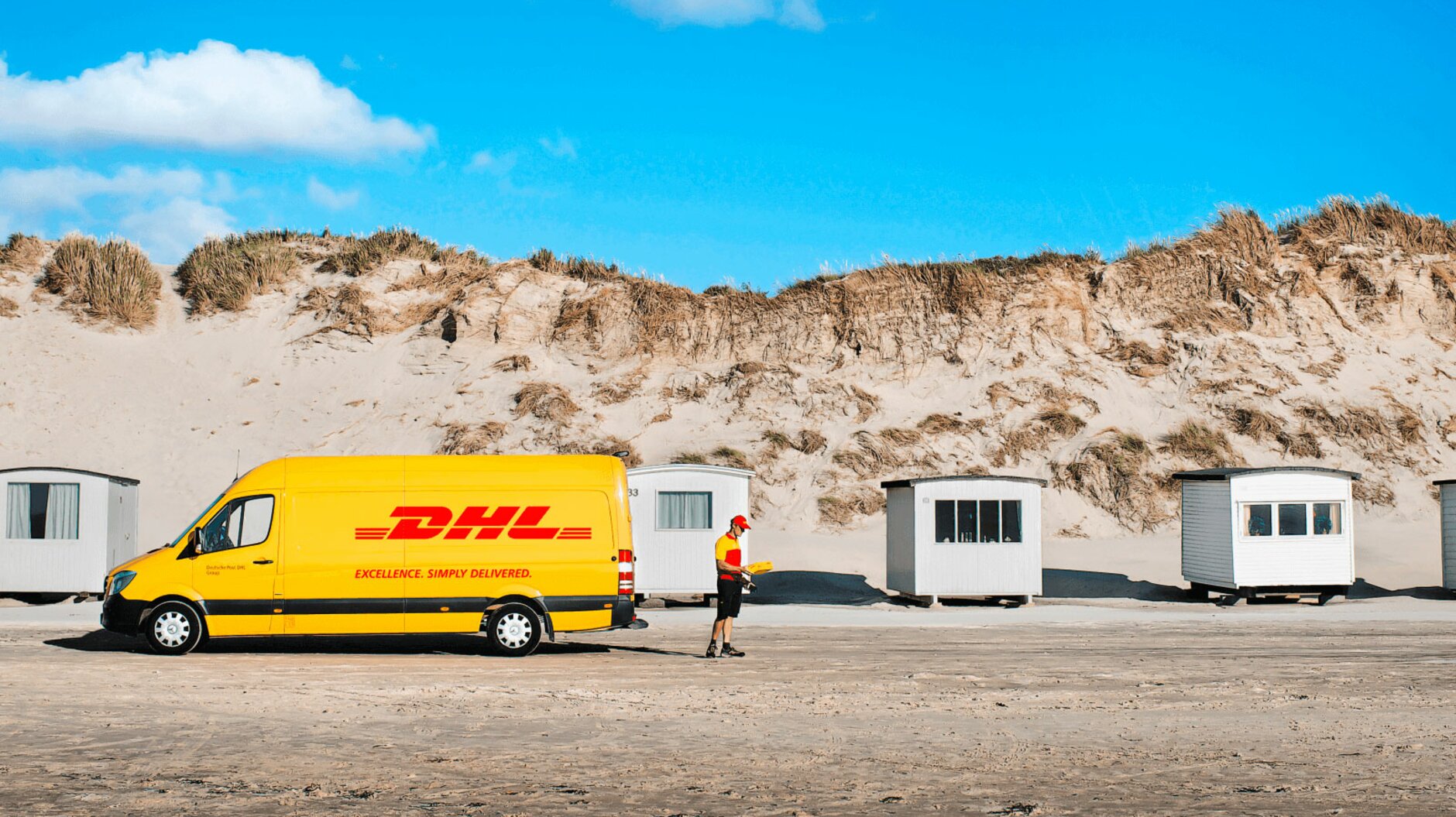
    DHL Global Forwarding has launched an air freight charter connecting Asia Pacific to Europe and the US to meet demand from customers in the technology, manufacturing, and life science and healthcare sectors. Managed by StarBroker, DHL Global Forwarding’s in-house charter team, the twice-weekly charter originates from Chongqing, China, and flies to Amsterdam, Netherlands; Chicago, United States; and Incheon, South Korea before returning to China.

    Thomas Mack, head of global air freight DHL Global Forwarding said, “While some passenger airlines have resumed operations, the situation in the air freight market remains volatile – especially as belly capacity is still tight. DHL Global Forwarding’s top priority is to provide our customers with sufficient and reliable air freight capacity. Not only are the resilient, agile, and reliable supply chains of highest importance for an economic recovery, but also in preparation for the availability of vaccines and other essential medical supplies during the pandemic.”

    South Korea has seen its export of healthcare products rise year-on-year by 26.7 percent in the first half of 2020, with pharmaceutical goods in particular increasing by 52.5 percent. China has exported 28.5 percent more medical devices in the first five months of the year as compared to a year ago. In 2019, China, the Netherlands, and the United States were among the top ten importers and exporters of medical goods.

    “Over the years, DHL has built up its expertise from globally certified facilities and staff to technologies that track shipments in real-time in addition to ensuring the integrity of such products throughout their journey. Getting the much-needed air capacity is the last piece in the value chain puzzle, so to speak, that ensures temperature-sensitive products such as life-saving vaccines reach the communities-in-need,” added Mack.

    In a recently published white paper, DHL together with McKinsey & Company as an analytics partner explores the logistics challenges for vaccines and medical goods during Covid-19. To provide global coverage of Covid-19 vaccines, up to 200,000 pallet shipments and 15 million deliveries in cooling boxes as well as 15,000 flights will be required across the various supply chain set-ups.

    DHL Global Forwarding has a global network of facilities that meet the European Union’s Good Distribution Practice (GDP) guidelines for life science and healthcare supply chains. The leading international provider of air, sea, and road freight services has a suite of temperature-controlled freight solutions such as DHL Air Thermonet and DHL LifeConEx that allows real-time visibility and active monitoring for the movement of goods that could include medicines, supplements, vaccines, medical devices, and diagnostic equipment.

    To meet the growing demand for imports of temperature-controlled and high-technology goods into Australia, DHL Global Forwarding will also launch a new airfreight charter on September 23. Flying four times a week, the charter will consolidate goods from Europe, China and Singapore in Hong Kong before transporting them to Sydney, Australia.

    In April 2020, DHL Global Forwarding tapped on its network of life science and healthcare facilities, temperature-controlled solutions and customs clearance expertise to fly more than 1.3 million Covid-19 test kits from South Korea to Brazil, Ecuador, India, Lithuania, Poland, Russia and Saudi Arabia. The freight forwarder also launched a dedicated 100-ton weekly air freight service for organizations and governments shipping health and medical-related items and other goods from China to the Middle East and Africa.

  • Thai Airways to open flight simulators to public

    Thai Airways to open flight simulators to public

    Thai Airways is opening up its Boeing and Airbus flight simulators to the public this October in its latest bid to boost business amid the drop in travel demand due to the coronavirus crisis.

    As part of the airline’s “Thai Flying Experience and Beyond” project, customers will get to enter a mock cockpit of an A380, B777-300ER, B747-400, and a B737-400 aircraft.

    “Pilots and co-pilots will accommodate customers throughout the entire session,” reads a statement from the carrier.

    According to Thai Airways, customers can choose from the following three packages:

    • Basic Package (30 minutes) 12,000 Baht for two users
    • Deluxe Package (60 minutes) 24,000 Baht for two users
    • Ultimate Package (90 minutes) 36,000 Baht for three users

    The flight simulator project is the airline’s latest effort to generate revenue amid the Covid-19 pandemic as flights continue to remain grounded, and the airline looks to restructure 245 billion baht ($7.83 billion) worth of debt.

    Earlier this month, the national airline converted the cafeteria of its headquarters in Bangkok into a plane-themed restaurant.