Category: Automotive

Retail News Asia is committed to providing both local and global retailers with the latest Auto and Car news throughout the Asian market. This on a daily base.

  • Renault Seeks State-Backed Loan As Coronavirus Crisis Drags On

    Renault Seeks State-Backed Loan As Coronavirus Crisis Drags On

    Renault is in talks with the French government to secure a state-backed loan worth several billion euros by mid-May to shore up its liquidity during the coronavirus pandemic, the French carmaker said on Thursday.

    Interim Chief Executive Clotilde Delbos said Renault, which is 15% owned by the French state, was lining up credit lines and aid when possible, including in France and emerging markets.

    “It is our duty to be on the safe side and to cover even black, black, black scenarios,” Delbos said on a call with analysts, adding that it was unclear how long the crisis would last and what impact it would have on earnings this year.

    She said, however, that Renault had enough liquidity to make it through the coronavirus turmoil, including covering a monthly cash burn of 600 million euros ($647 million) linked to the closure of its plants and dealerships during the health crisis.

    Renault quits main China venture after weak sales

    French automaker Renault is ditching its main passenger car business in China following poor sales at the loss-making venture with Dongfeng Motor Group. Ciara Lee reports

    The company had 10.3 billion euros of liquidity reserves at the end of March – including an unused 3.5 billion euro credit line – though that was still 5.5 billion euros lower than the end of 2019. The first quarter is traditionally a period when carmakers use cash to boost vehicle stocks.

    Renault shares were up 1.9% at 0903 GMT.

    Sales of Renault vehicles have been hit hard by the pandemic as governments enforce lockdowns around the world. Rivals have reported slumps in sales and some, such as Ford Motor Co. have also been beefing up their cash reserves.

    But the French carmaker was already struggling with faltering demand before the crisis, attracting scrutiny over its cash levels and financial position after posting its first loss in a decade in 2019.

    “Liquidity remains high in light of cost reduction but leverage concerns unresolved,” analysts at Jefferies said.

    Renault’s Japanese alliance partner Nissan posted its first quarterly loss in nearly a decade in February and the two are due to present plans to reboot their partnership in May, including industrial projects.

    Delbos said in February that Renault was embarking on a “no taboo” plan to cut 2 billion euros of costs which could include job reductions as it reviewed performance at factories.

    She said on Thursday there were no strings attached to the state-backed loan that would have implications for the plans, bar canceling dividend payouts, which it has already done.

    Few major French companies have yet tapped this form of state aid, barring consumer electronics retailer Fnac Darty. Air France KLM is also moving towards a government-backed rescue deal.

    Renault, which has suspended its outlook for 2020, posted a 19.2% drop in first-quarter revenue to 10.13 billion euros. It said it would look to resume production in Europe where possible and was cutting costs in areas such as advertising.

    Renault sold more cars in Russia than in its home market in the first quarter as demand slumped in Europe, the first time France has fallen from the top spot.

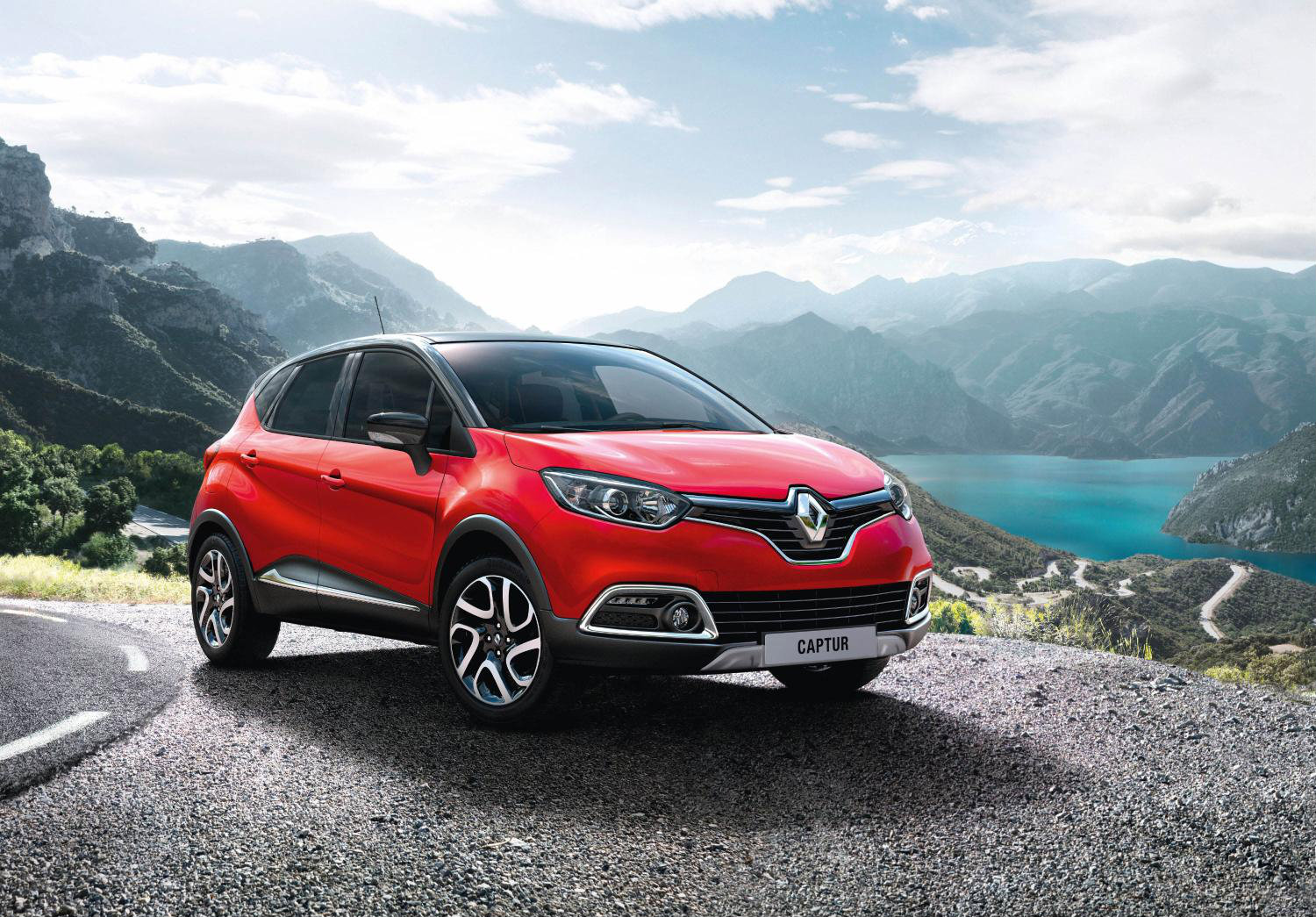
    The carmaker benefited slightly from selling more expensive SUV-style models such as the Renault Captur but this was not sufficient to offset tumbling sales volumes.

  • Kia Motors Europe Post Record Electrified Vehicles Sales In Q1

    Kia Motors Europe Post Record Electrified Vehicles Sales In Q1

    Electric and electrified vehicles are gradually picking up the pace in the global car market and carmakers that already have already ventured into that space have been gaining traction as well. Kia Motors has posted record sales of new hybrid and electric vehicles in the European market in the first quarter of 2020, despite a decline in total vehicle sales owing to the coronavirus crisis. Kia also captured its highest-ever share in the European market in the same period.

    Kia’s total sales in Europe declined by 14.5 percent at 1,13,026 units in the first quarter of 2020 compared to 1,32,174 units sold in the same period last year. However, the decline was lesser compared to last year helping Kia to achieve an all-time high market share of 3.7 percent. Sales of hybrid, plug-in hybrid, and electric vehicles grew by 20.8 percent to 21,340 units in the same period. Electrified models now account 18.9 percent sales in the European market, up from 13.4 percent.

    Emilio Herrera, Chief Operating Officer (COO)- Kia Motors Europe said, “The first three months of 2020 have been challenging for the whole industry due to social distancing and lockdown measures adopted across many European markets. However, we have seen growing sales for Kia’s range of hybrid and electric cars – every electrified model line we sell in Europe has seen sales growth this quarter. The arrival of new plug-in hybrid models, improved availability of EVs, and an expanded Ceed model family has also boosted our sales and market share this quarter.”

    In the first three months of 2020, Kia’s battery electric vehicles, the e-Niro and e-Soul, accounted for 32 percent of all electrified vehicle sales, up from 22 percent in 2019. Plug-in hybrid models, including new Plug-in Hybrid variants of the XCeed and Ceed Sportswagon, also grew in popularity, and now account for 30 percent of all electrified Kia sales.

  • Peugeot Maker PSA Says Demand To Fall Sharply, Keeps Margin Goal

    Peugeot Maker PSA Says Demand To Fall Sharply, Keeps Margin Goal

    French automaker PSA on Tuesday warned of sharp falls in demand for the sector this year after posting a 15.6% drop in first-quarter sales but maintained its mid-term operating margin goal.

    The maker of Peugeot, Citroen, DS, Opel and Vauxhall is working through a merger with Italy’s Fiat Chrysler but like its peers has been forced to shutter plants due to the coronavirus outbreak.

    The group said revenue for the January-March quarter stood at 15.2 billion euros ($16.47 billion).

    It maintained its target for an average adjusted operating target of over 4.5% for its automotive division over the 2019 to 2021 period.

    “Having secured liquidity and drastically cut costs, the group is now fully focused on preparing for the rebound in a chaotic economic environment,” Financial Chief Philippe de Rovira said in a statement.

    Little relief for Europe’s carmakers Monday as BMW says sales have plunged and Peugeot-owner PSA says it’s raising new funds to help it see out the crisis.

    PSA said it now expects the auto sector to fall by 25% in Europe and Latin America this year, by 20% in Russia, and by 10% in China.

    Like French rival Renault, PSA has been in talks with unions to try and work out a schedule to reopen its factories in France with new sanitary protocols.

    Its British brand Vauxhall is looking at temperature checks and shift rescheduling to plan the reopening of its two UK factories.

    France and many other European countries are still under strict lockdowns, though China is now emerging from confinement.

  • Porsche Sales Drop By 5 Per Cent In Q1 2020 Due To The Coronavirus Pandemic

    Porsche Sales Drop By 5 Per Cent In Q1 2020 Due To The Coronavirus Pandemic

    German performance carmaker Porsche AG announced its sales for the first quarter of 2020 and the manufacturer sold 53,125 cars between January and March this year. Sales for the automaker were down by five percent when compared to the same period a year ago. Porsche attributed the drop in numbers due to the Coronavirus pandemic that’s put the world under lockdown since March this year. That being said, the Porsche Cayenne SUV continues to be the most popular offering in the brand’s stable with 18,417 deliveries during Q1 2020. The Porsche Macan SUV stands second with 15,547 deliveries during the same period, while the iconic Porsche 911 remains a popular choice as well with 8482 units delivered in the last three months.

    Interestingly, Porsche’s popular offerings witnessed a sales growth of  16 percent year-on-year even as overall sales have seen a marginal slump. The company also delivered its all-new Taycan electric sports car in Q1 2020 with 1391 units handed over to customers.

    Speaking on the drop in volumes, Detlev von Platen, Member of the Executive Board for Sales and Marketing at Porsche AG, said, “We are not alone in clearly feeling the effects of the coronavirus pandemic on our deliveries. But our focus now is on standing together with our business partners worldwide. Working together, we are in a position to react quickly and appropriately to further developments. After this challenging first quarter, we are now actively preparing to restart production. Our top priority will always be the health of our employees, the employees of our retail partners and, of course, the health of our customers. We are confident that the outlook is positive, not least because we see a clear recovery in the Chinese market; almost all of our Porsche Centers there have already reopened.”

    The strongest markets for Porsche AG remained in China and the USA. The company delivered 14,098 units to customers in China in the first quarter, making it the brand’s largest market. However, the country saw a drop of 17 percent in year-on-year sales. The automaker sold 11,994 units in the US, making it the second-largest market for the brand, while it saw the biggest decline in volumed with a drop of 20 percent. The company’s home market, Germany saw the manufacturer retail 5214 cars between January and March 2020, witnessing a drop of six percent. Meanwhile, 16,787 cars were delivered across Europe with sales jumping a healthy 20 percent as compared to last year. The only market for Porsche to see positive growth in the last quarter. 22,031 units were sold in Asia-Pacific, Africa, and the Middle East, with a decline of eight percent, when compared to the same period during the previous year.

  • Volkswagen Group Sales Down 23% In Jan-March

    Volkswagen Group Sales Down 23% In Jan-March

    Volkswagen Group on Friday said sales of its cars dropped by 23% on the year to 2 million cars in the January to March period.

    In March alone, deliveries were down 37.6% overall at 623,000 vehicles, the figures showed, reflecting the coronavirus crisis which triggered plant closures and falls in sales as consumers were tied up at home in lockdown measures across the world.

    German carmakers to resume production as lockdowns ease

    German carmakers including Volkswagen and Mercedes-Benz will restart production at some German factories next week. It’s part of a partial reopening of business and shops over the next few weeks.

    More specifically, March sales were down 44.6% year-on-year in western Europe, down 23.1% in central and eastern Europe, down 42% in North America, and down 35% in China, the company said.

    Experts believe that declines in April sales could be steeper as the full impact of the lockdowns works its way through the system.

    Volkswagen on Thursday withdrew its outlook for 2020 due to the uncertainty related to the virus outbreak which caused operating profit to drop 81% in the first quarter.

  • Ford Issues $8 Billion Debt Securities After Coronavirus Causes $2 Billion Loss

    Ford Issues $8 Billion Debt Securities After Coronavirus Causes $2 Billion Loss

    Ford Motor Co on Friday raised $8 billion from corporate debt investors to shore up its cash reserves as the coronavirus outbreak pummeled vehicle sales and production, resulting in an estimated loss of about $2 billion for the first quarter.

    The Dearborn, a Michigan-based company, which lost its investment-grade status in March, raised new funds with a three-part debt offering, according to a regulatory filing.

    Investors said Ford benefited from the U.S. Federal Reserve’s move last week to backstop debt offerings by companies that lost investment-grade credit ratings after the COVID-19 crisis accelerated in the United States, International Financing Review reported on Friday.

    “Today’s deal is a good sign of the growing confidence around the improving market backdrop with respect to liquidity as well as more promising views around the economic outlook,” said Dan Mead, head of the investment-grade syndicate at Bank of America Securities, which was one of the lead banks on the Ford deal.

    Ford Motor Co announced on Monday that it expects about a $600 million pre-tax loss for the first quarter of 2020.

    In an environment where interest rates on cash savings are close to zero, Ford will pay investors an interest of between 8.50% and 9.625% on the new debt securities.

    There was around $40 billion worth of demand from investors across the three debt packages, according to a person familiar with the matter.

    Ford had earlier drawn down over $15 billion from revolving credit lines to ride out the pandemic, which forced the shutdown of its North American and European factories during the past month.

    Separately, General Motors Co disclosed in a regulatory filing that it had entered into a 364-day revolving credit agreement of $1.95 billion. The automaker said it has allocated the credit line for exclusive use by its financial services business.

    Ford on Friday said it had to put up additional guarantees for earlier loans – not the notes sold Friday – because it has not maintained an investment-grade status. It has suspended its dividend for the quarter.

    Stanching the cash drain and restarting profitable operations in Europe and North America will be critical for Ford in the months ahead. The company told investors ahead of Friday’s bond deal that absent new funding and a restart of production, it had cash to last to the end of the third quarter.

    Now, Ford has more breathing room financially, and federal and state officials this week said they expect coronavirus lockdowns to begin easing, possibly allowing auto plants to begin building vehicles again early next month.

    Still, the company has taken a body blow from the pandemic at a time when it was already wrestling with a difficult restructuring effort begun more than two years ago. Ford’s vehicle sales to dealers fell 21% in the first quarter, compared with a year earlier.

    Only Ford’s joint ventures in China, where the pandemic has been receding, are currently producing vehicles, and dealers there have resumed work.

    Separately, Ford warned that its production of high-priced versions of pickups and sport utility vehicles could be hurt due to the damage caused by a tornado earlier this week at parts supplier BorgWarner’s South Carolina factory.

    BorgWarner’s facility makes transfer cases for some of Ford’s most profitable vehicles, such as four-wheel-drive large F-series pickups and large sport utility vehicles.

  • BMW Motorrad India Sales Grow By 71 Per Cent In Q1 2020

    BMW Motorrad India Sales Grow By 71 Per Cent In Q1 2020

    BMW Motorrad India has shared its sales report for the first quarter of 2020, and the manufacturer managed to sell 1024 motorcycles between January and March this year. The German motorcycle maker registered a 71.5 percent hike in sales in Q1 2020, as compared to the same period in 2019 wherein it sold 597 units. Driving the sales momentum for the brand were its entry-level motorcycles, the BMW G 310 twins – G 310 R and the G 310 GS – that contributed to over 80 percent to the total sales or a little over 800 units in three months.

    Speaking on the sales growth, Rudratej Singh, President and CEO, BMW Group India said, “BMW Motorrad India has posted robust growth in Q1 2020, a result of the extremely strong brand we have built among motorcycling enthusiasts in India. BMW Motorrad has brought its most aspirational and desirable global products to Indian customers and developed a truly close-knit riding community that attracts riders who use motorcycling as a means to explore life. The BMW 310 and the GS range are particularly popular among the Indian riders. Though our riding events are on hold to ensure social distancing, we are engaging with fellow riders digitally and through social media. We are closely monitoring the market situation and its impact on future demand.”

    The new generation BMW S 1000 RR has found a large audience in India, according to the company

    While the G 310 twins have been hugely popular for BMW Motorrad, the company has also been actively pushing the 310 motorcycles with huge discounts at the dealer level. The discounts range between ₹ 65,000-75,000. The company is yet to announce BS6 compliant versions of the motorcycles.

    The other main contributors for BMW Motorrad continue to be the  R 1250 GS/GSA, F 750/850 GS as well as the 850 GSA, and the BMW S 1000 RR.

  • Michelin, Enviro Working On New Recycling Technique To Transform Old Tyres Into Raw Materials

    Michelin, Enviro Working On New Recycling Technique To Transform Old Tyres Into Raw Materials

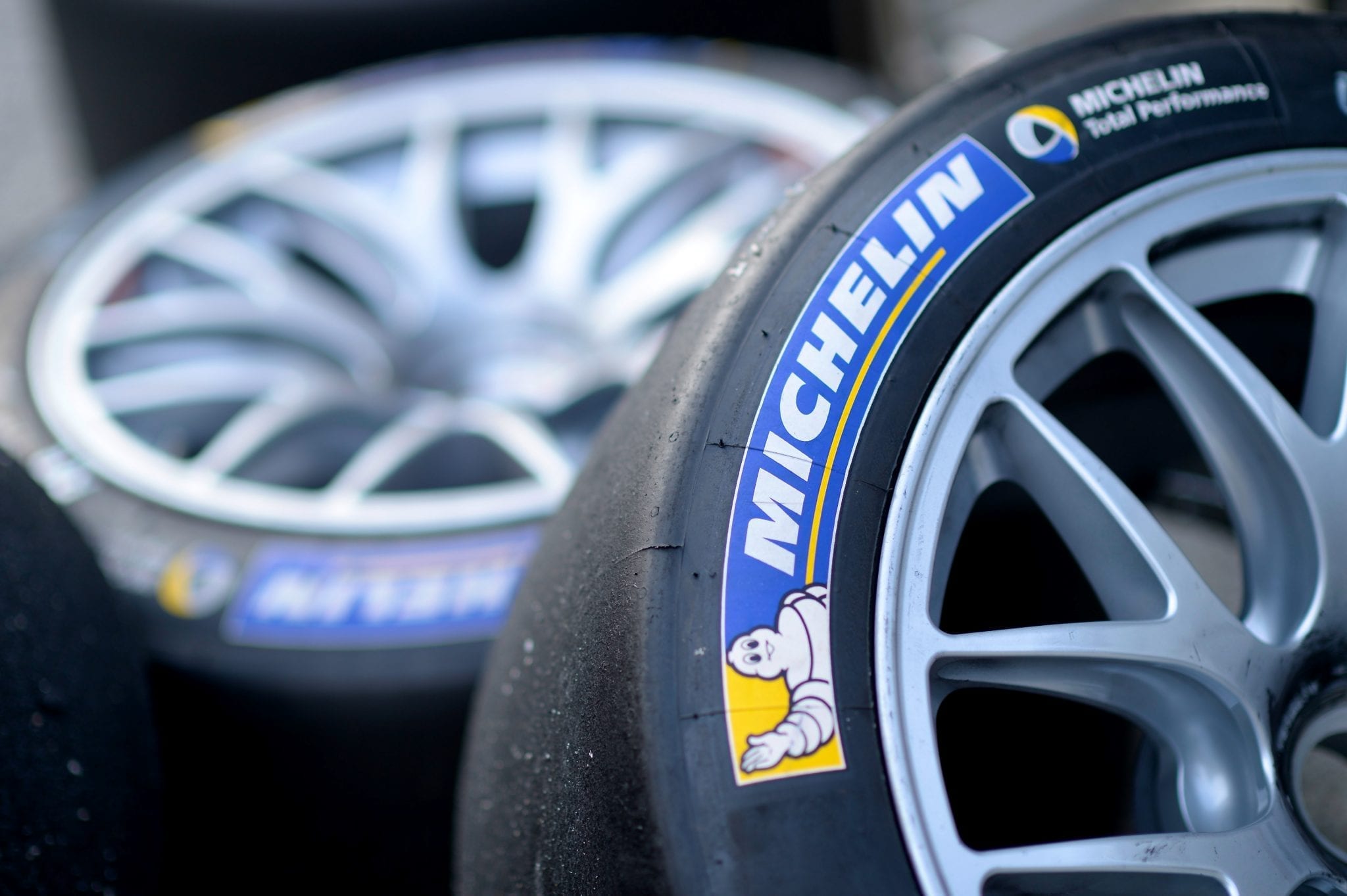
    Michelin has announced entering a new partnership with Swedish start-up Enviro, to introduce a new technology to recycle end-of-life tires. Under the new partnership, the companies will work towards industrializing an innovative pyrolysis technology on a large scale to recycle old tires and convert them into raw materials. Currently, recycling is a major issue with tires, and each year, about 1 billion tires reach the end of their life and are discarded as waste. But this new recycling technology will bring them back into the equation.

    The process involves a new technique developed by Enviro that modifies the chemical composition and physical phase of the pneumatic material (tires) during the pyrolysis process while ensuring minimal energy consumption. Simply put, this technology will allow the companies to extract high-quality raw materials such as – recovered carbon black, pyrolysis oil, steel or gas from old tires. These raw materials can then be re-incorporated into various other production circuits in different industrial sectors.

    The new partnership will see both the companies bring in their expertise from different fields to deploy Enviro’s pyrolysis technology on a larger scale and build a factory to industrialize the technology. Michelin will use its industrial know-how in terms of research and development and production for the construction of the new plant, while Enviro will bring its patented pyrolysis technology, which will produce high-quality products. The location of the plant will be confirmed at a later date.

    Michelin currently holds 20 percent stake of Enviro’s capital, amounting to 32.5 million SEK or ₹ 247.4 crore, as per the current exchange rate, making it the largest shareholder in the company. There is also a joint Supply Agreement between Michelin and Enviro. Michelin says that this partnership reiterates the company’s long-term commitment to recycling and sustainable mobility.

  • Mercedes-Benz India Sells 2386 Units In Q1 2020

    Mercedes-Benz India Sells 2386 Units In Q1 2020

    Mercedes-Benz India announced that it managed to sell 2386 units in the January-March 2020 period. The company clocked these sales numbers even as it continues to face strong market challenges including the current lockdown due to COVID-19 pandemic.

    The company already kick-started with its new car launches in January 2020 with the GLE and then we saw it showcase its upcoming product line-up at the Auto Expo 2020 in February. Martin Schwenk, Managing Director & CEO, Mercedes-Benz India commented, “We started 2020 on a high note and our existing, as well as newly launched products, continued to draw customer traction till the time sales came to a complete stop, due to the current COVID-19 pandemic situation. At Mercedes-Benz, we are doing our best to support all our stakeholders through varied initiatives and measures, so that all of us can emerge stronger than ever before, especially during this period of crisis.”

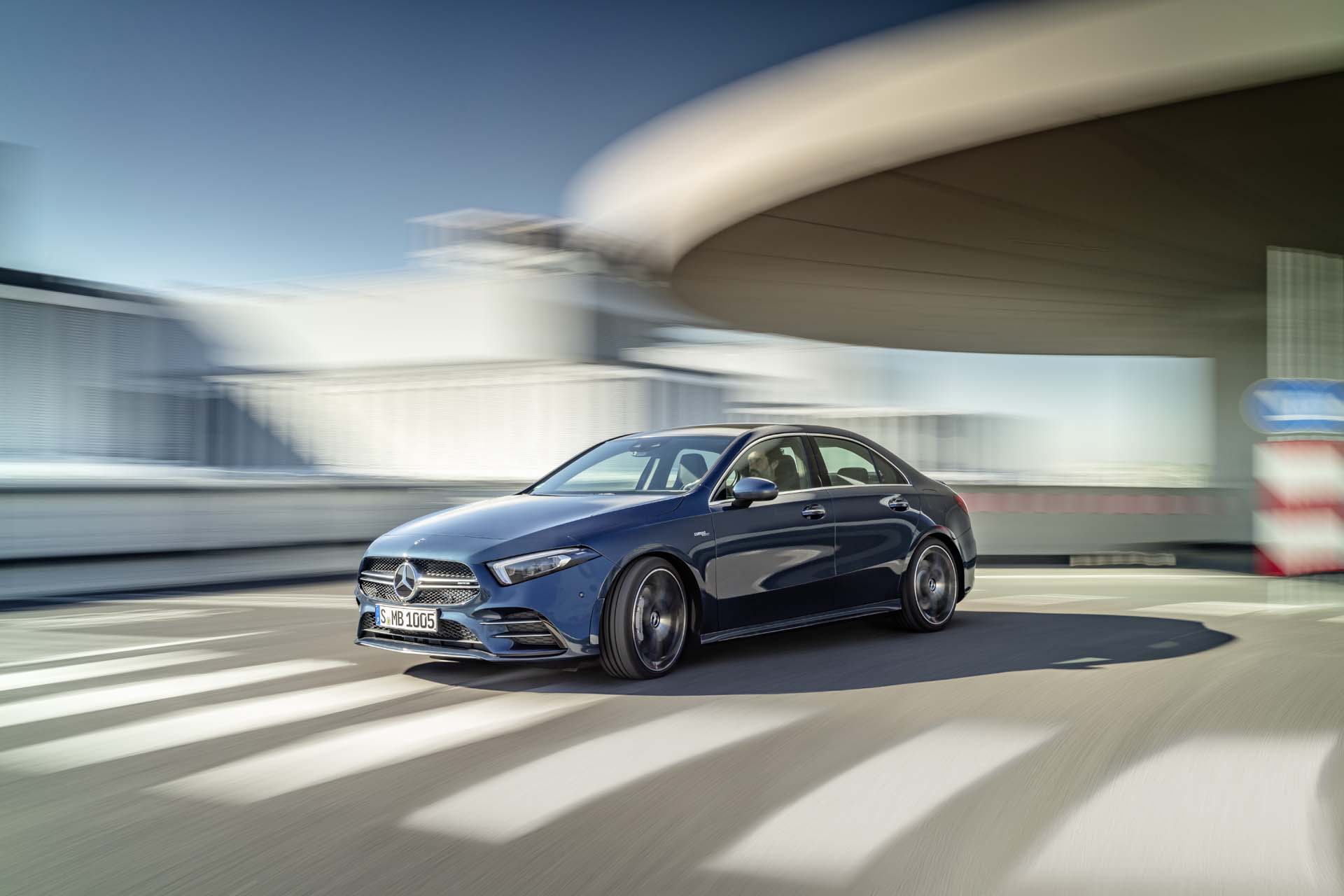
    The company was the first carmaker in the country to make the transition to BS6 last year with the launch of the S-Class and now the company has made the complete transition to BS6 products. Though the GLC facelift, GLC Coupe and the GLE continue to rake in sales for the company, it’s the A-Class Limousine which was showcased at the Auto Expo in February that’s getting most of the attention. The company has said that it is ‘overwhelmingly popular and has already received a number of pre-bookings received for the car.

    However, given the current lockdown due to the coronavirus pandemic, Mercedes-Benz India’s focus is on strengthening its online presence. Therefore, the company is collaborating closely with its retail partners to jointly address this challenging situation and to offer them advice and support in order to best serve Mercedes-Benz customers. Customers can now book their cars online and also receive delivery of their cars at their doorstep.

  • China Car Sales Post First Weekly Rise Since Virus Outbreak

    China Car Sales Post First Weekly Rise Since Virus Outbreak

    China’s retail sales of passenger cars in the week of April 7-12 rose 14% from a year earlier, marking the first weekly rise reported since the coronavirus outbreak, data from the China Passenger Car Association (CPCA) showed.

    Coronavirus to push China’s Q1 GDP into the first decline on record.

    The coronavirus crisis likely knocked China’s economy into its first decline since at least 1992 in the first quarter, raising the pressure on authorities to do more to restore growth as mounting job losses threaten social stability.

    Sales for the first 12 days of the month were down 12% the CPCA data showed

  • Tesla Shares Extend Rally After China Registration Surge And Nod From Goldman

    Tesla Shares Extend Rally After China Registration Surge And Nod From Goldman

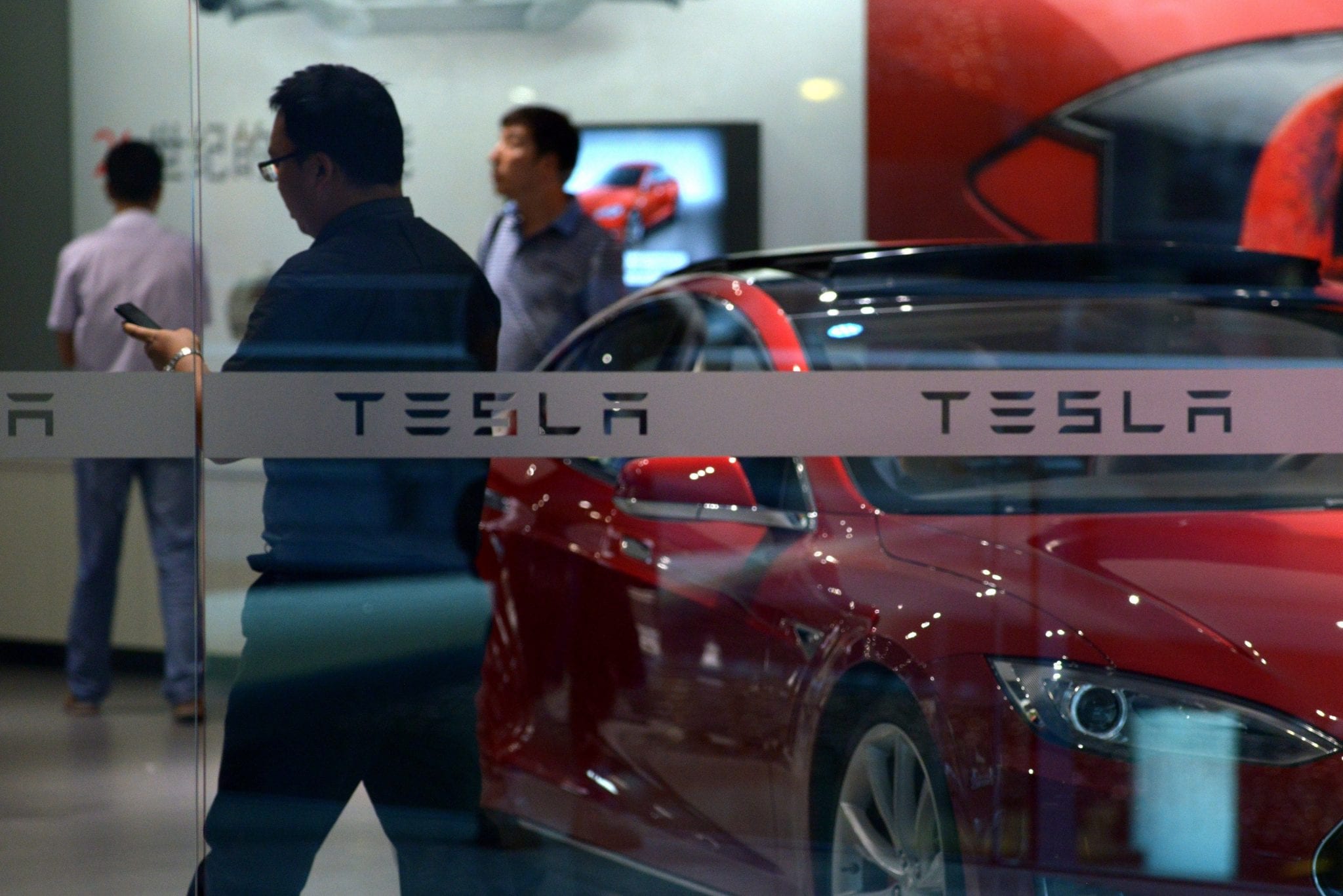
    Tesla’s stock extended its recent rally on Wednesday following a surge in China car registrations and after Goldman Sachs initiated coverage of the electric car maker with a “buy” recommendation.

    Shares of the Silicon Valley automaker rose nearly 2%, bringing their gain this week to 26% as traders look beyond the short-term impact of the coronavirus pandemic, which has forced Tesla to close its California factory, furlough workers and cut salaries.

    Tesla’s China car registrations jumped 450% in March, month on month, data from auto consultancy LMC Automotive showed. Overall auto sales in China plunged 43.4% in March, as a coronavirus pandemic continued to depress demand.

    In a note late on Tuesday, Goldman Sachs analyst Mark Delaney started coverage of Tesla with a $864 price target, compared to its latest price of $723.

    Tesla told employees on Tuesday the company will furlough all non-essential workers and implement salary cuts as part of a continued shutdown of the company’s U.S. production facilities.

    “We believe that the combination of Tesla’s product leadership (including its over-the-air updates to continue to improve vehicle performance), brand/early-mover advantage, vertical integration, and the long development cycles in autos (new cars can take 2-4 years to develop) will help Tesla to maintain a strong market position,” Delaney wrote.

    Wall Street has long been divided over Tesla and its chief executive, Elon Musk. Supporters expect Tesla to become a dominant global carmaker, with a fleet of driverless taxis, while many skeptics doubt Tesla can become sustainably profitable.

    Goldman Sachs’ previous Tesla analyst, David Tamberrino, had a “sell” rating and a $158 price target as of last June, the lowest on the street at that time.

    Previously, in 2016, Goldman Sachs attracted attention when it upgraded Tesla to “buy” just hours before the carmaker announced a $2 billion stock offer with Goldman Sachs and Morgan Stanley acting as joint lead bookrunners.

    Tesla’s stock has doubled from its March low and remains down 20% from its record high close in February, before fears about the impact of the coronavirus on the global economy triggered a deep stock market sell-off.

  • General Motors Begins Production Of Ventilators For U.S. Government

    General Motors Begins Production Of Ventilators For U.S. Government

    General Motors said on Tuesday it had started producing ventilators in the volume needed to treat severely ill coronavirus patients and would deliver the first batch of the medical equipment to the U.S. government this month.

    The U.S. Department of Health and Human Services (HHS) has awarded nine contracts totaling nearly $2.6 billion to produce 137,000 ventilators by the end of 2020 for the U.S. Strategic National Stockpile, including a contract to GM worth $489.4 million for 30,000 ventilators by the end of August after President Donald Trump invoked the Defense Production Act.

    Other contracts announced by HHS in recent days include a $646.7 million contract to Dutch health technology company Philips and others to General Electric Co, Hill-Rom Holdings Inc, Medtronic Plc , ResMed Inc, Vyaire Medical Inc, Hamilton Medical AG and Zoll Medical Corp.

    The United States awarded General Motors a $489 million contract Wednesday to produce ventilators to treat severely sick coronavirus patients.

    Hamilton is receiving a $552 million contract for 14,115 ventilators, while Vyaire is receiving a $407.9 million contract for 22,000 ventilators produced by June 29 and Zoll is receiving a $350.1 million contract for 18,900 ventilators, HHS said on Monday.

    HHS Secretary Alex Azar said in a statement the contracts “will mean we have more capacity to respond to the pandemic as it evolves.”

    GM, which is working with ventilator firm Ventec Life Systems to produce the medical equipment, said it would ship more than 600 ventilators in April.

    It added that it expected to fill nearly half the order by the end of June and the full order by the end of August. The ventilators will be produced at a plant in Kokomo, Indiana.

    White House adviser Peter Navarro said that “as these lifesaving ventilators roll off GM’s assembly line as fast as tanks once did in an earlier World War, they will be rapidly deployed.”

    GM’s shares closed flat. The stock has fallen more than 37% this year, as coronavirus-related lockdowns weigh on automobile sales.

  • Toyota Plans Limited Operations In France

    Toyota Plans Limited Operations In France

    Toyota Motor  on Monday said it plans to restart limited production at vehicle plants in France and Poland from April 22 after closing them due to the

    Automakers make a push to reopen plants. Global automakers reeling from the COVID-19 pandemic are accelerating efforts to restart factories from Wuhan to Maranello to Michigan, using safety protocols developed for China and U.S. ventilator production operations launched in recent weeks. Cia

    Most other plants in Europe, North America, Latin America, and Asia will remain closed for now, it said in a news release

  • Tesla’s China Car Registrations Surge In March As Shanghai Factory Back Up

    Tesla’s China Car Registrations Surge In March As Shanghai Factory Back Up

    U.S. electric vehicle maker Tesla Inc’s China car registrations jumped 450% in March, month on month, data from auto consultancy LMC Automotive showed.

    Tesla’s China registrations rose to 12,709 units in March from 2,314 in February.

    Overall auto sales in China plunged 43.4% in March, as a coronavirus pandemic continued to depress demand, industry data showed.

    Tesla told employees on Tuesday the company will furlough all non-essential workers and implement salary cuts as part of a continued shutdown of the company’s U.S. production facilities.

    Tesla, which started delivering cars from its Shanghai factory last year, said last week it has started China sales of two more Model 3 variants built at its Shanghai plant.

  • Volkswagen To Aid U.S. Dealers Supporting Coronavirus Relief Efforts

    Volkswagen To Aid U.S. Dealers Supporting Coronavirus Relief Efforts

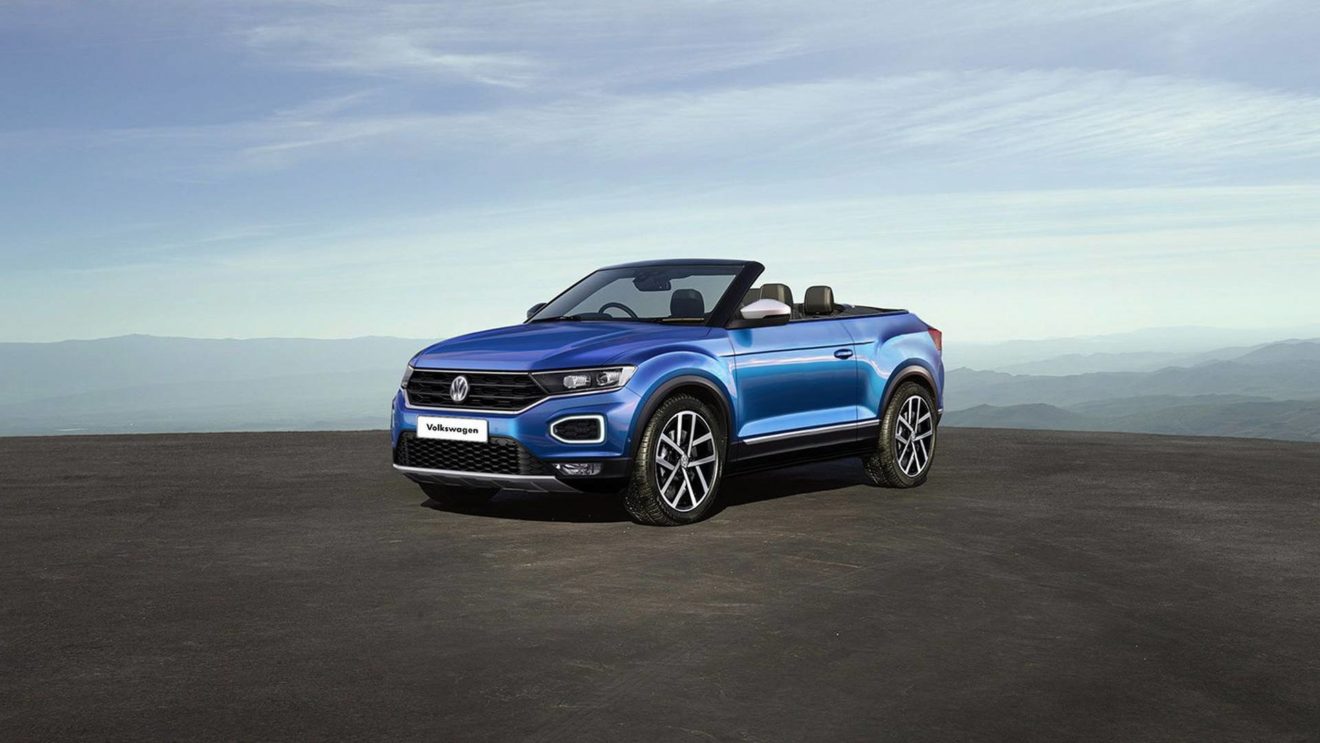
    Volkswagen AG said on Monday it would give financial assistance to its U.S. dealers who wish to use their loaner fleet to pick up and deliver essential supplies in areas affected by the COVID-19 pandemic.

    The loaner cars, typically offered to customers to drive while their vehicles are in a shop for repairs, can be called upon for delivering food to a local food bank, transporting masks and gowns, and dropping off necessary items to those who are unable to leave their home, the automaker said.

    Dieselgate’ made headlines around the world. For deliberately cheating the system, Volkswagen was made to pay a record $20 billion fine. But, as this investigation shows, they were far from the only culprits.

    Volkswagen said its dealers would not charge the group or person making such a request.

    “Only dealership employees will be permitted to drive vehicles. Volkswagen corporate will offer dealers a daily stipend per vehicle to cover fuel and lease costs,” the automaker said.

    Volkswagen’s network of more than 600 U.S. dealers maintains a loaner fleet of nearly 7,000 vehicles, although some dealerships could be closed or working with reduced personnel due to state and local guidelines.