Category: Automotive

Retail News Asia is committed to providing both local and global retailers with the latest Auto and Car news throughout the Asian market. This on a daily base.

  • Honda Extends North American Auto Plant Shutdowns

    Honda Extends North American Auto Plant Shutdowns

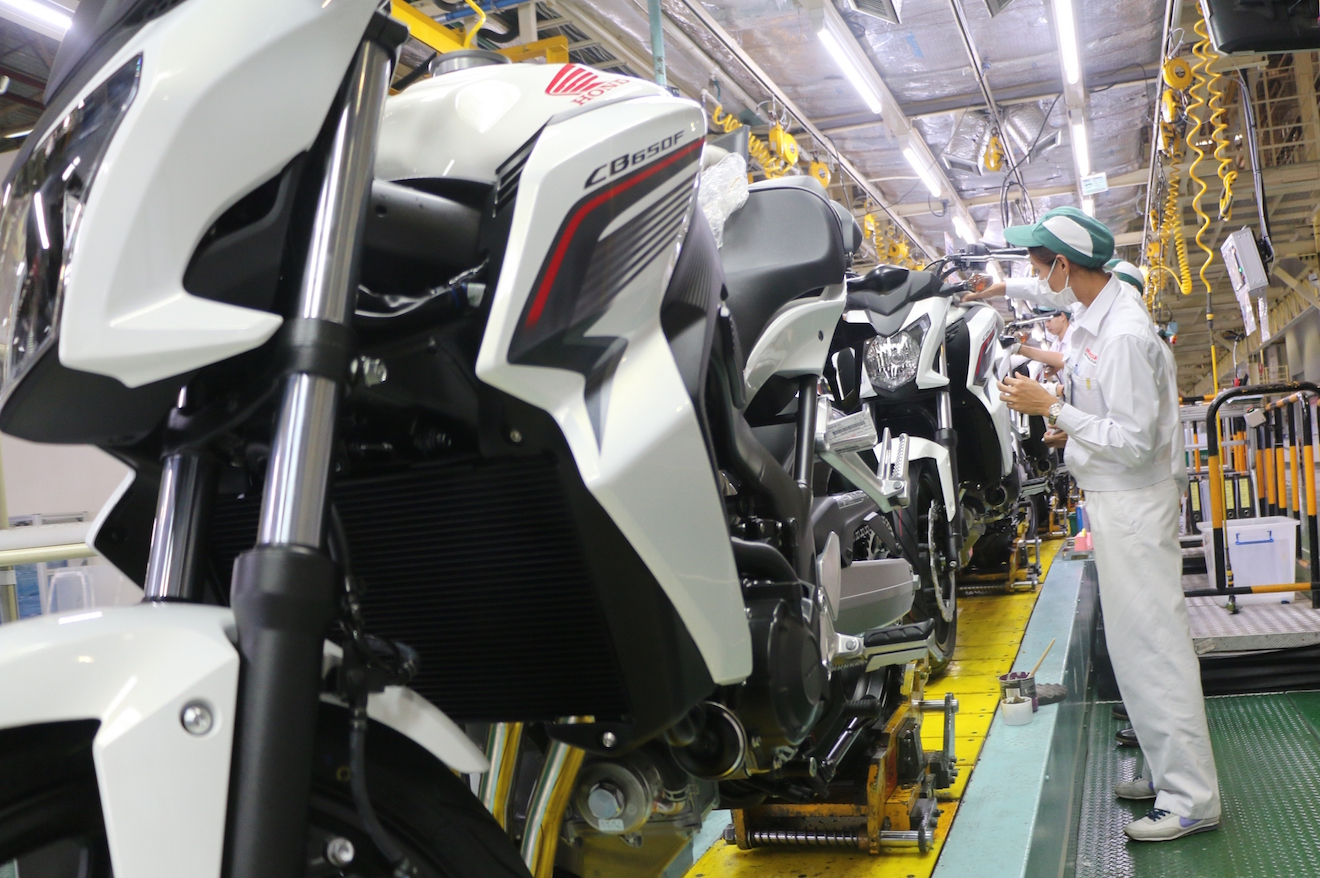
    Honda Motor Co has said that it will extend a shutdown of all U.S. and Canadian auto plant production through April 10 and at its plant in Celaya, central Mexico, until April 13, because of the ongoing coronavirus outbreak.

    Honda’s plant in El Salto in the western Mexican state of Jalisco, will also suspend production operations between April 4 and April 13, Honda’s Mexican unit said.

    Companies all over the world are joining in the battle against coronavirus, helping to make ventilators, face masks and hand sanitizer.

    A growing number of automakers have said they will not restart U.S. production until at least mid-April as demand sharply falls off for auto sales. Honda began its auto production halt on March 23.

  • Veoneer And Volvo Cars To Split Zenuity Software Joint Venture

    Veoneer And Volvo Cars To Split Zenuity Software Joint Venture

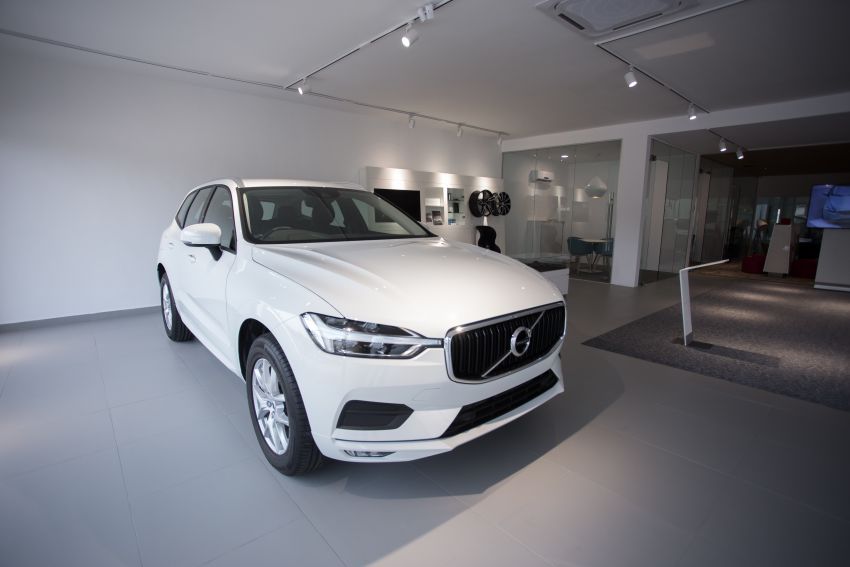
    Geely-owned Volvo Cars and auto tech supplier Veoneer will split their jointly owned software venture Zenuity as the Swedish carmaker focuses on developing autonomous driving software, the companies said on Thursday.

    Volvo and Veoneer said last year they were conducting a strategic review of Zenuity, which develops software for advanced driver assistance systems (ADAS) and autonomous driving, in part due to a wider introduction of self-driving cars being pushed further into the future.

    Under the new agreement, Veoneer will integrate the current Zenuity business focused on ADAS software, while Volvo Cars will set up a new stand-alone company to take over Zenuity’s development and commercialization of unsupervised autonomous drive software.

    Geely Automobile and its sister company Volvo Cars are planning to merge and list in Hong Kong and possibly Stockholm, giving Volvo access to public markets after it dropped a move to list its stock two years ago. Ciara Lee reports

    “This means that we will buy today’s systems (ADAS) from a more traditional supplier relationship, but development-wise we now want to put our focus on the next generation of products,” Volvo Chief Technology Officer Henrik Green told Reuters.

    Volvo’s part of Zenuity will focus on software that will be introduced in the next generation of cars based on Volvo’s SPA2 vehicle architecture platform, starting from around 2022, Green added.

    The agreement will see about 600 of the current 800 Zenuity staff and consultants transfer to the new Volvo Cars-owned company, with the remainder moving to Veoneer.

    Veoneer, which also makes radars and vision systems and expects 90% of its available market to be for advanced driver assistance systems (ADAS) in the next decade, said the move would help it drive its business strategy more effectively.

    The loss-making company said it expected annual savings of around $30 – $40 million from the deal as well as a payment of around $15 million from Volvo Cars, subject to final agreement.

    Shares of Veoneer, which is seeking to cut costs as the coronavirus outbreak makes its path to profitability exceedingly challenging, were up 3.8% by 1020 GMT.

    Analysts at Carnegie said the move was positive for Veoneer, and that its decision to focus on ADAS software was the right one.

    The split was expected to be finalized in the third quarter at the latest, the companies said.

  • Harley-Davidson Files For Cafe Racer

    Harley-Davidson Files For Cafe Racer

    Harley-Davidson has filed two new designs with the European Union Intellectual Property Office, using the same liquid-cooled Revolution Max engine powering the upcoming Harley-Davidson Pan America and Harley-Davidson Bronx models. The two new designs will be built on the same Revolution Max platform, and one of them will be a cafe racer styled model, and the other a flat track-inspired model. While the design drawings clearly indicate that the engine to be used on both models will be the Revolution Max v-twin, there’s still no indication of what the engine displacement will be.

    Harley-Davidson’s first adventure tourer, the Pan America uses a 1,250 cc version of the Revolution Max v-twin, while the Bronx streetfighter uses a 975 cc version. The Revolution Max v-twin is expected to get four different engine displacements, ranging from 500 cc to 1,250 cc. Prototype photos of both these new designs also surfaced, apparently from a Harley-Davidson dealer conference from September 2019.

    The photos of the prototypes look quite similar to the design drawings, but final production models may be slightly different. From earlier experience, Harley-Davidson design drawings, like the one of the Pan America and Bronx streetfighter, have gone on to be finalized for production. So, we won’t be surprised if the latest drawings also make it to the future model line-up, as Harley-Davidson looks to shake off the “heavyweight cruiser” tag and explore different segments of motorcycles.

    Designs of the flat track-inspired model show a design similar to something that could rival the Indian FTR 1200, with a similar tubular swingarm, as well as flat-track inspired high-mounted twin exhausts. The bike has a similar headlight like the Harley-Davidson Fat Bob, and like the FTR 1200, has a similar-looking rear tire-hugging number plate bracket attached to the swingarm. The bike looks like a single-seater, but Harley-Davidson could offer an aftermarket pillion-friendly seat as well once the bike gets closer to production.

    The second design is a cafe racer styled model, with a short windscreen and cafe racer-styled headlight. The exhaust is a two-into-one design, with the end can coming out on the right side of the bike, The design of the cafe racer shares the dual disc brakes and inverted fork with the flat track design, but the rear has a more traditional swingarm, and twin shock suspension set-up. The H-D Pan America, and the Bronx are yet to go into production, followed by the Custom 1250 cruiser, possibly sometime in 2021. But from these latest designs, it’s apparent that Harley-Davidson, despite the problems the brand is facing, is looking ahead to the future with several new models in the pipeline.

  • Hyundai’s Global Sales Drops By 21% In March As Coronavirus Hits Demand

    Hyundai’s Global Sales Drops By 21% In March As Coronavirus Hits Demand

    Global sales for Hyundai Motor Co tumbled 21% in March to an 11 year-low for the month as the coronavirus pandemic batters demand and forced several of its overseas plants to suspend production.

    The South Korean automaker reported provisional global sales of 308,503 vehicles for March.

    The top automotive news of the day – Hyundai has launched the 2020 Verna in India. Royal Enfield Meteor 350 spied. Mahindra to manufacture face shield for medical personnel.

    Hyundai Motor closed its Montgomery, Alabama, assembly plant last month after an employee there tested positive for the disease, and also suspended production at plants in the Czech Republic and India over the virus.

    Plants in South Korea are, however, running at close to full capacity.

    Credit ratings agency Moody’s Investors Service said in a report last month it expects global sales for the auto industry to slide 14% this year. It placed the ratings of Hyundai and its affiliate Kia Motors Corp on review for a possible downgrade.

  • Android Auto wireless compatibility arrives in additional markets

    Android Auto wireless compatibility arrives in additional markets

    Android Auto is one of the trickiest products developed by Google. First off, it’s not compatible with all smartphones and some of the features are limited to select markets. Secondary, Android Auto is in a constant state of development, as Google adds and removes features all the time. Sometimes, updates remove features in favor of new ones, which are then brought back a few updates later.

    If you’re one of the many millions of Android Auto users, you’ll be happy to know that Google is expanding the availability of one of its features to additional markets. We’re talking about wireless compatibility, an option that only Android Auto users in about 15 countries were able to use until recently.

    Starting today, Android Auto in 16 countries join the list of markets where wireless compatibility is available. The new feature will allow Android Auto to display information on your vehicle’s display automatically once you start your car via Wi-Fi Direct, assuming you’re using a compatible device.

    Without further ado, here are the countries that are getting Android Auto wireless compatibility this week: Australia, Austria, Germany, France, India, Ireland, Italy, New Zealand, Philippines, Singapore, South Africa, South Korea, Spain, Switzerland, Taiwan, and United Kingdom.

  • Lamborghini’s New V12 Track Car Teased

    Lamborghini’s New V12 Track Car Teased

    Lamborghini working on a track-specific model was known to us, and finally the supercar maker has released a teaser video of its upcoming track-only machine. While the video primarily focuses on its razor-sharp styling and bodywork, we also get a whiff of what the humongous 6.5-litre, V12’s roar will sound like. It has not given much details about the model though, and all we know at this point of time is that it will churn out close to 830 bhp which is mind-boggling.

    As far as the construction is concerned, it sports a roof-mounted intake and a gigantic wing at the rear to generate heavy downforce. There are also dual air inlets on the hood and a detailed look will give away the sharp sculpting on the hood and along with the profile. Though we still can’t see all of it, since it’s just a teaser, the rear too looks muscular with massive haunches and there is a big diffuser sporting dual exhaust outlets.

    Lamborghini’s track division- Squadra Corse had mentioned that the track car will be manufactured in limited numbers and we expect just 40 units of it to roll off the assembly line. Towards the end, the video also hints at a new model which is the Huracan Super Trofeo Omologato (STO) that will be powered by the 5.2-litre naturally aspirated V10 motor that will belt out close to 640 bhp.

  • Suzuki To Set-up Automobile Plant In Myanmar

    Suzuki To Set-up Automobile Plant In Myanmar

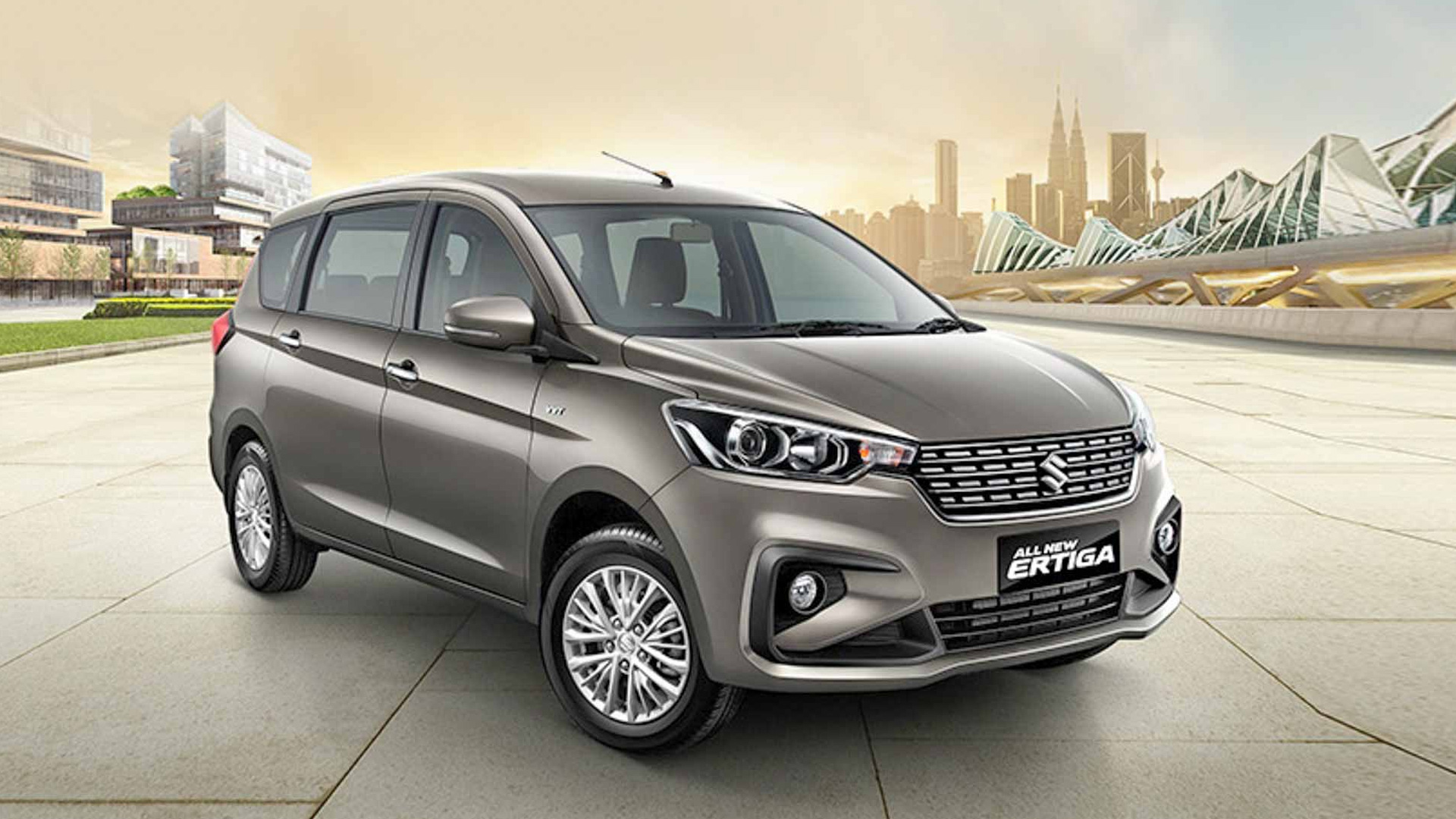
    Japanese automaker Suzuki Motor Corporation has announced that it will be setting up a new manufacturing facility in Myanmar, under its subsidiary Suzuki Thilawa Motor. This will be the company’s third facility in Myanmar and will be located in the Thilawa Special Economic Zone, southeast of Yangon. At present, Suzuki produces the Carry LCV, Ciaz, Ertiga and Swift cars at the existing plants. The new production facility will have provisions for welding, painting and assembling vehicles, and will have a manufacturing capacity of 40,000 vehicles annually.

    Suzuki will be investing about $109 million in the upcoming Myanmar plant and will be ready by September 2021 for operations. The manufacturer first set shop in Myanmar in 1998 as part of a joint venture and has been retailing its range of four-wheelers and two-wheelers from 1999. With a growing economy in the region, the automaker has seen a steady hike in its sales volumes.

    Suzuki produced about 13,300 units in 2019 in Myanmar, a 125 percent year-on-year growth over 2018. Sales, on the other hand, stood at 13,206 units, growing at 128 percent year-on-year. Much like India, the Japanese auto giant is a market leader in the neighboring country and accounts for about 60 percent of the market share in four-wheeler sales.

  • Coronavirus Sees China’s Geely Automobile Facing One Of Toughest Years

    Coronavirus Sees China’s Geely Automobile Facing One Of Toughest Years

    China’s Geely Automobile Holdings Ltd said on Monday 2020 may be one of its toughest years yet, as pressure stemming from the coronavirus outbreak on production and sales persists.

    But it said it planned to go ahead with global expansion, despite lower sales and net profit for 2019, when the country’s auto market suffered a slump, even before the novel coronavirus led to lockdowns that have paralyzed economic activity and disrupted supply chains.

    Geely Automobile, based in the eastern province of Zhejiang, is China’s most globally high-profile automaker following investments by parent company Zhejiang Geely Holding Group Co Ltd’s in European manufacturers Volvo Car and Daimler AG.

    China car sales fall 92% as coronavirus keeps buyers home

    Auto sales in China, the world’s largest market, have slumped as coronavirus fears prevent buyers at home.

    The profit announced on Monday of 8.19 billion yuan ($1.15 billion) was lower than the 9.14 billion yuan average estimate by 33 analysts on Refinitiv.

    Its shares closed at 11.28 HKD on Monday, down 4.08% from last Friday.

    “The recent outbreak of the novel coronavirus had caused serious disruption to our supply chain and thus our production levels, meaning additional pressure on our business volume and profitability in 2020,” Geely Automobile said in a filing to the Hong Kong exchange.

    Geely Automobile, which plans to roll out 6 new models under the Geely, Lynk&Co and Geometry marques this year, sold 1.36 million cars in 2019. It is maintaining a sales target of 1.41 million cars in 2020.

    The headwinds are likely to persist in the near future, making 2020 probably one of the most difficult years in the group’s 23-year history, Geely said.

    Revenue fell by 9% from the previous year to 97.40 billion yuan. Analysts had estimated 99.43 billion yuan.

    Geely Automobile’s president An Conghui told a conference call the company plans to start selling Lynk&Co in Europe at the end of this year and share more models with Malaysian automaker Proton, in which it has a stake.

    Geely Automobile and Volvo – which Geely’s parent bought from Ford Motor Co in 2010 – are planning to merge and list in Hong Kong and possibly Stockholm.

    The new company would have improved research capabilities, lower cost and brands in different segments, Geely’s chief executive Gui Shengyue said.

    That could help to position it as global automakers pursue alliances to respond better to the cost of meeting tougher emission rules, electrification and autonomous driving.

    The industry worldwide will also be seeking to revive sales as soon as there is a widespread easing of restrictions on movement to slow the spread of the coronavirus, which has killed more than 30,000 people globally.

  • 2020 Volkswagen Golf To Come With Car2X Technology As Standard

    2020 Volkswagen Golf To Come With Car2X Technology As Standard

    We all loved the way the new Golf looks and there are many of you who have asked us on multiple occasions, about its arrival in India. Sadly, the Golf isn’t coming here, but while it’s turning a lot of heads across the world, there’s another reason why it’s become the talk of the town. The Volkswagen Golf is the first car that can help drivers to prevent accidents, and that’s thanks to its innovative Car2X technology, which allows it to wirelessly connect with other vehicles and the traffic infrastructure. Now the impressive part about this is that the technology will come standard on the Golf.

    The new Golf is the first car on the European market to come standard-equipped with Car2X technology, which is based on the Wi-Fi p wireless standard. This type of Wi-Fi is specifically tailored to local communication between vehicles and does not use the mobile phone network, which means it provides blanket coverage within the limits of the system. Within a radius of up to 800 metres, connected vehicles directly exchange positioning data and information with one another. This allows them to warn each other of danger or make contact with the traffic infrastructure within a matter of milliseconds.

    The German automotive association ADAC tested Volkswagen’s Car2X technology, during which it sent the new Golf into eight typical hazardous situations in which a driver, without being warned, would not be able to react at all, or would only be able to react much later. In all eight situations, the vehicle warned the driver reliably and in time, often even 10 or 11 seconds before the impending accident.

    In the initial development stage, which Volkswagen is introducing with the new Golf, Car2X technology is active at speeds over 80 kmph. In the future, it should also be able to improve safety in city traffic. It also offers major advantages if the car communicates with nearby traffic lights – in this way being better able to control traffic flow and protect the environment.

  • Tesla Plans To Reopen New York Factory To Make Ventilators

    Tesla Plans To Reopen New York Factory To Make Ventilators

    Tesla CEO Elon Musk has said that Giga New York will reopen for ventilator production as soon as humanly possible. The company is also working with medical device company Medtronic to start the production of ventilators at its Fremont plant.Tesla CEO, Elon Musk has announced that the company plans to reopen its Giga New York factory “as soon as humanly possible” to make ventilators. The head of the California-based electric vehicle manufacturer was among the first carmakers in the US to offer to make ventilators for coronavirus patients, after the United States appealed for donations of respirator masks to combat the shortage. Reportedly, Tesla has started working with medical device company Medtronic Plc and is fast on track to start production of ventilators at its Fremont plant, in San Francisco Bay Area. And New York will be next.

    Other U.S. carmakers, like Ford and General Motors, have also come ahead to make ventilators and respirators needed to help combat the spread of the coronavirus. General Motors has partnered with medical equipment maker Ventec to build ventilators at a GM plant in Kokomo, Indiana. Ford, on the other hand, is partnering with GE Healthcare and will expand the production of GE’s ventilator design to support patients with respiratory failure or difficulty breathing caused by the pathogen. Ford also is evaluating a separate partnership with the British government to make additional ventilators. Furthermore, it will work with 3M as well to increase the manufacturing capacity of its air-purifying respirators.

    Right now, the situation around the world is getting serious every day. With more and more cases of coronavirus being reported each day, there is a major shortage of medical equipment around the world. And automakers from across the world are coming in to help in whatever way possible. Anand Mahindra, the Chairman of Mahindra Group, also announced plans to make ventilators and covert the company’s existing resorts into temporary case centers. We recently also reported how Renault workers in Spain have begun using 3D printers to manufacture medical visors for health workers from home.

    Others like Fiat Chrysler Automobiles and Kia have announced plans to make face masks at their Asian factories. Chinese electric vehicle manufacturers BYD, in fact, recently became the world’s biggest face mask maker, producing over five million face masks a day amidst the Coronavirus pandemic.

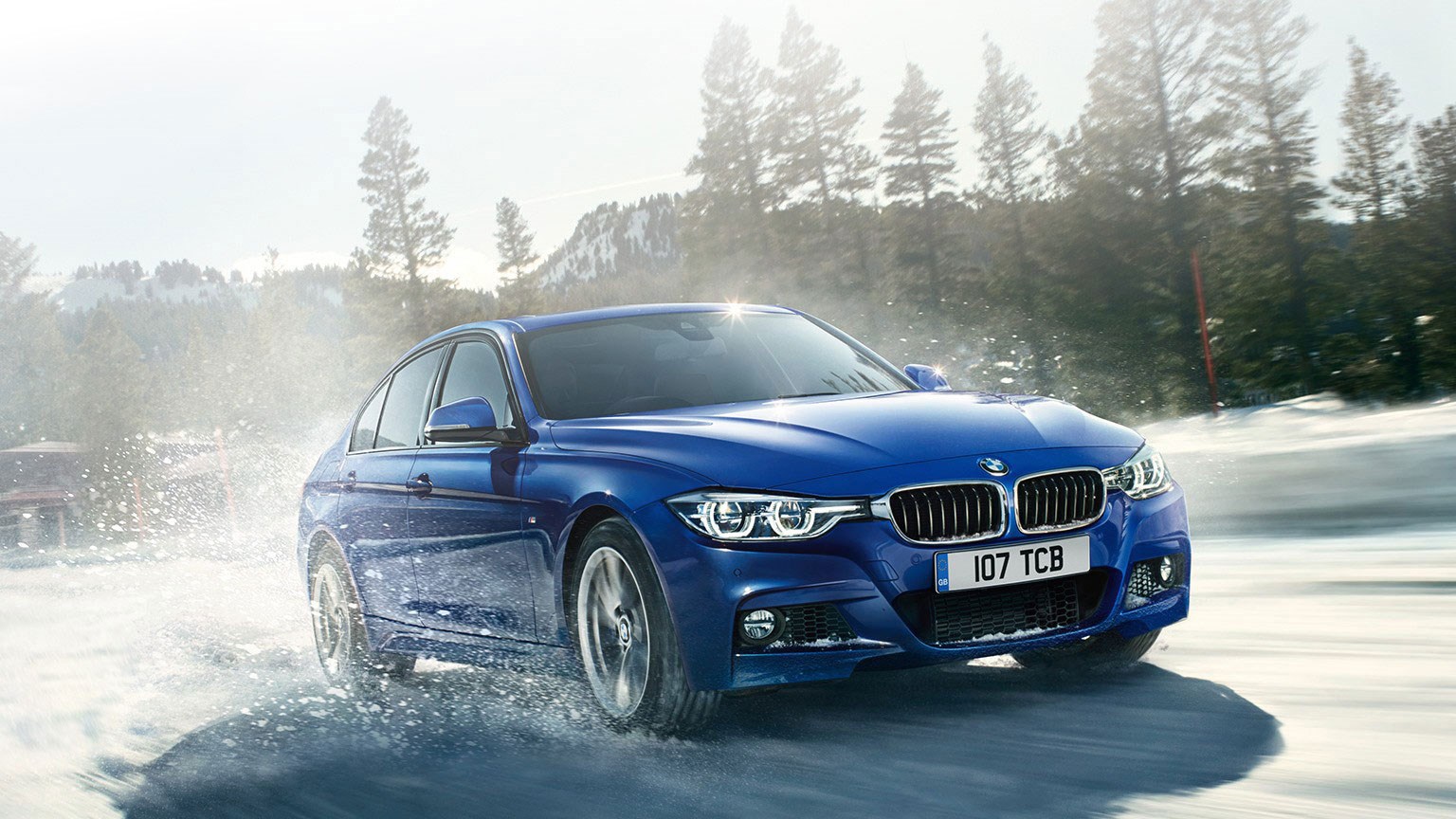
  • You might soon unlock your BMW with your iPhone

    You might soon unlock your BMW with your iPhone

    Apple and premium German car manufacturer BMW are seemingly collaborating to bring the CarKey iPhone feature to eligible vehicles of the carmaker. Evidence for this was unraveled in the iOS 14 code, hinting that iPhone users might soon be able to unlock their BMW cars with their iPhones thanks to the CarKey feature. As a reminder, the existence of CarKey itself was revealed in the iOS 13.4 beta back in February.

    Given that BMW was among the very first automakers to adopt Apple’s CarPlay feature a few years back, it would make sense to assume that CarKey could be adopted on upcoming beemers as well.

    It seems that CarKeys could be stored inside the ubiquitous Wallet app and even be shared with other people through iMessage. “Yo, mom, shared me the keys for the car” would sound a whole lot cooler! Code strings suggest that you will not only be able to lock and unlock your vehicle with your device, but also start it remotely. This is already available through the BMW Connected app, but native iOS support would definitely be great. There would seemingly be two ways to unlock the car – either by holding your phone near the NFC-enabled door handle or just having your iPhone in your pocket.

    Apple could use NFC, UWB (ultra-wide band) chip, or a combination of the two. The UWB chip debuted with the iPhone 11-series but has been pretty underused when it comes to features, as it’s currently only used to aid AirDrop discovery.

    On the topic of anti-theft countermeasures, CarKey will enjoy the same level of biometric security that the sensitive data on your iPhone enjoys, but there would seemingly be an option to use CarKey without having to authenticate yourself with a Face ID scan or a PIN code for an even faster experience.

    BMW itself neither denied or acknowledged the rumored functionality. When asked, the company replied rather nonchalantly with “Please understand that at this point we cannot confirm your request nor give you further details. We would like to refer you to our press release, ” which suggests that we could be in for news on the matter very soon.

  • BMW India Shuts Down Chennai Plant

    BMW India Shuts Down Chennai Plant

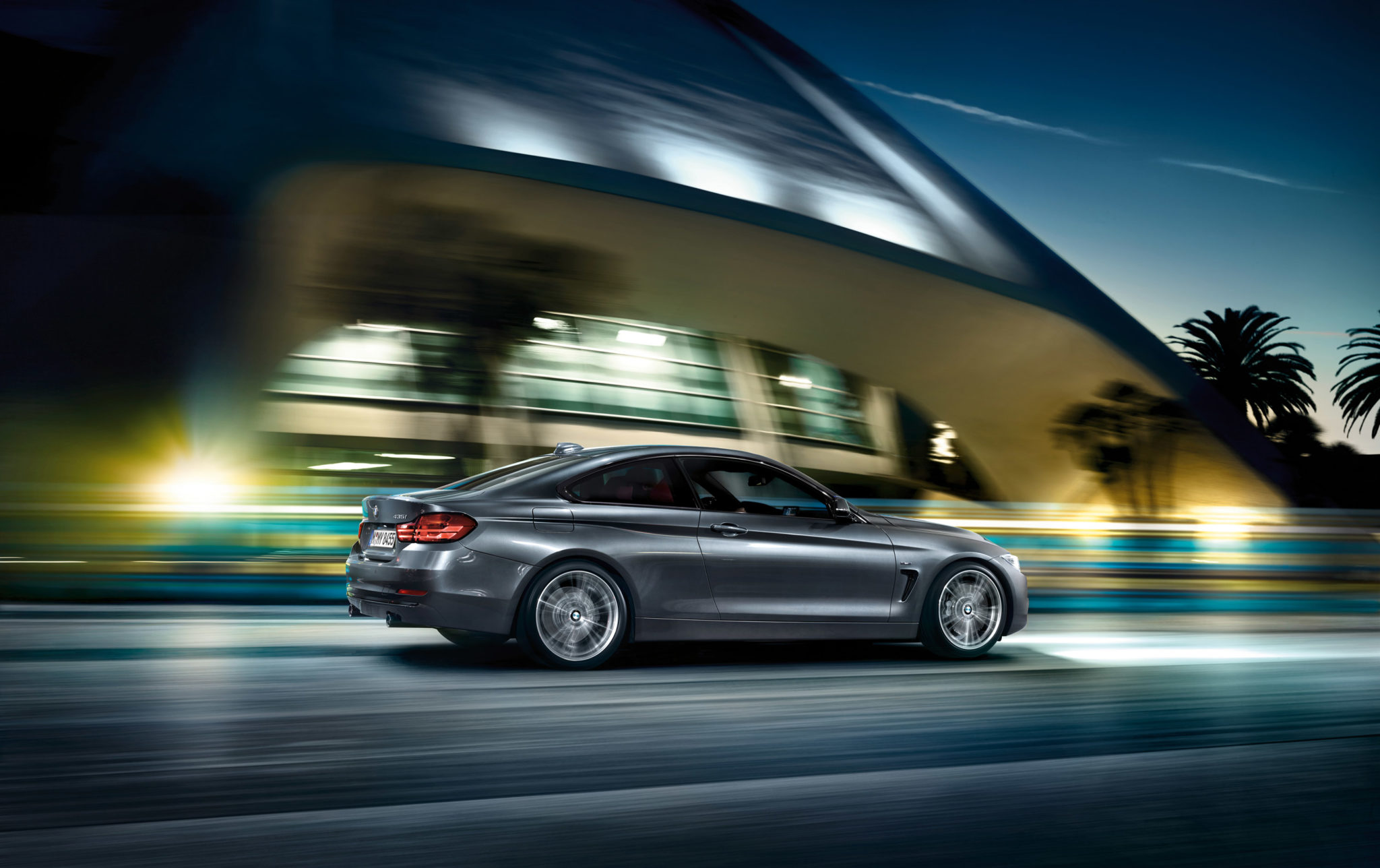
    BMW Group India has announced a number of measures to restrict employee movement during the novel coronavirus pandemic that’s swept the globe. The automaker has announced that it will be closing the Chennai-based manufacturing facility with immediate effect until March 31, 2020, while employees at The National Sales Company and BMW India Financial Services will work from home during this period. Meanwhile, essential services including security, facility management and healthcare will continue to operate. Furthermore, the German auto giant said that it will keep all its showrooms pan India closed during this period, while aftersales and breakdown services will remain functional albeit with limitations.

    A statement from the BMW Group read, “For the well-being of employees in the midst of the COVID-19 pandemic, work from home has been implemented across BMW Group offices in India with immediate effect. Business continuity is to be ensured across all functions while adhering to all government directives and necessary safety measures. Across the BMW, MINI and BMW Motorrad dealerships in India, staff will work from home to offer services to customers. Aftersales and breakdown services staff will operate as per the local government directives and will be functional with limitations. All showrooms are presently closed and will reopen as per local government advisory.”

    Almost all major automakers including Tata Motors, Mahindra, Maruti Suzuki, FCA India and more have announced plant closures amidst the outbreak. In the luxury space as well, Volvo India had already announced that it has asked its employees to work from home, while Audi India has also shut operations with the closure of the Skoda Auto-Volkswagen facilities across India, while Mercedes-Benz too has closed the Chakan facility, near Pune. The auto industry is estimated to bear a loss of ₹ 15,000 crore every day during this phase, which further adds to the sector’s woes since the past year.

  • SoftBank Nears Deal To Invest In Didi’s Self-driving Unit

    SoftBank Nears Deal To Invest In Didi’s Self-driving Unit

    SoftBank Group Corp is close to finalizing a deal to lead a $300 million investment in the autonomous driving unit of Didi Chuxing, news website The Information reported on Monday, citing people with knowledge of the situation.

    Earlier on Monday, SoftBank said it plans to raise as much as $41 billion to buy back shares and reduce debt, in an unprecedented move to restore investor confidence as a financial market rout pummels its shares and its portfolio companies.

  • Coronavirus Drags Car Dealers Into Digital Commerce

    Coronavirus Drags Car Dealers Into Digital Commerce

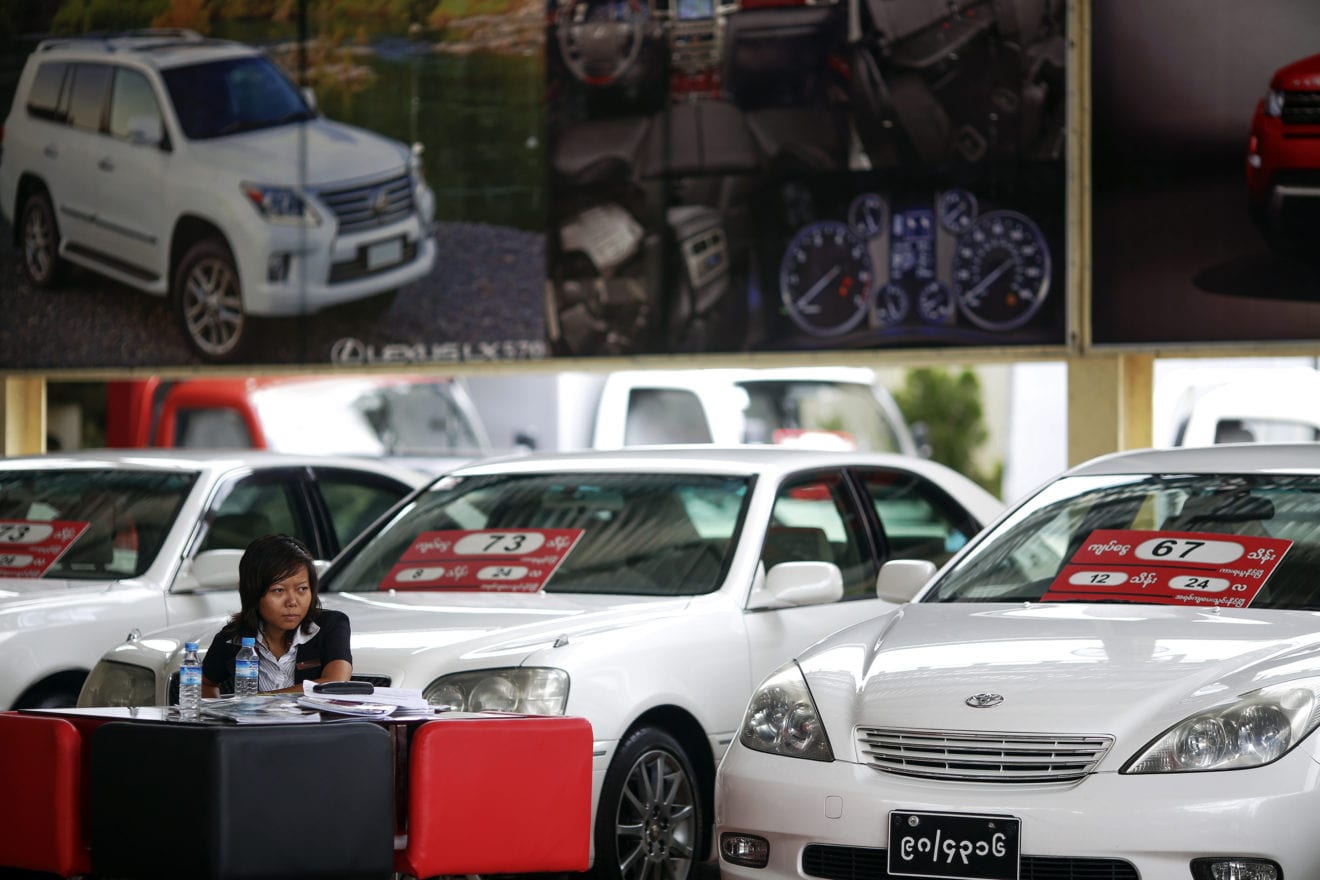
    Auto retailers have been slow to embrace e-commerce, but the coronavirus pandemic is changing that. Online traffic has risen even as in-person showroom traffic has disappeared. Auto dealers are embracing digital tools to close deals without a handshake and arranging for vehicles to be picked up or delivered without requiring customers to come to their stores.

    U.S. new vehicle sales will be hit hard by the pandemic. Demand dropped 13% in the first 19 days of March, according to research firm J.D. Power. In especially hard-hit markets like Seattle, San Francisco, Los Angeles and Chicago, where the virus has spread quickly, demand slumped as much as 22%.

    Moody’s Analytics said on Friday the new and used vehicle markets could slump by as much as 20% from 2019 levels and stay depressed into 2021.

    New and used vehicle markets could slump by as much as 20% from 2019 levels and stay depressed into 2021.

    Based on a survey of some 40 dealers, analysts at Evercore ISI on Monday estimated the March U.S. seasonally adjusted annual selling rate could be 11 million to 12 million vehicles, on par with levels seen during the 2008/2009 financial crisis.

    However, online traffic for the 1,000 U.S. and Canadian dealers served by Roadster, which provides a digital sales platform for everything from financing paperwork to vehicle delivery, was up about 6%.

    “Many dealerships are going to get caught with their pants down,” said Brian Benstock, a dealer in the New York City borough of Queens. “This will be a watershed moment for the dealership industry.”

    Dealers have been doing business online for years, but it has never been a major focus. Only 15% of all transactions are online, according to a November survey of 540 dealers commissioned by the National Automobile Dealers Association. However, they expect online car sales to double by 2025.

    Benstock, who began moving most of his sales online in 2015, said companies like Tesla Inc and retailer Carvana Co, which does all its business online, have begun to change consumer expectations.

    Tesla has always relied on internet orders for its vehicles. It is implementing “touchless deliveries” in many locations, allowing consumers to unlock cars using the Tesla App, sign any relevant paperwork and return it to a drop-off location.

    Carvana, which sells used vehicles, expanded the number of cars it sold to retail customers by 89% in 2019 from 2018.

    Despite a sharp decline in its shares, Carvana has a market capitalization twice that of AutoNation Inc, the largest bricks and mortar U.S. retail vehicle chain. AutoNation started boosting investment in its online selling capability well before the virus shock.

    David Smith, chief executive of dealership chain Sonic Automotive Inc, said most customers still want to visit a showroom to see the cars they are buying.

    “There’s only a small percentage of the market who want to buy their car entirely online and have it delivered,” he said.

    “It’s what people wanted going into this,” she said, citing a Cox January survey that found consumers cited vehicle pick-up and delivery as their top desire.

    Matthew Zappone, general manager of a Chrysler Jeep Dodge Ram dealer outside of Albany, New York, is encouraging his sales staff to use FaceTime to show customers the vehicle features they want to see without visiting the store.

    “If you haven’t been doing it to this point, you’re under-prepared,” Zappone said.