Category: Automotive

Retail News Asia is committed to providing both local and global retailers with the latest Auto and Car news throughout the Asian market. This on a daily base.

  • Ferrari Slowed By Coronavirus, But Not Driven Off Course

    Ferrari Slowed By Coronavirus, But Not Driven Off Course

    Luxury sports car maker Ferrari still expects to make more than $1 billion in core profit this year, providing a relative beacon of stability in an auto industry ravaged by the coronavirus crisis.

    The company, known for its red Formula One racing cars and its prancing horse logo, cut its 2020 core earnings forecast on Monday, blaming a hit to motorsport revenues among other pressures, and warning of an extremely tough second quarter.

    But the Italian firm said it still expected to generate free cash flow this year, and its guidance contrasted with others in the industry – including U.S. electric carmaker Tesla, Germany’s Daimler and Porsche-owner Volkswagen – which have all suspended forecasting.

    “This extraordinary level of stability in an economic crisis takes top place at the podium,” Morgan Stanley analysts said.

    Ferrari shares closed up 1.5% at 154.50 euros, having fallen over 5% immediately after news of the downgrade. By contrast, Europe’s auto index closed down 4.4%.

    Car sales across the world have slumped as measures to contain the virus pandemic forced production lines to shut and showrooms to close. Data on Monday showed the biggest ever drop in business morale in Germany’s auto sector.

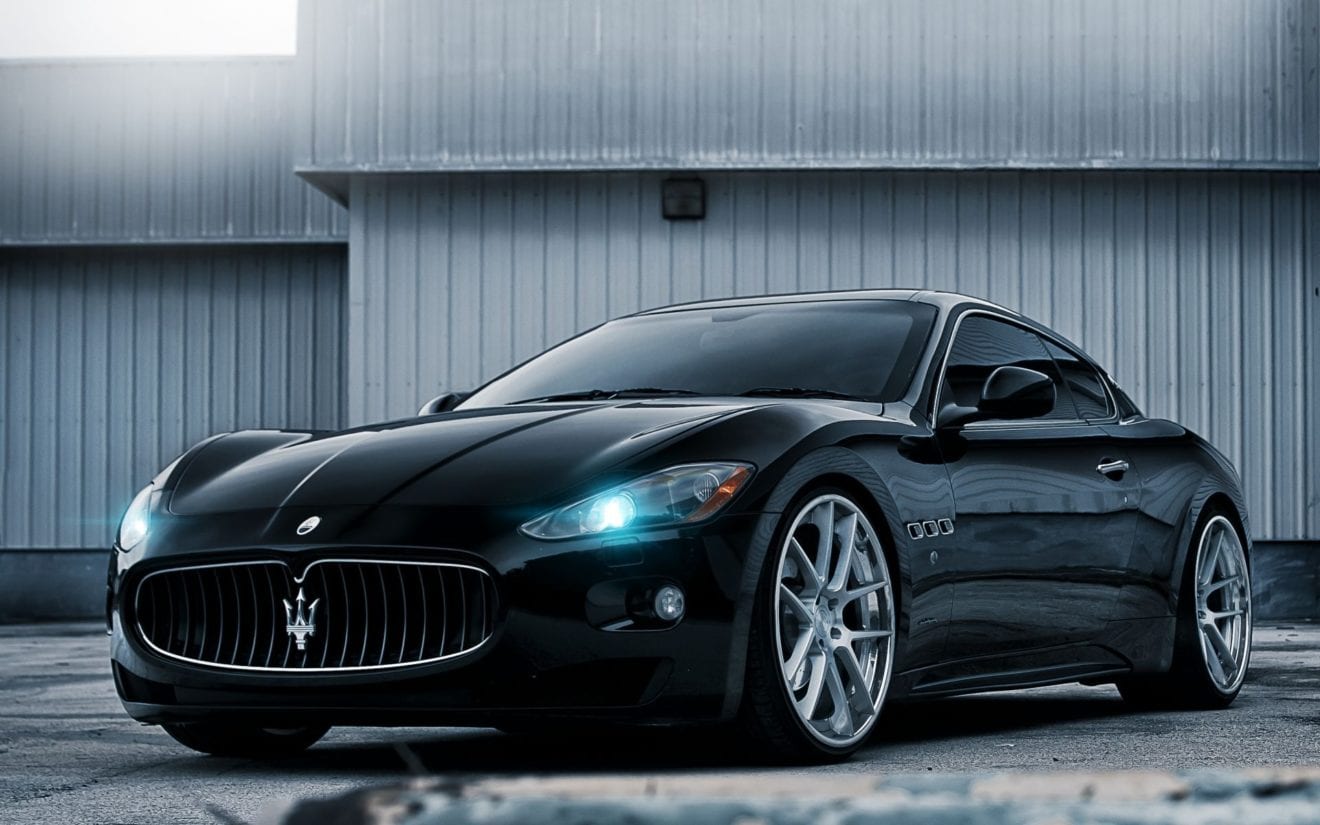
    Ferrari, which on Monday restarted operations at its plants in Maranello and Modena, predicted a “harsh” reduction of revenues linked to Formula One, where races have been suspended, as well as reduced turnover from brand projects and lower engine shipments to Maserati.

    “Second quarter will be very weak,” Chief Executive Louis Camilleri told analysts, as the company said it now expected adjusted earnings before interest, tax, depreciation and amortization (EBITDA) this year to edge down from 2019 levels to 1.05-1.20 billion euros ($1.15-$1.31 billion).

    In February, Ferrari had projected an increase in 2020 EBITDA to 1.38-1.43 billion euros.

    “While the Formula One hit to revenues and earnings is not an easy matter to digest, the good news is that the significant losses incurred should be short-lived and contained to 2020,” Camilleri said.

    The CEO said projections relied on Ferrari’s ability to retain a “very strong” order book, adding that as of now it had not received any “abnormal or untoward” cancellations.

    Ferrari reveals new F8 Spider in South Africa

    Ferrari has unveiled the F8 Spider at a private preview held at the newly renovated Ferrari showroom in Bryanston, South Africa.

    Ferrari, whose origins date back to 1929, said it now expected industrial free cash flow of 100-200 million euros this year, compared with 400 million euros or more previously.

    The company, which like its former parent Fiat Chrysler is controlled by the Exor holding company of the Agnelli family, cautioned its new guidance did not include a potential second wave of COVID-19 infections.

    In the first quarter of this year, adjusted EBITDA rose 1.9% to 317 million euros, broadly in line with a 322 million euro forecast in an analyst poll compiled by Reuters.

    Ferrari’s two plants, both located in Italy’s northern Emilia Romagna region, had been closed since mid March.

    Volumes rose despite delivery suspensions due to the virus outbreak, driven by 488 Pista and 488 Pista Spider models, along with the ramp up of the F8 Tributo, the company said.

    The margin on adjusted EBITDA came in at 34% in the first quarter, up from 33.1% a year earlier.

    Ferrari said its total available liquidity at the end of March was 1.23 billion euros. Last month, it secured additional committed credit lines worth 350 million euros, with maturities up to 24 months, taking total committed, available and undrawn credit lines to 700 million euros, it said.

  • Volvo Cars India Launches Contactless Program For Sales And Service Bookings

    Volvo Cars India Launches Contactless Program For Sales And Service Bookings

    Following the footsteps of many of its rivals in India, Swedish luxury carmaker, Volvo, has introduced an online program for selling its cars as well as for service bookings. The company that has always been known to come out with path-breaking safety innovations has introduced the ‘Volvo Contactless Program’ for its customers and also for prospective buyers. This new initiative enables Volvo owners to book their car services online with their nearest dealership location and also provides an interactive online buying process to an interested buyer.

    The company is promising a safe and secure test drive process (post relaxation of norms), digitized finance offers, online documentation & finally an online channel to buy the car and get a contactless delivery. Charles Frump, MD, Volvo Cars India said “I am confident that the Indian economy will spring back to its pace very soon with the measures taken by authorities. Our Volvo Contactless Program emphasizes the need for businesses to adapt to the current environment with an assurance of safety.”

    As part of another initiative called #SafestPlaceToBe, all Volvo dealer facilities are being disinfected and personnel working at the nationwide dealerships are provided with PPEs and sanitizers. Cars at dealerships as well as the demonstration cars are being disinfected in partnership with 3M which is using expert solutions for the safety of all stakeholders. This includes the Interior GermKleen which eliminates 99% microbes in a car from interior surfaces including plastics and upholstery. AC Vent disinfectants and Air Refresher are also being used to reduce microbial infections by 99%.

  • Ford Expects $5 Billion Loss In Current Quarter As Coronavirus Hits Demand

    Ford Expects $5 Billion Loss In Current Quarter As Coronavirus Hits Demand

    Ford Motor said on Tuesday its second-quarter loss would more than double to over $5 billion from $2 billion in the first quarter due to the impact of the coronavirus pandemic, but added it had enough money despite the crisis to last the rest of 2020.

    “We believe the company’s cash is sufficient to take us through the end of the year, even with no additional vehicle wholesales or financing actions,” Chief Financial Officer Tim Stone said in a statement.

    But he called the current economic environment “too ambiguous” for the No. 2 U.S. automaker to give a full-year 2020 earnings forecast.

    “There’s no denying the negative economic consequences of a pandemic,” Chief Executive Jim Hackett said on a conference call with analysts.

    The Dearborn, Michigan-based company has slashed costs during the COVID-19 outbreak to weather the shutdown, including cutting salaries of executives and white-collar employees.

    Hundreds of workers at General Motors and other auto companies have gone back to work to make face shields, surgical masks, and ventilators in a wartime-like effort to stem shortages of protective gear and equipment.

    Ford also moved to cut spending on projects, saying on Tuesday it was pushing back its commercial autonomous vehicle services by a year to 2022 and that it had decided not to develop a previously announced luxury electric Lincoln sport utility vehicle in partnership with electric vehicle maker Rivian.

    Ford shares were down more than 4.6% in after-hours trading on Tuesday after closing the regular session at $5.38.

    Ford’s market value of $20.6 billion is now less than the $35 billion in cash it had on hand as of last Friday, an indication that investors expect the company to burn through significant amounts of cash before a recovery takes hold.

    Ford had preannounced the pandemic-fueled first-quarter loss earlier this month. That warning came the same day the company raised $8 billion from corporate debt investors.

    Last month, Ford moved to hoard cash on its balance sheet, drawing down $15.4 billion from two credit lines and suspending its dividend, in a move to bolster reserves to ride out damage to its business.

    Virtually all U.S. automotive production ground to a halt in March as the number of COVID-19 infections grew rapidly. But with President Donald Trump pushing for Americans to get back to work and several U.S. states beginning to reopen their economies, the focus in the auto sector has shifted to when production can be restarted.

    In an earlier conference call with reporters, Stone, the CFO, said the company would restart U.S. production “as soon as practicable,” but did not give a timeline.

    Ford’s captive finance arm posted $30 million in first-quarter pretax earnings, down $771 million from a year ago. That included $600 million in additional-loss reserves, plus higher depreciation of former lease vehicle sales and expected lease defaults – in preparation for the estimated future impact of the coronavirus on the finance unit’s performance.

    Ford, General Motors Co and Fiat Chrysler Automobiles NV (FCA) are aiming to resume production sometime in May, and are negotiating with the United Auto Workers (UAW) union, which represents their U.S. hourly workers, about how to safely resume vehicle production. FCA and GM are scheduled to report quarterly results on May 5 and 6, respectively.

    Last week, the UAW said it was “too soon and too risky” to reopen auto plants in early May.

    Ford, whose credit rating has been downgraded to “junk” status by Standard & Poor’s, said previously it hoped to resume production in April at plants that make its most profitable vehicles but subsequently backed off those plans.

    Ford said on Tuesday it would restart most of its European manufacturing starting next Monday. It has already resumed operations in China, where the pandemic began and where sales fell 35% in the first quarter. U.S. sales fell 12.5%.

    Once North American production resumes, the question will be how fast U.S. demand bounces back.

    Ford said it expected to spend $700 million to $1.2 billion on its global restructuring this year, but executives said the automaker was looking at additional actions.

  • BMW Begins Online Sales For New & Used Cars Amidst Lockdown In India

    BMW Begins Online Sales For New & Used Cars Amidst Lockdown In India

    Joining the likes of Mercedes-Benz, Honda, and Volkswagen, BMW India has announced its new online platform for the sale of new and used cars. The new BMW Contactless Experience takes the car buying process virtual and enables customers to explore and buy not just new vehicles but pre-owned cars as well. In addition, the Contactless Experience allows customers to book vehicle service and make payments online, all from the safety of their homes. The BMW Contactless Experience was introduced on April 2, 2020, in the country. The new initiative is a part of several measures taken by the automaker for customers during the lockdown.

    Speaking on the new initiative, Arlindo Teixeira, Acting President, BMW Group India said, “At BMW, customers are at the core of everything we do. Amidst the current pandemic situation, we have successfully transformed our business processes and put in place various measures to effectively and efficiently serve our existing customers and prospects by leveraging new-age digital technologies. An industry-first comprehensive initiative, the BMW Contactless Experience offers consumers an all-new way to explore and experience the world of BMW while being in the comfort of their homes. Since its launch in April 2020, we have seen a tremendous increase in customer engagement, configuration requests, and virtual product presentations on this platform. As business dynamics evolve post the current COVID -19 pandemic, the BMW Contactless Experience will play a crucial role in offering seamless sales and aftersales services to our existing and new customers. We will bring joy to our customers no matter where they are.”

    The BMW Contactless Experience not only allows customers to learn about their vehicle online but also personalize their preferred car, finance options, and service packages. A dealer representative online will be interacting with the customer online in real-time to guide the same. Customers can also have a 360-degree view of the vehicle on their phones, tablets of personal devices, and interact with the sales consultant. BMW Financial Services will also help procure finance for the vehicles with customized financial solutions, depending on the customer.

    For existing BMW customers, the Contactless Experience extends to booking a service appointment online, type of service required, and the pick-up and drop details. The service cost estimates and details of the service are sent for customer approval using BMW Smart Video. The serviced vehicles are also fully sanitized before being delivered to customers. The deliveries and servicing, however, will be done adhering to the local government directives post the lockdown. Ensuring the safety of the customers, BMW will sanitize the cars before delivering it to the customer with all the physical documents in a sanitized envelope.

  • Honda and Yamaha Prepare To Resume Operations In India

    Honda and Yamaha Prepare To Resume Operations In India

    Honda Motorcycle and Scooter India (HMSI) and India Yamaha Motor are keen to resume manufacturing operations at their respective plants after the lockdown is lifted. India has been under a complete lockdown since March 24, 2020 due to the coronavirus outbreak which has crippled industry around the world. India’s automakers, including two-wheeler manufacturers in the world’s largest two-wheeler market, have been suffering heavy losses during this time, with plants and dealerships shut down across the country as India tries to prevent the highly contagious COVID-19 virus from spreading further.

    According to reports, HMSI has already sought permission to open its plants, and Yamaha is keen to start production in compliance with new protocols laid down by the government. However, both India Yamaha and HMSI will likely take some time to kickstart operations with many component suppliers also shut in the current lockdown. At the same time, it may take some time for workers to return from their native places, without public transport, including railways, in-land and air travel being resumed. While May 3, 2020 is till when the lockdown will be in force, it is generally expected that the countrywide lockdown will be extended, with some specific relaxations with guidelines announced in the next few weeks for a few sectors, including manufacturing.

    HMSI has four manufacturing plants at Manesar in Haryana, Tapukara in Rajasthan, Narsapura in Karnataka, and Vithalapur in Gujarat, with a total installed production capacity of 64 lakh units per annum. India Yamaha has three manufacturing plants at Faridabad in Haryana, Surajpur, in Uttar Pradesh, and Kanchipuram in Tamil Nadu.

  • Daimler Says China Business Picks Up Again

    Daimler Says China Business Picks Up Again

    Mercedes-Benz maker Daimler has seen business stabilize in China after the country ended coronavirus lockdowns, a senior manager at the German carmaker told a newspaper on Sunday. Mercedes-Benz delivered a total of approximately 477,400 passenger cars worldwide between January and March. The report did not say how many of those went to customers in China, who bought 694,200 Mercedes-Benz cars last year, 29% of total sales. China is the largest market for the S-Class built in Sindelfingen. Normally several hundred vehicles roll off the assembly line in Sindelfingen every day.

    Mercedes-Benz maker Daimler has seen business stabilize in China after the country ended coronavirus lockdown

    “In China alone, we sold around 50,000 vehicles again in March. That makes us confident,”, said Markus Schaefer, a managing board member for production, told Bild am Sonntag newspaper. Starting Monday, cars are set to roll off Daimler’s assembly line again in Germany. The Sindelfingen and Bremen passenger-car plants will start production of E- and S-Class vehicles.”We won’t reach this number right away when production starts next week,” said Schaefer.

    Daimler reported a plunge of nearly 70% in first-quarter operating profit on Thursday due to the pandemic and warned that the cash flow it uses to pay dividends would fall this year.

  • European Carmakers Restart Production As Coronavirus Lockdowns Ease

    European Carmakers Restart Production As Coronavirus Lockdowns Ease

    Volkswagen will restart production at its Wolfsburg factory in Germany on Monday, the latest of a fleet of European carmakers to take advantage of eased coronavirus lockdown rules to resume manufacturing. VW, the world’s largest car manufacturer, is celebrating the reopening of its biggest plant, in Wolfsburg, by projecting a cartoon of a VW logo squashing coronaviruses.

    Encouraged by a fall in infection rates, Germany has allowed small retail stores to reopen, provided they adhere to strict distancing and hygiene rules. Now large corporations are following suit.

    BMW, Daimler and VW are banking on Germany’s ability to trace and contain the new coronavirus, and a healthcare system capable of extensive testing to identify possible carriers of the disease.

    This stands in stark contrast to the United States, where the head of the United Auto Workers union said on Thursday it was “too soon and too risky” to reopen auto plants in early May, citing insufficient coronavirus testing. German carmakers like BMW, Daimler and VW are banking on Germany’s ability to trace and contain the new coronavirus. European factories have changed work patterns, to incorporate more rigorous hygiene and cleaning intervals as well as more generous spacing between workers.

    As part of Volkswagen’s cartoon, the VW logo celebrates with a “thumbs-up” after defeating the virus.

    “On Monday, the German auto industry is back. We at Volkswagen have used the five-week pause to prepare ourselves for restarting production,” said VW works council chief Bernd Osterloh.

    BMW says it is cranking up engine manufacturing starting this Monday. BMW wants to reopen its British plant in Goodwood and its Spartanburg, South Carolina on May 4, followed by Dingolfing, Germany and San Luis Potosi in Mexico on May 11, depending on market demand, the carmaker said.

    Other plants in Leipzig, Regensburg, and Rosslyn South Africa will open after May 18, starting with a one-shift system the carmaker said. BMW’s factory in Shenyang, China has been producing since Feb. 17.

    Little relief for Europe’s carmakers Monday as BMW says sales have plunged and Peugeot-owner PSA says it’s raising new funds to help it see out the crisis.

    Workers need to wear masks and keep a distance to one another. The seating order on BMW factory buses has been changed, as has the process for entering and exiting the bus.

    Workers need to come to the plant already wearing their factory clothes, to avoid time stuck in changing rooms, and designated pathways in the plant have been altered to ensure there is “one-way” traffic only, BMW said.

    European factories have changed work patterns, to incorporate more rigorous hygiene and cleaning intervals

    Mercedes-Benz plants in Sindelfingen and Bremen are also making preparations to ramp up production.

    Unlike Italy and Spain, Germany never banned car production, though factories came to a standstill after authorities restricted the movement of people and ordered the closure of car dealerships, hitting demand.

    FiatChrysler will open its Sevel plant in central Italy on Monday, with plans to resume production at a rate of between 70%-80%.

    In France, Toyota this week restarted an assembly plant in Valenciennes and Renault began producing engines at its factory in Cleon, west of Paris. It will be followed by Renault’s Flins plant, west of Paris, where only 25% of the workforce is due to resume work.

    Sweden’s Volvo Cars reopened its Torslanda factory this week after overhauling its production processes.

    “The economy has come to a halt in Europe. A vaccine will take a long long time. It is important to restart in a safe way. Hopefully we can contribute to a normalization,” Volvo cars Chief Executive Hakan Samuelsson told Reuters.

  • Renault Seeks State-Backed Loan As Coronavirus Crisis Drags On

    Renault Seeks State-Backed Loan As Coronavirus Crisis Drags On

    Renault is in talks with the French government to secure a state-backed loan worth several billion euros by mid-May to shore up its liquidity during the coronavirus pandemic, the French carmaker said on Thursday.

    Interim Chief Executive Clotilde Delbos said Renault, which is 15% owned by the French state, was lining up credit lines and aid when possible, including in France and emerging markets.

    “It is our duty to be on the safe side and to cover even black, black, black scenarios,” Delbos said on a call with analysts, adding that it was unclear how long the crisis would last and what impact it would have on earnings this year.

    She said, however, that Renault had enough liquidity to make it through the coronavirus turmoil, including covering a monthly cash burn of 600 million euros ($647 million) linked to the closure of its plants and dealerships during the health crisis.

    Renault quits main China venture after weak sales

    French automaker Renault is ditching its main passenger car business in China following poor sales at the loss-making venture with Dongfeng Motor Group. Ciara Lee reports

    The company had 10.3 billion euros of liquidity reserves at the end of March – including an unused 3.5 billion euro credit line – though that was still 5.5 billion euros lower than the end of 2019. The first quarter is traditionally a period when carmakers use cash to boost vehicle stocks.

    Renault shares were up 1.9% at 0903 GMT.

    Sales of Renault vehicles have been hit hard by the pandemic as governments enforce lockdowns around the world. Rivals have reported slumps in sales and some, such as Ford Motor Co. have also been beefing up their cash reserves.

    But the French carmaker was already struggling with faltering demand before the crisis, attracting scrutiny over its cash levels and financial position after posting its first loss in a decade in 2019.

    “Liquidity remains high in light of cost reduction but leverage concerns unresolved,” analysts at Jefferies said.

    Renault’s Japanese alliance partner Nissan posted its first quarterly loss in nearly a decade in February and the two are due to present plans to reboot their partnership in May, including industrial projects.

    Delbos said in February that Renault was embarking on a “no taboo” plan to cut 2 billion euros of costs which could include job reductions as it reviewed performance at factories.

    She said on Thursday there were no strings attached to the state-backed loan that would have implications for the plans, bar canceling dividend payouts, which it has already done.

    Few major French companies have yet tapped this form of state aid, barring consumer electronics retailer Fnac Darty. Air France KLM is also moving towards a government-backed rescue deal.

    Renault, which has suspended its outlook for 2020, posted a 19.2% drop in first-quarter revenue to 10.13 billion euros. It said it would look to resume production in Europe where possible and was cutting costs in areas such as advertising.

    Renault sold more cars in Russia than in its home market in the first quarter as demand slumped in Europe, the first time France has fallen from the top spot.

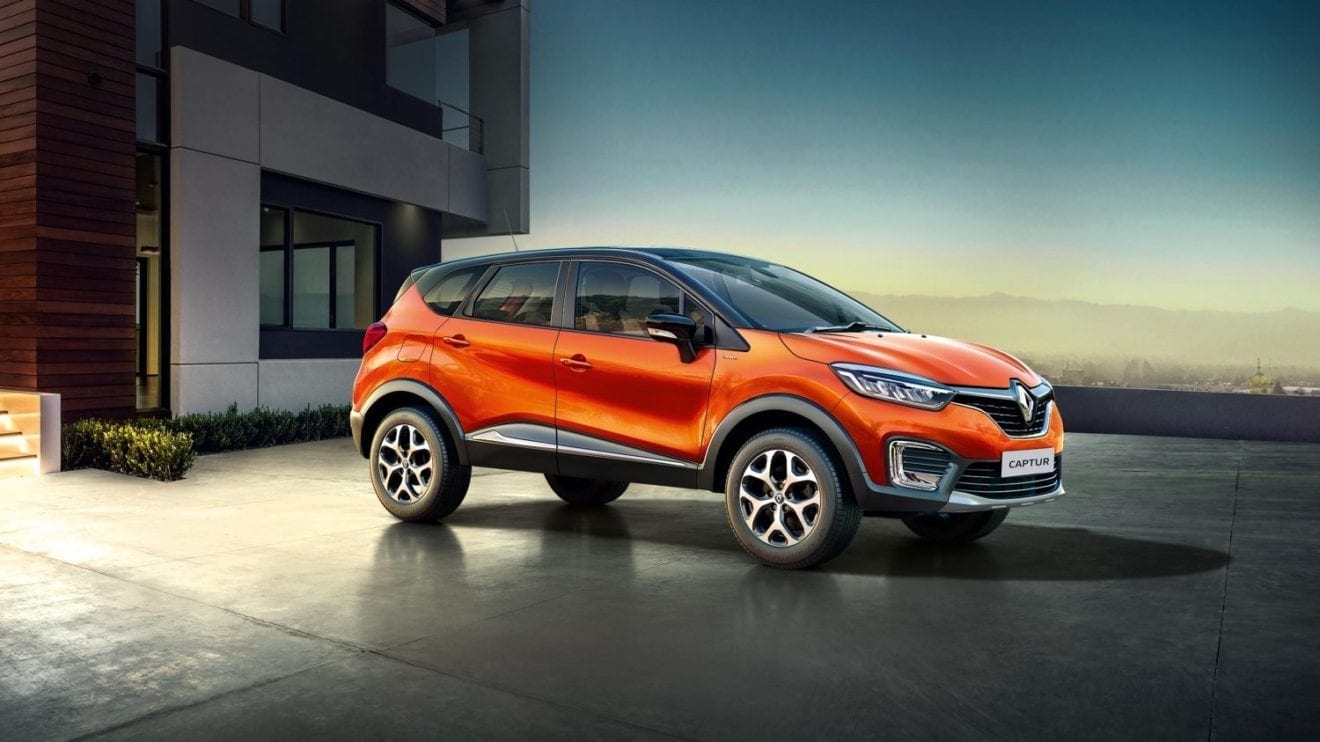
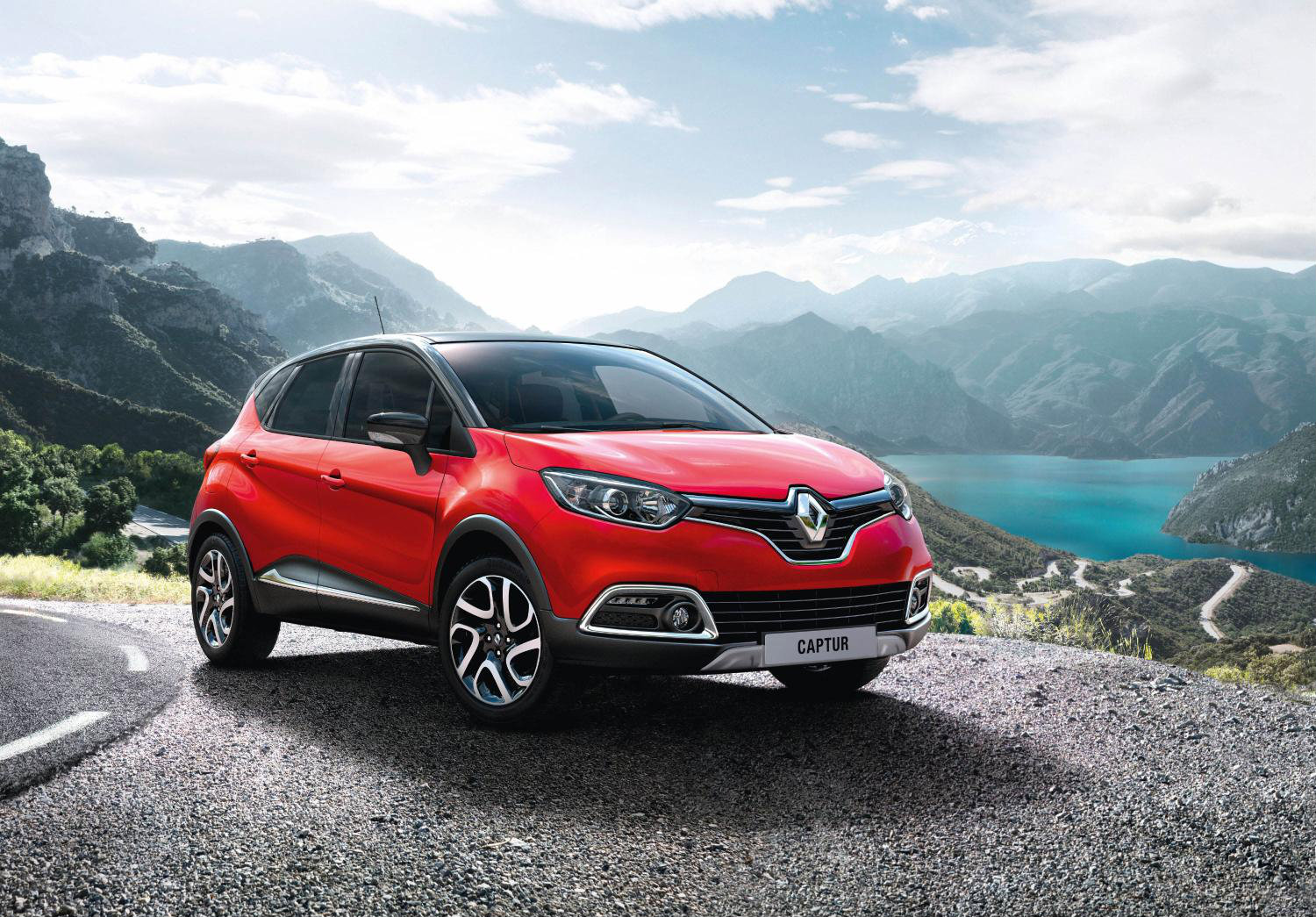
    The carmaker benefited slightly from selling more expensive SUV-style models such as the Renault Captur but this was not sufficient to offset tumbling sales volumes.

  • Kia Motors Europe Post Record Electrified Vehicles Sales In Q1

    Kia Motors Europe Post Record Electrified Vehicles Sales In Q1

    Electric and electrified vehicles are gradually picking up the pace in the global car market and carmakers that already have already ventured into that space have been gaining traction as well. Kia Motors has posted record sales of new hybrid and electric vehicles in the European market in the first quarter of 2020, despite a decline in total vehicle sales owing to the coronavirus crisis. Kia also captured its highest-ever share in the European market in the same period.

    Kia’s total sales in Europe declined by 14.5 percent at 1,13,026 units in the first quarter of 2020 compared to 1,32,174 units sold in the same period last year. However, the decline was lesser compared to last year helping Kia to achieve an all-time high market share of 3.7 percent. Sales of hybrid, plug-in hybrid, and electric vehicles grew by 20.8 percent to 21,340 units in the same period. Electrified models now account 18.9 percent sales in the European market, up from 13.4 percent.

    Emilio Herrera, Chief Operating Officer (COO)- Kia Motors Europe said, “The first three months of 2020 have been challenging for the whole industry due to social distancing and lockdown measures adopted across many European markets. However, we have seen growing sales for Kia’s range of hybrid and electric cars – every electrified model line we sell in Europe has seen sales growth this quarter. The arrival of new plug-in hybrid models, improved availability of EVs, and an expanded Ceed model family has also boosted our sales and market share this quarter.”

    In the first three months of 2020, Kia’s battery electric vehicles, the e-Niro and e-Soul, accounted for 32 percent of all electrified vehicle sales, up from 22 percent in 2019. Plug-in hybrid models, including new Plug-in Hybrid variants of the XCeed and Ceed Sportswagon, also grew in popularity, and now account for 30 percent of all electrified Kia sales.

  • Peugeot Maker PSA Says Demand To Fall Sharply, Keeps Margin Goal

    Peugeot Maker PSA Says Demand To Fall Sharply, Keeps Margin Goal

    French automaker PSA on Tuesday warned of sharp falls in demand for the sector this year after posting a 15.6% drop in first-quarter sales but maintained its mid-term operating margin goal.

    The maker of Peugeot, Citroen, DS, Opel and Vauxhall is working through a merger with Italy’s Fiat Chrysler but like its peers has been forced to shutter plants due to the coronavirus outbreak.

    The group said revenue for the January-March quarter stood at 15.2 billion euros ($16.47 billion).

    It maintained its target for an average adjusted operating target of over 4.5% for its automotive division over the 2019 to 2021 period.

    “Having secured liquidity and drastically cut costs, the group is now fully focused on preparing for the rebound in a chaotic economic environment,” Financial Chief Philippe de Rovira said in a statement.

    Little relief for Europe’s carmakers Monday as BMW says sales have plunged and Peugeot-owner PSA says it’s raising new funds to help it see out the crisis.

    PSA said it now expects the auto sector to fall by 25% in Europe and Latin America this year, by 20% in Russia, and by 10% in China.

    Like French rival Renault, PSA has been in talks with unions to try and work out a schedule to reopen its factories in France with new sanitary protocols.

    Its British brand Vauxhall is looking at temperature checks and shift rescheduling to plan the reopening of its two UK factories.

    France and many other European countries are still under strict lockdowns, though China is now emerging from confinement.

  • Porsche Sales Drop By 5 Per Cent In Q1 2020 Due To The Coronavirus Pandemic

    Porsche Sales Drop By 5 Per Cent In Q1 2020 Due To The Coronavirus Pandemic

    German performance carmaker Porsche AG announced its sales for the first quarter of 2020 and the manufacturer sold 53,125 cars between January and March this year. Sales for the automaker were down by five percent when compared to the same period a year ago. Porsche attributed the drop in numbers due to the Coronavirus pandemic that’s put the world under lockdown since March this year. That being said, the Porsche Cayenne SUV continues to be the most popular offering in the brand’s stable with 18,417 deliveries during Q1 2020. The Porsche Macan SUV stands second with 15,547 deliveries during the same period, while the iconic Porsche 911 remains a popular choice as well with 8482 units delivered in the last three months.

    Interestingly, Porsche’s popular offerings witnessed a sales growth of  16 percent year-on-year even as overall sales have seen a marginal slump. The company also delivered its all-new Taycan electric sports car in Q1 2020 with 1391 units handed over to customers.

    Speaking on the drop in volumes, Detlev von Platen, Member of the Executive Board for Sales and Marketing at Porsche AG, said, “We are not alone in clearly feeling the effects of the coronavirus pandemic on our deliveries. But our focus now is on standing together with our business partners worldwide. Working together, we are in a position to react quickly and appropriately to further developments. After this challenging first quarter, we are now actively preparing to restart production. Our top priority will always be the health of our employees, the employees of our retail partners and, of course, the health of our customers. We are confident that the outlook is positive, not least because we see a clear recovery in the Chinese market; almost all of our Porsche Centers there have already reopened.”

    The strongest markets for Porsche AG remained in China and the USA. The company delivered 14,098 units to customers in China in the first quarter, making it the brand’s largest market. However, the country saw a drop of 17 percent in year-on-year sales. The automaker sold 11,994 units in the US, making it the second-largest market for the brand, while it saw the biggest decline in volumed with a drop of 20 percent. The company’s home market, Germany saw the manufacturer retail 5214 cars between January and March 2020, witnessing a drop of six percent. Meanwhile, 16,787 cars were delivered across Europe with sales jumping a healthy 20 percent as compared to last year. The only market for Porsche to see positive growth in the last quarter. 22,031 units were sold in Asia-Pacific, Africa, and the Middle East, with a decline of eight percent, when compared to the same period during the previous year.

  • Volkswagen Group Sales Down 23% In Jan-March

    Volkswagen Group Sales Down 23% In Jan-March

    Volkswagen Group on Friday said sales of its cars dropped by 23% on the year to 2 million cars in the January to March period.

    In March alone, deliveries were down 37.6% overall at 623,000 vehicles, the figures showed, reflecting the coronavirus crisis which triggered plant closures and falls in sales as consumers were tied up at home in lockdown measures across the world.

    German carmakers to resume production as lockdowns ease

    German carmakers including Volkswagen and Mercedes-Benz will restart production at some German factories next week. It’s part of a partial reopening of business and shops over the next few weeks.

    More specifically, March sales were down 44.6% year-on-year in western Europe, down 23.1% in central and eastern Europe, down 42% in North America, and down 35% in China, the company said.

    Experts believe that declines in April sales could be steeper as the full impact of the lockdowns works its way through the system.

    Volkswagen on Thursday withdrew its outlook for 2020 due to the uncertainty related to the virus outbreak which caused operating profit to drop 81% in the first quarter.

  • Ford Issues $8 Billion Debt Securities After Coronavirus Causes $2 Billion Loss

    Ford Issues $8 Billion Debt Securities After Coronavirus Causes $2 Billion Loss

    Ford Motor Co on Friday raised $8 billion from corporate debt investors to shore up its cash reserves as the coronavirus outbreak pummeled vehicle sales and production, resulting in an estimated loss of about $2 billion for the first quarter.

    The Dearborn, a Michigan-based company, which lost its investment-grade status in March, raised new funds with a three-part debt offering, according to a regulatory filing.

    Investors said Ford benefited from the U.S. Federal Reserve’s move last week to backstop debt offerings by companies that lost investment-grade credit ratings after the COVID-19 crisis accelerated in the United States, International Financing Review reported on Friday.

    “Today’s deal is a good sign of the growing confidence around the improving market backdrop with respect to liquidity as well as more promising views around the economic outlook,” said Dan Mead, head of the investment-grade syndicate at Bank of America Securities, which was one of the lead banks on the Ford deal.

    Ford Motor Co announced on Monday that it expects about a $600 million pre-tax loss for the first quarter of 2020.

    In an environment where interest rates on cash savings are close to zero, Ford will pay investors an interest of between 8.50% and 9.625% on the new debt securities.

    There was around $40 billion worth of demand from investors across the three debt packages, according to a person familiar with the matter.

    Ford had earlier drawn down over $15 billion from revolving credit lines to ride out the pandemic, which forced the shutdown of its North American and European factories during the past month.

    Separately, General Motors Co disclosed in a regulatory filing that it had entered into a 364-day revolving credit agreement of $1.95 billion. The automaker said it has allocated the credit line for exclusive use by its financial services business.

    Ford on Friday said it had to put up additional guarantees for earlier loans – not the notes sold Friday – because it has not maintained an investment-grade status. It has suspended its dividend for the quarter.

    Stanching the cash drain and restarting profitable operations in Europe and North America will be critical for Ford in the months ahead. The company told investors ahead of Friday’s bond deal that absent new funding and a restart of production, it had cash to last to the end of the third quarter.

    Now, Ford has more breathing room financially, and federal and state officials this week said they expect coronavirus lockdowns to begin easing, possibly allowing auto plants to begin building vehicles again early next month.

    Still, the company has taken a body blow from the pandemic at a time when it was already wrestling with a difficult restructuring effort begun more than two years ago. Ford’s vehicle sales to dealers fell 21% in the first quarter, compared with a year earlier.

    Only Ford’s joint ventures in China, where the pandemic has been receding, are currently producing vehicles, and dealers there have resumed work.

    Separately, Ford warned that its production of high-priced versions of pickups and sport utility vehicles could be hurt due to the damage caused by a tornado earlier this week at parts supplier BorgWarner’s South Carolina factory.

    BorgWarner’s facility makes transfer cases for some of Ford’s most profitable vehicles, such as four-wheel-drive large F-series pickups and large sport utility vehicles.

  • BMW Motorrad India Sales Grow By 71 Per Cent In Q1 2020

    BMW Motorrad India Sales Grow By 71 Per Cent In Q1 2020

    BMW Motorrad India has shared its sales report for the first quarter of 2020, and the manufacturer managed to sell 1024 motorcycles between January and March this year. The German motorcycle maker registered a 71.5 percent hike in sales in Q1 2020, as compared to the same period in 2019 wherein it sold 597 units. Driving the sales momentum for the brand were its entry-level motorcycles, the BMW G 310 twins – G 310 R and the G 310 GS – that contributed to over 80 percent to the total sales or a little over 800 units in three months.

    Speaking on the sales growth, Rudratej Singh, President and CEO, BMW Group India said, “BMW Motorrad India has posted robust growth in Q1 2020, a result of the extremely strong brand we have built among motorcycling enthusiasts in India. BMW Motorrad has brought its most aspirational and desirable global products to Indian customers and developed a truly close-knit riding community that attracts riders who use motorcycling as a means to explore life. The BMW 310 and the GS range are particularly popular among the Indian riders. Though our riding events are on hold to ensure social distancing, we are engaging with fellow riders digitally and through social media. We are closely monitoring the market situation and its impact on future demand.”

    The new generation BMW S 1000 RR has found a large audience in India, according to the company

    While the G 310 twins have been hugely popular for BMW Motorrad, the company has also been actively pushing the 310 motorcycles with huge discounts at the dealer level. The discounts range between ₹ 65,000-75,000. The company is yet to announce BS6 compliant versions of the motorcycles.

    The other main contributors for BMW Motorrad continue to be the  R 1250 GS/GSA, F 750/850 GS as well as the 850 GSA, and the BMW S 1000 RR.

  • Michelin, Enviro Working On New Recycling Technique To Transform Old Tyres Into Raw Materials

    Michelin, Enviro Working On New Recycling Technique To Transform Old Tyres Into Raw Materials

    Michelin has announced entering a new partnership with Swedish start-up Enviro, to introduce a new technology to recycle end-of-life tires. Under the new partnership, the companies will work towards industrializing an innovative pyrolysis technology on a large scale to recycle old tires and convert them into raw materials. Currently, recycling is a major issue with tires, and each year, about 1 billion tires reach the end of their life and are discarded as waste. But this new recycling technology will bring them back into the equation.

    The process involves a new technique developed by Enviro that modifies the chemical composition and physical phase of the pneumatic material (tires) during the pyrolysis process while ensuring minimal energy consumption. Simply put, this technology will allow the companies to extract high-quality raw materials such as – recovered carbon black, pyrolysis oil, steel or gas from old tires. These raw materials can then be re-incorporated into various other production circuits in different industrial sectors.

    The new partnership will see both the companies bring in their expertise from different fields to deploy Enviro’s pyrolysis technology on a larger scale and build a factory to industrialize the technology. Michelin will use its industrial know-how in terms of research and development and production for the construction of the new plant, while Enviro will bring its patented pyrolysis technology, which will produce high-quality products. The location of the plant will be confirmed at a later date.

    Michelin currently holds 20 percent stake of Enviro’s capital, amounting to 32.5 million SEK or ₹ 247.4 crore, as per the current exchange rate, making it the largest shareholder in the company. There is also a joint Supply Agreement between Michelin and Enviro. Michelin says that this partnership reiterates the company’s long-term commitment to recycling and sustainable mobility.