Category: E-Tailing

Retail News Asia is committed to providing both local and global retailers with the latest E-Commerce & Etail news throughout the Asian market. This on a daily base.

  • Foodpanda’s sister Foodora Singapore bound

    Foodpanda’s sister Foodora Singapore bound

    Foodora – an upmarket little sister of mass market food delivery monopoly Foodpanda – is destined for Singapore.

    Foodora Singapore is best described as an “upscale Foodpanda”, a high-end food delivery service targeting cashed-up Millennials who want a higher standard of meal than quick service restaurant fare and faster delivery – and who parent Rocket Internet expects are happy to pay a premium for it.

    Rocket launched Foodora in Hong Kong earlier this year and a trial continues in two suburbs with more postcodes to be added later this year.

    A quick look at the Hong Kong website shows a clear family resemblance to the Foodpanda site, just a different coloured search button and a silver service platter logo in place of the smiling panda.

    But behind the scenes it is all different, we are assured.

    Chris Parrott, marketing MD with Foodora, said in an interview with e27 about the Hong Kong site that the two brands are targeting different clientele, albeit meeting the same need: food delivered to the door as quickly as possible.

    “Foodpanda is a sister company, so there is scope for knowledge-sharing. We have different target clientele, as our minimum basket size is US$25.8 (HK$200) and Foodpanda’s is variable,” Parrott explained.

    A key difference is the delivery time: Foodora promises within 30 minutes, which seems an overly ambitious promise; Foodpanda can take an hour or more, depending on the customer’s location.

    Foodora is now active in 14 countries and early this month took over Delivery Hero which is in 34 countries. Singapore will be next, with a website page already visible announcing “Coming soon”.

    The Hong Kong business is initially being promoted through blogs, food critics and Instagram.

  • Central Bank of Myanmar plans first real-time payments system

    Central Bank of Myanmar plans first real-time payments system

    The Central Bank of Myanmar (CBM) plans to introduce a real-time gross settlement (RTGS) system by the end of 2015.

    Deputy governor Winston Set Aung says the country’s first ever RTGS will help to reduce the size of the cash economy, as the system will allow transfers between banks to be settled immediately.

    An unnamed CBM official adds that RTGS will also support capital market development, making it easier and safer to trade stocks and bonds.

    Last year, CBM worked with NTT Data to develop a new core banking system for the settlement of government bonds, funds and collateral management. The project was funded by the Japanese government, and was part of CBM’s plans to establish a fully modernised financial sector.

    At that time, Asako Toyoda, senior manager for the Myanmar core banking project team at NTT Data, said: ‘The team suggested that the IT vendor that established the Bank of Japan’s BOJ Net [an RTGS system in Japan], which was NTT Data, should develop the CBM Net application too, and CBM agreed on it.’

    In Myanmar’s move to modernisation, CBM has the backing of the Japan International Cooperation Agency (JICA) and the World Bank. CBM is also assisting local banks and foreign banks’ branch offices in preparation of the new system.

    According to the Myanmar Times, only about 5-10% of Myanmar’s population has access to any form of banking services.

    In addition to CBM’s work, the Yangon Stock Exchange, Myanmar’s first modern bourse, is set to open in the first week of December. At present, the government issues treasury bonds, but these are illiquid, and the nation has no corporate bond market yet.

    Also, the Myanmar Payment Union (MPU) is upgrading its retail payment and settlement system, to help promote card payments. The organisation’s 21 member banks first offered debit card services in 2012 and introduced credit cards earlier this year.

  • Metro opens on Tmall

    Metro opens on Tmall

    German hypermarket retailer Metro has opened a flagship store on Alibaba’s Tmall.com, reports Inside Retail Asia.

    Metro Group has entered into a strategic alliance with Alibaba Group’s Tmall.com platform to offer German goods to Chinese consumers, according to the report.

    The firms said they are committed to exploring further collaboration opportunities in sourcing and supply chain, Inside Retail Asia said.

    Metro said its new cross-border e-shop platform will further tap the potential of the Chinese consumer market, where it already operates more than 80 stores.

    “The online storefront will sell products of Metro Group’s sales divisions’ private labels as well as supplier brands from Germany. In the first phase, over 100 products in the categories of dairy, canned foods, coffee, and chocolate from Metro Cash & Carry Germany, as well as cosmetics goods from Real are to be offered online,” Metro said in a statement.

  • Ensogo allocates record B100m for marketing push

    Ensogo allocates record B100m for marketing push

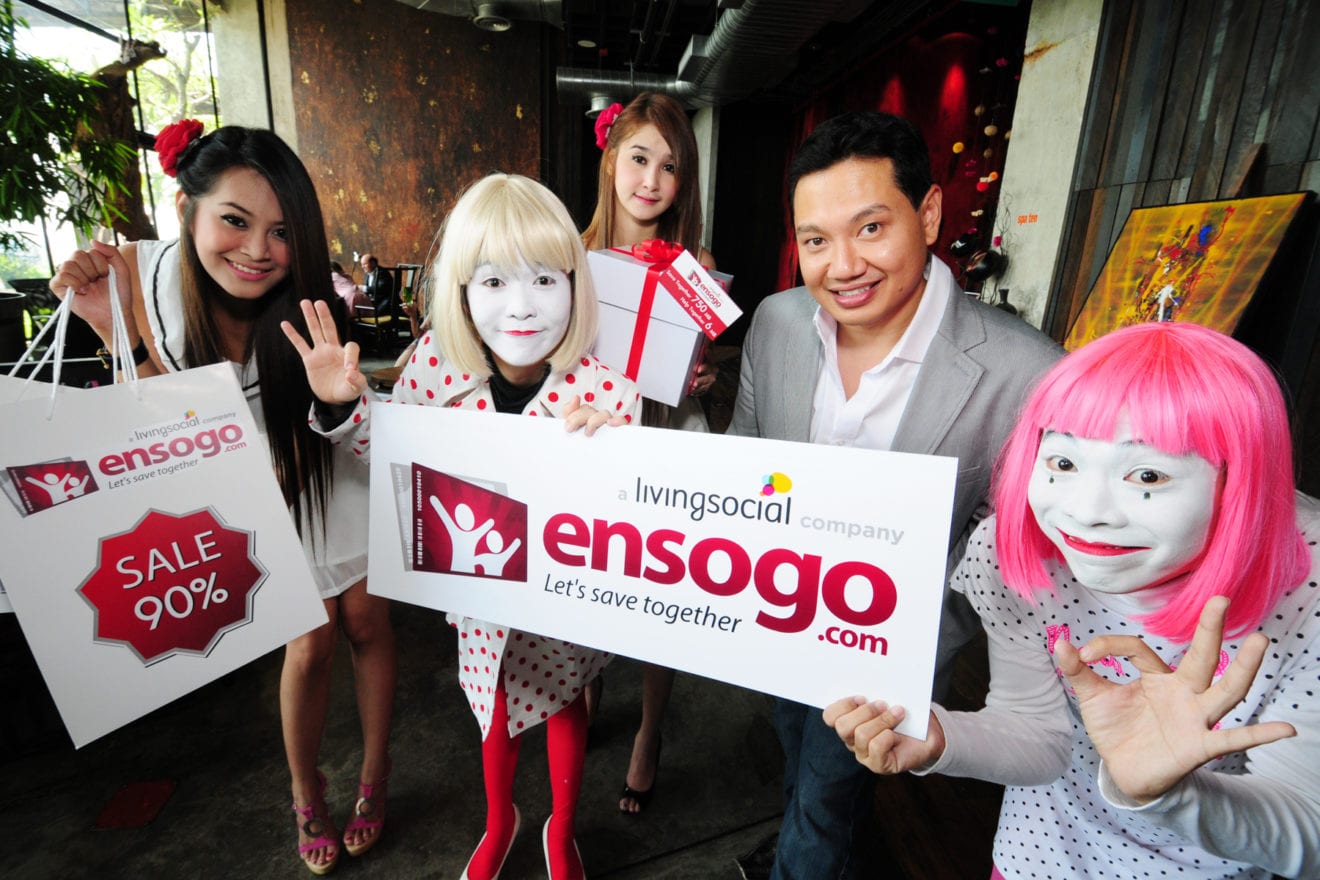
    Ensogo, a leading e-commerce site in Southeast Asia, is spending a record 100 million baht on marketing this year to promote its new product footprint.

    The aggressive push is aimed at cashing in on booming online retail in Thailand, which is expected to account for 7.5% of total retail sales by 2020, up from 1.2%, in a market worth 400 billion baht last year.

    “We are positioning ourselves as an online product and service sales site, apart from offering daily deals,” said Voravudh Varikarn, managing director of Ensogo Co.

    Ensogo is shifting its focus to high-growth product sales because the daily deal service has reached the mature stage and it is difficult to target customers in the mass market.

    He said Thailand’s e-commerce market had the potential to grow at 100% over the next five years, thanks to intense competition and the proliferation of mobile devices.

    Ensogo has set the goal of becoming a leading lifestyle shopping marketplace in Hong Kong, Thailand, Singapore, the Philippines, Indonesia and Malaysia, with a combined 500 million potential users.

    Thailand is one of the top three largest markets for Ensogo Group.

    Mr Voravudh said only 10 shopping websites were expected to dominate the market in Thailand over the next five years, down from the current 20, due to fierce competition.

    He said Ensogo was building its brand awareness to raise consumer awareness of it as an e-commerce site, instead of just a daily deal site.

    “We estimate up to 10 million Thais currently buy products and services online,” said Mr Voravudh, adding that Ensogo has 3.5 million users.

    In order to double its customers to 7 million and achieve sales growth of 80% this year, he said Ensogo would launch aggressive marketing and advertising campaigns this month. Special offers include free delivery without a minimum purchase and a one-year warranty for products’ return.

    To expand its customer base, Ensogo will also allow customers to pay for goods at the time of delivery.

    Ensogo is increasing its variety of products with a greater price range, especially for fashion and mother and child products.

    Target customers are females aged 20-45, mostly housewives. This demographic has strong purchasing power, spending an average 3,500 baht a month compared with an average of below 1,000 baht, said Mr Voravudh.

    “By the year-end, we aim for revenue from sales of products and services to account for 70% of total revenue,” he said.

    The top three best-selling products are health and beauty, house and garden, and IT gadgets. Restaurants, beauty and health, and travel are the best-selling services.

  • The Online Shopping Evolution of ‘Mobile-First’

    The Online Shopping Evolution of ‘Mobile-First’

    You may be surprised to learn that Malaysia leads the world in smartphone usage per capital, and that it is one of only five countries worldwide where 67% use their smartphones as a crucial access point to get online. Additionally, a recent Mobile Shopping Survey conducted by MasterCard, Malaysia ranks third in the rate of growth of mobile shopping in Asia (over 20% from 25.4% in 2012 to 45.6% in 2014) – further indicating that we, as a nation are become increasingly tech-savvy and shopping-savvy too.

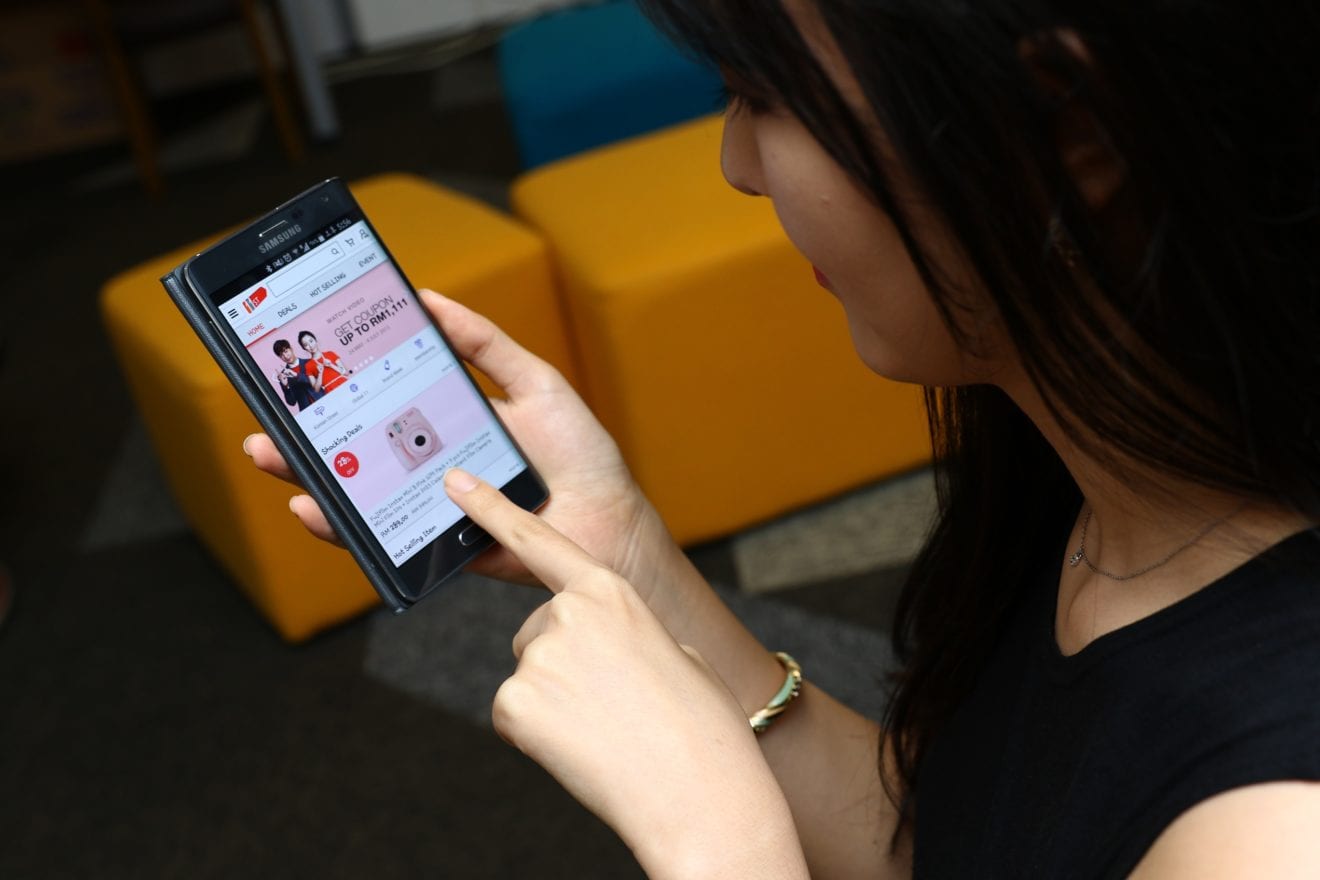
    Today Malaysia, spearheaded by a formidable and fast-growing Gen-Y population, is at the forefront of ‘mobile-first’, the emergent driver of e-commerce in its latest ‘e-volution’. Fresh supporting data by online marketplace 11street (www.11street.my) further confirms that today’s shopping trend is progressively moving toward mobile-first. 11street, one of the largest online marketplaces in Malaysia, recently revealed that close to 50% of their shoppers use smartphones to shop and purchase items online on their site.

    The reasons for the growing popularity of mobile shopping are related to a combination of factors: increased reliance on smartphones as an indispensable go-to tool; more products on offer; new players, and new apps that promise even more speed, ease, convenience, options, and incentives.

    Hoseok Kim, the CEO of 11street, shared some of the other insights gleaned from the company’s Online Shopping Index. He summarizes the main reasons behind the mobile shopping surge in Malaysia:

    Easier access for anytime, anywhere convenience

    Hundreds of thousands of products covering everything from consumer electronics to fashion, from groceries to cosmetics, from kid and baby products to services such as vouchers and much more, are now just a mobile screen click away. Consumers needn’t spend hours out of their busy schedule to shop. They save money on petrol or transportation without the hassle of traffic jams, queues and frustration that comes with it. Items purchased are delivered right to their door – at the home or office – and at a convenient time.

    Exclusive offers

    Companies are constantly providing incentives and inducements in the form of promotions, discounts, and shopping credits exclusively for mobile users. In fact, there is an active market for digital coupons with over 16 billion coupons redeemed worldwide in 2014. The expected rate is set to increase by up to 31 billion in 2019. A key promotion at 11street for mobile shoppers is the ‘Weekend Special Deals’ – it allows those that mostly shop over the weekend to save even more.

    Engaging functions

    Visually engaging displays of products are giving way to more dynamic, interactive content, where shoppers can browse, comment, and share interesting finds with their social circles. At 11street, shoppers are offered a full camera function-enabled product review mode, which allows them to view and post comments with photos for a fun shopping experience. App functions such as ‘first-hand news’ push notifications also provide shoppers with advance notice of upcoming sales.

    User-friendly interface

    Mobile apps that come with user-friendly interface enable consumers to access a desired range of items quicker, with set filters for an intuitive and interactive experience. In fact, it is due to these conveniences that mobile shopping have become a part of the Malaysian lifestyle of which consumers mostly go online when they would like to make a purchase, or conduct pre-purchase research.

    11street for example, has an ‘Event Page’ which summarizes all the promotions making it much easier for shoppers to access hot selling products and services and to see the most price- competitive deals from the moment they log in. This is especially true for the ‘Shocking Deals’ section with Lowest Price Guarantee of which shoppers are promised with the best price possible for a range of products in that section.

    Simplified yet secure payment processing

    Majority of mobile apps today are designed to accept credit cards and bank transfers for online transactions. Shoppers can also view their membership benefits, check their order status, and utilize their discount coupons while shopping on-the-go. As there has been increasing concern on mobile data security, 11street employs various security features that include an ESCROW system to put shoppers at ease. The ESCROW system releases payment to sellers only when the customers receive their products in good condition protecting them from frauds

    The growing popularity of mobile shopping here has not only made 11street’s mobile app a key component of the e-tailer’s business, but positively contributes to the overall growth of Malaysia’s e-commerce landscape by engaging with a wider net of buyers.

    As Malaysia currently has a 140% mobile penetration rate and continues growing, it’s easy to predict that the mobile-first trend will definitely continue to flourish in the country.

  • Asia travel spending trends revealed

    Asia travel spending trends revealed

    Hong Kong consumers continue to be the most well-travelled tourists in Asia Pacific, with 84 per cent of respondents having travelled internationally for leisure during the past 12 months.

    That’s well above the regional average (41 per cent) and ahead of Singapore (80 per cent) and China (74 per cent).

    According to the latest MasterCard survey on Consumer Purchasing Priorities, during international leisure travel, Hongkongers spent an average of around HK$12,895 per person per trip, compared to $13,412 in the second half of 2014. The biggest share of travel expenditure remains transportation (26 per cent), followed by accommodation (23 per cent) and eating out (17 per cent). Despite a drop in travel spending, more than eight in 10 international travellers (86 per cent) planned to travel more or the same level in the next 12 months, second only to China (92 per cent) in the region.

    Dining out is a common habit among local consumers in Hong Kong. Almost all respondents (99 per cent) ate out in the past six months, while 94 per cent  intended to dine out the same or more in the next six months, ranking number one in the region together with China (94 per cent). Before dining, they tended to seek credit card promotions (44 per cent), feedbacks from acquaintances (44 per cent) and online reviews of dining outlets (43 per cent) while more than two-thirds of respondents (69 per cent) asked if there was any credit card promotion when paying the bill.

    Hong Kong consumers are big fans of luxury shopping, with 75 per cent of respondents planning to spend more or the same on luxury goods in the coming year, ranking number two in Asia following China (77 per cent). While China ($38,126) remains the biggest spender on luxury goods, Hong Kong secures its fourth place in the regional chart with an average intended spending of $23,845 in the next 12 months, after Japan ($32,253) and Korea ($25,771). While designer clothes and leather goods (29 per cent) are the most desirable items among local consumers, there is also significant preference for jewelry (23 per cent) as well as designer accessories and footwear (23 per cent).

    The survey also studied the saving behavior of Hongkongers, among whom 91 per cent intended to save the same or more in the next six months. Although spending on overseas holidays (48 per cent) was claimed to be the first item cut back in the event of a loss of household income, it is also the top spending priority of local households if they receive additional monthly income. Compared to Taiwan (86 per cent) and Singapore (83 per cent), only 74 per cent of local parents in Hong Kong regularly saved for their children’s education while the average proportion of monthly household income saved to serve this purpose was 12 per cent, slightly below the regional average (13 per cent).

    Other findings about Asian travel spending include:

    • Japan (67 per cent), South Korea and Taiwan (both 44 per cent) remain the top three travel destinations in the next 12 months.
    • Airline websites (54 per cent), travel agents (52 per cent) and coupon sites or applications (40 per cent) are the most preferred sources of travel information and deals among local travellers.
    • The most visited dining places among local consumers are fast food restaurants (79 per cent), mid-range family restaurants (76 per cent) and food courts (73 per cent).
    • Cash is generally used for purchases at fast food restaurants and food courts where meals tend to cost less than $300.
    • Millennials (18-29 years old) from China intend to spend on average $34,024 on luxury goods over the next year, significantly more than the Asia Pacific average of $20,155.
    • Promotions play a significant role among online shoppers in Hong Kong, with 74 per cent of respondents claiming to buy luxury goods on websites that offer discounts.
    • Hongkongers (32 per cent) are less interested in attending education courses in the next 12 months than those in China (42 per cent) and Taiwan (36 per cent).
  • EasyFix, India’s Uber for repair and maintenance, raises seed funding

    EasyFix, India’s Uber for repair and maintenance, raises seed funding

    India’s EasyFix, a maintenance and repair service startup, announced today that it secured an undisclosed amount of seed funding from Axilor Ventures.

    Started in 2011, EasyFix calls itself an Uber for repair and maintenance services, such as carpentry, electrical work, and plumbing. The startup says its repairmen are all professionals and have undergone training. It claims to have serviced half a million people from Delhi, Bangalore, Chennai, Hyderabad, Kolkata Mumbai, Ahmedabad, and Pune.

    With the fresh capital, EasyFix plans to expand its geographical reach to 15 cities in India. It will also build tools to improve delivery turnaround time.

    “We have a huge unmet demand coming from existing customers and from cities we are yet to reach. We will invest in growing our field professional network from 2,000 to 5,000 strong, and tech-enabling them to ensure the home repairs experience is as close to the Uber experience as possible,” says EasyFix founder Shaifali Agarwal Holani.

    Specialized service

    This space has seen a number of new entrants and significant investments. In July, HandyHome, an on-demand electrical appliances repair service provider,raised US$500,000 in early stage funds from Bessemer Venture Partners and Kae Capital.

    Other players in the space include heavily-funded services marketplaces like UrbanClap, LocalOye, and Taskbob. UrbanClap recently bagged US$10 million from SAIF and Accel Partners, while LocalOye raised US$5 million in series A funding from Tiger Global Management and Lightspeed Venture Partners.Taskbob received US$1.2 million from Orios Venture Partners and Mayfield.

    These players are generic marketplaces providing all sorts of services – from guitar tutors, electricians, beauticians, and event managers. EasyFix specializes in the home repairs and maintenance category, which requires technical expertise.

  • Vroom! In-car heads-up display races past $100K crowdfunding target in 5 days flat

    Vroom! In-car heads-up display races past $100K crowdfunding target in 5 days flat

    Exploride drove out of India to global crowdfunding site Indiegogo last week with bated breath. The crossed fingers turned to high-fives within an hour as the creators of this transparent heads-up display (HUD) for cars watched the Indiegogo counter ratchet up to US$20,000. Half way through the fifth day, Exploride raced past its US$100,000 target. Gleeful Sunil Vallath, founder, tells me that a new surge target will be set tomorrow. Probably US$500,000.

    We wrote about Exploride a few days before it hit the crowdfunding circuit. It’s unusual to see a smart hardware device meant for the global automobile market come out of a small town in the south Indian state of Kerala. Exploride HUD lets you access music and maps, take or decline calls, read texts, and get alerts on a melt-into-the-windshield-like piece of glass fixed on top of the dashboard. You can control it all with gestures and voice.

    The Exploride team was quietly confident of its prospects on Indiegogo.

    “Our expectation was high due to the massive response and sign-ups we got on our website. In the beginning of the crowdfunding campaign, 50 percent of the backing came from those who signed up on the Exploride site. So right away, we knew that we were going to hit the goal within 10 days. But our backers proved us wrong and got us there in half the time,” Vallath says.

    Exploride founder Sunil Vallath with wife and fellow Explorider Parvathy Sreekumar

    Before Exploride two other hardware startups, also from Kerala, had successful campaigns. Mindhelix raised US$120,000 on Kickstarter for Rico, a smarthome security device made from discarded smartphones. Fin, a wearable ring that turns your palm into a numeric keypad and gesture interface, raisedUS$202,547 on Indiegogo. But the speed at which Exploride raced to its target sets a new high. It’s bound to inspire the many innovators hacking away on their smart gadgets in little corners of India.

    And who knows, they might get the attention of global VCs too. Institutional VCs may be reluctant to put seed money into hardware startups, but they’re happy to back the ones that get going on crowdfunded platforms. One out of every 10 hardware startups that raised US$100,000 or more on Kickstarter and Indiegogo went on to get funding from VCs.

  • Vromtu Offers Jakarta-Bandung Shuttle Bus Information Service for Windows Phone Users

    Vromtu Offers Jakarta-Bandung Shuttle Bus Information Service for Windows Phone Users

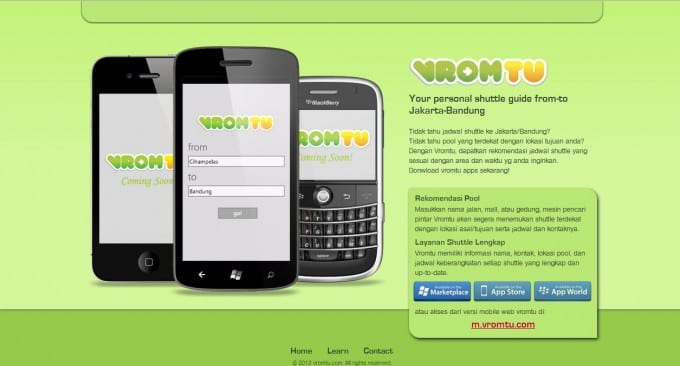
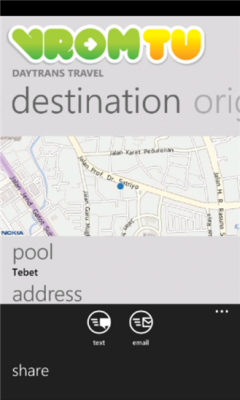
    Unlike most app developers these days, who prioritize building apps on iOS or Android, Vromtu chose to build its app on Windows Phone (WP). The app offers information on shuttle bus services in Jakarta and Bandung, including routes, departure schedules, contact numbers, and addresses, and was officially launched on Saturday.

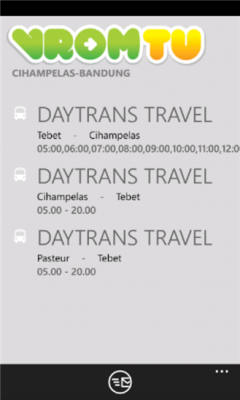
    Vromtu is a simple service. You just need to type in the departure and arrival points, and then the app will search online and give you a list of available routes and shuttle buses. At the moment, Vromtu has data from nine shuttle bus companies which collectively account for more than a hundred bus pools.

    Aloysius Adrian, the founder of Vromtu, believes that the Windows Phone platform is on the rise both globally and locally with the arrival of the revamped WP8 and the upcoming 7.8 update. The startup’s team members are all WP users, and that’s a big part of why they built their app first for WP rather than the more mainstream platforms. The team hopes to launch an iOS version this year, while Blackberry users might need to wait a bit longer for Vromtu.

    Aloysius said that they will be focusing on fine-tuning search results and developing better shuttle directories in the near future. They are all still open to feedback. My suggestion would be to make the app available offline in its first big update, as mobile coverage can be patchy. Also, I was a bit confused as to why there are features for texting and emailing within the app when the shuttle bus companies receive orders only via telephone. Aloysius told me that the feature is built to help users share their transportation details with their friends, and not to book shuttle buses.

    Windows Phone users can download the app here, or you can use Vromtu through its mobile site m.vromtu.com.

  • Beauty e-tailer JD.com plows ahead with strengthening its Asia reach

    Beauty e-tailer JD.com plows ahead with strengthening its Asia reach

    The Hong Kong office is intended to help JD.com expand its local market presence and warehousing capabilities, enabling it to better engage with brands and retailers across Singapore and major Southeast Asian markets, who are looking to tap the online retailer’s 118 million active users in Mainland China.

    The company plans to employ a team there to focus on targeting and attracting new retail partners from around the region.

    “We have seen rapid growth in demand from our customers for Asian brands and products, and from leading brands and retailers across the region who want to reach our huge base of upwardly mobile customers,” says JD.com’s chief human resources officer, Rain Long. 

    “This new office will expand our ability to attract and service brands from around the region, and ultimately to ensure that we continue to bring our customers the most exciting and diverse selection of international products.”

    To help with warehousing, customs clearance and shipping services from Hong Kong to Mainland China, JD.com has teamed up with logistics provider, Cosco Logistics.

    “This partnership gives our customers easy access to more of the best Asian and international products, and allows more regional and global retailers to target our unrivaled base of Chinese consumers directly from Hong Kong,” said Carol Fung, Vice President of JD.com.

    Sa Sa also jumps on board..

    As part of its efforts in Hong Kong, JD.com also announced that Asian cosmetics retailer Sa Sa will launch a flagship store on its platform offering a range of international cosmetics brands and products available online in China.

    It will be synchronized with the company’s global ecommerce portal, Sasa.com, to ensure that JD.com’s customers have easy and immediate access to the full range of products available on Sa Sa’s global site.

    “We’re excited to partner with JD.com and to give Chinese consumers more extensive access than ever before to Sa Sa’s huge selection of globally renowned cosmetics brands. JD.com has an unmatched reputation for guaranteeing quality, convenience, and service, and we’re looking forward to working with them to deliver a premium online shopping experience to consumers throughout China,” said Sa Sa Chief Financial Officer, Dr. Guy Look.

  • Lotte Signs Five-year Exclusive O2O Deal In China

    Lotte Signs Five-year Exclusive O2O Deal In China

    Chinese B2C e-commerce website JD.com and South Korean retail giant Lotte.com have signed a strategic cooperation agreement and an exclusive agreement under which JD.com will become the sole strategic partner of Lotte.com in the Chinese mainland for five years.

    JD said that with the strategic cooperation agreement, Lotte Group’s products and services will enter the Chinese market via JD’s global shopping platform. In the future, the two parties will implement cooperation in tourism and service O2O.

    Global strategy is currently an important reason for Chinese e-commerce providers to team with international retailers. Lotte.com is responsible for the online sales of products and services of all subsidiaries of Lotte Group. Lotte.com will integrate Lotte Group’s branches to establish a “Lotte hall” on JD.com, covering Lotte Department Store, Lotte Mart, Hi-Mart, Lotte Duty Free, Lotte Hotel, and Lotte World.

    The “Lotte hall” will not only sell infant products, cosmetics, and fashion products, but also will offer household products and home appliances. Over the next three years, the two parties aim to expand their cooperation range to about 200,000 kinds of products.

  • Fung Group tests future retail concepts

    Fung Group tests future retail concepts

    Hong Kong’s Fung Group has unveiled a large-scale ‘lab’ in Shanghai where it is testing a raft of high tech concepts which could shape the future of retailing.

    Named Explorium, the laboratory is an omnichannel platform and exhibition operated by the Fung Group in partnership with data and analytics technology leader IBM, and brand activation company Pico. It is located within more than 23,000 sqm of trade exhibition space at LiFung Plaza, where it provides a controlled setting for businesses to observe and explore in real time how consumers interact with new technologies, products and environments.

    Among technologies in the laboratory, which has been functioning on a soft-opening basis for three months, are virtual-reality fitting rooms, magic mirrors that bring images to life and 3D printing for creating customised products. Brands are also using Explorium to understand opportunities in China for their products and services, based on consumer feedback collected and analysed at the laboratory. Retailers are using it to test different store concepts.

    Unveiling Explorium, Fung Group chairman Dr Victor K Fung said the initiative was sparked by challenges occurring in retail across the world, especially in China.

    “Everything we thought we knew about how consumers decide upon what they buy, where they buy, when they buy, how they buy and how they pay is changing,” he said.

    “Technology is the catalyst empowering consumers. The internet and mobile communications are disrupting the way consumers behave and, in so doing, providing unique opportunities for retailing to come up with new business models. Nowhere is this more evident than in China, one of the world’s most exciting, challenging retail markets.”

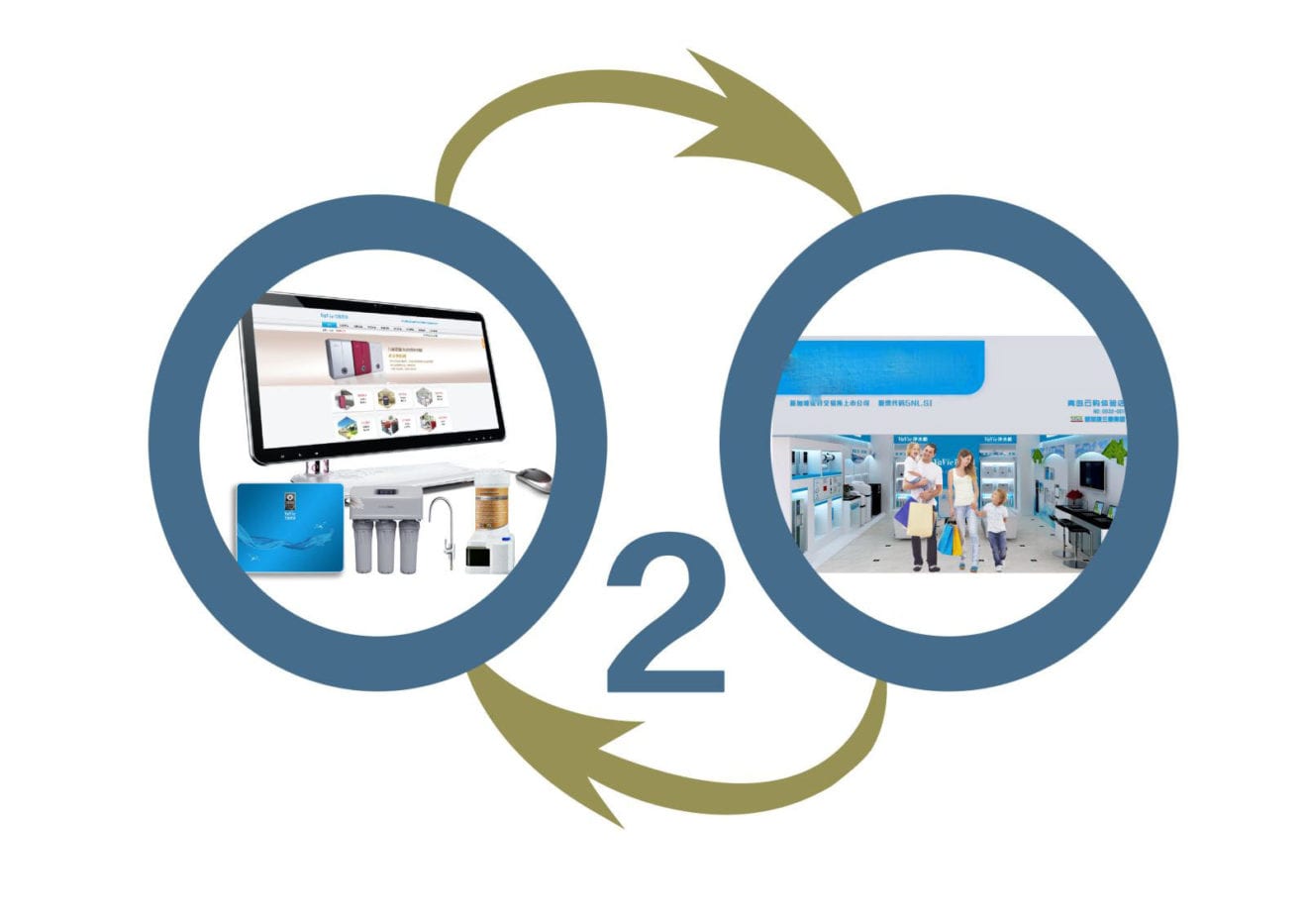
    Fung added that he believed the future for retail in China and globally is omnichannel, which is, online-to-offline (O2O) or a combination of “bricks and clicks”.

    “Chinese consumers are setting shopping trends globally, especially with their avid use of social media. And Shanghai is home, arguably, to China’s most vibrant, tech-savvy consumers. That is why we chose Shanghai as the launch pad for this major Fung Group initiative.”

    Fung added that there were no preconceived ideas about which omnichannel business models would emerge from Explorium.

    “As with most experiments of any lasting value, the greatest measure of success may simply be how much we learn from the results,” he said. “A key advantage for participating brands and retailers is that, with Explorium, they can experiment, incubate and iterate at high speed while minimising their cost and risk.”

    IBM global retail industry leader Stephen Laughlin said IBM is gathering data in the Explorium and analysing it for insights.

    “With analytics, IBM can help retailers in the Explorium deliver personalised, relevant marketing interactions to consumers in real-time, delighting them and differentiating the retailer from the competition. Consumers will be able to opt-in to receive offers and rewards from their favorite brands via social media and their mobile device – all tailored to their location and unique preferences.”

    Lawrence Chia, group chairman of Pico Far East Holdings added: “As a state-of-the art omnichannel marketing research laboratory, Explorium delivers substantial value within the omnichannel universe. We are extremely pleased that our unique 360-degree integrated marketing capabilities have played a significant role throughout the planning and implementation of Explorium.

    “Working with leaders from the retail and data technology industries, our strong project team has played a vital part in the strategy, planning and execution of Explorium in areas related to branding, experiential marketing and digital media.”

    Explorium’s Shanghai-based director, Simeon Piasecki, said it is a laboratory for rapidly testing omnichannel business strategies in a realistic environment.

    “We identify and systematically track the changing preferences of consumers. Based on what we learn from each experiment, we move quickly to the next iteration. Explorium is doing all this on a scale and intensity that we believe is unmatched.”

    Already, Explorium, which is membership based, has close to 12,000 active participants registered from among employees and family members of the Fung Group and its business partners IBM and Pico. Typically, members spend over three hours there per visit.

    “Children are among Explorium’s biggest fans,” said Piasecki. “We believe that creating a space where parents and children can bond through learning together and teaching each other will help drive purchases of higher-margin electronic toys, such as drones.”

    He added that while children’s products are a special focus during Explorium’s first phase, it will go on to feature women’s and men’s apparel, and home products.

    “Explorium’s priority in coming months is to design, build, run and measure a greater number and variety of experiments to produce a pool of data that will enable participating brands and retailers to obtain unique insights for their individual businesses,” said Piasecki.


  • Seven & I to launch online store

    Seven & I to launch online store

    Japan’s Seven & I Holdings says it will open a giant online store in November, offering products sourced from across its retail store brands.

    By February 2019, Seven & I anticipates a range of 6 million SKUs will be available on the new store, including goods specifically created for the channel in partnership with name brands, including apparel chain Uniqlo.

    It targets ¥1 trillion in annual turnover, or US$8.3 billion when fully operational.

    Seven & I is the global parent of the 7-Eleven convenience store brand, owns the Ito-Yokado chain of hybrid supermarkets and general merchandise stores and the high end department stores Seibu and Sogo.

    The new online store ‘Omni7’ will open on November 11 with a stock of 1.8 million items.

    Shoppers will be able to request delivery to their home or two any Seven & I outlets for convenient collection – such as 7-Elevens.

    Returns will be permitted over the counter at any group store.

  • Samsung Pay hits $30m in first month

    Samsung Pay hits $30m in first month

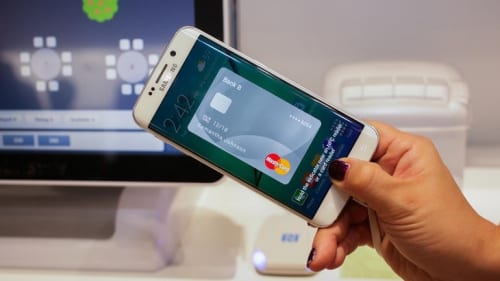
    Samsung Electronics said Thursday its mobile payment solution has processed tractions totaling US$30 million in the month after its debut in South Korea.

    The company officially released Samsung Pay in South Korea on August 20.

    The platform, available for Samsung’s high-end smartphones, including the Galaxy S6 and the Galaxy Note 5, supports magnetic secure transmission (MST) technology that works on traditional credit card machines.

    Like rivals Apple Pay and Android Pay, it also supports near field communication (NFC) that requires a separate transaction device.

    Over the one-month period, Samsung said around 1.5 million transactions have been made, with 60 per cent of them being from the Galaxy Note 5 phablet, a cross between a smartphone and a tablet PC showcased in August. Samsung Pay is also accepted at some 1000 ATMs operated by local bank Woori Bank across the nation.

    “Although the details on Samsung Pay usage are constantly being updated, the response we’ve received so far has been beyond our expectations,” said Rhee In-jong, Samsung Electronics VP.

    “We knew Samsung Pay would be a game changer in the mobile payment industry, and now with the user data, we are seeing the greater impact it is having on consumer behavior and on the lifestyles of our customers,” Rhee added.

    Samsung Pay is set to officially launch in the United States on Monday. Samsung added it will also reach Britain, Spain and China soon.

  • Daraz targets frontier Asian markets

    Daraz targets frontier Asian markets

    Online retailer Daraz is investing $56 million into creating beachheads on so-called ‘frontier markets’ in Asia: Myanmar, Pakistan and Bangladesh.

    Daraz is the leader in online retail in all three markets, selling apparel, accessories, shoes and beauty products for men and women, as well as a wide variety of electronics and general merchandise.

    The company is part of the Rocket Internet group which also owns Zalora and Foodpanda.

    It is planning a ‘mega sale’ on November 27, something like Amazon’s Black Friday in the US, offering a slew of special deals in the three Asian nations.

    Bangladesh, where it is putting most of its focus currently, will get the majority of the marketing spend, where it is partnering with local apparel brands such as Bata, Yellow and Ecstasy, as well as tech partners.

    Daraz Bangladesh chairman Sumeet Singh says the local site is attracting around 2 million visitors a month.