Category: E-Tailing

Retail News Asia is committed to providing both local and global retailers with the latest E-Commerce & Etail news throughout the Asian market. This on a daily base.

  • Thailand’s first Virtual Reality Lab

    Thailand’s first Virtual Reality Lab

    Virtual Reality has been a popular subject lately in Asia, although not new to virtual reality, Orb Vr Labs was founded in 2014 by five passionate veterans of film, VFX, post production, telecom and product design. Based in Bangkok with an R&D office in Chang Mai, Orb VR Labs has set out to create new ways to visualize stories and is developing innovative solutions needed to build these mind-blowing immersive experiences.

    “It happened over a few days, we were discussing stuff as we normally do and our discussions kept landing back to VR, AR and 360°. Our unique combination of talents, skills and resources created a lab type of studio where our sole purpose is to create innovative ways to tell new stories, says Bryn Cadman, former VFX supervisor.

    “VR is exciting, where by film making you have to follow certain rules, virtual reality requires completely different approach and mindset. The immersive experience is very wild, The sky is not the limit”, says Lex Luther, Film Director.

    We are ready to take on challenges and we’re fully equipped with a wide assortment of  technology to  create VR and 360° experiences. “Our focus is on content creation and building the infrastructure and technology to produce cinematic virtual reality that matches the scale and quality of modern film craft”. Sreeram Ramanathan, speaks from his base in Mumbai from where he represents the Indian extension of Orb VR Labs.

    Our solutions can significantly increase mobile operators ARPU* and drive more 3G/4G/LTE data consumption. Mobile users can enjoy an innovative immersive virtual reality or 360° experience from literally any place by using in-house developed wearables. Mobile operators can benefit from this new content and deliver it to handsets over our VOD (streaming) platform. The competition is on between operators to bring added value to customers and stand out of each other, says Sven, ARPU evangelist.

    Their work includes clients such as Toyota, Nissan, Grey Advertising and Prism.

    (*) Average revenue per user (sometimes known as average revenue per unit), usually abbreviated to ARPU, is a measure used primarily by consumer communications and networking companies, defined as the revenue divided by the number of subscribers.

  • Foodpanda Malaysia expands

    Foodpanda Malaysia expands

    Foodpanda, Malaysia’s monopoly food delivery business, has relaunched its operations in Johor Bahru, in the nation’s south.

    Foodpanda Malaysia says it is “already a household name” in other major Malaysian cities – Kuala Lumpur, Ipoh, Melaka and Penang.

    “We are happy to be back in Johor Bahru. I think this service would add convenience to the residents in Johor Bahru,” said Uffe Jordan, MD of Foodpanda Malaysia.

    The relaunched service will start by offering online ordering and delivery of wellknown quick service restaurant brands such as Kenny Rogers Roasters, Nando’s, and Sakae Sushi.

    “We will be launching in the city centre and are looking forward to expand our delivery areas soon. We are also working on bringing in more local favorite restaurants in Johor Bahru,” said Uffe.

    Rocket Internet owned Foodpanda Group operates in 39 countries on five continents under its own name and the additional brand hellofood.

  • Bellabox expands to China

    Bellabox expands to China

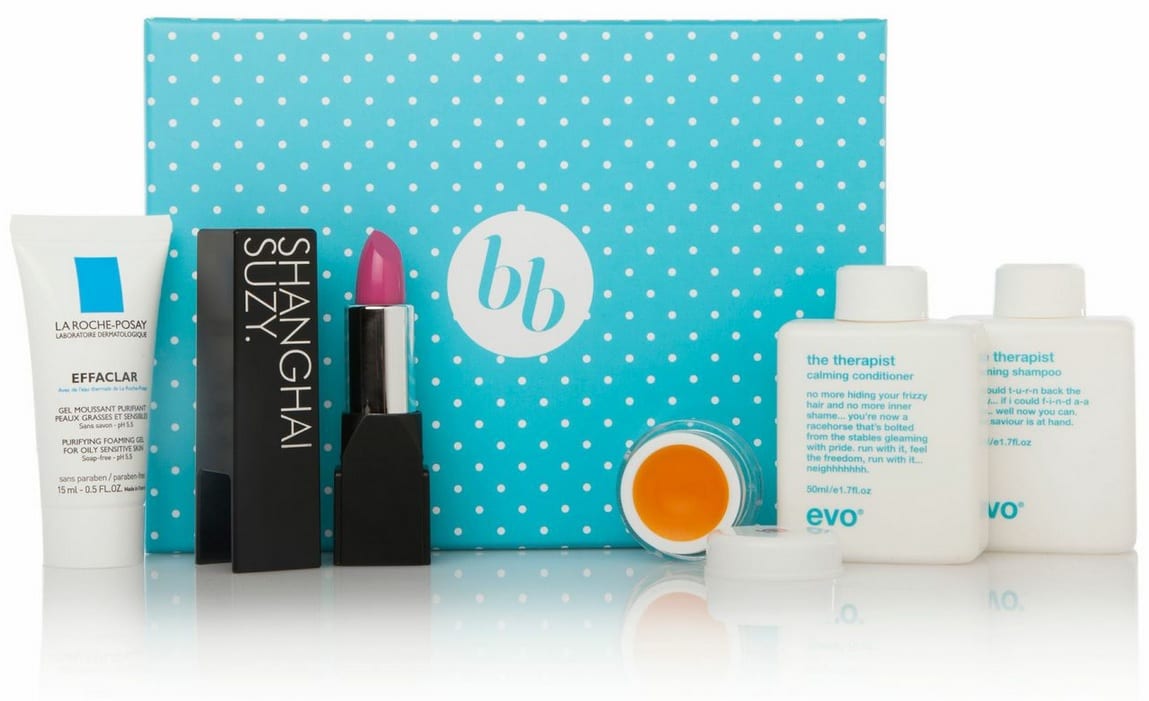
    Australian beauty subscription service and e-commerce platform, Bellabox, has confirmed its expansion into China in partnership with Australia Post’s Tmall store-front platform.

    The move is part of the beauty company’s growth strategy to become the dominant beauty e-commerce platform across Asia.

    Supporting its push into China, Bellabox will be moving away from its subscription-based model and introducing limited edition themed beauty boxes exclusively for the Chinese market.

    According to the company these will feature “the best of Australian beauty and cosmetic brands” to provide discerning and brand aware Chinese shoppers with more choice and variety.

    “Chinese consumers are sophisticated shoppers who are selective about the brands they use and buy. We are seeing strong demand for Australian brands as they are perceived to be higher quality and environmentally friendly, for this reason the market represents a huge opportunity for our business,” said Bellabox, CEO and co-founder, Sarah Hamilton.

    Hamilton adds that China is a key market in the company’s continued expansion across the region.

    “The market potential is huge with analysts[1] predicting the cosmetic market will become a US$113.9 billion industry by 2017, of which 25 per cent coming from online sales fuelled by tech savvy millennial. China has a high adoption rate of smartphones and online shopping, it provides the perfect platform for growth and we look forward to working with Australia Post to build our position in the market. ”

    Australia Post’s Tmall service opens the door for local e-commerce players to access China’s traditionally challenging market by crossing language and cultural barriers, and cutting through red tape to sell on a unique marketplace.

    With an audience of more than 300 million estimated Chinese consumers who, in 2014, spent more than half a trillion US dollars online, Tmall presents a strong opportunity for Australian e-commerce businesses.

    Ben Franzi, GM global e-commerce platforms and digital at Australia Post said, “We’re focused on delivering e-commerce solutions that make it easier for Australian retailers to grow, compete and succeed online.

    “Australia Post’s Tmall storefront (auspost.tmall.hk) is helping home grown businesses, like bellabox, sell into China – one of the world’s largest consumer markets.”

    “Bellabox has a tremendous opportunity to benefit from the trust, broad reach and revenue opportunities that comes with Tmall’s reputation and high visitor traffic. We’re excited to partner with bellabox to launch this exclusive offer that ticks the boxes against China’s growing consumer demand for authentic, quality, Australian-made beauty products,” said Ben.

    Bellabox is now one of 36 Australian brands with a virtual storefront on Australia Post’s Tmall store, which this month celebrated its first birthday.

    Bellabox is headquartered Melbourne and works with more than 900 beauty brands to create monthly-customised boxes for 40,000 subscribers.

  • 11street Leverages #MYCYBERSALE to Encourage Online Shopping

    11street Leverages #MYCYBERSALE to Encourage Online Shopping

    11street, one of the largest online marketplaces in Malaysia, is leveraging its participation in the nation’s biggest online sale, #MYCYBERSALE 2015 (www.mycybersale.my), to attract a wider net of Malaysian consumers to shop online.  Organized by the Multimedia Development Corporation (MDeC) the online sale starts today and lasts until 2 October 2015. As a premium e-tailer, 11street will be offering exclusive discounts and deals during the one-week period.

    As part of their strategy to enthuse and convert offline users to shop online, 11street aims to give away RM6 million worth of coupons with discounts of up to 99% along with other bank offers and deals. Consumers will be spoilt for choice as there are close to 2 million products available, making finding what they love at 11street easier. Sellers will of course benefit from the #MYCYBERSALE as they would be able to expand their reach to new customers and increase overall sales.

    Hoseok Kim, CEO of 11street says, “The #MYCYBERSALE 2015 online event is a great opportunity for us to reinforce our position as a leading e-commerce site as we are constantly looking at ways to offer consumers more value and help them enjoy the convenience of online shopping. Being part of the largest online sale event in Malaysia, MDeC not only helps us grow but also bolster the local e-commerce landscape as sellers will enjoy increased sales.”

    “We are delighted to have 11street onboard #MYCYBERSALE2015. They have been growing rapidly in Malaysia and we see them as a credible partner in supporting the government’s efforts to enhance the positive development of the e-commerce landscape in the country”, says Ms. Wee Huay Neo, Director of e-Commerce, MDeC.

    “Through the attractive deals that are offered by 11street, we are confident that it can lead to the growth of the e-commerce here, which will eventually set Malaysia as a net exporter”, she further adds.

    11street’s Exclusive Deals at #MYCYBERSALE2015

    Some of the promotions that will be available for #MYCYBERSALE 2015 include the Cyber Shocking Deals, which is similar to 11street’s signature Shocking Deals, and exclusive brand-specific deals. Shoppers can expect markdowns of up to 90% from big names such as Samsung, Mothercare, Laneige, L’Occitane, Thermos, Nike, Ralph Lauren and Longchamp, just to name a few.

    There are also special bundle offers for Vincci and LEGO, along with Happy Hour deals for meal vouchers and mobile top-ups that will take place at 11am, 3pm and 6pm.

    To further enrich Malaysian’s affinity with Korean culture and lifestyle, a main highlight for #MYCYBERSALE 2015 would be the Cyber Korean Fair that focuses on Korean beauty and skincare products, snack foods and also K-fashion items. That’s not all; selected brands come with free shipping deals along with an 11-day delivery guarantee of which RM11 will be refunded in the case of delays.

    Kim adds, “Since 2008, 11street has become one of the most popular e-commerce platforms in Korea that provides both sellers and shoppers trustworthy and convenient online trading experience. Through our participation in #MYCYBERSALE 2015, we wish more Malaysian sellers and buyers can be introduced and led to our proven platform where we can offer them the same quality of service, and together we boost the local e-commerce market.

    “Also, what makes us a leading e-commerce player is our wide variety of quality products at competitive prices which enriches a consumer’s shopping experience. We are very optimistic that Malaysians will now be even more motivated to start reaping the benefits of online shopping,” ends Kim.

  • Buy discounted BHPetrol E-voucher at 11street

    Buy discounted BHPetrol E-voucher at 11street

    Boustead Petroleum Marketing Sdn Bhd (BHPetrol) continues to provide convenience to its customers through another great collaboration.   Beginning 28th September onwards, customers who purchase BHPetrol vouchers from 11street.my will be entitled for a special discount. The vouchers can be claimed for petrol purchases at selected BHPetrol stations in the Klang Valley.

    Limited to maximum 3 vouchers per day of RM10 per piece, the vouchers are made available on first come first serve basis to 11street.my members.  Customers will just have to redeem the vouchers via their smartphones.

    “We choose 11street.my as our partner because of its popularity in the online marketing platform.  By having BHPetrol vouchers in their marketplace at special discounted price, we hope to reach their customers as our potential customers too” said Baba Tan, BHPetrol Senior Marketing Manager. During the soft launch of the promotion, Mr Bruce Lim, 11street Vice President of Merchandising were also present.

    Lim added, “We are pleased to offer our shoppers the opportunity to be the very first in the country to purchase discounted petrol vouchers from BHPetrol. This collaboration reinforces not only that we are continuously enhancing the variety of our products and services, but also highlights our commitment to offer customers with great savings via price competitive deals at 11street.”

    The offer on the discounted BHPetrol voucher at 11street.my starts from 28th to 7th October 2015 and the redemption at selected BHPetrol stations is until 23rd October 2015.

  • Indonesia’s Stockbit gets seed funding from Ideosource

    Indonesia’s Stockbit gets seed funding from Ideosource

    Stockbit is a financial analytics platform that helps Indonesian traders understand and share information about the local stock

    market in real-time. Earlier today it announced a seed investment of an undisclosed amount from local VC firm Ideosource.

    The startup was founded in 2012 by Wellson Lo, who previously worked for consulting firm KPMG Singapore and as a trader, and Johny Susanto, a full-stack engineer. Stockbit started out as a social network that attempted to bundle the discussion about Indoneisa’s stocks into one place. “Previously, it was scattered all across Twitter, forums, and blogs,” Wellson explains.

    At the end of 2013, Stockbit added analytics features. The data comes from public sources like the Indonesian Stock Exchange (IDX). The problem with the available data, Wellson says, is that it’s not standardized. Stockbit aggregates this data and makes access to it quicker and more reliable.

    At the same time, Stockbit started to monetize through a freemium subscription model. The price for a one-month subscription is IDR 200,000 (US$13.59). In comparison, professional tools like the Bloomberg Terminal cost US$2,000 per month, the firm says.

    Stockbit’s goal is to make life easier for independent or retail investors by giving them access to high-quality financial data and sophisticated analytics tools at an affordable price. The idea is to create a more level playing field between newcomers and institutional investors, including traders from banks, insurance companies, and pension funds.

    “I found that the information gap between retail investors and institutional investors is very big,” says Wellson. “It’s never going to reach the point where it’s really level, but with better tools to analyze and better collaboration, retail investors can make better trading decisions.”

    To date, Stockbit has 15,000 registered users, while paid subscribers are still in the hundreds. According to Wellson, the figures are a result of the small size of the addressable market.

    “In Indonesia there are only 400,000 registered investors, probably of those [only] 100,000 are retail investors,” he says. “That means more than 10 percent of the addressable market is already using Stockbit.”

    Stockbit targets a narrow market, and that’s the big reason founders faced difficulties raising funds until now. Ideosource’s decision to back the venture is based on a commitment by the Indonesian Financial Services Authority to increase the number of retail investors to five million by 2017.

    Wellson says there are government outreach programs that work with schools and companies that encourage more people to consider investing in the capital market.

    Stockbit has several competitors in Indonesia, including Idsaham, Indonesia-Investments, and Infovesta. However, those sites merely aggregate stock information and don’t yet offer analytics tools. Bareksa can be seen as a possible contender, as it offers a variety of financial analytics tools and also aggregates information about the IDX, among other functions. It also recently opened up its online platform for trading mutual funds.

    The Stockbit team plans to spend the fresh capital on building out the product, which includes making mobile apps for Android and iOS, as well as recruitment and marketing.

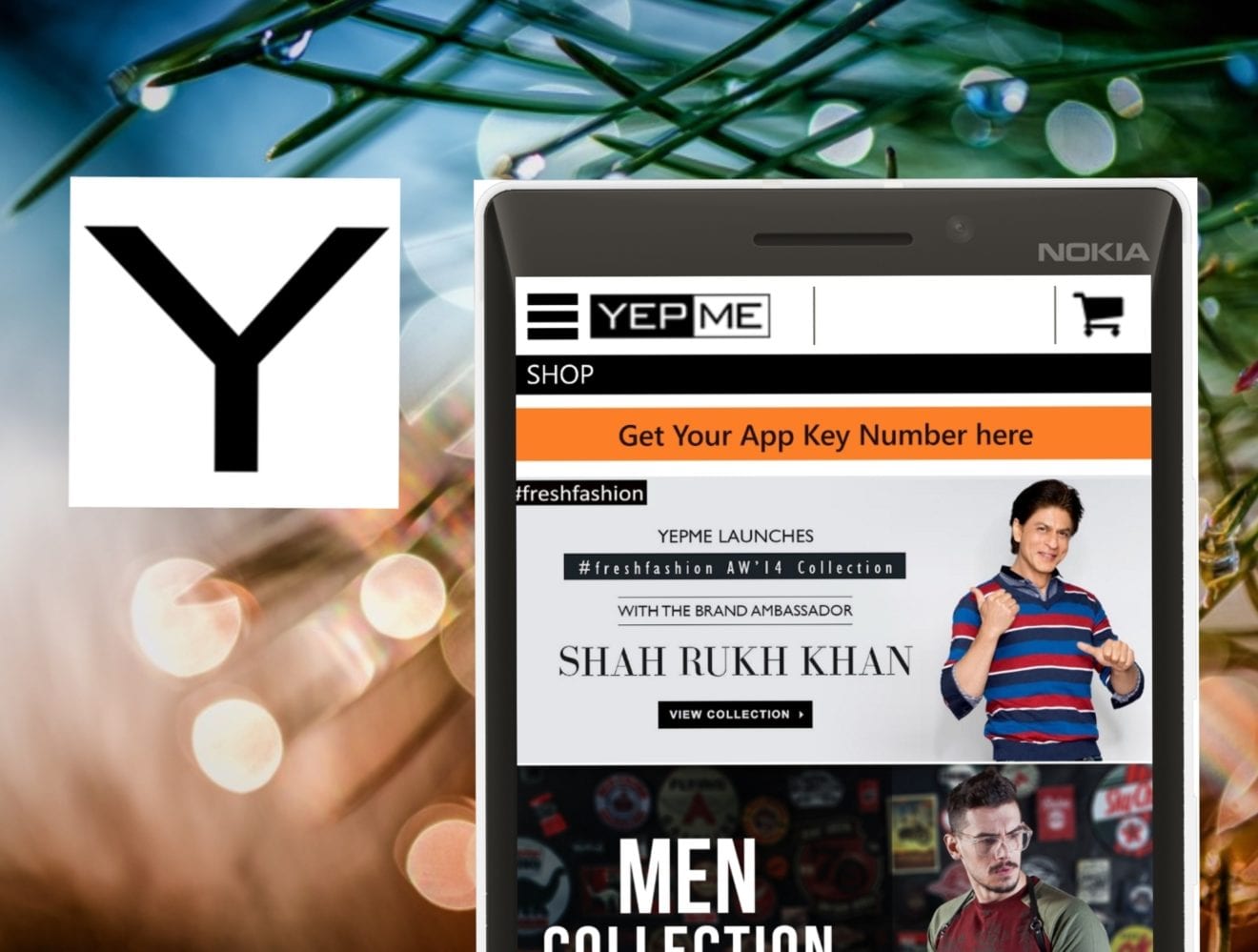
  • YepMe raised $75 million for expansion

    YepMe raised $75 million for expansion

    Indian online fashion retailer YepMe has raised US$75 million for expansion in a funding round led by Malaysia’s Khazanah Nasional Berhad state fund.

    YepMe, based in the city of Gurgaon in the National Capital Region, was launched in 2011 by three entrepreneurs. It has so far attracted investment from the US and India, and in this latest round from Jabong, Myntra, Fashion and You, among others.

    The company says it plans to use the fund to develop and launch an ethnic India range of clothes, and to boost brand awareness.

    With an estimated 500,000 items sold every month, YepMe makes its own brand clothes, focusing on menswear and accessories featuring formal, casual, outdoor and party wear. It also sells apparel, watches, glasses, footwear and other goods from other brands, targeting men and women in the 20 to 29 year age group.

    It targets tier 2 and tier 3 cities in India where name apparel brands have few physical retail stores.

    Last year, it enterd the US market with a different website brand, Yepmeworld.com and it also sells on Amazon.com.

  • India eCommerce to lead BRICs

    India eCommerce to lead BRICs

    India – not China – is set to become the fastest growing B2C eCommerce market of the BRIC countries in the next five years.

    A new publication by Germany-based secondary market research expert yStats.com India B2C eCommerce Market 2015 also reveals the main challenges faced by online retail in this country, including underdeveloped logistics and low credit card penetration.

    The rapid growth of B2C eCommerce in India is driven by a combination of its vast population, increasing internet penetration and the scarcity of organised retail – especially in small towns and rural areas.

    “Next year, India is predicted to top the USA to become the second largest country worldwide in terms of the number of Internet users, behind China. While China has been the leader among the BRIC markets in terms of online retail growth in the five years to 2014, during the next five-year period India is predicted to take over this position,” says the report.

    Online retail in India has much room for growth. B2C eCommerce share of total retail sales was estimated at less than one per cent in 2014, while the share of internet users making purchases online was below one quarter. Another sign of immaturity is the high share of online travel in total eCommerce sales, reaching close to two-thirds according to some estimates. Furthermore, Internet penetration on the 1.3 billion population in India was relatively low in 2014, although showing an improvement from a single digit figure in 2010.

    “The spread of mobile Internet is expected to especially benefit the state of connectivity in this country, while also driving mCommerce sales up,” said the report.

    Apart from low Internet penetration, some major challenges faced by B2C eCommerce in India include underdeveloped logistics infrastructure and low credit card penetration. Online merchants’ profitability suffers from the necessity of accepting cash on delivery and offering free shipping.

    The top three eCommerce companies in the country – Flipkart, Snapdeal and Amazon India – developed their own logistics capabilities using recently obtained investment. Other eCommerce players that benefited from investment pouring into the Indian market include marketplace operator ShopClues, online classifieds website Quikr and online accommodation booking website Oyo Rooms.

  • Instagram users top 400 million as Japan and Indonesia growth soars

    Instagram users top 400 million as Japan and Indonesia growth soars

    Instagram has rocketed past the 400-million-user mark, with more than 80 million pictures shared daily at the Facebook-owned service.

    The number of people sharing pictures and videos each month using Instagram soared from 300 million at the start of this year and tops the number of people using Twitter monthly by nearly 100 million.

    “While milestones like this are important, what really excites us is the way that visual communication makes the world feel a little bit smaller to every one of us,” Instagram said in a blog post.

    “Instagrammers continue to capture incredible photos and videos from all corners of the Earth (and even the solar system).”

    More than half of the last 100 million people to join Instagram live in Europe or Asia, with Brazil, Japan, and Indonesia seeing the strongest growth, according to the service.

    The list of high-profile new Instagram users who quickly won legions of followers included David Beckham, Caitlyn Jenner and footballer Toni Kroos.

    Earlier this month, Instagram unveiled plans to expand its offerings to advertisers, opening up possibilities for global marketing efforts on the photo-sharing network.

    The expansion is intended to allow advertisers to launch global campaigns in a variety of formats, including video ads of up to 30 seconds.

    Instagram, which was acquired by Facebook in 2012, has had only limited advertising opportunities up to now.

    In 2013, it began with a small number of “sponsored” posts by well-known brands such as Michael Kors and Adidas.

    The new system could help Instagram generate considerably more revenue.

    Instagram also introduced a service called Marquee, a “premium” advertising product aimed at driving mass awareness in a short time-frame for events like movie premieres and new product launches.

    Industry tracker eMarketer estimates that Instagram’s worldwide ad revenue this year will grow rapidly, hitting $600 million.

    Instagram is seen as a potential growth segment for Facebook, which has nearly 1.5 billion users.

    Last month, Instagram broke its square mold with an update that adds portrait and landscape formats to the image-sharing smartphone application, which also opened up new possibilities for advertisers.

    Meanwhile, Twitter continues to search for a new leader since Dick Costolo announced on June 12 he was stepping down, with co-founder Jack Dorsey holding the job on an interim basis since July 1.

    The unusually long search has some investors and analysts worried over the future of Twitter, which has failed to ignite the kind of growth that many had anticipated when it launched its public offering in 2013.

  • China online shopping sales soar

    China online shopping sales grew a staggering 48.7 per cent during the first six months of this year, according to data from the China e-Business Research Center (CECRC).

    Online retail sales hit 1.6 trillion yuan (US$250 billion) and accounted for 11.4 per cent of total retail sales in China in the period.

    The number of online shoppers rose 19.1 per cent to 417 million, said the Hangzhou-based eCommerce trend tracker.

    Cross-border eCommerce has become a new driver of retail sales as online retailers connect domestic consumers with an increasing number of overseas brands, according to CECRC analyst Mo Daiqing

    Alibaba’s online marketplace Tmall continues to dominate China’s online business-to-consumer market, with 57.7 per cent of the market. Its rival JD.com comes in second, at 25.1 per cent, followed by a distant third by Suning.com, at 3.4 per cent.

    CECRC also said that more transactions are being made on mobile Internet as online retailers move to encourage consumers to shop with their mobile apps on smartphones and tablets.

    Robust online sales also boosted the revenue of China’s courier services by 33.2 per cent during the same period, to 120 billion yuan. CECRC estimates revenue will top 290 billion yuan for the whole year.

    China’s rural areas, Mo said, have emerged as the next source of growth for retail sales and online retailers are seeking deeper integration with offline retailers, reported Chinese press agency Xinhua.

  • Alibaba promises faster deliveries to US

    Alibaba promises faster deliveries to US

    Cainiao, Alibaba Group’s logistics affiliate, has agreed to work with the US Postal Service to speed delivery of merchandise ordered by US consumers on Alibaba’s international online shopping platforms.

    Under a Memorandum of Understanding (MoU), Cainiao and the US’s national mail carrier agreed to collaborate on the development of enhanced shipping solutions for cross-border eCommerce. In addition to helping provide more efficient shipping channels into the US for Chinese merchants and manufacturers selling on Alibaba’s AliExpress global-shopping website, the USPS will also work with Cainiao to expand its worldwide shipping capabilities, especially in South America, according to a press release.

    The global B2C cross-border eCommerce market is expected to grow from $230 billion in 2014 to $1 trillion in 2020, according to a report from global consulting firm Accenture and AliResearch, Alibaba Group’s research arm. To reduce barriers to shipping small parcels quickly on a global scale, Alibaba and related companies have been working with several national mail carriers including Singapore Post and Spanish Post.

    Cainiao VP Wan Lin cited the agreement with the USPS as “a key part of Alibaba’s globalisation strategy and our vision to enable consumers around the world to enjoy the convenience and benefits of e-commerce”.

    With more than 600,000 employees, the USPS is the leading postal and shipping service provider in the US, the world’s biggest consumer market.

    Cainiao and the USPS said by working together they are aiming to make it easier and more efficient for Chinese companies to sell and deliver goods directly to the homes of US consumers by improving the way goods purchased from China are processed and handled during international shipping.

    “As cross-border eCommerce grows rapidly, it is critical that we evolve shipping services to the next level, with shorter delivery times and easier methods to track a shipment,” said Wan in a statement.

    “The collaboration between Cainiao and USPS will enable us to create new solutions and ultimately improve the overall customer experience.”

  • Korea Fashion Week extends Alibaba’s trade cooperation

    Korea Fashion Week extends Alibaba’s trade cooperation

    Chinese e-commerce giant Alibaba Group launched its Korea Fashion Week with its Taobao, Juhuasuan and Tmall online platforms in Seoul.

    Alibaba pledged to strengthen its exploration of overseas markets and to ink agreements with overseas brands to jointly explore the market, the report said.

    Imported Korean products have achieved annual sales of more than 10 billion yuan (US$1.6 billion) on Alibaba’s online retail platforms, according to statistics released by the company. Best-selling imports include beauty products, women’s clothing, daily life goods and baby products, accounting for 60% of the total market for imported Korean goods, according to statistics.

    The two nations have repeatedly announced moves to boost bilateral trade. In March, the two signed a free trade agreement. In addition, South Korea became one of the top destinations for Chinese tourists traveling abroad, the report said.

    In mid-May, Alibaba chair Jack Ma visited Seoul for the opening ceremony of the group’s Korean shop, indicating more Korean brands and products can reach Chinese consumers through the Alibaba platform.

    Samsung C&T, South Korea’s largest conglomerate with interests in construction, electronics, chemicals, finance and numerous other fields, has already moved three of its apparel brands — Beanpole, Rapido and Mvio — into the Chinese market through Tmall. It plans to cultivate China as its second domestic market, Samsung said.

    Samsung has annual revenue of US$30 billion.

    South Korea’s Eland Group began cooperating with Juhuasuan and Tmall in 2013, and reached sales of over 300 million yuan (US$47 million) last year. The group is expected to double sales to more than 600 million yuan (US$94 million) this year.

    The popularity of Korean TV dramas in China has sustained demand for Korean clothing, with 80% of the 4.32 million Chinese tourists to South Korea in 2013 shopping for clothes, shoes and bags.

    More than 200 Korean fashion brands have joined the Alibaba fashion week in Seoul, with most of them aiming to enter the Chinese market via the Alibaba retail platform. Zhang Jianfeng, president of Alibaba’s retail group, said he hopes to introduce Korean brands to Chinese consumers through their cooperation.

  • Zalora Indonesia plans to expand marketplace to boost sales

    Zalora Indonesia plans to expand marketplace to boost sales

    Zalora’s Marketplace initiative was launched last year to give an online platform to independent designers and sellers, who can create their own branded storefront within the retailer’s site.

    The company currently manages 500 small medium enterprises (SMEs) and aims to increase these numbers significantly in the coming years.

    Managing director of Zalora Indonesia Anthony Fung, Marketplace is become a promising business in Indonesia following the government’s plans to boost SMEs or startup companies in the country.

    Speaking at a press conference, Fung said, the company was looking at ways to boost the customer base through mobile phone users.

    “We have seen a big shift in consumer behavior. We are investing a lot of money in marketing and add more people to do mobile apps,” he told reporters at a press conference at Zalora’s office in Jakarta.

    The company said, a lot of its customers actually access the e-commerce platform using their smart mobile phones. Hence, the company will invest more to maintain mobile apps. According to the Zalora’s head of marketing, Jo Bjordal, mobile users in Indonesia are below 1 per cent of total retail users while in China the figure is 8 per cent. In five to10 years from now, he said, Indonesian mobile users will reach that level (8 per cent).

    In Asia, Zalora has drawn up marketing campaigns and promotions to boost sales in the upcoming festive season. Zalora plans to hold several events to boost their sales in coming months in Indonesia and Southeast Asian countries. In Indonesia, Zalora will hold a month-long discount called Zalora Great Sale starting October 6.  Zalora will hold 11/11 Online Revolution on November 11 in collaboration with China’s Alibaba, Cyber Monday, Black Friday, Christmas sale November 27 to December 25, and National Online Shopping Day on December 12.

    Bjordal said, last year, during the Zalora Great Sale programme, the orders saw a 10-fold increase in one day compared to regular days.

    Zalora is a part of Global Fashion Group–which counts AB Kinnevik and Rocket Internet as lead investors–that operates through five leading fashion e-commerce companies, India’s Jabong, Latin America’s Dafiti, Russia’s Lamoda, Namshi in the Middle East, and Zalora in South East Asia and Australia.

    “We have a footprint around the world today. We are the number one fashion e-commerce platform in emerging markets. Zalora now has presence in Indonesia, Singapore, Malaysia, Thailand, Philippines, Vietnam and Hong Kong,”  Fung stated.

    Zalora started its Indonesian operation in 2012.

    So far, Fung said, Zalora offers 1,200 brands in Indonesia and there were plans to increase this number to 3,000 over the next six months.

    He noted it was easier now to add brands as consumers were now familiar with Zalora brands.

    The company revealed that 70 per cent of Zalora customers were female in the 18-40 years bracket.

    Warehouse and Brands

    Zalora Indonesia, which set up its new warehouse in Cibitung, Bekasi, West Java province in April this year, claims the warehouse can store up to 2 million products, making it possibly the largest such facility in the country. Zalora has a physical store in Kota Kasablanka and also in HK and Philipines.

    Zalora partners with over 1,000 local and international brands. Zalora plans to invest in the merchandising market and acquire local brands in Indonesia. Zalora will continue to be aggressive in brand acquisition, Anthony Fung said.

  • Glambot sells users’ pre-owned makeup online

    Glambot sells users’ pre-owned makeup online

    Most women have a few pieces of makeup lying around at home that they never use — a lipstick that is the wrong color or an eyeshadow set that doesn’t suit their skin tone. Now, Glambot is an online cosmetics store that resells users’ pre-owned makeup. The startup purchases used cosmetics from members and sells it online at a reduced price, enabling customers to profit from their unwanted items.

    To begin, customers send a minimum of 20 pre-owned items to Glambot. Every piece is then examined and sanitized and repackaged. Customers can earn different amounts depending on the type, brand, age and level of use of their makeup, and they can earn 30 percent more if they take their fee in Glambucks — store credits for use on the website. Glambot then prices the items at a discounted price — sometimes as much as 80 percent off — and sells them via their website.

    Numerous professionals have questioned how safe and hygienic used makeup can ever truly be, but Glambot insists that their multiple sanitization techniques — including the application of heat, the use of various alcohol solutions, detailed layered product removal, and the use of natural emollients — make the products fit for consumers.

    Are there other overbought products that could be resold in this waste-reducing way?

  • Apple to launch online payment in China

    Apple to launch online payment in China

    Apple will launch an online payment service in China, as the tech giant seeks to expand in its largest market outside of the US despite fierce competition from local rivals.

    An Apple Company offering online payment has launched in the Shanghai Free Trade Zone (FTZ), an area set up as a testbed for financial reforms, China News Service reported late Thursday.

    Apple didn’t give a date for the launch, but the company told AFP that CEO Tim Cook hopes to set-up Apple Pay in China “as quickly as possible”.

    Cook previously said that he expects China one day to surpass the United States to become Apple’s largest market.

    But China’s e-commerce giant Alibaba dominates the country’s online payment sector, with the Paypal-like Alipay taking around 80 percent of the market.

    Internet firm Tencent is also catching up with a similar service provided via its popular messaging application WeChat.