Category: E-Tailing

Retail News Asia is committed to providing both local and global retailers with the latest E-Commerce & Etail news throughout the Asian market. This on a daily base.

  • Samuel Hubbard launched E-commerce platform in Australia

    Samuel Hubbard launched E-commerce platform in Australia

    US footwear brand Samuel Hubbard will launch online in Australia and New Zealand next month through an exclusive partnership with Gold Coast-based orthotic shoe distributor Global Footcare.

    The 10-style range will be featured on the Global Footcare website, in an effort to test the online market for more premium orthotic footwear options.

    According to Global Footcare managing director Jeff Coombridge, adding US brands to the mix was a natural fit.

    “We pride ourselves on our carefully selected products that are not only supported by the medical industry but also stylish for the consumer and the Samuel Hubbard brand aligns closely with those values,” Coombridge said.

    “The Samuel Hubbard brand was developed by the founders of the hugely successful Rockport Shoe Company and with an 85-year history of shoe craftsmanship, they deliver a premium product with extreme comfort that has seen great success in the US, strongly represented with premium shoe retailers.”

    The partnership is not Global Footcare’s only international deal, also supplying Vionic Shoes and Os1st brand to Australia, as well as manufacturing its own Revere Shoes.

    Global Footcare re-branded from Vasyli Medical Orthotics in 2008 in an effort to expand beyond wholesale and into the consumer market.

    “Whilst adding large brands such as Vionic to the portfolio and developing our signature brand, Revere, we moved into mainstream retail, sports shops, e-commerce, and TV shopping and over the last 12 years have continuously sustained double-digit growth in revenue,” Coombridge said.

    “We are proud to provide end to end solutions for the people that matter most – our customers.”

  • Amazon in talks over Reliance Retail

    Amazon in talks over Reliance Retail

    Amazon is in talks with Reliance Industries Ltd’s retail unit to buy a stake in India’s biggest brick-and-mortar retailer, two sources with knowledge of the talks told Reuters.

    Amazon’s massive online presence could help bolster Reliance’s consumer and private labels business. More importantly, a partnership would help the duo counter Walmart, which last year invested US$16 billion in India’s Flipkart, in the battle for a bigger share of India’s fast-growing e-commerce market.

    In late December, India modified rules around foreign direct investment (FDI) in e-commerce, creating additional hurdles for companies such as Amazon and Flipkart, and giving companies such as Reliance an edge.

    Amazon had made the proposal to Reliance – controlled by Mukesh Ambani, India’s richest man – for the partnership, but it was not clear whether a deal would materialize, said one of the sources.

    The second source said Amazon had been pondering a proposal to purchase an up to 26 percent stake in the Reliance unit since at least February.

    “For Amazon, it is about neutralizing a major rival and allowing itself to grow,” said the second source, who added the company envisions helping Reliance’s roughly 40 brands and grocery products go online.

    Further details of the possible deal, first reported by India’s Economic Times newspaper last week, were not immediately clear.

    Amazon did not immediately respond to request for comment while Reliance said it would make any disclosures to stock exchanges as and when necessary.

    Reliance could potentially leverage Amazon’s global experience in technology, supply chain and logistics as it aims to connect grocery stores across the country digitally through its Jio telecoms network – the biggest in India by subscribers.

    For Amazon, picking up a stake in a Reliance unit could mean getting access to the Jio telecoms platform and its vast retail footprint of more than 10,600 stores across India. It might also add more firepower to their lobbying efforts, as the Ambani family is viewed as being well-connected politically.

    Seattle-based Amazon is keen to get a bigger share of India’s e-commerce market, which Deloitte expects to more than treble to $84 billion between 2017 and 2021.

    Reliance was previously in talks with China’s Alibaba to sell a stake in Reliance Retail, but a deal could not be sealed due to differences in valuation, according to a person familiar with the matter.

  • Vietnam cross-border e-commerce platform Fado eyes expansion

    Vietnam cross-border e-commerce platform Fado eyes expansion

    Fado, the first Vietnam cross-border e-commerce platform, plans to help local SMEs go global.

    “Vietnam has so many quality products but local suppliers don’t have an official platform to sell them worldwide,” Fado CEO Pham Tan Dat said.

    “Our mission is to create a channel for local SMEs to reach global customers.”

    As Alibaba’s authorised global channel partner in Vietnam, Fado plans to help 260 million SMEs access 190 countries.

    In 2017, 32 percent of Vietnam SMEs partnered with foreign online partners. Last year, the rate was 98 percent, among which two-thirds were ‘extra-small businesses’.

    Founded in 2011, as a cross-border shipping company, Fado rose to become the first cross-border e-commerce platform in Vietnam in 2014.

    Technically partnered with Amazon, Fado connects Amazon suppliers with Vietnamese shoppers on a single platform.

    “Our services are not only legal but also convenient to customers. They don’t have to worry about how their purchases are shipped cross border. Customers enjoy our return policies if the products are not as described on websites.

    Shoppers also can buy discounted products in real-time, especially during events like Amazon Prime Day, without subscribing to a membership.

    The platform has partnered with Proship to deliver products within its home market.

    Fado’s biggest challenge is how to calculate import tax for 4 billion products before customers purchase them, especially during sales.

    “Fado builds a product database using machine learning and AI including images and description so the system can recognize them and apply the right import-tax code. Our system also recognise products banned according to Vietnamese law,” Pham added.

    Vietnam’s cross-border e-commerce market is predicted to increase by 30 percent annually. According to Vu Ba Phu, head of Vietnam’s Trade Promotion Agency, the global market will reach US$3300 billion in the next two years.

  • Tory Burch opens store on Tmall Luxury Pavilion

    Tory Burch opens store on Tmall Luxury Pavilion

    American fashion brand Tory Burch has opened a flagship store on Tmall Luxury Pavilion, Alibaba Group’s dedicated channel for luxury and premium goods.

    Chinese consumers can now find Tory Burch’s clothing, shoes, bags, accessories and watch collections on the Pavilion – the label’s first third-party e-commerce store in the country, it said in a statement.

    To mark the opening, the brand exclusively debuted seven items on the platform, including its Katya Tunic Dress, Ella Printed Logo Tote and Poppy Canvas Espadrille, as well as products from its Chinese Valentine’s Day capsule collection. The capsule includes four handbags, a card case and the brand’s signature ballet flats in pink and red.

    Tory Burch also released an interactive tool for consumers to share their sentiments with one another on the romantic holiday, which falls on August 7 this year. Using the augmented reality-powered “AR Buy+” function on Mobile Taobao, consumers can scan any heart-shape in their surroundings to access a special page that allows them to send personalized letters to their loved ones. Meanwhile, from July 26 to August 9, the fashion brand will launch a Chinese Valentine’s Day-themed pop-up installation in China’s northern Harbin city.

    “To have an iconic brand like Tory Burch join Tmall is a testament to the platform’s ability to attract and engage with the 700 million-plus consumers on our platforms for premium fashion and lifestyle brands from around the world,” said Jessica Liu, GM of Tmall Fashion and Luxury. “We look forward to partnering with them closely to bring special products and creative activations to Chinese consumers.”

    The flagship opening comes as Tory Burch expands its retail footprint across the country. The brand now operates 34 stores in China, including five new boutiques launched this year, including in Guangzhou, Hangzhou, Nanning and Chengdu.

    Launched in 2017, Tmall Luxury Pavilion now offers more than 115 brands, ranging from apparel and beauty items to watches and luxury cars, including Chanel, Bottega Veneta, Valentino, Alexander McQueen, Burberry, Tod’s, Versace, Stella McCartney, Marni, Moschino, Gentle Monster, Michael Kors, MCM, Breitling, Maserati, LVMH-owned Rimowa, Guerlain, Givenchy, Tag Heuer and Zenith. Tmall said it wants to double that number by next March.

  • Goxip expands into Singapore as APAC push gains pace

    Goxip expands into Singapore as APAC push gains pace

    Hong Kong and Malaysian mobile fashion-and-beauty marketplace Goxip will launch in Singapore on August 19. The service has more than 600,000 active monthly users in Hong Kong alone and counts luxury retailers such as Net-a-Porter, Farfetch, and Asos as well as brands like Nike, Alexander McQueen and Topshop among its partners and advertisers.

    As part of the launch, Goxip will invest in offline/online media and influencer marketing, leveraging its RewardSnap KOL monetization network.

    The launch will follow a whole redesign of the website and app’s look and feel in order to appeal even more to Singaporean consumers. It aims at educating Singaporeans on how Goxip is used to search, compare and shop products from global retailers in a few clicks.

    “I believe Singapore to be an extremely good opportunity for Goxip to expand its user base and sales,” said Goxip co-founder and CEO Juliette Gimenez.

    “We reached over 15 million in sales in Hong Kong in the last two years, with over 600,000 monthly active users and close to 1 million downloads of our app globally. Singaporeans and Hong Kongers are very similar in terms of purchasing behavior, expat demographics, and internationalization. This tops our confidence to scale further and reach new heights in Singapore!”

    The expansion is part of Goxip’s strategy to penetrate more APAC countries on top of its home base of Hong Kong. Goxip gained significant traction in Hong Kong since its launch in 2017 and plans to expand to further areas such as the Middle East and Oceania. Goxip’s team is also increasing in size to allow its business to grow and launch new features for its website and app.

    “We are building a strong team in Hong Kong to support Goxip expansion and improve performance further,” said Goxip’s VP marketing Michele Tardelli. “Our brand is well-known in Hong Kong and our track record proves that product/market fit is there. Now it’s time to get Singaporeans to know us, engage with our website/app and shop. We have a holistic marketing plan to make this happen.”

  • Walmart-owned Flipkart opens experience centre

    Walmart-owned Flipkart opens experience centre

    Indian e-commerce platform Flipkart has opened a physical furniture experience centre in Bengaluru.

    The Walmart-owned firm’s 1800sqft store will retail around nine furniture brands, and is likely to be followed by two more similar outlets in the country.

    “The furniture category has traditionally had a strong presence offline,” said VP of furniture, electronics and private labels Adarsh Menon, “because customers like to see and touch the products they are buying. We understand the requirements of customers and hence ‘FurniSure’”.

    Industry competitor Ikea launched in India last year, attracting extensive queues.

    Flipkart is also seeking to launch an offline supermarket.

  • Alibaba targets 30 million US SMEs

    Alibaba targets 30 million US SMEs

    Alibaba has opened its platform to enable US businesses to sell their products to millions of Alibaba.com buyers in the US and around the globe.

    The nearly 30 million small and medium-sized businesses in the US – especially manufacturers, wholesalers, and distributors – can now better access the US$23.9 trillion global B2B e-commerce market, an opportunity that is six times larger than the global B2C e-commerce market.

    Alibaba is also co-producing a series of “Build Up” workshops and webinars with local chambers of commerce and B2B organizations across the country – including Score, one of the nation’s largest non-profit networks of volunteer, expert business mentors.

    “Alibaba aims to empower entrepreneurs and help them succeed on their own terms,” said Alibaba Group’s head of North America B2B John Caplan. “With 10 million active business buyers in over 190 countries and regions, we are reshaping B2B commerce by providing the tools and services needed for US SMB companies to compete and succeed in today’s global marketplace.”

    “Alibaba’s announcement to welcome US sellers onto its B2B marketplace shows the Chinese retail giant’s desire to diversify its product offering,” said Emarketer principal analyst Jillian Ryan.

    “Currently, about 90 percent of the goods sold on the marketplace are from factories in China that are often manufacturing custom goods-to-order for buyers across the globe. Buyers on the platform are from developed nations like the US, Canada, India, Australia, Brazil, and the UK, and these buyers want to be able to source goods from the US.”

    As part of its extended services, Alibaba has streamlined the ability to build and manage a single digital store on the global Alibaba.com platform; added valuable transaction capabilities, including online payment; built CRM and communications tools to facilitate the direct ownership of customer relationships; enhanced digital marketing tools to target any appropriate B2B demand; and provided an option to work with Alibaba.com’s US-based Seller Success team.

  • Zalora Philippines targets 50-per-cent annual sales growth

    Zalora Philippines targets 50-per-cent annual sales growth

    Fashion e-tailer Zalora Philippines is targeting 50 percent annual growth in sales over the next five-year period.

    The firm’s confidence in its target is based on the number of Filipinos embracing online shopping.

    “We will end the year with more than 50 percent growth year on year,” said Zalora Group CEO Gunjan Soni, “and we expect that trajectory to continue”.

    “We actually see that trend continuing in terms of very high double-digit growth for at least the next five years,” said ZPH president and CEO Paolo L. Campos III. “We don’t see growth tapering, we see it sustaining at the very high double-digit level.”

    Zalora also operates in Singapore, Malaysia, Thailand, Vietnam, Taiwan, and Hong Kong.

  • La Belle Couture launches E-commerce Platform in Singapore

    La Belle Couture launches E-commerce Platform in Singapore

    Wedding supplies specialist La Belle Couture has launched a Singapore online bridal store.

    The store offers more than 50 designs of wedding dresses, along with wedding styling props and decorations.

    The new store launched with the newest gowns from the label’s Simplicity collection.

    A curated selection of lightweight gowns with detailed craftsmanship, featuring trending design elements such as lace detailing, illusion necklines and blush hues. More designs will be continue to be added to the collection.

    After visiting the online store, brides can visit their boutique on Tanjong Pagar Road so that stylists can assist them in perfecting their look.

    “We also observed that more and more brides are leaning towards a la carte options where they have more freedom of choice when it comes to choosing their makeup artists, photographers, etc,” said Teo Peiru, MD of La Belle Couture Weddings.

    Along with its wedding dresses, La Belle Couture launched a curated selection of wedding decorations for rent, from its partner Rosette Designs & Co.

  • Alibaba’s flash sale and marketing platform Juhuasuan has launched

    Alibaba’s flash sale and marketing platform Juhuasuan has launched

    Alibaba’s flash sale and marketing platform Juhuasuan has launched an upgraded version of Jutudi, a digital initiative to help Chinese farmers optimise their supply chain and offer consumers better deals.

    Juhuasuan is Alibaba’s sales and digital marketing platform, enabling brands and merchants to broaden their reach to consumer segmentations across China through online and offline campaigns. Brands design and hold flash sales through the platform, using analytics and recommendations powered by Juhuasuan, to identify the most preferred product assortment for targeted regional consumers. It also offers a group-buying option to offer limited-time best deals to consumers.

    The Jutudi initiative first debuted in 2014, allowing consumers to become “virtual farmers” by “purchasing” a small plot of land online from the growers. The farmers would ship the produce to the consumer when the crop ripened. The new Jutudi moves to help boost farmers’ digital competitiveness, offering farmers and cooperatives science-backed analytics to improve their crop and supply chain management.

    Currently, 20 different cooperatives from a dozen provinces around China have joined the initiative. The plan is to widen the reach to at least 1,000 farming cooperatives within two years.

    “Going beyond flash sales and promotional campaigns, the new Jutudi offers the farmers a solution that taps into the Alibaba digital economy, giving farmers broader opportunities to move their produce,” said Tmall and Taobao marketing GM Liu Bo. “Supported by the entire Alibaba ecosystem, Jutudi uses the algorithm from Alibaba Cloud to help farmers plan their crops and harvest. Our smart-logistic network, Cainiao, offers expedited delivery services to ensure freshness. Moreover, consumers can take advantage of flash sales on Juhuasuan to get the best bargains.”

    One example is peaches from Hubei Province – by collaborating with Juhuasuan, peach growers there sold 100 tons of fresh peaches within just two hours last month. The performance encouraged the farmers to embrace other digital tools offered by the Alibaba ecosystem, such as leveraging Alibaba Cloud’s AI technology to standardise their crop management. As a result, costs for the farmers decreased by 10 per cent.

    Juhuasuan further boosted the region’s value chains by connecting the peach growers to Three Squirrels, a China-based food conglomerate and snack maker that turned fresh peaches into popular dried fruit snack packets to be sold on Taobao and Tmall.

    Based on Juhuasuan’s flash sale and collective buying model, Jutudi lets consumers pre-order agricultural products before the harvest. The platform works directly with the cooperatives or the farmers. By bypassing the middlemen and traditional wholesalers and distributors, subsequent savings are passed on to consumers. For many items, the discounts can be 30- to 50-per-cent lower than regular prices.

    For farmers, the pre-sale model confers a higher degree of certainty that at least a portion of their crop will be sold. Once orders have been locked down, the farmers can harvest and pick fruits or vegetables according to the orders they’ve received. This can help prevent surpluses or shortages, and also reduces cost. Another benefit of the model is that consumers can always get fresh, in-season produce. According to the platform, the farm-to-table journey time can be as short as 48 hours once the order has been placed.

    Harnessing consumer insights from Tmall and Taobao, as well as data from Alibaba Cloud, Jutudi can boost farmers’ ability to forecast what would be popular in the coming year and approximately how much to plant to meet future demand. Traditionally, farmers plan their crop based on sales of the previous season. This often incurs the risk of overproduction or underproduction. However, by using data and scientific insights provided by Jutudi, farmers can more accurately predict the next hot items. Such predictions are especially crucial for farmers of specialty crops to capture niche market share.

    An example is the pumpkin growers in desert areas of Gansu province. Based on data and shopping trends provided by the platform, farmers now know through some light processing, they can turn the whole pumpkins into easy-to-carry microwave meals targeting office workers. The explosive popularity of these pumpkin meals have encouraged pumpkin farmers to double their crop area from the current 396 acres in preparation for next year’s sales.

    Juhuasuan has successfully promoted an array of agricultural products. In the past six months, through flash sales, 330 tons of lychees from Hainan Province, 165 acres of fresh roses and 3 million mandarin oranges from Yunnan Province were completely sold out within 72 hours.


  • Former Citigroup MD James Perry joins Zilingo as the Company’s First CFO

    Former Citigroup MD James Perry joins Zilingo as the Company’s First CFO

    Leading fashion technology platform Zilingo announces today the appointment of James Perry as its first Chief Financial Officer (CFO). The former Managing Director and Head of Technology Investment Banking for Asia Pacific at Citigroup has over 20 years of experience in corporate finance, having helped clients raise over US$150 billion, including 40 IPOs in the US and Hong Kong; and advised technology companies on over US$80 billion in M&A transactions across six continents.

    Earlier this year, Zilingo closed a US$226 million Series D funding round and the company has seen a meteoric rise over the last few years on the back of its technology platform that powers the fashion value chain end to end and provides fashion business with unprecedented access to the technology and services needed to scale efficiently.

    As Zilingo continues its growth in markets including the Philippines, Indonesia, Australia and the US, James will be part of the experienced management team that drives the business to scale rapidly and sustainably.

    Ankiti Bose, Chief Executive Officer and co-founder, Zilingo commented:

    “We are thrilled to welcome James into our leadership team as we expand our horizons and take the company global. It’s a very exciting time for us.”

    James Perry, Chief Financial Officer, Zilingo said:

    “I’m excited to join the Zilingo team. I have seen hundreds of technology companies over my years in banking, Zilingo stands out as an innovator bringing technology and transparency to an industry that has changed little since the industrial revolution. Zilingo is led by one of the most energetic and visionary teams I’ve come across and I look forward to being a part of this journey.”

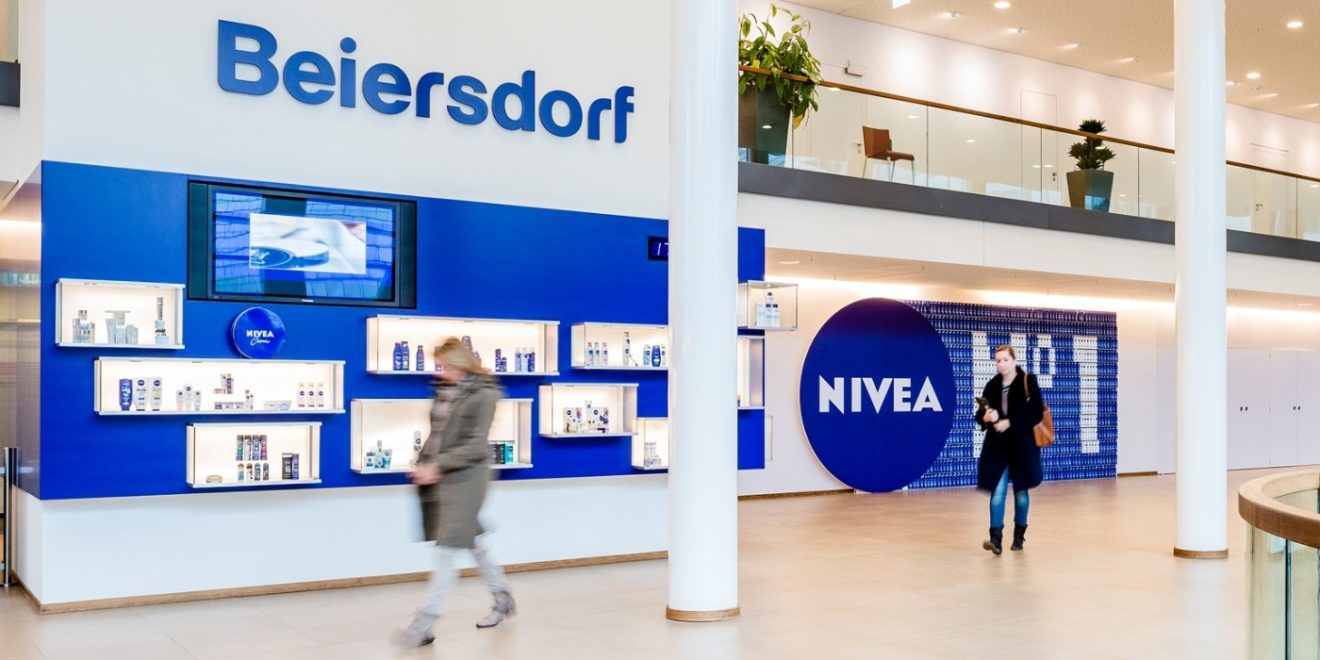
  • Beiersdorf’s Best-Selling Brands Record Over 300% YoY Sales Growth on Shopee

    Beiersdorf’s Best-Selling Brands Record Over 300% YoY Sales Growth on Shopee

    Shopee, the leading e-commerce platform in Southeast Asia and Taiwan and Beiersdorf, a global skin care company, cement their long-term regional partnership with the launch of a brand new campaign, ‘Win the Day with NIVEA and EUCERIN’, engaging close to over 200 million users across the region.

    This comes on the back of Beiersdorf’s 1st anniversary with Shopee. Sales of Beiersdorf’s top brands, NIVEA and EUCERIN, across Southeast Asia increased by more than 300% year-on-year, demonstrating Beiersdorf’s successful foray into e-commerce and Shopee’s commitment to deliver the best outcomes for brands.

    Cornelius Becker, Managing Director of Beiersdorf South East Asia said, “The past year with Shopee has been a resounding success. We have seen a significant boost in sales and our partnership with Shopee has helped to strengthen our overall online presence as well as reach out to new consumer segments. With that, I am happy to announce our new campaign ‘Win the Day with NIVEA and EUCERIN’, providing customers easy access to our most-loved products.”

    A champion in empowering brands and sellers across Southeast Asia, Shopee provides Beiersdorf key operational and marketing solutions to drive sales and bolster consumer engagement. This includes exclusive in-app branding to boost brand image and visibility, as well as in-app consumer games to give shoppers an entertaining online shopping experience.

    “Our continued partnership with Beiersdorf is a demonstration of our commitment to bring consumers the quality products they seek, and to elevate the user experience through exciting and meaningful features. Such partnerships are vital to us as consumers today increasingly look towards online platforms such as Shopee to access their favourite brands and products,” said Ian Ho, Regional Managing Director, Shopee.

    The campaign, “Win the Day with NIVEA and EUCERIN”, aims to help consumers, especially the younger consumer segment, kick-start a daily skin care regime to help protect their skin against various problems and to ultimately boost one’s confidence. Consumers are able to purchase a wide variety of products including moisturisers, face cleansers and deodorants. Highlights of the campaign include:

    • Discounts and Promotions: Enjoy 25% off all NIVEA, EUCERIN and Hansaplast products. Get $5 off $25 and $8 off $40 vouchers.
    • Daily Prize Giveaways: Free travel size NIVEA Professional Micellar Water (125ml) with every purchase
    • Skincare Pro-Tips: Look forward to daily skincare pro-tips, great for those new to a skincare routine or for anyone who simply wants to know how to take better care of their skin.

    All NIVEA and EUCERIN products can be found via the Beiersdorf Official Store on Shopee, under Shopee Mall, which offers 15-days free returns, 100% authenticity, and free shipping on orders over $25.

  • East Creative expands further into APAC with investment

    East Creative expands further into APAC with investment

    Australia-based Fusion Group has taken a majority stake in the Tokyo and Hong Kong based brand and communications Agency, Eat Creative.

    The Tokyo-based agency will become part of the Fusion group expanding its capabilities and reach across the APAC region.

    Founded in Tokyo 2000 by Alison Jambert, Ayako Chujo and Steve Martin, Eat provides consultation and creative strategy for global companies looking to engage in the Japanese and broader Asian markets, as well as Japanese brands looking to communicate more effectively on the International stage.

    “The growth of Asian economies is phenomenal, and there has never been a greater need for brands to communicate their stories creatively and intelligently cross market and cross culture. We’re excited about our relationship with Fusion, which will allow us to expand the range of services we can provide our clients, wherever they are based in the region.” said founder and ECD Steve Martin.

    Fusion group has enjoyed 14 years of solid growth and today combines 10 leading agencies with global reach and procurement capabilities. With its ambition to transform the retail experience, the group’s services range from strategic intelligence, brand consultation and creative strategy to localised marketing solutions and execution. Today’s announcement brings Fusion another step closer to providing a consolidated service offering for businesses across the APAC region. “We’re excited to have Eat join the Fusion family. Broadening our international reach ensures we are always at the forefront of global retail trends and that our clients receive the benefits of an exceptionally diverse and innovative team who can think locally, yet scale across the region” said Simon Norman, CEO and founder of Fusion.

    The Eat directors will maintain their current roles within Eat as well as taking on leadership positions within the group, reporting directly to CEO Simon Norman, and contribute to the Fusion’s regional expansion. Eat Creative retained Hong Kong based SI Partners as advisors on the transaction.

  • Warehouse gears up for e-commerce launch

    Warehouse gears up for e-commerce launch

    New Zealand’s biggest retailer is in the final stages of launching an e-commerce site, according to media reports.

    The Warehouse Group, which operates The Warehouse, Warehouse Stationery, Noel Leeming and Torpedo7 stores, is reportedly planning to launch an online-only offering called TheMarket next month.

    The website, which is currently accessible in beta form at www.themarket.com/nz, advertises a wide range of product categories, including men’s, women’s and kids’ clothing, homewares, health and beauty, toys and games, electronics, sports and more, and in-demand brands, including Billabong, P.E Nation, Cooper St, Matchbox and Kevin Murphy.

    The range would put TheMarket in competition with cross-border e-commerce players, such as The Iconic and Asos, which have localised their offerings to the New Zealand market, where online shopping currently makes up just 8.1 per cent of total retail spend, according to the latest NZ Post report.

    Like The Iconic and Asos, it seems TheMarket will operate as an online marketplace, where brands pay a fee to sell products directly to customers via the platform. On the website, TheMarket says it will provide access to 3.5 million active customers, localised customer service and last-mile delivery and return network.

    TheMarket will offer customers a subscription option that would wipe the delivery on all orders.

  • Michael Kors launches on Tmall Luxury Pavilion

    Michael Kors launches on Tmall Luxury Pavilion

    US fashion brand Michael Kors is to launch a digital flagship store on Alibaba’s Tmall and the Tmall Luxury Pavilion.

    The launch marks Michael Kors’ first e-commerce channel in China, apart from its own site, offering consumers the full line of clothing sold offline, as well as a selection of handbags and footwear. The brand said Tmall would be its main destination for debuting products in China, including new items that will be exclusive to the platform – not sold anywhere else in the world.

    John D Idol, chairman and CEO of Capri Holdings, the parent of Michael Kors, Versace and Jimmy Choo, said consumers are becoming more digitally engaged with luxury shopping in China and Tmall Luxury Pavilion is the perfect venue for the Michael Kors brand to communicate its vision.”

    The label will hold a series of events in the coming months, including during New York Fashion Week in September, to celebrate the flagship’s grand opening. On Chinese Valentine’s Day, on August 7, Michael Kors will launch a capsule collection featuring graffiti-inspired clothing, handbags, footwear, jewellery and wristwatches, samples of which are pictured below

    “Michael Kors is an iconic, beloved brand and we are delighted to partner with it as it looks to accelerate its momentum in the Chinese market. This collaboration will bring both exciting products and elevated shopping experiences to the more than 700 million Chinese consumers on our platforms,” said Jiang Fan, president of Taobao and Tmall.

    Launched in 2017, Tmall Luxury Pavilion now offers more than 115 brands, ranging from apparel and beauty items to watches and luxury cars, including Chanel, Bottega Veneta, Valentino, Burberry, Tod’s, Versace, Stella McCartney, Moschino, Gentle Monster, Giuseppe Zanotti, MCM, Maserati, and LVMH-owned Rimowa, Guerlain, Givenchy, Tag Heuer and Zenith.

    Tmall wants to double that number by the end of next March.