Category: Electronics

Retail News Asia is committed to providing both local and global retailers with the latest Electronics news throughout the Asian market. This on a daily base.

  • Myanmar smartphone shipments up to 26% YoY

    Myanmar smartphone shipments up to 26% YoY

    According to the latest International Data Corporation’s (IDC) Asia/Pacific Quarterly Mobile Phone Tracker, a total of 2.5 million smartphones were shipped to Myanmar in 2016Q3, reflecting a 26% (year-on-year) YoY growth, IDC said in a statement on 25 December. This has been the strongest YoY growth seen in Myanmar’s budding smartphone market since 2015Q3. Sequentially, shipments declined 10% from 2.7 million in 2016Q2 as soft retail sales and the typhoon season negatively impacted smartphone buying in the country.

    “Despite years of hypergrowth in Myanmar’s emerging smartphone market, channels are now starting to lament about a looming slowdown as retail sales show signs of softening, causing inventory buildup across the board,” says Jerome Dominguez, Market Analyst for Mobile Devices, IDC Asia/Pacific.

    IDC maintains a positive outlook for Myanmar’s smartphone market in 2017, although growth is expected to be tamer compared to previous years.

    “IDC expects Myanmar’s smartphone market to grow by 9% this 2017 off the back of relatively low smartphone penetration rate and rising disposable income. This is already a lowered forecast to account for the slower consumer market and political instability in some parts of Myanmar,” adds Dominguez.

    Myanmar’s projected growth for smartphones in 2017 still stands higher than the 6% growth expected in the whole ASEAN region for next year.

    Myanmar Smartphone Vendor and Market Highlights, 2016Q3

    Samsung continued to keep its lead, owing it largely to the good reception of its budget-friendly J-series. Huawei came in at 2nd place and while finishing with a flat quarter, its sales and distribution were still going strong across Myanmar. Vivo spiked last quarter, coming in at 3rd place as it further penetrated tier 2 and tier 3 cities. Xiaomi dropped to the 4th spot although its volume remained high and consumer response stayed positive as it continued to offer smartphones perceived as good value for money. OPPO held the 5th place, maintaining its stronghold in the urban sites of Yangon and Mandalay although its overall shipments dropped quarter-on quarter (QoQ) due to inventory build-up.

    As with many developing countries, low-cost smartphones continue to thrive in Myanmar. In 2016Q3, 89% of smartphone shipments to the country fall below US$225. “Smartphones priced at US$50<US$150 still holds the sweet spot among Myanmar consumers. However, handsets in the US$150<US$250 price band are also on a growth track due to the influx of mid-range handsets from Chinese vendor Vivo,” adds Dominguez.

    Despite being a budget market for devices, Myanmar’s feature phone market remains very small, unlike other emerging markets, accounting for only 20% of total mobile phone shipments in 2016Q3. “Channels in Myanmar are not expecting the feature phone market to pick up anytime soon based on the rather progressive device adoption in the country, where most consumers would typically opt for a smartphone as their first mobile phone,” states Dominguez.

    In terms of screen size preference, smartphones in the <4.5“segment are now starting to diminish as Myanmar consumers go for larger screen sizes. 5” <5.5” handsets continue to gain traction, growing 44% YoY. Phablets (5.5” <6.99”) also saw a huge annual growth of 160% last 2016Q3, particularly driven by the rise in the 5.5”<6” segment. Huawei and Vivo lead the 5” <5.5” band while Xiaomi and Samsung reign supreme in the phablet category. “Myanmar’s increasing appetite for bigger screens is driven by the rising popularity of content consumption on social media, particularly on Facebook,” says Dominguez.

    4G LTE has just been recently introduced to Myanmar but as of October 2016, all 3 telcos have already been able to roll out 4G LTE services. Concurrently, 4G-capable devices have also shown a spike in 2016Q3, growing 41% QoQ, with market leaders Samsung, Huawei, and Xiaomi leading the wave. “IDC has raised its 4G smartphone shipment forecast in Myanmar for 2017 to account for the positive uptake of 4G smartphones in the country and vendor direction to focus on this air interface moving forward,” says Dominguez.


  • Apple plans to set up own stores in India

    Apple plans to set up own stores in India

    Hoping to replicate its success in the Chinese market, Apple is looking at setting up its own wholly owned stores in India. Currently, the company sells its products through distributors such as Redington and Ingram Micro.

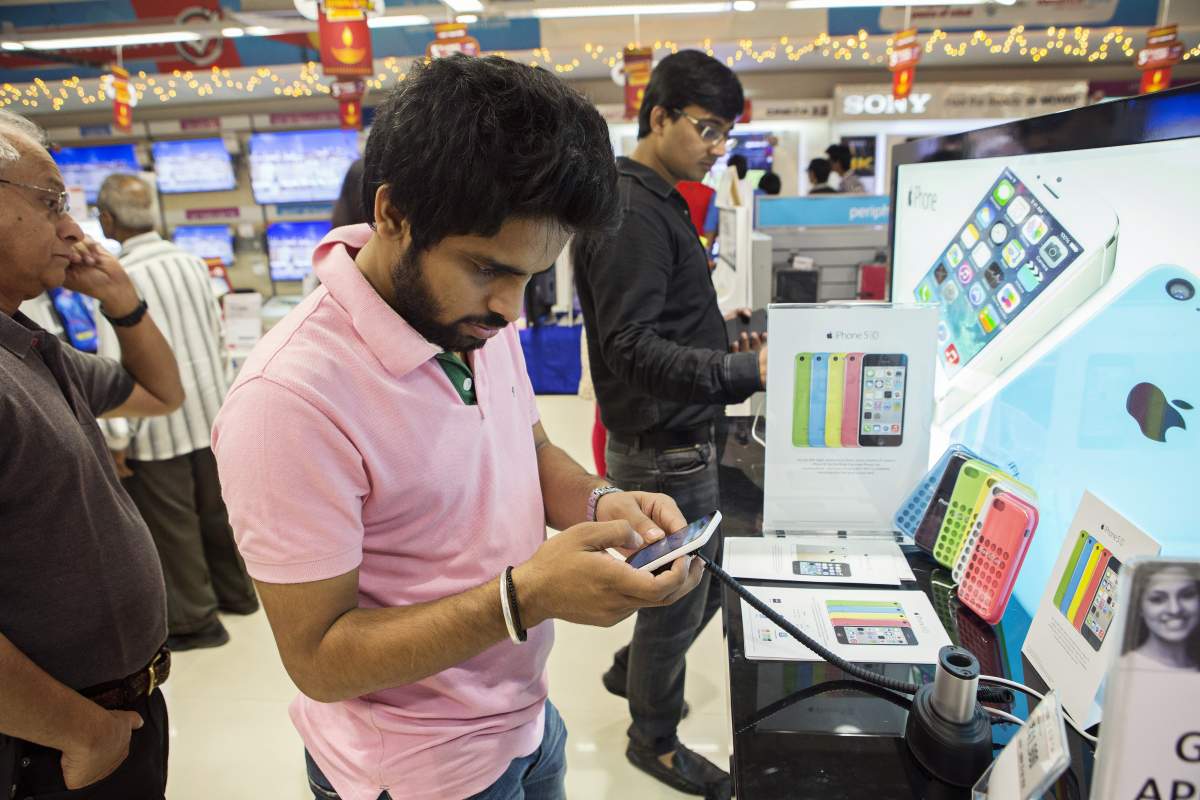
    India’s smartphone market has been witnessing significant growth. Earlier in 2016, India surpassed the United States as the second-largest smartphone market with 220 million smartphone users. While smartphone users still account for about 22% of the roughly 980 million mobile users in India, there is tremendous opportunity for growth over the next few years.

    Little wonder that the company is looking at India as a lucrative market for setting up production. Apple has also announced plans to make iPhones for the Indian market in Peenya, Bengaluru in association with Wistron, a Taiwanese OEM manufacturer for Apple. Production will start by April 2017.

    With local manufacturing facilities, Apple would be able to price its phones more competitively in India. The steep price for the phones is a deterrant for the price conscious Indian consumer. The phones attract 12.5% additional duty on imports.

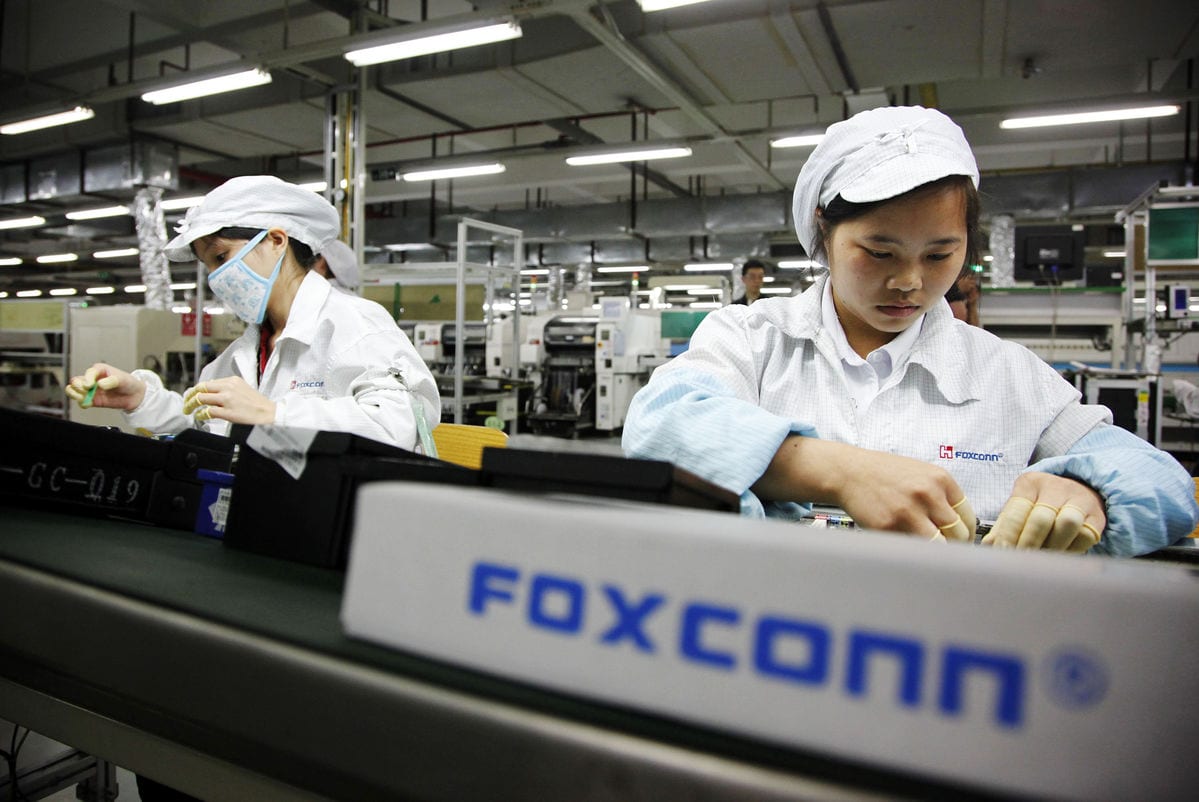
    According to media reports, Foxconn, the biggest contract manufacturer for Apple has also been roped in to set up a manufacturing unit in India. Foxconn is adopting a model of setting up smartphone assembly lines in multiple cities across India, with a second iPhone facility coming up in Gurgaon.

    An announcement is likely to be made during the Vibrant Gujarat Global Summit 2017 to be held on January 10 at Gandhinagar. Apple has announced that it would open its brand-owned stores, besides a 4,000-people facility in Hyderabad for its mapping unit.

    Reports suggest that the iPhone maker has requested for concessions such as relaxation in labelling rules, so it doesn’t have to print product info on its devices, and tax incentives in return for setting up a manufacturing unit in the country. The Department of Industrial Policy and Promotion (DIPP) has forwarded Apple’s request to the Department of Revenue and Ministry of Electronics and Information Technology (MeitY) in November. Government officials are yet deliberating on the company’s request.

    In May last year, Apple’s CEO Tim Cook visited India and met Prime Minister Narendra Modi as well as key industry leaders like Sunil Bharti Mittal and veteran banker Chanda Kocchar. Apple also announced plans to set up a design and development accelerator to support Indian developers creating innovative applications for iOS and opened a new office in Hyderabad to accelerate maps development.

    During his May visit, Cook had discussed issues including manufacturing and setting up retail stores in the country with Modi.

    An inter-ministerial meeting, scheduled for next month, will discuss and deliberate certain incentives sought by tech-giant Apple Inc to set up a manufacturing unit in the country to be able to ‘make in India’. The meeting will be attended by senior officials from the ministries of finance, commerce, revenue, environment and forest, electronics and information technology, among others.

    The government, however, believes Apple shouldn’t seek additional support to set up manufacturing plants.

    “Several companies in India are manufacturing mobile phones in India. Nobody is asking for additional incentives. Currently, the government provides sufficient support to boost electronic manufacturing,” PTI quoted government sources as saying.

    The tech giant proposed to bring used smartphones and assemble them locally. This was rejected as it did not constitute the Make in India model envisioned by the government. Nevertheless, it got local sourcing norms relaxed from the Department of Industrial Policy & Promotion to open its stores in the country.

    In a report published recently, government sources have said that it may agree to some of Apple’s demands for setting up a manufacturing unit in India if the maker of iPhones promises a huge investment and commits to generating hundreds of thousands of jobs.

  • Apple confirms plan to open its first ever retail store in Samsung’s home city of Seoul

    Apple confirms plan to open its first ever retail store in Samsung’s home city of Seoul

    Apple published a total of 15 retail job listings to its corporate website today seeking candidates for the Apple Store Leader Program, business managers, Genius Bar staff and marketing, among other positions.

    As expected, the job postings seek employees for an outlet in South Korea’s capital of Seoul. The city also happens to be the hometown of Apple ally and competitor, Samsung.

    “We’re excited about opening our first Apple Store in Korea, one of the world’s economic centers and a leader in telecommunication and technology, with a vibrant K-culture,” Apple said in a statement on Friday, local time. “We’re now hiring the team that will offer our customers in Seoul the service, education and entertainment that is loved by Apple customers around the world.”

    Apple has not officially stated where it plans to build its first Korean flagship, but it is claimed construction is already underway in a southern district of Seoul. That report, also filed on Friday, suggests work at the site will be completed in November. Previous rumors suggested Apple was looking at sites in Gangnam and the busy Garosu-gil shopping street.

    For Apple, a brick-and-mortar outlet in Seoul represents more than an opportunity to grow international sales. A retail presence in Samsung’s backyard could go a long way in winning mindshare in the South Korean market, which is currently served by third-party resellers and Apple’s online store.

  • Samsung Malaysia launches Galaxy A5 and A7 2017 with IP68 rated dust and water resistance

    Samsung Malaysia launches Galaxy A5 and A7 2017 with IP68 rated dust and water resistance

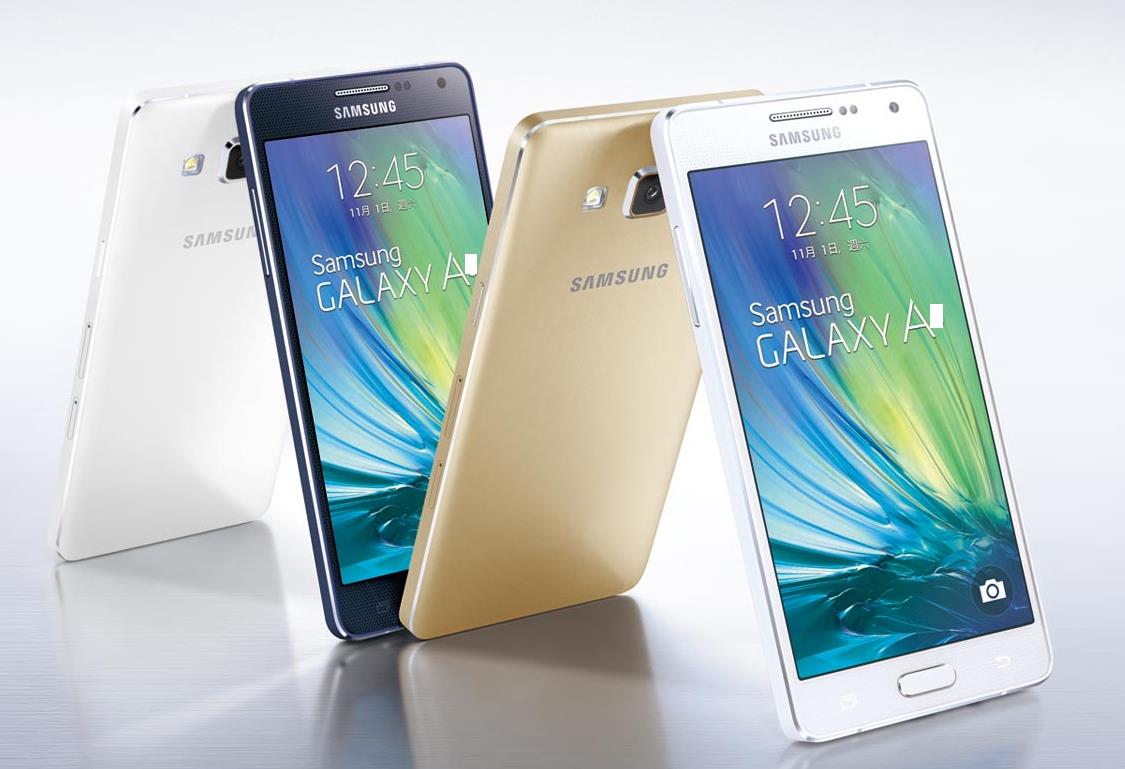
    Samsung Malaysia has announced the latest 2017 version Galaxy A lineup for the local market that features IP68 certified water and dust resistance along with built-in Samsung Pay function.

    The all-new Galaxy A series 2017 that was introduced include Galaxy A5 and Galaxy A7. The main differences between the two are the screen size and battery capacity. The Galaxy A5 comes with a 5.2 inch Full HD Super AMOLED display with a 3,000 mAh size battery. Galaxy A7 on the other hand features a 5.7 inch Full HD Super AMOLED display with a 3,600 mAh size battery.

    galaxy-a5-a7-01

    Apart from the above dissimilarities, both devices share similar components such as a 1.9GHz octa core SoC, 3GB RAM, 32GB expandable storage (up to 256GB), front-facing fingerprint scanner, 16 megapixel f/1.9 for both front and rear cameras as well as fast charging support via USB Type-C.

    It is worth noting that Samsung has separated the dual SIM card slots from the microSD card slot which means you won’t have to choose between using dual SIM card or one SIM card with a microSD card. We are also slightly disappointed that both the Galaxy A 2017 devices will be running Android Marshmallow OS instead of the latest Android Nougat.

    The local retail price for both Galaxy A5 2017 and A7 2017 are RM1,699 and RM1,899 respectively. Pre order starts from the 6th to 15th of January 2017 at selected Samsung outlets. If you make your pre-order during this period, you will receive a pair of Samsung Level U Pro wireless headphones worth RM399 for FREE!

  • Apple is setting up shop in Samsung territory

    Apple is setting up shop in Samsung territory

    Apple announced it plans to open its first store in South Korea — an aggressive move, considering its main rival in the smartphone space, Samsung, is headquartered there. To that end, it’s hiring 15 staff members in the region and has stated publicly how excited it is by the prospect.

    We know that the store is set to open up in the nation’s capital, Seoul, but Apple has yet to make it clear exactly where within the city. However, South Korean media has commented that it should appear somewhere in the southern district and that work is expected to begin shortly, completing at some point before the end of November.

    To make sure its new store is staffed properly, Apple’s new positions range from store leader to business manager. While the listings don’t specifically state that they will be working at the Seoul store, it seems like an awful coincidence if they aren’t set to work there.

    The opening of a facility in South Korea is somewhat of a statement to Samsung also. With the big Android manufacturer taking a bit hit to its brand at the tail end of 2016 due to problems with its Galaxy Note 7 phone, it could be that Apple smelled blood in the water. However, it is also worth pointing out that it faces a lot of competition in Asian markets now from lower-end device manufacturers, many of them originating in China.

    Apple could be looking to put a stamp on the region and maintain a foothold in what is quickly becoming one of the most hotly contested regions. Targeting South Korea is a smart move too, as it is geographically near to some of the biggest smartphone industry growth in the world but well within the borders of an economically prosperous country.

  • India’s festive season drives smartphone sales

    India’s festive season drives smartphone sales

    India’s Tier 2 and 3 cities led growth in smartphone sales during the festive season between August and October, according to IDC.

    Total sales in tier 2 and 3 cities – those with a population of between 20,000 and 100,000 – grew 23.3% growth over the previous month, the research firm’s latest Monthly City Level Smartphone tracker shows.

    IDC said this is largely due to vendors focusing on new affordable launches, higher spending on marketing and innovative payment options.

    IDC India senior market analyst Upasana Joshi said the key four months from July to October 2016 made up more than 40% of annual smartphone sales. The festive season in India started in August with Independence Day and ran until Diwali in October, drove the consumer buying across all markets.

    “Multiple sales by all major e-commerce players in October with their high-decibel marketing, attractive payment options, and exchange offers also helped in growing the market. The top 8 to 10 cities of India constitute the major portion of online sales, leaving a yawning gap between these markets and the still largely untapped smaller towns,” he said.

    Josh disclosed that China-based players contributed significantly to the growth at the offline retail counters while continuing to dominate the online channel.

    “These vendors collectively accounted for more than 40% market share in the top 30 cities during Diwali month, primarily driven by 4G enabled handsets. Oppo and Vivo continue to shake the traditional line up of Indian vendors with their superior build quality, massive marketing investments in the offline channel,” he said.

    Varun Singh, Market Analyst, IDC India, added that e-commerce players have also started investing more on sellers in smaller cities, better model and improving delivery network, moving away from deeper discounts.

    “Previously offline only or online only vendors have now started drawing benefits from their multi-channel strategies, acknowledging that offline and online channels can coexist in the market, without necessarily posing a threat to each other,” he said.

    Samsung registered 26.1% share in the top 30 cities. With a series of newly launched models namely J5 Prime and J7 Prime, Samsung clocked 15.8% shipments growth in October over the previous month.

  • China’s Oppo builds on smartphone success at home with Southeast Asia push

    China’s Oppo builds on smartphone success at home with Southeast Asia push

    Chinese smartphone maker Oppo may currently dominate China’s smartphone market with almost one-fifth market share, edging out previous leader Huawei, but the company is already looking to expand even more aggressively into markets such as Vietnam, Indonesia and India.

    Four years ago, Oppo was competing with a sea of rivals, struggling against smartphone giants like Samsung and Apple to gain a slice of the Chinese market. In the third quarter of 2016, the company shipped more than 20 million devices in China, growing over 105 per cent compared to the previous year.

    Just two years after entering the Southeast Asian market, data from market research firms IDC and GFK show that the Chinese smartphone brand has taken the No. 2 spot in both Indonesia and Vietnam.

    “We’re in more than 20 countries and regions, but we are focused on Southeast Asia,” Oppo vice president Alen Wu told in an interview. To market its brand overseas, Dongguan-headquartered Oppo has sponsored variety shows such as X Factor in Indonesia and even cricket tournaments in India, an emerging market for the company.

    Across Southeast Asia, Oppo is playing up its offline-focused strategy. The company currently has about 300 retail points and experience stores that it manages directly, on top of many more third-party retailers that stock the popular phone brand.

    Like its strategy in China, Oppo co-operates directly with retailers to provide both training and salespeople to help them sell smartphones. The salespeople help bring in business for the retailers, allowing shops to sell Oppo devices without much effort.

    We already had a relatively mature offline sales network in China because we used to produce DVD players

    The company also has ambitious plans to expand its presence in the India market, where it works mostly with third-party retailers to sell smartphones to local consumers.

    On Thursday, Oppo announced it would build a sprawling 405-hectare industrial park in the northern city of Great Noida, India. The facility will have an annual capacity of 100 million units, according to the company.

    But Oppo’s market domination in China today didn’t come overnight, it was the culmination of years of groundwork, Wu said.

    Unlike rivals like Xiaomi, which first shot to fame in China and later internationally for pioneering the online-only sales model and selling affordable, high-specification smartphones to consumers, Oppo chose to focus largely on its offline strategy and extensive network of offline retailers in China.

    “We already had a relatively mature offline sales network in China because we used to produce DVD players,” Wu said, adding that the company sells its smartphones at more than 200,000 retail points across China. Of those, 6,500 are Oppo’s experience stores.

    “If we come into contact with five customers every day at each store, that’s a million people every day. It’s a huge outlet for customers to interact with our Oppo brand,” Wu added.

    The company, founded in 2001 by Chen Mingyong, first found its roots in selling DVD players, audio speakers, and later the MP3 player industry. In 2006, it decided to expand into the growing mobile phone market, tapping its existing offline retail network to sell its first smartphone in 2011.

    “For Oppo, we managed to control the quality of our devices, right from our very first product,” Wu said. “Many retailers at the time felt that domestic phones were bad quality, they were resigned to that reality. But Oppo’s products surprised them.”

    Today, Oppo is known among consumers for its fast-charging technology, Oppo VOOC Flash Charge, which can charge a phone battery to 75 per cent in just half an hour.

    “It’s important to find out the painful points for users,” Wu said. “You have to capture their needs before you proceed, find out what needs have not been fulfilled.”

    For Oppo’s target market of millennials, battery life turned out to be one of the biggest issues. But rather than waiting for a breakthrough in battery technology, Wu said the solution was to come up with innovative technology that works around it. To reduce charging time, Oppo increased the current on its proprietary VOOC charger.

    Xiaohan Tay, IDC senior market analyst for client devices research, said Oppo’s offline channel has proved to be an important strategy for the company.

    “In the earlier years when vendors depended on operator subsidies to grow, Oppo was clear in its direction and focused on expanding its offline channels,” said Tay.

    “It also has key strengths such as its VOOC fast charging technology and in the elegant design of its phones. This, coupled with its aggressive marketing tactics, helped it succeed in the market.”

    Wu attributes the success Oppo has achieved today to cumulative efforts, and the laying of a solid foundation for steady growth over the years. Oppo employees often speak of “benfen” – Mandarin for “doing your part” – which comprises a large part of Oppo’s corporate culture.

    “At Oppo, we do what we must to constantly improve and refine operations. Only if your operations are done well can you achieve results,” Wu said. In other words, focus on what needs to be done, and success will follow.

    Oppo never placed its priority on sales, profit, or even ranking in the smartphone market, he said.

    “If you chase these numbers, you may deviate from your original plans … you could lose track of what is beneficial for the business,” he added. “For Oppo, we just focus on doing what’s best for our customers.”

    The company’s rapid ascent has edged out companies like Xiaomi, which was once the darling of the Chinese smartphone industry. In the third quarter, Xiaomi’s market share had fallen to 8.7 per cent, a 42 per cent decline from the previous year, according to data from IDC Asia-Pacific. Apple also saw its market share shrink to 7.1 per cent from 11.4 per cent a year earlier as demand remains tepid for its iPhone 7.

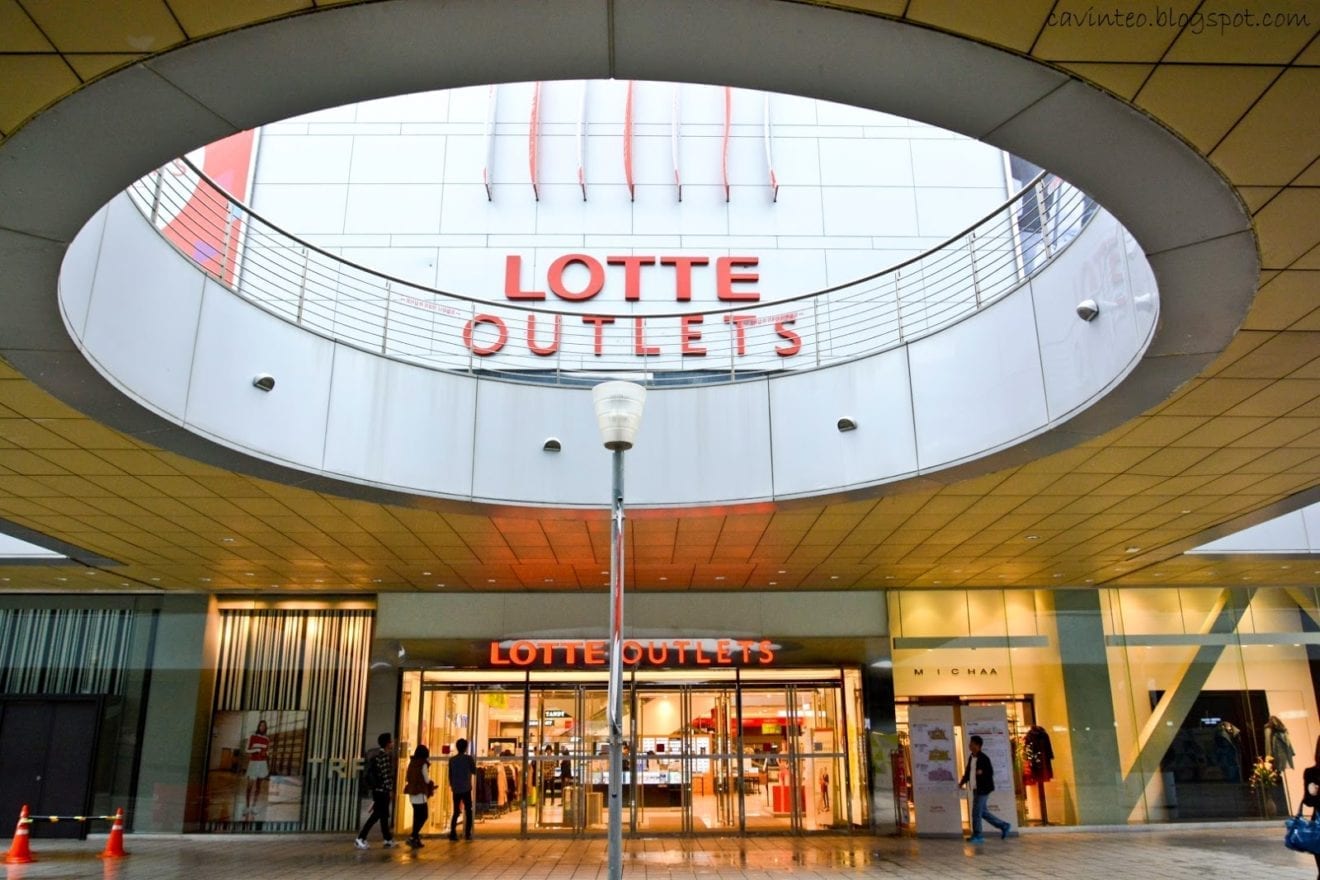
  • Lotte agrees to leverage IBM’s Watson for retail

    Lotte agrees to leverage IBM’s Watson for retail

    IBM has signed an agreement with the Lotte Group to provide cloud-based IBM Watson solutions to help the Group deliver innovation across the business and become a world-class retail company.

    Lotte Group represents the country´s largest retailer in a highly competitive retail market and is one of Korea´s top five companies, providing products and services to its customers through online channels, mobile services and offline department stores, marts, convenience stores and duty-free shops.

    Lotte Group will use Watson technologies to maximize insights from the huge amount of structured and unstructured customer data collected through its various channels, including the Lotte Members program, deriving valuable learnings about customer preferences and product feedback. With a deeper understanding of its data, Lotte will be enabled to offer more personalized services to customers, consistent product information and expert advice tailored to individual customer needs.

    This agreement prioritizes two “Artificial Intelligence Innovation Themes” for which to apply Watson. Lotte and IBM will team to create an ´Intelligent Shopping Advisor´ for customers and an internal employee ´Cognitive Business Decision Advisor´ for the Group´s retail affiliates.

    The ´Intelligent Shopping Adviser´ will be first introduced to Lotte´s department stores. Customers will have their own virtual personal assistant offering help from product recommendations, shop location guidance, to support for online pickup service. Customers will benefit from greater convenience and an enhanced customer experience as they interact, in natural language, with a service that understands the questions asked, in the context of the individual shopper´s needs.

    IBM will collaborate with teams from the Lotte Information & Communications and the Lotte Members affiliates for IT system support services, data integration and data analysis. Within the next five years, Lotte plans to build and upgrade its artificial intelligence-based application for business innovation to support personalized services throughout the customer life cycle. These initiatives are part of Lotte Group´s technology roadmap to expand the introduction of IBM Watson to all affiliates from retail to food, chemical, tourism and finance.

    Lotte is based in Korea and has nine affiliates and 120,000 employees.

    Watson represents a new era in computing called cognitive computing, where systems understand the world in a way more similar to humans: through senses, learning, and experience.

  • LeEco Cuts 60 Jobs In Hong Kong

    LeEco Cuts 60 Jobs In Hong Kong

     LeEco may be one of the best-known Chinese smartphone vendors globally after Lenovo, Huawei and Xiaomi, but the company has been in severe financial stress in recent times. The Beijing-based firm recently ventured out of China to establish a global footprint, and towards that end, have entered quite a few new markets over the past couple of years, including India and the U.S.

    However, even as LeEco was marching ahead with its global ambitions, its holding company, Leishi Internet Information and Technology Corp, was struggling financially, with its shares recently halted from trading at the Shenzhen Stock exchange. LeEco itself has been facing a severe cash crunch, with the company’s CEO, Mr. Jia Yueting, even admitting that the expansion efforts “have gone too far”.

    With its finances starting to become a major issue, LeEco was recently rumored to have laid off 1,400 of its employees globally, with the bulk of the job cuts coming in India. While about 200 people at LeEco’s sports video-streaming subsidiary, LeSports, lost their jobs in China as part of an organizational restructuring, almost a thousand LeEco employees were reported to have been laid off in India, mostly in the company’s sales and retail divisions. Reports out of Hong Kong now suggests that the company is also laying off as many as 60 of its employees in its Hong Kong office, although, its existing businesses and membership services will all reportedly continue to function as usual.

    Even in the midst of all this doom and gloom, though, there is a glimmer of hope for LeEco if a recent interview by a senior company executive is anything to go by. According to the president of LeEco’s smart TV business, Mr. Liang Jun, the company has received a fresh round of funding from strategic investors, although, he’s refused to give out any specifics about the reported investments until now. Meanwhile, even though the company’s finances are in a mess right now, reports indicate that at least three LeEco devices with model numbers LE X920, LE X850 and LE X622 are all set to be launched in the coming months. Right now, there’s no timeframe for the launch, but it should happen sooner rather than later if everything goes well from here for the struggling company.

  • Apple allegedly deepening partnership with Foxconn

    Apple allegedly deepening partnership with Foxconn

    Apple is turning to manufacturing partner Foxconn to facilitate efforts to expand both research centers and business further into Southeast Asia, and open up facilities in China and Indonesia, according to recent reports

    Foxconn has been manufacturing for Apple for over a decade. While Apple’s Indonesian presence is somewhat limited at the moment, Foxconn has been in Indonesia for several years.

    Not clear is what assistance Foxconn may specifically give Apple, beyond access to already-forged business arrangements with local suppliers and businesses.

    In late November, Indonesian Communication and Information Minister H.E. Rudiantara said that the country’s Communication and Informatics Ministry was “finalizing the plan” for an Apple-led research center in Jakarta. Apple has reportedly already selected a few locations in the country for the center.

    Earlier in the year, Chinese media reported that Apple is launching its first research and development center, located in technology incubation area Zhongguancun Science Park, Beijing. According to reports on the matter, the center has a budget of about $15 million, with a long-term expenditure goal of $45 million over the next few years. The center is allegedly seeking to hire around 500 workers, with no particular focus beyond Apple products and software.

  • Vietnamese prefer the most luxurious smartphones

    Vietnamese prefer the most luxurious smartphones

    USA Today reported that the ratio of iPhone 7/iPhone 7 Plus buyers in the US when the model hit the shelves was 55/45. The situation is the opposite in Vietnam. The representative of the biggest smartphone retail chain in Vietnam said the ratio of iPhone 7/7 Plus sold had been 35/65 by early December 2016.

    The same thing occurred with Samsung Galaxy S7 and S7 Edge. The most prestigious distribution chains all reported that 80 out of 100 buyers chose curved-screen S7 Edge, while only 20 wanted a S7.

    The distributors say that Vietnamese tend to choose premium versions instead of the standard ones if manufacturers market two models.

    iPhone 7 Plus is now sold at VND22.3 million for the 32 GB version, while the highest price of VND28 million is applied to the 256 GB version. Galaxy S7 Edge is priced at VND17 million though it has seen sharp price decreases. Vietnamese, who have an average income of over $2,000 per annum, prefer premium versions to standard ones. Sony once witnessed the same with Xperia Z and ZL.

    Xperia Z was among the best sellers in 2013 thanks to the luxurious design with glass cover, while ZL with plastics cover could not catch users’ eyes and it nearly disappeared from the domestic market.

    In mid-2016, LG was once heavily criticized when it intended to bring the LG G5 version with Snapdragon 652 and RAM 3 GB instead of the one with RAM 4 GB and Snapdragon 820.

    A branding expert said that Vietnamese tend to choose the best ones despite high prices. They also spend several millions of dong more to buy scooters instead of motorbikes.

    Meanwhile, Lac Huy from CellphoneS, a distribution chain, said that consumers prefer iPhone 7 Plus because of the larger screen, stronger battery and better camera.

    “Apple is a big name. Its design and appearance look luxurious. Therefore, it is favored by Vietnamese, who just want the product which can help them show off, rather than the product which can help fulfill their work,” an analyst said.

    “This explains why many Vietnamese buy iPhones, even though they never intend to learn about the features of the smartphone and they just send messages and make calls with the iPhones,” he said.

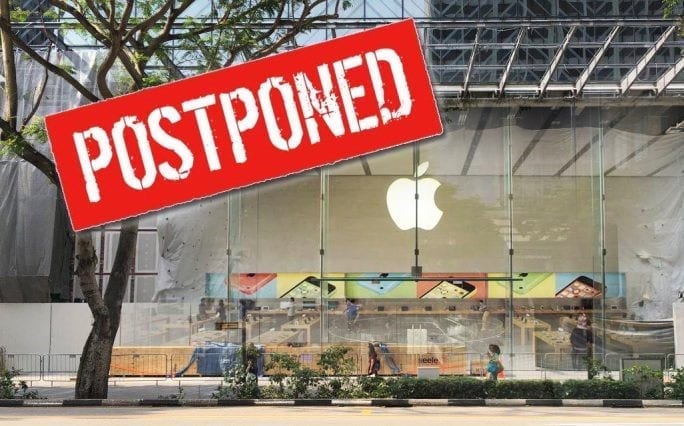
  • Opening of Singapore first Apple Store gets pushed back indefinitely

    Opening of Singapore first Apple Store gets pushed back indefinitely

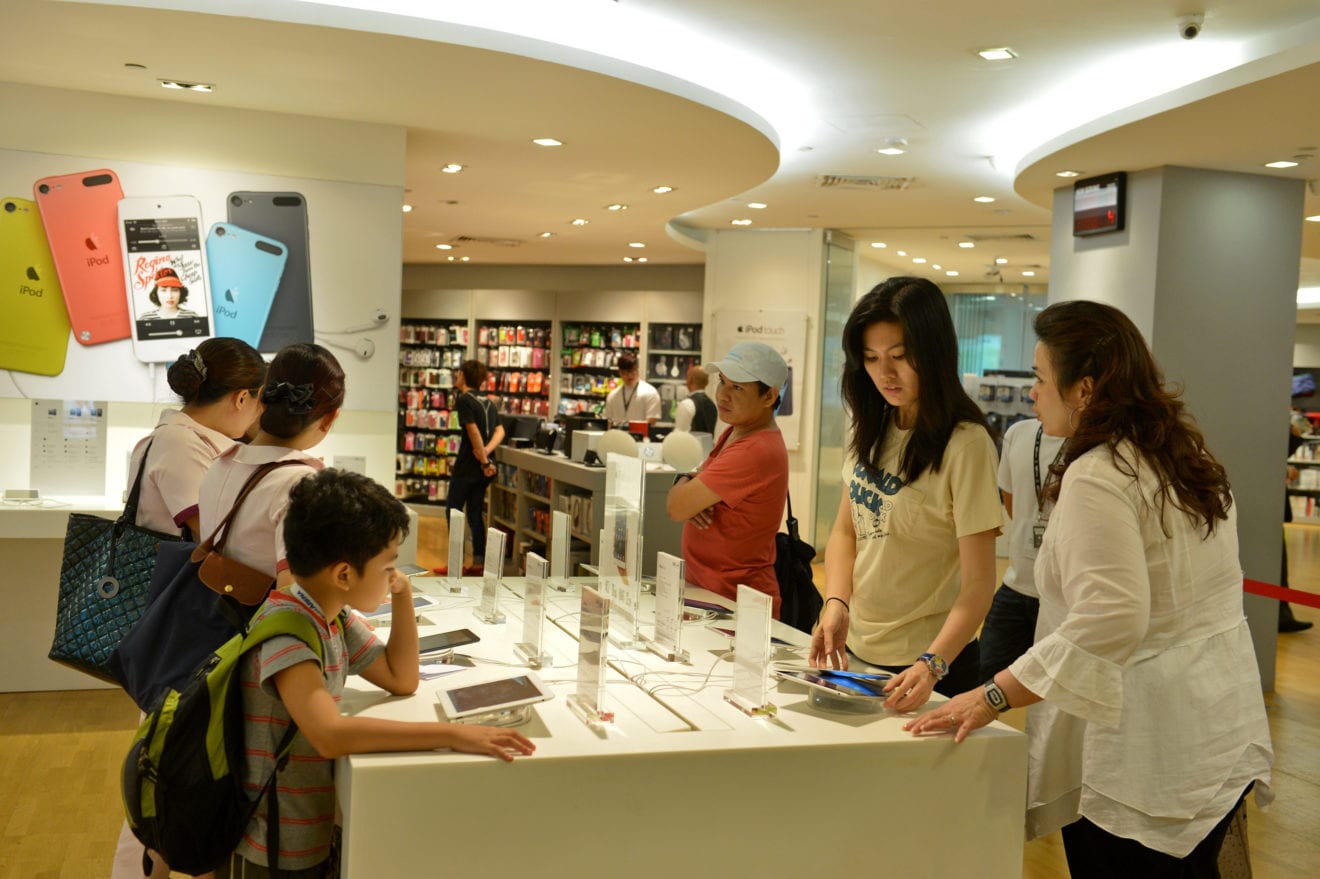
    Back in July, Singaporeans were thrilled by the news that our very first Apple retail store was set to open in November at Orchard Road’s Knightsbridge Mall.

    With Apple products only available to Singapore dwellers via authorised resellers (Nübox , EpiCenter) and Apple’s online store, the opening comes as a very welcomed surprise to both Apple fans and tech enthusiasts alike.

    The facade of the store, albeit still very much under renovation, was also observed by local Apple blog My Apple Singapore to potentially have the trademark front-facing glass panels that international Apple retail stores possess.

    What was also exciting, especially to us, were the possibilities of how an Apple retail store in Singapore would turn out, given that the company is known for designing its stores so as to “become one with the community [it is in]”.

    And it’s not just in the superficial – Apple stores in Japan are also known to participate in the Japanese New Year’s Fukubukuro (“lucky bag”) tradition, giving out bags containing random Apple products at highly discounted prices.

    At that point of time, we were a mere few months away from the unveiling of a shiny new store which could, pardon the reference, make shopping in Singapore great again, but the projected date (and month) has already come and passed…and we’re still far from picking out Apple products over the counters.

    From 31 Oct, To 30 Jan, To…

    Last month, The Straits Times came bearing the bad news that the store “will likely not open in time for Christmas this year”.

    The information board at the location showed an updated expected completion of Jan 30, 2017, and comes as a 3-month delay from the previously stated Oct 31, 2016.

    The store was also observed to be “still covered by white construction hoarding, with construction canvas draped over the exterior’s glass panels” – not exactly the most promising sign.

    Photo of the store’s information board in Nov 

    But that’s not the end of it.

    According to a report last week, the date has now been covered up, making the date of completion pretty much indefinite.

    After a check with workers and security guards at the site, the report found that the delays were “unavoidable after the site was issued with a three-week stop-work order in late October”.

    This was confirmed by the Ministry of Manpower (MOM), which revealed that the order was meted out on Oct 24 due to “unsafe conditions relating to work at height, traffic management, scaffolding, electrical installation and lifting operations that were observed during an inspection at the worksite”.

    Was The First Predicted Date Of Completion Too Optimistic?

    Given that a 3-week delay would’ve definitely caused a break in construction, the pushing back of the date of completion not once, but twice, might suggest that the first predicted date of completion (Oct 31) might have been a stretch in the first place.

    But then again, according to industry observers who has been interviewed, delays “are not uncommon [given] Apple’s emphasis on customer experience in its flagship stores”.

    Regardless, We do hope that the site is now much safer for the workers (given that this year has seen a rise in workplace deaths, and is an issue we shouldn’t ignore anymore), and that we also get an update soon.

    And this time, a more accurate one.

  • Samsung Vietnam develops intensive language programe

    Samsung Vietnam develops intensive language programe

    Samsung Electronics Việt Nam (SEV) in association with University of Social Sciences and Humanities and the University of Languages and International Studies on Saturday held a ceremony to mark completion of the 14th Korean language course.

    The course was taken by outstanding employees at SEV and Samsung Electronics Việt Nam Thái Nguyên (SEVT) plants.

    The programme is a part of SEV’s sustainable development plan to contribute to the country’s high quality human resource development in general and to provide Samsung’s employees opportunities to learn and improve their capabilities.

    The programme is undertaken by Samsung annually for free for its employee, with the company spending nearly VNĐ50million (US$2,200) spent per trainee, and is exclusive for employees performing exceptionally well in the SEV and SEVT plants.

    Each course, which continues for 12 straight weeks, will be taught by Korean lecturers and Vietnamese teachers with PhD and master’s degrees from the two leading universities.

    On returning to work, the employees can practice their intensive Korean skills at their department by self-study or through spending time with Korean dispatchers. Following the 12-weeks course, all trainees will get the opportunity to obtain the TOPIK certificate. All the trainees are provided with training, accommodation and meals for free.

    “We believe every Samsung employee comes here not just to work, but to also get an opportunity to develop soft skills and hard skills for their personal development. Therefore, their development is a high priority within the company. We hope through these training programmes, our Vietnamese employees will be more proactive and confident in the global working environment and develop solid skills during the management process in the future”, Cho Hoseok, general director of Human Resources, said.

    Established in 2014, Samsung has organised 14 Korean training courses for nearly 250 employees. Samsung expects to host another six training courses for 120 employees next year.

    Samsung has also established several training programnes for management levels, as well as the entire staff body at the two factories.

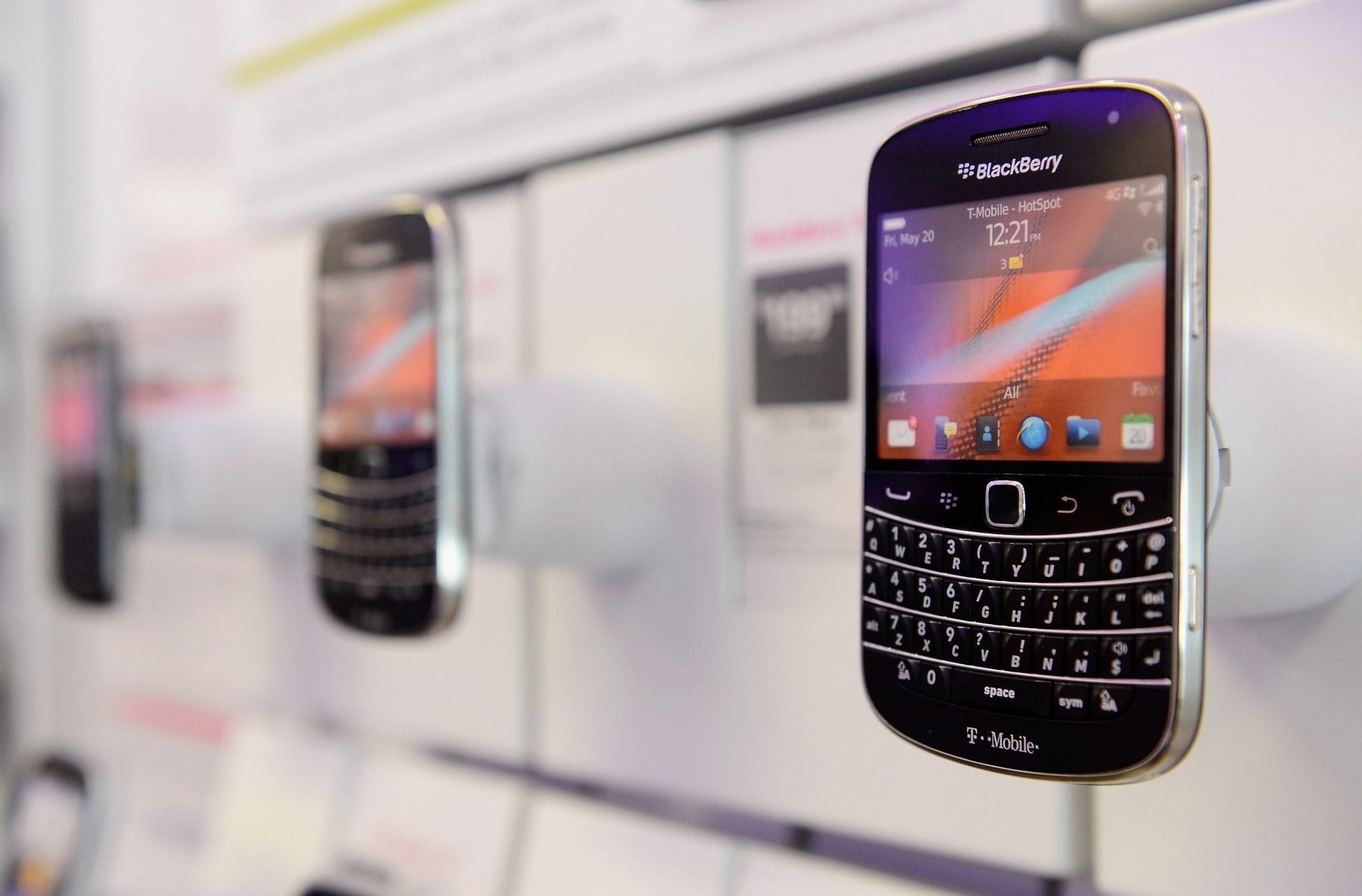
  • BlackBerry has no plans to move BBM servers to Indonesia

    BlackBerry has no plans to move BBM servers to Indonesia

    Back in June, BlackBerry announced a new partnership with Indonesia-based Emtek to help expand the consumer BBM business. Since then, several inaccurate articles have come out about who now owns BBM and most recently, several outlets published articles noting that BlackBerry would be moving BBM server(s) to Indonesia. Looking to clear the air surrounding that information, BlackBerry COO Marty Beard, has taken to the Inside BlackBerry blog to lay out the situation accordingly.

    In June, we struck a partnership with Indonesia’s leading media company, Emtek, to license the rights to develop and offer cross-platform BBM.

    The goal was to better serve our many BBM users, and, in particular, our 60 million monthly active users in Indonesia, by working with a trusted partner who we know can accelerate the delivery of new features and services for BBM. That goal has been more than met – see all of the new security features, mobile shopping offerings, mobile games, and more that have become available on BBM in the last several months.

    However, we’ve read some inaccurate press reports that tell a different story and we want to bring the facts to light. First of all, let’s be clear. BlackBerry owns 100% of BBM. We have merely licensed the rights to the Android, iOS and Windows Phone versions of BBM to a newly formed subsidiary of Emtek named Creative Media. BlackBerry maintains direct control over the BBOS and BlackBerry 10 versions of BBM, as well as BBM Enterprise (formerly BBM Protected).

    Businesses running BBM Enterprise for the ultimate in high-security mobile communications can remain confident that there will be no changes, disruptions or degradation of their service. It is also important to note that there are NO plans to move any BBM infrastructure, including BBM servers located in Canada and the U.S., to Indonesia, contrary to what the Head of Creative Media apparently communicated to the media.

    BlackBerry and Emtek are 100% aligned on their vision to advance BBM for consumers and on making sure our many Indonesian users continue to have the best experience possible. We remain extremely committed to Indonesia and our fans there. To that end, we have ensured that Indonesian consumers will have ready access to our handsets through our partnership with PT BB Merah Putih..

  • Samsung Maintains its Market Dominance followed by OPPO and ASUS in Indonesia

    Samsung Maintains its Market Dominance followed by OPPO and ASUS in Indonesia

    According to International Data Corporation’s (IDC) latest Quarterly Mobile Phone Tracker, total smartphone shipment in Indonesia in 2016Q3 recorded a slight Quarter-On-Quarter (QoQ) drop of 7% but still showed a moderate increase of 4% over the same period last year. “After the peak season of Lebaran ended, a stretch of quiet business begun in 2016Q3 which forced smartphone vendors to lower their shipment and focus more on improving the sales performance as well as laying the groundwork in anticipation of the peak shopping season in 2016Q4.” Says Reza Haryo, Senior Market Analyst, Client Devices, IDC Indonesia.

    Key highlights in the Indonesian smartphone market in 2016Q3 include: 

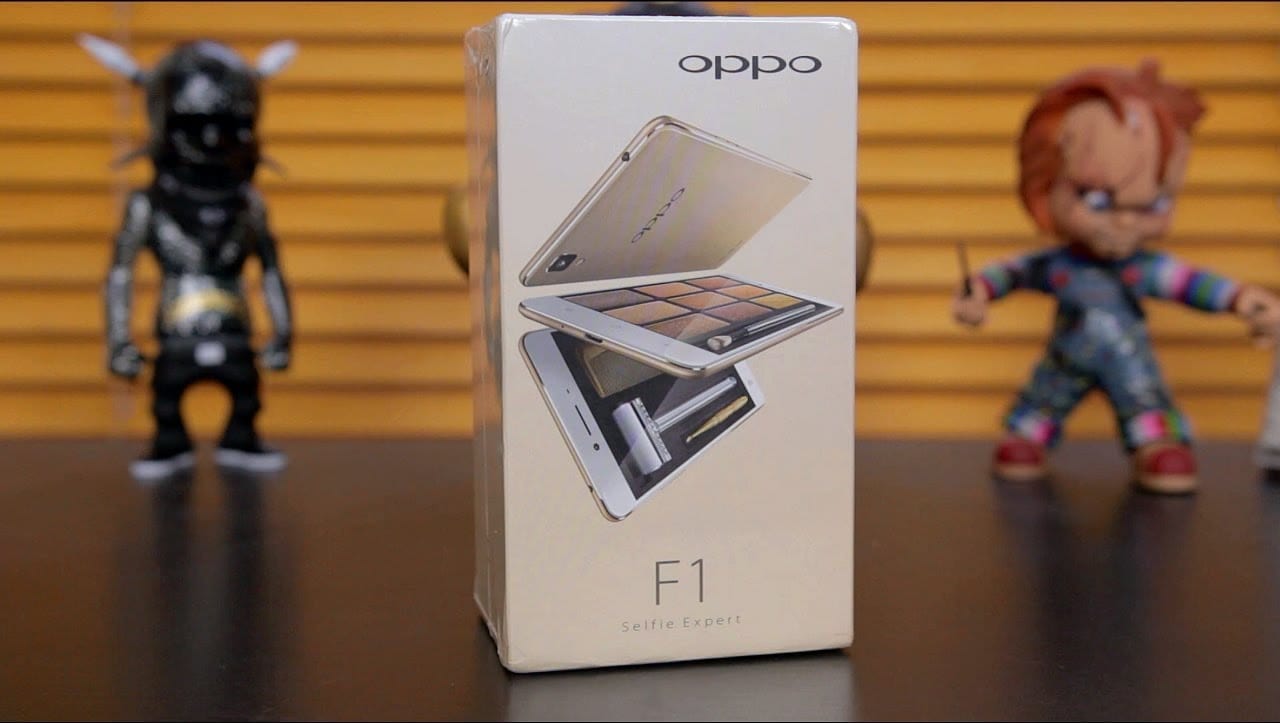
    US$250<US$300 price band segment grew significantly, which was contributed by the traction of OPPO’s F1s and Samsung’s Galaxy J7. However, when considering the Indonesian market as a whole, the US$100<US$200 segment remained the sweet spot, thanks to the demand for entry level 4G phones which usually offers the combination of 2GB ram and 16 GB internal storage.

    The share of 4G phones have also increased from 58% in 2016Q2 to 68% in 2016Q3 and had 8% sequential growth. This is largely due to the fact that telco service providers have been competing to expand their market share in a bid to capitalize on the growing number of smartphone users in the country through data bundling packages. In line with this expansion, the portion of smartphones sold in telco channel has also increased 22% YoY.

    “Indonesians use smartphones for entertainment purposes such as social messaging, video streaming, gaming, as well as browsing. Hence, there is a demand for the larger screen sized phones and the share of phablets have increased from 11% in 2015Q3 to 16% in 2016Q3. Most of the volumes came from major vendors such Samsung, OPPO and Asus. Samsung’s Galaxy J7, OPPO’s F1s and ASUS’ Zenfone Selfie were among the most popular models.” Adds Haryo.

    Top Five Vendor Highlights in 2016Q3 

    Samsung’s consistent marketing campaigns in retail shops enabled the vendor to increase shipments despite having a slower demand. This also extended the gap between the market leader and its competitors. The fallout from the Note 7 incident had relatively little impact on its brand perception in Indonesia.

    OPPO decreased sequentially relative to the non-peak period but still maintained its aggressive online and offline marketing activities. OPPO’s direct to retail strategy with various marketing supports continued to allow OPPO to increase its retail presence.

    Asus continued to rely heavily on the affordable Zenfone Go but the lack of marketing efforts throughout the quarter brought about its decline in the market.

    Advan introduced 8 low-cost 4G models in 2016Q3 alone. 4G models have been quick to pick up, partly thanks to the local vendor’s marketing activities heavily focusing on retail channels.

    Smartfren. As a local vendor that also operates as a telco provider, Smartfren tried to book more revenue from data services and recorded a 17% sequential decline for its smartphone shipment. Aside from bundling programs with leading smartphones such as the Samsung J Series, Smartfren have been consistent in promoting their Mifi product with attractive bundling program.

    Lenovo decreased sequentially relative to the non-peak period choosing to focus on sell-out instead. A6000, A1000 and A2010a were their top 3 models shipped in 2016Q3 in terms of units.

    Overall Positive Outlook for Indonesia

    IDC maintains the forecast for 2016 as the market is expected to expand significantly in Q4 and high demand during the festive season will allow vendors to increase shipment volume to reach targets. In addition, the continuous economic improvement from heavy infrastructure investment will continue to boost the Indonesia economy.

    The Local Content regulation (TKDN) is getting more accepted in a sense of clearer approach. A number of vendors including Xiaomi, LG, and Blackberry have now showed commitment to comply with this regulation. In the short term, it is expected that the industry will be focusing on local assembly but the challenge remains from the inadequate component supply chain ecosystem. But in the longer term, depending on the effectiveness of incentives provided by the government, more component manufacturers could move to Indonesia. This means that vendors would need to be prepared to have end-to-end manufacturing in Indonesia instead of just assembly. Hence, we expect that the future outlook will remain positive for 2017 onwards,” ends, Haryo.

    Channel dynamics

    With the intense competition and relatively low demand in 2016Q3, it caused vendors to put their utmost focus on liquidating stocks through improvement to their channels. The Direct to retail approach by cutting down the intermediaries has proven to help the sell-out of OPPO. IDC believes smartphone vendors will try to replicate this distribution strategy soon but this will require a strong retail relationship which only the larger vendors will be able to execute given the large volumes that they have and that they are more established in the market.

    Telco collaboration

    “Telco providers need to challenge the status quo and find ways to innovate as their core business continues to be pressured by over the top players which could be significant threats in revenue loss even as mobile data traffic grows exponentially. With an advanced network infrastructure and strategic partnership between telco providers, over the top players and hardware vendors, IDC believes that Telco providers and smartphone vendors can leverage the increasing demand for over the top players to drive up ARPU as well as brand exposure,” ends, Haryo.