Category: Electronics

Retail News Asia is committed to providing both local and global retailers with the latest Electronics news throughout the Asian market. This on a daily base.

  • Toshiba ropes in RPTech as a service partner

    Toshiba ropes in RPTech as a service partner

    Toshiba Electronics Asia (Singapore) Tuesday roped in RPTech Care Center, a service division of Rashi Peripherals a its service partner for India.

    RPTech Care Center will be managing Toshiba India Private Limited (TIPL) service needs and this alliance is aligned with Toshiba’s commitment to serve the customers by offering superior after-sales service, the two companies in a joint statement said.

    RPTech has more than 50 service centers spread across large cities in the country.

    “Being an international legendary brand that is committed to people, we believe in offering world-class quality and inventive products to our customers,” Polad Garda, country head, Toshiba India said.

    Further with our alliance with the RPTech Care Center, we are keen to offer our customers an excellent after sales service experience and satisfaction, Garda said, adding that it was a driving step to allow our customers with numerous alternatives and reduced turnaround time.

    “RPTech Care Center has well-built and dedicated service capabilities and post sales service systems,” Rajesh Goenka, Vice President, Rashi Peripherals said.

  • BlackBerry, TCL sign smartphone licensing agreement

    BlackBerry, TCL sign smartphone licensing agreement

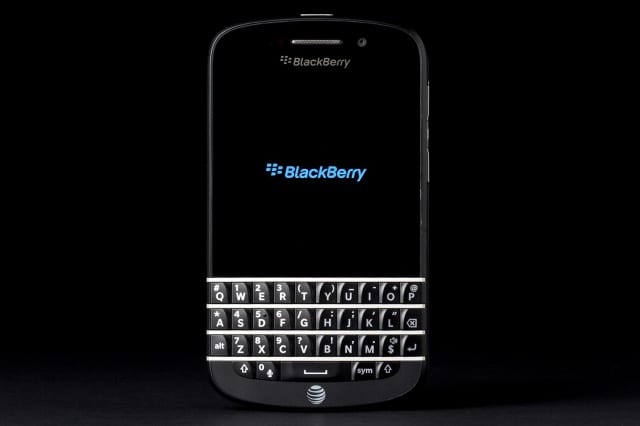
    BlackBerry has agreed to license its brand to China-based handset manufacturer TCL Communications.

    The companies entered a licensing agreement last week which will allow TCL to design, manufacture and distribute BlackBerry-branded phones globally going forward. The devices made by TCL will be coupled with BlackBerry’s security software and service suite.

    “BlackBerry will continue to control and develop its security and software solutions, serve its customers and maintain trusted BlackBerry security software, while TCL will manage all sales and distribution and serve as a global distributor of new BlackBerry-branded mobile devices along with dedicated sales teams,” the company said on Thursday.

    The agreement is the struggling Canadian smartphone maker’s first licensing deal since its announcement to transition to a software company.

    BlackBerry said in September that it would stop producing its smartphone hardware and concentrate on software, a decision which followed a year-long review of the potential profitability of the company’s hardware business by CEO John Chen.

    The new agreement will give TCL, the fourth-largest handset maker in North America, the right to make and sell BlackBerry-branded smartphones in all countries except India, Sri Lanka, Nepal, Bangladesh and Indonesia, where BlackBerry has already struck local licensing deals.

    Prior to this licensing deal, BlackBerry launched two smartphones – the Android-based DTEK50 and DTEK60 – in September and November respectively, which were made under an agreement with TCL.

    Industry watchers said this deal might be a boost for BlackBerry from a short-term financial standpoint by reducing BlackBerry’s operating risk, working capital requirements and potential R&D spend which would have otherwise gone into designing new phones.

    While the deal has an upside, it also exposes BlackBerry to a different kind of a security risk that might drive security-conscious consumers away from the brand and eventually hurt sales.

  • Uncertainty continues over opening date of Apple’s first store in Singapore

    Uncertainty continues over opening date of Apple’s first store in Singapore

    Apple fans who have been looking forward to the tech giant’s first brick-and-mortar store in Singapore may have to wait a while longer, with the completion date of construction work at its expected location along Orchard Road apparently pushed back.

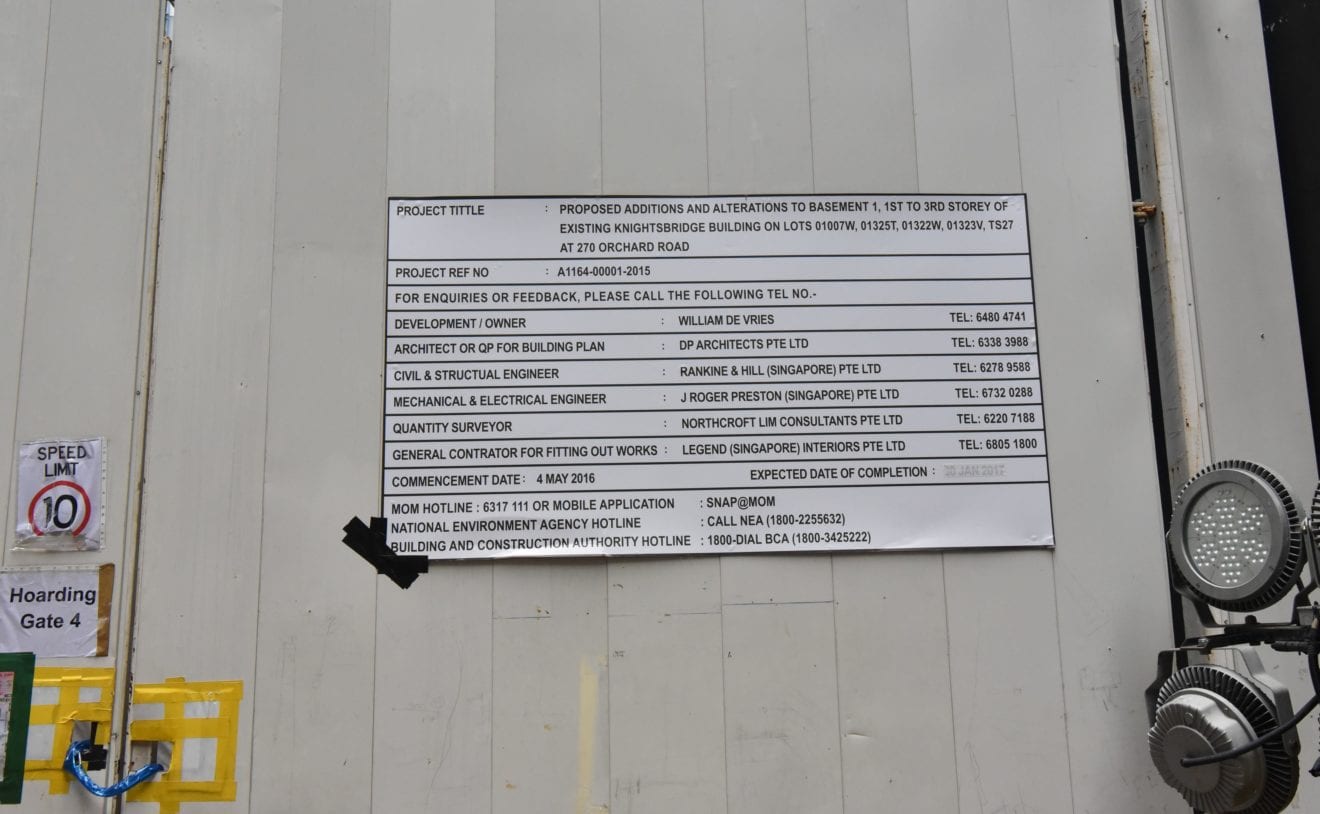
    According to an information board put up outside the construction site at Knightsbridge mall, the latest expected completion date of Jan 30, 2017 – already a three-month postponement from the previous date of Oct 31, 2016 – was covered up, with no new date provided.

    The information board with details on the expected completion date seen outside the construction site at Knightsbridge mall on Dec 9, 2016.

    A check with workers and security guards at the site noted that the ongoing construction work is unlikely to wrap up by next month. One construction worker said that delays were unavoidable after the site was issued with a three-week stop-work order in late October.

    In response, a spokesperson from the Ministry of Manpower (MOM) confirmed that it did issue a full stop-work order to the work site’s contractor on Oct 24, citing “unsafe conditions relating to work at height, traffic management, scaffolding, electrical installation and lifting operations that were observed during an inspection at the worksite”. A separate check on MOM’s website showed that the stop-work order was issued against Legend (Singapore) Interiors Pte Ltd.

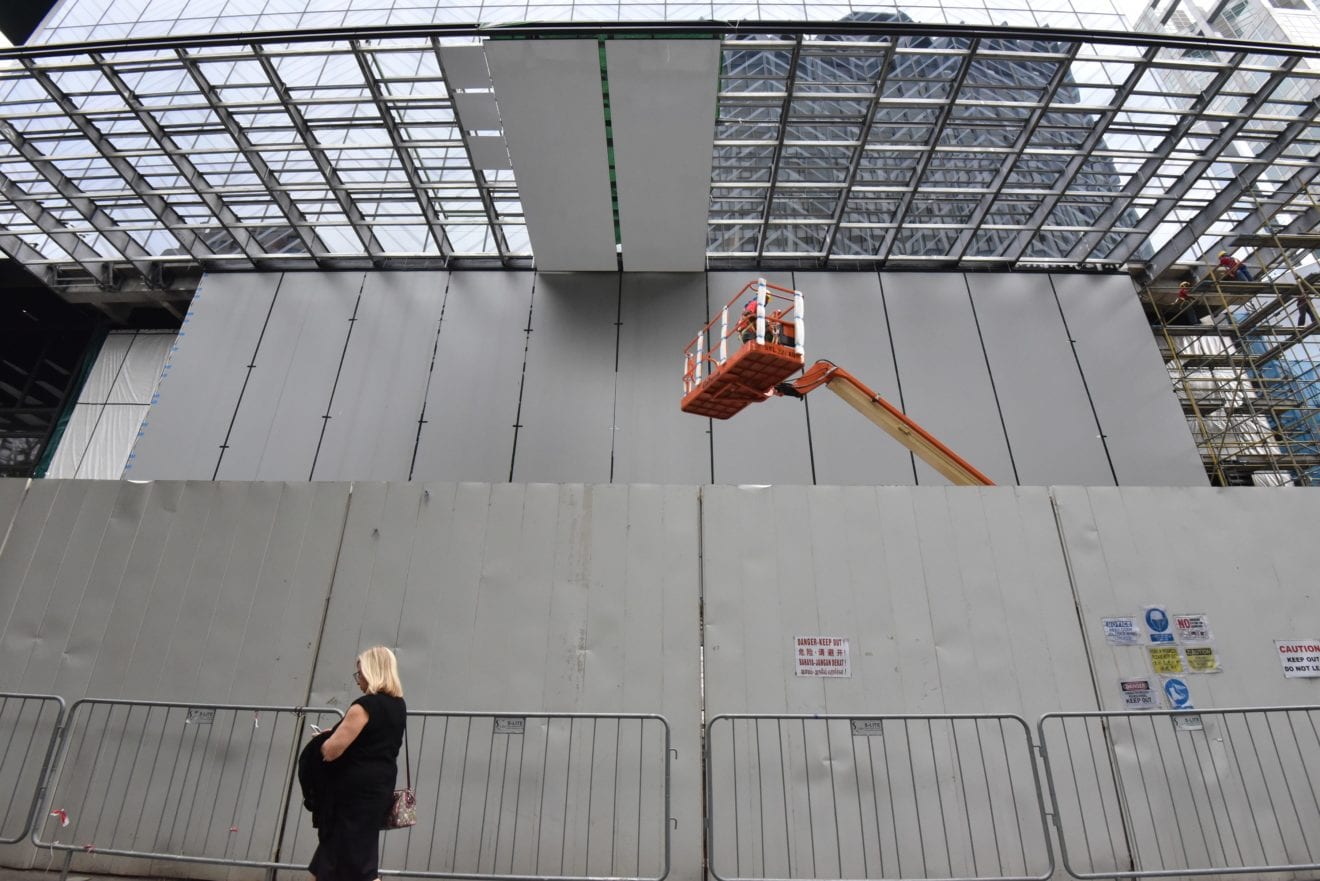
    MOM said the order has since been lifted, and when this reporter visited the site on Dec 9 and Dec 13, workers could be seen working on the sides of a three-storey-high facade covered up by grey-coloured boards.

    Apple declined to comment. It also declined to reveal an official opening date for the store or provide an update for the number of employees it is hiring locally.

    Its senior vice president of retail and online stores, Angela Ahrendts, confirmed last November that the tech giant had begun hiring staff for its retail store in Singapore.

    The store, which is expected to take up four levels at Knightsbridge mall, will be Apple’s first physical retail presence in Singapore, as well as Southeast Asia. Apart from an online store, Apple currently sells its products via authorised premium resellers such as EpiCentre and Nubox in Singapore.

    Speculation about the Singapore’s first Apple store emerged in October last year, when fitness club Pure Fitness informed its members that it would be shuttering its four-storey gym facility at Knightsbridge mall to make way for a “future Apple store”.

    So far, there have been few details about the retail outlet apart from a statement released last November noting that the Apple Store will be powered by solar energy from developer Sunseap Group.

    As for the exterior, a previous post by local blog My Apple Singapore wrote that wooden crates bearing the logo of German glassmaker Seele were placed outside the construction site in July. Given that Seele has been providing Apple with the glass panels for its overseas stores, the upcoming store in Singapore could be fitted with a similar glass facade, according to the blog, which began tracking developments at the construction site since last November.

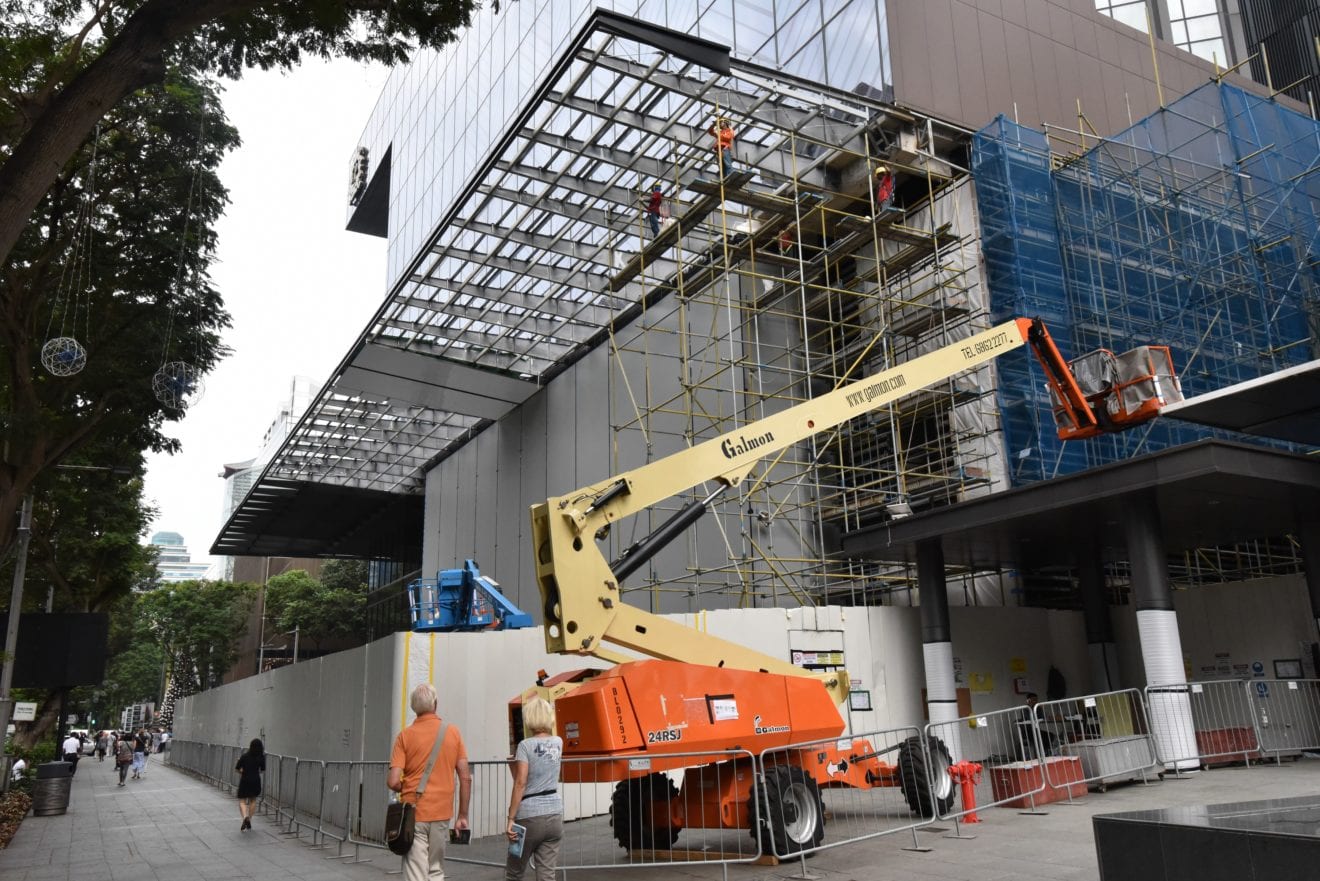
    Ongoing construction work seen at the site of Apple’s first retail store in Singapore at Knightsbridge mall on Dec 9, 2016

    Construction work for the store commenced in May this year, according to the information board, and was initially expected to be completed by Oct 31.

    SUCH DELAYS “NOT UNCOMMON”

    However, industry observers said that such delays are not uncommon given the work required to fit out a huge space and Apple’s emphasis on customer experience in its flagship stores.

    “For a huge flagship store occupying 30,000 sqft of prime space along Orchard Road, some degree of fit-out delay is not uncommon given the complexity of the design and layout,” said Cushman & Wakefield’s research director Christine Li.

    “Plus, we are talking about the world’s most valuable brand – a brand that pays a lot of attention to detail and strives to be perfect. So, I think they want to make sure they don’t rush into things and that everything is in order,” she added.

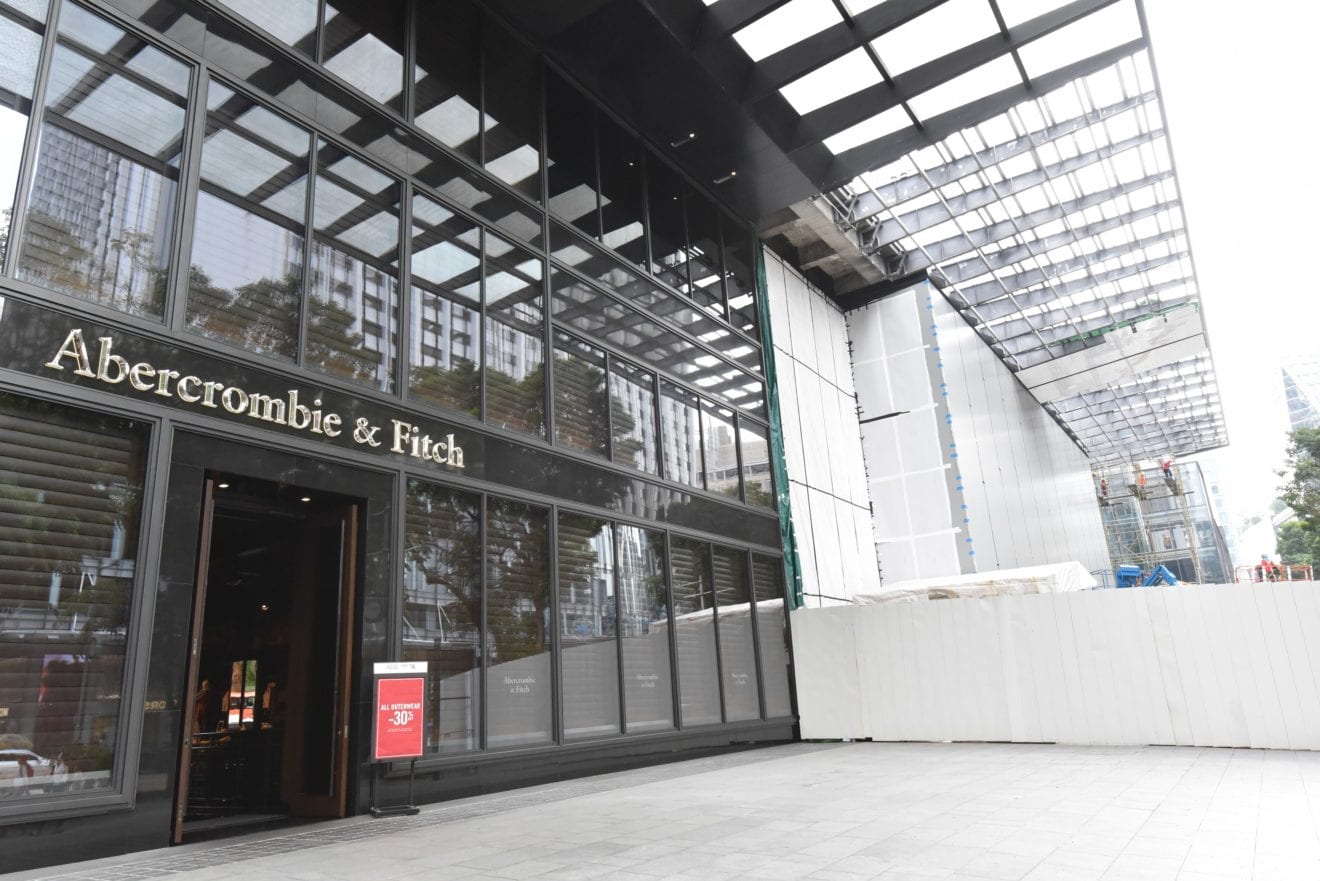
    Industry observers say retailers who are staying put at Knightsbridge mall, such as Abercrombie & Fitch, may get a boost from the extra shoppers that the Apple Store will bring in. 

    While it remains unclear when the Apple Store will officially open its doors, Ms Li said that it will be a boost for Singapore’s prime shopping belt, as well as neighbouring stores such as casual wear chain Abercrombie & Fitch, when it does.

    “It will be good news given that so far we’ve been hearing so much negative news such as store closures at Orchard Road. Crowds attracted to the Apple Store will also benefit surrounding stores,” she explained.

    Ms Li cited the example of Japanese retail brand Uniqlo, which launched a sprawling flagship store at Orchard Central in September. “Definitely, we saw more shoppers at the new flagship store that helped auxiliary stores like the F&B outlets nearby as there will usually be some spillover effect from the high traffic.”


  • Zenfone Concept Store launches

    Zenfone Concept Store launches

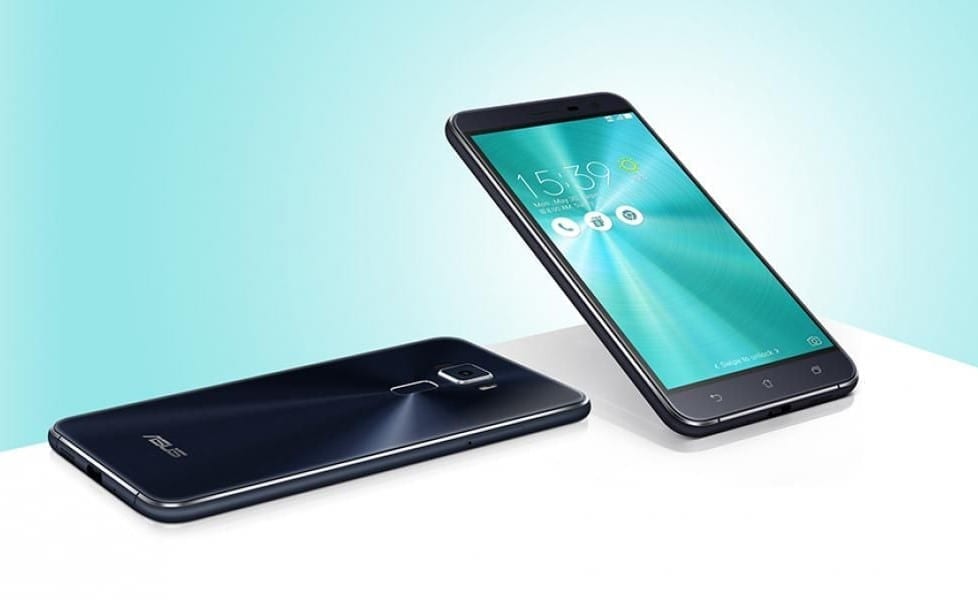
    Asus has chosen the Philippines to launch its Zenfone Concept Store, in Glorietta 2, Makati City.

    Tech brand Asus has chosen the Philippines to launch its Zenfone Concept Store, in Glorietta 2, Makati City.

    More Zenfone concept stores will follow throughout the Philippines next year.

    “Zenfone has become a game changer in the smartphone landscape in the Philippines since being introduced in August 2014,” says Asus Philippines system group country manager George Su.

    The new store features all the latest smartphone releases from the Taiwanese company as well as accessories.

  • Fitness trackers still dominate wearables market

    Fitness trackers still dominate wearables market

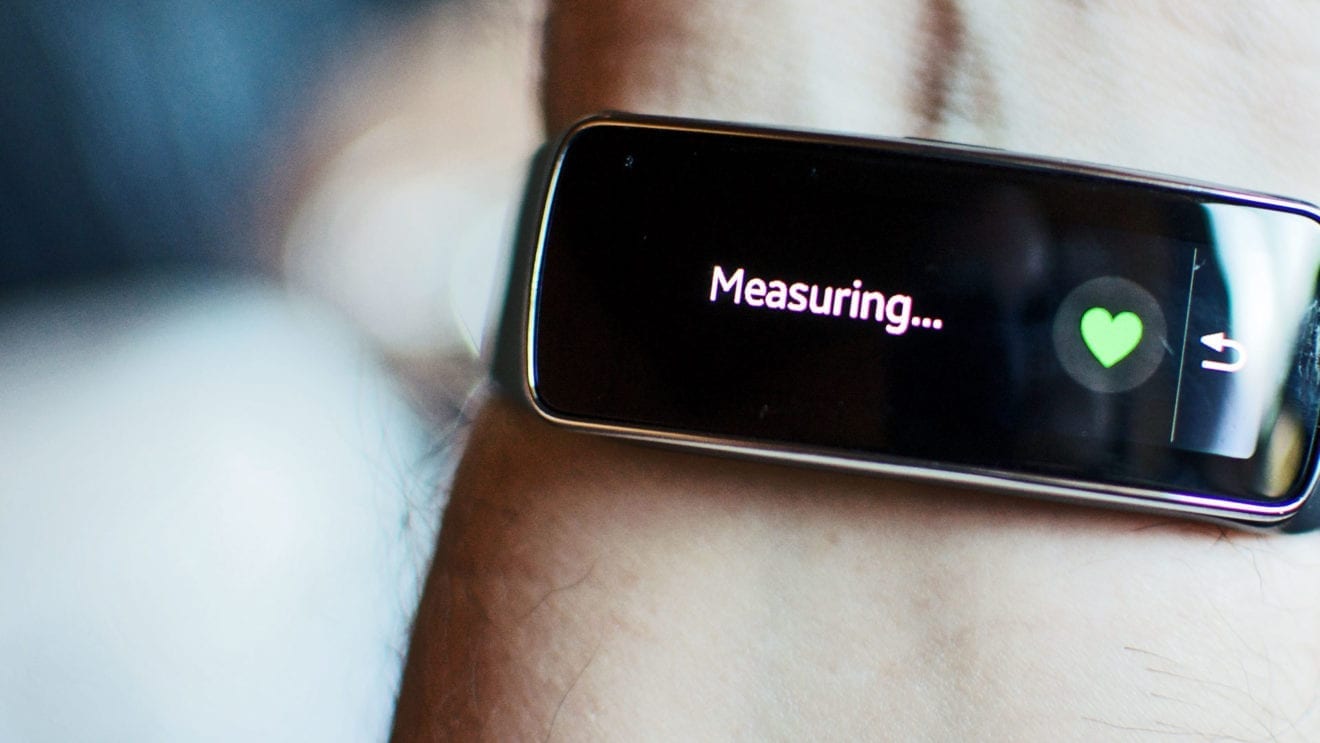
    Basic wearables, primarily comprised of fitness bands, accounted for 85% of the wearables market in the third quarter of 2016, IDC estimates.

    The total market grew 3.1% year-over-year during the quarter, with wearables shipments reaching 23 million.

    IDC said much of the increase in shipments for fitness trackers was attributed to the launch of newer models, an expanding user base, and an enticing summer season that allowed people to step out of their homes.

    The research firm expects the momentum for basic wearables to continue for the remainder of 2016 as the holiday season is now in full swing. However, it said smart wearables capable of running third party apps will likely continue to struggle in the near term.

    “It’s still early days, but we’re already seeing a notable shift in the market,” commented Jitesh Ubrani, senior research analyst for IDC Mobile Device Trackers.

    “Where smart watches were once expected to take the lead, basic wearables now reign supreme. Simplicity is a driving factor and this is well reflected in the top vendor list as four out of five offer a simple, dedicated fitness device. Meanwhile, from a design perspective, many devices are focusing on fashion first while allowing the technology to blend in with the background.”

    Ramon Llamas, research manager for IDC’s Wearables team, also noted that user tastes change, so will their needs.

    “That’s the opportunity for smart wearables with multi-functionality and third-party applications, both for consumers and business users. To get there, we need to see more intuitive user interfaces, seamless user experiences, standalone connectivity, and applications that go beyond health and fitness and into personal and professional productivity,” he said.

    During the quarter, Fitbit once again led the market. IDC expects Fitbit to continue leading the pack in the near term and said that the acquisition of Coin and the potential to expand into the smartwatch category present an opportunity for the company to be more than just a fitness brand.

    Xiaomi’s new Mi Band, on the other hand, includes heart rate tracking and is priced well below any competition, making it more suitable for impulse buying than any other fitness band. Garmin captured the third position as the company with one of the widest portfolios among all the vendors in this market.

    While Apple’s decision to launch its second-generation watches in mid-September did contribute to its year-over-year decline in 3Q16, IDC said the primary reasons for the downturn were an aging lineup and an unintuitive user interface.

    During the quarter, Samsung released two new models, Gear Fit 2 and the Icon X. Around the globe, the company was able to move large volumes of its latest wearables thanks to bundles offered with the Note 7 and other Samsung smartphones.

  • Hong Kong electronics pricing losing edge

    Hong Kong electronics pricing losing edge

    Hong Kong’s reputation as a go-to destination for cheap electronics prices is under threat.

    According to a survey of 72 global markets by South American eCommerce vendor Linio.com, Hong Kong electronics are not the cheapest in the world – in fact in the case of some products, Hong Kong ranks in the middle to most expensive.

    hong-kong-ranking

    Venezuela proved the most expensive market for every one of the 14 products compared, due to out-of-control inflation

    Linio.com’s 2016-17 Technology Price Index takes into account the cost of smartphones, laptops, games consoles, tablets, smart devices, and other gadgets, ranking the countries on the average cost of all products researched.

    The entire table can be viewed online.

    second-most-expensive-countries

    To conduct the research Linio looked at the costs of all products in the study from several brick-and-mortar chain stores and smaller retailers in all major cities in each country. The study also took into account average costs from at least three reputable online outlets in each country. Taxes and other associated purchasing costs, minus delivery, were also accounted for.

    The results, which were ranked in order of average cost of all products researched, reveal that Hong Kong has an overall ranking of 12. Hong Kong also ranks in the top 10 most affordable countries for iPad Mini, Apple Watches, and External Hard Drives.

    “At Linio, we place a high value on transparency with our customers, and we hope that our index helps people more confidently interpret variations in tech price around the world,” said Andreas Mjelde Linio’s CEO. “Increasingly, the average citizen is a global one, and with a better understanding of global markets comes empowerment to travel, shop, and live smarter.”

    most-affordable-countries

  • Apple Korea targets 15pc market share

    Apple Korea targets 15pc market share

    Apple Korea is going head on to Samsung on its home turf, on target to sell 2.9 million iPhones in South Korea this year, giving it a market share of about 15 per cent.

    At the end of last month it had sold 2.6 million iPhones, and is forecasting improved results for the year. Its operating profit has reached more than KRW800 billion (US$684 million) on revenue of KRW3 trillion, according to Yonhap News Agency.

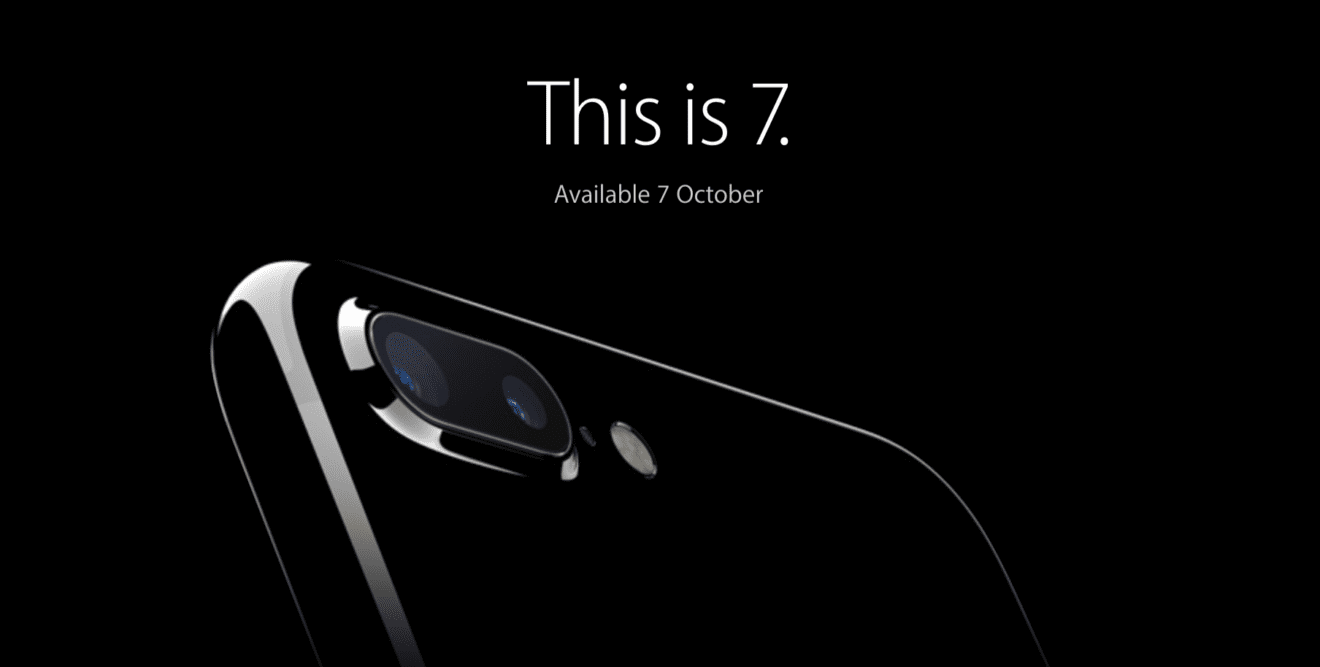
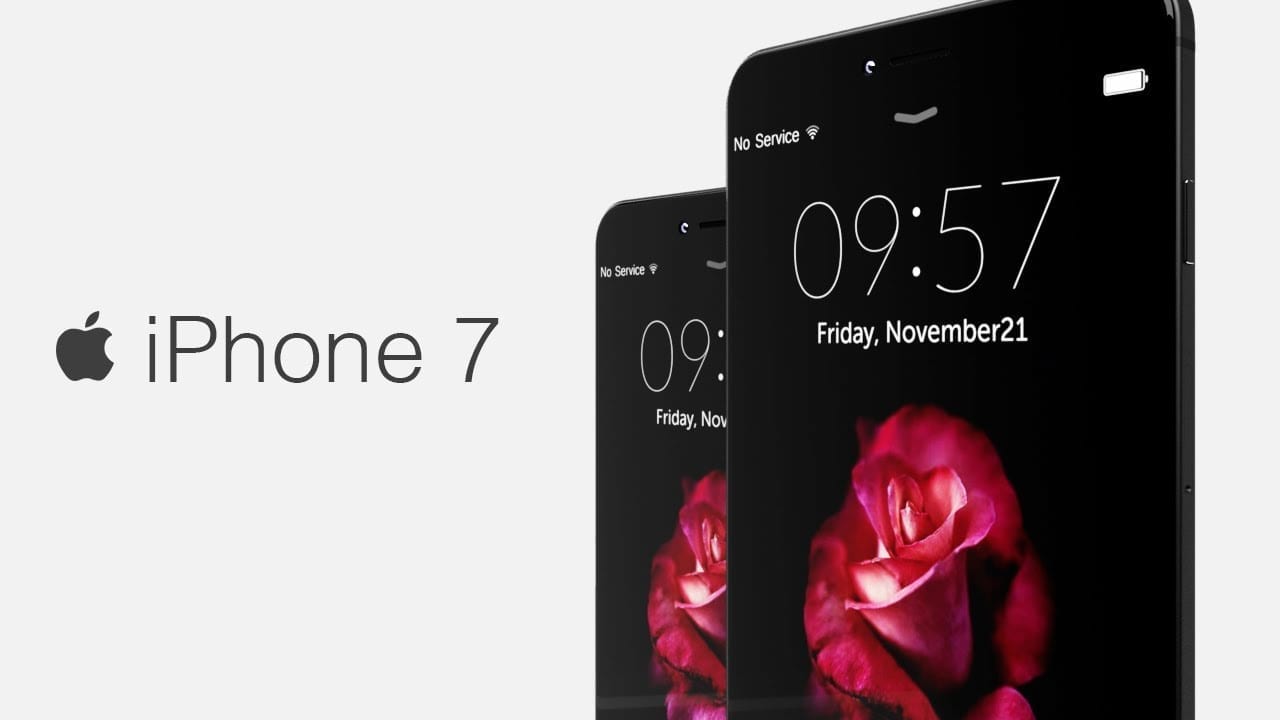
    Sales of iPhones account for more than 75 per cent of Apple’s revenue in Korea, sources say. It launched the iPhone 7 in October with the opportunity to take share from market leader Samsung after its Galaxy Note 7 debacle.

    On top of that, the Cupertino-based tech company is building its first flagship retail store in Seoul, expected to be completed next November, right across the street from Samsung’s headquarters.

    Apple’s market share in Korea peaked at 33 per cent in the fourth quarter of 2014 following the launch of the iPhone 6, according to Counterpoint. Samsung and LG now have a combined market share of more than 80 per cent. LG had a 19 per cent market share in the second quarter of this year.

    South Korea and Japan, where the iPhone had more than a 50 per share for the three-month period ending October 30, are rare growth markets in Asia for Apple. Its iPhone shipments in China plunged 31 per cent to 7.5 million units in the third quarter, with market share falling to 6.2 from 10.3 per cent, according to Strategy Analytics.

    Apple reportedly reduced orders from component suppliers for its iPhone 7 models early this month because of demand being weaker than expected in many markets, including China.

  • Apple tipped for strong growth in South Korea

    Apple tipped for strong growth in South Korea

    Apple Korea is forecast to post improved results for the year, with its operating profit reaching more than KRW800 billion ($684 million) on revenue of KRW3 trillion.

    The vendor is expected to sell 2.9 million iPhones in South Korea this year, giving it a market share of about 15 per cent, sources told the news agency. At the end of November it had sold 2.6 million iPhones.

    Sales of iPhones account for more than 75 per cent of Apple’s revenue in Korea, the local sources said.

    Apple launched the iPhone 7 in the country in October and has the opportunity to take share from market leader Samsung in its home country after its Galaxy Note 7 debacle. The Cupertino-based vendor is building its first flagship retail store in Seoul, which is expected to be completed in November 2017 and is located across the street from Samsung’s headquarters.

    The US vendor’s market share in South Korea peaked at 33 per cent in Q4 2014 following the launch of the iPhone 6, according to Counterpoint.

    Samsung and LG now have a combined market share of more than 80 per cent. LG had a 19 per cent market share in Q2.

    South Korea and Japan, where the iPhone had more than a 50 per share for the three-month period ending 30 October, are rare growth markets in Asia for Apple.

    iPhone shipments in China plunged 31 per cent to 7.5 million units in Q3, with Apple’s market share falling to 6.2 per cent from 10.3 per cent in Q315, according to Strategy Analytics. Earlier this month Apple reportedly reduced orders from component suppliers for its new iPhone 7 models due to weaker than expected demand in many markets, including China.

  • Charging-device producer Anker aims to tap Indonesian market

    Charging-device producer Anker aims to tap Indonesian market

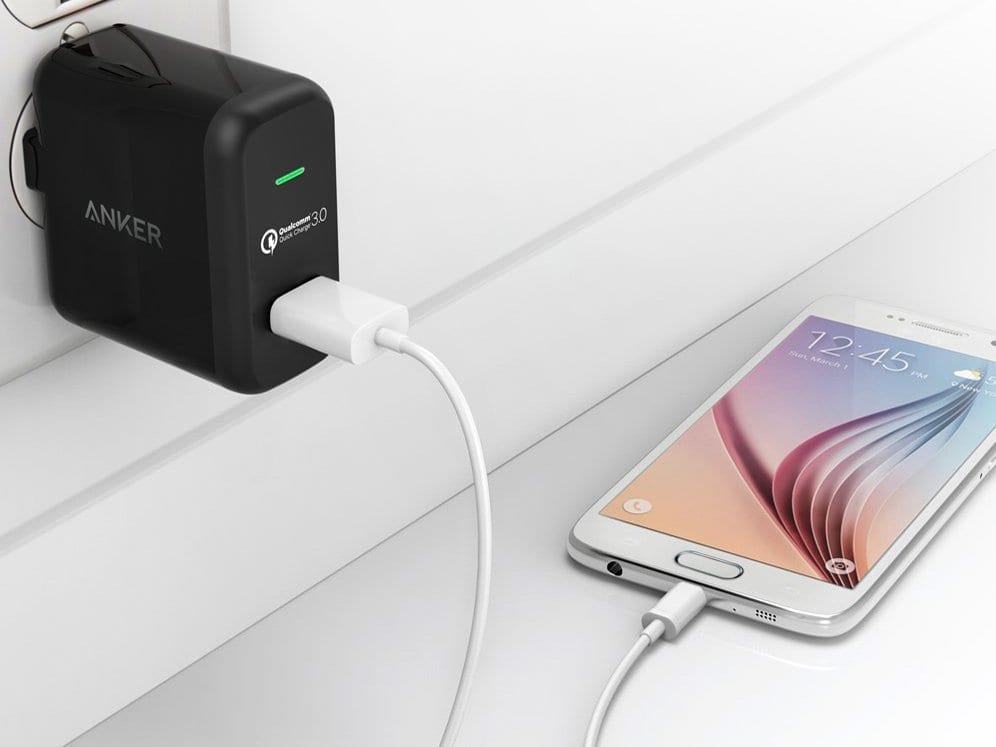
    Anker, a company based in Seattle, the US, and which specializes in USB charging products, has opened an official store in Jakarta, its first in Southeast Asia, in the hope of reaping benefits from the Indonesian market, the largest economy in the region.

    Anker’s regional sales head for Asia Pacific Romeo Luo told that the company had sold more than 300 million products globally this year and hoped to expand its leverage in Indonesia, particularly “with those people who are concerned about quality and safety, not just price.”

    “We are sure that our products can guarantee safety for smartphone users in Indonesia, particularly for high-end brands,” he said in Jakarta on Thursday.

    He said that opening the official store in Indonesia, home to around 250 million people, would be the first step by the brand before penetrating further into other countries in Southeast Asia.

    “I know the speed of the mobile phone sales growth here. The quantity is huge and most of those users will need power banks when stuck in traffic,” he said.

    He said he was confident that the brand could gain popularity in Indonesia, mainly as a result of the lack of similar competitors that exclusively specialized in power-charging products and consumer trends toward accessing social media, which is power consuming.

    Romeo added that by the end of 2017, the firm established in 2011 by former employees of search engine giant Google, expected to open 50 new outlets spread across major cities in Indonesia.

  • DJI Opens Its Second China Flagship Store In Shanghai

    DJI Opens Its Second China Flagship Store In Shanghai

    DJI, the world leader in unmanned aerial vehicle technology, will open the doors of its Shanghai flagship store to the public on December 10, giving residents of China’s largest city the opportunity to explore the creative and professional possibilities that drone technology has brought to the world. 

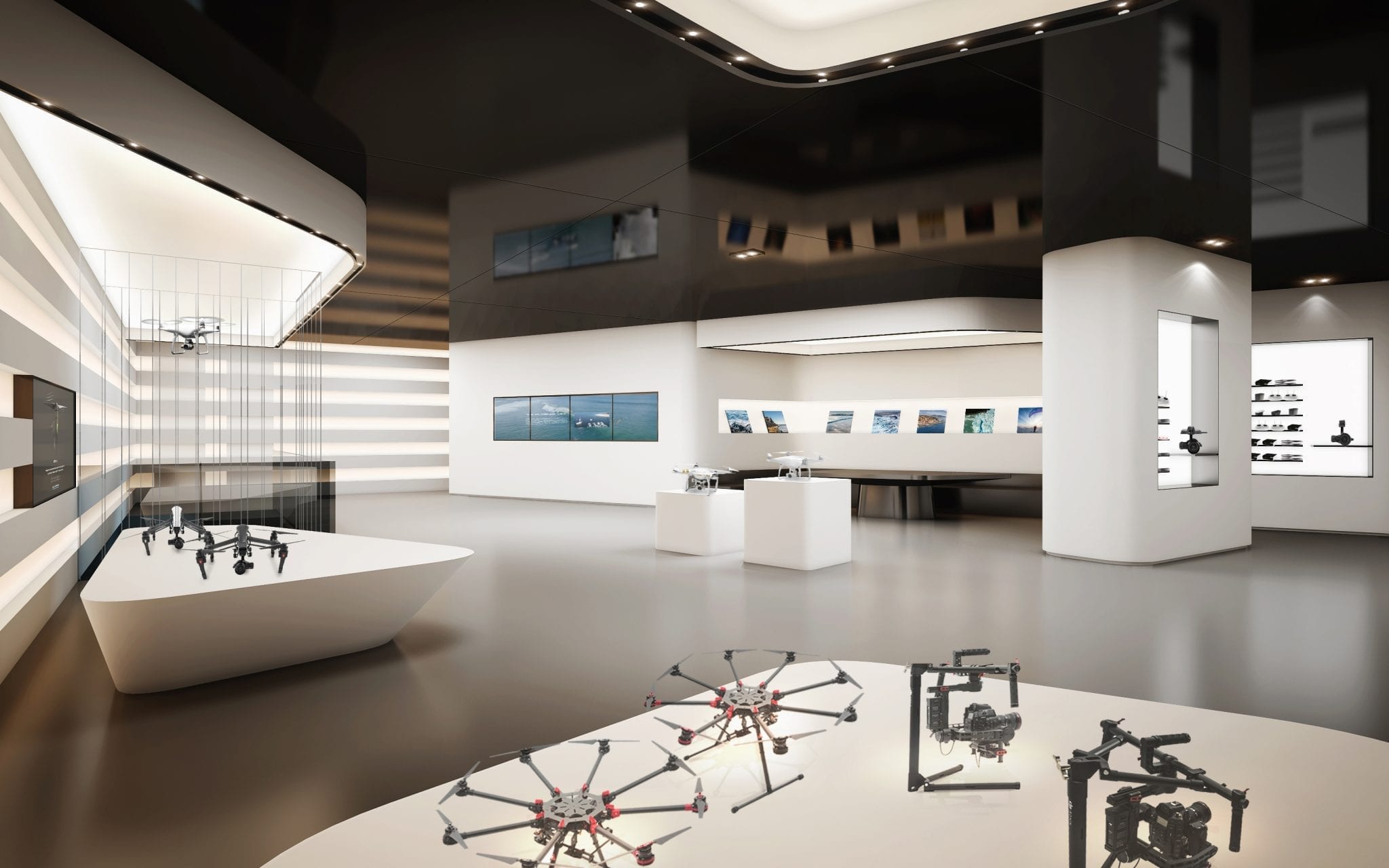
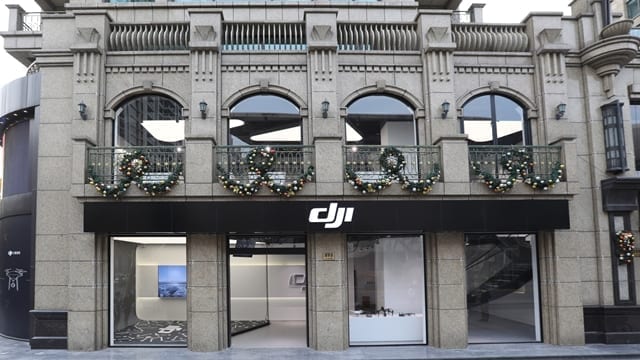
    Located at the center of Shanghai’s busiest shopping, dining and entertainment district in Xintiandi (aka “New Heaven and Earth”), the two-story, 500-square-meters flagship store will display DJI’s full range of aerial platforms and camera products. Drone enthusiasts and novices alike can get hands-on experience with DJI’s market-leading technology, from the foldable yet powerful Mavic Pro personal drone to the latest professional products such as the Phantom 4 Pro and Inspire 2 drones. 

    “2016 is a milestone year for DJI as we celebrate 10 years of imagination, inspiration and innovation,” said Paul Xu, DJI Vice President. “We’ve expanded creative possibilities for professionals, and we’ve made it easier for general consumers to experience the fun and excitement of flight. Our flagship stores have become important touch points for people to discover, learn and be inspired. Our newest Shanghai flagship store will allow us to continue on this path and provide more people the opportunity to experience our aerial technology first hand.”

    The Shanghai flagship store’s building retains traditional Shanghainese architectural elements, combining Western and Chinese design concepts. The outdoor cafes, art galleries and lifestyle boutiques in the surrounding Xintiandi neighborhood also create a vibrant cultural backdrop for the new flagship store.

     The first floor of the DJI Shanghai flagship store will house a 20-square-meters flight cage demonstrating DJI drones in flight, which can also be seen by pedestrians outside the store. Also on the first floor is the Technical Support Center and the DJI Story Corner where visitors can see creative use cases and the evolution of the DJI Story on a curved surface projection screen. The SkyPixel Gallery on the second floor will showcase breathtaking aerial images by photographers from around the world. A dedicated space is also set aside for future customer workshops, photography seminars and special events.

    The DJI Shanghai flagship store will officially open its doors to the public at 12 noon on Saturday, December 10. The first 300 customers can enjoy special discounts when purchasing selected DJI products or bundles on opening day. The first 100 visitors to the store will also receive a limited edition DJI t-shirt.

    In celebration of the store opening, there will be a series of activities and programs throughout the day around the Xintiandi area. Life-size DJI Phantom and Osmo mascots will kickstart the opening celebration with a street parade, flight simulators and virtual reality goggles will be set up for people to experience the thrill of being in the pilot’s seat, and those who want to play the role of a movie director can try out the Osmo+ and Osmo Mobile handheld stabilized gimbals.

    The Shanghai flagship store is DJI’s fourth foray into retail after opening its first flagship store in Shenzhen, China in December 2015, followed by the Seoul, Korea flagship store opening in March and the Hong Kong flagship store opening in September.

    The DJI Shanghai flagship store is located at No. 222 Madang Road, Xintiandi, Shanghai, China. Opening hours of the store are Mon – Sun, 10 am to 10 pm. The Technical Support Center will begin operations the following Monday, December 12, and is opened Mon – Sun, 10 am to 10 pm.

  • DJI Launches Xmas Promotion

    DJI Launches Xmas Promotion

    DJI, the world leader in unmanned aerial technology, Monday launched its Xmas Promotion featuring price reductions, free accessories with purchases and special holiday gifts.

    Whether you are a content creator looking for the best stabilized handheld camera equipment to shoot your next online video or an experienced aerial photographer looking to take your skills to the next level, there is something for everyone to be excited about this holiday season. 

    DJI’s Xmas Promotion will commence December 12, 2016 and end at 4 pm HK time January 5, 2017. The Phantom discount and Osmo bundle promotion will be available on https://campaign.dji.com/xmas, at authorized DJI dealers and in the Shanghai, Shenzhen, Seoul and Hong Kong DJI Flagship Stores. 

    The DJI Xmas Promotion features:

    • Price reductions on select Phantom drone models as detailed in the chart below (excluding Japan and China).
    • Free High Capacity Intelligent Battery with the purchase of the Osmo+ handheld stabilizer or free Intelligent Battery and Osmo Base with the purchase of the Osmo Mobile.
    • All DJI Care service plans are discounted by 12%. For more info and applicable countries, please visit https://store.dji.com/category/service.
    • The first 400 customers who purchase the recently released Phantom 4 Pro or Inspire 2 at store.dji.com/ will receive a special holiday gift which includes a DJI scarf and 3D Christmas card.

    Pricing Details:

    Model


    AUD

    HKD

    TWD

    USD

    (SGP & MYS)

    Phantom 4

    Original Price

    2,099

    9,299

    53,000

    1,279

    Promotional Price

    1,699

    7,999

    37,400

    1,069

    Phantom 3 Professional

    Original Price

    1,699

    7,999

    36,800

    1,070

    Promotional Price

    1,399

    6,499

    30,000

    859

    Phantom 3 Standard

    Original Price

    859

    3,869

    18,300

    530

    Promotional Price

    689

    3,199

    15,000

    429

    Phantom 4 – Obstacle avoidance, intelligent tracking and computer vision, allowing you to experience a simplified flying experience

    The Phantom 4 expands on previous generations of DJI’s iconic Phantom line by adding new on-board intelligence that make piloting and shooting great shots simple through features like its Obstacle Sensing System, ActiveTrack and TapFly. It is the first consumer quadcopter to use highly advanced computer vision and sensing technology, which makes professional aerial imaging easier for everyone.

    For more info: https://www.dji.com/phantom-4 

    Phantom 3 Professional – Smart, responsive and stable, enabling you to unleash your creativity

    The Phantom 3 Professional makes flying remarkably easy so you can shoot like a pro. With GPS-assisted hover, Vision Positioning System, smart features such as Return-To-Home, Point of Interest, Follow Me and real-time flight data, capturing the perfect shot has never been easier. The Phantom 3 Professional is one of the most intelligent, ready-to-fly drone that allows you to unleash all sorts of creative possibilities.

    For more info: https://www.dji.com/phantom-3-pr 

    Phantom 3 Standard – Remarkably intuitive and easy to use, allowing you to enjoy the thrill of flight

    The Phantom 3 Standard makes flying fun and exciting with its powerful, responsive motors. Soar on the path you want, stop in place, speed up, or fly higher in an instant. From takeoff to landing, it’s completely under your control while its onboard intelligent features does all the work, making it the most affordable and easy to fly consumer drone.

    For more info: https://www.dji.com/phantom-3-standard 

    Osmo+ – Control your composition with zoom and capture smooth, cinematic videos

    The Osmo+ allows you to capture motion without blur, action shots without shake and create the perfect video even on the move. It is DJI’s first consumer handheld gimbal with an integrated zoom camera that empower users with a 7× zoom without sacrificing HD quality. This gives you more control over your composition than ever before, allowing you to frame the perfect shot.

    For more info: https://www.dji.com/osmo-plus

    Osmo Mobile – Turn your smartphone into a smart motion camera

    The Osmo Mobile allows you to capture memories and share life’s moments more easily than ever before by turning your smartphone into a motion camera. It can make every moment you shoot look smooth, professional and ready to share. With the DJI GO app, you can automatically track your subject, capture stunning motion timelapses or even stream your moment as it happens.

    For more info: https://www.dji.com/osmo-mobile

    Phantom 4 Pro – An intelligent, easy to use aerial platform for those who demand more from the camera

    The Phantom 4 Pro offers a powerful imaging system for those who demand excellence from the camera. The camera packs a 1-inch 20-megapixel sensor and almost 12 stops of dynamic range to bring out levels of detail even in low-light. Enhanced features include sensing systems on the four sides that help it avoid obstacles, Landing Protection function and newly added subject tracking capabilities.

    For more info: https://www.dji.com/phantom-4-pro

    Inspire 2 – A ready-to-fly platform for professional filmmakers and video creators

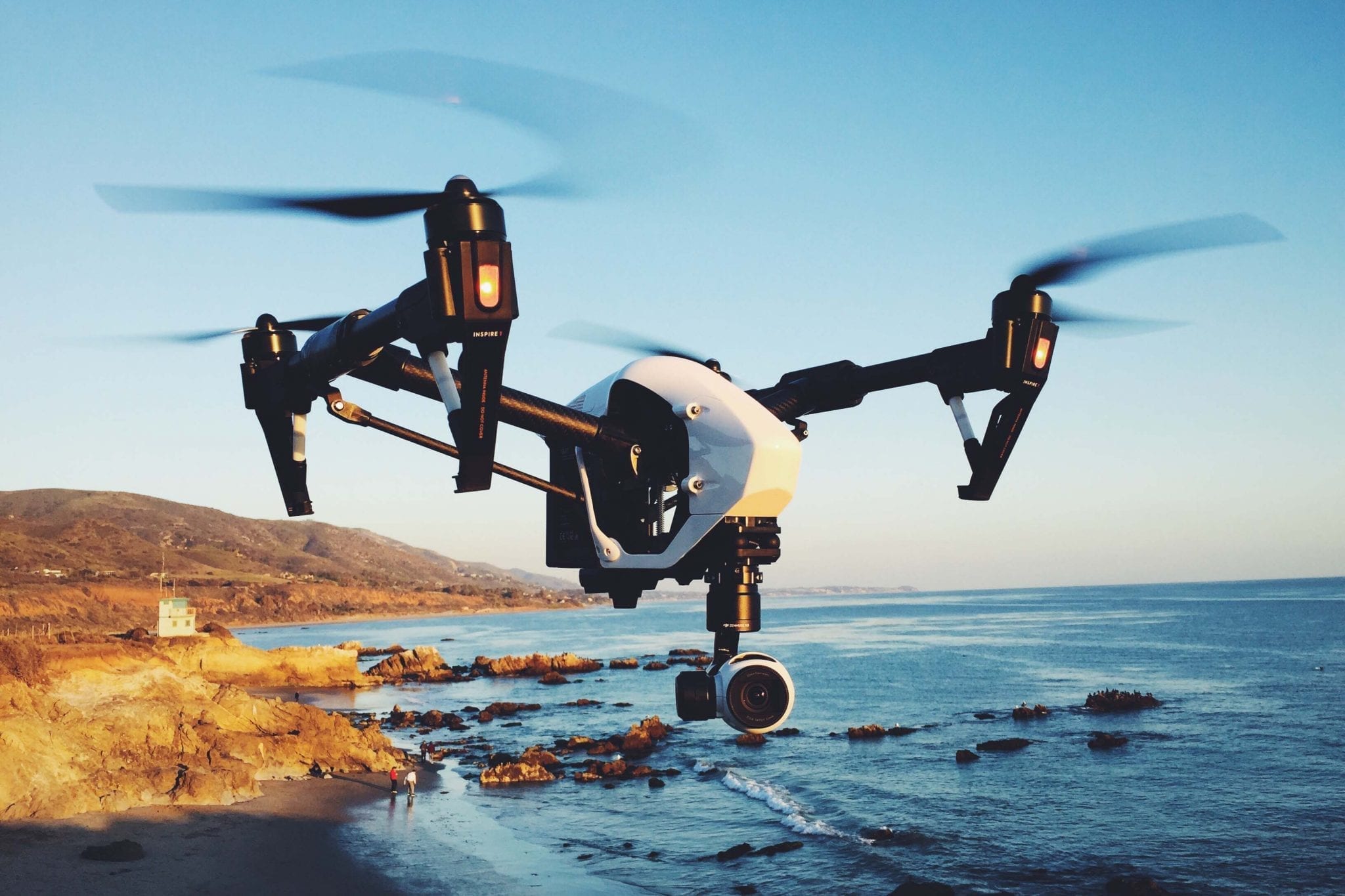
    The Inspire 2 takes everything that was good about the revolutionary Inspire 1 and improves it, with an upgraded camera system, dual intelligent battery, autonomous flight features and added sensors for better obstacle detection. An upgraded video transmission system is now capable of dual signal frequency and dual channel, streaming video from an onboard FPV camera and the main camera simultaneously, for better pilot and camera operator collaboration.

    For more info: https://www.dji.com/inspire-2

  • DJI second China flagship store opens

    DJI second China flagship store opens

    Aerial vehicle technology retailer DJI will open its second China flagship store in Shanghai tomorrow.

    dji-first-floor-product-display

    The two-storey store is in the city’s shopping, dining and entertainment precinct Xintiandi.

    dji-first-floor-enterprise-products

    Covering 500 sqm, it offers the full range of DJI aerial platforms and camera products, offering hands-on experience of its products, including the foldable Mavic Pro personal drone and professional drones Inspire 2 and Phantom 4 Pro.

    dji-first-floor-full-image-2

    Combining Chinese and Western design concepts, the store is surrounded by outdoor cafes, art galleries and lifestyle boutiques. The first floor features a 20 sqm flight cage so drones can be seen in  flight, even by pedestrians passing by the store. There is also a technical support centre and the DJI Story Corner.

    dji-first-floor-accessories

    On the second floor, the SkyPixel Gallery showcases aerial images by international photographers, along with a space for customer workshops, photography seminars and special events.

    To celebrate the store’s opening, there will be activities and programs throughout the day.

    DJI’s first flagship store opened in Shenzhen last year.

  • 44 BKK outlets moving ownership

    44 BKK outlets moving ownership

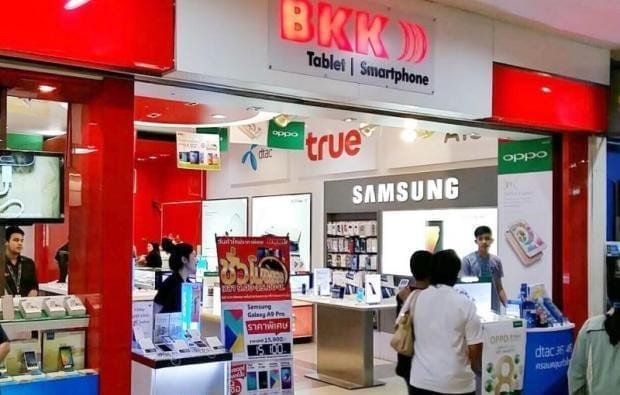
    Bangkok-based IT chain store Com7, under the Banana brand, has taken over 44 BKK outlets from Bangkok Telecom 999.

    The TB184 million (US$5.1 million) deal is a bid by Com7 to drive its expansion into the mid- and entry-level segments.

    “This is our first acquisition for the purpose of pursuing growth,” says Com7 chief executive Sura Khanittaweekul. The roll-out is expected to be completed in the first quarter of next year.

    Com7 will keep the BKK branding on its acquired stores, most of which are in high-density areas. At least 10 of the stores compete directly with Com7.

    BKK Telecom 999 still has 36 BKK branches.

    Sura says the acquisition will enable Com7 to expand more quickly as it will not need to build its own stores. It will be able to tap the mid- and entry-level markets with handsets priced below TB10,000 a unit.

    Com7 aims to expand its retail shops to 500 branches by the end of next year, up from 365. It launched Bananastore.com in August to extend its sale channels online.

  • Huawei opens new concept store

    Huawei opens new concept store

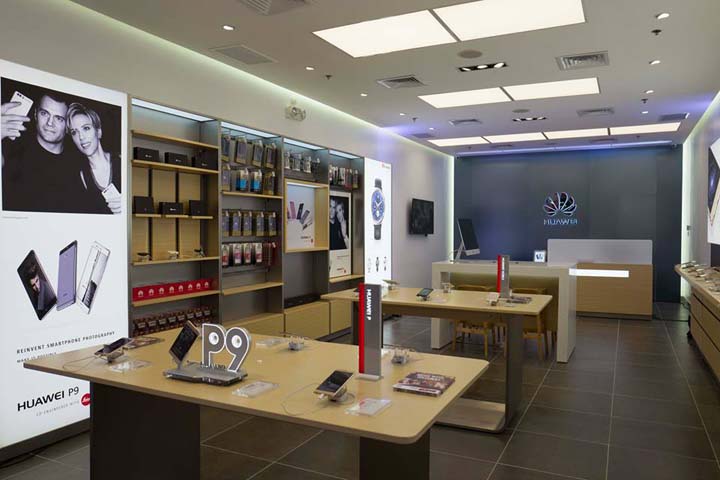
    Huawei introduced a new retail concept in its line-up of experience stores during a recent opening at SM City San Lazaro, Manila. The newly opened branch is the first in the city of Manila and the 44th in the country.

    SI 3.0, the design blueprint of the Huawei SM San Lazaro store is guided by four traits – simple, premium, warm, and comfortable. Relative to its predecessor, the SI 2.0, the new design is marked with wider spaces and lighter ventilation promising an enhanced and more welcoming customer experience.

    “Huawei continues to prove to be a game changer in the smartphone industry this year, and we have big plans to take advantage of this momentum. Our high-end premium phones such as the P9 and Mate 8 have been the drivers of this smashing success. As such, we would like to extend this premium, high-quality identity to consumer experience at our stores,” said Andy Fang, Country Head at Huawei Philippines.

  • Apple’s iPhone 7 Sees Discounting as China Sales Fall

    Apple’s iPhone 7 Sees Discounting as China Sales Fall

    Jun Zhang today reiterates a Neutral rating, and a $102 price target, warning that sales of the iPhone in China, he estimates, are “still weaker than retail channels” as discounting of the phone has popped up across the country.

    iPhone sales, presumably in dollars, he doesn’t specify — fell by 6% in November, and are probably down “slightly” from November this month, as discounting takes hold outside of tight supplies at Apple’s online store:

    Overall iPhone sales in China were down 6% in November and slightly down MoM in November due to some pushes in “single day” sales. In our view, iPh- one 7 sales will continue trending down and many retailers in China have al- ready started discounting ($50) the iPhone 7 in November. iPhone 7 Plus sup- ply is catching up in November, and sales have grown MoM in November. iPh- one 6/6S sales continue to be weak. The 7 Plus model currently accounts for 60% of iPhone 7 sales in China. We started seeing some retailers discounting this model in November. In our view, there is a waitlist if ordered from Apple’s online store, but consumers can easily buy them from local stores and third party retail stores. Since the jet black mod- el has high return rate, Apple might try to control capacity. Overall, we believe iPhone sales in China are still weaker than retail channels expected.

    Zhang also cautions investors not to be mislead if they hear of component orders rising come the March quarter. In his view, “Some noise of Apple increasing orders might come from the iPad instead of the iPhone,” given he sees Apple refreshing the various iPad models in March.