Category: Electronics

Retail News Asia is committed to providing both local and global retailers with the latest Electronics news throughout the Asian market. This on a daily base.

  • Samsung’s Lee Family Wraps Up $7.95B Inheritance Tax Payment: Paves Way for Tech Investment Boom

    Samsung’s Lee Family Wraps Up $7.95B Inheritance Tax Payment: Paves Way for Tech Investment Boom

    The family of the late Chairman of the Samsung Group, Lee Kun-hee, is nearing the completion of a sizeable inheritance tax payment. The amount, approximately 12 trillion won ($7.95 billion USD), is expected to be settled later this month.

    Final Installment

    The heirs, including the Chairman’s widow Hong Ra-hee and their children Lee Jae-yong, Lee Boo-jin, and Lee Seo-hyun, will be making the sixth and concluding payment this month. This plan was initiated in 2021 after the Chairman’s passing in 2020.

    Estate Valuation

    Lee Kun-hee’s estate was estimated to be worth around 26 trillion won, comprising stocks, real estate, and art collections. Hong Ra-hee is shouldering the most significant proportion of the tax, around 3.1 trillion won. The children follow closely behind, each paying between 2.4 to 2.9 trillion won.

    Payment Strategies

    The family members navigated the tax payment through various strategies. Hong and her daughters allegedly sold shares in key Samsung affiliates like Samsung Electronics, Samsung SDS, and Samsung C&T. Hong also entered into a trust agreement earlier this year to sell 15 million Samsung Electronics in an apparent move to cover her portion of the tax.

    In contrast, Samsung Electronics Chairman Lee Jae-yong financed his share of the tax through dividends and personal loans. This approach is perceived as an attempt to maintain his influence over the group’s ownership structure, primarily centered on Samsung C&T.

    Investment Plans

    Over the past five years, the family is estimated to have received about 4 trillion won in dividends from affiliates following Lee Kun-hee’s death, and more than 6 trillion won when considering earlier dividends.

    With the tax nearly settled, the group is predicted to channel more investment into sectors like semiconductors, artificial intelligence, and biopharmaceuticals. The completion of the inheritance tax payments is significant as it coincides with improved earnings at Samsung Electronics and the resolution of legal risks.

    Questions & Answers

    What was the total worth of Lee Kun-hee’s estate?
    The estate, which comprised stocks, real estate, and art collections, was estimated to be worth around 26 trillion won.

    How did the Lee family manage to pay off the inheritance tax?
    The family used various strategies to pay the tax. This included selling shares in key Samsung affiliates and gaining dividends. Lee Jae-yong also utilized personal loans.

    What is the expected future investment direction of the Samsung Group?
    With the tax nearly settled, the Samsung Group is expected to increase investment in sectors like semiconductors, artificial intelligence, and biopharmaceuticals.

  • Apple Slashes App Store Commission Fees in China: A Big Win for Developers and Consumers

    Apple Slashes App Store Commission Fees in China: A Big Win for Developers and Consumers

    Apple will decrease the commission fees it collects from App Store transactions in mainland China, marking a substantial victory for Chinese developers. This decision comes in response to the perceived pressure from regulators in the U.S. technology behemoth’s second-largest market.

    Lowered Commission Fees

    Beginning Sunday, the California-based company will reduce fees for in-app purchases and paid transactions to 25%, down from the present 30%, according to a statement on the company’s website. For developers in Apple’s small business and mini apps partner programmes, in-app purchase transaction fees will be decreased to 12% from the current rate of 15%.

    The term ‘mini apps’ denotes smaller applications that function within a larger parent application, such as Tencent’s WeChat.

    Significant Impact for Chinese Developers

    This change is a significant advancement for Chinese app developers, including operators of ‘super apps’ such as Tencent and ByteDance, the owner of TikTok. These platforms offer numerous smaller apps developed by third-party creators.

    The reduction could potentially save Chinese developers more than 6 billion yuan (US$873 million) in annual operating costs. The measure has been presented as a win for Chinese digital consumers.

    Improved Consumer Choices

    The adjustment will enhance consumer choices and information transparency. The premium for digital goods and services within iOS will gradually decrease, and prices for membership subscriptions, game charges, live broadcast tips, mini programs, and other scenarios are predicted to drop, potentially saving consumers up to nearly 1 billion yuan per year.

    Global Scrutiny of Apple Tax

    The 30% ‘Apple Tax’ continues to be a significant target of regulatory scrutiny worldwide. In the U.S., Apple permits users to pay in-app fees using alternative payment methods, while the EU implemented new legislation in 2024 that mandated Apple to reduce commission fees to a range of 10% to 17% for developers.

    In China, Apple has been in discussion with the IT ministry and other departments about reducing their fees.

    World Consumer Rights Day

    The reduced commission fees will take effect on World Consumer Rights Day, a day often marked by Chinese state media spotlighting domestic and foreign companies accused of consumer rights violations. Apple was targeted by this campaign in 2013, when its after-sales service was criticized, compelling the company to issue a public apology.

    Going forward, the Chinese government may require Apple to collect App Store revenues within China, rather than overseas, and increase regulatory oversight of foreign apps published in China.

    Previously, Apple has removed apps such as virtual private networks (VPNs) from its China App Store at the Chinese internet regulators’ request.

    International Developers Also Benefit

    Apple’s fee reduction also extends to international developers whose apps are available on the China App Store. As an example, Duolingo, the highest-grossing education app in China, stands to save a substantial amount of money given its annual revenue from the Chinese market is around US$50 million.

    Questions & Answers

    What is the new commission fee rate for in-app purchases and paid transactions in mainland China?
    The new commission fee rate in mainland China is being reduced to 25% from the previous 30%.

    Who stands to benefit from these reduced commission fees?
    Chinese developers and operators of ‘super apps’ such as Tencent and ByteDance, along with international developers with apps available in the China App Store, will benefit from these reduced commission fees.

    When will the fee reduction take effect?
    The fee reduction will take effect on World Consumer Rights Day, which falls on Sunday.

  • Sony Battles $2.7 Billion UK Lawsuit over Alleged PlayStation Store Monopoly

    Sony Battles $2.7 Billion UK Lawsuit over Alleged PlayStation Store Monopoly

    Sony, the Japanese multinational conglomerate, is currently battling a lawsuit worth nearly £2 billion (approximately US$2.7 billion) in London. The lawsuit alleges that Sony has used its monopoly positioning to inflate prices for digital games. This litigation is one of the latest mass consumer cases to be tried in the United Kingdom.

    Sony is being accused of manipulating its market dominance by making digital games and console add-ons available exclusively through its PlayStation Store. As a result, prices for these digital commodities are allegedly higher compared to their physical counterparts. Sony maintains that it has invested significant resources, time, and billions of dollars into developing an integrated gaming platform that is beneficial to consumers. Sony asserts that their business model, which rivals that of fellow gaming giants Nintendo and Microsoft’s Xbox, is competitive and fair.

    Sony’s legal team has also argued that the profit margin from the sales of games and additional content is reasonable. They state that the lawsuit does not take into account the company’s operating costs and the value of its brand.

    The Ongoing Lawsuit

    This case, which was brought before London’s Competition Appeal Tribunal (CAT) on behalf of nearly 12 million UK residents, is the third of its kind against a major tech company to go to trial since the beginning of 2025.

    Alex Neill, who is spearheading the case, stated that gamers have been overpaying and should be entitled to a monetary reimbursement. Initially, the case was estimated to be worth up to £5 billion, but this has since been scaled down to £1.97 billion.

    According to Robert Palmer, the lawyer representing Neill, Sony is able to set retail prices without any retail competition for digital content, enabling it to earn monopoly profits from digital distribution. However, Sony, which sold 8 million PlayStation 5 consoles between October and December, refutes this claim. The company argues that the lawsuit is essentially advocating for third parties to be permitted to establish a store for the PlayStation and capitalize on Sony’s investments.

    Other Pending Cases

    Apart from this, there are other lawsuits related to app stores that are still pending. Last year, the Competition Appeal Tribunal ruled against Apple over its App Store, a verdict which Apple is currently attempting to appeal.

    Google is also facing a lawsuit, with the trial set to begin in October. Epic Games, the creator of Fortnite and a potential participant in this case, recently withdrew its claim. This development occurred shortly after Google announced comprehensive changes to its Play Store policies.

    Questions & Answers

    What is Sony being accused of in the lawsuit?
    Sony is accused of abusing its dominant market position by making digital games and console add-ons available exclusively through its PlayStation Store, thereby allegedly driving prices higher than their physical counterparts.

    What is Sony’s response to these allegations?
    Sony maintains that it has invested significant resources into developing an integrated gaming platform that benefits consumers in a competitive market. Its legal team also argues that the company’s profit margin on game sales and additional content is reasonable.

    Are there any similar lawsuits against other tech companies?
    Yes, there are other similar lawsuits pending against tech giants like Apple and Google. Last year, the Competition Appeal Tribunal ruled against Apple over its App Store, a decision that Apple is currently seeking to appeal. Google is also set to face a lawsuit in October.

  • Google Photos Upgrade: New Toggle Empowers User Control over Fast or Intelligent Searches

    Google Photos Upgrade: New Toggle Empowers User Control over Fast or Intelligent Searches

    In response to user feedback, Google has announced modifications to the Google Photos app, providing users with greater control over their search results. Users can now opt between the traditional ‘fast search’ function and the more advanced ‘Ask Photos’ results. To facilitate this choice, a new toggle feature has been incorporated into the Google Photos app, allowing users to effortlessly switch between the two options.

    Enhanced Search Options

    Fast Search, also known as ‘Classic Search,’ employs a keyword-based tool, providing users with instant responses. Google cites this search mode as the optimal choice for straightforward inquiries such as “beach 2022” or “cat photos.”

    On the other hand, the ‘Intelligent mode’ or ‘Ask Photos’ utilizes the more advanced Gemini 3 AI models. This makes it a powerful search option, albeit slower than Classic Search, as the models must analyse your entire photo library. This search mode is more suitable for complex queries such as “Show me the day we brought our puppy home” or “What was the name of that street in Manhattan we walked across after the blizzard in New York?”

    Google assures that it will provide results using the search method most suitable for your specific query. However, the new toggle feature allows users to switch views at will, ensuring they receive the desired search results. The Google Photos app, available on both Android and iOS, will soon include this new toggle feature.

    Recognizing the Toggle Feature

    The new toggle feature can be easily identified on the left side of the display, just under the “Back” arrow. When Classic Search is active, the toggle is off and the AI Mode icon (depicted as a magnifying glass with a Gemini spark) appears in white on a gray button. Conversely, when the Ask Photos function is activated, the toggle is white, with the AI Mode icon appearing in blue on a button encased in a blue pill.

    Questions & Answers

    What is the new feature in the Google Photos app?
    Google has introduced a new toggle feature in its Photos app that allows users to switch between ‘Classic Search’ and ‘Ask Photos’ modes.

    How does the ‘Classic Search’ function work in Google Photos?
    ‘Classic Search’ is a keyword-based tool that provides users with instant responses, ideal for straightforward searches.

    What makes the ‘Ask Photos’ function different from ‘Classic Search’?
    The ‘Ask Photos’ function utilizes the Gemini 3 AI models, making it a powerful but slower search option. It’s designed for more complex queries that require an analysis of the entire photo library.

  • Embrace the Modern: Google Maps Unveils Fresh Icon Design on Android and iOS

    Embrace the Modern: Google Maps Unveils Fresh Icon Design on Android and iOS

    Google Maps, one of Google’s most popular apps and a fixture on the first-generation iPhone, has undergone another update. In its pursuit of continual improvement, Google has added new features and refined the app’s user interface over the years. Now, the tech giant has updated the Maps app icon for both Android and iOS versions.

    A Modern Look for Google Maps

    The new icon continues to feature the recognizable “pin” symbol, but its design has been significantly modified. The most prominent change is the color gradient that seamlessly transitions from one shade to another. This is a departure from the previous icon, which showed a diagonally placed “pin” with separate, differently colored boxes (blue, green, yellow, and red). The revamped “pin” is also larger, with the circle within it having increased in size. Consequently, the top ring of the pin has become much thinner.

    If you recall the Google Maps icon on the first iPhone, it depicted two intersecting lines, representing roads, with a red pin and a sign for Highway 280. Subsequently, the icon evolved into a folded map featuring blue, green, yellow, and white blocks, with a red pin to the right and a lowercase “g” in the upper left corner. The Android version of the app icon was similar but replaced the “g” with a capital letter.

    New Icon for Google Maps on iOS or Android

    The new icon should be visible in version 26.09.06.873668274 of Google Maps for Android users and version 26.09.5 for iOS users. If you are yet to see the new design, you may need to update your Google Maps app.

    For Android users, this can be done by opening Google Play Store, tapping on the profile icon in the right corner, selecting “Manage apps & device”, and viewing “details”. You can then scroll down to find Google Maps, and if an update is available, tap on “Update”.

    For iOS users, the process involves opening the App Store, tapping on the profile icon in the right corner, selecting “Updates”, and scrolling down to find Google Maps. If there is an update available, tap on the “Update” button.

    After the update, the new Google Maps icon should be visible on your phone, signifying a more modern-looking Google Maps.

    A Brief History of Google Maps

    For many, Google Maps has been an essential tool since its inception. I first used the app in 2007 on my iPhone. In 2009, I experienced Google Maps with turn-by-turn directions on the Motorola Droid, the first phone equipped with Android 2.0. It felt revolutionary at the time and was one of the key selling points for the Droid and other Android phones. It wasn’t until December 2012 that this feature was finally added to the iPhone.

    Questions & Answers

    What is the most notable change in the new Google Maps icon?
    The new icon features a color gradient, transitioning smoothly from one shade to another. This replaces the previous design of separate, differently colored boxes. The “pin” is also larger, with an enlarged circle inside it, making the top ring of the pin thinner.

    How can I update the Google Maps app to see the new icon?
    For both Android and iOS users, you may need to update the app through Google Play or the App Store. If an update is available, select “Update” and the new icon should appear once the update is complete.

    When was turn-by-turn navigation first introduced in Google Maps?
    Turn-by-turn navigation was first introduced on the Motorola Droid in 2009, which operated on Android 2.0. This feature was later added to the iPhone version of the app in December 2012.

  • Apple Preps for Stable iOS 26.3 Update as iOS 26.4 Beta 2 Launches: No Siri Overhaul, but Exciting New Features Await

    Apple Preps for Stable iOS 26.3 Update as iOS 26.4 Beta 2 Launches: No Siri Overhaul, but Exciting New Features Await

    Upcoming iOS Updates to Include Minor Improvements

    Apple users who are currently using stable iOS 26.3 might have noticed that a minor update, iOS 26.3.1, is currently under testing. This update is projected to roll out within the next fortnight. Primarily, it’s expected to be a minor adjustment aimed at rectifying a bug or patching a potential software vulnerability.

    The release of iOS 26.3.1 might coincide with the launch of the lower-priced iPhone 17e model, which is expected to hit the market during the first week of March. In anticipation of the release of some Siri 2.0 features in iOS 26.4, as previously stated by Apple, some iPhone users installed iOS 26.4 Beta 1 in hopes of getting an early preview of an enhanced Siri. However, this move was unfruitful as Apple launched iOS 26.4 Beta 1 without any Siri AI improvements.

    Regrettably, I was one of the iPhone users who installed iOS 26.4 Beta 1 only to find that the advancements to Siri 2.0 had been delayed. The expectation now is that some of the new features for Siri will be introduced with iOS 26.5, which is due in May. The significant upgrade to Siri that will transform the digital assistant into a chatbot akin to ChatGPT and Gemini, however, is expected to land later in the year with the release of iOS 27 in September.

    The Playlist Playground

    The next stable update, iOS 26.4, is projected to arrive in late March or early April. Despite the likely absence of major changes to Siri, this update will introduce some exciting features like the Playlist Playground, a feature that debuted with iOS 26.4 Beta 1. This feature will allow users to generate a 25-song playlist based on a text prompt. The chip containing Apple’s recommended playlist requests can be tapped by users. If the generated playlist doesn’t meet your liking, there are options to refine it further by adding instructions, such as excluding a particular genre or enhancing a certain sound.

    End-To-End Encryption for Cross-Platform Messaging

    Apple has also begun testing end-to-end encryption (E2EE) for RCS. Initially, when iOS 26.4 Beta 1 was released, E2EE RCS testing was restricted to messages sent between two iPhones with iMessage disabled. However, with the release of iOS 26.4 Beta 2, Apple has started allowing cross-platform RCS messaging between iOS and Android devices, protected with E2EE. Users of the latest Beta 2 release are now seeing a “lock icon” while texting a compatible Android phone. However, E2EE cross-platform RCS messaging is not expected to arrive on a stable iOS build until the release of iOS 26.5 or iOS 26.6.

    Questions & Answers

    When is the release of iOS 26.3.1 expected?
    The release is expected to happen sometime within the next two weeks.

    What are the new Siri 2.0 features expected in iOS 26.4?
    Despite initial expectations, it appears that major changes to Siri have been delayed and are now expected to be introduced in iOS 26.5.

    What is the Playlist Playground feature in iOS 26.4?
    This feature allows users to generate a 25-song playlist based on a text prompt, with options for further refinement based on user instructions.

  • Oppo Outpaces Samsung: Next Flagship Phone May Introduce Game-Changing Qi2 Magnetic Wireless Charging

    Oppo Outpaces Samsung: Next Flagship Phone May Introduce Game-Changing Qi2 Magnetic Wireless Charging

    Wireless charging continues to be a topic of contention for modern smartphone users. The feature provides the convenience of powering up your device without the need for cables. However, past experiences have proven to be less than satisfactory. This started to shift with the introduction of Apple’s MagSafe, leading to the development of Qi2. The latter is anticipated to gain more widespread acceptance in the near future.

    Potential Adoption of Qi2 by Oppo

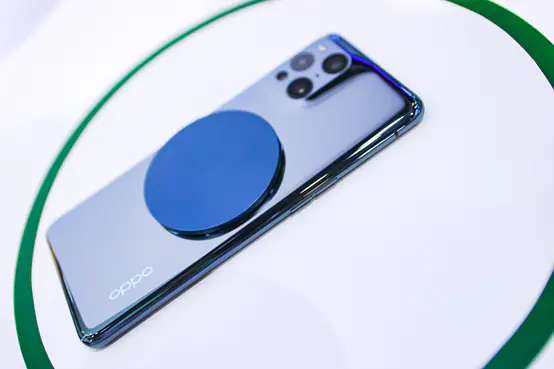
    The launch of the Oppo Find X10 series is anticipated to be months away, but initial whispers about the device have begun to circulate. Speculation suggests that the new smartphone may incorporate magnetic wireless charging. The exact features are not clear at this time, but there is a possibility that the device could support Qi2 upon its launch in the latter half of 2026.

    Assuming these rumors hold true, Oppo will be the first Chinese smartphone manufacturer to incorporate magnets into their device. This will enable the Find X10 series to be compatible with the magnetic accessories that are part of Apple’s MagSafe and Google’s Pixelsnap ecosystem. However, there is still uncertainty as to whether the devices will support the latest Qi2.2 standard.

    Missed Opportunity by Samsung

    Apple and Google are currently the only major brands that offer smartphones equipped with built-in magnets. Samsung had been rumored to include native Qi2 support in their upcoming flagship, the Galaxy S26 Ultra. Despite this, recent leaks of potential official cases for the device suggest that there will not be integrated magnets.

    Apple stands as a pioneer in terms of magnetic wireless charging, having introduced MagSafe with the iPhone 12 series. Google has followed suit, launching its Pixelsnap system with the Pixel 10 series. However, no other major brand currently supports built-in magnetic charging.

    Samsung’s Galaxy S25 series and the Galaxy Z Fold 7, Galaxy Z Flip 7, and Galaxy Z Flip 7 FE are all Qi2-Ready. This means that users can purchase a Qi2-Ready case for these devices and take advantage of the improved charging speeds provided by the magnets in the case.

    The Oppo Find X9 series, which includes the Find X9 Pro and the upcoming Find X9 Ultra, support wireless charging. However, they do not have magnets and are not Qi2-Ready. Despite this, the Find X9 Pro outperforms the wireless charging speeds of the Galaxy S25 by offering 50W wireless charging, as opposed to Samsung’s 15W.

    While Oppo is not available in the US, OnePlus, another brand under the same company, is sold stateside. If past trends hold, we may see features from the Find X series make their way to OnePlus devices. This could be a major selling point for a brand that has been struggling recently.

    Questions & Answers

    What is the expected feature of the Oppo Find X10 series?
    The Oppo Find X10 series may include magnetic wireless charging, potentially supporting Qi2.

    Which major brands currently offer smartphones with built-in magnets?
    Currently, only Apple and Google offer smartphones with built-in magnets.

    Do the Oppo Find X9 series devices support wireless charging?
    Yes, the Oppo Find X9 series devices do support wireless charging, but they do not have built-in magnets, nor are they Qi2-Ready.

  • Sony Teases New Color Reveal for WH-1000XM6 Headphones: Is Sandpink the Next Big Thing?

    Sony Teases New Color Reveal for WH-1000XM6 Headphones: Is Sandpink the Next Big Thing?

    Sony has had a packed schedule in recent weeks, with the launch of the LinkBuds Clip in the previous month, a teaser for the anticipated debut of its high-end earbuds and the first speculations about the Xperia 1 VIII and Xperia 10 VIII smartphones. Adding to the excitement, Sony has issued another teaser for a unique product.

    New Color Option for Sony WH-1000XM6

    Sony recently posted a brief six-second YouTube video teasing a new pair of headphones. The clip, titled “Your heart (and ears) will be set on us when you see this,” displays a rose-tinted cloth cascading over a set of headphones.

    Regrettably, the teaser doesn’t disclose the specific model hidden under the cloth, only hinting that something is “coming” on February 12, 2026. Much like last week’s promotional teaser for the WF-1000XM6 earbuds launch, the new video doesn’t provide any additional details.

    It appears unlikely that the video is teasing an entirely new headphone model. Instead, it’s more probable that it’s hinting at a Sandpink variant of the WH-1000XM6. Initial claims suggested that the new color could pertain to Sony’s forthcoming earbuds. However, these assertions were later clarified, stating the new shade was for the over-the-ear headphones. The release of the new video appears to substantiate these claims.

    The date and time unveiled in the new teaser aligns with the premiere of Sony WF-1000XM6, which is scheduled for 8am PT on Thursday, February 12. While the new earbuds will feature a redesign, they will initially only be available in black and white. Nonetheless, the possibility of a Sandpink model being released at a later date remains open.

    Similarities with Predecessors

    Apart from the design alterations, the WF-1000XM6 is likely to bear notable similarities with its forerunners. A recent leak suggested that the earbuds could include a new processor and speaker but offered little in terms of additional features. This might make it challenging for Sony to contend with competitors such as the AirPods 3 Pro, Samsung’s Galaxy Buds 3 Pro, and the yet-to-be-released Galaxy Buds 4 and Buds 4 Pro.

    Attracting a Broader Market

    If a splash of color can catalyze iPhone sales in China, why couldn’t it have a similar effect on Sony’s headphone sales? While not everyone may be a fan of pink gadgets, a considerable number of consumers may appreciate the added variety.

    Questions & Answers

    What is Sony’s new teaser about?
    The new teaser is likely about a Sandpink version of the WH-1000XM6 headphones.

    When is the new product expected to be launched?
    The new product is anticipated to be released on February 12, 2026.

    What changes can be expected in the WF-1000XM6 earbuds?
    The WF-1000XM6 earbuds may feature a new processor and speaker in addition to a design overhaul. However, they will initially only be offered in black and white.

  • Viettel Spearheads Vietnam’s Tech Revolution with Groundbreaking Semiconductor Chip Fabrication Plant

    Viettel Spearheads Vietnam’s Tech Revolution with Groundbreaking Semiconductor Chip Fabrication Plant

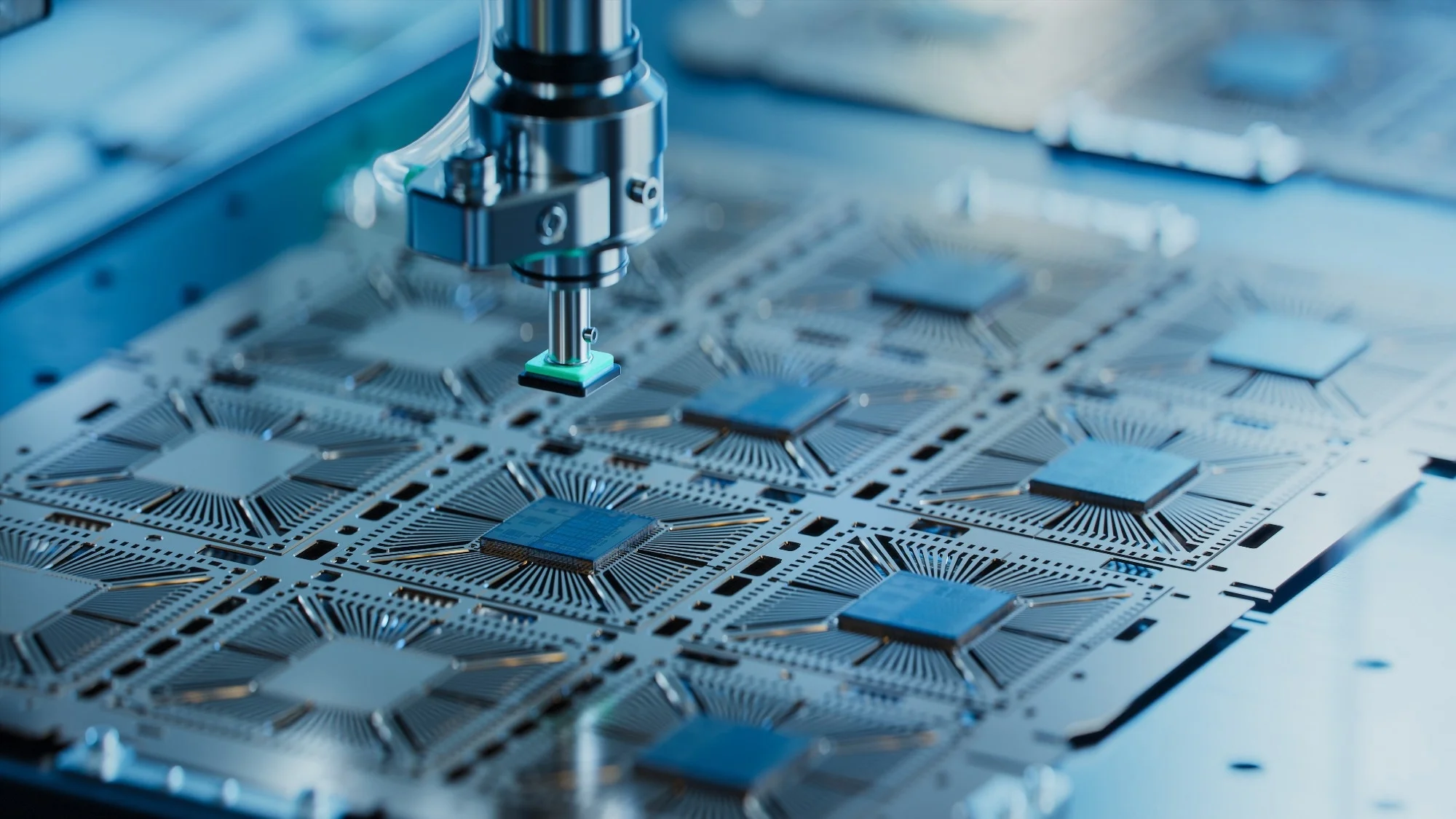
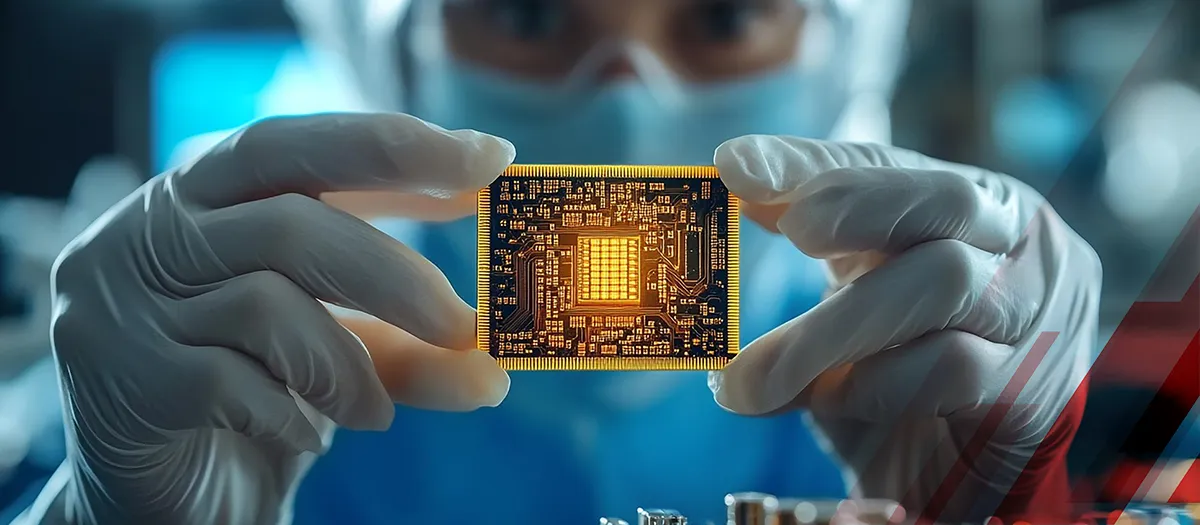
    Viettel Group, a Vietnamese multinational telecommunications corporation, has recently launched the initialization phase of building the country’s first semiconductor chip fabrication plant. This ambitious venture, endorsed by the Ministry of National Defense, is a part of a governmental initiative to indigenize chip production capabilities. The project is aimed at developing a comprehensive domestic ecosystem for semiconductor technologies.

    Plant Details and Its Impact

    The prospective plant will be based in Hanoi, within the Hoa Lac Hi-Tech Park, spread across an area of approximately 27 hectares. Its intended purpose is to serve as a national hub for a variety of processes including research, design, testing, and the actual production of semiconductor chips.

    Upon becoming operational, the plant is expected to bolster several national industries, including aerospace, telecommunications, the Internet of Things (IoT), automotive manufacturing, medical devices, and automation, among others.

    Filling the Gap in the Production Process

    The process of creating a fully functional semiconductor chip necessitates six primary stages: product definition, system design, detailed design, chip fabrication, packaging and testing, and integration and testing. To date, Vietnam has engaged in five of these steps, with chip fabrication—the most intricate and crucial stage—remaining unattained domestically. The establishment of the proposed semiconductor chip fabrication plant will enable Vietnam to close this gap, allowing it to complete the full spectrum of the semiconductor chip production process.

    The Prime Minister of Vietnam, Pham Minh Chinh, emphasized the significance of the project, stating that the groundbreaking of the country’s first high-tech semiconductor chip fabrication plant is a momentous event. It signifies a step towards achieving the national strategy for the development of the semiconductor industry and sets the foundation for Vietnam to integrate more deeply into the global value chain through advancements in science, technology, and innovation.

    Training and Workforce Development

    In addition, the plant is expected to function as a practical training center for the semiconductor workforce, merging training with an authentic production environment. As a part of the National Semiconductor Strategy, Vietnam is planning to train 50,000 chip design engineers by 2030, with an aim to cultivate a workforce of over 100,000 individuals in the semiconductor industry by 2040.

    The CEO of Viettel Group, Lieutenant General Tao Duc Thang, emphasized that the plant’s construction would be completed, technology transfer received, and pilot production initiated all by the end of 2027.

    Future Aspirations

    The fabrication plant project will unfold between 2026 and 2030, incorporating plant construction, technology transfer, process perfection, and improved operational efficiency. The project’s long-term vision includes the expansion of the Hoa Lac plant, which would provide a platform for Vietnam to gradually access more advanced semiconductor technologies.

    The launch of this high-tech semiconductor chip fabrication plant is a significant step in Vietnam’s journey towards building technological capabilities, contributing to the country’s objective of technological self-reliance and lasting sustainability.

    Questions & Answers

    What is the purpose of the semiconductor chip fabrication plant?
    The plant will serve as a national hub for research, design, testing, and production of semiconductor chips, supporting numerous national industries.

    What is the timeline for the plant’s construction and operation?
    The plant is expected to be constructed, receive technology transfer, and begin pilot production by the end of 2027. The period from 2028 to 2030 will focus on process optimization and efficiency improvements.

    How will the plant contribute to workforce development in Vietnam?
    The plant will also serve as a practical training center for the semiconductor workforce, attempting to train 50,000 chip design engineers by 2030, and aim for a workforce of over 100,000 in the industry by 2040.

  • Taiwan’s Nomura Holdings Surprises Employees with iPhone 17 Pro Max at Grand Year-End Celebration

    Taiwan’s Nomura Holdings Surprises Employees with iPhone 17 Pro Max at Grand Year-End Celebration

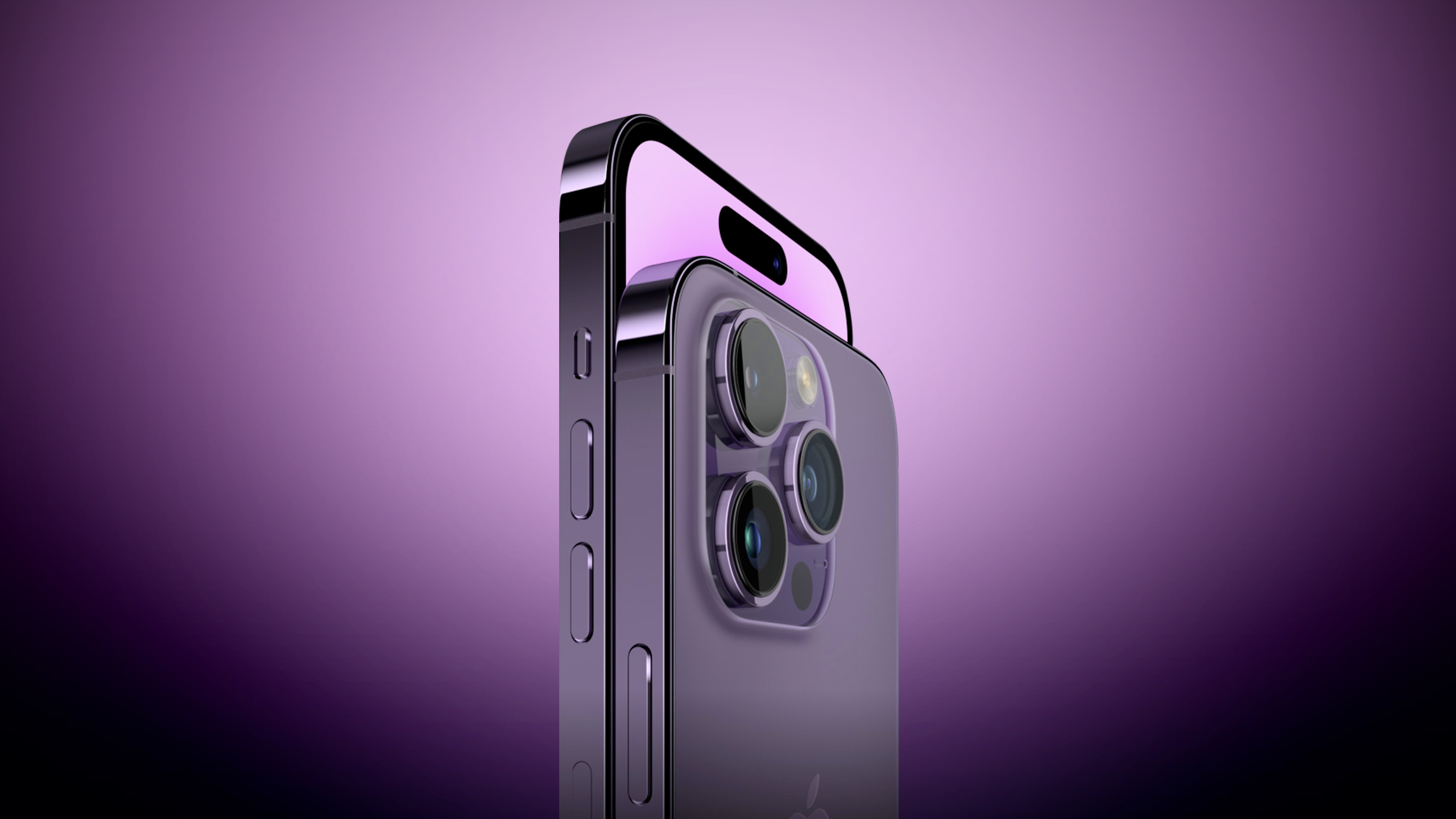
    In an unexpected grand gesture, Nomura Holdings Taiwan, a leading investment firm, gifted every one of its employees an iPhone 17 Pro Max at the company’s year-end party. This generous move, which left social media in shock, was not a raffle or dependent on performance rankings. Regardless of their position or tenure, each person present at the event received the same sought-after smartphone.

    Expressing Appreciation for Contributions

    The company’s decision to distribute these costly gifts was unveiled during a packed banquet in Taiwan. Projected onto a screen in the crowded hall, the announcement told attendees that the iPhones were a token of gratitude for their invaluable contributions during the year.

    Nomura Holdings Taiwan, a subsidiary of the Japanese financial services group Nomura Holdings, has been operational in Taiwan since 1998. Currently considered one of the top five foreign investment firms on the island, it boasts a registered capital of around US$11 million.

    Rewarding Success

    The company’s decision to reward its employees in such a lavish manner followed a period of record-breaking growth in Taiwan’s stock market and robust profits across the investment industry in 2025. The move was seen as a fitting way to thank staff for their hard work and dedication.

    The scale of the party was impressive, with an estimated 20 to 30 tables filling the room and around 300 employees in attendance. A bystander, claiming to work at the venue, described the iPhone giveaway as the most extravagant employee gift they had ever witnessed.

    Reaction to the Generosity

    Images from inside the banquet hall showed employees lifting their new iPhones in the air to record the announcement, sparking gasps and cheers of delight from the crowd.

    The online response was swift and widespread, with many expressing disbelief and jealousy at the grand gesture. Some even jokingly asked if there were any open positions at the company.

    To put the generosity of the gift into perspective, in Taiwan, an iPhone 17 Pro Max currently retails for approximately US$1,425.

    Questions & Answers

    What did Nomura Holdings Taiwan gift to its employees at the year-end party?
    Each employee received an iPhone 17 Pro Max.

    Why did the company decide to give out such generous gifts?
    The gifts were given to express gratitude for the employees’ contributions throughout the year, particularly in light of the record-high growth in Taiwan’s stock market and strong profits across the investment industry.

    What was the reaction to the company’s gesture?
    The in-person and online reaction was one of shock and admiration. Some online commenters even jokingly asked if the company was hiring.

  • Google Simplifies Safari-to-Chrome Switch on iOS: Seamless Browser Transition in Your Pocket

    Google Simplifies Safari-to-Chrome Switch on iOS: Seamless Browser Transition in Your Pocket

    Google has reportedly developed a new feature to simplify the process of switching from Safari to Chrome on iOS devices. This innovation should help to streamline what is often considered a complex and inconvenient task due to Apple’s stringent data protection measures.

    A New Tool for iOS Users

    Google is said to be in the process of creating a feature that allows individuals to transition from Safari to Chrome directly on their iPhone, negating the need for a desktop computer. This feature, referred to as the “Safari import” tool, utilizes the Export Browsing Data functionality of iOS.

    To use the new tool, individuals must first create a ZIP file containing their Safari data. Google Chrome provides a clear guide to assist users in this process:

    • Access Safari’s application settings
    • Select ‘Export Browsing Data’
    • Choose the specific data you wish to export
    • Save the created ZIP file to ‘Downloads’

    Once these steps are complete, Google provides an import feature that allows users to decide what data they wish to transfer. This includes passwords, bookmarks, browsing history, and credit card information, with all of the chosen data then stored in the user’s Google account.

    Improved User Experience

    A notable aspect of this new feature is that, once the import process is complete, Chrome issues a warning that the exported Safari file contains private data and presents the user with a swift option to erase it. The feature is currently part of Chrome’s latest beta for iOS, suggesting that it may be incorporated into the forthcoming public version of the browser.

    This development is expected to be well-received by users as the process of switching from Safari on mobile has traditionally been a daunting task, usually necessitating starting afresh with a new browser or resorting to the use of a computer.

    Questions & Answers

    What is Google’s new feature for iOS users?
    Google is reportedly developing a ‘Safari import’ tool that will simplify the process of switching from Safari to Chrome on iOS devices.

    How can users utilize the new tool?
    Users can utilize the new tool by creating a ZIP file of their Safari data, then using Google’s import feature to choose what data they want to transfer to Chrome.

    What happens after the import process is completed?
    Once the import process is completed, Chrome issues a warning that the exported Safari file contains private data and offers a quick option to delete it.

  • Revamp Unveiled: Discover the New Features in Google’s Updated Voice Search UI on Android

    Revamp Unveiled: Discover the New Features in Google’s Updated Voice Search UI on Android

    The user interface (UI) of Google’s Android voice search feature has recently undergone a transformation that might be refreshing to those who were not fond of the previous version. Earlier, when the microphone icon was tapped on the Google app, it led users to a page featuring a disembodied face. Since this voice search feature responded orally to user queries, the face’s mouth was designed to move in sync with Google’s vocal reply, which unsettled some users.

    A Digital Assistant Makeover

    In recent updates, the presence of Gemini, the new digital assistant, seemed to have replaced the unusual disembodied face. During the initial few weeks after introducing Gemini, the face disappeared. Despite Gemini performing all tasks previously assigned to Google Assistant, such as answering inquiries and setting alarms and timers, the face made a brief comeback in the new UI.

    Accessing Voice Search

    There is a multitude of ways for an Android user to access the voice search feature. The overhauled voice search UI now places the Google logo at the top center of the page, with a back button on the left and a three-dot overflow icon on the right. Users need to tap this icon to access the Voice settings. From here, the feature of Spoken Results can be activated, which will read out search results audibly. Users can also select from four distinct voices – Cosmo, Neso, Terra, or Cassini – to read out the results. Furthermore, they can select the preferred language for the voice search from a wide range of options. The dark theme too has witnessed an upgrade.

    Google’s voice search can be accessed by tapping the microphone icon within the Google Search widget on the home screen, by using the persistent Pixel Launcher search bar located at the bottom of the display on Pixel phones, or by saying “Hey Google,” if enabled.

    Revised Search Bar and Microphone Icon

    The use of the search bar and microphone icon for accessing voice search displays the previously mentioned disembodied face along with the word “Listening,” topped with a four-color arc. The new, enlarged “Search a song” button appears below the arc. This button opens a song search UI that prompts whether the user wants to “Play, Sing, Hum.” To top it all, there’s a shortcut to the Song Search history in the top right corner.

    Questions & Answers

    What changes have been brought to the Google’s Android voice search UI?
    The new UI has replaced the disembodied face with the Google logo, placed at the top center. The voice search settings can be accessed via the three-dot overflow icon on the right.

    How can Android users access the voice search feature?
    Users can access the voice search feature by tapping the microphone icon within the Google Search widget on the home screen, by using the persistent Pixel Launcher search bar, or by saying “Hey Google,” if this feature is enabled.

    What is the functionality of the “Search a song” button in the new UI?
    The “Search a song” button opens a song search UI that prompts whether the user wants to “Play, Sing, Hum.” It is also accompanied by a shortcut to the Song Search history.

  • Apple Taps Google’s Gemini AI for Long-Awaited Siri Upgrade: A Game-Changing Partnership Unveiled

    Apple Taps Google’s Gemini AI for Long-Awaited Siri Upgrade: A Game-Changing Partnership Unveiled

    Several years ago, Apple assured its customer base of an improved, more intelligent Siri. While some loyalists might have lost hope, the company has now confirmed its speculated collaboration with Google, a move that could potentially transform Siri into a highly competent personal assistant.

    Google’s Gemini AI Powers Siri’s Significant Upgrade

    Apple has declared that Google’s Gemini AI model will be the driving force behind the long-awaited, more personalized iteration of Siri. The company stated that Google’s technology forms the most suitable basis for their model.

    Following a thorough evaluation, Apple determined that Google’s technology offers the most capable foundation for Apple’s foundation models. Apple expressed excitement about the innovative new experiences that this partnership could unlock for its users.

    Though Apple has not divulged further details about the agreement or given a precise timeline for the Siri update, reports suggest that its pact with Google forms part of a multi-year deal.

    A Much-Anticipated Update

    Nearly a year ago, Apple postponed the AI-enhanced version of Siri, initially promised at WWDC 2024. The company admitted that the development of a more personalized Siri was taking longer than anticipated.

    In June of the previous year, speculations suggested Apple was exploring partnerships with OpenAI and Anthropic. A few months after, rumors of a prospective partnership with Google started to make rounds. Later, it was reported that Apple planned to use a custom variant of Gemini to develop the new Siri and pay Google $1 billion annually for it.

    Apple is predicted to launch the new Siri with iOS 26.4 in a matter of weeks. The AI-powered assistant is rumored to comprehend the context of what is displayed on the iPhone’s screen, sift through personal data, and manage complex tasks based on this information. The update is likely to be released in March, potentially eclipsing any AI enhancement Samsung might introduce with One UI 8.5 and the Galaxy S26 series.

    The Right Decision for Apple

    Last year, Google made waves with the release of Gemini 3, now the leading AI model. Despite the unpredictability of LLM development, this was a significant triumph for the company. It also suggests that Apple might have picked the right partner. While it’s too early to get overly excited about the final version of the AI-powered Siri, it wouldn’t be surprising if it performs exceptionally well.

    Questions & Answers

    What does the partnership with Google mean for Apple’s Siri?
    The partnership means that Siri will be powered by Google’s Gemini AI model, making it more intelligent and personalized.

    When is the AI-powered Siri expected to be launched?
    The upgraded Siri is expected to be introduced with iOS 26.4, rumored to be released sometime in March.

    What enhancements can users expect from the new Siri?
    The new Siri is expected to understand the context of what’s displayed on the iPhone’s screen, navigate through personal data, and perform complex tasks based on that information.

  • Experience Effortless Chatting: Google Messages Launches Dynamic One-Hand Context Menu

    Experience Effortless Chatting: Google Messages Launches Dynamic One-Hand Context Menu

    In the latter part of last month, Google announced its intent to replace the Hamburger icon menu with a dynamic context menu. The aim was to streamline navigation for Google Messages users, particularly those with larger-screen phones. When the Google Messages app receives the dynamic context menu, users will no longer have to perform the finger gymnastics previously required to access the hamburger menu in the top-right corner.

    Rollout of the New Google Messages Menu

    The new menu format is now being deployed to the beta versions of the Google Messages app. Following the update, long pressing on a chat/message will activate the Reactions menu which appears at the top of the message. This allows users to quickly add a reaction. Below the message, however, is a vertical box presenting various options, some of which were previously only accessible by stretching to tap the hamburger icon in the far top-right corner of the screen.

    This new menu provides options such as:

    – Reply
    – Forward
    – Copy
    – Star
    – Delete
    – Select more
    – Info

    This simplification of Google Messages is certainly sufficient to make usage more convenient; there’s no need to strain your hand to reach certain features. To keep the vertical box as compact as possible, the app comprehends the context of the long-pressed message, and presents different options based on that context.

    Deleting Multiple Messages

    There have been some misconceptions about the new interface, with one user on Reddit believing that the redesign had removed the ability to delete multiple messages at once. In fact, this is not the case. To delete several messages, users simply need to long-press on the first message they wish to remove and then select ‘Select more’ from the vertical box. They can then scroll down to the next message they wish to delete and tap on it.

    A counter will be visible in the upper left-hand corner of the screen, indicating the number of messages selected for deletion. Once all desired messages have been selected, users just need to tap the trash can icon in the top right corner to remove them.

    Accessing the New Features

    I have personally been able to access this feature on my Pixel 6 Pro running the most recent Android 16 QPR3 Beta. However, it’s important to note that access to these features requires membership in the Google Messages Beta program. To confirm membership, users can open the Google Play Store app and search for the Google Messages listing. Those who are part of the beta program will see the word (Beta) in parentheses.

    Becoming a beta tester allows users to experience new features before the public and provide feedback to developers. However, availability is limited and those interested may not always see the “Join the beta” prompt. If it’s not visible, it’s recommended to check back later.

    Questions & Answers

    How can I access the new Google Messages menu?
    You can access the new menu by long pressing on a chat/message. This will activate the Reactions menu and the new dynamic context menu at the bottom of the message.

    Is the ability to delete multiple messages at once still available in the new menu?
    Yes, the ability to delete multiple messages hasn’t been removed. It’s simply accessed in a different manner. You need to long-press on the first message you want to delete, then select ‘Select more’ from the vertical options box. Then you can scroll to and select the other messages you wish to delete.

    How can I become a Google Messages beta tester?
    To join the Google Messages beta program, open the Google Play Store app and search for the Google Messages listing. If there is availability, you will see an option to “Join the beta”. It may take a few minutes to 24 hours to process the request. If you don’t see this option, there may not be any openings at the moment, so try again later.

  • Japan’s Tech Leap: Quadrupling Budget for Semiconductors and AI Amid Global Rivalry

    Japan’s Tech Leap: Quadrupling Budget for Semiconductors and AI Amid Global Rivalry

    The government of Japan is preparing to significantly increase its investment in the semiconductors and artificial intelligence sectors. In the forthcoming fiscal year, the governmental budgetary support for these sectors is predicted to be almost four times larger than in past years. This initiative is part of the country’s strategy to enhance its technological competitiveness in the midst of a growing global rivalry.

    Boost in Budgetary Support

    According to the government’s latest budget plan, the Ministry of Economy, Trade and Industry (METI) will allocate nearly JPY 1.23 trillion or USD 7.9 billion to advanced semiconductors and AI development in the new fiscal year commencing in April. This allocation marks a significant rise from past funding and is part of a wider expansion that increases METI’s overall budget by approximately 50% year-on-year to JPY 3.07 trillion. The draft budget has been approved by the cabinet of Prime Minister Sanae Takaichi, and parliamentary discussions will begin this year.

    Reason for the Surge in Funding

    The substantial increase in funding is indicative of Japan’s drive to reclaim its position in critical technologies, especially in the backdrop of escalating competition between the United States and China. As global supply chains face pressure and geopolitical risks start to influence technology policy, Tokyo aims to bolster domestic capabilities and reduce dependency on foreign suppliers.

    A significant change in the new budget is that the government plans to transition from ad-hoc supplementary funding to more predictable, regular budget allocations for the semiconductors and AI sectors. This strategy is expected to provide greater assurance for long-term investment and research planning.

    Budget Allocation Details

    The budgetary plan sets aside JPY 150 billion for Rapidus, a state-supported semiconductor venture charged with developing next-generation chip manufacturing capabilities. This allocation pushes the total governmental investment in the company to JPY 250 billion. In the AI sector, JPY 387.3 billion will be devoted to creating domestic foundation models, enhancing data infrastructure, and promoting “physical AI”, which involves integrating artificial intelligence into robotics and industrial machinery.

    Apart from digital technologies, the budget also earmarks JPY 5 billion for the procurement of critical minerals, such as rare earths, which are vital for advanced manufacturing. Another JPY 122 billion will be allocated towards decarbonization efforts, which includes the advancement of next-generation nuclear power technologies.

    Furthermore, the government intends to issue JPY 1.78 trillion in special bonds to reinforce the Nippon Export and Investment Insurance, facilitating Japanese corporate investment in the United States under bilateral trade arrangements.

    The increase in spending highlights Japan’s commitment to secure its place in next-generation technologies while managing the challenges of an increasingly fragmented global economy.

    Questions & Answers

    What is the aim of Japan’s increased investment in semiconductors and AI?
    The increased investment is a strategic move to strengthen the nation’s technological competitiveness amid escalating global competition.

    How is Japan’s funding strategy for semiconductors and AI changing?
    The government plans to transition from ad-hoc supplementary funding to more predictable, regular budget allocations for these sectors.

    What is the purpose of issuing special bonds worth JPY 1.78 trillion?
    The special bonds are intended to reinforce the Nippon Export and Investment Insurance, thereby facilitating Japanese corporate investment in the United States under bilateral trade arrangements.