Category: Fashion

Retail News Asia is committed to providing both local and global retailers with the latest Fashion news throughout the Asian market. This on a daily base.

  • Kathmandu posts record profit

    Kathmandu posts record profit

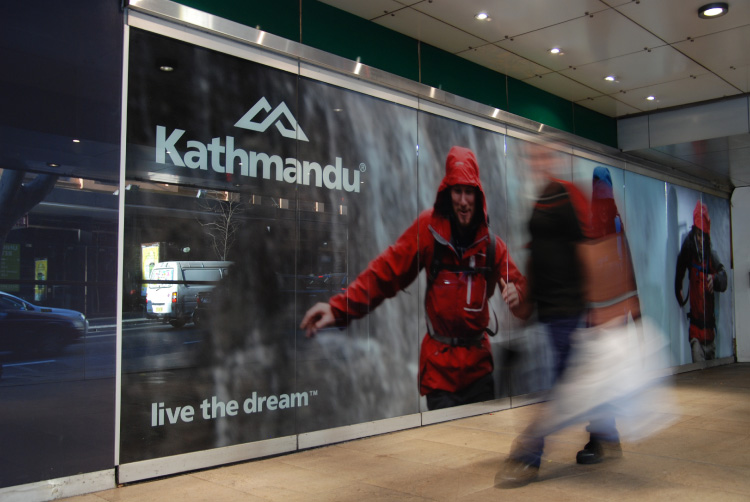
    Strong sales growth in Kathmandu’s Australian business and North American wholesale operations drove another year of record profit for the outdoor apparel and equipment retailer.

    Just days after announcing it has become the biggest B Corp in ANZ, the retailer on Wednesday reported a 9.7 percent increase in total sales to NZ$545.6 million ($505 million).

    Gross profit was up 5.4 per cent to NZ$332.5 million ($307.8 million), and earnings before interest, tax, depreciation, and amortization increased 10.9 per cent to NZ$99.6 million ($92.2 million). Net profit after tax was up 13.6 per cent to NZ$57.6 million ($53.3 million).

    Excluding Oboz, the North American hiking boot brand that Kathmandu acquired in April 2018, sales were up 2.1 percent at constant exchange rates in FY19.

    In Australia, Kathmandu’s largest market, total sales were up 4.5 percent year on year and same-store sales were up 2.7 percent. Total sales fell 3.1 percent and same-store sales dropped 3.9 per cen in New Zealand, where the brand was founded in 1987.

    Oboz saw a 30 per cent sales increase on a pro forma basis to US$44.6 million ($65.1 million), as Kathmandu expanded its wholesale operations in North America. Earnings before interest and tax increased 38.6 per cent of US$7.9 million ($11.5 million) on a pro forma basis.

    “We’re really happy with those numbers,” Xavier Simonet, Kathmandu CEO, said on a media call on Wednesday.

    Simonet said the retailer had maintained its momentum in the first seven weeks of FY20, with 6.1 percent growth in same-store sales, though the crucial trading period in the first half is yet to come.

    Kathmandu would continue to focus on driving sales and profit growth in its core markets of Australia and New Zealand, Simonet said, and on enhancing the customer experience through digital.

    The retailer reported online sales growth of 9.2 percent at constant exchange rates. E-commerce now accounts for 10.1 percent of direct-to-consumer sales, up slightly from FY18, when online accounted for 9.4 percent of sales.

    Kathmandu had 2.2 million members in its Summit Club loyalty program as at June 30, 2019, a 12.4 percent increase on the previous corresponding period. Simonet called the program an “immensely powerful tool”, with members spending 29 percent more per transaction than non-members.

    Total operating expenses increased 3.7 percent to NZ$234 million ($216.6 million) in FY19, including an NZ$11.8 million ($10.9 million) incremental increase related to the first full-year inclusion of Oboz and the establishment costs for Oboz North America. As a percentage of sales, however, operating expenses fell 2.5 percent to 42.9 percent, reflecting the benefits of diversification into wholesale.

    The retailer spent NZ$15.7 million ($14.3 million) on new stores and refurbishments and paid down NZ$14 million ($13 million) of net debt in FY19. Kathmandu had NZ$19.3 million in net debt as at July 31, 2019.

    Kathmandu declared a final dividend of NZ$0.12 ($0.11) per share, taking the full-year dividend to a record NZ$0.16 ($0.15) per share.The final dividend will be fully imputed for New Zealand shareholders and fully franked for Australian shareholders.
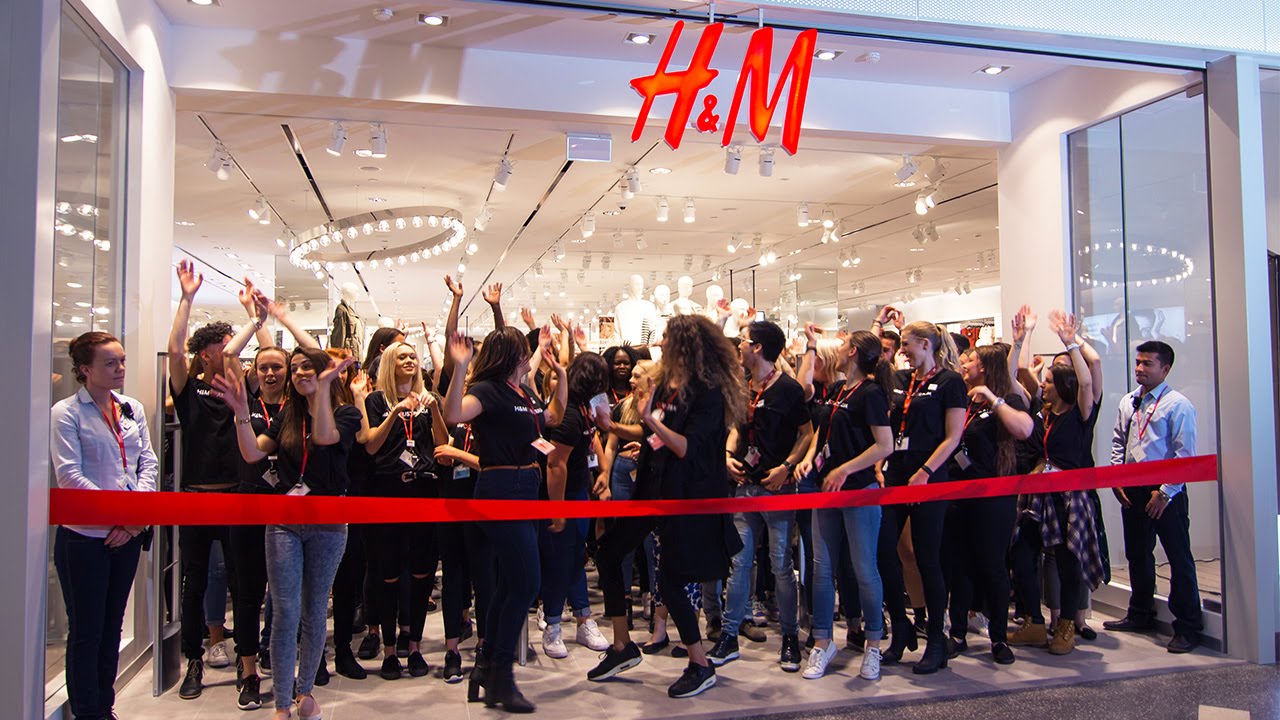
  • Sales at H&M stores sees strong growth

    Sales at H&M stores sees strong growth

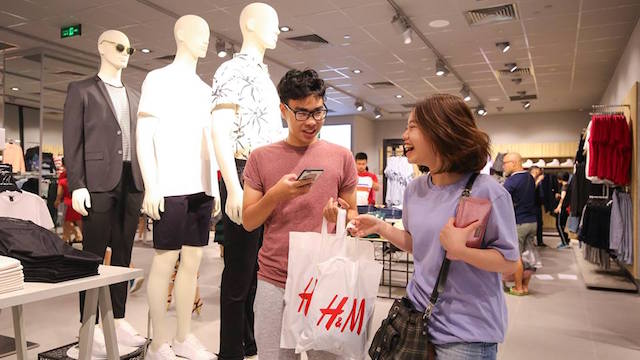
    Sales at H&M stores worldwide rose by the steepest rate in three years in the third quarter.

    “Well-received summer collections and increased market share confirm that the H&M group is on the right track with its transformation work,” the company said in a statement.

    Net sales rose by 12 per cent to US$6.48 billion in the three months to August 31, marking the company’s fifth consecutive quarterly increase. Excluding currency fluctuations, sales were up by 8 per cent.

    However, analysts took a little of the gloss off the figures pointing out that during the comparable period a year ago, the company’s turnover was hit by difficulties implementing a new logistics system in some markets.

    Besides its namesake brand, H&M operates Arket, Weekday, Cos, Monki, and & Other Stories.

    Full-year results will be released on October 3.

    While the global third-quarter result was strong, sales at H&M stores in the UK have plummeted, leading to a 71.2-per-cent crash in full-year pre-tax profits to £10.72 million, according to figures obtained by Retail Gazette.

  • Uniqlo India to open its first store in New Delhi

    Uniqlo India to open its first store in New Delhi

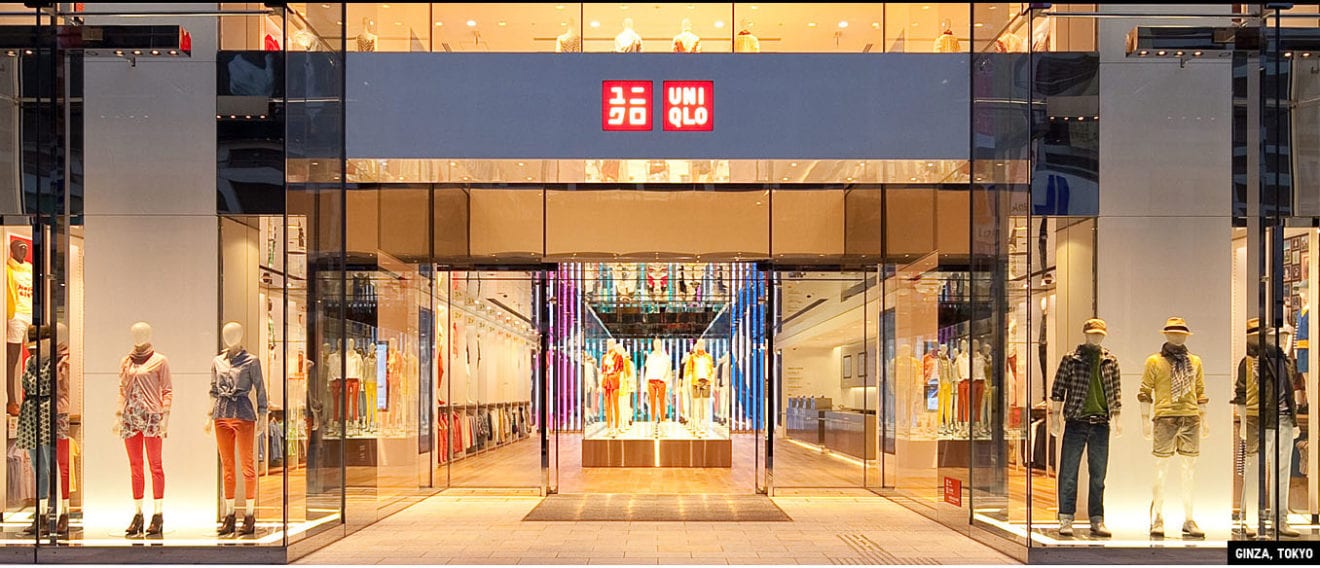
    Uniqlo India will launch its first store on October 4 in New Delhi.

    The store marks the brand’s first foray into the Indian market, located in Ambience Mall Vasant Kunj. It has been promoted via a series of cube-like installations throughout the city that features elements of Indian culture.

    “We are very excited to announce the opening date,” said Uniqlo CEO Tomohiko Sei. “We look forward to formally opening our doors to the Indian customers and offering Uniqlo’s high quality, highly functional apparel that we call Lifewear starting from Delhi at Ambience Mall Vasant Kunj.”

    The first 500 shoppers at the new Uniqlo India store will receive t-shirts of their choice.

  • Thailand’s Jaspal Group ells accessories brand Lyn to India

    Thailand’s Jaspal Group ells accessories brand Lyn to India

    Thailand’s Jaspal Group has launched its accessories brand Lyn in India.

    The group’s first store in the territory is opening at Select CityWalk Mall in New Delhi, offering its full range of fashion accessories from runway-inspired handbags and wallets to shoes, as well as staple accessories from watches to eyewear.

    The brand says its Fall/Winter 2019 collection available in-store is designed to evoke the warm summer desert shifting to the elegance of European urban, “promoting modern women’s confidence, self-expression, and sophistication”.

    Lyn has operated across Southeast Asia for 18 years, with 50 stores in Thailand, two in Cambodia, and 10 in Vietnam.

  • J Crew to spin off Madewell denim jeans brand

    J Crew to spin off Madewell denim jeans brand

    The Madewell denim brand is set to be split off from J Crew as part of a planned IPO by parent Chinos Holdings.

    Documents lodged with the US Securities and Exchange Commission on Friday show Chinos plans to raise funds to pay off some of its US$1.7 billion in debt, although the volume of shares and their projected value have yet to be revealed.

    Under the plan, Chinos Holdings will be renamed Madewell Group.

    “We have consistently grown at Madewell, but we have retained both our focus and the start-up mentality of our earlier days, which allows us to remain nimble, challenges us to get creative and motivates us to always look toward the future,” said Madewell CEO Libby Wadle in a statement.

    The Madewell denim brand is considered to be more successful than its sister J Crew which has been struggling to maintain market share and brand appeal in recent years. In the second quarter of this year, Madewell sales rose 15 percent to $139.7 million with same-store sales up 10 percent. That followed a 28-per-cent rise in sales in the same quarter a year ago. J Crew sales, however, fell by 7 percent in the second quarter, to about $400 million, with comp-store sales down by 4 percent.

  • Gap franchising Athleta, Janie and Jack brands in Asia

    Gap franchising Athleta, Janie and Jack brands in Asia

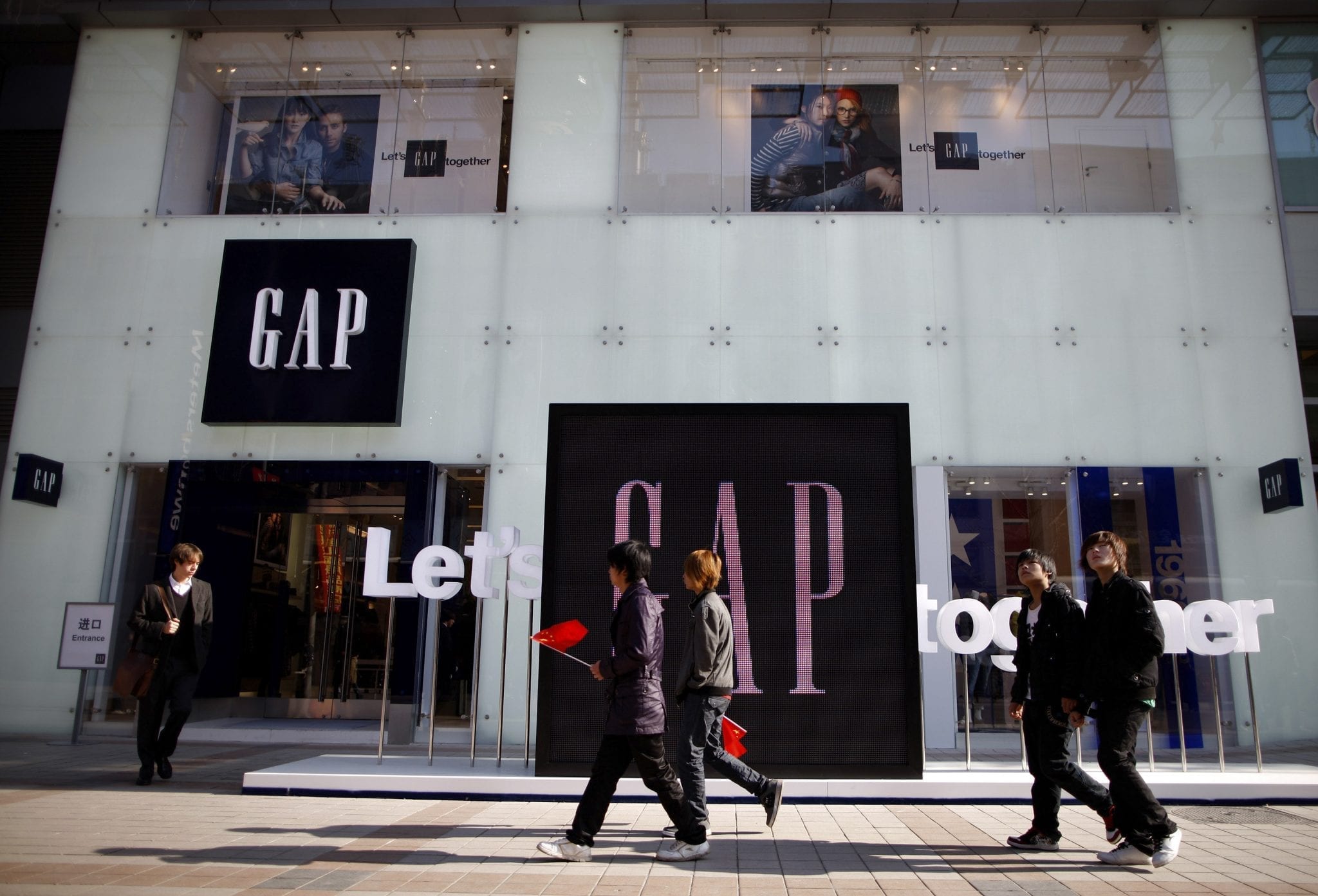
    Gap Inc is planning to roll out stores globally under its Janie and Jack and Athleta banners via a franchise model.

    The US-listed fashion giant already has about 500 franchised Gap, Banana Republic and Old Navy-branded stores operating in 40 markets around the world with local partners, including in Asia. Now it sees an opportunity to boost sales by franchising its fast-growing domestic labels.

    Athleta is a yoga-influenced sportswear brand which is competing with Canadian brand Lululemon. Janie and Jack is a childrenswear label it acquired from fellow US apparel company Gymboree which went into liquidation earlier this year.

    Gap has learned from past experience that the best business model to launch in new overseas markets is through a local partner.

    “We’ve come to realize there is local expertise that frankly, we don’t have,” Roy Hunt, the senior VP of Gap Inc’s global franchise and strategic alliances division, said in an interview. “But we go through a lot of different steps to make sure we have the right partners. … For the most part, we are very selective.”

    The company plans a multi-channel approach to overseas markets when it launches Janie and Jack and Athleta, with brick-and-mortar stores to be supported by websites, also operated by the franchise partners.

    “Given the premium, gift-worthy children’s looks of Janie and Jack and the versatile, sustainable women’s performance apparel of Athleta, we feel the two brands will resonate with customers in new and existing markets internationally,” Hunt said in a statement.

    He believes there is a “huge opportunity” for Gap in markets such as Asia, Europe, and Central America.

    “If you think about it, the primary benefit we have in doing this is that we are not investing our own capital … the partner is investing capital to build out the business,” he said.

  • Sephora expanding to Australia next month

    Sephora expanding to Australia next month

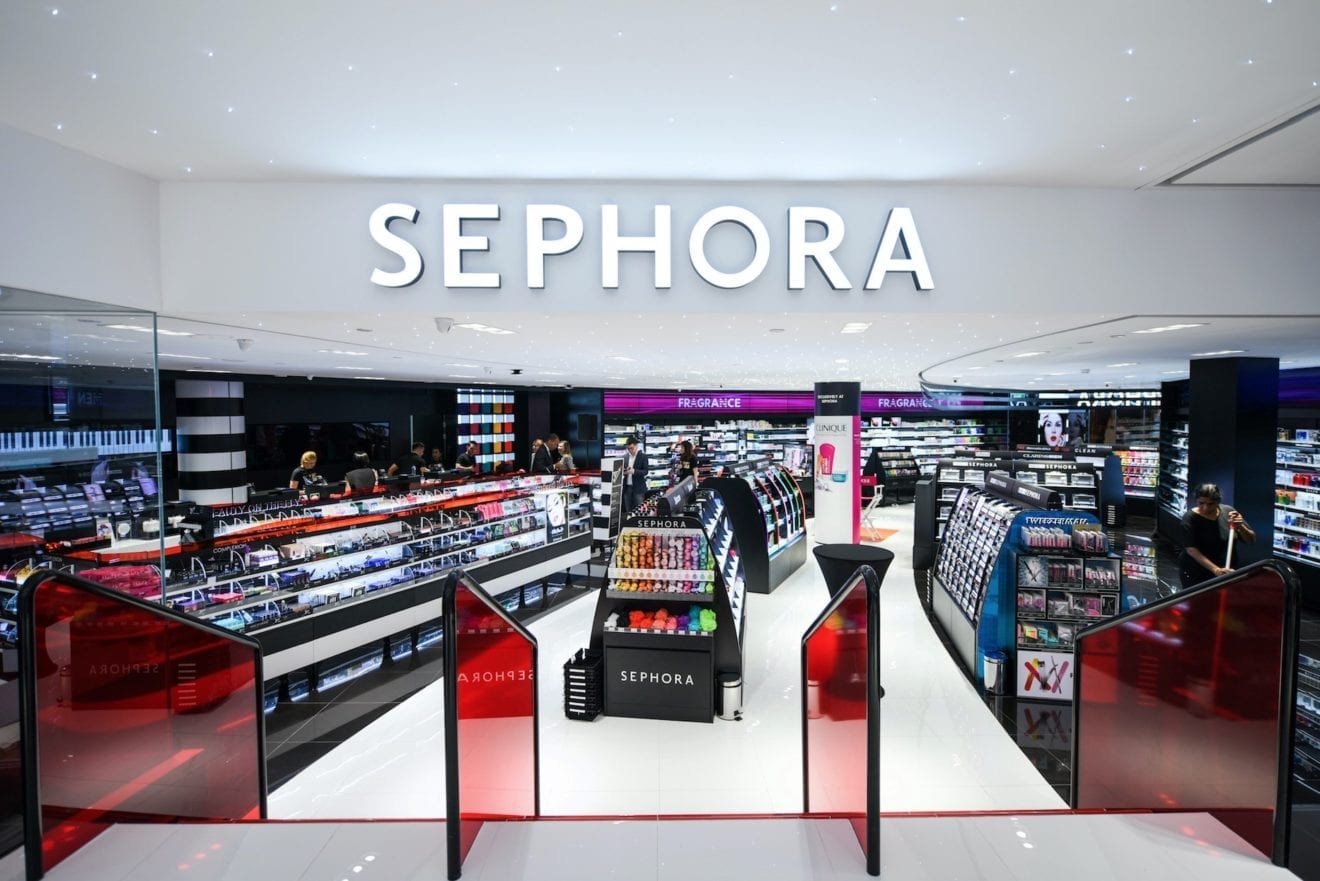
    Beauty brand Sephora is opening its first store in South Australia next month in Adelaide’s Rundle Mall.

    According to Sephora Australia and New Zealand country manager Beth Glancey, a store in Adelaide has been long requested by its more fervent fans.

    “We have been eagerly waiting for the perfect location on Rundle Mall for some time now,” Glancey said.

    “We are excited that we are only weeks away from bringing the fun, dynamic and inspiring Sephora retail experience to our clients in Adelaide.”

    According to Glancey, the store will be unlike any other Sephora location in Australia, with a particular focus on Sephora Services, offering a benefit brow bar and Sephora’s first dedicated skincare studio in the country.

    Sephora’s services include make up lessons as well as applications, with customers able to book in to receive a full makeover, while the benefit brow bar allows customers to have their eyebrows, lips and chins styled, waxed, tinted, and tweezed.

    General manager of the Rundle Mall management authority Johanna Williams said the destination is thrilled to house the first South Australian Sephora store.

    “Sephora is a trailblazer in the international beauty world, known not only for its product range but for unique in-store experiences that are sure to be a hit with South Australian beauty fans,” Williams said.

    “We look forward to Sephora openings its doors in October.”

  • Saado eyes US expansion after Southeast Asian success

    Saado eyes US expansion after Southeast Asian success

    Vietnamese startup footwear brand Saado plans to expand its retail network into the US after successful launch in Laos, Cambodia and Myanmar within just a year – all without a single store.

    Last month, Saado launched its products on Amazon in the US, using the tagline “US Brand, Vietnam Soul”.

    “By applying for a US trademark, our brand is able to protect our products while enabling us to sell the sandals at more competitive prices” said Le Lam Hai Phung, CEO at Saado.

    Despite successful growth in four countries, Phung added he had no intention to set up physical outlets and planned to focus on a direct-to-consumer “Uber in Retail” business model instead.

    Founded in January last year, Saado has partnered with 40 stores throughout Vietnam as well as selling direct online and through marketplace platforms like Shopee. The company plans to enter three other Asian markets by the end of next year.

  • Inditex achieves record first-half sales

    Inditex achieves record first-half sales

    Zara parent Inditex achieved record revenue and profits during the first half of this year.

    Net sales rose 7 per cent year on year to €12.82 billion, while net profit rose 10 per cent to €1.55 billion.

    According to Inditex executive chairman Pablo Isla, the results reflected strong first-half performance, with like-for-like growth across all brands and geographies.

    “The investments we have made in the stores as well as in logistics and technology have been key elements in the development of our customer focused integrated online and offline store platform,” Isla said.

    However, gross margin stayed steady at 56.8 per cent, up from 56.7 per cent. According to Isla, the business works to maintain gross margin, rather than maximise it.

    “We are always thinking about the medium and the long-term evolution of the company,” Isla told analysts.

    “Gross margin is a combination of many different things. You have, of course, the like-for-likes as growth. You have the product mix. You have the fashion trends. You have currencies. You have raw material costs. There are many, many elements involved.”

    Inditex said it opened, enlarged and refurbished stores across all regions during the half year, and continued to expand its online platform into new markets – seeing 7420 stores open across 96 markets, with 62 sporting the group’s online platform.

    During the beginning of its second half, Inditex has seen sales in local currencies increased 8 per cent for the period between August 1 and September 8.

    The business expects like-for-like sales growth of between 4 and 6 per cent for the full year.

  • H&M Fall 2019 Conscious Collection extends sustainability approach

    H&M Fall 2019 Conscious Collection extends sustainability approach

    H&M’s Fall 2019 Conscious Collection has exemplified the firm’s commitment to only use sustainably sourced materials by 2030 with pieces made from recycled materials or materials that have less impact on the environment.

    H&M’s Fall 2019 Conscious Collection has exemplified the firm’s commitment to only use sustainably sourced materials by 2030 with pieces made from recycled materials or materials that have less impact on the environment.

    From the softly tailored check separates to the animal print dresses and oversized hoodies, all in a colour palette of light neutrals, black and pops of orange-red, H&M’s new vibe is laid back yet sophisticated.

    The H&M Fall 2019 Conscious Collection launches in September and will be available worldwide, in store and online. Recycled polyester, most often made from used PET bottles, is the key material for the collection, found in the dresses, shirts, knitwear, outerwear and tailored pieces.

    “The H&M Fall 2019 Conscious Collection is all about the timeless classics and wardrobe staples you never get tired of,” said H&M’s head of design womenswear Maria Östblom. “Long-lasting design in more sustainable materials and the autumn must-haves you need to update your wardrobe.”

    “We want to use our size to lead the change towards circular and renewable fashion,” said the firm’s global sustainability manager Pascal Brun. “The H&M Fall 2019 Conscious Collection is an amazing example of how far we have come with technology and innovations replacing conventional materials with recycled alternatives.”

    From the softly tailored check separates to the animal print dresses and oversized hoodies, all in a colour palette of light neutrals, black and pops of orange-red, H&M’s new vibe is laid back yet sophisticated.

    The H&M Fall 2019 Conscious Collection launches in September and will be available worldwide, in store and online. Recycled polyester, most often made from used PET bottles, is the key material for the collection, found in the dresses, shirts, knitwear, outerwear and tailored pieces.

    “The H&M Fall 2019 Conscious Collection is all about the timeless classics and wardrobe staples you never get tired of,” said H&M’s head of design womenswear Maria Östblom. “Long-lasting design in more sustainable materials and the autumn must-haves you need to update your wardrobe.”

    “We want to use our size to lead the change towards circular and renewable fashion,” said the firm’s global sustainability manager Pascal Brun. “The H&M Fall 2019 Conscious Collection is an amazing example of how far we have come with technology and innovations replacing conventional materials with recycled alternatives.”

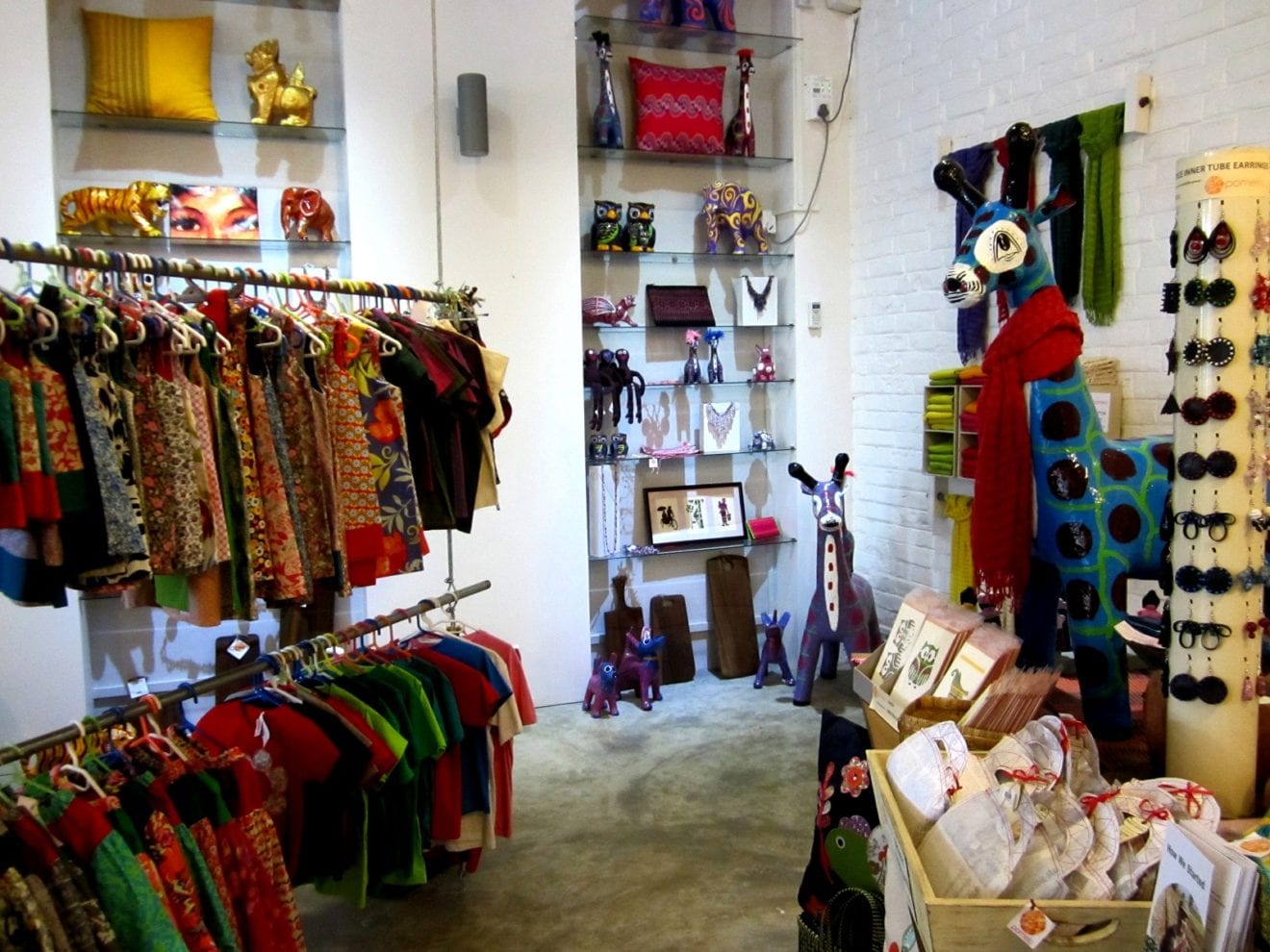
  • Pomelo secures US$52 million investment for expansion

    Pomelo secures US$52 million investment for expansion

    Leading omnichannel fashion company Pomelo has secured US$52 million in funding, making it the first Thai startup to raise a Series C funding round.

    Investors include Central Group, Provident Growth Fund, InterVest Star SEA Growth Fund, Andre Hoffman, Toivo Annus, Lombard Private Equity, Ambient Sound Investments OU and The Luxembourg Company Deverel.

    After raising US$19 million in its Series B round in November 2017, Pomelo has expanded into Hong Kong and Malaysia, grown gross merchandise volume seven-fold, launched eight physical stores in Thailand and opened a flagship store in the heart of Orchard Road. The brand has expanded its product offering further, launching categories like Purpose, an eco-friendly collection, Beet cosmetics and Pomelo Man, its menswear label.

    “This is a disruptive time for omnichannel in Asia,” said Provident Growth Fund founding partner Michael Aw. “Pomelo is in a unique position because of its vertically integrated model and innovative technical abilities. We are confident they will lead the way in fashion across Southeast Asia and beyond.”

    Using direct-to-consumer technology, Pomelo has been involved in omnichannel fashion since its launch in 2013.About 30 per cent of orders are delivered through its Pomelo Pick-up channel, which allows customers to try before they buy.

    “Pomelo is much more than an online fashion brand,” said Pomelo CEO David Jou. “As a fashion-tech company, we are developing a proprietary catalogue of innovative technologies that will allow us to unlock significant hidden value that exists in the branded fashion business today. Everywhere we look, we see opportunities for innovation to reinvent how things are done to create better products, better serve customers, and maximise omnichannel productivity and efficiency.

    “Fashion is as relevant today as ever and we are excited to chart a unique path forward in an effort to reinvent what it means to be a fashion brand.”

    Co-founder Casey Liang said technology has always been a big focus for the company, which will be looking at big data and AI for pricing and design, as well as e-commerce personalisation in the future.

    “We want to integrate the omnichannel experience even deeper by connecting the Pomelo universe with the customer through a proprietary tech stack. Additionally, we would like to further expand our supply chain automation platform, Henry.”

  • Meghan launches charity clothing range

    Meghan launches charity clothing range

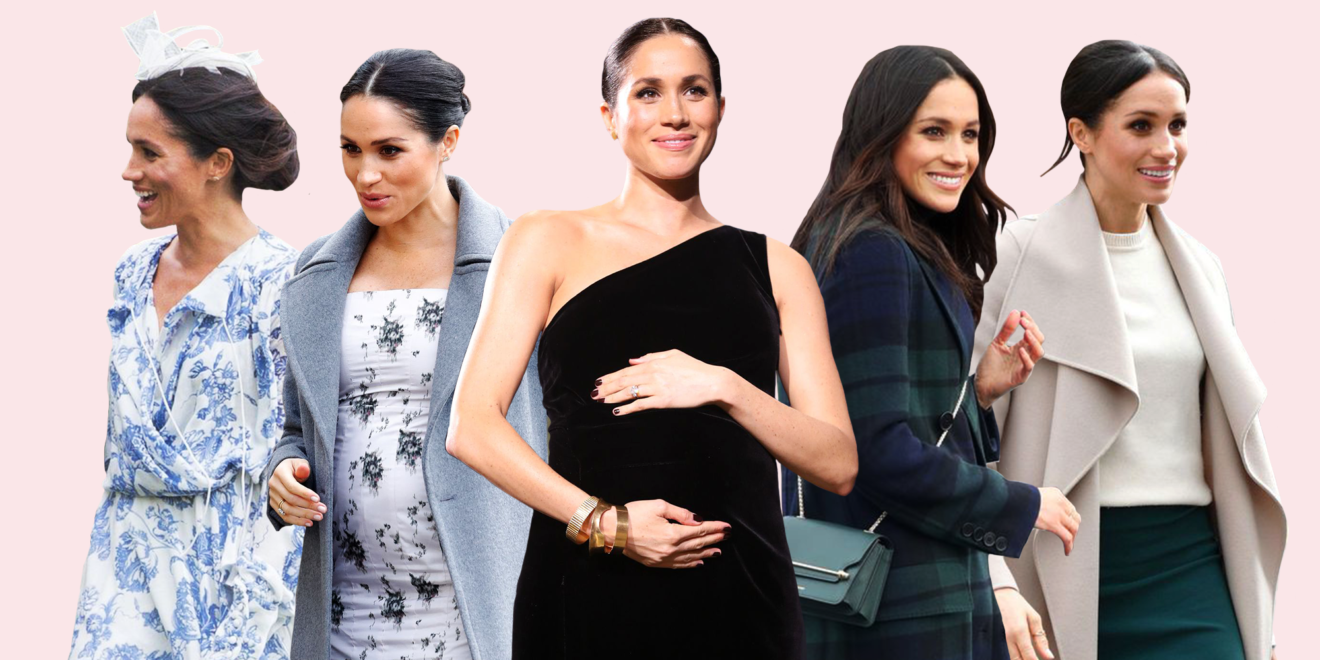
    The Duchess of Sussex has stepped out wearing her new charity clothing collection, as she urged women to “champion each other so we aim to succeed”.

    Meghan launched the range, aimed at helping Smart Works, which trains and dresses unemployed women for interviews, at a flagship London department store – and announced a leather tote bag accessory had already sold out.

    The duchess said the community project reflected the work she and her husband Prince Harry would be doing in the future, when their Sussex Royal foundation is launched in 2020.

    Meghan was attending her first official engagement since the birth of her son Archie in May and at the end said: “I’ve got to get back to the baby – it’s feeding time.”

    Speaking at John Lewis’s Oxford Street store in London, one of the project’s retail partners, Meghan laughed as she told guests she was made aware as she arrived that the tote bag had sold out, adding: “So that’s great”.

    The duchess said the project would see an item from the range donated to the charity Smart Works for each one bought by a shopper.

    She went on to speak about the ethos behind the initiative: “As women, it is 100 per cent our responsibility, I think, to support and up-lift each other.

    “To champion each other so we aim to succeed, to not set each other up for failure, but instead to really be there rallying round each other and say ‘I want to help you’.

    “And you may not ever meet that person, but you know when you put on that blazer or that shirt, or you carry that tote or put on those trousers and that dress, that some other woman on the other side of this country is wearing that piece because you made that purchase.”

    The collection includes workwear essentials from an elegant blazer and well-cut trousers by Jigsaw, to a tote bag which fits all the essentials needed for an interview from John Lewis & Partners.

    A classic dress, flattering to all sizes, from Marks & Spencer, and a crisp white shirt from the womenswear designer and friend of the duchess, Misha Nonoo, complete the range.

    Meghan wore the blouse and a pair of the trousers by Jigsaw to the launch. She finished off her look with a pair of butterfly earrings that belonged to Harry’s mother, Diana, Princess of Wales.

    She said when she began thinking about helping Smart Works create its collection, the first person she thought about was her friend Nonoo, a designer known for her own capsule wardrobe offerings.

    Meghan also wanted to pick “traditional and quintessential British brands” that would resonate with Smart Works’ clients and so chose John Lewis and M&S, and was drawn to Jigsaw because of an advertising campaign it launched that celebrated Britain’s diversity.

    Half of Smart Works’ clients are from an ethnic minority, long-term unemployed and have been unsuccessful with a large number of job applications, but 64 per cent of those who receive training and an interview outfit from the charity get a job.

  • JD Sports defies Brexit to deliver strong growth numbers

    JD Sports defies Brexit to deliver strong growth numbers

    UK sportswear business JD Sports Fashion saw revenue improve 47 percent over the first half of FY20 to £2.72 billion, with global like for like sales growth of 12 percent.

    The group, which runs the JD Sports chain in Australia, also saw group profit before tax and exceptional items increased 30 percent to £158.6 million, up from the £121.9 million seen in the prior corresponding period.

    According to JD Sports executive chairman Peter Cowgill, the management team is very pleased with the result, especially given the ongoing challenge of Brexit’s impact on retail in the UK.

    “We recognize that there is heightened uncertainty surrounding the nature of the UK’s exit from the European Union, and we are very cognizant of the increased risk of a disorderly exit,” Cowgill said.

    The group’s sports fashion businesses saw a strong half, with profit before tax and exceptional items growing 43 percent to £182.4 million.

    “The combined JD businesses in the Asia Pacific region delivered total like for like growth of just under 10 percent, although the earlier timing of Chinese New Year relative to last year did impact on the performance of the business,” Cowgill said.

    “We continue to make learnings in all of our territories which we use to further refine our integrated digital propositions and, with the ongoing support of our key brand partners, we remain confident that further opportunities will prevail to expand the reach of our exciting and dynamic proposition in the region,” Cowgill said.

    Cowgill noted that, in the Asia-Pacific region, JD Sports opened seven new stores during the period across Malaysia, Singapore, and Australia.

    JD’s outdoor business, however, saw more mixed results – finishing the first half with a loss before tax and exceptional items of £20.1 million, compared to the 3.8 million loss seen during the prior period.

    This was due to a challenging first quarter, compounded by a £20.7 million partial impairment due to goodwill from previous years on the acquisition of the Go Outdoors business.

    Preparing for a no-deal exit

    According to Cowgill, the business is well aware of the risk a no-deal exit from the EU would pose to JD Sports, and the UK retail industry as a whole.

    As a result, JD Sports has pulled forward a plan to expand warehouse space in Belgium in order to better serve its EU customers in the event of a no-deal.

    “The group always expect that, for operational purposes, a European warehouse would be required sometime after 2021 with the risks associated with Brexit bringing this decision forward,” Cowgill said.

    “We are working with our logistics partners to secure an additional 80,000 square foot of space at a facility in Belgium which will provide us sufficient capacity to process launch product for footwear for the key brands.”

    Cowgill added that the facility will be available for use in early 2020.

    The looming threat of Brexit has also touched the group’s outlook for the remainder of the year, as well as a shift to a different leasing standard, IFRS 16.

    “Notwithstanding the ongoing uncertainty with regards to Brexit… the group would have been on track to deliver headline profit before tax for the full year at the top end of market expectations which currently rage from £402 million to £424 million,” Cowgill said.

    “However, after adjusting for the impact of the transition to IFRS 16, we would expect to deliver results at the mid-point of expectations.”

  • Alice McCall opens permanent pop-up store

    Alice McCall opens permanent pop-up store

    Designer womenswear brand Alice McCall has opened a permanent sale pop-up in Westfield’s Warringah Mall, where it will clear previous season styles for $150 and under.

    The permanent pop-up follows a series of successful warehouse sales in Sydney, Melbourne, and Brisbane this year, and is in response to “overwhelming demand” from customers, Alice McCall said in a statement.

    “Keeping up with the demand for our warehouse sales has kept us busy this year. To minimize our resources producing these, yet be able to provide our customers with a sale pop-up they can shop regularly, makes a lot of sense to us as a business,” Nicole Macey, Alice McCall’s GM, said.

    Founded by stylist Alice McCall in 2004, the designer label is known for its feminine party dresses, playsuits and separates, which sell for upwards of $400, and has been worn by pop icons, including Ariana Grande, Katy Perry, and Kylie Minogue.

    The retailer said it would provide the same premium boutique experience at its Warringah Mall location, which retains its luxurious interior, including signature gold fixtures and pastel furnishings, though every garment costs $150 or less.

    Macey said she did not believe the sale pop-up would diminish Alice McCall’s brand value, an argument other upmarket brands have used for physically destroying out-of-date stock, rather than selling at a discount.

    “Our customers are quite savvy, and as much as they’re in search of a discount, they’re also aware that our best-selling styles sell out. Sometimes, very quickly,” she said.

    Macey said one of the brand’s new season styles, the Zen Dress, sold through 96 percent in one day.

    “We are fortunate to maintain full-price sales where our most wanted, new season styles are concerned,” she said.

    “While some customers are happy to wait to purchase past seasons at heavily reduced prices, there is still a strong appetite for the newest must-have styles.”

    Macey noted that retailers increasingly are being held to account for the lifecycle of the garments they produce, and that warehouse sales have proved an effective stock exit strategy for the brand.

    “We all want to see fashion’s footprint reduced, so brands are working on ways in which they can contribute, feasibly. For us, helping find a home for every piece we create is important, regardless of its age,” she said.

    Macey said Alice McCall would continue to evaluate warehouse sale opportunities in locations outside NSW as and when the demand exists.

  • New Look same-store sales down

    New Look same-store sales down

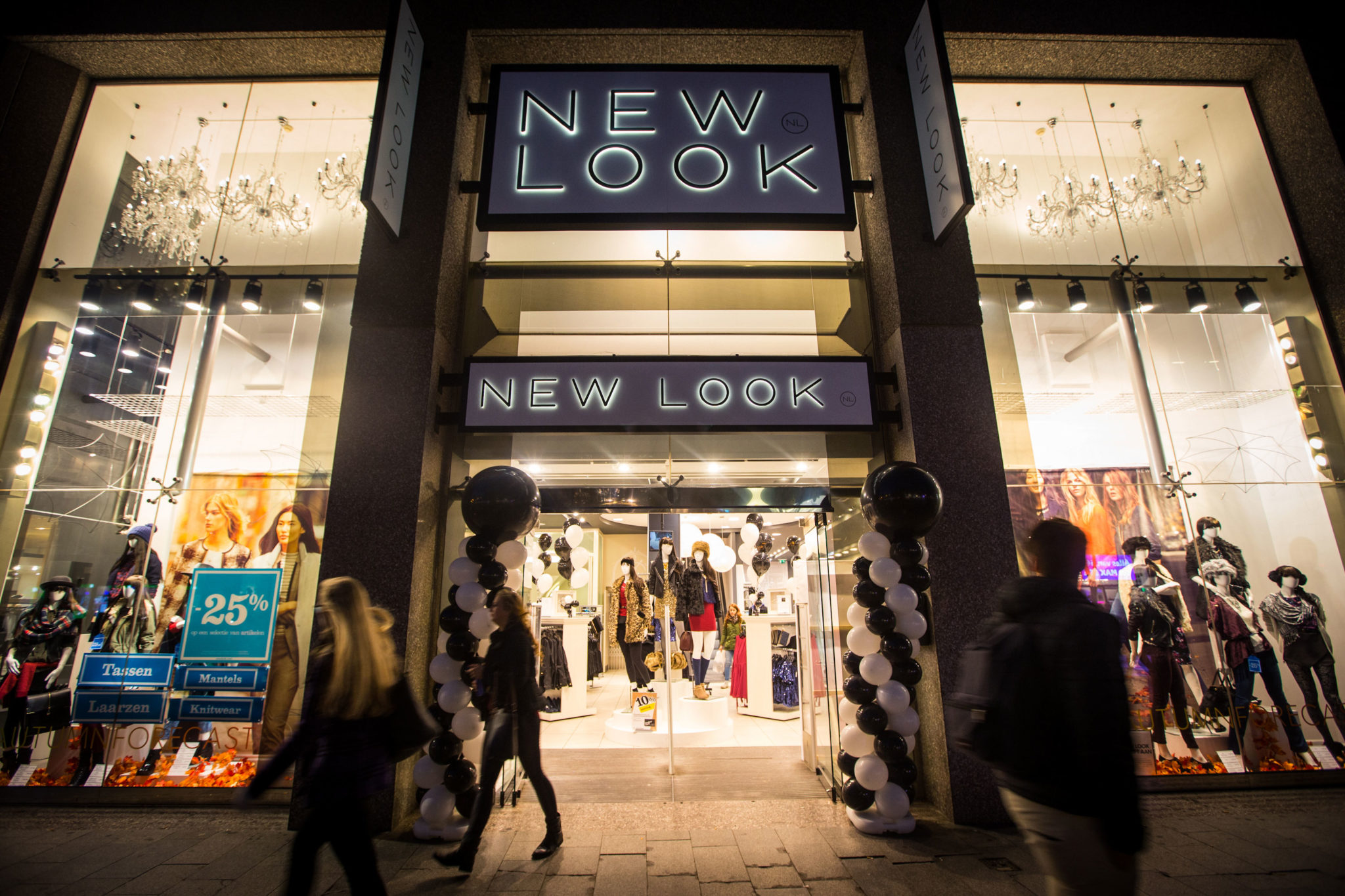
    Same-store sales fell by 10.1 percent in the first quarter for UK-headquartered fashion retailer New Look.

    For the 13 weeks to June 29, the company says it was affected by bad weather which led to lower footfall in stores, compounded by consumer uncertainty surrounding the Brexit crisis.

    Combined UK and Ireland retail sales fell by £35.5 million (14.1 percent) to £210.3 million for the quarter.

    Pippa Stephens, a retail analyst at GlobalData, says the retailer is continuing to struggle as it progresses with its transformation process, which includes closing stores, axing menswear from physical locations and attempting to revive the broad appeal of its products.

    She said that with falling like-for-like sales in its core business, the company must continue to focus on improving its remaining stores to boost footfall.

    “With like-for-like sales rising 2.2 percent for the first eight weeks of the second quarter, New Look is starting to show signs of green shoots. While its ‘Revive’ program for refurbishing its smaller destinations will help to attract shoppers, it should also improve its visual merchandising by displaying products more clearly to enhance the shopping experience, as its stores often feel cluttered – making them difficult to browse,” said Stephens.

    While consumers are shifting to shopping online, New Look’s e-commerce sales have continued to decline, with group sales (excluding third-party e-commerce) falling £1.3 million to £38.1 million.

    “Although its digital channel outperformed versus total sales, New Look must drive more traffic onto its site through increased digital marketing, and by offering more affordable and convenient delivery options,” said Stephens.

    “Although the high prices of its fulfilment options will make its online channel more profitable, uncompetitive prices are off-putting for shoppers, hindering conversion. Its delivery-saver scheme is priced at £19.99, double that of other value players like PrettyLittleThing and Boohoo.com, so this should be lowered to become more competitive.”