Category: Fashion

Retail News Asia is committed to providing both local and global retailers with the latest Fashion news throughout the Asian market. This on a daily base.

  • Nike products withdrawn in Mainland China after Instagram mistake

    Nike products withdrawn in Mainland China after Instagram mistake

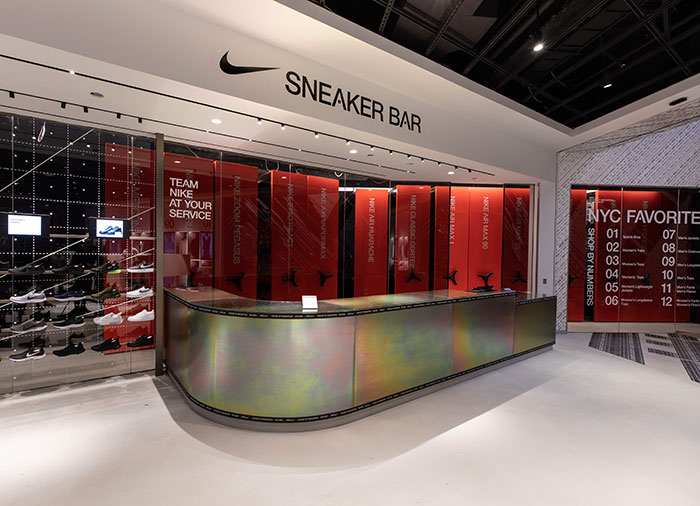
    Nike has elected to withdraw a new shoe design in Mainland China after a politically sensitive image was posted to Instagram by one of its designers.

    The issue overshadowed a solid result from the sportswear giant (scroll down for coverage)

    The image was in support of protests in Hong Kong – news of which has been heavily censored on the mainland – and was posted to an account belonging to one of Nike’s partnering fashion labels in Japan, Undercover, which collaborated on the shoe.

    Nike’s retail partners began pulling the shoe from sale following the post, with some vendors posting announcements that Nike had given urgent instructions to halt the shoe’s release. The withdrawal may have been a response to a negative backlash against the brand on Chinese social media for its apparent siding with Hong Kong.

    Breaching sensitive political issues has proved costly for many companies attempting to do business in China, as nationalist sentiments spread virally on platforms such as WeChat and Weibo can decimate brand credibility overnight for crossing the line.

    The Undercover Instagram post has since been removed, and the firm has claimed that the content was an “individual opinion” posted mistakenly.

    Meanwhile, Nike’s net profit increased to US$4 billion during the 2019 financial year, more than double last year’s figure of $1.9 billion.

    However, the large disparity is attributed to the enactment of the Tax Act last year, which raised Nike’s effective tax rate to 55.3 percent – causing a 54 percent drop in profits. This year, Nike’s tax rate returned to a more normalized level of 16.1 percent.

    Yesterday, Nike president, chairman and CEO Mark Parker told investors this year was a pivotal one for the company.

    “Our distinctive innovation and digital advantage led to accelerated growth across our complete portfolio, while our brand fuelled deeper relationships with consumers around the globe,” he said in a statement.

    Revenue grew 7 percent to $39.1 billion, driven by sportswear, Jordan, and running, as well as strategic investments in innovation and digitally led by Nike Direct.

    The Converse brand saw revenue grow 3 percent to $1.9 billion, which was mainly driven by double-digit growth in Asia and digital.
  • How Ferragamo veteran Sofia Ciucchi revived heritage brand Il Bisonte for millennials

    How Ferragamo veteran Sofia Ciucchi revived heritage brand Il Bisonte for millennials

    Luxury label Il Bisonte has come a long way from a family-owned retailer to a landmark flagship store in Harbour City which opened this month.

    Il Bisonte may not be the first Italian brand that comes to mind, but this artisanal leather label has been in existence for more than 50 years, heralding from Florence. For 20 years, the brand was distributed at a nifty mom-and-pop store in the neighbourhood mall of Heng Fa Chuen and had acquired a loyal following from local residents.

    In 2015 British private equity firm Palamon Capital Partners acquired Il Bisonte, seizing back full control from franchisees to begin direct selling. The new owners recruited Sophia Ciucchi from Italian luxury house Salvatore Ferragamo, appointed her CEO of Il Bisonte and charged her with revitalising and reawakening the sleeping brand.

    Proving her success, Il Bisonte has just been sold to Look Holdings Inc for €100 million.

    Originally operating under a wholesale model, Il Bisonte has its footprints on a global level at renowned department stores and through local distributors.

    “A couple of years ago, Japan represented 80 per cent of our sales,” explains Ciucchi. “At the end of last year, it was reduced to less than 50 per cent because the rest of the word was growing so much faster.

    “Europe and the Middle East have made a high contribution and the US is also growing. So, I think it’s a question of rebalancing and making our brand more international in the rest of Asia and the US.”

    For a long time, Il Bisonte has largely been focusing on developing its presence in the US, Europe and Japan and only now has it decided to re-enter Hong Kong with a strong foothold of the market.

    Now with a new flagship at Harbour City, Il Bisonte is also guaranteed strong exposure to Mainland Chinese shoppers ahead of a planned store roll out on the mainland.

    “Hong Kong is a strategic market for Asia, especially China and other Southeast Asia markets,” said Ciucchi.

    The business in Hong Kong is headed by retail manager Charles Lo, who says the company’s initial location at IFC mall ensured high visibility and established a strong market positioning in the territory. That drew approaches from other mall operators wanting the brand in their properties.

    Despite Japan being its best-selling market, Ciucchi has no imminent plans to buy out local partnerships and begin direct selling there.

    Ciucchi says due to the unique nature of the Japanese market and the characteristics of local shoppers often hard to grasp, the brand feels more confident having locals continue the label’s success there. If it’s not broken, don’t fix it is Ciucchi’s mantra.

    Endorsing the circular economy

    Il Bisonte crafts its handbags and accessories from bull-calf leather which ages with time and wear, giving it a distinctive look and making its pieces transgenerational. This inspired the brand to open a secondhand marketplace within its New York flagship store, and online. Consumers can resell their own pieces or purchase from others, embracing the circular economy.

    Not only does this initiative coincide with the brand’s heritage background, but pre-loved goods are much more welcomed by eco-conscious millennials these days. With luxury brands usually unwilling to see their products displayed on second-hand platforms, Il Bisonte’s open embrace of the pre-loved strategy makes it somewhat unique in the sector.

    Future digital plans

    Another of Ciucchi’s innovative strategies is to leverage the brand’s founder Wanny Di Filippo, a cigar-toting, bearded icon of Italian fashion.

    Il Bisonte has animated his character into a cartoon series, titled “Dreams Come True” to connect with the millennials and give the brand a more youthful approach. This storytelling is intended to evoke imagination and creativity, embodying the core values of the brand and share the story of how Di Filippo founded the brand.

    Next, in a clear progression of its revival strategy, Ciucchi is looking into converting Il Bisonte into an omnichannel brand next, starting with a new e-commerce platform by next fall. From there on, she hopes to create a holistic ecosystem by connecting all retail channels together.

  • Maxi-Cash opens its first LuxeStyle outlet in Australia

    Maxi-Cash opens its first LuxeStyle outlet in Australia

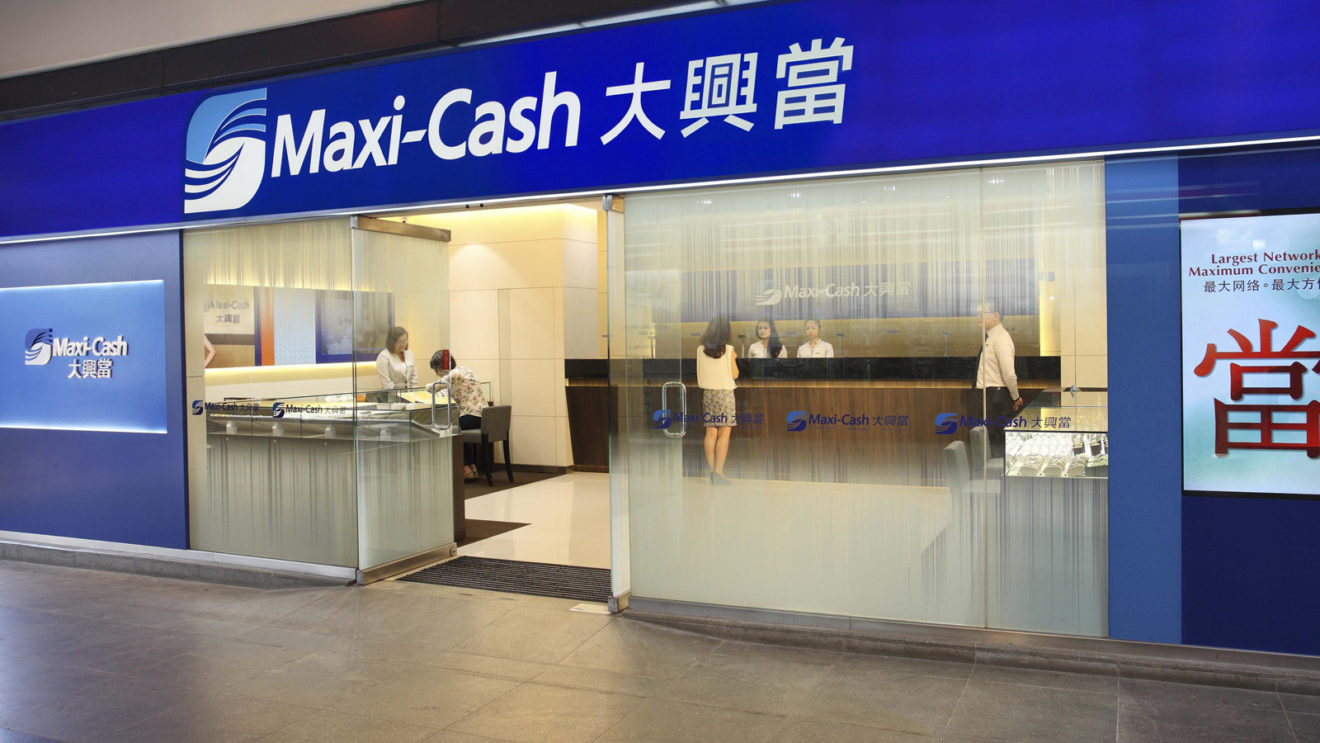
    Singaporean pawnbroker Maxi-Cash has opened its first Australian LuxeStyle boutique.

    Located in downtown Melbourne, the flagship boutique offers a variety of pre-loved luxury timepieces, designer leather bags and branded jewellery, including gold, diamonds, precious stones and pearls.

    Shoppers can expect to find luxury items that are handpicked under the “strictest inspection to ensure authenticity and top notch quality”, including Rolex, Cartier, Bulgari, Chanel, Prada, and Louis Vuitton.

    Customers will also have the opportunity to bring in their pre-loved or unused bags, timepieces or jewellery to exchange them for cash or trade in on a newer style or model.

    “As an established and a trusted retailer in Asia, we specifically had our eyes set on one of the world’s most livable cities and the fashion capital of Australia, Melbourne, to open our first Australian Maxi-Cash store,” said Ng Leok Cheng, Maxi-Cash CEO.

    He said 24K and 22K gold, luxury jewellery and timepieces, which all retain their value for years to come, are in high demand the world over.

    “We were quick to recognise a gap and an opportunity for expansion into the Australian market. We look forward to continuing to build our reputation for excellence amongst local shoppers as well as international visitors on holiday in the city.”

    Established in 2008, Maxi-Cash was the first pawnbroker to be listed on the Singapore Stock Exchange. It has 47 boutiques across Asia, including in Singapore and Malaysia.

  • Sephora reveals final four cities on ‘Beauty Bus’ tour

    Sephora reveals final four cities on ‘Beauty Bus’ tour

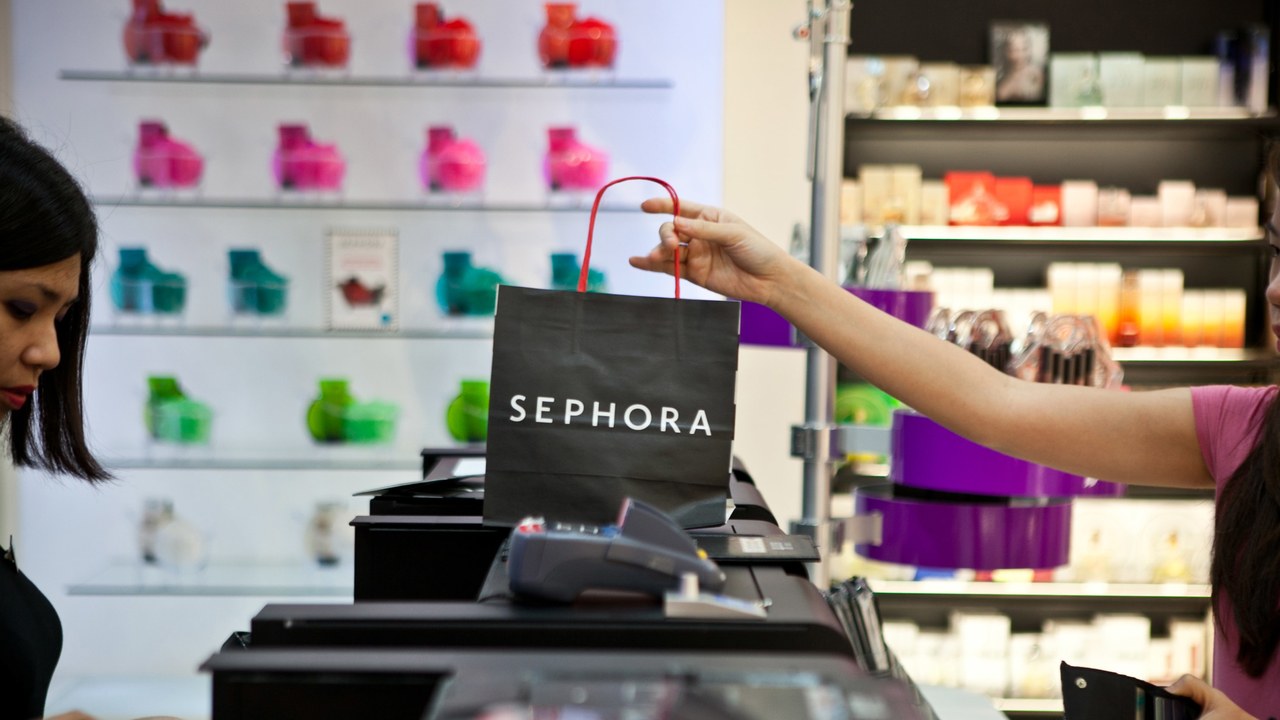
    Sephora has announced Christchurch, Wellington, Hamilton and Auckland as the final four cities to be visited by the retailer’s double-decker ‘Beauty Bus’ in July.

    The Beauty Bus will feature Sephora’s own products, as well as Fenty Beauty by Rihanna, tarte, Huda Beauty, Marc Jacobs Beauty on-board, but the products will not be available for purchase.

    “The Sephora Beauty Bus is all about the Sephora experience,” Sephora national artistry lead Alphie Sadsad said.

    “We have an online presence in New Zealand via our online store and app already, so this tour is all about letting our customers swatch, try and play with the products they’ve never seen in person.

    “Come in, try something new and then shop the full Sephora assortment online if you liked what you tried. It’s a whole new way of shopping, and we are excited for New Zealand to be the first to experience it.”

    Wrapped in Sephora’s white and black stripes, the 11-metre bus also offers custom-built makeup stations manned by Sephora makeup artists.

    The Beauty Bus is traveling around New Zealand next month in anticipation of the retailer’s first store in the country, set to open on Queen Street in Auckland in early July.

    The locations of the bus tour were chosen in the retailer’s ‘bring Sephora to your town’ competition, which encouraged Kiwis to vote for the chance to have the bus visit their town.

    While the brand has been tightlipped about its store launch, it is believed to be part of a larger push into the Asia market, which will also see stores opening in Korea and Hong Kong.

    Sephora Asia president Benjamin Vuchot has earlier said New Zealand will be a key market in building the Sephora brand in Asia.

    “This expansion to a new market will allow Sephora to continue to amplify global beauty trends locally, elevate what our clients expect of the in-store experience and bring fresh, digital touch points to the retail environment,” Vuchot said.

    Sephora Beauty Bus locations and dates:

    • Cathedral Square, Christchurch – 12 to 4 pm, 6 July
    • Northlands Mall, Christchurch – 12 to 4 pm, 7 July
    • Oldins Plaza, Wellington Waterfront – 12 to 4 pm, 10 and 11 July
    • Garden Place, Hamilton – 12 to 4 pm, 13 July
    • The Base, Hamilton – 12 to 4 pm, 14 July
    • Sylvia Park, Auckland – 12 to 4 pm, 17 July
    • The Viaduct, Auckland – 12 to 4 pm, 18 July
  • Tata Group Launching first fast-fashion chain

    Tata Group Launching first fast-fashion chain

    Zara’s Indian partner Tata Group is launching its own fashionable apparel chain in the territory with prices well below Zara levels.

    Tata’s retail offshoot Trent Ltd has launched an “extreme-fast-fashion” model that brings new styles from the runway to the store within two weeks, similar to Zara’s own timeline.

    Trent is seeking to launch 40 locations the flagship Westside chain per year as well as hundreds of mass-market Zudio stores for budget items. The chain is targeting fashion-conscious Indian consumers without the means to afford Zara items, with a view to becoming as ubiquitous in Asia as Zara is in Western markets.

    The firm has a strong focus on fashion-savvy staff, and spends 65 per cent more on personnel per square foot than its local competitors.

    “The middle class is growing, incomes have grown, Indians are traveling more and they have more money to spend,” said chairman Noel Tata. “Now that we’ve built this capability and this model that’s working so well, it’s time to grow faster … The value proposition we offer is much stronger than the international brands.”

    Less than a quarter of Indian households earnt US$8500 or more last year.

  • Sa Sa launched on HKTVmall

    Sa Sa launched on HKTVmall

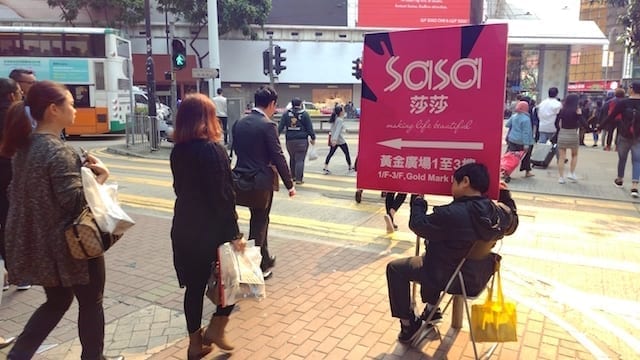
    SaSa has launched a flagship store on online shopping platform HKTVmall. The SaSa flagship offers more than 1200 SKUs, consisting of trendy skin care, make-up, fragrances and personal care products. The group intends to leverage the platform’s big data analytics to formulate more effective and precise sales and product strategies, as well as offer a series of in-store marketing promotions to customers.

    “As online shopping has become increasingly popular nowadays, customers embrace smart living and enjoy online shopping anytime at their fingertips,” said Sa Sa International chairman and CEO Dr Simon Kwok. “We expect that over 4000 SKUs will be offered on the platform in the short term, and we will continue to keep up with the latest trends in the consumer market trend, exploring collaboration opportunities with other third-party platforms while providing with the customers diversified trendy products, ultimately creating a more intimate shopping experience and giving new impetus to our business growth.”

    “SaSa brought a new retail model to the industry with cosmetic products being sold on open shelves as early as 40 years ago,” said HKTV chairman Ricky Wong. “HKTVmall is developing another new retailing model aiming to build a digital ecosystem encompassing business operations, trading, retailing, financial services and all aspects of daily lives, providing a ‘one-stop shop’ platform to the customers.”

    Last year, personal care and skin care products ranked third most-popular category, accounting for 17 percent of HKTVmall’s Gross Merchandise Value, and Wong believes the partnership with SaSa will introduce more international brands of beauty products, diversifying the selection of skincare and cosmetics products on HKTVmall.

    At present, the SaSa flagship complements SaSa’s physical stores and its own website, as well as its mobile app. SaSa has also been collaborating with third-party platforms in Mainland China in recent years, including Tmall, Kaola, Xiaohongshu, and JD.

    HKTVmall collaborates with more than 2800 retailers and suppliers, providing more than 270,000 products and service choices. Last year, 680,000 unique customers made purchases via HKTVmall.

  • Fresh capital for Vestiaire Collective to fund Asian expansion

    Fresh capital for Vestiaire Collective to fund Asian expansion

    Pre-owned luxury fashion retailer Vestiaire Collective has completed a €40 million round of financing led by BPIFrance and new CEO Max Bittner.

    The new round is expected to facilitate the launch of new technology solutions for the fashion ecosystem, empower its community through the lens of its platform, and fuel continued international growth.

    The investment will sustain Asian growth momentum where Vestiaire sees a 140 per cent GMV growth in the second quarter of this year, as well as the recent launch of numerous new markets including Taiwan, Thailand, Indonesia, India, Malaysia, UAE, Saudi Arabia, Israel, Brazil and Mexico.

    Vestiaire Collective has expressed ambitions to revolutionise the industry, and will soon be launching tech and data-driven solutions to empower its global community, brands and retailers in driving the adoption of sustainable and circular consumption. The firm believes that resale holds a pivotal role in driving the fashion ecosystem towards a more sustainable behaviour.

    This new round of funding confirms investor confidence in a large global opportunity for Vestiaire Collective’s business model. Currently, 79 per cent of the French-headquartered company’s transactions are already generated cross-border.

    With the funding, Vestiaire Collective also plans to expand its international recruitment drive. Since the arrival of Max Bittner, the company has successfully recruited 120 new talents from more than 20 nationalities across six offices, with a specific emphasis on growing the tech and data teams.

    Bittner said he plans to scale the business and continue to revolutionise the fashion industry together with co-founders Fanny Moizant and Sophie Hersan and the rest of the team.

    “We want to build an international tech and data first company, leveraging Vestiaire Collective’s incredible brand and fashion DNA”

    “Vestiaire Collective is uniquely positioned to thrive from the shift of consumer behavior towards a circular economy and digital,” added BPIFrance principal Charlotte Corbaz. “We are delighted to support Max and his team in the transformation of the fashion industry. We strongly believe its approach to combine tech and data to the fashion DNA of the company will allow them to become the worldwide leader in its market.”

  • Vestiaire Collective raises €40 million additional funding to provide technology solutions for the fashion ecosystem

    Vestiaire Collective raises €40 million additional funding to provide technology solutions for the fashion ecosystem

    Vestiaire Collective, the global community for luxury and premium pre-owned fashion, announced today the completion of a €40 million round of financing led by Bpifrance and new CEO, Max Bittner. The new round will facilitate the launch new technology solutions for the fashion ecosystem, empower its community through the lens of its platform and fuel continued international growth, and beyond.

    Under the guidance of CEO, Max Bittner, Vestiaire Collective has huge ambitions to revolutionize the industry and will soon be launching innovative tech and data driven solutions to empower its global community, as well the brands and retailers alike in driving the adoption of sustainable and circular consumption. Resale is holding a pivotal role in driving the fashion ecosystem towards a more sustainable behaviour.

    This new round of funding confirms investors’ belief in the large global opportunity for Vestiaire Collective’s business model and will allow for further acceleration of its international business beyond the countries where the company’s community is already well established. Currently, 79% of the French headquartered company’s transactions are already generated cross-border.

    The investment will sustain Asian growth momentum where Vestiaire Collective sees a 140% GMV growth in Q2 2019, as well as the recent launch of numerous new markets including Taiwan, Thailand, Indonesia, India, Malaysia, UAE, Saudi Arabia, Israel, Brazil and Mexico.

    With the funding, Vestiaire Collective plans to expand its international recruitment drive. Since the arrival of Max Bittner, the company has successfully recruited 120 new talents from more than 20 nationalities across six offices, with a specific emphasis on growing the tech and data teams.

  • Prada Thunder pop-up Store opens at Harbour City

    Prada Thunder pop-up Store opens at Harbour City

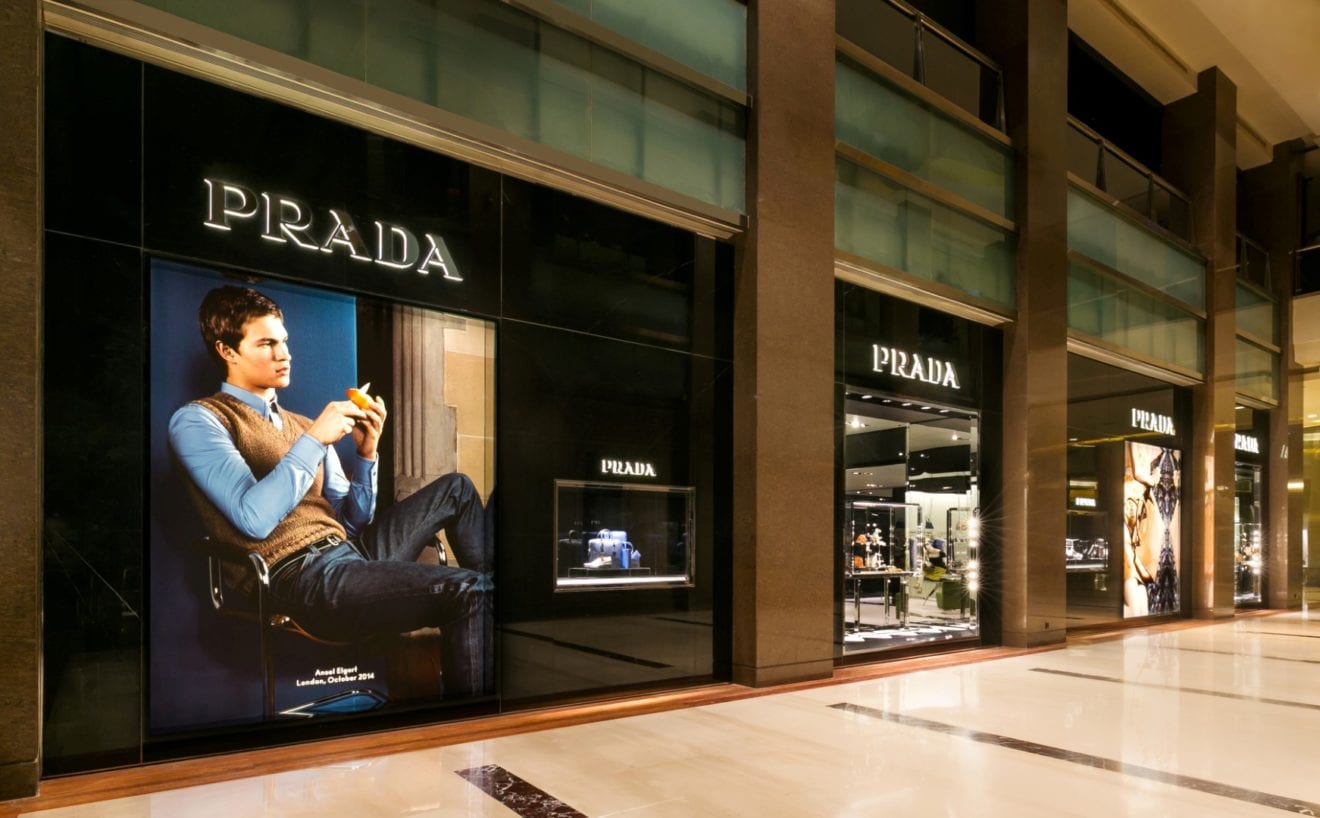
    Luxury fashion house Prada has launched a pop-up store at Atrium II in Harbour City to introduce its Prada Thunder project.

    The store showcases a selection of ready to wear, bags, shoes and accessories for men and women, featuring Prada Menswear and Womenswear Fall/Winter 2019 prints designed by artist Jeanne Detallante exclusively for the brand. Symbols from the Frankenstein’s monster universe as well as his Bride – the heart, the electric rose and the thunder – are used to augment these original items sold in matching packaging.

    The Prada Thunder pop up will remain open until July 1, dedicated to the theme and inspired by “the romantic and gothic atmosphere” of the collection. A wallpaper – entitled Alternating Currents – depicts silhouettes of male and female figures against a glowing vista of moorlands and cliffs, while display cases and dimly illuminated transparent tables evoke the concept of a surreal laboratory.

    Prada Thunder will also be presented in Prada’s Canton Road store with a special display from July 2 to 28.

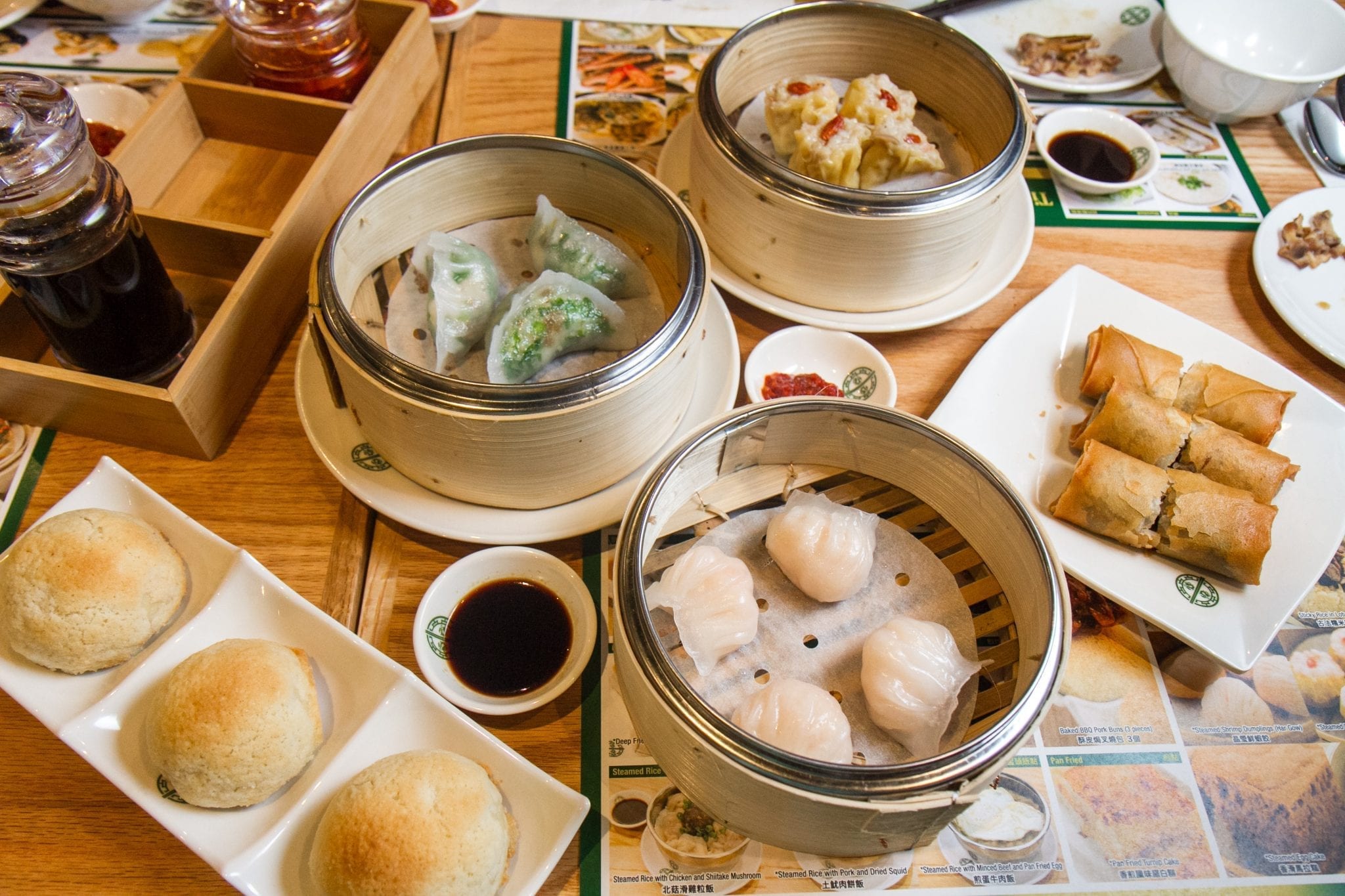
  • Tim Ho Wan Singapore launches new Restaurant and menu

    Tim Ho Wan Singapore launches new Restaurant and menu

    Tim Ho Wan Singapore has opened its 11th outlet, at Punggol Waterway Point.

    The new 94-seater restaurant coincides with a revamped menu for the eatery, featuring a “refined and upgraded” menu in a modern dining space.

    Tim Ho Wan Singapore is operated by Titan Dining LP – the new master franchise holder in the Asia Pacific.

    The new menu features a limited-edition promotion the Spring Beef Specials, featuring four new beef-centric dishes. There are also upgraded Cantonese classics such as Signature BBQ Pork Bun, Beef Brisket Noodles, Shrimp dumplings, Wonton noodle soup.

  • US shoes-from-plastic brand begins Outlet rollout

    US shoes-from-plastic brand begins Outlet rollout

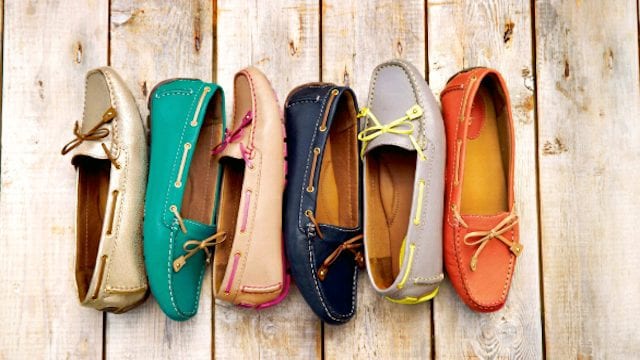
    Online shoes-from-plastic brand Rothy’s is opening its first physical stores in four key US locations.

    The brand creates women’s shoes from recycled materials, including plastic bottles, and has a burgeoning following in the territory. Its new stores will open in downtown Manhattan, Los Angeles, Boston and Washington DC.

    A further five locations are planned to open in the US next year. To date Rothy’s has operated just one store – in its home city of San Francisco. But it has sold online across the US and internationally.

    The shoes are all flats with knitted materials, retailing from $125–165. The popularity of the footwear has rested on the Rothy’s marketing savvy and advertising investment on social media. The firm has thus far raised $42 million and earnt $140 million in revenue last year. It has recycled around 32 million plastic bottles.

  • Asian expansion contributes to loss for Mulberry

    Asian expansion contributes to loss for Mulberry

    Expansion into Asia has weighed on British luxury bag label Mulberry’s bottom line, but the company is confident the foray will bear fruit.

    Mulberry reported a pre-tax loss of £5 million in the year to March 30, a sharp contrast to a £6.9 million pre-tax profit the previous year.

    The other major contributor to the loss was the collapse of British department store House of Fraser which cost it £2.1 million and worsening the impact of a “challenging” UK domestic market. Sales fell 2 per cent to £166.3 million.

    During the year, Mulberry opened new business subsidiaries in Japan and South Korea along with new stores in New York and Dubai as it focuses on international markets for sustained future growth. Revenue from overseas rose 7 per cent for the year, compensating in part for a 6 per cent drop in domestic sales. Online sales rose 27 per cent

    “The group has delivered results in line with expectations and is making good progress in advancing its international strategy and direct to customer model whilst managing a challenging UK market,” said CEO Thierry Andretta.

    “Looking ahead, we anticipate that international and digital sales will continue to grow whilst UK retail trading conditions are expected to remain uncertain. The group plans to invest further in its new Asian entities during this development phase, enhance its global digital platform and optimise the UK network,” he said.

    Sales in the 11 weeks to June 15 were up 13 per cent.

    Chloe Collins, senior retail analyst at GlobalData, said Mulberry needs to seek new and inspiring ways to attract new customers via increased social media and marketing campaigns.’

    She said Mulberry’s expansion of its lifestyle-product offer – it launched its first eyewear range last year – and its plans to increase the depth in its range of trainers are a wise move to capitalise on the trend for athleisure and competing with the likes of Isabel Marant and Golden Goose.

    “However, it must be careful that this does not distract design focus from its core handbags offer, where developments and upgrades are still necessary to maintain shopper appeal.”

    She said teaming up with fast-growing technology platform Farfetch for a new digital concession in April, will help Mulberry increase its reach and bolster sales, both in the UK and internationally.

  • Omega China makes E-commerce debut

    Omega China makes E-commerce debut

    Swiss timepiece maker Omega has launched its first e-commerce initiative in China.

    Omega China has opened a new pop-up store in the Tmall Luxury Pavilion, an online platform for premium brands under Alibaba Group.

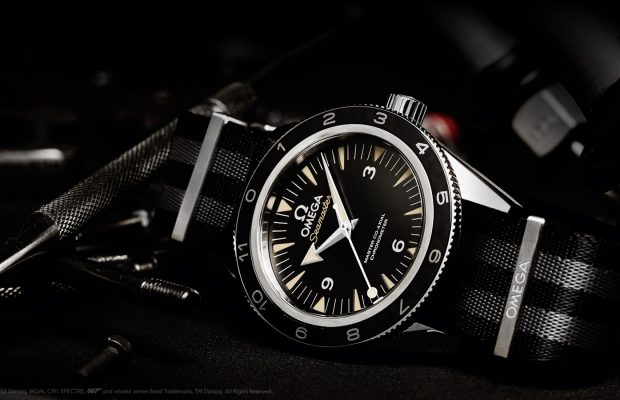
    Pre-sales for Omega’s new Seamaster Aqua Terra Beijing 2022 limited-edition wristwatch will be exclusively available on the pop-up site between June 15 and August 7. The watch will be available in physical stores later on. Just 2,022 watches have been made to mark Beijing’s upcoming Winter Olympics.

    The Pavilion has recently overhauled its site with more personalised offers and recommendations, introducing a brand-generated content feed and online magazine.

    “We want to step up our offerings in terms of creative experiences, trending product feeds and style tips from fashion editors to help young users find items and brands they love,” said Tmall Luxury Pavilion head Lili Chen. “The Pavilion revamp enhances the discovery journey and shopping experience for our customers, while helping luxury brands better express their brand vision, aesthetics and new creations.”

    Omega joins 133 brands on Tmall’s Luxury Pavilion, including rival brands Tag Heuer and Zenith, along with Versace, Stella McCartney, Moschino, and others.

  • Edmund Hillary Brands kicks off $3m capital raise

    Edmund Hillary Brands kicks off $3m capital raise

    A luxury outdoor fashion brand inspired by Sir Edmund Hillary is looking to raise $3 million to expand overseas and fund a women’s range.

    Edmund Hillary Brands, which was co-founded with the Hillary family in 2018, launched an equity crowdfunding campaign on UK crowdfunding platform Crowdcube on Monday.

    Co-founder and CEO Mike Hall-Taylor said the brand aims to build on the momentum it has experienced since debuting its first collection last year.

    “We’ve received an overwhelming response to our first collection since launch last year and we want to maintain the momentum and capitalise on immediate opportunities in the UK, US, China and Australia as well as meet the demand from consumers for a women’s range,” Hall-Taylor said in a statement.

    While the brand expects to attract a number of larger investors, the minimum investment was deliberately kept at $23 to be accessible to New Zealanders who are interested.

    At the time of this writing, Edmund Hillary Brands had raised £82,728, or roughly $160,000, from 53 investors, bringing it 16 per cent of the way to its target. The campaign ends on July 24.

    Edmund Hillary Brands has enjoyed some early successes since launching in 2018, including a global debut at New Zealand Fashion Week, the opening of a standalone store at Queenstown airport, a global e-commerce site and partnerships with two supporting retailers.

    The brand has also formed a distribution partnership with a major e-commerce platform in China, where it will launch in September, ahead of the 2022 Beijing Winter Olympics.

    The brand’s debut collection was inspired by the classic styles worn by Sir Edmund Hillary and the expedition team. Designers poured over more than 2000 images of the 1953 expedition when developing the range.

    In addition to the brand’s connection with Sir Edmund Hillary’s style, a percentage of every sale goes to support Himalayan communities and outdoor education.

    “Apart from being an exciting financial investment, it also represents the opportunity to be part of continuing my father’s legacy with a portion of every sale going to the causes close to Ed’s heart – supporting Himalayan communities and outdoor education in our key markets,” Peter Hillary, co-founder of the brand, said in a statement.

  • Lagerfeld’s legacy: double-digit growth and €10 billion

    Lagerfeld’s legacy: double-digit growth and €10 billion

    Fashion icon Karl Lagerfeld delivered French maison Chanel a stunning legacy in the final year of his life. Chanel, privately owned, has revealed financial information only twice in its 109-year history. But yesterday, finance chief Philippe Blondiaux took the extraordinary step of announcing the brand had achieved global sales of almost €10 billion last year, in an apparent tribute to the designer, who died in February, aged 85. Profit exceeded €3 billion.

    The company also achieved double-digit sales growth “with great performances in leather goods and ready-to-wear”. But that was all the notoriously secretive company revealed, other than to reassert the company was not for sale, thus dashing any interpretation the details were released to pique the interest of prospective bidders.

    Chanel is owned by the Wertheimer family. Geneva-based Gerard Paul Philippe Wertheimer, 69, controls the business in partnership with his brother, Alain, 70. The former has an estimated worth of US$15.3 billion, with the pair ranking fourth and fifth on France’s rich list and among the 40 wealthiest people on the planet.

    Lagerfeld died of cancer, but reportedly worked until the end, such was his passion for his craft.

    Analysts estimate Chanel to be worth in the vicinity of $20 billion, making it one of the world’s most valuable fashion brands, and certainly one of the largest still in private ownership.

    In turnover, it is catching archrival Louis Vuitton, whose sales exceeded $10 billion last year.

    Far from resting on its laurels, Chanel invested an estimated $1 billion in digital innovation last year, embracing online, social media and seamless online/offline integration and in-store technology.