Category: Fashion

Retail News Asia is committed to providing both local and global retailers with the latest Fashion news throughout the Asian market. This on a daily base.

  • Superdry outlines expansion plans

    Superdry outlines expansion plans

    Off the back of its recent bricks-and-mortar entry into New Zealand, streetwear brand Superdry is now set to expand across Sydney and Melbourne in August and September.

    Over the next two months, Superdry will be opening stores at The Glen Shopping Centre and Essendon in Victoria and Homebush DFO in Sydney, in addition to its next store in New Zealand in Queenstown.

    Superdry’s Auckland store opened in April this year and according to general brand manager at Superdry, Antony Hampson, the business is already achieving double digit sales growth versus its target.

    “We’ve always had a good wholesale distribution in New Zealand, so we knew there was an appetite for the brand and it was the right time,” Hampson told Inside Retail.

    “It was important for us to present New Zealand with our full concept and all our product lines in one store. The response has been fantastic, people have really taken to the monobrand concept and appreciated the new silhouette and styles we’re offering.”

    In addition to the new Auckland store, Superdry also localised the New Zealand e-commerce site in April, which was previously operated through the UK. Now that the site runs from Australia and the distribution centre is based in Melbourne, New Zealand customers can enjoy speedier delivery and a more consistent customer experience.

    “We’ve been able to open up a significant amount of our stock across all our network to our customer base. The distribution centre is in Melbourne, but we offer a ship-from-store functionality, which is important from a stock efficiency perspective,” explained Hampson.

    “We’re able to showcase stock in the distribution centre, as well as stock that may no longer be there but is available in stores, even fragmented stock, which they can purchase it online. That accounts for 30 per cent of our transactions.”

    Challenges ahead

    However, in other areas of the business, Superdry has faced some issues, notably the delay of the release of its annual results to July 10. Earlier in the year, founder Julian Dunkerton also warned that the gross profit of the entire year would be lower than current market expectations, due to changes in management and weaknesses in its on- and offline channels.

    “We’re a separate entity in Australia and we’re fairly isolated from the rest of the world. We’ve built a strong business in the last 10 years where we’ve grown substantially, but the investments have been smart so we have haven’t overcapitalised. We still see opportunities to grow,” Hampson explained.

    “I think a lot of the challenges that the brand has faced particularly in the UK have been driven from the top in terms of a conflict of strategic direction. That’s seen the founder [Dunkerton] voted back onto the board, which will straight away provide more clarity and understanding of what the direction is moving forward.”

    Hampson also pointed to the fact that given Superdry traditionally makes most of its sales from winter products, the brand has also been impacted by the warmer weather, like many other brands in the UK market.

    A focus on the customer

    In the next financial year, Superdry is planning to continue growing its commerce channel. According to Hampson, the brand has invested in new software to better communicate and segment its customer base and its CRM capability is much more advanced than it was 12-18 months ago.

    “That will allow us to understand our customers’ shopping habits in more detail and target customers more relevantly which will help to increase the purchase frequency in our database, which is an important factor amongst the doom and gloom around retail,” he said. “You have to continue to engage and grow your customer base and offer different products they wouldn’t have purchased into before.”

    Over the next year, the brand’s in-store merchandising will also evolve into a more clean, streamlined and contemporary experience for customers, Hampson added. However, given Superdry’s shift in recent years towards becoming more of a lifestyle brand, product options will always be a priority in-store.

    “Superdry was founded based on three key product categories – fleece, jackets and t-shirts. And although they will always remain the core centre of our narrative and we’ll continue to innovate and evolve across the categories, we also play in denim, shorts, shirting, accessories and footwear. So it’s important that from a customer perspective, we’re showcasing all of those additional product lines…to give customers an opportunity to buy into product they may not have otherwise and give them another reason to shop with Superdry.”

  • Indonesian brand Palm Lagoon opens at Trans Studio mall

    Indonesian brand Palm Lagoon opens at Trans Studio mall

    Indonesian brand Palm Lagoon, which specialises in resort wear, has opened at Bali’s Trans Studio mall.

    The 207sqm boutique offers a curated selection of apparel, footwear, bikinis, swimwear, bags, sunglasses, watches and jewellery, targeting women and men.

    Brands sold include Rik and Reg, Saturdays eyewear, Pierre Lannier, Ellyse, Karmen and Marius, Little Savvy, Antyik Butik, Lima Watch, Hopy bags, RDNB bracelets and SNJA tote bags. Fashion advisors will be in store to provide styling advice.

    Onnie Khristanto, COO of Bestari Group, Palm Lagoon’s operator, said the new store brings the brand to life in a new and exciting way with its ‘less-is-more’ concept and product curation based on the beach-and-resort lifestyle.

    “We will inspire head-to toe looks and in-store associates will help our regular customers find styles they love with more ease as well as introduce brands our new customers will love to discover.”

    Launched in 2013, Palm Lagoon now has seven flagship stores in Indonesia, including one at Ngurah Rai International Airport, and 51 points of sales in major cities.

    Its products are also available online at Zalora, Zillingo, Shopee Indonesia, and Amazon Australia.

  • Rita Ora becomes new face of Thomas Sabo

    Rita Ora becomes new face of Thomas Sabo

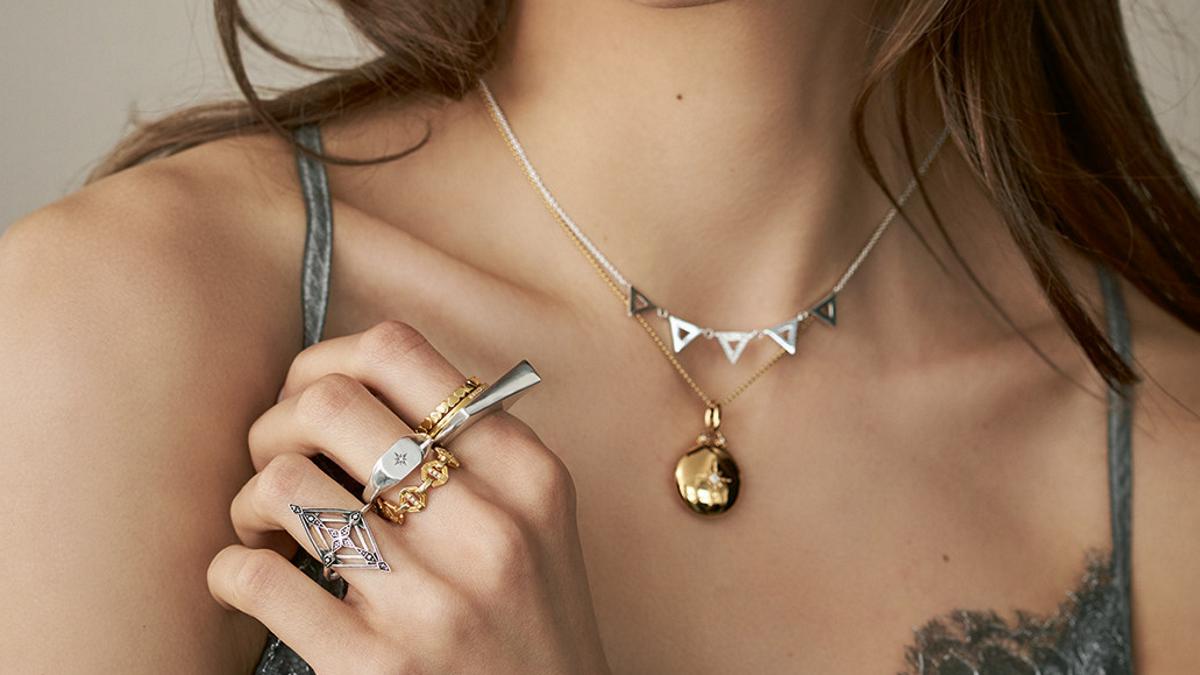
    British singer Rita Ora has become the new global ambassador of German jewellery and watch brand Thomas Sabo.

    Known for her creative style and individuality, the singer will be the face of Thomas Sabo worldwide for the next two years.

    The first collection with Rita Ora will be the Autumn/Winter 2019, to be revealed from July 15.

    “My Thomas Sabo campaign aims to empower women to experience this magical boost of jewellery and to inspire other women to create personal looks full of energy and liveliness,” said Rita Ora at the announcement of the cooperation.

    The focus of the range is on bright jewellery colours and unique statements such as magical lucky charms and cat motifs.

    Established in 1984,  Thomas Sabo has 300 company-owned shops around the world.

  • Zara India reports drop in profit

    Zara India reports drop in profit

    Fashion retailer Zara India has reported a 13.4-per-cent drop in net profit over the last financial year, reflecting increased competition and a drop in demand during the period.

    The loss came despite a 17.7 percent increase in sales over the year to  ₹1438 crore (US$208 million), which suggests the company has been heavily discounting to maintain stock turnover.

    Two years ago, Zara India saw a 40-per-cent drop in profits after ruthlessly slashing prices to beat competitors.

    The brand opened two new stores in the territory and expanded its presence to a total of 10 Indian cities during the last financial year.

    “The numbers could reflect a dip in same-store sales growth,” noted an Indian retail industry commentator. “Also during the year, India saw no major new net mall additions in large cities for a brand such as Zara to open add more stores”.

    A spokesperson for Zara’s local partner Trent maintained that the primary challenge to the brand’s faster expansion is the availability of high-quality retail spaces that could be expected to generate reasonable sales throughput.

  • Zimmermann opens first outlet in Italy

    Zimmermann opens first outlet in Italy

    Luxury fashion brand Zimmermann has opened a new boutique on the Amalfi Coast in Capri, Italy.

    Designed by Australian architect Don McQualter of Studio McQualter, the 734sqf (68sqm) store aims to convey a “relaxed femininity, an air of freshness and light, and unyielding optimism”.

    Zimmermann calls it a physical embodiment of the brand.

    “We are very excited to be opening our store in Capri. It’s our first Zimmermann boutique in Italy and it’s a dream to have a store in such an iconic European seaside destination,” said Nicky Zimmermann, the brand’s creative director and co-founder.

    “We thought it was such a perfect location to bring a part of Zimmermann to the Amalfi Coast.”

    Located on Via Vittorio Emanuele, the boutique’s subdued pink facade is in keeping with the local palette. Its interior features custom metalwork, light fixtures, display tables, millwork and visual merchandising fixtures – all designed by Studio McQualter.

    Artworks by Australian artist Tom Polo and the rich fabric palette of the fitting rooms add vibrancy to the space.

    The store is the brand’s first in Italy and follows the opening of boutiques in London in 2017 and St. Tropez in 2018. Zimmermann said it plans to open a fourth European store in Paris in July.

    Sisters Nicky and Simone Zimmermann launched the new boutique with a two-day celebration, starting with an intimate dinner by the sea on Thursday, June 27th, followed by a scenic lunch and all-day party at Villa Bismarck on Friday, June 28th.

    A bevy of celebrities were in attendance, including actresses Katie Holmes and Laura Dern; models Karolina Kurkova, Gemma Ward and Arizona Muse; and Australian style authorities, Yasmin Sewell and Laura Brown, among others.

  • Adore Beauty Looking at International Expansion

    Adore Beauty Looking at International Expansion

    Online retailer Adore Beauty has officially launched a dedicated website in New Zealand. The move marks a return to international expansion after the company put its plans on ice over the past few years to address rapid growth in the Australian market.

    The completion of a warehouse transformation project in late 2018, which tripled fulfillment capacity, meant Adore Beauty was able to provide the same level of service to overseas customers as those in Australia – a precondition for the company’s founder and CEO Kate Morris.

    “Being able to pay in your own currency, having payment methods you recognize, a strong shipping offer…it’s all about taking the parts of the customer experience that people respond to really well in Australia and figuring out how to do that in New Zealand,” Morris said.

    Adore Beauty’s local New Zealand website, which officially launched on Monday, ticks all of those boxes. The retailer is offering free express shipping on all orders over $50, and same-day dispatch for orders placed by 4 pm, New Zealand time.

    According to Morris, the launch so far has gone better than expected, despite the buzz that Sephora is generating ahead of the opening of its first bricks-and-mortar store in New Zealand later this month.

    “It’s not something we get too wrapped up in to be honest,” she said about the arrival of the French cosmetics giant.

    “Anything that goes towards helping the New Zealand customer get the selection she deserves is generally a good thing.”

    Morris added that Sephora’s expansion in Australia has “grown the pie” for the beauty spending. Indeed, the online retailer expects sales to surpass $100 million this year – more than double last year’s sales of $52 million.

    “We’re seeing a bit of a shift in the way that consumers are approaching shopping for beauty online,” Morris said.

    “When we started 19 years ago, online shopping was all about price. The only reason people shopped online was that things might be cheaper, and that was never really what we were about. Then it moved to be a convenient replenishment option, and that was where a lot of our growth started.

    “What we’re seeing now is that customers are willing to go on a journey of discovery completely online. Between the type of content we’re producing now for our Beauty IQ blog and what we’re doing on Instagram, people are buying products online sight unseen.”

    Adore Beauty offers more than 14,000 makeup, skincare and haircare products from brands including Mac, Napoleon Perdis, Kerastase, Oribe, Aesop, Jurlique and others.

  • Uniqlo opens another Australian store

    Uniqlo opens another Australian store

    Fast fashion retailer Uniqlo said it will open its 20th store in Australia on July 4 at Northland Shopping Centre.

    The new store, set in 888sqm of retail space, will take the retailer’s store count in Victoria to eight.

    According to the Japanese retailer, the Uniqlo Northland store will feature the brand’s LifeWear apparel for men, women, kids, and babies.

    “The opening of our twentieth site in Australia is a significant milestone that demonstrates our commitment to finding the right locations to extend our LifeWear message to all Australians,” said Kensuke Suwa, Uniqlo Australia chief operating officer.

    “Our offering of high-quality products at an affordable price, paired with exemplary customer service is resonating with Australians and we look forward to continuing our growth in 2019 and beyond.”

    The doors will open to consumers at 10 am after an official ribbon cutting ceremony and Japanese drumming celebration.

  • Nike grows profit, pulls product in China

    Nike grows profit, pulls product in China

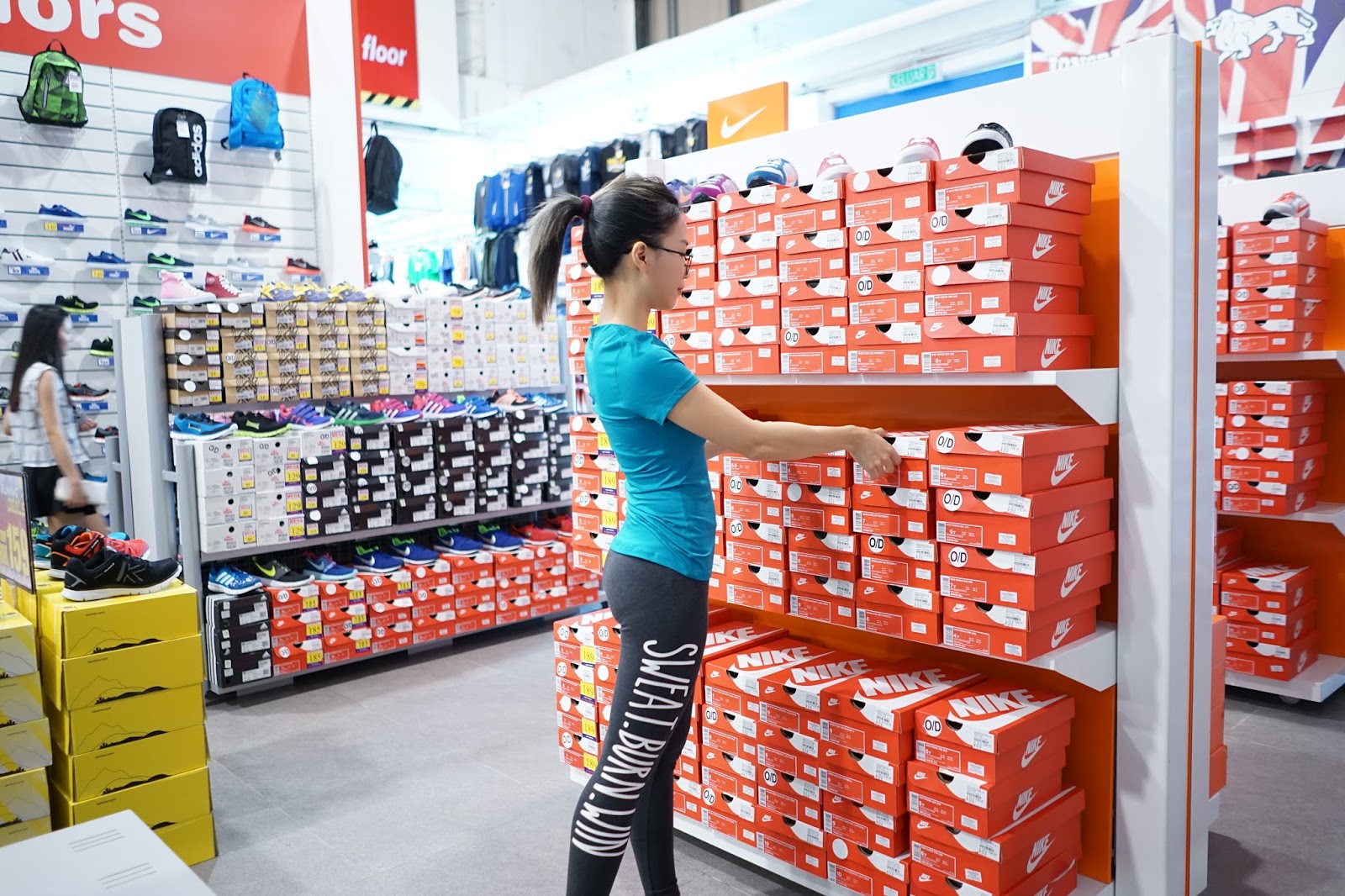
    Sportswear brand Nike has revealed its net profit increased to US$4 billion during the 2019 financial year, compared to the previous year, which saw Nike earn US$1.9 billion.

    The large disparity is attributed to the enactment of the Tax Act last year, which raised Nike’s effective tax rate to 55.3 percent – causing a 54 percent drop in profits. In FY19, Nike’s tax rate returned to a more normalized level of 16.1 percent.

    The positive results come at a turbulent time for the sportswear giant, which recently faced a social media backlash in China after Undercover, a Japanese streetwear label it collaborated with on a line of sneakers, shared an Instagram Story with the caption, “No Extradition to China,” and “Go Hong Kong”.

    Nike subsequently pulled the sneakers from its offering in China, according to media reports.

    Nike president, chairman, and chief executive Mark Parker told investors the business is committed to the China market “for decades to come”.

    “We are and remain a brand of China and for China,” Parker told analysts, according to the Financial Times.

    “We’re confident that we’ll continue to grow sport and our business in China for decades to come.”

    On Thursday, Parker told investors FY19 was a pivotal year for the retailer.

    “Our distinctive innovation and digital advantage led to accelerated growth across our complete portfolio, while our brand fuelled deeper relationships with consumers around the globe,” he said in a statement.

    Revenue grew 7 per cent to US$39.1 billion, driven by sportswear, Jordan, and running, as well as strategic investments in innovation and digital led by Nike Direct.

    The Converse brand saw revenue grow 3 per cent to US$1.9 billion, which was mainly driven by double-digit growth in Asia and digital.

    Nike and Retail Prodigy Group have been contacted for comment.

  • SMCP Taking over men’s luxury brand De Fursac

    SMCP Taking over men’s luxury brand De Fursac

    Chinese-controlled affordable luxury fashion group SMCP has agreed to buy French luxury menswear label De Fursac.

    The deal – the value of which was not disclosed – gives SMCP an entry into the menswear category and will complement its existing labels Sandro, Maje and Claudie Pierlot.

    In a regulatory filing, Shandong Ruyi said the deal would be financed from debt but would increase earnings-per-share immediately.

    Last year, De Fursac’s sales reached €41.4 million last year and it achieved like-for-like sales growth of 5.4 percent.

    SMCP CEO Daniel Lalonde said De Fursac gives his company a unique opportunity to accelerate its strategy by tapping into a new segment in the fast-growing men’s accessible luxury market.

    “De Fursac is an outstanding brand, poised for growth through international expansion, with the support of our expertise.”

  • H&M to scale back store openings and focus on E-commerce

    H&M to scale back store openings and focus on E-commerce

    H&M says it will scale back its store-opening program in the year ahead, and reported strong sales in its stores this month.

    The company had already announced a 5 per cent increase in same-store sales in the second quarter; now it is estimating June’s growth at 12 per cent. It is also selling more stock at full price, lessening its reliance on discounting which had been necessary to shift an unusually high inventory during the last year.

    “Inventory increased by less than sales, the composition of inventory is better and markdowns are lower,” said CEO Karl-Johan Persson during an investor conference call. “We will see more improvements, it’s heading in the right direction.”

    As the company slows its rate of store openings, forecasting 130 now rather than the 175 flagged earlier, it will invest more on building up its e-commerce business.

    “We have decided in certain markets to hold back from new openings. We think rents are higher than they should be,” Persson said.

    Kate Ormrod, lead retail analyst at GlobalData, says the company’s results and Persson’s comments shows H&M remains on track with its transformation plan.

    “Efforts to strengthen its product ranges and availability are clearly resonating with shoppers, helping to drive full price sales and reduce markdowns. One sticking point for the first half remains profitability, with operating profit still down on the year, and margin falling from 7.3 per cent to 6.4 per cent. The true test of its strategy lies in the second half where tougher comparatives can be found – although with the retailer reporting a strong June, … the signs are encouraging.”

    She said that having been a laggard for so long in e-commerce, H&M’s investment continues apace as the retailer is still yet to fully harness the opportunities that lie within online.

    “While it now plans fewer store openings, minimising costs, the new strategy puts pressure on H&M’s existing stores and online operations to deliver.”

  • Fred Segal looking for Asian expansion

    Fred Segal looking for Asian expansion

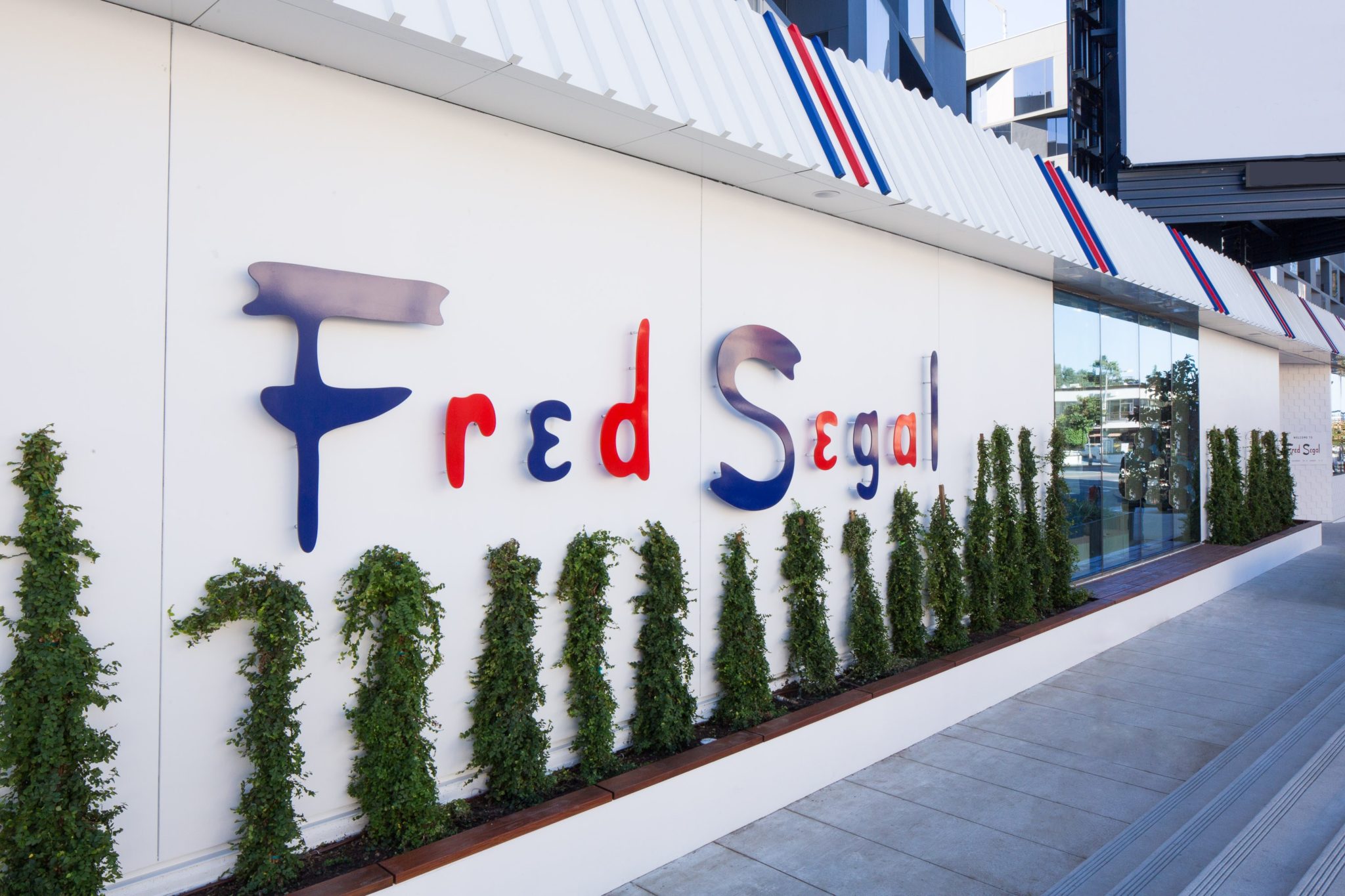
    US West Coast fashion and lifestyle retailer Fred Segal is eyeing expansion into China as its new owner Global Icons seeks to revive the 57-year-old brand. In an interview, Fred Segal president John Frierson said the European and Asian markets are big focuses for the company, singling out the growing spending power of Chinese Gen Z and millennial consumers.

    He said the company will be announcing “significant” plans for physical retail within Asia within the next few weeks, led by “big partners” in the region.

    Jeff Lotman, CEO of Global Icons and Fred Segal chairman, said the company was in final discussions with multibillion-dollar trading companies in China, South Korea and Japan. Stores in those markets would follow debuts in Taiwan and Malaysia last year under the company’s previous ownership.

    Global Icons has offices in Hong Kong and the company has secured licensing deals with brands as diverse as Hostess and Lamborghini.

    Fred Segal, a tailor, founded his retail brand in 1961. It peaked in the 1990s and early 2000s when it became the first to sell Kate Spade and Juicy Couture, and was shopped by celebrities including Paris Hilton and the Olsen twins.

    The company operates through licensees in international markets and has already announced plans to open at least 20 stores this year.

    “To really have next-level success means going out and creating our own line of products, and selling the Los Angeles lifestyle to the world,” Lotman said. “We can no longer just be US-centric.”

    He said he wants the international stores to retain Fred Segal’s retail signatures, including multiple brands, emerging designers, events and a restaurant.

    Added Frierson: “We’re lucky in that we’re not trying to harvest the value of the brand, but we’re trying to grow it. And we have a tremendous amount of growth to do in the next 10 years.”

  • Bottega Veneta gets a new look in Singapore

    Bottega Veneta gets a new look in Singapore

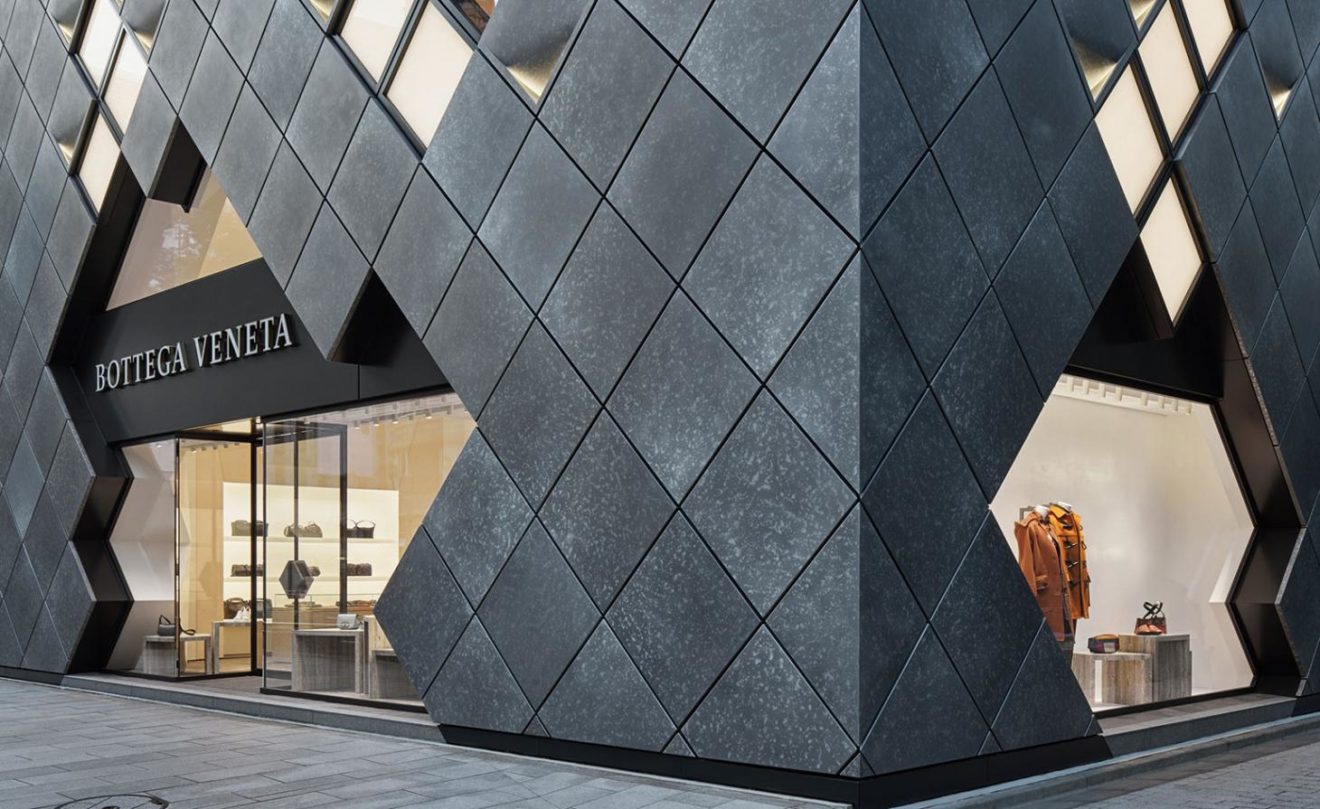
    The Bottega Veneta Singapore boutique at Ion Orchard has undergone a major makeover.

    The 255sqm store has been fully renovated in time to celebrate the arrival of the first Bottega Veneta collection designed by new creative director Daniel Lee.

    Under the theme of lightness, the space now has a new sense of openness and modernity. Walls are painted bright white or covered in plaster with a Roman ‘travertine texture’.

    Floors are covered with dark ivory limestone and pale carpets, while the ceiling is pure white.

    A pale-hued Antique Oak is used throughout the store to create linear shelves and glass-topped display tables.

    Opened in Singapore in 2009, with the first store at Takashimaya, Bottega Veneta now has four branches in the city.

  • Belle to spin off Topsports International

    Belle to spin off Topsports International

    Chinese footwear manufacturer and retailer Belle International has filed papers for a public listing of its sportswear business Topsports International.

    The spinoff was first proposed more than a year ago by the company’s private equity owners Hillhouse Capital and CDH who took Belle private in a US$6.8 billion deal in July 2017.

    The float, scheduled for the second half of this year, would raise an estimated $1 billion.

    Topsport International is the largest sportswear retailer in Mainland China, with 8343 stores selling foreign labels including Nike and Adidas. It had a market share estimated at 15.9 percent last year when its revenue rose 22.4 percent to US$3.85 billion and its gross profit by 18 percent.

  • Global Brands Group posts another loss

    Global Brands Group posts another loss

    Trimmed-down Global Brands Group has reported another loss but says its restructuring is on track to be completed next year.

    “Global Brands has entered into a new chapter as a nimble and more focused organization,” said CEO Rick Darling. “The changes we are implementing have put Global Brands in a strong position. We are already beginning to see the benefits, with the results in the second half of the fiscal year significantly improved from the first half.”

    For the year to March 31, revenue from continuing operations fell by 4.6 percent year on year,  which the company said was primarily due to eliminating unprofitable businesses. While net loss of the continuing operations increased to US$250 million, net loss attributable to shareholders improved by 55.7 percent to $400 million.

    However, as we reported in November, sales fell by 4.1 percent in the first half year to $699 million, largely due to lower revenue in Mainland China and the disposal of the homewares business. That figure excluded any impact from the $1.2 billion sale of the North American business which led to an extraordinary dividend of around $305 million in cash and scrip last April, as well as reducing debt.

    Since the restructure, Global Brands Group is now concentrated on core businesses of men’s and women’s fashion apparel, footwear and brand management.

    Darling said the company remains focused on flattening its structure and building a more responsive organization.

    “We are now making significant strides towards achieving our target of reducing $100 million in operating expenses and are well on our way to exceeding this initial target. Our goal is to complete the restructuring program by the end of the 2020 fiscal year.”

    The program involves a number of initiatives, including simplifying processes from design to product development to sourcing, and moving those functions offshore, “closer to the needlepoint, where production is located”.

  • Luk Fook Plans to Expand in China to maintain growth

    Luk Fook Plans to Expand in China to maintain growth

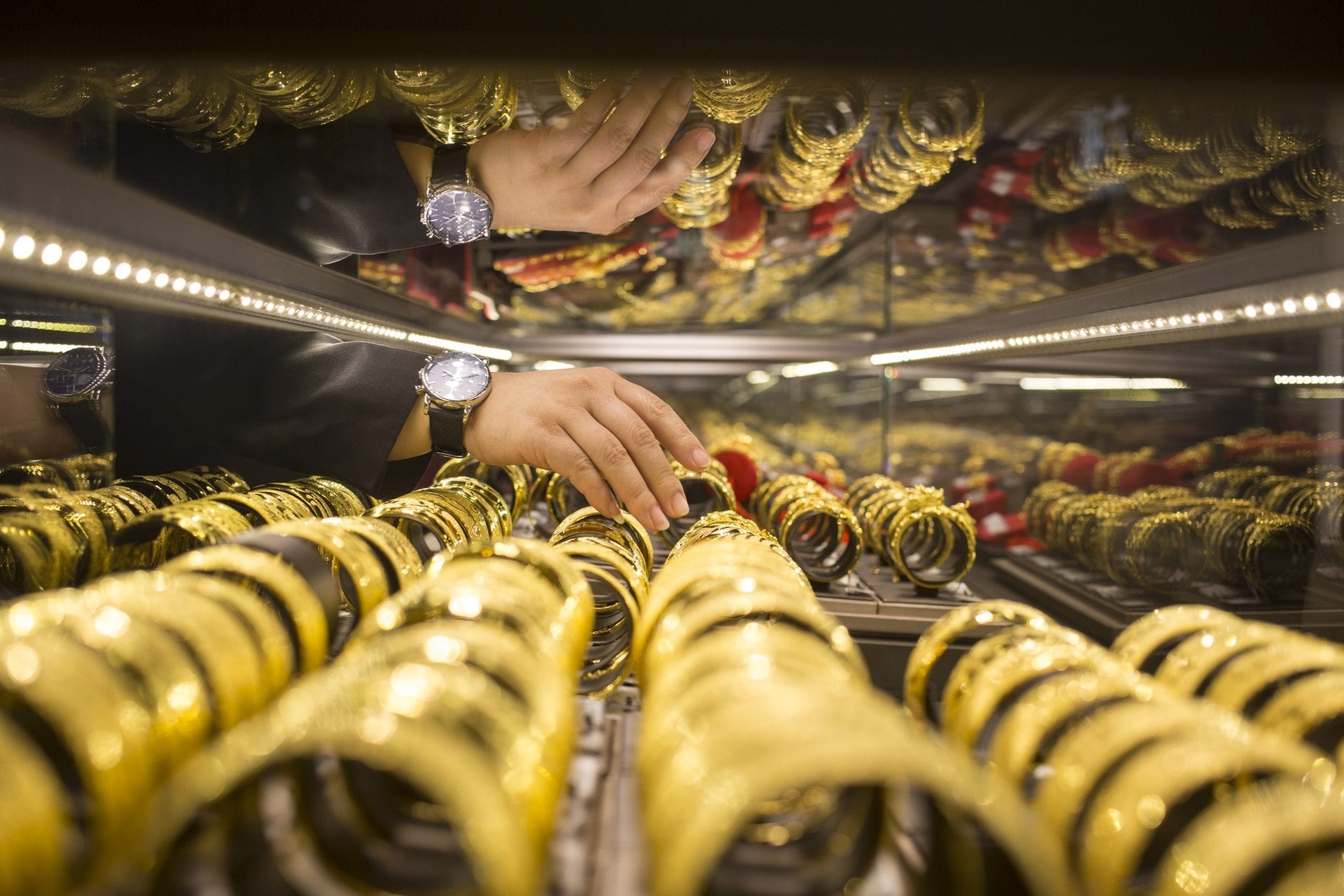
    Luk Fook will add at least 150 stores in Mainland China this year as it looks to mitigate falling sales in Hong Kong.

    Releasing its results for the financial year to March 31, Luk Fook said profit attributable to shareholders rose 9 percent to HK$1.5 billion on sales up 8.8 percent to $15.9 billion.

    During the year the company added 194 stores on the mainland taking its global network to 1833.

    “As Mainland China remains to be a market with promising growth potential in the mid- to long-term, the group will continue to focus on business expansion [there],” said Luk Fook chairman and CEO Wai Sheung Wong.

    “The target for net addition of shops in Mainland China in the coming year, including newly developed brands, is not less than 150 shops and will expand its network to lower-tier cities by opening mainly licensed shops. The group is also committed to further developing its e-commerce business and strengthening cooperation with e-commerce platforms in Mainland China, aiming to grow e-commerce revenue by 20 per cent,” he said.

    “In light of the enormous spending potential of young consumers on online sales platforms, the group will step up its efforts to promote the sales of affordable luxury jewelry products to expand its footprint in the young consumer market.”

    Last year was one of two differing halves for Luk Fook, the first half of growing sales in Hong Kong and Macau, the second of declining sales as trade tensions grew between China and the US and consumer sentiment dived. That trend continued from April through to three weeks into this month with same-store sales in Hong Kong and Macau down by the low-double digits and on the mainland by the mid-single digits for company-owned stores and low-single digits for licensed shops.

    Given the continuing uncertainties on the macro-economic environment arising from the US-China trade war, Luk Fook expects “flattish” revenue and profit growth for the current financial year but hopes to maintain profitability at last year’s level.

    Last year, the retail business was Luk Fook’s main source of revenue, rising by 9.8 percent

    Year on year to $12.075 billion and accounting for 76.1 percent of total sales.

    The group’s retail revenue in the Hong Kong market increased by 11.6 percent to $7.44 billion, despite a lackluster second half.