Category: Fashion

Retail News Asia is committed to providing both local and global retailers with the latest Fashion news throughout the Asian market. This on a daily base.

  • Uniqlo India set to open first three stores

    Uniqlo India set to open first three stores

    Uniqlo India is counting down to the launch of its first three stores in India.

    The Japanese fast-fashion retailer first announced plans to open in India in late 2017 and it has taken more than 18 months to secure necessary approvals, locations and prepare operations.

    The stores will open in Delhi-NCR, with the first 35,000sqft outlet due to start trading in three months’ time. The move is part of the brand’s global strategy to gain ground on rival brands Zara and H&M.

    “The opening of our first store, Uniqlo Ambience Mall Vasant Kunj, followed by a second and third store a little later represents a significant step in our company’s global strategy,” said Uniqlo founder and Fast Retailing chairman, president and CEO Tadashi Yanai.

    A Uniqlo India spokesperson added: “Given the size and fast growth of the Indian market, the launch will for the first time involve three separate stores to be able to offer LifeWear to as many people as possible”.

    “We have to do the best price point based on our quality,” said the firm’s head of research & development Yuki Katsuta. “I have confidence in our price and also our value. Of course, we know, maybe our price point is slightly more expensive than your local market. People feel that it’s a little bit more expensive to what they’re used to buying. But at the same time, we have confidence that once they buy it we don’t let them down.”

    Uniqlo India has been helped by the government’s relaxation of sourcing restrictions for single-brand retailers, which currently stand at 30 per cent mandatory local sourcing.
  • Indian fashion house Ritu Kumar looks to raise $20 million

    Indian fashion house Ritu Kumar looks to raise $20 million

    Indian apparel label Ritu Kumar is seeking a cash injection of up to US$20 million.

    The firm will branch into new retail segments such as home furnishings and accessories.

    “We are in the market this year looking for another injection, a larger injection than last time,” said Ritu Kumar MD Amrish Kumar. “Also, [private equity firm] Everstone is coming to the end of their cycle, so they will be looking for an exit sometime soon.”

    Everstone invested $14.5 million in Ritu Kumar five years ago. The firm currently operates 90 outlets under three designer labels.

  • Prada to phase out virgin nylon

    Prada to phase out virgin nylon

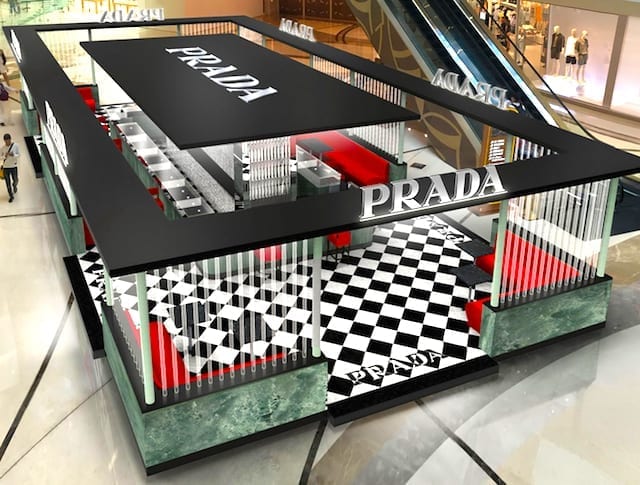
    Luxury Italian fashion brand Prada has launched six bags made from regenerated nylon, as the first stage in a plan to phase out virgin nylon during the next two years.

    In a project dubbed ReNylon, Prada will replace virgin nylon in its collections by using regenerated nylon yarn called Econyl.

    The first products made with Econyl are a belt bag, shoulder bag, tote bag, a duffle and two backpacks.

    The company will replace all the virgin nylon it currently uses with Econyl recycled nylon in the next two years.

    “Our ultimate goal will be to convert all Prada virgin nylon into ReNylon by the end of 2021,” said head of communications at Prada, Lorenzo Bertelli.

    Prada has collaborated with Italian textile yarn producer Aquafil on the project, a manufacturer with more than 50 years experience in producing synthetic textiles.

    The resulting material, Econyl, is produced through a process of depolymerisation. It can be recycled an indefinite number of times with no loss of material quality.

  • Asos shares tumble as growth slows

    Asos shares tumble as growth slows

    Online fashion-retailer Asos reported sales growth beneath expectations for the four months to June, spooking investors and causing its share price to tumble 13 per cent overnight.

    That was despite a 14 per cent increase in sales in what CEO Nick Beighton described as a more competitive market.

    The slowdown has been attributed to operational changes, essential for the retailer to continue expanding internationally.

    “Asos is capable of a lot more,” said Beighton. “We have identified a number of things we can do better and are taking action accordingly. We are confident of an improved performance in the second half and are not changing our guidance for the year.

    “We are nearing the end of a major [capital expenditure] program. Whilst this has inevitably involved significant disruption and transition costs, the global capability it now provides us gives us increased confidence in our ability to continue to capture market share whilst restoring profitability and accelerating free cash flow generation,” he said.

    Sofie Willmott, lead analyst at GlobalData, said Asos has been able to deliver consistent double-digit top-line growth in recent years due to increased warehouse capacity and improved logistics processes, and the changes being made to US and EU distribution centres are vital to facilitate long-term growth in these key markets.

    “Asos will need to focus on winning back disappointed shoppers by bolstering its marketing efforts. Though this may need to include discounts, by recovering customers quickly they will not be lost forever.”

    She said Asos continues to innovate and introduce new tools to drive conversion and adapt to its demanding young shopper base, such as its recently added responsible filter.

    “However despite strong UK growth, with 62.6 per cent of retail sales coming from international markets, a robust UK performance is not enough to protect top line results.”

    “The future remains bright for Asos. The retailer’s agility and willingness to change to remain relevant to its customer base will help it to continue gaining market share both at home and abroad.”

    Beighton said the global online fashion market is worth more than £220 billion and growing fast.

    “We now have the tech platform, the infrastructure, a constant conversation with our growing customer base who love our own great product and the constantly evolving edit of brands we present to them. We believe that ultimately there will only be a handful of companies with truly global scale in this market.

    “We are determined that Asos will be one of them.”

  • Same-store sales fall for Chow Tai Fook

    Same-store sales fall for Chow Tai Fook

    Jeweller Chow Tai Fook says same-store sales in its Hong Kong home market and Macau fell by 11 per cent in the June quarter.

    But sales in Mainland China rose by the same percentage.

    Sales volume fell by 14 per cent in Hong Kong and Macau and by 3 per cent on the mainland, while the value of retail sales rose 24 per cent on the mainland and fell 6 per cent on local markets.

    “The Hong Kong and Macau market was affected by a tough base of comparison and cautious consumer sentiment amid an uncertain macro environment,” the company said in a stock-exchange filing.

    Sales of gem-set jewellery fell by 16 per cent in Hong Kong and Macau during the quarter as consumers held back on spending.

    The difference in volume growth verses sales growth reflects consumers opting for less expensive purchases in a period when the gold price was relatively flat.

    The company opened 119 points of sale in Mainland China during the quarter: 113 bearing the Chow Thai Fook Jewellery banner, three Monologue stores, and three SoInLove stores. It closed three CTF Watch stores and one Hearts on Fire store. In other markets, it opened three Chow Tai Fook Jewellery stores – in Singapore, South Korea and the Philippines, and closed four Hearts on Fire stores in Taiwan. At the end of June the store network totalled 3248, up by 114 over the previous quarter.

  • LVMH takes stake in Stella McCartney House

    LVMH takes stake in Stella McCartney House

    LVMH has bought a cornerstone share in Stella McCartney House.

    Full details of the deal will be released in September, however LVMH has confirmed Stella McCartney will continue as creative director and ambassador of her brand, while holding majority ownership.

    LVMH’s archrival house Kering previously held a stake in Stella McCartney House until the celebrity bought it out in March last year. The two new partners said their arrangement will aim to accelerate Stella McCartney House’s worldwide development in terms of business and strategy, yet remain faithful to its commitment to sustainable and ethical luxury fashion.

    Stella McCartney will hold a specific position and role on sustainability within LVMH as special advisor to the chairman and CEO, Bernard Arnault, and the executive committee members.

    “Since the announcement of my decision to take full ownership of the Stella McCartney brand, there have been many approaches from various parties expressing their wish to partner and invest in the Stella McCartney House,” said McCartney.

    “While these approaches were interesting, none could match the conversation I had with Bernard Arnault and his son Antoine. The passion and commitment they expressed towards the Stella McCartney brand alongside their belief in the ambitions and our values as the global leader in sustainable luxury fashion was truly impressive.

    “The chance to realise and accelerate the full potential of the brand alongside Mr Arnault and as part of the LVMH family, while still holding the majority ownership in the business, was an opportunity that hugely excited me,” said McCartney.

    Arnault described the announcement as “the beginning of a beautiful story together”.

    “We are convinced of the great long-term potential of her house. A decisive factor was that she was the first to put sustainability and ethical issues on the front stage, very early on, and [she] built her house around these issues. It emphasises LVMH Groups’ commitment to sustainability.”

    Arnault said LVMH was the first large company in France to create a sustainability department, more than 25 years ago, and “Stella will help us further increase awareness on these important topics”.

    McCartney described partnering with the Arnaults and LVMH as a big step for her, her family, and the Stella McCartney team.

    “The brand has achieved so much since its launch, and this new partnership with LVMH is recognition of that work, but this I feel is just the start, and I look forward to a brilliant future together”.

    The deal announced overnight is subject to normal conditions, including the approval of competition authorities.

  • China boosts Uniqlo parent

    China boosts Uniqlo parent

    Uniqlo owner Fast Retailing’s healthy online sales and strong performance in overseas markets, particularly in China, have helped boost its third quarter results.

    The Japanese retailer said its online sales saw a 16.1 per cent year-on-year increase in the three months to May 31 to ¥19.0 billion (US$176.1 million), increasing their proportion of total sales from 7.8 per cent to 9.1 per cent.

    For the three months from March to May 2019, Uniqlo’s international segment reported strong results, with revenue expanding 15.3 per cent year-on-year and operating profit expanding 14.9 per cent year-on-year over that period.

    Uniqlo continued to achieve significant year-on-year growth in both revenue and profit in Mainland China, and achieved double-digit growth in both revenue and profit in Southeast Asia and Oceania on the back of strong sales of its summer range.

    But Fast Retailing’s less-than-stellar domestic sales have overshadowed the company’s strong performance in its e-commerce and international segments, indicating that Japan’s market still has a huge influence on the retailer’s results.

    The company’s domestic sales saw a 0.5 per cent decline brought about by shifting a sales event to June.

    On the profit front, the retailer’s operating profit declined by 7.5 per cent year-on-year on the back of a higher selling, general and administrative expense ratio, and a lower gross profit margin, which was dampened by its decision to bring forward discounting of leftover Spring Summer inventory.

    China continues to be one of the main engines driving overseas expansion, with sales in the country rising in the double digits.

    The retailer said Uniqlo so far hasn’t been hurt by the trade war between the US and China, and sales there were strong even in the face of a weaker yuan.

    Uniqlo Europe reported a decline in profit caused by unseasonal weather patterns and political uncertainty. However, within that region, Russia continued to perform strongly and report expanding revenue and profit.

    In terms of new-store activity, Uniqlo opened its first store in the Netherlands in Amsterdam in September 2018, as well as its biggest Southeast Asian global flagship store in Manila, Philippines in October 2018, and its first store in Denmark in Copenhagen in April 2019.

    Fast Retailing said it is planning to focus its efforts on expanding its global e-commerce operation and its Uniqlo international and GU casual fashion brands to meet its medium-term vision to become the world’s number one apparel retailer.

  • Reliance to launch Tory Burch, Tiffany in India

    Reliance to launch Tory Burch, Tiffany in India

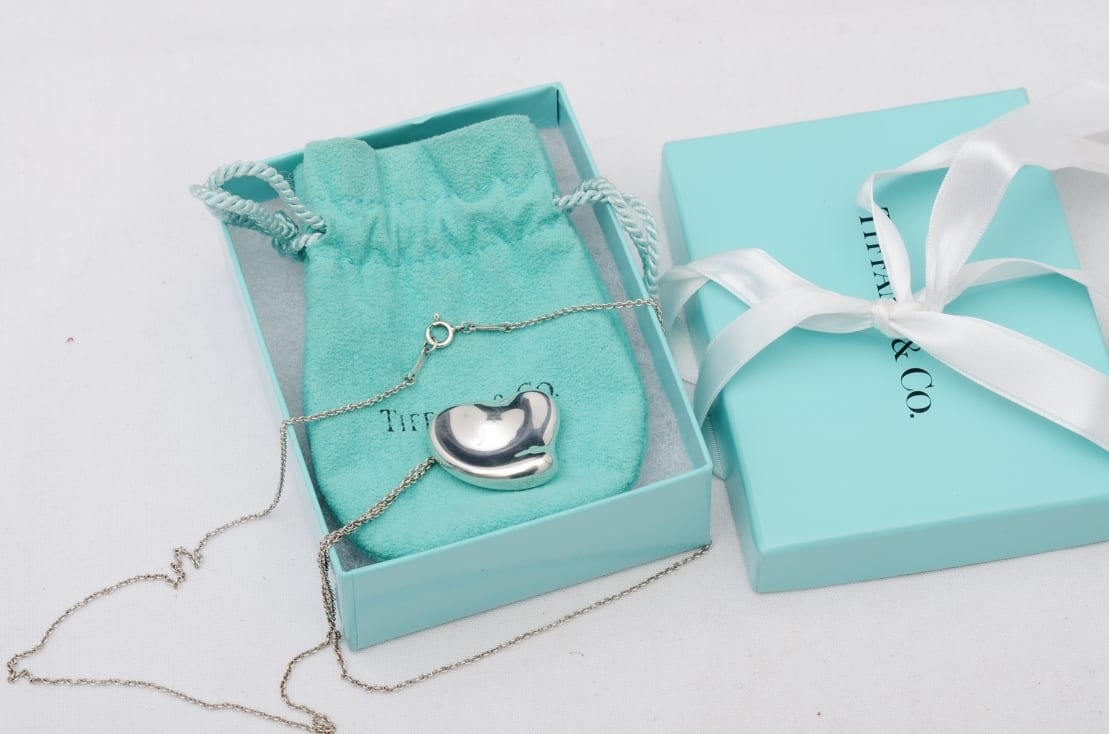
    Reliance Brands is launching two of its US brands – lifestyle label Tory Burch and jeweller Tiffany & Co in India.

    The brands will set up shop at Jio World Centre mall in Mumbai in April next year.

    The move is Tiffany & Co’s third attempt to establish a presence in India, following a growing network of international locations already set up in China, Australia, Canada, France, UK, Hong Kong, Japan, and the UAE. Tory Burch is primarily sold at specialty stores worldwide, including Saks Fifth Avenue, Harrods, Bergdorf Goodman, Bloomingdale’s and Nordstrom.

    Reliance Brands already retails several luxury labels in the territory, including Ermenegildo Zegna, Brooks Brothers and Bally.

  • World-first Homme Plisse Issey Miyake flagship opens in Tokyo

    World-first Homme Plisse Issey Miyake flagship opens in Tokyo

    The world’s first flagship store dedicated to the Homme Plisse Issey Miyake label has opened in the Tokyo suburb of Aoyama.

    The 225sqm space was designed by Tokujin Yoshioka in a distinctly minimalist Japanese style heavily dominated by bare concrete.

    Space at the rear of the shop houses a pleating machine, press and sewing machines, as found in the factory. Here, visitors can see the Japanese fashion label’s unique production method called seihin pleats (product pleats), in which pleats are made in fabric which is cut and sewn to 1.5 times the normal size.

    Stock on display includes a limited-edition long-sleeve t-shirt range under the Colors label, sold in 10 shades. The clothes are made using the pleating machine located in the store and complement the full Homme Plisse collection.

    The bold and bare concrete floors and pillars and exposed utilities in the space help create a factory feel and helps the brightly coloured apparel stand out. Stock is hung from steel racks and matching display counters.

    “We hope that this shop not only delights customers but also brings a sense of the joys of the “monozukuri no gemba (workshop)” to the public for the first time,” said a Homme Plisse Issey Miyake spokesperson.

  • H&M collaborates with Chinese designer Angel Chen

    H&M collaborates with Chinese designer Angel Chen

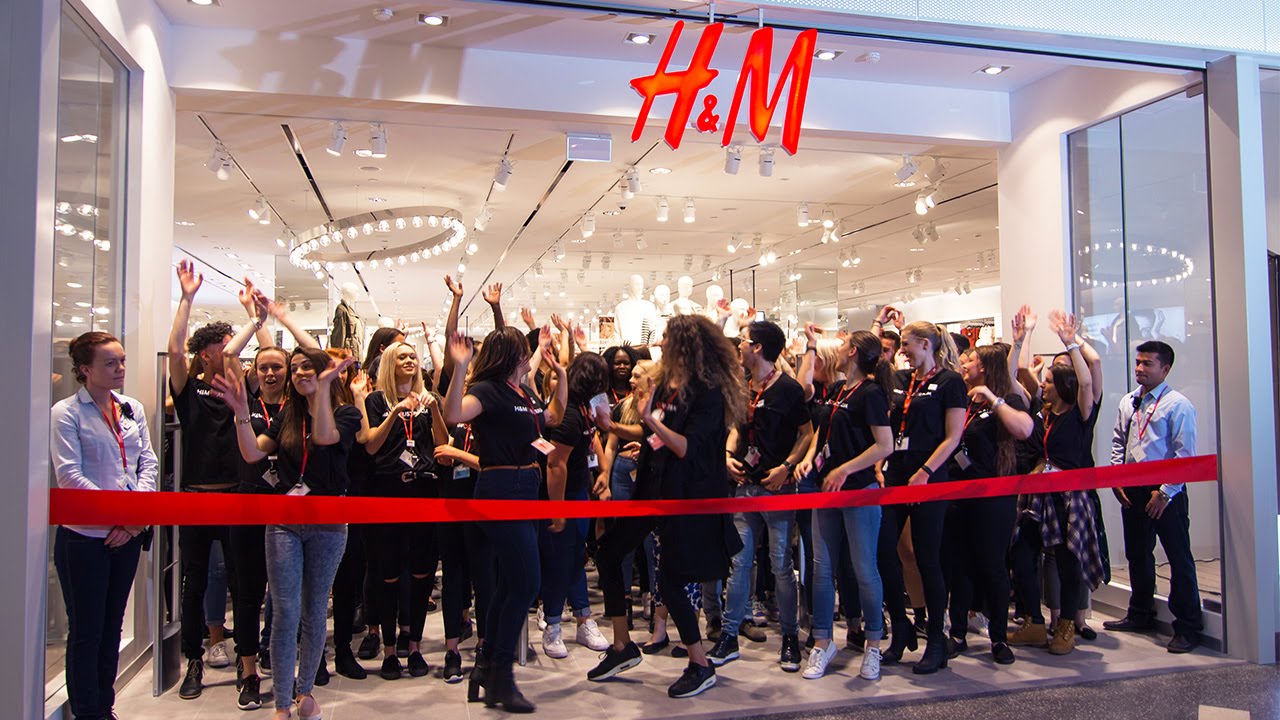
    H&M has teamed with Angel Chen in a capsule collection – the fast-fashion label’s first partnership with a Chinese designer.

    The Angel Chen x H&M collection will be available in selected stores and online in Mainland China, Hong Kong, Taiwan, Singapore, Malaysia and Canada this September, as well as online in Macau and the Philippines. It will also be sold on H&M’s Tmall flagship store.

    “With lines for both women and men, this collaboration perfectly encapsulates the essence of Angel’s signature styles,” says Pernilla Wohlfahrt, H&M assortment manager for collaborations and special collections.

    Heavily influenced by Angel’s design ethos of East meets West, this capsule collection features an urban wardrobe of versatile pieces with strong Chinese elements in colours like Oriental red, bubble-gum pink and bright yellow.

    Embroidered details, from dragons to cranes and pine trees, are used across the entire collection. Traditional dragon and floral embroidery are also weaved into Angel Chen’s logo that is featured on sweatshirts, hoodie dress and jackets.

    Chinese characters such as “Yuan Qi” (energy) and “Kung Fu” written in brush calligraphy is also featured on a denim boiler suit and satin shirt.

    Statement pieces include a knitted mesh suit in a vivid all-over dragon and crane print, a sequin maxi dress with crane motif and a bubble-gum pink faux-fur coat. Other items include accessories such as the phone case sling, faux fur bag, and unisex boots.

    “With the development of global market, more Chinese designers are stepping on the international stage,” says Angel Chen. “And I hope that through this collaboration, more people will pay attention to Chinese designers, and also the Chinese culture and spirit behind their designs.”

    Chen moved from her native Shenzhen to study in London aged 17 and graduated from Central Saint Martins. Chen launched her own label in 2015.

  • Saha Group set to open the first unmanned stores in Thailand

    Saha Group set to open the first unmanned stores in Thailand

    Consumer goods retailer Saha will launch its first unmanned stores in Thailand within three months.

    The move is an attempt to reorient the firm’s business strategy towards a more contemporary model, relying on recent technologies to win a younger target demographic.

    “It’s a must,” said group chairman Boonsithi Chokwatana. “We still need to invest more in order to respond to the new demand of new generations.”

    Saha’s first 100sqm unmanned store “His & Her”, operated by the firm’s retail arm ICC International, will offer close to 300 items from instant noodles to branded clothes. It draws on facial recognition, QR code reading and radio frequency identification technologies invested in by the firm to the tune of some THB10 million baht (US$330,000). The store will also feature multiple payment systems.

    The firm is expected to invest a further THB50 million ($1.62 million) on new servers, applications and big data systems in order to profit from a closer analysis of customer habits.

    “We plan to debut the unmanned store by October,” said VP of ICC’s information & technology division Surat Wong, adding that the company intends to expand further by next year following an evaluation of initial sales results.

    Earnings of around THB760,000 ($24,600) per month are expected from the store, just 5 per cent lower than the average monthly sales of its existing manned stores.

  • Prada to phase out virgin nylon

    Prada to phase out virgin nylon

    Luxury Italian fashion brand Prada has launched six bags made from regenerated nylon, as the first stage in a plan to phase out virgin nylon during the next two years.

    In a project dubbed ReNylon, Prada will replace virgin nylon in its collections by using regenerated nylon yarn called Econyl.

    The first products made with Econyl are a belt bag, shoulder bag, tote bag, a duffle and two backpacks.

    The company will replace all the virgin nylon it currently uses with Econyl recycled nylon in the next two years.

    “Our ultimate goal will be to convert all Prada virgin nylon into ReNylon by the end of 2021,” said head of communications at Prada, Lorenzo Bertelli.

    Prada has collaborated with Italian textile yarn producer Aquafil on the project, a manufacturer with more than 50 years experience in producing synthetic textiles.

    The resulting material, Econyl, is produced through a process of depolymerisation. It can be recycled an indefinite number of times with no loss of material quality.

  • Victoria Beckham CEO steps down suddenly

    Victoria Beckham CEO steps down suddenly

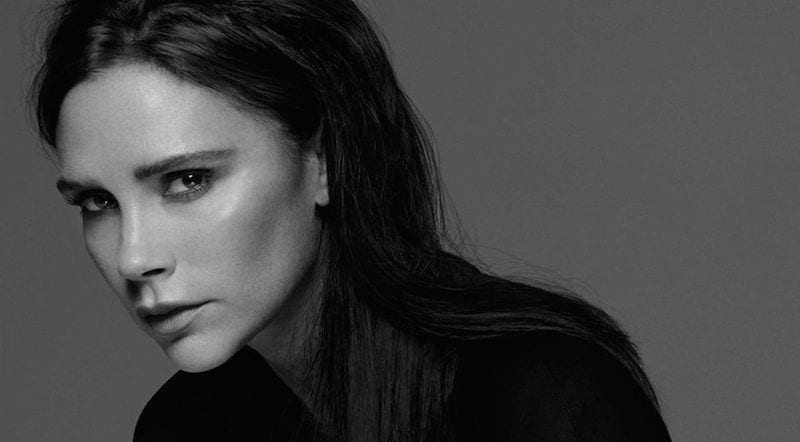
    Victoria Beckham CEO Paolo Riva has resigned from the company, citing personal reasons.

    Victoria Beckham, the fashion label bearing the name of its founder, the one-time Spice Girl and model, has two stores – in Hong Kong and London.

    Riva took up his role only last September. He will be replaced with immediate effect by chairman Ralph Toledano, who joined the business in March last year.

    “I am proud of what I have accomplished with the team and wish the company great success for the future,” said Riva.

    “It has been a real pleasure working with Paolo, and on behalf of the board, I would like to thank him for his contribution,” Toledano said, announcing the change. “I look forward to continuing to drive and implement the strategy for the brand with Victoria and the team.”

    Product director Marie Leblanc de Reynies has been appointed to the new role of MD of brand and product and Pablo Sande, who has previously held roles with Salvatore Ferragamo and Burberry, as CFO and legal officer.

    While Victoria Beckham has earned critical acclaim it is understood the brand has yet to make a profit with Beckham and her husband David, the high-profile businessman and former footballer, continuing to fund the label.

  • Panerai reopens Macau Galaxy boutique

    Panerai reopens Macau Galaxy boutique

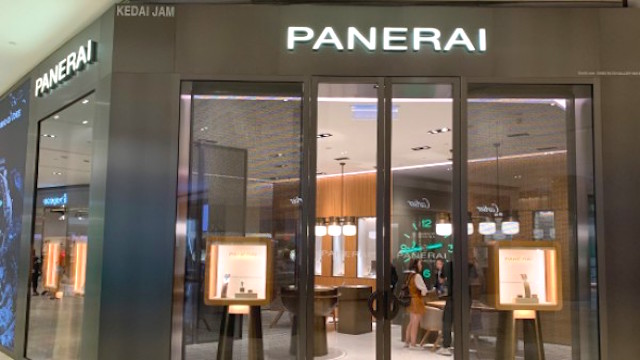
    Italian high-end watchmaker Panerai has opened its renewed Galaxy boutique in Macau.

    The 42sqm store joins the existing locations in Wynn Macau and Wynn Palace and is located at the Galaxy Macau resort on Cotai Strip, where the most prestigious local hotels and entertainment areas are based.

    The concept of the design and materials used for the Panerai area reflects its Italian tradition with an underwater theme. Panerai supplied the Italian Navy with precision instruments for many decades, in particular its specialist diving corps.

    Panerai now has 87 boutiques throughout the world, three of which are in Macau.

  • Riccardo Tisci makes magic at Burberry

    Riccardo Tisci makes magic at Burberry

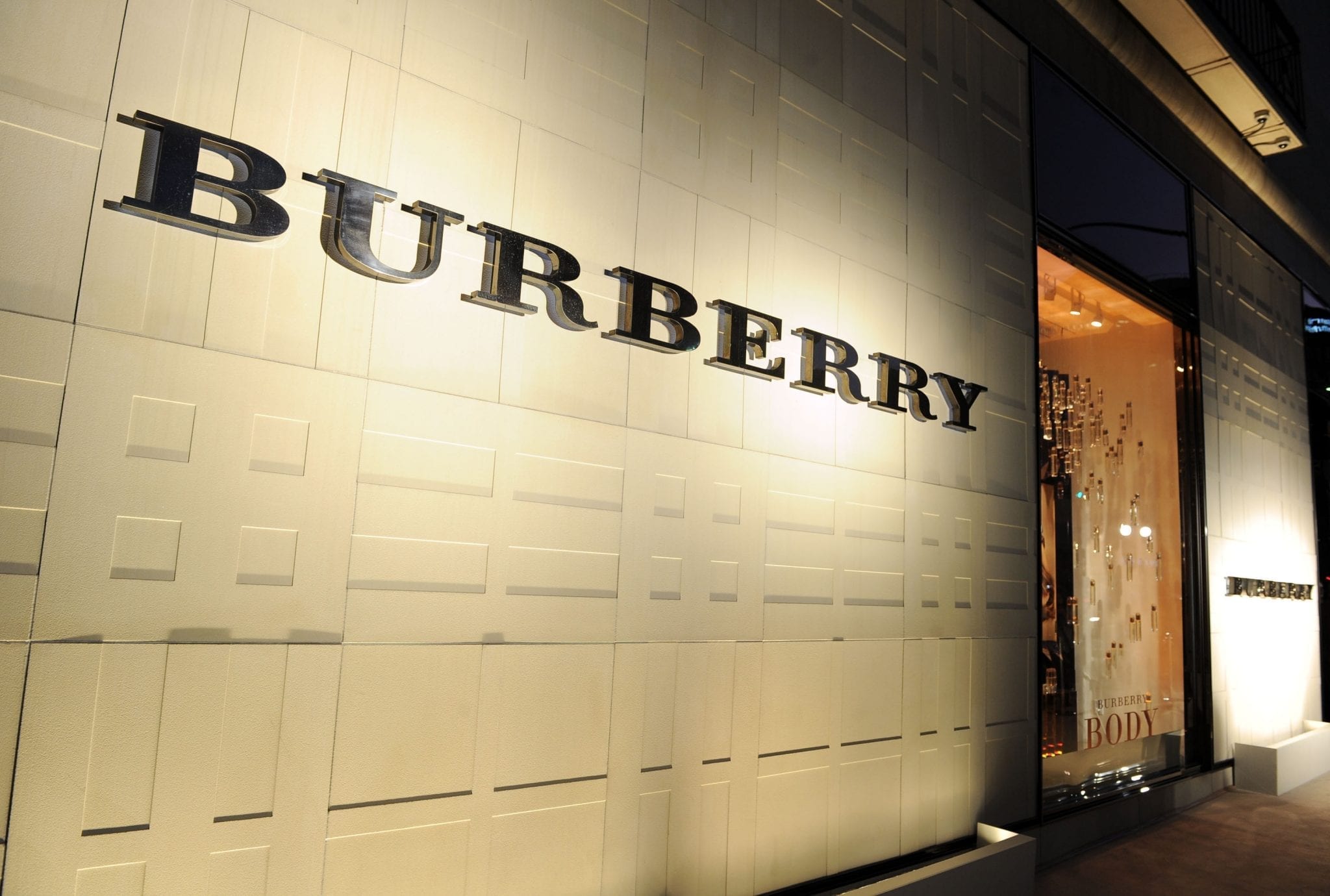
    Burberry is hailing the success of new creative director Riccardo Tisci as its June-quarter same-store sales grew by 4 per cent.

    Sales growth in China was up by the mid-teens, with Asia Pacific overall nudging 10 per cent.

    “This was a good quarter in our multi-year journey to transform Burberry,” said CEO Marco Gobbetti. “We increased the availability of products designed by Riccardo, while continuing to shift consumer perceptions of our brand and align our network to our new creative vision. The consumer response was very promising, delivering strong growth in our new collections.”

    The company described the response to Tisci’s designs as “excellent”, his collections delivering strong double-digit percentage growth compared to prior-year equivalent collections, and in line with Burberry’s expectations.

    The proportion of new product increased to around 50 per cent of the brand’s offer in mainline stores by the end of June.

    ‘‘Burberry’s transformation plan under new CEO Marco Gobbetti is starting to pay off,” observed Chloe Collins, senior retail analyst at GlobalData.

    She said much credit is due to Tisci, whose collections “offer a fresh and edgy revamp of the brand’s classic and neutral designs”.

    Burberry’s adept use of social media was also a factor in the recovery, with celebrity influencers such as Rihanna and Irina Shayk continuing to expand the brand’s reach and drive engagement with consumers.

    “Burberry must continue to invest in its social platforms to fight off other luxury players such as Gucci and Louis Vuitton, which are focusing on the channel to target younger shoppers. Burberry should more heavily promote its Instagram checkout feature to drive sales, as well as increasing brand engagement via marketing events.”

    Meanwhile, Burberry’s review of its retail network has seen 23 stores reconfigured to the new creative vision and led to a 2 per cent reduction in selling space, through the closure of non-strategic sites. Of 38 smaller stores selected for closure, nine have now been shuttered and in the wholesale space, Burberry is continuing to rationalise space in non-luxury US resellers.