Category: Fashion

Retail News Asia is committed to providing both local and global retailers with the latest Fashion news throughout the Asian market. This on a daily base.

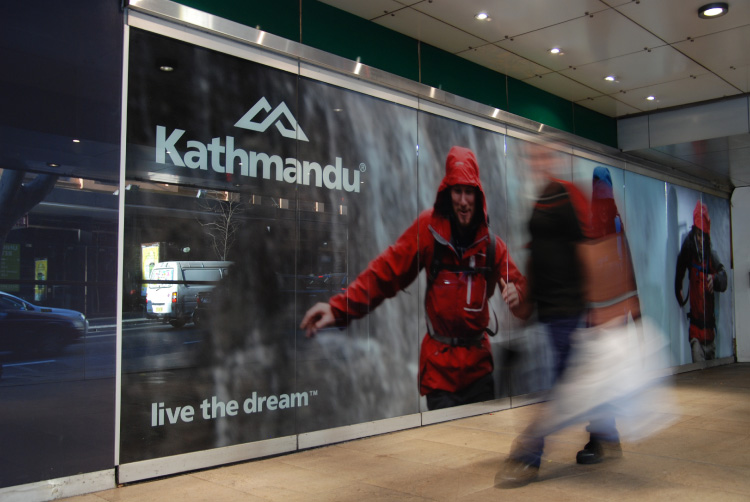
  • Kathmandu lifts same-store sales in FY19

    Kathmandu lifts same-store sales in FY19

    Kathmandu has reported a 2.7 percent year-on-year increase in same-store sales in Australia in FY19, and a 3.9 percent decline in same-store sales in New Zealand year on year.

    Overall, group same-store sales grew 0.6 percent year on year in FY19, the outdoor retailer said in a trading update on its unaudited full-year results on Thursday.

    Total sales across the business grew 9.6 percent to $520 million (NZ$545 million) compared to the year prior, with Kathmandu seeing strong performance in Australia during the second half of the financial year.

    According to Kathmandu managing director and chief executive Xavier Simonet, this was due to strong winter sales in Australia, as well as the continued performance of footwear brand Oboz.

    US-based footwear brand Oboz, acquired in April 2018, is expected to see continued growth in FY20 and beyond, according to Simonet.

    The business expects to see net profit of between $52.9 million (NZ$55.5 million) and $54.3 million (NZ$57 million), based off of an EBIT of between $78.7 million (NZ$82.5 million) and $80.1 million (NZ$84 million).

    This is compared to last year’s net profit of $48.1 million (NZ$50.5 million) and $71.1 million (NZ$74.6 million).

    Kathmandu expects to release its audited full-year results in late September.

    Simonet has previously stated international growth remains a priority moving forward.

    Kathmandu appointed Amy Beck as president of its North American business in January of this year as part of this international push.

    “Kathmandu is on a journey of transformation,” Simonet said, noting that profit growth in the core Australasian business would be used to fund investment into future growth.

    “While we are focused on driving growth for our core Kathmandu business in Australia and New Zealand, we are also step by step diversifying our channels, brand and markets, particularly through Oboz which has delivered strong growth.”
  • Ecco is heading back to the Philippines

    Ecco is heading back to the Philippines

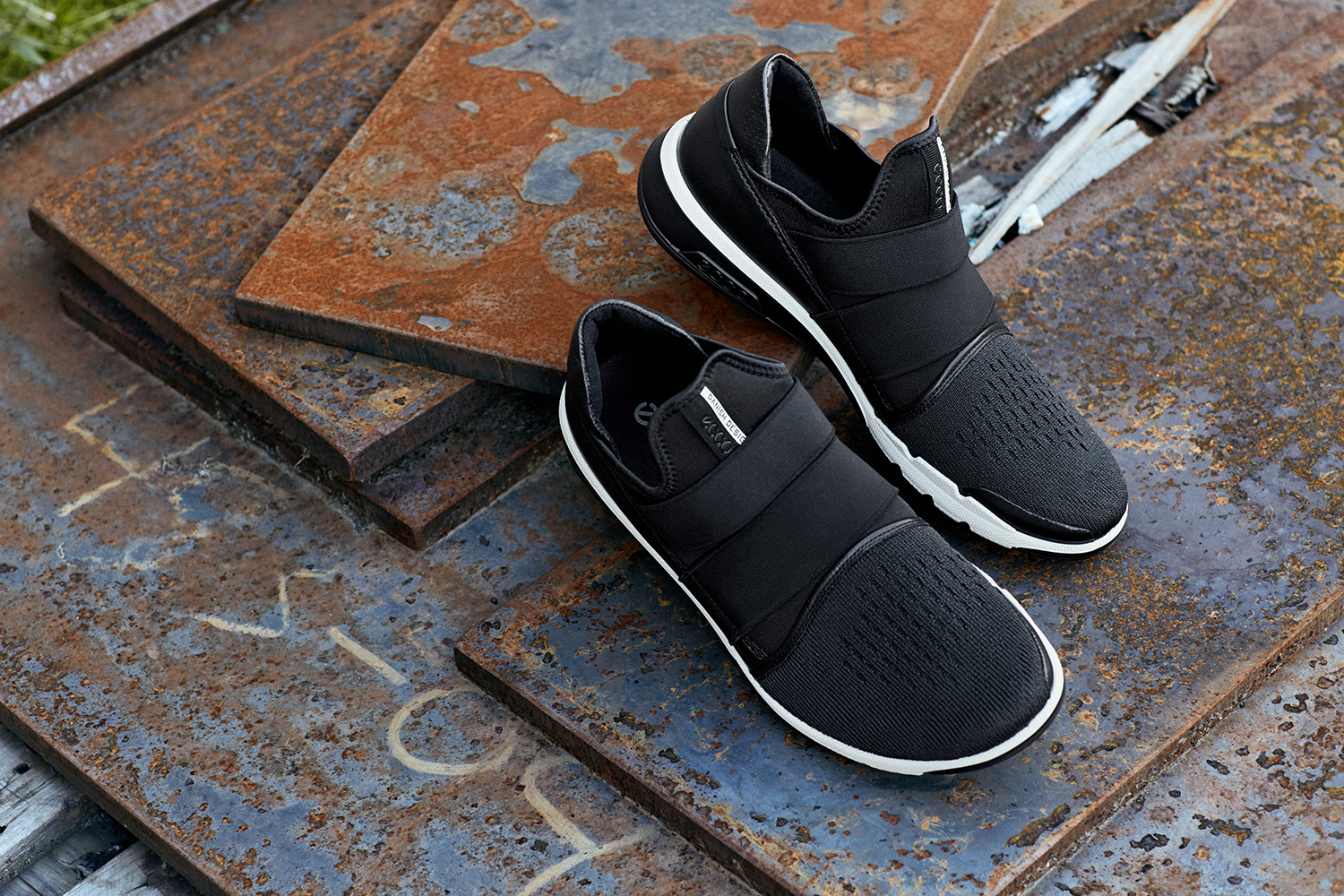
    Danish footwear brand Ecco is returning to the Philippines through a shop-in-shop concept at SM malls.

    The brand has launched spaces at SM Store Makati, SM Store Mall of Asia, and SM Megamall’s third floor Bridgeway Building. The openings are part of the label’s strategy to continue its expansion in the territory as more shop-in-shop formats and eventually, concept stores at select SM malls are being planned.

    Ecco operates in 87 countries at 2989 shops and shop-in-shops and  15,000 sales points globally. It remains one of the only major international shoe manufacturers to own and manage every step of the shoemaking process.

  • Victoria’s Secret controversial marketing chief stops

    Victoria’s Secret controversial marketing chief stops

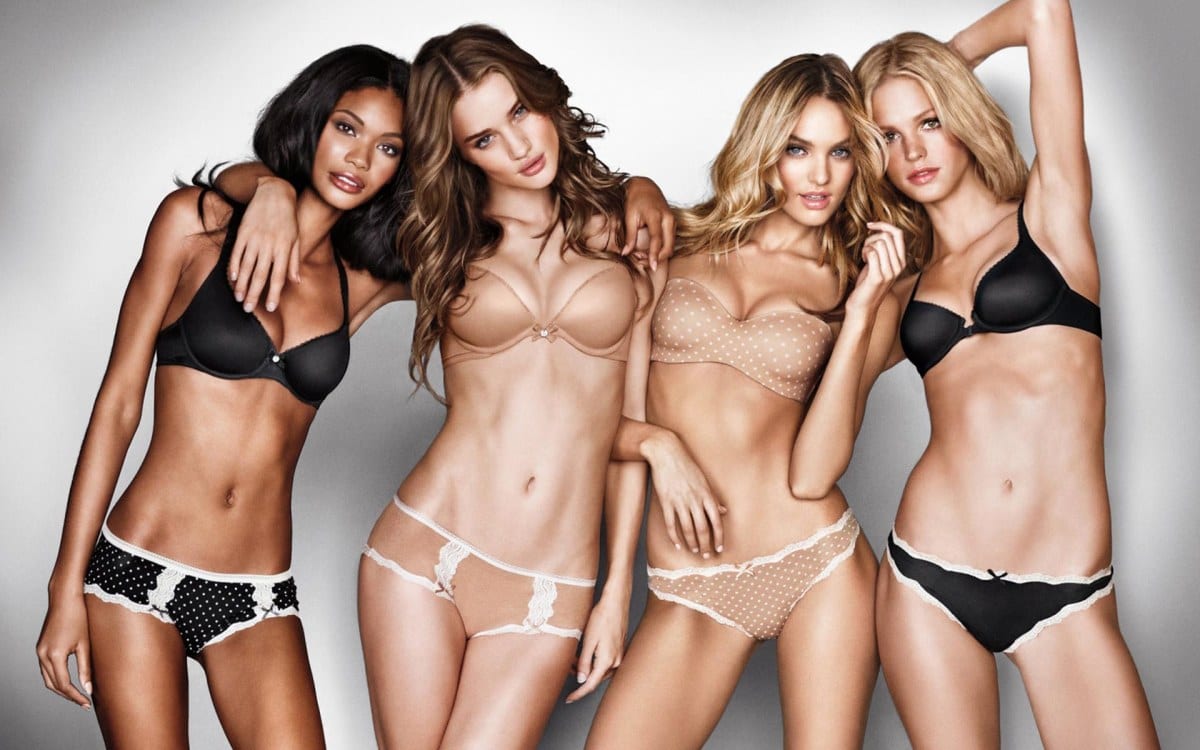
    Longtime Victoria’s Secret chief marketing officer Edward Razek will resign following months of negative PR centered on his comments about plus-size and transgender models in a Vogue interview.

    Edward Razek, who has personally selected the lingerie brand’s models for more than 15 years, said in the interview that such models had no place at Victoria’s Secret’s fashion shows, a remark well out of step with contemporary attitudes in the industry and among the general public.

    His departure came within days of Victoria’s Secret announcing its first steps toward inclusivity with the appointment of Brazilian transgender model Valentina Sampaio, (pictured above).

    “A few weeks ago, I shared with Les [Wexner, Victoria’s Secret owner L Brands’ CEO] my desire to retire sometime around mid-August,” said Edward Razek. “It was a tough conversation to have because, as some of you must know, we have shared so much together for so many years.”

    The departure comes at a point when more than 100 models have signed an open letter to Victoria’s Secret out of concern for the safety of women aspiring to model for the lingerie brand, following allegations of sexual misconduct directed at photographers who worked with the brand. The company has also been tainted by widespread media coverage of links between Wexner and disgraced sex offender Jeffrey Epstein, now in jail on charges relating to procuring sex with minors.

    “Corporations tend to treat the discovery of abuses as public-relations crises to be managed rather than human-rights violations to be remedied,” said founder and executive director of The Model Alliance Sara Ziff. “The Respect Program provides Victoria’s Secret an opportunity not only to right the wrongs of the past but also to work towards prevention.”

    Ed Wolf, L Brands’ senior VP of brand and creative, and Bob Campbell, VP of creative for Victoria’s Secret, will take over from Edward Razek until a permanent replacement is found.

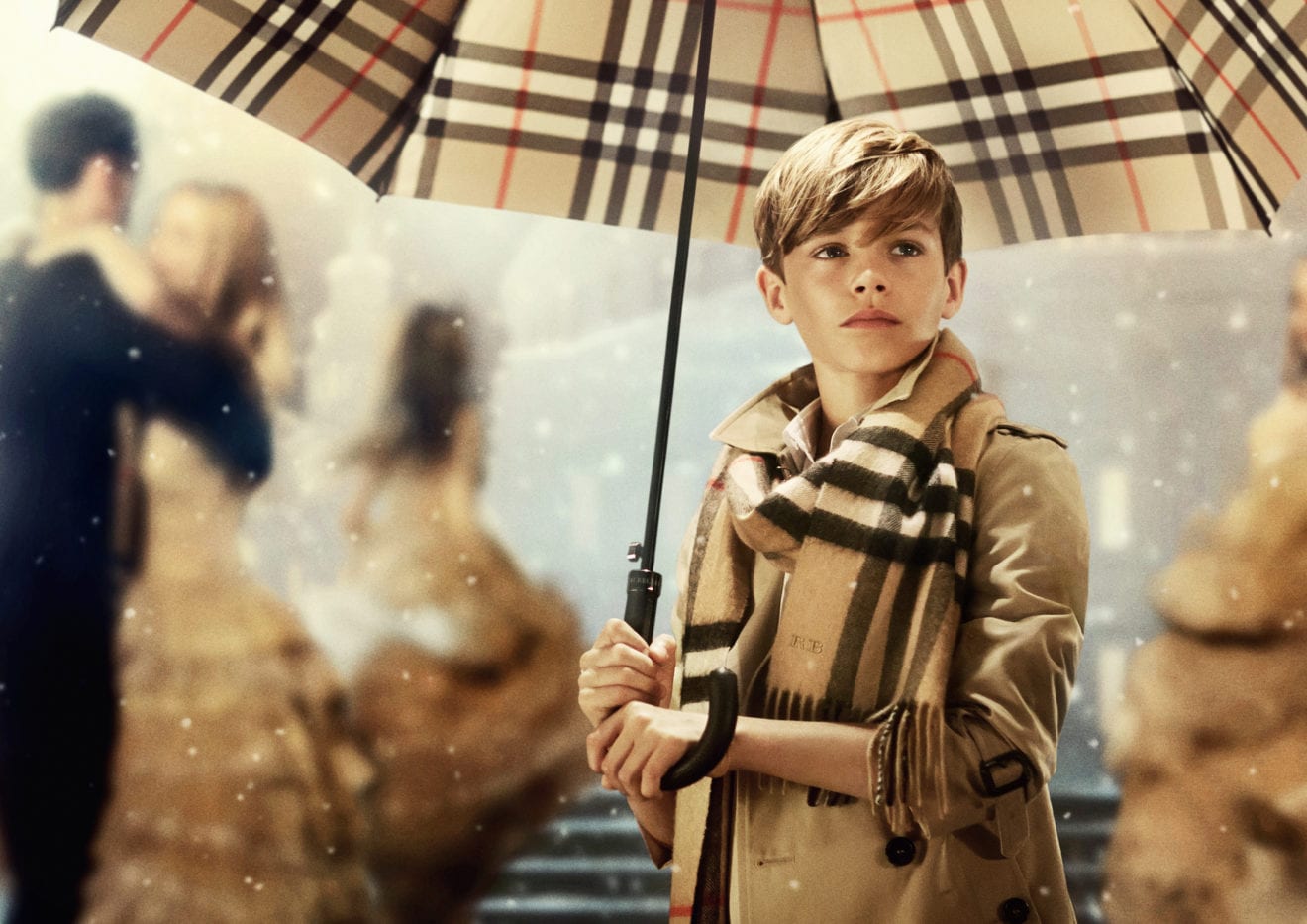
  • Burberry Bespoke launches first counter at Takashimaya

    Burberry Bespoke launches first counter at Takashimaya

    Burberry Bespoke has launched its first standalone counter at Takashimaya.

    Located on Level 1 of the shopping mall, the counter is designed in the style of ‘an English bar set in a gentleman’s club’, with green-colored marble top and brass fixtures.

    There is a collection of nine fragrances created by renowned perfumer Francis Kurkdjian. Inspired by British landscapes, each perfume comes with varying concentrations.

    “For each fragrance, the concentration has been carefully chosen to offer customers the perfect blend possible. It allows the same fragrance to tell us a different translation of a story,” Francis said.

    Each bottle can be personalized with up to three monogrammed initials at the counter, and the buyer can also choose from 16 shades of leather ribbon.

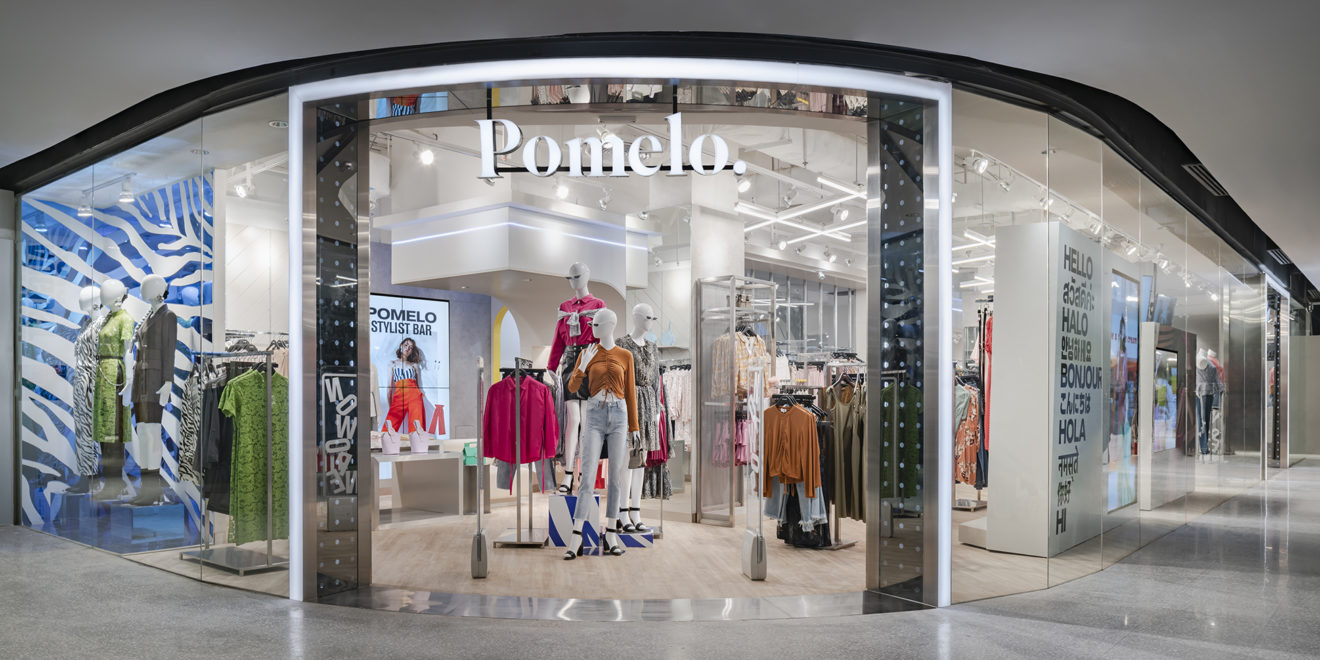
  • Pomelo Purpose range now features recycled PET fabrics

    Pomelo Purpose range now features recycled PET fabrics

    Omnichannel fashion brand Pomelo has released a third collection for its permanent sustainable line Purpose.

    Seeking to lead the sustainability charge in the Southeast Asian fashion industry, the brand will be introducing Recycled PET (RPET) material to its Pomelo Purpose production processes for the first time.

    As with the brand’s previous Pomelo Purpose collection, which placed a focus on clothing made exclusively from organic fabrics, dyes and cruelty-free materials, this collection intentionally incorporates eco-friendly practices from within the supply chain. Aiming to bring awareness to the importance of building sustainable fashion futures, the latest addition to the Purpose line is produced using RPET material and organically-sourced fabrics including linen, cotton, and natural dye.

    RPET material, which is obtained from EcoMax, one of the few Asian suppliers of environmentally-friendly renewable fabric, is made from 100-per-cent post-consumer PET bottles that would otherwise enter landfills or pollute natural habitats. By incorporating RPET material into the production of Purpose pieces, Pomelo hopes to create higher-quality, lasting pieces that ease production pressures on finite natural resources.

    Pomelo is encouraging its customers to drop off used clothing at its select partnered locations and offline stores, including the newly-opened Singapore flagship store at 313@Somerset. Pomelo Purpose shoppers can also schedule free pick-ups by scanning a QR code stitched into their Purpose products. All collected clothing is then redistributed to underprivileged partner communities, organisations and charities in Thailand, Singapore and Indonesia.

    “Purpose by Pomelo has led the way for the fashion industry in the region to adopt environmentally-friendly practices through sustainable materials and processes,” said Pomelo CEO David Jou. “With this launch, we are hoping to make an even bigger impact by providing all Pomelo shoppers an opportunity to start their recycling journey using our free pick up service. We’re very excited to continue bringing innovation to this very important topic.”

    From now until September 5, all Pomelo online customers in Singapore, Thailand and Indonesia will be able to book a free pick-up for up to 3kg of used clothing via the Pomelo App. After the promotional period, free pick-ups will be limited to first-time Pomelo Purpose shoppers only.

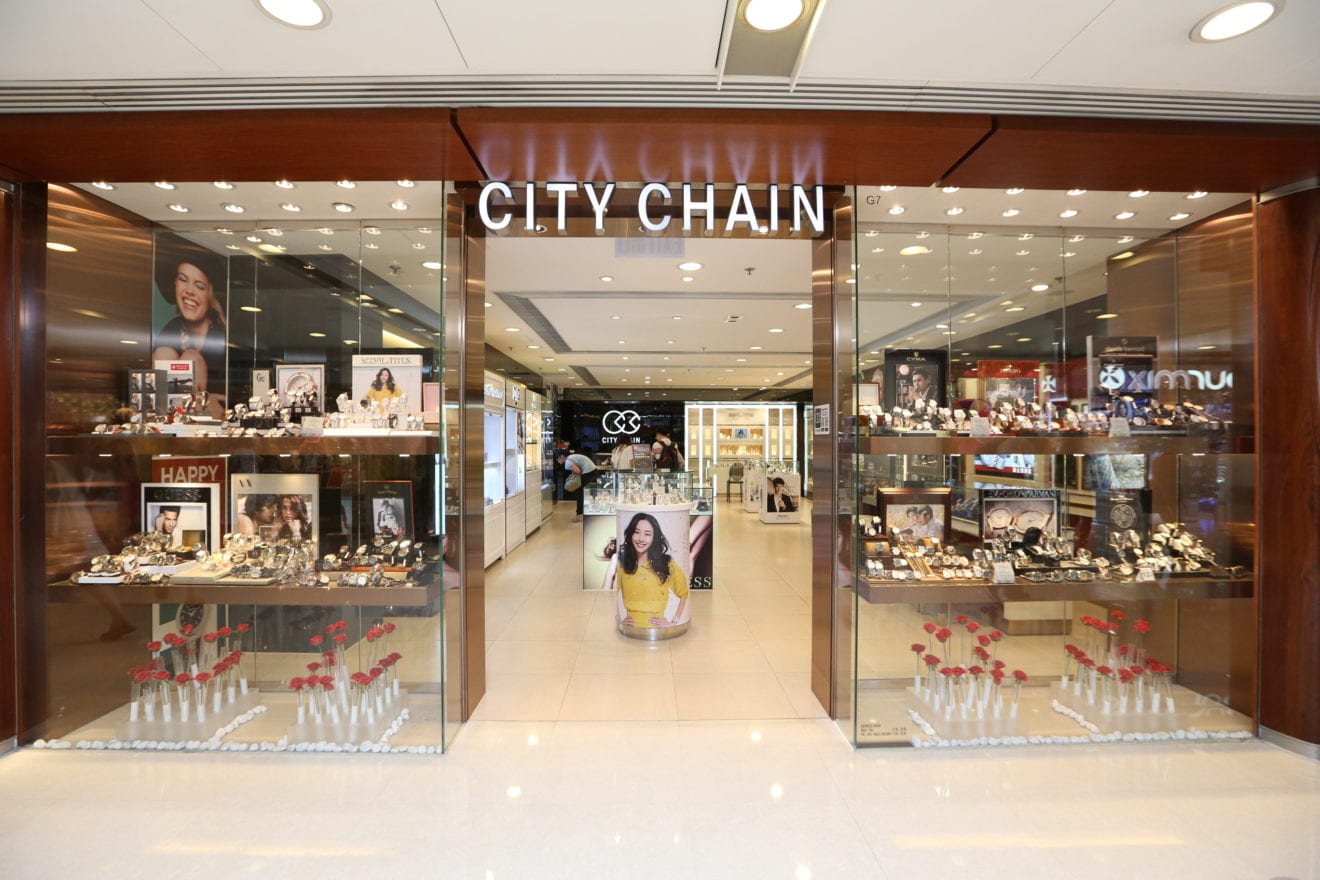
  • City Chain sales down as store network shrinks

    City Chain sales down as store network shrinks

    City Chain sales plunged 20 percent across Greater China in the three months to June.

    Hong Kong-headquartered parent Stelux International – which spun off its eyewear business last year – said the watch-retailing chain’s poor performance was due to a 14.8-per-cent contraction of its store network and “softened consumer demand”.

    Group-wide turnover fell 18.8 percent to HK$235.3 million for the June quarter.

    City Chain sales in Greater China reached $167.1 million in the quarter, down 20.1 percent, with the store network down from 135 at the end of June last year to just 102.

    Sales in Southeast Asia fell 15.3 percent to $68.2 million with the store network down 36 over a year to 208.

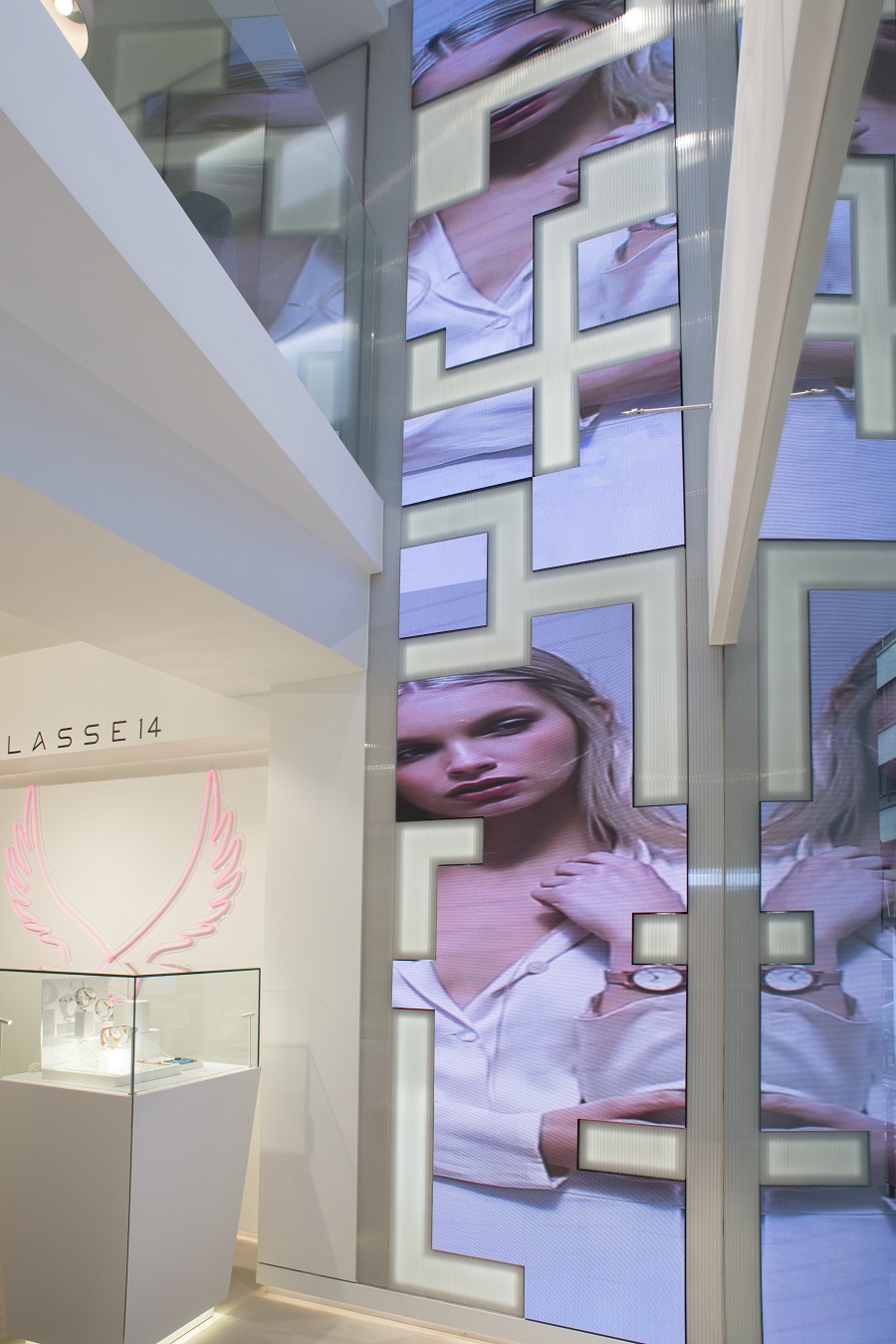
  • Klasse14 opens pop-up store at Fashion Walk

    Klasse14 opens pop-up store at Fashion Walk

    Fashion-and-lifestyle brand Klasse14 is opening a pop-up store at Fashion Walk Causeway Bay.

    The pop-up features the latest collections of Volare Sky watches and +J accessories, and invites visitors to move from one Instagrammable showcase to another, stopping by the “try on” points to touch and feel the products, or use installed machines to collect limited edition Klasse14 gifts.

    The store will be open for six months, and special promotions will be ongoing from now until August 31.

  • SUTL Global takes over Nike retailer Sportsland

    SUTL Global takes over Nike retailer Sportsland

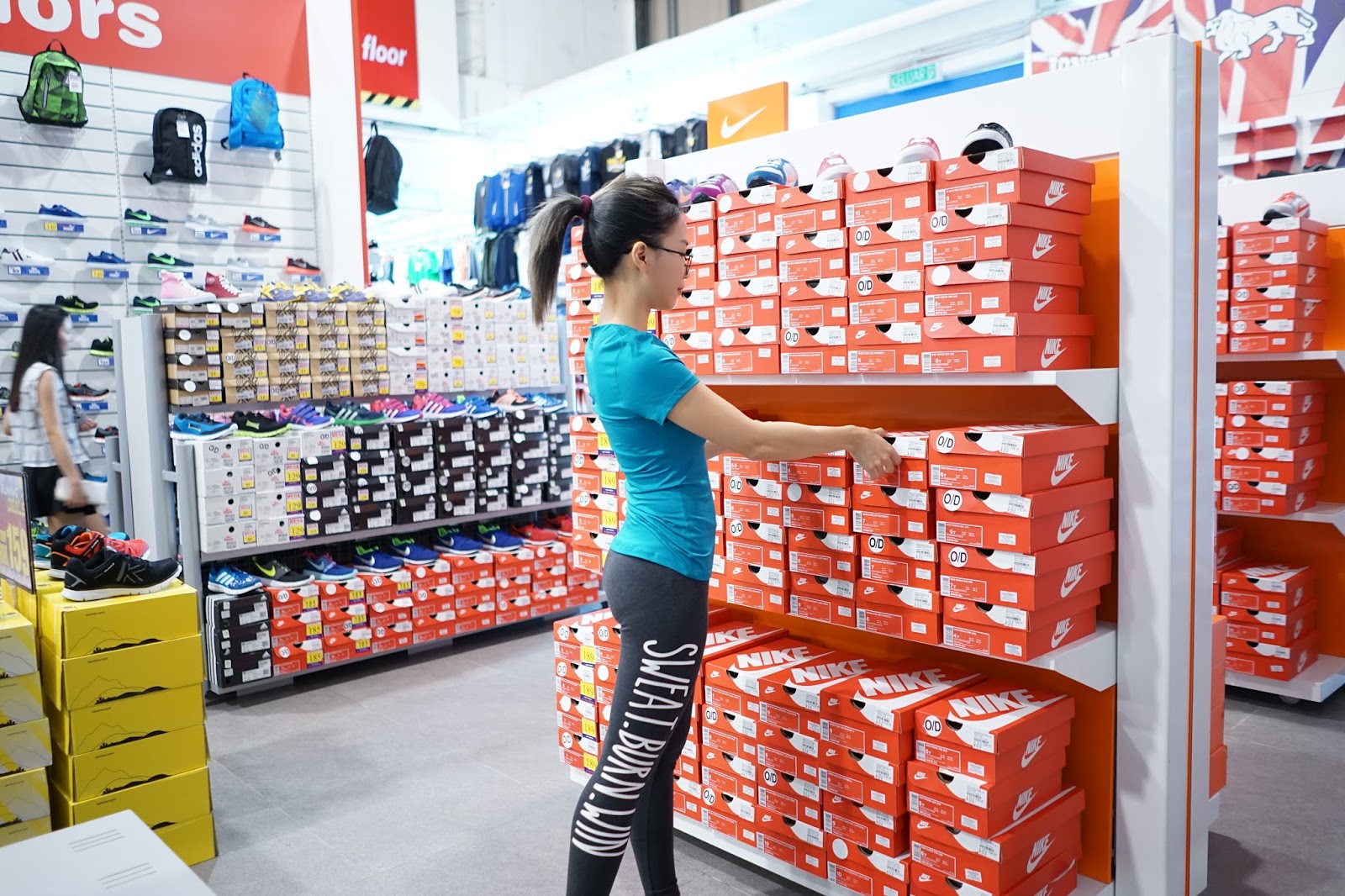
    Singaporean consumer goods firm SUTL Global has crossed the border, buying a 51-per-cent stake in Malaysian Nike retailer Sportsland.

    Sportsland – to be renamed SUTL Sportsland – currently operates Nike mono-brand stores in Kuala Lumpur, Ipoh, and Penang, with an upcoming store in Johor Bahru in September.

    The acquisition comes just months after the successful opening of Nike Jewel Changi Airport in Singapore in February, lauded to be the largest Nike store in Southeast Asia and India to date. It also fulfills SUTL Sports Retailing’s long-time goal to expand beyond the shores of Singapore and attests to the Group’s agility in realizing market opportunities in its partnership with Nike.

    As the majority stakeholder of SUTL Sportsland, SUTL Sports Retailing will streamline and consolidate the centralized leadership team in Singapore, which will be responsible for the overall running of the Nike partnership business across both countries and supported by a local Malaysia-based operations team.

    Meanwhile, SUTL Global will extend its SUTL Life membership benefits to the stores operated by SUTL Sportsland in Malaysia. SUTL Life is a membership-based program that offers customers discounts off regular-priced merchandise and allows them to earn points to offset future purchases. Members also enjoy privileges that include exclusive invitations to members-only events, birthday treats, and personalized offers.

    “Over the years, SUTL Global has established itself as a leading operator of Nike stores in Singapore, backed by our strong understanding of the local retail landscape, focus on operational excellence and commitment to the creation of differentiated customer experiences,” said SUTL Global chairman Arthur Tay.

    “I believe SUTL Global’s track record and experience will hold us in good stead as we gain access to new markets and their consumer base.

    “SUTL Global will continue to explore opportunities to further add value to and expand its portfolio in Singapore, Malaysia as well as potential new markets. We look forward to establishing the SUTL brand name as a premier distributor of Nike products within a challenging, yet rewarding and dynamic global lifestyle and retail environment.”

  • Jack Wills sold to Sports Direct

    Jack Wills sold to Sports Direct

    Struggling UK fashion chain Jack Wills has been bought by Sports Direct for £12.75 million after being placed in administration.

    Sports Direct, owned by retail entrepreneur Mike Ashley, has bought Jack Wills’ stock and taken over its distribution center, 100 stores and employees across the UK and Republic of Ireland in what is known as a “pre-pack administration” deal.

    The fate of the brand’s stores in Hong Kong, Singapore and the US is not yet known with “alternative options being considered” by the company’s directors, according to a statement released overnight.

    The Jack Wills business sold to Sports Direct has about 1700 staff spread across the business, six franchised stores in Kuwait, Saudi Arabia, the UAE, and the Channel Islands, and an e-commerce channel serving 130 countries.

    Pippa Stephens, retail analyst at GlobalData, said that while Mike Ashley has given Jack Wills a much-needed lifeline, she fears he already has far too much on his plate to make the ailing lifestyle brand a priority and implement a successful turnaround strategy.

    “While Ashley recently admitted that he regrets purchasing House of Fraser, significant time and money are still required to resurrect the failing department store retailer, making it the focus if Ashley is to retain his self-penned ‘savior of the high street’ label,” said Stephens.

    “Jack Wills has lost relevance in the UK clothing market as its heavily branded, preppy products no longer appeal to 16-24-year-olds who now prefer more edgy, aspirational brands. Consistent discounting has devalued its full-price proposition, while its stores have lost their appeal and uniqueness.

    “Jack Wills needs to be substantially revamped if it is to revive its desirability, win back shoppers and establish a new loyal customer base. Without sufficient investment in modernizing ranges and improving the in-store experience, we expect it to continue to struggle in today’s competitive youth segment.”

    Private-equity owner BlueGem began canvassing for prospective buyers for Jack Wills early last month after engaging advisory firm KPMG to prepare a review of the business’ prospects. According to companies office records, Jack Wills lost £29.3 million for the year to January 31 last year, and a £28 million cash injection from BlueGem in January this year has been almost exhausted.

  • Simone Rocha opens store on Hong Kong

    Simone Rocha opens store on Hong Kong

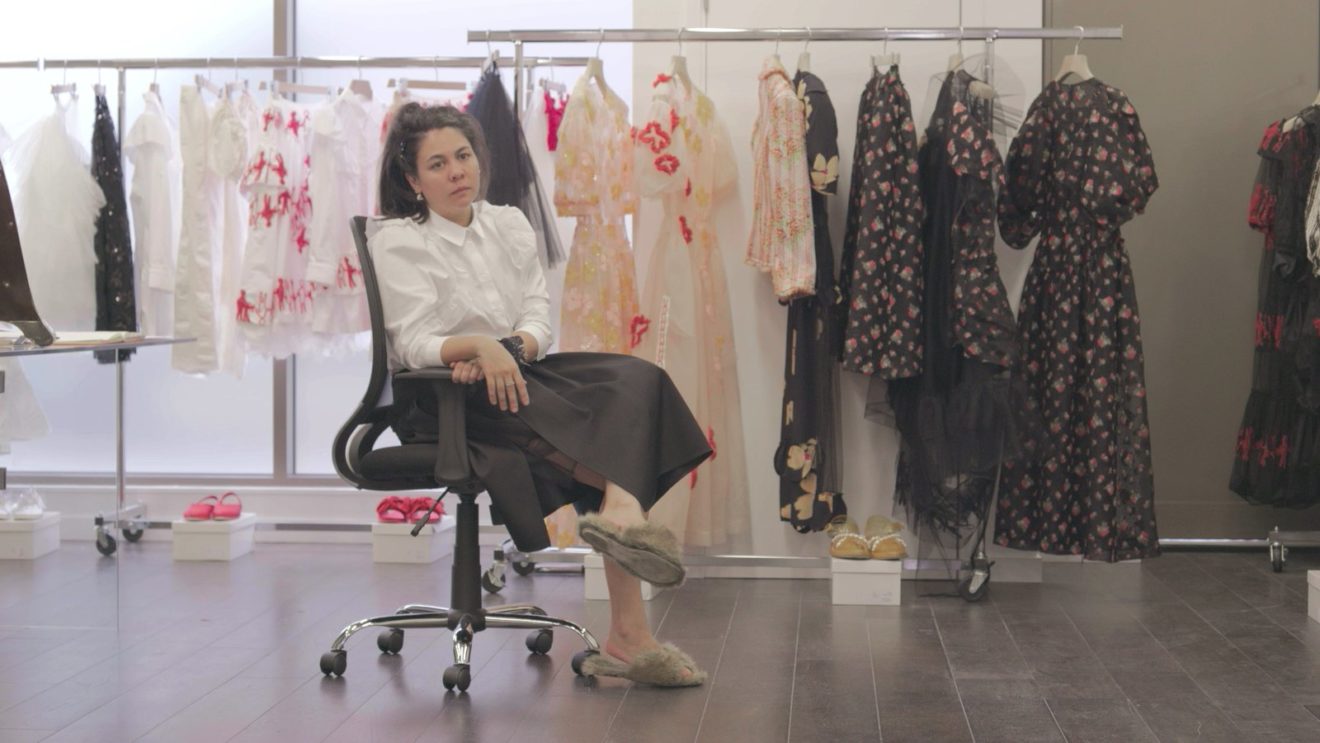
    Fashion label Simone Rocha has launched a brand-new store in Central.

    The store is only the third standalone Simone Rocha outlet in the world since its first opening in London in 2015, which was followed by a store New York two years later. Each new store is designed to invoke an intimate and unique retail atmosphere, offering customers a chance to engage with the clothes physically and to experience and understand the fabrics up close.

    “I am very proud to be opening my first stand-alone store in Hong Kong,” said designer Simone Rocha, “with the support of I.T Group after our long-term relationship of eight years. Their belief in my vision and creativity makes me very excited for our upcoming journey together.”

    The 900sqft store is located on Ice House Street. It features Simone’s signature perspex furniture and hand-made sculptures, a balance of craft and modern materials that will be reimagined within the store each season. Alongside these interiors are hand-molded floral cornicing, pink marble and curated art pieces.

    “The unique aesthetic and brand values of Simone Rocha have always been in line with the philosophy and vision of I.T Group,” said I.T Group executive director and CEO Kar-Wai Sham.

    “We see great potential in the brand’s development in the Greater China market, and it gives us great delight to partner with Simone Rocha in opening the label’s first store in Asia.”

  • Levi Strauss ‘deliberate’ in moving production away from China

    Levi Strauss ‘deliberate’ in moving production away from China

    Levi Strauss & Co has been “deliberate and diligent” in moving production out of China because of uncertainty hanging over tariffs on goods imported from China, CEO Chip Bergh has told Reuters in an interview.

    Just 1 percent or 2 percent of Levi’s product sold in the US are manufactured in China, Bergh said, compared to 16 percent two years ago. Bergh was speaking one day before President Donald Trump said he would impose tariffs on another US$300 billion of Chinese goods, including apparel.

    Trump has used tariffs as a tool to negotiate better trade terms, saying bad deals cost millions of US jobs. Along with apparel, the new tariffs hit consumer goods such as electronics and toys and come in addition to those already imposed on $250 billion of other goods imported from China.

    The on-again, off-again nature of the US tariffs on Chinese goods had created uncertainty for many US retailers, Bergh said.

    “Every day is a new day,” he said. “Sometimes it looks like it’s definitely going to happen and then other days you think it’s off, it’s not going to happen.”

    San Francisco-based Levi’s, which returned to the public markets in March, is part of a wave of retailers that have been shifting supply chains out of China to countries such as Vietnam and Bangladesh. The trend was initially in response to higher Chinese wages but the exodus is expected to be accelerated by the new tariffs, which Trump said will go into effect September 1.

    They are expected to increase consumers’ costs and have an impact across the entire retail industry.

    Apparel retailers like Gap Inc, shoes and accessories brand Steve Madden and department store Macy’s have also acted to move production out of China.

    However, China still is a big supplier to the industry with 42 percent of apparel and 69 percent of footwear sold in the US made in China, according to the American Apparel and Footwear Association.

    Following the latest tariff news, several large retail trade groups warned the levied tariffs will hurt consumer purchases, raise prices and limit hiring.

    Levi’s has two of its own factories in Poland and South Africa but mostly uses third-party vendors or suppliers spread across 22 different countries, said Bergh, who joined the company in September 2011.

    “We’ve narrowed down our supplier base during the time that I’ve been here to really develop deeper, more strategic relationships with many of our suppliers,” he said.

    Many of Levi’s suppliers in China are publicly traded companies that have multi-country footprints, said Bergh, that have diversified risk by building factories in places like Vietnam and Cambodia.

    Levi’s also has put contingency plans in place “not just for China but also for Mexico in the event that NAFTA gets ripped up in a moment of rage or something,” Bergh said.

  • Aesop store in Seoul features reclaimed red bricks

    Aesop store in Seoul features reclaimed red bricks

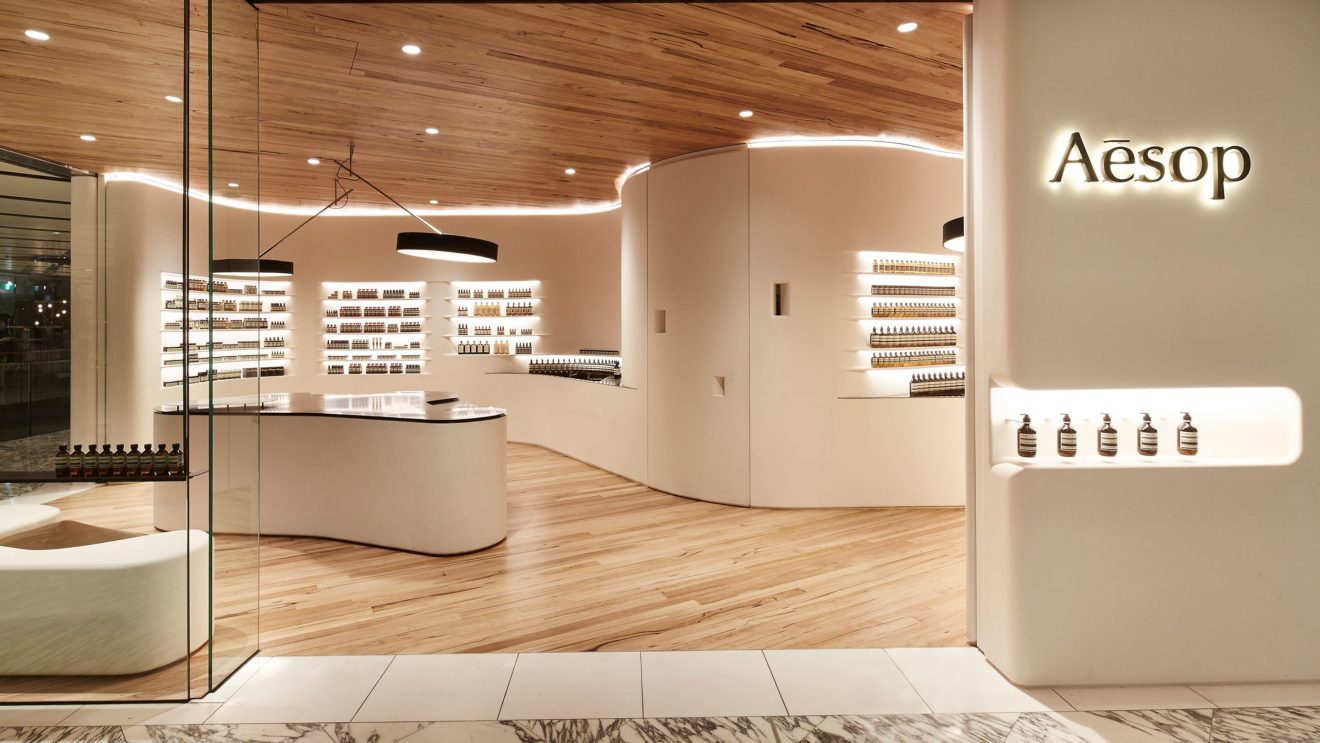
    Luxury skincare brand Aesop has opened a distinctive store in south-central Seoul designed by Hong Kong designers Mlkk Studio.

    The designers laid out the two-level Aesop store in Seoul using reclaimed red bricks to fashion within the building’s slate-grey brick facade to create a warm and inviting shop interior. It is intended to provide a cozy retreat for shoppers, especially during the cold winter months.

    “It gave an exciting opportunity to do something just the opposite with the same material,” said an Mlkk Studio spokesperson. “The choice of material also creates a dialogue with the architecture and effortlessly blends the interior and the exterior … The bricks add color variety and enrich the sense of time and history of the space.”

    The bricks are also used in the store’s service counter and for a sink where customers can try out the products. Two arched cubby holes with copper shelving are built into the rear wall, resembling traditional Korean kilns.

    The Aesop store in Seoul is one of many stores by the brand profiled on design site Dezeen.

  • Ralph Lauren opening five new stores this year

    Ralph Lauren opening five new stores this year

    US fashion brand Ralph Lauren is ramping up its presence in Australia with the launch of its first standalone women’s store in Sydney’s CBD last month.

    The store, located in the iconic Queen Victoria Building, is part of the transformation over the last five years of the brand’s previously known ‘Blue Label’ into ‘Polo Ralph Lauren for Women’.

    “Polo Ralph Lauren for Men is well-established in the Australian market and we see an opportunity for our women’s business to grow as we further expand our offering across different channels,” the brand said.

    Four more stores carrying both womenswear and menswear collections are slated to open across the country in September and October. The stores will be located in Indooroopilly and Sunshine Plaza in Queensland, Melbourne Emporium in Victoria and Canberra Centre in the ACT.

    “The store openings build on Ralph Lauren’s targeted expansion across Australia and around the world as part of its Next Great Chapter strategy to deliver sustainable, long-term growth and value creation,” the brand said.

    The brand said it is committed to the expansion of the Polo Ralph Lauren business in Australia, where it is distributed through owned, standalone stores, as well as through David Jones, Myer and Glue, and online through The Iconic.

    The business has a 25-year history in Australia. Initially operating as a licenced brand, Polo Ralph Lauren took back control of the local business in 2013.

  • New Dunhill store opens in Hong Kong

    New Dunhill store opens in Hong Kong

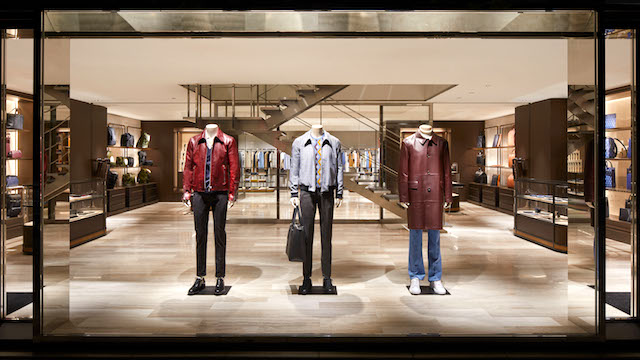
    A new Hong Kong Dunhill store has opened at Lee Gardens as a further step in the brand’s global expansion strategy in Asia.

    The store’s designers have engineered a bright and contemporary space with marble and walnut wood in counterpoint with glass and metal details, used as recognisable codes of the house.

    The use of grey marble takes inspiration from the facade of Dunhill’s 1950s South Rodeo Drive store, while walnut burl cabinets, housing men’s accessories, are inspired by the original furniture from London’s Duke Street and Paris’ Rue de la Paix stores. Fluted glass and metal details together with brown wood panelling recall the textures and finishes of classic Rollagas lighters.

    Featuring a curated selection of luxury pieces by creative director Mark Weston, the Hong Kong Dunhill store is showcasing ready-to-wear garments alongside leather goods and accessories.

  • Hush Puppies breaks out of “vicious cycle”

    Hush Puppies breaks out of “vicious cycle”

    Iconic footwear brand Hush Puppies is undergoing a major brand transformation in Australia, backed by updated modern collections designed to appeal to younger customers, fun collaborations and an upcoming gamification campaign in September.

    Traditionally known as the comfort footwear choice for grandparents, the local team has “really spun this brand on its head”, according to general manager, Charlene Perera.

    “It’s a 61-year-old brand and we had gotten to this point where we had gotten old with our customer. We were doing the same things, expecting a different result. It’s a vicious cycle so many retailers get into,” she said.

    “It took us probably a year and a half to find our feet and being predominantly wholesale with a smaller retail network, it took a lot longer to turn it around. But the last two years for us have just been on the up, which has been really amazing for a heritage rand in this climate. So we’ve seen growth across our retail network, online and our department stores.”

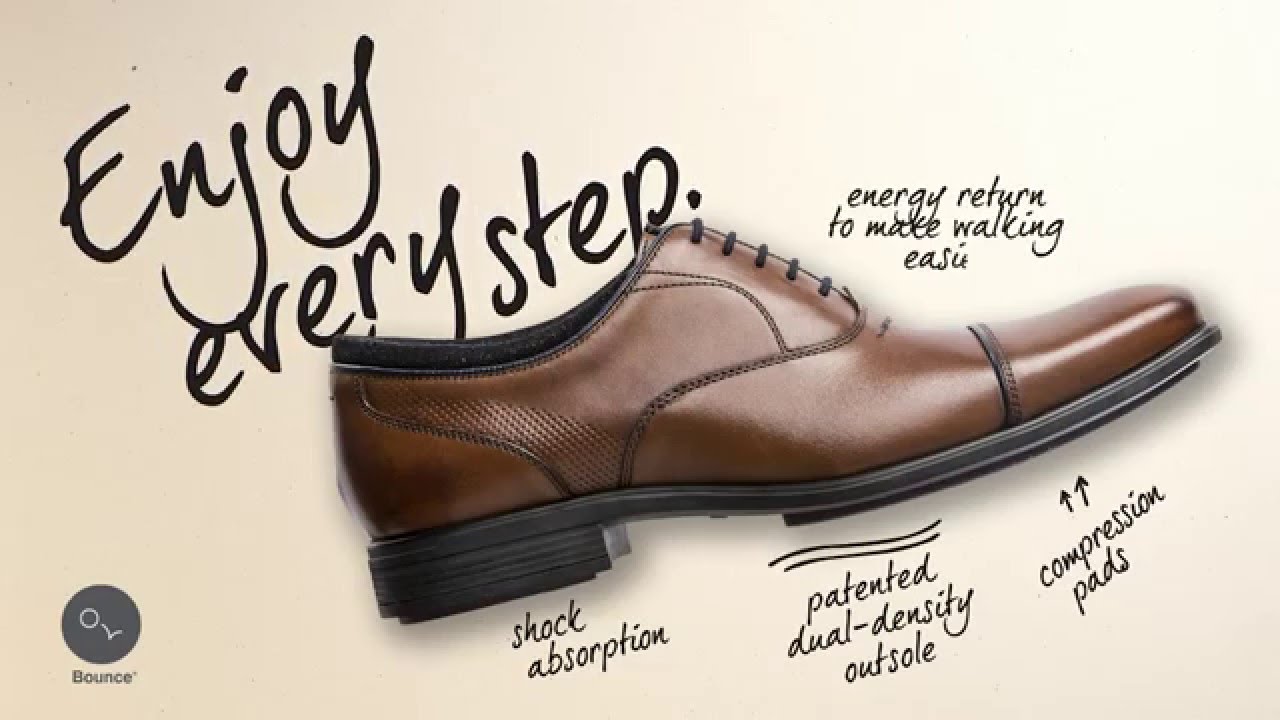
    Next month, as part of a campaign to promote the bounce technology within their shoes, Hush Puppies will launch an online game on its website for customers, which will be promoted for four weeks across radio stations in Melbourne, Sydney and Brisbane.

    In each state, Hush Puppies will run an activation, where radio announcers representing customers at the top of the leaderboard will then battle it out against each other in zorb balls.

    According to Perera, it is these “unexpected” and fun initiatives that have helped to re-direct the brand and give it new life.

    “For our 60th birthday last year, we threw a party, we invited all the buyers into our office, the customers that shop in our store, all our team and we raffled off the car on the night. It was a massive party, you know. It’s fun stuff and I don’t think other brands are doing it. And I think those little things go a really long way,” she said.

    Earlier this year, Hush Puppies was the official shoe of Mardi Gras and a sparkly pair of shoes was created specifically for the event. When the brand turned 60 last year, it went on a music road trip around Australia, paying homage to the rich rock ‘n’ roll history behind the brand – musician Keith Richards famously wore a pair during a Rolling Stones concert.

    According to Perera, while Hush Puppies is based in the US, the brand turnaround has largely been led by the Australian team, which designs 90 percent of the local collection.

    The updated Hush Puppies range is now focused on the everyday woman who wants both style and comfort.

    However, there has since been a global push by Hush Puppies in the US towards an updated collection of the brand’s famous Power Walkers.

    “I think in the women’s space, we had really allowed ourselves to get old, we were aging with our customer,” Perera said.

    “It’s fun for us to be able to have a bit of tongue in cheek. We know that they the Power Walker were the grandpa shoes that everyone relates to Hush Puppies, but in slightly less cooler colors. The heart of the brand for me is it’s a happy brand and optimistic – it’s backed by a little dog!”