Category: Fashion

Retail News Asia is committed to providing both local and global retailers with the latest Fashion news throughout the Asian market. This on a daily base.

  • Sephora Hong Kong confirms September opening and promises new brands

    Sephora Hong Kong confirms September opening and promises new brands

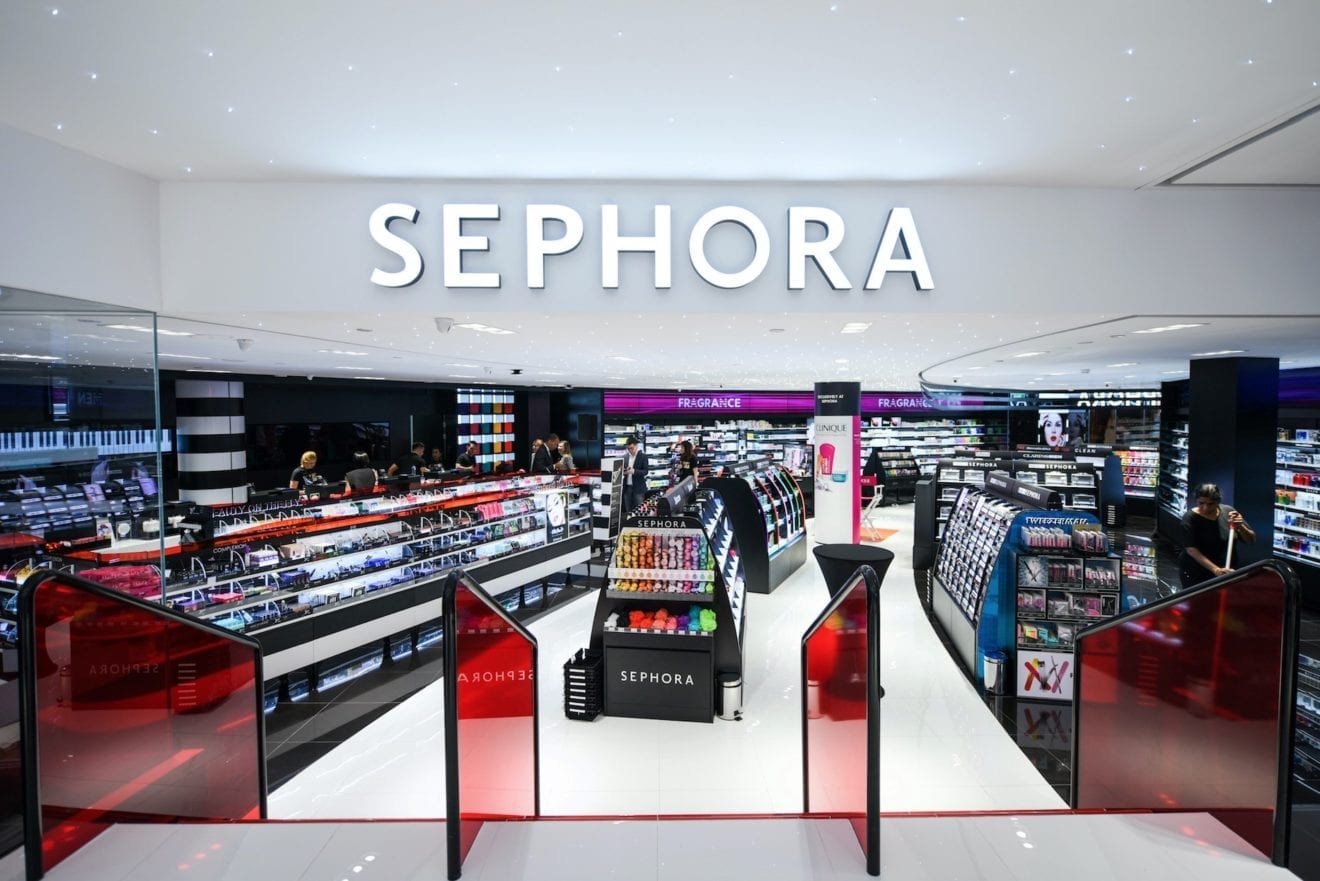
    Sephora Hong Kong will open its new flagship store at IFC mall in “early September” the company announced yesterday.

    And the LVMH-owned beauty retailer has promised to launch more than 40 brands onto the Hong Kong market, “new and exclusive” to the territory. These include what the company describes as “cult beauty favourites” such as Drunk Elephant, Sunday Riley, Huda Beauty, Anastasia Beverly Hills and Fenty Beauty; and niche fragrance labels including Clean Reserve, Kayali, Bon Parfumeur and Maison Margiela.

    Sephora Hong Kong will also introduce new beauty and fragrance brands that are making their debut in the market such as Loewe, Tarte, IT Cosmetics and Jack Black.

    “We are really proud of the exciting brand portfolio for our new store,” said Benjamin Vuchot, Asia president at Sephora.

    “We believe the new Sephora Hong Kong will be the ultimate one-stop beauty destination in the region that consumers will find joy in exploring the countless products and services on offer.”

    Vuchot believes Sephora will offer the most extensive brand portfolio in the market, supported by a unique omni-channel model dedicated to offering an “unparalleled shopping experience in-store and online through its upgraded e-commerce platform”.

    More brands will be added later – both instore and online – to provide customers with “endless new discoveries” across different categories.

    Beyond the new brands, Sephora Hong Kong will also be launching new, innovative customer services, including Virtual Artist, a new beauty app designed to offer customers an opportunity to try on and compare different products digitally.

    Online bookings will be taken for a variety of personalised services at the Sephora Beauty Studio.

    On launch day, Sephora will offer a complimentary ferry ride between Tsim Sha Tsui and Central on the opening day. The first 300 customers to visit the new Sephora Hong Kong store will be given a goodie bag with a curated selection of Sephora products.

    Sephora Hong Kong has confirmed it will open eight stores in the territory, with the second planned for Windsor House in Causeway Bay in the fourth quarter of this year. Six more will follow over a two-year time frame, their locations not yet revealed.
  • Michael Hill profit hit by staff underpayment

    Michael Hill profit hit by staff underpayment

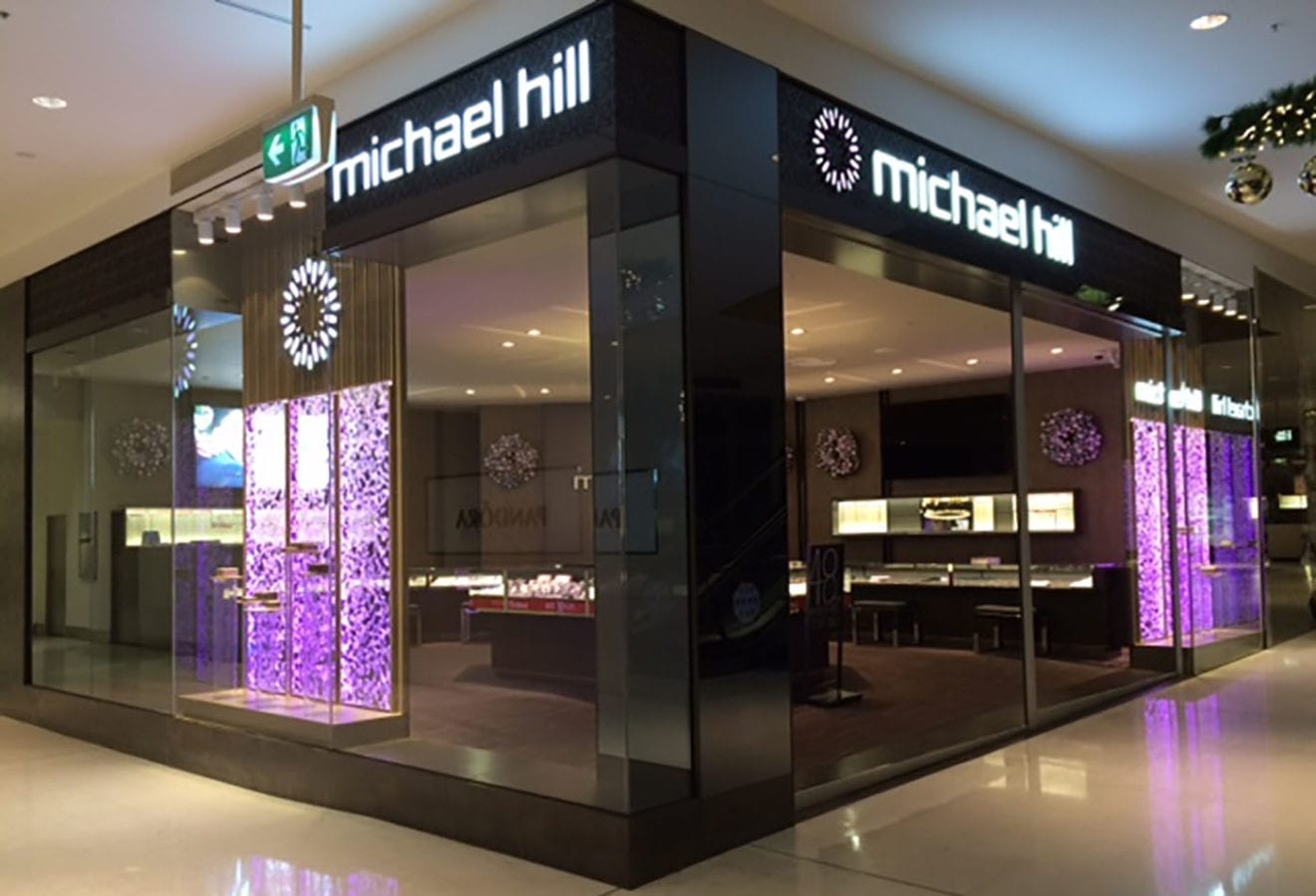
    Michael Hill posted a $16.5 million net profit in FY19, which was impacted by the $4.5 million back-payment it made to employees, after it found that it had unintentionally underpaid workers for the past six years.

    Still, this was an improvement form the $1.6 million net profit in FY18, following the closure of its Emma & Roe business.

    Total revenue for the international business fell to $569.5 million, compared to $575.5 million during financial year 2018.

    Online sales grew 43.6 per cent to $16 million, up from $11.1 million, while branded collections – driven by Michael Hill’s recent expansion into bridal jewellery – made up 32.5 per cent of total sales.

    Chief executive Daniel Bracken said the team was disappointed with the results overall, but pleased with having generated positive sales momentum.

    “2019 was a transitional year for the company,” Bracken said.

    “The pace of change has been intense this year with a greater sense of urgency and determination to deliver, which is really infectious. There is a strong belief in the strategy and each other – and a healthy impatience among us to see results.”

    While the business saw revenue growth in Canada of 1.8 per cent to $147.3 million (CA$133.1 million), both the Australian and New Zealand markets saw segment revenues decline.

    Australian revenue declined 3.7 per cent to $313.6 million, while New Zealand saw revenue fall to $113. 9 million (NZ$120.1 million) – a 4.1 per cent decrease on FY18.

    Michael Hill’s chief financial officer Andrew Lowe said the business believes the retail environment in Australia will continue to be challenging through 2020.

    Same-store sales fell 3.3 per cent over FY19, though improved on a quarter by quarter basis over the course of the year – from an 11 per cent decline in Q1 to a 0. 6 per cent increase in Q4.

    According to Lowe, this was largely due to the impact of a competitive retail environment, as well as a shift away from heavy discounting.

    2020 and beyond

    Looking toward the next 12 months, Bracken said the business will focus on the fundamentals of retail and build on the five strategic priorities identified last year: omnichannel retail, customer loyalty, branded collections, brand loyalty and operational excellence.

    “Our focus will be on strengthening our customer proposition with new branded product and improved disciplines in buying, selling and marketing,” Bracken said.

    According to Bracken, branded products could reach approximately half of total sales over the next two to three years, and act as an avenue to attract new customers as well as satisfy loyal customers.

  • Li Ning profit up as restructure pays off

    Li Ning profit up as restructure pays off

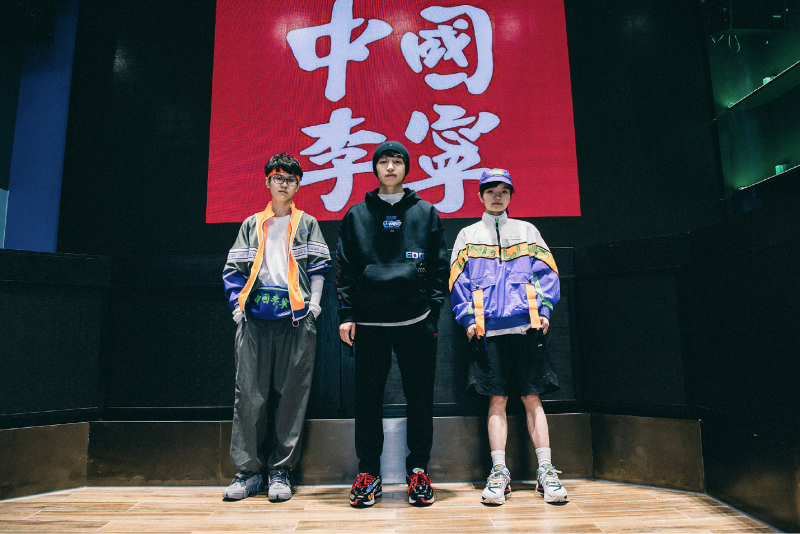
    Chinese sportswear retailer Li Ning reaped the benefits of a restructure in the first half of this year, with net profit attributable to shareholders by 196 per cent to RMB795 million (US$113 million).

    For the last two years, Li Ning has been investing in its retail business, upgrading stores, refining its product offer and reorganising its supply chain and other back-of-house operations.

    More recently it has launched a new retail brand Li Ning Young, which has added 79 more stores so far this year, taking the network to 872.

    The company said its margin has increased from 5.7 per cent during the first half of last year to 12.7 per cent in the same period this year.

    While the huge profit boost was partly due to non-operational factors, the regular business still posted a surplus up 109 per cent to RMB561 million, and net profit margin was 9 per cent.

    Group sales revenue rose 33 per cent to RMB6.255 billion ($889.5 million), with same-store sales growing by the mid-teens.

    The company said it was focused on strengthening its brand and product competitiveness during the first half, especially its five core categories: basketball, running, training, badminton and sports casual.

    “We set professionalism and functionalism as the foundation, and consolidated the brand’s DNA of professional sports,” the company said in an earnings statement.

    As at June 30, Li Ning had 6422 points of sale, a net increase of 112 over three months.

    The network of conventional stores, flagship stores, China Li-Ning stores, factory outlets and multi-brand stores under its brands amounted to 7294 as of June 30, representing a net increase of 157 since December 31.

  • Swarovski says sorry for ‘misleading’ communication over Chinese sovereignty

    Swarovski says sorry for ‘misleading’ communication over Chinese sovereignty

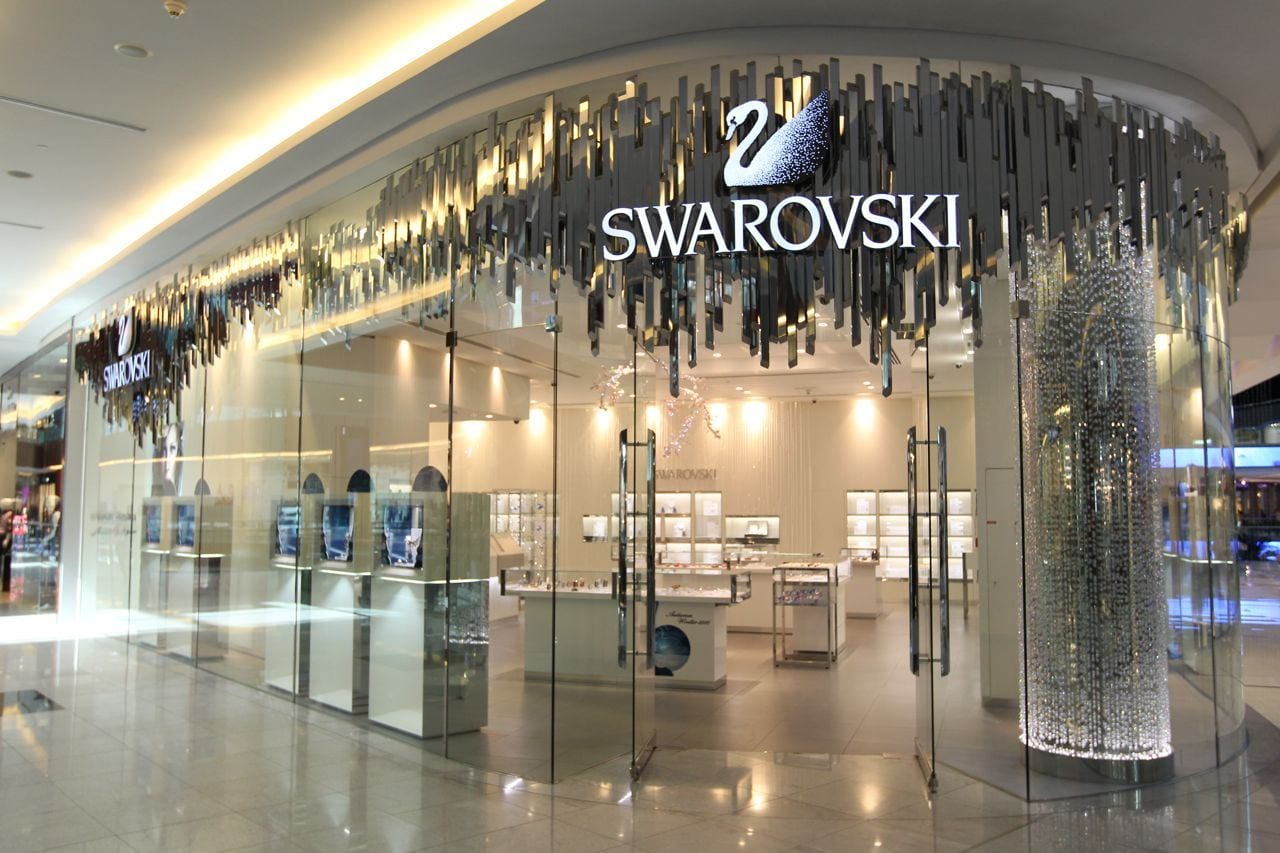
    Jewelry retailer Swarovski has issued a sweeping apology over implying Hong Kong is not part of China, the latest international brand to fall foul of rising nationalistic sentiments on the mainland.

    The apology followed the resignation of its Chinese brand ambassador Jiang Shuying and follows a string of social-media controversies in recent weeks over fashion brands differentiating Hong Kong and China, including Coach, Givenchy, and Versace.

    Instances of Hong Kong is portrayed as an independent country or market have garnered far more attention since June, coinciding with growing protests in the territory against perceived mainland encroachment on Hong Kong laws and governance.

    “Considering the recent happenings in China, Swarovski takes full responsibility and sincerely apologises to the people of China, as well as to our collaborative partners and brand ambassador, Ms Jiang Shuying, who have been deeply disappointed due to misleading communication on China’s National Sovereignty,” Swarovski wrote in a statement distributed via social media.

    “We have strengthened our global brand awareness and we will continue to review all our digital platforms globally to correct any inaccuracies,” the statement continued.

    “We abide by our commitment to act as a responsible corporate citizen, which has been embedded in the way we do business since the foundation of our company in 1895. In keeping with this tradition, Swarovski has always firmly respected China’s national sovereignty and territorial integrity, providing the Chinese market with unified worldwide services and products.

    “Swarovski will continue to support a harmonious society, together with the Chinese people.”

  • Losses widen for Larry Jewelry in subdued luxury-goods market

    Losses widen for Larry Jewelry in subdued luxury-goods market

    Listed Hong Kong jewelry and Chinese-medicine retailer Larry Jewelry has reported a higher loss as its sales plunged 23.1 percent in the six months to June.

    Sales in its jewelry business fell by 17.6 percent, largely in the Hong Kong market, however, the group achieved a better profit margin both there and in Singapore. The company said the luxury-goods market remained soft in the first half of the year.

    The Tung Fong Hung (TFH) business, which retails Chinese pharmaceutical products, dry seafood, health products, and foodstuffs in Hong Kong, Macau and Mainland China, recorded a sales decline of about 25 percent. TFH has 15 stores in Hong Kong, two in Macau and 36 on the mainland.

    The company said it will review the sales network and customer focus of TFH and introduce more locally made products to suit the needs of domestic market through its newly refurbished food and traditional Chinese medicine production facilities.

    The loss attributable to shareholders was HK$49.485 million for the six months to June 30, up from $41.066 million in the same period last year, on group sales of $147.138 million, down from $191.236 million.

    A 31.2-per-cent decrease in gross profit margin was attributed to changes in the company’s product mix during the period.

    Executive director Danny Wong said that in light of the recent business environment and financial resources on hand, the group will continue to seek suitable business opportunities to diversify its existing business stream.

    “The group remains cautiously optimistic in the luxury jewelry market in the long-run. [We] will explore opportunities to broaden the geographic base of customers to markets outside Hong Kong and Singapore and increase its visibility across Southeast Asian countries,” he said.

    “The group also seeks to achieve a diversified customer base through the introduction of new distinctive and unique product designs to more youthful, cosmopolitan audience.”

  • South Korean Beauty chains stop selling DHC products after Youtube commercial

    South Korean Beauty chains stop selling DHC products after Youtube commercial

    South Korean health-and-beauty stores have suspended sales of products from Japanese beauty firm DHC Corp, after the company made offensive remarks about Koreans.

    The products are being withdrawn from shelves of retailers in yet another chapter of a growing diplomatic row between the two countries.

    Since entering South Korea in 2002, DHC has gained popularity with cleansing oils and other products and has entered local H&B stores and online malls.

    However, DHC has been embroiled in controversy after saying on its television network subsidiary that “South Korea is a hot-tempered country, and the boycott will not last long”’, and using the word ‘Joseonjing’, a disparaging expression for Korean people, saying that South Koreans were not able to text Chinese characters.

    Olive Young, a leading health-and-beauty chain, said it stopped selling DHC Corp products at its online store on Monday morning.

    Olive Young also ordered its 1200 brick-and-mortar branches to move the display locations of DHC products, following guidelines to minimize consumer exposure to the Japanese company’s wares.

    As DHC’s subsidiary, “DHC Television,” was found to have aired YouTube content with hateful comments on South Korea, the move is attributed to worsening public sentiment, including a boycott among Korean consumers.

    “Because of realistic problems such as contract relations with partners, we are first giving guidelines such as changing the location of displays in the store and temporarily suspending sales at online malls and reviewing various measures,” an official at Olive Young said.

    Lalavla, South Korea’s second-largest health-and-beauty chain, operated by GS Retail Co, has also decided to stop selling some 20 DHC products at online malls and 150 offline stores.

    The location of the remaining stock will be relocated to a less visible location.

    LOHB’s, run by retail giant Lotte Group, also suspended sales of DHC products at its online mall on Monday and stopped stocking DHC products at about 130 offline stores nationwide.

  • Fashion label launches Hello Kitty clothing line

    Fashion label launches Hello Kitty clothing line

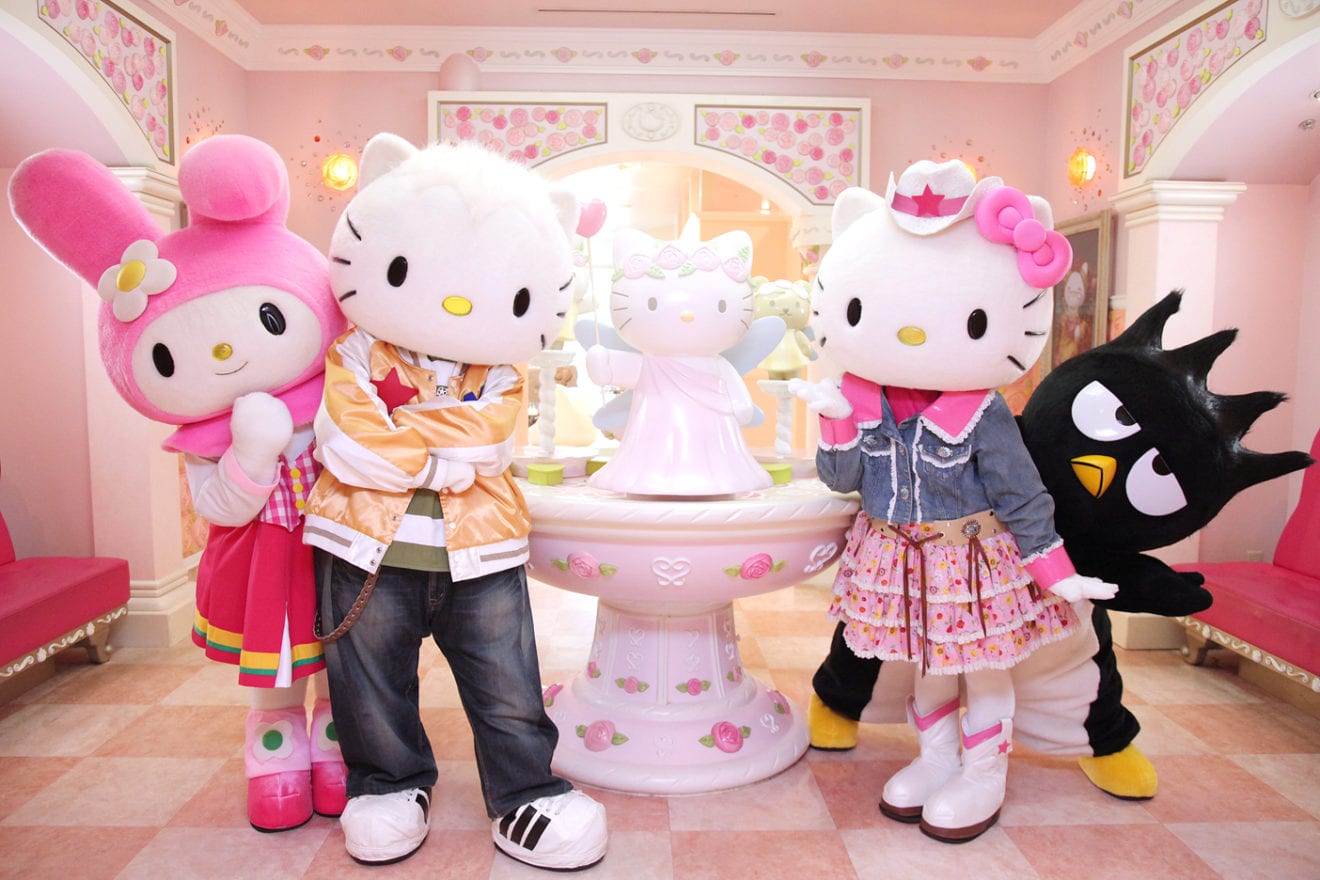
    Local fashion label Ruby is launching a limited-edition collection of Hello Kitty-licenced products, including t-shirts, sweatshirts, oversized hoodies and activewear.

    The collection, Ruby x Hello Kitty, will be available in stores and online from August 16, and is expected to take the brand’s customers on a trip down memory lane.

    “This collection with Sanrio has been so exciting,” said Deanna Didovich, Ruby’s creative director, said in a statement.

    “Growing up I collected anything Hello Kitty! There’s no doubt Ruby x Hello Kitty will be one to remember,” she said.

    The collection also includes several non-licensed products, including a satin skirt and bomber jacket set designed to be mixed and matched with the streetwear pieces, as well as a denim jacket and mini-skirt.

    The Hello Kitty activewear set is made from econyl fibre, which is nylon that is 100 per cent regenerated from recovered fishnets and nylon waste. This helps to reduce the global warming impact of nylon by up to 80 per cent.

    Ruby and its sister label, Liam, are increasingly incorporating sustainable materials into their collections.

  • Versace apologises for the bold suggestion that Hong Kong is a country

    Versace apologises for the bold suggestion that Hong Kong is a country

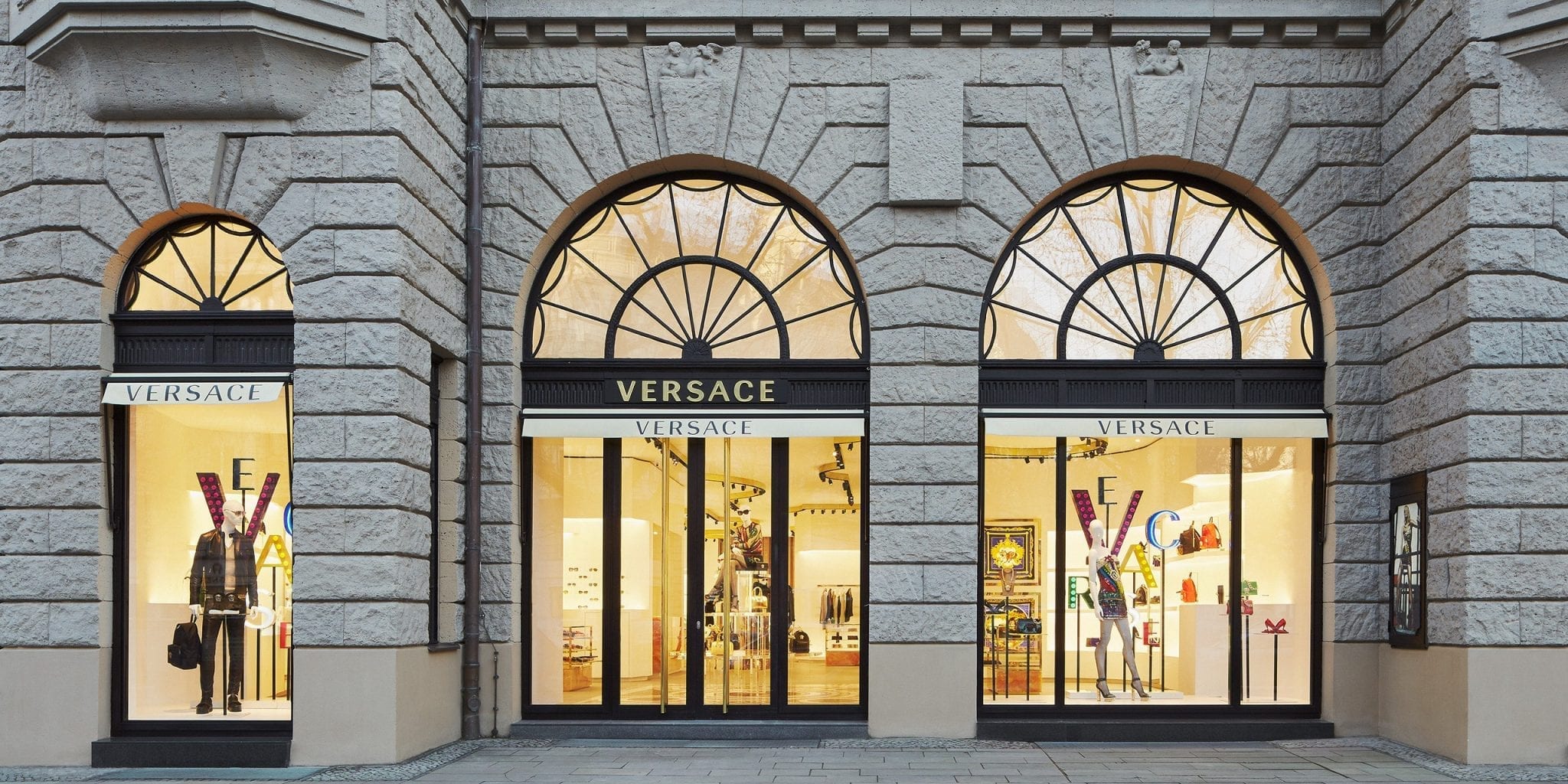
    Italian luxury label Versace and its artistic director Donatella Versace apologized on Sunday after one of the company’s T-shirts was widely criticized on social media in China for identifying Hong Kong is a country.

    Versace, which was bought by US-based Capri Holdings in September, said on its Weibo account that it had made a mistake and as of July 24 had stopped selling and destroyed the T-shirts.

    The T-shirt, images of which were widely posted on Chinese social media, featured a list of “city-country” pairs, including “New York-USA” and “Beijing-China”. But it also described Hong Kong and Macau as “Hong Kong-Hong Kong and Macau-Macau.”

    The studio of Versace’s China brand ambassador Yang Mi, one of the country’s most well-known actresses, also said on its Weibo account that she was ending her contract with Versace over the issue.

    “China’s territorial integrity and sovereignty are sacred and inviolable at all times,” Jiaxing Media said in the statement.

    The ending of Yang’s relationship with Versace was one of the most viewed topics on Weibo on Sunday, attracting more than 640 million views.

    Milan-based Versace is the latest company to become entangled in political issues involving China, which since last year has increased its policing of how foreign firms describe Hong Kong and Macau, former European colonies that are now part of China but run largely autonomously.

    “Versace reiterates that we love China deeply, and resolutely respect China’s territory and national sovereignty,” the company said in a statement.

    Donatella Versace, sister of the fashion house’s late founder Gianni, issued a similar statement on her official Instagram account.

    “Never have I wanted to disrespect China’s National Sovereignty and this is why I wanted to personally apologize for such inaccuracy and for any distress that it might have caused,” she said.

  • Reliance-Tiffany partnership in India wins the right approval

    Reliance-Tiffany partnership in India wins the right approval

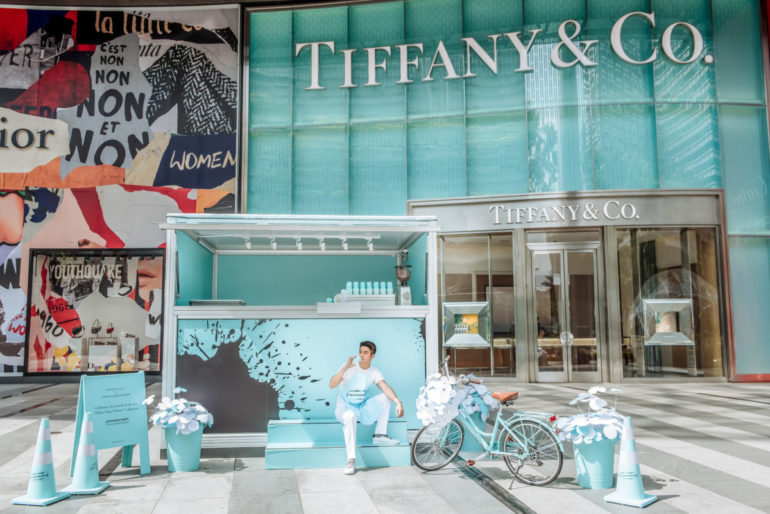
    The Reliance-Tiffany partnership in India will allow Tiffany & Co to offset subdued demand in US and Europe, says data and analytics company GlobalData.

    The US-based luxury jeweler Tiffany & Co formally announced last week it was forming a joint venture with India’s Reliance Brands Limited (RBL), a part of the Reliance Industries Limited (RIL), to open a line of stores in India. That move was widely predicted earlier.

    Shagun Sachdeva, consumer insights analyst at GlobalData, says India is the fastest-growing luxury market in the Asia-Pacific region, expected to grow at a compound annual rate of 14.2 percent between 2017 and 2022, to reach US$7billion by then.

    “The projected healthy growth can be attributed to the positive economic outlook, growing younger upper-middle-class population coupled with growing brand-consciousness, and the increasing popularity of the online channel for luxury shopping.”

    Sachdeva said Tiffany & Co, famous for its diamond engagement rings and famous blue boxes, has been trying to enter the Indian market for a long time.

    “By leveraging Reliance’s long-standing brand presence and product positioning, it will be able to expand globally and offset the subdued demand in the US and Europe.

    “After the deployment of omni-channel model and the introduction of the iconic British toy retailer Hamleys in India earlier this year, the latest move by Reliance to open Tiffany stores in Delhi later this year and in Mumbai in 2020 through a joint venture is in line with its strategy to bring the best-in-class products to the emerging Indian luxury market,” she said.

    “It provides a unique opportunity for Reliance to bolster its consumer-focused units, retail, and telecoms, to match the strength of its leading oil and gas business.”

  • Re:store store aims to change the way we shop

    Re:store store aims to change the way we shop

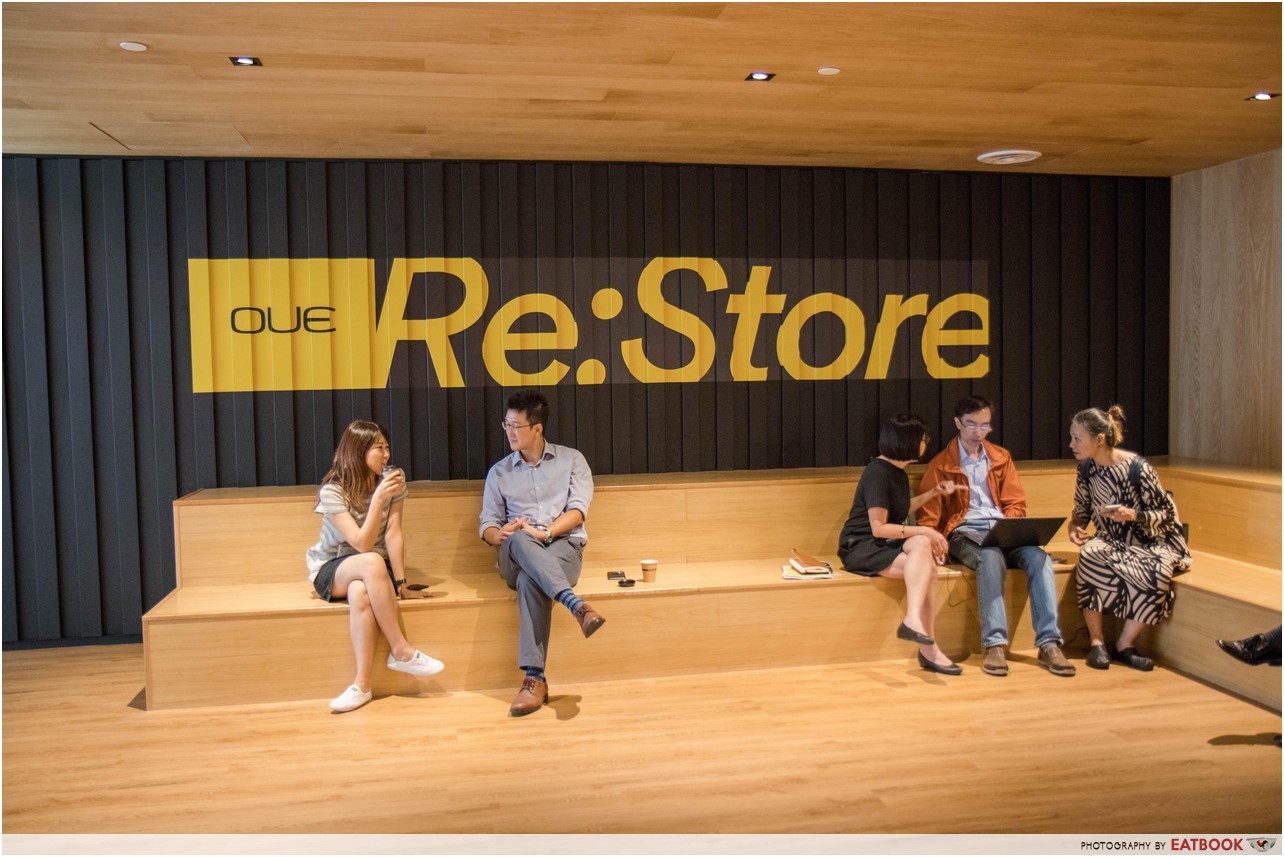
    San Francisco-based retail space and collaboration hub Re:store has been launched to help customers discover “Insta-famous” products into a tangible and immersive experience.

    By bringing niche brands closer to their customers and fostering community-based innovation, the Sequoia-backed startup is an attempt to change not just how we shop, but how we engage with brands, ideas, and the people inspiring them.

    “Creating an authentic connection between customers and brands is a fundamental building block of a dynamic shopping experience,” said creative entrepreneur Selene Cruz. “Re:store is poised to make scroll-to-stroll the new normal.”

    Partnering with a team of experienced curators, including former Refinery29 senior fashion market editor Alyssa Coscarelli and influencer “it girl” Vivid Wu, Re:store hand-picked 70 coveted direct-to-consumer brands as its debut partners, leaving more than 2000 other labels on the waitlist for future consideration. Among those featured at launch were CFDA award winner Mansur Gavriel, sustainability-minded fashion icon Sezane, and cult brand & Other Stories, with design ateliers in Paris, Stockholm and LA.

    Each startup brand receives its own dedicated area within the three-level 4200sqft space, located on the same San Francisco retail block as Fendi and Hermes, and fashion-meets-tech brands Warby Parker, Rent the Runway and Cuyana. Re:store’s interior was designed by Robert Storey of Storey Studio (Nike, Everlane, Gentle Monster) to reflect a shifting colors Cape, referencing San Francisco’s vibrant culture and “dreamy sky”.

    Re:store is not designed for the passive shopper; it’s a community space where customers can interact personally with brand leaders and founders through services such as feminist-focused Lacquerbar manicure pop-in, or entrepreneurial creativity installations like the Living Wall – a fashionable take on a Post-it ideation process.

    Re:store also seamlessly connects a digital mindset with the analog world. Through technology touchpoints, customers can communicate directly with brands, attaining deeper knowledge about their favorite items while sharing insights that can influence future products.

  • The North Face reveals future plans with NY opening

    The North Face reveals future plans with NY opening

    Activewear label The North Face has initiated its global retail strategy with the opening of a new store in Manhattan’s SoHo neighbourhood last Friday.

    The brand will transform its existing locations to create a stronger connection with consumers and evolve The North Face retail environment into a space that feels more like the brand and less like a store.

    The 8000sqft venue is the first of a number of planned updates to the brand’s locations globally, including Seattle and Cherry Hill, NJ in the coming weeks, as well as locations in Europe later this autumn. The North Face is aiming to refresh the majority of its fleet of stores by the end of 2024.

    The North Face set out to design a store to reflect its brand positioning as premium, long-lasting and sustainably built. The SoHo location and all new stores moving forward will feature FSC certified reclaimed wood, steel, granite and low VOC paints. The environments are purposefully designed for longevity and to avoid the need for wasteful refurbishing throughout the years.

    “Our stores will continue to offer a convenient and seamless shopping experience, but it is no longer the sole mission of the store,” said VP of direct to consumer Mark Parker.

    “We’re now focused on creating an environment that highlights our heritage and allows consumers to deeply connect with the brand as they prepare for their own exploration, wherever it may be.”

    Elements of the new space include a museum-like archive of The North Face athlete expeditions and significant products, a signature half dome scent, and a team of “guides”, equipped to offer gear and exploration recommendations tailored to local adventure.

  • Versace adds gloss to Capri results

    Versace adds gloss to Capri results

    At headline level, the latest Capri results looks to have been a good quarter for the fashion retail owner, with revenues up by a solid 11.9 percent.

    However, the results are far from spectacular. The uplift in revenue is all a function of the inclusion of sales from Versace, which was not part of the group at this point last year. Revenue at the two other brand houses – Michael Kors and Jimmy Choo – both fell significantly.

    Moreover, margins at both divisions declined, contributing to a 70.2 percent dip in operating income. All the metrics are going in the wrong direction and run counter to Capri’s business plan for strengthening profitability as it advances to being an US$8 billion business.

    Michael Kors is the most problematic part of the business and the brand starts the new fiscal year in the same way as it ended the last one – with a decline in overall revenue. The difference from last year is that the pace of decline has accelerated, underpinned by a modest deterioration in comparable sales. As much as Capri blames the poor performance on its efforts to rebalance the brand, the weak numbers have more to do with a lack of underlying enthusiasm from some of the audiences it wants and needs to reach.

    Part of the issue is the baggage that Michael Kors still carries from the days when it expanded to the point of ubiquity: there are still lingering perceptions that the brand is unsophisticated and lacks the refinement of labels like Coach. None of this is aided by the fact that Michael Kors deliberately plays up its edgy nature with some bold and occasionally gaudy designs supported by marketing and promotion that can appear gauche. These things may differentiate the brand from more conservative rivals, but they do little to increase its appeal.

    To be fair, Michael Kors also has products that are elegant and its newer menswear ranges are designed to be fashionable and functional and so come across as more conservative. However, these get lost in the wider image of the company and make the offer look unfocused and schizophrenic. Michael Kors is still a brand that is unsure of its identity and this does not bode well for future growth.

    Jimmy Choo’s heritage is more conservative, and its backstory is one of the elegant products with interesting fashion twists. However, the influence of Michael Kors is starting to rub off and the brand is becoming more focused on the bling with a pinch of ostentatiousness thrown in for good measure – as is exemplified by the new logo and some of the new non-footwear product launches. Attempts to amplify the brand are not necessarily wrong, but the methods being used have the potential to alienate existing customers and drag the brand into territory where it cannot thrive.

    The integration of Versace represents an opportunity for Michael Kors and in terms of styling and brand attitude, the division is a good fit for the ethos of the whole group. The challenge is to bring discipline to a logo that is larger than life, but which often lacks focus and coherence. We are generally supportive of the vision to grow share in menswear and activewear and to expand the store footprint. However, a lot of work on the overall brand vision is still needed to create a compelling offer for the customer.

    Overall, Capri is fulfilling its vision to create a house of luxury brands. Unfortunately, it currently has a collection of brands that need a lot of work in order to reach their potential. We reserve judgement on whether current management can deliver the long-term growth plans they have set out.

  • Uniqlo, Coupang, Daiso weigh cost as Japan boycott grows

    Uniqlo, Coupang, Daiso weigh cost as Japan boycott grows

    Casual-clothing chain Uniqlo says its sales have been affected as the consumer boycott of Japanese goods intensifies in South Korea.

    Uniqlo, owned by Fast Retailing, will close a downtown Seoul store soon, but says this is due to a decision not to renew a lease rather than the Japan boycott as reported by Japanese news media.

    Uniqlo has close to 190 stores in South Korea where it sells around US$1.3 billion of clothes annually, accounting for 6.6 percent of its revenue.

    Meanwhile, the boycott is leaving some South Korean companies that some consumers have labeled as “Japanese companies” struggling to explain themselves.

    South Korean consumers are boycotting Japanese products from beer to pens in protest over Japan’s decision to impose restrictions on exports of key high-tech materials to its Asian neighbor. While Japan cited security concerns for the curbs, the move also been seen as retaliation after a South Korean court last year ordered Japanese companies to compensate Koreans who were forced to work for Japanese occupiers during World War Two.

    Japan has also removed South Korea from a list of favored trading partners.

    “It is not easy to clear up the misunderstanding as there are some complicated cases of stake relationships that are confusing even to consumers,” wrote D M Park of Korea Bizwire.

    For example, Daiso, a flat-priced household goods company run by Asung Daiso, has been dogged by constant attacks from some consumers saying it is a “Japanese company” since the beginning of the boycott campaign.

    Daiso originally started in May 1997 when Park Jung-won, a former office worker, opened a household goods store called “Asco Even Plaza” in Seoul. In November 2001, the company changed its name to Daiso Asung in cooperation with Daechang Co, a Japanese distributor of flat-price goods. Daiso is the Japanese pronunciation of Daechang. It later registered as a foreign-invested company under the Foreign Investment Promotion Act in March 2002.

    Currently, Park holds 50.02 percent of Asung HMP, the largest shareholder, while Japan’s Daechang Industrial holds 34.21 percent of the shares.

    The problem is that Japanese companies own more than 30 percent of the shares, and Japan also has more than 2900 stores of the same mutual, uniform price household goods company run by Daechang Industrial.

    “There is no relationship between Japan’s Daiso, Japan’s payment of royalties, personnel exchanges, nor participation in management except for equity investments,” stressed a representative of Asung Daiso.

    “Samsung Electronics also has a high foreign stake, but that does not make Samsung a foreign company,” the representative said.

    Coupang, a leading e-commerce company, also suffered from rumors that it was a Japanese company after Japan’s Softbank Vision Fund (SVF) made equity investments.

    Although Coupang, an unlisted company, has never made its exact stake public, industry sources estimate that SVF’s stake in Coupang will exceed 30 percent.

    Coupang responded quickly through its own promotional channel as such rumors spread quickly in the early days of the boycott and showed signs of affecting sales as well.

    “Foreign ownership of KB Financial Group is close to 70 percent, while foreign ownership of Samsung and Naver is also close to 60 percent,” Coupang explained.

    Coupang then laid out the similar logic of Daiso that high foreign investment in shares does not mean that a company is a foreign company, hoping to overcome impact from the Japan boycott.

  • Shiseido to create Tory Burch beauty products

    Shiseido to create Tory Burch beauty products

    Global beauty firm Shiseido has entered into a long-term partnership to create and sell a range of Tory Burch beauty products.

    Shiseido will have an exclusive worldwide license to develop, market, and distribute Tory Burch beauty products.

    The agreement goes into effect on January 1 next year. The Tory Burch beauty products license will be managed by Shiseido Group’s Americas region headquartered in New York City. Through the partnership, Shiseido will provide Tory Burch with a global platform and dedicated resources to elevate its beauty business, cultivating opportunities as a multi-platform, global lifestyle beauty brand.

    For Shiseido, this partnership will expand its global fragrance portfolio and create further opportunities for collaboration.

    “Shiseido is on an exciting journey to achieve its long-term mission of ‘Beauty Innovations For A Better World’,” said Shiseido president and CEO Masahiko Uotani, “and we are honored to welcome Tory and the Tory Burch brand to the Shiseido family and pursue this mission together as partners.

    “Shiseido is dedicated to creating value for all of its partners and we are excited to share the benefits of Shiseido’s platform, R&D resources, technology portfolio and Centers of Excellence with the Tory Burch brand to help maximize its significant potential and opportunities for growth and development.”

    “There are great synergies between our companies,” said Tory Burch, the eponymous brand’s executive chairman and chief creative officer, “including a deep respect and connection to our customers, a passion to support women’s empowerment and an aligned long-term strategic vision.

    “We could not be more excited to build a global lifestyle fragrance and beauty concept in partnership with Shiseido, a realization of a long-time dream.”

  • Trade war, climate erode first-half Giordano sales

    Trade war, climate erode first-half Giordano sales

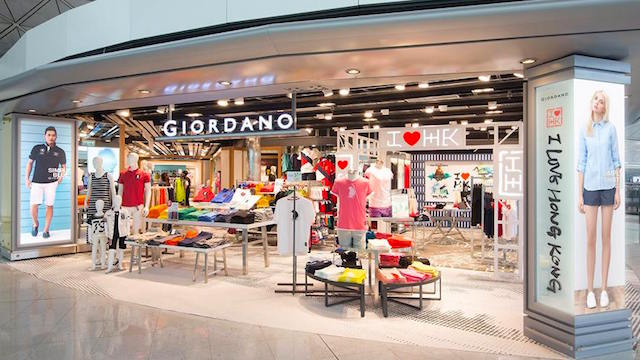
    The China-US trade war and unseasonably warm winter have been blamed for Giordano sales falling 11 percent in the first half of the year.

    Profit for the Hong Kong-headquartered apparel retailer was impacted even more, dropping 36.6 percent to HK$161 million (US$20.5 million) on revenue of $2.542 billion ($324 million).

    By market, sales in Mainland China fell 22 percent, in Hong Kong and Macau by 11.9 percent and in Taiwan by 15.2 percent.

    Giordano sales in the rest of Asia-Pacific – its largest single market accounting for 31.8 percent of revenue – were down a lighter 3.7 percent, with performances by country mixed.

    Indonesia stood out with an overall same-store growth of 2.8 percent for both Giordano and non-Giordano brands, and with operating profit increasing by 6 percent. Thailand continued to achieve stable growth, with operating profit advancing by 9.1 percent, attributable mainly to sales growth and improvement of gross margin by 1.5 percentage points from 63.7% percent to 65.2 percent, the company reported.

    Sales in Singapore and Malaysia declined by 13 percent and 8.4 percent, respectively, due to weak consumer sentiment and slow economic growth.

    In Mainland China, promotional activities were intensified to curtail falling sales and clear slow-moving stock, resulting in a 1.4 percentage-point decrease in gross profit margin.

    Chairman and CEO Peter Lau said a series of marketing programs and smart promotional activities have been launched to “galvanise customer traffic”. On the mainland, Giordano is focusing on developing its franchise business, opening 24 new stores in the first half.

    The Middle East business stabilized and rebounded, with operating profit improving by 36 percent.

    South Korea (a 48.5-per-cent joint venture under an independent management team) reported a slight decrease in sales, while its gross profit was almost flat. Net profit declined due primarily to increased marketing and logistics expenses.

    In terms of the company’s outlook, Lau said the trade war is “taking its toll” on consumer sentiment.

    “In addition, Hong Kong’s weakening retail sector continues to be exacerbated by social unrest. The global economic environment is becoming more uncertain, with signs of economic slowdown in many different parts of the world.

    “Singapore is proving challenging, although management has already taken steps to shake up the local management team and remains confident that the business can be improved. Malaysia and Taiwan failed to meet expectations in the first half, although the local teams have stabilized their businesses and are showing signs of turnaround through effective cost control and improved product mix and localized campaigns.

    “Our Middle East business is showing positive signs of recovery while our Southeast Asian markets, in particular, Indonesia and Thailand, have performed positively and will continue its momentum into the second half of 2019.”

    Lau said the company’s initiative to develop local e-commerce businesses within its existing markets will also continue, in order to offer customers a more comprehensive shopping experience and serve a wider local customer base.

    “This will require resilience and determination in the face of growing competition in this online domain, but we have sowed the seeds and will continue to pursue the opportunities that lie in this realm.

    “That being said, cost pressures remain within the industry as a result of increasing production costs in a number of traditional manufacturing hubs in the region, as well as increasing costs of front-line shop staff in a number of the markets we operate,” concluded Lau.