Category: Fashion

Retail News Asia is committed to providing both local and global retailers with the latest Fashion news throughout the Asian market. This on a daily base.

  • Art meets fashion at The Shoppes at Marina Bay Sands, Singapore

    Art meets fashion at The Shoppes at Marina Bay Sands, Singapore

    The Shoppes at Marina Bay Sands has created a host of activities for shoppers to “rediscover luxury” in celebration of the Fall-Winter 2019 fashion season.

    A chic installation will be located at the Grand Colonnade Bay Level of The Shoppes until September 17, housing an immersive art showcase by local artists @Lioncolony and Esther Goh.

    Both artists, who have made their own marks in the visual arts and fashion scene, will illustrate their interpretations of fashion and its influence on society.

    Here, shoppers may also view the latest Fall-Winter collections by brands including Balmain, CH Carolina Herrera, Chloe, Ferragamo, Gentle Monster, Gianvito Rossi, Kenzo, Longchamp, and Tom Ford.

    Following the recent opening of Paul Smith’s second boutique in Singapore, The Shoppes at Marina Bay Sands continues to welcome a host of luxury brands this year. Italian luxury labels Missoni and Pomellato will be opening their first flagship boutiques in Singapore, bringing The Shoppes’ flagship assembly to more than 40 stores and counting. Luxury watchmaker Panerai will add to the mall’s line-up of luxury watch brands, while French luxury label Celine will further expand its current single unit store into a duplex by next year, offering both men’s and women’s collections.

    Other anticipated premium fashion and lifestyle brands slated to join The Shoppes at Marina Bay Sands this year include Aesop, CK Calvin Klein, Evisu, as well as La Mer’s first standalone boutique in Singapore which will house an exclusive facial cabin.

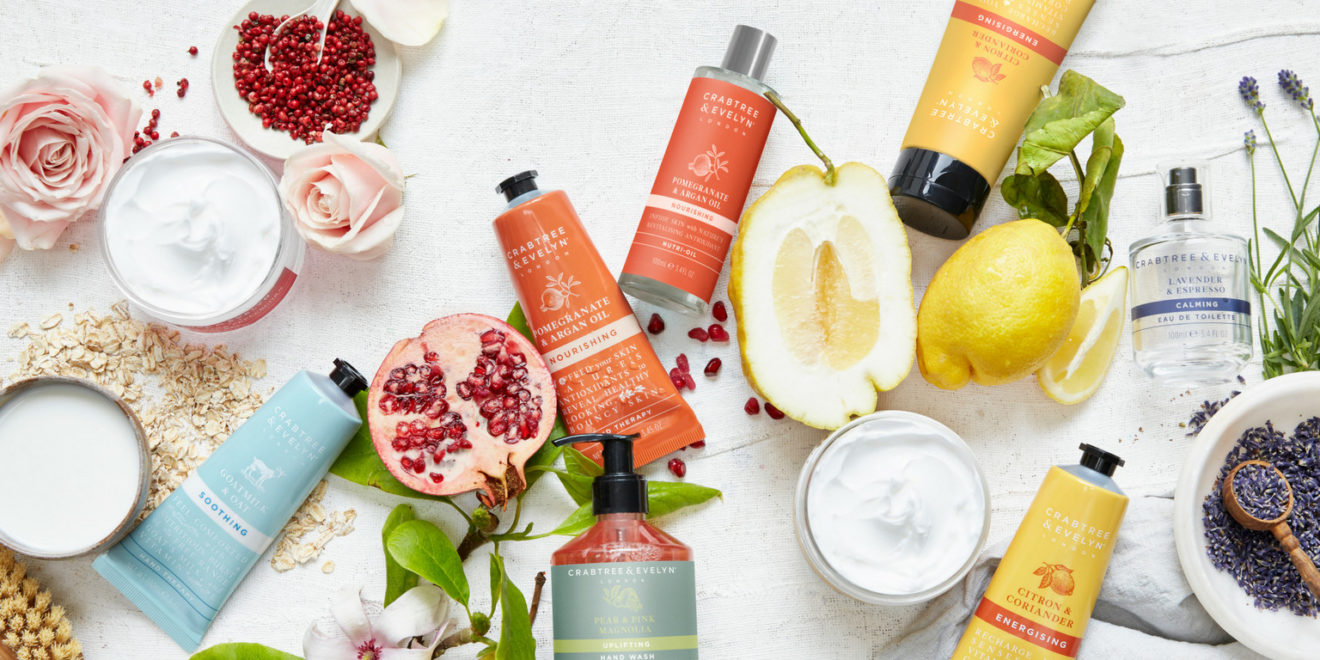
  • Crabtree & Evelyn stores closed and brand moves to E-commerce

    Crabtree & Evelyn stores closed and brand moves to E-commerce

    Beauty-products brand Crabtree & Evelyn halved its losses in the first half of the year as parent, Hong Kong-listed Nan Hai Corporation continued its transformation from offline to online.

    Since January, Crabtree & Evelyn has closed all of its 150 traditional retail stores across eight countries, shifted its manufacturing and distribution to third-party providers and sold its Australian warehouse.

    Nan Hai Corporation CEO Liu Rong said that while traditional retail companies continue to struggle or close, “Crabtree & Evelyn is now ahead of the market in meeting the challenges of the current and future business environment”.

    Crabtree & Evelyn is the only retail activity business by Nan Hai Corporation, whose principal areas of focus are cinemas, news media, and property investment.

    The brand’s sales for the six months to June 30 reached HK$166.5 million (US$21.2 million), down from $288.5 million during the same period last year. The brand lost $185.1 million, down from $363.5 million.

    Liu said the decrease in revenue but lower loss were due to the effective execution of the innovative business restructuring initiated last November.

    Crabtree & Evelyn’s new focus on direct e-commerce drove online revenue to approximately $64 million, an increase of 69 percent compared to the corresponding period last year.

    Sales in Mainland China increased to approximately $8.2 million, up 93 percent year on year.

    Liu says Crabtree & Evelyn’s new strategy is to transform its business from one of traditional retailing to an “OMO operating model”, (which we believe refers to Open Market Operations), starting from e-commerce.

    In the current half-year, Crabtree & Evelyn is rolling out its new branding and business model internationally which comes off the back of two years’ research and development.

    “All of these products have been manufactured by third-party partnerships, the first result of a faster, more flexible, and lower cost global supply chain,” said Liu in Nan Hai’s half-yearly results analysis.

    “A new global digital platform with full e-commerce and social functionality will be introduced in 35 markets, with corresponding investment in internal teams and capabilities. The new products will also be launched on online shopping malls via exclusive arrangements with Tmall global, Amazon, and Feelunique. Initial feedback from both the new millennial consumer and retail partners has been extremely positive.”

    Liu said he expects the relaunch of Crabtree & Evelyn will inject new vitality into the brand. “We have prepared for this relaunch with the brand communication, product portfolio, digital communication and distribution model, and the transformation of the operating model along with business restructuring required to attract more users to become loyal customers.”

    Previously, the company had said it planned flagship stores in major cities in the future, but this was not referenced in the half-year results summary.

  • Cecilia Woo opens outlet in Hong Kong

    Cecilia Woo opens outlet in Hong Kong

    The first store for California fashion label Cecilia Woo opens in Hong Kong, targeting an international audience at the new K11 Musea.

    The brand’s founder Cecilia Woo says that since the business was set up in late 2014 in California, the brand has been leveraging its concept to serve the specific needs of modern women. Over the years, Cecilia Woo has built a foundation in key mainland cities such as Beijing, Shanghai, and Chongqing, developing a significant following through physical and online channels.

    “Hong Kong is Asia’s world city,” said Woo. “This place is highly relevant for light luxury brands in terms of fashion trends and ways of life. The city also attracts travelers from around the globe. It is an ideal landing point for us with solid international opportunities.”

    She added that the company considers now is the right time to develop the brand across global markets.

    “We appreciate the spirit of women here as well as the work-hard culture, which is very much the essence of this city,” said Woo. “Our brand is dedicated to serving modern women. We cannot think of anywhere else that is more relevant than Hong Kong to develop our Muse concept for women.”

    “Hong Kong’s international status adds value for foreign investors targeting global markets,” commented the brand’s associate director-general of investment promotion, Dr. Jimmy Chiang. “In addition, we offer comprehensive systems such as a low tax regime, an effective legal system and an availability of experienced sales and marketing professionals, making our city the ideal place for brands that want to promote their products and concepts to the world. We are confident that Cecilia Woo can prosper in Hong Kong and thrive in the world markets.”

  • Ted Baker appoints Sojitz Infinity as its partner for Japan

    Ted Baker appoints Sojitz Infinity as its partner for Japan

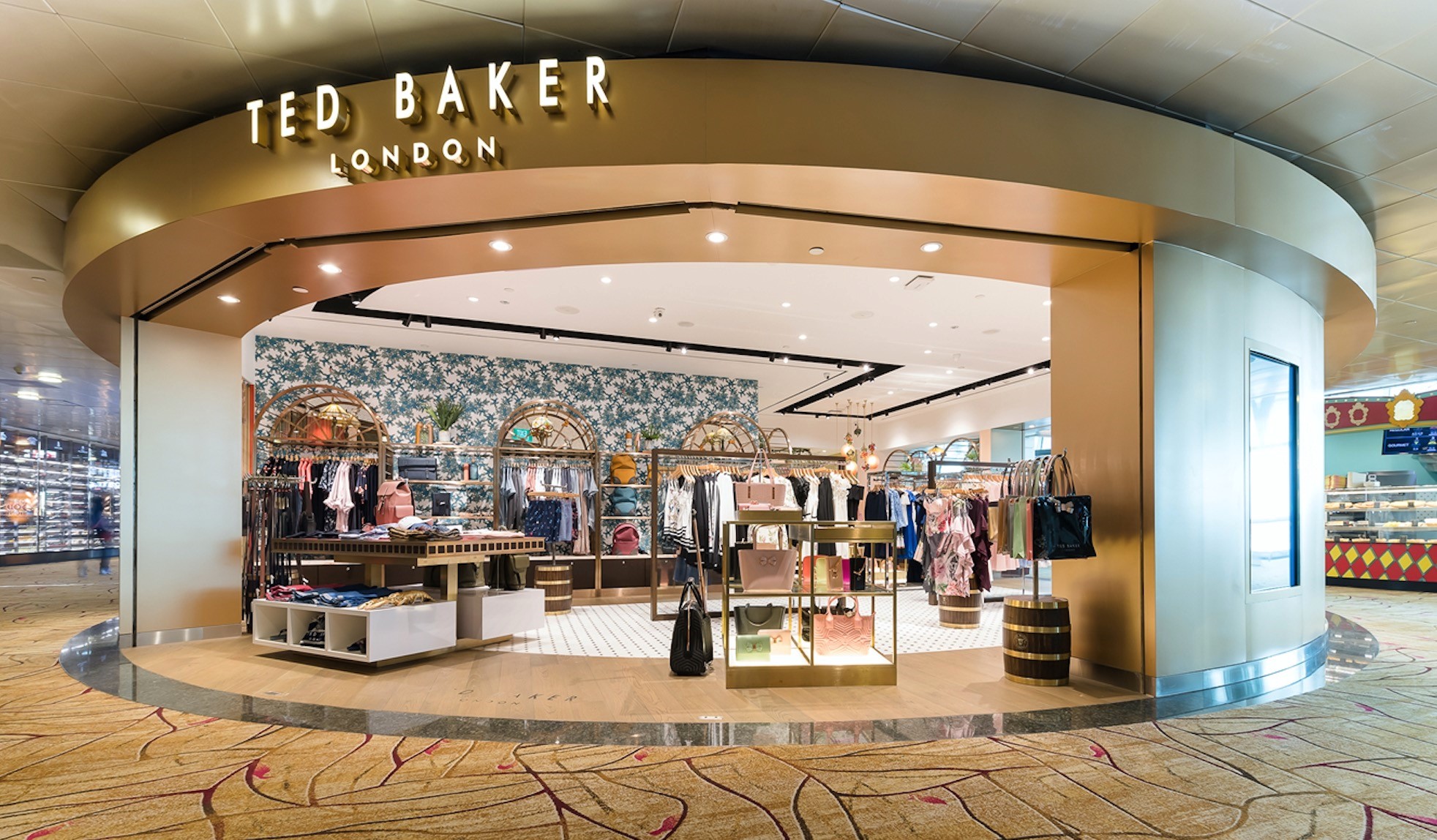
    Lifestyle fashion brand Ted Baker has signed an exclusive retail license deal for Japan with local apparel manufacturer and distributor Sojitz Infinity, initially for five years.

    Sojitz Infinity will drive the long-term expansion of the Ted Baker brand in the region, combining its local expertise – especially within the department store sector – with the buying, merchandising and brand-building expertise of Ted Baker.

    The licence, expected to commence on October 1, marks Ted Baker’s 17th retail license partner globally.

    Over recent years, the firm has invested in introducing and developing the Ted Baker brand in the Japanese market, having opened five stores in the territory to date. Sojitz Infinity intends to build on Ted Baker’s existing store portfolio, expanding the concession network and investing in Ted Baker’s online presence.

    The deal will kick off the brand’s next growth phase in Japan, said Ted Baker CEO Lindsay Page. “Over recent years, we have invested in introducing Ted Baker to Japanese customers and we are confident that our new Japanese retail-license partner will build on this platform and deliver meaningful long-term growth.

    “In Sojitz Infinity, we have an extremely capable partner that brings local market expertise to our brand alongside our already well-established design, buying and merchandising skillset. This combination will drive an acceleration in the performance of the business. We firmly believe that Japan has the long-term potential to be an important market for the Ted Baker brand.”

    As part of the appointment, Ted Baker will transfer certain existing assets relating to its Japanese business (which includes existing non-current stock, fixed assets, and leases) to Infinity at nil value to support the successful transition of the operations.

    As a consequence, Ted Baker anticipates exceptional transaction-related costs of approximately £4 million (US$4.88 million); the costs include onerous lease expenses, restructuring charges, and deal-related costs. The non-cash charges of about £1 million ($1.22 million) include the transfer of non-current stock and fixed assets. Current season stock is being transferred on commercial terms.

    It is expected that the appointment of the license partner will be accretive to the group’s pre-tax profit in the current financial year. The positive impact of profit will increase during the later years of the contract.

    Sojitz Infinity CEO Kohei Ono said Ted Baker is a brand the company has followed since its arrival in Japan.

    “We believe it has the potential to appeal to more consumers in this market. Our knowledge and experience in building fashion brands through stores, concessions and online should add value to Ted Baker and we look forward to working together.”

  • Sales up for Tiffany in China, other markets struggle

    Sales up for Tiffany in China, other markets struggle

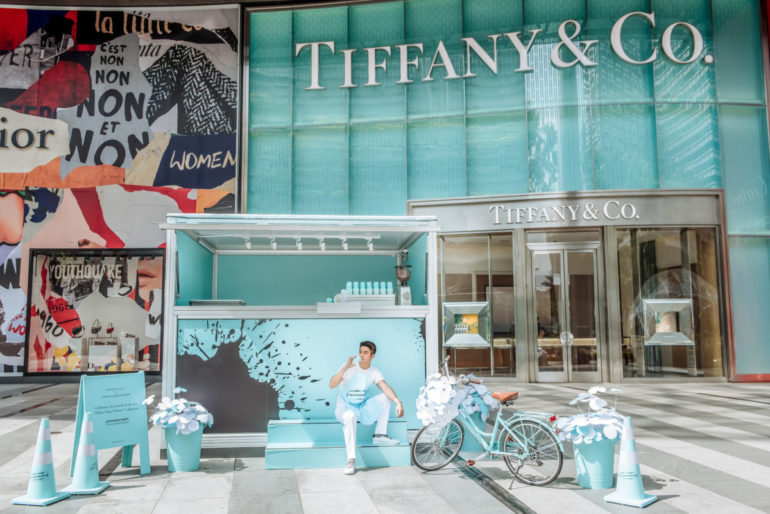
    Double-digit sales growth for Tiffany in China provided some encouragement for the US jewelry retailer in what was otherwise an unremarkable half.

    And despite the brand’s strength on the mainland, Tiffany’s CEO Alessandro Bogliolo expressed concerns about the second half, referencing the ongoing social disruption in Hong Kong.

    “As with the first quarter, we are encouraged in the second quarter by sales growth attributed to our local customer base globally, which was again led by double-digit growth in Mainland China,” he said, noting sales to tourists were softer.

    “With the tough comparison to last year’s strong performance in the first half behind us, and in spite of the headwinds of weak demand from foreign tourists, currency exchange rate pressures and continuing business disruptions in Hong Kong, we are actively managing what is in our control and positioning our brand to win – accelerating new product introductions and keeping a visible profile.”

    Across Asia-Pacific, total net sales decreased 1 per cent in both the second quarter and the first half, to US$298 million and $622 million, respectively, which included comparable sales declines of 3 per cent in the second quarter and 4 per cent in the first half, balanced by the opening of new stores and increased wholesale sales. The declines were largely due to currency changes.

    Sales performance throughout the first half reflected strong growth by Tiffany in China, softness in Hong Kong and mixed performance in other markets in the region.

    In Japan, total net sales of $155 million were unchanged in the second quarter and decreased 2 percent to $300 million in the first half, and comparable sales decreased 1 percent and 2 percent, respectively. On a constant-exchange-rate basis, sales decreased 1 percent in both quarters, while comparable sales decreased 3 percent and 2 percent, respectively.

    Neil Saunders, MD of GlobalData Retail, said that after taking into account the strong prior-year numbers the Tiffany results reflected a marked deterioration from the type of growth being achieved several quarters ago.

    “Domestic (US) demand slipped modestly, mostly among middle-income shoppers who are cutting back more on expensive, unnecessary purchases. Tiffany has not been able to entice them with its various collections in the way it was doing last year.”

    However, he said GlobalData’s research showed that while marketing efforts are not necessarily driving sales, the company is improving traction with younger shoppers.

    “From our data, brand awareness is still rising among the under 35 cohort; however, conversion among this age band has been static over the past few months, meaning that Tiffany is not doing enough to activate this group.”

    Saunders said the planned launch of a range focused on male customers provides a strong an opportunity for Tiffany, but warned it will take time before it resonates, mostly because the retailer’s overall offer remains very focused on women and men know the brand through shopping for women.

    “We do not think this initiative will be an overnight success. It will likely take a long time to change the perception of men and to get them actively shopping with the brand.”

    He concluded that while Tiffany’s sales were not yet reflecting the efforts being invested in improving the brand, it was important that the company “holds its nerve”.

    “Many of the strategies the company has put in place to refresh the brand are directionally correct and are working. There is a case for greater innovation in ranges, especially more modestly priced collections, as well as some elevated marketing over the holiday period. However, neither of these things will entirely counteract a tougher external environment – it will only take the edge off the difficulties.”
  • Forever 21 may seek bankruptcy protection in court

    Forever 21 may seek bankruptcy protection in court

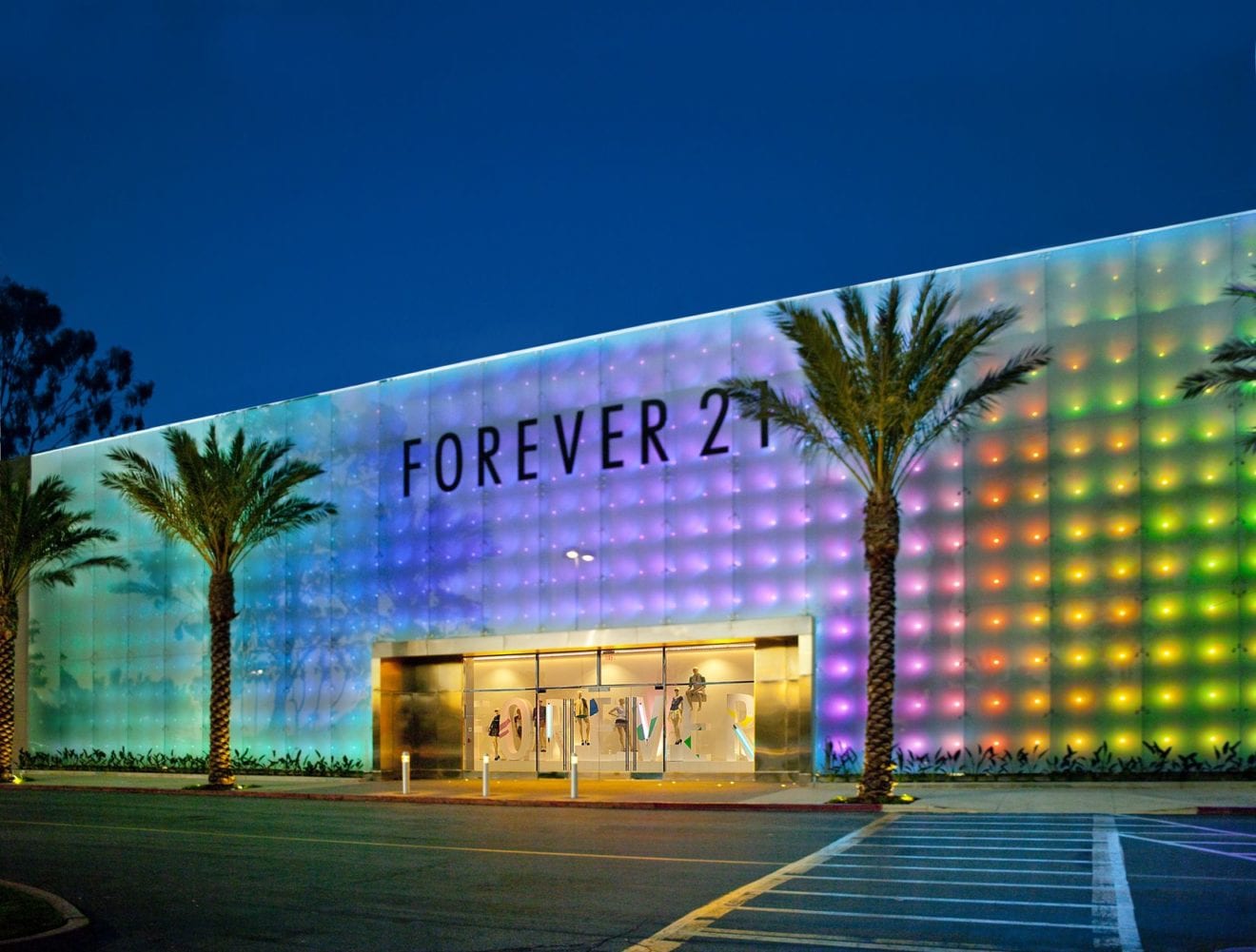
    Californian fast-fashion retailer Forever 21 is reportedly preparing to file for bankruptcy protection after failing to reach a deal to refinance its heavy debt load.

    Citing people with knowledge of the plans, Bloomberg has reported that the company has been in talks for additional financing and working with a team of advisers to help it restructure its debt, but negotiations with possible lenders have so far stalled.

    There are reports that a major barrier to any deal being reached is the unwillingness of co-founder Do Won Chang to accept less than a controlling interest in the business in return for investment which could place the retailer on a firmer financial footing.

    Now the company is believed to be looking to secure a so-called ‘debtor-in-possession loan’ which would allow it to file for Chapter 11 bankruptcy protection.

    With more than 800 stores in the Americas, Asia and Europe Forever 21 grew from a single store in Los Angeles in 1984 opened by Chang and his daughter Jin Sook. While its international growth trajectory was rapid in the 2000s, in later years it has failed to keep pace with European rivals H&M and Zara and Japan’s Uniqlo, leading it to shutter flagship stores like the giant, three-story space in Hong Kong’s Causeway Bay.

    It no longer has a store in Hong Kong, but sells online there. In Asia, its network covers the Philippines, South Korea, Japan, Malaysia, Singapore, Indonesia, and India.

    Like a raft of other troubled US retailers entering Chapter 11 protection, Forever 21 would have the ability to close unprofitable stores, reduce its payroll and recapitalize the business.

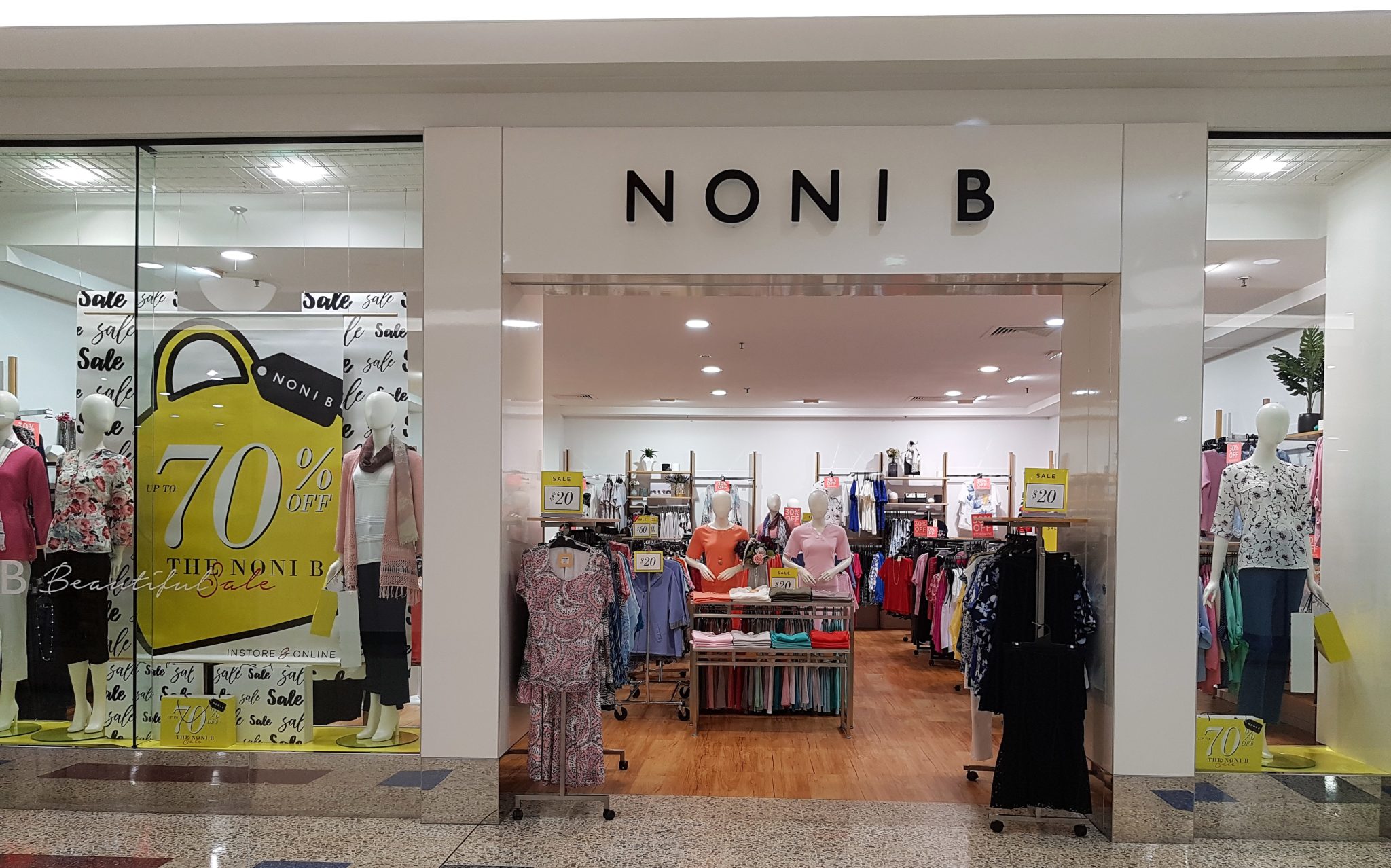
  • Noni B Group looks at rebranding

    Noni B Group looks at rebranding

    Fashion retailer Noni B Group enjoyed the benefit of its first year of trading as a significant multi-brand retail group during FY19 and is seeking to push further into this direction: floating a name change to Mosaic Brands Ltd.

    According to Noni B Group chairman Richard Facioni, this change is another significant milestone for the group, and reflects the synergistic and complementary collection of brands that are now part of its portfolio.

    Noni B Group currently operates the Millers, W.Lane, Noni B, Rivers, Katies, Autograph, Rockmans, Crossroads and BeMe brands.

    While the five former-Specialty Fashion Group brands acquired in July 2018 made a collective positive earnings contribution to the group, ongoing costs relating to the acquisition, as well as restructuring, hit the group’s bottom line for FY19.

    Noni B Group announced on Tuesday net profit had fallen 52 per cent to $8.2 million from $17.3 million the year prior, while EBITDA rose 22 per cent to $45.5 million, and revenue grew to $881.9 million, from $372.4 million the year prior – a 136 per cent increase.

    “This result, at a time of considerable change within the business and an uncertain economic climate globally and domestically is a significant achievement,” Facinoni said.

    “When we announced the acquisition of the Specialty brands, we conservatively expected them to break-even on an EBITDA basis in FY2019, returning to profit in FY2020.

    “We achieved anticipated synergies and merger benefits ahead of schedule and identified additional efficiencies, resulting in the five brands, collectively, making a positive earnings contribution for the year.”

    Noni B Group managing director Scott Evans said that he was pleased with the result, and that lessons learned through operating nine separate brands across an expanded footprint had enhanced the group’s understanding of its customer’s product preferences, shopping habits, and behaviours.

    “These insights have guided our decisions across the group to improve all aspects of our customers’ journey,” Evans said.

    “In summary, we are a very different company than a year ago. The changes we have made have created a stronger and more profitable business which is financially stable, generates cash and provides a solid platform for future expansions.”

    “We are excited about the potential to be unlocked by greater analysis of our group’s data, store expansion and online strategies.”

    Evans expects the group’s omni channel strategy will be a pillar for growth moving forward.

    Online sales grew to 9.8 per cent of total group sales in FY19 from 4 per cent in FY18, having reached comparable sales growth of 21 per cent – which the acquired brands saw sales growth of 15 per cent, up from 9 per cent in FY18.

    This result has prompted further investment in the online space – with Noni B Group looking to expand the online team, add further digital marketing channels and improve its customer experience.

    For FY20, Noni B Group is expecting underlying EBITDA to reach $75 million – in line with market consensus.

    Shareholders will be able to vote on the potential name change at the group’s AGM in November.

  • Japan’s Yohji Yamamoto opens its first store in Greater China

    Japan’s Yohji Yamamoto opens its first store in Greater China

    Japanese fashion label Yohji Yamamoto is opening in Hong Kong. Set to be the brand’s first flagship in Greater China, the store will be located at the new cultural-retail destination K11 Musea, set to be known for its immersive experiences of art, culture and commerce.

    With a floor space of more than 2000sqft, the store is located next to the mall entrance for high visibility. Its minimalist entrance design is intended to blend with the vast green exterior of the galleria.

    The store was designed by Michael Sypkens, a Dutch-Japanese architect who co-founded the Japan-based design office Oso. Sypkens, who had worked with famous Japanese architect Kengo Kuma, blends Western architecture with Japanese design. The store’s look is inspired by the same “Japanese Garden” concept that inspires Yohji Yamamoto himself.

    The whole store gives off a stark, monochrome look with a space filled with cement – lined with large cubes of an imitation tetrapod structure that reflects its closeness to Victoria Harbour. By recreating nature in the bustling waterfront area, it attempts to cultivate a quiet and comfortable shopping atmosphere for store visitors.

    Yohji Yamamoto, 75, is a Japanese fashion designer who splits his time between Tokyo and Paris. He is renowned for his avant-garde tailoring which feature strong Japanese design influence.

  • Esprit shoe range to be developed with Germany’s Deichmann

    Esprit shoe range to be developed with Germany’s Deichmann

    Hong Kong-headquartered fashion brand Esprit has signed a deal with German shoe retailer Deichmann to jointly develop a footwear range.

    The range will be positioned as offering value for money with designs evolving to reflect fast-changing market trends. It will go on sale in Esprit stores and online during the northern hemisphere spring of next year. Deichmann stores will also carry an Esprit-branded lineup.

    Deichmann will manage the materials sourcing and supply chain requirements to ship product to wholesalers, while the two companies will work together on the designs.

    “In collaboration with Esprit, we would like to be at the forefront of setting trends in the development of fashionable shoe ranges, and we consider Esprit to be a valuable addition to our footwear range,” said Heinrich Deichmann, the company’s chairman.

    “We are looking forward to a close and successful collaboration.”

    Esprit group CEO Anders Kristiansen said Deichmann has enormous expertise in the shoe business and a good understanding of the Esprit brand.

    “I am convinced that together we will develop inspired and fashionable shoes with great quality for our customers,” he said.

  • Charles & Keith opens first store on Kowloon side of Hong Kong

    Charles & Keith opens first store on Kowloon side of Hong Kong

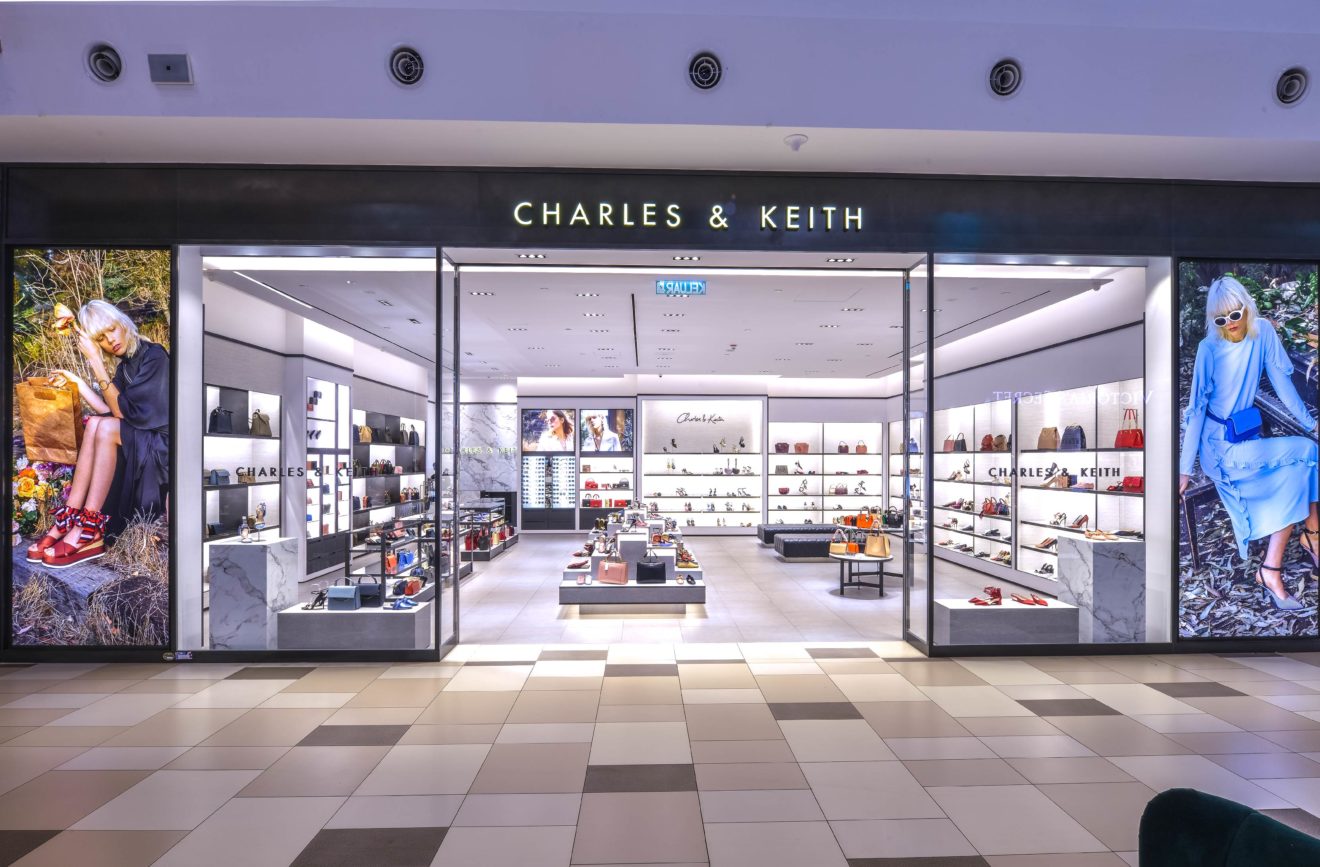
    Singapore footwear and accessories label Charles & Keith is unveiling its largest store at K11 Musea this month

    The 2000sqft store is the first Charles & Keith outlet in Kowloon and features an aesthetic inspired by a refined take on its design philosophy – designed to be in line with the Charles & Keith brand identity as well as to enhance the overall shopping experience. It features limestone fixtures that contrast with dark grey powder furnishing, reflecting a sophisticated simplicity that complements the brand’s collections.

    The Charles & Keith by Oamul Lu collection – the brand’s global collaboration with the artist known for his whimsical and romantic illustrations – will be available exclusively at the K11 store. This limited-edition collection consists of five products, all of which feature a unique illustration by Lu that has been created specifically for this partnership.

  • 6ixty8ight in Hong Kong opens new store at East Point City

    6ixty8ight in Hong Kong opens new store at East Point City

    6ixty8ight in Hong Kong has opened its 28th store, at East Point City.

    With its home base in Hong Kong, the now-international lingerie and casualwear label is continuing to expand its brick-and-mortar network.

    Having become one of the fastest-growing fashion brands in Asia since its launch in 2002, 6ixty8ight’s offering covers recent trends in lingerie, homeware, loungewear, casual wear and accessories.

    6ixty8ight now has more than 200 stores across Greater China, South Korea, Singapore and Malaysia.

    The company says it aims to create a seamless retail experience on its online platform and through its brick-and-mortar network.

  • Mecca opens newest cross-concept store in Christchurch CBD

    Mecca opens newest cross-concept store in Christchurch CBD

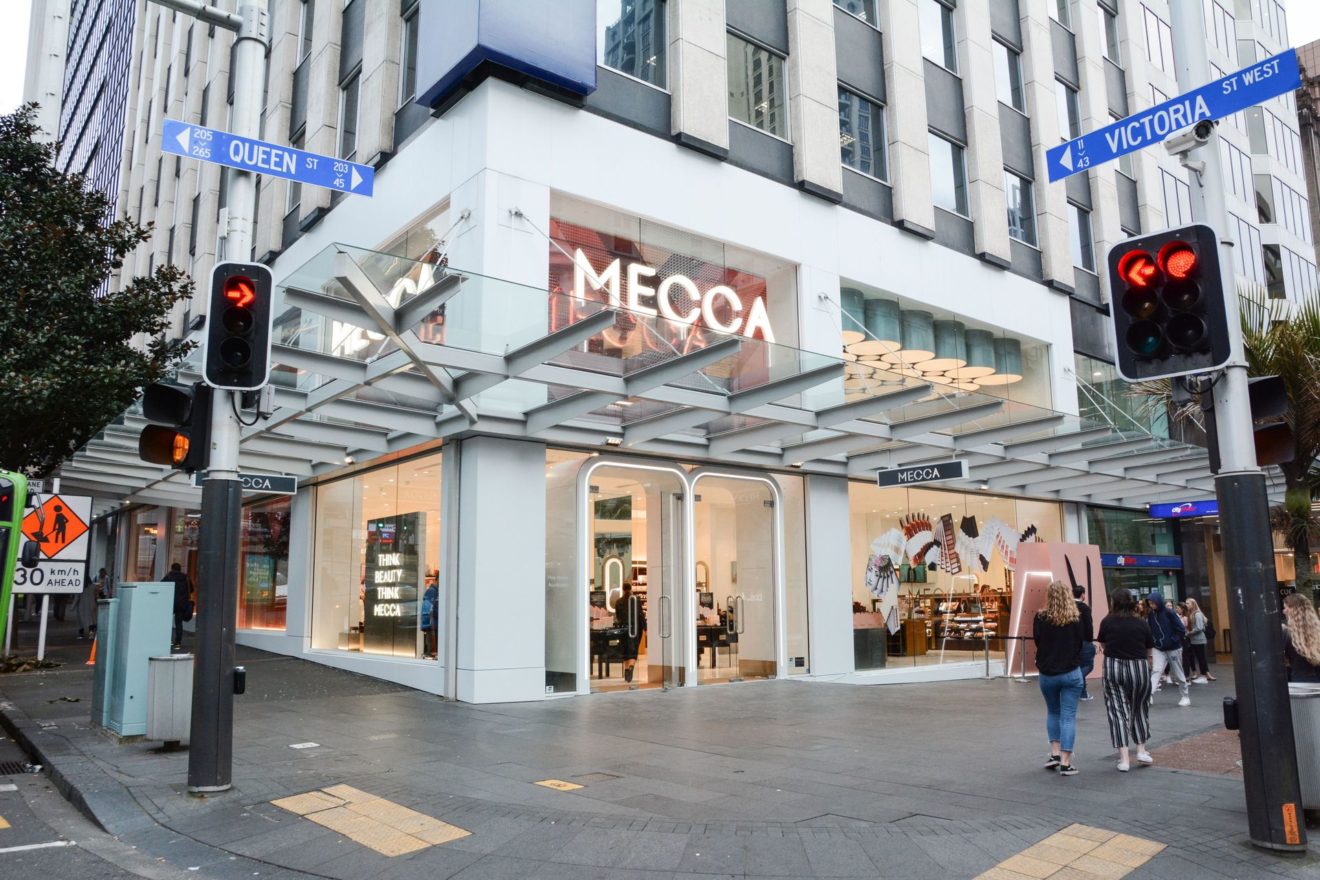
    Beauty retailer Mecca has opened its newest cross-concept store, combining its Mecca Cosmetica and Mecca Maxima offerings, in the heart of Christchurch’s CBD.

    The new 224sqm store houses more than 75 of the world’s most sought-after brands of makeup, fragrance and skincare products.

    It also features a Perfumeria, housing brands such as Le Labo and Frederic Malle, and three ‘Play Bars’ which will provide customers with space to experiment with the latest beauty buys and learn new techniques.

    Eight additional makeup stations have been made available for applications, consultations and beauty treatments.

    According to the retailer, the Garden City store is the first of its kind on the South Island.

    Carly Emery, Mecca’s New Zealand country manager, said it was a natural next step was to bring a bigger, brighter Mecca to Cantabrians, following
    the success of its Auckland and Wellington stores.

    “Our Mecca Auckland and Mecca Wellington stores have been so well received and given the great development happening in Christchurch lately, we didn’t think twice about bringing our latest concept to the city,” Emery said.

    The brand made its initial foray into Christchurch in 2009 with the launch of Mecca Cosmetica Ballantynes, just weeks before the devastating earthquake. Mecca supported its staff throughout the extensive rebuild period, including providing alternative employment opportunities within other regions where possible.

    The retailer said it had to close its Mecca Maxima ANZ Centre, which opened its doors in 2016 and was the first of its kind in the country, to make way for the concept store. Its 17 employees carried over into the new store and an additional five staff members have been added to the team.

  • Adairs finally delivers first profit in New Zealand

    Adairs finally delivers first profit in New Zealand

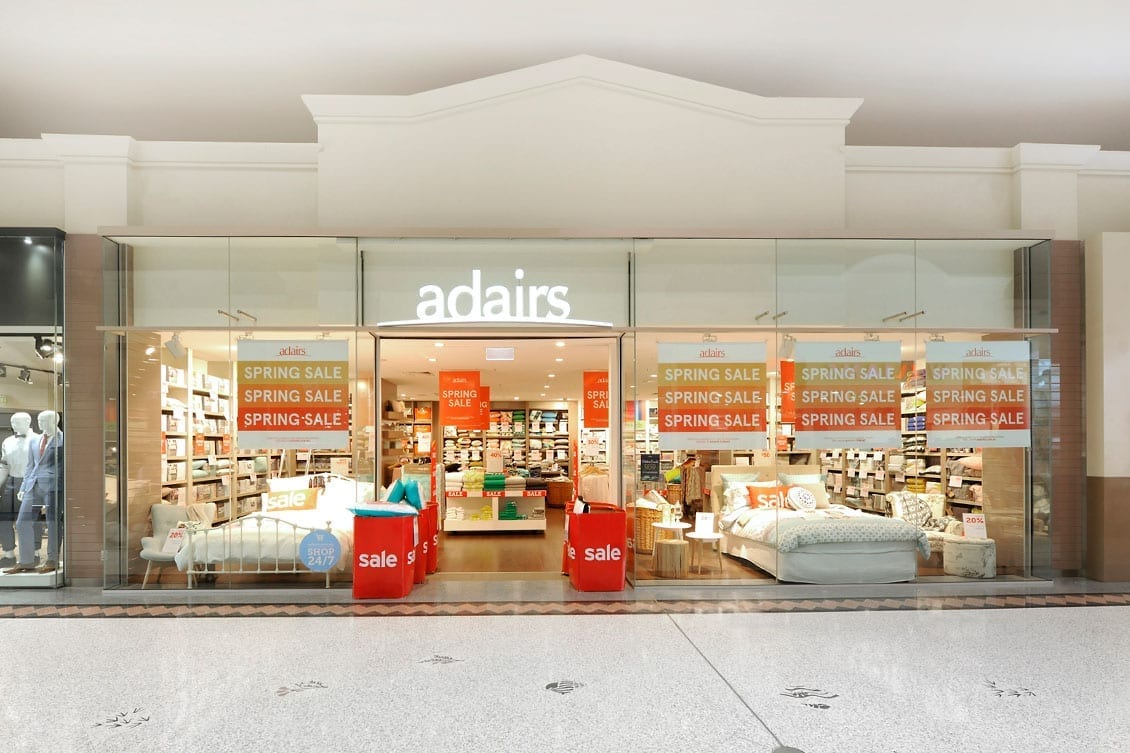
    Homewares business Adairs delivered its first profitable year in New Zealand in FY19, with work done on the local supply chain significantly assisting sales, along with improving brand awareness.

    New Zealand saw sales growth of over 25 percent during FY20.

    According to Adairs chief executive and managing director Mark Ronan, the lessons learned in New Zealand will assist the business as it looks to expand into further markets – when the right opportunity arises.

    On a group level, Adairs saw net profit slip despite sales and gross profit improving as a result of a weaker Australian dollar and the costs of a growing distribution network over the year to 30 June, 2019.

    Total sales increased 9.7 percent to A$344.4 million ($365.2 million), with Adairs’ online channel growing 41.7 percent during the year – now contributing 17 percent of overall sales.

    Despite relatively strong sales numbers, Adairs net profit fell 1.3 percent to A$29.6 million ($31.39 million).

    Ronan said the group results were attributed to an unrelenting focus on delivering excellent retail execution, and an understanding of what the business’ customers want both online and offline.

    Part of this understanding comes from the business’ loyalty offering, Linen Lovers, which grew 17 percent over the year. Linen Lovers members contributed 75 percent of all sales.

    According to Ronan, Adairs is not quite operating at best-practice in its omnichannel operations, which gives the business a lot of room for growth in the online space.

    Cost of doing business grew by A$15.2 million ($16.12 million) (, or 11 percent, due to efforts to restructure the business’ supply chain network in order to provide agile, the best-in-class capability to accommodate future demand.

    “We are addressing our short-term supply chain issues and have a clear process to finalize the long term solution,” Ronan said.

    “We see this as an opportunity to contribute to building and sustaining our competitive advantage. In the last 12 months, we have made strategic hires in key areas of our business, [and] we are in a strong position to deliver a great retail experience.”

    However, Ronan acknowledges that the current retail climate brings its own set of challenges.

    “While the macro environment is challenging, our strategies of product differentiation, range expansion, more inspiring and larger store formats, and an unwavering focus on customer service will all play a key role in growing both like-for-like and total sales in FY20,” Ronan said.

    During FY20, Adairs expects to open between four to six new stores across Australia and New Zealand, and forecasts total sales of between A$360 million and A$375 million ($381 million and $397.7 million) to deliver an EBIT of between A$43 million and A$46 million ($45.6 million and $48.79 million).

  • DFS says Changi Airport liquor and tobacco concession ‘not viable’

    DFS says Changi Airport liquor and tobacco concession ‘not viable’

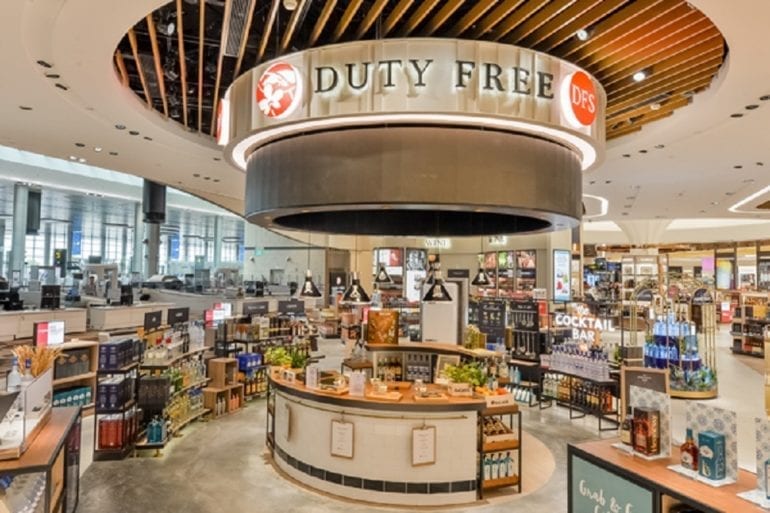
    DFS has explained its rationale for quitting its Changi Airport liquor and tobacco concession, saying remaining there was “not a financially viable option”.

    LVMH-owned DFS Group decided not to bid to retain its Changi concession which expires in July next year. It has held the concession for 40 years.

    Three rival companies have lodged tenders to take over the business.

    “Our decision not to bid was based on our unique understanding of the business environment as the current operator of this concession at Changi,” chairman and CEO Ed Brennan said in a statement issued today.

    “Specifically, changing regulations concerning the sale of liquor and tobacco, against a global context of geopolitical uncertainty, meant that staying in Changi was not a financially viable option.”

    He said that although the decision “is the right one for our business”, it was not taken lightly.

    “DFS has held the concession at Changi Airport since 1980, and during this time we have exceeded all expectations for what travel retail can offer in an airport environment. We are proud of our achievements and deeply appreciative of the efforts of many talented people who have contributed to our success.

    “We sincerely thank the Changi Airport Group for their past support, and extend our best wishes as they take the liquor and tobacco concession operations forward in partnership with a new operator,” said Brennan.

    DFS will continue to run a suite of luxury retail concessions at Changi, along with its downtown operations at T Galleria by DFS and its Singapore Cruise Centre business.

    The duty-free and travel retail giant’s exit from Singapore follows its vacation of the Hong Kong liquor and tobacco concession in December 2017 which at the time it indicated was not profitable.

  • OPSM goes luxe and large in Sydney

    OPSM goes luxe and large in Sydney

    OPSM has opened its biggest flagship in Australia, following the renovation of its George Street store in Sydney.

    The store, which doubled in size to 200sqm, now houses the widest selection of glasses and sunglasses in the retailer’s network, including a large range of luxury frames from brands such as Oliver Peoples, Tiffany & Co, Prada, Chanel and Giorgio Armani.

    The range also includes a significant selection of ‘alternative fit’ frames designed to fit customers with a narrow nose bridge, so all face shapes are catered for.

    “Staff are trained to assist customers with all face shapes and styling concerns while also speaking multiple languages,” said Alfonso Cerullo, general manager at OPSM’s parent company Luxottica.

    The store also features the latest in optometry technology, including a retina scan machine, which provides a 200-degree view of the eye.

    Cerullo said the retailer is committed to providing an in-store experience that is “second to none”.