Category: Fashion

Retail News Asia is committed to providing both local and global retailers with the latest Fashion news throughout the Asian market. This on a daily base.

  • Furla Hong Kong opens new boutique at Peak Galleria

    Furla Hong Kong opens new boutique at Peak Galleria

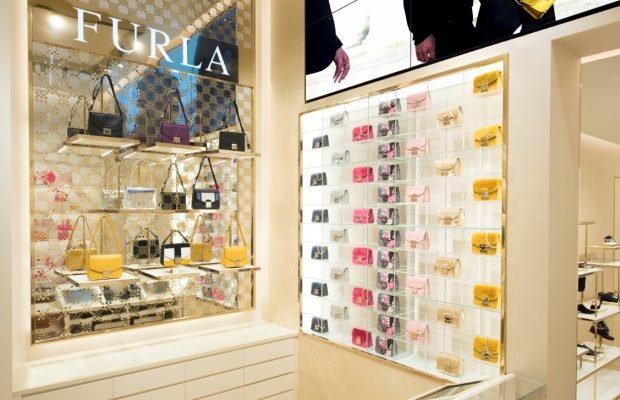
    Furla in Hong Kong has opened a new boutique at the Peak Galleria.

    The 67sqm store takes a prominent position on the first floor of one of Hong Kong’s top tourist destinations, sporting an updated look with Italian marble flooring, timber veneer wall finishes, and furniture in Champagne gold and matte finishes.

    The boutique carries an extensive range of handbags, small leather goods and other accessories from the brand’s women’s collection.

    “Peak Galleria is one of the most renowned tourist destinations in Hong Kong,” says Furla Group CEO Alberto Camerlengo, “and we are pleased to expand the brand’s footprint in this prime location with a modern and sophisticated store design that continues to offer our customers an essentially Italian shopping experience within a refined setting”.

    To celebrate the opening, Furla has launched an exclusive version of its Furla Mimi bag in vegetable-tanned leather in a limited edition of 20 pieces at the store.

  • Gap’s second quarter sales decline reflects ‘a company in retreat’

    Gap’s second quarter sales decline reflects ‘a company in retreat’

    Gap’s second quarter has proven to be mostly a continuation of the first, with negative results across nearly all segments of the business.

    This is hardly surprising as the fundamental trading strategy has not shifted, so there is little reason to expect a different outcome. In this context the CEO’s assertion that Gap is “running towards” the next step in its evolution is rather misleading. In our view, the company tends to move at what can best be described as a glacial pace.

    As usual, the main issues come from the Gap brand where global comparable sales fell by a sharp 7 per cent, a figure made all the worse by the fact that the decline comes off a 5-per-cent dip last year. Within the US, total sales at the Gap brand dropped by 11.4 per cent.

    Some – but by no means all – of this was down to store closures. However, on an underlying basis it is very clear that Gap’s products remain firmly out of fashion with consumers. GlobalData Retail’s research shows shoppers are in retreat from Gap and – worryingly – discounting is becoming an increasingly ineffective tool in drawing them in to stores and online even to browse. Over Gap’s second quarter, some of this may have been down to the generally elevated level of discounting in the apparel market, but we also attribute the complete dearth of newness and inspiration within Gap ranges for the decline in shopper numbers.

    None of this is new. It is an old story that has been told time and again. However, our fear is that instead of bottoming out, the declines at Gap could accelerate if the consumer economy softens. When money is tight it is very easy for consumers to avoid spending at retailers that give them no compelling reason to do so – and Gap fits perfectly into this category.

    Old Navy, which usually comes to the rescue of the group, also had a bad quarter. On a global basis, comparable sales slid by 5 per cent. Within the US, total sales were down by a more modest 1.2 per cent. Most of the blame for the softness could be attributed to market dynamics, which remained poor over most of the second quarter. However, from store visits some of the product missteps from early in the year were not corrected and the assortments going into the summer selling season were less compelling than usual.

    There is scope for Old Navy to make the necessary corrections as it heads into fall, but a bad third quarter will throw up major questions as to whether the brand has lost its once golden touch. This would be a disastrous prospect for Gap as it looks to spin off the business.

    Fortunately, there were some better numbers from Banana Republic, at least within the US where total sales rose by 3.1 per cent. Improvements to quality and some better pieces within the assortment have helped to lift conversion and basket sizes from existing customers. While Banana Republic remains a shadow of its former self, there is reason to believe it is on the road to recovery. That said, we do not think much of the initiative to get into the rental business. For a brand of Banana Republic’s price point and position, we do not see rental as the right solution and believe the company would be better advised to continue focusing on developing compelling products and rebuilding its reputation.

    Away from the big three brands, there are clear signs of progress with Athleta which is growing rapidly thanks to new store openings and good brand traction. This business has good forward potential and over the next few years should make a more meaningful contribution to the company’s growth and bottom line.

    Overall, the high-level view is that Gap is a company in retreat. Its profits and sales are in decline and it doesn’t seem to have many credible plans to reverse that position.

  • New China chief for Mary Kay

    New China chief for Mary Kay

    Mary Kay in China has a new chief, Katherine Weng.  Based in Shanghai, Weng will report directly to Mary Kay Asia Pacific region president, KK Chua.

    Mary Kay began operations in China more than 20 years ago and it is now one of the beauty products company’s top three international markets.

    “Katherine’s tireless work ethic, strategic mindset, and ability to forge long-term relationships have enabled Mary Kay China to reach new heights,” said Chua. “She is passionate about our mission to enrich women’s lives. She understands our Independent beauty consultants’ needs and works hard to fulfill those needs to support their businesses. Within the company, she has successfully created a seamless link between sales, marketing and operations. We look forward to continued growth in China under her leadership.”

    “It has been a great privilege to work for a company that is dedicated to not only enriching women’s lives through a fantastic business opportunity and cutting-edge products, but also through its philanthropic and sustainability efforts,” said Weng.“I am extremely honoured to serve women and their families in China.”

    Educated in Australia, Weng started her career as a Shanghai branch and customer-service Manager for Mary Kay in China in 1995 and has held various key positions during the past 24 years, most recently as senior commercial VP.

  • Fashion retailer Trinity turns a page and readies for a next chapter

    Fashion retailer Trinity turns a page and readies for a next chapter

    Fashion brand owner and retailer Trinity has hailed “a significant turning point” after releasing its first-half year results.

    “We have begun to reap the fruits of our reform and transformation efforts, most apparent of which is the group’s return to profitability,” said chairman Yafu Qiu.

    Trinity, which owns fashion brands including Cerruti 1881, Gieves & Hawkes, Kent & Curwen and licensed brand D’Urban, has been boosted by Beijing Ruyi Fashion Investment Holding Company becoming the controlling shareholder.

    Qiu said Trinity has largely completed its right-sizing process and was now pursuing its strategy to go global.

    “Having now established a robust business platform, we will be able to pursue this objective with even greater vigour. From our stronghold in Asia, we will be driving the growth of our premium brands … in their native countries and in major fashion capitals of the world. Ahead of establishing flagship stores, as well as examining opportunities to strengthen our presence in prime areas and travel-related locations, we have been welcoming industry veterans to join our management team. Through their considerable experience and foresight, we are confident that all of our brands will not only enhance their global presence, but also enjoy a new period of renaissance.”

    Fashion retailer Trinity has set up a new e-commerce team dedicated to raising the online presence of its brands and it has aligned with several online retail platforms catering to luxury consumers.

    “Going forward, our objective will be to build on the growth momentum achieved since the close of last year. Despite rising headwinds resulting from unresolved political and economic developments in key parts of the world, we remain cautiously optimistic that the combination of a clear business roadmap, experienced management team, ongoing business reforms, strong ties with major stakeholders and conscientious global workforce will enable the group to transition into an even more profitable state, which in turn will open the way to new possibilities for growth,” he said.

    The group’s total revenue for the first half of this year was HK$1.029 billion (US$131.2 million), up 15.6 per cent year on year.

    Wholesale revenue, helped by closely working with the Ruyi group and its subsidiaries, rose from $11.7 million to $288.3 million.

    Retail sales in Mainland China  were $318 million, down $68.9 million year on year, mainly due to Trinity shutting down non-performing stores. There was a net reduction of 11 shops during the period taking the network to 152.

    Same-store sales declined by 9 per cent due to fine-tuning prices and reducing discounting.

    The gross margin improved from 67.2 per cent to 72.3 per cent.

    Retail sales in Hong Kong & Macau totalled $231.7 million, down by $39.7 million and the store network was trimmed by four to 32. Same store sales declined by 11.2 per cent, again due to a change in pricing strategy.

    Retail sales in Taiwan were HK$57.6 million, down by $12.8 million, with the store network cut by two to 40. Although same-store sales declined by 19.4 per vent, gross margin improved from 65.1 per cent to 68.5 per cent.

    Retail sales in Europe were $61.3 million, down 9.8 per cent, again largely due to the closure of non-performing stores, as well as the depreciation of British pound and the Euro.

    The group reported a profit of $76.6 million.
  • Women arrested after massive haul of counterfeit cosmetics seized

    Women arrested after massive haul of counterfeit cosmetics seized

    Two women have been arrested for their suspected involvement in the importation and possession of a massive haul of counterfeit cosmetics and perfumes.

    The women, aged 21 and 23, are reported to have been in possession of more than 16,000 fake products with an estimated street value of more than SG$800,000 (US$577,360).

    On July 25, Singapore Customs inspected a consignment of more than 200 pieces of perfume and cosmetic products believed to be counterfeits, and subsequently referred the case to the Criminal Investigation Department (CID).

    During a 19-hour operation conducted on August 6, CID officers mounted raids at Tampines North Drive and Sunview Road, resulting in the arrests. Preliminary investigations revealed that these counterfeit products bearing falsely applied trademarks would be sold on online platforms. Investigations are ongoing.

    A statement issued by the Singapore authorities stated that Singapore takes a serious view on intellectual property rights infringements and will not hesitate to take action against perpetrators who show blatant disregard for the law.

    It said that anyone found guilty of importing, possessing or distributing goods with falsely applied trademarks for the purpose of trade may be fined up to SG$100,000 (US$72,165), or sentenced to five years in prison, or both.

  • Peu a Peu opens new flagship in Hangzhou

    Peu a Peu opens new flagship in Hangzhou

    Hangzhou-based Chinese design firm So Studio has created a retail space for sporting goods brand Peu a Peu featuring a system of pulleys, steel racks, and large metallic spheres.

    The store’s 70sqm interior, which was recently celebrated in a Designboom report, is inspired by the movement and interaction observed on a sports field as well as contemporary pop artist Jeff Koons’ balloon series.

    Peu a Peu, owned by JNBY, a designer brand focused on contemporary apparel, footwear and accessories.

    The retail space shows off metal finishes alongside grey coloured floors and walls, attempting to create a futuristic and industrial atmosphere. The detachable racks serve to divide up the room as well as supporting the metallic spheres that move around the shop area.

  • Uniqlo Indonesia plans several new stores

    Uniqlo Indonesia plans several new stores

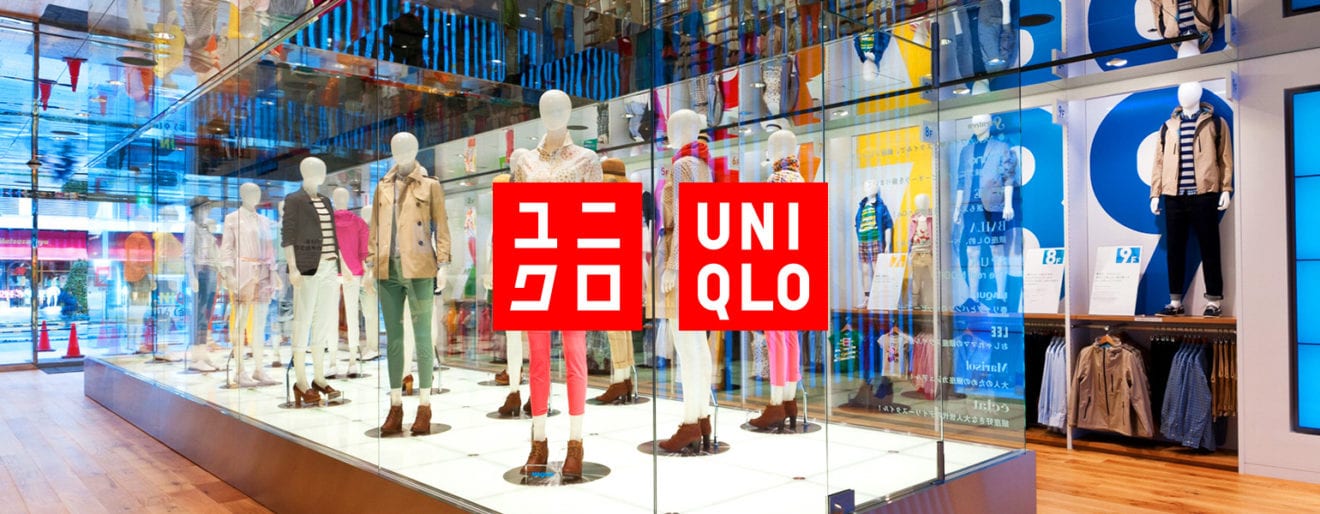
    Japanese clothing retailer Uniqlo in Indonesia is set to launch new outlets in Batam, as well as Jakarta and Bekasi next month.

    The Batam store, opening in the Grand Batam mall in Penuin, Lubuk Baja, will be the first Uniqlo in Indonesia to be located in the city. The company hopes it will help locals avoid travelling to other cities to purchase the brand’s collections.

    The new Jakarta outlet is slated for Mall of Indonesia in Kelapa Gading, while the Bekasi opening is at Grand Galaxy Park – bringing the total number of locations in the territory to 29 stores in nine cities.

    “The addition of stores in Jakarta and Bekasi will further strengthen our presence in providing our Lifewear products and services in these cities,” said Uniqlo Indonesia’s president director of PT Fast Retailing Naoki Kamogawa.

  • Unifying clicks-and-mortar for more sales success

    Unifying clicks-and-mortar for more sales success

    At e-commerce fashion brand Love, Bonito’s newest – and largest – physical store at Singapore’s Funan mall, shoppers pose and post at “Instagrammable” spots while others collect online orders at the express counter.

    Less visible is what is taking place at the cashiers, where shoppers pay using any mode – cash, credit or digital wallets. Payment and product preferences are tracked for when the shopper next shops, online or off, so that the shopping experience is constantly fine-tuned and personalised.

    The new store reflects what an increasing number of retailers recognise – that today’s digitally savvy, sophisticated shopper wants experiences that are integrated, seamless and tailored. And Singapore shoppers are leading the pack in Asia Pacific.

    In a recent Adyen-451 Research survey, 51 per cent of Singapore shoppers said cross-channel options would influence their decision to shop with a specific retailer; 60 per cent have abandoned an online purchase because they could not use their preferred payment method; and 89 per cent ditched a purchase or left a store because an item was not in stock.

    More so than ever, retail today is about prioritising the consumer’s experience. And as Singapore shoppers increasingly demand convenient and frictionless experiences, unified commerce – ensuring seamless online-offline transitions, from discovery to checkout – will separate the retailers who succeed from those who don’t.

    Four strategic priorities for winning at retail 

    With US$1 trillion in sales volume in Asia Pacific at stake, the business case for unified commerce is clear. But having the right technology is not enough – it requires a mindset and strategic shift towards customer-centric innovation.

    Any action plan must consider these four strategic priorities:

    1. Commit to a digital transformation strategy: Buy-in across the organisation – from the C-suite through to front-line sales associates – is critical. While one-in-three retailers in Singapore execute against a formal strategy, there is still much ground to cover. An important consideration is the high preference for contactless payments at 28 per cent of Singapore shoppers. Digital transformation must incorporate both globally-used digital wallet options like Apple Pay and Google Pay, and local payment methods like Alipay and WeChat Pay.

    2. Convert the store into a strategic asset: While in-store is the choice channel across all age groups – preferred by 41 per cent of Singapore shoppers compared to 32 per cent online – a frictionless experience is key. Some 89 per cent abandoned a purchase because a product is out-of-stock, and short or no queues are a deciding factor for a whopping 96 per cent. Mobile points-of-sale (mPOS) help bust queues, and by allowing cross-channel buying and contactless payments, shoppers can complete purchases seamlessly.

    3. Embrace contextual commerce: Channels like social media and smart speakers that allow shoppers to move from impulse to purchase in a single interaction are quickly catching on in the region, where the percentage of consumers shopping on social media and third-party messaging apps is the highest in the world (more than 45 per cent). But only 22 per cent of retailers enable purchases on social media, and 13 per cent on smart speakers.

    4. Prioritise payments: Consider that 60 per cent of Singapore shoppers have abandoned an online purchase because their preferred payment method is not available. Shoppers demand fast and efficient transactions, so eliminating friction is critical. To ensure the sale is in the bag, retailers need to smoothen payment pathways, from accepting an array of payment methods and offering one-click checkouts, to avoiding unnecessary declined transactions.

    Sealing the sale

    Simply put, unified commerce identifies – and eliminates – friction points that lead to abandoned purchases.

    To succeed, retailers must prioritize strategies that ease that process, providing a shopping experience that is consistent, convenient, and contextual for today’s shoppers who are more demanding than ever before.

    The ability to do that is what give retailers the edge to win in the next chapter of retail.

  • La Vie en Rose Swimwear launching in China

    La Vie en Rose Swimwear launching in China

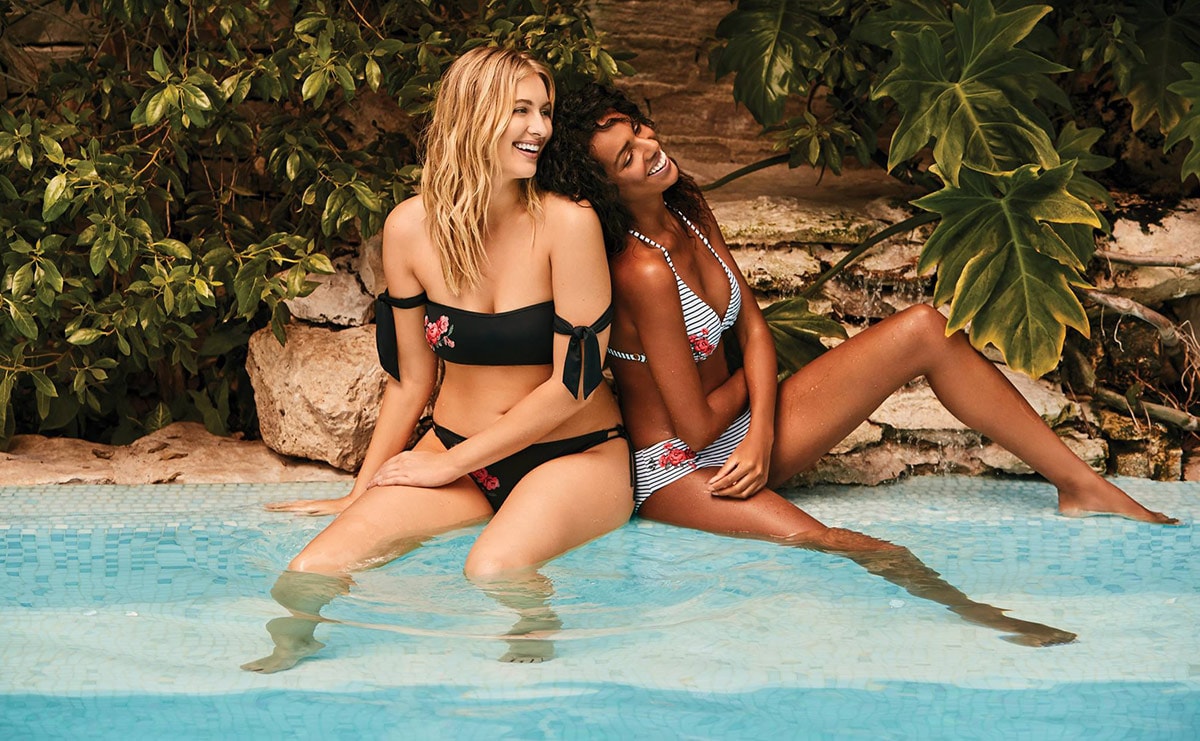
    Canadian specialty lingerie and swimwear label La Vie en Rose is expanding its business into Mainland China as part of a strategy to become twice as large and profitable within the next three years.

    The brand will launch in Guangzhou’s PO Park shopping mall later this month with further locations in Guangzhou to follow.

    “We were ready to accept the challenge of taking our first steps in China,” said La Vie en Rose president and CEO Francois Roberge. “We are looking at our first two years in the country as a real learning period. It’s very important to understand how the market works in order to build a foundation for our expansion.”

    The brand operates more than 360 stores, including 95 international locations in more than 15 countries, targeting women between 25 and 45.

    “Over the next two years, we plan on opening several physical locations in Guangzhou and continuing our expansion in China from there,” said La Vie en Rose VP of strategy and development Aurélie Daoust-Lalande.

    “We have the ambitious goal of doubling the size and profitability of the company by 2022, and our expansion outside of Canada will definitely play a major role in achieving this objective.”

    The firm’s products are also to be launched online on the Tmall online retail platform.

  • Cosmo Lady’s CEO leaves

    Cosmo Lady’s CEO leaves

    Chinese fashion label Cosmo Lady’s CEO Zheng Yaonan has resigned. The resignation took effect as of yesterday, with Zheng remaining as the chairman of the board and an executive director of the company. He is replaced by new CEO Siu Ka Lok, who has been appointed to the position with immediate effect.

    Zheng was chairman, CEO and an executive director of the company since its Hong Long Stock Exchange listing in June 2014. He voluntarily resigned his post as CEO for the purposes of improving the firm’s operating results and enhancing the corporate governance of the group, splitting the roles of chairman and CEO, according to a company stock-exchange filing.

    As CEO, Siu’s major duty will be to manage the intimate wear business of the group, responsible for planning the group’s strategic development, implementing the resultant strategies, policies and regulations, and supervising the daily work of core senior officers.

    Siu was formerly the senior VP of Adidas Greater China.

  • Estee Lauder Asia sales uphill

    Estee Lauder Asia sales uphill

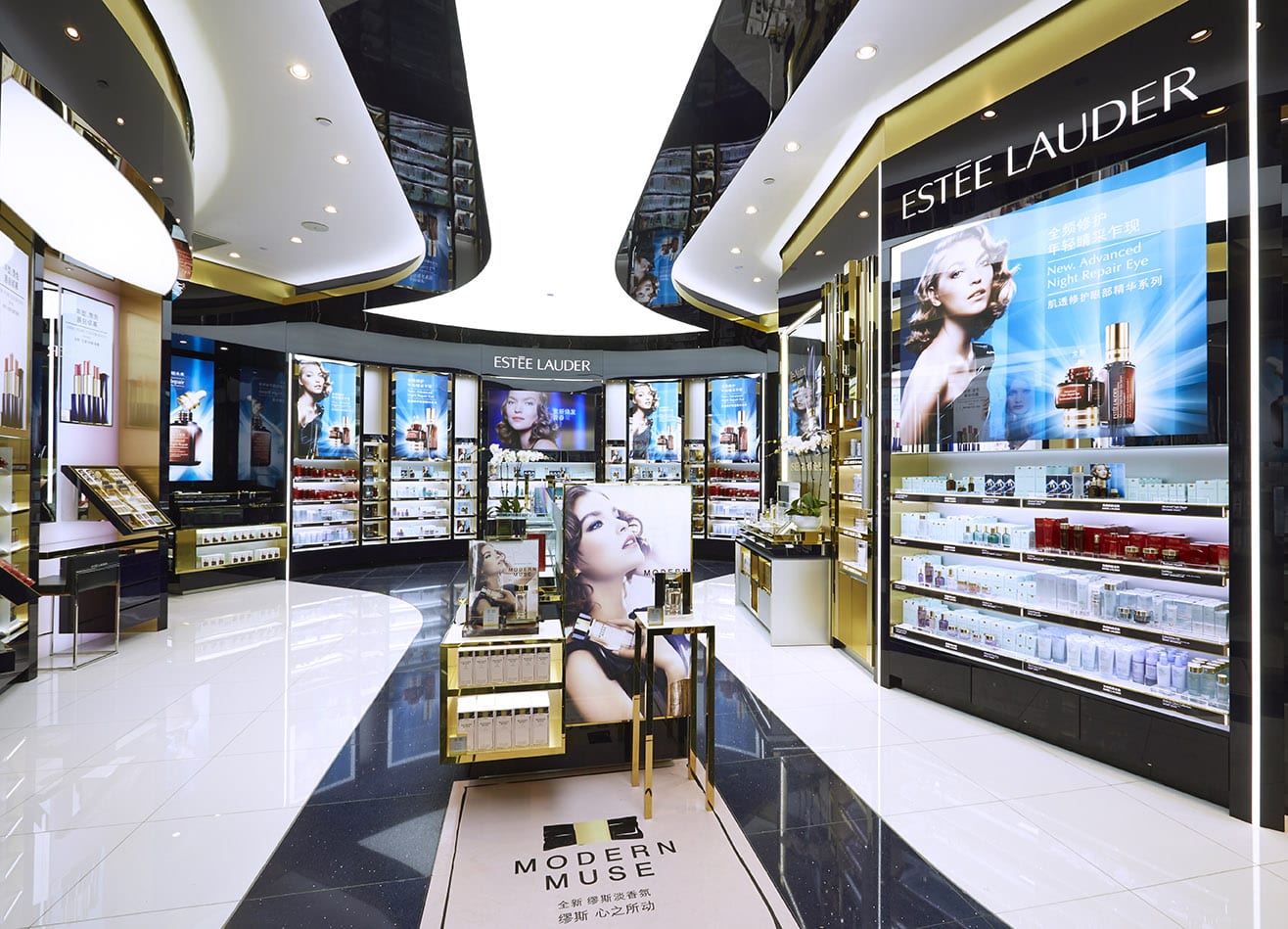
    Estee Lauder Asia sales soared 25 percent in the year to June, with China, Hong Kong, and the emerging markets in Southeast Asia the main performers.

    The more mature Japanese and South Korean markets were also “strong contributors” to the company’s result in the region.

    “The company delivered strong double-digit net sales increases, both on a reported basis and in constant currency,” Estee Lauder reported in a statement. “The growth was broad-based, with all markets in the region growing and more than half up double-digits in constant currency. The Company generated double-digit net sales growth in every product category and major channel.”

    Estee Lauder Asia was a standout in the company’s results, with global net sales up 9 percent to US$14.86 billion, or 12 percent on a currency-neutral basis. Net earnings rose from $1.11 billion last year to $1.79 billion.

    “This was an outstanding year for our company,” said president and CEO Fabrizio Freda.

    “We achieved strong net sales gains across our business, fuelled by investments in our strategic priorities, including improved data analytics that helped power our innovation and digital marketing. Our winning strategy led to continued share gains in global prestige beauty.

    “With savings from our Leading Beauty Forward initiative and cost discipline throughout the organization, we grew profit far ahead of our net sales growth, while also investing in our strategic priorities,” he said.

    “Many engines drove our growth. They included: nearly every market in the Asia/Pacific region and many other important emerging markets around the world; our skincare category in every region; the travel retail and online channels globally; and compelling innovations and high-quality products, which drove strong repeat purchases. Globally, three of our four largest brands grew strongly as did many of our small and mid-sized brands. Our results were particularly impressive given macro volatility and challenges in several key markets demonstrating our successful strategy of multiple engines of growth and our agility to reallocate resources to the best opportunities.”

    Freda said the results capped a remarkable decade of strategic and operating achievements.

    “Since launching our current strategy in 2009, we have diversified and strengthened our company, creating a solid foundation to continue our growth.”

    He said the prestige beauty category continues to be one of the most desirable consumer sectors.

    “As the best diversified pure-play in the industry, we are uniquely positioned to capture global share. In fiscal 2020, we plan to continue to invest in the most compelling opportunities, including those in emerging markets beyond China. We expect another year of strong net sales growth, margin improvement and a double-digit increase in earnings per share.”

  • Allbirds launches first outlet in New-Zealand

    Allbirds launches first outlet in New-Zealand

    Despite being started by New Zealand entrepreneur and former footballer Tim Brown, wool-based footwear brand Allbirds has only been available online its home country – until now.

    The launch comes after the business successfully raised $76.7 million at the end of 2018, aiming to help fuel the business’ expansion into Asia and the UK.

    The company, which is headquartered in San Francisco, opened its first New Zealand bricks-and-mortar store in the Britomart precinct of Auckland on Thursday, August 15.

    “We always imagined we would open a store in New Zealand. It’s one of our founding markets, it’s where I am from and where our key material, wool, is from,” Allbirds co-founder Tim Brown said, according to Stuff.

    Allbirds makes its shoes predominantly with New Zealand merino wool, which helps to make them ‘the world’s most comfortable shoes’, the brand’s tagline.

    Wool uses 60 percent less energy than materials used in a synthetic shoe, according to the brand, which also uses recycled bottles for laces, bean oil in insoles and 90 percent recycled cardboard in its packaging.

    Allbirds are available internationally online, and through brick-and-mortar stores in the US, UK and China. The Britomart store is the brand’s first location in its home country of New Zealand.

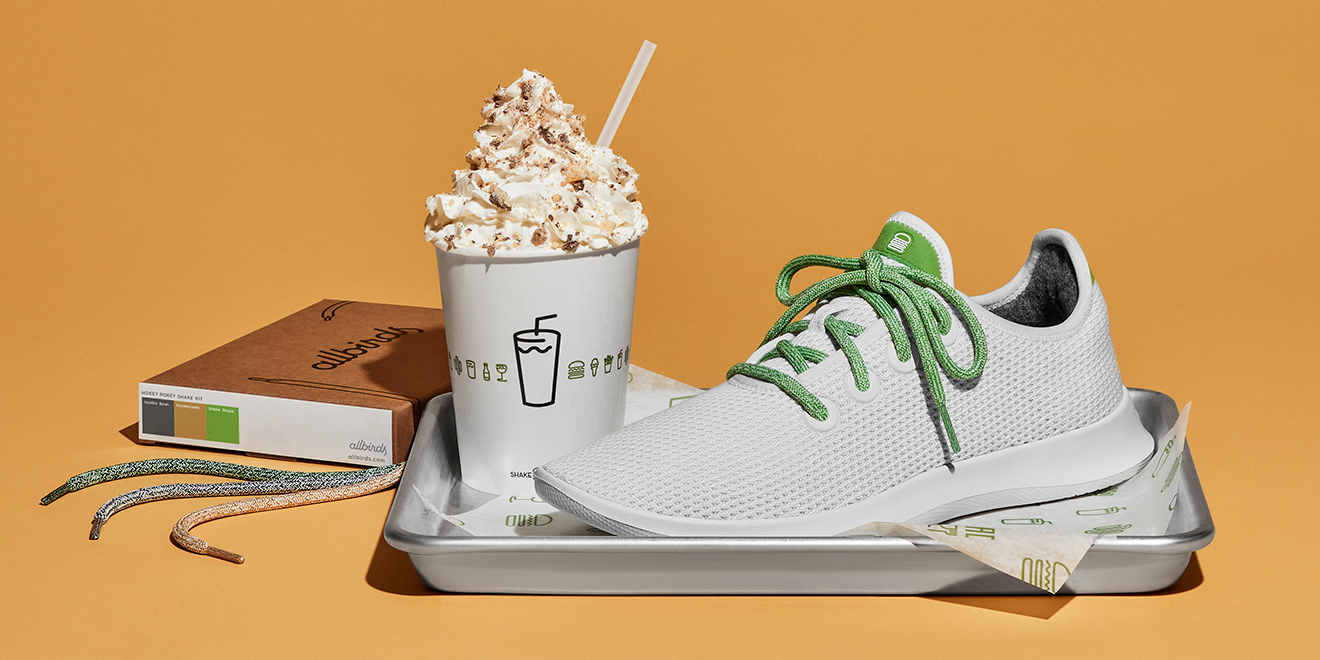
    The 150sqm store offers the brand’s entire range, as well as limited-edition Auckland-inspired laces: Waiheke Island Teal, Light Path Magenta, and West Coast Black Sand.

    The retailer offered a number of events, such as dried flower arranging workshops, meditation classes and drawing classes, in the first week of the store’s operation.

    According to Brown, it is a challenge to transpose the brand’s online experience into an offline one.

    “Bad retail is being challenged and good retail, thoughtful retail that is about storytelling and leans into the people that work there, that has educated people working in that environment that understand the products and are able to give a good experience is old fashioned and important,” Brown said to

  • S. Culture warns shareholder for loss

    S. Culture warns shareholder for loss

    S. Culture International has warned shareholders it expects to post a net loss in the range of HK$3 million to $4 million for the six months to June. That would equate to as much as 10 times last year’s first-half loss of $400,000.

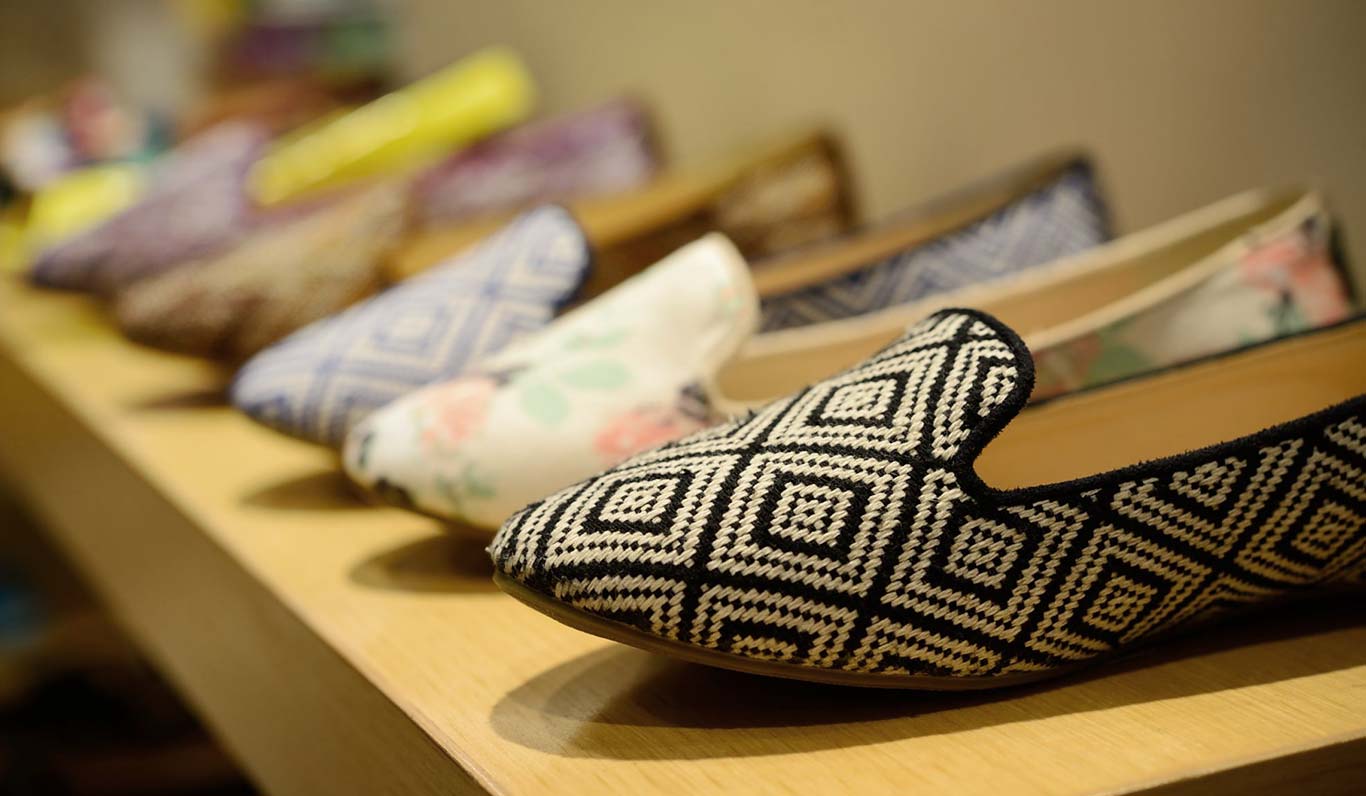
    The Hong Kong-listed retailer sells a range of international footwear brands including Clarks, Josef Seibel, The Flexx and Yokono. It has a network of around 100 stores across Hong Kong, Macau and Taiwan trading as S.Culture, Shoe Mart and Scoops and under individual brands, such as Clarks, Clarks Originals and Josef Seibel.

    Last March S. Culture hinted at a change of fortune after closing non-performing stores and booking gains from property disposals.

    But yesterday the company essentially revealed its shoe-trading business did not return enough profit to compensate for the absence of a one-off property gain last year, worth $7.57 million.  The company said another factor in the looming loss was overheads relating to the expansion of the management team it is putting in position to oversee the group’s future development.

    The exact result will be revealed later this month.

  • Gucci makeup line about to launch in Singapore

    Gucci Makeup by Alessandro Michele is set to launch in Singapore next month.

    The new makeup line has its roots in the unassuming harmony of the creative director’s work as first seen on the runway more than four years ago.

    The makeup is designed to “not mask but rather exalt flaws and make them part of the language of beauty,” according to a statement released by the firm. “Defects should be evidenced and not hidden away. Within this language everyone should be able to wear makeup how they want to, whether to reveal your true self, allowing you to be yourself, or as a means to transform, allowing you to be who you want to be.

    Gucci’s three new lipstick collections are diverse formulations, including Rouge a Levres Satin with a satin finish, Rouge a Levres Voile with a sheer finish, and Baume a Levres, a lip balm with a translucent finish.

    Gucci Makeup will be available at Takashimaya Department Store’s Beauty Hall from September 12.

  • Uniqlo Philippines opens first roadside store

    Uniqlo Philippines opens first roadside store

    Uniqlo in the Philippines has opened its first roadside store, stepping outside of its traditional shopping-mall base.

    The new 1518sqm outlet at Westgate Alabang, situated 22 km south of Manila, is surrounded by local communities with residential areas, office buildings, restaurants, and schools. The store carries a full range of Uniqlo LifeWear items for men, women, kids, and babies.

    “Uniqlo in the Philippines is embracing a new business model by transforming from a mall-only business to newer various types of store for rapid expansion,” said Uniqlo Philippines COO Masayoshi Nakamura.

    “Uniqlo in the Philippines aims to boost the vitality of the local area by becoming a lifestyle and cultural hub and a driver of local economic development and prosperity. The first roadside store in the Philippines aims to closely engage with the local community by improving convenience for customers and attracting new and sustainable businesses to the area.

    Nakamura said the fast-fashion retailer is now planning to open Uniqlo roadside stores outside Japan in markets including South Korea, Taiwan, and Thailand.