Category: Fashion

Retail News Asia is committed to providing both local and global retailers with the latest Fashion news throughout the Asian market. This on a daily base.

  • Kiwis invest Money into Ethical Fashion Brand

    Kiwis invest Money into Ethical Fashion Brand

    With 14 days left to hit their minimum target, New Zealand-based ethical fashion brand Little Yellow Bird announced it has raised over $151,563 in its equity crowdfunding campaign.

    The Wellington-based company is offering Kiwis the chance to invest in the company for as little as $500 to scale its impact, grow the product range and make ethical fashion mainstream. The company also plans to expand internationally.

    Little Yellow Bird hopes to raise a minimum of $750,000 with its equity crowdfunding campaign on PledgeMe as it aims to become New Zealand’s first community-owned ethical fashion brand.

    “We are expanding, and we want to scale our voice and impact,” said Samantha Jones, Little Yellow Bird founder.

    Jones said the best way to do this was by having a community of values-aligned investors.

    Little Yellow Bird uses 100 per cent organic, rain-fed cotton and non-toxic dyes and follows a zero waste policy in its factories, saving millions of litres of water each year.

    With the fashion industry named as one of the biggest contributors to climate change across the world, producing about 10 per cent of greenhouse gas emissions, Yellowbird said it is “absolutely committed to ethical manufacturing.”

    “We track every single item of clothing from source to sale, and we ensure we have transparency across the entire supply chain for our products.”

  • Gucci store closed after staff Measles

    Gucci store closed after staff Measles

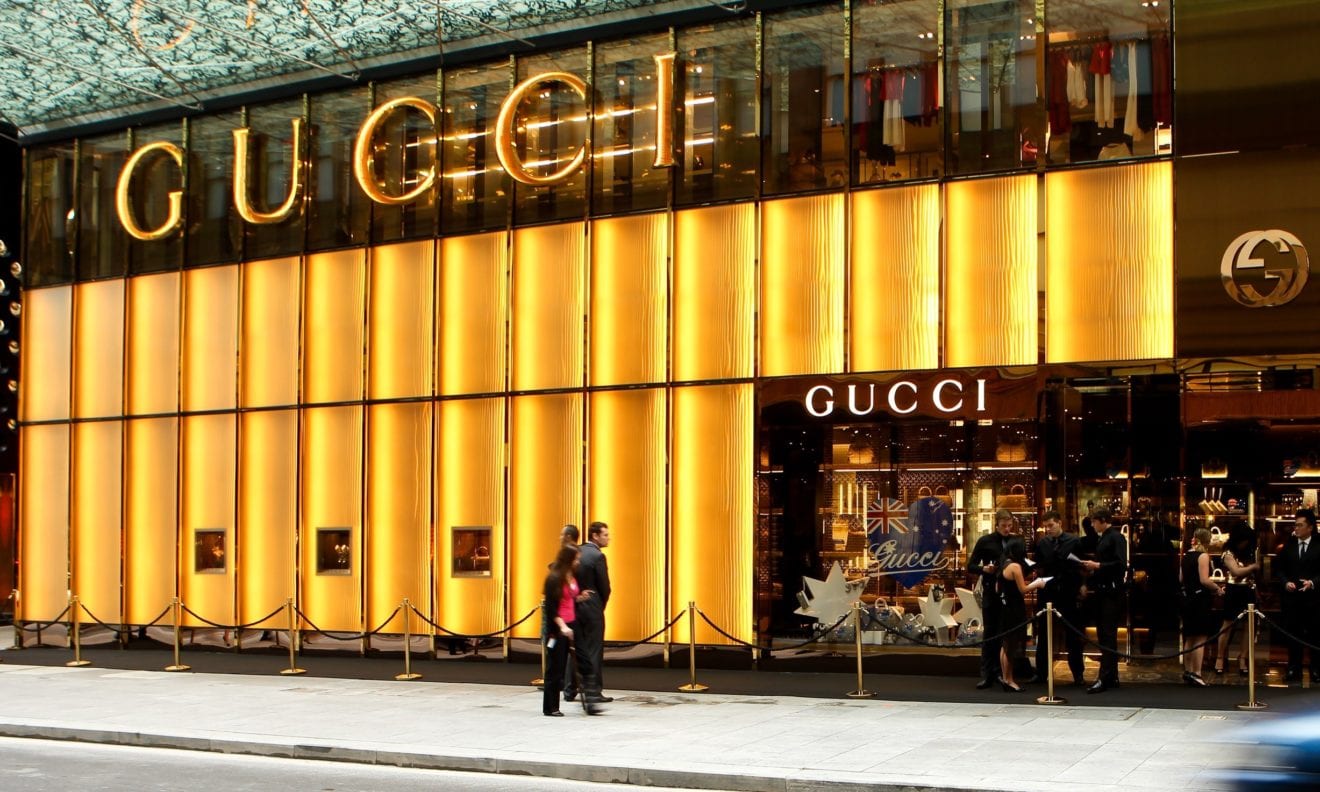
    Gucci’s Harbour City store has been closed for disinfecting after three staff members fell ill with measles within the last week.

    A Harbour City spokeswoman told that store staff advised mall management about the infections last evening and the Canton Road store was closed early.  Gucci’s office at Ocean Centre has also been closed.

    “We are carrying out thorough disinfection and extra cleaning throughout the mall,” the spokeswoman said. “The two washrooms near the store have also been temporarily suspended for disinfection and cleaning.”

    Hong Kong health officials are on high alert as the territory has witnessed a rapid escalation in the number of measles cases reported in recent weeks. Last year, 15 people were reported to have contracted the highly infectious disease, but already this year there have been 73 cases, including 29 people working at Hong Kong International Airport.

    According to the SCMP, the first Gucci staff member, a male aged 30, became ill last Tuesday after flying to Tokyo. He is now back in Hong Kong and recovering in hospital.

    The second and third victims, both women aged 25, have since developed symptoms and are also recovering in hospital.

    The incubation period of measles lasts from seven to 21 days before symptoms are obvious.

    None of the three staff had worked at other Gucci shops and none of their family members have developed symptoms.

  • Victoria’s Secret drops Broadcasted Fashion Shows

    Victoria’s Secret drops Broadcasted Fashion Shows

    A root-and-branch review of the Victoria’s Secret business has spelled the end of its famed televised catwalk shows – and even its giant flagship stores may be under threat.

    The world’s most famous lingerie retailer is trying to arrest falling sales and counter competition from the likes of American Eagle Outfitters’ Aerie and Rihanna’s lingerie company Savage X Fenty.

    Recognizing it needs to reconnect with its core customer base, L Brands founder and chairman Leslie Wexner together with recently hired CEO John Mehas, are “re-birthing the brand” through a strategic review.

    “Fashion is a business of change. We must evolve and change to grow,” Wexner said in an internal memo to staff passed on to CBS News. “For the past few months, we’ve said that we are taking a fresh look at every aspect of our business – from merchandising, marketing and brand positioning, to our real estate portfolio, digital business and cost structure … literally everything. We have made enormous progress in a very short time, and are looking forward to a successful fall and holiday with an elevated, fashion-forward assortment.”

    An early decision is that the Victoria’s Secret Fashion Show will no longer screen on national television in the US.

    “Going forward we don’t believe network television is the right fit,” said Wexner in the memo.

    “In 2019 and beyond, we’re focusing on developing exciting and dynamic content and a new kind of event — delivered to our customers on platforms that she’s glued to … and in ways that will push the boundaries of fashion in the global digital age.”

    The annual show was launched in 1995, debuting on network television in 2001. However last year’s audience on ABC was 3.27 million, the smallest to date and less than half the viewership of two years earlier.

    The Victoria’s Secret business has taken some hits in the court of public opinion during recent years. The format of the show, featuring models in scanty costume lingerie has been labeled out of touch in an era where #MeToo movement is reshaping attitudes. Last year, the company was embroiled in controversy after former chief marketing officer Ed Razek said he would not use transgender or plus-sized models in its campaigns.

    Institutional shareholders are demanding higher returns, many lobbying for a spin-off of the highly profitable Bath & Body Works subsidiary.

    Early responses to Victoria’s Secret’s review appear positive. Analyst Lee Peterson, executive VP at Dublin-based retail consultancy WD Partners, said the lingerie giant appeared to be taking the right steps.

    “Everything [Wexner] said – albeit a little tardy – is the right thing to do,” he said. “It seems to me they had an epiphany and realized it’s a new age. You can’t do anything in retail for 20 years and not change.

    “Don’t forget Victoria’s Secret is still more than 60 percent of the market. It’s a big ship to turn around,” said Peterson.

  • JJJ Superstore opens at M3 Shopping Mall in Malaysia

    JJJ Superstore opens at M3 Shopping Mall in Malaysia

    Bok Marketing will open its fourth preloved goods superstore Jalan Jalan Japan (JJJ Superstore) at M3 Shopping Mall in Gombak Kuala Lumpur.

    The phrase “Jalan Jalan” in the name means “going for a walk” in Malay.

    All goods sold in the store are “pre-loved” and imported from Japan. Items are sold under three categories: “Preloved in Japan” (indicating good quality); “Hargagiler” (meaning “crazy low price”); and “Large Stock” (indicating “treasure hunting” shopping).

    Bok is a subsidiary of Bookoff, which operates more than 800 preloved goods stores in Japan – purchasing more than 400 million items from customers every year for resale.

    Each JJJ Superstore stocks around 200,000 SKU under a wide range of categories, including its latest range of traditional Japanese kimonos.

    The firm plans to open JJJ Superstores all over Malaysia.

  • Sephora confirms Auckland Flagship Opening This Year

    Sephora confirms Auckland Flagship Opening This Year

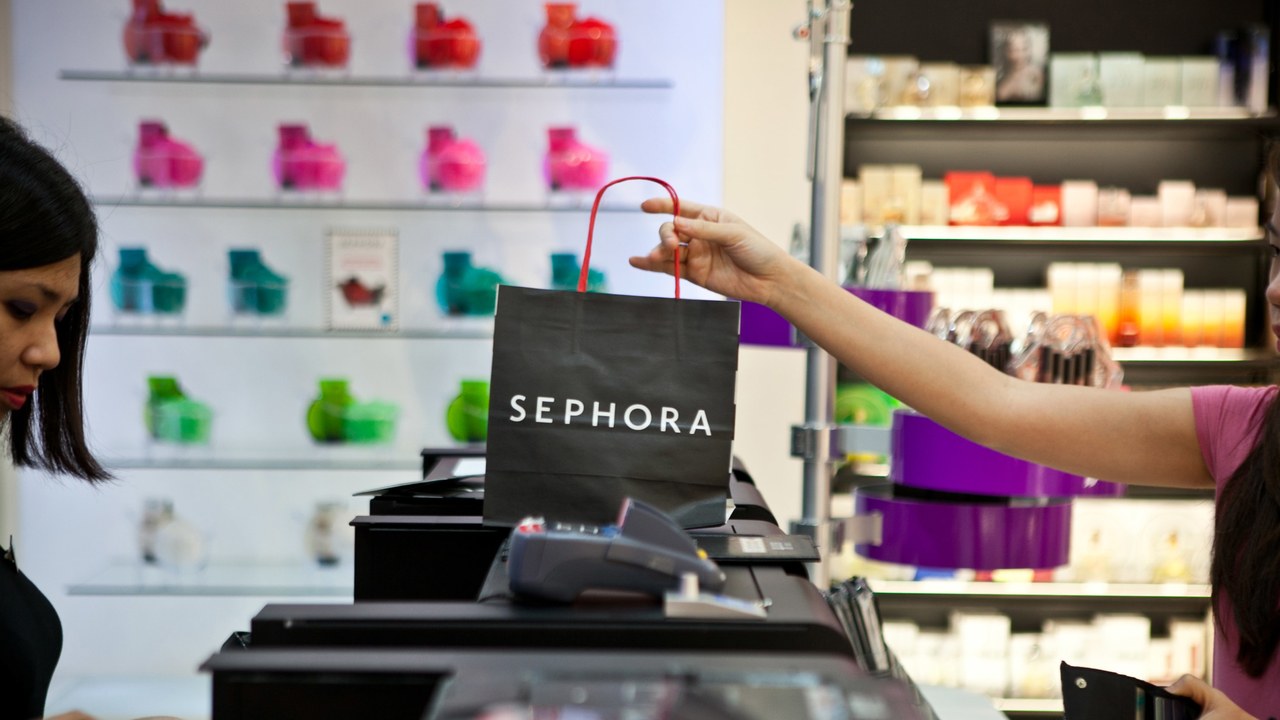
    Beauty retailer Sephora has confirmed long-standing rumors of an Auckland flagship set to open on Queen Street in 2019. While the retailer launched a local online offering in 2015, the bricks-and-mortar location will be Sephora’s first in New Zealand and is part of a larger push into Asia that will see Hong Kong and Korea added to the brand’s retail locations.

    “We believe that New Zealand will be a key market in building Sephora as the most loved beauty community in Asia, and the world,” said the president of Sephora Asia Benjamin Vuchot.

    “This expansion to a new market will allow Sephora to continue to amplify global beauty trends locally, elevate what our clients expect of the in-store experience and bring fresh, digital touch points to the retail environment to create a virtual, client-centric cycle.”

    Prior to its official announcement earlier this week, Sephora posted a series of job ads on Seek in April, looking for assistant store managers, category coordinators, stockroom managers and supervisors to fill out the Auckland flagship.

    The positions all indicated that prospective employees would need to be available for a recruitment event between May 7 and 8, pointing to an opening in the near future.

    Sephora interim general manager of Australia and New Zealand Pedro Coutinho said the store would be a beauty destination “like no other.”

    “We are so excited to introduce our renowned service offering, a suite of the most sought after beauty brands from around the world and a fun place for our clients to experience and explore their own beauty journey,” Coutinho said.

    “The Sephora client is the future – our customers are ahead of the trends, up to date with the latest brands and they want new products, now. We’ve listened to what our online clients want from Sephora, and this new Auckland location will help us deliver it.”

  • LVMH finally makes Fenty fashion plans Public

    LVMH finally makes Fenty fashion plans Public

    The fashion industry’s worst-kept secret is now official: LVMH has, at last, confirmed it is extending its partnership with singer and celebrity Rihanna into fashion.

    “Everybody knows Rihanna as a wonderful singer, but through our partnership at Fenty Beauty, I discovered a true entrepreneur, a real CEO, and a terrific leader,” said LVMH chairman and CEO Bernard Arnault.

    As a result, LVMH and Robyn Rihanna Fenty will launch a new luxury Maison headquartered in Paris called Fenty. LVMH says it will be centered on Rihanna, developed by her, and will be shaped by her vision in ready to wear, shoes and accessories. It will launch in the Northern Hemisphere Spring of this year.

    “Designing a line like this with LVMH is an incredibly special moment for us,” said Rihanna. “Mr. Arnault has given me a unique opportunity to develop a fashion house in the luxury sector, with no artistic limits. I couldn’t imagine a better partner both creatively and business-wise, and I’m ready for the world to see what we have built together.”

    Arnault added: [Rihanna] naturally finds her full place within LVMH. To support Rihanna to start up the Fenty Maison, we have built a talented and multicultural team supported by the group resources. I am proud that LVMH is leading this venture and wish it will be a great success.”

    News of the new venture first broke in January when online portal WWD and the New York Times cited multiple unnamed sources confirming plans.

    The new Maison has launched a website: www.fenty.com

  • Pomelo Fashion boosts revenue by 5x with in-house tech stack forstreamlining vertical supply chain

    Pomelo Fashion boosts revenue by 5x with in-house tech stack forstreamlining vertical supply chain

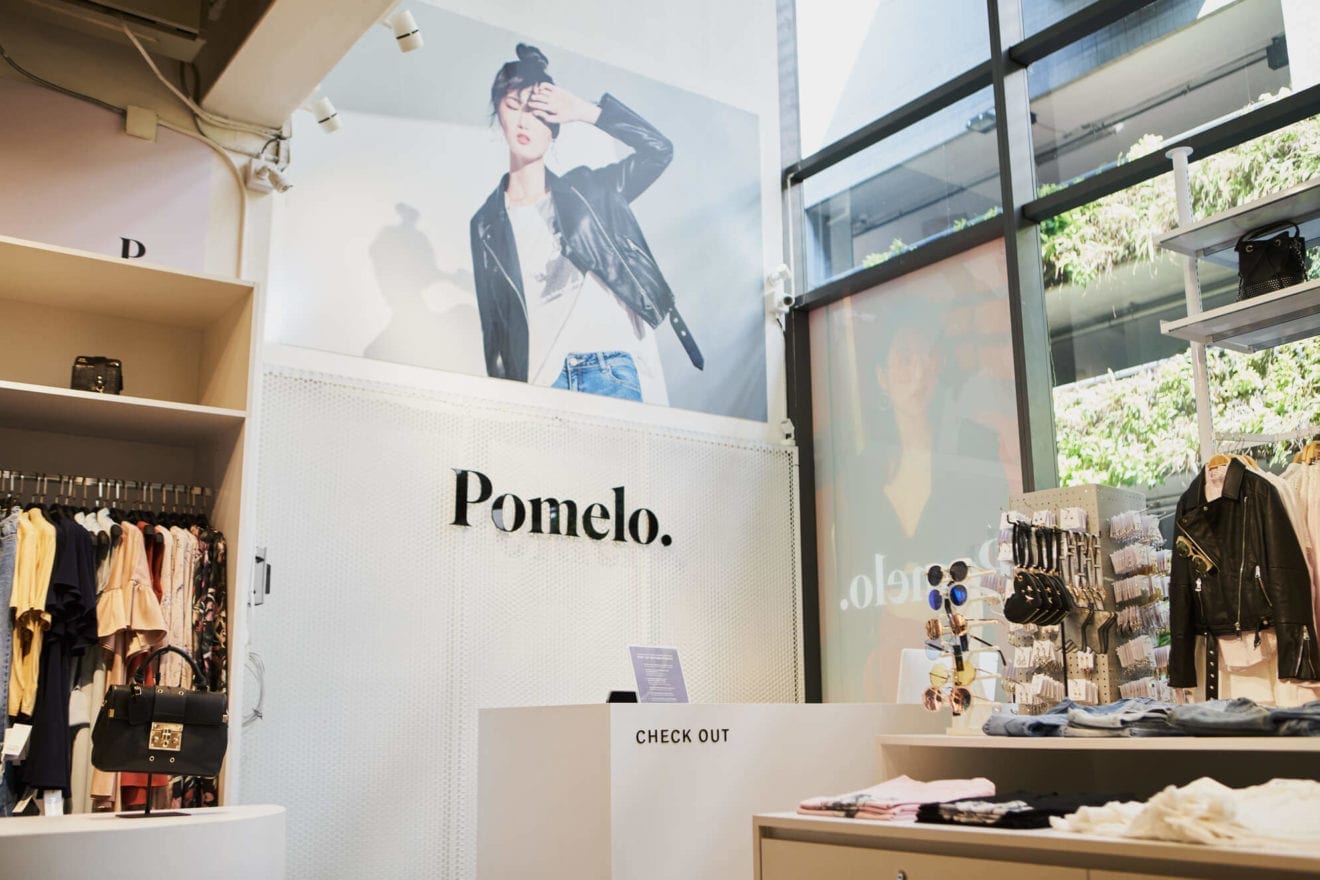
    Omnichannel fast fashion company Pomelo builds a proprietary in-house technology stack to enable the seamless management of a complex vertical supply chain across its multiple locations and labels. This technology stack was developed to meet Pomelo’s changing logistical
    needs as it’s business model evolved from one based on private label sourcing to one that is fully vertically-integrated, allowing for control over every aspect of launching, building, and scaling a fashion brand.

    Named Henry after Henry Ford, who popularized the modern assembly line for mass production, Pomelo’s solutions stack forms the common foundation of its building and scaling strategy, and integrates all aspects of its processes from design, manufacturing, content creation, retailing (in-app, online, and in-store) to inventory optimization. Henry is used in Pomelo’s multiple labels and categories including Pomelo, PM, Alita, and BEET across a manufacturing base spanning Southeast Asia and China.

    “Our competitors are still using spreadsheets and paper purchase orders to manage a highly complex system of product development, manufacturing, and omnichannel retailing. As a fashion company with tech DNA, we’re building, from the ground up, a brand-new tech stack for today’s digital world that incorporates the latest in machine learning, big data, and automation,” says Lloyd Lin, Regional Vice President of Production. “We have always been focused on technology as a means to innovate key areas of the business, including our supply chain.”

    Managing Fashion Supply Chains in a Digital World Pomelo’s tech stack started as a simple back-end inventory tracker in 2015. Today, 4 years on, Henry is now capable of tracking the entirety of Pomelo’s supply chain in real-time and functions as the brand’s control center. It accurately manages profit margins and provides data-driven insights and analytics on customers’ purchase behaviors that simplify the design and purchasing teams’ buying decisions. With Henry’s help, Pomelo, and their customers, in turn, have enjoyed significant costs-savings.

    In the same vein, Pomelo’s supply chain has also seen further streamlining and innovation in 2018. The samples production process, essential to every new launch of which Pomelo has three weekly, is a long process involving multiple iterations and external vendors. In order to reduce material waste, production costs and time spent, Pomelo’s newly established samples lab automates the process of sample production. Managed entirely in-house, the lab is customized for Pomelo products, allowing for better quality control. In 2019, Pomelo plans to put in place a bidding process that allows production partners to bid on orders in their areas of specialization to further optimize the supply chain.

    The trailblazing startup, which terms itself a Digitally Native Vertical Brand (DNVB), focuses on innovating key areas of its business, like the supply chain, through technology. The results of Pomelo’s optimization push speak for themselves: in 2018, Pomelo dramatically expanded its range across labels by more than five times, and its total revenues by nearly the same amount.

    Pomelo’s technology team is primarily based in Bangkok, but also has developed resources in China and India. “The rate at which we continue to improve our technology is a long-term competitive advantage we are very excited about, and ultimately a key differentiator for Pomelo. We will continue investing in and strengthening our team, as well as our technology stack to ensure that we are setting the standard for how an omnichannel fashion brand anchored in today’s digital world should be managed.” says Pomelo CEO David Jou.

  • Forever New Building Ouit Presence in North America

    Forever New Building Ouit Presence in North America

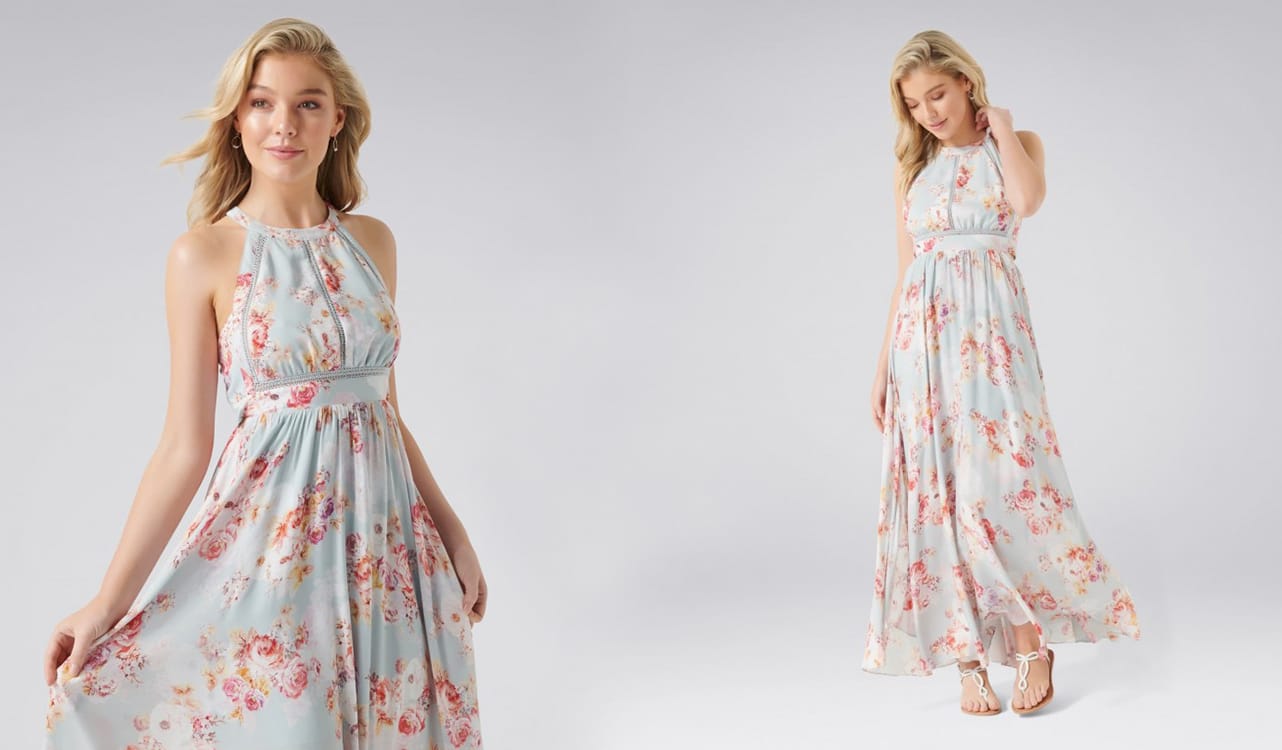
    Australian retailer Forever New is ramping up its presence in North America, with plans to launch a standalone website in the US, sell through major department stores, including Bloomingdales and Nieman Marcus, and open two new stores in Canada.

    The news, announced on Monday, is the latest sign of Forever New’s global aspirations. The brand has formed a string of partnerships with retailers around the world, including Asos and Next in the UK, Zalora in Singapore and Zalando in Europe, and last year, it revamped its website to better serve international customers.

    “Forever New has a unique product offering and our handwriting is not only relevant to the markets in the Southern Hemisphere but also in the Northern Hemisphere. We offer a real point of difference,” Carolyn Mackenzie, managing director of Forever New, told Inside Retail.

    Focus on third-party expansion

    According to Mackenzie, the retailer’s presence in the Canadian market over the last few years has sparked interest from American retailers.

    Forever New, which trades as Ever New in North America, appears to have four bricks-and-mortar stores in Canada – three in the Vancouver area, and one in Toronto. The retailer plans to open a second store in Toronto a new location in Calgary this year.

    The retailer started selling in the US market via Nordstrom.com in 2018, and on Monday, it announced it will launch a standalone website in the coming months. It will also launch offline in Bloomingdales and Nieman Marcus department stores, and expand its online presence via Nordstrom, Lulus, South Moon Under and Amazon.

    Mackenzie said the privately-held business is currently focusing its efforts on third-party and digital expansion, but that it may open standalone stores in the US in future.

    “Being an agile and fast-moving business means there is always the possibility…” she said.

    Broader transformation underway

    The ramp-up overseas is just part of the multi-faceted transformation currently underway at Forever New.

    In late 2018, it overhauled its global e-commerce platform to make the online shopping experience more seamless, and in 2019, it unveiled two first-to-market digital initiatives: a reserve-in-store option and visually-similar product recommendation tool.

    It has also launched a new high-end store concept designed by Hecker Guthrie, featuring terrazzo tiled floors, brushed brass detailing and fluted glass panels.

    “[T]he new store concept embodies the feminine signature of the brand,” Mackenzie said, calling it “the perfect backdrop to the brand’s distinctive designs and prints”.

    Next up for Forever New? More inclusive sizes.

    “Following on from the success of Forever New Petite and to ensure the accessibility of Forever New for all, we’re planning on expanding our category offering with ‘Forever New Curve’,” Mackenzie said.

    “Stay tuned for more details on these exciting initiatives.”
  • Sincere Fine Watches opening in Changi

    Sincere Fine Watches opening in Changi

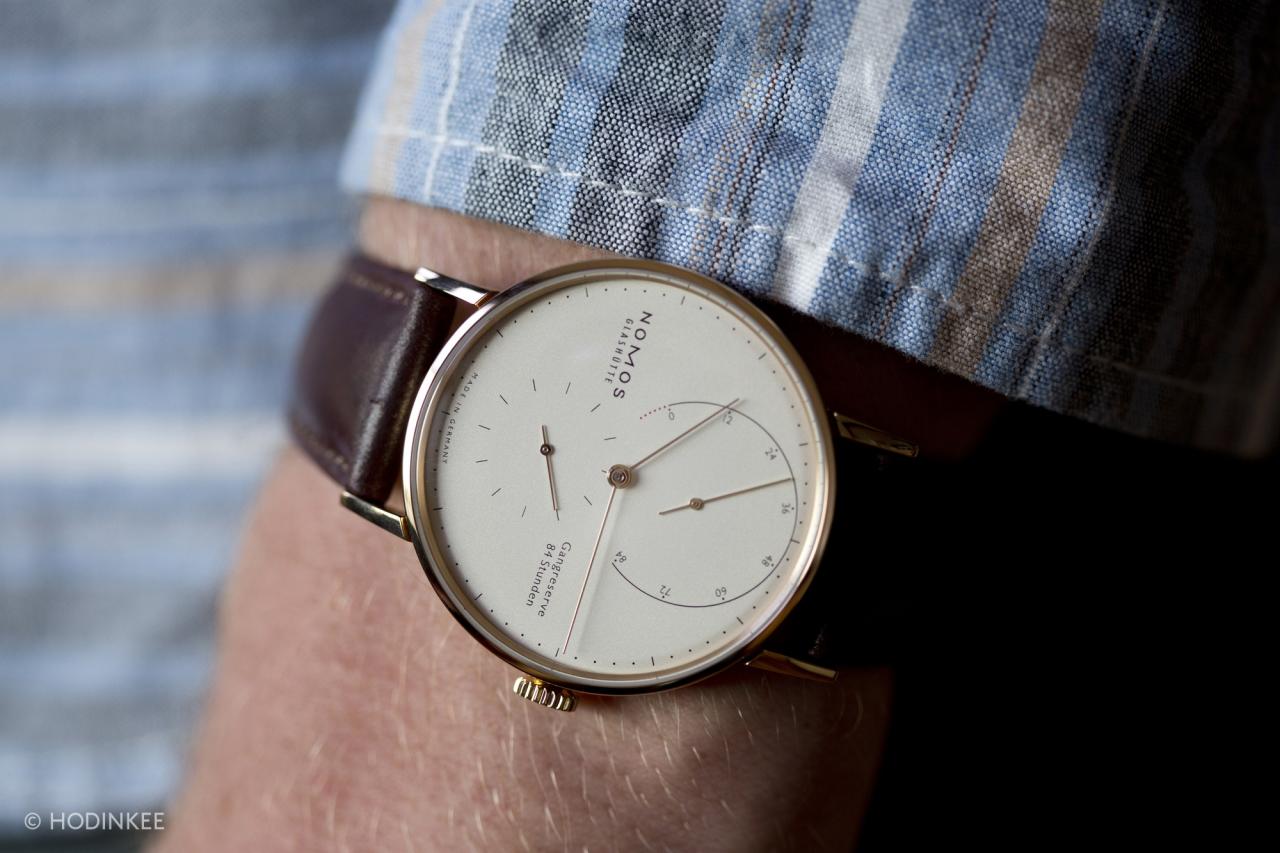
    Sincere Fine Watches has opened a multi-brand boutique at Jewel Changi Airport.

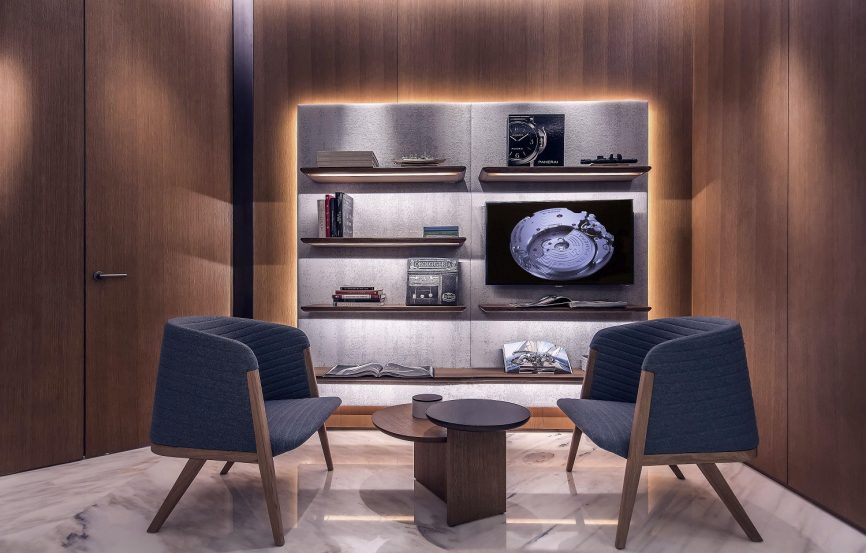
    The only luxury multi-brand watch store at the newly opened airport shopping center spans 183sqm and was inspired by Jewel’s dome-shaped facade and modern architecture.

    Glass and rose-gold elements are used throughout the boutique, combined with warm-brown hues on the wooden panels and shades of copper to create a welcoming aura.

    The new boutique brings together 20 international labels, some of them relatively new to the market. They include Armin Strom; Baume & Mercier; Blancpain; Bremont; Graham; Hamilton; IWC Schaffhausen; Longines; Maurice Lacroix; Mido; Montblanc; Panerai; Omega; Rado; TAG Heuer; Tissot; and Tudor.

    Sincere Fine Watches plans more brands and timepieces exclusive to the Jewel Changi store soon.

  • Philipp Plein opens First Single Brand Store in Singapore

    Philipp Plein opens First Single Brand Store in Singapore

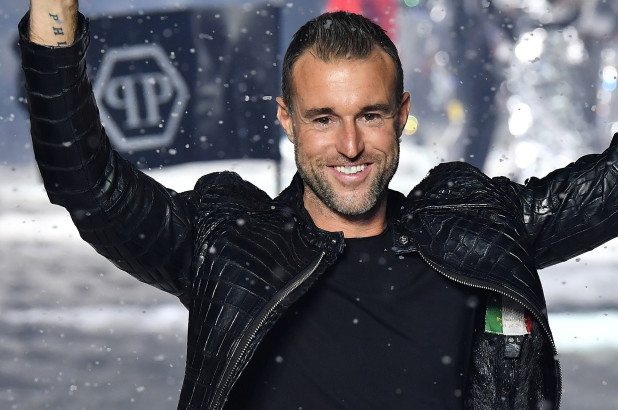
    Switzerland-based fashion house Philipp Plein has opened its first single-brand store in Singapore.

    Located at Marina Bay Sands, the two-level flagship store spans ​​236sqm with separate entrances for the men’s and women’s areas.

    Menswear is located on the first floor, which is decorated with the brand’s distinctive crystal skull design. Clothing is arranged on the right-hand side of the shop, with accessories on the left.

    The womenswear collection of clothing and accessories is located on the second floor.

    The store is part of a broader expansion by the fashion house in Asia: more new stores will soon be opening in Seoul and Bangkok and another in Kuwait.

    Founded in 2008, Philipp Plein now has 250 single-brand stores worldwide.

  • Panerai Opens Tsim Sha Tsui Centre Boutique

    Panerai Opens Tsim Sha Tsui Centre Boutique

    Florentine high-end luxury watchmaker Panerai has opened a boutique in Kowloon.

    The 60sqm Panerai Tsim Sha Tsui Centre store is the fifth opened in Hong Kong, after the Landmark Prince, Canton Road, IFC and Times Square boutiques.

    The concept of the design and materials used reflect Panerai’s Italian tradition and stands as a reference to the underwater universe. The use of oak, veined Italian marble, burnished brass, bronze, and a special “reeded” glass reinterprets the watchmaker’s technical codes, as well as the brass lights and sales counters with wooden details recalling the sea and sailing ships.

    Panerai now has 85 boutiques throughout the world, five of which are in Hong Kong.

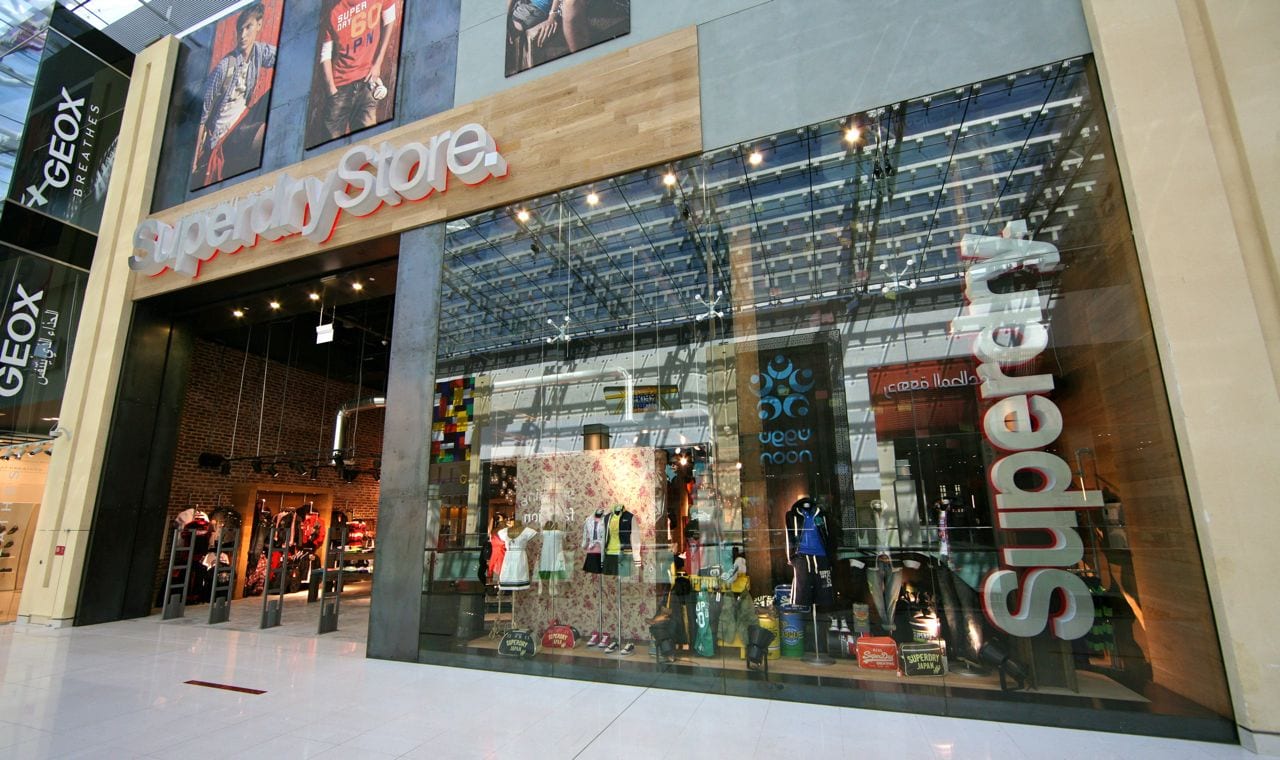
  • Superdry Struggling To Stay in the Game

    Superdry Struggling To Stay in the Game

    A poor fourth quarter has resulted in another profit warning from casualwear-brand Superdry and one analyst describes the embattled label as “struggling to remain relevant”.

    Amy Higginbotham, a retail analyst at GlobalData, the data and analytics company, said a poor fourth quarter has exacerbated Superdry’s woes and dragged down overall performance for the year.

    The company, reeling from a mass exodus of board members and senior executives in the wake of co-founder Julian Dunkerton’s return to an active role in the business, now expects its underlying profit before tax for the full year to be about 50 per cent down on last year’s £97 million.

    With the board distracted by the disruption caused by Dunkerton and his eventual return, Superdry’s group revenue dropped 4.5 per cent in the fourth quarter.

    “This was driven by a particularly poor performance in its wholesale and online divisions, which the retailer attributed to an increased volume of product returns and a reduction in promotional activity,” said Higginbotham.

    Group revenue remained flat at £871.7 million, while growth in wholesale and online revenues slowed significantly, and store sales dropped £14.4 million to £373 million.

    “The lack of detail regarding Dunkerton’s long term plans to turn the retailer’s fortunes around is not very reassuring, and investors will no doubt be eagerly awaiting a more detailed update in July with the publication of the retailer’s full-year results,” said Higginbotham.

    “Initial changes made by Dunkerton on his return have included reducing promotions to improve margins and supporting sales with more stock in flagship stores. He also plans to introduce 500 new products within the next six months, though the details of what these products are exactly remains unclear.”

    But she says Superdry will have to do a lot more if it is to regain its relevance amid tough competition from the likes of JD Sports and boohoo.com, which have much stronger brand appeal – and Superdry must be clear about which demographic it wishes to target.

    “Dunkerton has indicated that he does not intend to go ahead with the previous management’s plans to enter childrenswear, and will instead focus on targeting teenagers, though this will require the retailer to justify its high price points, which could be done using brand exclusives and celebrity endorsements.

    “The outlook for Superdry remains challenging. Though a new executive team will take Superdry in a much-needed new direction and eventually provide more stability, the board still lacks a clear strategy to turn the retailer’s fortunes around, and any new initiatives will take time to bear fruit.”

  • Coach Hong Kong Best Employer To Work for in Asia

    Coach Hong Kong Best Employer To Work for in Asia

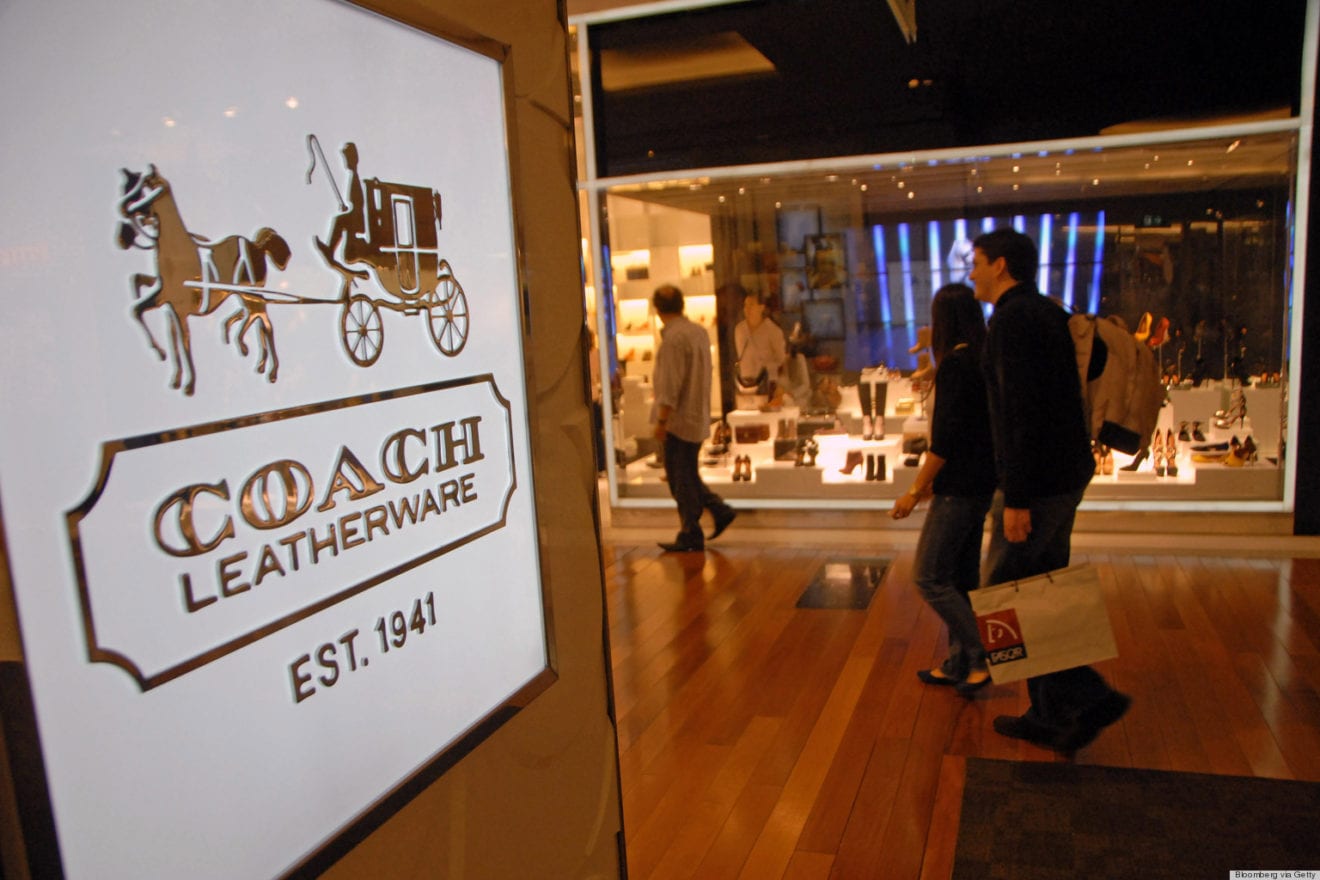
    Luxury leather goods retailer Coach Hong Kong has been awarded the “Best Company to Work for in Asia 2019” by HR Asia magazine.

    The award recognises companies that possess “remarkable levels of employee engagement, corporate culture and employer branding”. The selection process covers a comprehensive assessment of participating organisations’ talent strategies, employee engagement and leadership effectiveness. Employees are invited to provide ratings and opinions on their employers to help select the winner.

    Coach Hong Kong was awarded the accolade after it was judged by an independent panel of industry experts, academics and journalists.

    “As a core brand under Tapestry, Coach adheres to the values of optimistic, innovative and inclusive,” said Coach Hong Kong, Macau and Taiwan GM Damien Tonneau. “We are committed to helping our employees grow and provide an engaging work environment that celebrates innovation and inclusiveness. We empower passionate people to fulfill their dreams with a digital-centric talent strategy.”

    “We see talent as our most valuable asset, and they are at the forefront of our customer service,” said Coach and Tapestry Asia Pacific VP and head of HR Janet Zhong. “The award fully recognizes our HR and talent strategy and business growth in the region. We are immensely proud of how we implement new ideas, tools, and systems to empower our managers and employees, offer robust learning and development programs, and exciting opportunities for career advancement.

    “Looking ahead, we will continue to evolve our HR transformation journey to support Coach’s brand strategy; focus on building a critical talent pipeline and continue to thrive with great stamina and offer a dynamic environment celebrating personal growth and success for all our employees,” she added.

    Coach Hong Kong has 19 directly operated stores and nearly 340 employees.

  • Belstaff Japan Winding Down

    Belstaff Japan Winding Down

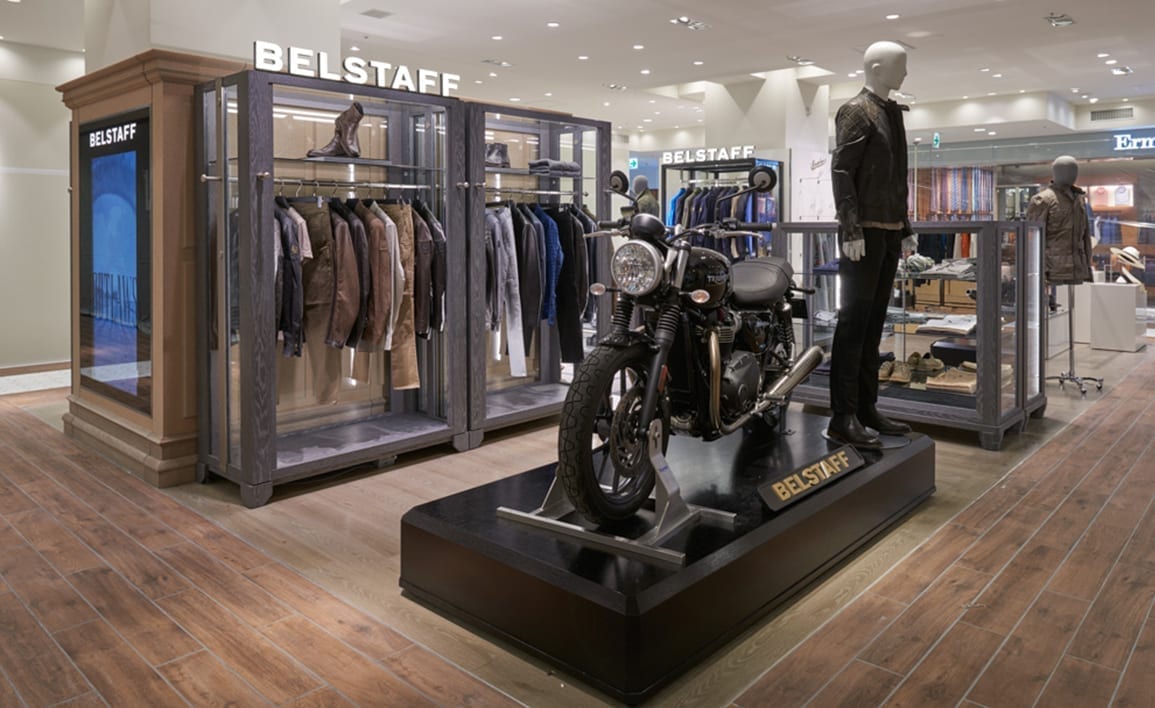
    The British luxury fashion retailer has six stores trading in the market, which it entered back in 2015 via a wholly owned subsidiary, opening its first store in March 2016.

    While the brand is making its direct exit, Belstaff Japan customers will still be able to buy its goods from authorized retailers, supplied from the UK head office.

    Belstaff has previously announced it is shifting its focus to selling online in the US and developing a wholesale distribution channel in Italy. The returns from the Belstaff Japan business were insufficient to continue to operate there.

  • H&M and Indian marketplaces Collaboration

    H&M and Indian marketplaces Collaboration

    Swedish fast-fashion label H&M is partnering with Indian marketplaces Jabong and Myntra to sell online.

    The association with the two local partners is structured to meet Indian regulations forbidding marketplaces from forming exclusive associations with brands, despite both Flipkart-owned e-commerce firms owning full online rights to eight global fashion brands.

    The Swedish retailer has been trading online in the country for around one year. The new Indian deal – the brand’s second territory permitting online trade on an external platform after China – will allow Jabong and Myntra exclusive access to the brand’s online sales for a period of six years.

    H&M items are expected to begin trading on the Jabong and Myntra Indian marketplaces within three to four months, while the brand makes preparations to open physical stores within India.