Category: Fashion

Retail News Asia is committed to providing both local and global retailers with the latest Fashion news throughout the Asian market. This on a daily base.

  • China Helps Hermes to Recover

    China Helps Hermes to Recover

    Hermes sales soared 13 per cent last quarter after an especially strong performance across Asia.

    The French high-fashion luxury-goods manufacturer achieved consolidated revenue for the first quarter of €1.610 billion (US$1.796 billion). While all regions recorded sustained growth during the period, Chinese sales drove double-digit growth throughout Asia excluding Japan.

    According to the firm, the group benefited from store extensions completed last year, in particular on the Shanghai IFC as well as Singapore Marina Bay Sands and its new store in Phuket Floresta, Thailand, which opened last month.

    “Driven by the success of its collections among all its customers,” said the group’s executive chairman Axel Dumas, “Hermes achieved an acceleration of its sales over the first quarter, which shows the continuation of a dynamic trend, particularly in China.”

    Hermes launched a new digital platform in China last October that is being rolled out across Asia.

  • Sephora Hong Kong plans Eight More Store Openings

    Sephora Hong Kong plans Eight More Store Openings

    Sephora Hong Kong has confirmed not one, but eight stores in its return to brick-and-mortar retailing in the territory – but shoppers will have to wait until August for the first outlet to open.

    As previously reported, the LVMH-owned chain will open a 4200sqft store in IFC Mall after a 10-year absence from the city.

    In an announcement confirming its plans, Sephora Hong Kong says it will open a second store at Windsor House in Causeway Bay in the fourth quarter of this year and expand its online offer.  Six more stores will follow over a three-year timeframe, their locations as yet not revealed.

    In a statement, Benjamin Vuchot, president of Sephora Asia, said the company currently operates in 12 countries and during the next three years sees its retail presence expanding by almost 50 per cent across Asia.

    “Hong Kong, being strategically located in the Greater Bay Area, allows us to meet the growing demands from Hong Kong consumers, as well as tourists from Mainland China and Southeast Asia,” he said.

    “We believe that Hong Kong will be a key market … giving Sephora the opportunity to amplify global beauty trends locally, elevate the in-store retail experience and to bring in digital touch points within the brick-and-mortar format to create a virtuous customer centric cycle.”

    Sephora said the retail landscape in Hong Kong has changed significantly over the 10 years since Sephora last had a store there.

    “Conventional retail with a physical presence has proven higher chances of winning in a market with strong digital development. Moreover, the re-launch of Sephora brings to Hong Kong’s department store-focused retail landscape a much-needed prestige retail chain for an authentic omni-channel experience,” the statement said.

    Sephora Hong Kong plans to make beauty “more personalised, fun and interactive” upon its return, allowing customers “the freedom to experience products that work for them, learn tips and tricks, as well as to have access to unbiased beauty services from beauty advisors”.

    The company plans more than 40 brands of cosmetics exclusive to Sephora stores in the city, along with its own in-house label Sephora Collection. It has promised to include local Hong Kong brands in its offer as well, over time.

    Digital innovation will play an integral role in Sephora’s traditional retail experience, with vending machines to be located in stores to support the Beauty Pass loyalty program, an app powered by member insights to drive seamless customer service, a digital skincare consultation for immediate and accurate recommendations, and the opportunity to go online to book in-store makeovers.

  • Durasport Singapore opens Doors at Jewel Changi

    Durasport Singapore opens Doors at Jewel Changi

    Ultra-performance brand Durasport has opened a store at Jewel Changi.

    Designed by architecture and interiors firm Ministry of Design (MOD), the store resembles a futuristic research and development lab environment.

    The store is tailored to sports enthusiasts who want to try out sportswear and equipment in simulated environments before buying them.

    Designed to attract ultra-performance athletes and sporting enthusiasts, the store features four hands-on experiential zones. These zones allow cyclists, skiers, climbers and triathletes to sample and test the high performance sportswear and equipment before they purchase them, and is facilitated by five simulators.

    These include a ski simulator, an indoor climbing-wall with a rotating surface, a Magic Mirror that allows customers to virtually try on ski clothing, a swim bench for testing the flexibility of wetsuits, and cycling trainer rollers, which can simulate various slope gradients and cycling experiences.

    A customised flexible display-system made up of shelves, racks or holders that clip in and out of notched display walls and incorporate an integrated LED lighting system, allows the brand to showcase its varied merchandise.

    The facade is made up of a steel frame with a chevron pattern that is designed to point towards the central entrance, conveying a sense of motion, whilst the logo is based on an X.

    “We adopted an X symbol for the logo, to represent the catalyst at the beginning of any experiment, reminiscent of the two arrows coming together like an X at the store entrance,” MOD told.

    The range of products sold in the store was co-curated by Ministry Of Design and the client. It includes the world’s first graphene bicycle by UK company Dassi, the world’s lightest folding bicycle by fellow UK company Hummingbird, and heat-mouldable custom-made cycling shoes by Italian brand DL Killer.

  • Stefano Ricci opens Doors at The Shoppes

    Stefano Ricci opens Doors at The Shoppes

    Italian menswear Stefano Ricci has opened a boutique at The Shoppes at Marina Bay Sands. The 150sqm store presents the brand’s menswear range, SR Home collection, and leather goods such as belts, bags, wallets and shoes.

    The maison’s made-to-measure service is available upon appointment.

    “We are proud to unveil our new boutique location in Singapore, still within the distinguished Shoppes at Marina Bay Sands,” said Niccolo Ricci, Stefano Ricci CEO.

    “This is an expression of our brand’s presence on an international level, and from here the highest forms of Italian craftsmanship are available to our esteemed and refined clients in the city.”

    Founded in 1972, Stefano Ricci now has more than 65 mono-brand boutiques worldwide, selling menswear-suits, dress shirts, jeans, casual wear, and leather goods.

    The brand’s offer has expanded with the SR Home collection, featuring porcelain and crystal dinner services, silverware, furnishing accessories, linens and leather home accessories.

  • Forever 21 China Closes Down Online Stores

    Forever 21 China Closes Down Online Stores

    Fashion retailer Forever 21 will close its Chinese e-commerce website amist indications of possible physical store closures to come.

    While an April 25 notice on the brand’s home page confirms the e-commerce shutdown, the retailer has declined to issue any official comments, despite the confirmed shuttering of one physical outlet and major discount sales reportedly underway in other stores. It has been operating in the territory since 2011.

    Tmall and JD have released statements indicating that the fashion retailer will cease trading on their platforms from today onward.

    The brand’s last remaining store in Taiwan closed last month, while stores in other markets have reportedly been closing down as well, including France. Forever 21’s multi-storey flagship in Hong Kong closed in 2016, with the space being taken over by Victoria’s Secret. It opened a smaller store on Mong Kok in its place.

    A report in Retail Dive suggested that the possible withdrawal accords with a slowing retail environment within China for international goods, pointing to the withdrawal of Amazon from the territory after investing in the market for 15 years.

    “Overall this is a big and tough market to compete for non-Chinese brands, given strong domestic competition and unique consumer demands,” said China practice lead at global public policy consultancy Access Partnership Xiaomeng Lu. “Domestic e-commerce giants such as Alibaba, JD.com, and Pinduoduo compete fiercely against each other as well as edge out smaller brands.

    “Chinese customers are used to shopping on apps, expect low-cost same-day shipping, and tend to have little brand loyalty.”

    The report also quotes Euromonitor International analyst Arianna Zhai as commenting “Alibaba and JD alone have taken about 70 per cent market share. The strong presence and different strategic positions of both e-commerce retailers leave limited room for others.”

    “The reasons for the shutdown of operations are unclear, but it is likely that Forever 21 has struggled to cut through in what is an increasingly competitive market,” said GlobalData Retail MD Neil Saunders. “Although the Chinese retail market is still growing strongly and offers enormous potential, the proliferation of Western and indigenous brands means it can be hard to stand out from the crowd. There are also concerns that activity is slowing down, although growth remains well above that available in Western markets.”

  • Ellery Australia to Shut Down Sydney’s production and stores

    Ellery Australia to Shut Down Sydney’s production and stores

    Australian designer Kym Ellery has closed the local arm of her highly successful fashion brand, Ellery, citing the high cost of manufacturing Down Under.

    The company on Tuesday announced it closed its two Sydney stores on April 16 and will be closing its Sydney-based production facility, Elleryland this week. Twenty-two staff were made redundant on April 18.

    The luxury womenswear brand has been manufacturing in Australia since it was founded by Kym Ellery in 2007, but a combination of poor strategic decisions and cost have made local operations commercially unsustainable.

    “We have been left with no choice but to close Elleryland, our production facility and Australian operations company,” the founder and creative director said in a statement.

    “I have always championed Australian manufacturing, and this decision was incredibly difficult to make. I am deeply grateful for the dedication and support of everyone involved.”

    The local company appointed liquidators on April 18, according to a document lodged with the Australian Securities and Investments Commission. Ellery Group’s other companies, including the trademark and Paris-based design company, will continue.

    Ellery said it is in the final negotiations of appointing a new global distributor for the brand, which will also consolidate production in Europe, provided longer term stability.

    “One of our great success stories”

    Eva Galambos, director of Parlour X, a luxury fashion boutique in Sydney that stocks Ellery, said the decision makes sense, given the size of the brand’s international business, compared to its domestic business.

    “It makes sense that she focuses on her international operations as most of her major accounts exist in the northern hemisphere,” Galambos told.

    She added that Parlour X will continue to stock Ellery, which she said sits well with the boutique’s other international collections, including Loewe, Balenciaga, Celine and Chloe, and that the brand will still have strong representation in the Australian market.

    “Kym is one of our great, proud international success stories and we need to focus on celebrating her achievements,” Galambos said.

    Ellery gained international recognition after taking the collection to Paris in 2012, and is now stocked in prestigious department stores and specialty boutiques, including Selfridges, Lane Crawford, Net-a-Porter, MyTheresa, Matches, Galeries Lafayett and Harrolds.

    The brand, which is known for its voluminous shapes, masculine tailoring and innovative fabrications, has been worn by celebrities including Beyoncé, Nicole Kidman, Elle Fanning, Susan Sarandon, Rihanna and Emma Watson.

  • Calvin Klein opening First Multi Brand Fashion Store

    Calvin Klein opening First Multi Brand Fashion Store

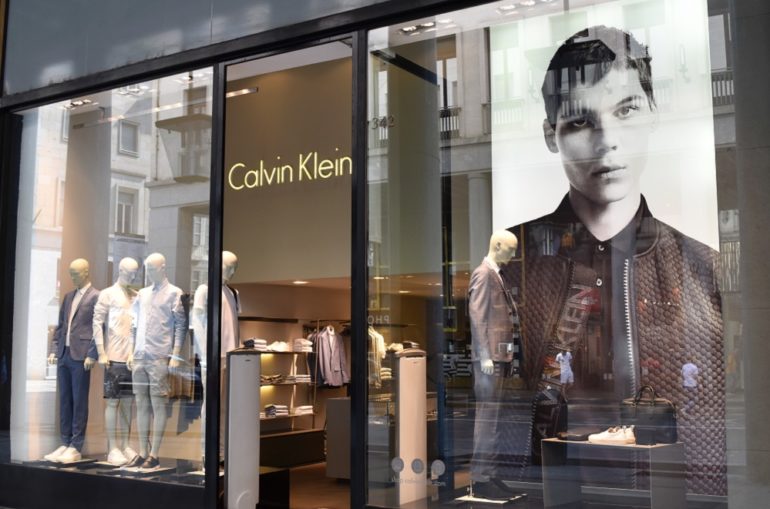
    The first store bringing together the entire Calvin Klein offering in Australia opened over the Easter long weekend at Queensland’s Sunshine Plaza. Spanning over 310sqm and offering a full range of men’s and women’s underwear, jeans, performance, accessories, as well as kid’s underwear, the store is the Calvin Klein’s 32nd in Australia, and reflects the brand’s minimal, modern aesthetic.

    Sunshine Plaza recently finalised a $440 million redevelopment, boasting over 345 retail stores to become the first ‘super regional’ shopping centre North of Brisbane.

    Calvin Klein’s presence in Australian and New Zealand had previously been run by Gazal Corporation, but the brand’s US-based owner, PVH Corporation, recently outlined plans to purchase Gazal.

    The deal, which also impacts the Tommy Hilfiger brand and is expected to be finalised in the second quarter of 2019, will give PVH a more direct hand in the brand’s Australasian operations.

    “I’m pleased that we have agreed to acquire Gazal. PVH currently – and for many years – has had a successful business relationship with our Australian partners and would be pleased to bring them into the larger PVH family,” Emanuel Chirico, PVH Corporation’s chairman and CEO said.

    “Gazal has enhanced the market position of our brands in Australia and New Zealand and we believe the region continues to offer significant growth over the next five years and aligns with our strategic priority to expand our direct control of businesses operated under the Calvin Klein and Tommy Hilfiger brands worldwide.”

  • Pomelo launches first Beauty Line

    Pomelo launches first Beauty Line

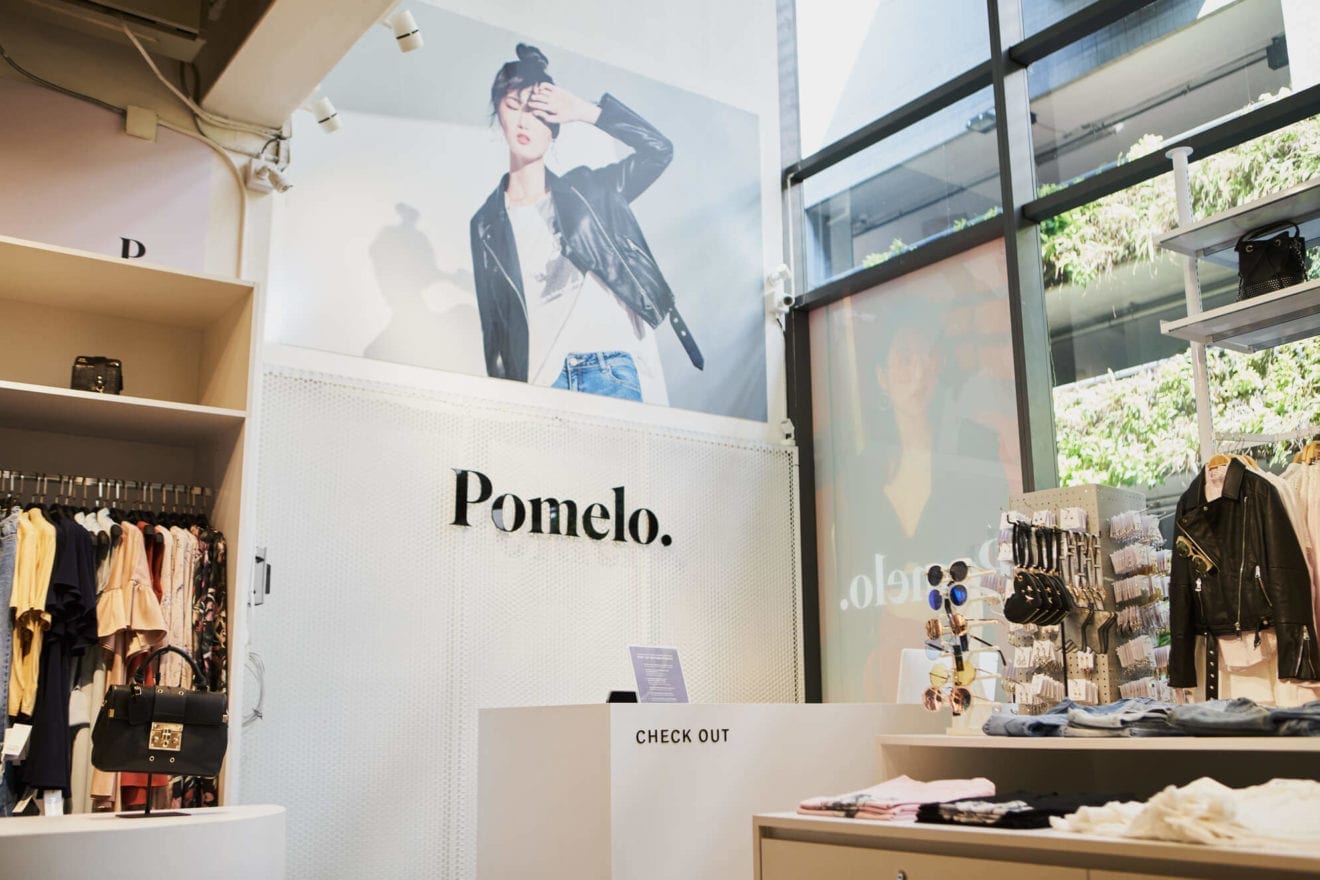
    O2O fashion brand Pomelo has launched its first cosmetics line, Beet, solidifying its identity as a one-stop lifestyle brand.

    Created with women on-the-go in mind, Beet comprises 17 products across four categories – Liquid Blush, Liquid Lipstick, Lip Gloss and Liquid Shimmer.

    All products are priced at S$10 per item and feature paraben-free and cruelty-free formulations.

    “For consumers today, beauty is integral to style,” said David Jou, Pomelo CEO, signalling the company is taking “a step in the right direction”.

    “As a fashion brand that wants to offer women everywhere their best look to become their best selves, we cannot ignore that.”

    With Beet, Pomelo provides another touchpoint for a seamless customer experience that prioritises modern consumers’ demand for convenience.

    Last month, Pomelo launched its second sustainable collection, Purpose.

  • Puma Store in Dhaka marks First Milestone

    Puma Store in Dhaka marks First Milestone

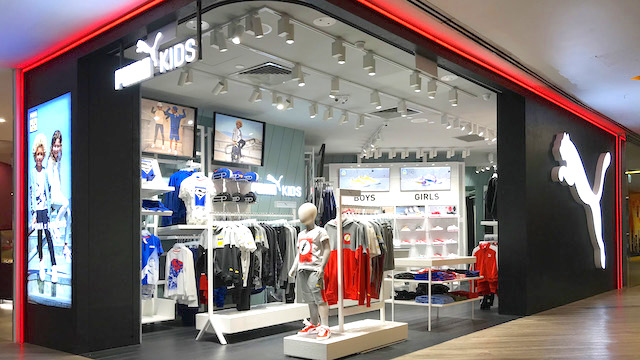
    The new Puma Bangladesh flagship just opened in Dhaka marks the sportswear brand’s largest yet in the country.

    The 2220sqft location showcasing the firm’s latest performance and sportstyle products is the brand’s first flagship in Dhaka, the largest full-price store in the country across global brands; and the first entry by any international brand into the Bangladeshi market, according to its employee publication.

    “The store is a great brand statement for us in the heart of the capital city of Dhaka,” said Puma India MD Abhishek Ganguly. “The response we are getting is far beyond expectations. The economy in Bangladesh is going in the right direction and sport is getting more and more popular. We will continue to focus and expand in the market.”

    The Puma brand has been brought into the country by its regional partner, textile & apparel manufacturer DBL Group.

    “We are looking at expanding our footprint in the region, and what better way than launching our very own flagship store,” said DBL Group MD M A Jabbar. “Through our iconic flagship store we aim to bring the best Puma experience and product to our consumers.”

    The brand aims to expand within Bangladesh with more outlets to come in the unspecified future.

  • Train like Elite Athletes at Under Armour’s Rush & Recovery Experience

    Train like Elite Athletes at Under Armour’s Rush & Recovery Experience

    From the brand that first revolutionized the athletic wear market in 1996 by introducing sweat-wicking fabric, Under Armour is once again changing the performance apparel game. In partnership with Celliant, Under Armour has created UA Rush and Recovery, its newest performance apparel line designed to be worn at the time of sweat as well as post-training, and scientifically designed to enhance performance.

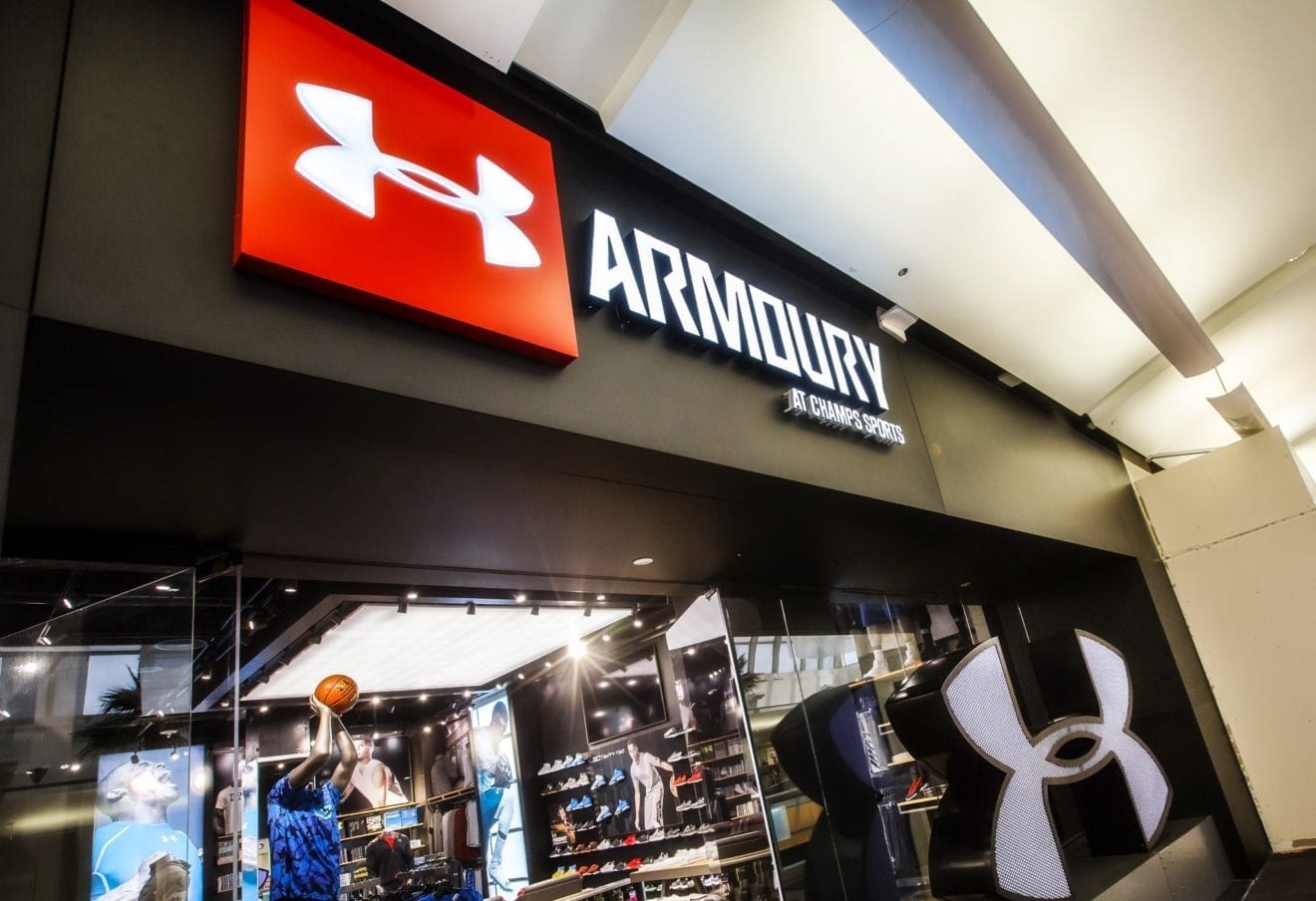
    In conjunction with the launch, Under Armour will be hosting the Rush & Recovery Experience, a series of interactive exhibits that bring to life the inner workings of RUSH technology. The event opens today and will run till 2 May 2019 at Orchard Central, before touring around Singapore.

    Distinct experiential zones will showcase how the technology not only generates performance improvements for the wearer, but also powers their recovery. See energy waves emitted by your body with the Under Armour Hex and observe your body’s natural heat radiation at the infrared RUSH booth.

    At the last zone, get a taste of the upcoming Test of Will, Under Armour’s annual advanced urban fitness challenge. Users will get a preview of this year’s unique challenges and put their grit, strength and determination to the test.

    Under Armour’s UA RUSH brand ambassadors Stephen Curry (left), Kelley O’Hara (middle) and Anthony Joshua (right)

    Find out how Rush elevates the training regiments of Under Armour ambassadors Stephen Curry, three-time NBA champion and two-time MVP; Kelley O’Hara, world cup champion soccer player; and Anthony Joshua, heavyweight champion of the world.

    The scientifically engineered fabric promotes improved performance and energy return. In simplified terms, it is intended to provide the same benefits to the body as an infrared sauna.

    Minerals found naturally in the earth are extracted and broken down into active particles, which are then melded together to form a proprietary blend. The blend is then infused into the fibers that are ultimately knit into UA’s high-performance fabrics that make up the gear in the collection.

    During performance, the body emits heat. The responsive fabric of the UA Rush & Recovery line absorbs that heat and converts it into infrared energy that is re-emitted back into the body. This recycled energy increases temporary localized circulation, promoting improved performance, energy and recovery. When worn, the apparel stimulates increased endurance and strength.

    Post-training, the soft bioceramic fabric of the Recovery line returns infrared energy to the body, improving blood flow and circulation for all-around recovery and faster rebuilding of muscle.

    ‘The introduction of UA RUSH is our commitment to giving athletes 360-degrees of training support both in the gym and beyond. With the launch of UA RUSH, we now complete the training cycle – there is now UA gear designed to optimize human performance at every training occasion,’ says Dan Leraris, General Manager of Men’s Training at Under Armour.

    Under Armour athletes from around the globe have been training in UA Rush for their biggest moments. Locally, Singapore Athletic Association athletes such as National Swimmer Amanda Lim, National Marathoner Jasmine Goh, Master Coach at Ritual Gym Shrek Ismail, and SuperheroRunners founder Nelson Wong have been given early exclusive access to train in Rush.

    The Under Armour Rush & Recovery Experience is located at Orchard Central Discovery Walk, and the public is welcome to visit from 23 April to 2 May 2019, between 12pm and 8pm daily. Admission is free.

    The UA Rush and Recovery collection includes men’s and women’s fitted tees, long-sleeved shirts, leggings and tights and more. All pieces will range from $69-$199 SGD and is now available for purchase at underarmour.com.sg, and at Under Armour retail stores in Orchard Central, Bugis Junction and Vivocity as well as authorized Under Armour dealers.
  • The North Face shuts down stores

    The North Face shuts down stores

    Outdoor retailer The North Face closed its global headquarters and more than 100 stores in the US and Canada on Monday, April 22, as part of its effort to make Earth Day a global holiday.

    The store closures are the culmination of The North Face’s Explore Mode campaign, which saw the brand partner with musicians, artists and culinary influencers on pop-up events throughout the US.

    The move follows a campaign launched four years ago by fellow US outdoor retailer REI to shut its stores and website on Black Friday and instead encourage customers to #optoutside.

    Before closing its bricks-and-mortar stores in North America, The North Face switched them to Explore Mode, so customers could find resources to spend Earth “off the grid”, including an exploration kit filled with “analog gear to stay present and capture memories without the need for digital devices”.

    “We believe that when people take time to appreciate the Earth, they feel more connected to it and are more likely to protect it,” Tim Bantle, global general manager of lifestyle at The North Face, said.

    “Explore Mode urges us to unplug from our digital lives to connect in real life to the world, each other, and ourselves in the effort to move the world forward.”

    Petition to make Earth Day global holiday

    The North Face was one of 16 organisations, including global brands like Clif and S’Well, that launched a petition with Change.org earlier this month to make Earth Day a national holiday everywhere.

    At the time of this writing, more than 128,600 people had signed the petition, which has a goal to reach 150,000.

    Other retailers, such as Tapestry Inc, also took the opportunity of Earth Day to announce sustainability initiatives.

    As part of its new corporate responsibility goals, the parent company of Coach, Kate Spade and Stuart Weitzman plans to reduce its greenhouse gas emissions by 20 per cent, water usage by 10 per cent and waste in its North American corporate arm by 25 per cent and recycle 75 per cent of its packaging by 2025.

    The company also aims to source 90 per cent of the leather it uses from eco-friendly tanneries and achieve 95 per cent traceability of its raw materials to ensure a transparent supply chain.

  • India’s Kurtees.com Makes Global Debut

    India’s Kurtees.com Makes Global Debut

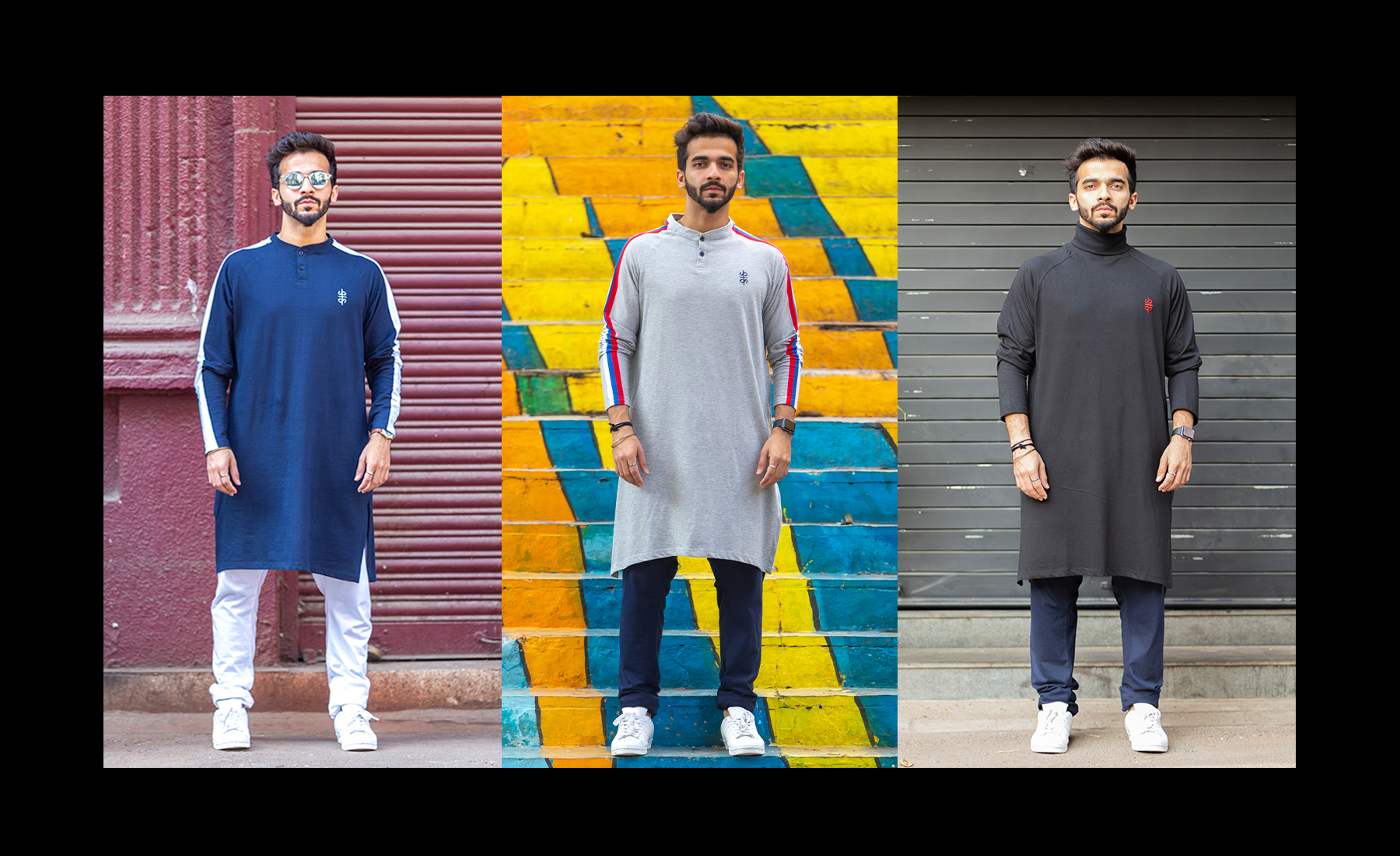
    Seeking to differentiate itself from India’s crowded menswear space, KURTEES.com has made its global debut. Crafted from 100% Organic Jersey, KURTEES.com brings together traditional Kurtas (Tunics) and Churidars (Trousers) and infuses them with the feel and design of the everyday T-Shirt.

    “For me personally, both the Kurta and the T-Shirt have been go-to garments. There are elements of both that speak to me. The Kurta is quite diaphanous and therefore airy. The T-shirt, is soft, comfortable and has an ability to be paired with a variety of garments”, states Steven Jhangiani, CEO of STARANSA Clothing, parent company of KURTEES.com. “Being based in Singapore as well as Mumbai, I want a garment that is not overtly traditional and want to feel as comfortable wearing this garment from New Delhi to New York, that can take me from a Sunday Brunch to a casual Friday, and everywhere in between. KURTEES.com takes the Kurta, incorporates elements of casual street-style and utilizes familiar T-shirt necklines, Crew Necks to Turtlenecks, V necks to Henley’s, to create a garment that is totally unique yet recognizable”

    Taking advantage of India, and the worlds, growing interest in Organic fabrics, KURTEES.com works closely with suppliers in Tirupur to ensure full visibility into the supply chain, ensuring working conditions are fair and certifications on the fabrics are in place.

    “Organic fabrics, as we all know, have a variety of benefits, not only for the customer but for the farmers and the environment. It was hugely important for us to ensure compliance from our suppliers and to ensure that we were not using the Organic tag as simply a marketing tool and charging our customers extortionately. Our products are very affordably priced, and range from USD 19.50 to USD 31.60” states Jhangiani.

    In 2019, Indian e-commerce is expected to continue its rapid upward trajectory. KURTEES.com seeks to not only to take advantage of this growth but looks at the populous Indian diaspora as an equally important market, as well as those from other cultures that may be interested in an ultra-comfortable garment.

  • Acne Studios re-opens Tokyo Store

    Acne Studios re-opens Tokyo Store

    Fashion brand Acne Studios has reopened its Shibuya concept store in Tokyo to coincide with the launch of a new collection.

    The company, part-owned by Hong Kong fashion retail operator I.T Group, has released a new range of leather accessories at the Shibuya store in Tokyo, which since 2017 has been used to showcase new collections.

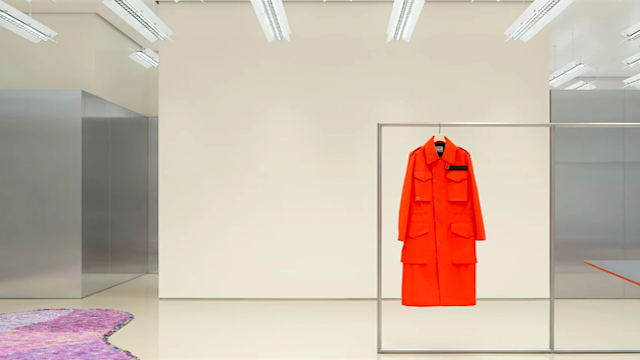
    The 68sqm “project store” was redesigned by Kasthall. Centrestage is a capsule collection which includes new versions of the brand’s two most popular bags, Musubi and Baker, as well as small leather goods, card holders, keychains and wallets.

    The collection will be on sale at the store for the next year.

    The majority shareholding of Acne Studios recently changed, with Oresund, Creades and Pan Capital funds stakes acquired by IDG Capital and I.T Group, reflecting a deliberate strategy to shift focus towards Asia.

    Hong Kong, South Korea and Japan each host a series of Acne Studio stores and there are shops in Beijing, China, with another scheduled to open in Chengdu this month.

  • New Luk Fook store opens in Vancouver

    New Luk Fook store opens in Vancouver

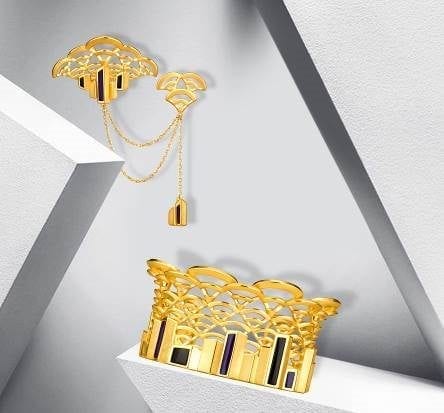
    Luk Fook Canada has opened a new shop in CF Richmond Centre in Metro Vancouver.

    The new store is the first Oriental jewellery shop in the mall.

    “Adhering to the corporate vision of ‘Brand of Hong Kong, Sparkling the World’, the group has been actively expanding our retail network into the overseas market for new business opportunities as well as provision of superior products and after-sales services to our Chinese customers around the world,” said chairman and CEO of the group Wong Wai Sheung.

    At present, the group has more than 1820 shops in 10 countries and regions, where its footprint covers Hong Kong, Macau, Mainland China, Singapore, Malaysia, Cambodia, the Philippines, the US, Canada and Australia.

    “We open a new shop at CF Richmond Center, Canada with the objective of expanding our customer base while bringing premier shopping experience to our Chinese customers around the globe,” added Wong. “Looking ahead, we will continue to stay enthusiastic to shape us to be the preferred jewellery brand for customers anywhere.”

    The group set its foothold in North America in 2003. Luk Fook Canada opened retail shops in Toronto and Vancouver, which each have a significant Chinese population. The city of Richmond has the largest Chinese population in Canada, and the CF Richmond Centre is considered a shopping hotspot for local and touring Chinese.

  • L’Oreal Asia Sales for the First Time outpaces Europe

    L’Oreal Asia Sales for the First Time outpaces Europe

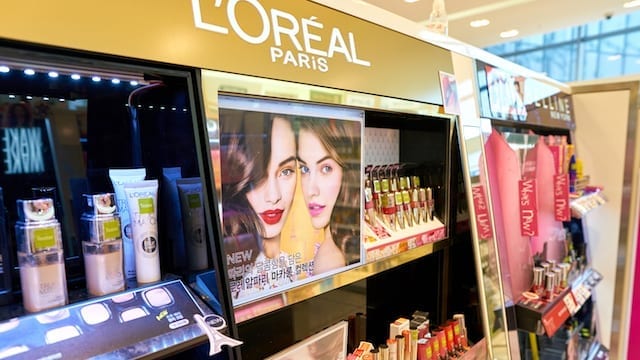
    L’Oreal Asia now sells more products than the company’s home European division. Sales in Asia outpaced those in western Europe for the first time in the last quarter, with China leading the growth, despite a slowing economy.

    Just a decade ago, L’Oreal Asia sales were less than one third of its European sales.

    Globally, first-quarter L’Oreal sales rose 7.7 per cent for the quarter to US$8.53 billion, excluding currency fluctuations. That news drove the company’s share price even higher, taking growth to 21 per cent so far this year. It is now France’s second-largest company by market value.

    L’Oreal, which owns Garnier, Maybelline, Acqua di Gio Armani, and Laroche Posay, has become increasingly reliant on fast-growing Asian economies to maintain growth rates impossible in its mature home and North American markets. But analysts like James Edwards Jones are unconcerned by such reliance.

    “It is true that the growth is not broad-based. But given L’Oreal’s proven ability to identify, stimulate and capitalise on those parts of the business where the most attractive growth is to be had, we struggle to find fault with this,” the company said in a client note.

    L’Oreal CEO Jean-Paul Agon says young Chinese consumers are increasingly drawn to luxury brands, a positive trend for the cosmetics manufacturer.

    European sales were rebounding but “nothing would compete with what we see in Asia,” he said in an analyst briefing.