Category: Fashion

Retail News Asia is committed to providing both local and global retailers with the latest Fashion news throughout the Asian market. This on a daily base.

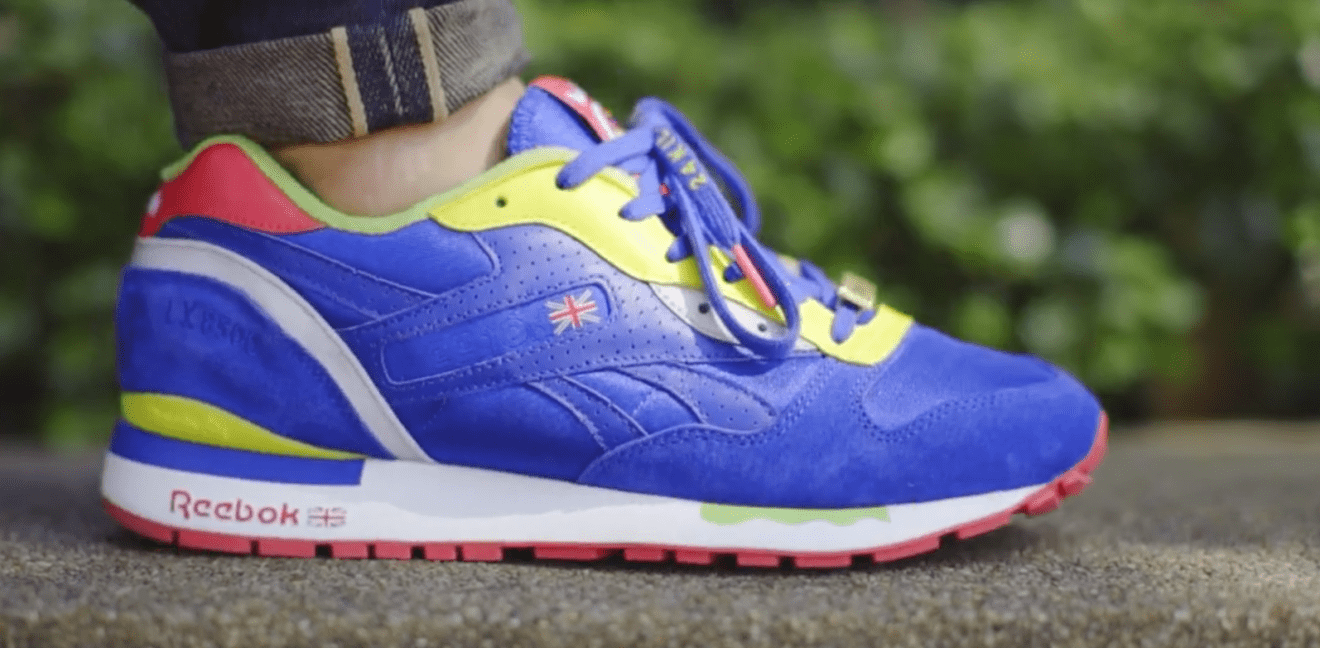
  • Reebok to launch Aztrek pop-up in Singapore

    Reebok to launch Aztrek pop-up in Singapore

    Reebok will launch a Aztrek pop-up store at Suntec City next month.

    Set to open from May 1 to 7, the pop up brings the retro Aztrek line back with ‘90s-inspired colours and designs, along with cult-classic arcade games and Instagram-worthy corners.

    Visitors will get free token to play arcade games such as Tetris, Mario Kart, Mortal Kombat, Space Invaders, Pacman and Street Fighters, with every purchase.

    Other Reebok Classic favorites such as the Instapump Fury, Club C, Classic Nylon, Pyro and Classic Leather Alter The Icons will also be available at the pop up.

    There will be a photo contest for participants to share their pictures on their Instagram stories with the hashtags #Aztrek, #ReebokClassic and #ReebokSG and tag Reebok’s Instagram handle @Reebok_Sg.

    Originally launched as an all-terrain shoe in 1993, the Aztrek is designed for wearing on mountains.

    This year, the Aztrek returns with three silhouettes including a collaboration with supermodel, Gigi Hadid, called Aztrek Double x Gigi Hadid.

  • H&M sales beat Predicted expectations

    H&M sales beat Predicted expectations

    First-quarter H&M sales have exceeded expectations, with the company improving both profit and margin, proof that the fast-fashion company’s turnaround strategy is working.

    H&M sales rose by 42 per cent in India and 16 per cent in China, in local currencies. The company said  both online and offline performance improved in many markets.

    The global retailer’s pre-tax profit was 1.04 billion Swedish crowns (US$112.25 billion) for the quarter to February 28, less than the 1.26 billion Swedish crowns it posted in the previous corresponding period. But this was well ahead of the 708 million that analysts had been expecting.

    Gross margin was 50.0 per cent, up from 49.9 per cent in the previous corresponding period, while analysts had been anticipating a fall to 49.4 per cent.

    H&M said this was the result of ongoing improvements in buying and logistics, which led to a 1.5 percentage point reduction in the markdowns in relation to sales, compared to the corresponding quarter the previous year.

    “Our ongoing transformation work has contributed to stronger collections with increased full-price sales, lower markdowns and increased market shares,” Karl-Johan Persson, H&M’s CEO, said in a statement accompanying the results.

    H&M has also been working to improve its online offering by launching e-commerce sites in new markets, integrating digital and physical stores and providing faster delivery options. The retailer also said it will shortly launch an upgraded loyalty program, which has 35 million members.

    Today, H&M is available online in 47 markets, and Mexico and Egypt will be added in 2019. It will launch on Myntra and Jabong, India’s largest e-commerce marketplaces, later this year.

    H&M said it plans to add 175  net new stores to its network this year. Most of these stores will open in growing markets, while the number of stores in Europe is expected to reduce by 50.

    “The rapid transformation of fashion retail continues and we can see that our own transformation work is taking us in the right direction, even if many challenges remain and there is still hard work to do,” Persson said.

    “The progress we have made in our strategic focus areas confirms that we are on the right track. Therefore we continue moving forward at full speed and we are optimistic about the future for the H&M group.”

    H&M’s strategic focus areas include:

    • Creating the best customer offering.
    • Fast, efficient flexible product flow in the supply chain, including initiatives within advanced data analytics and AI.
    • Continued investment in the tech foundation, including scalable and robust platforms to enable faster development of new apps and technologies.
    • Digital expansion into new markets.
  • Baume & Mercier lands Both in Singapore and Malaysia

    Baume & Mercier lands Both in Singapore and Malaysia

    Swiss watch brand Baume & Mercier lands in Singapore and Malaysia today under a new distribution deal with FJ Benjamin.

    The company has inked an exclusive three-year distributorship for the watches, with a two-year extension possible based on certain conditions.

    FJ Benjamin will manage daily operations, sales and support, as well as set up communications and marketing channels to strengthen Baume & Mercier’s brand awareness in the two markets.

    “We are delighted to be appointed exclusive distributor for Baume & Mercier which enjoys a long history in luxury Swiss watchmaking, and is distributed in over 100 countries today,” said Nash Benjamin, FJ Benjamin CEO.

    “We look forward to developing further the presence of the brand in our markets.”

    Romain Lambert, MD of Baume & Mercier, Southeast Asia and Oceania, said the company looks forward to develop a stronger retail network in order to service current and potential Baume & Mercier customers.

  • Bulgari launches an Omnia Pasticceria pop-up

    Bulgari launches an Omnia Pasticceria pop-up

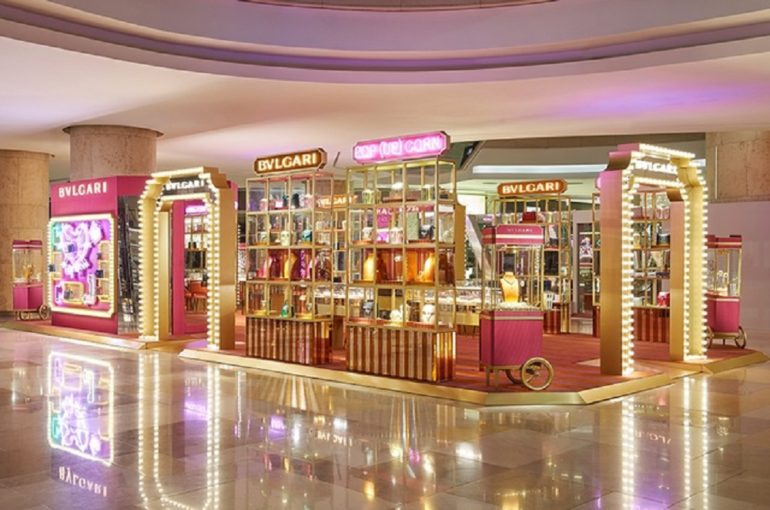
    Bulgari has launched an Omnia Pasticceria fragrance pop-up store at Changi Airport’s Terminal 3.

    Inspired by the Italians’ love of pasticcerie, the pop-up is designed in candy colours, decorated with cake stands and sweet treat cups.

    Travelling shoppers can experience activities such as having their portraits painted by renowned digital artist, Bertrand de Miollis, or take photos of their Omnia Pasticceria moments for a personalised postcard.

    A capsule-vending machine provides customers with a surprise treat after they purchase an Omnia fragrance.

    The collection includes four fragrances: Omnia Crystalline, Omnia Coral, Omnia Pink Sapphire and Omnia Amethyste.

    The pop-up, as a part of Bulgari’s #chooseyourtreat global campaign, will roll out to select travel retail locations worldwide later this month.

  • Roberto Cavalli US collapses as Expected

    Roberto Cavalli US collapses as Expected

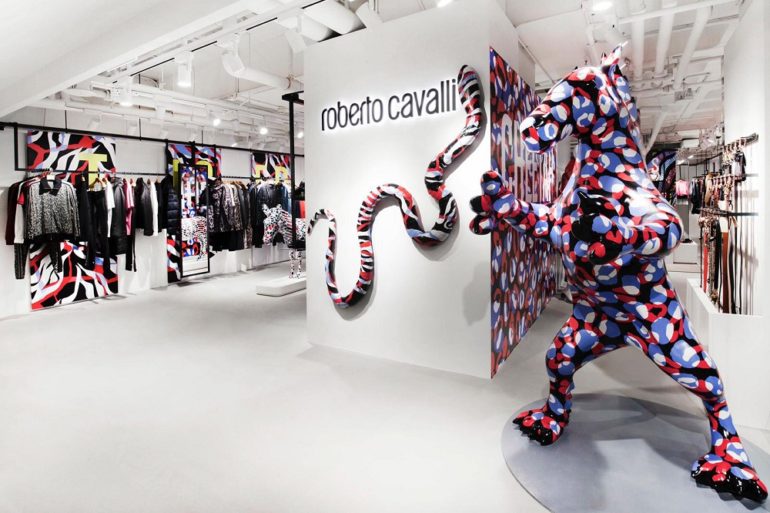
    Italian fashion label Roberto Cavalli has shuttered its stores in the US and will liquidate its entire operations in the territory.

    While the brand had recently sought to negotiate with creditors while buying to time to source new investment, it has now sent all staff home and will close all stores. Several key executives have resigned, and a spokesperson announced on Sunday that the group will file for liquidation bankruptcy.

    The flamboyant fashion house has been inundated with difficulties since former Versace executive Gian Giacomo was appointed CEO in late 2015. The firm has struggled since to gain new investment and experienced a high turnover in its creative team.

    The group’s online operations have been shut down until logistics are re-routed through Europe.

  • Vestiaire Collective overhauls commission structure, cementing its position as the most desirable fashion site

    Vestiaire Collective overhauls commission structure, cementing its position as the most desirable fashion site

    Vestiaire Collective, the leading global resale site for desirable pre-owned fashion today reveals substantial changes to its commission structure. The move will significantly reduce the cost of pieces across the site’s desirable inventory, ensuring that Vestiaire Collective is the most appealing resale site for buyers and sellers alike.

    The resale industry is currently estimated to be around 8% of the 260€ billion luxury market* with forecasters predicting that the industry will double in size by 2022. As more fashion consumers turn to resale as a sustainable way to access the products they desire, the next few years will prove to be a turning point for the industry and consumers alike. With its strong fashion DNA, Vestiaire Collective is perfectly placed to capture this market, offering a unique desirable inventory, engaged global community and rigorous quality and authenticity checks.

    As part of the new vision for the company, under the leadership of new CEO Max Bittner, Vestiaire Collective reveals a significant overhaul of its commission structure, ensuring that Vestiaire Collective remains the most competitive resale site in the market. The new changes will reduce Vestiaire Collective’s commission and prices by an average of 10% across the catalogue, meaning the price of its highly desirable inventory will be made significantly more accessible overnight. The commission drop will also positively impact sellers who will be able to sell their items at a faster rate. The change will most significantly impact customers looking to buy and sell pieces at more accessible price points and also items that fall into the rare, desirable high-luxury category, as these pieces will enjoy a capped commission.

    “This commission restructure is one of the first major changes I wanted to impact the business since joining Vestiaire Collective at the start of this year. This significant drop in commission will encourage more sellers to the site, knowing they will be able to sell their item at a fast rate whilst also making a strong profit. For the buyers, it means they can purchase the desirable pieces they’ve always wanted at even more accessible prices. I believe that giving our users more direct value is the most powerful medium to keep them engaged and excited. This is a significant moment for Vestiaire Collective as we continue to ensure we remain the most desirable global resale site for must-have pre-owned fashion,” says Max Bittner, CEO Vestiaire Collective.

    Vestiaire Collective will continue to offer the same level of exceptional service across all customer touch-points, from the carefully curated highly desirable inventory to rigorous physical quality control, meticulous authenticity checks and high level of customer service. The company curates and connects the world’s most desirable wardrobes, whilst providing a trusted and sustainable new way of buying and selling pre-loved fashion.

  • Vietnam’s fashion enters the world market

    Vietnam’s fashion enters the world market

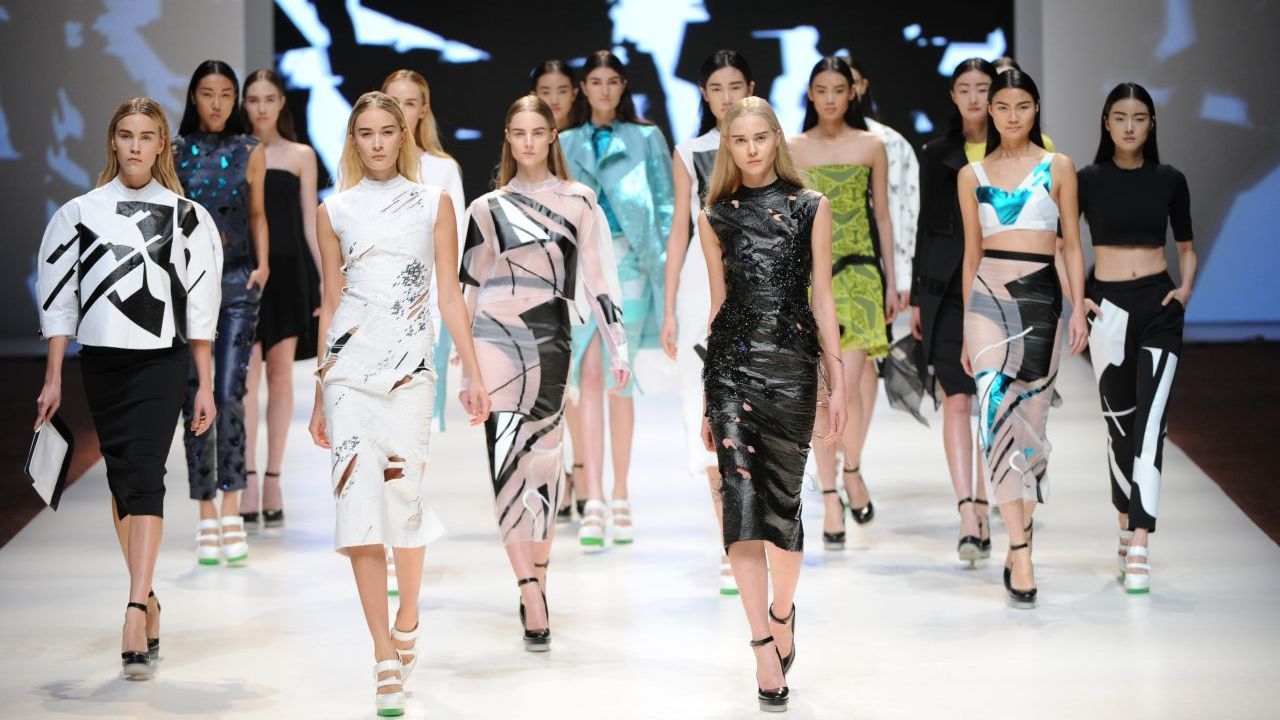
    The aim of both My and Tri was to open shops that sell high-end made-in-Vietnam fashion products in the US.

    “What I am concerned about is whether we can approach a new market after the event. I attended fashion week not just to polish the brand name, which can help boost sales in Vietnam,” My said.

    He has been working with leading music stars to popularize his design brand. In 2017, Rhihana chose a design of Tri in his Em Hoa Collection introduced at Tokyo Fashion Week for a shoot to advertise a shoe brand. Meanwhile, Katy Perry ordered Tri three outfits for her world tour Witness.

    Phuong My, a graduate of the Academy of Art University in California, has appeared in prestigious catwalks and fashion journals. She has stated that her designs target the one percent of ultra-wealthy people.

    My’s products are available in 30 shops in 20 countries, mostly in the Middle East and Asia. Lydia Hearst appeared on Genlux’s cover with My’s design in 2014. Elizabeth DiPrinzio chose My as her designer and Coco Rocha chose My’s products for her working days in Vietnam in March 2017.

    Another Vietnamese designer, Tom Trandt, has gained big success despite his young age.

    Graduating from Parsons The New School for Design and spending five years in New York, he is one of very few young designers who want to ‘tell their own stories’.

    In 2016, Moi-Dien, a clothing brand created by Tom Trandt, debuted and immediately caught attention. Each product sells at VND600,000-2 million.

    Trandt is the only Vietnamese representative out of 16 designers  chosen for the International Fashion Showcase 2019 (IFS) in London.

    Hai Minh, who lived and worked in France, has returned to Vietnam to build the Leinne brand, specializing in bags and hat accessories, with a family-run workshop which has been operating for 20 years. Minh is making hectic preparations to participate in Paris Fashion Week later this year.

    Meanwhile, foreign designers can see bright future for Vietnam’s fashion. Luis Antonio Torres, one of the top luxury designers in Vietnam, said in an interview to the local press that the country could become Southeast Asia’s biggest fashion hub.

  • Second Pomelo Purpose collection Ready to Take Off

    Second Pomelo Purpose collection Ready to Take Off

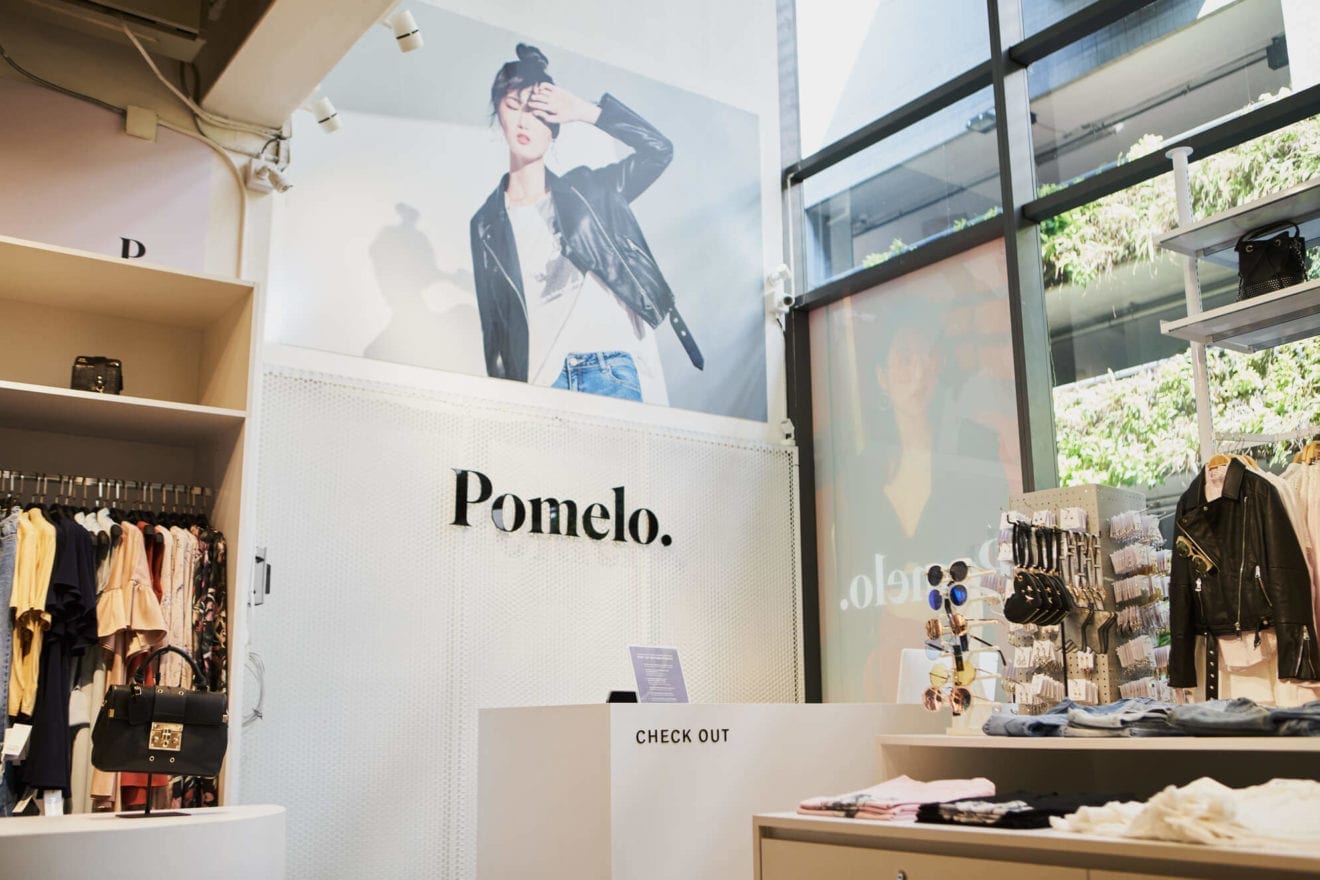
    Three collections of Pomelo Purpose sustainable clothing will be launched this year. Pomelo, the O2O fashion brand, says all pieces in the collections will be made entirely from ethically sourced fabrics, including organic cotton from the Better Cotton Initiative, and use natural-colour dyes.

    From production to packaging, the Pomelo Purpose lines incorporate eco-friendly practices.

    Manufacturing factories undergo an independent audit to ensure products are made in humane and safe working conditions.

    Pomelo customers will also receive their Purpose purchases in packaging that uses 60 per cent less plastic.

    “The Pomelo Purpose collection is so named because it provides us with a meaningful opportunity to lead the way by bringing sustainable materials and processes to the fashion industry and the increasingly eco-conscious consumers in the region,” said David Jou, Pomelo Fashion CEO.

    The company will also provide a free clothing pickup service that customers can access by scanning the QR codes stitched into their Purpose products with the Pomelo app on iOS and Android. Clothes can also be dropped off at collection boxes in Pomelo’s offline stores.

    All collected clothes are then redistributed to underprivileged partner communities in Thailand, Singapore and Indonesia.

    Launched in 2013, Pomelo now operates in five markets, with Malaysia and Hong Kong the most recent debuts.

  • Milan Station losses halve after store closures

    Milan Station losses halve after store closures

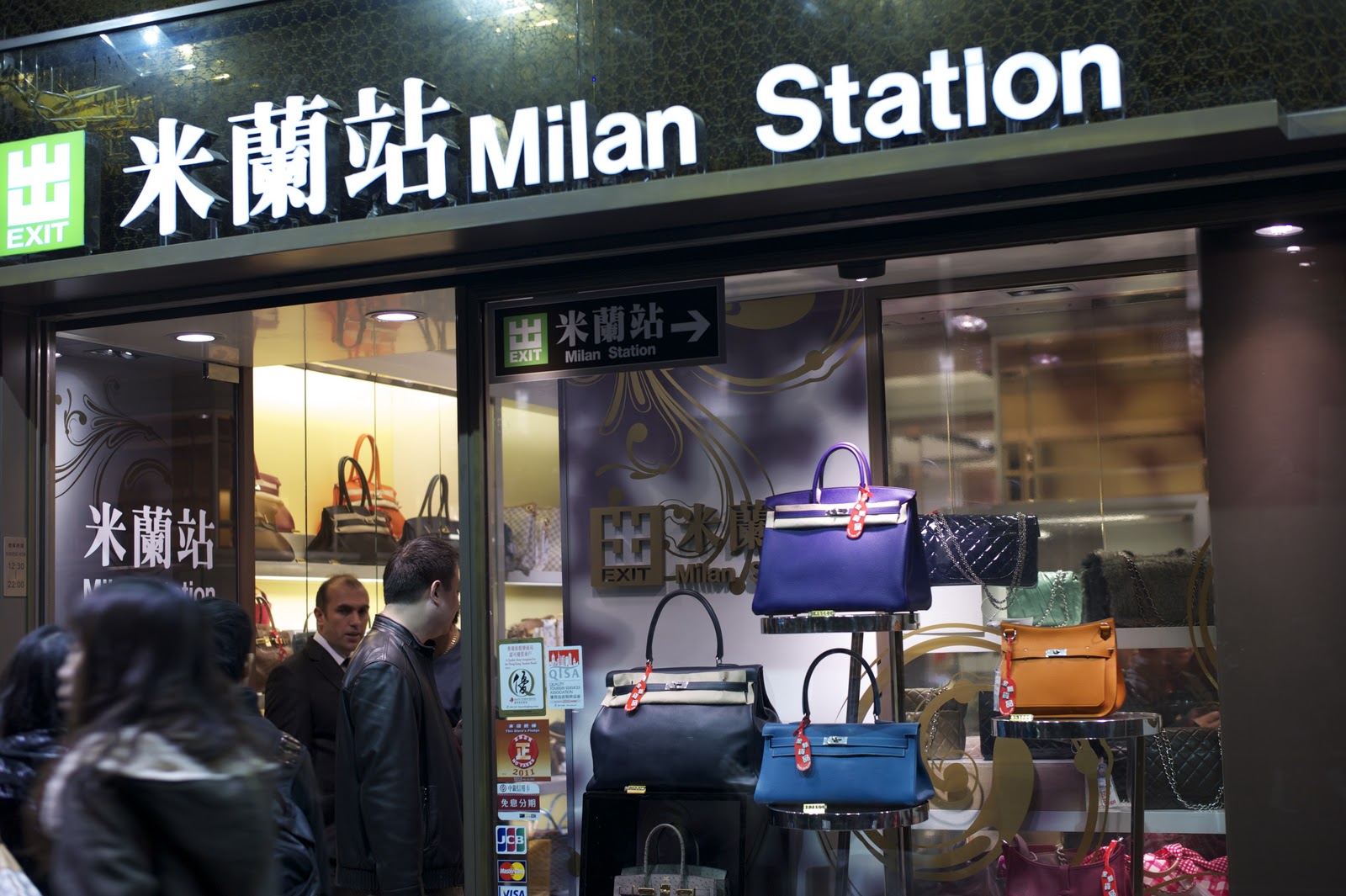
    Hong Kong handbag retailer Milan Station losses halved last year, despite a 17 per cent fall in sales to HK$264.3 million.

    The company reported a net loss for the year of $40 million, compared to $80.8 million the prior year, mainly due to decreased rental expenses due to the closure of unprofitable stores, and the absence of an impairment loss the prior year.

    Milan Station derived 95 per cent of its sales from Hong Kong and the balance from Macau after earlier closing its stores in Mainland China.

    Hong Kong sales decreased 18.7 per cent to $250.2 million, revenue coming from its seven Milan Station stores and six Thann stores, and its online platform. Sales in Macau rose by 36.9 per cent to $14.1 million as the territory’s gambling and tourism industries recovered.

    The company’s inventory turnover improved from 79 days in 2017 to 75 days last year.

  • Gentle Monster, Huawei team up over smart eyewear

    Gentle Monster, Huawei team up over smart eyewear

    South Korean eyewear label Gentle Monster has partnered with Chinese tech giant Huawei to produced connected eyewear.

    The networked eyeglass frames allow wearers to answer calls without picking up their phone, and feature antennae, noise-reduction microphones and speakers tucked behind the ear.

    “Smart eyewear is different than the smart phone or the smart watch,” said Gentle Monster co founder and CEO Hankook Kim. “The smart eyewear is on our face … It is normal but actually it is slightly different. We believe the small difference changes everything.”

    The label, known for its trendy and futuristic individualised store designs, has 18 locations selling both futuristic and more conservative eyewear.

    “If you want to see how it looks on normal people, you can look at me,” said Kim.

    “I really appreciate Huawei because they realise that eyewear comes first and smart comes later,” he added.

  • Pomelo Fashion leads with Purpose, first permanent line where sustainability meets tech

    Pomelo Fashion leads with Purpose, first permanent line where sustainability meets tech

    Fast fashion omni-channel retailer Pomelo became the first Southeast Asian online fashion brand to launch a permanent sustainable line, Purpose. Following the successful launch of its first standalone Purpose collection in 2018, the brand will launch three collections this year featuring pieces crafted entirely from ethically sourced fabrics, including organic cotton from the Better Cotton Initiative, and natural color dyes.

    From production to packaging, the Purpose line intentionally incorporates eco-friendly practices. Purpose pieces are made exclusively in factories that have undergone an independent audit by Pomelo to ensure that its products are made in humane and safer working conditions. Customers will also receive their Purpose products in packaging that uses 60% less plastic.

    Commenting on the importance of building a sustainable fashion future, David Jou, CEO of Pomelo Fashion says, “Pomelo’s Purpose collection is so named because it provides us with a meaningful opportunity to lead the way by bringing sustainable materials and processes to the fashion industry and the increasingly eco-conscious consumers in the region.” To this end, the Purpose collection is made from organic fabrics and colors, and will also incorporate cruelty-free materials such as vegan suede and recycled shell buttons.

    CLOSING THE LOOP

    To round out its sustainable offerings, Pomelo will also provide a free clothes pickup service that customers can access by scanning the QR codes stitched into their Purpose products with the Pomelo app on iOS and Android. Clothes can also be dropped off at collection boxes in Pomelo’s offline stores. All collected clothes are then redistributed to underprivileged partner communities in Thailand, Singapore and Indonesia.

  • South Korea’s VDL Cosmetics a new store in Toronto

    South Korea’s VDL Cosmetics a new store in Toronto

    Korean cosmetics firm VDL is expanding in the Canadian market with the launch of the brand’s first flagship store in Toronto’s Queen West neighborhood.

    VDL, which stands for Vivid Dreams come to Life, was founded by LG Household & Health Care Corp in 2012. The brand has successfully expanded to China, Singapore, Hong Kong and Saudi Arabia, and is breaking into North America for the first time.

    To celebrate the Toronto launch, the brand will be hosting an interactive pop-up shop at the CF Toronto Eaton Center from April 8–14, offering special prizes and hosting a range of engaging activities.

    VDL’s most recent collection, the 2019 limited edition Living Coral range, is set to officially launch on April 1st and will be available in store for preview in March. Select items from the collection are already available online.

    The brand is pursuing its strategy of working with world-class makeup artists in expanding in the region. In Canada, celebrity makeup artist Martin Younan is working with the brand to ensure VDL products reach consumers.

    “I’ve been visiting Korea for years now and having VDL here in North America is beyond exciting,” said Younan.

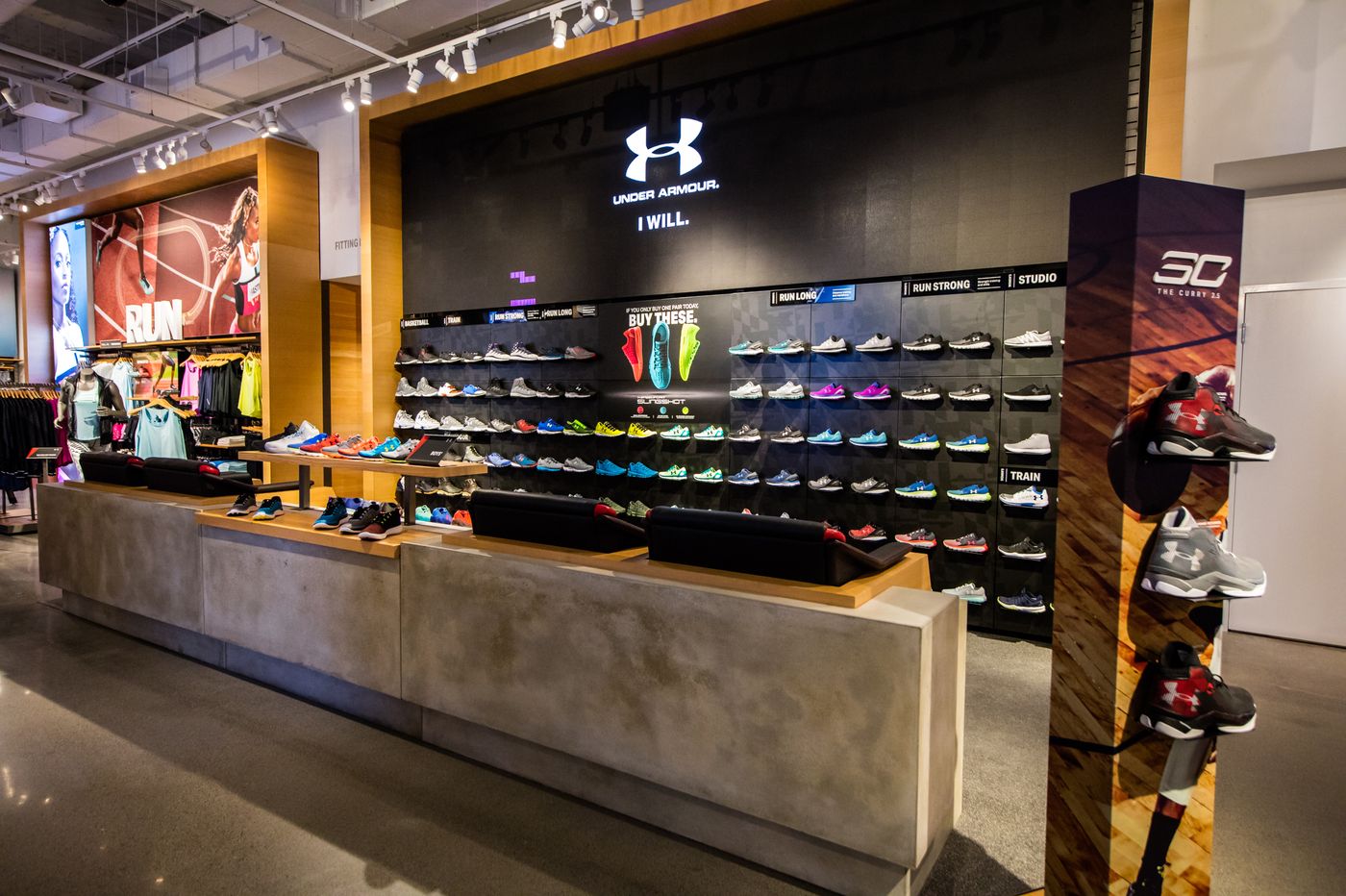
  • Aggressive expansion planned by Under Armour Asia

    Aggressive expansion planned by Under Armour Asia

    US sportswear brand Under Armour is expanding its operations in Asia, as well as Europe and Latin America.

    An Under Armour Asia headquarters is set to open in Hong Kong this year, as the brand strengthens its commitment premium-grade sportswear rather than follow the currently fashionable athleisure market.

    “As part of the transformation into this new operating model, one of the things that we wanted to do was to really empower our regions,” the firm’s president and COO Patrik Frisk said in an interview published by the South China Morning Post. “So we decided to move into an Apac, Latin America, EMEA and North America structure.

    “We weren’t able to scale our international business without giving the regions more horsepower to drive the business.”

    “China is the big machine in the region,” added newly appointed Under Armour Asia-Pacific MD Jason Archer. “If you combine a lot of the external focus on the region, as well as the Chinese government investing in sport, in health and wellness. That is just exciting for us – the macro landscape.”

    The firm’s international takings have been burgeoning overseas in comparison to their home market, with a 43.34 per cent increase seen internationally over just 2.63 per cent in North America. US sales remain double those globally, although last year Asian sales grew 61 per cent against a 5 per cent drop back home.

    Under Armour has a global network of 1100 stores, and plans to build a further 1500 locations within five years, with 73 per cent of these launching in Asia, mostly in China.

  • Liam Gallagher’s fashion brand Pretty Green about to close down

    Liam Gallagher’s fashion brand Pretty Green about to close down

    Liam Gallagher’s fashion brand Pretty Green is preparing to undergo insolvency proceedings.

    The mod-inspired fashion label, set up by the former Oasis lead singer, will appoint administrators this week, enlisting Moorfields Advisory to handle the process.

    A report by Sky News said the filing allows a certain time period for Pretty Green to secure a buyer. Commentators with knowledge of the transaction have revealed Moorfields to have been floating the label to potential purchasers throughout this month.

    Pretty Green’s turnover rose to £38.2 million (US$50.33 million) in the 16 months to January last year, with pre-tax losses narrowing to £1.5 million ($1.98 million) from a £5.6 million ($7.38 million) loss.

    The brand has suffered under the flailing retail environment in the UK. A spokesperson for the brand said “Pretty Green is not immune to the challenges facing the UK high street as customers migrate from purchasing in store to online”.

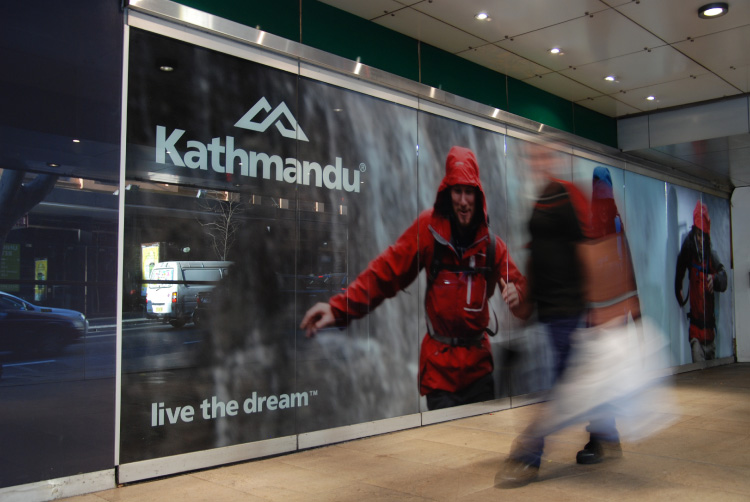
  • Oboz delivers profit growth for Kathmandu

    Oboz delivers profit growth for Kathmandu

    Kathmandu saw strong sales and profit growth in its recently acquired footwear business, Oboz, in the first half of FY19.

    The US-based footwear brand, which the outdoor retailer acquired in April 2018, generated NZ$29.2 million (A$28.4 million) in sales in the six months to January 31, 2019, a 38.6 per cent increase on the previous corresponding period. This led to a 77.1 per cent increase in earnings before interest and tax to NZ$4.7 million (A$4.6 million).

    In a statement about its first-half earnings, Kathmandu said Oboz was the fastest growing footwear brand in its stores and the fastest growing major hike footwear brand at REI, the biggest outdoor retail chain in the US.

    The Christchurch-based retailer reported NZ$3.7 million (A$3.6 million) in group EBIT from its North American business for the first half of FY19, after accounting for consolidation adjustments and Kathmandu’s initial wholesale costs.

    “[We] are beginning to build international Kathmandu brand equity through authentic outdoor wholesale channels,” Kathmandu’s chief executive Xavier Simonet, said in a statement.

    “International growth remains a very important priority.”

    Across the group, the retailer reported a 13 per cent increase in sales in the period to NZ$232 million (A$225.5 million), and a 9.4 per cent increase in gross profit to NZ$141.9 million (A$137.9 million).

    Excluding NZ$1.1 million abnormal income relating to the GST treatment of reword vouchers, normalised EBIT increased 10 per cent on the previous corresponding period to NZ$19.8 million (A$19.2 million), and net profit after tax increased 7.3 per cent to NZ$13.2 million (A$12.8 million).

    While Kathmandu saw strong same-store sales at the start of FY19, it experienced softer trading conditions in Australia and New Zealand over the Christmas and Boxing Day period.

    However, a focus on less promotional discounting, resulted in an increase in gross profit margin from 63.4 per cent in the first half of FY18, to 64.2 per cent in the first half of FY19.

    “Despite sales being below expectation, it was pleasing to see an improvement in retail gross margin,” Simonet said.

    The outdoor retailer  saw operating expenses increase 4.3 per cent at constant exchange rates in the half, with incremental expenses arising from Oboz and Kathmandu’s North American business totalling NZ$7.3 million (A$7.1 million).

    Kathmandu had NZ$130.1 million ($126.5 million) in inventory at January 31, 2019, which includes NZ$6 million  (A$5.8 million) to support its international business and early deliveries of core styles for the Autumn and Winter seasons. Clearance stock is in line with last year.

    Simonet noted that the full-year result is dependent on the key promotions to come, referencing the retailer’s successful second half last year.

    “Kathmandu is on a journey of transformation,” he said, adding that the company aims to shift from being a  leading Australasian retailer to a brand-led, global, multi-channel business.

    Profit growth in the core Australasian business will be used to fund investment for future growth.

    “While we are focused on driving growth for our core Kathmandu business in Australia and New Zealand, we are also step by step diversifying our channels, brand and markets, particularly through Oboz which has delivered strong growth,” Simonet said.