Category: Fashion

Retail News Asia is committed to providing both local and global retailers with the latest Fashion news throughout the Asian market. This on a daily base.

  • 2018 Was A Record year for shoe brand Ecco

    2018 Was A Record year for shoe brand Ecco

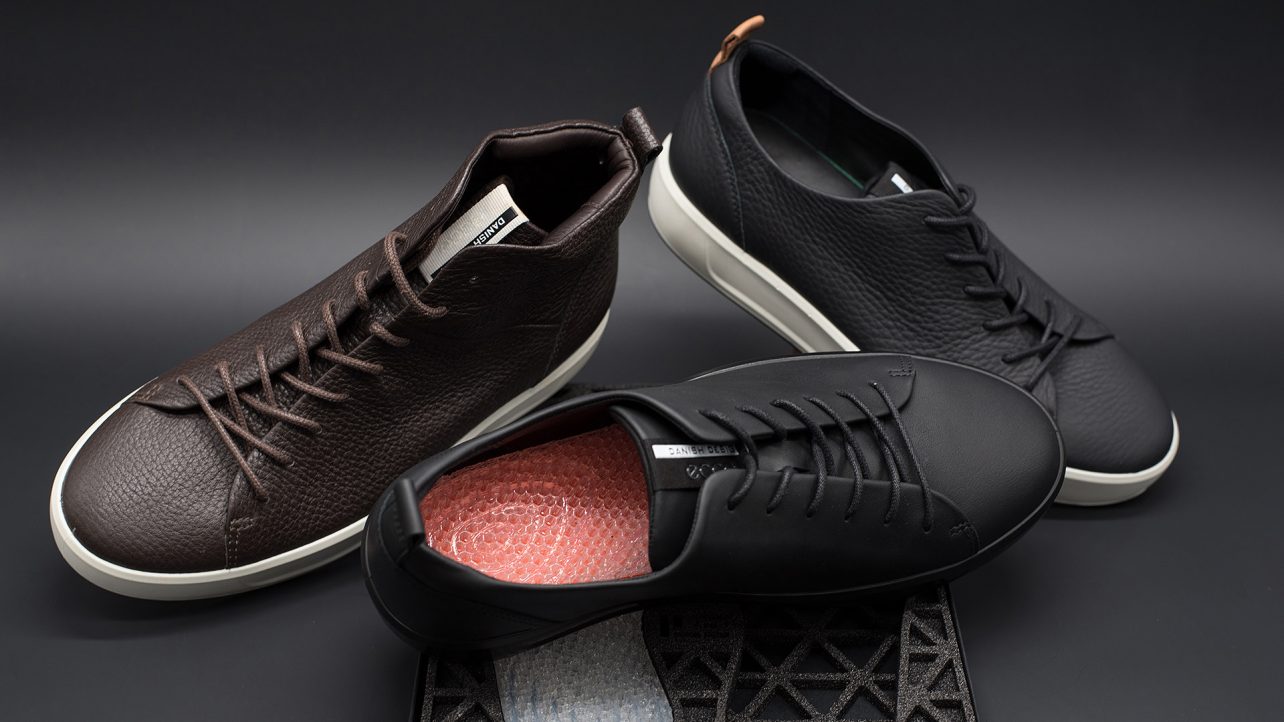
    Shoe brand Ecco reported record sales last year and its highest profit in its 55-year history.

    Net sales reached €1.31 billion (US$1.49 billion) and profit before tax reached €201 million ($228.1 million).

    “It is very satisfactory for the employees to see all their hard work and enthusiasm rewarded with such a good result, particularly when taking into account that the retail industry is going through a disruptive period and is facing many challenges,” said Ecco CEO Steen Borgholm.

    The gains correspond with the launch of several new products last year, within both the firm’s shoe and leather divisions.

    Direct-to-Consumer sales continued the fast growth of previous years, recording a 10-per-cent growth in brick-and-mortar retail and 36 per cent online. In particular, North America and Asia recorded strong overall market growth with 13 per cent and 11 per cent respectively. More than 50 per cent of Ecco shoes were sold in concept stores – online and offline.

    “In a year Ecco connects with millions of consumers,” said Borgholm. “We still have a lot to do to take full potential of this in our marketing, sales, and operating model. Further investments in the development of new products will continue and help us generate a sustainable and healthy growth for Ecco also in the years to come.”

  • Are We ready for gender-neutral changing rooms yet ?

    Are We ready for gender-neutral changing rooms yet ?

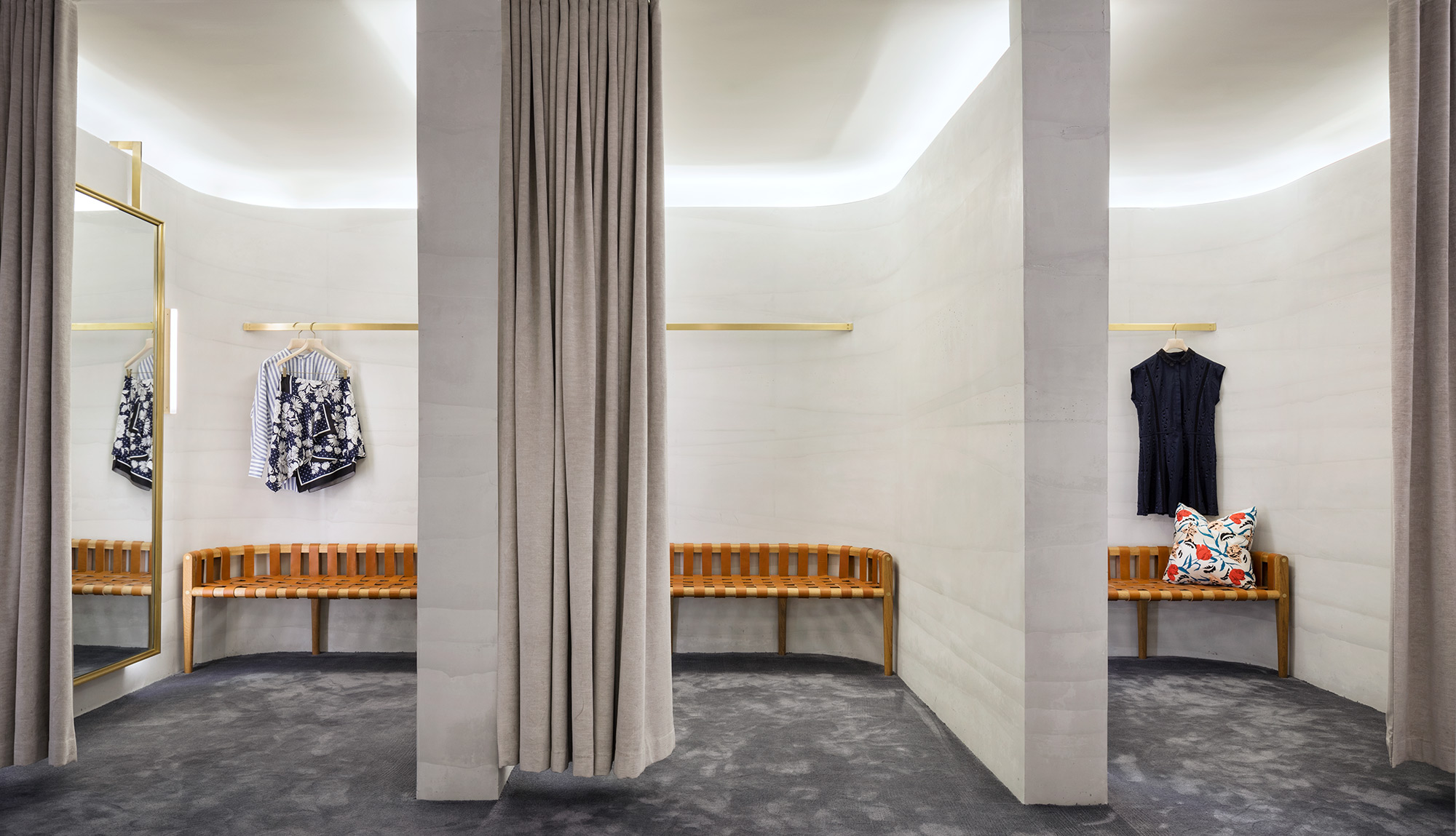
    UK fashion retailer Primark has introduced gender-neutral changing rooms in two stores, prompting both criticism and support from online observers.

    The move comes a year after Topshop began integrating its changing rooms.

    The response to Primark’s announcement has lit up social media in the UK, posing the question: Are shoppers ready for gender-neutral changing rooms?

    Primark says its action follows a challenge from transgender shoppers who said they faced difficulties using gendered changing areas. The new arrangement allows all shoppers to change in the same area, albeit in private booths.

    But critics online have suggested that more needs to be done to address privacy and safety concerns, in particular noting that doors would offer more protection than the current curtains.

    One user noted on Twitter that the perceived threat from men changing in neighbouring cubicles was far greater than any concerns from transgender people.

    “Women should not be made to feel unsafe when shopping,” tweeted another. “You don’t even have doors, so any man can walk in on us changing – so wrong will be boycotting!”

    Another shopper had a positive response, highlighting an advantage of the policy: “I am really happy to hear that Primark [has] swapped to gender-neutral changing rooms – as a disabled couple we often need to help each other try clothes on & need to accompany each other into changing rooms,” she tweeted. “We can’t always do that in some stores. It depends on the staff.”

    Primark responded to the mixed response calmly: “It has been our policy for some time that all customers are welcome to use the fitting rooms of their choice in our stores,” said a spokesperson.

    “As part of our latest in-store design, non-gendered fitting rooms, which are commonplace in retail and other markets in which we operate, have been introduced in our new Bluewater and Hastings stores.”

  • Global beauty brand Paul Penders Opens in Asia

    Global beauty brand Paul Penders Opens in Asia

    Global beauty brand Paul Penders is rejuvenating its presence in Asia with new products, a new team, and new distributors.

    The brand has been on the market for almost 50 years and sells worldwide. Last year, the company opened locations in India and Singapore to grow sales.

    “With the new partnerships in India and Singapore, we felt it was the right time to expand in Asia with the highest-quality skincare and cosmetics available,” said director of US and Singapore operations Bastiaan Penders. “The Asian market is experiencing both excitement and tremendous growth in vegan skin/hair care for the whole family, and our products are more attractive and suitable than ever for this market.

    “The Asian consumers are more and more aware about the danger of chemicals in personal-use products and are searching for safe products. Many people have allergic reactions due to environmental issues and chemical skincare and they are looking for natural solutions,” said Penders.

    “With our own R&D and independent certifications we can assure all our ingredients are safe to use. Our cosmetics are constantly monitored on safety and comply with the strictest regulations in world-wide. With our presence in Singapore we will be able to better serve distributors, retailers and consumers in Asia.”

    Last year, Paul Penders International launched a manufacturing facility in the Himalayas, where products are now being made under a World Health Organisation-GMP licence using the abundant Himalayan mountain water. Its products feature 100 per cent-pure mineralised snow meltwater filtered down for more than 20 years from Mount Everest. This year, the company has launched a new vegan colour cosmetics line made with the Himalayan mountain water.

    All Paul Penders’ products are cruelty free, certified vegan, Halal and EWG verified.

  • JD Sports to acquire Footasylum

    JD Sports to acquire Footasylum

    JD Sports has launched a takeover bid for UK footwear retailer Footasylum. The offer, which amounts to up to US$119.6 million (£90.1 million) for the remaining shares the business does not already own, represents a 77.4 per cent premium on the closing price of Footasylum shares on the day prior to the announcement.

    JD executive chairman Peter Cowgill said the footwear business was “very complementary” to JD’s existing UK operations, due to its focus on a slightly older consumer, targeting 16-24 year olds.

    “We believe that there will be significant operational and strategic benefits through the combination of the very experienced and knowledgeable management team at Footasylum and our own expertise,” Cowgill said.

    Footasylum directors intend on accepting the offer in regards to the 63 per cent of shares they hold, and plan to recommend shareholders do the same.

    JD Sports has already procured a further 65.6 per cent of the available shares in the business, but requires 90 per cent of shares in order to make the offer final.

    According to GlobalData UK retail research director Patrick O’Brien, Footasylum had seen the wheels coming off of the business since May last year, with a highly promotional market smothering the business’ margins.

    O’Brien said the move appeared to be a defensive move by JD Sports against a potential acquisition by Sports Direct’s Mike Ashley.

    “With Footasylum’s share price so low, it looked like only a matter of time before the hoover of the high street would strike, before JD Sports began building its stake last month,” O’Brien said.

    “But, the deal seems a positive one for JD Sports, which has the clout to restart Footasylum’s expansion and use its sourcing scale to make it more efficient and we expect it to develop what is still a very marketable fascia.”

  • Superdry to open second New Zealand Store

    Superdry to open second New Zealand Store

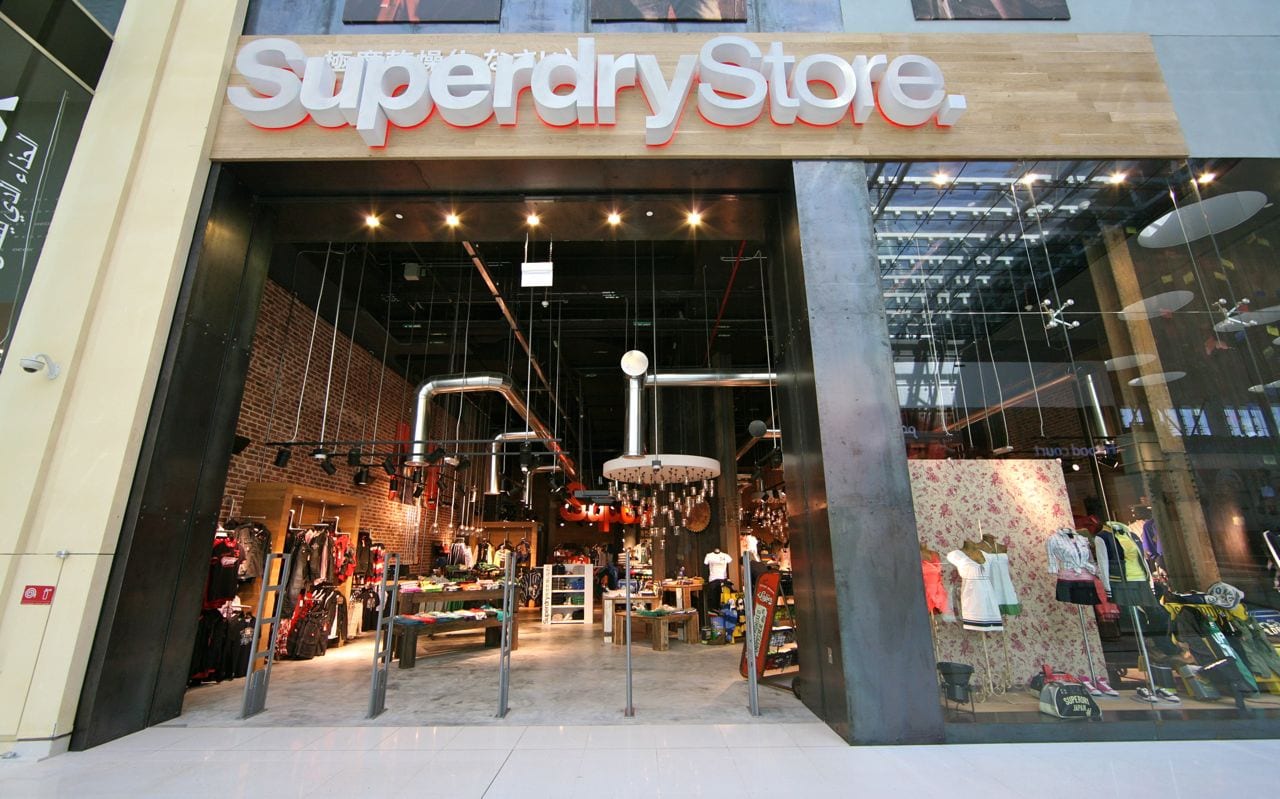
    Sports fashion brand Superdry has revealed it will open another store in New Zealand in Queenstown. The date for the opening has not been disclosed, but brand general manager Antony Hampson said Brand Collective, which holds the licence for Superdry in Australia and New Zealand, is actively looking for locations in the area. According to Hampson, Superdry could roll out more stores in the country depending on how the market responds to the brand.

    “For now, it would just be Auckland and Queenstown so we have representation across both the North and South islands,” he said.

    Superdry announced earlier this month it will open its first store in New Zealand in April in the heart of Auckland’s Queen Street shopping district.

    The 193sqm store will be split into two levels, with the menswear department on the first level and a glass staircase leading consumers to the womenswear section on the second level. The Superdry Auckland store will also offer a selection of Superdry Snow, which features fashion forward, technical alternatives to traditional snow gear.

    “The store will incorporate the latest Superdry fit-out which involves a more digitised experience for our customer and clearer layout,” Hampson said.

    “There will also be a strong emphasis on our snow collection which is going from strength to strength and of course we will continue to ensure we present the product categories we are most renowned for: fleece, jackets and t-shirts.”

    Hampson said the brand is confident it will deliver strong sales, given the demographic there. He said the climate suits the brand as well.

    “The brand is not new to the market, we have a healthy wholesale business and strong partnerships with a number of key retail partners over the past 10 years,” he said.

    “We know there is demand for the brand and we feel that the opportunity is now to present the full collection of products to the customer base there which is what a concept store gives us the ability to do.”

    Superdry is also in the process of bringing over its e-commerce operation to run out of Melbourne to improve its speed of service. It is currently run out of the UK.

    “This will enable us to communicate consistently to our customer base both in Australia and New Zealand,” Hampson said.

    In a tussle for leadership of the company in the UK, former CEO and co-founder Julian Dunkerton and the board have each made disparaging remarks about the brand’s performance of late, alternately laying the blame for slowing sales on misguided strategy and undifferentiated product that no longer appeals to customers. But Hampson said it doesn’t directly affect Superdry stores in Australia and New Zealand.

    “Superdry is operated under Brand Collective Pty Ltd who has the license for Superdry within Australia and New Zealand, so this doesn’t directly affect us here.

    “UK retail has been tough in general with a much warmer than expected summer which has had an impact on high street sales, particularly in those winter product types which Superdry is synonymous with,” he said.

    “It is important to note that the brand is still very profitable and is continuing to stay true to its values around innovation, quality and design. The product is evolving for the better.”

    Superdry UK announced last December it may close or relocate some of its stores after its annual profits came in £30 million ($58.2 million) below expectations.

  • Emperor Watch & Jewellery sales slowing down in Hong Kong, Macau

    Emperor Watch & Jewellery sales slowing down in Hong Kong, Macau

    Emperor Watch & Jewellery sales rose strongly in Hong Kong and Macau last year, due to a rebound in tourism in the first half and the opening of new stores.

    Hong Kong remained the group’s core market, with sales there up 19.6 per cent. In Macau, sales rose 224 per cent, according to the company’s latest results.

    Adjusted net profit of $269 million represented a 68.1 per cent improvement over the preceding year.

    Emperor Watch & Jewellery sales in Singapore and Mainland China were broadly stable year on year.

    The company ended the year with 95 stores, a net gain of 15. Six of the new stores were jewellery shops opened in Hong Kong, all in shopping malls with heavy foot traffic, such as Telford Plaza I in Kowloon Bay, APM in Kwun Tong and Mostown in Ma On Shan.

    In Malaysia, the company opened its first store, a 2000sqft site in Pavilion Kuala Lumpur.

    Sales of watches grew 13.1 per cent to HK$3.664 billion, accounting for 77.6 per cent of group sales. Jewellery sales rose by 25.5 per cent to $1.058 billion, thanks to an expanded store network and greater marketing activity.

    In its results, Emperor Watch & Jewellery described last year as one “of contrasts”.

    “The first half of the year was marked by encouraging growth for the luxury consumption market in general. However, this growth was not sustained and the second half was punctuated by a fall-off in market sentiment in the shadow of a prolonged Sino-US trade dispute.”

    It said the macro-economic headwinds such as the trade dispute, a cooling Chinese economy and swings in currencies present “formidable business challenges in the near term”.

    “Over the past decades, the group has witnessed many ups and downs, and has emerged stronger after each cycle. As such, the group will continue to execute responsive and flexible strategies while fine-tuning its priorities to stay competitive. The group will also strive to optimise its cost structures across each level of business and remain vigilant regarding uncertainties on the horizon.”

  • Global Sportswear brand Lotto to accelerate omnichannel presence in India

    Global Sportswear brand Lotto to accelerate omnichannel presence in India

    With the aim towards consolidating its presence in India’s growing athleisure market, Global Sportswear brand Lotto’s Indian association, SSIPL Lifestyle Pvt. Ltd. has partnered with Ace Turtle, Asia’s leading omnichannel platform company. Ace Turtle’s omnichannel technology platform will play a pivotal role in accelerating Lotto’s digital presence in India. Along with expanding its physical presence in India through exclusive stores, Lotto is aggressively looking to be truly omnichannel by expanding its digital presence.

    In India, Lotto has an exclusive license agreement with SSIPL, one of the leading companies in the footwear manufacturing and retailing industry. Its portfolio includes renowned sportswear brands like Nike, Asics, Adidas, Reebok, Puma, Converse to name a few. Speaking on the partnership, Amit Pahuja, BRAND HEAD, LOTTO said “The athleisure market is poised to grow 15-20 percent year on year in India. Seeing the immense scope in the category going ahead, Lotto aims to scale its omnichannel presence to expand its reach to customers who do not have access to our physical stores. Ace Turtle, in the last few years has grown rapidly to become market leader in omnichannel enablement, and we are confident that their technology platform will play a significant role in accelerating our omnichannel strategy”.

    The flourishing online retail market is a catalyst that has been successful in bolstering the growth of sportswear market in India. Ecommerce has especially been instrumental in aiding brands reach smaller cities and towns where they are not physically present of yet. Speaking on the partnership, Nitin Chhabra, CEO, Ace Turtle said “With customers increasingly switching between various sales channels (offline and online), it only makes sense for brands to adopt a robust omnichannel strategy. This will go a long way in increasing the reach of the brand and in building a strong customer base. Our omnichannel platform plays a pivotal role in helping brands build a truly omnichannel presence. We are excited to partner with Lotto, who have witnessed tremendous growth over the last few years. Our platform would play a critical role in enabling a unified brand experience for Lotto’s customers across various channels”.

    Lotto has around 40 stores and plans to add another 60 stores every year. The brand has created a niche in the Indian sportswear market targeting value segment customers. It has grown significantly over the last two or three years at a healthy CAGR of 50 per cent. Over the years, it has invested significantly in strengthening its in-house design capability and operational processes.


  • L’Oréal Paris revamps its store at the Bangkok King Power Downtown II Srivaree

    L’Oréal Paris revamps its store at the Bangkok King Power Downtown II Srivaree

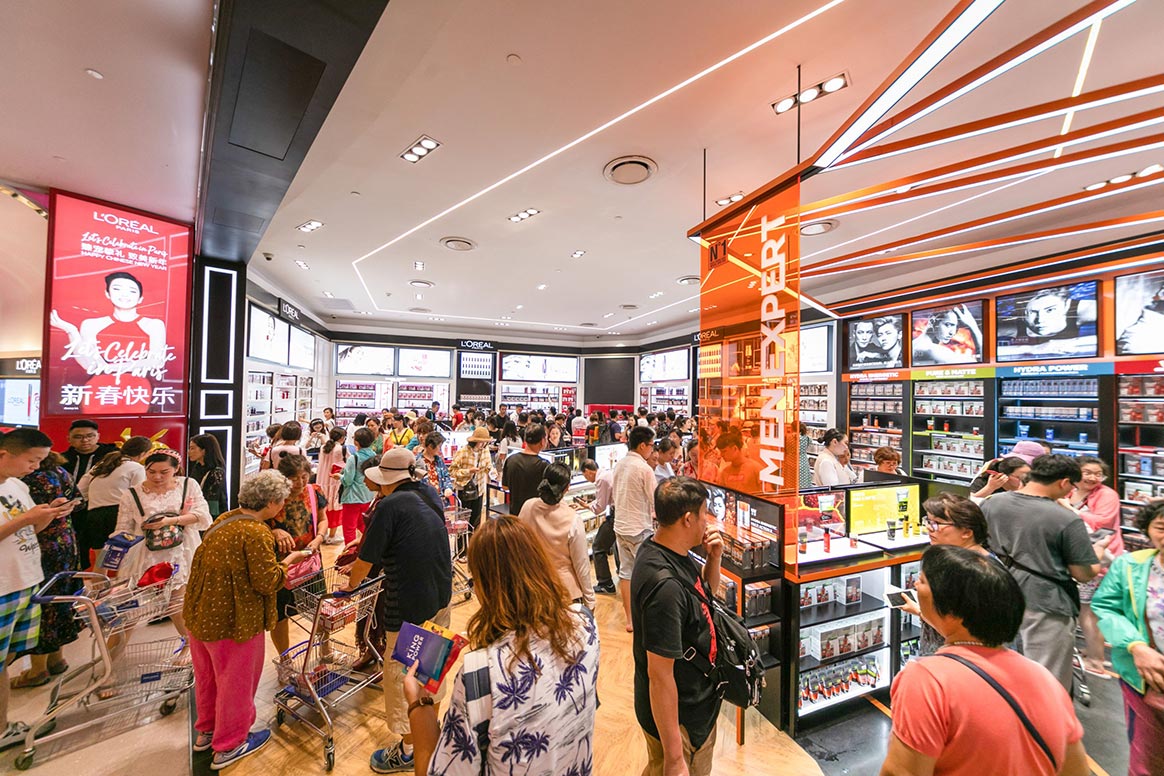
    The makeover of the L’Oréal Paris store in King Power Downtown II Srivaree is the latest in a series of important openings at L’Oréal Travel Retail Asia Pacific. Unlike anything Bangkok has ever seen beforethe expanded flagship store is the biggest L’Oréal Paris store worldwide. This new design concept officially invites travelers to an elevated shopping experience to discover L’Oréal Paris’ accessible luxury products for both men and women.

    Having undergone a major transformation, the 110 square meter flagship store offers a wide range of make-up and skincare for men and women with a best-in-class retail experience. The space expansion now welcomes travelers with three contrasting zones – the first ever L’Oréal Paris make-up boutique in Travel Retail Asia Pacific, Revitalift Classic Red Carpet Zone and a dedicated Exclusive Men skincare area.

    The make-up boutique invites travelers to discover a wide range of make-up offers with a strong color appeal and a large LED screen to express L’Oréal Paris’ creativity. Products at the Revitalift zone take center stage, while the Men Expert area in black color tone is focused on men’s specific needs.

    “We are extremely delighted to relaunch our L’Oréal Paris store with King Power International on a scale that has never been seen before. Thailand is one of the most exciting markets with thriving tourism, and we see great potential in the first L’Oréal Paris flagship store in Travel Retail worldwide,” says Emmanuel Goulin, Managing Director of L’Oréal Travel Retail Asia Pacific.

    “This is a celebratory moment of our strong partnership with L’Oréal Travel Retail Asia Pacific in bringing a first-class duty free shopping experience to millions of Chinese tourists. We are optimistic that the biggest L’Oréal Paris store worldwide will continue to attract more shoppers, confirming King Power Downtown II Srivaree as an exceptional retail destination,” says Susan Whelan, Senior Executive Vice President at King Power International.

  • Furla Exceeds 500 Million

    Furla Exceeds 500 Million

    Turnover of the storied Italian leather goods brand increased to 513 million euros. Over the course of the fiscal year, the company made significant investments to strengthen its supply chain and technology – and began 2019 with the launch of its new sneaker collection

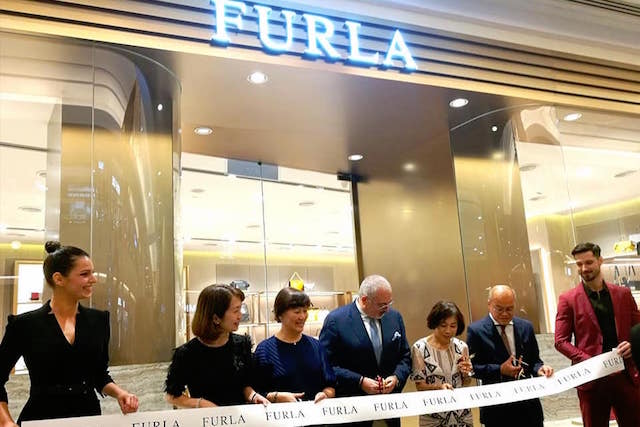
    Furla Group continues to grow: over the past four fiscal years, it has doubled its turnover, hitting 513 million euros in 2018, a 5.2% increase at constant exchange over 2017 (or a 2.8% increase at current exchange).

    Analyzing sales by geographic area and at constant exchange, the Asia Pacific region shines, with an 18.2% year-on-year increase in 2018; it now accounts for 26% of total turnover. The United States, meanwhile, saw an increase of 13.2%, and now accounts for 8% of total turnover. Japan remains the brand’s leading market (22% of total sales), and sales there were up 3.6% compared to 2017. The EMEA region, which represents 44% of global turnover, maintains its market position.

    Furla Group continues to seek direct control of its brand distribution through a strengthening of its mono-brand stores, which produced 70% of turnover in 2018. Direct distribution, combined with multi-brand sales points and franchising, allows Furla to have a far-reaching presence in 98 countries worldwide: its 490 mono-brands (285 directly owned, 163 franchisees and 42 travel retail doors) are in the most prestigious international shopping locations. Over 1,200 select multi-brands and department store corners complete the company’s distribution network.

    Of particular note is the travel retail sector, which is in continuous evolution and in 2018 registered a 16.2% increase over 2017, accounting for 7.3% of the Group’s turnover through its sales at 293 doors, from boutiques, corners, shop-in-shops, aircraft and cruise ships, across 64 countries.

    The company paid special attention to its direct e-commerce platform, where, thanks to repeated investments, there was a substantial turnover increase in 2018: 45.7% over the previous year, at constant exchange.

    Furla Group is focused on solidifying the wild growth it has experienced over the past several years. The company has directed major resources toward strengthening the supply chain, as well as systemically integrating countries with direct and indirect distribution networks into Furla’s corporate culture and technology.

    The supply chain, which is key to guaranteeing the quality and timeliness of manufacturing, has recently benefited from the company’s adoption of a more evolved and high-performing computer system, as well as financial tools that free up resources so that suppliers can invest in bettering the manufacturing cycle.

    After years of geographic expansion across the globe, the Group is now focused on a more selective development and on categories of merchandise that are complementary to its core business: in February of this year, during Milan fashion week, Furla introduced its new sneaker collection, supported by a series of important 360° marketing activities.

    Furla has further strengthened investment in its marketing operations, underlining its particular attention to digital communication and social channels, which have shown an important increase of followers (+64% versus 2017 on Instagram and WeChat), while maintaining one of the highest engagement rates (1,59%) within the fashion luxury category.

    Furla Group’s continuing investments in human resources have long allowed it not only to add jobs, but also to provide a better quality work life at the company and incentivize employees through its corporate welfare system “Furla for You.” This initiative has been recognized two years in a row for its excellence, with Furla listed among Italy’s Top Employers.

    “We are highly satisfied with these financial results, which we achieved at a challenging time for the international market,” said Alberto Camerlengo, Chief Executive Officer of Furla Group.  “We’ve invested significant financial resources in managing the unrestrained growth the company has experienced over the last several years, from acquiring total control of our retail distribution network in China, Hong Kong,Macau and Singapore, to strengthening our supply chain. Our single, fundamental goal has always been to guarantee continuity and excellence in all of Furla’s creations.”
  • Dunhill menswear store opens in Tokyo

    Dunhill menswear store opens in Tokyo

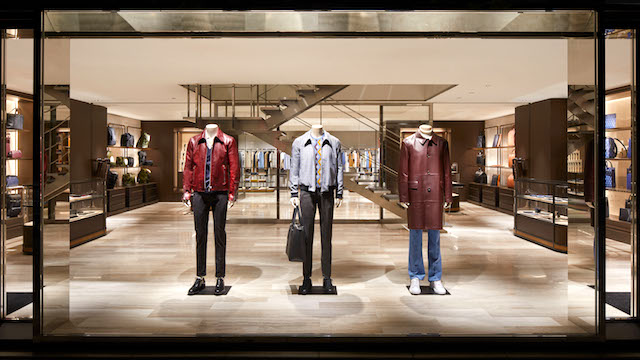
    A new Dunhill menswear store has opened inside Japanese department store Isetan. The new outlet, located in the department store’s new men’s annex, is designed to showcase the best of British luxury menswear while conveying an approachable aesthetic. Engineered to create an engaging contemporary space, core decorative elements in the store include fluted stainless steel (a visual reference to the textures and finishes of the iconic Rollagas lighter) alongside marble, leather and metal – all recognisable codes of the brand.

    Dunhill menswea - Isetan 1

    Walnut burl details feature throughout the space, inspired by the original furniture from London’s Duke Street and Paris’ Rue de la Paix stores.

    Dunhill menswea - Isetan 2


    A statement from the brand said the new store marks “over 125 years of innovation for Dunhill and Japan’s most iconic department store”.

    Dunhill menswea - Isetan 4

    Featuring a curated selection of luxury pieces, the store will house ready-to-wear garments alongside leather goods and fine accessories.

    Dunhill menswea - Isetan 5

    Dunhill has more than 90 stores in 16 countries, with noteworthy locations in London, New York, Paris, Tokyo, Osaka, Shanghai, Beijing, Hong Kong and Dubai.

  • Chinese Streetwear brand INXX Expands

    Chinese Streetwear brand INXX Expands

    Chinese streetwear brand INXX is officially launching its US e-commerce site.

    “We want to open up to a broader market and develop more forward-looking and global design paths while forming our own symbols,” said co-founder Henry Mao.

    Targeting global youth, INXX achieved US$3.5 million in sales on China’s 2018 Single’s Day and is now setting sights on the major fashions of worldwide street trends. By keeping roots in its blended Asian streetwear background, the brand has been able to forge a strong identity while growing into new markets.

    INXX made its 2018 debut with a presentation on Vfiles. In its showcase at New York Fashion Week SS19, INXX blended craftsmanship with an underground urban street aesthetic, mixing surreal grungy graphics and a strong focus on design detail to achieve “a look without boundaries”.

  • Zara growth slows down

    Zara growth slows down

    Zara growth is slowing substantially and analysts fear worse is to come.

    The fast-fashion brand’s Spanish parent Inditex says the slowing growth is due to a stronger euro, flat margins, less-frequent discounting and a store optimisation strategy that focuses on larger stores in prime locations and online growth at the expense of smaller stores.

    While the retail giant reported a 7 per cent sales increase at constant currency rates year on year to 26.1 billion, this was less than half the rate of growth the company reported a few years ago, Morgan Stanley said in a note.

    “[W]e believe it is evidence that the group’s growth profile is slowing sharply,” Morgan Stanley said.

    Like-for-like sales grew 4 per cent in last financial year, compared to 5 per cent in 2017. Online sales grew 27 per cent to 3.2 billion, or 12 per cent of net sales. This is on the low end for an apparel company, where online penetration tends to be higher.

    Inditex opened 370 stores during the year, and closed 355, which was nearly twice as many as the 200 stores it said it was planning to close last year. This may have had an impact on sales growth , an investor told, but could prove to be the right strategy long term.

    The group increased gross new space in prime locations by 8 per cent and is continuing to roll out its omnichannel store format, which integrates bricks-and-mortar and online channels. The group said it sees strong opportunities for growth in this space going forward.

    Inditex said global online sales are on track. Zara launched online in Australia and New Zealand last March and entered an additional 106 markets online in November, bringing the total number of markets it sells online in to 202.

    The company has reported a profit of 3.44 billion for the year, up 2 per cent on the previous year.

    In its first five weeks of the new fiscal year, the group lifted store and online sales 7 per cent at constant-currency rates. The company said it expects like-for-like sales to grow between 4 and 6 per cent this fiscal year, and gross space in prime locations to grow between 5 and 6 per cent.

    The fashion giant expects to open around 300 stores and close around 250 in the year ahead. As at  January 31, Inditex had 7490 stores worldwide across the Zara, Pull & Bear, Massimo Dutti, Bershka, Stradivarius, Oysho and Uterque brands.

  • Shoe Mart operator S.Culture booking gains

    Shoe Mart operator S.Culture booking gains

    Footwear retailer S.Culture International has turned around its fortunes after closing non-performing stores and booking gains from property disposals.

    S.Culture sells a range of international footwear brands including Clarks, Josef Seibel, The Flexx and Yokono. It has a network of more than 100 stores across Hong Kong, Macau and Taiwan trading as S.Culture, Shoe Mart and Scoops and under individual brands, such as Clarks, Clarks Originals and Josef Seibel.

    In a note to the stock market commenting on a recent increase in the price and trading volume of its shares, the company said it expects an improvement in its 2018 results, based on a preliminary review of its accounts.

    “It is expected that the group will record a net profit for the year as compared to a net loss for the corresponding period in 2017 and a substantial decrease in loss attributable to

    owners of the company for the year by over 85 per cent, as compared to the loss the previous year,” write chairman Yang Jun.”

    He said closing down low-performing retail outlets and fine-tuning the group’s retail outlet mixt and a positive profit contribution from the newly acquired financial services business had driven the result, which will be released in detail later this month.

  • French Connection brighter future

    French Connection brighter future

    UK fashion retailer French Connection has recorded another massive loss – which overshadowed a milestone improvement in underlying profit.

    For the full year to January 31, the company’s operating loss almost tripled, from £3.8 million (US$4.97 million) the previous year to £9.3 million ($12.2 million).

    However for the first time in seven years, French Connection’s achieved an underlying profit, a somewhat modest £100,000 which was a stark contrast to the previous year’s £2.1 million loss.

    In what the company described as a “tough” trading environment, sales fell 10.6 per cent overall, or by 6.8 per cent on a like-for-like basis, to £58.4 million.

    While figures were not released for the brand’s Hong Kong sales, the company said shipments to its partners there and in Australia reduced during the year.

    The company is continuing to close stores. During the last five years it has reduced its store count by more than half, and currently has 96 standalone stores and 195 franchised and licensed stores worldwide. Nine more are slated for closure this year.

    However, wholesale sales rose 10.3 per cent to £76.9 million in the UK, Europe and North America, which drove group revenue up by 0.2 per cent year on year to £135.3 million.

    “I am pleased that we have achieved our target of returning the group to underlying profitability this financial year,” said CEO Stephen Marks.

    ”This is only part of our overall journey, however it represents a significant achievement given the results over recent years.

    ”This has been achieved despite the ongoing difficult retail trading environment in the UK and is the result of the changes we have made in all areas of the business to adapt to the ever evolving markets in which we operate.

    ”While we still have a way to go to return the business to an appropriate level of profitability, I believe that we have made and continue to make significant progress.”

    GlobalData senior retail analyst Sofie Willmott said French Connection’s “more subtle brand handwriting fails to stand out” against more distinctive players such as Ted Baker, Reiss and Whistles, which all have a clear design direction.

    “To return to like-for-like growth, French Connection must give consumers a clear reason to shop with the brand by refining its range,” she said.

    “French Connection has got a hard slog ahead. As consumer confidence is expected to remain low this year, the retailer must better define its brand identity and point of difference to both convince a buyer it has future growth potential, and to attract shoppers back.”

    Marks said talks are continuing on a potential sale of French Connection.

  • Pomelo secures RedMart’s Jim Boland

    Pomelo secures RedMart’s Jim Boland

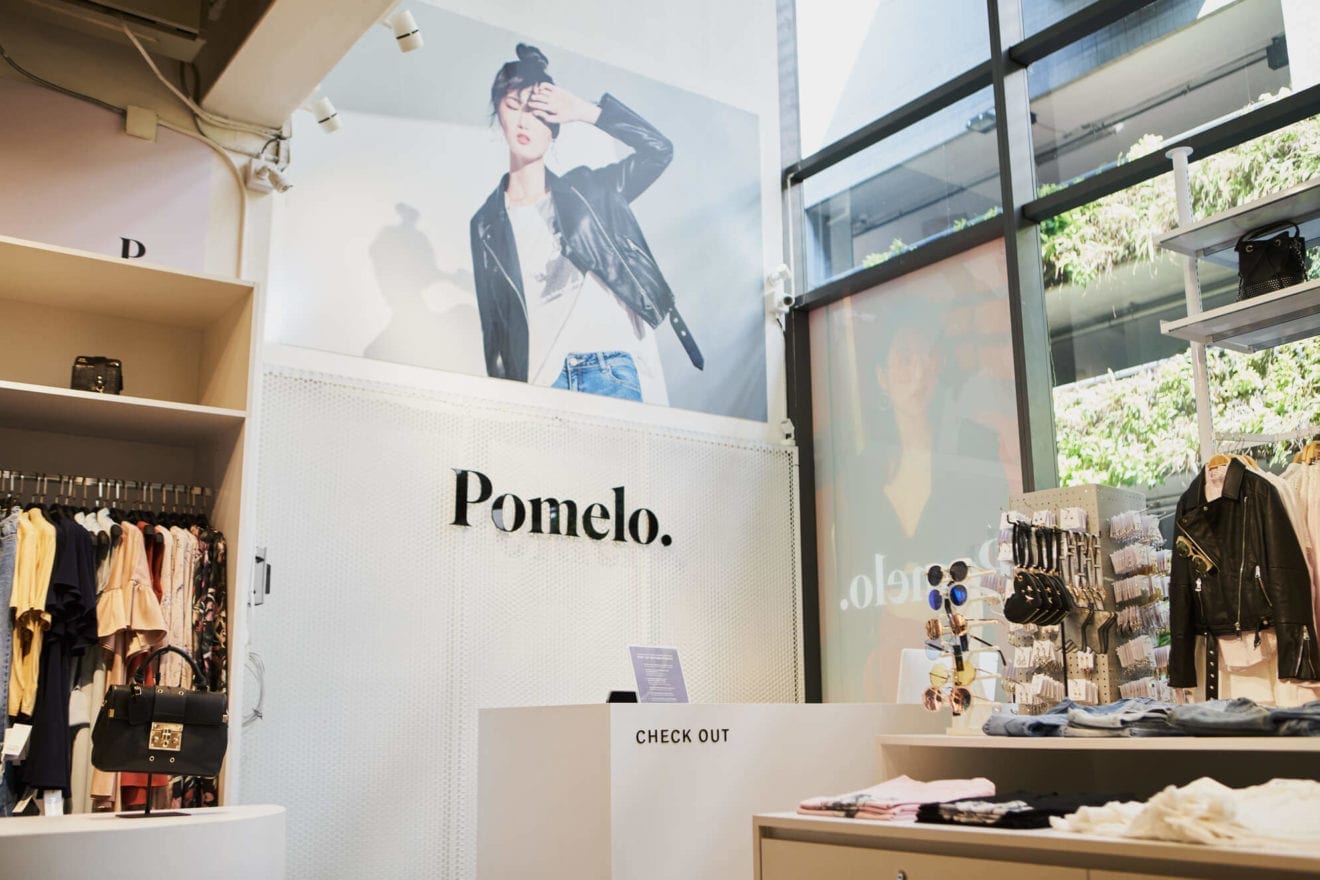
    Bangkok-headquartered omnichannel fashion company Pomelo has appointed Jim Boland, former RedMart CFO, as its new CFO.

    Boland has successfully led finance organisations in fast-growing e-commerce businesses for more than 19 years in leadership roles at Amazon, Dell and Alibaba-owned RedMart. His appointment will see him aiming to build up Pomelo’s financial infrastructure to drive profitability while enabling rapid growth across the region.

    “I am delighted to join this innovative company, which has designed a business model strategically suited to grow fast and profitably,” said Boland. “As a digitally native, vertically integrated omnichannel brand, Pomelo presents an exciting opportunity to leverage my past experience with vertical integration, retail, and e-commerce, especially during the critical scaling up phase.”

    With Boland’s new role as CFO, Pomelo’s co-founder and former CFO Casey Liang is transitioning to Pomelo’s growth team, which encompasses the performance-marketing and business-intelligence teams, a cross-functional unit that will work closely with other teams to accelerate customer acquisition and retention.

    “As we continue in this period of rapid expansion, I am excited to foster more coordination between our creative and technical teams to further accelerate our growth rate and help more customers to experience Pomelo’s unique value proposition,” said Liang.

    Pomelo’s CEO David Jou expressed excitement at the hire as the firm pursues building the “first global fast fashion brand out of Asia”.