Category: Fashion

Retail News Asia is committed to providing both local and global retailers with the latest Fashion news throughout the Asian market. This on a daily base.

  • Haute Hijab bags US$2.3 million funding

    Haute Hijab bags US$2.3 million funding

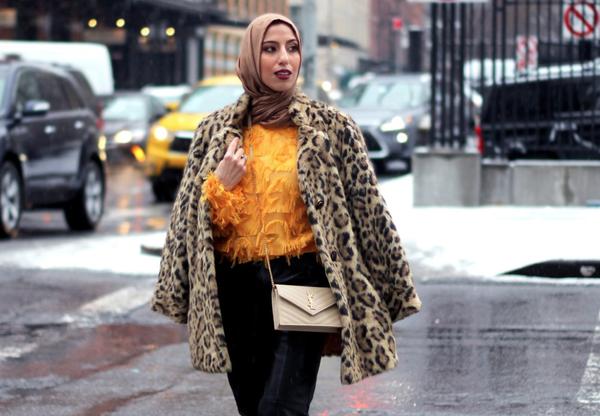
    US-headquartered fashion and lifestyle startup targeting Muslim women, Haute Hijab, has raised US$2.3 million in seed funding. The investor group was led by Cue Ball and also includes Ludlow Ventures, Sinai Ventures, Maveron, Muse Capital, AngelList and The Helm. The funds will be used to help Haute Hijab accelerate growth and extend its reach worldwide.

    “Cue Ball invests in category-defining and culturally-shaping ideas and Haute Hijab fits that description perfectly,” said Tony Tjan, managing partner of Cue Ball. “[Founders] Melanie and Ahmed are building a purposeful company that not only outfits but also supports and empowers Muslim women across all areas of their lives.”

    Haute Hijab has recently introduced the Ultimate Underscarf (a garment worn under the hijab), which uses specially designed tech fabric engineered for breathability and with anti-bacterial properties.

    “We are pleased to welcome a new group of investors as partners in our mission to empower Muslim women,” said co-founder and CEO Melanie Elturk. “Haute Hijab is entering an exciting phase of growth and innovation. We look forward to using this capital infusion to build the first digital-native Muslim cultural lifestyle brand across the globe.”

    The brand had elevated the hijab category and creating an engaged online community of Muslim women, offering a variety of innovative and high-performance fabrics, styles, and designs ranging from every day to luxury via its online store.

    According to The Guardian, the Muslim middle class is expected to triple to 900 million by 2030, with one-third of Muslims under the age of 15 and two-thirds under the age of 30. The average Muslim woman wears up to four hijabs per day and owns more than 100 hijabs.

  • Tissot basketball concept store New York opens door

    Tissot basketball concept store New York opens door

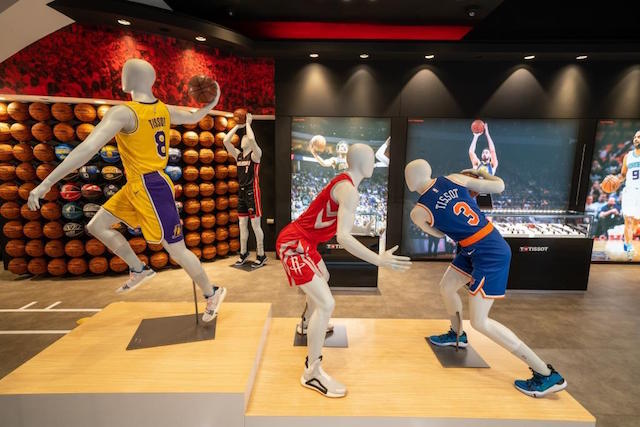
    Swiss watch brand Tissot has opened a sports-themed store in New York City. The Tissot basketball concept store is the brand’s fourth boutique in the city, located at 112 W. 34th Street, a prime location in the Midtown neighbourhood. With a 2800sqft area, the boutique has a wall of multi-coloured basketballs, along with action-styled mannequins wearing uniforms of some of the brand’s nine NBA team partners.

    Hung on the walls are photos of the brand’s sponsored athletes, including three-time NBA Champion and five-time NBA All-Star Klay Thompson, four-time NBA Champion and six-time NBA All-Star Tony Parker and top rookie Trae Young.

    Besides shopping, fans can spend their time playing NBA 2K19, watch an NBA game on the large TV screens or try to beat the clock in a mixed-reality Tissot Buzzer Beater game set to debut at NBA All-Star 2019. A custom art installation debuting at NBA All-Star will then find its permanent home in the store.

    “This is a departure from our traditional merchandising strategy, but with our continued partnership growth and passion around the NBA, we wanted to harness that power to showcase our brand in a different light,” said Francois Thiebaud, president of Tissot.

    “We have seen a tremendous response so far from fans and we are excited to see what is to come.”

  • Blockchain in the business of fashion

    Blockchain in the business of fashion

    Fashion brands are finally beginning to take note of the rising consumer awareness on traceability and sustainability particularly driven by the millenniums. These evolving consumers are deep diving into knowing the history of the apparels before they buy – the story behind each garment and where and how are they manufactured.

    Moreover, mere claims or information is not enough to be trustworthy unless backed by detailed sequence of data on the complete value chain necessitated in wake of some or other global brand getting exposed of unethical sourcing or not being sustainable.

    This is making fashion companies to attempt towards transforming their business models focused on delivering transparency of data – both in backend and frontend by employing the emerging technologies.

    There has been a global buzz around new technologies like Artificial Intelligence, Augmented Reality, Virtual Reality and Blockchain for some time now and the global Fashion industry has also moved in the last few years to adopt some of these in ways it firmly resisted for a long time. However, blockchain applications haven’t really seen much adoption by fashion organisations.

    So, What is Blockchain?

    According to Digital Trends, blockchain is a database that’s validated by a wider community, rather than a central authority. It’s a collection of records that a crowd oversees and maintains, rather than relying on a single entity, like a bank or government, which most likely hosts data on a particular server.

    Each ‘block’ represents a number of transactional records, and the ‘chain’ component links them all together with a hash function. As records are created, they are confirmed by a distributed network of computers and paired up with the previous entry in the chain, thereby creating a chain of blocks, or a blockchain.

    Blockchain is the technology behind digital currencies like Bitcoin and involve cryptography while in a usability sense they are just shared database or digital ledgers that publicly show a record of transactions having happened. Every time a product changes hands, that information on change in custody is recorded by the user in the ledger and entry becomes linked to every other entry (or Block) and every other copy of the ledger is automatically synchronised via internet. The interconnection among all the blocks forms a chain and the complete application becomes the blockchain. The chain of custody on blockchain provides a record of the last party to gain custody of the product. So, blockchain means decentralised structure that provides security and transparency and thus making data trustworthy.

    In broader sense, blockchain is not just technology, its impact goes beyond the industry or the society for creating a fair, safe and more transparent fashion industry.

    Applicability into Fashion Business

    Blockchain applications are not only for tracking virtual payments and financial transactions but have wider applications in securely distributing other product and supply chain information including complete database at SKU level. In other words, blockchains may be understood as indexes of standardised information or in simple sense, these are community generated data maps by brand and product.

    Most promising application of blockchain in fashion industry could be in supply chain and inventory management. What blockchain technology can enable in the fashion business is uniform real-time access to updated product information supplied by brands, a universal pathway for retailers to immediately report back to suppliers on aspects like stock levels and customer feedback, the final consumer details and many more might come along once something like this new basic building block structure is in play. Distributed nature of blockchain technology makes it superior to other tracking technologies as here the records can’t be altered, destroyed or lost.

    Blockchains have merely begun transforming apparel supply chains through technology such as track-and trace and inventory management. But as other technologies like 3D printing and AI continue to advance, the fashion apparel industry may very well see much more dramatic changes in years to come.

    Greater transparency in fashion supply chains will create new incentives for companies to change the way they do business and even how they view themselves as an organisation. If so, adoption of blockchain is only the beginning as the fashion industry may be entering a new era with vastly different forms of production and consumption.

    Advantages of Blockchain in Fashion

    • Nowadays, one of the major trends in the fashion industry is sustainability and circular economy. Today’s consumers believe in fair trade practices and hence increasingly demanding transparency and want to know where the product is coming from not only in food but also in fashion.
    • Blockchain enables fashion companies to securely communicate to the public the complete product story (DNA) for each and every fashion garment. This includes comprehensive details on all stages of product life cycle starting from design inspiration, raw materials, manufacturing and distribution to the stores and also providing visibility of all stakeholders involved in the value chain to create traceability and transparency in true sense.
    • Blockchain applications allow customers to scan the tag and discover the history of every garment and thus help in improving the customer experience.
    • Global companies like Patagonia and Everlane have been successfully betting on sustainability and supply chain transparency as a distinct selling proposition enabling customers to identify their suppliers.
    • Authenticity of branded products can be verified by both retailers and consumers since branded garments pass through the blockchain steps and hence can be tracked. This could help reducing the counterfeiting and diverting out of authentic products. Every time a fashion item moves from one place to other, its tag or code gets scanned thus recording its location with the time stamp. Consumers would be able to scanthe item and trace its journey from raw material stage to their home and would be able to ascertain if the product is real or a counterfeit. Blockchain applications can help provide protection against the counterfeiting.
    • Blockchain applications also can help fashion companies who license their trademarks or designs in tracking the sales and working out the royalty payments. Similarly, it enables design houses to document design process steps and thus having the organic evidence of ownership on the designs.

    Blockchain helps create peer-to-peer and decentralised network that connects all stakeholders in the value chain (design houses, farmers, raw material suppliers, manufacturers, transporters, distributors, retail outlets, banks, consumers and other parties of the complete supply chain). Using decentralised system, all communication between these parties will be direct and will not pass through a specific central entity. Due to its decentralised nature, the blockchain platform will not have any single point of failure and will not rely on any single entity.

    Through this technology, there could be a possibility wherein everyone from the farmer to the textile mill to the garmenting factory can communicate directly with the brand that buys from them. And, even the consumer can interact directly with the brand/design house for co-creation or customisation of the garments, influencing pricing and even co-investing in the concept.

    Given all the advantages, blockchain clearly seems to be the future for fashion, however, to speed up the application, a single and comprehensive blockchain standard adopted by the fashion industry has to come in fast.
  • Skechers Takes Control of India Business

    Skechers Takes Control of India Business

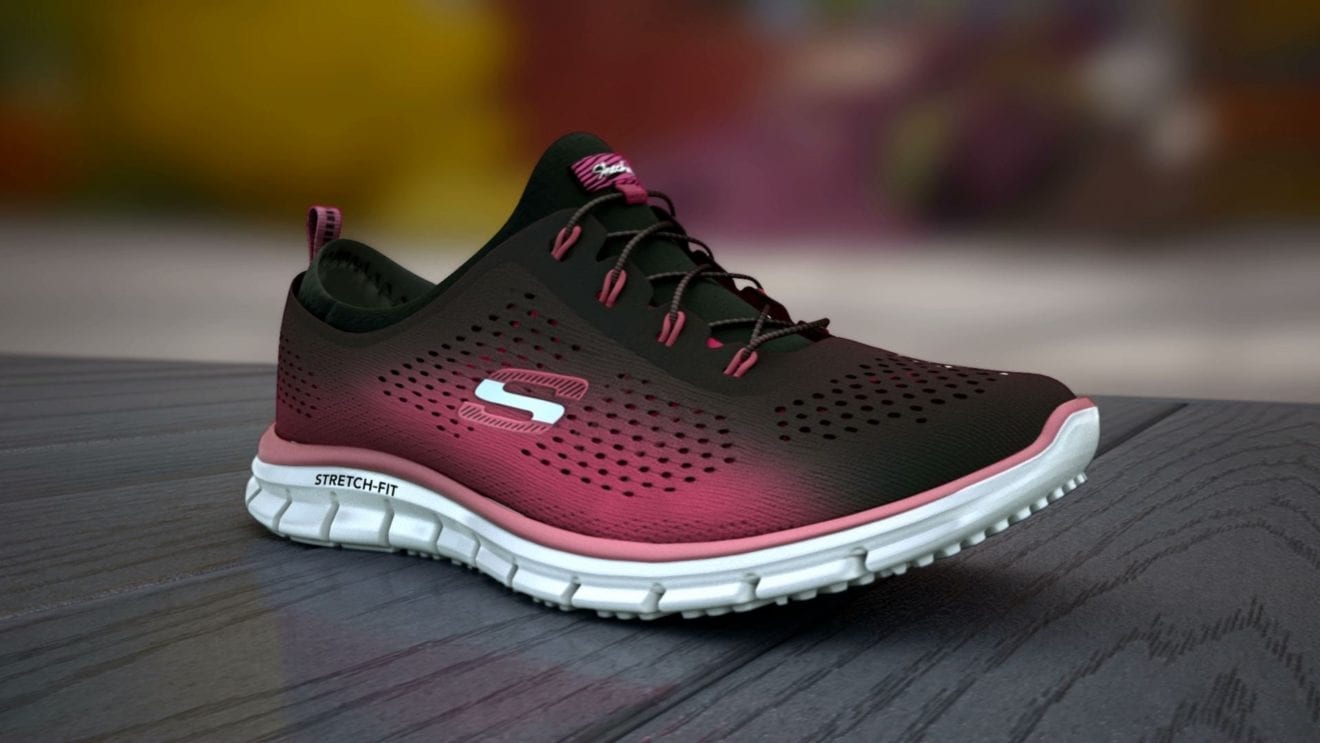
    Skechers has bought its joint venture partner in Skechers India, taking the business inhouse. Skechers India has 223 retail locations across the country, 61 of which are company owned and operated, with the remainder franchised. Last year, Skechers saw double-digit increases in wholesale and retail sales and an 80 per cent increase in pairs sold, reaching 2.7 million.

    An additional 80 to 100 stores are planned for this year – of which about 20 will be company-owned.

    The dual-ownership model is expected to allow Skechers India to grow and expand its presence faster, the parent company said in a statement.

    “Skechers is still a relatively young brand in this country, having been in India for less than a decade, yet in the last five years, we have seen significant growth through our joint venture,” said Michael Greenberg, president of Skechers.

    “The substantial existing retail network of over 200 stores, a strong wholesale business and a recently launched e-commerce site is a solid foundation that we can build upon. These accomplishments, as well as opportunities we see to increase the brand’s exposure and drive sales, give us great optimism and confidence for the growth of Skechers in India.”

    Rahul Vira, CEO at Skechers South Asia, said the company was delighted to become a wholly-owned subsidiary of Skechers.

    “This development will enable us to amplify our growth plans, accelerate expansion of our operations and build a stronger network to further gain market share in India,” he said.

    Skechers India will continue operating under its existing structure and from its existing headquarters in Mumbai.

  • India’s Zomato to convert 40 pc of delivery fleet into power-assisted bikes in 2 years

    India’s Zomato to convert 40 pc of delivery fleet into power-assisted bikes in 2 years

    Online restaurant guide and food ordering firm Zomato Monday said it is planning to convert 40 percent of its delivery fleet into power-assisted bikes in two years. Currently, the company has over 5,000 cyclists operating across 12 cities in India, with the majority of the fleet being in Delhi-NCR, Zomato said in a statement. The company provides food delivery services in 150 cities across the country with a last-mile delivery fleet of 1.5 lakh partners, it added.

    “We are working closely with our vendor partners to raise the scale of e-cycle adoption and aim to convert 40 percent of our fleet to power-assisted bikes within the next two years,” Mohit Gupta, CEO – Food Delivery Business, Zomato said.

    The company aims to build a future that creates more tangible value and leaves a lesser carbon footprint, he added.

  • Guess announces new CEO

    Guess announces new CEO

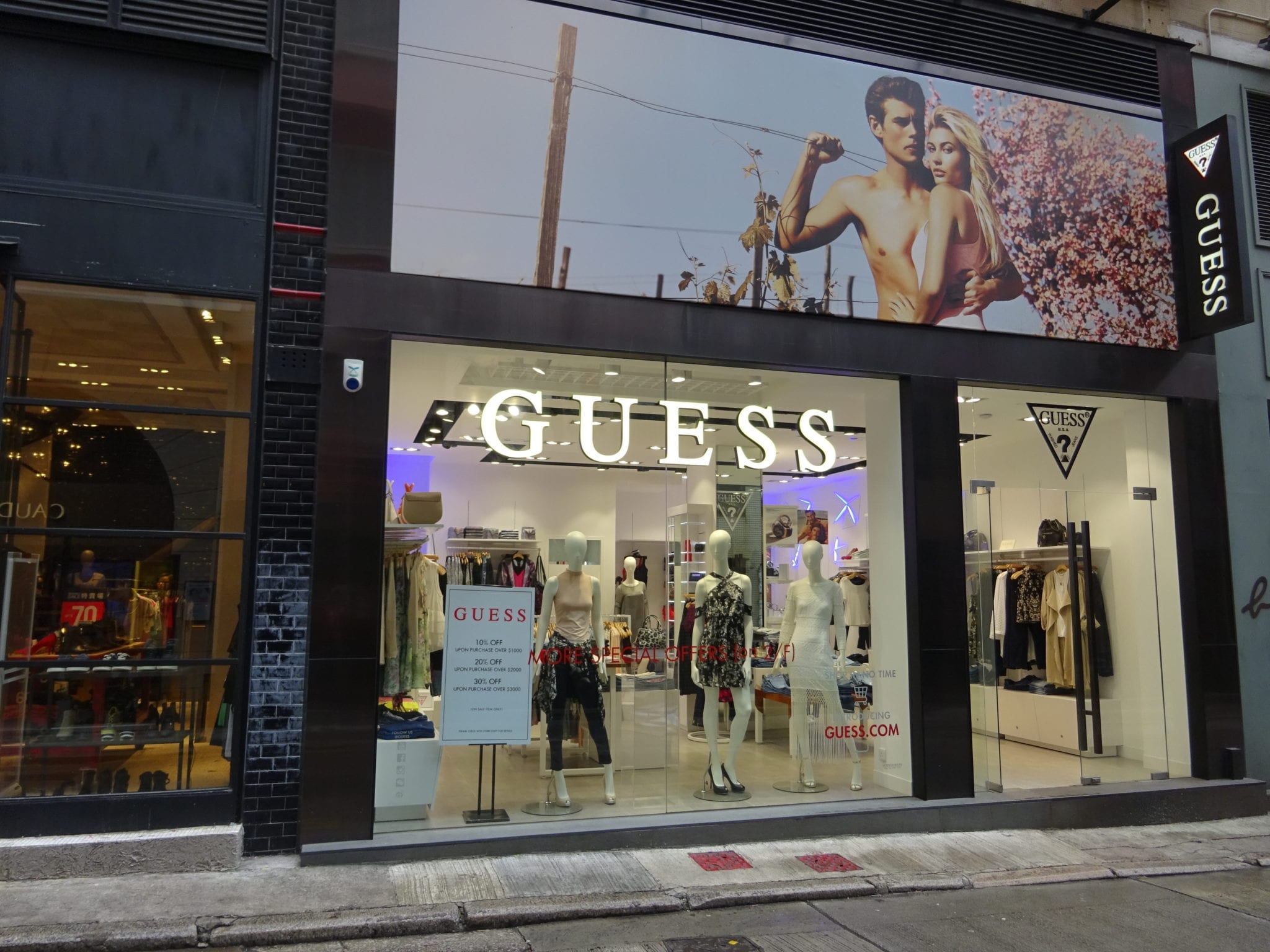
    Iconic American fashion brand Guess Inc. announced that its chief executive officer and director, Victor Herrero, is leaving the company effective February 2, 2019. Carlos Alberini, who served as Guess’s president and chief operating officer more than ten years ago, will replace Herrero.

    “On behalf of the Board of Directors, I want to thank Victor for his contributions during his tenure and wish him well in his endeavors,” said Maurice Marciano, chairman of the board.

    Alberini has been appointed as the new CEO and a Director of the company, “effective upon his separation from his current employer,” said Guess in a press release detailing the new hire on January 28.

    Alberini served as COO for the Californian company from 2000 to 2010. He was co-CEO of Restoration Hardware until 2014, and a director on the board of Restoration Hardware from 2010 until present.

    More recently, Alberini has been the Chairman and CEO of Lucky Brand, a role he took on from 2014.

    “I am very excited to have Carlos coming back as CEO at Guess. He was instrumental in building the international business in Europe and Asia during his 10-year tenure with the company,” said Maurice Marciano.

    The company also announced that Marciano has agreed to remain as Chief Creative Officer. His employment will be “at will”, according to Guess.
    During the transition, Marciano will be acting as interim Chief Executive Officer.

    In 2017-2018 financial year, Guess witnessed a steady growth track in Asia, notably in China.

    In March last year, the brand said it planned to open 60 stores in Asia, after also opening its first subsidiary in Singapore.

    In same financial year, the group said it improved its gross margin in Asia by 470 base points, with sales up 40 percent.

  • Virgil Abloh’s Off-White launches the Simpsons collection

    Virgil Abloh’s Off-White launches the Simpsons collection

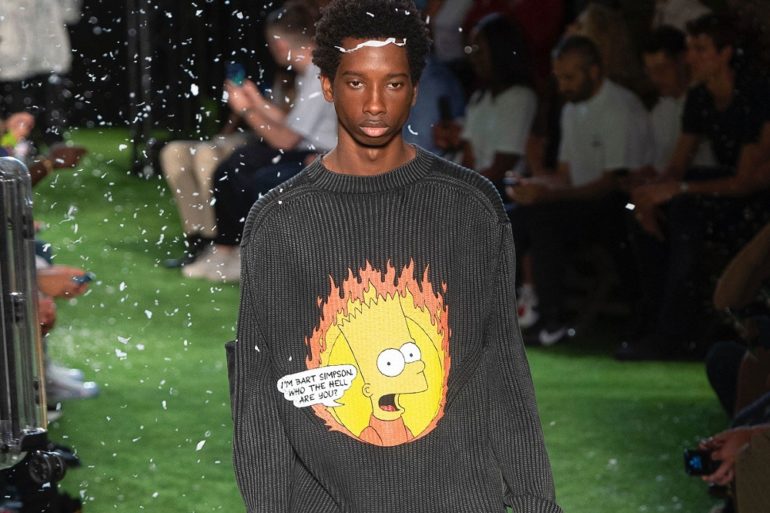
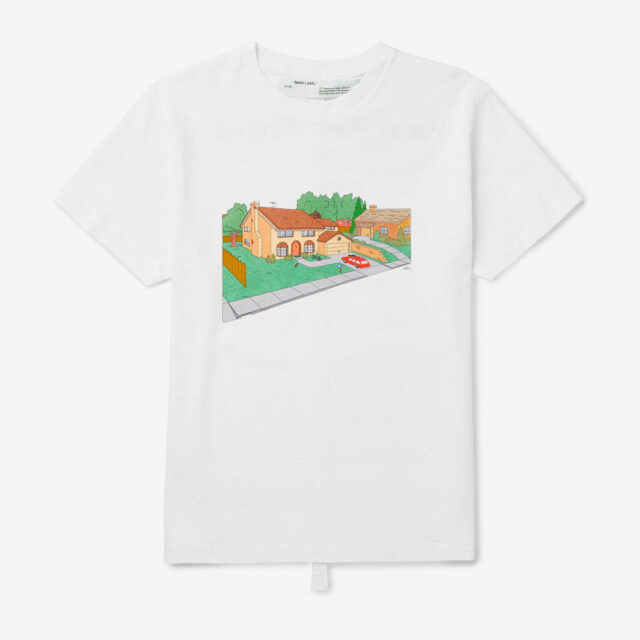
    Virgil Abloh‘s Off-White™ debuted its eagerly-anticipated Spring/Summer 2019 collection at Paris Fashion Week, and devotees will not be disappointed. First seen in our exclusive look backstage, the new collection offered goods both playful and earnest, with references to artist Dondi White and The Simpsons. The Simpsons House T-Shirt highlights 742 Evergreen Terrace in Springfield, USA prominently on the front of the shirt via a vibrant print. The back of the 100 percent cotton T-shirt is emblazoned with the ethos of Off-White™ along with the word “ARCHITECTURE.”

    Featured in unison, the front and back of the piece reference both Virgil’s unique approach to design and obsession with architecture. Priced at $350 USD, the Off-White™ The Simpsons House T-Shirt is available now at MR PORTER.


    For more contemporary fashion, RHUDE draws from an array of influences for FW19.

  • Officine Panerai makes debut in Malaysia

    Officine Panerai makes debut in Malaysia

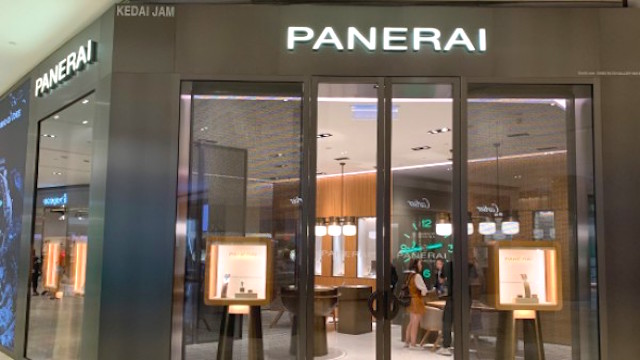
    “Together with partner Swiss Watch Gallery, we look forward to providing an exceptional experience for our clients and conveying our values and Swiss know-how”, said Panerai Southeast Asia and Oceania MD Giacomo Cinelli at the launch.

    “It’s a little exhausting for the local watch collectors here to keep having to travel to a Panerai boutique, so we are here for our existing clients and we provide an entrance and platform for the new ones as well”, he said.

    Submersible timepieces feature prominently in the store’s range, retailing from RM57,700 (US$14,180) to RM168,470 ($41,400).

  • Uniqlo opens Manchester flagship, expands beyond London

    Uniqlo opens Manchester flagship, expands beyond London

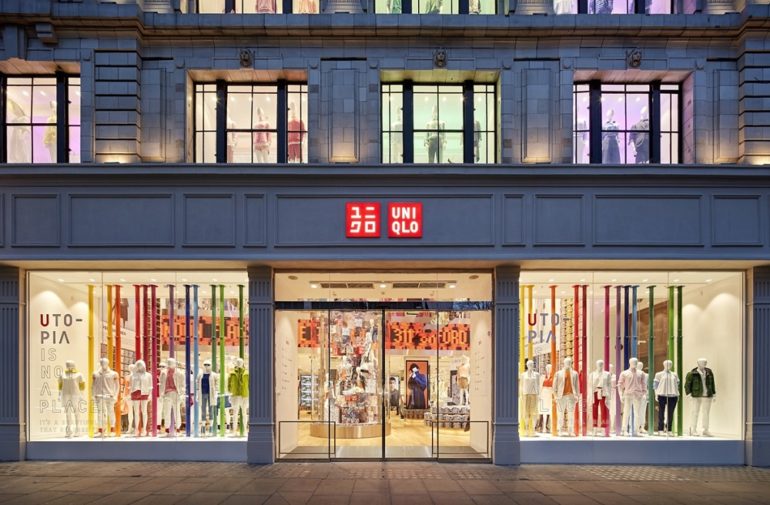
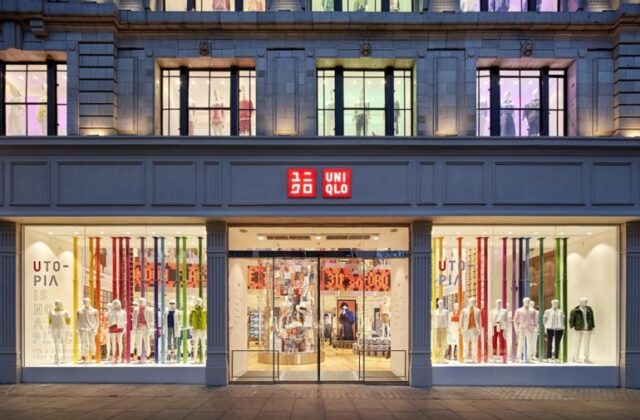
    Japanese retail chain Uniqlo is expanding its store network internationally, announcing the opening of its latest store in the UK. Opening in the city of Manchester, Uniqlo is returning the British city after leaving Manchester back in 2004, not long after it entered the UK market. Uniqlo revealed the news this week on its Instagram: “Uniqlo Manchester – opening spring 2019. Tokyo heads up North. Register for updates on our Manchester store opening at the link in bio.”

    The post also gave location details, revealing the store is slated for Manchester Arnadale at 57 Market Street. The address is the former-space of closed down UK retail chain BHS, which shuttered on Market Street in August 2016, after 35 years of service on the city’s main shopping strip.

    The new store will occupy a 22,690 square feet and will sell Uniqlo’s full range of core items for men, women and kids, as well as jeans and t-shirts.

    The retailer said that the expansion north of London was an important step in its UK growth.

    “The launch of Uniqlo in Manchester represents another major milestone for us in the UK, as we continue to expand our presence in this important market for the company worldwide,” Uniqlo chief executive Taku Morikawa said.

    “We are very excited to be able to offer Uniqlo LifeWear to the people of Manchester and surrounding areas for the first time and show how our high quality, comfortable and functional clothing can help improve their everyday lives.”

    It is hoped that Uniqlo Manchester will fair better than BHS, and in turn compete strongly with fellow fast-fashion brands Primark and H&M, which are currently set up in the millennial-heavy city.

    Uniqlo first launched 20 stores in the UK, but then closed 15 sites outside of London three years later, including two in Manchester.

    It currently operates nine stores across London, one in Kent at Bluewater shopping centre and another in Oxford at Westgate.

    In its most recent earnings update, Uniqlo Europe said that in the year up to August 31, 2018, profits rose from €673,000 to €6.3million on a turnover of €533million, up from €410million.

  • Ralph Lauren showing good progress

    Ralph Lauren showing good progress

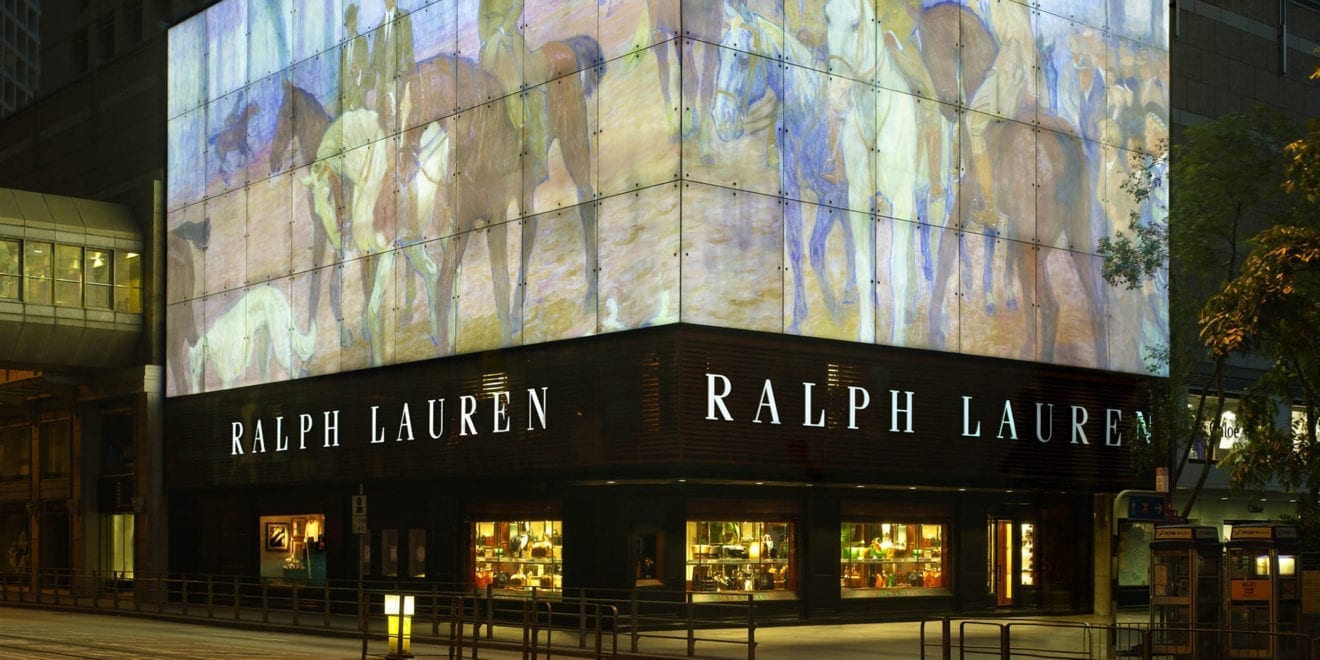
    After a long run of fairly mediocre performance, Ralph Lauren has finally delivered a solid set of numbers. The 5 per cent net revenue growth announced last week is pleasing as are the various regional outcomes. These were supported by a respectable increase in underlying comparable sales. It would be remiss not to note that the good figures have been delivered off the back of a very weak prior year performance, but this should not take away from the fact that the brand is now headed in the right direction.

    Away from the top line, the bottom line has also strengthened with operating income up by 12.9 per cent over last year. Much of this is down to far lower rates of discounting, especially in the wholesale channel. We also see this as a sign that Ralph Lauren’s more disciplined and focused approach to producing collections is allowing more product to be sold through at a fuller price. All of this suggests that the company is doing a much better job at connecting with consumers.

    Our own data backs this up. Brand affinity to Ralph Lauren was the strongest in over five years this holiday season; brand recall and awareness were also higher, including among younger consumers. Some of this is the result of increased marketing spend but a lot of it also comes down to a more targeted approach. Initiatives like the launch of the Palace label have provided the brand with greater visibility among consumers looking for edgier, contemporary designs. There is clearly more work to be done, but this progress represents a good platform on which to build.

    That said, Ralph Lauren needs to remain disciplined; it should not revert to past form by launching rafts of sub-brands and spin-off labels which create confusion.

    Digital was the star channel this quarter with sales up by 20 per cent over the prior year. Some of this is a consequence of the investment in online platforms which are now much improved and delivering higher conversion. However, traffic to websites has also risen as Ralph Lauren has created more visibility around its products and brands. In North America, the slight downside is the imbalance in growth. Online comparable sales rose by 21 per cent, but store comparables were flat. While this is not necessarily surprising, it underlines that Ralph Lauren has more work to do in persuading customers to visit its shops – something that should, in theory, become easier as it pulls back from the wholesale channel.

    For all of this positivity, we are still cautious about the trajectory of the brand. While there is no doubt that Ralph Lauren is now in a much stronger position, a lot of work remains to be done on carefully defining the various parts of the offer and ensuring they remain targeted.

    Because of the vast array of brand elements, this is a challenging task that could easily falter – especially as the economy tightens and the company laps some tougher comparatives.

    Overall, however, Ralph Lauren is on the right track, it just needs to stay on course as it accelerates.

  • Cle de Peau Beaute debuts in Thailand

    Cle de Peau Beaute debuts in Thailand

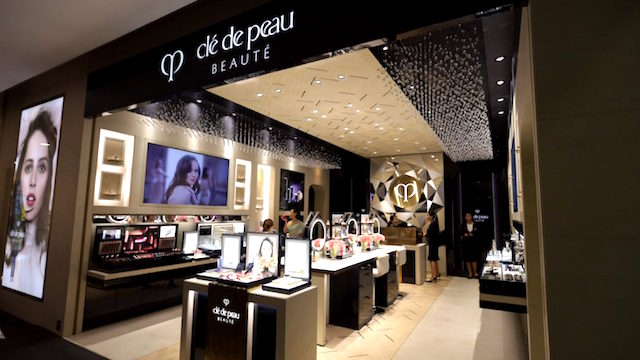
    Japanese luxury skincare brand Cle de Peau Beaute has opened its first location in Thailand. Launching in the Helix building, Emquartier, the new store expects to cater to the brand’s cult following in the market. The venue is designed to reflect the luxurious lifestyle of modern women, with a ‘Radiance Wall’ illuminating the entire retail space and a gallery with storied details of selected products.

    The launch is being marked with the announcement of the brand’s new influencer, actress, artist and director Manasnan Panlertwongskul, and the unveiling of its latest lipstick.

  • Vogue opens first Tokyo wedding dress salon

    Vogue opens first Tokyo wedding dress salon

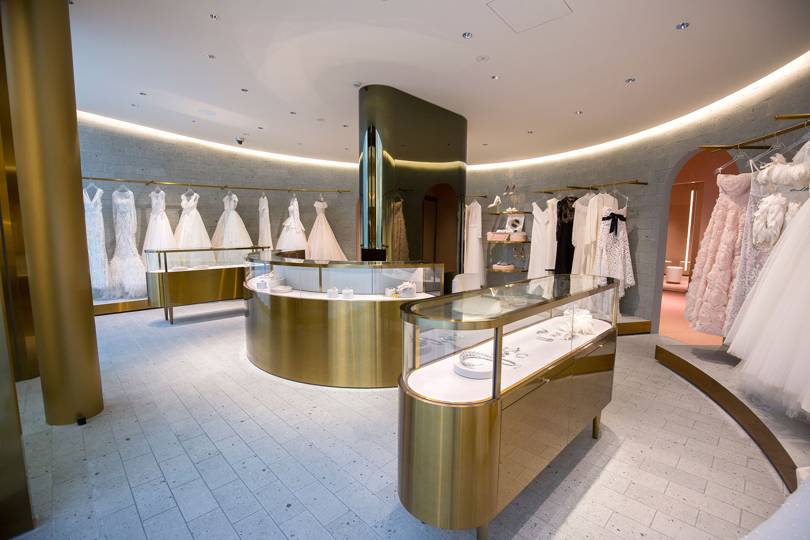
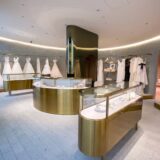
    International fashion magazine Vogue has opened its first wedding dress salon. Facing Aoyama Kotto-dori in Tokyo’s Omotesando district, the salon has hired specialist staff to offer tasteful suggestions not only with regard to dresses and accessories but also extending to hair, makeup and photography services.“The biggest single keyword for contemporary today’s weddings is ‘diversification of values’”, said Vogue Wedding creative director Mayumi Nakamura. “Now is a time for brides who embrace different values to rejoice in their individuality.


    “At Vogue Wedding Salon, in addition to traditional wedding dresses, we have prepared a wide variety of more adventurous styles. These items include stunning bridal gowns from popular designer brands that will be familiar to readers of Vogue such as Alexander McQueen, Giambattista Valli, Oscar de la Renta, Sergio Rossi, and so on. I hope that at Vogue Wedding Salon you will enjoy choosing a stylish dress that is not bound by existing rules.

    View the gallery below (4 images) :

    In addition to traditional wedding dresses, visitors can expect to encounter a variety of fashionably styled modern dresses selected by Vogue and created by top international designers based in the world’s fashion capitals beginning with Paris, New York, Milan, and London. Visitors will find a lineup of popular luxury bridal gown brands, as well as a selection of brands that are available exclusively from Vogue Wedding Salon.

    The salon is also equipped with a photo space where aspiring brides and grooms can take advantage of Vogue’s wedding photography services.

    In addition to wedding dresses, an extensive range of eveningwear and luxury brand shoes and accessories are available. The salon can also offer customers a luxury shoe brand custom order service.

  • YSL opens pop-up store to celebrates Valentine’s Day

    YSL opens pop-up store to celebrates Valentine’s Day

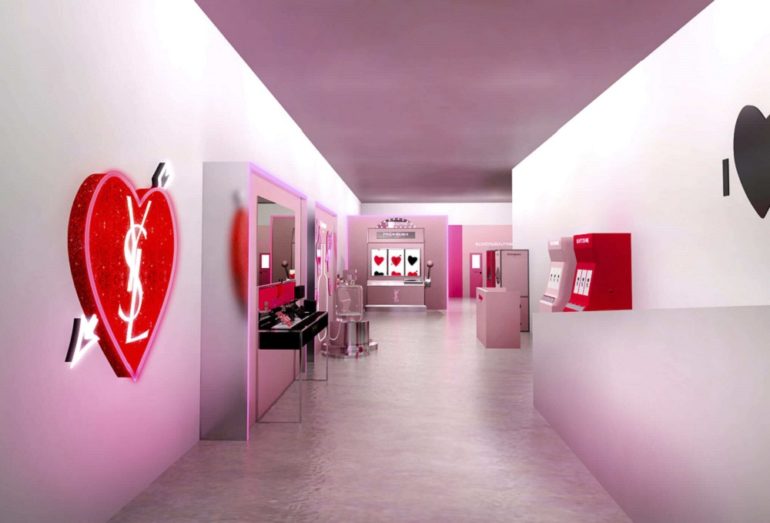
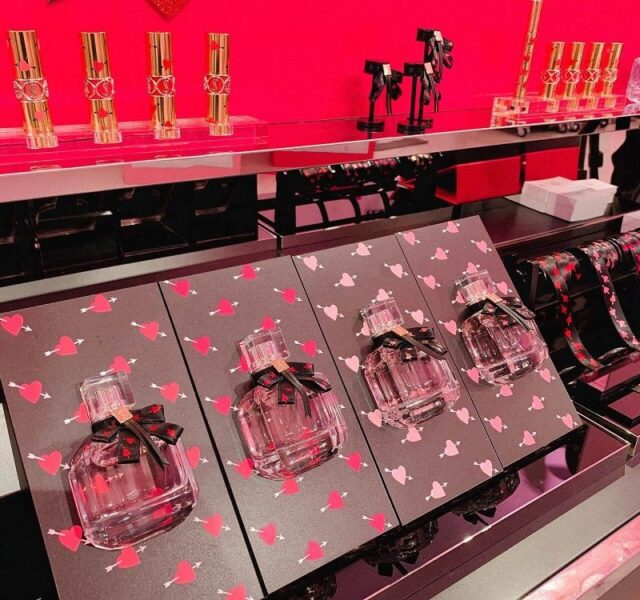
    YSL launched a limited store for Valentine’s Day 2019 in Central, Hong Kong, featuring on WhatsApp sticker, photo booth, and games. Obviously, pink and cosmetics are many girls’ favourite. So pink lovers will fall in love with YSL latest limited pop-up store in Central as the store is fully decorated in pink. Not only visitors will have the opportunity to get the cosmetics products, but they will also be able to take Instagrammable photos in front of different props and beautiful background.

    To participate in this event, visitor only need to register online to get a designated QR code and go during the reserved time slot. In addition to taking pretty pictures, visitors can also try YSL new collection of perfumes, blush, and lipsticks.

    One of the most attractive activities is to tailor-made unique WhatsApp stickers.

    In addition, making WhatsApp stickers, printing photos or buying any products in the pop-up provides points for playing the YSL’s clip doll machine. The higher the points, the more opportunities, so you can clip away YSL cosmetics products and take them home.

    The pop-up closes its doors just after Valentine’s Day.

  • L’Oreal Asia Pacific sales reported soars

    L’Oreal Asia Pacific sales reported soars

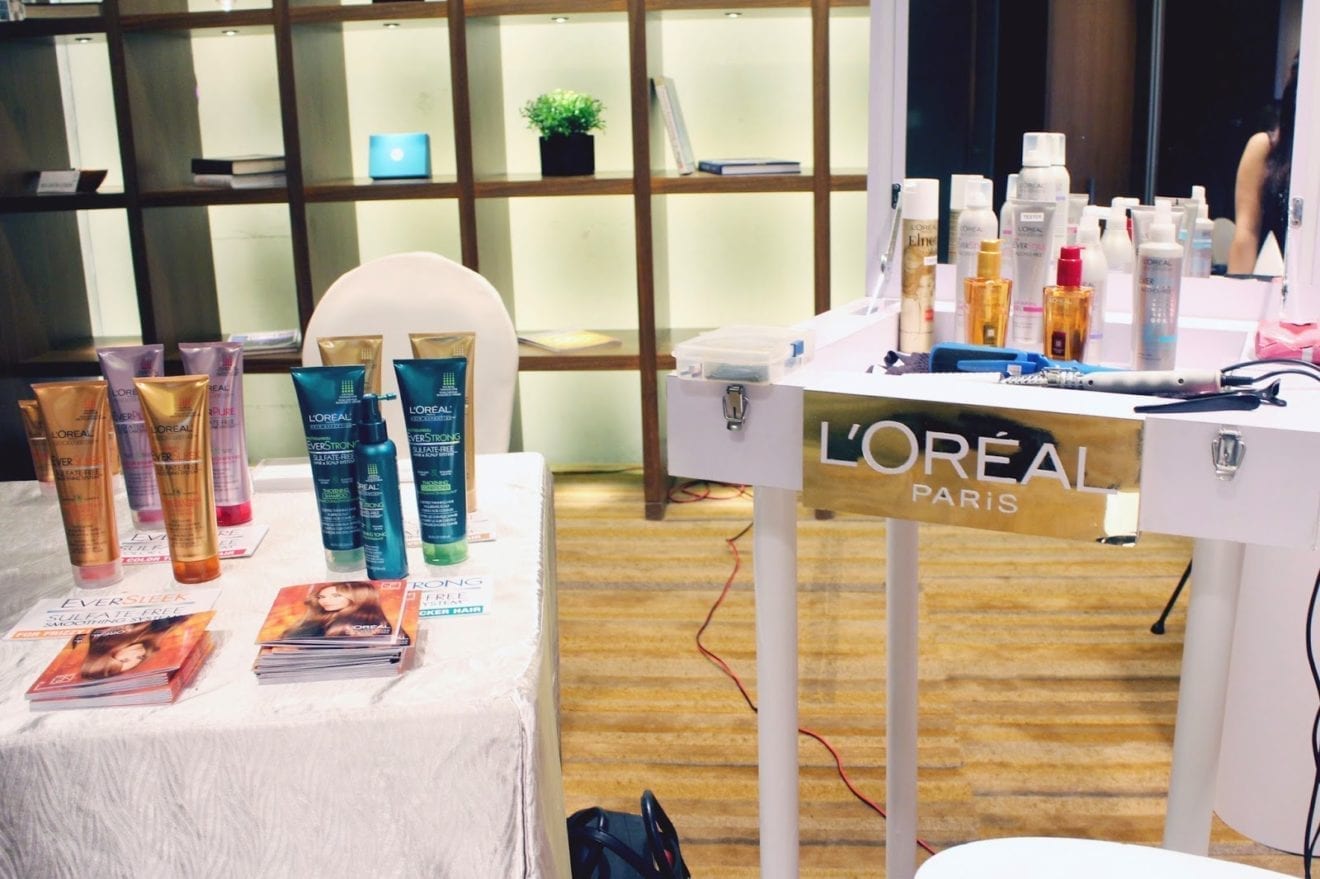
    L’Oreal Asia Pacific sales soared by a staggering 24.1 per cent on a like-for-like basis last year. Asia was the beauty behemoth’s fastest-growing market with all divisions of the business winning market share from rivals in the region. “The dynamism of Chinese consumers, combined with the good performance of premium brands and rapid growth in several other Southeast Asian markets as well as in travel retail, were the [region’s] main growth drivers,” the company said in an earnings statement.

    Singles Day in the fourth quarter especially boosted sales in China, along with the acquisition of Stylenanda in June.

    L’Oreal Asia Pacific sales, driven by China, overtook L’Oreal’s North America business, with sales exceeding €7 billion.

    Globally, L’Oreal achieved sales of €26.9 billion (US$30.3 billion) last year, an improvement of 7.1 per cent on a like-for-like basis and 8 per cent at constant exchange rates. Net profit reached €3.89 billion euros, an increase of 8.8 per cent.

    L’Oreal’s chairman and CEO Jean-Paul Agon said the results represented the company’s best year of growth since 2007, achieved in a beauty market which had “accelerated significantly” last year.

    All divisions achieved growth, with the standouts being L’Oreal Luxe and Active Cosmetics, which both recorded double-digit sales increases. In the Luxe division, the larger brands led the way, with Lancome sales crossing the €3 billion threshold. The Active Cosmetics division achieved its highest growth for more than 10 years.

    Consumer products sales, led by L’Oreal Paris and Maybelline New York, achieved solid growth and professional products a “modest increase” thanks to a significant acceleration in the final quarter, the company said.

    A growing investment in e-commerce is paying off, with sales online up 40.6 per cent last year, now accounting for 11 per cent of group sales.

    And travel retail broke the €2 billion barrier, increasing by 27.1 per cent.

    L’Oreal reported its gross margin increased significantly and, even after strong investments in research, innovation, and business drivers, its operating margin set a new record at 18.3 per cent of sales.

  • D&G opens boutique in Osaka Japan

    D&G opens boutique in Osaka Japan

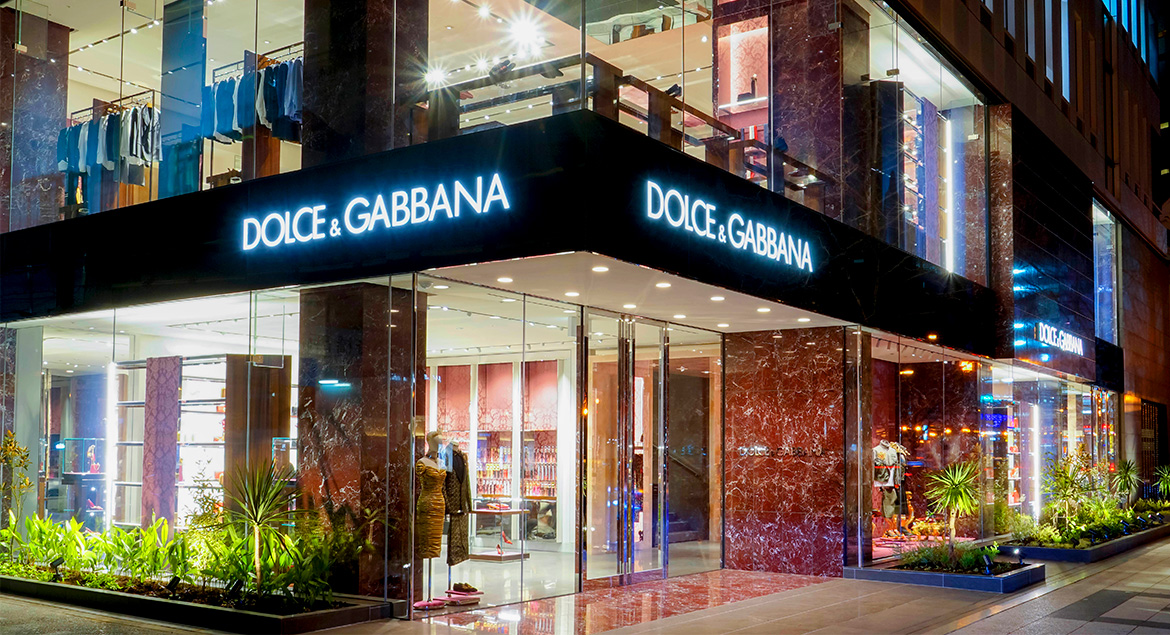
    Luxury brand Dolce & Gabbana has opened a new D&G Osaka store. The two-level, 905sqm #DGLovesOsaka boutique at Midosuji is designed to reflect the unique local features of Osaka while still representing the brand’s heritage, with red marble and pink onyx finishings touched off by pink rugs and wallpaper. A large baroque-styled mirror is a centrepiece of the decor.

    The #DGLovesOsaka boutique stocks ready-to-wear collections and accessories for men, women, and children.