Category: Fashion

Retail News Asia is committed to providing both local and global retailers with the latest Fashion news throughout the Asian market. This on a daily base.

  • Dapper Dan is holding Gucci accountable for controversial “blackface sweater”

    Dapper Dan is holding Gucci accountable for controversial “blackface sweater”

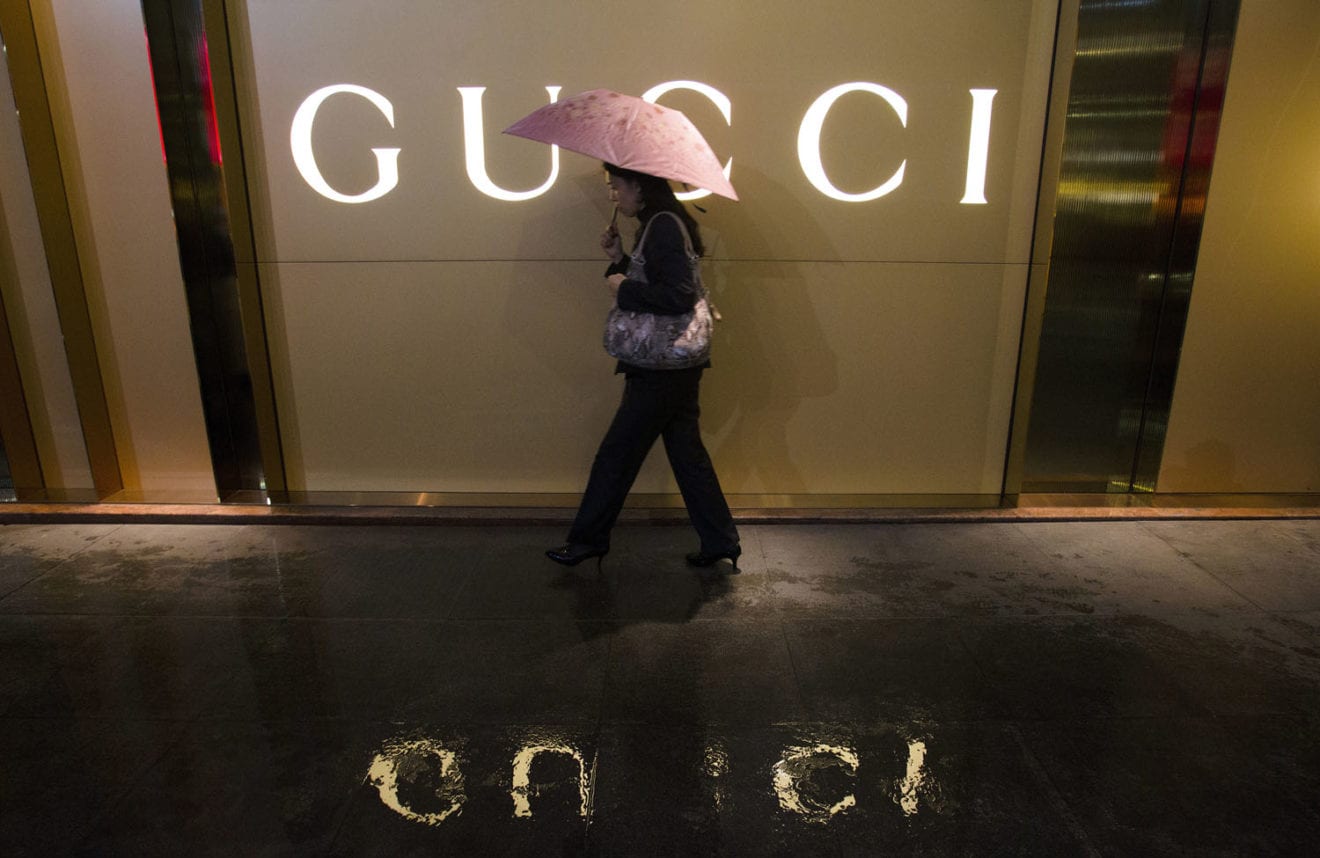
    Renowned Harlem fashion designer and tailor Dapper Dan’s relationship with Gucci through the years has been a rocky road. After gaining notoriety for knocking off the Italian house’s logo in his designs throughout the ’80s and ’90s, the tables turned in 2017, when Alessandro Michele was taken to task for knocking off one of Dap’s designs in his Cruise 2018 collection.

    However, all’s well that ends well: Both parties made peace and began working together. Not only did Dapper Dan collaborate with Gucci on a vintage hip-hop-inspired capsule collection and lookbook, the Kering-owned luxury label underwrote his brand new studio and atelier in Harlem, also making him the face of a special tailoring campaign.

    As lovely of a story as this is, it might not wind up with a happy ending. Just last week, Gucci apologized for (and pulled from shelves) an $890 sweater that resembled blackface. After several days of impassioned conversation among fans on social media, the brand released a statement, saying: “Gucci deeply apologizes for the offense caused by the wool balaclava jumper … We consider diversity to be a fundamental value to be fully upheld, respected and at the forefront of every decision we make. We are fully committed to increasing diversity throughout our organization and turning this incident into a powerful learning moment for the Gucci team and beyond.”

    While acknowledging the misstep and the need to prioritize diversity is a step in the right direction, the situation did not sit well with Dapper Dan. On Sunday, he posted a statement of his own on Instagram, insinuating that his partnership with Gucci may be on thin ice. “I am a Black man before I am a brand,” he wrote. “Another fashion house has gotten it outrageously wrong. There is no excuse nor apology that can erase this kind of insult. The CEO of Gucci has agreed to come from Italy to Harlem this week to meet with me, along with members of the community and other industry leaders. There cannot be inclusivity without accountability. I will hold everyone accountable.”

    Gucci made a concerted effort to make things right with Dap — and, seemingly, to educate themselves about both his neighborhood and his culture — the last time they were at odds, but this understandably hits very close to home, and could certainly cause major issues within their business partnership.

    Whatever the outcome, this case only underscores the dire need for more inclusion and diversity in the industry, as the frequency with which fashion brands slip up in regards to racism only gets higher by the day. It’s a change that needs to be implemented immediately, and hopefully Gucci will set an example for its industry peers, as it’s already been known to do in other areas.
  • H&M profit drops due to online investment

    H&M profit drops due to online investment

    H&M profit dropped in the year to November 30, the Swedish fast-fashion retailer blaming investment in its online business for the decline. The world’s second largest clothing retailer embarked on a transformation program last year, investing heavily in logistics and digital technology aiming to improve the shopping experience and product range. This included an upgrade in its mobile app, faster deliveries and the rollout of click-and-collect.

    The company is also working on a new H&M concept store.

    In the last three months of its financial year, the company spent around US$48.5 million on logistics and technology, including resolving problems it flagged earlier last year.

    H&M CEO Karl-Johan Persson said the upgrade in the company’s logistics systems inevitably resulted in increased costs but will lead to a range of improvements for customers.

    “Against a backdrop of rapid changes in the fashion industry, in 2018 we accelerated our transformation to future proof our business, ending a challenging year for the H&M Group and the sector with strong signals that we are on track,” he said.

    Persson said it may have been a challenging year for H&M and the industry but after a difficult first half, there were signs the company’s transformation efforts were beginning to take effect.

    H&M posted a 5 per cent increase in full-year revenue to $22.7 billion, while in local currencies, net sales rose by 3 per cent. Profit fell by 21.8 per cent to $1.36 billion from the same period last year.

    Online sales rose 22 per cent to SEK 30 billion ($3.2 billion) and now comprise 14.5 per cent of the company’s total revenue.

    “With a stronger customer offering and the ongoing improvements in buying and logistics, we expect this trend to continue,” Persson said.

    “While this performance is still some way off the targets that we set at the beginning of 2018, these positive signals confirm we’re making progress across all our strategic focus areas: to create the best customer offering; a fast, efficient and flexible product flow; a stable scalable tech foundation; and adding new growth through store and online expansion.”

    According to Persson, the company opened three new fulfilment centres in the fourth quarter with a total of around 230,000sqm so it can offer customers faster deliveries and a wider assortment while reducing the capacity constraints that slowed them down in some markets in 2018.

    “We have also completed our online transition with investments in 2018, enabling us to successfully migrate online in Germany to the new platform earlier in January 2019,” he said. “With this, all H&M online markets are now on the new platform.”

    Persson said the difficulties with the logistics upgrade in some of their markets earlier in 2018 led to additional costs in the fourth quarter.

    “Applying lessons learned, we have not increased investments to secure upcoming transitions.”

    He added that while these initiatives have a short-term impact on margin, they will lead to continued improvements for their customers, driving increased profitability in the long term.

    “With the transformation now underway, capital expenditure will reduce this year compared to last and we will continue to shift the balance of our investments towards digital.

    “Changing consumer behaviour and technological innovation will continue to transform how and when people shop, we are building a business with the flexibility to respond to this constant evolution.”

  • Kendall Jenner signed agreement with Penshoppe

    Kendall Jenner signed agreement with Penshoppe

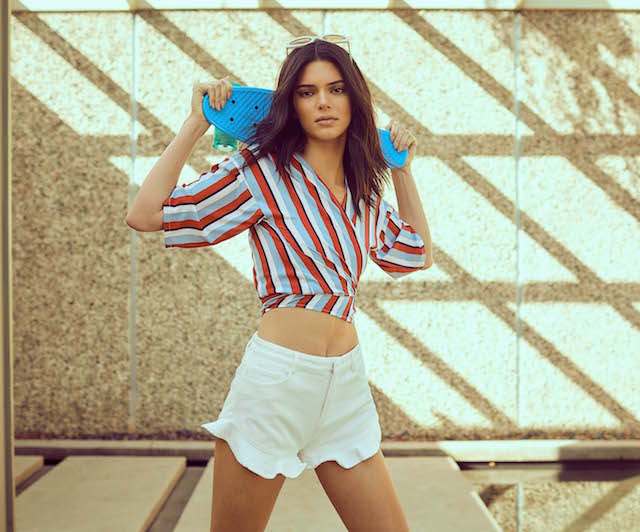
    Global fashion retail brand Penshoppe has unveiled the latest addition to its roster of international ambassadors – 23-year-old world’s highest-paid supermodel and one of the most followed celebrities on social media, Kendall Jenner. The model initially appeared on Penshoppe’s DenimLab campaign in 2015, and is now headlining the brand’s Spring Summer 2019 Campaign with Zayn Malik, Paris Jackson, Nam Joo Hyuk and Sandara Park.

    “As we move from strength to strength, we couldn’t think of a better addition to our growing list of global ambassadors”, said Golden ABC’s VP for brand management Jeff Bascon. “It’s good to have you back, Kendall!”


    Penshoppe has more than 400 locations across Bahrain, Cambodia, Indonesia, Saudi Arabia, Myanmar, Thailand, Vietnam and the Philippines. The brand is available online in Singapore, Malaysia, Hong Kong, Taiwan and Indonesia.

  • Rimowa collaborates with Alex Israel for its latest suitcase

    Rimowa collaborates with Alex Israel for its latest suitcase

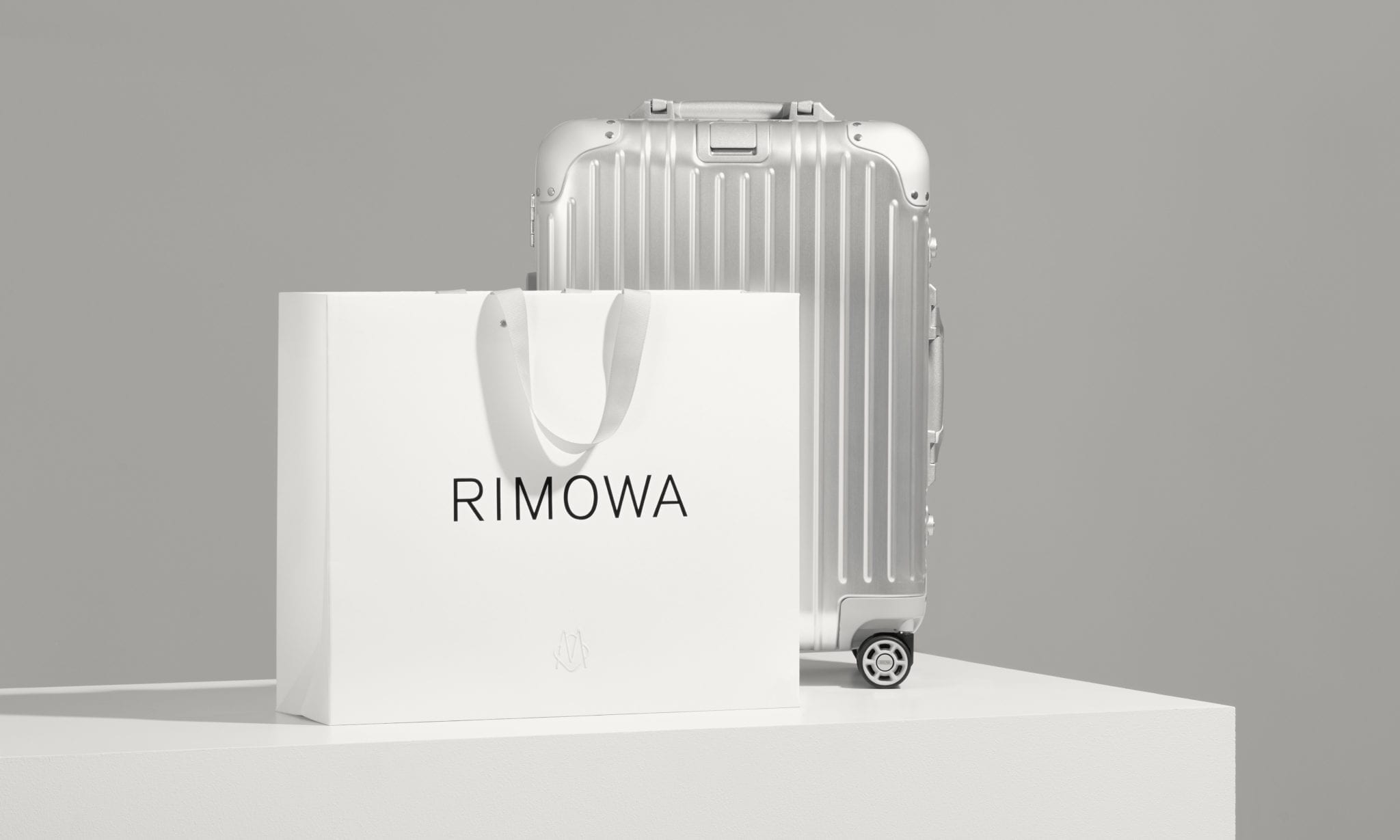
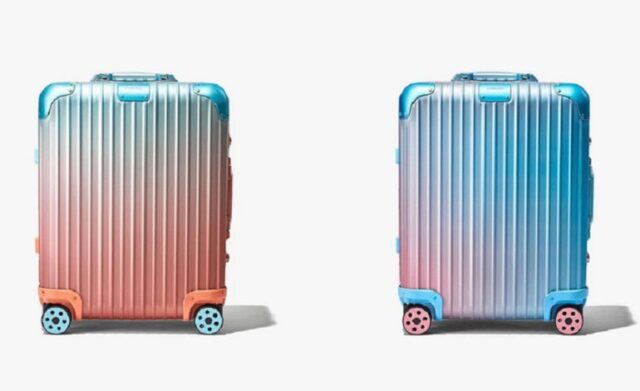
    Alexandre Arnault of Rimowa has just taken to Instagram to tease the luggage purveyor’s latest collaborative suitcase. Set for a full reveal at this year’s Frieze Art Fair, the suitcases are in collaboration with multimedia artist Alex Israel. Inspired by his home town of Los Angeles, the luggage sees the signature use of blue and red hues — inspired by the adored sunsets of the West Coast.

    The suitcases’ exterior shell and wheels are essentially treated with tones of blue, light purple, pink and light orange in a faded finish to reflect the colors of the vibrant sky in Los Angeles during sunset and sunrise.

    The suitcases will come in two color options. One will predominantly be in a gradient sky-blue – fading to flamingo-pink, while the other color option sees the complete opposite.

    Both suitcases will be officially unveiled at the Frieze Art Fair in Los Angeles via a pop-up beginning February 14.

  • Marks & Spencer India to open six more stores in next 60 days

    Marks & Spencer India to open six more stores in next 60 days

    British multinational retailer Marks & Spencer (M&S) is on an aggressive pace here and is opening six more stores in the next two months alone, a top company official has said.

    According to a report, Marks & Spencer has opened its first store here way back in 2001 and in April 2008 signed a joint venture agreement with Reliance Retail to form Marks & Spencer Reliance India.

    It now has 71 stores across 30 cities like New Delhi, Amritsar, Mumbai, Pune, Kolkata, Bangalore, Chennai, Kochi, Bhopal, Kanpur, Hyderabad and Chandigarh among others.

    “India has become increasingly an important market for us. We are now the largest market for M&S outside of our home market. We are 71 stores today and we continue to invest in this market. We opened nine stores in the last six months and it is our intention to open six more in the next 60 days,” James Munson, managing Director, Marks & Spencer Reliance India said in an interview.

    Internationally, Marks & Spencer hawks its products in 57 markets across 400 stores and an online presence in 33 markets.

    Munson further said they would look to maintain that expansion pace in the next year as well and said, “there are no other markets which are expanding the way we are expanding here”.

    Of the 71 stores here, 10 are standalone beauty and lingerie stores , including two it opened in the last nine months and said half of the stores it plans to open in the next 60 days would also be for the same.

    The company clocked a revenue of Rs 908 crore last year and has been growing at a CAGR of 24 percent over the last five years, Munson said.

    It had clocked a 9 percent growth in the same store sales last year.

    A fifth of the turnover comes from outside the major metros, he said.

    It sources 30 percent of its products from locally and India is a sourcing base for the wider British market as well.

    M&S has partnered with other e-commerce players like Amazon and Flipkart over the last few years and he said its a strong area of growth and this year they are expecting 75 percent growth in online sales.

    However, the contribution from online to its revenues is still quite small here, unlike in Britain where it’s targeting 30 percent online sales.

    M&S has developed a rethink campaign specifically for this market, a first globally where a campaign has been designed for the local market.

    In Britain, food is a popular segment for the company but Munson said there are no plans at present to introduce food here.

  • Asia-Pacific boosts Estee Lauder revenue

    Asia-Pacific boosts Estee Lauder revenue

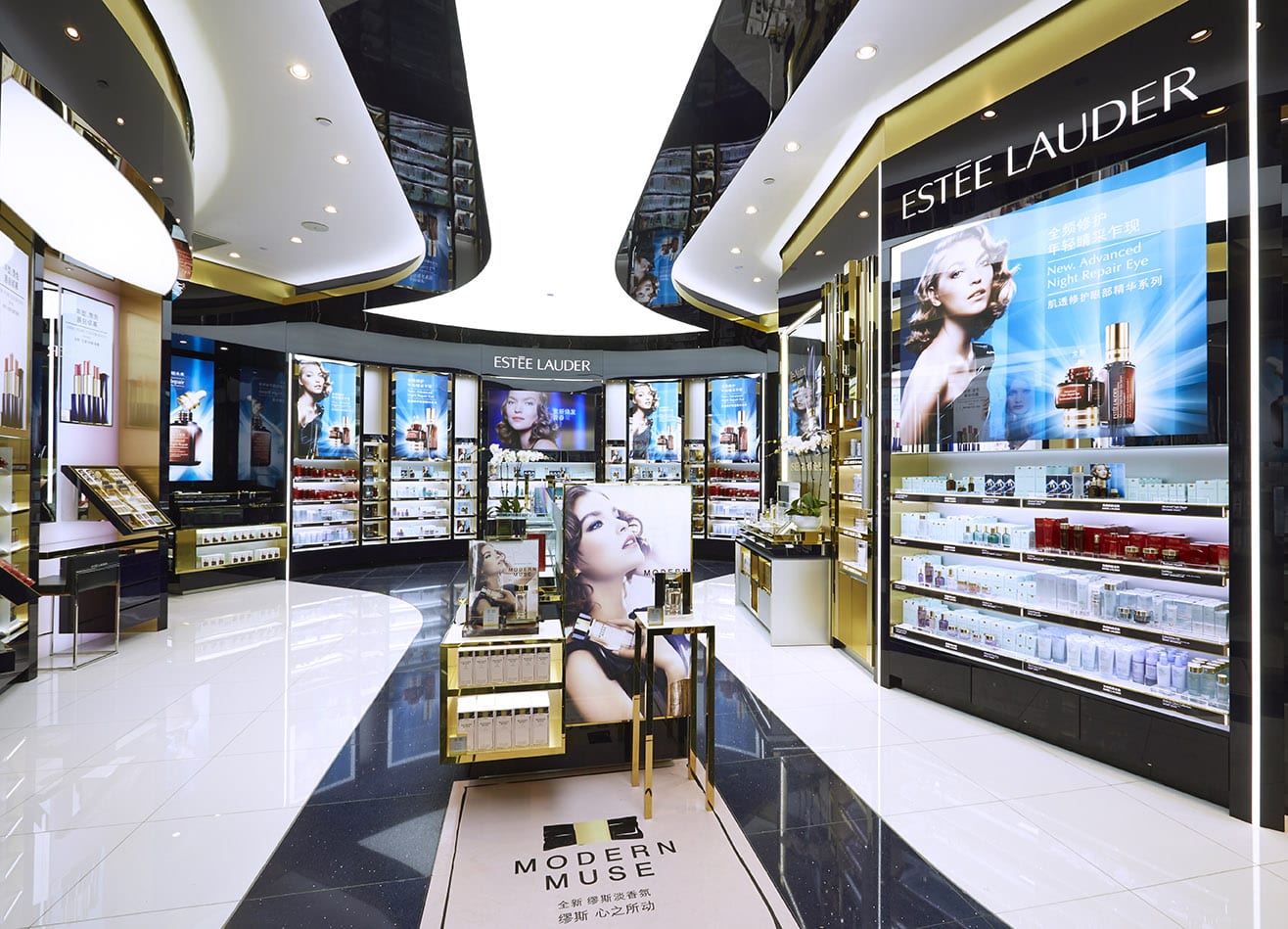
    Estee Lauder Asia-Pacific sales achieved double-digit growth in the December quarter. The beauty giant says the growth was broadbased, with nearly half of the markets in the region growing by double digits. “China, Hong Kong and Japan continued to deliver strong growth, and Korea net sales accelerated. Prestige beauty in China accelerated and the company continued to build share,” the company said in a statement.

    “[We] generated double-digit net sales growth in virtually every major product category and channel. Operating income increased, primarily due to higher net sales.”

    Globally, Estee Lauder sales exceeded US$4 billion for the first time, up 7 per cent from the same time a year earlier. Net earnings rose to $573 million compared with $123 million last year.

    “We delivered an excellent performance in our fiscal second quarter,” said president and CEO Fabrizio Freda. “Importantly, this was our eighth consecutive quarter of impressive net sales growth that met or exceeded our long-term goal, all while navigating many global macro issues.

    “Our sustained progress is the result of our multiple engines of growth strategy, and demonstrates our agility in moving resources to the best global opportunities,” he said.

    The strongest growth engines during the quarter included the skin care category globally, the Estee Lauder Asia-Pacific business, online and travel retail channels, and most brands, including Estee Lauder, La Mer, Mac and the company’s artisanal fragrance brands.

    “Despite a volatile and challenging backdrop, we are optimistic about our company’s long-term outlook. We are very well-positioned to build share in global prestige beauty,” Freda said.

    “We plan to increase our investments during the next six months behind our successful innovations, high-quality products, compelling digital advertising and effective commercial execution, while also enhancing our capabilities to strengthen our industry leadership and deliver long-term profitable growth.”

  • Reliance India buys additional stake in Future101, Genesis Colors

    Reliance India buys additional stake in Future101, Genesis Colors

    Billionaire Mukesh Ambani-led Reliance Industries has raised its stake in luxury apparel firms Future101 Design and Genesis Colors to strengthen its foothold in retail industry. Reliance Brands Ltd (RBL), a unit of RIL, “has acquired a further stake of 2.5 percent in Future101 Design Pvt Ltd on February 7, 2019, for a consideration of Rs 1.99 crore, taking its total stake in Future101 to 15 percent,” the company said in a regulatory filing.

    According to a report, also, Reliance Retail Ventures Ltd (RRVL), a separate subsidiary of the company, acquired a further stake of 9.44 percent in Genesis Colors Ltd (GCL), for Rs 45 crore taking its total stake in GCL to 29.07 percent on the enhanced capital.

    “Consequently, the stake of RBL in GCL shall be 43.66 percent and the aggregate equity shareholding of RRVL and RBL in GCL stands at 72.73 percent,” it said.

    Reliance said the acquisitions will help it to strengthen its foothold in the retail industry and support its long-term strategy to enhance its value in the industry.

    No regulatory approvals were required for the acquisition of shares and the investment does not fall within related party transaction, it added.

    The company had in July last year bought 12.5 percent stake in Future101, which is engaged in manufacturing, distribution, and sale of luxury apparels in India, for Rs 9.50 crore.

    Future101 reported an annual turnover of Rs 22.18 crore in 2017-18.

    In September 2018, RRVL had acquired a 16.31 percent stake in GCL, which owns fashion label Satya Paul, for Rs 34.80 crore. RRVL, through unit RBL, already held a 49.46 percent stake in GCL.

    That month, RRVL invested a total of Rs 57.03 crore in five other companies that sell branded readymade garments, bags, footwear, cosmetics and accessories.

    It bought a 2.07 percent stake in Genesis Luxury Fashion Pvt Ltd for Rs 3.37 crore, taking its holding in the company to 49.37 percent. Genesis Luxury Fashion distributes premium brands such as Jimmy Choo, Armani, Paul Smith and Bottega Veneta.

    It also bought 50 percent stake each in GLF Lifestyle Brands Pvt Ltd and Genesis La Mode Pvt Ltd for Rs 38.45 crore and Rs 10.57 crore, respectively.

    Besides, it acquired 50 percent each of GML India Fashion Pvt Ltd and GLB Body Care Pvt Ltd for Rs 4.48 crore and Rs 16 lakh, respectively.

  • Foot Locker buys out Goat Group stake

    Foot Locker buys out Goat Group stake

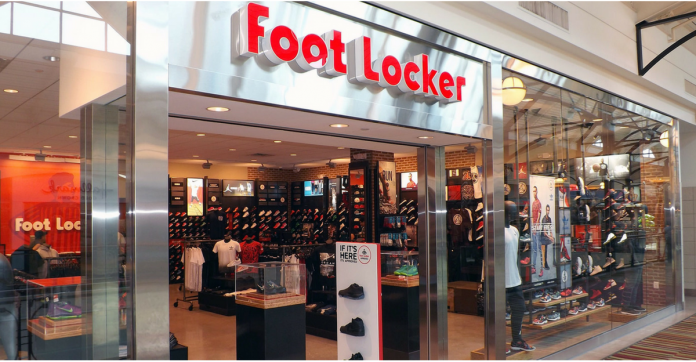
    Specialty athletic retailer Foot Locker is making a US$100 million strategic minority investment in Goat Group, a managed marketplace for authentic sneakers operating the Goat and Flight Club brands. The partners expect to make joint efforts across digital and physical retail platforms to create exclusive experiences for their customers in an attempt to elevate customer engagement. The investment is also expected to help accelerate Goat Group’s global operations, expanding its omnichannel experience and innovative technologies.

    “At Foot Locker we are constantly looking at new ways to elevate our customer experience and bring sneaker and youth culture to people around the world”, said Foot Locker’s chairman and CEO Richard Johnson. “We are excited to leverage Goat Group’s technology to further innovate the sneaker buying experience and utilise their best-in-class online marketplace to help meet the ever-growing global demand for the latest product.

    “Together, Foot Locker and Goat Group’s shared commitment to trust and authenticity in the sneaker industry will provide consumers with unparalleled experiences and diversified offerings,” said Johnson.

    “In 2015, we pioneered the ship-to-verify model with a mission to bring a seamless and safe customer experience to the secondary sneaker market,” said Goat Group’s co-founder and CEO Eddy Lu. “With more than 3000 retail locations, Foot Locker will support our primarily digital presence with physical access points worldwide, bringing more value to our community of buyers and sellers. Having Foot Locker as a strategic partner will also expand our business as we continue to scale our operations both domestically and internationally.”

    Scott Martin, Foot Locker’s senior VP for strategy and store development, will join Goat Group’s board of directors.

    The Goat Group deal follows Foot Locker’s recent investments in innovative, digital-first companies including leading women’s luxury activewear brand Carbon38; tactical play and children’s lifestyle brand Super Heroic; and footwear design academy Pensole.

    Foot Locker’s investment will bring the total raised by Goat Group to $197.6 million since it was founded in 2015.

  • Shiseido opens a new factory in Fukuoka

    Shiseido opens a new factory in Fukuoka

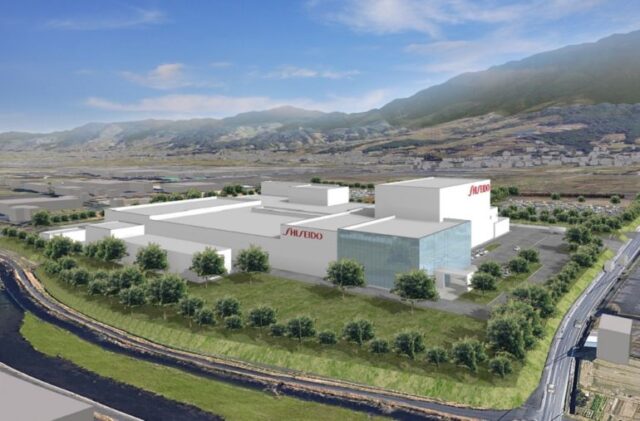
    Shiseido Company, Limited has decided to build a new production site, Shiseido Kyushu Fukuoka Factory in Kurume City, Fukuoka Prefecture, Japan. The new factory, which is slated to start its operation in fiscal 2021, will mainly manufacture skincare products for Japan and overseas markets. The investment is expected to be approximately 40-50 billion yen.

    Shiseido has been making concerted efforts as a whole toward the realization of even greater growth to accomplish the medium-to-long-term strategy VISION 2020 and to “Be a Global Winner with Our Heritage”.

    As part of its production strategy, Shiseido is pursuing the establishment of a supply chain strategy from a global perspective in line with its Group-wide marketing strategy, and progressing in the creation of a flexible operational structure at each of its factories around the globe by taking into account various elements such as costs, lead time, inventories and procurement of raw materials.

    Amid such, the company has concluded that it is vital to establish a stable and sustainable production system from a medium-to-long-term perspective in order to respond to growing demand for cosmetics inside and outside Japan and secure further business growth in the future.

    To this end, Shiseido has decided to build another new factory following Nasu Factory and New Osaka Factory (tentative name) which are currently under construction. Investments in the production base including factories currently under construction, establishment of the new Kyushu Fukuoka Factory and reinforcement of existing factories are expected to exceed 170 billion yen.

    The new factory will focus on the production of skincare products which are growing in demand, and provide safe high-quality products in compliance with ISO 22716 international standards.

    As a next-generation factory, it will utilize cutting-edge facilities and advanced technologies such as IoT in the creation of innovation. Furthermore, through the inheritance of long-standing production technologies and expertise which are Shiseido’s strength, we will realize the new factory as people-friendly with high productivity.

    It will operate in an environmentally friendly manner while being able to support our business continuity plan (BCP), aiming to exist in harmony with the surrounding environment including mountains and rivers.

  • More about Japanese label HYKE

    More about Japanese label HYKE

    HYKE enjoys a massive following in its native Japan, slowly developed since its inception in 2013. Over the past six years the label, led by married designers Yukiko Ode and Hideaki Yoshihara, has cultivated a horde of Japanese devotees attracted to HYKE’s neutral color palettes, tweaked militaria and effortless elegance. This following has garnered stockists that include some of the nation’s largest department stores, like Isetan, UNITED ARROWS and the Japanese branch of Barneys New York.

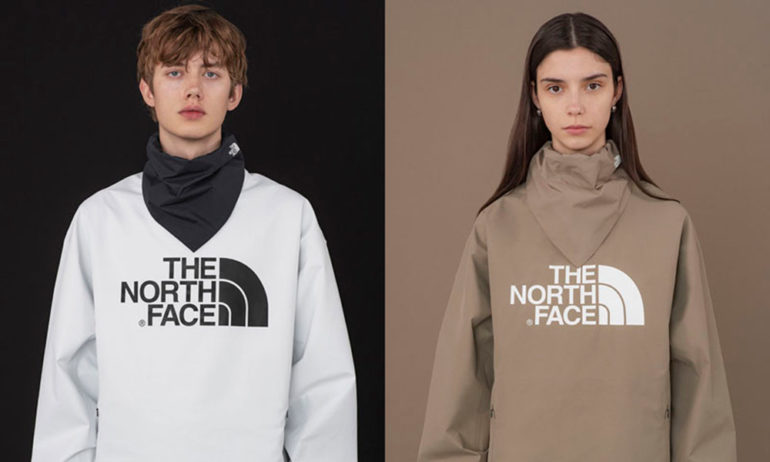
    Despite the independent brand’s commercial and critical success in Japan, HYKE remained an obscurity to even the most fashion-savvy shoppers outside of Asia. That was until the brand’s collections with The North Face received such international acclaim that the partners created a dedicated Instagram page and website exclusively for the ongoing collaboration.

    Behind the covetable technical collaborations, however, the underappreciated Japanese label has quietly advanced its singular vision with a laser focus.

    In 1997, Ode and Yoshihara launched a vintage clothing store, dubbed “bowls.” “We would go buy only the best clothes overseas and then put our favorite items on display in the shop,” the designers told the Woolmark Company in August 2016. “When we found clothes we liked, we didn’t want to sell them to anyone else. We decided that we would instead make clothing that contained the essence of what we liked, and that’s how our first brand, green, started.”

    Veterans of two different Japanese fashion schools, Ode and Yoshihara spent time as a stylist and patternmaker, respectively, before opening the store and launching green a year later.

    Guided by the philosophy of beauty through functionality, green offered simple yet thoughtfully-crafted, vintage-inspired womenswear in an era that was not known for understated clothing. Though minimalist fashion is de rigueur now, early 2000s style was rife with loud party dresses, flashy logos and gold accents.

    Thus, green’s fur-trimmed parkas, relaxed denim and muted trench coats seem even more prescient when reexamined 20 years later. A growing demand encouraged Ode and Yoshihara to introduce a brief men’s offering alongside the more expansive womenswear line, eventually taking green to the runway for the label’s final season, Spring/Summer 2009.

    Following green’s tenth anniversary, Ode and Yoshihara shuttered the label in October 2009; by then green had ballooned from a small side project to one of Japan’s pre-eminent womenswear brands. The couple retreated from fashion altogether, taking several years off to reformat their approach to design and raise their two children. In doing so, the duo shifted bowls from a vintage boutique to a management company before debuting their new flagship label, HYKE, in 2013.

    HYKE thrived almost immediately, thanks to its appreciably clean, minimalistic designs and the accumulated green fanbase. Ode and Yoshihara aim “to evolve fashion history by our heartstrings,” recreating militaristic garments with custom fabrics. Though some clothes sport playful fringe or deep pleats, the basis of each collection remains the same: the couple sources key vintage pieces for inspiration — be it a classic M65 jacket or fishtail parka — deconstructs the garments to study patterns, threads and craftsmanship, before piecing them back together via contemporary pattern-making. Using simple, versatile colors and unparalleled craft, HYKE’s consistently wearable offerings prove reliably popular. This consistent demand encouraged both Mackintosh and adidas Originals to join forces with HYKE in 2014.

    The one-off Mackintosh collaboration yielded a workmanlike approach to reimagining the British heritage brand’s signature outerwear, with HYKE serving up four muted, militaristic iterations of three classic coats for both men and women. Meanwhile, the adidas Originals partnership continued until Fall/Winter 2016, with each season gradually expanding HYKE’s design ethos. A quick comparison of the first drop — minimalist Trefoil hoodies, army green pullovers and velcro-strapped adilette runners — to the final release — monochrome Seeulaters, faux croc skin adidas clutch bags, sporty capes and occasional snakeskin patterns — makes the evolution all the more dramatic. The success of these lines, as well as the continuing growth of the main line, helped Ode and Yoshihara win the 35th Mainichi Fashion Grand Prix in 2017.

    Both the Mackintosh and adidas collaborations received global releases, but the reception was muted in comparison to HYKE’s headline-stealing collaboration with The North Face. The collection debuted during HYKE’s Spring/Summer 2018 runway, immediately establishing an ideal marriage of HYKE’s minimalist taste with The North Face’s utilitarian gear, informed by the Japanese label’s desire to combine “the functionality of outdoor sports wear with the sensitivity of HYKE.”

    HYKE’s preferred army green, black and white color palette returned for the collection, along with playful snakeskin patterns and signature garments, like the cropped Bolero Jacket and solid-color pullovers. With each collaborative release since that first joint effort, the duo have introduced small expansions to keep the line fresh — oversized pullovers, sock-like sneakers and even menswear — while retaining much of the same elements from past drops. However, The North Face Japan’s complicated licensing prevents the collection from seeing worldwide release, despite the overwhelmingly positive international reception and the recent addition of menswear to the line.

    To make a complex issue very simple: America’s The North Face is a different company from Japan’s The North Face. In 1978, outdoors company Goldwin began distributing The North Face in its native Japan, eventually purchasing the exclusive Japanese (and partial Asian) TNF license from the American branch. This exclusive license still remains in Goldwin’s possession; thus, American The North Face products can’t sold in Japan and Goldwin’s The North Face goods can’t be sold outside of the island nation. Since HYKE x The North Face is produced by Goldwin, that means that distribution will likely never expand beyond Asia, unless the Japanese The North Face strikes a deal with its American counterpart, as Goldwin recently did with THE NORTH FACE PURPLE LABEL.

    Regardless of legal qualms, HYKE maintains a massive following in its native Japan, with a developing influence throughout Asia as Korean and Chinese retailers take note of the brand’s adaptable designs. And more The North Face collections will only aid HYKE in increasing its global presence. Although the license quagmire will keep those collaborations from being sold overseas, HYKE could potentially bring its in-house creations abroad. If savvy Western retailers snap up the Japanese brand’s minimalist wares, it may open the floodgates for future expansion — possibly even bending the rules for The North Face.

    After six years back in fashion, Ode and Yoshihara remain unflinching in their dedication to realize the identity they established with the launch of HYKE. With no desire to cut corners (or prices) on its detail-oriented Japanese expertise, the designers are in no hurry to broaden its global footprint, or even create a proper menswear offering. Next up for the brand? Perhaps HYKE will finally open a Japanese flagship store, a hard-won focal point in service of clientele who appreciate the label’s unwavering commitment to independence.

    HYKE x The North Face Spring/Summer 2019 drops February 6 exclusively at The North Face Futakotamagawa and Isetan Shinjuku before hitting other Japanese TNF outposts on February 16.

  • Luxury goes local as Chinese shoppers gravitate towards home-grown brands

    Luxury goes local as Chinese shoppers gravitate towards home-grown brands

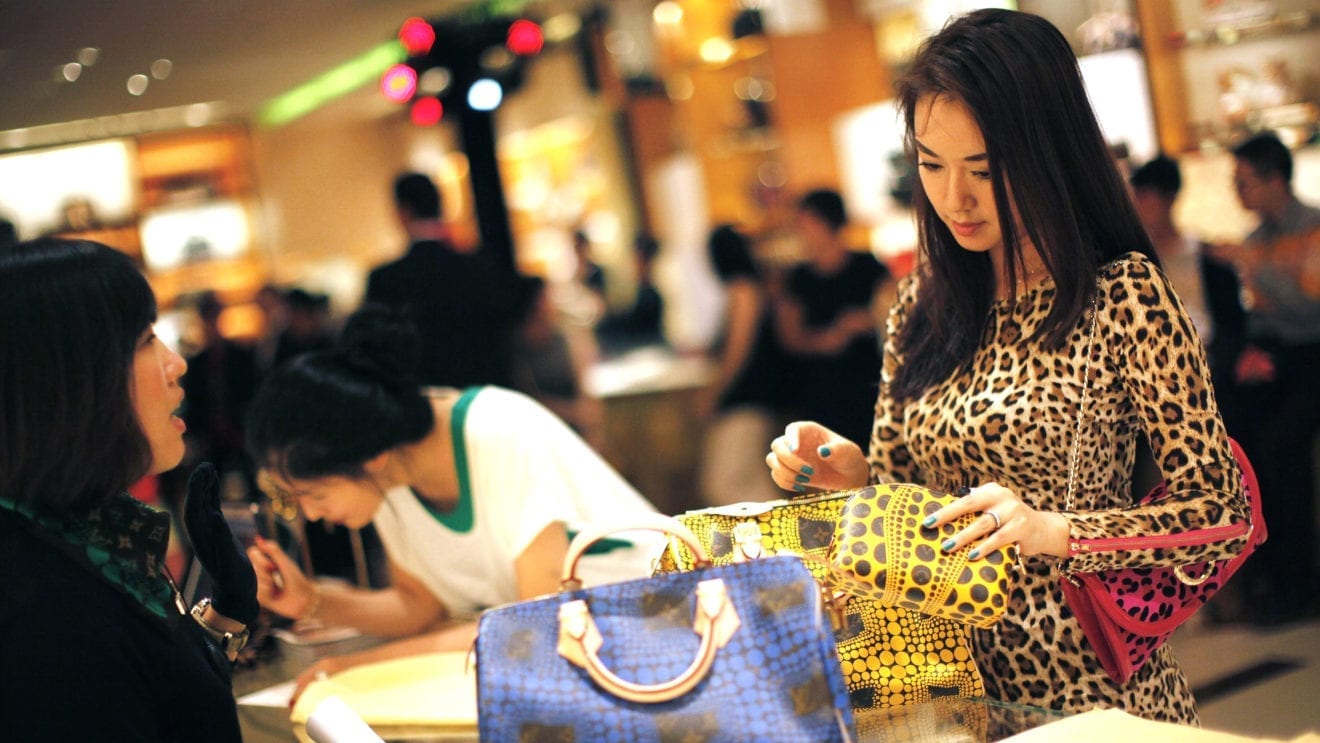
    Affluent Chinese consumers have for years shown a preference for global, well-known brands and labels. But with growing sophistication in tastes and a penchant for unique styles, the well-heeled are now increasingly gravitating towards high-end Chinese designers.

    “While global forces will continue to impact China’s luxury market, domestically there’s this whole new wave [of Chinese designers] that is coming through and is transforming the market,” said Simon Tye, executive director of Hong Kong-based market research company Consumer Search Group (CSG).

    In a report released last month along with US and China-based public relations company Ruder Finn Group, CSG found that 74 per cent of affluent Chinese consumers are aware of at least one Chinese designer, and 45 per cent intend to buy more Chinese designs over the next 12 months.

    According to report, titled “The 2019 China Luxury Forecast”, a shift in purchasing attitude from buying to “show-off to outsiders” to a “reflection of personal taste” is evident in 76 per cent of Chinese consumers. These respondents said they buy luxury items that reflect personal taste, up by about 30 per cent since 2012, according to the report.
    According to Mintel China, another market research company, niche luxury brands are particularly popular among women between the ages of 20 and 24, who are single and have a postgraduate or higher degree.

    Karen Zhang, 24, a banking professional from Beijing, said: “I still like my Gucci and Dior bags, but nowadays I like to explore luxury brands that have interesting stories and doesn’t shout extravagance. I also like to buy products by Chinese brands that have a unique twist.”

    The growing interest in Chinese designers is illustrated by a fivefold increase in the number of such brands featured by Hong Kong-headquartered luxury goods store chain Lane Crawford in recent years, according to strategy consultancy OC&C. Comme Moi, a brand founded by Chinese model Lu Yan, is among the fastest growing brands in Lane Crawford stores in China.

    JNBY, regarded as the most commercially successful Chinese designer brand, has more than 1,500 stores worldwide. Angel Chen, known for her colourful approach to fashion and fusion of eastern and western aesthetics, is stocked internationally by 30 retailers, including Lane Crawford, Luisa Via Roma, H. Lorenzo and Dong Liang. She is part of the “new wave” making an impact locally and globally, according to CSG.

    Unlike traditional brands, which spend on large-scale marketing and advertising campaigns, these new brands rely more on their unique designs and the power of celebrities and “key opinion leaders” for publicity.

    “For instance, Chictopia, founded by a local designer, Christine Lau, offers innovative and high-quality products with a clear story theme for each season,” said Veronica Wang, associate partner at OC&C. “The brand is followed by a group of top local celebrities, such as Fan Bingbing and Angelababy, which helps to establish awareness among the young generation.”

    The brand launched an official website in 2016, which provides an online sales channel and allows for the sharing of the brand’s latest collections through WeChat.

    Wilson Li, 28, a Chinese designer, said: “This is a very interesting time [for Chinese designers] right now. Around 20 years ago, Chinese clothing companies produced items that were extremely cheap, and they didn’t care much about quality. But this isn’t the case any more.”

    Li said the US-China trade war was pushing the market to improve its offering: “The only way for Chinese designers and companies to break out is to improve their standards.”

    Li, founder and head designer at Wilson PK, is known for his innovative fabrics and creative knitwear. He said a growing number of Chinese companies had been investing more in research and development as well as quality control over the past 10 years, with the aim of shaking off the image being of “cheap”.

    His brand, which has been around for five years, can count celebrities such as American singer Lady Gaga and British musician Lianne la Havas as its fans.

    “For custom fashion pieces, which are priced between US$960-US$3,830, we usually reach our target consumers through our online look book and stylists,” said Li. “Mass market customers can shop the ready-to-wear collection on our website, with prices starting from US$50.”

    Li, a fashion design graduate of Central Saint Martins Art and Design College, added: “Nowadays, Chinese consumers don’t just want luxury, they want the stories that come with it.”

    Industry experts say it is important for niche luxury brands to maintain a sense of exclusivity and rarity through storytelling. Scarlett Zhao, associate research analyst at Mintel China, said: “Niche brand lovers tend to be better informed and are willing to pay more for a brand’s unique meaning.”

    According to these experts, the biggest competitive edge Chinese designers have is their understanding of local preferences. And according to Wilson PK’s LI, while it is too early for local designers to be considered as rivals to established global fashion houses, there are more opportunities for Chinese brands in the current market.

    “Let’s be honest, calling it a competition would be too difficult. But as a Chinese designer, I definitely want to liberate my own culture,” he said.

  • Gucci unveils fragrances collection ‘The Alchemist’s Garden’

    Gucci unveils fragrances collection ‘The Alchemist’s Garden’

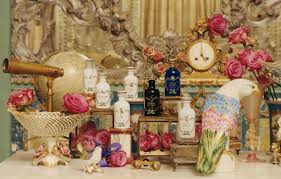
    Gucci has revealed its luxury fragrances collection – The Alchemist’s Garden – with oud, amber, violet, iris, mimosa, rose and woods as the seven scents. The Alchemist’s Garden collection has seven scents – oud, amber, violet, iris, mimosa, rose and woods.

    The design of the bottles is inspired by vintage apothecary, pharmacy jars and the first perfumery containers, resonating with the nostalgic theme of the collection. All the bottles are white except for oud, which is black, and rose, which is in a shade of blue chosen by Michele.

  • From Gucci to Dolce & Gabbana: racism in fashion continues?

    From Gucci to Dolce & Gabbana: racism in fashion continues?

    Luxury fashion is all about breaking codes, creating a new, irresistible message that captivates consumers. But some of the globe’s top brands have raised eyebrows with designs that have seemingly racist undertones. The latest instance of that was Italian fashion designer Gucci, which produced a black wool balaclava jumper with an oversized collar that pulls over the chin and nose. It includes a slit where the mouth is, ringed with what look like giant red lips.

    Its similarity to blackface prompted an instant backlash from the public and forced the company to apologise publicly on Wednesday.

    Gucci also withdrew the offending garment from sale on websites and stores. It said the incident would be “a powerful learning moment for the Gucci team and beyond”.

    But the question persists: how can fashion houses that thrive on detail miss such critical social cues?

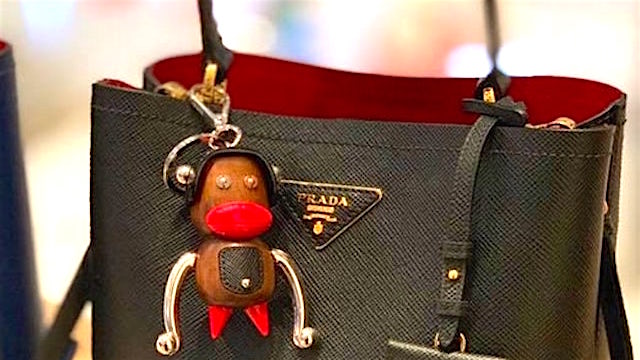
    Prada similarly withdrew a monkey bag charm that recalled blackface in December, saying it “abhors racist imagery.” And Dolce & Gabbana issued a video apology after one of the designers made insulting remarks about Chinese people in a private chat discussing the questionable depiction of a Chinese model in a campaign.

    “Luxury brands used to be able to get away with provocative and eccentric ads that push the boundaries of our society and culture in the name of being creative and cutting edge,” says Qing Wang, a professor of marketing at Warwick Business School in the United Kingdom.

    “However, a long list of recent incidents have caused public outrage, suggesting that era is now gone, or that luxury brands have lost touch with public sentiment. What used to be considered ‘creativity’ has now turned into ‘bad taste’ or even ‘racist’.

    He cited other fashion fails that evoked stereotypes, including Dolce & Gabbana’s “slave sandal” in its spring-summer 2016 collection and a recent Burberry campaign for the Chinese New Year that was compared to Asian horror films.

    While many of these incidents have caused immediate social media backlashes, the longer-term impact will take time to measure, and will depend on the brands’ reaction and future sensitivity.

    Dolce & Gabbana was forced to cancel its Shanghai runway show after the insulting remarks were publicised, top Asian influencers backed out of campaigns and Chinese websites dropped their line – a warning sign from a region that holds great sway in global luxury sales.

    The blackface images have particular resonance in the United States, where the governor of Virginia and his attorney general have been caught up in a scandal over blackface incidents from their college days in the 1980s. The offensive depictions are reminiscent of travelling entertainers from the 19th century, who would paint their faces black to portray African characters in a ridiculous and mocking fashion, spreading racial stereotypes along the way.

    Italian sociologist Michele Sorice at Rome’s Luiss university says that the evocation of blackface by Italian fashion houses signals “a mixture of good faith, and ignorance”. He notes that Italian society still isn’t fully aware of the racial charge in some words and images.

    “I imagine that they don’t truly think they are racist,” Sorice says. “I think they didn’t have the instruments to understand that these images are archetypes that were used to contrast the concept of blackness and make them ridiculous. I think that many simply don’t know. It is a cultural issue.”

    Paolo Cillo, a marketing professor at Milan’s Bocconi University, says the designer’s intent may have been taken out of context and amplified, and she credits Gucci with acting swiftly to quell the controversy.

    “I wouldn’t stigmatise fashion,” Cillo says, comparing the fashion designer process to artistic pursuits like filmmaking, painting or music. “There are artists in the world of culture that did more outrageous things and no one ever said a thing. There is a perception that fashion is ephemeral, or commercial. But from my point of view, it is not. It reflects the times, like all other artistic forms.”

    While the fashion world has been at the forefront of addressing sexual norms – Gucci has been redefining genderless dress codes under Alessandro Michele – it has lagged behind other industries in taking on social issues such as racial tolerance, climate change or women’s empowerment, according to Larry Chiagouris, a marketing professor at Pace University, US.

    “It is not clear why this is,” Chiagouris says, “but the evidence clearly points to the fashion industry’s need … to catch up with the rest of the world.”

  • The Shoppes at Marina Bay Sands hit record high in 2018

    The Shoppes at Marina Bay Sands hit record high in 2018

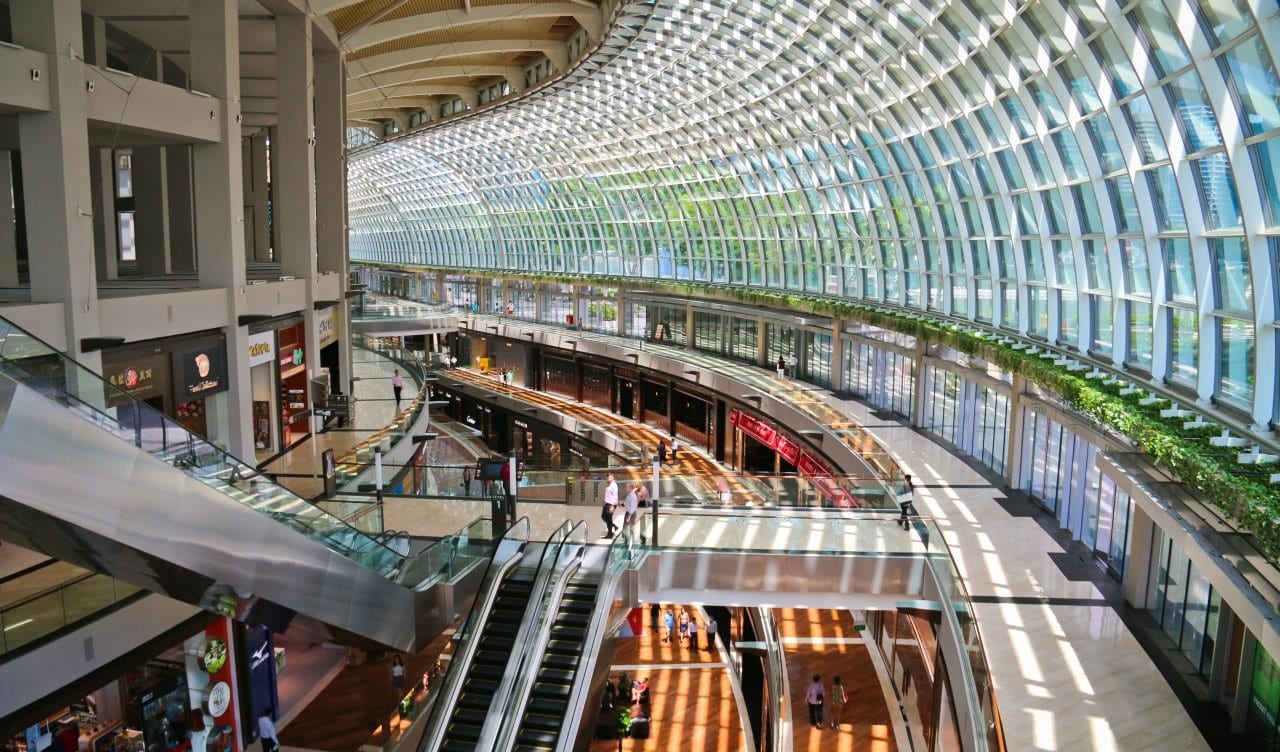
    The Shoppes at Marina Bay Sands has capped its most successful year ever, breaking revenue records in 2018 and strengthening its leading position as the luxury shopping destination in Singapore. The luxury mall, which enjoys an occupancy of 95.4%, rang in a record mall revenue of US$179 million last year, a 7 per cent rise against the same period in 2017 – by far its best performance since opening. In 2018, retail tenant sales at The Shoppes jumped 19 per cent to US$1,898 per square foot from the preceding year.

    The Shoppes also kept its top position in tourism shopping, capping a record year to represent an estimated 25 per cent of the tax-free tourist market in Singapore. This is based on industry metrics that track tax-refunded tourist receipts.

    John Postle, Senior Vice President of Retail, Marina Bay Sands, said, “2018 has been an exceptional year for the mall, as we not only achieved our highest sales revenue in history, but also solidified a leading position in tourism shopping. This is so rewarding, given the competitive retail landscape and growth of online shopping.”
    The performance is also the result of an ongoing retail remix strategy that started in 2012, which saw the mall double its footprint with luxury brands in the form of duplexes, as well as expansion into luxury childrenswear.

    This strategy, coupled with attractive programming such as late-night shopping, in-store exclusives, and one of the most generous loyalty programmes in Singapore, has resulted in 120,000 shoppers walking through the doors of the mall daily. This includes locals as well as its biggest tourism markets of China, Indonesia and Japan.

    Jan Moller, Country Managing Director, Singapore & APAC Sales, Global Blue, said, “As one of Asia’s leading shopping destinations, The Shoppes at Marina Bay Sands continues to outperform other luxury malls in Singapore to own the greatest share of inbound tourist spend in the luxury sector in 2018.”

  • Chinese demand for skincare products boosts sales of French cosmetics company L’Oreal

    Chinese demand for skincare products boosts sales of French cosmetics company L’Oreal

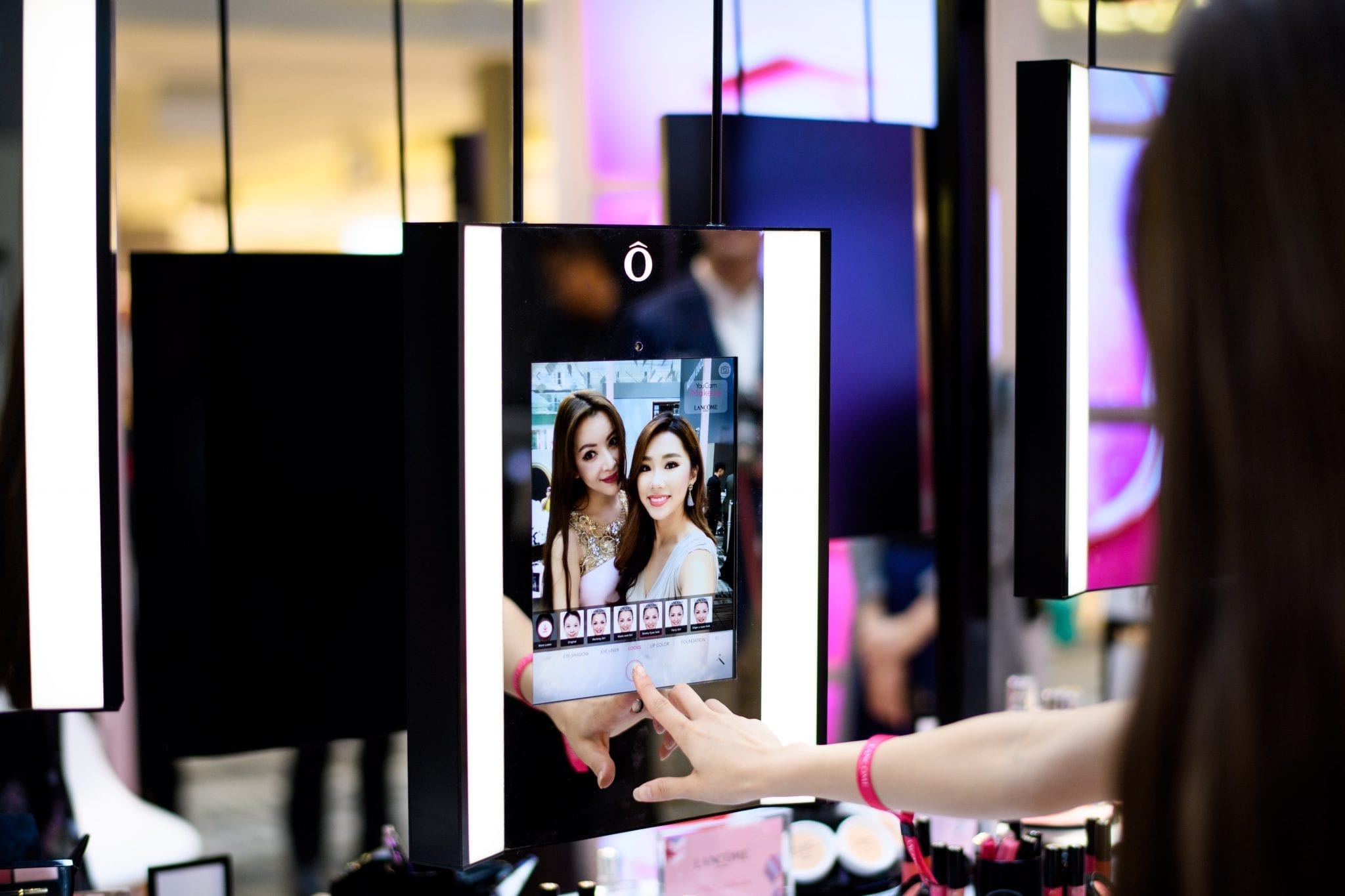
    Strong Chinese demand for luxury skin creams helped Lancome owner L’Oreal beat sales forecasts in the fourth quarter, as did a pickup in its lagging mass market division. Like rivals including US-based Estee Lauder, the French maker of Maybelline and Urban Decay make-up has thrived on strong demand from Chinese shoppers in recent years, especially for its higher-end products.

    Sales of L’Oreal’s top-flight brands exceeded analyst expectations in the last three months of the year thanks to this market, despite cooling economic growth in China, and fears over a Washington-Beijing trade war.

    Some heavy-hitters in the luxury fashion industry, such as LVMH’s Louis Vuitton, have also reported encouraging momentum in Asia. At L’Oreal Asia-Pacific overtook North America as its biggest region last year.

    But L’Oreal, which is due to detail its results at a news conference on Friday, also faces a challenge to keep improving revenue growth in other areas, including its consumer products unit, home to brands like Garnier shampoo.

    Sales rose 2.8 per cent in that division on a like-for-like basis in the fourth quarter, which strips out currency effects and acquisitions, up from 2.3 per cent a quarter earlier.

    That helped boost overall sales at the firm, up 7.7 per cent like-for-like and head of forecasts for a 6.4 per cent rise, and which came in at 7.1 billion euros ($8.1 billion).

    Yet the mass market segment still slightly lags the performance of peers like Nivea-maker Beiersdorf and Dove soap owner Unilever.

    L’Oreal said it was also facing a sluggish market in France and the United Kingdom.

    While the latter only makes up around 3 per cent of sales, the company has joined others in preparing for Britain’s potentially chaotic exit from the European Union, and has started stockpiling cosmetics.

    The company said it still expected to outperform the broader beauty market in 2019, though the tone of its outlook was a tad less bullish than last year, forecasting “growth in both sales and profits” rather than “significant growth”.

    For 2018 as a whole, the company’s operating profit rose 5.3 per cent to 4.7 billion euros, giving a margin of 18.3 per cent of sales, up from 18 per cent at the end of 2017.

    One of L’Oreal’s biggest shareholders with a 23 per cent stake, Switzerland’s Nestle, has come under pressure from an activist investor to sell off its stake in the French cosmetics firm. The firms have yet to signal whether such a move was in view.