Category: Fashion

Retail News Asia is committed to providing both local and global retailers with the latest Fashion news throughout the Asian market. This on a daily base.

  • Record results for LVMH in 2018

    Record results for LVMH in 2018

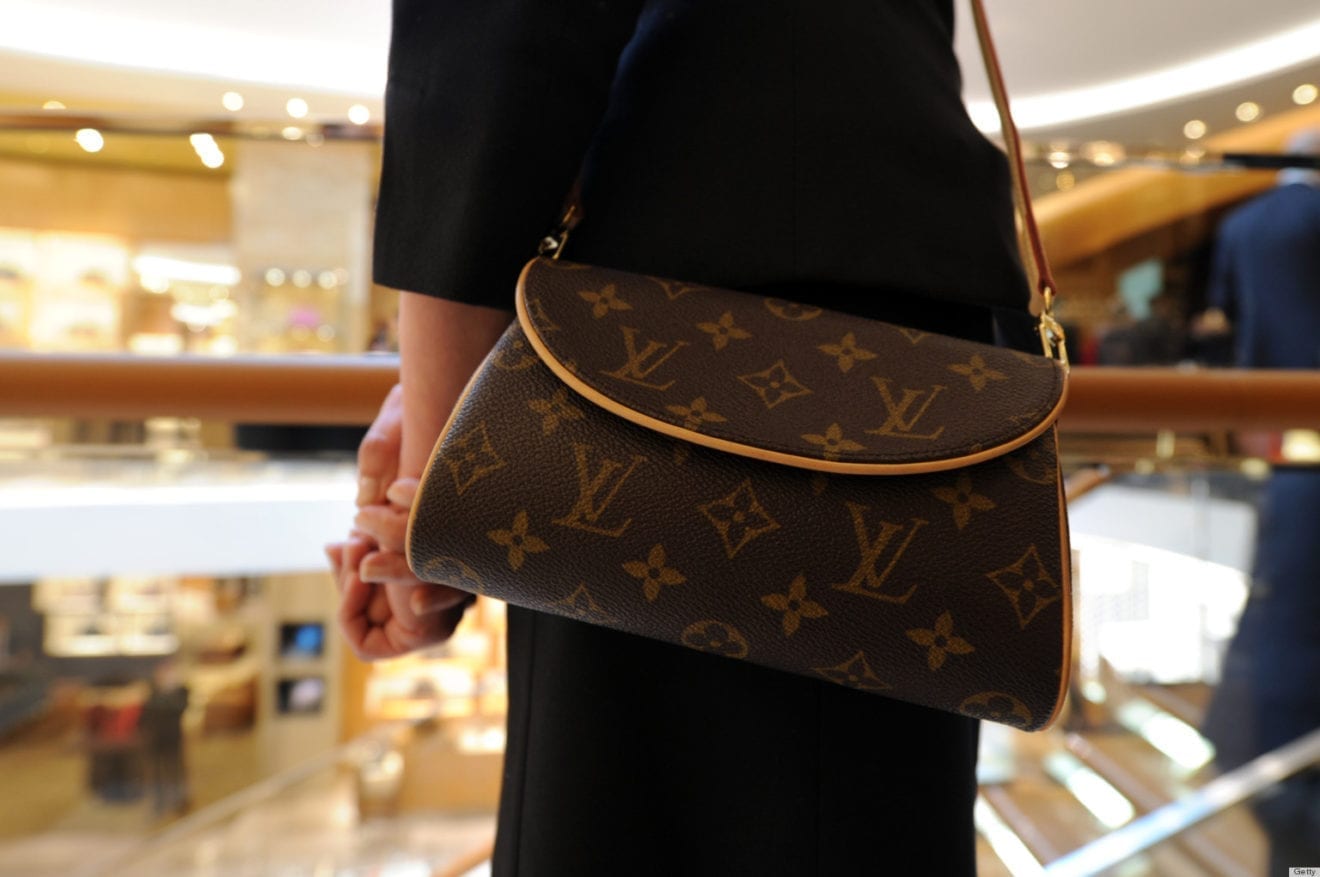
    The world’s largest luxury retailer LVMH shrugged off broader market pessimism overnight reporting record revenue of €46.8 billion last year, up 10 per cent over 2017. Excluding the closure of the unprofitable Hong Kong airport duty-free business in December 2017, the group’s organic growth was 12 per cent. Every business division delivered what the company described as “excellent performances”.

    Group profit rose a staggering 21 per cent to €10 billion with operating margin reaching 21.4 per cent, an increase of 1.9 percentage points.

    “LVMH had another record year, both in terms of revenue and results,” said chairman and CEO Bernard Arnault. “The desirability of our brands, the creativity and quality of our products, the unique experience offered to our customers, and the talent and the commitment of our teams are the group’s strengths and have once again made the difference.”

    Arnault said this year the company would continue to innovate and target investments combining tradition and modernity.

    “In an environment that remains uncertain, we can count on the appeal of our brands and the agility of our teams to strengthen, once again, our leadership in the universe of high-quality products.”

    The company’s flagship Louis Vuitton business was a standout for the group, contributing much of the 15 per cent organic sales growth of the fashion and leather goods business division where profit from recurring operations was up 21 per cent.

    “Christian Dior had an excellent first full year within LVMH thanks to the creativity of Maria Grazia Chiuri for the women’s collections and to the arrival of Kim Jones, the new artistic director of Dior Homme,” the company said in its earnings statement.

    “Fendi and Loro Piana continued to assert their know-how throughout their collections. Celine entered a new and ambitious stage of its development with the arrival of Hedi Slimane as artistic, creative and image director of the brand.”

    Givenchy, Loewe and Kenzo “progressed well” while the other brands, Berluti and Rimowa continued to gain momentum.

    Watches and jewellery profit soars

    LVMH’s watches and jewellery business recorded organic revenue growth of 12 per cent – and a stunning 37 per cent increase in profit from recurring operations.

    “Bulgari performed very well and gained market share. Its iconic jewellery and watchmaking lines Serpenti, Diva’s Dream, B.Zero1, Lvcea and Octo grew strongly.”

    Chaumet’s growth was driven by the success of the Liens and Joséphine collections, particularly in Asia.

    In the watchmaking sector, Tag Heuer continued to expand its range and Hublot enjoyed strong growth, partly due to high visibility as the FIFA World Cup official timekeeper.

    DFS returns to profit

    A return to profitability for the travel-retail business DFS after it exited its Hong Kong airport concessions at the end of 2017 was a highlight of LVMH’s ‘selective retailing’ business unit last year. The business group achieved a 12 per cent improvement in organic revenue growth (excluding the airport business from the 2017 base comparison) and a 29 per cent improvement in profit.

    “DFS progressed strongly thanks to a particularly good performance in Hong Kong and Macau. The recently opened Gallerias in Cambodia and Italy also grew rapidly,” said LVMH.

    Sephora enjoyed unspecified growth in sales and market share, with strong online sales growth in Asia and North America. About 100 new stores opened worldwide, including the new Nanjing Road store in Shanghai and the first Sephora-branded stores in Russia.

    Scents of success

    The perfumes and cosmetics business division achieved organic revenue growth of 14 per cent, driven by the performance of its flagship brands, with profit from recurring operations up 13 per cent.

    “Parfums Christian Dior experienced remarkable growth and increased its market share in all regions of the world. The launch of its new perfume Joy and the exceptional worldwide success of Sauvage and the other iconic perfumes J’adore and Miss Dior are behind the strong growth of the Maison,” said LVMH.

    “Makeup and skincare also grew rapidly. Guerlain progressed well, driven in particular by the success of Abeille Royale in skincare and Rouge G in makeup. Benefit strengthened its leading position in the eyebrow segment and Parfums Givenchy accelerated its performance, thanks in particular to makeup and its new perfume L’interdit. Fresh and Fenty Beauty by Rihanna continued their exceptional growth.”

    Strong spirits

    The wines and spirits business group achieved organic revenue growth of 5 per cent and profit from recurring operations also increased by 5 per cent.

    “The business group reaffirmed its leadership position by pursuing its value strategy and balanced geographic development.”

    The Hennessy business enjoyed “strong momentum” in Mainland China, LVMH said.
  • China’s Trendy Group buys the Denham Group

    China’s Trendy Group buys the Denham Group

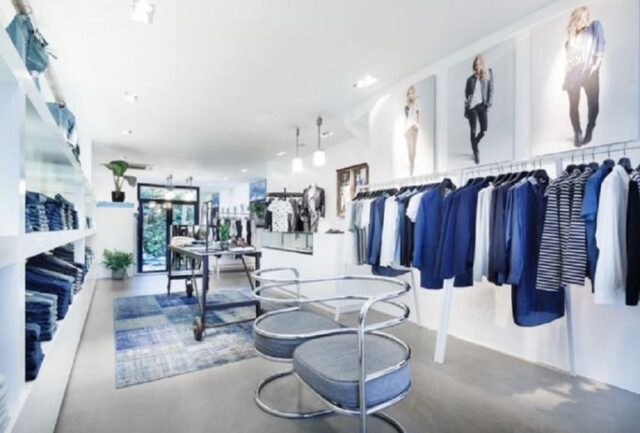
    Dutch denim company Denham Group has a new major shareholder, according to reports in the Netherlands, with China’s Trendy Group named the official buyer. The parent company of denim label Denham the Jeanmaker, Denham Group was snapped up by Trendy from Amsterdam-based investment firm Amlon Capital for an undisclosed amount.

    Denham’s current chief creative officer Jason Denham will remain in the top design spot, following the acquisition, and will remain a shareholder, Trendy said in a press release.

    However, Ludo Onnink, CEO at Denham Group, will depart the company his post, with Andre Chen, senior vice president at Trendy Group, to succeed him.

    Denham Group

    Trendy views the Denham Group acquisition as an opportunity to nurture and expand the Denham brand in current markets such as China, via the production of new items.

    Denham Group and Trendy are familiar allies. Back in March 2017, the companies announced a joint venture to further expand the European denim brand in China, resulting in the opening of 16 retail stores in key cities in Chin. Now, there are plans to further grow the business in the coming years as a result of the acquisition.

    “We see many opportunities to grow the Denham business in the existing markets but also as the most influential denim player in the future,” said Chen.

    “This will not only be achieved by extending our jeans business, but also by adding additional product categories.”

    Founded in 2008 in Amsterdam by Jason Denham, Denham retails in some 20 cities including its local Amsterdam, as well as nearby Antwerp and Hamburg. As for Asia, it is present in Tokyo, Osaka, Shanghai and Seoul.

    In wholesale terms, the label is has global partners and is available for purchase via its namesake online store. The Denham is also headquartered in Amsterdam, with sub-offices in Düsseldorf, Shanghai and Tokyo.

    Launching in 1999, China’s Trendy Group is today a global fashion and denim mecca with a stable that includes fashion brands form the Italian house Sixty Group: Miss Sixty, Killah and Energie.

  • Lanvin names Bruno Sialelli as its new creative director

    Lanvin names Bruno Sialelli as its new creative director

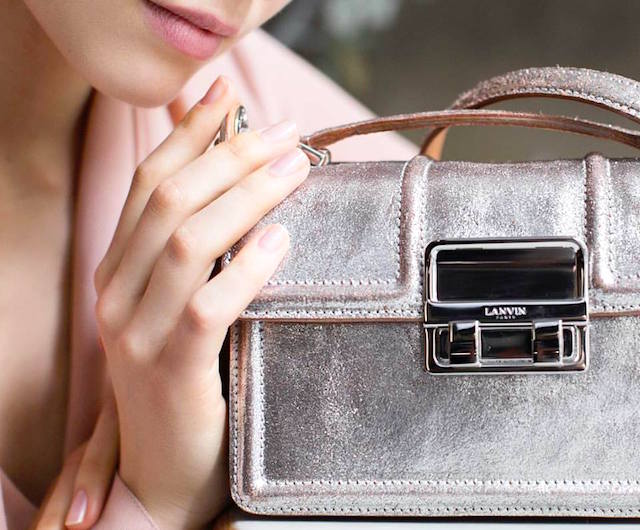
    Luxury fashion house Lanvin announced the appointment of Bruno Sialelli to the role of creative director. A relative unknown in the fashion world, Sialelli has worked for other luxury companies including most recently, Loewe, where he was head of menswear, under the guidance of the Spanish company’s creative director, Jonathan Anderson. Chinese conglomerate Fosun, who acquired Lanvin in 2018, said that the 31-year-old Frenchmen was hired to take the company in a “pivotal new direction,” a crucial call for the world’s oldest couture house.

    Lanvin’s chief executive Jean-Philippe Hecquet harmonised the sentiment.

    “We’re thrilled to welcome Bruno as the new creative director of Lanvin,” commented Hecquet. “His singular and very personal vision, his audacity, his culture, his energy and ability to build a strong creative team definitely convinced us. I can’t wait to discover Bruno’s first collections which will fully bring back to life this beautiful and unique fashion house, and once again inspire a passion among our customers.”

    In what has been a rollercoaster of a ride for the high-end French brand, Sialelli will take the top design spot as the fourth creative director to work at Lanvin in just four years.

    In 2015, Lanvin announced the shock departure of the label’s acclaimed designer Alber Elbaz, who was let go after disagreements with its previous owner, Taiwanese media magnate Shaw-Lan Wang. Elbaz had worked as Lanvin’s creative director for 14 years prior.

    Since then, it has been a tough slog for the 130-year-old company, which at its peak in 2012, was reportedly made 235 million euros, but sales have been steadily dropping ever since.

    In 2016, Lanvin reported a massive 18.3 million euro loss, after ten years of profitability.

    Following Elbaz’s departure, Bouchra Jarrar joined Lanvin, but quit as creative director after just a year-and-half, making way for Olivier Lapidus, who also quit, making way for Siaelli, the brand’s ray of hope.

    Before coming to Lanvin, Sialelli has also held design roles at brands like Paco Rabanne and Balenciaga. He is a fashion graduate of Studio Berçot in Paris.

  • Pronovias enters China with Shanghai store opening

    Pronovias enters China with Shanghai store opening

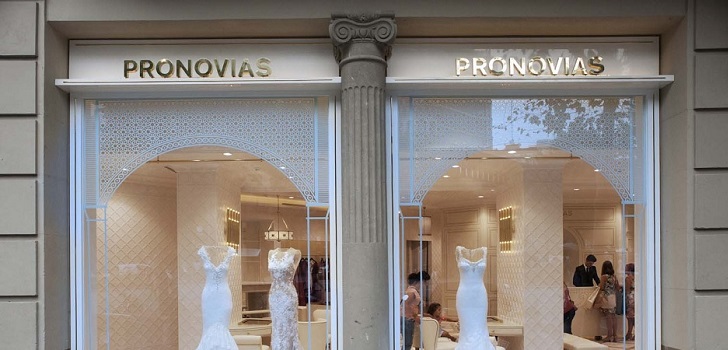
    Spanish bridalwear firm Pronovias has launched its first Chinese location in Shanghai. The 500sqm store is opening in luxury shopping centre Plaza 66, which hosts a range of high-end brands including Chanel and Dior. The move sparks off a greater strategy for the region, in which the Shanghai location will serve as Pronovias’s flagship.

    The brand was founded by BC Partners explicitly to tackle the difficult Chinese and American markets. China is the world’s largest producer of wedding dresses, and local custom is often to hire rather than buy the dress.

    The firm is simultaneously moving to expand in the US, with eight openings planned for the American East Coast.

  • Diamanti Per Tutti makes debut in Singapore

    Diamanti Per Tutti makes debut in Singapore

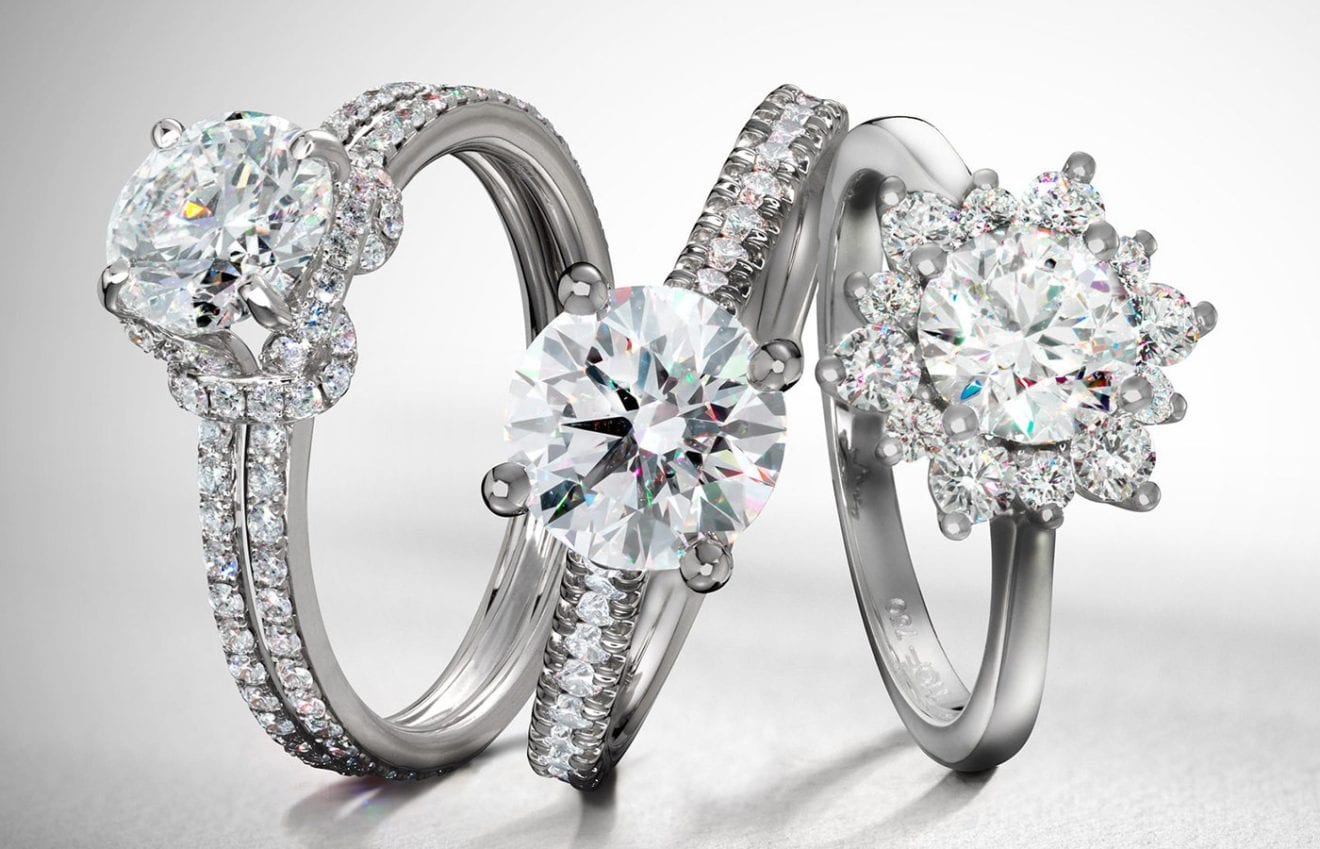
    Belgian jewellery brand Diamanti Per Tutti has launched its first standalone store in Singapore at Raffles City Shopping Centre. Positioned as an affordable luxury label, Antwerp-based Diamanti Per Tutti retails 925 Sterling Silver items gilded with 18 carat pink or yellow gold vermeil or white rhodium, set by hand with real, ethically-sourced natural diamonds and gems.

    The brand, which has outlets in Beijing, Shanghai and Hong Kong, plans to open its second Singapore location in March.

  • Why top watch marques no longer need Baselworld, SIHH?

    Why top watch marques no longer need Baselworld, SIHH?

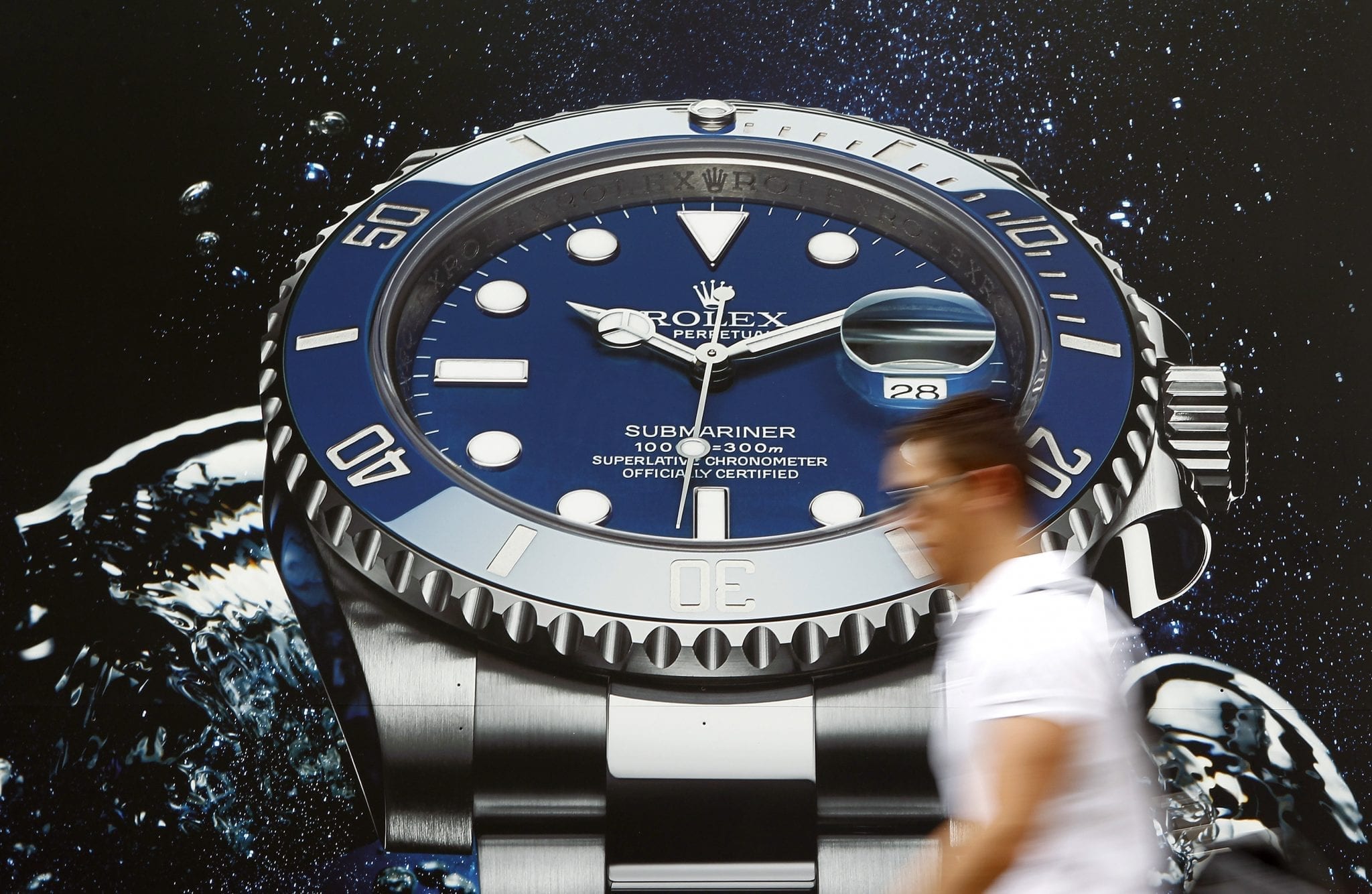
    Dr Bernard Cheong has what he calls a “migration box” – a travel case that holds up to eight timepieces. “I like to say that these are the watches I will take with me if I have to relocate,” says the jovial 61-year-old, one of the world’s most prolific watch collectors. One of his most prized pieces is a S$3.3 million (US$2.4 million) Greubel Forsey Invention Piece 1, numbered 00 in an 11-piece series. Its serial number indicates that it is the watchmaker’s personal prototype. It would not even have been sold, if not for Cheong’s clout. He believes the watch can eventually command up to S$5 million.

    In 2011, he made history when he became the first ambassador for the Geneva-based Fondation de la Haute Horlogerie who was not from the watch industry. He helped formulate the transparent jury system, and an audited and numbered voting system, for the Grand Prix d’Horlogerie de Genève in 2002, a high-end watchmaking contest, before introducing it to Asia.

    His expertise is drawn from decades of experience of watch buying and selling and forging close relationships with watchmakers and retailers. This has also put him in the unique position of being an industry observer with unfiltered, and sometimes contrary, insights.

    For instance, he does not mince words when talking about the recent issues surrounding the industry’s key watch fairs, Baselworld and SIHH. The two fairs recently announced they would be synchronizing their calendars to run back to back, following a fall in the number of Baselworld exhibitors.

    “It is a reality of the industry. The exhibitors do not need to be there any more – why pay so much to exhibit like this?” he says. Cheong notes that watchmakers today can easily bypass industry fairs by offering information about their latest creations directly to consumers via the internet.

    Protecting his beloved industry is something Cheong takes seriously. In China, the recent crackdown on conspicuous consumption has led to a drop in sales and to brands like Richemont buying back unsold stock. “It is smart for the companies to buy back their precious pieces. When times are hard, people will sell watches at any price to put food on the table,” he says. This could lead to a massive undercutting in prices, he adds.

    “They did the right thing to retain control of prices.”

  • LG Household sells 1 trillion won of cosmetics in quarter

    LG Household sells 1 trillion won of cosmetics in quarter

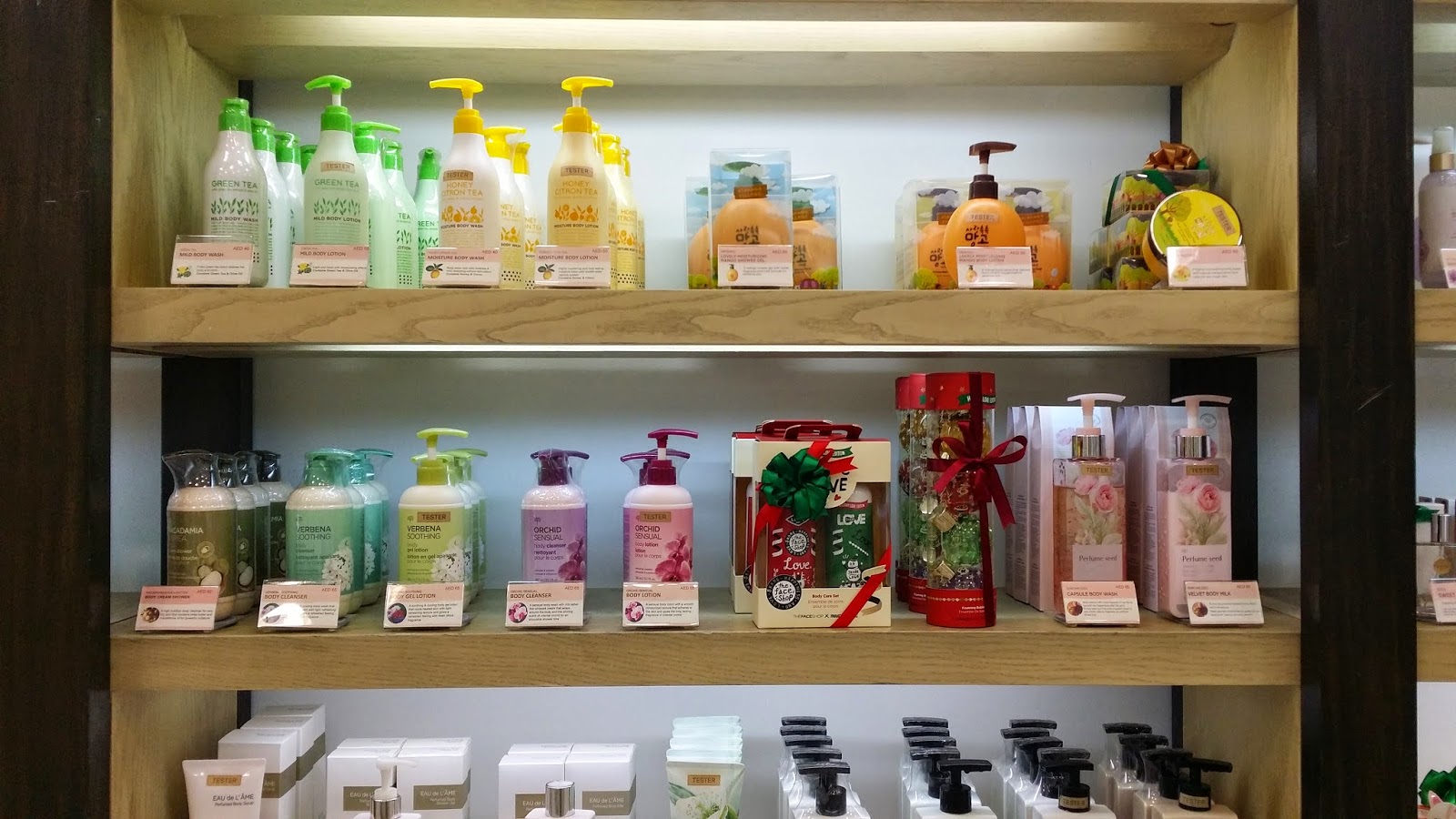
    LG Household & Health Care sold 1 trillion won ($885.2 million) of cosmetics for the first time ever in a quarter, the company said Thursday. In its 2018 fourth quarter, cosmetics sales totaled 1.05 trillion won, an increase of 18.2 percent year on year. It credits strong sales of luxury line “The History of Whoo” for the good performance, adding that Whoo became the first single brand in the domestic cosmetics industry to reach 2 trillion won in annual global sales.

    LG’s health care arm achieved another first. It recorded annual operating profits over 1 trillion won for the first time last year, while posting 6.7 trillion won in total sales.

  • Gucci adds 6 new intriguing Gucci Places

    Gucci adds 6 new intriguing Gucci Places

    Luxury fashion brand Gucci has labelled six international destinations as ‘Gucci Places’ – a list that includes Daelim Museum in Seoul. The Gucci Places were selected by the Italian Fashion House as destinations that “surprise, arouse interest, and inspire a creative response”, according to a report in Prestige Online. They were chosen in collaboration with well-known artists who were tasked with visiting the place and record their impressions, establishing a visual journey of photographs, travel notes and sketches.

    Daelim Museum was named for its association with Coco Capitan, an artist whose calligraphy has appeared on Gucci collections.

  • Time for South Korean cosmetics to face challenges

    Time for South Korean cosmetics to face challenges

    South Korean cosmetics stores that have been the drivers of the ‘K-Beauty’ industry for the past 15 years are facing a crisis, exposing their limitations. The cosmetics industry is undergoing a series of transformations due to decreased demand from China and a change in distribution structure resulting from stagnant domestic demand and increased competition.

    Nowadays, it is common to see health and beauty shops (H&B) such as Olive Young and LOHBs reorganise and shift their main focus online.

    According to cosmetics industry analysts, the size of the South Korean cosmetics stores’ market was 2.29 trillion won (US$2.05 billion) in 2017, which reflects a rapid decrease since the peak in 2016. It is estimated that total sales last year decreased by 15 per cent from the previous year.

    With sales decreasing, the industry is closing down branches. The number of South Korean cosmetics stores began to shrink in 2017 and is estimated to have fallen to 5200 last year.

    Popular brand Skinfood is facing an imminent crisis. The company, once a huge hit with the phrase “Don’t eat, give it to your skin” entered corporate restructuring last October, after encountering difficulty securing liquidity due to excessive debts.

    Those who suffer the most in the process are franchise owners, who are protesting that the company is trying to avoid the worsening situation without taking responsibility.

    The causes of the decline of the retail shop are numerous. The first reason is the excessive competition within the industry.

    Add to this, China’s retaliatory actions as part of the THAAD missile crisis in 2017 led to huge decrease in sales.

    Changes in distribution structure have also played a role. H&B shops are now leading the market, offering a variety of brands in one place, instead of a closed structure.

    These types of stores are a gaining competitive edge as they can sell occupy low and medium-priced brands and new venture brands as well as establish strategic products.

    Retail shops became a mainstream cosmetics market in the early 2000s. Amid the economic slump, retail shops continued to grow in number as brands gradually added fast product launch strategies and functional products aligned with trends based on affordable prices.

    Chinese tourists clearing out the shops in the wake of the Korean wave contributed to the growth of retail shops. However, in the current situation, retail shops are only beginning to restructure.

    While some chains of South Korean cosmetics stores are choosing to downsize their branches, others have chosen to invest aggressively.

    Those who chose aggressive investment plans in a bid to become global cosmetics companies hope to achieve economic success despite the difficult situation and uncertain prospects for the future.

  • Net-a-Porter launches kidswear with Gucci

    Net-a-Porter launches kidswear with Gucci

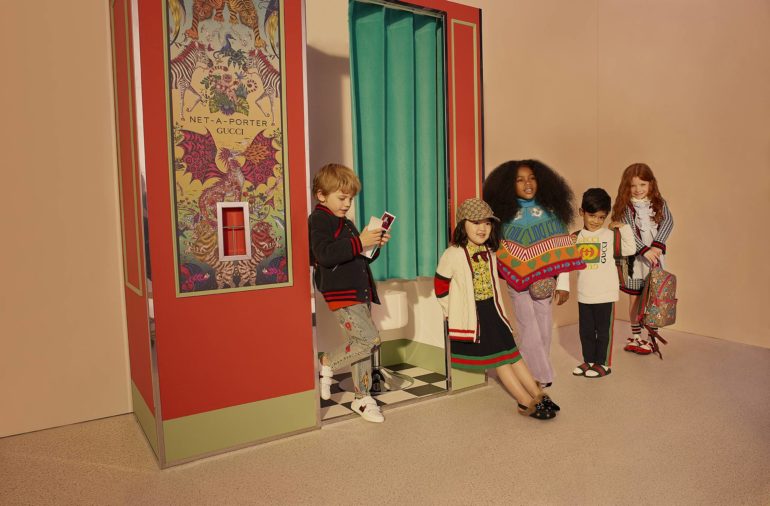
    After its Gucci and Dolce & Gabbana childrenswear pop-up e-shops generated a resounding “more!” from Net-a-porter.com customers, the retailer is launching a multi-brand kidswear collective. By “collective”, Net-a-porter.com means, quite simply, a tight edit of brands which have all created exclusive capsule collections for the website. Yeah Right NYC Kids, Alanui Kids, ATM Kids, Chinti & Parker Kids, Lingua Franca Kids, Golden Goose Deluxe and Veja make up the list of seven labels for girls and boys ages one to 12.

    “The new year felt like the perfect time to launch this collective,” Elizabeth von der Goltz, Net-a-porter.com’s global buying director, tells Mini Vogue. “It’s January – kids are back to school but there’s this idea of cosiness and wanting to feel comfortable.”

    The capsules, accordingly, reflect this: cashmere sweaters, comfy cardigans, track pants and trainers populate the new section. “Whether it’s for ourselves or for our kids, we are always thinking about wellness in January so this this an extension of that – it’s luxe athleisure for kids!”

    If the list of brands feels more offbeat than the global labels Net-a-porter.com first dabbled in the kidswear market with, this was intentional.

    “As an online global retailer known for our distinct fashion point of view, we wanted to take this and bring it to the kidswear market, creating something different from traditional retailers.”

    Von der Glotz is particularly excited about the patterned cardies from Alanui Kids collection and the mini-me versions of Golden Goose and Veja sneakers – two of Net-a-porter.com’s best-selling shoe styles.

    The e-tailer is confident it has quietly developed a recipe for success: “Our customers have been highly engaged with all of our kidswear pop-ups with most styles selling out within just a matter of weeks of launching,” she continues.

    Four out of five of the Gucci products sold were logo T-shirts, and the fifth was the belt bag. “It’s so interesting to see, as the pieces are in such high demand in our adult range too.” Starting them early is certainly paying off for the business.

  • Sergio Rossi redefines the power pump

    Sergio Rossi redefines the power pump

    “It is a new definition of the power pump,” is how celebrity stylist Elizabeth Stewart describes styles from her capsule collection with Sergio Rossi. Stewart, who counts Julia Roberts and Viola Davis among her clients, celebrated the launch of the collaboration Thursday in Los Angeles at the Italian luxury brand’s pop-up store at Westfield Century City.

    Pumps and sandals in black, red and light pink are emblazoned with empowering words like “strength,” “hope,” “kindness” and “sharing.” The messages are meant to give women a chance to embrace style, substance and solidarity, with 100 percent of sales supporting Time’s Up, an organization dedicated to women’s safety and equality in the workplace.

    “I wanted the shoes to be a sort of a talisman for the wearer,” Stewart told Footwear News at the event. “First it was ‘strength’ and ‘power’. The idea being you can go on a job interview and you put them on and it gives you strength, but also I don’t want to forget things that women want to be, like kind and sharing. It’s a reminder and source of strength.”

    Sergio Rossi Group CEO Riccardo Sciutto said working with Stewart on the collection was an organic process as she has had a longtime relationship styling her famous clients in the brand’s shoes.

    “When you get trust, the relationship is stronger and it’s easy to do something together all the time,” Sciutto said, adding that it’s the label’s first time supporting a social movement issue.

    Though the words and messages on the shoes were easy to conceive, rendering them on the shoes proved to be a challenge. Initially, Serigo Rossi designers tried to emboss the verbiage, but the production technique used to pull the leather material made the words unreadable, Sciutto explained. To achieve the desired effect, the designers created a special technique to print the words in a slightly different but matching color on the material.

    Along with Stewart’s capsule, which is sold exclusively at the store through March 6, the space also features 37 different styles from Sergio Rossi’s resort ’19 and spring ’19 collections, as well as a customization bar.

    The temporary digs are a part of Sciutto’s retail expansion strategy in the American market. “Half of the business is in Asia, and the rest is split between Europe and America. America is the opportunity. It’s the smallest market for us,” he added.

  • Burberry sales saved by Mainland China

    Burberry sales saved by Mainland China

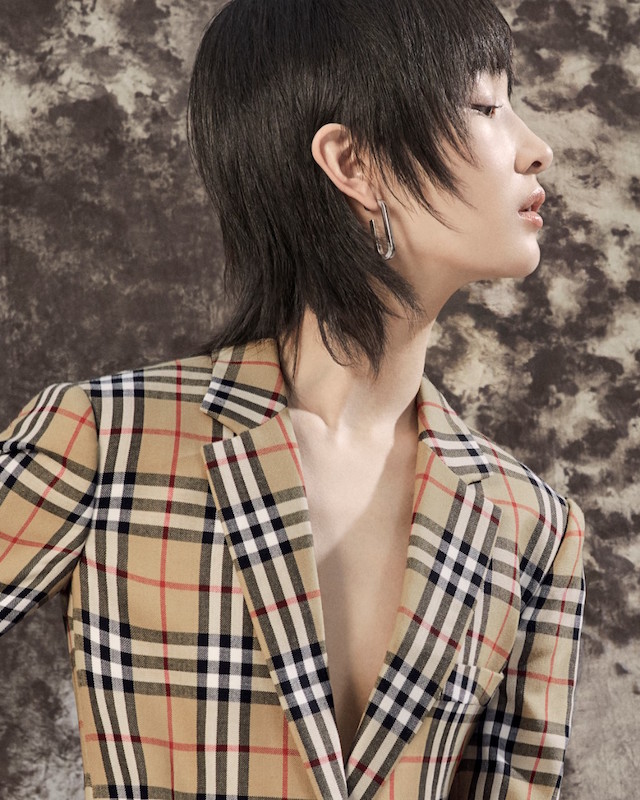
    A mid-single-digit rise in Burberry sales in Mainland China in the third quarter helped produce a solid result for the luxury fashion retailer. The strong China performance helped mitigate reduced footfall in the Americas and a subdued European market where tourist spending showed only a small improvement. Global same-store sales rose just 1 per cent.

    However, CEO Marco Gobbetti said the company was buoyed by improvements and ongoing customer excitement ahead of new product delivery – the launch of new creative director Tisci Riccardo’s first runway collection which will hit stores next month.

    “I am pleased with our progress in the quarter as we continued to build brand heat around our new creative vision and shift consumer perception of Burberry. Excitement is growing ahead of next month’s launch of Riccardo’s debut collection,” said Gobbetti.

    “We will continue to manage the business dynamically as we reposition the brand. We confirm our outlook for the full year.”

    He said the company was seeing a continued shift in consumer perceptions of the brand, driving increases in digital engagement and drawing endorsements from key influencers. Increased Burberry sales can only follow.

  • Manolo Blahnik opens its first flagship store in Taiwan

    Manolo Blahnik opens its first flagship store in Taiwan

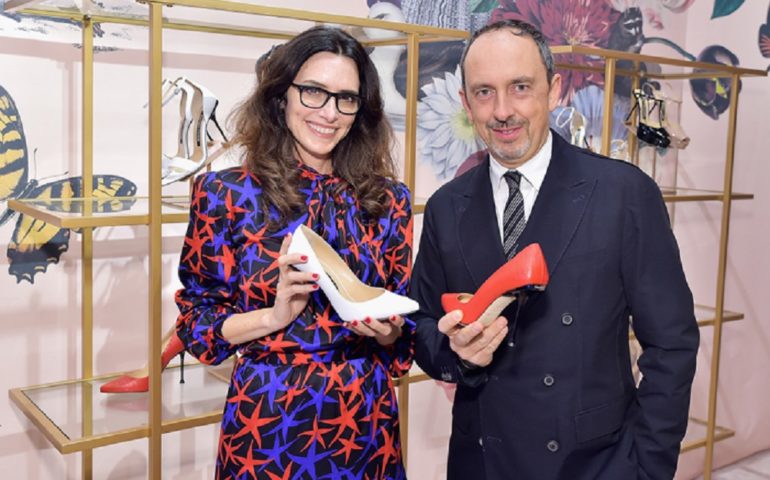
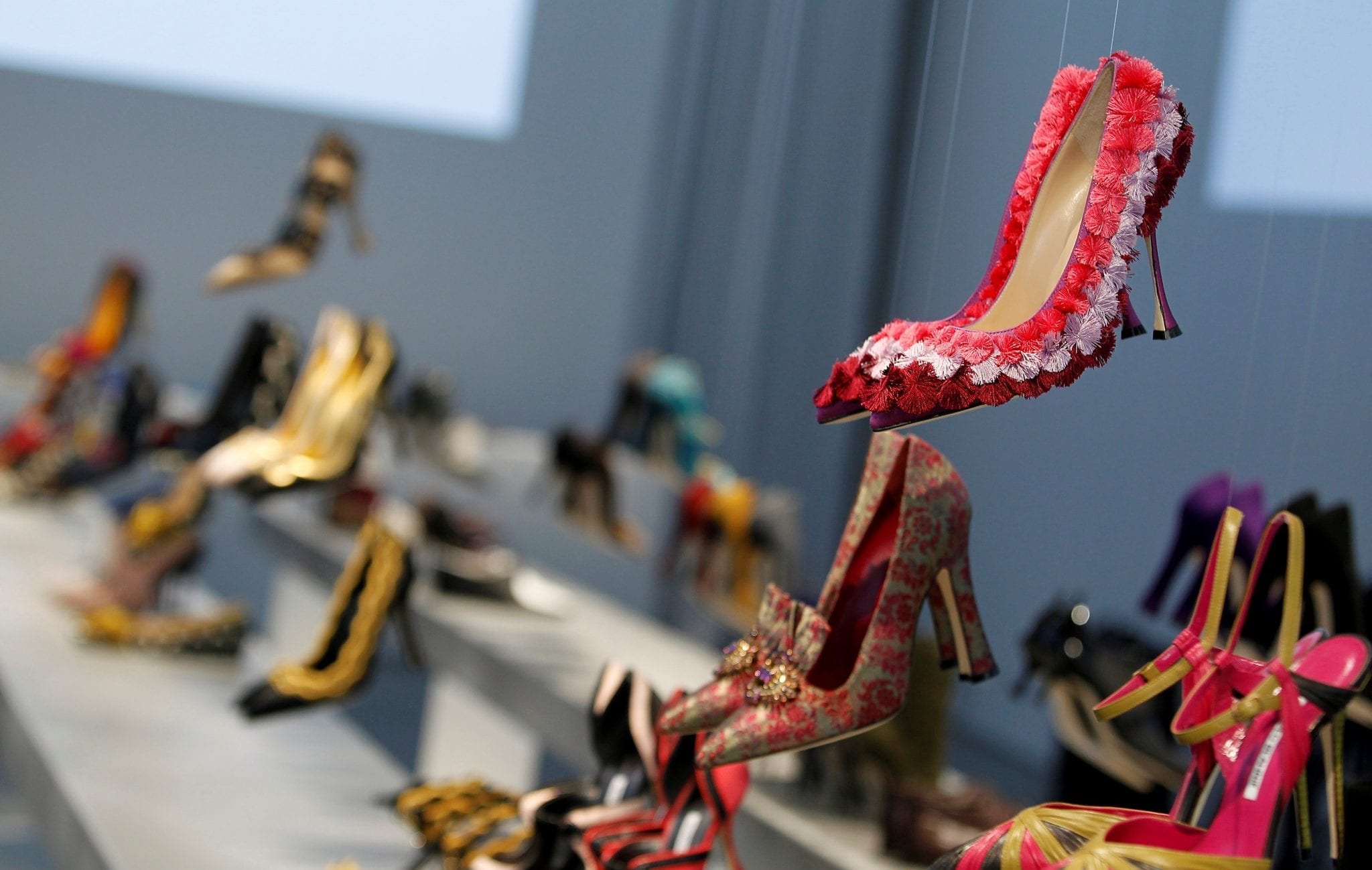
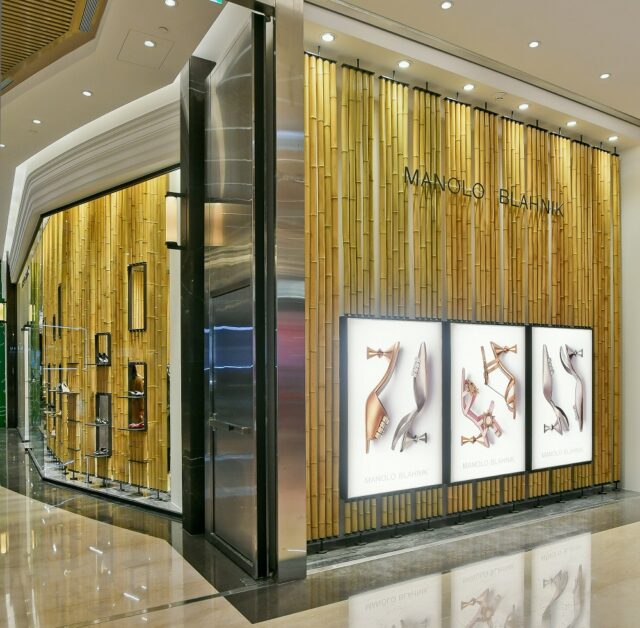
    In May 2018, Manolo Blahnik opened its doors to the public at the triple tower complex Marina Sands Bay in Singapore, strengthening its presence in Asia with Bluebell Group. In January 2019, Manolo Blahnik continues its expansion into Asia with the opening of its first flagship store in Taiwan. The brand is known for its original and creative flair as well as timeless classic styles, which loyal customers from film stars to leading editors, to women who just trust his perfectionism, come back to again and again.

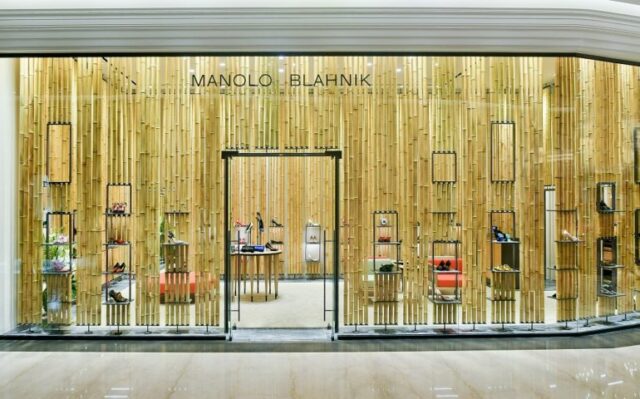
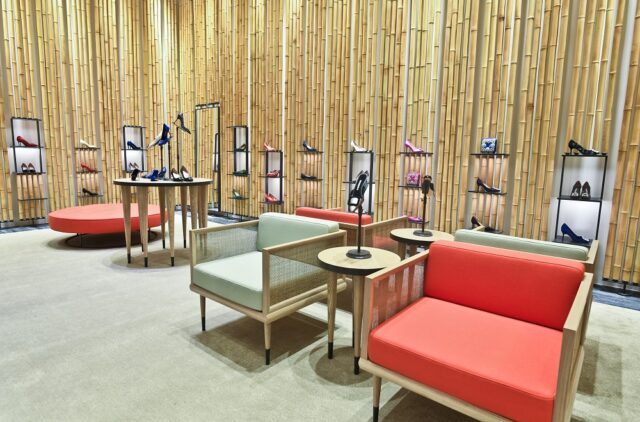
    The newly opened Manolo Blahnik store, a 65 square metre space with a privileged location within the Nanshan Plaza shopping centre, showcases the world-renowned shoes on the first floor of the new upscale retail destination.

    Nick Leith-Smith, the brand’s long-serving architect, said: “Taipei flagship celebrates a material play on Taiwan’s deep cultural and historical connection to bamboo – with a rotating bamboo forest as a central motif. At first, orderly, and geometric, yet with the dynamic movement introducing a curious playfulness to entice and enchant.”

    The new store is another step forward for the company in its expansion across  important markets; and another milestone achieved in the history of the family-owned business that has prevailed in the luxury shoe industry for nearly fifty years.

    The creative soul of the brand is still Mr. Blahnik who, with a career spanning over 40 years, has become one of the world’s most influential footwear designers. His shoes have spellbound an international set of adoring and loyal devotees across the globe.

    He was born in the Canary Islands to a Spanish mother and a Czech father, he studied languages and art in Geneva before moving to Paris in 1965 where he decided to become a set designer.

    On a visit to New York in 1970, he showed his theatre designs to Diana Vreeland, then editor-in-chief of American Vogue, who honed in on his shoes and encouraged him to concentrate on them. Blahnik learnt the art of making shoes by visiting factories, where he talked to machine operators, pattern cutters and technicians. By 1970, he was in London making shoes.

    A year later, Ossie Clark, then the most famous designer in London, used his shoes and from there his career blossomed.

    Manolo Blahnik was established in 1970 with the opening of the first boutique
    in Chelsea, London. It is still a privately owned and family run business with Mr. Blahnik as Creative Director and his sister Evangelina Blahnik led by the enthusiasm of  Kristina Blahnik.

    Kristina, CEO of the company since 2009,  is in charge of brand expansion and optimization of the business worldwide, and in Asia, their transformation is the the result of a long-term partnership with Bluebell Group, which stated in Japan, Malaysia, and Singapore, and Taiwan.

    Kristina, the walking embodiment of the woman her uncle, Manolo designs for, before the latest opening said: “I am thrilled at our new venture with the Bluebell group, they have already demonstrated to be an excellent partner in launching beautiful spaces in prestigious locations”.

  • Greater China helps ease Tod’s Group European challenge

    Greater China helps ease Tod’s Group European challenge

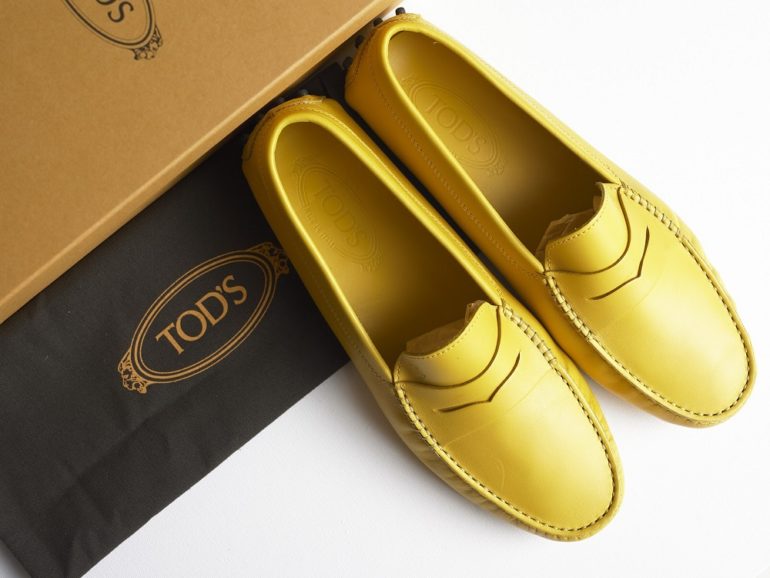
    Luxury fashion retailer Tod’s says Greater China sales rose 3.2 per cent last year, to reach €218.7 million. Releasing annual sales results, the Italian-based company said Greater China sales growth accelerated during the fourth quarter, especially on the mainland which now accounts for 60 per cent of its Asian turnover. Hong Kong and Macau also performed well, although the company did not disclose detailed figures for the two territories.

    Tod’s consolidated global sales reach €958.2 million at constant exchange rates, which was essentially the same as for 2017. Tod’s and Roger Vivier were affected by currency fluctuations.

    Retail sales reached €622.3 million, with wholesale revenue comprising the rest. However same-store sales fell by 3 per cent, due to declines across Europe which erased the China growth. In Italy, consumers were spooked by political and economic uncertainties and greater Europe by lower sales to tourists.

    “Last year’s sales results were substantially in line with our expectations, despite the growing international economic and political uncertainties,” said chairman and CEO Diego Della Valle.

    By label, Hogan sales rose 1.8 per cent, Tod’s and Roger Vivier held steady and Fay slipped 3.4 per cent.

  • Crocs India opens 109th store

    Crocs India opens 109th store

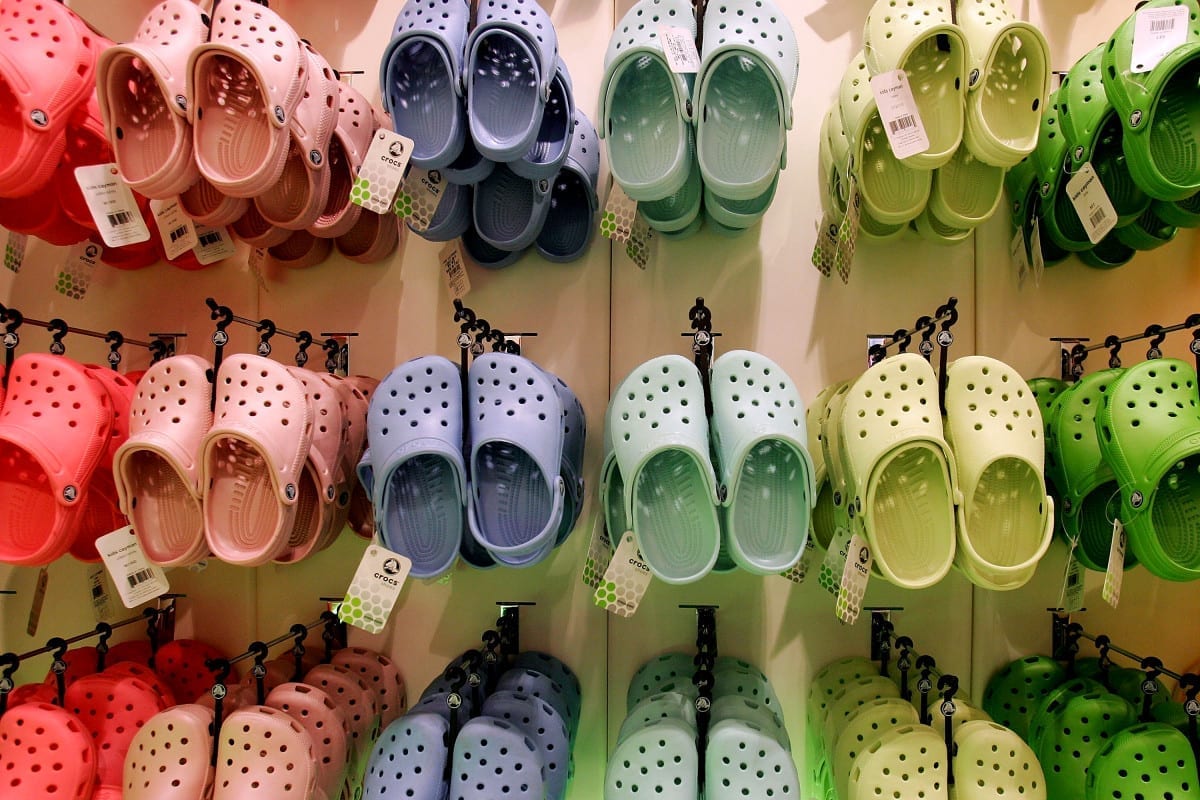
    Crocs, the iconic casual footwear brand, announced the launch of its 109th store in India at Ballygunge, Kolkata. Crocs inaugurated the 580 sq.ft. store situated in one of the poshest high-street vicinity of Kolkata. With this new store, Crocs promises to strengthen the reach of the iconic brand in the ‘City of Joy’; where now has seven stores. The other stores of Crocs in Kolkata are located at City Centre New Town, Camac Street, Forum Courtyard, City Centre Salt Lake, Axis Mall, Rajarghat-New Town, and Acropolis in Kolkata.

    The new store showcases the recently launched Spring Summer’19 collection along with an array of styles which include sandals, loafers, sneakers, flip-flops, and clogs suitable for all age groups.

    Speaking on the launch, Deepak Chhabra, CEO & MD, Crocs India, said, “Kolkata is crucial market for us with huge potential and high fashion sensibilities. We are pleased to announce the launch of our 7th store in the city and will continue to strengthen our presence in the state of West Bengal. In addition to aggressively growing our EBOs, we will be strengthening our presence in tier-2 cities via MBOs and Kiosks. Further, e-commerce will remain an integral part of our distribution strategy and help us reach out to consumers where our brick and mortar presence is limited.”

    With unparalleled brand awareness and break-through product innovations, Crocs is progressing towards becoming India’s top non-athletic casual footwear brand. India is currently the 6th biggest market for Crocs globally with a double-digit growth year on year.

    Over the past 16 years, Crocs has sold more than 350 million pairs of shoes worldwide. Crocs as a brand will continue to focus on clogs and sandals, along with new product innovations and extensions of the current product line.

    Last year, Crocs launched its newest innovation ‘LiteRide™’ which is available in Flips, Slides, clogs, shoes and sandals. The LiteRide™ Collection merges sporty, on-trend styles and silhouettes with the legendary Crocs comfort that consumers expect. LiteRide™ has redefined comfort, taken the brand’s style quotient a notch higher and it has been a stellar success across genders and age groups.

    The associations with Christopher Kane and Balenciaga in the last couple of years has also further elevated the fashion appeal of the brand.