Category: Fashion

Retail News Asia is committed to providing both local and global retailers with the latest Fashion news throughout the Asian market. This on a daily base.

  • Urban Outfitters China plans to expand

    Urban Outfitters China plans to expand

    US retailer Urban Outfitters has announced global expansion plans which involve a broadened commitment to China. According to a statement from the brand’s CEO Richard Hayne, Urban Outfitters China will be housing inventory while the company opens new locations in Europe and the Middle East, as well as taking on new distribution partners.

    The brand’s parent firm Urbn recently posted third quarter net sales of US$973.5 million, a 9 per cent increase over the same period last year.

    Urban Outfitters enjoyed strong sales while participating in the singles day shopping spree on e-tail platform Tmall.

    “We plan to establish a larger presence [in China] by mid-next year. To do this we will switch to the much larger Tmall Classic platform, hold inventory in-country and fulfill orders through a third-party service provider in China. In addition, we plan to sign leases for several stores to open in calendar year 2020,” said Hayne.

    Urbn will be expanding its network of 61 stores in Europe to 100 within three years, and will operate more than 10 stores in the Middle East by 2020.

  • One new store a week for Ralph Lauren China

    One new store a week for Ralph Lauren China

    Ralph Lauren CEO Patrice Louvet has promised to open a store a week in China. Speaking at The New York Times Luxury Conference in Hong Kong last week, Louvet said stores “are crucial for projecting the company as aspirational” which is why Ralph Lauren China is committed to expanding its network despite widespread concerns over an economic slowdown.

    “We concluded that we are in the dream business,” Louvet told the conference. “So to some extent, we think we are closer to a company like Disney than we are to other apparel brands … we don’t believe we are just selling stuff, we are selling a dream, a lifestyle, we are offering worlds that customers can be a part of.

    “[So] for us to provide those experiences, we need both the digital world and the brick-and-mortar world.”

    That is part of the philosophy behind the launch of the Ralph cafe, the brand’s first coffee shop, which opened recently in Hong Kong.

    In the latest quarter, Ralph Lauren’s sales in Greater China rose more than 20 per cent, with the mainland growth rate double that.

    Ralph Lauren is targeting $500 million in revenue from Greater China within five years.

  • Bath & Body Works to open third store in India

    Bath & Body Works to open third store in India

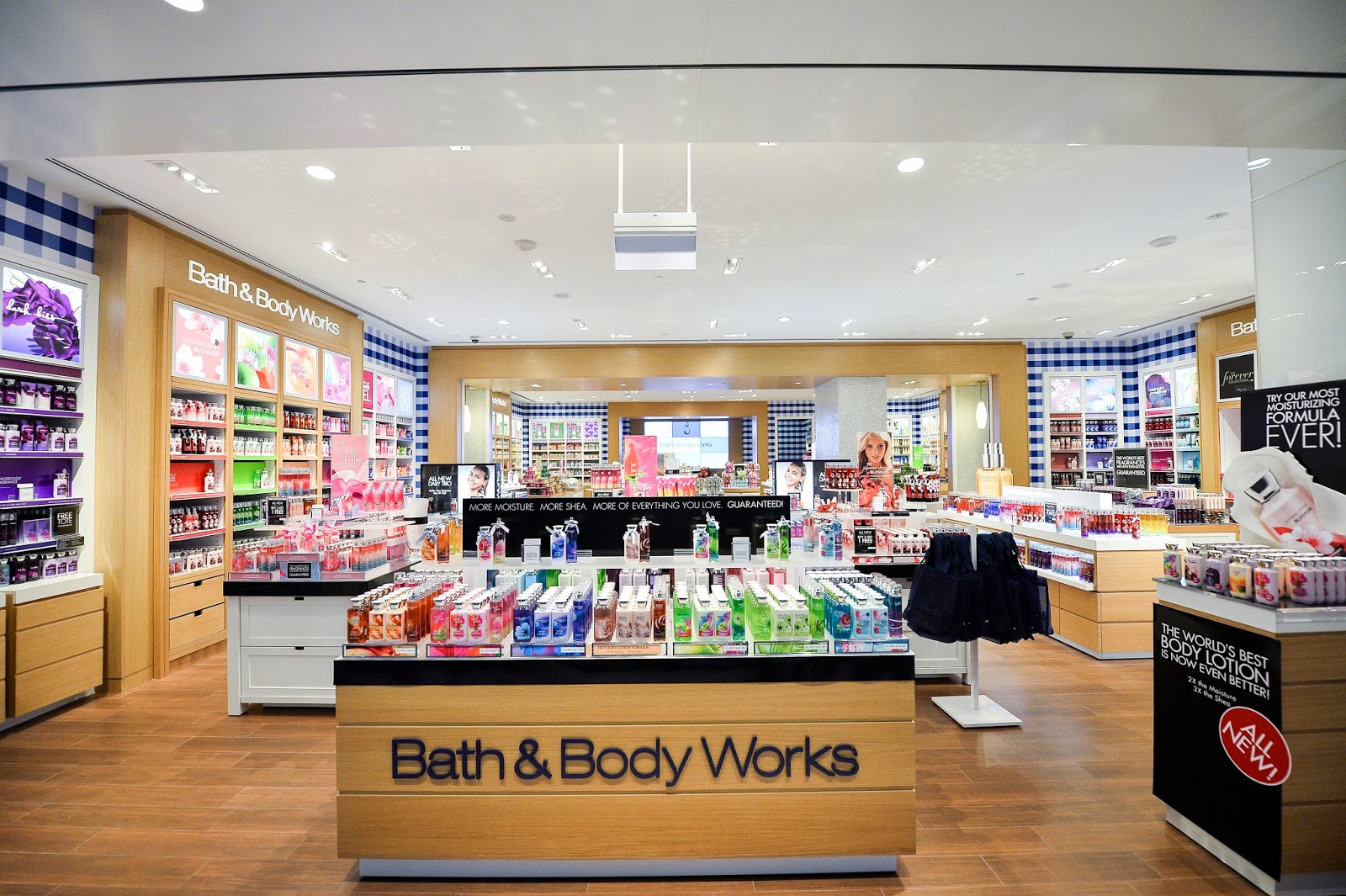
    Bath & Body Works, one of the world’s leading specialty retailers of fragrant products for the body, hands, and home for more than 20 years, is launching its third store at Ambience Mall, Gurugram on November 25. Earlier this year the brand launched in India with two stores in New Delhi at Select Citywalk and DLF Mall of India.

    In keeping with international formats, the Bath & Body Works stores in India showcase latest trends as well as the newest, freshest fragrances for body, hand, and home.

    From light-hearted and flirty scents to sophisticated and exotic fragrances, the Bath & Body Works store at Gurugram will be all about fun with world-class fragrances, with a special launch offers.

    Having established itself as one of the best and most sought after Personal Essentials and Home Fragrance brands, the Bath & Body Works store in Gurugram will be spread over approx. 1,200 sq.ft that will allow customers to enjoy an extensive array of fragrances: Body Crèmes, Shower Gels, Body Lotion, Bath Frizzies, Fragrances Mists, Hand Creams, Hand Washes, Hand Sanitizers, Candles and Gift Sets.

  • Oriental Watch sales slide, but profit rises

    Oriental Watch sales slide, but profit rises

    Oriental Watch Holdings sold fewer watches in the six months to September, but at a higher margin, boosting profit by 39 per cent. Group turnover decreased by 21.7 per cent to HK$1.181 billion compared with $1.508 billion during the same period last year.

    Gross profit increased by 13.4 per cent to $288 million while gross profit margin increased to 24.4 per cent. Oriental Watch says rent negotiations contributed to lower overheads, helping profit attributable to shareholders rise 39.1 per cent to $64 million.

    As at September 30, the group operated 62 retail stores in Greater China: 11 in Hong Kong, one in Macau, three in Taiwan and 47 in Mainland China.

  • GAP sales report slumps in Q3

    GAP sales report slumps in Q3

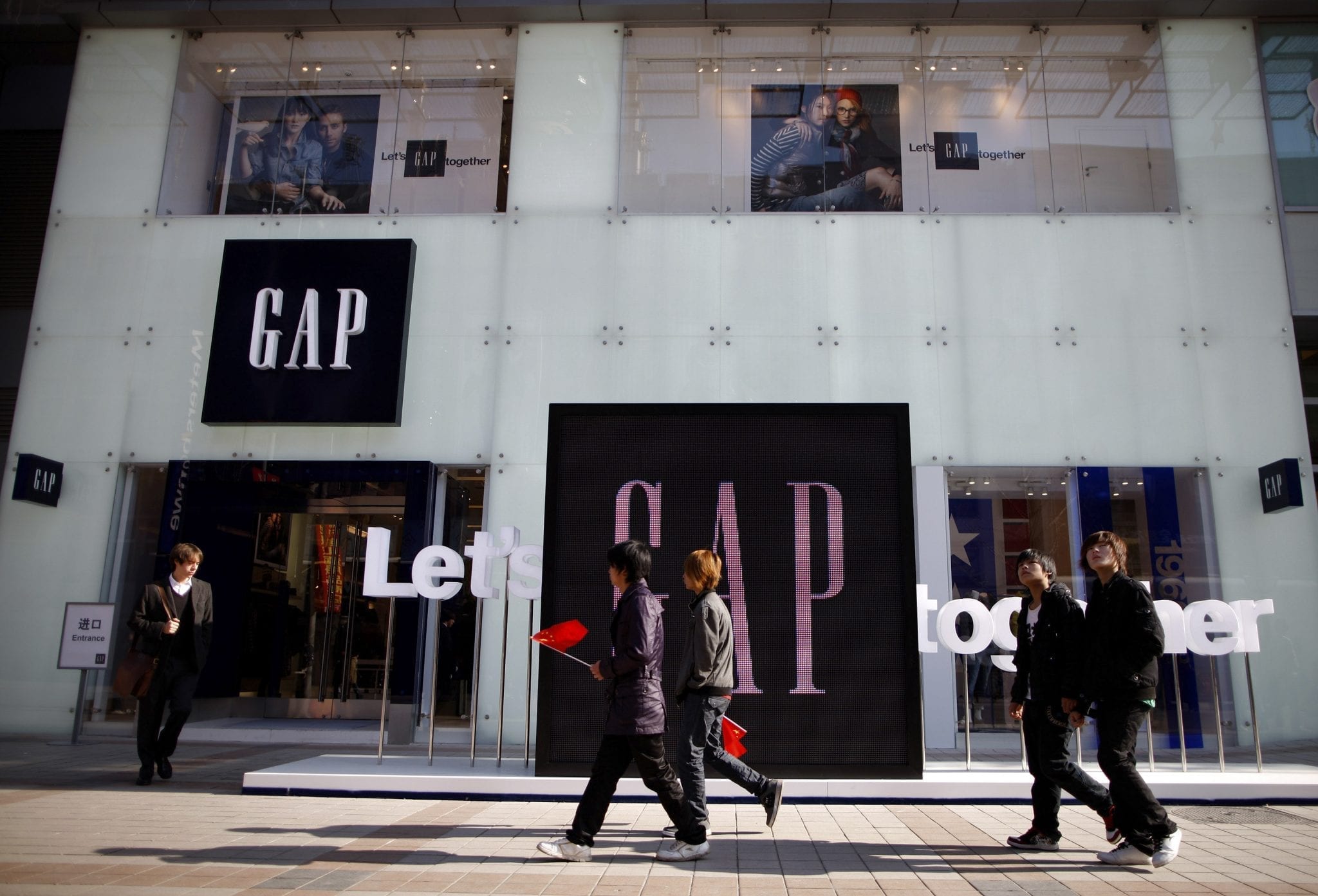
    Gap brand sales fell 7 per cent globally in the last quarter as the US apparel retailer fails to re-engage consumers.

    However Gap Inc increased its overall sales by 6.5 per cent to US$4.09 billion on the back of solid growth in its Old Navy business and a modest 2 per cent improvement of the more upmarket Banana Republic banner. Net income rose to $266 million, up $37 million year on year.

    “Old Navy is doing all of the heavy lifting while the Gap brand languishes,” observed retail analyst Neil Saunders, MD of GlobalData Retail.

    “When it comes to Gap the numbers are particularly bad. Despite protestations from management that improvements to the range and inventory are coming through, we do not buy the story of recovery. Gap’s brand image is still lacklustre and it is not bringing anything new or exciting to the market. Products are still samey and boring and they are still being discounted because Gap is unable to sell them at full price.”

    Saunders said the sales results testify to the deep-seated problems at the Gap brand – especially when they are delivered against the backdrop of a robust consumer economy in which people are spending more on clothing than they have done for many years.

    “Our consumer data still shows that shoppers see Gap as bland and increasingly irrelevant in the apparel space. This is not healthy and it underlines the fact that Gap still has an enormous amount of work to do before it can even start down the road to recovery.”

    In contrast, Old Navy’s fashion edits and the brand’s ability to put out well-curated collections are attracting the attention and spend of family shoppers.

    “The strong economy is giving consumers a little more money to spend and we believe that Old Navy is benefitting from this as consumers buy more treats for themselves and their families. The strength of Old Navy’s brand is evidenced by the fact that all categories and channels have benefitted from growth.”

    Gap Inc will end the year with a net gain of about 70 new stores, including outlets in Canada and Mexico, where the brand continues to perform well.

    Banana Republic turns a corner

    Meanwhile, Banana Republic achieved a 9.2 per cent uplift in US sales due to store openings and a 2 per cent increase in comp sales.

    “The work to re-engineer the brand is paying off,” said Saunders. “Fall and winter collections were stronger than they have been for many years and there is now more cohesion between marketing and assortments. While the recovery remains in its early phases, Banana Republic is moving in the right direction.”

    Overall, said Saunders, despite poor Gap brand sales figures, the business is in a reasonable state. “However, the ongoing issues at the Gap brand are raining on what would otherwise be a sunny parade.”

  • Exclusives for I.T’s 30th anniversary

    Exclusives for I.T’s 30th anniversary

    I.T has been in fashion retail in Hong Kong and China for over 30 years, offering a wide designer portfolio.It is renowned for curating collections across international womenswear, menswear, footwear, accessories, and lifestyle that is tailored meticulously for the Greater China customer.

    At the turn of the century, I.T opened its first China flagship in Shanghai, one of China’s fastest growing markets.

    In 2017, the company launched its multi-brand fashion lifestyle platform ITeSHOP.

    “I.T now sets sight on creating a seamless omni-channel experience that will define the future of fashion” said Kar-Wai Sham, Founder and Chief Executive Officer of I.T Group.

    To envisage the digital landscape that will shape the next 30 years, I.T took the opportunity to invite its community of brands partners and creative talents to share their vision of the future.

    Their perspectives are expressed through a series of exclusive designs, capsule collections, artistic compilations and digital exhibitions that bids the viewer to visualise the future.

    I.T’s 30 th Anniversary Exhibition integrates a see-now-buy-now approach, with live digital kiosks and a shoppable app for exhibition-goers to fully immerse in an authentic digital shopping experience.

  • 6ixty8ight Singapore expands by opening stores

    6ixty8ight Singapore expands by opening stores

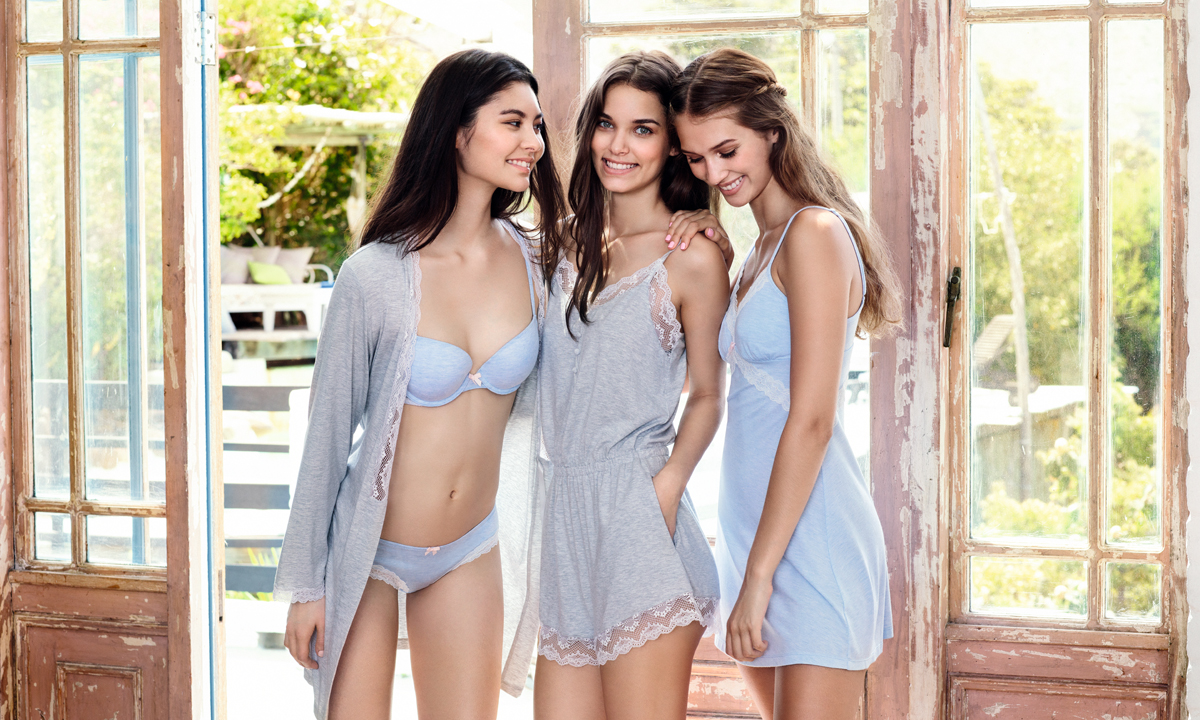
    Hong Kong lingerie brand 6ixty8ight is trebling its Singapore store network. 6ixty8ight Singapore will open new stores at Tampines 1 on December 1 and at Bugis Junction this week. They follow the brand’s debut at VivoCity in July.

    The Bugis Junction 6ixty8ight Singapore store will take up340sqm of space, a little larger than the 270sqm site at Tampines 1 – but both are considerably larger than the first store, which is just 185sqm.

    6ixty8ight was founded in 2005 by Hop Lun Group which has manufactured lingerie for many international brands for more than 25 years. Its strategy was to use its manufacturing expertise to create underwear for Chinese women. Such a course did not cannibalise sales from its manufacturing customers, which primary target western markets. It was the first time the manufacturer had developed its own label.

    The brand, which targets women aged 15 to 30, has found a ready market in Hong Kong, Taiwan and South Korea where its value offer and fun store decor has differentiated it from rivals. It now has more than 150 stores in the region.

  • Tse Sui Luen Jewellery sales rise boosted by tourist

    Tse Sui Luen Jewellery sales rise boosted by tourist

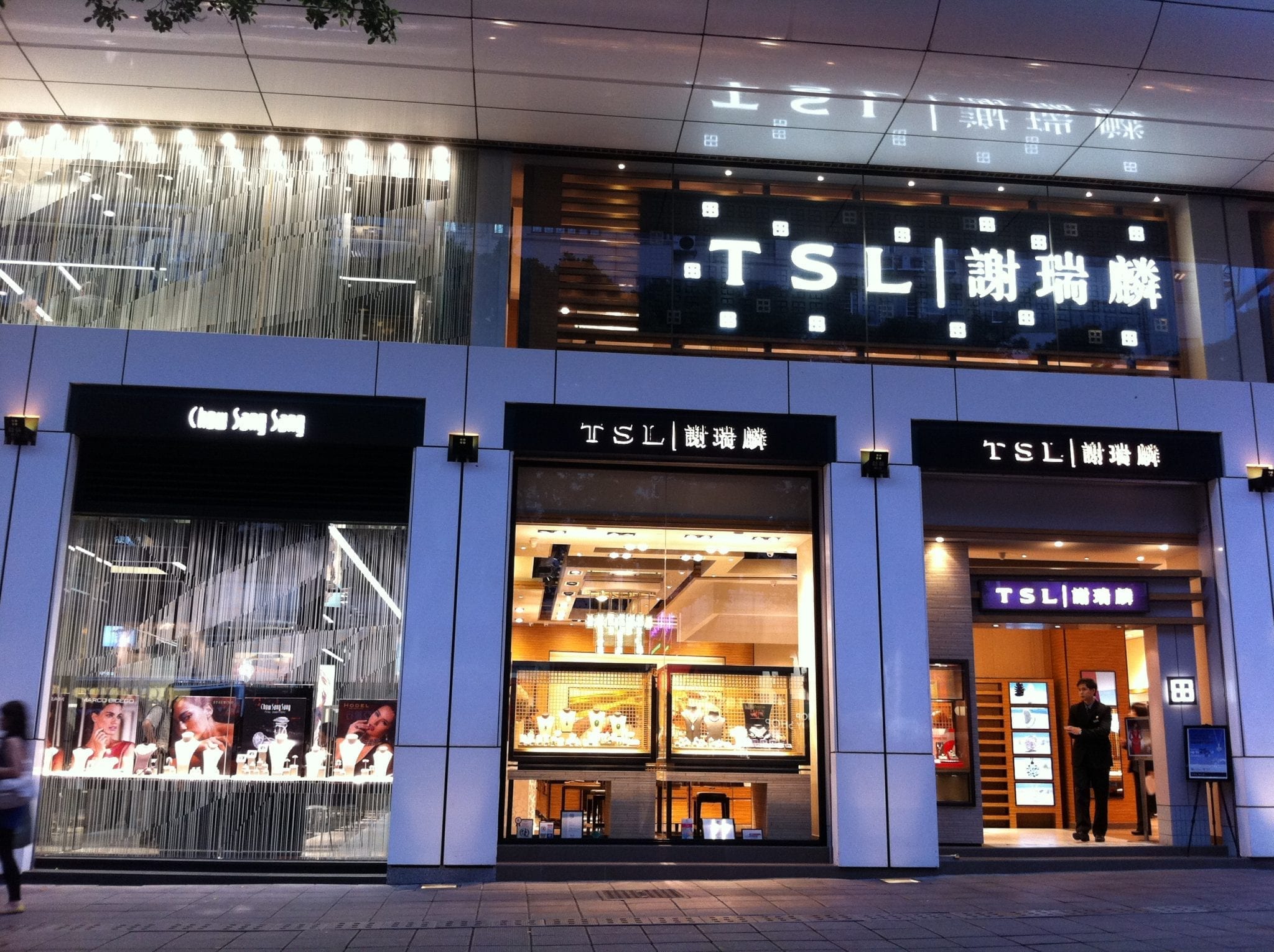
    Tse Sui Luen Jewellery sales and profit both rose in the first half year – but the company has tempered the good news by expressing concerns about the impact of the US-Sino trade war. Chairwoman Annie Yau said in a stock exchange filing that the improved retail sentiment in Hong Kong since September last year due to increased numbers of mainland tourists and growing consumption appetite of local customers, the city’s retail market has continued to progress “in an L-shape”.

    “However, the recent outbreak and escalation of trade dispute between China and the US has cast some doubts on the economic outlook for both the global and local economies going forward. One consequence has been the devaluation of Renminbi during the period, which could bring certain influence to our business in Hong Kong and Mainland China during the remainder of this financial year.

    “While it is still too early to conclude the actual impact on the group’s performance, we will continue to take a cautiously optimistic approach in our major operating regions, namely Hong Kong and Mainland China,” said Lau.

    Tse Sui Luen Jewellery sales increased by 10.2 per cent to HK$1.91 billion in the six months to July (the company has changed its financial year to September, so comparative figures are based on the six months to August 31 last year).

    Profit attributable to owners of the company increased by 38.9 per cent to $24.3 million.

    Sales in Hong Kong and Macau rose by 15.3 per cent during the half year, while same-store sales growth for all businesses in the territories rose 14.8 per cent. Retail rentals in Hong Kong remained static and “at a more reasonable level than that experienced in past years”, allowing the company expand its retail business in the city and enlarge the shop area of some of its existing stores, including those in Times Square in Causeway Bay and Plaza Hollywood in Diamond Hill.

    “We will continue to identify other suitable high-traffic shopping arcades and on-street stores in order to further penetrate tourist and residential precincts as applicable,” said Lau. “Nevertheless, the ongoing manpower shortage situation in Hong Kong remains a concern in setting the pace of expansion. In respect to Macau, due to a steady increase in tourists from Mainland China and their spending powers, our business in Macau achieved an increase of 8.7 per cent in turnover during the period.”

    In Mainland China, where its self-owned stores account for 37.3 per cent of Tse Sui Luen Jewellery sales, sales rose 4.2 per cent, but fell 3.5 per cent on a same-store basis. The company is expanding its network of franchised stores, adding 25 during the period taking the number to 207. After adding 197 self-run stores, Tse Sui Luen now has 404 outlets on the mainland.

    In Malaysia, Tse Sui Luen has five stores, including the latest to open in Genting. Sales rose 13.9 per cent.

  • 65% jump for Lotte Duty Free’s overseas sales

    65% jump for Lotte Duty Free’s overseas sales

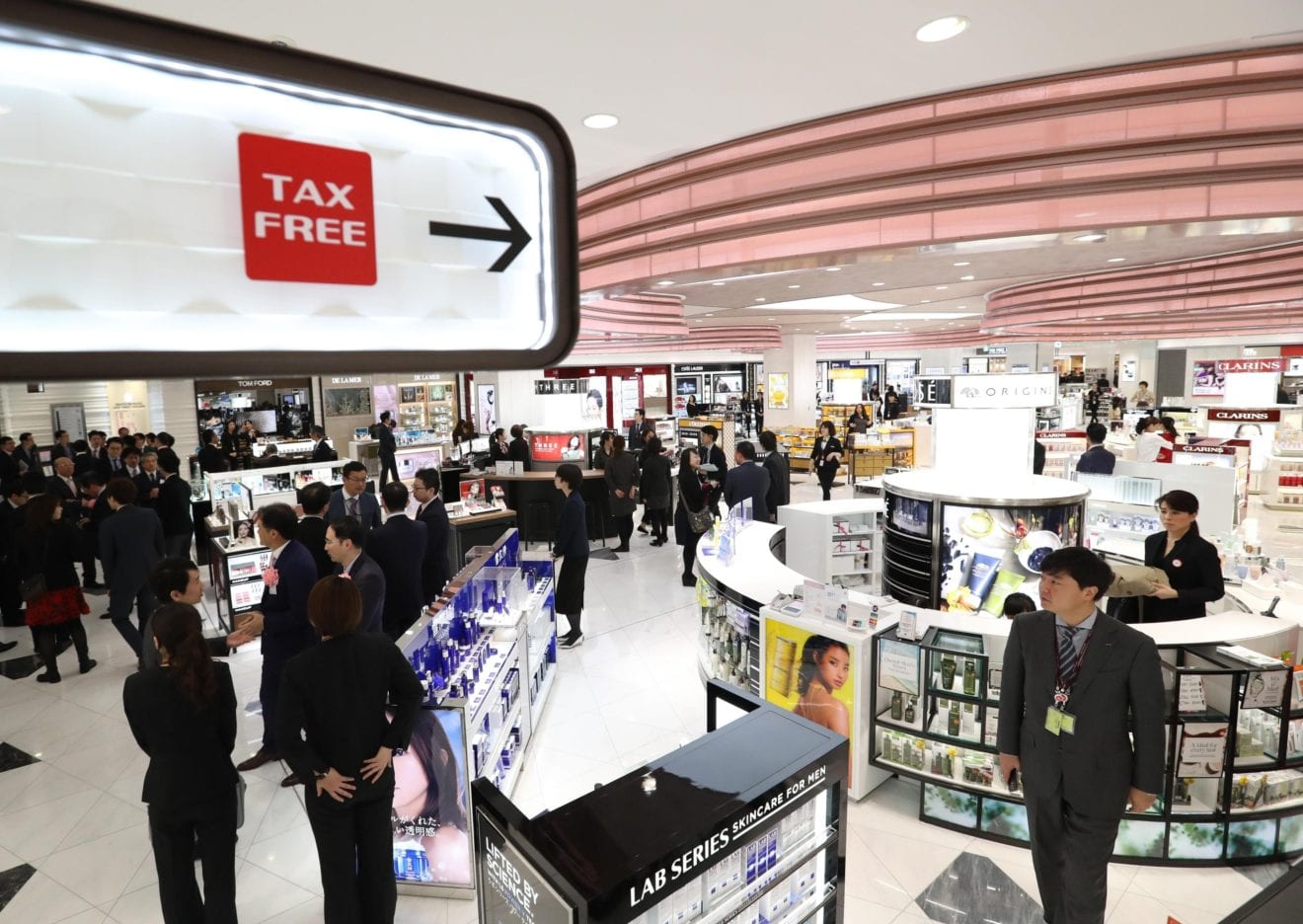
    South Korean retail giant Lotte’s duty-free operator Lotte Duty Free posted a rapid hike in overseas sales in its quarterly performance report. According to the company, sales for the third quarter this year hit a record-high 4.1 trillion won (US$3.6 billion), a 25 percent on-year increase.

    The sales from its downtown city stores and its overseas stores amounted to 3.8 trillion won and 164 billion won, respectively.

    Lotte Duty Free currently operates seven overseas stores in countries including Japan, Vietnam and Thailand. Sales at its overseas stores increased 65 percent from a year ago, and the outlet in Vietnam recorded an 800 percent jump in sales.

    The company said it expects 200 billion won worth of overseas sales by year-end.

    It will also soon open its first duty-free store in Australia.

    According to the company, its operating profit in the third quarter totaled 228 billion won, representing an on-year jump of 550 percent.

    The company said the number proves that the retailer is recovering from China’s apparent retaliation over the deployment of the Terminal High Altitude Area Defense system here.

    After withdrawing stores from Terminal 1 at Incheon International Airport in February due to a sharp drop in sales, Lotte Duty Free is focusing on aggressive marketing for its online mall and its downtown outlets.

    Compared with last year, its sales online and at its downtown stores rose 42 percent and 50 percent, respectively, the company said.

  • Woodland to add 60 stores, strengthen franchise model in India

    Woodland to add 60 stores, strengthen franchise model in India

    With changing lifestyles and increasing affluence, domestic demand for footwear is projected to grow at a faster rate than has been seen in India. Currently, India is the second largest footwear producer in the world, with footwear production accounting for approximately 9.6 per cent (till April 2018) of the global annual production – 22 billion pairs as compared to China, which produces over 60 per cent of the global production.

    The footwear market in India is now dominated by men’s footwear which contributes close to 58 percent of the total Indian footwear retail market and is expected grow at a CAGR of 10 percent by 2020. The women’s footwear segment, however, is projected to grow at a much faster CAGR of 20 percent.

    While the industry is currently dominated by unorganized domestic SME footwear manufacturers, changing consumer behavior and modern lifestyles have led to more organised brands coming into the fray, lured by the potential of bigger sales, but mostly in a bid to give the consumer branded, better quality products, value for money.

    A significant shift was observed post liberalisation when lifestyles expanded to foster great value for the sports/active segment and for casualization as a whole. The technological prowess of global sportswear giants enabled them to functionally and fashionably appeal to a young India. Tapping the unlocked potential in India, Woodland entered India in 1992 when the Indian footwear market was largely unorganized and soon became a recognizable name in the adventure and outdoor segment in India.

    The Right Fit

    The brand boasts of a huge product portfolio aside from footwear, including apparel and accessories.

    “In order to survive in today’s ever-changing and highly competitive market like India, diversifying our product portfolio is inevitable. Keeping a close eye on latest trends and new rising demands, we upgrade our portfolio accordingly,” Harkirat Singh, MD Woodland.

    The demand for the products is different in India and other countries because of the various factors namely demographic conditions, climatic conditions, styling culture.

    “We created a product line specifically for India and since then we have never looked back. Our product positioning was altogether unusual, and we were known as a one definite choice for adventurists, taking the market for rugged and outdoor leather shoes by storm. The phenomenal success in the shoe segment encouraged and motivated us to enter in new segments like clothes, handbags as well,” explains Singh.

    Over a period of time, the brand has expanded its product category and now has an extensive product range including handbags, wallets, travel bags, casual shoes, formal shoes, track pants, eyewear, gloves and outdoor equipment like tents, sleeping bags, umbrellas, trekking poles, waterproof outdoor backpacks.

    The prices of products have been set with a realistic approach since Woodland prides itself on being a customer-friendly brand.

    “The pricing strategy is to keep the prices in sync with the purchasing power of our target customers, which are majorly the youth segment – aged between 17-25 years, college studenst and professionals – who are interested in adventure sports and are on the lookout for stylish, yet value for money products. The price range of our jackets varies from Rs. 5,000 to 35,000 whereas the price range of our footwear starts from 3,000,” says Singh.

    Letting Technology Lead the Way

    With online channels taking over the retail industry, e-commerce has gradually become an inevitable part of the company’s sales and revenue. The company’s portal and other e-commerce sites collectively contribute to the e-commerce sales revenue, thereby adding to volumes. There is also an exclusive range of merchandise for e-commerce sites.

    The availability of Woodland products on all the prominent e-commerce websites enhances the brand visibility among the larger group of audience and helps widen the scope of sales.

    The brand is also a strong believer in Omnichannel retail, investing in online sales which are expected to grow to 40 percent in the next three to four years. It plans to concentrate more on a seamless approach through all available shopping channels, i.e. mobile internet devices, computers, bricks-and-mortar, television, radio, direct mail, catalogue, in-store experience and so on.

    Aside from this, Woodland has a history of exploring innovative technology embedded in products and integrating it with all aspects of the brand.

    “We have already launched GPS embedded jackets, BOA shoes, client T-shirts, and many more new technologies and innovations in products are in pipeline,” says Singh.

    Retail Mapping & Expansion Plans

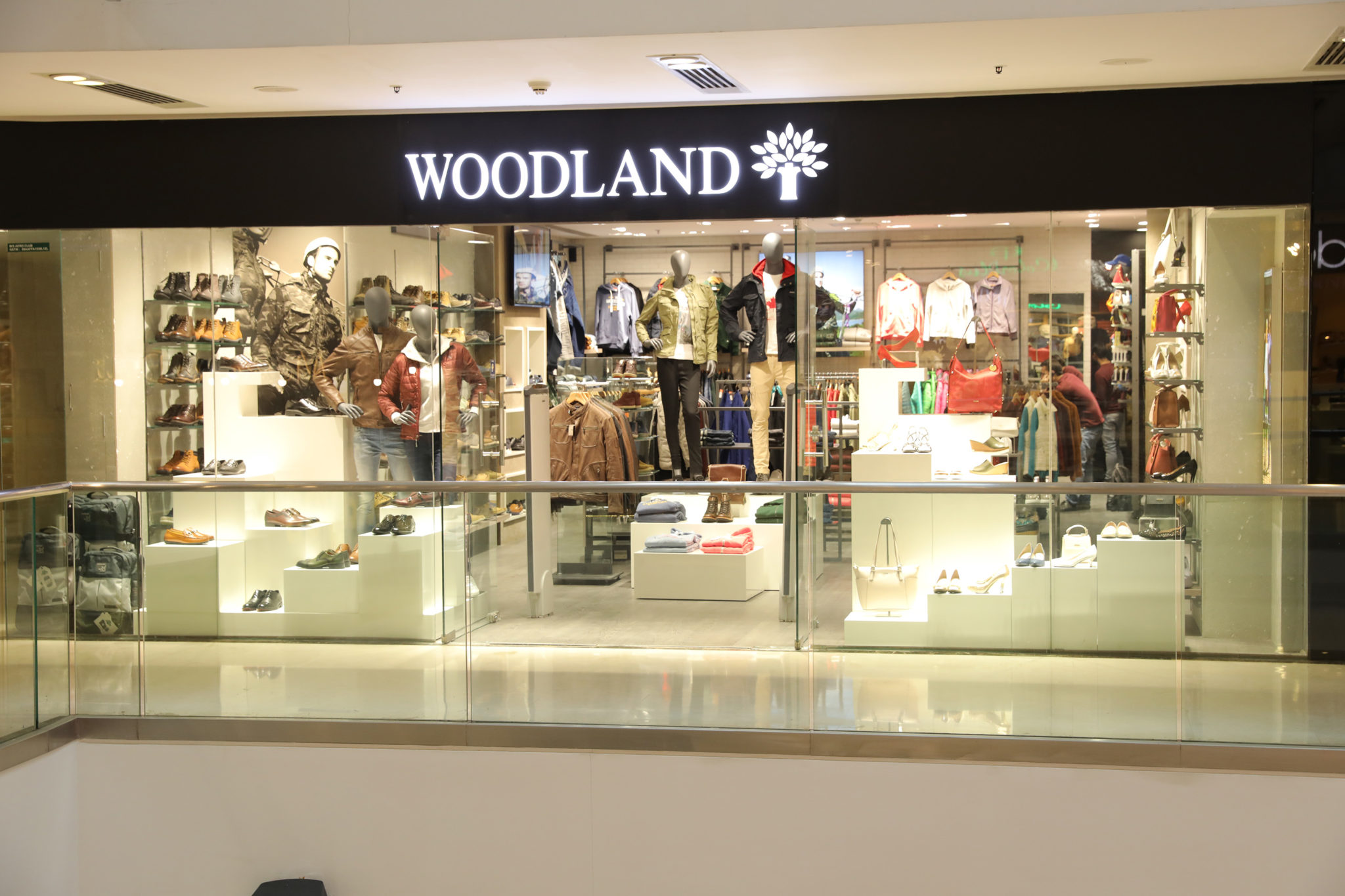
    Globally, Woodland is present in more than 40 countries. In India, Woodland has a chain of over 600 company-owned stores and is present in over 5,000 multi-brand outlets and is planning on adding another 60 stores in this financial year in an equivalent combination of small towns and metros.

    It is also working towards strengthening its franchise model in India, to grow its presence in smaller cities and towns.

    “We are currently working on entering into more foreign countries in the near future to add to our international kitty. Woodland as a brand is already present in China, Aokang and Hon Kong. Apart from this, we are working on strengthening our presence in South-East Asia, West Asia, Europe and USA,” states Singh.
  • Apple store to sell wearable skincare product

    Apple store to sell wearable skincare product

    Apple is now selling L’Oreal’s newest tool called the My Skin Track UV, made by the La Roche-Posay brand. The company first unveiled this product at the 2018 Consumer Electronics Show in January 2018 and it is now ready for consumers.

    This is the first time that Apple is venturing into the world of beauty and skincare in its store.

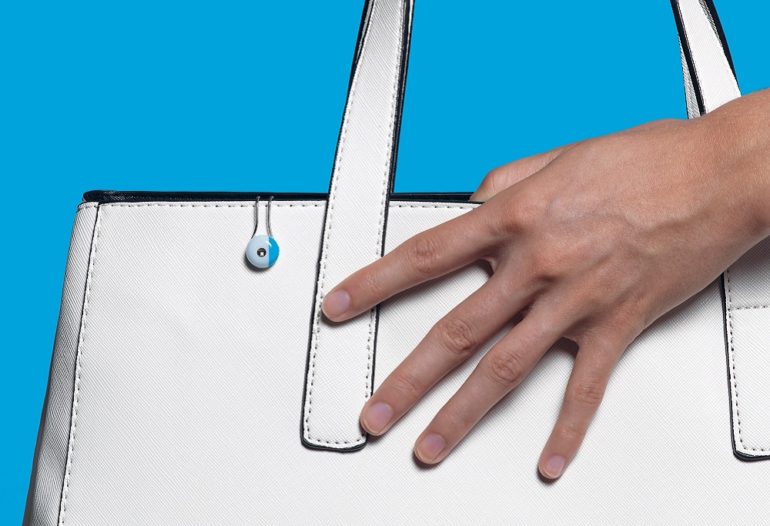
    My Skin Track UV is a small wearable device to attach on the customer’s clothes to measures their individual exposure to UVA and UVB rays; a companion app tracks their exposure to pollution, pollen, and humidity.

    The device is cleverly designed to be battery free–its sensor is activated by the sun, and is then powered by the user’s smartphone using near field communication.

    The product was designed in collaboration with Yves Behar, and relied on research gathered by Northwestern University’s John Rogers, who has developed a range of stretchable electronic devices.

    It is designed to motivate wearers to engage in safer outdoor behavior.

    While most people are aware about the sun’s impact on the skin, this knowledge often doesn’t actually prompt them to change their behavior.

    L’Oreal’s research found that when consumers had regular, accurate updates about their sun exposure, 34% applied sunscreen more often, and 37% sought shade more frequently

  • Willy Bogner opens in China ski resort

    Willy Bogner opens in China ski resort

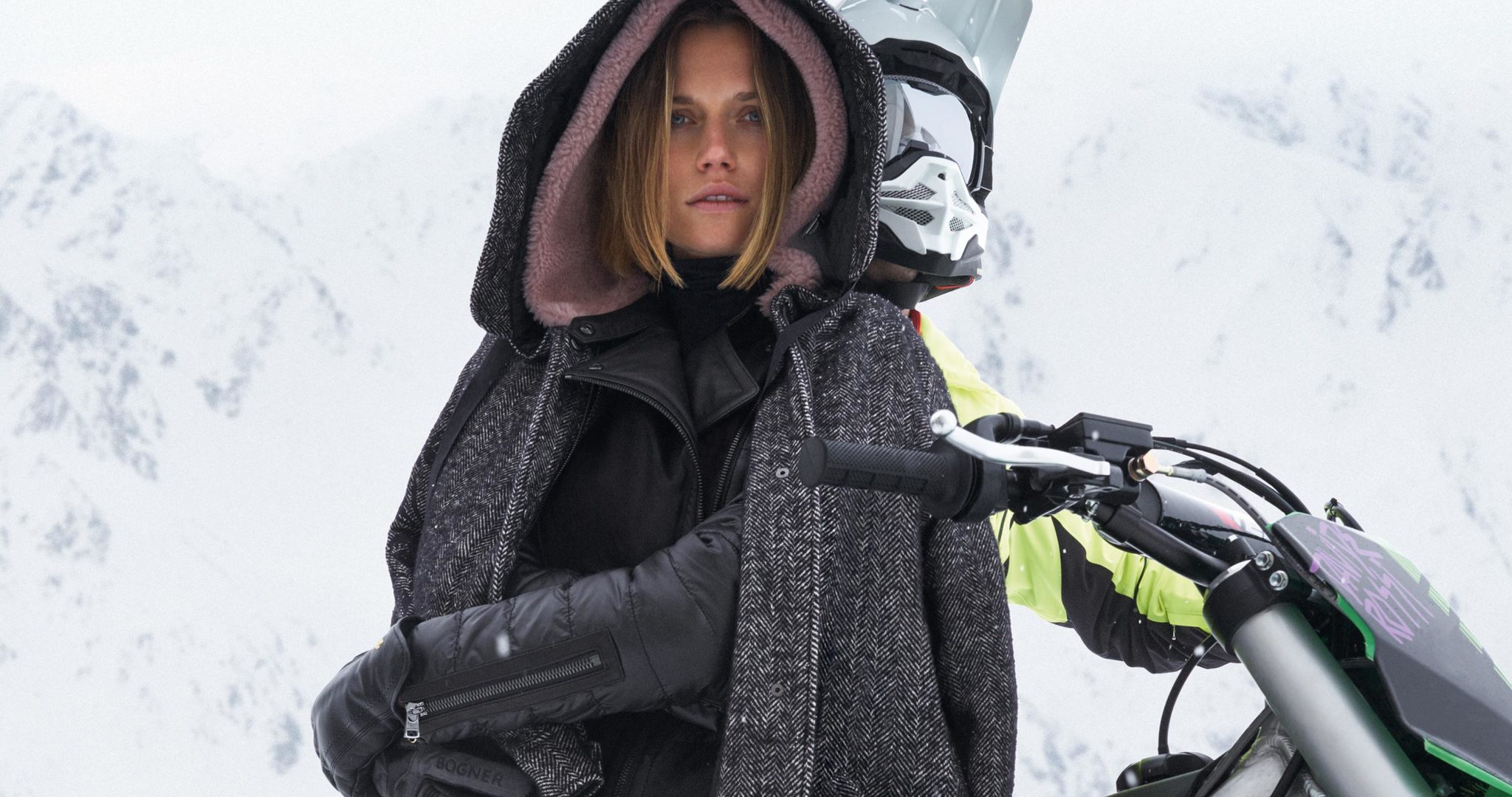
    Munich fashion firm Willy Bogner is pushing towards internationalisation with the opening of a new Bogner store at the Thaiwoo Resort near Chongli, China. The resort is located in Hebei Province directly on the Great Wall of China, and extends over 40sqkm, three hours by car from Beijing. Once completed, it will feature 200 ski slopes and 45 lifts and gondolas, fitting snugly with Bogner’s traditional ski and winter sports business.

    The store has a sales floor area of 164sqm and has been designed according to the brand’s “Modern Natural” store concept.

    As the Chongli Area is considered to be the largest ski resort in China, the Thaiwoo Resort will play an important role at the Beijing Winter Olympic Games in 2022. The Chinese government has declared its intention to attract 300 million winter sports enthusiasts to China for the event.

    Bogner CEO Andreas Baumgartner said: “The Thaiwoo Resort is currently completely focused on skiing, the skiing season here lasts over 150 days thanks to the perfect altitude and climate – ideal for a store and the corresponding clothing that Bogner offers.”

    Global representation of Bogner currently consists of 19 of its own stores, 33 partner stores and more than 6500 trading partners in more than 50 countries. Together with its partners, Bogner operates more than 100 sites in the Asia Pacific region. The Bogner store at Thaiwoo will be the first partner store there.

  • Emart’s No Brand to open first overseas store

    Emart’s No Brand to open first overseas store

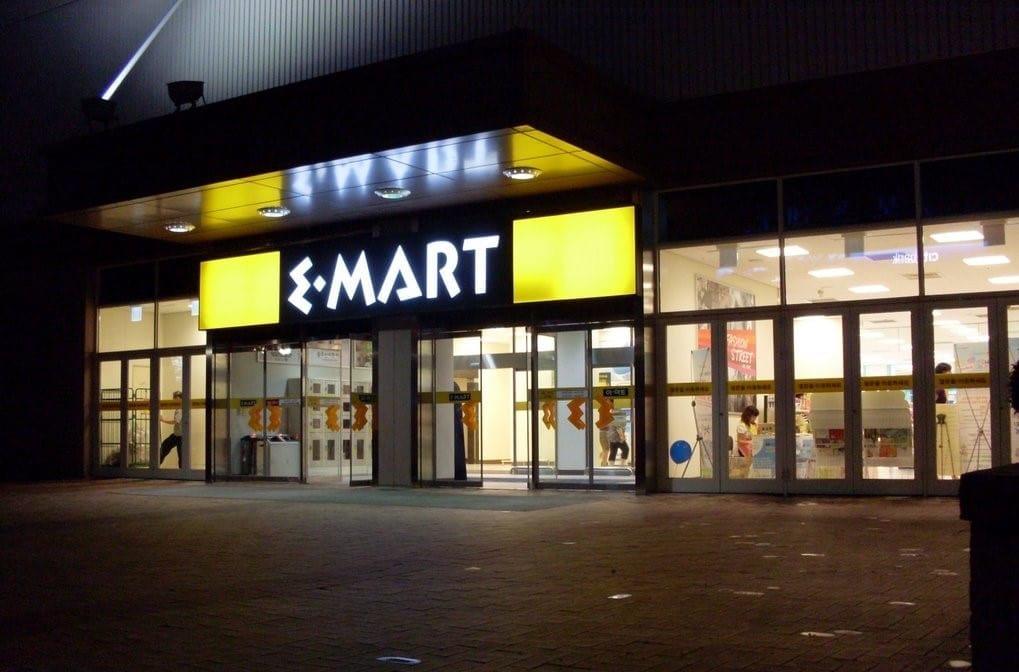
    Emart is taking its No Brand line to the Philippines, the first overseas expansion for the label. The chain announced Monday that it signed a franchise agreement with Robinsons Retail, the No. 2 retail company in the Philippines, to roll out No Brand and Scentence in the country. Both are Emart in-house lines.

    “Under the deal, 50 No Brand and 50 Scentence stores will be established in main shopping malls and department stores at the Philippines by 2020,” Emart said in a statement.

    Robinsons will be in charge of store operations, while Emart will be paid a licensing fee and profit from the export of products to the stores.

    No Brand is an Emart label that sells daily necessities and some food items. Around 70 percent of No Brand goods are manufactured by local small enterprises. Although it was started as an in-house line, No Brand has been so successful that stand-alone stores have been opened.

    Emart has established stores overseas, but this is the first time No Brand has been taken abroad. With partner Robinsons, the local retailer plans to co-develop No Brand products for the Philippine market and possibly export them for sale at Emart stores in Vietnam and Mongolia.

    For Scentence, Emart’s in-house beauty brand, the Philippine project is the brand’s second overseas move. It opened in Saudi Arabia in July. Emart says it plans to develop Scentence beauty products that fit well with the climate of the Philippines.

    No Brand and Scentence are both part of Shinsegae Vice President Chung Yong-jin’s strategy to develop “specialized stores” that focus on a particular product category instead of selling a little of everything as is done in discount chains.

    The discount chain market is saturated in Korea and is facing mounting regulations.

    “The deal to launch No Brand and Scentence in the Philippines is meaningful to us in that it diversifies our global portfolio for specialized stores,” said Lee Joo-ho, who heads Emart’s global business.

  • Crocs opens its 100th store in India at VR Mall Chennai

    Crocs opens its 100th store in India at VR Mall Chennai

    The new store, which spreads across 625 sq. ft., is Crocs’ third store in the city and 5th in the state of Tamil Nadu. Boasting a premium location at VR Mall, the hub for luxury and international brands in Chennai, the store promises to strengthen the reach of the iconic brand in the state capital.

    Since the opening of its first store in India in 2008, Crocs has successfully carved a distinct positioning for the brand amongst the Indian consumers akin to its global positioning and is growing at a robust pace with presence across 50 cities in India.

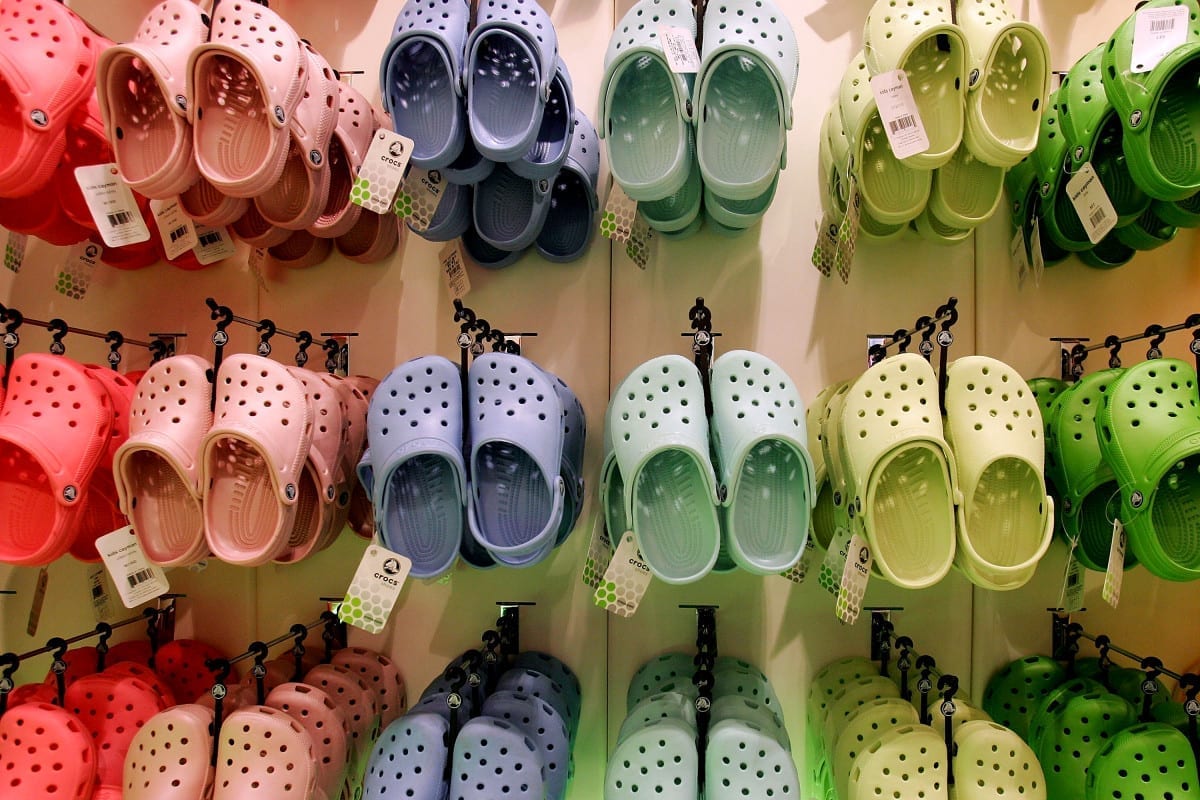
    Crocs, which is known globally for its iconic Clogs, is turning towards India to fuel its next phase of growth. India is currently the 6th biggest market for Crocs globally with a high double-digit growth year on year.

    Metro Shoes, the national franchise partner of Crocs India, will be operating this 100th store located in Chennai. The partnership with Metro Shoes began in 2014 which has helped the iconic footwear brand in expanding its reach to over 50 cities through its EBO operations.

    Speaking on occasion, Deepak Chhabra, CEO & MD, Crocs India, said, “We are excited on reaching the century mark in India. India is one of the rare markets where even after opening 100 stores we still feel under-penetrated. Our absolute focus for the next phase of geographical expansion will continue to be on top 6 metro cities across the country along with state capitals. Exclusive brand stores are a very significant part of our growth strategy. In addition to aggressively growing our EBOs, we will be strengthening our presence in Tier-II cities via MBOs and Kiosks. Further, e-commerce will remain an integral part of our distribution strategy and help us reach out to consumers where our brick and mortar presence is limited. Region-wise South India, due to its demographics and very high brand recall, contributes the highest amongst all regions in the country and will remain an integral part of our India growth strategy.”

    Commenting on the occasion, Rafique Abdul Malik, Chairman & MD, Metro Shoes, said, “We would like to congratulate Crocs India on the launch of their 100th store and are confident that this is just one of many more milestones to follow. Metro Shoes is glad to partner with a brand which despite being just 16 years old has an iconic status with probably the highest brand-recall across the globe. India as a nation has a high affinity for open shoes and sandals owing to the climatic conditions, making Crocs highly relevant in this market.”

    With its unique brand awareness and break-through product innovations, Crocs is progressing towards becoming India’s top non-athletic casual footwear brand. Other than its EBOs, Crocs asserts its strong presence in MBO channels through which its overall offline reach extends to more than 150 cities via 1,500 + points-of-sale. Additionally, it caters to 20,000+ pin codes translating to 400 cities via its e-commerce presence.

    Over the past 16 years, Crocs has sold more than 350 million pairs of shoes worldwide. Crocs as a brand will continue to focus on clogs and sandals, along with new product innovations and extensions of the current product line. This year, Crocs India launched LiteRide™, Drew Barrymore ♥ Crocs Collection, Crocband™ Platform Collection, and Luxe Lined Collection. Last year internationally, the brand has associated with designers like Balenciaga and Christopher Kane bringing in some exciting trends to the runway which further elevated the appeal of the iconic clog in fashion space.

  • Shilla Travel Retail Hong Kong appoints new MD

    Shilla Travel Retail Hong Kong appoints new MD

    The Shilla Duty Free has appointed a new MD of its Hong Kong operations. Changha Shin takes over the helm of Shilla Travel Retail Hong Kong this week after the surprise departure of Alice Woo. Woo built the business up after becoming its first employee last year when the Korean-owned travel retail company secured major duty-free concessions at Hong Kong International Airport.

    Prior to working with Shilla, Woo spent 22 years in travel retail in Asia, Hawaii and North America, with companies including DFS Group and Nuance Watson.

    Her replacement Shin was previously the merchandising director of Shilla Travel Retail Hong Kong. In a short statement, Shilla said Shin has a wealth of knowledge across various product categories with 14 years of experience. He started in HR with Shilla Group and has “deep knowledge” of Shilla Group and its partners.

    “The Shilla Duty Free is proud to promote from within and support the development of its staff.”

    Woo will leave her position this week with the change referred to being due to “internal circumstances”. It is unclear if she will remain with the company in another role.