Category: Fashion

Retail News Asia is committed to providing both local and global retailers with the latest Fashion news throughout the Asian market. This on a daily base.

  • Dolce & Gabbana’s Christmas pop-up at Galaxy Macau

    Dolce & Gabbana’s Christmas pop-up at Galaxy Macau

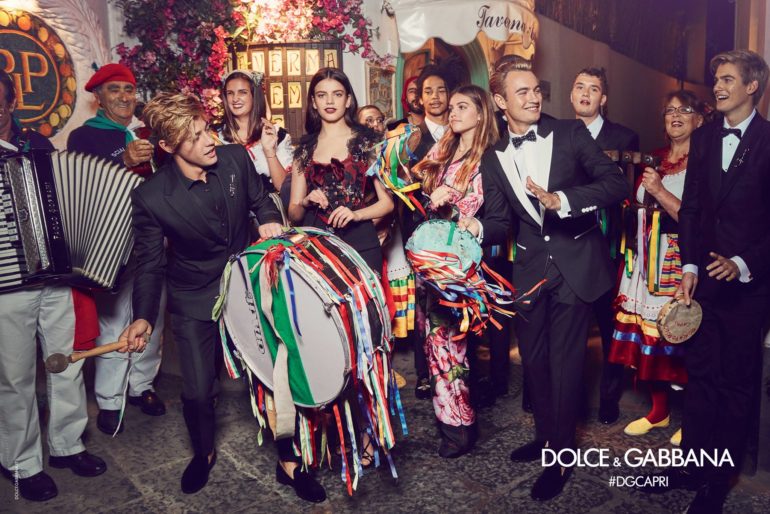
    Dolce & Gabbana is launching a new Pop Up at The Promenade Shops, Galaxy Macau, featuring its iconic colorful Christmas characters and festive decorations. Inspired by traditional Sicilian parades, the exclusive-to-Asia pop-up store features the brand’s latest collections and inventive installations.

    Shoppers will be the first to experience the pop-up at the Pearl Lobby of The Promenade Shops from 16 November 2018 through 6 January 2019.

    The italian brand will light up the Pearl Lobby with luminaria (festive lights) and ornate, hand-painted Sicilian carreto (carts).

    The craft of making carreto has been handed down from generation to generation and is often a focal point of Dolce & Gabbana’s aesthetics.

    At The Promenade Shops, they will carry the latest men’s, women’s and children’s prêt-à-porter and accessories collections, as well as an exclusive, Chinese-inspired collection featuring the beloved and playful panda.

    Shoppers purchasing at the pop-up will be entitled to various customization activities for personalized Dolce & Gabbana gifts.

    Hazel Wong, Senior Vice President of Retail for Galaxy Macau, said, “We are excited to host an unmissable, Sicilian-style Christmas celebration with delightful Chinese accents courtesy of legendary Italian fashion brand Dolce&Gabbana.”

  • Cluse opened a new store in Singapore

    Cluse opened a new store in Singapore

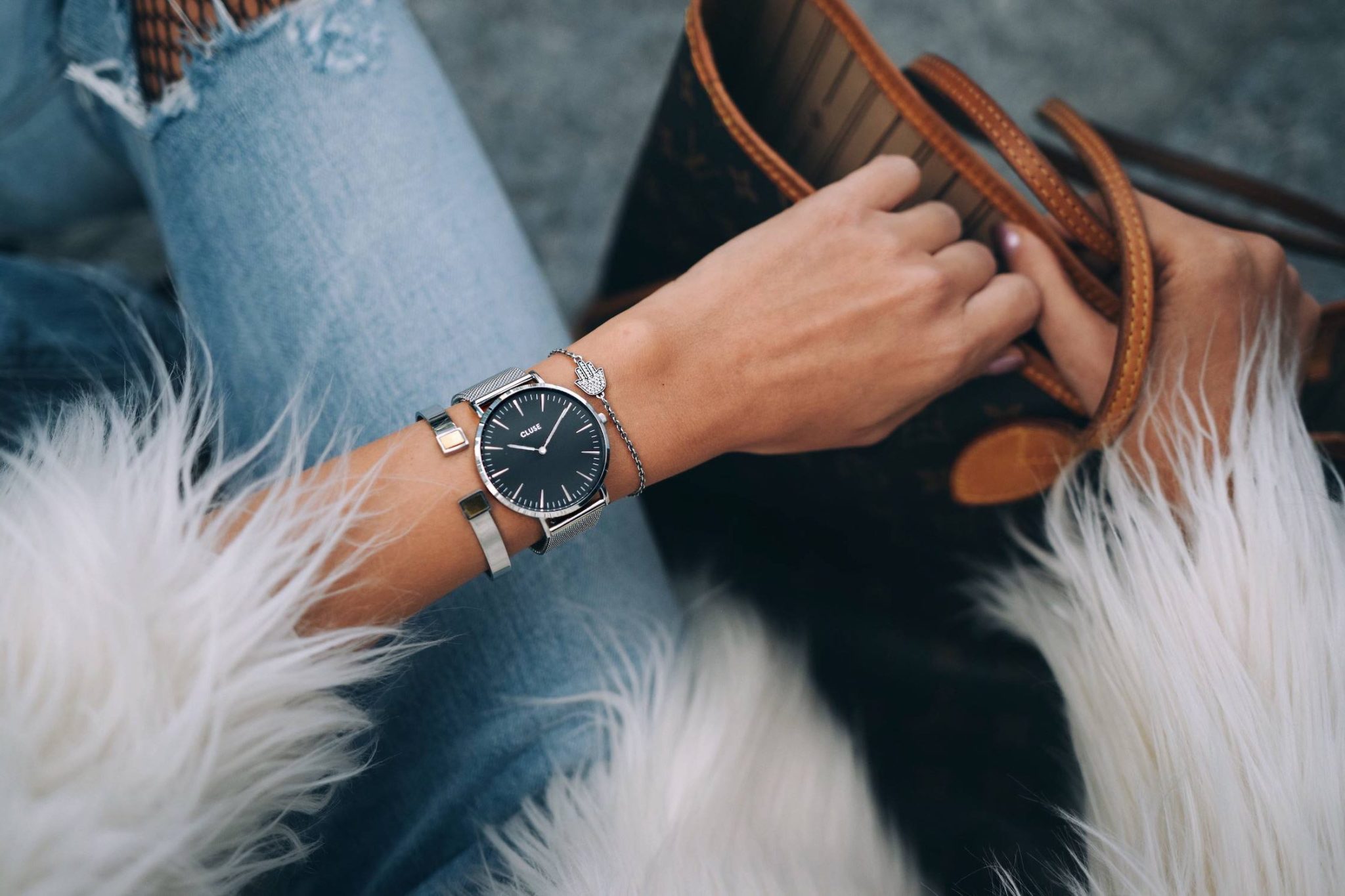
    CLUSE opened a new store in Singapore, in Takashimaya Shopping Centre on 15th November, with the leading Asian brand curator Bluebell Group. CLUSE is an Amsterdam based watch and jewellery brand, risen to fame for fashionable watches inspired by minimal French design.

    Ever-since, CLUSE has expanded their collections to host a range of both watch and jewellery lines with the ambition to create pieces for every woman, in a celebration of the uniqueness of everyone who wears the brand.

    The new store in Singapore holds classic collections by CLUSE.

    From their original La Bohéme collection of women’s watches with oversized dials and minimalist features, to their La Vedette collection with small dial sizes, inspired by starlets of the past.

    The store also features their iconic collection of square watches, named La Garconne, as well as their other most popular watch collections, Minuit, Triomphe, and La Roche.

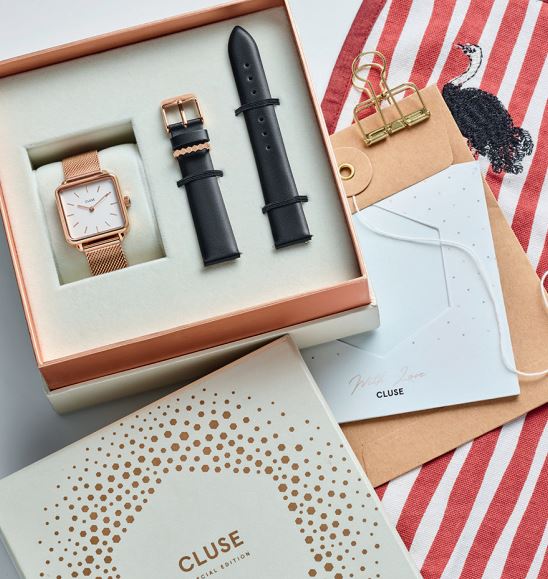
    Usually focusing on women’s accessories, this time a year CLUSE revealed both a feminine gift box, including their bestselling La Garçonne with an additional strap, and a first-time ever masculine gift box – featuring the  company’s classic La Bohème design, with an additional nato strap large enough to fit a bigger wrist.

    Both of these festive season sets are packaged in new, specially designed gift boxes which hint to the style of the watches inside.

  • Tomei Malaysia sells skincare, cosmetics distribution business

    Tomei Malaysia sells skincare, cosmetics distribution business

    Tomei Consolidated Bhd’s wholly owned subsidiary Flawless Skin Care Sdn Bhd (FSC) today sold its business of distributing the skincare and cosmetic products of “The history of Whoo” and “belif” as a going concern for RM8.97 million.

    FSC, whose principal activity is retailing of skin care and cosmetic products, this week entered into an asset purchase agreement with LG Household & Health Care Malaysia Sdn Bhd for the exercise.

    LG is a company incorporated in Malaysia with its principal activities in the area of skin care and cosmetic products.

    FSC agrees to sell and LG, relying on the several representations, warranties and undertakings contained in the agreement, agreed to purchase free from all encumbrances the whole of the business as a going concern.

    “The disposal would enable Tomei to utilise its resources and focus on the core businesses of the group in the gold and jewellery business,” it said.

  • Palace set collaboration with Polo Ralph Lauren in Seoul

    Palace set collaboration with Polo Ralph Lauren in Seoul

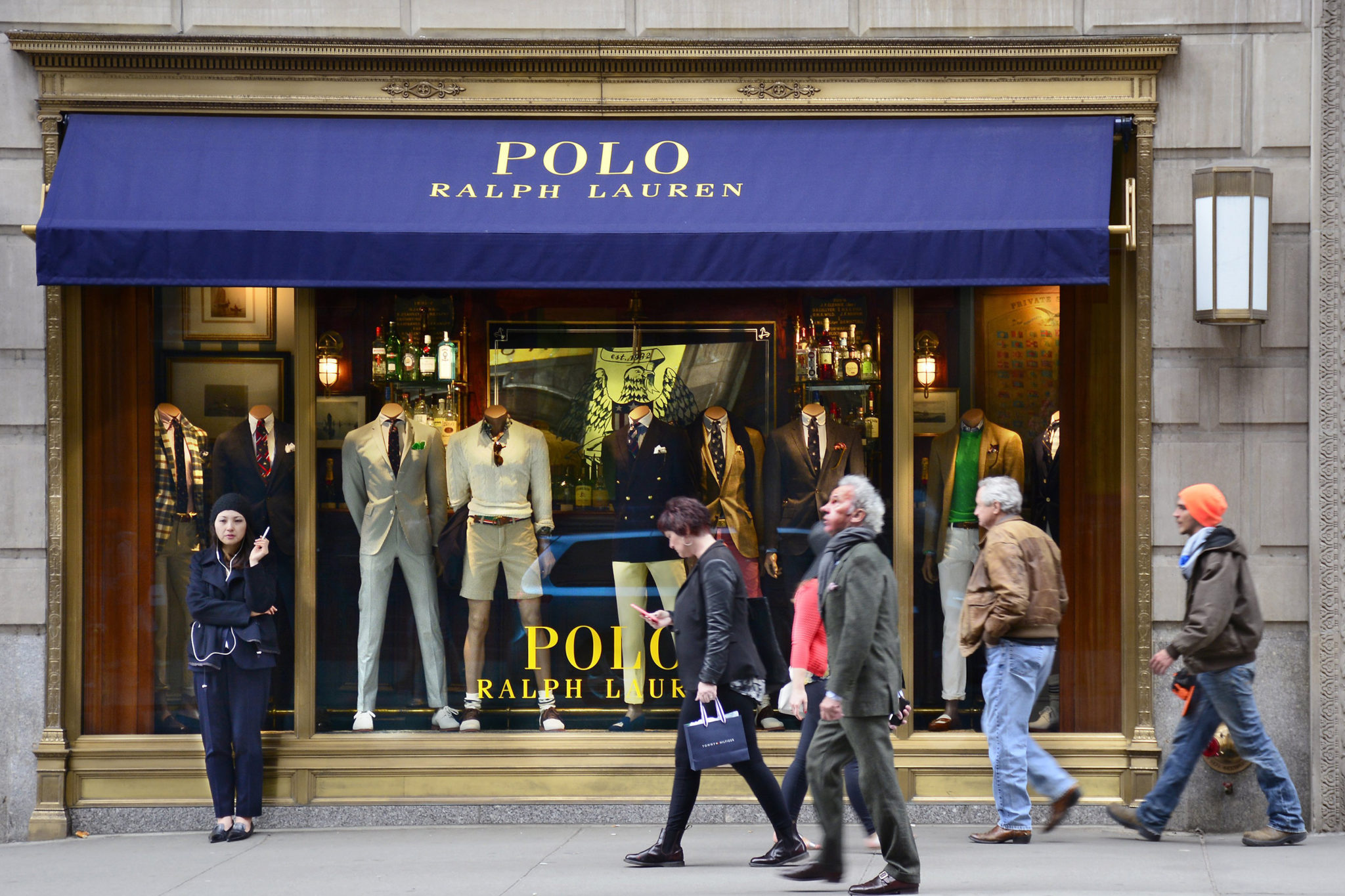
    Streetwear label Palace and Polo Ralph Lauren, the luxury fashion brand, have brought their recent collaboration to Seoul after a show in London. The hotly anticipated crossover saw queues forming from the night before its Saturday morning release at the RL Garosu store to secure purchases of premium limited-edition items.

    Popular products included a Kickflip Polo Bear knit sweater and teddy bear, both of which were posted online within an hour of selling out at sizeable markups.

    Buyers were limited to purchases of one item per product and up to 10 products in total.

  • Farfetch’s CEO calls for an industry-wide halt on discounts

    Farfetch’s CEO calls for an industry-wide halt on discounts

    Fashion brands need to put their foot down and take action to prevent “a race to the bottom” in terms of discounts as they threaten the survival of the whole fashion retail eco-system, Farfetch Chief Executive and Founder José Neves said.

    Online and offline retailers are resorting so much to promotions there are only two months in the year during which there aren’t any: September and February.

    “So, the system is really crumbling,” Neves said. “The industry needs to think very strategically about how they are going to avoid a race to the bottom in terms of promotions and discounts.”

    He recommended that fashion brands turn into concessions those wholesale accounts, both online and offline, that do the most visible and damaging discounts.

    He suggested brands follow the example of Chanel, which last week, announced it was going to turn into concessions its wholesale distribution accounts in the United States with department stores such as Bergdorf Goodman, Neiman Marcus, Bloomingdale’s, Saks Fifth Avenue and Nordstrom.

    Chanel said the move was intended to better control interaction with its customers.

    “The cycle of discounts is getting earlier and earlier,” Neves remarked. “If you speak to the CEO of any brand they will all say the same thing: we don’t let them do that, we shout at them, if you do it next time, we will stop working with you. And guess what, next season it is the same thing again and again, so their threats are useless. This is a preoccupation for the whole industry. People know what is happening. People talk about it and no-one does anything.”

    Heavy discounts at department stores started with the 2008-2009 financial crisis and have never really stopped since.

    Retailers have a herd mentality: if one discounts, the others follow. And no big department store will stop doing discounts by its own initiative for fear of losing business to rivals.

    Neves foresaw that the only way for the industry to get out of this conundrum was for brands to step in and take concrete action.

    However, on a brighter note, Neves foresaw solid growth in demand for fashion in the medium to longer term, in part because consumers increasingly feel they need to invest in fashion to differentiate themselves and look good on their social media accounts.

    He also predicted consumers would have more disposable income due to changing spending patterns.

    “People are not buying cars anymore because they have Uber, they are not buying houses because they were priced out of the property market in most big cities because they need a 40 percent deposit and they will never be able to save that much. They do not buy holiday houses because they have Airbnb, so there is more disposable income to buy fashion,” Neves said.

    In September, Farfetch completed an initial public offering in New York that raised its profile and gave it a cash pile of more than $1 billion. Neves said its funds would be used to finance growth, win market share and make acquisitions “on an opportunistic” basis.

    Neves said Farfetch would only make acquisitions in areas in which it did not have expertise. In July, Farfetch acquired CuriosityChina, a marketing firm specialized in WeChat, the popular Chinese social media.

    In terms of geographic spread, Neves said India and South East Asia were among those regions Farfetch wished to expand into, but for now, the company needed to consolidate its recent expansion efforts which stretch from China, Japan and South Korea to Mexico, Russia, Brazil and the Middle East.

    “At the moment, it is a pause in oxygen for strategy,” Neves said. “But eventually, we will be in every major luxury market in the world.”
  • Japan’s Shiseido formed Philippine unit with Luxasia

    Japan’s Shiseido formed Philippine unit with Luxasia

    Japanese beauty products firm Shiseido is partnering with Singaporean cosmetics agent Luxasia to expand into the Philippines market. The two firms will be setting up a partnership in the form of Shiseido Philippines Corp this December. Shiseido will retain the majority shareholding in the business, which will start operations next July once the sales channels of two local agents are integrated.

    According to the firm, the Philippine joint venture will enhance the product lineup of its prime brands in the market, Southeast Asia’s third-largest in the industry representing around US$3 billion in annual sales.

  • GU to Open Next-Generation Store “GU STYLE STUDIO”

    GU to Open Next-Generation Store “GU STYLE STUDIO”

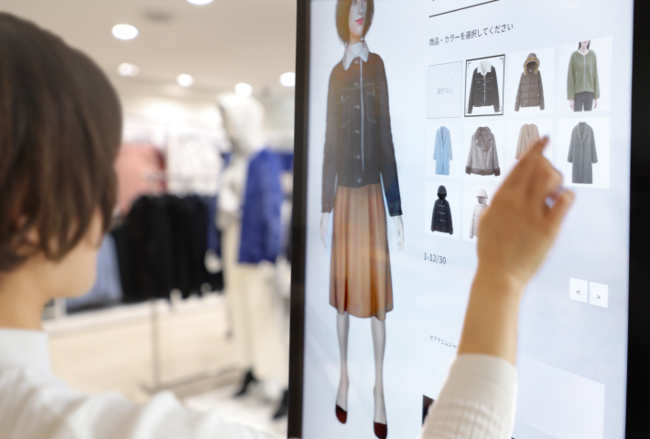
    Japanese casualwear retailer GU will open a “next-generation” Style Studio in Harajuku this month, merging physical retail and advanced technologies. The studio will feature digital signage and a style creator app in the high-end retail district of Tokyo for the Fast Retailing-owned fashion brand.

    A spokesperson for the brand indicated the store will bridge online and in-store shopping and “will offer a new type of personalised fashion experience, enabling customers to discover outfits that perfectly match their individual style, using the innovative technology of the GU Style Creator Stand” and the accompanying app.

    Customers can check out the suitability of garments by having them digitally fitted on a personalised avatar of themselves based on a photo taken in the store. The avatar can be used as a basis to try and develop new styles.

    The store will open on November 30.

  • Tumi boosts Samsonite sales growth

    Tumi boosts Samsonite sales growth

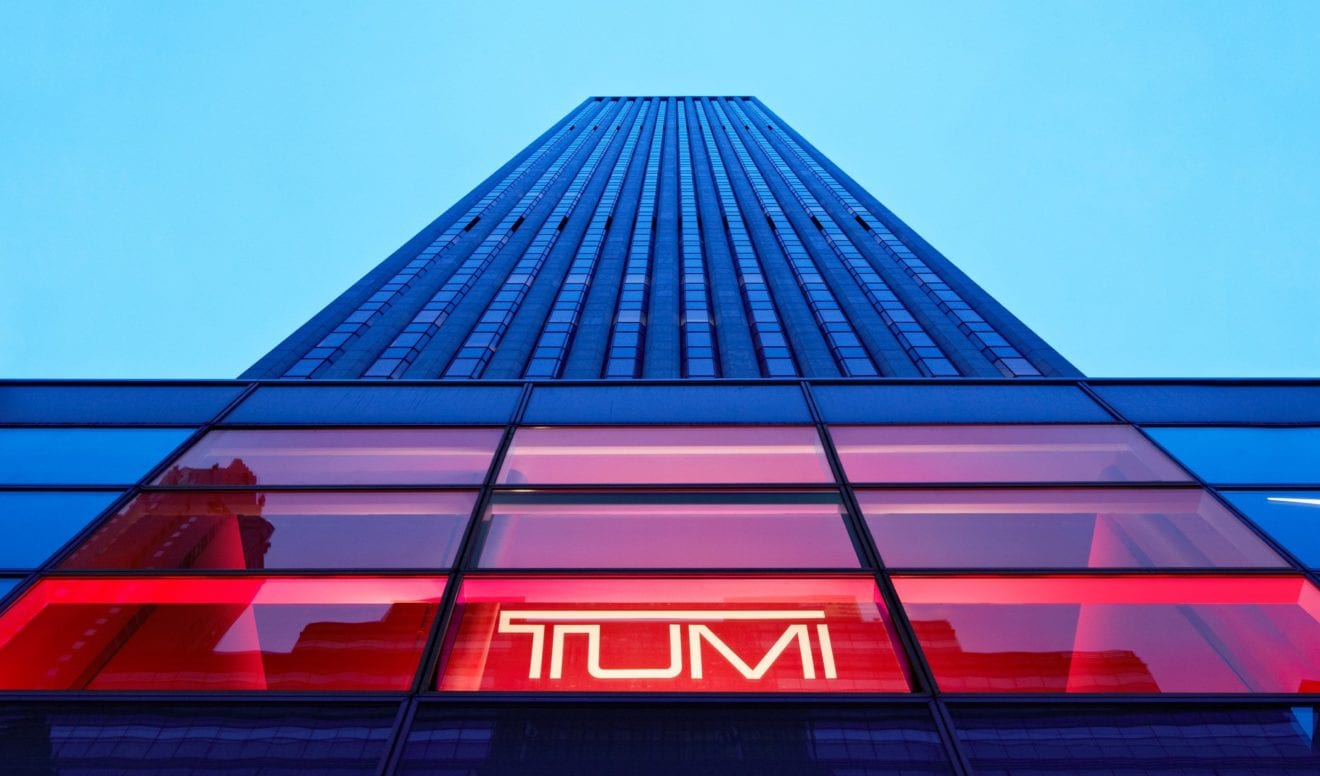
    Rapid Tumi expansion is powering solid sales growth for Hong Kong-listed luggage specialist Samsonite International. Group sales rose 5.2 per cent in the third quarter to US$945.2 million, with sales in Asia up 7.2 per cent to $324.2 million. Global sales for the first nine months were up 10.1 per cent.

    The company says the Asian sales growth was primarily driven by the Tumi, American Tourister, Kamiliant and High Sierra brands. Tumi sales in Asia surged 27.7 per cent year-on-year, driven by expansion in key Asian markets. Kamiliant, the group’s value-conscious, entry level brand, saw net sales increase by 31.8 per cent as the brand continued to gain market share, while the High Sierra and American Tourister brands grew by 22.2 per cent and 3.6 per cent respectively.

    In Japan, sales grew 12.5 per cent in the third quarter, driven by the Tumi and Samsonite brands.

    Net sales in Hong Kong increased by 23.5 per cent, driven by increased net sales from the Tumi and American Tourister brands, however Mainland China net sales decreased by 3.2 per cent due to weak consumer sentiment amid concerns about trade relations and a decrease in business-to-business orders. Excluding business-to-business orders for both periods, net sales in China increased by 4.1 per cent.

    The Samsonite, American Tourister and Kamiliant brands drove a net sales increase of 28.6 per cent in India. Sales in South Korea decreased by 4.1 per cent due to “continued challenging domestic market conditions”.

    CEO Kyle Gendreau said the group was pleased with the third quarter results and especially its continued progress in Asia.

    Sales in Europe rose 10 per cent and in Latin America by 13.4 per cent.

    Profit attributable to shareholders during the third quarter rose by $18.9 million, or 33.3 per cent, to $75.5 million, driven by a reduction in the group’s income tax expenses. For the nine months ended September 30, profit attributable to shareholders, excluding a non-cash charge to write-off the $53.3 million of deferred financing costs, increased by $42.9 million, or 30.6 per cent.

    Gendreau said the company is excited about the opportunities ahead, despite global concerns about the US-Sino trade war and subdued consumer sentiment in many markets.

    “With consumers still showing a strong propensity for travel, our industry continues to enjoy favorable long-term growth prospects. We will continue to invest in marketing, product innovation and development of our distribution channels, including direct to consumer. We are confident that we can continue to leverage our strong, diversified portfolio of brands to expand our global presence.”

  • A look into Furla recent success strategy

    A look into Furla recent success strategy

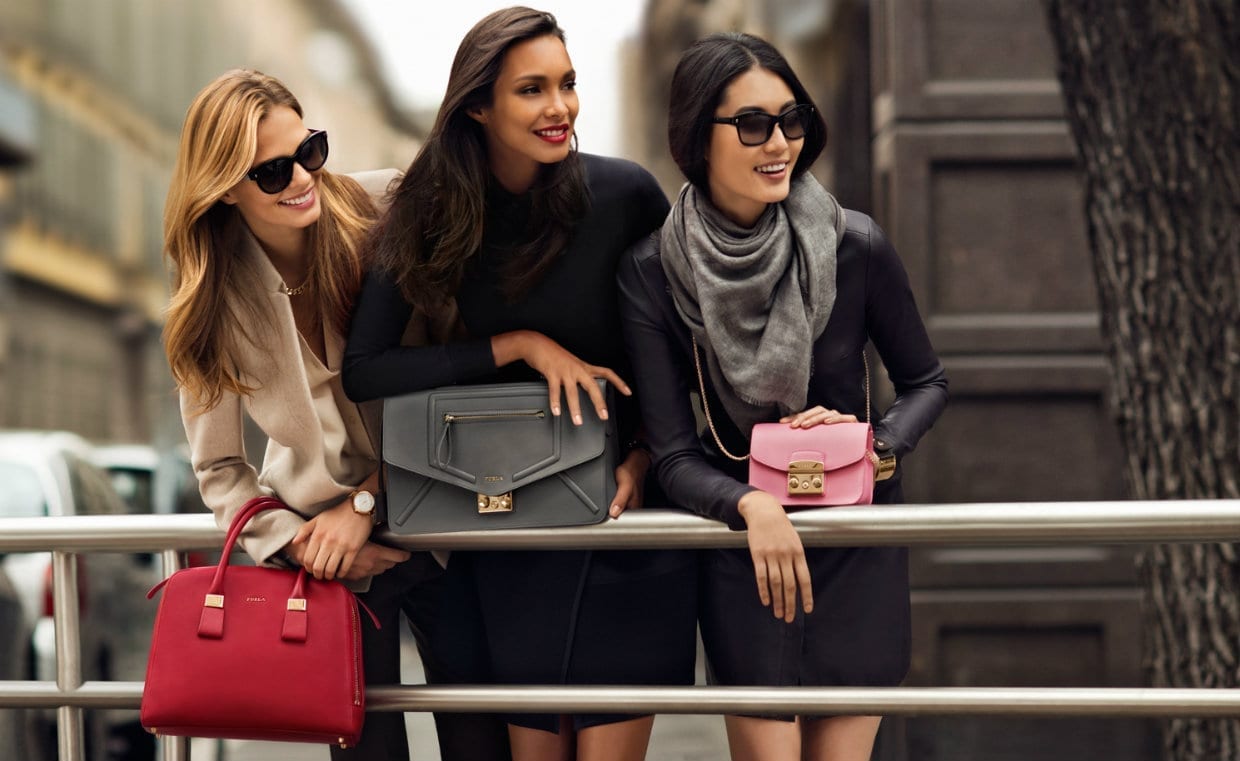
    Furla Group continues to grow, with 252 million euros in turnover in the first half of 2018, a 10.6% increase at constant exchange. Turnover increased in the first part of the year across all markets. In particular, the Asia Pacific region registered a 28.6% increase at constant exchange, while Japan saw a 9.5% increase. The United States also registered an excellent performance, with a 24.2% increase.

    Figures from the first half of the year reveal that Italy now accounts for 15% of total turnover; the EMEA region (excluding Italy), 28%; the APAC region, 27%; Japan, 23%; and the U.S., 7%.

    Extensive worldwide distribution continues to be among the Italian company’s strong points: Furla is present in 100 countries, with 471 monobrand stores situated in the most prestigious international shopping streets. It also has over 1.200 multibrand and department store sales points.

    Over the past several months, Furla Group has assumed full control of its retail distribution in China, Hong Kong and Macau.

    Travel retail played a fundamental role in the company’s growth, with year-on-year sales up by 23% in the sector, which accounts for 8% of Furla Group’s total turnover.

    The company is present in the travel retail channel in 64 countries, with a total of 298 sales points, including boutiques, corners, shop-in-shops, aircraft and cruise ships.

    Furla is carrying out a major investment plan that aims to consolidate its impressive growth trajectory over the past several years and make it sustainable.

    Significant resources are being directed toward strengthening the supply chain through the implementation of a more sophisticated information system better suited to the company’s current size.

    The selection process for suppliers is ongoing and crucial to guarantee continued high-quality, on-time manufacturing.

    The company has also paid great attention to its new e-commerce platform, which saw sales increase by 24.1% in the first half of this year.

    Continual investments in human resources have allowed Furla Group to create new positions: today, the number of employees worldwide is 2.514, compared with 2.362 in December 2017.

    The company is also boosting its investments in marketing and communication, with ever-greater emphasis on digital and social media.

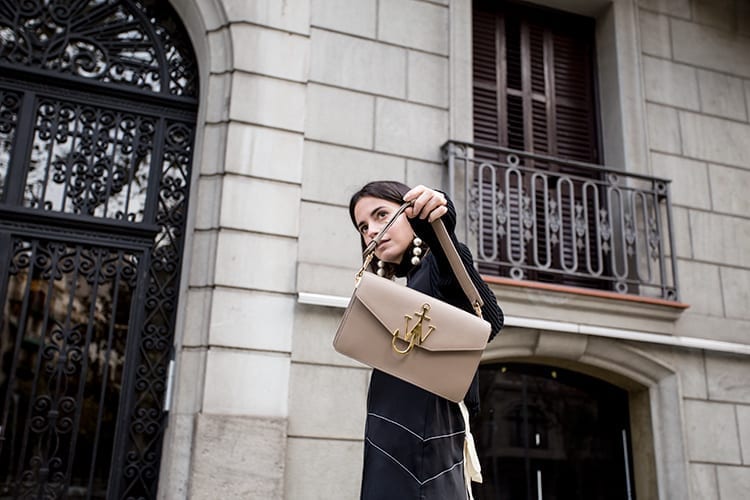
    A new, elegant monogram inspired by Furla’s “F” was created and introduced in Milan during the city’s women’s fashion week in September 2018.

  • “Pink Legacy” diamond is sold at 50 million USD

    “Pink Legacy” diamond is sold at 50 million USD

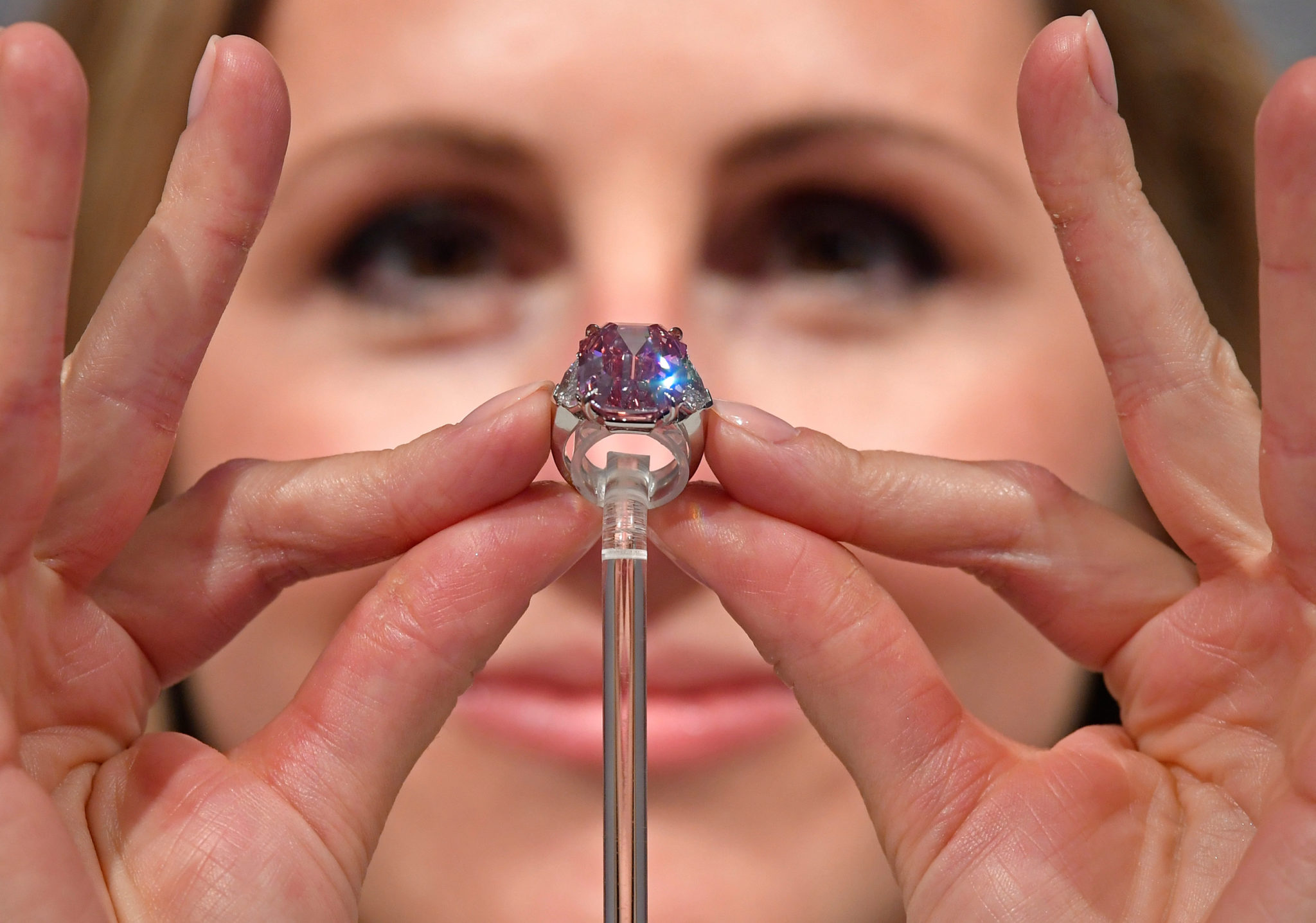
    An unusually large pink diamond sold for a record-breaking $50 million (about 50.3 million Swiss francs) this week at Christie’s auction house in Geneva. After five minutes of bidding, the 18.96-carat Pink Legacy became the world record holder for price paid per carat for a pink diamond at auction.

    Christie’s international head of jewelry, Rahul Kadakia, said it was purchased by American luxury brand Harry Winston, and will be renamed the Winston Pink Legacy.

    “You have to acknowledge first that the Pink Legacy diamond was a very special diamond,” Kadakia said. “It is one of the best and finest examples of pink diamonds at this size and color and it proved it with a new world record price per carat.”

    The diamond went under the hammer as part of the annual Magnificent Jewels auction and attracted a huge amount of interest because of its large size and impressive color grading.

    Pink Legacy is categorized as a “Fancy Vivid” diamond, the highest grade of color intensity. Only 1 in 100,000 diamonds receives the grading.

    The diamond is an even rarer find because of its size, as Fancy Vivid Pink diamonds larger than 10 carats are “virtually unheard of,” according to Christie’s.

    “This record-busting price fetched suggests the diamond trade is in good health and signals the market’s sensitivity to Australia’s Argyle mine’s imminent closure in 2020,” Eddie LeVian, CEO of jewelers Le Vian, said in a statement. “With Argyle producing 90% of the world’s pink diamonds, what do you think the value of this diamond will be in five years from now?”

    Christie’s did not identify the jewel’s latest owners but it once belonged to the Oppenheimer family, who ran the De Beers diamond mining company for three generations until selling their stake in 2011.

    The sale is the latest in a booming market for large pink diamonds.

  • Victoria’s Secret apologises for ‘insensitive’ transgender model comment

    Victoria’s Secret apologises for ‘insensitive’ transgender model comment

    Following the backlash on social media, the chief marketing officer of L Brands, parent company of Victoria’s Secret and Bath & Body Works, has posted an apology on Twitter for comments he made about transgender models. Ed Razek, L Brands’s CMO, released a statement on Twitter clarifying a comment he made in an interview with Vogue magazine, which read:

    “To be clear, we absolutely would cast a transgender model in our show. We’ve had transgender models come to castings… And like many others, they didn’t make it.”

    Razek and Monica Mitro, vice president of public relations for Victoria’s Secret, sat down in an interview with Vogue which touched on the topic on the casting team’s choices. Razek, who is part of the casting team, mentioned the company had considered putting plus-sized models and transgenders in the show but had not acted on it, since the company “did not market to the whole world.”

    L Brands has recently announced it is expecting a third quarter loss per share of about US$0.17.  The reported loss per share includes a total charge of about US$0.32 per share, which consists of an approximate pretax cash charge of US$20 million related to the closure of its Henri Bendel business, and an approximate pretax non-cash impairment charge of US$80 million related to certain Victoria’s Secret store assets.

    Excluding the charges mentioned, the company expects adjusted third quarter earnings per share to be approximately US$0.15, compared to its previous guidance of US$0.00 to US$0.05, principally driven by outperformance at Bath & Body Works.

    The company has recently reported an 8 per cent increase in sales of US$860.5 million for the four weeks ending November 3 and a 4 per cent increase in same-store sales for the period. It has seen a 6 per cent increase for the 13 weeks ending November 3 of US$2.78 billion compared to the previous corresponding period.

    L Brands, is scheduled to report third-quarter earnings on November 21.

  • Shiseido establishes joint venture in the Philippines

    Shiseido establishes joint venture in the Philippines

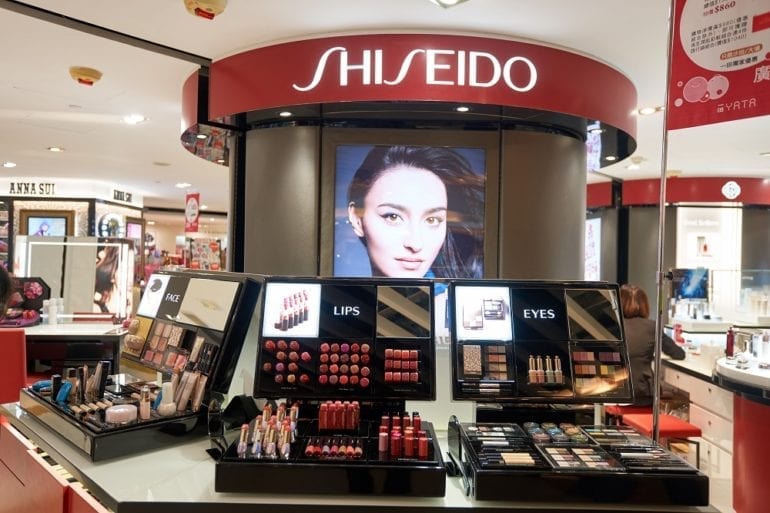
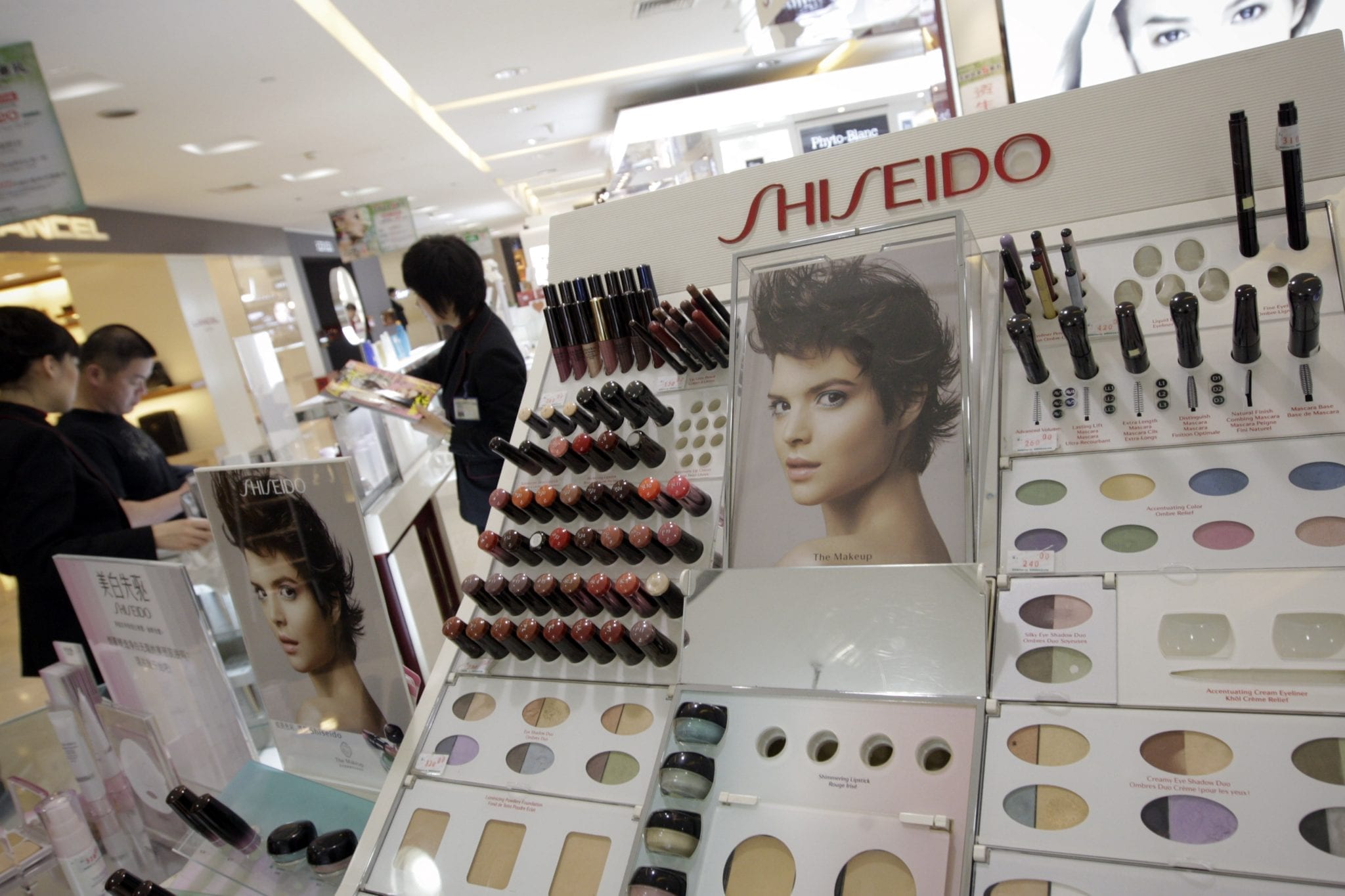
    Shiseido plans on establishing a joint venture, Shiseido Philippines Corporation, to strengthen its cosmetics business in the Philippines. Shiseido Asia Pacific Pte. Ltd. signed a contract for the joint venture with a Singapore based distributor, Luxasia Partners Pte. Ltd.

    The new company will start operations in July 2019, and Shiseido Asia Pacific will hold the majority stake in the company.

    Currently, Shiseido has two authorized distributors in the Philippines.

    However, the newly established Shiseido Philippines will sell products from all of Shiseido’s business categories across Prestige, Fragrance, Cosmetics & Personal Care to accelerate investments in marketing and increase sales.

    Under its “Prestige First” strategy, as part of the medium-to-long-term strategy “VISION 2020,” Shiseido is now aiming for global growth through marketing, with top priority placed on the prestige field.

    The Philippines boasts a population of more than 100 million, a high percentage of young people, and the third largest cosmetics market in rapidly growing Southeast Asia (approximately USD three billion based on our estimate).

    The prestige market is expected to continue its double-digit growth until 2020, and it has been undergoing a rapid expansion in the makeup category in particular.

    In addition, with the expanded rising middle class, Japanese brands have gained an advantage in the country, branding the market as one with high potential.

    The group plans on strengthening prestige brands such as “SHISEIDO,” “NARS,” and “Laura Mercier,” and roll out its cosmetics and personal care products that are popular in Asian countries at outlets including drugstores that have risen in the ranking of cosmetics sales channels for the middle-income class.

  • Owndays sets big expansion across Asia after capital injection

    Owndays sets big expansion across Asia after capital injection

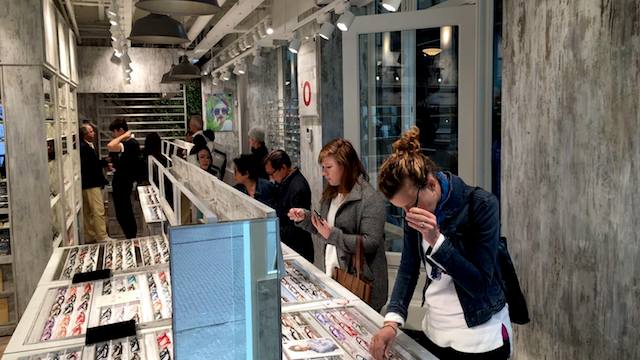
    LVMH-back private equity fund L Catterton Asia has partnered with Mitsui & Co to take an unspecified stake in fast-growing Japanese eyewear retailer Owndays. The funds will be used to accelerate the retailer’s across the Asia-Pacific region.

    Owndays, which began its Southeast Asia rollout in 2013 opening a store in Singapore, now has 115 stores in Japan and 142 stores in 10 other Asian markets, including Thailand, Vietnam and Hong Kong (where it is operated by Bluebell Group).

    In a statement, L Catterton Asia said the current management team will continue to retain “substantial equity interests” and manage the company.

    “Our ambition is to become Asia’s leading optical retailer and we plan to open more than 500 stores across the Asia Pacific region over the next five years,” said Owndays CEO Shuji Tanaka said.

    L Catterton Asia chairman and managing partner Ravi Thakran said the investment in Owndays marks the private equity company’s first foray into Japan.

    “The Owndays success story has been one of innovation, quality service and boldly exceeding customer expectations,” he said.

    “The company is poised to take advantage of the robust macro trends that are driving the market for private brand eyewear. Together, L Catterton and Mitsui & Co are committed to providing world-class operational and strategic support to propel Owndays to category-leading growth and profitability. With Japanese quality, purity and efficiency increasingly appreciated and desired around the world, we see tremendous market opportunities for Owndays.”

    President and CEO of Mitsui & Co subsidiary MCPI, Naoki Nakata, said Owndays is well placed for continued expansion, both domestically and abroad, while also improving profitability by fully leveraging Mitsui and L Catterton’s combined network, resources and demonstrable expertise in value creation.

    Since 2009, L Catterton Asia has invested in many leading consumer brands, including Gentle Monster and RM Williams and Pepe Jeans, and in lifestyle mall operator Sasseur, among others. L Catterton Asia, formerly called L Capital Asia, was formed through the partnership of Catterton, LVMH and Groupe Arnault.

  • Kylie to expand her makeup line

    Kylie to expand her makeup line

    Reality TV star Kylie Jenner has announced she is expanding her cosmetic line from online to in-stores. After launching her own makeup line in November 2015 and with the company nearly three years old, Kylie’s products can be purchased from all Ulta Beauty stores around the US.

    “So I’m going to be starting of with just my best lip kits first, and then I’m going to be expanding and adding a lot more things super fast,” the 21-year-old wrote on Instagram.

  • Crumpler plans expansion into Mainland China, Taiwan

    Crumpler plans expansion into Mainland China, Taiwan

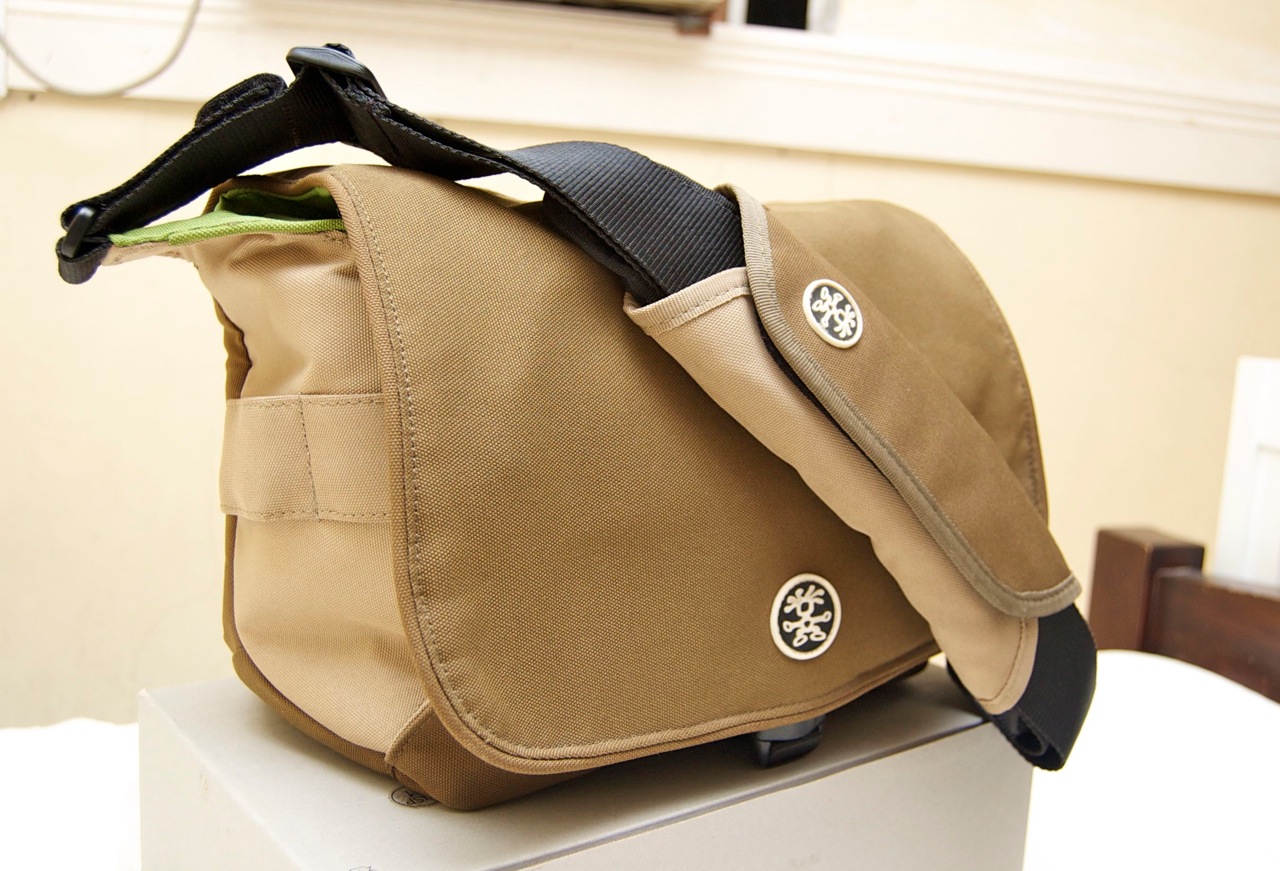
    Australian bag brand Crumpler has added distributors in Taiwan and Mainland China as it looks to expand sales in greater Asia and open new stores there. Crumpler CEO Adam Wilkinson says the region is the brand’s fastest-growing market outside Australia, so increasing its distributor network and retailer presence in Mainland China and Taiwan is “vital for us to meet the demands of current and new customers”.

    Sea to Summit has been appointed in Mainland China and HWA Yao Trading in Taiwan.

    Crumpler Asia now has five distributors in six Asian countries and at least six stores.

    “A lot of Chinese consumers are already fans of the Crumpler brand and with our middle-class rapidly growing, now is the time to re-introduce Crumpler’s premium travel, lifestyle and work bags and accessories to a wider market, with a particular focus on department stores and shopping malls,” said Barry Lin, sales director at Sea to Summit China.

    “Quality is our primary focus when aligning with a new brand which makes Crumpler a natural fit for HWA Yao. The retail market is evolving in Taiwan hence we’re excited to bring

    the reputable bagware brand into the market. We forecast it will be a successful ongoing partnership”, said Vincent Kao, CEO.

    Founded in Melbourne in 1995, Crumpler was created to address the needs of bicycle couriers looking for good-looking and cleverly designed messenger bags. The company has since expanded its range to include backpacks and a broad range of carrier solutions.

    Crumpler has a retail and online presence in Australia, the US and Asia, with more than 27 storefronts and distribution across 35 key department store and online retailers worldwide.