Category: Fashion

Retail News Asia is committed to providing both local and global retailers with the latest Fashion news throughout the Asian market. This on a daily base.

  • Shinsegae plans ‘Korean Amazon’

    Shinsegae plans ‘Korean Amazon’

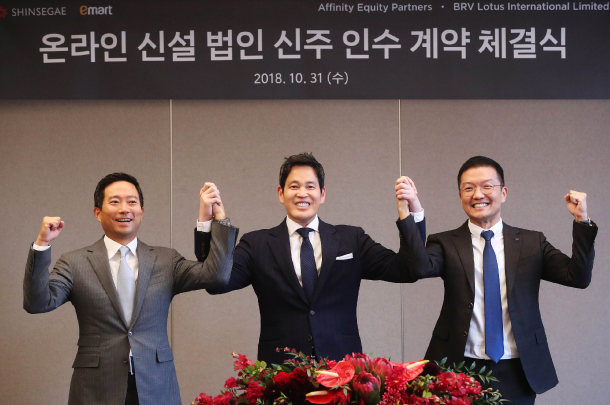
    Shinsegae has secured investment worth 1 trillion won ($877.8 million) to build a separate company dedicated to its online business, finally giving wings to Vice Chairman Chung Yong-jin’s ambitious plan to create a “Korean version of Amazon.”

    Shinsegae said Wednesday that it succeeded in attracting funds worth 1 trillion won from two global private equity firms, BlueRun Ventures and Affinity Equity Partners, to launch a separate company that will comprehensively handle the retail giant’s online business.

    The investment plan was revealed in January, but the detailed conditions have been finalized after nine months of negotiation.

    “Shinsegae Department Store and Emart have led growth within the group until now,” said Chung. “But from now on, the new entity dedicated to online business will lead growth. All capacity within the group will be concentrated on the online business.”

    The retailer will spin off the online business from Shinsegae and Emart and merge them into a separate entity. Shinsegae is mainly in charge of its department store business while Emart is in charge of the eponymous discount chain and warehouse-style mart Traders, among others.

    Of the 1 trillion won investment, 700 billion won will be used to establish the new company, which is scheduled to launch in the first quarter of 2019. The name of the new entity hasn’t been decided. The remaining 300 billion won investment will follow at a later date.

    “Shinsegae’s new online business-dedicated entity is expected to help it grow into a core company in Korea’s e-commerce industry,” the company said in a statement.

    Shinsegae has been running an integrated online platform called SSG.com, which encompasses several online malls such as Shinsegae Mall, Shinsegae Department Store, Emart Mall and Traders, all either run by Shinsegae or its discount chain affiliate Emart.

    The soon-to-launch company will operate these online malls.

    “A complete integration of the online platform will enable comprehensive investment, simplified decision making and enhanced proficiency,” the company said.

    Shinsegae plans to concentrate investment in the online mall’s logistics service and infrastructure to begin with. It said it plans to invest 1.7 trillion won in logistics centers and related technology and achieve revenue of 10 trillion won for the online business by 2023.

    Shinsegae currently runs two logistics centers dedicated to online malls in Bojeong and Gimpo in Gyeonggi. The retailer is building a third one in Gimpo, which is scheduled to start operating by the latter half of next year.

    SSG.com launched as an integrated site in 2014 and has been recording an average 20 to 30 percent growth each year. It reached 2 trillion won in revenue last year and turned to profit making in the first half of this year

  • Robinsons Retail income raised by nearly 10 per cent

    Robinsons Retail income raised by nearly 10 per cent

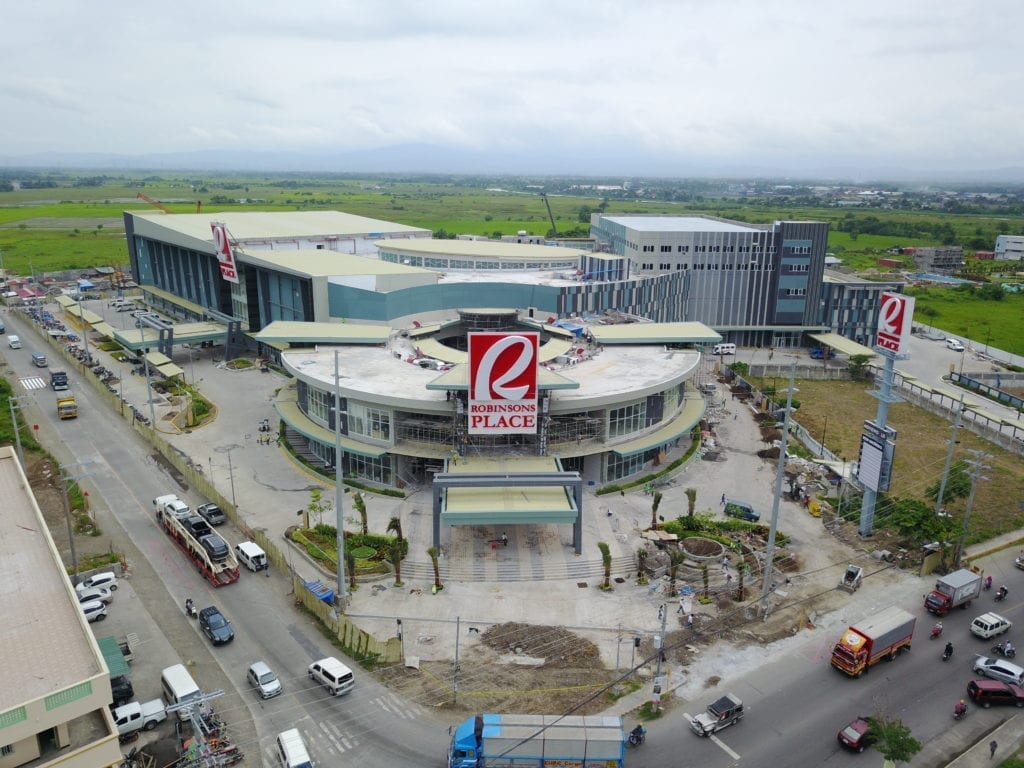
    Robinsons Retail Holdings has boosted net income by 9.8 per cent in the first nine months of this year, to PHP 3.8 billion (US$70.97 million). The improvement followed on from a 13.1 per cent increase in sales for the period, to PHP 91.8 billion ($1.71 billion) which the company said was due to “robust” same-store sales growth of 6.6 per cent across all store formats, along with a contribution from new stores.

    Same-store sales rose by 8.6 per cent in the company’s supermarkets division, which accounts for 46.5 per cent of the group’s total turnover, and by 7.8 per cent in specialty stores and 6.1 per cent in DIY. Same-store sales in the convenience divison rose by 4.5 per cent, in drugstores by a more modest 2.9 per cent and department stores 2.4 per cent.

    Excluding franchised branches of The Generics Pharmacy, Robinsons Retail ended September with 1778 stores, comprising 158 supermarkets, 51 department stores, 206 DIY stores, 496 convenience stores, 499 drugstores and 368 specialty stores. Gross floor area increased by 9 per cent year on year to 1.199 million square meters.

  • Goldwin to open first own-brand store

    Goldwin to open first own-brand store

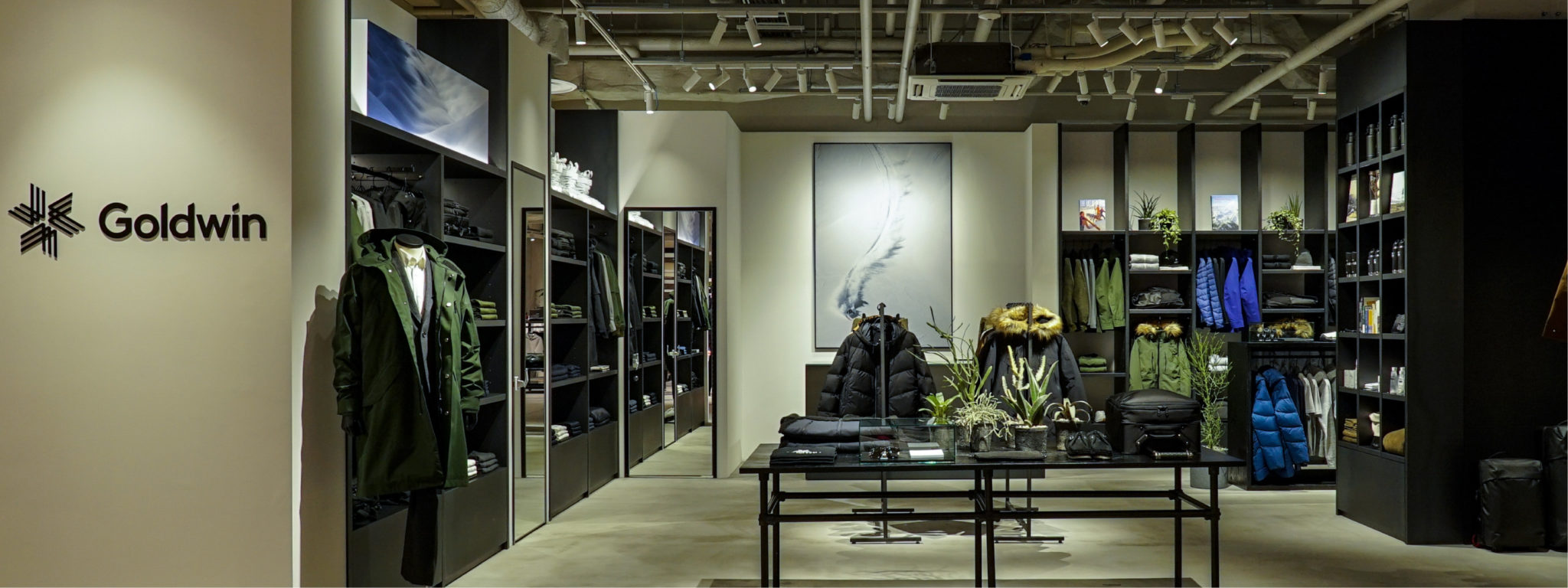
    Japanese outdoor apparel retailer Goldwin is set to open its first independent flagship store in Tokyo. The Marunouchi business district launch, scheduled for November 8, will introduce the brand’s new selection of high-performance sportswear, lifestyle and ski apparel. Highlighted will be two of Goldwin’s best-selling products, the Arris Jacket and the Hooded Spur Gore-Tex Down Coat.

    A Goldwin press release stated that the flagship will allow the firm “to expand its vision and introduce new values, creating a platform where sports and lifestyle merge”.

    Goldwin’s products have previously been made available at The North Face retail stores in Japan and other specialty stores worldwide.

    The company intends to follow this launch with more flagships to open in international locations.

  • Luxasia Vietnam targets generation z buyer

    Luxasia Vietnam targets generation z buyer

    Singaporean luxury beauty and lifestyle distributor Luxasia is making moves into Vietnam. The brand will be targeting younger millennial consumers who are thought to be responsive to social media and social media influencers.

    Luxasia Vietnam is focusing on the nation’s fast-growing economy and strong population of nearly 100 million. It currently offers 20 brands in the market, but is planning to introduce more incrementally. It also has designs on developing new distribution channels via small independent perfumeries, and building an e-commerce platform.

    Luxasia’s regional MD Karen Ong said of the Vietnamese market potential for beauty products, “It is still very much big brands focused. People want to use something other people recognise.”​

    Regarding the business climate, Ong commented: “In Singapore we take things for granted. We shake on it and we think it’s done and that everyone knows what to do. But there, you have to follow up and chase. There’s a lot of email back and forth. It reminds me of how we used to do business 10 to 15 years ago.”

    “It’s still very relationship based, the speed is much slower, and even if you plan way in advance, things may not always execute the way you have planned. The follow up has to be very close and you have to be very prescriptive in the way things want to be done.”​

  • Uniqlo acquires stake in Vietnamese brand

    Uniqlo acquires stake in Vietnamese brand

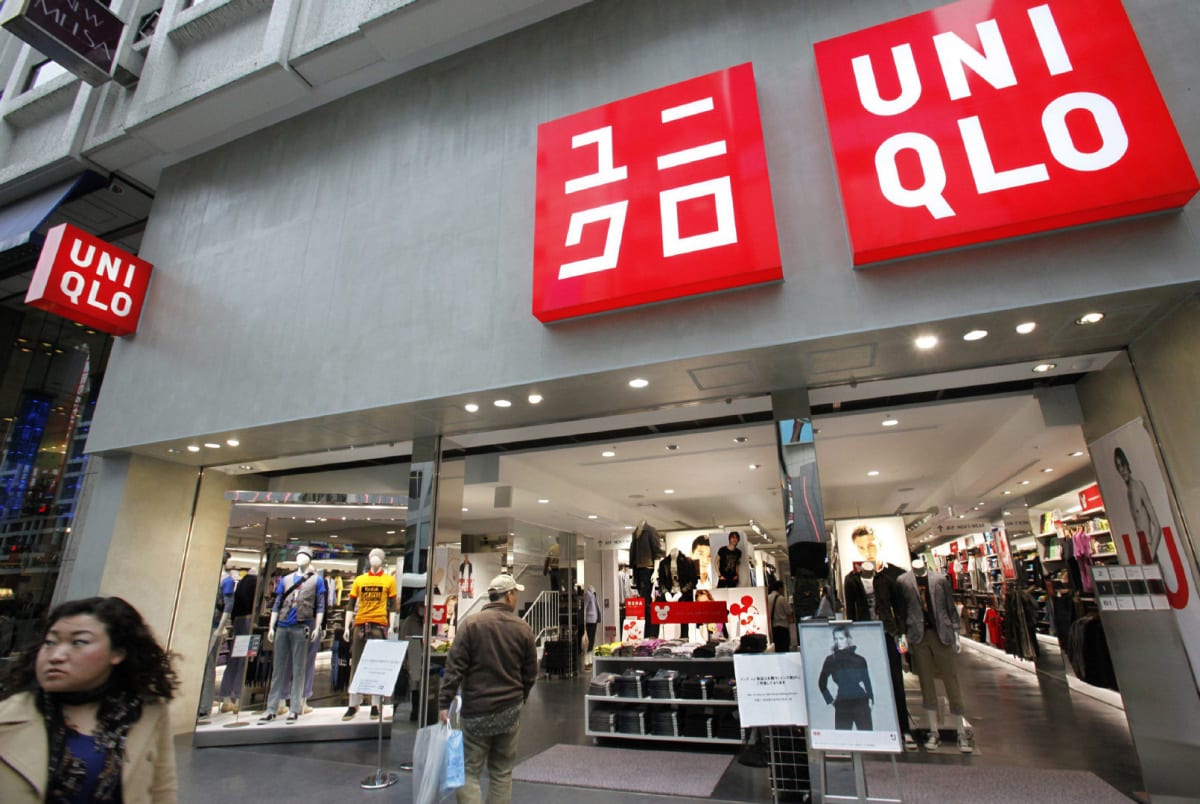
    Uniqlo’s parent, Fast Retailing, has acquired a 35 per cent stake in Hanoi-based women’s fashion brand Elise. Elise, which has more than 100 stores across the country, is said to have received tens of millions of dollars from the deal – a figure much higher than its entire charter capital.

    This is Fast Retailing’s first significant move into Vietnam since it announced it would launch its Uniqlo brand in Ho Chi Minh City next year.

    The store will be operated by a joint venture between Fast Retailing and Mitsubishi Corporation.

    Vietnam is one of the markets Uniqlo is counting on to double its store network in Southeast Asia and Oceania to around 400 by 2022.

    Uniqlo’s arrival in Vietnam will intensify competition for foreign brands as Zara and H&M who have already successfully launched there.

    According to German firm Statistics Portal, Vietnam’s fashion revenue will annually grow 22.5 per cent from 2017 to 2022, and its clothing sales will surge to an estimated US$245 million this year.

    Another fashion group from Japan, Stripe International, has reportedly bought NEM, a Vietnamese fashion brand which targets female office workers.

  • Strongest L’Oreal sales growth in 10 years led by APAC

    Strongest L’Oreal sales growth in 10 years led by APAC

    L’Oreal sales in Asia Pacific soared 25.8 per cent on a like-for-like basis in the latest quarter – making it the French-headquartered company’s strongest international market. Sales in the region hit €1.794 billion in the quarter and €5.342 billion year to date, an increase of 23.3 per cent.

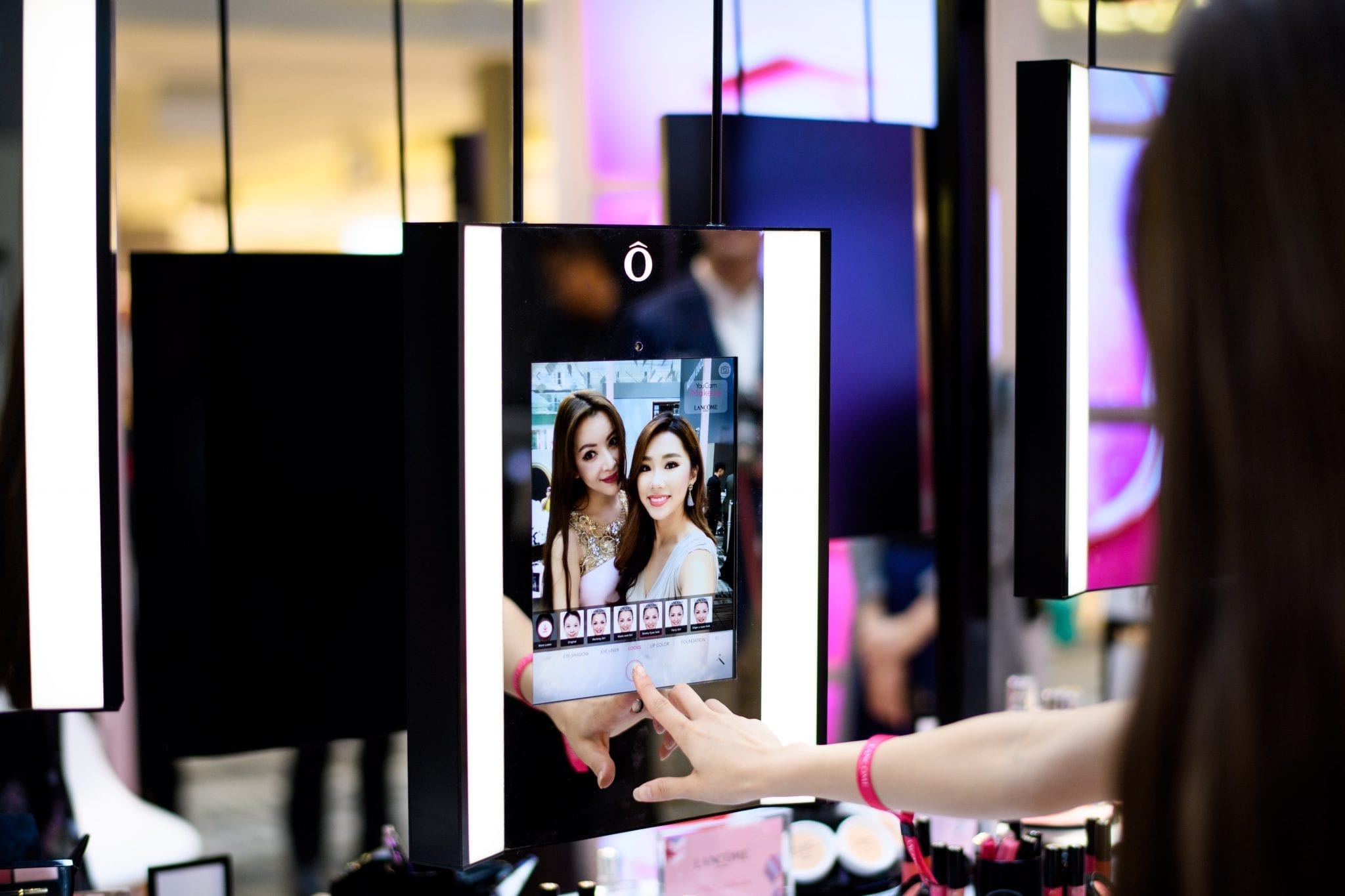
    “This acceleration in growth is boosted by strong demand from Chinese consumers, and the dynamic sales of the Lancome, Kiehl’s, Giorgio Armani, Yves Saint Laurent and L’Oreal Paris brands,” the company said in a statement.

    “In Northern Asia, the key factor remains the strong growth in China and Hong Kong, and in travel retail. In Southern Asia, sustained growth is continuing, particularly in India and Malaysia.”

    L’Oreal chairman and CEO Jean-Paul Agon said the company achieved its highest quarterly growth rate for 10 years in the three months to September 30. Worldwide sales reached €6.473 billion, up 7.5 per cent.

    “In a beauty market that continues to accelerate, driven by robust growth in skincare, the group maintains its strong momentum, with contrasted performances between the divisions. L’Oreal Luxe is showing dynamic growth, underpinned in particular by its four biggest brands, Lancome, Yves Saint Laurent, Giorgio Armani and Kiehl’s. The active cosmetics division, which continues to post double-digit growth, is being driven worldwide by consumer aspirations for dermocosmetics and the quality of its brand portfolio,” he said.

    While the consumer products division is being held back by persistent difficulties in some countries, the L’Oreal Paris and Maybelline New York brands are maintaining strong momentum.

    Travel retail globally was a standout for the group, posting growth of 29.9 per cent for the quarter and online sales grew by 38.3 per cent to now account for 9.7 per cent of L’Oreal’s turnover.

  • Le Saunda closes stores as profit goes red

    Le Saunda closes stores as profit goes red

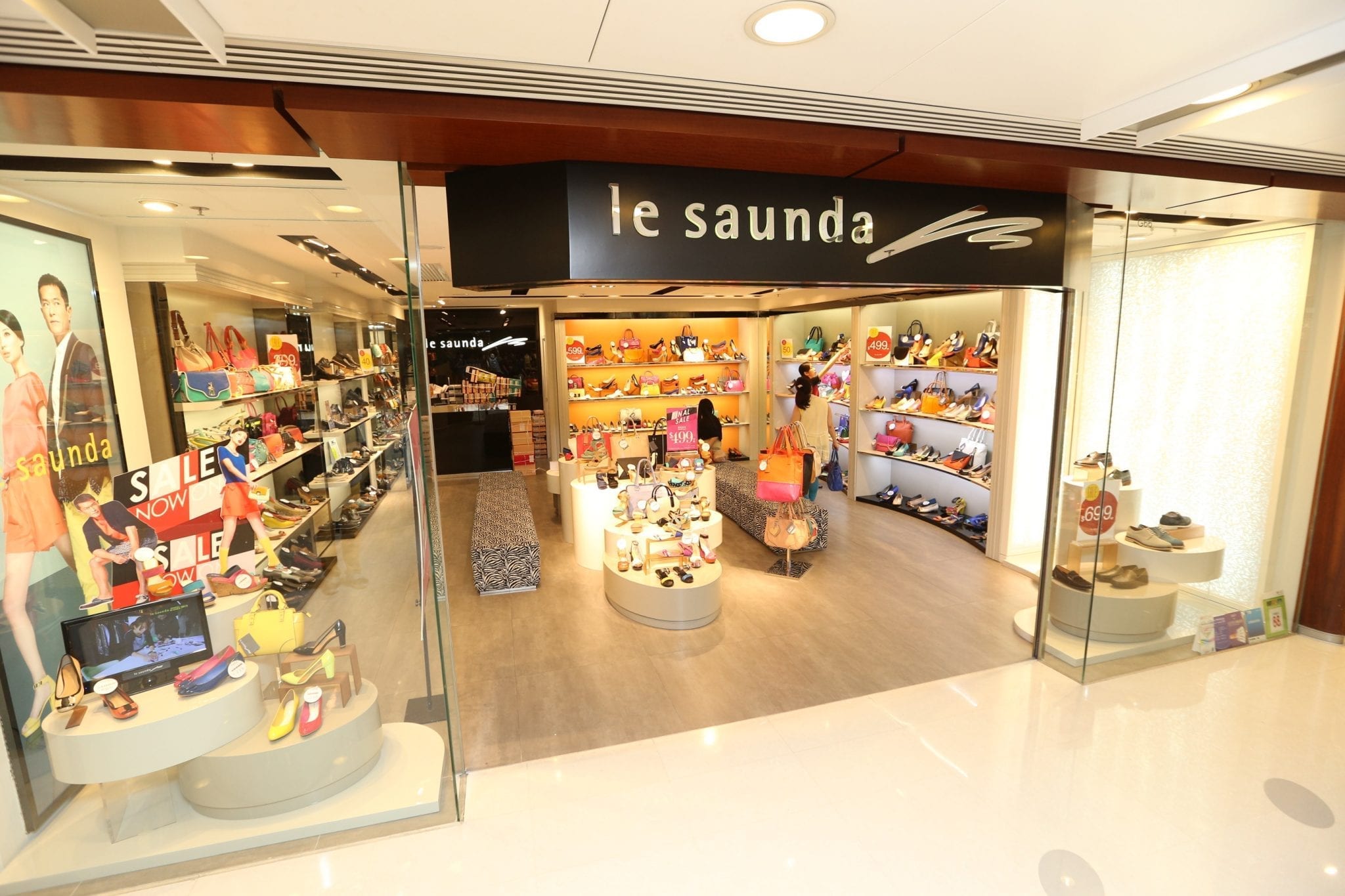
    Struggling shoe and accessories retailer Le Saunda has shuttered more than 100 stores on Mainland China in the last year as it tries to reduce overheads and return to profit. Group sales fell 14.4 per cent in the first half of this year, to RMB 460.4 million, (US$66.1 million), gross profit margin slipped 3 per cent and the company recorded a loss of RMB 9.6 million (US$1.4 million), compared with a profit of RMB22.9 million in the same period last year.

    The company blamed a slowing of retail sales in Mainland China for its poor result, with same-store sales down 10.2 per cent, as well as a decline from the closure of unprofitable stores.

    On the mainland, Le Saunda shuttered 96 of its self-run stores, cutting its network back to 549 and a further eight franchised outlets were closed, leaving a total network of 611.

    In Hong Kong and Macau, where sales rose 4.5 per cent, it closed one store leaving 10.

    Le Saunda chairman James Ngai said the company’s reduced gross profit margin was a result of lowering prices to meet market demand. The growth rate of fashionable ladies’ footwear sector had “slowed down significantly” on the mainland, Le Saunda’s core market, he said.

    “With a change in customers’ buying behaviour, the e-commerce segment experienced rapid expansion, striking a tremendous hit on the sales of traditional retail stores.

    “To cope with the ever-changing market environment, the group is fully committed to enhancing product quality, promoting a new pricing model, enhancing consumers’ shopping

    experience and thereby improving same-store sales,” said Ngai.

    “Facing the challenges posed by the economic environment, the group is determined to [return] to the basic principles of retailing, which include adjusting the pricing strategy, closing down low-profit stores, and actively exploring its franchise and wholesale businesses.”

    With Hong Kong and Macau sales up, totalling RMB 30.7 million, Ngai said the group would pursue growth there “in a proactive yet prudent manner and establish new stores in desirable locations”.

    Le Saunda designs manufactures and retails shoes and accessories under the Le Saunda,

    Linea Rosa, Pitti Donna and CNE brands.

  • DLF Emporio: 10 years of a successful luxury retail journey

    DLF Emporio: 10 years of a successful luxury retail journey

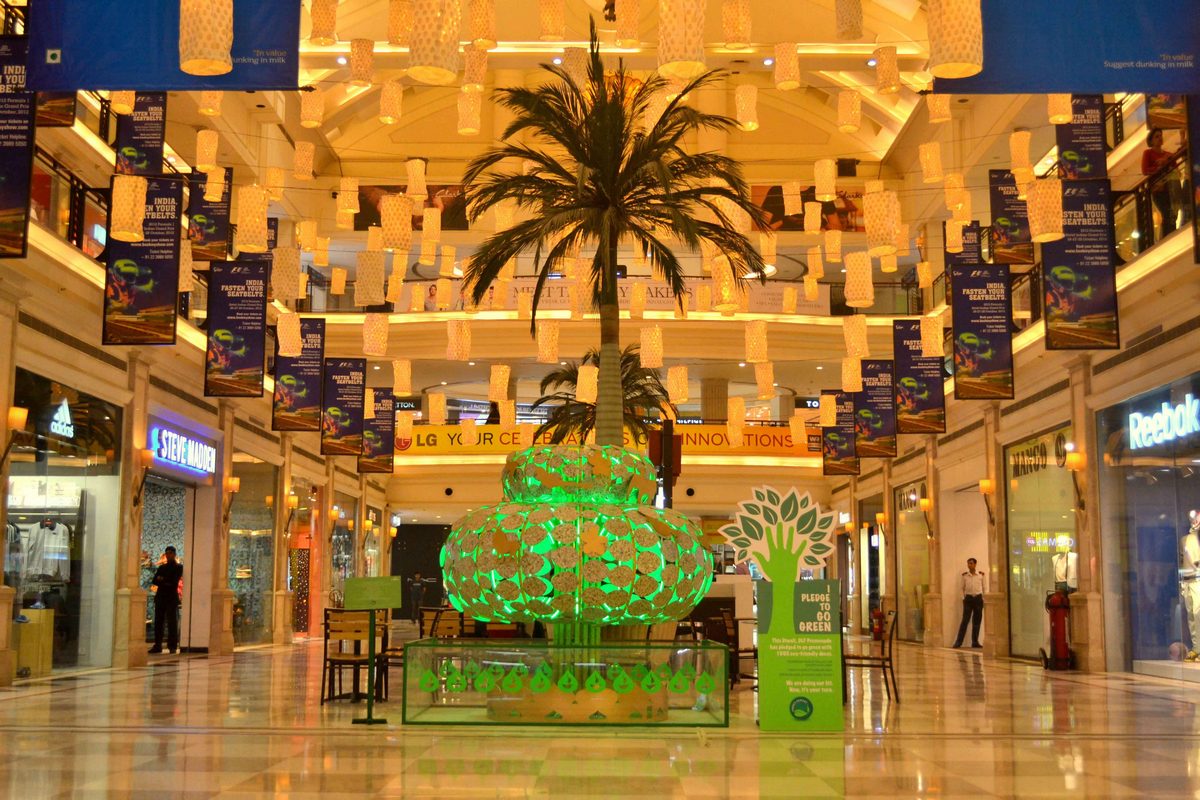
    DLF Emporio is a name to reckon with in the evergrowing luxury retail space in India and the credit for its successful journey, spanning 10 years, goes to Dinaz Madhukar – a stalwart in the hospitality sector in India. Madhukar has over 24 years of operational experience with The Taj Group of Hotels, India’s largest luxury hospitality chain, as General Manager where she led multiple functions. Currently, she is responsible for providing executive leadership and management of DLF’s Vasant Kunj Retail Complex including DLF Emporio and DLF Restaurants – including the iconic Set’z. In addition to this, she is responsible for the management of DLF’s hospitality vertical, which includes The Lodhi. She also looks after the brand’s spanking new luxury addition to the capital – The Chanakya.

    Sharing the secret recipe of success, Dinaz Madhukar’s, EVP, DLF Luxury Retail & Hospitality says, “Luxury, in its very essence, thrives on exclusivity and personalized experiences. Technology, has proven to be a strong ally for the luxury brands and engagement with the audience has become more direct. We use the social and digital media to introduce disruptive content and creative campaigns to connect with our patrons, which leads to a direct impact on footfalls and sales.”

    In an exclusive interview with Shopping Centre News, Madhukar talks about the journey of DLF Emporio over the past 10 years, the challenges, expansion plans and the future of luxury malls in India.

    DLF Emporio has successfully completed 10 years of operations. Tell us about the journey been so far?

    When DLF Emporio started operations in Delhi in 2008, there was no antecedence on how to do it right. At that time no other real estate brand had forayed into the luxury retail terrain. For DLF Emporio, therefore, there was neither an example nor a benchmark; however, ten years of successful operations undoubtedly is a coup for the brand.

    In many ways, DLF Emporio remains a case study for the luxury retail spaces, across India. The mall is today globally synonymous with Indian luxury retail and has been catalytic in putting India back on the global luxury retail map. The Indian luxury retail trail, begins with DLF Emporio and goes on to set higher expectations for their next luxury project, The Chanakya. This young one-year-old property is wisely curated given its compact nature and is poised to cater to the niche and discerning young and mature digitally savvy audiences.

    What, according to you, are the key elements that determined the success of DLF Emporio?

    The success of every business depends on understanding the pulse of your customers and pre-empting and adapting to the change in dynamics of the everevolving market space.

    DLF Emporio has been very cognizant of creating bespoke customer and retailer experiences in keeping with aggressive marketing and promotion plans of its retail partners, and I think keeping pace with and supporting the marketing needs of each retailer and guest, is what has worked for us.

    The marriage of hospitality services with luxury retail has been key to best attend the needs of both the retail partner and our guests.

    If you were to look at the annual brand properties created by DLF Emporio right from the luxury shopping festival, to couture weddings, down to the shopping fiesta, every event property is focused at addressing and pushing targeted business goals of our retail partners, while showcasing the best of luxury fashion and hospitality to our loyal customer base. The idea is to continually support both our retail and customer audiences with winning propositions for each.

    In the past 10 years, how have you seen the fashion luxury market evolving in India?

    The Indian luxury retail industry has been on a growth trajectory ever since we opened our doors in 2008. We have actually seen the customers’ taste maturing over the years. When the luxury brands came into India it was more of a sellers’ market; however, today we see a conscious buyers’ market where subtlety and self-astuteness guide govern purchase behaviour. Our guests have always veered towards quality and craftsmanship, and today you will see a significant acceptance and slant towards bespoke merchandise and limited-edition products. The guests today adhere to the ‘less is more’ adage when it comes to investing in luxury.

    India has always been a great purveyor of luxury. The initial luxury patrons were the royalty and today the most decadent luxury products are consumed by not just HNI’s but also top CXO’s, young, mature and astute entrepreneurs. We have also seen the emergence of the young start-up communities egging their ways into the Unicorn universe; these are also voracious consumers of luxury.

    The trend now is slowly shifting from product and brand focused luxury to experiential luxury consumption. You do see brands reflecting this shift with their new verticals and product innovations. Earlier, technology was restricted to corporate corridors in the silicon valleys, however, technological disruptions are now becoming a norm across luxury brands. These tech-luxe disruptions are focused on capturing eyeballs and mind space of the more assertive, highly demanding and seriously articulate, young Millennials, who live their lives on, and consumer information on virtual and social mediums.

    How has the brand mix at the mall changed over the years?

    The brand mix has remained broadly the same. In fact, we have had to request some brands to give back some proportion of their spaces to us in order to pave room for new brands. As the market and the consumer evolved, we have seen an epic change in the kind of ranges and products that the brands started introducing in the mall.

    Monograms have made way for subtle luxury, and limited editions are becoming more coveted. The propensity to own, gave way to the intent to own curated, one-of-a-kind, products.

    What are the new brands that you are introducing this year?

    We have already introduced first-comers of luxury in India, including names like Berluti and Molton Brown. Polo by Ralph Lauren has also launched its store at DLF Emporio. We have added a global luxury porcelain art creator like Lladro to our brand mix, which makes the DLF Emporio luxury retail proposition even more exciting. India will continue to be a lucrative market for global luxury brands given its discerning customer mix and penchant for curated luxury.

    Do you see luxury shopping in India evolving in the future?

    2018 is turning out to be a massive year in the world of luxury retail in India. The retail industry has depicted a future forward and a very positive growth, and we see this trend continuing. Luxury is no longer the bastion of a few but fast becoming the remit of the successful first-generation entrepreneurs, the affluent corporate and the young and the aggressive successful start-up landscape.

    Older brand narratives are finding vibrant new platforms. Brands are re-inventing storytelling and showcasing disruptive innovations. The luxury shopper is now, an ever-expanding universe with audiences across various luxury access points, looking to fulfil varied and differentiated needs. You will now see a more exuberant and new age evolution of the luxury retail sector with global brands jostling for consumer’s minds space and share of wallet.

    And what steps are you taking to keep consumers coming to DLF Emporio for the next ten years?

    DLF Emporio has always been a forerunner in the luxury retail sector. We were the first to foray into luxury retail, and we have been agile enough to keep on top of our game. A decade is a long time, and we have successfully completed our milestone, replete with challenges, learnings and substantial deep dives into our customer’s buying behaviours and mindsets.

    For any brand to stay relevant it must appeal to the core interests of its customers and guests. We have kept the brands more than relevant, by offering unique experiences, the best in luxury brand offerings and superlative service experiences in a genuinely luxurious environment. We are committed to elevating our customer and brand experience with many more luxury retail disruptions in the near future.

  • Cover Story to expand retail presence; open new outlet at Bengaluru

    Cover Story to expand retail presence; open new outlet at Bengaluru

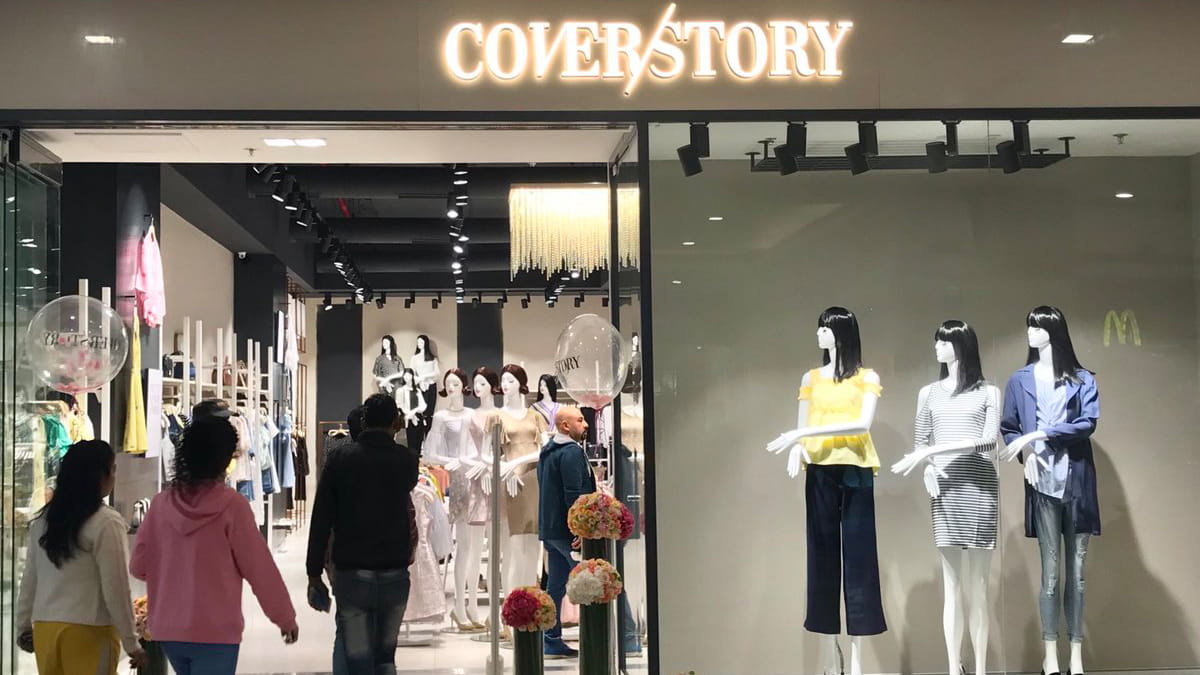
    Cover Story, a fast fashion brand for women by Future Style Lab, will be launching its new store at Forum Mall, Bengaluru in the coming week. This is Cover Story’s 23rd exclusive store with an existing presence across Mumbai, Delhi NCR, Surat, Pune, Kolkata, Chennai, and many other cities. The store is placed at a prominent location in the mall amidst the most fashionable brands around.

    The sprawling area is an apt location for Cover Story with its state-of-the-art workspaces, retail havens, entertainment zone, F&B options, and signature hospitality services.

    The new store’s stock includes the latest Autumn-Winter’18 collection. The collection, designed at the creative headquarters in London, consists of women’s apparel and accessories, which include bags and shoes. The collection is inspired by the best runway trends seen across the world. This season the brand turned to the high streets of cosmopolitan cities for inspiration. When it comes to style in London, there’s nothing like High Street Fashion which displays the best trends from the runways across the world. Cover Story’s AW18 Collection features ready to wear styles that will give the Cover Story Woman (and her BFF) the confidence to turn the streets into their own personal runway. The collection, spread across 9 stories, has encompassed the key trends emerging this season.

    At present Cover Story has 22 exclusive outlets across Delhi NCR, Mumbai, Surat, Kolkata, Coimbatore, Kochi, Chennai, Indore, and Vadodara. Overall, Cover Story is present across more than 80 doors at Central, Kapsons, Iconic & Sohum. Additionally, the brand has its own online store to help cater its customer from anywhere, by simply visiting the website – www.coverstory.co.in Cover Story is retailed through online marketplaces including Myntra, Jabong, Amazon.in and Koovs.

  • The Shoppes at Marina Bay Sands enjoys sales rise

    The Shoppes at Marina Bay Sands enjoys sales rise

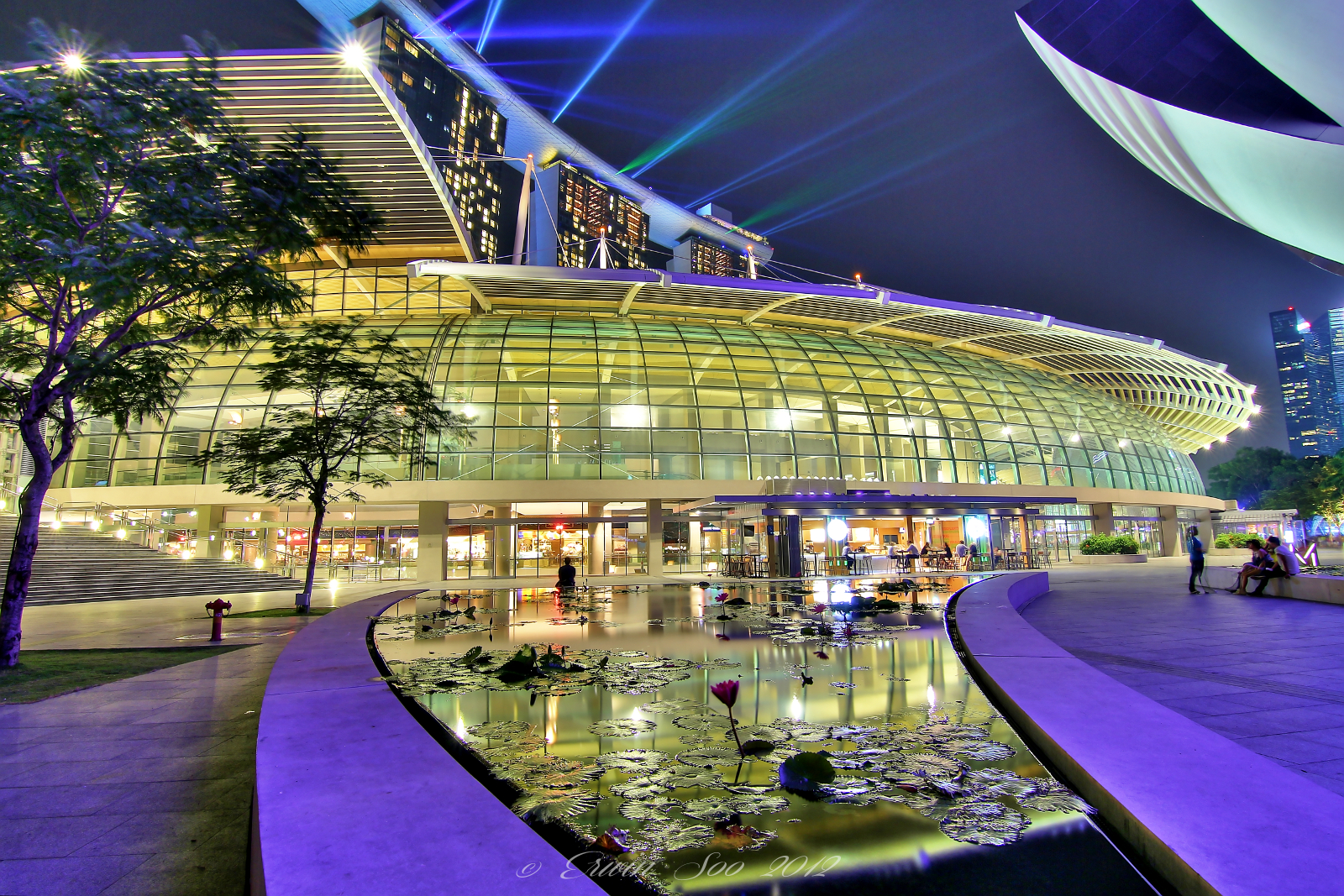
    Revenue from The Shoppes at Marina Bay Sands rose 4.5 per cent during the third quarter, reaching US$44 million, according to the integrated resort’s latest results announcement. Sheldon Adelson, CEO of parent Las Vegas Sands Corp, said retail tenant sales per square foot at the shopping complex rose by 22.2 per cent during the past year.

    That, together with rising food and beverage sales (up 15.2 per cent to $53 million) and improved hotel revenues helped offset a decline in gaming takings, said to be affected by a decline in VIP playing. Third-quarter earnings were down 52 per cent to $419 million for the quarter.

    Las Vegas Sands’ regional third-quarter earnings were up by 6 per cent to US$1.28 billion, thanks to the strengthening Macau business.

    Hotel occupancy at Marina Bay was 97.5 per cent during the third quarter with an average daily rate of $466.

  • Amorepacific profits slump

    Amorepacific profits slump

    Amorepacific Group announced lower-than-expected results for the third quarter on Monday with operating profits dropping 36 percent year on year. The fall comes as a stark contrast to rival LG Household & Health Care, which saw operating profits in its beauty business soar 30 percent during the same period.

    Amorepacific Group’s operating profit between July and September was 84.7 billion won ($74.2 million), down 36 percent compared to the same period last year. Its revenue rose 3.1 percent year on year to 1.46 trillion won. This was lower than the three-month analyst consensus of 1.56 trillion won in quarterly revenue and 166.9 billion won in operating profits, compiled by stock information provider FnGuide.

    The company explained in a statement that the main reason for the low profitability was the increase of costs in human resources and marketing expenditure.

    “Despite growing competition in the beauty market in and outside the country, Amorepacific continued investments to enforce brand competence and secure future growth engines,” the company said in a statement.

    The group’s main affiliate, also called Amorepacific, saw sales increase 6 percent year on year to 1.28 trillion won in the third quarter. Amorepacific’s sales success was thanks to the popularity of its brands, including Sulwhasoo, Hera, Iope and Laneige, with tourists and duty-free shoppers. However, the sales increase was nullified by a rise in costs, resulting in a sharp 24 percent fall in operating profit to 76.5 billion won.

    The results were grim for the smaller single-brand stores under the group as well: Etude House remained in the red while revenue dropped 23 percent year on year. Innisfree sales slightly increased by 3 percent, but operating profit steeply dropped 29 percent year on year. Espoir saw operating losses once again while revenue slightly rose by 1 percent.

    The good news for Amorepacific was the 36 percent year-on-year rise in revenue in the United States, thanks to strong performances from Laneige and Innisfree. Although its foothold there is still small compared to Asia, the company has been making efforts to diversify its global business, which used to heavily rely on China.

    LG Household & Health Care, on the other hand, recorded its highest-ever profit for the 54th quarter in a row. Between July and September, revenue generated from its three business sectors – beauty, daily necessities and beverages – was 1.73 trillion won, up 10.6 percent from the same period last year, while operating profit was up 9.8 percent to 277.5 billion won.

    The year-on-year jump was even higher in its beauty business: operating profit soared 30.6 percent to 184 billion won while revenue increased 23.5 percent to 954.2 billion won in the year’s third quarter. Its high-priced luxury brands, which were relatively unaffected by the Thaad row, were once again huge contributors.

    “With its high brand loyalty, The History of Whoo hit a quarterly sales record once again,” the company said.

  • Beccos plans expansion in India with 50 new stores

    Beccos plans expansion in India with 50 new stores

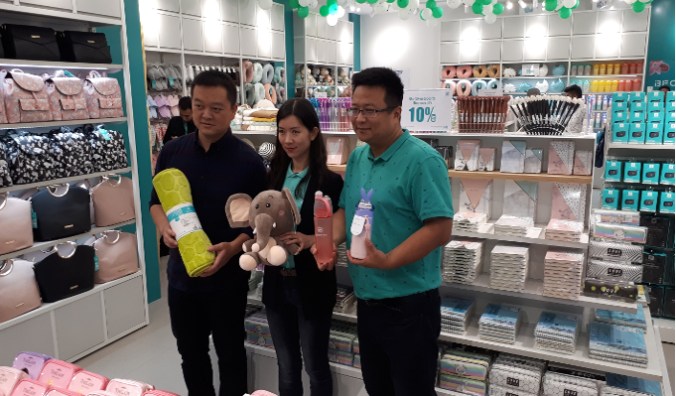
    Chinese-owned ‘South Korean designer brand’ Beccos says it plans to launch 50 stores in India. Scheduled to be opened by the middle of next year, the stores will require an investment of ₹100 crore (US$13.67 million) and are expected to return a revenue of around ₹200-250 crore ($27.35–34.18 million) in the next financial year based on the potential of the market.

    Like rival chain Mumuso, the store is positioned as Korean and using Korean design influence in its products, but is actually Chinese.

    The Hong Kong-based firm will also be investigating the potential of online sales in the region next year.

    Beccos global CEO Dabin Wang said: “We see tremendous potential in the Indian market… The company would have stores on company-owned-company-operated and franchise patterns. We would have a mix of both franchised and company-operated stores.”

    Beccos has started the expansion by opening its first few stores in Kamala Nagar.

  • Estee Wonderland Christmas campaign uses AI technology

    Estee Wonderland Christmas campaign uses AI technology

    International skincare and beauty firm Estee Lauder has featured AI technology in its Estee Wonderland Christmas campaign in Hong Kong.

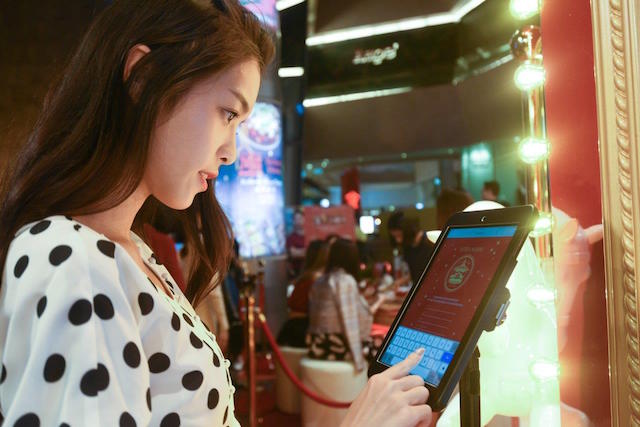
    The Quantum Human technology is an automated AI scan-to-avatar system that makes the customer the hero or heroine in their own virtual fairy tale.

    The carousel-themed Estee Wonderland promotion also features pop-up counters, where visitors can take a “magical carousel ride” into a favourite childhood fairytale as their avatars travel through time in a 22-second virtual reality movie.

    The technology is the brainchild of eight years of research and development. It uses expertise previously reserved for Hollywood productions to create virtual characters. The avatar automation process takes only a second.

    Unlike 3D scanning, where data cannot be used in media other than 3D printing, the Quantum Human technology enables true automation of the virtual identity creation en masse in full detail. As opposed to the month-long manual process, Quantum Human brings 3D avatars to life in minutes – 10,000 times faster than the manual process – making it viable for a broad spectrum of uses.

    The promotion has finished at Estee’s Langham Place store before moving to New Town Plaza, Sha Tin from November 10-18 and Ocean Terminal at Harbour City from November 26 to December 4.

    More pictures from the events (5 images) :

  • DFS launches exclusive TIFFANY T Collection worldwide

    DFS launches exclusive TIFFANY T Collection worldwide

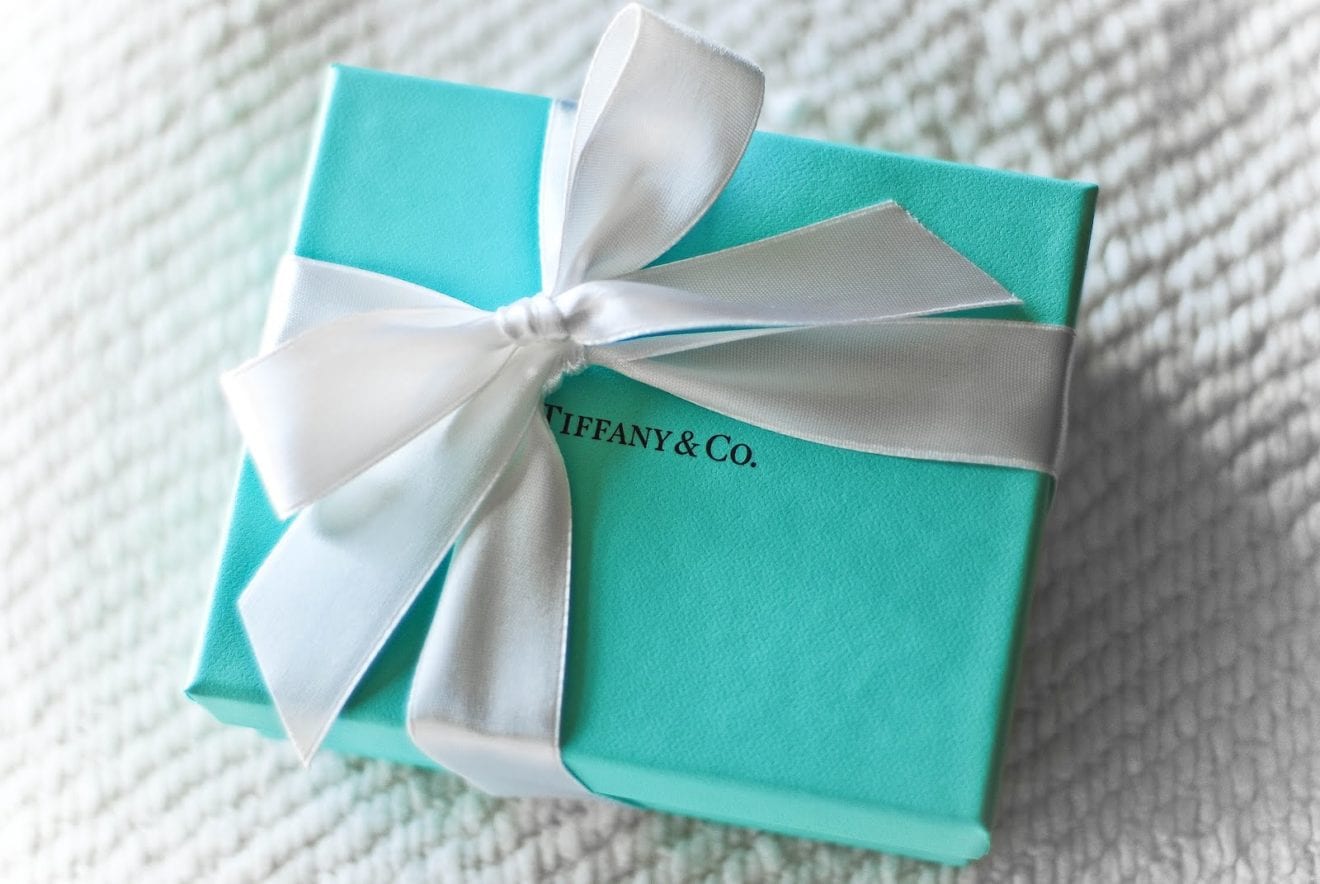
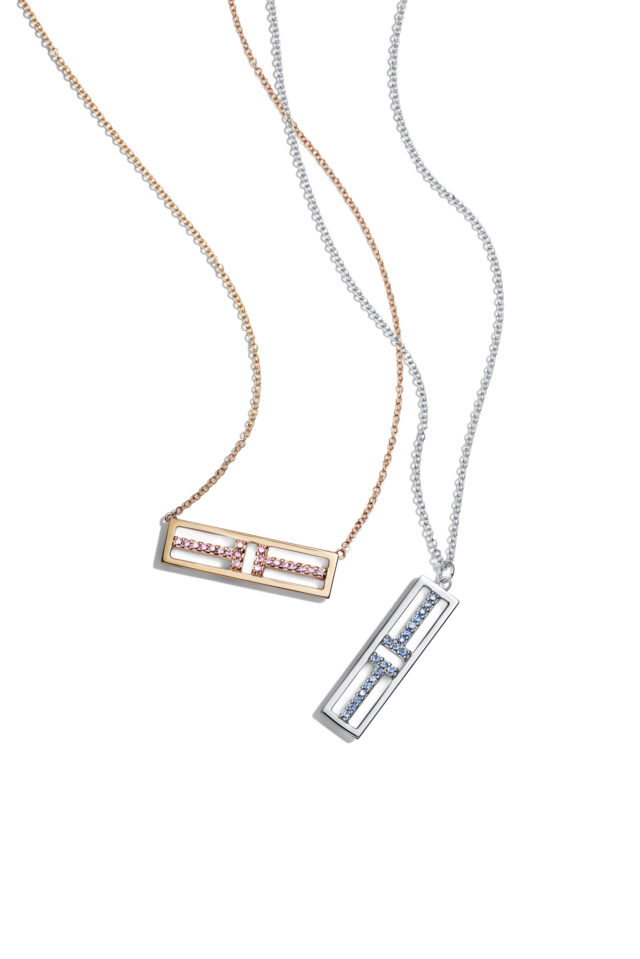
    DFS Group, the world’s leading luxury travel retailer, is excited to announce the launch of four exclusive Tiffany T pendants, available exclusively in DFS airport and T Galleria stores from November 1, 2018 until April 2019. Inspired by the iconic New York skyline, the new DFS x Tiffany T Collection features two pendant necklaces in 18K white gold with blue sapphires, and two pendant necklaces in 18K rose gold with pink sapphires, each with an adjustable 16-18 inch chain.

    The Tiffany T Collection embodies everything Tiffany stands for – freedom, happiness, love and strength. Designed with the letter T, as tall, true and iconic as the New York City skyline, a place of courage and reinvention that constantly sparks creativity.

    The strong, graphic form of the letter T is simplified, deconstructed and extended to form the chic necklaces with clean lines and modern angles. The Tiffany T designs are meant to complement each other; they can be boldly stacked and layered or can be worn alone for a sleek and elegant look.

    “The exclusive collection reflects the confident customer who takes a fearless approach to style and we are thrilled to partner with DFS to bring Tiffany & Co.’s signature take on luxury to travelers globally,” said Wong Wei Ling, Vice President, Asia Pacific, Tiffany & Co.

    “At DFS we continually seek to offer our traveling customers new, exclusive and memorable product selections, in partnership with some of the best-known brands in the world. We are delighted to join with Tiffany & Co. to provide first access to the beautiful Tiffany T pendant collection for our discerning customers worldwide,” said Matthew Green, DFS Group Senior Vice President, Watches and Jewelry.

    As graphic and linear as the city that defined this design, the Tiffany T collection is a timeless symbol of modernism and self-expression.

    The Tiffany T collection range will be available exclusively for purchase at DFS and T Galleria by DFS stores worldwide until April 2019.


    T Galleria by DFS, Hong Kong, Canton Road

    T Galleria by DFS, Hong Kong, Tsim Sha Tsui East

    T Galleria by DFS, Macau, City of Dreams

    T Galleria by DFS, Macau, Shoppes at Four Seasons

    T Galleria by DFS, Singapore

    DFS, Kansai International Airport, Osaka

    T Galleria by DFS, Okinawa

    T Galleria by DFS, Saipan

    T Galleria by DFS, Bali

    T Galleria by DFS, Angkor

    T Galleria by DFS, Guam

    T Fondaco dei Tedeschi by DFS, Venice

    T Galleria by DFS, Sydney

    T Galleria by DFS, Auckland

  • WatchTime New York 2018 Wraps Up After Another Record Year

    WatchTime New York 2018 Wraps Up After Another Record Year

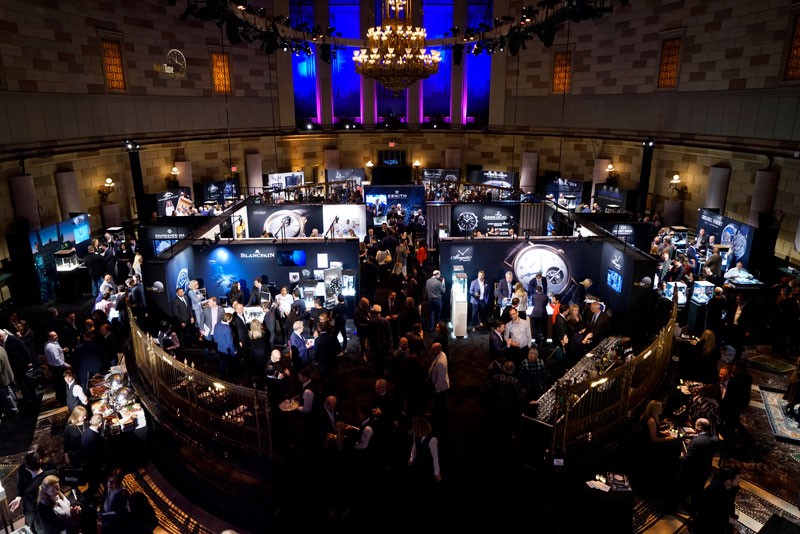
    WatchTime New York, America’s largest public watch event dedicated solely to collectors and enthusiasts, wrapped up its fourth year in Manhattan at Gotham Hall today. The two-day event began with a sold-out VIP cocktail party on Friday, October 26, followed by a full day of exciting panels, seminars, tours, and events on Saturday, October 27. Over the course of the two-day show, over 1,400 attendees came to see the latest watches from 35 internationally renowned watch brands: the largest number of exhibitors and the highest number of registered attendees the WatchTime New York Show has seen to date.

    WatchTime Magazine presented the annual event for the fourth consecutive year with returning partner, media platform WatchAnish. Additional supporting partners included SWISS Airlines, Wempe, and Four Roses bourbon, along with The Wall Street Journal, Robb Report, Gear Patrol, Watchonista, The Horological Society of New York, and the RedBar Group. WatchTime New York 2018’s guests included notable international watch collectors, timepiece enthusiasts, and social media influencers, with an appearance during the VIP cocktail event on Friday, October 26, by Number-1 ranked amateur boxer, Brian Ceballo.

    Over four years, the event’s runaway success has exceeded all expectations, a phenomenon reflecting the changing landscape of the watch industry’s annual event calendar and the rising importance of the United States watch market. The WatchTime New York show has become both a direct-to-consumer experience and hub for the industry. This direct-to-consumer event format is uniquely tailored to the U.S. market: a formula that is as much the New York Fashion Week of watches as it is an enthusiast meet-up, trunk show exhibition, and educational forum.