Category: Fashion

Retail News Asia is committed to providing both local and global retailers with the latest Fashion news throughout the Asian market. This on a daily base.

  • Skechers launched biggest Southeast Asia flagship store in Bangkok

    Skechers launched biggest Southeast Asia flagship store in Bangkok

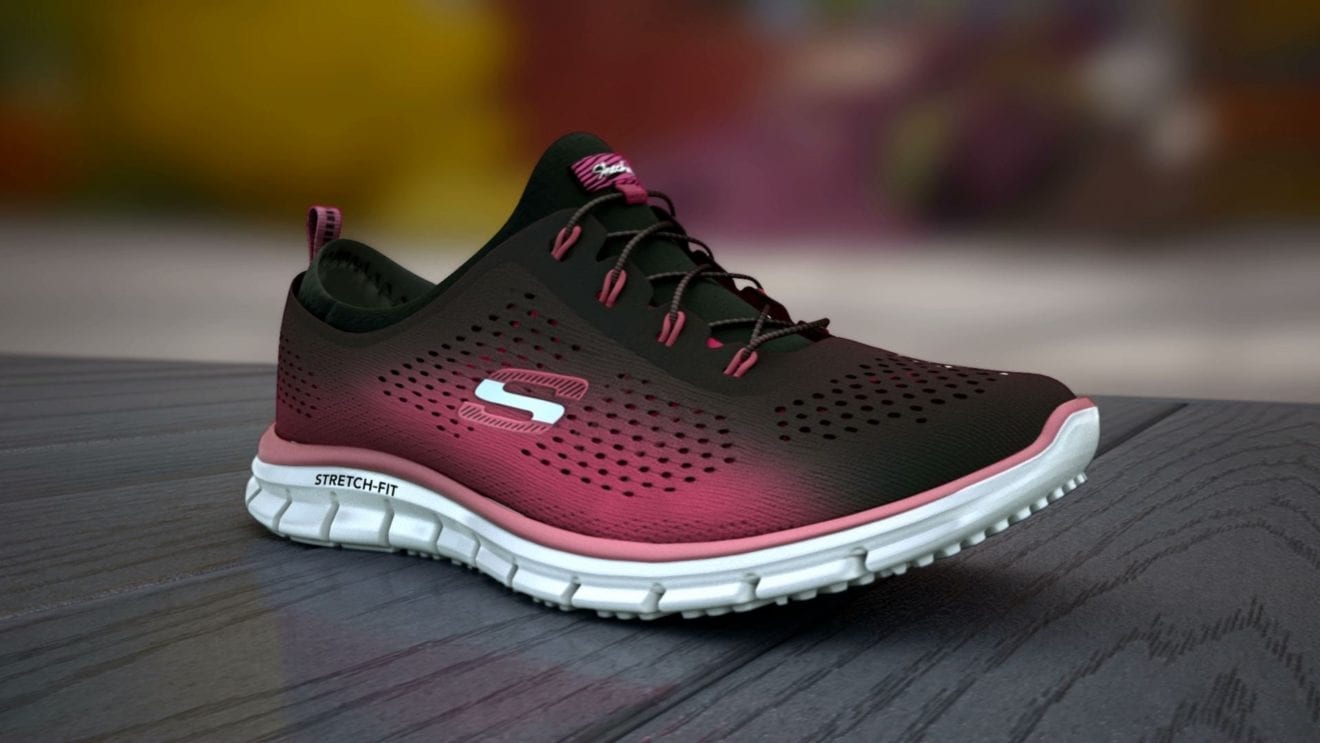
    Bangkok’s CentralWorld shopping centre is home to the newly opened Skechers Thailand flagship store. The North American footwear company says Thailand represents its fastest-growing market in the region which is why the store, at 275sqm, is its largest yet in Southeast Asia. In the first nine months of the year, sales grew by more than 50 per cent.

    The new store features the Skechers apparel range for the first time in the market, with management hoping that will grow to account for up to 30 per cent of Thailand sales volume.

    Kaimuk Nilsatetee, assistant VP of CRC Sports, the licensee for Skechers Thailand, said the company sold about 400,000 pairs of Skechers across the country last year and is targeting double that number this year.

    “Skechers shoes generate the most sales revenue for CRC Sports,” Kaimuk said. “Its performance has gone well since expanding its business to Thailand in the past several years.”

    CRC Sports sells Skechers in 32 concept stores, two outlet stores, 25 concessions and through 95 resellers. Another 12 stores are planned for next year.

  • Bata Malaysia Opens Their First Exclusive Kids-Only Store

    Bata Malaysia Opens Their First Exclusive Kids-Only Store

    Bata Malaysia has opened the first Bata Kids concept store at Sunway Pyramid. Located on the first floor of the mall, the store offers children’s footwear and accessories from brands such as Bubblegummers, Disney’s Marvel, Hello Kitty, Barbie, and My Little Pony.

    “The flagship store is carefully constructed to be fun and colourful in order to appeal to the kids. This extends to the store’s design as well as visual merchandising,” the company said in a statement.

    An area is designated for kids to unleash their creativity through drawing and there is plenty of room to accommodate strollers.

    Bata Malaysia is offering a promotion on October 31, where the first 10 walk-in customers to flash the Bata Malaysia Facebook/Instagram page to the cashier will receive free shoes.

    The next 40 walk-in customers will be entitled to a RM20 voucher.

  • Pandora opens fifth concept store at New Delhi Terminal 1D

    Pandora opens fifth concept store at New Delhi Terminal 1D

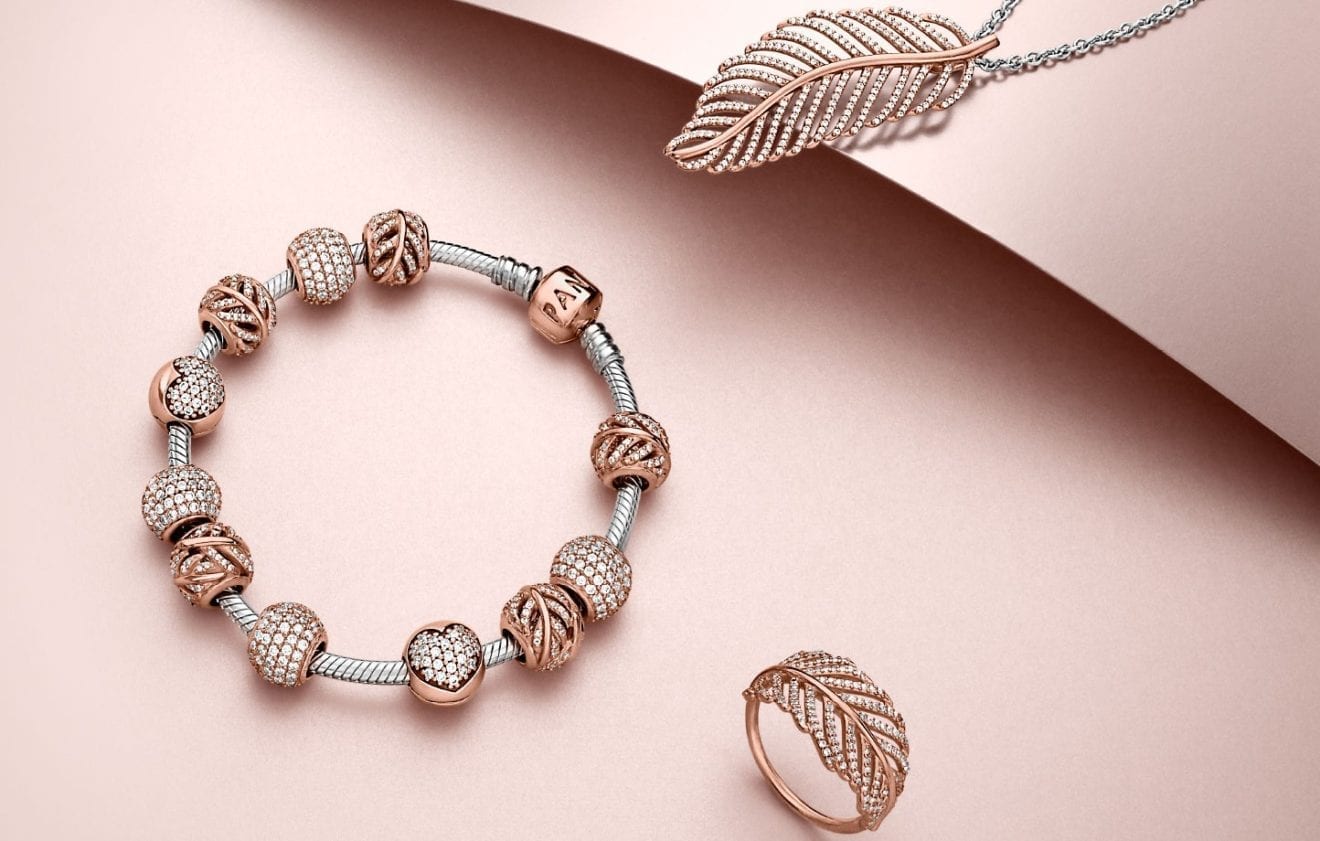
    Pandora has recently opened its fifth store at New Delhi Terminal 1D. This will be the third store opening in 2018 for Pandora. The brand launched its first store at DLF Mall of India, Noida in April 2017, followed by Select Citywalk in September 2017, DLF Promenade in April 2018 and Galleria Market Gurgaon in June 2018.

    The contemporary and aesthetically designed concept store is located on the ground floor of the domestic airport in the departure holding area of Terminal 1D, New Delhi. The new store carries the entire Pandora jewellery collection available worldwide, including the moments collection, the essence collection, Pandora Rose collection; the all-new 18k gold plated sterling silver-Pandora shine collection.

    Pandora has always encouraged women to empower themselves by celebrating their achievements. These collections are designed to capture life’s unforgettable moments at affordable prices.

    Speaking on the opening, Kanika Bakshi Talwar and Devika Bakshi, Managing Director, say, “We are proud to enter a different format of a concept store, our first in any airport in the country. This store will cater to a large variety of domestic shoppers outside of Delhi NCR and spread the excitement across various cities. Accessibility to our products would be easier now for travelers and we hope to expand further and provide an opportunity for all Indian consumers to acquire their Pandora products in the near future.”

    The Terminal 1D store is a medium size concept store, with all collections available in-store, and is aesthetically designed to give customers ample browsing space to make their shopping experience very comfortable in-transit.

  • Alibaba, Richemont ink deal to bring YNAP to China

    Alibaba, Richemont ink deal to bring YNAP to China

    The partnership will use YNAP’s strong relationship with leading luxury brands, some 950 of them being currently distributed through YNAP in China, and launch the brands on Alibaba’s Tmall Luxury Pavilion.

    “Chinese customers at home and abroad are an increasingly important customer base for Richemont and for the broader luxury industry,” said Richemont chairman Johann Rupert.

    “Our digital offering in China is in its infancy and we believe that partnering with Alibaba will enable us to become a significant and sustainable online player in this market. Alibaba has become the preferred online destination in China, with world-class teams in technology, logistics and marketing.”

    Rupert said the company would work with Alibaba to ensure Net-A-Porter and Mr Porter continued to expand “as neutral, open and sophisticated platforms”.

    YNAP group CEO Federico Marchetti said Alibaba provided “a neutral and powerful platform to maximise China’s immense potential” for the group.

    Daniel Zhang, CEO of Alibaba Group, added: “We believe this announcement is just the beginning of a long-term partnership, and together we are committed to exploring many more opportunities to collaborate in the future.”

  • US sports apparel firm mulls ditching China for Vietnam

    US sports apparel firm mulls ditching China for Vietnam

    U.S. sports apparel company Brooks Running is considering shifting its manufacturing operations from China to Vietnam to avoid trade war tariffs. The firm’s CEO Jim Weber said Monday that the impact of President Donald Trump’s trade war with China is going to put a 45-percent tariff on his company’s running shoes.

    “We’re preparing for a 25 percent tariff on our business and that’s on top of 20 percent already on running shoes. It’s really going to be upsetting for us,” Weber said.

    Vietnam will be a “possible” new supply chain for Brooks, Weber said, adding that the transition will likely cost “millions” of dollars.

    Weber said he was confident that the move will allow his company to be more competitive in the U.S. and in the world as the tariffs are lower in Vietnam.

    He added that the transition, if it happened, would likely to be permanent.

    The U.S.-China trade war escalated last month as the U.S. levied new tariffs of 10 percent on about $200 billion worth of Chinese products, with the tariffs to go up to 25 percent by the end of this year.

    China retaliated immediately with 5 and 10 percent tariffs on $60 billion worth of U.S. products.

    The announcement by Brooks, which sells sports footwear, apparel, bras and accessories in 50 countries worldwide, came after Adidas CEO Kasper Rorsted said in May that his company is shifting footwear sourcing from China to Vietnam.

    Vietnam has in fact overtaken China as Adidas’ top supplier, with Vietnamese factories producing 44 percent of its shoes by volume last year against 19 percent by Chinese manufacturers, according to the company’s data.

    This is also true of Adidas’rival Nike, which had 46 percent of its footwear made in Vietnam last year, against 27 percent in China.

    Vietnam’s footwear exporters seem to be benefiting from the ongoing trade war.

    In the first nine months this year, Vietnam’s footwear exports were worth $11.74 billion, a 10.2 percent year-on-year increase.

    Vietnam is the second biggest exporter of footwear to the U.S. behind China, shipping 404 million pairs of shoes last year.

    Last year, Vietnam’s footwear exports were worth $14.65 billion.

  • Esprit sales continues to dive

    Esprit sales continues to dive

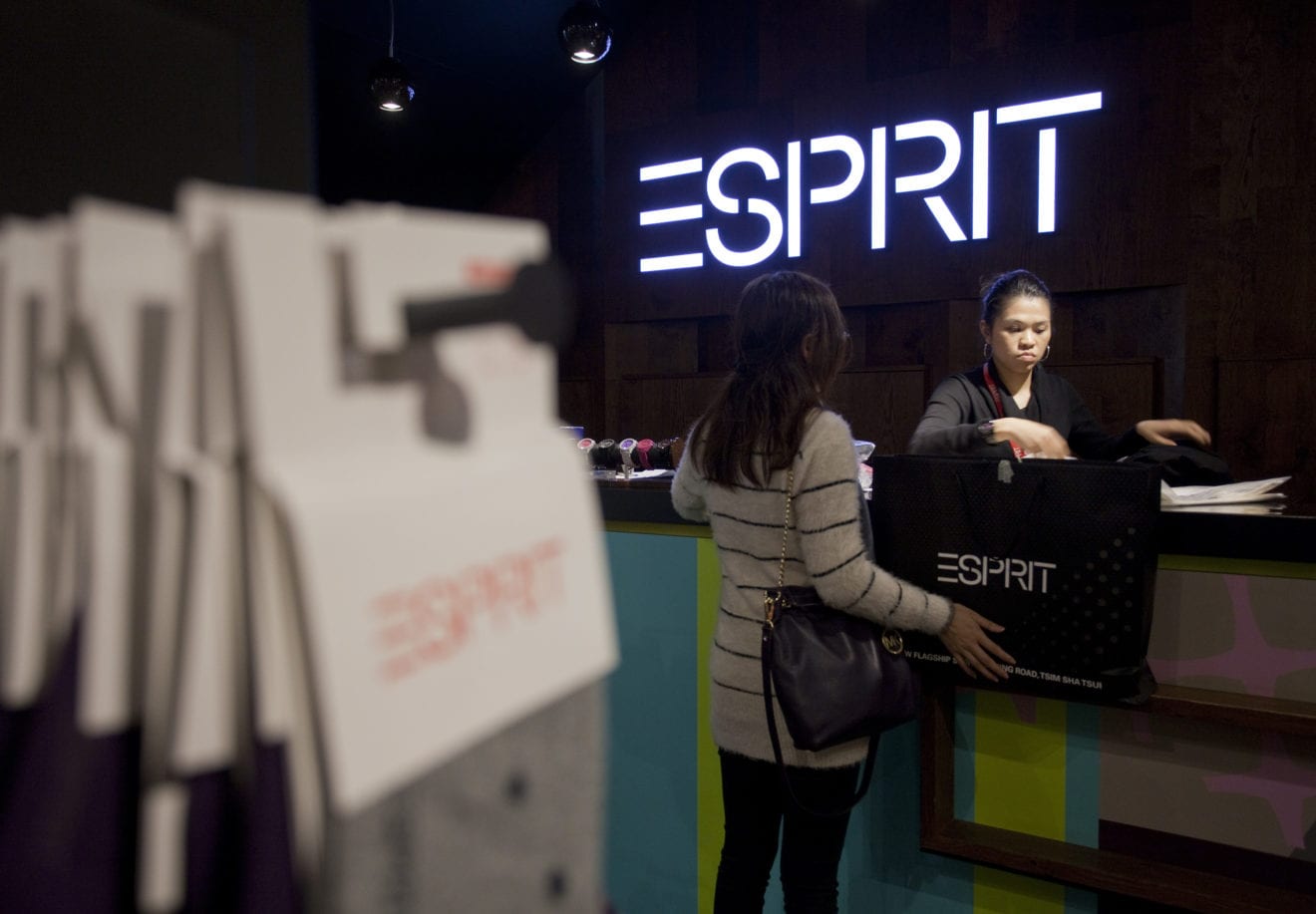
    Esprit sales slumped further in the first quarter as the embattled fashion brand’s store network continued to shrink. In a stock exchange filing on Friday, Esprit said group revenue for the quarter to September 30 slumped 16.2 per cent year on year in local currency while its own offline store sales area reduced by 10.6 per cent, to HK$3.34 billion (US$425.8 million). The company’s own-managed stores, which account for 37 per cent of the company’s total turnover, fell by 17.8 per cent.

    “The decline was due to a reduction in net sales area of 11.5 per cent year on year, a result of continued rationalisation of our distribution footprint, including the closure of the Australia and New Zealand markets and a decline in comparable retail store sales (excluding e-shop) of 14.1 per cent … mainly due to declining customer traffic to our stores and extended warm summer temperature in Europe which impacted sales of our autumn merchandise,” the company said.

    Offline same-store sales in Asia Pacific grew by 0.3 per cent, mainly due to promotional activities. But online sales, which accounted for 24.9 per cent of the company’s revenue, fell by 14.9 per cent globally.

    Eshop, almost entirely in Europe and representing 24.9 per cent of group revenue, recorded a decrease of 14.9 per cent. Online sales in Asia Pacific, which account for a mere 2.6 per cent of total e-shop sales, plummeted 36.7 per cent, largely blamed on the closure of the Australia-New Zealand business.

    Wholesale revenue, almost entirely from Europe, fell 15.5 per cent.

    The company reiterated comments made after its dire full-year results were released last month, which included a US$325.5 million loss in the year to June 30: “Corrective measures are in place to reignite sales momentum.”

    A strategy plan will be released on November 26 outlining how the company plans to sharpen its brand identity, putting the customer at the centre of everything it does; improve product offering and brand positioning; reduce complexity and improve accountability in the organisation; become a leaner organisation; and eliminate loss-making parts of the business.

  • Puma global sales grow on more stores number

    Puma global sales grow on more stores number

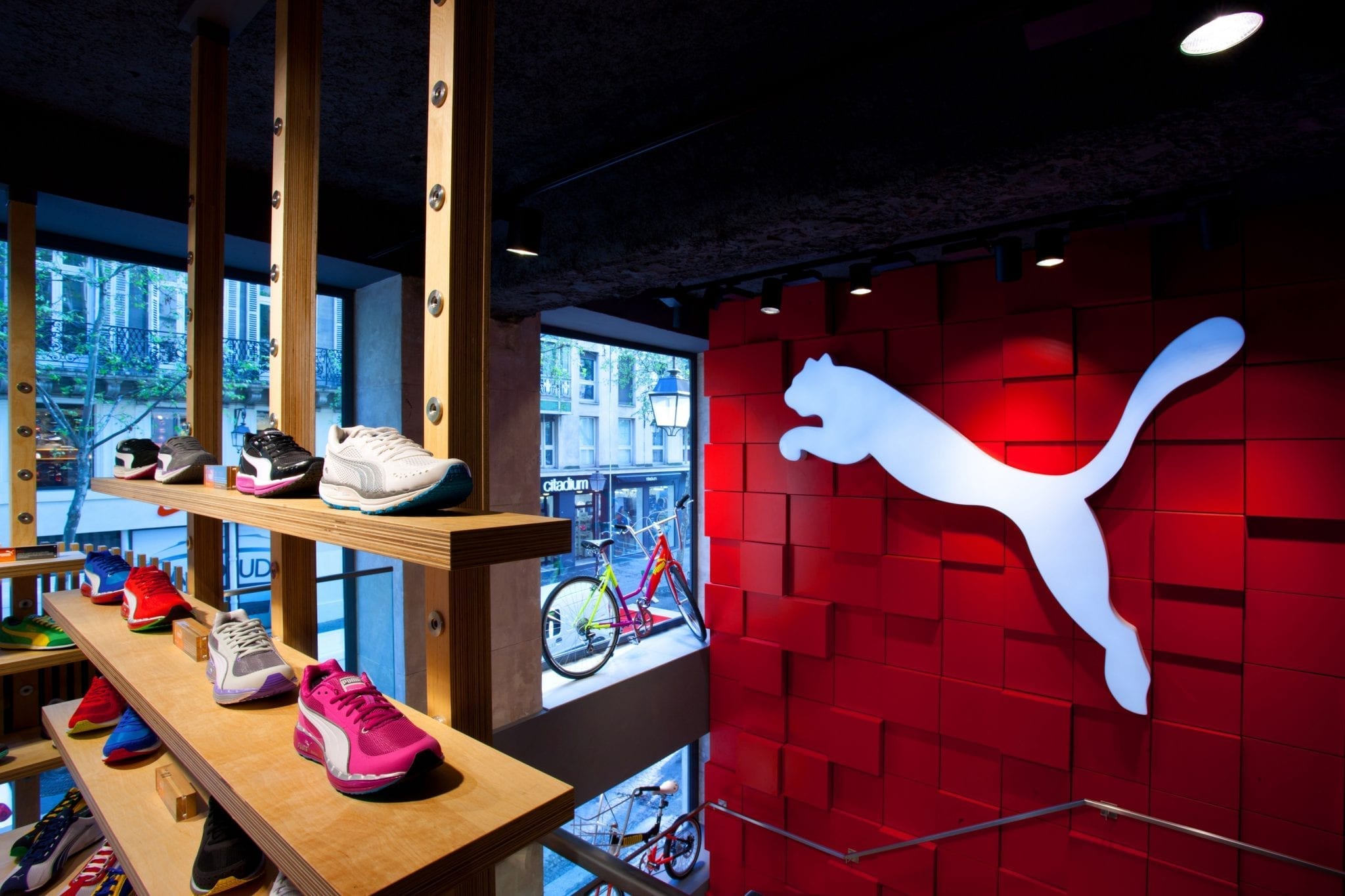
    Puma worldwide sales increased by 17 per cent on a constant currency basis in the first nine months of this year as the sportswear label achieved growth in every region. Asia and the Americas drove sales, with both markets achieving double-digit growth year-on-year.

    Sales for the period reached €3.422 billion, with gross profit margin by by 150 basis points to 48.8 per cent. Operating profit rose 40 per cent from €215 million to €300 million and net earnings from €134 million last year to €176 million.

    CEO Bjorn Gulden said Puma was still witnessing large shifts in product trends and consumer demand, “but feel we have reacted fast enough to continue our growth”.

    The company’s move to expand its own-operated store network is paying off, with sales up 22..5 per cent year to date, increasing the share of the company’s overall sales to 22.5 per cent. The company said additional stores, improving same-store sales and e-commerce all contributed to the increase.

  • Incheon to get on-arrival duty-free store in May

    Incheon to get on-arrival duty-free store in May

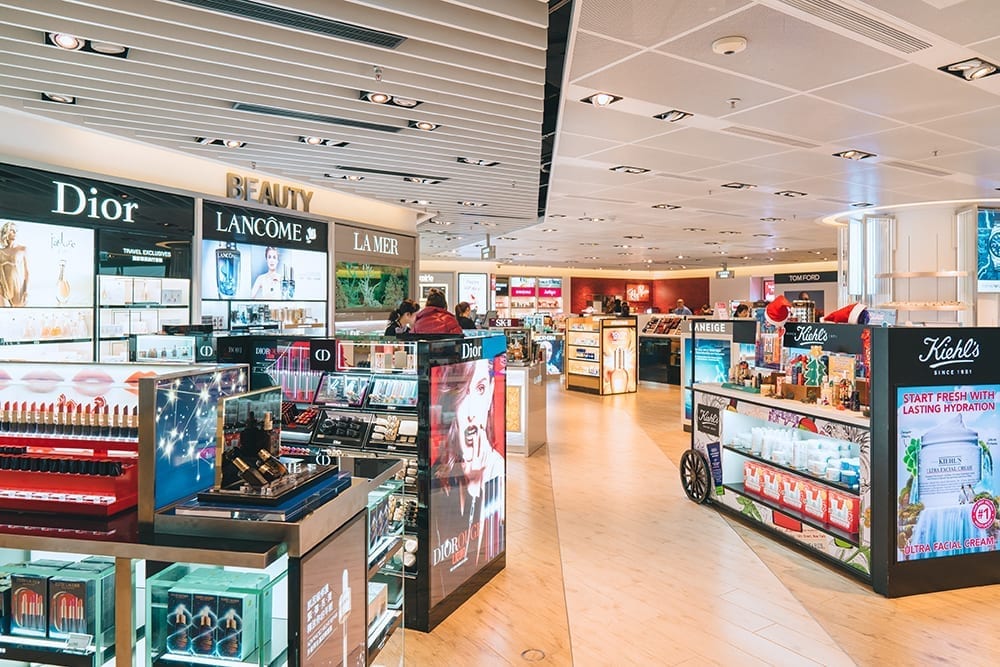
    The Incheon International Airport Corporation is planning to open Korea’s first on-arrival duty-free store in May next year. The airport operator announced on Sunday that it has commissioned a study to look into how it can optimize the duty-free service, which will be concluded by the end of the year.

    The study will focus on deciding the location and size of the shops in order to maximize customer experience by reducing congestion.

    Additionally, the research will consider the possibility of setting the rent for the duty-free shops based on revenue instead of unilaterally applying a fixed rate.

    In order to ease the burden on interior costs, Incheon airport will be responsible for basic interior constructions, while duty-free operators will only have to provide the finishing touches.

    This is because only SMEs will be allowed to bid for the slots.

    The Incheon airport said it will start taking bids for the duty-free shops in February and finalize candidates by April. It added that it will have a larger ratio of Korean companies controlling the arrival duty-free shops compared to departure stores. However, as the government earlier announced, the arrival duty-free shops will not sell cigarettes or products that are controlled by customs quarantine regulations such as fruit and meat products.

    The airport said it will work with the government to finalize plans to return some of the profits that it makes from renting the spaces to duty-free operators in March.

    Incheon airport Terminals 1 and 2 have units available for duty-free shops targeting customers arriving in Seoul. On the first floor of Terminal 1 there are two 190 square-meter (2,045 square feet) areas. On the first floor of Terminal 2 there is a 326 square-meter space. Currently these areas are not in use.

    The Ministry of Finance and Economy in late September announced plans to open the country’s first duty-free store available to returning travelers in May next year. The ministry was responding to an order from President Moon Jae-in to review the possibility of an on-arrival duty-free shop during a meeting he had with Blue House senior officials and secretaries in August.

    The purpose was to make travel less inconvenient for Korean tourists who were purchasing goods while departing Incheon and carrying them throughout their trip.

  • Gucci powers Kering third quarter sales

    Gucci powers Kering third quarter sales

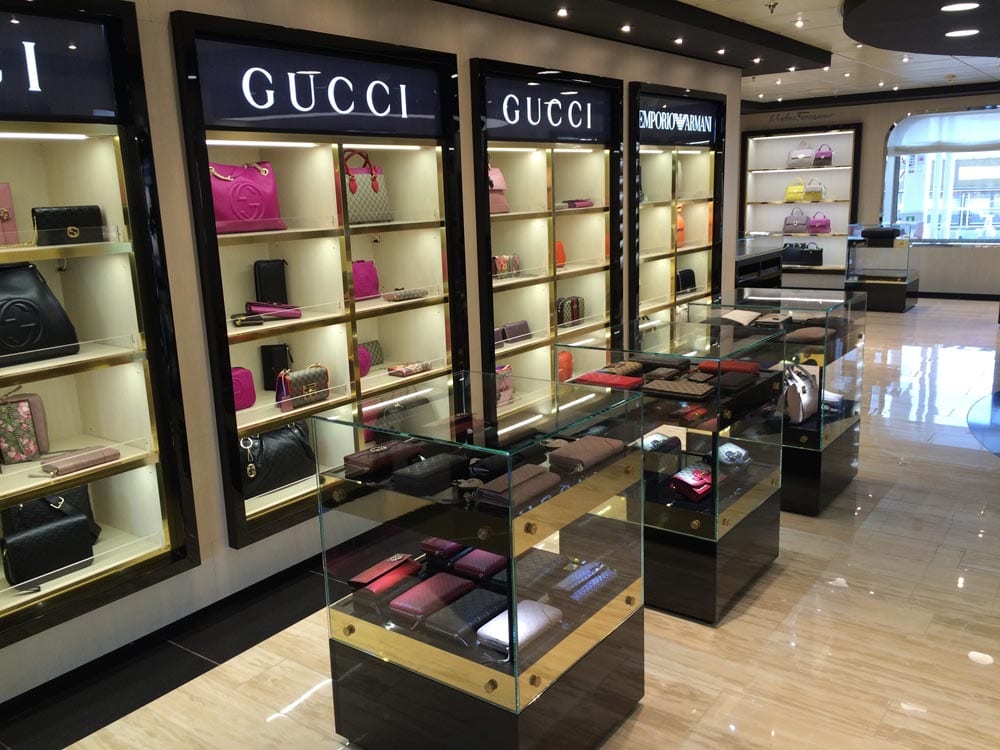
    Kering sales growth significantly outpaced its rivals during the third quarter, up 27.6 per cent as reported and 27.5 per cent on a comparable basis, to €3.402 billion. In Kering-operated stores, Asia Pacific sales rose 33.3 per cent on a comparable basis, bettered only by North America’s 36.1 per cent increase. Growth in online sales exceeded 80 per cent and wholesale sales rose 27 per cent.

    “We are extraordinarily proud of the remarkable performances Kering delivers quarter after quarter,” said chairman and CEO Francois-Henri Pinault. “Our growth, whose pace is unprecedented in the luxury sector, is sound, well balanced and sustained across all regions and distribution channels.”

    Pinault said the company’s enduring success comes down to the talent of each of its brands in “creating strong emotional ties with its customers, conceiving a bold, generous creative universe, and reinventing its codes”.

    “Beyond short-term developments, we know that the secular growth of the luxury market, but particularly our solid fundamentals and the discipline with which we implement our strategy, will continue to support our operating and financial outperformance.”

    Gucci led Kering sales growth during the quarter, with sales up 35.1 percent and strong performance across all distribution channels, regions and product categories. Gucci Asia-Pacific sales soared 41.9 per cent.

    Yves Saint Laurent sales rose 16.1 per cent, driven by the strong performance of iconic lines and the success of new collections.

    While Bottega Veneta sales were down 8.4 per cent on a comparable basis, the label is in a transitional phase led by recently appointed creative director Daniel Lee (ex Celine). His first full collection will go on sale early next year.

    Kering’s other houses (labels) achieved a 32.3 per cent increase in sales, driven by  “exceptional momentum” at Balenciaga and ongoing growth at Alexander McQueen. New collections and extended iconic lines from Boucheron, Pomellato and Qeelin were “very well received”.

    The watches and jewellery categories delivered what the company described as “solid performances”.

  • Moncler sales boosted by China market

    Moncler sales boosted by China market

    Asia has proven to be the core driver of Moncler sales growth year to date. The edgy Italian fashion house which specialises in outdoor wear reported a 23 per cent increase in global sales this week in the nine months to September 30, measured in constant currency.

    But Asia and the ‘rest of world’ (which excludes Europe and the Americas) significantly outperformed the brand’s core markets, with sales up 39 per cent.

    And Chinese shoppers – who now account for about one-third of the world’s luxury goods market – are behind the trend, spending up at large in the brand’s new Hong Kong shops and on the mainland.

    “Chinese demand has been very strong in the third quarter, totally in line with the first half,” Moncler COO Luciano Santel said during an analyst conference call after the figures were released.

    Trading during the Golden Week holiday in early October was better than last year, signalling the growth trend will continue, said Moncler CEO Remo Ruffini: “The fourth quarter has just started, but we continued to see very positive signs in all our markets,” he said.

    Global sales topped €872.7 million euros for the nine months.

  • Kataoka’s First U.S. Store Opened

    Kataoka’s First U.S. Store Opened

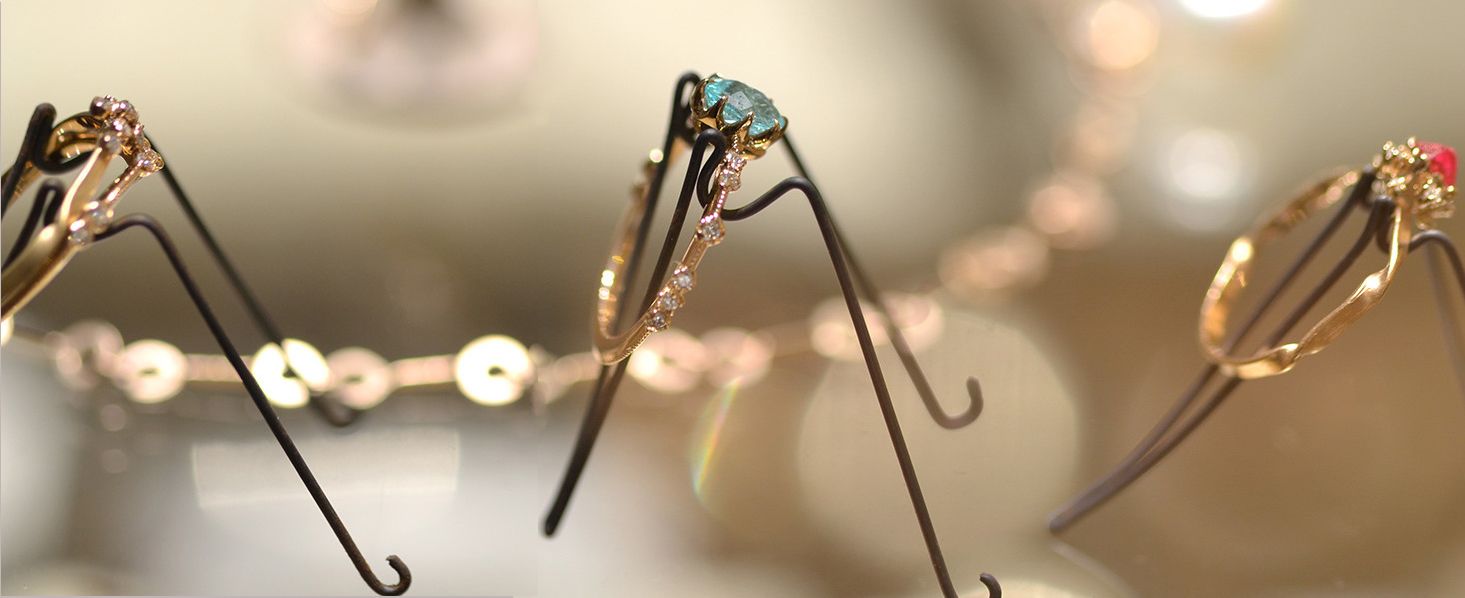
    Japanese jeweller Kataoka has opened its first store in the US. In stark contrast with the firm’s 700sqft shop in Tokyo, the new 1600sqft New York flagship has been located in the trendy Tribeca neighbourhood to reflect Kataoka’s brand identity with its historic look.

    The store has been distinctively designed with a blend of Japanese and Manhattan sensibilities to convey an exotic industrial context for the brand’s delicate jewellery designs, displayed in vintage Japanese casings.

    Company COO Anis Boudraa said the company founder and designer Yoshinobu Kataoka “only wanted display cases that are antique that have a beautiful patina… they really reflect the theory of Kataoka – working with something that’s old”.

    “Our designer hates fast fashion and everything that’s related to fast consumerism.”

    The firm makes its pieces using only recycled gold, which it salvages from the Japanese semiconductor industry. All pieces are hand made.

  • The Face Shop loses trademark battle with Louis Vuitton

    The Face Shop loses trademark battle with Louis Vuitton

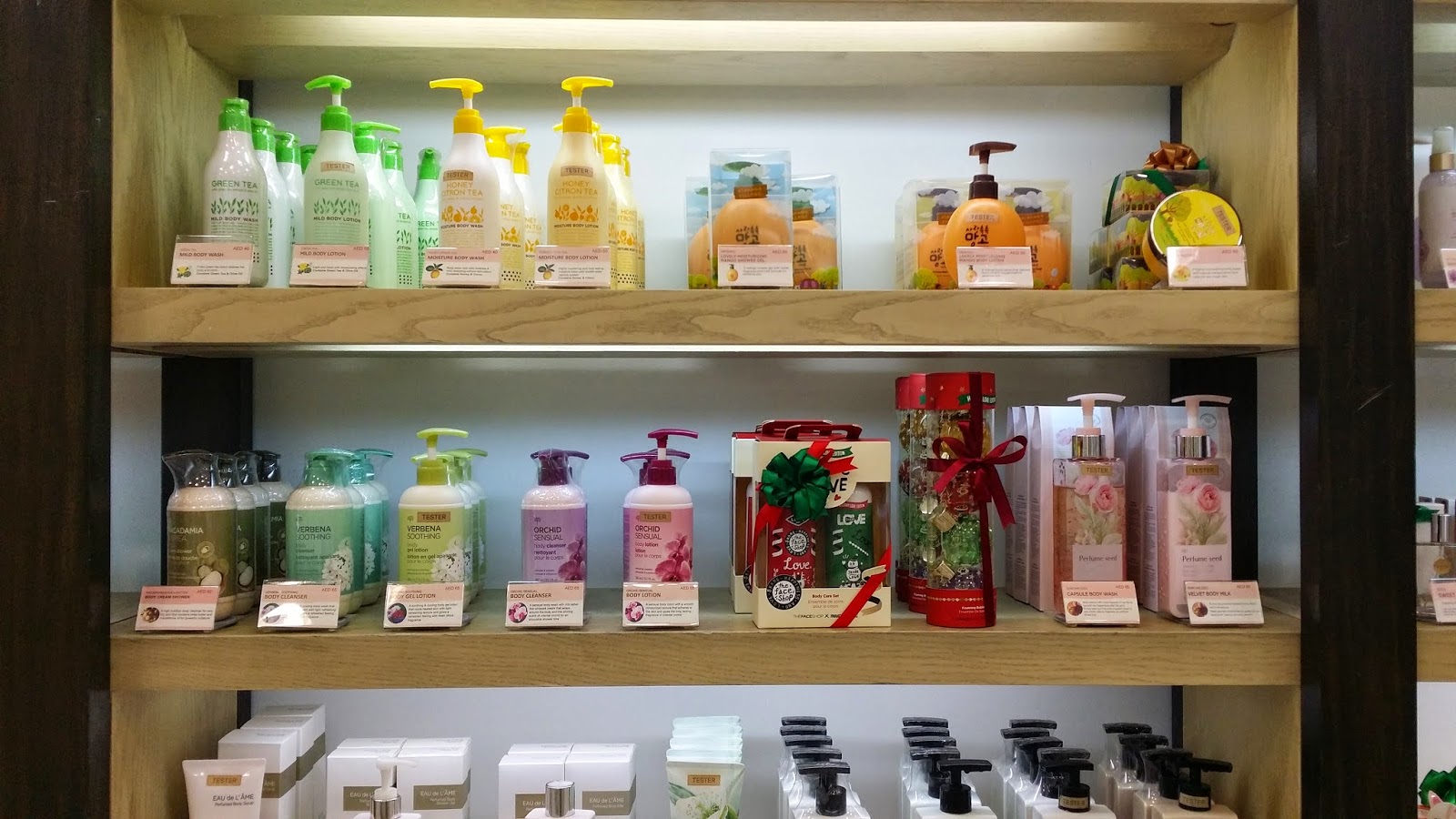
    Korean cosmetics firm The Face Shop has lost a trademark infringement case filed against it by French luxury brand Louis Vuitton. The infringement case relates to Face Shop’s collaboration with American brand My Other Bag, known for its parodies of luxury products. LV has unsuccessfully pursued My Other Bag for damages in American courts.

    Seoul’s Central District Court has ruled The Face Shop to cease trading in products featuring Louis Vuitton designs and pay KRW50 million (US$44,080) in fines.

    The Face Shop failed in its defense that their products were a parody due to the low market profile of My Other Bag in Korea and the difference in how The Face Shop used LV designs compared with My Other Bag’s parody products.

  • LimeLife acquisition helped boost L’Occitane sales

    LimeLife acquisition helped boost L’Occitane sales

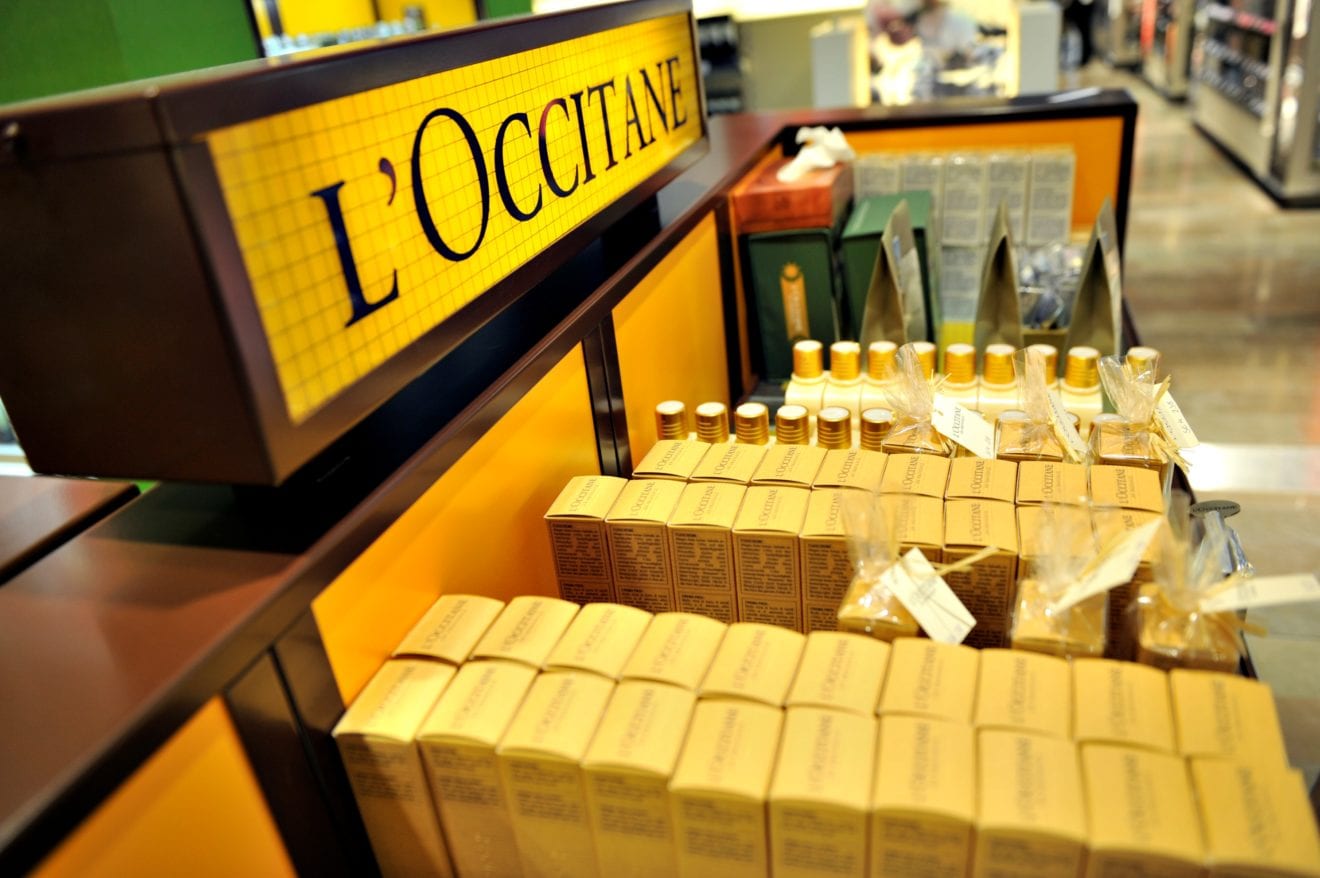
    Hong Kong-listed, Luxembourg-headquartered beauty products retailer L’Occitane has reported healthy sales growth on the back of a key acquisition. Same-store L’Occitane sales in Hong Kong rose 18.6 per cent on a currency-neutral basis in the six months to September 30, and by 14.1 per cent in Mainland China.

    Chairman Reinold Geiger said the Hong Kong growth was primarily driven by “dynamic” travel retail sales.

    But that was far less dramatic than the 65.8 per cent boom in the US, driven by the LimeLife by Alcone business which became part of L’Occitane in January, and the continued recovery of the core L’Occitane en Provence brand.

    Global group sales rose 8.6 per cent at reported rates and 12.4 per cent at constant exchange rates. After excluding the LimeLife business, like-for-like sales growth rose 4.9 per cent, which was higher than the 3.6 per cent of the first quarter.

    Global L’Occitane sales reached €595.4 million for the six months. It finished the period with 1555 of its own stores.

  • Vietnamese entrepreneur makes glasses with wooden frames

    Vietnamese entrepreneur makes glasses with wooden frames

    Long, 23, was frustrated that he was not able to get a pair of glasses that were comfortable, of good quality, long lasting and somewhat unique. These are qualities people generally want in personal wear, especially one that adorns their face for most of the day, but Long was finding that such expectations were not easy to meet.

    No readymade glass in the market fit him.

    Then, as luck would have it, Long happened to meet Tran Hien, a man with an unusual business and passion.

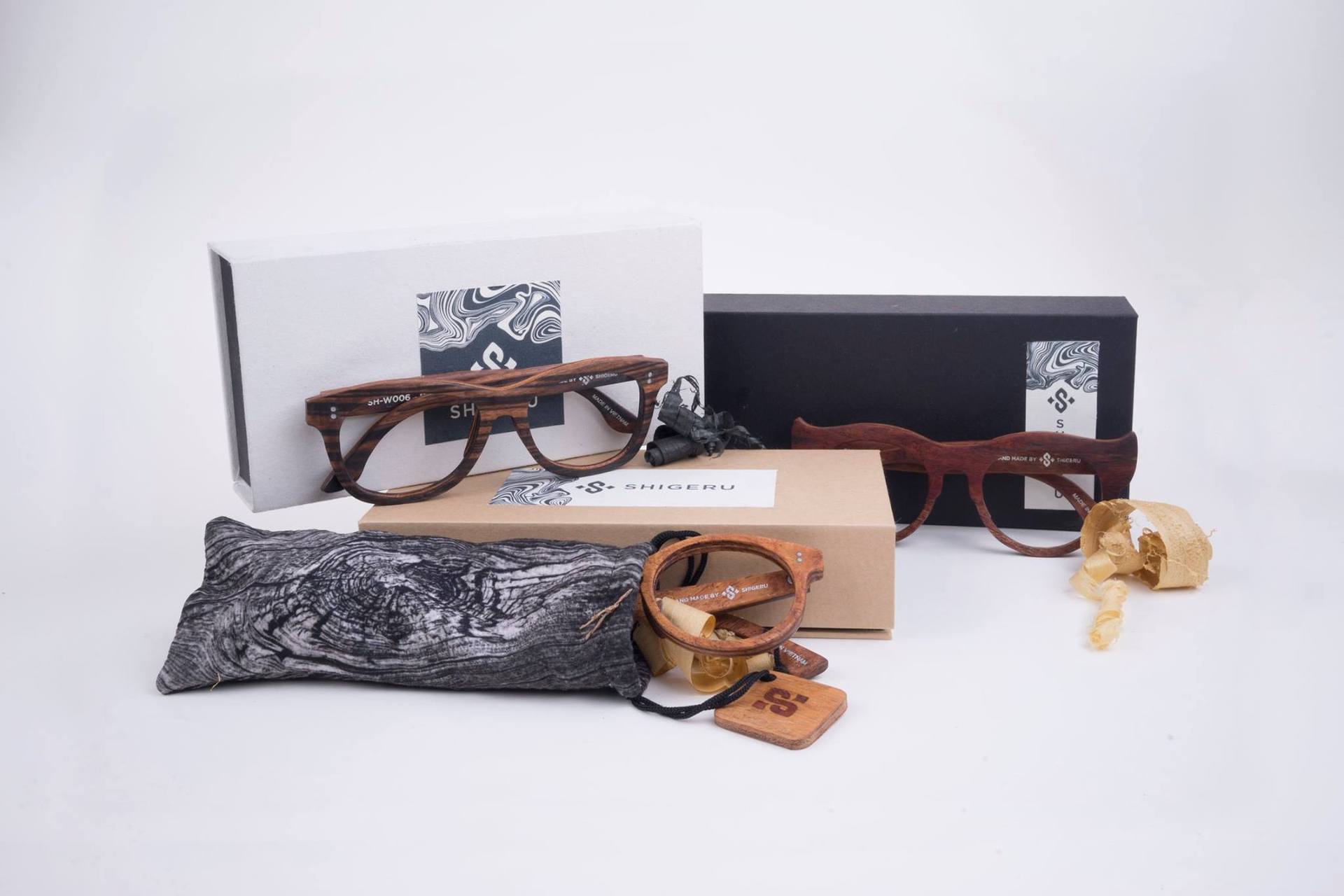
    Hien, whose business is called Shigeru Eyewear, makes spectacles with wooden frames, something that people might assume has gone completely out of fashion.

    Very soon after the meeting, the young customer happily accepted to pay VND1 million ($43) and wait 7-10 days for a pair of custom-made glasses.

    Long, like many other customers who go to Hien, wanted to get involved in the design process and was prepared to wait for the desired outcome.

    Every detail on the frame is carefully custom-made by Hien. On average, the process takes him around 4 hours.

    “Most of my products are handmade. Sometimes, I’m a bit shy shaking hands with people because of my calluses,” said Hien.

    The Japanese connection

    In 2012, Tran Hien graduated with a Graphic Design degree from the HCMC-based Van Lang University, specializing in branding. Through a friend’s introduction, he started working as a designer for a Japanese glasses maker called Shigeru.

    Hien was the first man in Vietnam to get this job, Shigeru told him.

    At first, Hien refused to accept a job where he had to actually make things himself. But Shigeru told him: “If you don’t try your hand at the job, you won’t be able to design something others can make.”

    After working at the production house under the guidance of the Japanese teacher and mentor, Hien not only gained more knowledge about glass-making, but also learned a lot more about an ideal attitude to life.

    “One time after lunch, the staff scraped off the burnt rice at the bottom of the cooker and threw it away. Shigeru saw it and told us, next time, don’t waste food like that, just break the pieces and share them with everyone,” Hien recalled.

    Shigeru’s company made glass frames, mostly in plastic, but also wood and bamboo sometimes, for export to Japan. He also wanted to open a store in Vietnam. But fate had other plans.

    Hien had been with Shigeru – someone who was more of a teacher than a boss – for around one year when tragedy struck. The production house got burned down, Shigeru went bankrupt and had to return to Japan.

    After his mentor left, Hien moved to Hanoi to find new opportunities.

    With zero business experience, he accepted a desk job with a real estate company in Hanoi. After several months of working as a graphic designer in the marketing department, he gained new insights into sales and marketing – something that not many designers care about.

    However, the sophisticated, carefully crafted glasses that Shigeru’s company used to make had left a deep impression on Hien, so after a while, he started to tinker with making glasses again.

    This time, his ambition was to create unique, wooden frames. It would be his niche product.

    Hien liked wood, its texture, colours and the natural patterns it carried. And even better, the longer it was used, the shinier it would get, something that cannot be said of other materials. His main focus was to create something unique, Hien said.

    It was very difficult to get this project off the ground, though.

    “I tried everywhere but no one wanted to cut wood as thin as I wanted, because it requires a lot of effort with little pay,” Hien said.

    After many attempts, one person who shared Hien’s determination to create made-in-Vietnam glasses (instead of Chinese ones dominating the market) accepted to work with him.

    It was still not easy. Many of his first customers had to wait for a long time because Hien was occupied with office work. On top of that, some of the products were not durable. Once, he was very embarrassed when a newly delivered pair of glasses broke as soon as the customer tried it on.

    Some people advised him that brand name, Shigeru, was difficult to market since it was not easy enough to read and remember. However, Hien wanted to commemorate the spirit of his teacher, who’d gladly consented to the student using his name.

    For the whole of 2017, when Shigeru Eyewear was founded, just 20 pairs of glasses were sold.

    The big plunge

    This year, Hien decided to quit his office job, which paid him VND15 million ($640) per month, and devote all his time and effort for his company.

    He studied days and nights, trying to find a way to increase the durability of his wooden frames, but that knowledge was nowhere to be found in Vietnam. Despite being “scientifically illiterate,” after months of perseverance, he finally discovered secrets to creating products that could survive even after  being thrown against the wall or dropped from up high.

    Hien’s current schedule involves meeting up with his clients to get their measurements and discuss their wants. After that, he works on the design, the production process, as well as building company’s image and increasing brand recognition.

    Each pair of glasses is customized to fit its owner

    His company sells dozens of customized pairs of glasses per month now.

    “Sometimes, design inspirations come from the customers themselves. For example, there was one customer who sells traditional clothes and wanted the glasses’ arms to be modeled like a tree branch, I found the idea very interesting and asked to keep the concept as a model for my catalog,” Hien said.

    So far he has been taking wood pieces from furniture companies, aiming particularly at ebony, Siamese rosewood, and Asian rosewood.

    But he’s very keen on being eco-friendly. He said that he was looking for an NGO or other organisations involved in reforestation that he can contribute to. He said that for every glass frame that he sells, he will use part of the proceeds to help reforestation efforts. He is also considering buying seeds and planting trees on his own, Hien said.

    Hien believes the ” For each tree you’ve taken, you have to give back as much to the forest.”

    Expansion plans

    Hien said that he is also looking for someone who can share his passion and can work on the business side of the company.

    Apart from keeping the core as an artistic line, Shigeru Eyewear aims to produce standard glasses that are of high-quality and made with local materials – something that is still missing in the Vietnamese market.

    He is also looking to start making and selling frames with other materials like palm wood and bamboo.

    Currently, glass frames made from wood are still something very new to customers, so he wants more people to have rare pairs of glasses with “Made in Vietnam” etched on them.

    Furthermore, like his beloved Japanese teacher, he hopes to find more people with whom he can share the knowledge he’s accumulated through the years.

    For now, from a time when the company only had a few hundred thousand dong (a dozen of US dollars) to buy materials, and all of the earnings were invested in buying better quality wood and tools, Hien can confidently say he can make a living with the brand.

    “I will spend the rest of my life for my “Made in Vietnam” glasses.”
  • Louis Vuitton New Delhi flagship store to go bigger

    Louis Vuitton New Delhi flagship store to go bigger

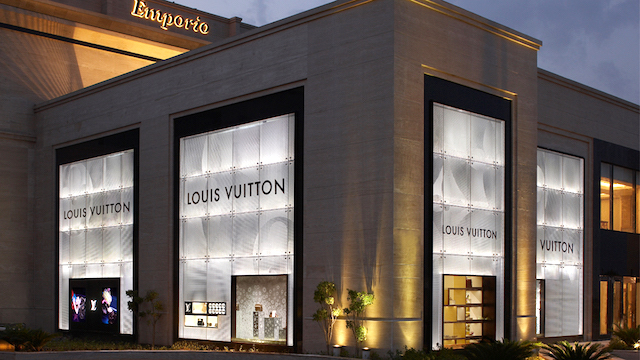
    The Louis Vuitton New Delhi flagship store is being expanded. The French luxury house, which has been present in India for 15 years, is expanding its DLF Emporio Mall outlet to another floor, and will for the first time house men’s and women’s ready-to-wear collections.

    The store’s decor uses both vintage pieces from Paris and furniture items especially created for the store, as well as Jaipur and Nepalese carpets.

    Interior designs were developed by creative teams based in France and Hong Kong. The first floor of the store is entitled “L’Appartement”, mimicking a luxury apartment with accessories and other higher-end products.