Category: Fashion

Retail News Asia is committed to providing both local and global retailers with the latest Fashion news throughout the Asian market. This on a daily base.

  • Skechers achieves record third quarter 2018 sales

    Skechers achieves record third quarter 2018 sales

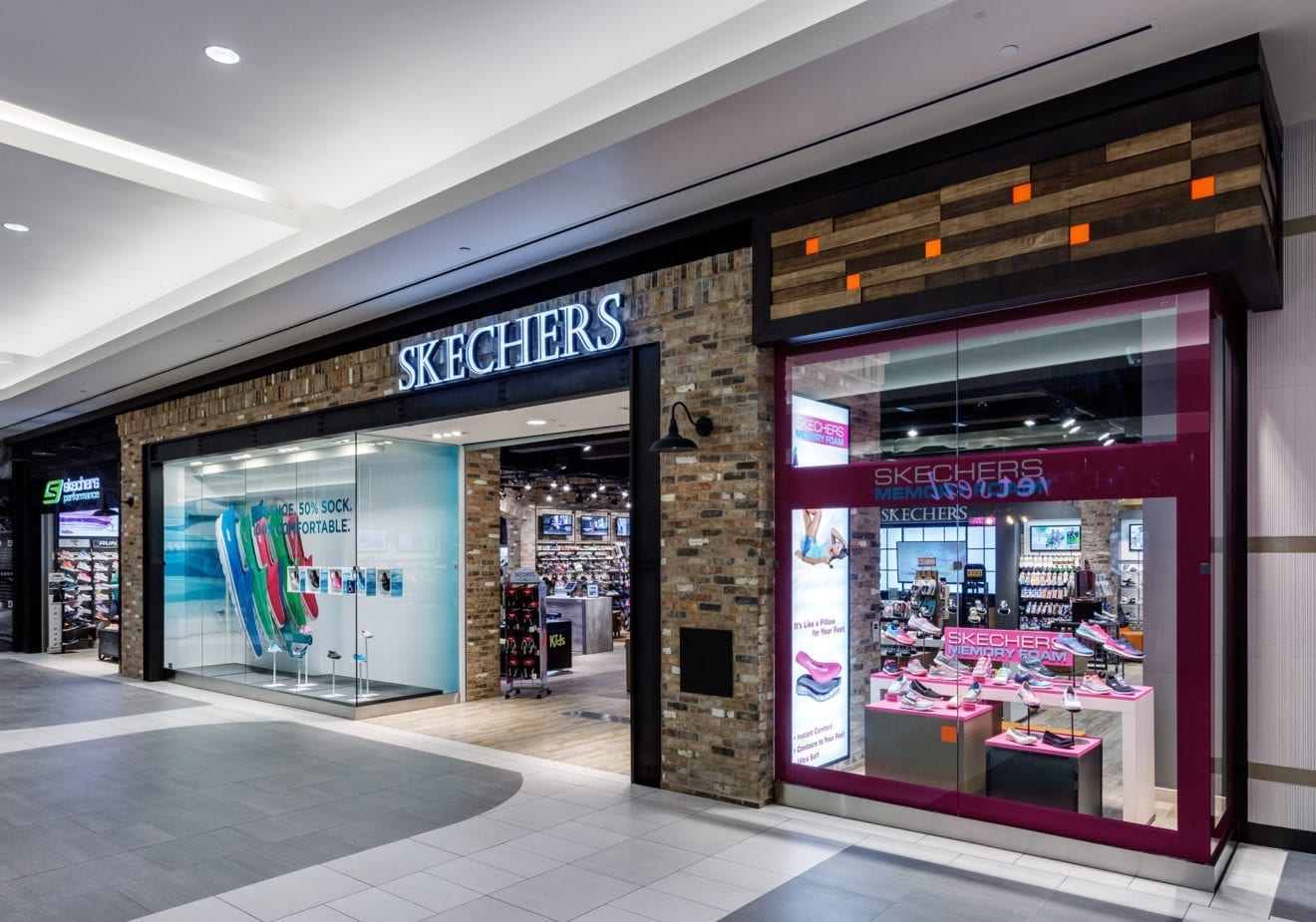
    Skechers USA, a global footwear leader, has announced financial results for the third quarter ended September 30, 2018. “Achieving record third quarter sales is a notable accomplishment given the strength of our third quarter 2017 sales,” began Robert Greenberg, Chief Executive Officer, Skechers.

    Greenberg added, “Both our domestic and international businesses grew, and we remained the leader in walking, work, casual lifestyle and sandals footwear in the United States. We experienced strong product successes across multiple divisions around the world, which was evident by our double-digit growth in both our international wholesale and worldwide Company-owned retail businesses. Skechers D’Lites, our heritage chunky style that has seen great success over the last two years in Asia, is now an in demand style across North America and Europe, and is poised for growth in South America, India and the Middle East. Through Skechers D’Lites, we are reaching a younger, more fashion-savvy audience, and getting press—from Marie Claire and Elle to HypeBae and Highsnobiety—and social media influencers are embracing this signature look. Further, we are seeing renewed acceptance of this chunky style by men. Our core footwear categories for men, women, work and golf are also performing well. We are achieving this growth with the right product mix combined with a balanced approach to marketing spend. As we continue to invest in our international infrastructure, we believe there is significant opportunity to grow our brand further through both wholesale, and Company-owned and third-party retail stores, which now stand at 2,802 locations worldwide. We’re looking forward to fourth quarter growth across both our domestic and international channels and a new annual sales record.”

    “As we near the close of 2018, we believe the direction of our business is on target with our record sales in the third quarter, continued international growth and strong gross margins,” stated David Weinberg, Chief Operating Officer of Skechers.

    Weinberg added, “With three record sales quarters in 2018 and brand acceptance around the globe, we achieved a new record for the first nine months of US$ 3.56 billion, an 11.5 percent increase over last year. In the third quarter, our international distributor business returned to growth, increasing 11.6 percent over the same period last year, and combined with our international joint venture and subsidiary business, our total international wholesale sales increased 11.8 percent for the period. International wholesale along with international retail now represents 55.5 percent of our total business. We expect our business in the United States—both wholesale and retail—to grow in the fourth quarter. We remain committed to efficiently and profitably growing our global footwear business.”

    Sales grew 7.5 percent as a result of an 11.8 percent increase in the Company’s international wholesale business, and a 10.6 percent increase in its Company-owned global retail business. Its domestic wholesale business decreased 3.0 percent. The Company’s total international business grew 12.5 percent and its total domestic business grew 1.8 percent. Third quarter comparable same store sales in Company-owned retail stores worldwide increased 1.9 percent, including an increase of 3.0 percent in the United States offset by a decrease of 0.8 percent in its international stores.

    Gross margins slightly increased as higher domestic margins from improved retail pricing and product mix were partially offset by the impact of negative foreign currency exchange rates.

    SG&A expenses increased 9.5 percent in the quarter. Selling expenses increased by 0.7 percent, but improved 50 basis points as a percentage of sales from 8.2 percent to 7.7 percent for the third quarter 2018. The US$ 37.8 million increase in general and administrative expenses was primarily the result of the Company’s continued commitment to build its international brand presence and direct-to-consumer channels. General and administrative expenses in China grew US$ 7.5 million to support continued expansion, including preparation for next month’s Single’s Day, and US$ 13.3 million associated with operating 58 additional company-owned Skechers stores worldwide, of which 13 opened in the third quarter. General and administrative expenses also included US$ 11.1 million related to corporate and domestic operations, of which US$ 4.8 million was for increased domestic warehouse and distribution costs.

    Earnings from operations increased US$ 7.4 million, or 6.4 percent.

    Net earnings were US$ 90.7 million and diluted earnings per share were US$ 0.58. In the third quarter, the company’s income tax rate was 13.7 percent reflecting its continued assessment of the impact of the recently enacted tax reform legislation. As a comparison, the company’s income tax rate for the three months ended September 30, 2017 was 9.4 percent.

    Sales grew 11.5 percent as a result of an 18.9 percent increase in the company’s international wholesale business, and a 13.7 percent increase in its company-owned global retail business. For the nine-month period, its domestic wholesale business was essentially flat compared to the same prior year period. The company’s combined international wholesale and retail business grew 19.7 percent and its combined domestic wholesale and retail business increased by 3.4 percent.

    Gross margins increased due to strength in the Company’s international wholesale and Company-owned international retail businesses.

    SG&A expenses increased 17.3 percent. This increase was due to an additional US$ 176.3 million in general and administrative expenses. Selling expenses increased by US$ 25.3 million.

    Earnings from operations increased US$ 26.9 million, or 8.2 percent.

    Net earnings were $253.7 million and diluted earnings per share were US$ 1.62. For the nine months, the company’s income tax rate was 13.0 percent. As a comparison, the company’s income tax rate for the nine months ending September 30, 2017 was 12.9 percent.

    For the fourth quarter of 2018, the company believes it will achieve sales in the range of US$ 1.100 billion to US$ 1.125 billion, and diluted earnings per share of US$ 0.20 to US$ 0.25. The guidance is based on expected growth in each of the company’s three segments. The company now expects its effective tax rate to be between 13 and 15 percent, which implies a fourth quarter tax rate of between 17 and 20 percent.
  • Louis Philippe unveils new retail identity at Banjara Hills India

    Louis Philippe unveils new retail identity at Banjara Hills India

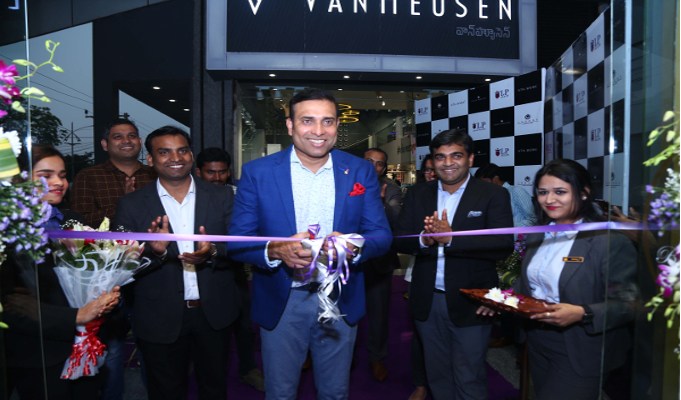
    Louis Philippe, India’s leading premium menswear brand from Aditya Birla Fashion and Retail Ltd, has launched the new retail identity at Banjara Hills. The new identity celebrates ‘The Crest’ which is a symbol of craftsmanship and excellence. The sprawling 4,000 sq.ft. store at Banjara Hills, Hyderabad was unveiled by India’s ace cricketer V.V.S Laxman.

    Speaking on the occasion, Farida Kaliyadan, COO, Louis Philippe said, “We are delighted to introduce the new retail identity for the brand. Louis Philippe is focused on delivering value through superior craftsmanship, diverse product portfolio and an unmatched retail experience. At present we have 17 stores across Hyderabad and Telangana.”

    The revamped outlet houses a wide range of formals, casuals, denims, suits and blazers, and accessories.

    As part of launch promotions, Louis Philippe will be giving the two highest billers a chance to win an Apple iPad. That’s not all, the other customers who participate and stand an opportunity to win PVR gift vouchers, ties, pocket squares, LP gift vouchers.

  • Bvlgari’s cinema themed pop-up at Singapore’s ION Orchard mall

    Bvlgari’s cinema themed pop-up at Singapore’s ION Orchard mall

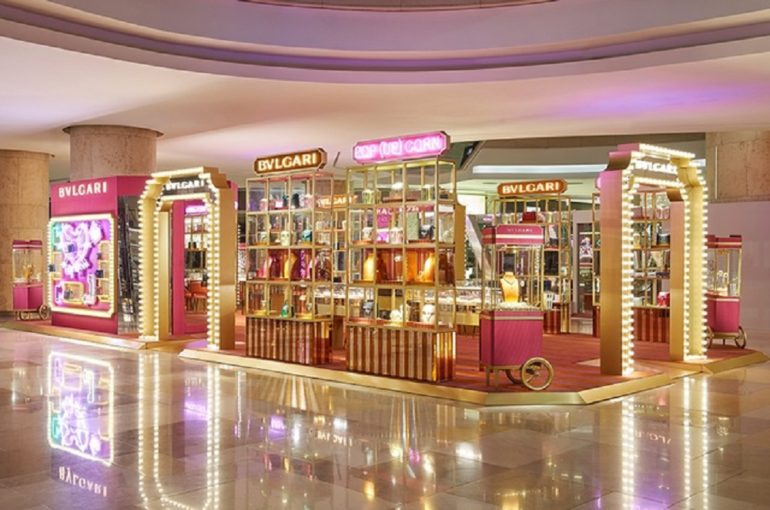
    High-end Italian jewellery house Bvlgari has opened a pop-up retail place this month in Singapore. Located on level one of the ION Orchard mall, the “Pop (Up) Corn” shop is decked out in saccharine pink and blinking neon lights and takes inspiration from 60s Italian theatre.

    It is also a mini-reproduction of the Italian luxury brand’s Via Condotti boutique in Rome where Hollywood icons such as Audrey Hepburn and Elizabeth Taylor would shop when in town.

    Inside, the pop-up offers limited-edition Bvlgari handbags including Serpenti and Divas Dream bags in calfskin leather, as well as sparkling jewellery pieces and watches.

    The standout piece is the limited-edition matching set of a Bvlgari-Bvlgari necklace and bracelet in rose gold, which is an ION Orchard exclusive. Not to mention a series of cinema-themed objects such as glitzy popcorn boxes, rectangular ticket stubs and dazzling neon lights.

    The Pop (Up) Corn store is open now until December 31.

    The new pop-up serves as a precursor to the official store opening in ION Orchard from Bvlgari in December, joining the store in Marina Bay.

    It’s not the first time Bvlgari has opened a pop-up store in a key capital city.

    In 2017, Bvlgari opened a pop-up store inside France’s Galeries Lafayette department store on boulevard Haussmann in Paris.

    Bvlgari operates flagship stores in most Asian cities including Singapore, Taipei, Shanghai, Beijing, Hong Kong and Macau.

    Founded in 1884 in Rome Sotirios Voulgaris, Bvlgari is now majority-owned by French luxury conglomerate LVMH Group.

    For the first-quarter 2018, LVMH’s watches and jewellery category, which Bvlgari is a part of, witnessed 8% growth in revenue terms and 14% organic growth in the category, totaling 9.5 billion euros. Overall revenues tipped 33 billion euros for the three months ending September 30.

  • Fila opens its second heritage store in Mumbai

    Fila opens its second heritage store in Mumbai

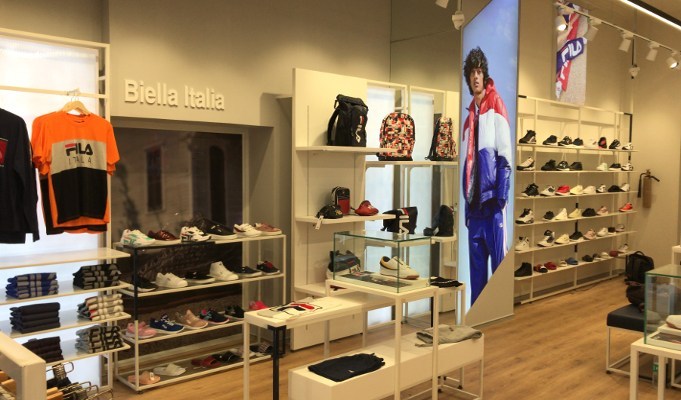
    Fila launched its flagship heritage store in Mumbai at Fort last month. As part of the brand’s retail expansion plan for the current financial year, they have now opened doors to their second heritage store in Mumbai at Inorbit Mall in Malad.

    With Kala Ghoda being the upcoming shopping district for South Mumbai, the second store is strategically located in a popular mall in North Mumbai that sees high footfalls of consumers from other parts of the city.

    The Inorbit Malad store aims to attract the millennial customer with its classic-meets-contemporary vibe and is standardized to sync with the brand’s retail design layout across all existing and upcoming stores in India. Characterized with its signature, bold, oversized, backlit logo on the exterior and iconic red, white and blue color palette in the interiors; the design serve as the ideal backdrop to showcase a show-stopping and vibrant Fila Heritage autumn/winter 2018 collection.

    Fila has been there for iconic moments, accompanying extraordinary individuals in pursuit of true sport – those who courageously challenge limits and defy expectations through a seamless combination of power and grace.

    From its humble textile beginnings in Biella, Italy in 1911 to its historic introduction of colour on the tennis court in 1973, the brand has always taken pride in creating designs as bold and breath-taking as those wearing it. With a philosophy of innovation and a commitment to performance and sophistication, Fila continues to make a statement with styles that are novel in aesthetic and effective in function.

  • Vietnam remains among 50 most valuable national brands

    Vietnam remains among 50 most valuable national brands

    Brand Finance has released its annual report on the world’s 100 leading nation brands, and Vietnam is in 43rd place. Its brand value is estimated at $235 billion, up $32 billion from the previous year. It has risen two places in the list this year.

    The global brand valuation consultancy firm evaluates a country’s national brand on the brands based there and the economy as a whole by weighing up various socio-economic factors.

    A “strong” national brand denotes a highly attractive environment for investment, encouraging inward investment, adding value to exports, and attracting tourists and skilled migrants, it explained.

    Vietnam’s continuing rise in the list is primarily due to “Vietnam Value”, a national program to endorse products and services that meet minimum standards set out by the government, and concentrated efforts to promote economic growth by the government, it said.

    In Southeast Asia, Vietnam is only in sixth place in terms of value, below Indonesia, Singapore, the Philippines, Malaysia, and Thailand.

    The Top 10 in the world did not see much change with the U.S., China and Germany continuing to lead in terms of value.

    The U.S.’ value has shot up by 23 percent to $25.9 trillion this year as a result of falling tax rates and a more business-friendly environment despite the negative public image that President Trump may have cultivated, the report said.

    Founded in 1996, Brand Finance is the world’s leading independent branded business valuation and strategy consultancy. Headquartered in London, the firm is present in over 20 countries.

  • OneSiam Bangkok teamed up with Air Asia to lure Chinese shoppers

    OneSiam Bangkok teamed up with Air Asia to lure Chinese shoppers

    Bangkok’s three shopping centres grouped under the OneSiam brand, are collaborating with Air Asia to encourage more Chinese tourists to Thailand. The malls – Siam Paragon, Siam Center, and Siam Discovery – have received backing from the Tourism Authority of Thailand (TAT)’s Chengdu office to launch a campaign called Air Asia x OneSiam present Thailand Shopping Festival. It will run from now through to the end of the Lunar New Year celebration early next year.

    The partners believe the campaign will help achieve an anticipated 15 per cent increase in Mainland Chinese tourists visiting Thailand next year.

    Chinese remain the largest demographic group of tourists visiting Thailand, according to Charun Chuennaitom, director of the TAT Chengdu Office. TAT data shows that between January and August this year, an estimated 25.8 million tourists travelled to Thailand, 10 per cent more than during the same period last year. Chinese accounted for 7.7 million of those, up by 16.5 per cent.

    Tanavan Arkaleephan, director of tourism department at Siam Piwat, said OneSiam is a popular destination for Chinese travellers.

    “Each day there is an estimate of 150,000 to 200,000 shoppers in Siam Paragon, 120,000 to 150,000 in Siam Center and Siam Discover, separately. The ratio of Thai visitors to Chinese visitors is 60 to 40.”

    He said the top five tourist sources to regularly visit OneSiam are China, Hong Kong, South Korea, Malaysia and Singapore, but Chinese remain the majority group.

    Tourists who between now and February 28 present an Air Asia boarding pass to One Siam staff at the Siam Paragon tourist lounge, and who follow the OneSiam WeChat account, can receive privileges and promotions from partnering brands, including vouchers from OneSiam, product samples from Pralyn, 30 per cent discounts on body massage therapy from The Beauty Art, and discount offers from Thai designer brands.

    Tourists can enter to win tickets from Air Asia and shopping vouchers at OneSiam.

    Air Asia offers direct flights from Bangkok to 15 destinations in China.

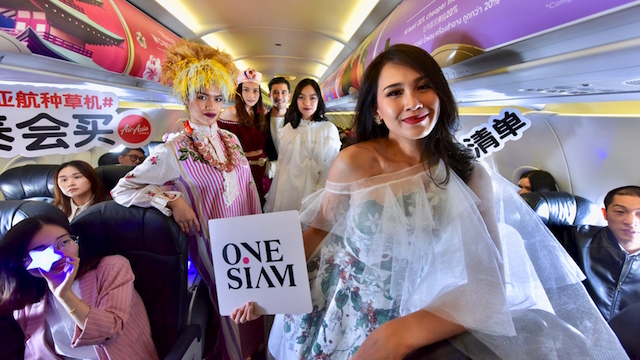
    Nattinee Tawanchulee, director of commercial at Thai AirAsia, said as part of the collaboration, Air Asia has a surprise in store for travellers on some flights from Chongqing to Bangkok, with an in-flight fashion show showcasing special collections from Thai brands including Fri27Nov, Iconic, Kloset, Rotsaniyom, and Theatre.

  • Vietnam footwear exports benefit from US-China trade spat

    Vietnam footwear exports benefit from US-China trade spat

    Vietnamese footwear exporters seem to be benefiting from the ongoing trade war between the U.S. and China. According to customs statistics, Vietnam’s footwear exports in the first nine months of this year were worth $11.74 billion, a 10.2 percent year-on-year increase. Its exports to China in the period have risen by 28.5 percent, to Japan by 14.7 percent, and to the U.S. by 13.5 percent.

    Vietnam is the second biggest exporter of footwear to the U.S. behind China, shipping 404 million pairs of shoes last year.

    The upward trend is likely to continue, too, as rising wages in China increase the cost of goods produced there and the country is thus directing more of its manufacturing resources toward higher-priced goods like electronics, according to the global footwear news outlet Footwearnews.

    Foreign companies are moving to other countries like Vietnam to cut cost.

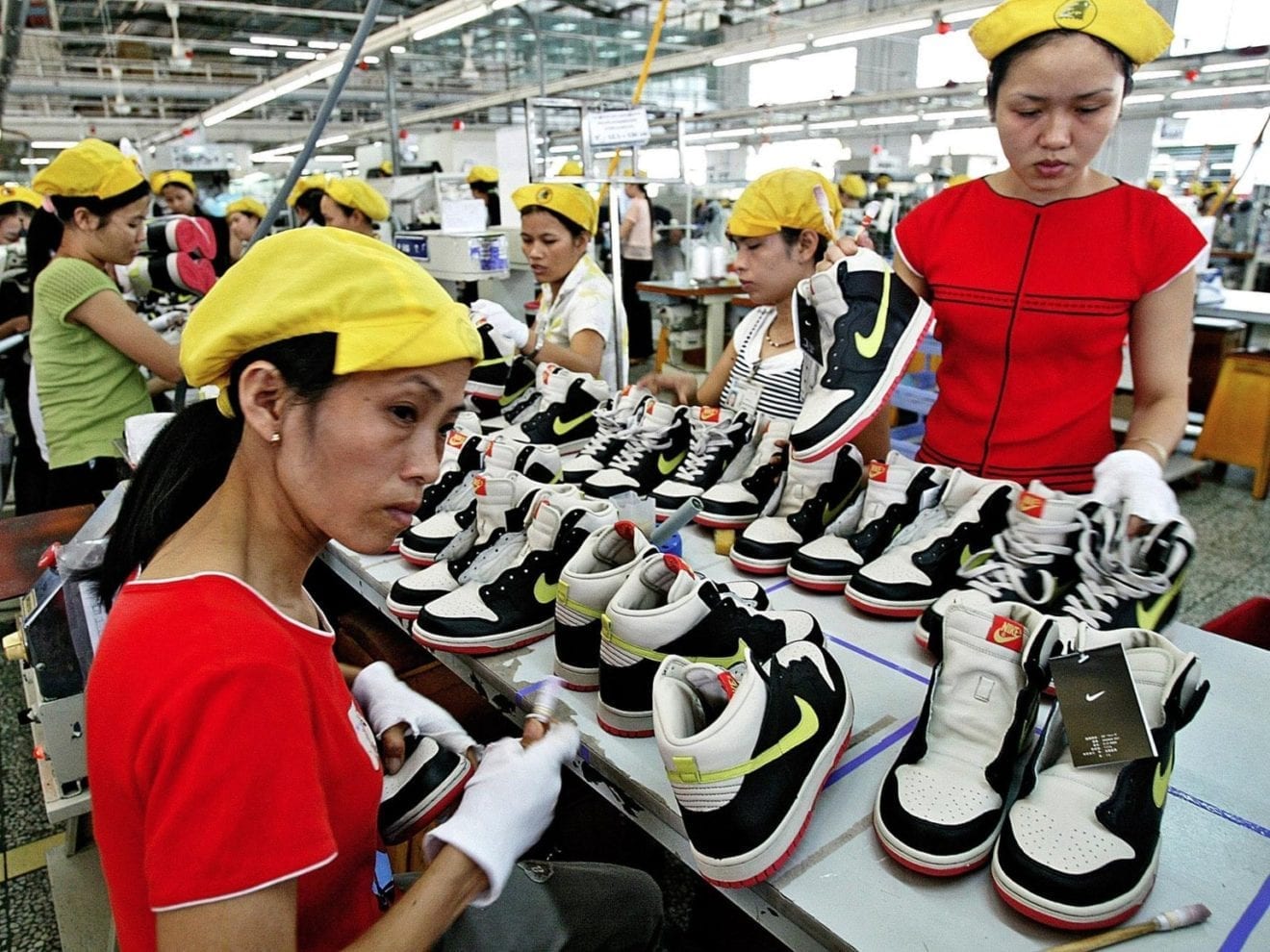
    Adidas CEO Kasper Rorsted said last May that his company is shifting sourcing of footwear from China to Vietnam.

    Vietnam has in fact overtaken China as its top supplier, with Vietnamese factories producing 44 percent of its shoes by volume last year and Chinese manufacturers supplying 19 percent, according to Adidas.

    This would help shield the company from potential tariffs or supply chain disruptions if President Donald Trump’s trade war with China continues to escalate, a fact its competitors also seem to be taking notice of.

    Vietnam may see export orders surging as footwear importers shun China to avoid high U.S. tariffs and choose the Southeast Asian nation instead, local media quoted Diep Thanh Kiet, vice chairman of the Vietnam Leather, Footwear and Handbag Association (Lefaso), as saying.

    “Vietnam’s leather and footwear export can reach $19.5 billion or slightly higher this year depending on the situation,” he said. Vietnam’s footwear exports were worth $14.65 billion last year.

  • Easing price of gold gives Luk Fook sales some shine

    Easing price of gold gives Luk Fook sales some shine

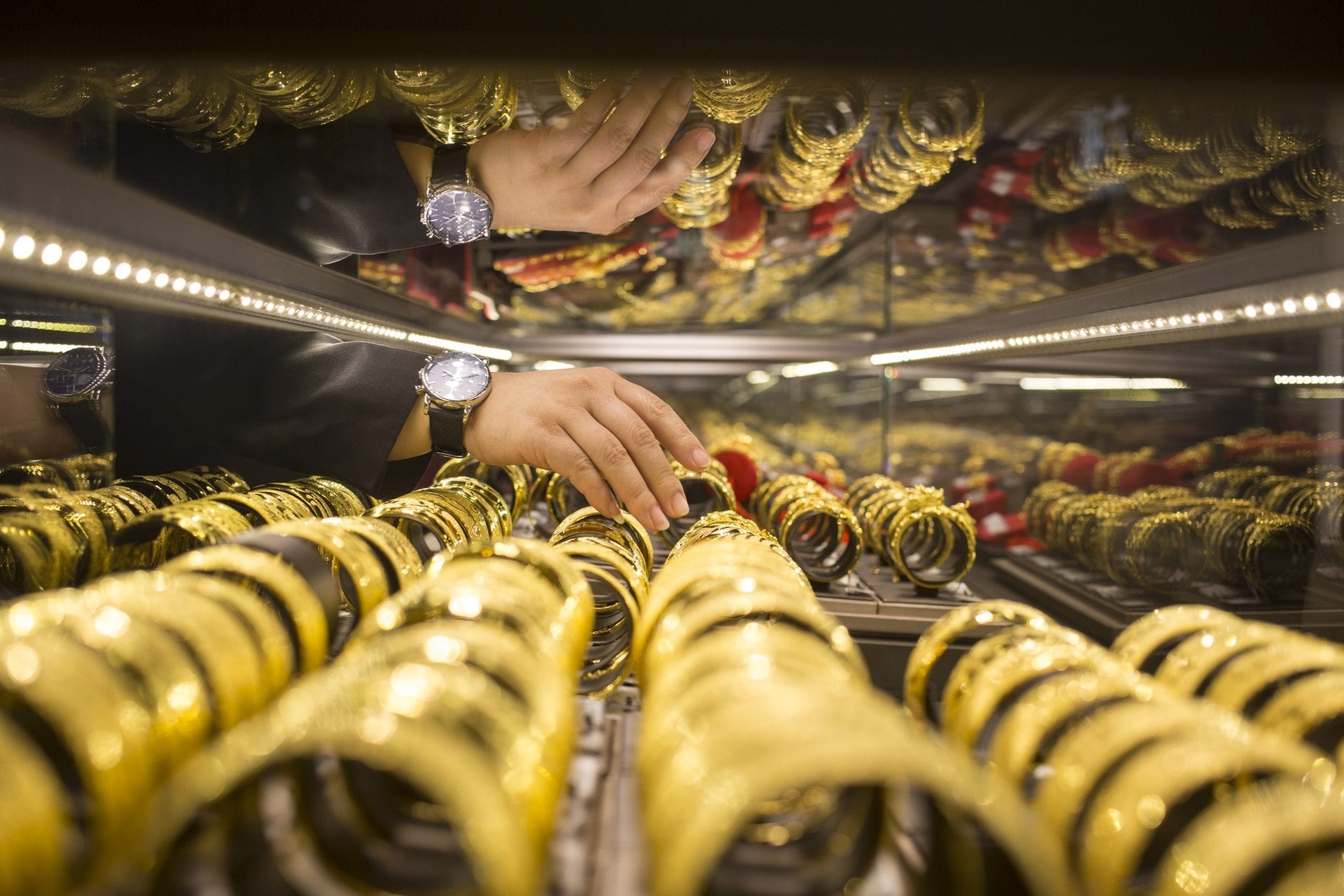
    Luk Fook achieved same-store sales growth of 14 per cent in its latest quarter, thanks to lower gold prices, good market sentiment and a successful sales strategy. In a note to shareholders, chairman and CEO Wai Sheung Wong said same-store sales of gold products rose by 23 per cent and of gem-set jewellery by 5 per cent.

    Luk Fook Hong Kong and Macau sales led the way, rising 17 per cent, with gold products up 30 per cent, during the three months to September 30.

    However, depreciation of the Renminbi led to a higher tendency for customers to purchase lower-value items, resulting in a single-digit drop in the average selling price of gem-set jewellery products.

    The jeweller’s fortunes appear to have endured after the quarter ended.

    “In the first two weeks of October, the growth momentum of Hong Kong and Macau market

    continued, with same-store sales sustained at a double-digit growth. As for the mainland market, because of the large number of outbound travellers during the long holiday period and a high base, same-store sales of self-operated shops recorded a double-digit drop in the first two weeks of October,” said Wong.

    During the quarter, there was a net addition of 57 Lukfook shops on the mainland: 62 more licensed shops and five fewer self-operated shops.

    At the end of the quarter, Luk Fook had 223 self-operated shops, including 151 in Mainland China, 50 in Hong Kong, 11 in Macau and 11 overseas. It had a further 1500 licensed shops on the mainland, one in Cambodia and one in the Philippines, taking the total network to 1725.

  • Maison Kitsuné Targets $100 Million in Sales from Its Expansion Plan

    Maison Kitsuné Targets $100 Million in Sales from Its Expansion Plan

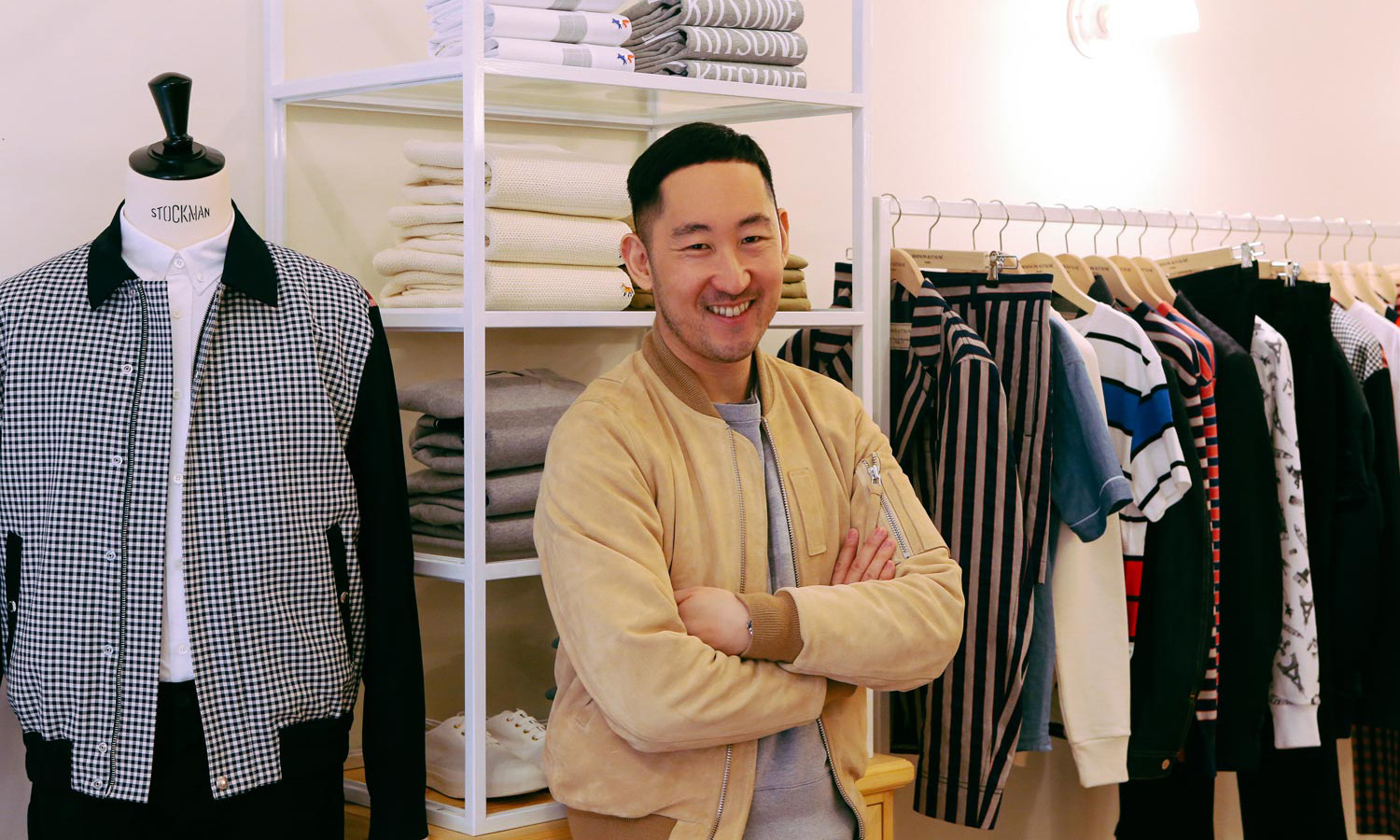
    Parisian ready-to-wear label Maison Kitsune has announced plans to expand in Asia. The firm is targeting €100 million in sales with an ambitious store rollout in the region, as well as establishing a genderless label and branded hotel in Bali. It already operates 16 stores in Paris, the US, Japan and Hong Kong, with a product line carried at 400 additional stockists.

    On Friday, Maison Kitsune will open its first flagship and cafe in Seoul, partnering with South Korean conglomerate Samsung. Next year, the brand will open in Indonesia and greater China, where it plans to open more than 50 stores within the next four years.

    Japanese fashion group Stripe International took a minority stake in the company two years ago, helping the firm achieve €40 million (US$46 million) in sales last year.

    Co-founder Gildas Loaec says the company is at a turning point.

    “We have a good momentum and a lot of followers; we want to expand our growth further. Within the next five years we aim to generate €100 million in annual revenue.”

  • Rebranding for luxury resale site Vestiaire Collective

    Rebranding for luxury resale site Vestiaire Collective

    Vestiaire Collective is refreshing its image as the luxury resale site looks to grow sales in Europe and Asia. The branding changes involve a new, black-and-white logo, that will feature on updated packaging. Vestiaire Collective is also launching a campaign which promotes resale as a modern alternative for the luxury and sustainability-conscious consumer. It will roll out in Europe and Asia Pacific spanning television, print, digital and social media.

    Vestiaire Collective’s new look comes after a US$62 million funding round last year, which the company is using to expand internationally. The past 18 months have seen the company enter Asia, open logistics hubs in France and Hong Kong. This month the company is opening a new head office in Paris, on the back of 100 new hires in 2018.

    “It will allow us to speak to a wider audience,” said chief marketing officer and vice president for EMEA Ceanne Fernandes-Wong of using traditional forms of advertising — including black cabs in London and television in France — alongside digital.

    “Resale is not new, it’s not niche, and we want to bring that education that resale is chic and cool… and bring people who would otherwise say, ‘it’s luxury and not for me.’”

    However, Vestiaire Collective faces increased competition from other players in the luxury resale market, which is on track to hit $6 billion in global sales this year, according to Bain.

    Competitors have piled into the space in recent years, including ThredUp, Poshmark and Grailed. The biggest is TheRealReal, which opened its first permanent retail and consignment space in New York in November 2018, after hosting a pop-up a year earlier, and has raised $173 million funding.

    “We want to extend the category in the right way,” said chief operating officer Olivier Marcheteau. “There is €250 billion worth of luxury product sold every year — we’ve probably only scratched that surface.”

  • More brands join anti-fur movement

    More brands join anti-fur movement

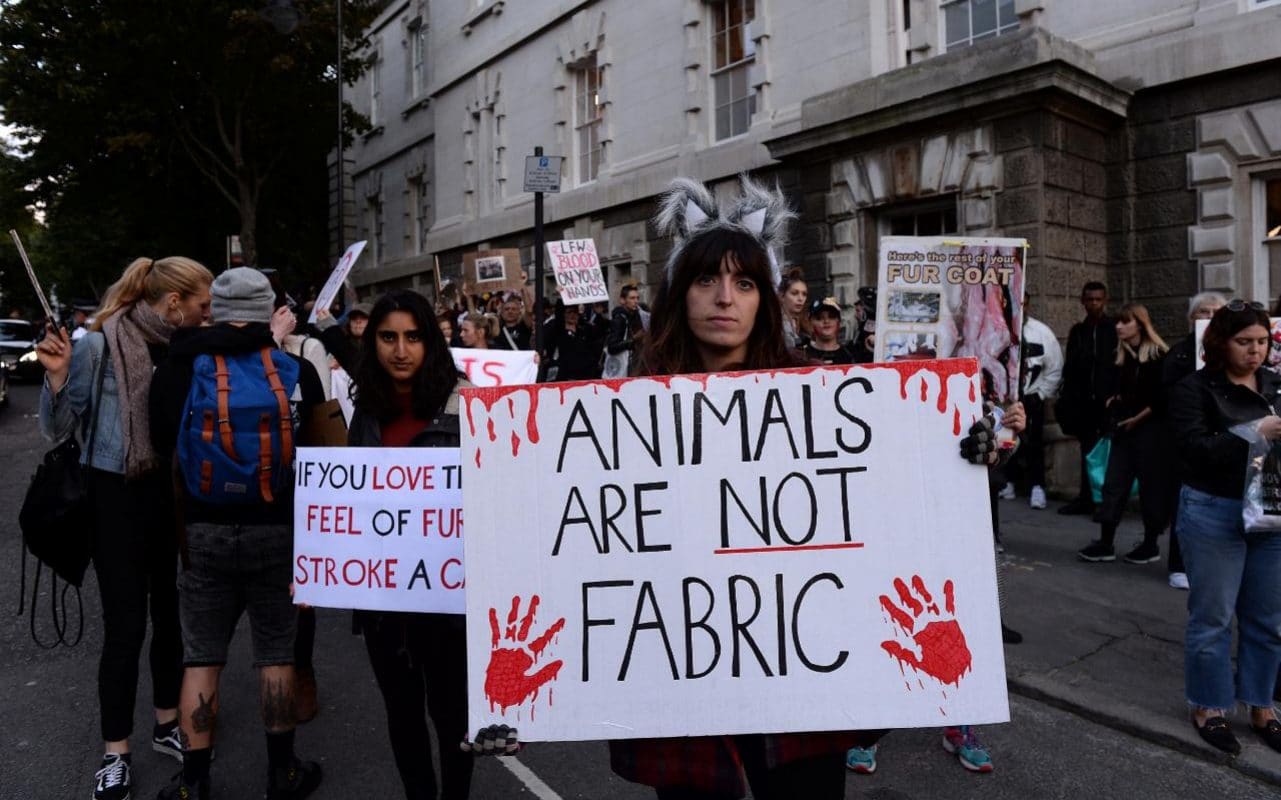
    Among the investors who snapped up shares in luxury e-commerce marketplace Farfetch after its September IPO was one buyer with little interest in operating profits or projected revenue. People for the Ethical Treatment of Animals pounced on shares in the newly public company so it could make its case directly to ban fur sales on the platform. They needn’t have bothered.

    Farfetch quietly committed to going fur free in May, inserting a promise in the terms and conditions section of its website to stop selling items made with fur by the end of next year.

    Farfetch joins a growing list of luxury brands and retailers turning their backs on animal fur.

    Within the past 18 months, Yoox Net-a-Porter, GucciMichael Kors, Versace, Furla, Burberry and DVF have all announced anti-fur policies, while this year’s September London Fashion Week became the first of the major fashion weeks not to show any fur on the catwalk.

    Within the luxury space, the balance has tilted against fur.

    In the 1980s, fur was synonymous with luxury, representing a status symbol for many women.

    The global fur trade is valued at $40 billion, but today fur is central to the image — and revenue — of only a handful of major brands.

    Meanwhile, anti-fur messaging is being amplified by social media and a millennial customer base that is paying closer attention to the values represented by the products they buy.

    For brands like Gucci, the goodwill generated by banning fur outweighs the sacrifice of a few million dollars in sales of fur-trimmed loafers.

    “[It’s about] being more modern in our thinking and our approach to business and how we talk and engage with our consumer and our community of women,” Sandra Campos, chief executive at DVF, said of the decision earlier this month to stop using fur, exotic skins, mohair and angora in upcoming collections.

    “No one really wanted to associate the brand with [fur]. We don’t need real fur to have a status symbol anymore.”

    The anti-fur movement has ebbed and flowed for decades.

    Calvin Klein stopped using fur in 1994, the same year Peta ran a campaign featuring supermodels including Naomi Campbell and Christy Turlington, who claimed they would “rather go naked than wear fur.”

    Ralph LaurenTommy Hilfiger and Selfridges barred fur in the mid-2000s.

    More recently, Hugo Boss joined the no-fur list in 2015, followed by Armani the following year.

    Gucci kicked off the latest wave of brands announcing fur bans in October 2017.

    Winning over luxury’s hottest brand was a coup for animal-rights activists who had been targeting specific companies for almost a decade via a mix of behind-the-scenes talk and public protest.

    In July 2017, more than 20 animal rights activists heckled Michael Kors during a speech, while in September 2017, Burberry’s London Fashion Week show was disrupted by about 250 anti-fur protesters.

    Michael Kors agreed to ban fur in December, Burberry last month.

    The rise of social media has provided the general public with a direct line of communication to companies and a platform for opinions and protest, making it harder for brands to ignore targeted activism.

    It’s also given animal rights organisations a platform for mobilising consumers into action.

    The global fur industry is fighting back, launching its own campaign making the case for fur as a natural, sustainable product that is better for the environment than alternatives, which are often made from plastic.

    One recent campaign featured Fendi and Oscar de la Renta, among other brands.

    “Brands are under huge pressure to respond to social media and avoid any controversy,” says Mark Oaten, chief executive of the IFF.

    “Even in a five year period that has changed … the fear of reputational damage is increased at the moment.”

    Studies show activism is impacting purchasing decisions.

    Prior to announcing its fur-free policy last June, Yoox Net-a-Porter surveyed 24,000 customers: 72 percent said social or environmental considerations drove their purchasing decisions at least some of the time, while 58 percent said having more information about the ethics and sustainability of a product would influence their shopping choices.

    Indeed, the idea of what luxury means to consumers today has evolved.

    “It’s become synonymous with social responsibility and innovation,” said PJ Smith, fashion director at the Humane Society US.

    “Companies that want to position themselves as corporate social responsibility leaders are seeing the marketing potential of going fur free, especially with new luxury consumers.”

    For a brand like Michael Kors or Burberry, going fur free won’t have much impact on the bottom line, while providing a marketing boost.

    For DVF, fur was “a very minimal percentage” of the overall business, said Campos.

    “It wasn’t something we relied on heavily at all,” she said. “It made sense for us to walk away from it in total.”

    Similarly, Gucci’s decision to bet on animal rights activism wasn’t much of a trade-off, as the brand sold only €10 million ($12 million) in fur products last year, less than 0.2 percent of revenue.

    Gucci’s Instagram post announcing the news was among the brand’s top performing posts at the time of the announcement, amassing 179,524 likes.

    Even brands that still use fur are acknowledging shifting attitudes.

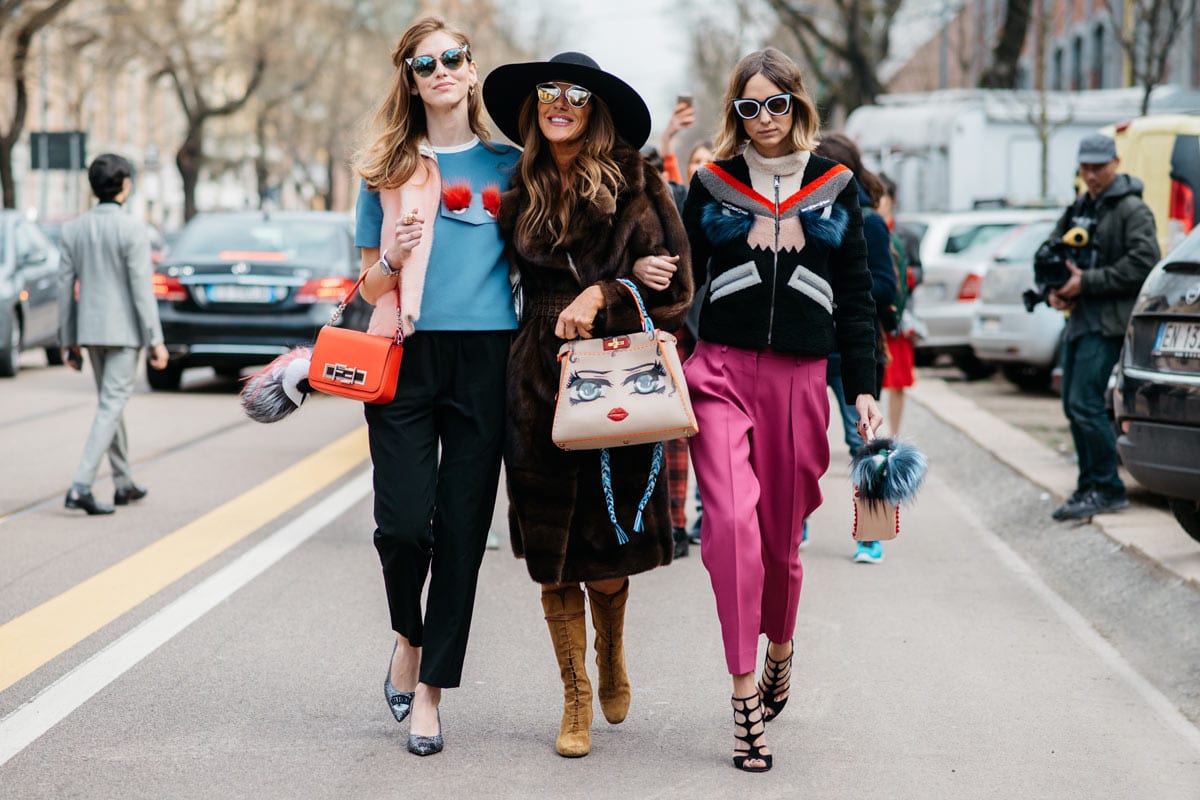
    Fendi, which started as a furrier in 1925, rebranded its Couture Week show this past July as haute couture, rather than the haute fourrure description it used in recent seasons.

    And while fur was still present in the label’s Spring 2019 collection, it was less prominent than in past seasons.

    Prada, too, has been decreasing its use of fur.

    Recently the brand has come under pressure as a result of a targeted campaign spearheaded by the Fur Free Alliance, a coalition of 40 animal rights groups.

    According to the company, thousands of e-mails demanding it bans animal fur have been sent to the Prada Group and personal addresses of employees.

    However, the company has not announced plans to stop using fur.

    “We believe it is important to stress that all the advertising campaigns of the Group’s brands, together with the fashion shows and displays in the shop windows, have not been presenting these products for some time, in order to discourage demand from consumers,” the Italian house said in a statement.

  • UK fashion retailer New Look to exit China

    UK fashion retailer New Look to exit China

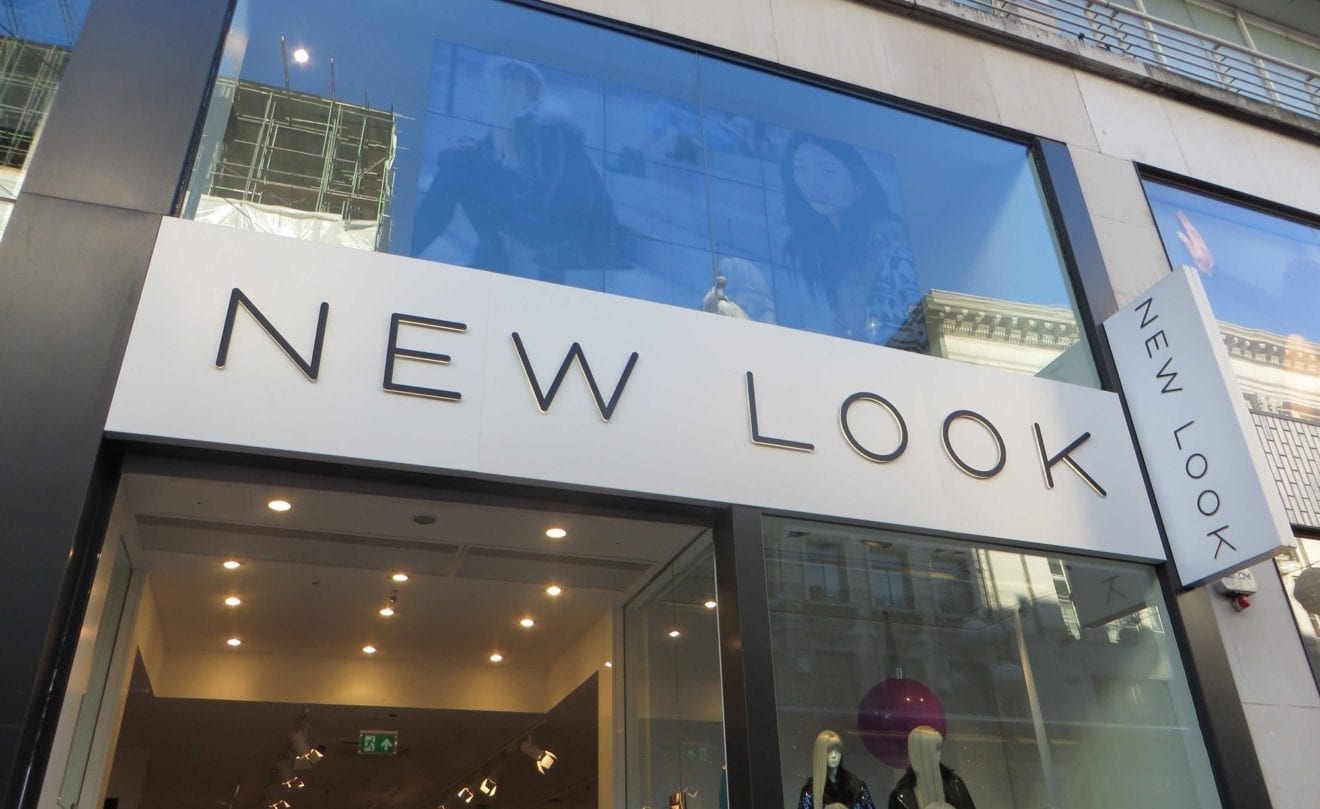
    Embattled UK fashion retailer New Look is to quite China, closing some 130 remaining stores. The move follows a strategic review of the China business announced back in June, when the company put the brakes on an ambitious 450-store rollout plan after opening just 148.

    New Look has appointed property specialist CBRE to find new tenants for the 130 remaining stores in the country.

    In March, South African-owned New Look signed a Company Voluntary Arrangement with its creditors and landlords in the UK allowing 60 stores there to be closed. Chairman Alistair McGeorge at the time cast doubt on the future of the China plans announced by former CEO Anders Kristiansen.

    New Look’s China exit comes two months after rival chain Topshop terminated a franchise agreement with local partner Shangpin “by mutual agreement”.

  • Beauty brand 3INA launches in Hong Kong

    Beauty brand 3INA launches in Hong Kong

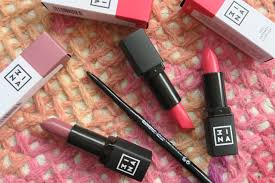
    Beauty brand 3INA, following its success in the  Chinese platform Xiaohongshu, launched in Hong Kong yesterday. Since the 3INA customer is the Millennial, the digital platforms have been a large part of the brand’s marketing and selling strategy. Social media and influencers have been key to its success.

    Launched in 2016 by Eve and Pablo Rivera, the very first 3ina makeup store was opened in London in February last year. Offering professional grade European-made cosmetics at an accessible price tag, 450 products across six categories, and trend-savvy products launching every four weeks, the British beauty brand was an instant hit.

    Hong Kong people will enjoy 3INA colorful mood at its first flagship store in T.O.P This is Our Place in Mong Kok with an assortment of over 700 products.

    3INA already has 27 stores in over nine countries around the world, including Australia, Belarus, Greece, Italy, India, Malta, Spain, South Africa, UK, and now Singapore.

  • Tod’s chairman denies rumours about a possible sale

    Tod’s chairman denies rumours about a possible sale

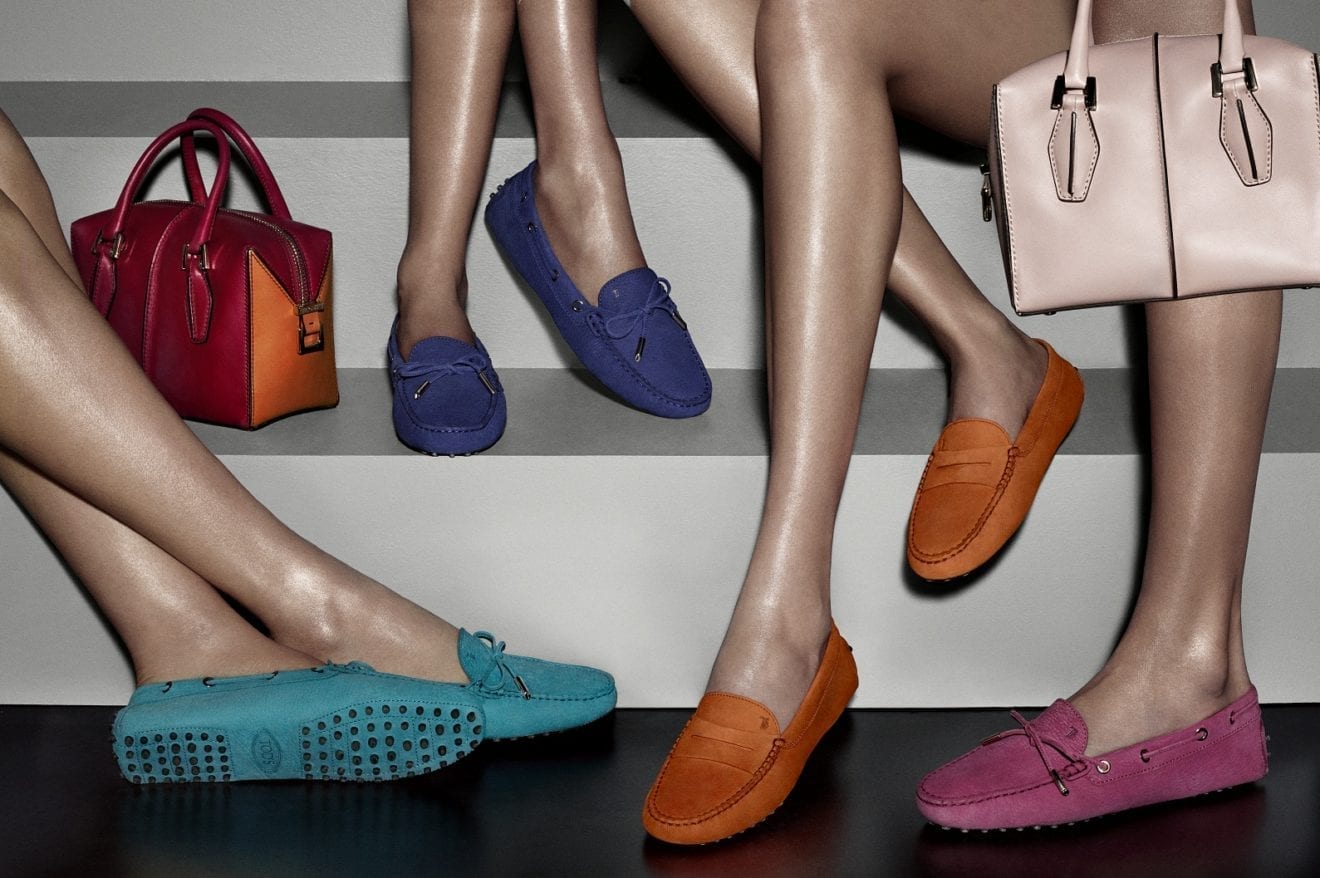
    Speaking at the 2018 Milano Fashion Global Summit, Tod’s Chairman and CEO Diego Della Valle denied rumours surrounding a possible sale of the Tod’s group, reports WWD. The report quoted Della Valle saying: “This rumor is a “recurring” one, but “if we really had to do an operation, it would be to buy, not to sell. “We are preparing the company for the next 10 years, when we will surely be attentive to new consumers, but carefully avoiding going overboard in chasing trends. We must not lose sight of who we are,” he added.

    Speculations followed after an Italian newspaper reported on Monday that Della Valle’s reorganization of the family’s holding companies may be an indication to a future sale of the group.

    The Della Valle family currently owns majority 60 percent of the Tod’s group through two separate holding companies – the Di.Vi. Finanziaria vehicle and the Diego Della Valle & C.

    For the first six months, Tod’s reported a 2.8 percent decline in its net profit to 33.7 million euros, while sales decreased 1.3 percent to 477 million euros compared to 483 million euros in the first half of the previous year but increased 1.8 percent at constant exchange.

  • First Victoria’s Secret Lingerie Store to open in Malaysia

    First Victoria’s Secret Lingerie Store to open in Malaysia

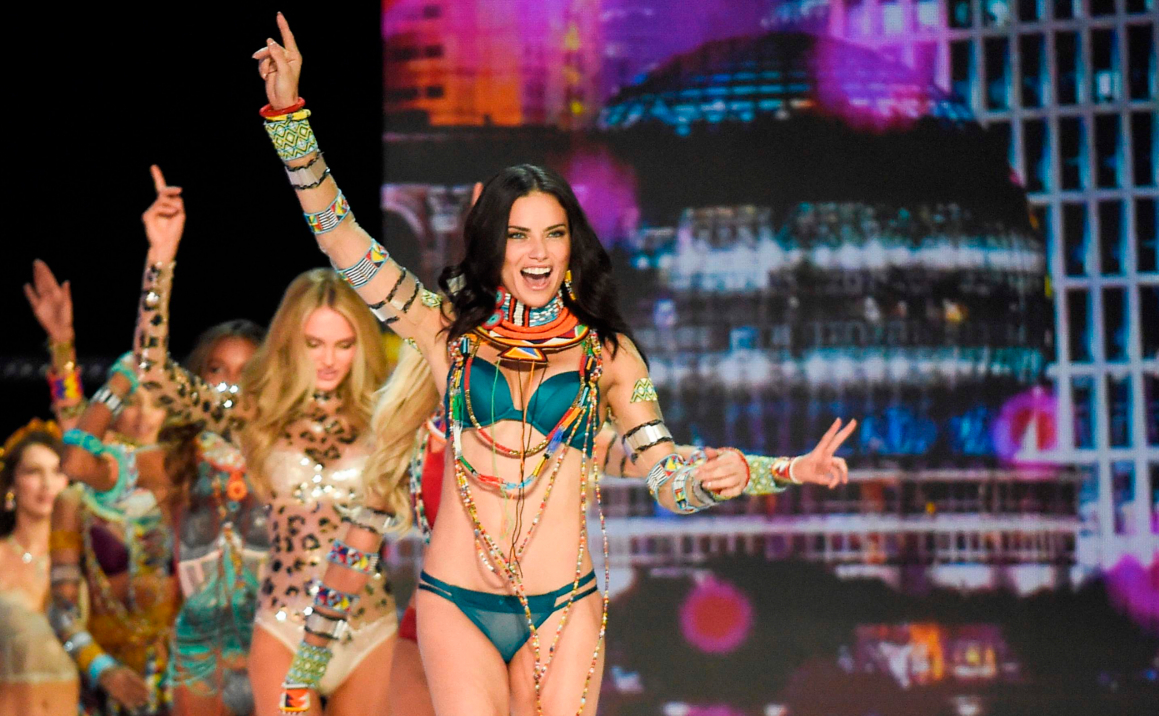
    The first full-range Victoria’s Secret Malaysia store has opened. Located in Mid Valley Megamall, the boutique has been launched by the US brand’s regional partner Valiram Group, which is also behind Victoria’s Secret stores in Macau, Bali and Singapore, (but not Hong Kong and Mainland China). It is reportedly planning more stores in Jakarta, Bangkok and Melbourne, Australia.

    The Kuala Lumpur store takes up 8233sqft, and has dedicated space for diffusion lines Pink and Victoria Sport, as well as the beauty products and perfume ranges stocked in earlier Victoria’s Secret stores in Malaysia.

    Many celebrities attended a formal opening earlier this month and social media key influencers including Joi Lynn have been photographed at the store.