Category: Fashion

Retail News Asia is committed to providing both local and global retailers with the latest Fashion news throughout the Asian market. This on a daily base.

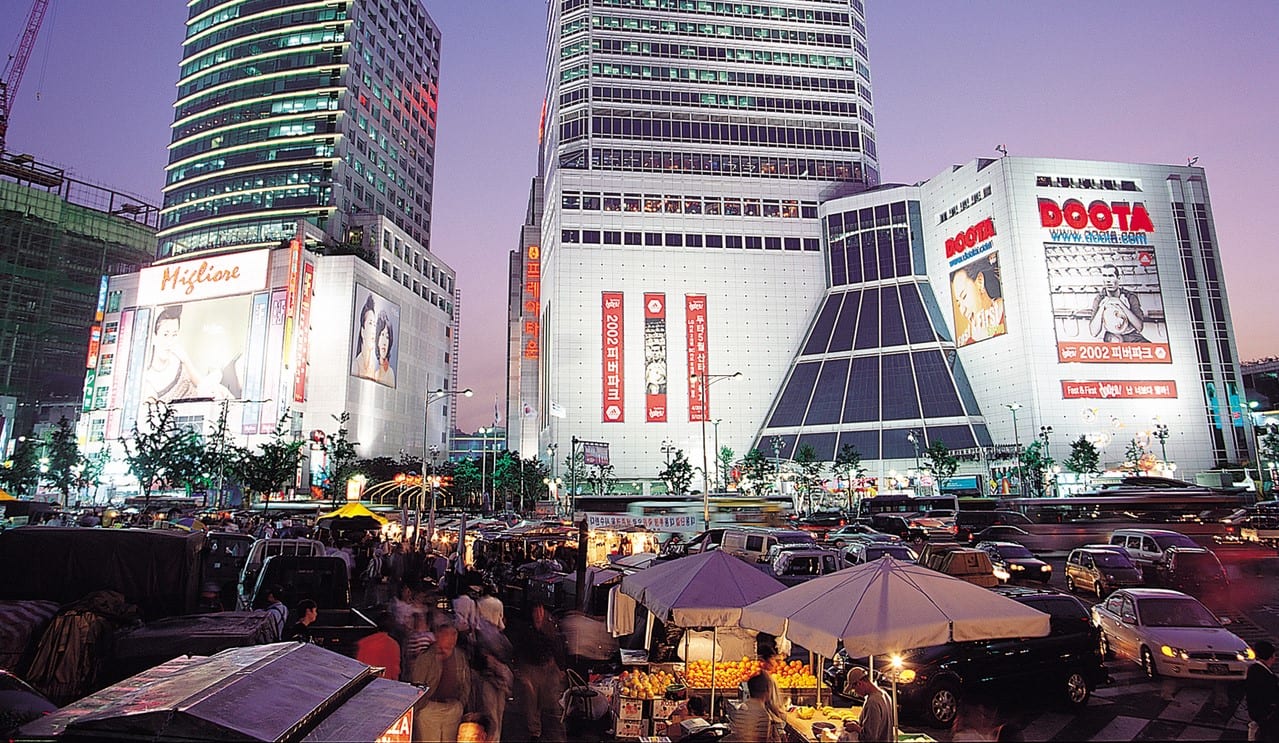
  • Spotlight on ASEAN for Korean retail, beauty and entertainment biz

    Spotlight on ASEAN for Korean retail, beauty and entertainment biz

    With Southeast Asia becoming the center stage for South Korean businesses in expanding their global presence, retail conglomerates like Lotte, Shinsegae and CJ have been successfully tapping into the markets. Lotte Group has focused its investments on its retail arm Lotte Shopping’s entrance to the Indonesian market. According to the company, the Indonesia market accounts for 17 percent of total sales earned from overseas Lotte Group businesses.

    Lotte Mart, a discount chain operated by Lotte Shopping, currently runs 46 stores in 25 cities in Indonesia. These stores raked in 1.1 trillion won (US$971 million) in sales as of the end of last year.

    By 2020, the company aims to open 36 more stores in 10 additional Indonesia cities.

    Following a successful entrance in the Indonesian market, Lotte Shopping now targets large-scale investment in Vietnam.

    The company will inject 330 billion won to complete the construction of Lotte Mall Hanoi by 2020.

    Shinsegae Group has been also speeding up its expansion into countries in the Southeast Asia.

    In 2015, Shinsegae’s discount chain operator E-mart opened a two-story mall located in the heart of Ho Chi Minh City at Go Vap District, one of the most developed and densely populated areas in the capital.

    The Go Vap branch marks E-mart’s first overseas store since the brand redirected its focus to the Southeast Asian market in 2011 after officially exiting the Chinese market.

    For over the next three years, E-mart will invest 549 billion won to open four more stores in Vietnam by 2020.

    The second outlet in Ho Chi Minh will open in the first half of next year, the group said.

    Singapore is another crucial country — geographically and economically — for the groups.

    SPC Group opened the first Paris Baguette store in Singapore in 2012. Now nine outlets are operated there, including one at Changi Airport.

    The group said its Singaporean branch Paris Baguette Singapore PTE marked a 12 percent increase in sales from 12.9 billion won in 2015 to 14.4 billion won in 2016.

    SPC Group said it has taken care to localize its services as much as possible to meet the needs and lifestyle of Singaporean consumers.

    Entertainment businesses have also penetrated Southeast Asian markets.

    CJ ENM, a merged corporation of CJ O Shopping and CJ E&M that officially launched in July, will open Asia’s largest virtual commerce content production center in Ho Chi Minh City, Vietnam, targeting audiences in Southeast Asian countries.

    The center, called DADA Studio Vietnam, will create and distribute at least 1,000 pieces of virtual commerce content from early next year.

    Focusing on making use of the low-cost production system and high efficiency of the talent pool in Vietnam, CJ ENM said its attempt to operate a content hub abroad would lead to boosted content sales from the global market.

    “CJ O Shopping and CJ E&M had already witnessed the possibility of the v-commerce content business through our DADA Studio and online creators’ platform DIA TV. To dominate the expanding global content market, a merger of the two CJ companies will show the synergized effect of CJ’s digital content and channel operation,” said Kim Do-han, a director at CJ O Shopping.

    Following the K-pop boom and popularity of Korean style makeup trends, Amorepacific opened an outlet of its high-end makeup and skin care brand Hera this year at the Takashimaya Department store in the heart of Singapore’s shopping district.

    “Targeting the Singaporean market is important with the K-pop and Korean culture wave’s sensational influence to surrounding countries. Hera’s trendy brand image will suit well with Singapore consumers’ taste,” said Na Jung-kyun, head of Amorepacific’s Southeast Asian region division.
  • The 15 hottest online luxury brands in 2018

    The 15 hottest online luxury brands in 2018

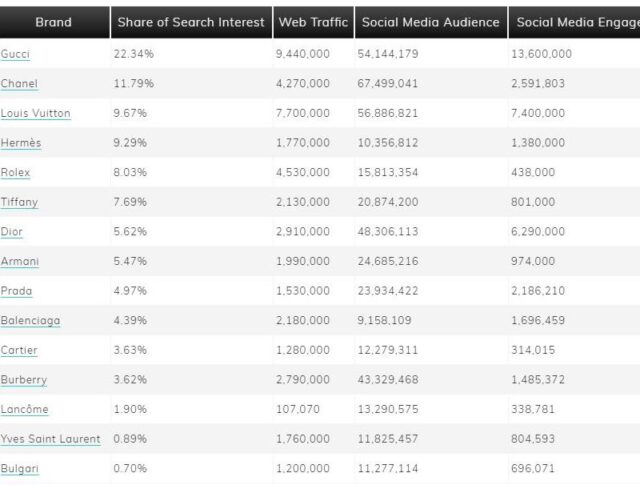
    Some brands have embraced digital better than others, as evidenced by their popularity online. According to a new report by Luxe Digital, the top 15 most popular luxury brands online are particularly successful at building online awareness but also at forging deep emotional connections with their audience—particularly young affluent consumers.

    The ranking provides a good gauge of the sales potential of the brands for this coming year-end.

    It’s also a great source of inspiration and best practices for luxury leaders. By exploring how the top high-end brands are performing online, one can understand the reasons for their popularity and how their approach could be replicated.

    Gucci is leading the 2018 ranking, followed by French houses Chanel and Louis Vuitton.

    Interestingly, it is Italian fashion brand Balenciaga that saw the most impressive growth thanks to its fresh take on luxury streetwear.

    The Direct-to-Consumer approach emerges as a winning strategy for luxury

    The ranking is largely dominated by fashion brands, although Rolex and Tiffany made it to the top 10.

    It is worth noticing that Lancôme is the only beauty brand to appear in the list, finishing at the 13th position.

    A noticeable trend is the Direct-to-Consumer retail model which is increasingly more adopted by luxury brands. The DTC approach emerges as a great way for high-end brands to control their brand identity online and own their customers’ data.

    Influencer marketing is also playing a key role in 2018. Virtually every brand in the top 15 has collaborated with social media influencers to shape the conversations online and drive brand discovery amongst untapped audiences.

    For luxury fashion specifically, high-end streetwear is clearly making the buzz this year.

    Other noticeable trends for 2018 include more interest in sustainable practices and social causes. Natural cosmetics, natural and vegan beauty products, in particular, are also generating a lot of online interest.

    The rising share of affluent Millennials and Gen Z consumers

    These trends are mainly driven by the growing portion of more socially-conscious, affluent Millennials and Generation Z consumers.

    This shift in consumers’ values and preferences combined with the disruptive impact of new technologies are challenging the traditional notions of luxury.

    As the sophisticated younger generations become important luxury shoppers, modern luxury brands are evolving their offerings to appeal to their specific tastes.

    Luxury brands are also adapting their marketing strategy to offer a seamless shopping experience both online and offline in line with the younger affluent consumers’ growing expectations.

    Conscious of the essential role that new technologies play in driving their narrative, luxury leaders are finally embracing digital technologies.

    For brands, it is clear that the ability or inability to pivot to this new reality will continue to widen the gap between the successfully agile luxury brands and the slow adopters.

  • H&M lingerie line that fits Asian lauched

    H&M lingerie line that fits Asian lauched

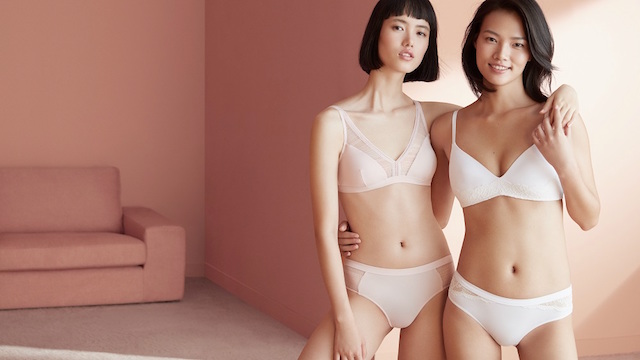
    H&M has launched its first Asian-fit lingerie collection. The collection, now available at H&M stores with lingerie departments within Hong Kong as well as on hm.com, has been designed to impress Asian women with its comfortable fabric and skin-friendly design.

    The label’s 44-stitch superfine fibre has been used to bring a soft touch to the skin, while the wire-free feature and triangle-cup design is intended for comfort and fit for all sizes and cups, with side support for comfortable body shaping.

    Promotional materials for the collection emphasises the use of superior materials to offer a high level of skin-friendly, breathable comfort.

  • Lotte Duty Free’s expanded flagship Seoul store with focus on K brand

    Lotte Duty Free’s expanded flagship Seoul store with focus on K brand

    Lotte Duty Free has opened a new 519 square meters area at its flagship store in Myeong-dong, Seoul, with a strong emphasis on promoting small and medium-sized Korean brands. A highlight of the zone, located in the store’s Star Avenue, is ‘Blooming Beauty’, a shop-in-shop that houses around 130 brands, 60 of them small, emerging brands and 30 of them independently owned. These include the Marvel collection from The Face Shop, Medicube, Miba, Cosmetea, Wakemake and others.

    The company said it was “upgrading its incubation programme” for smaller brands, and would support them by distribution through its online sales channel and at its downtown Seoul outlets.

    It said that these brands would “demonstrate their sales potential” in the new environment.

    The store, it added, “will enhance customer convenience through brand diversification and space expansion”.

    To celebrate the opening of the new Star Avenue area, Lotte Duty Free presented gifts from 20 brand partners in the Blooming Beauty zone to shoppers who spent more than US$1.

    There are also special discounts for local residents until the end of October, and discounted sales of KT&G’s new ‘heat not burn’ product Lil will be available until 22 November.

  • Jessica Jung to Launch an Exclusive Bag Collection with Zalora

    Jessica Jung to Launch an Exclusive Bag Collection with Zalora

    Online fashion retailer Zalora is partnering with Blanc & Eclare by Korean-American singer and fashion icon Jessica Jung. The collaboration will involve a limited edition bag collection that will be available exclusively on the Zalora website and mobile app across Southeast Asia. It is Blanc & Eclare’s first bag product.

    The “Poppy” bag reflects Jessica Jung’s understated design aesthetic featuring subtle unexpected elements.

    Zalora’s CCO Saskia De Jongh said that as one of the region’s most fashionable and successful multi-hyphenated celebrities, Jessica’s style is admired across the world, and Zalora is proud to give fashion consumers in the region a piece of Jessica’s most coveted fashion must-haves.

    “This collection is a testament to Jessica’s position as a formidable curator of style as she brought her modern interpretation of a classic bag design.”

    Jung said of the collaboration: “I’ve always believed in the power of social media and technology to bring fashion closer to everyone. Zalora has transformed how people shop fashion in their part of the world, and we at Blanc & Eclare are fortunate to have the opportunity to reach consumers and fans across the region and offer them a beautiful and practical bag collection through our partnership with Zalora.”

    The exclusive collection will be available on all Zalora websites and app from October 26.

  • Icicle Fashion Group buys the Parisian fashion label

    Icicle Fashion Group buys the Parisian fashion label

    Icicle Fashion Group has beaten out a phalanx of bidders to buy out French fashion brand Carven. The financial terms of the deal were not disclosed. Despite Carven’s difficulty carving out a place in the modern fashion firmament, Icicle founder Shouzeng Ye said that the label offers considerable value to Icicle as a vehicle for global expansion, access to European design expertise and international luxury brand credibility.

    “Our strategy is to expand internationally,” he said. “We started in 2013 by opening our design centre in Paris. We are going to open our first international flagship store in Paris next Autumn 2019. Carven is our third large-scale international investment. It helps us to accelerate Icicle Group’s expansion and development.”

    Hung Huang, a long-time fashion identity in China, who last year wrote a book marking Icicle’s 20-year anniversary, sees overwhelmingly positive outcomes for both investor and investee as a result of the deal.

    “So many Chinese companies are buying luxury brands from overseas, but this is the most promising of these acquisitions. Because Icicle is already a successful fashion brand in China, they have a deep understanding of manufacturing and operating in the Chinese market,” she explains, adding that Carven will benefit from the fact that Icicle is not acquiring the brand purely as an investment project, but has value beyond the monetary injection to offer the French brand.

    Little known outside China, Icicle, known as Zhi He in its homeland, was founded by Shouzeng Ye and Shawna Tao in 1997 and has been a leading proponent of sustainable fashion in the country for more than two decades.

    Turning over more than 1.6 billion RMB (a little over $231 million) annually through its network of 200 stores in Mainland China and e-commerce operations, the privately-owned Icicle is headquartered in Shanghai and has a workforce of more than 2,000 in China, but also opened a design centre in Paris back in 2012, where its top-tier collection is conceived.

    On the other hand, according to Brock Silvers, managing director of Kaiyuan Capital, a China-based multi-asset advisory, a multitude of questions remain as to whether the partnership will indeed be a win-win for Icicle and Carven, especially given the premium price Icicle is paying and its reported promise to keep key Carven structures and people in place as part of the deal.

    “Is China ready to manage French fashion? Is Icicle prepared to expand beyond its eco-friendly mandate? A successful bid may not translate into an easy victory and Icicle management may soon be put to the test,” Silvers says.

    Icicle is among several peers from China ramping up their fashion portfolios through overseas acquisitions. Conglomerate Fosun Group purchased a majority stake in French brand Lanvin and textile giant Ruyi Group owns Bally, Aquascutum and Gieves & Hawkes.

    “[This] will continue because the Chinese consumer is fuelling the growth of the luxury sector. Therefore, Chinese companies can acquire an international brand and extract its potential in China, leveraging knowledge of successful approaches to marketing, pricing and distribution in the domestic market,” says Mario Ortelli, managing partner of luxury advisors Ortelli & Co.

    The Boston Consulting Group (BCG) estimates Chinese consumers already make up 32 percent of the global luxury market – a number predicted to rise to 40 percent by 2024. Data from McKinsey & Co. shows revenue growth in China’s luxury segment was around 15-20 percent for the first half of this year.

    Another major factor is the urging of China’s government for corporate leaders to help push China’s economy towards a consumption model, away from its traditional manufacturing base, which continues to weaken due to lower-cost competitors elsewhere in Asia, rising wages, and more recently, pressure from China’s trade conflict with the US.

  • Bath & Body Works to open first store in India soon

    Bath & Body Works to open first store in India soon

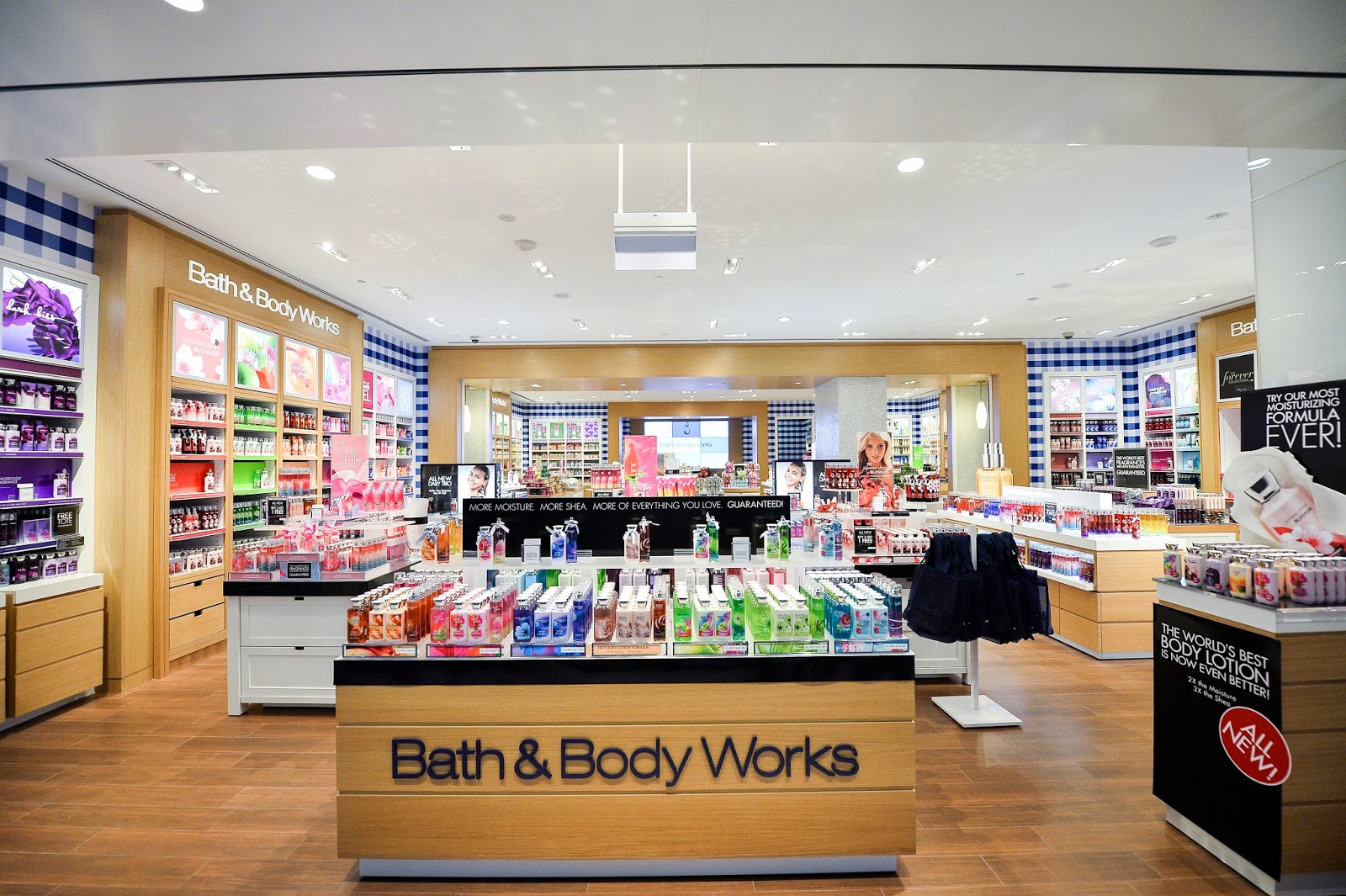
    Major Brands, India’s leading retailer for premier international fashion apparel, accessories and beauty brands is all set to launch Bath & Body Works first store in Mumbai at Palladium soon. Having established itself as one of the best and most sought after personal essentials and home fragrance brand, the Palladium store will be spread over 900 sq.ft that will allow customers to explore an extensive array of fashion fragrances for the bath, body and home.

    From fun and flirty scents to sophisticated and exotic fragrances, Bath & Body Works offers a wide range of world-class fragrances to suit every personality and occasion. Hallmark collections of the brand, including the Signature fragrances and White Barn Home Fragrance will also be available at the store.

    Launched in 1990, the brand’s portfolio today comprises over 200 different fragrances including the iconic Sweet Pea, Japanese Cherry Blossom, A Thousand Wishes, Aromatherapy, Hello beautiful as well as new seasonal releases.

    Earlier this year, the brand opened two of its flagship stores in New Delhi at Select Citywalk and Mall of India.

  • Ralph Lauren introduces the Polo Bear Watches collection

    Ralph Lauren introduces the Polo Bear Watches collection

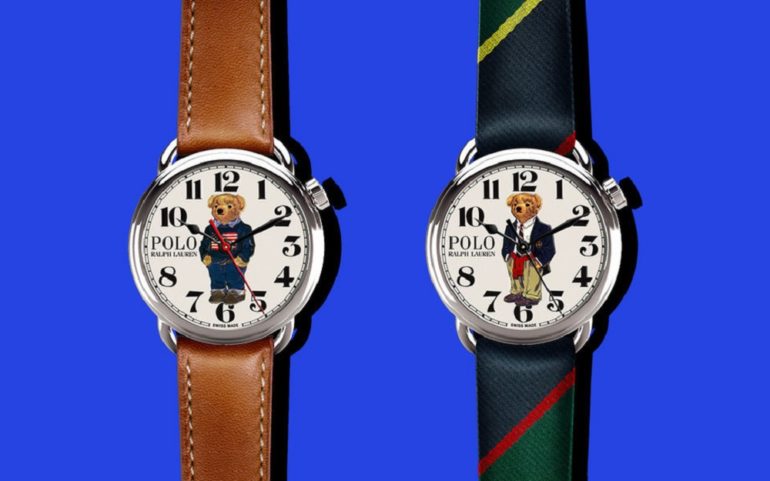
    Continuing his 50th anniversary celebration, Ralph Lauren is launching the Polo Bear Collection, which combines Swiss watchmaking with the Polo Bear — a favorite icon in the designer’s world. The collection represents the first time Lauren has created timepieces specifically for the Polo brand. The four bears that are featured are Flag Bear, Martini Bear, Preppy Bear, and Spectator Bear, each inspired by his personal style and retailing for $2,000 a piece.

    In an interview at his Manhattan office last week, Lauren said the idea of the watches was just for fun. They’re not smart watches, nor are they rife with complications such as minute repeaters, chronograph, time zones or moon phase.

    “It’s purely a fun project. It was not about who’s out there and what are they doing” said Lauren, chairman and chief creative officer of the $6.2 billion Ralph Lauren Corp.

    Asked why he chose now to launch Polo Bear watches, Lauren said there was a lot of activity around the 50th anniversary, and it seemed like an appropriate time.

    The Polo Bear has been a constant theme at the company for over 25 years.

    In 1991, the Polo Bear was introduced with 200 limited-edition bears produced by Steiff, the German toy manufacturer, and dressed in miniaturized Polo Ralph Lauren apparel. Since then, the stylish bear has appeared as embroidery, prints and patches on a variety of items, from neckties to sweaters.

    Lauren anticipates that these four unisex watches will evolve into other bears, as well as other designs under the Polo banner.

    Taking a page from the first piece Lauren designed, the necktie, each watch can be customized with interchangeable straps crafted from necktie silk twill patterns as well as options in French calfskin or exotic alligator.

    The buckles on all the watches are a stainless-steel pink buckle, engraved with Polo while the case includes a commemorative 50th anniversary plaque set over the rotary.

    Manufactured in Switzerland in partnership with Compagnie Financière Richemont, the watches will be distributed exclusively to select Ralph Lauren stores and the Ralph Lauren web site, beginning next month.

    A collection for kids could be a possibility down the road. “I’d like kids to have it. That might be next,” he said.

    Lauren said they made the decision to put the Polo Bear watches into the new Polo watch division, rather than the Ralph Lauren watch division for a specific reason. “There is a charm to Polo watches and a price difference. The Polo Bear is a younger, more sporty, fun watch, and it felt more like Polo,” he said.

    The price range of Ralph Lauren Watches is from $1,500 to $99,500.

    With all the interest with Polo Bears, Lauren said he would consider doing stuffed animal bears as a category. “We might. It could be the beginning of something. You might see them on television,” said Lauren, but quickly added he has no plans to do a TV show with the Polo Bears.

    Speaking of television, the conversation turned to a Lauren documentary that will appear on HBO early next year directed by Susan Lacy.

    Having spent the last few months celebrating 50 years of the Ralph Lauren brand, the designer was asked what’s on deck for the next 50 years.

    “I think I accomplished 99 percent or more that I ever dreamt of.” he said.

  • Superdry expect loss from prolonged summer

    Superdry expect loss from prolonged summer

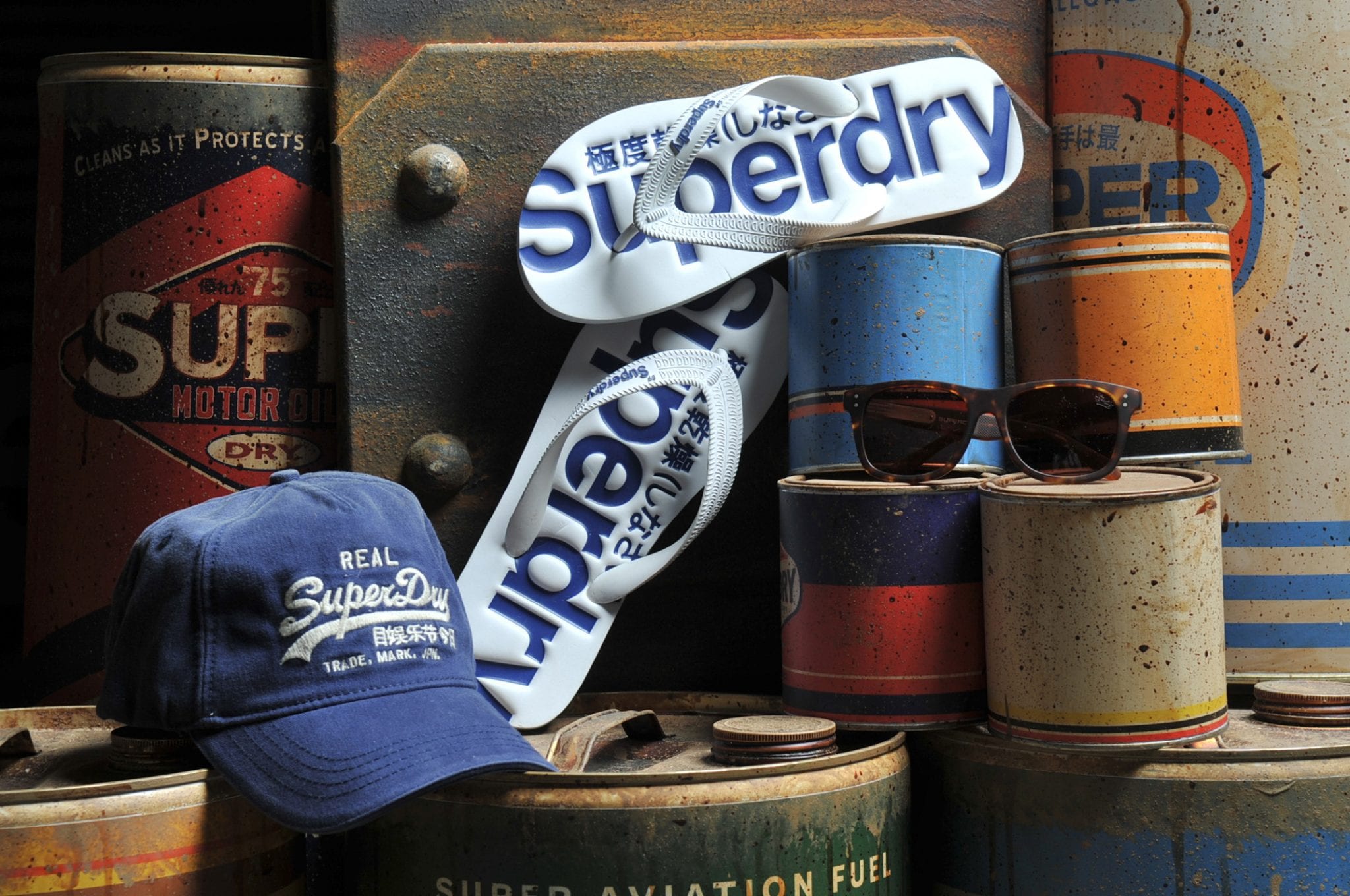
    Superdry has issued a profit warning, saying an unseasonably warm European and US east coast summer together with foreign exchange costs will reduce income by about £10 million. “Superdry is a strong brand with significant growth opportunities, backed by robust operational capabilities, but we are not immune to the challenges presented by this extraordinary period of unseasonably hot weather,” said CEO Euan Sutherland in a statement.

    “We are well prepared for peak trading, but the second half of financial year 2019 presents both risks and opportunities.”

    The company’s share price fell a heavy 20 per cent in early trading after the announcement was made.

    Foreign exchange costs are expected to be about £8 million higher this year and the collapse of department store chain House of Fraser has left the fashion retailer an estimated £236,000 out of pocket.

    Sofie Willmott, senior retail analyst at GlobalData, said rival chains Quiz, Coast and Ted Baker have all been hit by the downfall of House of Fraser. “Superdry, the usually untouchable brand that consistently delivers double-digit sales growth, is the next to be affected.”

    Willmott said Superdry has had an unhealthy reliance on autumn/ winter stock and was unable to trade in season.

    “Given that the only certainty with weather is that it can be unpredictable, Superdry should have been better prepared to react to the prolonged warm summer, cutting back on volumes of jackets and coats to avoid overstocks and the need for markdowns.”

    Superdry knows this is an issue and is five months into an 18-month product-diversification program to broaden its range.

  • Sanrio Teams Up With The Créme Shop Launching Hello Kitty Skincare

    Sanrio Teams Up With The Créme Shop Launching Hello Kitty Skincare

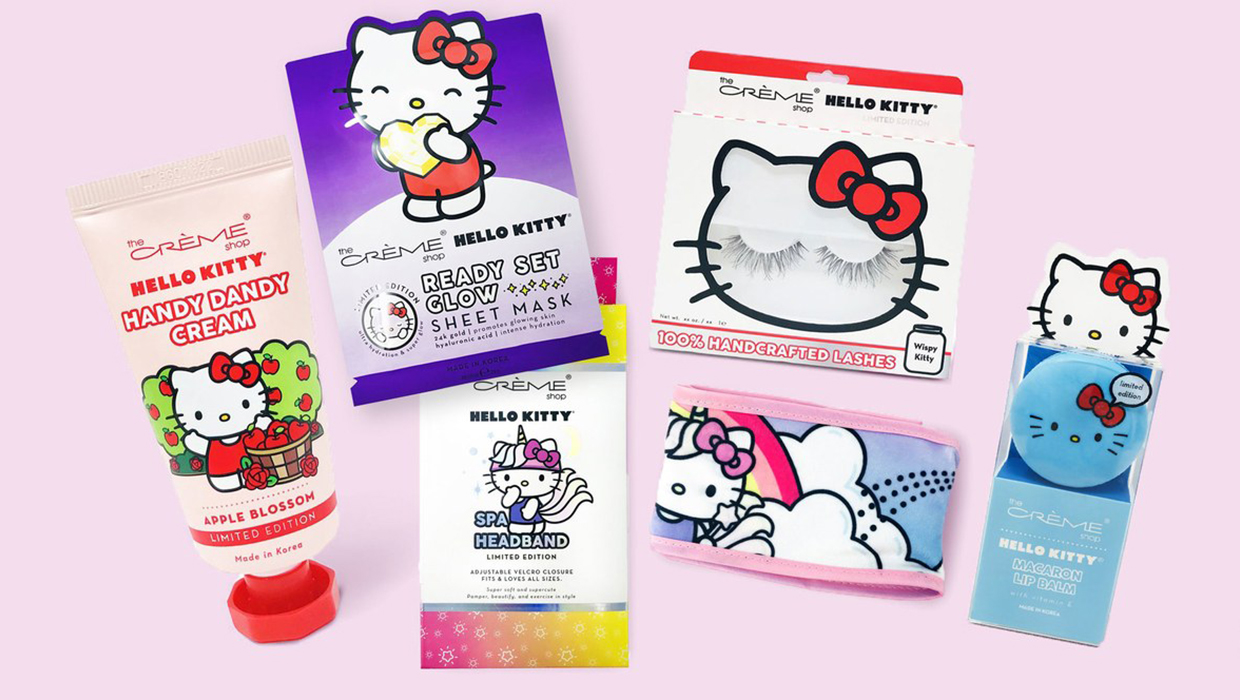
    Skin-care retailer The Creme Shop has released a collaboration with Hello Kitty. The new product range features 51 items adorned with the world-renowned Sanrio character, including face masks, lip balms, hand creams and bath bombs.

    The Creme Shop’s executive director Olive Kim said: “As a brand that loves to create fun and eclectic products for our customers, a partnership with Sanrio felt natural to us. We’ve always adored Sanrio’s whimsical aesthetic and feel that this collaboration will only enhance the enjoyment our customers receive from our products. The best news is, this is only the beginning of our collaboration, and we can’t wait to create more exciting beauty and skin-care products with Sanrio.”

    While the products are currently only available online and at the Sanrio flagship Los Angeles store, they will eventually be made available for sale at a range of offline chain stores.

  • Premium organic skincare brand Ikkai launched in India

    Premium organic skincare brand Ikkai launched in India

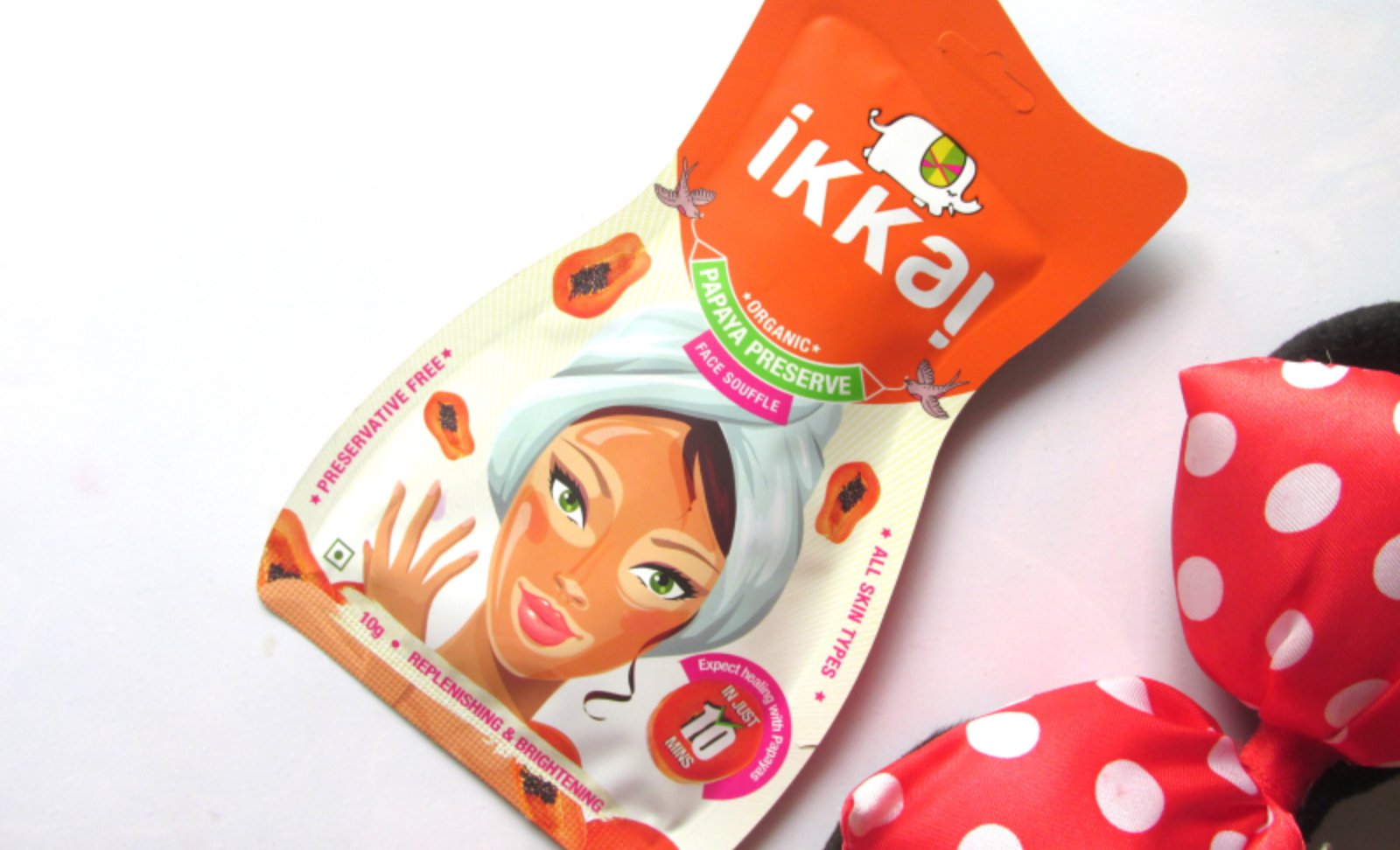
    India’s leading natural beauty brand Lotus Herbals has unveiled Ikkai, a premium organic skincare brand. Ikkai is a fun beauty care brand for the youth that delivers awesomely convenient organic skincare products in single use packs. Considered to be the ‘Future of Skincare’, Ikkai consists of a range of adorably delicious, happy beauty products that include organic face masks, soufflés and scrubs. The entire range employs potent organic formulations that administer higher concentration of active ingredients in each product to provide safe and natural care effectively. It helps combat the effect of stress, pollution and environmental damage making it one of the finest natural care products available in the market place.

    Speaking at the unveiling of Ikkai, Nitin Passi, Director, Lotus Herbals says, “It has been our endeavor to provide the Indian consumer the finest natural care products since we launched Lotus Herbals in 1993. Ikkai is a premium organic skincare brand that caters to the emerging skincare needs of today’s millennials and contemporary women. We are confident that our range of organic face masks, scrubs and soufflés packaged in one time use packs will appeal immensely to our target consumer.”

    Ikkai offers an innovative range of skincare products that are made with naturally sourced ingredients and enzymes. Cusotmers can indulge in the goodness of acai berries, blueberries, papaya enzymes , extracts of orange, lemon, carrot oil, almond meal, walnut shell and lot more.

    Ikkai products are available at leading e-commerce portals like Nykka, Amazon, Purple and Flipkart. These convenient one time use packs are priced between Rs 75 to Rs 325 for the combo packs.

  • Karen Millen helps Coast recover

    Karen Millen helps Coast recover

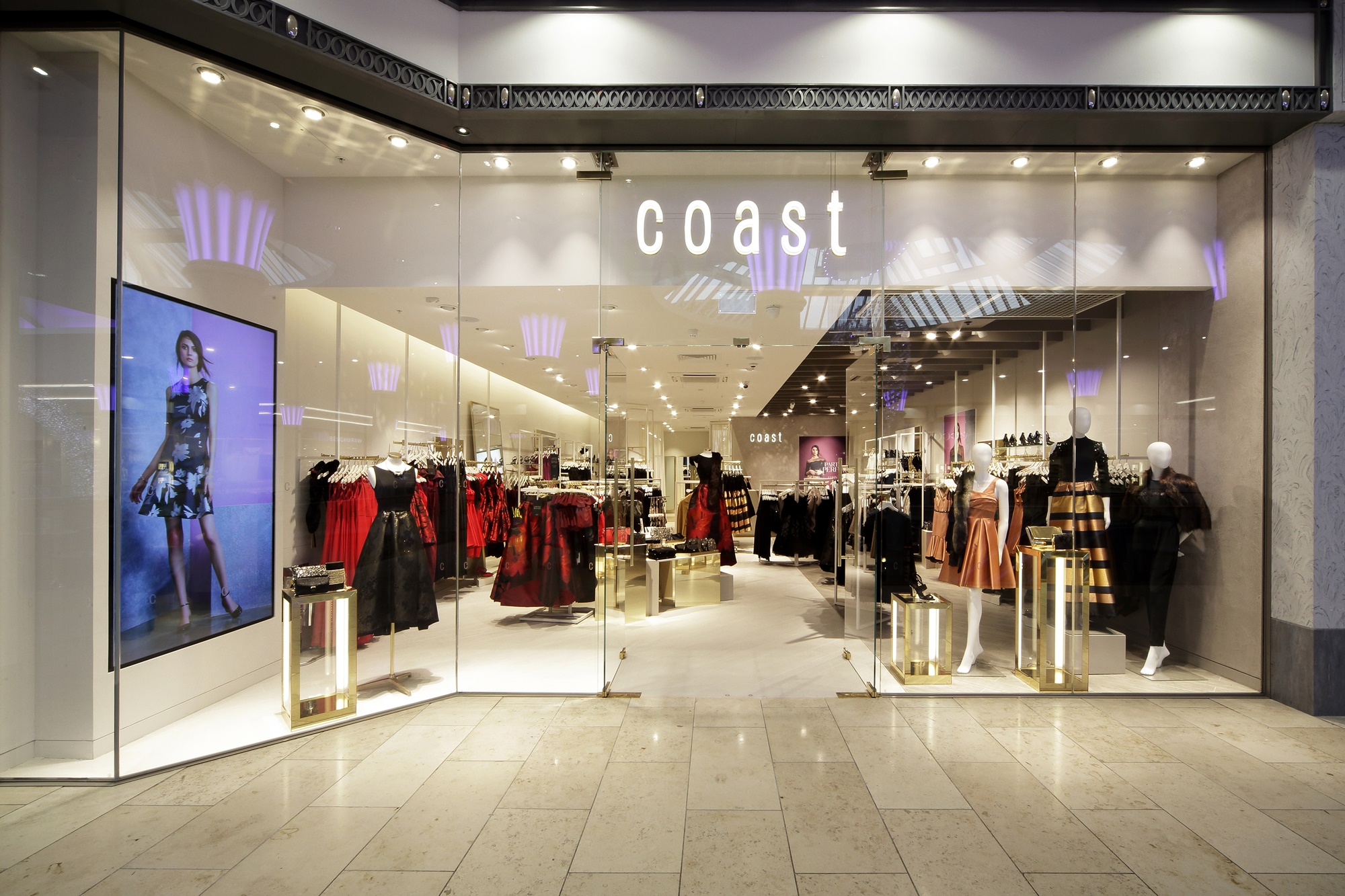
    British clothing retailer Karen Millen has bought a stake in fashion label Coast following the brand’s administration by PwC. The purchasing company has agreed to take on Coast’s UK concessions portfolio and online businesses, saving 600 jobs in the ailing firm. It will be trading through cooperating wholesale and franchise businesses. Coast’s standalone stores were excluded from the deal.

    Karen Millen CEO Beth Butterwick said: “We are excited to be welcoming over 600 Coast employees to the family. With its beautiful fabrics, stunning colours and signature designs, Coast is a much-loved fashion brand that has dressed women for all occasions since 1996. Our expertise and infrastructure puts us in a unique position to create a lean and profitable business, ensuring it remains a thriving destination in department stores and online.”

    Coast was originally part of a group owned by Karen Millen’s parent company, Icelandic bank Kaupthing.

    Coast gift cards and returns will be honoured by its new owners.

  • Kiehl’s Loves immersive celebrity driven campaign hits big

    Kiehl’s Loves immersive celebrity driven campaign hits big

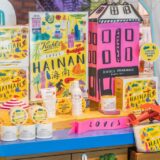
    L’Oréal-owned skincare brand Kiehl’s is leveraging star power and immersive digital technologies for the third edition of its annual ‘Kiehl’s Loves’ campaign, titled ‘Kiehl’s Loves Around the World 2018’. The campaign was officially launched in Hainan last month with an influencer-driven mega event and an immersive pop-up featuring augmented reality (AR) technology and digital retailtainment – a first for the brand.

    In another first, Kiehl’s has appointed some of the region’s top celebrities to front the campaign, which will run in nine locations across Asia Pacific travel retail: Hainan, Bangkok, Jeju, Seoul, Beijing, Shanghai, Hong Kong, Macau and Taiwan.

    These celebrities will serve as “adventurers” in the travel-themed campaign, each representing a specific location.

    South Korean singer Hwang Chi-Yeul has been chosen as the campaign’s “global explorer”, representing Kiehl’s home city of New York.

    Joining him as local “city hosts” are Chinese singer Wang Ziyi (representing Hainan), Chinese actor Dong Zijian (Beijing), Chinese fencing athlete turned singer and actor Dong Li (Shanghai), Taiwanese singer and actress Emma Wu Ying-chieh (Taiwan), and Hong Kong Cantopop singer and songwriter Pakho Chau (Hong Kong).

    Kiehl’s Loves is a global campaign that celebrates the countries and cities served by Kiehl’s worldwide.

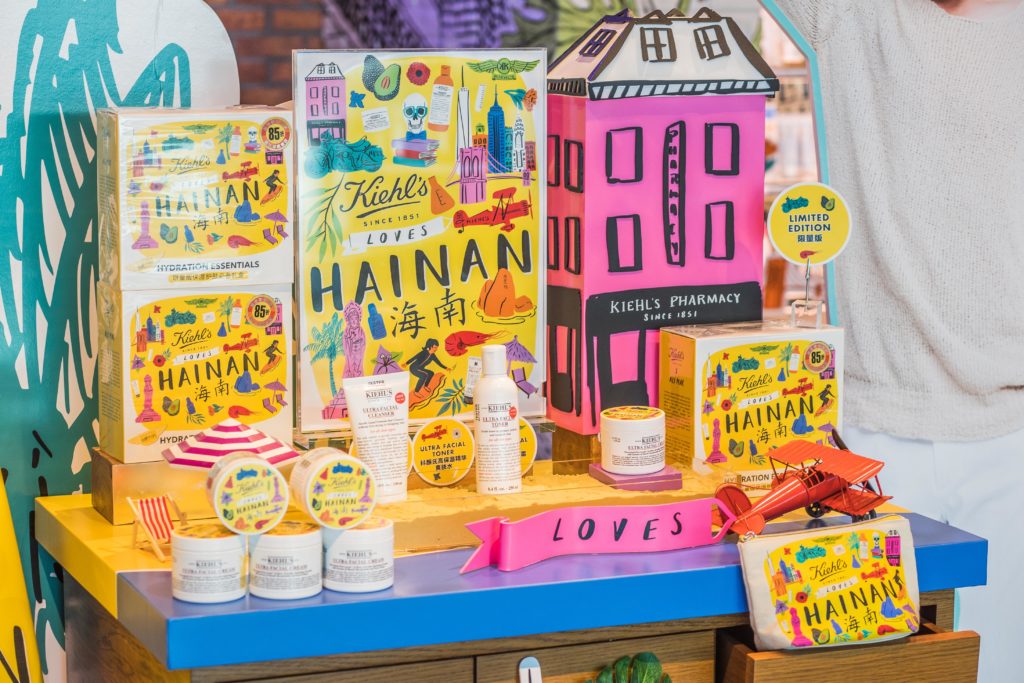
    Following in its annual tradition of working with internationally acclaimed artists, this year Kiehl’s has teamed up with New York-based graphic designer and illustrator Ali Mac to create limited-edition packaging for Kiehl’s products.

    Ali Mac has designed artwork for more than 50 international Kiehl’s locations, combining symbols of the brand’s heritage with visual icons that are characteristic to each city’s local culture and DNA.

    Besides product packaging, the fun and colourful artwork will also be featured on travel-themed items such as totes bags, pouches and luggage tags.

    Kiehl’s Loves Around the World 2018 kicked off in Hainan, China, with an immersive pop-up store that ran from 1–29 September at China Duty Free Group’s Sanya International Duty Free Shopping Complex.

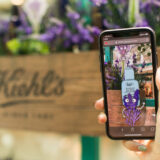
    Located at the level 1 concourse, the pop-up was designed to highlight Kiehl’s bestselling products using AR technology to create a disruptive, engaging experience.

    It comprised a number of themed areas – a nature room, an adventure room and a Kiehl’s 1851 apothecary – with digital touchpoints to engage shoppers.

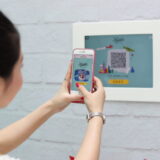
    Scanning the QR code on WeChat called up AR features that illustrated product information and directed users to the Kiehl’s e-commerce site and the Kiehl’s store on level 2 of the shopping complex, driving O2O (offline-to-online/online-to-offline) conversion.

    A digital photo booth also provided photo opportunities and encouraged sharing on social media. Thanks to AR technology, shoppers could find out more about the products via WeChat.

    On 22 September, L’Oréal Travel Retail Asia Pacific and China Duty Free Group (CDFG) celebrated the campaign launch with a high-profile promotional event, attended by key opinion leaders (KOLs) and media from China.

    Global campaign ambassador Hwang Chi-Yeul and Hainan ambassador Wang Ziyi made special appearances at the event, where they played games and interacted with their fans.

    Thanks to their participation in Chinese reality shows, both singers have amassed a significant following in China, with more than five million Weibo fans each.

    Terry Chua, CDFG-Sunrise Group Merchandising Director of Perfumes & Cosmetics, commented: “Kiehl’s Loves Around the World is a 360 campaign. It has targeted communications on WeChat, and they have invited celebrities and KOLs which appeal to the younger generation – the Millennials and Generation Z. On top of that, it’s important that we have sufficient stocks to cater to demand and are well prepared in terms of design and safety, so that customers can have an enjoyable experience when they come to the Kiehl’s pop-up and leave with nice memories. This kind of continuous investment in brand building will continue to keep Kiehl’s at the top of the consumers’ minds.”

    Following Hainan, the Kiehl’s Loves Around the World 2018 campaign will continue its travel retail roll-out this month in Seoul.

    A similar consumer engagement event will take place downtown, with another appearance by global ambassador Hwang Chi-Yeul.

    L’Oréal Travel Retail Asia Pacific General Manager of Kiehl’s Adele Zhang told The Moodie Davitt Report that China and Korea were natural choices when it came to selecting the locations for hosting events as they both have very good travel retail shopping environments and are very advanced in engaging millennial consumers.

    “We believe that travel retail is a great showcase to promote the brand and to engage customers. Of course, we have some constraints in the airports with space etc., but with downtown duty free shops we have more flexibility.” she said.

    The Kiehl’s Loves campaign taps into the demand for exclusive gifts in travel retail and creates a Sense of Place, a trend that has been pioneered by Kiehl’s for years, Zhang said.

    The digitalisation of the campaign, through e-commerce and digital/social media, allows Kiehl’s to reach out to millennials and better engage them, she added.

    The use of AR technology to highlight the brand heritage also helps to create memorable experiences.

    Looking ahead, Zhang is looking to continue the strong growth of Kiehl’s and make it a leading skincare brand.

    “Kiehl’s is not a media-driven brand, and we don’t invest heavily in above-the-line. The brand relies on two things: word-of-mouth and high-quality, effective products. Kiehl’s can be categorised as a lifestyle brand, and it originates from New York so it’s perceived as a fun and hot brand, so I think we can do something different from other brands.

    “We hope to make Kiehl’s a brand that is desired by young people. When they think about brands with high-quality products and 100% natural ingredients, we want Kiehl’s to be at the top of their minds,” she said.

    View the gallery below for photos of the event (8 images) :

  • Foot Locker’s Newest Store Features a Barber Shop and Gaming Zone

    Foot Locker’s Newest Store Features a Barber Shop and Gaming Zone

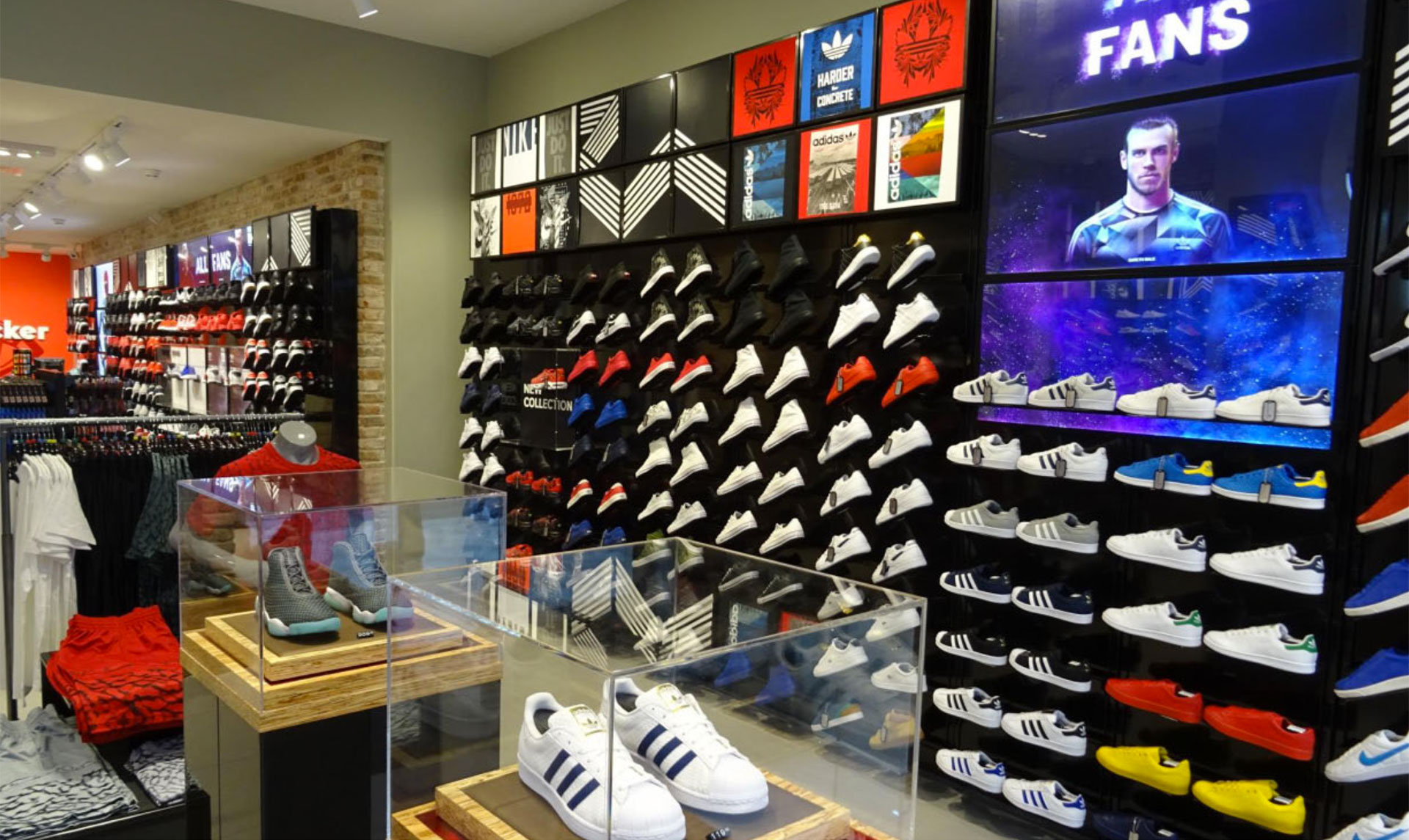
    Foot Locker is diving headfirst into experiential retail with the debut of its Hong Kong “power store,” a 26,000-square-foot sneakerhead paradise where shoppers can get a haircut or hang out and play Xbox in between trying on shoes.

    Located in the city’s bustling Kowloon shopping district, the store is one of four the company plans to open throughout Asia in the 2018 fiscal year, with three in Singapore and one in Malaysia rounding out the pack. Only the Hong Kong location, however, qualifies as a power store, which Foot Locker’s chairman and CEO Dick Johnson described on the company’s last earnings call as an effort “in key markets to create more immersive and community-oriented customer experiences.”

    Power stores in Liverpool, England, and Oxford Street in London likewise feature collaborations with local artists, on-site barber shops, sneaker cleanings and gaming zones, all designed to enhance the in-store experience at a time when many sneaker fans do much of their shopping online or via app.

    The company is betting on its new Asia outposts to help drive sales as its growth in the U.S. and Europe have flagged slightly in recent quarters. It is also launching e-commerce in Singapore for the first time, complementing its in-store offerings.

    Throughout the year, the company plans to open 45 new stores and close 120 less profitable locations, and Johnson said power stores are in the works for the domestic market, with the Detroit area up first. The trick, he said, is finding “the right property, the right lease terms and the right construction period to make it happen.”

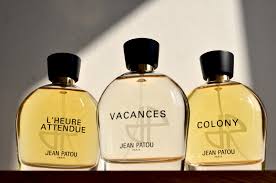
  • LVMH names Sophie Brocart as CEO of Jean Patou

    LVMH names Sophie Brocart as CEO of Jean Patou

    Last month, LVMH named Guillaume Henry new Creative Director of Jean Patou. Guillaume Henry is coming back to Fashion Week, resurrecting the Jean Patou maison with LVMH’s backing. The former creative director of Carven and Nina Ricci was handpicked by LVMH’s Sidney Toledano for the role and is expected to debut his vision for Jean Patou in 2019.

    To support Guillaume Henry, LVMH has announced Sophie Brocart as CEO.

    These changes are in preparation of a global brand transformation.

    “Jean Patou is a very exciting project. It is just at the beginning, but we are all there to support Guillaume Henry’s creativity,” Brocart said to FashionNetwork.com.

    Born in 1880 in Normandy, Jean Patou, the son of a tanner and nephew to a furrier was well experienced in the area of design before deciding to venture out on his own and open a small dressmaking salon in Paris in 1912 . Success came quickly to Patou who sold his entire 1914 collection to a single American buyer, however, he was forced to put his craft on hold when he was mobilized in August of the same year for World War I. Reopening his salon in 1919, Patou began to work on eliminating the flapper look and on improving the design for sportswear.

    Patou began the tradition of previewing his fashion collections to the press and it was also Patou who invented the first designer label—the pockets of his creations were embroidered with the letters “J” and “P”.

    Brocart will leave her position at Kirkwood and LVMH will announce her substitute.  She will keep her position as head of mentoring at LVMH, as she believes that talents need to be cultivated and it is very interesting to see people growing.

    Brocart joins Patou from Nicholas Kirkwood, where she has been CEO of the London shoe designer for the past four years. The appointment marks a meteoric rise for Brocart, who has been the mentor in chief of young talent within the LVMH orbit, notably guiding the winners the LVMH Prize. She also worked with Jonathan Anderson, after LVMH took a substantial stake in the Northern Irishman’s signature business, J. W. Anderson.

    While at Kirkwood, she was instrumental in developing the fledgling house, which last month staged its debut show in London Fashion Week. A brilliant piece of staging entitled Evidence, a vision of a dystopian universe on a set crammed with laptops, fridges, graffiti and monitors on which an 18-year-old “positive hacker” from California showed 360-degree images of Kirkwood’s new footwear – notably his new floral posh punk boots. In a word, Brocart is an out-of-the-box-thinking executive.

    Her appointment is very much on-trend with LVMH, which likes to move around and promote decision-makers from within its own ranks. Also last month, the group named Jenny Galimberti, the former communications director of Louis Vuitton, to be the new CEO of J.W. Anderson.