Category: Fashion

Retail News Asia is committed to providing both local and global retailers with the latest Fashion news throughout the Asian market. This on a daily base.

  • Esprit to close down Australia and New Zealand stores

    Esprit to close down Australia and New Zealand stores

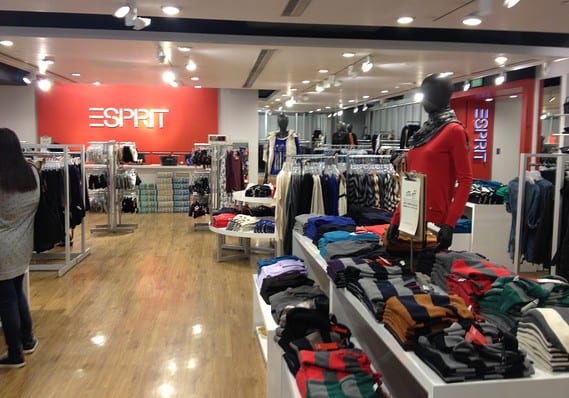
    Esprit is to close its Australian and New Zealand stores after years of mounting losses. The Esprit Australia and New Zealand network comprises 67 directly managed retail stores, including 38 concessions in department stores and 13 discount outlets.

    The announcement came just a few hours after the embattled fast-fashion retailer warned shareholders its third-quarter performance was “well below expectation” and several days after it announced it would not renew the lease on its Causeway Bay flagship store.

    In a statement to the Hong Kong Stock Exchange, Florence Ng Wai Yin, Esprit’s company secretary, said divesting the ANZ operations will allow management to concentrate efforts and resources in developing other markets in Asia, singling out China, Hong Kong, Taiwan, Singapore and Malaysia, “with profitable growth opportunities for the future” and avoid incurring further losses in Australasia.

    In the year to June 30 last year, Esprit Australia and New Zealand reported sales of HK$297 million, (US$37.8 million) which works out at a weekly per-store average of just US$10,850.

    It accounted for less than 2 per cent of the group’s total global revenue.

    Esprit says closing the stores down will cost between HK$150 million and HK$200 million.

    Executive director and group CFO of Esprit Holdings in Hong Kong, Thomas Tang, said the company had undertaken “intensive efforts” in past years to turn the Esprit Australasia business around, to no avail.

    Stephen Newnham, director of Esprit Australia and New Zealand described the group’s decision as “unfortunate but unavoidable”.

    The company expects to close all of its stores by the end of the year and will continue to honour gift cards until then.

    Strategy to be sped up

    The closure marks just one step in a promised acceleration of a strategic plan to improve top-line sales and reduce running expenses.

    “Given the challenging sales performance in the first nine months of the fiscal year, the group remains cautious about its expectations for the rest of the year,” said company secretary Florence Ng Wai Yin in a stock exchange filing.

    Group-wide sales in the nine months to March 31 were down 10.9 per cent year on year, to HK$11.8 billion (US$1.5 billion). The retail selling space was rationalised by 9.2 per cent over the same period.

    More worryingly, Esprit’s sales fell 13.8 per cent in the three months to March 31.

    Offline retail sales totalled HK$1.404 billion during the quarter, down 17.1 per cent, while online sales fell 11.4 per cent to $1.09 billion.

    Yin said the offline sales drop was the result of fewer sales points and unseasonably cold weather in Europe which aggravated the decline in customer traffic to stores.

    Online revenue in Asia Pacific declined due to management’s decision to reduce discounting in order to enhance profitability.
  • Sephora creates long queues during new shop opening

    Sephora creates long queues during new shop opening

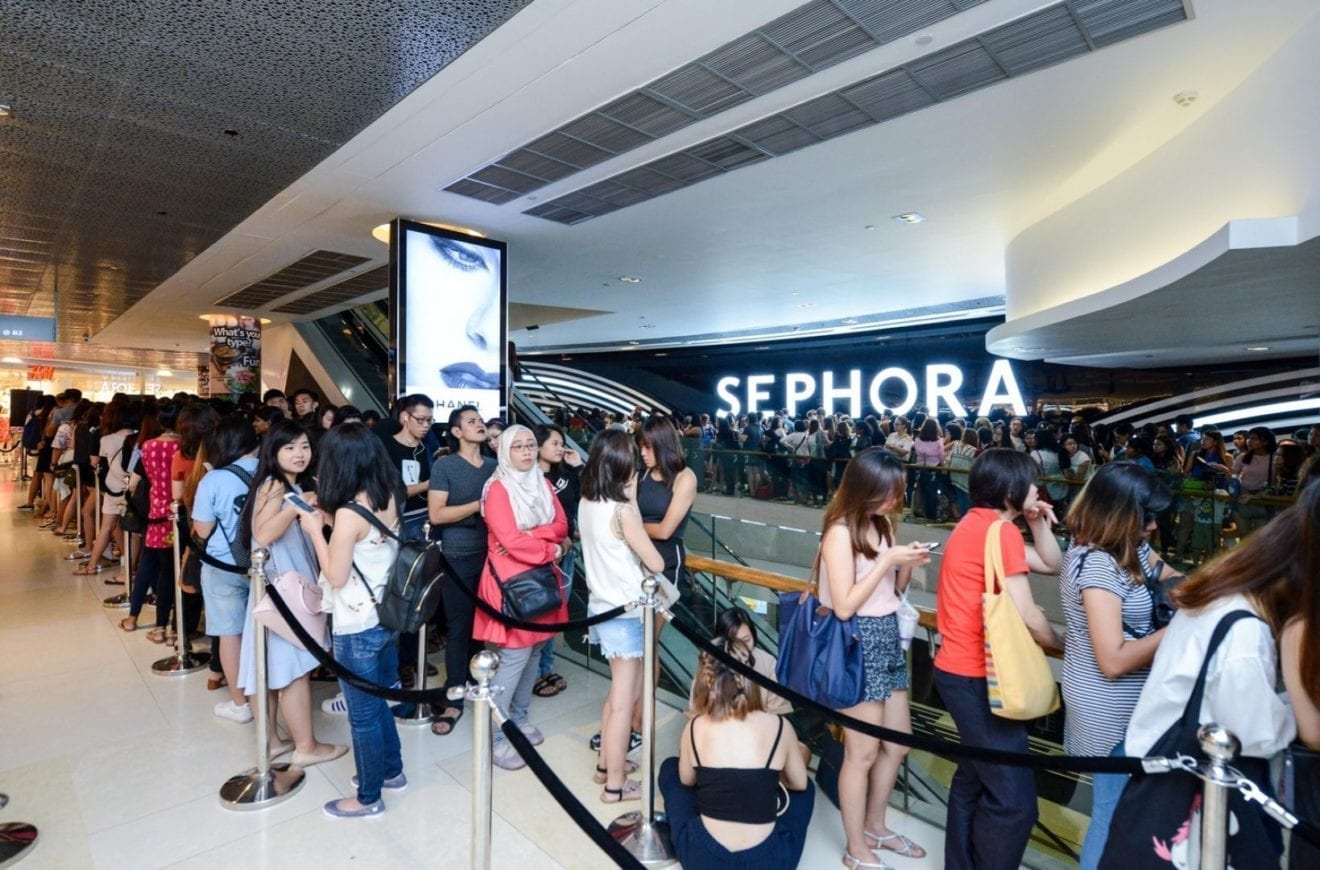
    Sephora has drawn a crowd to the opening of its first store of the year in Queensland, as shoppers queued overnight to access the international cosmetics giant’s new Robina Town Centre store.

    At one point on Thursday morning the line outside the new location was more than 300 metres long, snaking around to adjacent areas of the centre.

    The launch is a good start for the business, which expanded to Australia in 2015, after it announced last month that it would open the Gold Coast location, drawing in customers with new virtual artists that allow visitors to try on products virtually in-store.

    Its decidedly less positive for Sephora’s competitors though, of which there are many.

    Myer, David Jones, Priceline and L’Occitane all have stores in QIC’s Robina Town Centre, signalling yet another increase in competitive pressure in the beauty sector.

    “Sephora always generates great crowds because they are the undisputed global beauty leaders and people are always keen to try out and play with their wide selection of brands,” Savills’ Leighton Hunziker said of the opening.

    It’s not the first-time international entrants have drawn big crowds, when others like H&M, Zara and Forever 21 opened their stores in Sydney’s Pitt St Mall shoppers flocked, creating queues that lasted for days.

    But increasing competition and subdued consumer sentiment have put pressure on established beauty retailers in recent months, driving elevated levels of discounting in the sector that’s weighing on margins.

    Reporting its half-year financials last month, Priceline owner Australian Pharmaceuticals Industries said lacklustre beauty sales had driven a 1.7 per cent decline in comparable store sales in the first-half.

    “The amount of discounting and competition that has emerged inside the health and beauty sector has ramped up significantly,” API chief executive and managing director Richard Vincent said in April, revealing that price deflation was between 3-4 per cent in the half.

    For the likes of Myer and David Jones the growing influence of international competitors is particularly disruptive, given the already weakened statuses of both businesses.

    Louise Grimmer, a lecturer in marketing at the University of Tasmania, said customers are increasingly turning to specialists in the beauty category over department stores in search of education and personalisation.

    “Increasingly we are witnessing consumers abandoning department stores for specialist retailers such as Sephora,” Grimmer said.

    “If they weren’t already, department stores should be on notice that customers now demand much more than has been on offer. They want high levels of customer service, knowledgeable staff, specialist product offerings and a multichannel experience.”

    Robina Town Centre is Sephora’s 14th Australian store, and alongside the continued expansion of other international beauty brands such as Mecca and MAC, its unlikely competition will ease any time soon.

  • Valentino goes red in Indonesia

    Valentino goes red in Indonesia

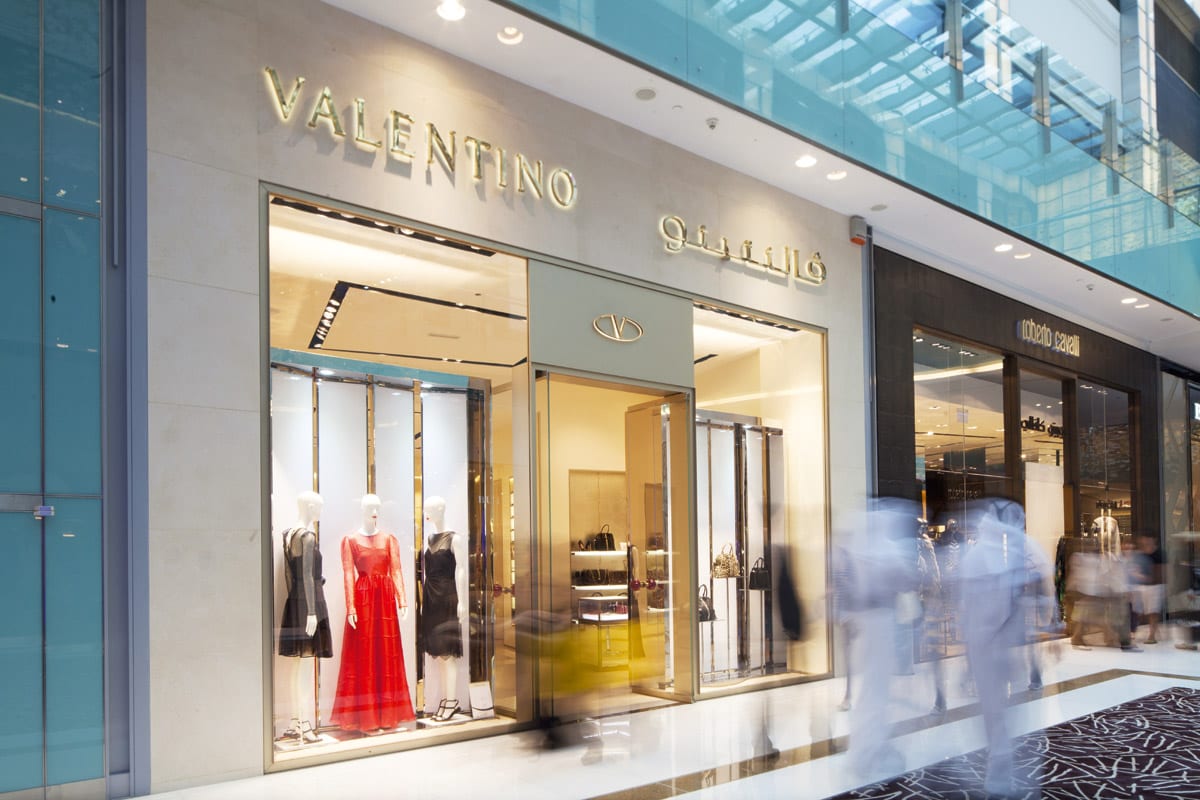
    Fashion brand Valentino Indonesia has opened a RedValentino boutique at Plaza Indonesia in central Jakarta.

    Valentino creative director Pierpaolo Piccioli has developed the store concept together with British architect David Chipperfield.

    Evoking the atmosphere of a traditional Italian palazzo (square), the store has been designed to complement the product displays through the discreet use of opulent materials

  • Mercury Home Textile Sews Up Deal with Manhattan Associates

    Mercury Home Textile Sews Up Deal with Manhattan Associates

    Mercury Home Textile has selected Manhattan Associates, to optimise order fulfilment across its international, multi-channel retail operation and to serve as a foundation for its transition to an omnichannel business model with Manhattan’s Warehouse Management Solution (WMS).

    With more than 2,600 franchised stores in China and hundreds of partner stores across Europe, the Middle East, North America and Southeast Asia, Mercury Home Textile’s store network is complemented by a fast-expanding ecommerce operation which contributed almost half of the company’s revenue in 2017 and earned it the “Sales Champion” accolade for the home textile category on Alibaba’s Tmall.com marketplace during the most recent Double 11 shopping festival.

    Mercury Home Textile selected Manhattan based on the company’s track record of working with many of the world’s leading brands, its omnichannel commerce vision and the ability of its solutions to drive margin enhancement. Manhattan’s solutions will replace Mercury Home Textile’s legacy supply chain technologies and will fully integrate with the company’s other enterprise systems.

    Meng Yuanyuan, CIO at Mercury Home Textile, said, “The Manhattan solution will provide us with a common, scalable platform to underpin our domestic and international growth as we transition to an omnichannel model. It will improve visibility of inventory and data, increase product availability and drive operational efficiency improvements across our global supply network. With a more flexible fulfilment approach and improved service levels, we will be able to drive customer loyalty, revenue and profitability.”

    Stone Chen, General Manager of Manhattan Associates, Greater China said: “Our platform will create exceptional value for Mercury Home Textile. As its footprint expands, Mercury Home Textile can be confident in its ability to organise and optimise operations, speed the flow of goods and information, and enjoy flawless execution across inventory, labour and space.”


  • Coach boosts Tapestry’s sales results

    Coach boosts Tapestry’s sales results

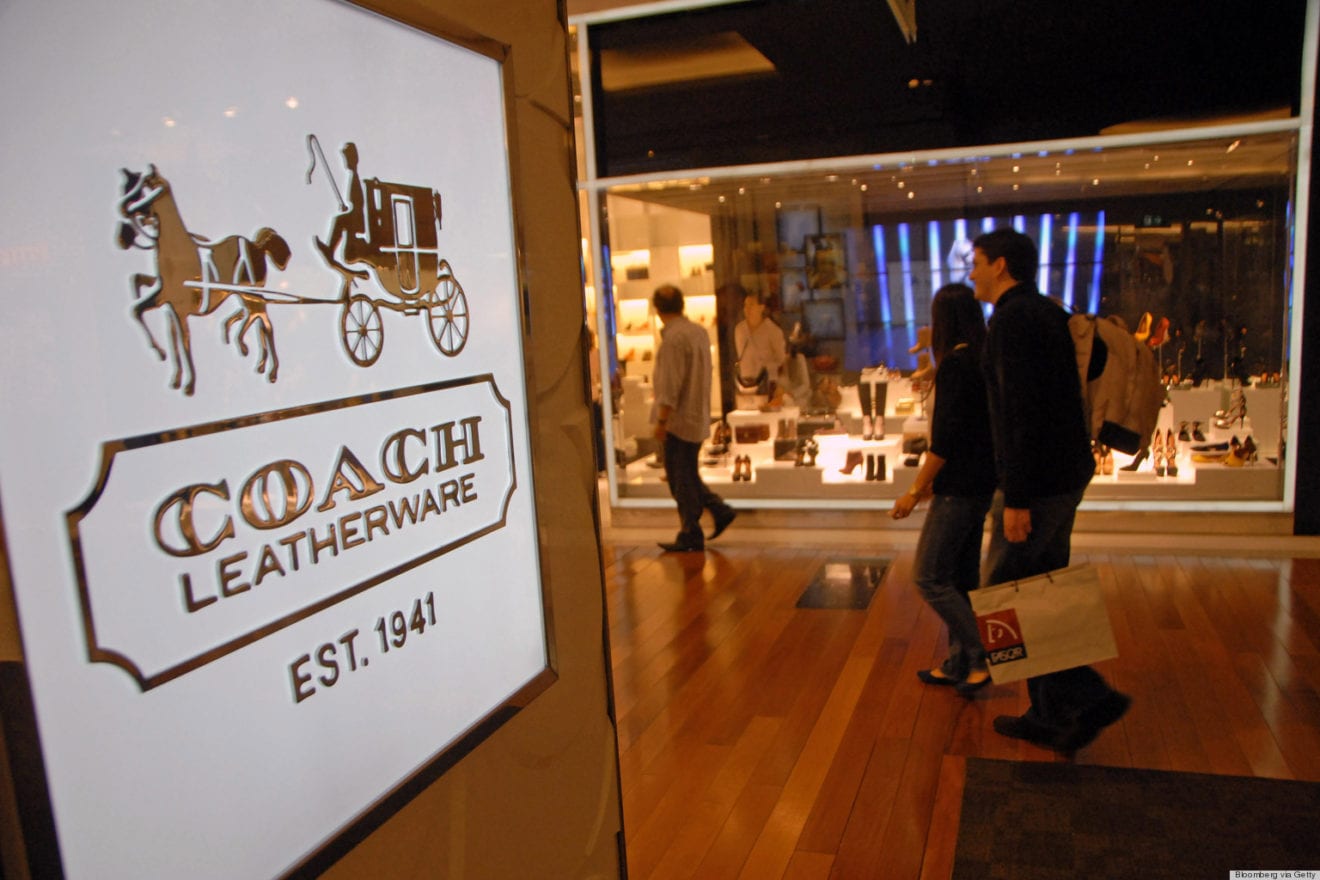
    Luxury fashion giant, Tapestry, has posted solid third quarter growth, boosted by strong sales from its Coach brand.

    Tapestry posted a 33 per cent increase in net sales for the quarter ending March 31 to $1.32 billion compared to the previous corresponding period, and relatively strong results from Coach where overall sales rose six per cent.

    Same-store sales for its Kate Spade brand, however, plunged nine per cent in the quarter because of a decline in online revenue. The company also posted its Stuart Weitzman’s profit margin was hurt by production delays and weaker sales of older shoes.

    The company’s operating income for the quarter was $159 million on a reported basis, while operating margin plunged 12.0 per cent compared to the 15.2 per cent in the prior year. On a non-GAAP basis, operating income was $184 million, an increase of 14 per cent from the previous year, while operating margin was 13.9 per cent from the 16.3 per cent in last year’s third quarter.

    Victor Luis, Tapestry chief executive, said their solid third quarter performance was consistent with their expectations, as they achieved double-digit increases in sales and earnings per share.

    “Results were driven by continued growth at Coach, where comparable store sales rose, led by outperformance in North America, and reflected our strong offering, including the successful global relaunch of Signature in retail,” Luis said. “We leveraged these sales gains, tightly controlling costs, and delivered operating income growth ahead of the top line increase.”

    During the quarter, the company has completed the buybacks of the Coach business in Australia and New Zealand as well as the Stuart Weitzman business in Northern China, while also taking operational control of the Kate Spade joint ventures for Mainland China, Hong Kong, Macau and Taiwan.

    Tapestry also gave an updated guidance that offered reason for optimism about Kate Spade. It now expects that acquisition to create $45 million in synergies, up from the $30 to $35 million it outlined in previous guidance. The company has also stated it now also expects Kate Spade to contribute $145 million in operating income for the year, higher than the $130 to $140 million in earlier guidance.

    According to Neil Saunders, managing director of GlobalData Retail, the bounce in Tapestry’s results that comes from Coach where sales growth accelerated to 5.9 per cent on a total basis and three per cent on a global comparable basis is encouraging,

    “In our view, this indicates that the Coach brand continues to gain ground across the demographic spectrum,” Saunders said. “From our own brand tracking, we are particularly encouraged to see growing interest among younger consumers – something that is helping to fuel strong numbers in the e-commerce division.”

    Saunders said on the product front, they believe that the current range is compelling.

    “The recent relaunch of the Signature collection – which features an interlocking ‘C’ motif – has been particularly successful, with popular products like the Charlie Carryall tote doing well. In our opinion, the popularity of the iconic ‘C’ signature design shows how much the brand image of Coach has strengthened over the past year or so,” he said.

    He added that looking ahead, they think that the economic environment will continue to be supportive into the next quarter, as residual tax refunds and bonuses come through.

    “However, thereafter these benefits will wane, putting some downward pressure on growth,” he said. “However, as the underlying fundamentals of Coach remain strong, growth will remain good – with a possible boost in fall thanks to an expanded collaboration with Selena Gomez.”

    Overall, he said, Tapestry is currently a mixed bag of businesses.

    “However, all are headed in the right direction and this gives us confidence the group will fulfil its ambition of becoming a strong luxury lifestyle company.”

  • Hugo Boss performing well

    Hugo Boss performing well

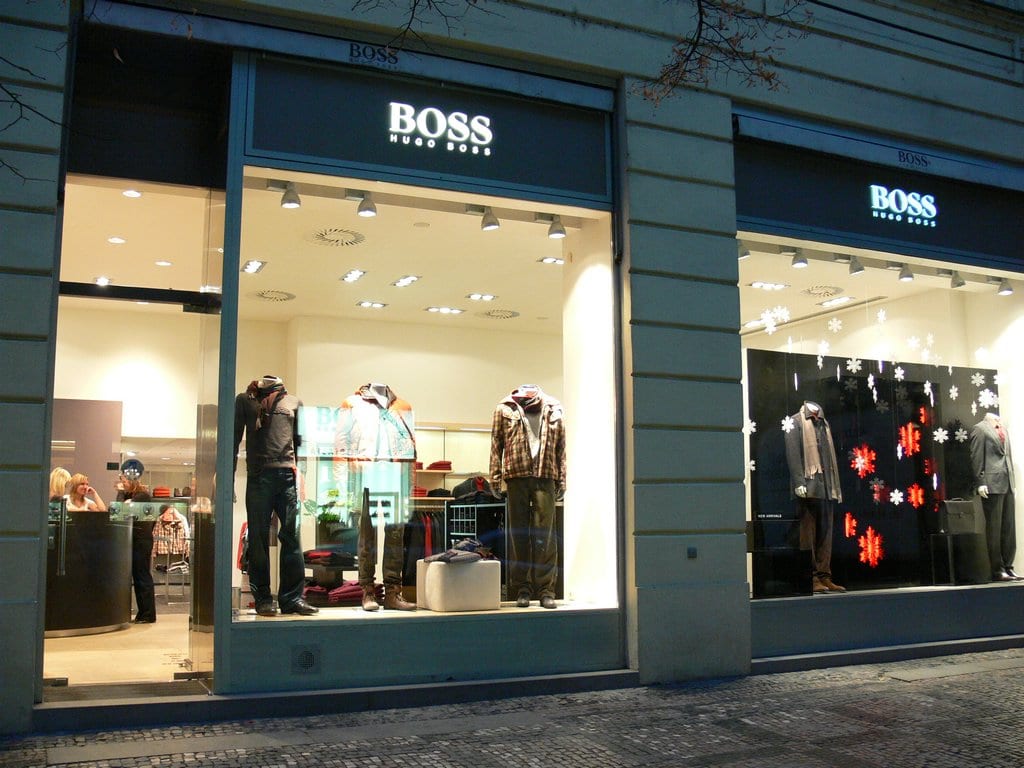
    German fashion house Hugo Boss has posted better-than-expected sales growth helped by a pick up in sales in China and North and Latin America.

    The business posted a five per cent increase in sales for the first quarter to €650 million (AUD$1.03bn), in currency adjusted terms, boosted by strong growth in China and the Americas. Operating profit has increased slightly at €99 million (AUD$158m) compared to the previous corresponding period, confirming its 2018 outlook.

    Investments in product quality, the digital transformation of the business model and the strong euro have curbed the profit increase.

    Mark Langer, Hugo Boss CEO, said that thanks to the its performance in the first quarter of 2018, they are feeling more confident that the business will achieve its sales and earnings targets for the full year.

    “The strong increase in the group’s own retail business shows that our new collections are being well received by customers,” Langer said. “Our investments in the quality of our products and the desirability of our brands are therefore paying off.”

    Langer said the substantial progress achieved in their online business is also encouraging.

    “This positive performance strengthens our confidence that we will achieve our sales and earnings targets for the full year.”

    Hugo Boss has been making efforts to take the brand more upmarket and expand in womenswear and refocused on premium men’s clothing.

  • YSL Beaute goes high-tech

    YSL Beaute goes high-tech

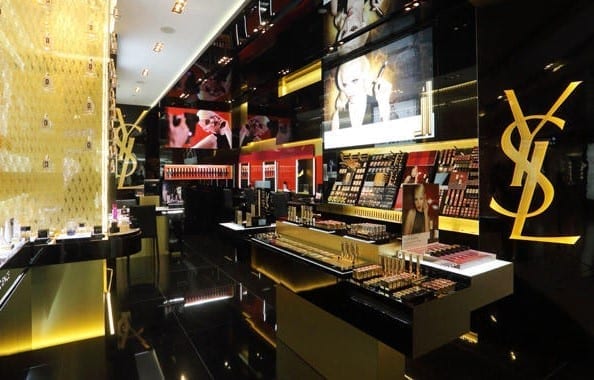
    YSL Beaute teamed with Tencent and marketing group Mindshare for the launch of its Mon Paris Couture perfume in Hong Kong.

    It was the first time in the colony a luxury make-up brand has used facial-recognition technology in a WeChat mini program.

    Consumers visiting YSL’s pop-up store at Harbour City, Tsim Sha Tsui, were able to create their own personalised perfume in a specially engraved bottle. To avoid a queue as has happened previously, a “Mon Paris ID” was created for each participant for use before and during the event for personalised shopping experiences.

    Before the event, participants could upload their headshots via WeChat, linked to YSL Beaute’s mini-program for both WeChat and Weixin users, or a web page for local digital users.

    An interactive panel using Tencent technology could verify customers by recognising their faces, with the system able to automatically arrange, create and engrave the perfume bottles within seconds.

  • Asia Pacific helps Under Armour to get up

    Asia Pacific helps Under Armour to get up

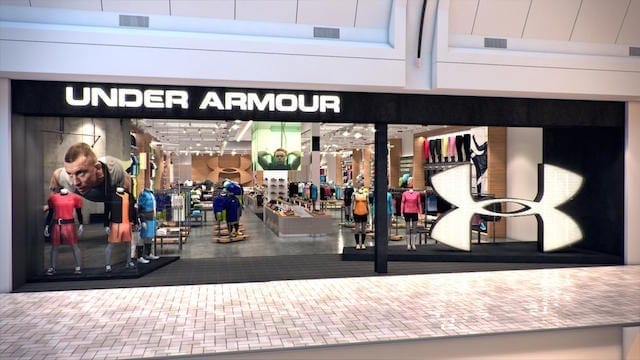
    US-based sportswear brand Under Armour has unveiled better than expected first quarter revenue growth of 6 per cent to US$1.2 billion, as weakness in its home market was offset by growing momentum overseas.

    Asia Pacific was the strongest individual operating region for the business, with sales increasing by 28 per cent, currency corrected.

    However, Under Armour booked a net loss of $30 million in the first quarter, although excluding $37 million in costs associated with its restructuring plan net income was $1 million.

    North American revenue declined by 1 per cent in currency corrected terms while its international business saw sales increase by 27 per cent, up 19 per cent in currency corrected terms.

    Under Armour chairman and CEO Kevin Plank affirmed the company’s $20-30 million operating income guidance for 2018 on Tuesday in the US.

    “Our first quarter results demonstrate measured progress against our focus on operational excellence and becoming a better company,” Plank said.

    “As we continue to build our global brand by delivering innovative performance products to our athletes, amplifying our story, further strengthening our go-to-market process, and leveraging our systems to create even deeper consumer connections – we remain confident in our ability to deliver on our full year targets.”

    GlobalData Retail MD Neil Saunders said that while there are some positives in the latest result the figures still give the impression that the business has “run out of steam”.

    “Overall revenue looks good enough with a 5.8 per cent increase in sales,” he said.

    “However, all of this comes from newer markets where Under Armour is buying growth through expansion. There is nothing wrong with this strategy, but it comes with costs attached – which means the contribution to the bottom line is less than impressive.”

    Saunders says Under Armour’s poor performance is solely of the brand’s own making.

    “Within North America, we believe that Under Armour’s image is still off-pitch and that its brand strategy remains extremely muddled. Strategically and in terms of its store and distribution footprint, it is clear that Under Armour wants to be a strong lifestyle brand with a wide reach.

    Indeed, recent partnerships, such as the collaboration with rapper A$AP Rocky, suggest a push to appeal to younger demographics more interested in fashion than sports.”

    Saunders says most consumers do not see Under Armour as a lifestyle brand; they see it as a specialist sports performance brand.

    “This limits Under Armour’s ambitions and means that many of the lifestyle initiatives it pursues fall on stony ground. The brand needs to have a much clearer identity, possibility by using sub-brands, before it can gain wider acceptance. Throwing out new products and lines before this clarity is developed is folly.”

    He also believes “the masculine nature of the brand” has made it hard to expand its reach to women.

    “While store design, marketing, and products remain male-focused, Under Armour will continue to struggle with women. This is a lost opportunity as female sports and fitness remain a fast-growth part of the market.”

    He says Under Armour is paying the price for growing too fast and has too broad a set of ambitions.

    “The result is a company that lacks a clear vision or point of view. In today’s crowded marketplace this has made it indistinct and easy to overlook. Until this is remedied, growth will remain problematic.”

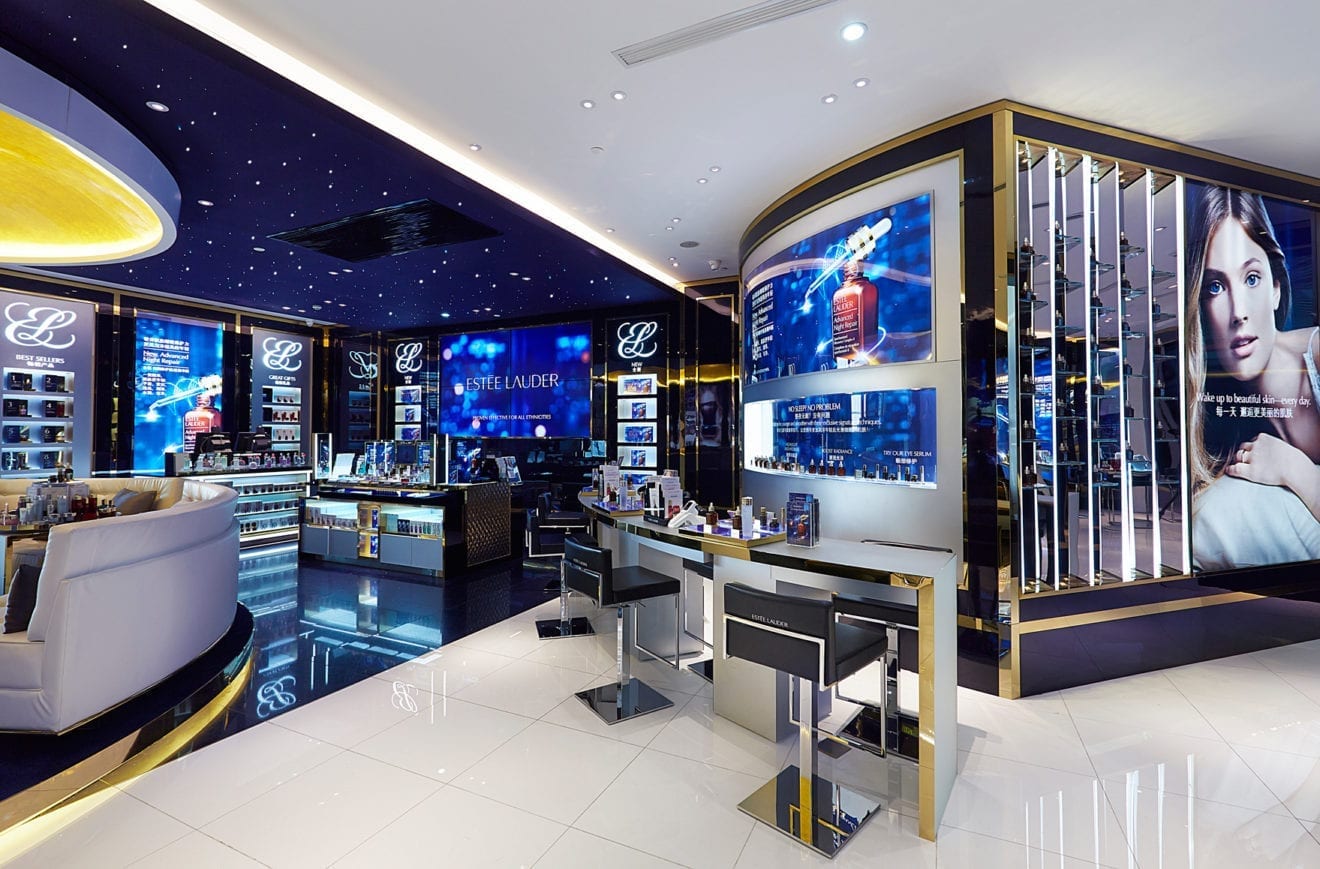
  • Asia Pacific drives Estee Lauder’s third quarter sales record

    Asia Pacific drives Estee Lauder’s third quarter sales record

    Solid growth in Asia Pacific, including in Australia, has helped cosmetics giant Estee Lauder deliver an 18 per cent increase in third quarter sales, ahead of Wall Street estimates.

    Delivering its financials for the quarter ended 31 March in the US on Wednesday, Estee Lauder said “solid sales increases” in Australia, Japan and Thailand, alongside double-digit sales growth in China, drove a 30 per cent increase in net sales from Asia Pacific to US$773 million.

    Asia Pacific operating income was up 57 per cent to US$179 million, offsetting a 62 per cent fall in American earnings to deliver the company a total 16 per cent increase in operating income to US$497 million for the period.

    Declining retail traffic weighed on Estee Lauder’s US-based bricks-and-mortar stores, but momentum in Asia Pacific has buoyed the business, which expects full year revenue to increase by 15 – 16 per cent, slightly higher than market consensus forecasts.

    President and chief executive Fabrizio Freda said it was an “excellent” quarter for the business in what he expects will be an “outstanding fiscal year”.

    “Among our multiple engines of growth, travel retail, online and Asia again were standouts, and we experienced strong momentum in other high growth channels and markets,” he said.

    “Our performance this quarter reflected robust global demand across our portfolio, with virtually all our brands posting sales growth.”

    Asian skincare sales and fragrance were standouts for the business, offsetting operating losses in make-up and relatively flat growth in haircare products during the quarter.

    The company’s MAC makeup brand performed particularly well in Asia Pacific during the quarter, while La Mer and Estee Lauder drove growth in skincare.

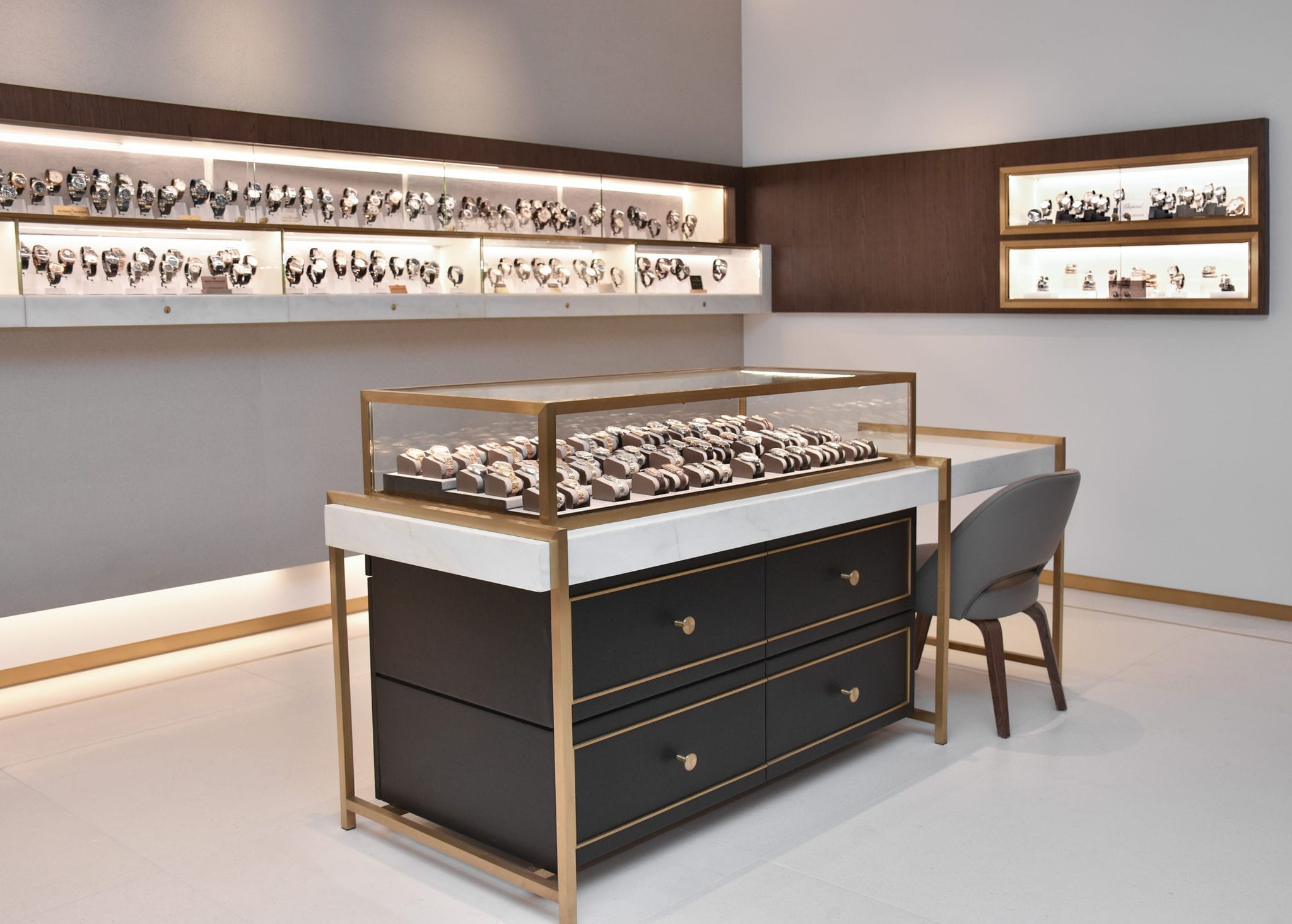
  • Cellini, New York’s Premier Jeweler and High Horology Salon, Celebrates New Flagship Opening

    Cellini, New York’s Premier Jeweler and High Horology Salon, Celebrates New Flagship Opening

    Cellini, a New York landmark and one of the world’s leading independent jewelers, will celebrate the grand opening of its new Park Avenue flagship store on Tuesday, May 15th.  Located at 430 Park Avenue, the spacious and luxurious new store will open its doors at 4:30pm for an intimate press preview of the new space and opportunity to speak with Cellini Founder and President Leon Adams, followed by a private reception from 6pm-9pm.

    The grand opening event represents only the latest chapter in the 40-year history of Cellini. The impressive new location echoes the grandeur of the store’s beginnings in New York City, when Leon Adams opened his first showroom in the famed Waldorf-Astoria Hotel in 1977. It was here that Cellini established its reputation as New York’s premier jeweler.

    In its new, expanded Park Avenue flagship, Cellini retains the impeccable quality, elegance, and gracious service that have long defined this independent store, translated into an inviting and immersive new location. The new flagship invites guests to explore a world-class collection of jewelry and gems, along with an unmatched selection of rare timepieces from more than 30 of the world’s top watchmakers.

    “Our goal is to offer the very best in one location, so our patrons can compare and discover jewelry and watches that they simply can’t get anywhere else. And if our customers don’t see the jewelry they are looking for, we are equipped to make it for them. We have access to some of the rarest gems on Earth: diamonds and gems of all shapes, sizes, and colors. We regularly create Cellini signature jewelry pieces incorporating these important gems, tailored to meet and exceed our customer’s dreams,” remarked Leon Adams.

    Visitors to Cellini can marvel at a multitude of lustrous pearls and some of the most prized gems on Earth, including an extremely rare, radiant-cut chartreuse diamond. Color stone enthusiasts can choose from important gemstones like Burmese rubies, Kashmir sapphires, and color-changing alexandrite, then work with Mr. Adams and the Cellini team to select or design a jewelry setting that best complements the gem’s most scintillating attributes. The extraordinary scope of the store’s collection extends beyond Cellini’s signature creations to exceptional pieces crafted by some of the world’s top jewelry designers. The array of designs offers something to satisfy every taste, from the Old-World craftsmanship of Carrera y Carrera and Wellendorff, to the modern artistry of Pippo Perez, Sutra, Fabergé, and Victor Velyan.

    As Cellini’s reputation grew through the years, so too did its phenomenal horological collection, which includes historic watchmaking maisons such as Girard-Perregaux, Jaeger-LeCoultre, and Vacheron Constantin. Many watchmakers got their start in America at Cellini, including A. Lange & Söhne, De Bethune, Laurent Ferrier, and Richard Mille. Budding aficionados in search of their first fine timepiece appreciate the opportunity to compare so many different brands. Meanwhile, savvy collectors prize the unmatched selection of rare watches on display, including rare Swiss timepieces from Bovet. During the grand opening event on May 15th, Cellini will debut the new Bovet Recital 22 “Grand Recital” for the first time in the US, along with rare timepieces from Greubel Forsey and Urban Jürgensen.

    “Quality is foremost in everything we do at Cellini,” remarked Adams, a statement that defines the next chapter for Cellini at its new Park Avenue flagship. Irresistible jewels, sophisticated horology, dedicated staff, and an inviting new venue ensure that this venerable New York jeweler will redefine the standard of quality on Park Avenue.

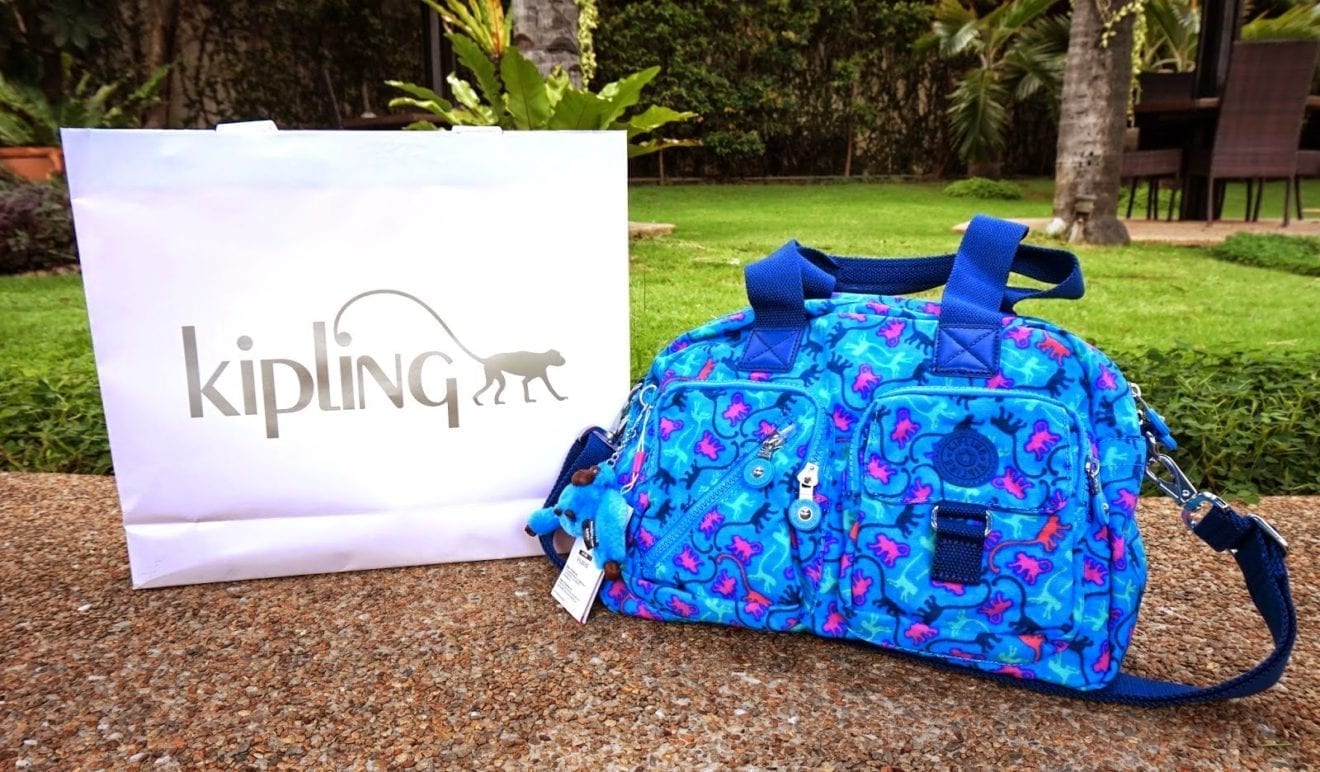
  • Kipling announces global organisational changes

    Kipling announces global organisational changes

    VF Corporation-owned Kipling has announced several key global organisational changes.

    Vera Breuer has been appointed as Global President. She succeeds Richard Macey who retired earlier this year after 18 years at the company.

    Breuer reports to VF Group President EMEA Martino Scabbia Guerrini and is based at the VF office in Bornem, Belgium.

    Breuer is accountable for delivering brand strategies and helping to define Kipling’s long-term vision. She also will manage the brand’s asset creation through product, design and marketing, and help to pursue Kipling’s five-year plans and global P&L targets.

    Breuer has a successful track record of managing luxury brands for L’Oréal and has spent the majority of her career in Asia. Most recently, she was General Manager South Asia for The Body Shop. Breuer previously worked in Hong Kong and Germany where she gained relevant international experience managing major businesses.

    Olivier Gay, who joined Kipling in 2016 as Vice President Sales and Retail for Europe, Middle East and Africa, has been promoted to VP & General Manager Kipling EMEA. In his role, Gay is responsible for delivering Kipling’s strategy and P&L for EMEA and setting up the brand’s short-term and long-term strategy for the region.

    Gay has over 17 years’ experience in the luxury business and held several positions at Cartier.

    International Sales Manager Distributors & Travel Retail Thomas Falcy has been promoted to Sales Director Global Travel Retail & Distributors EMEA, effective 1 May. He will report to Vera Breuer for global travel retail and Olivier Gay for the EMEA distributor business.

    “The main focus for managing our travel retail business globally will be presenting the brand consistently across the globe. Defining and implementing a go-to market strategy with a global product assortment and marketing support in all travel retail touch points will allow us to further build strong relationships with global key accounts,” said Kipling.

    Wolfe has worked for high-profile brands such as Tumi, Kate Spade and Coach

    Wolfe will lead Kipling’s Global Product and Design teams, supporting the Kipling brand in identifying ongoing and seasonal product directions, innovation opportunities and new capabilities for markets. She will play a key bridging role across merchandising, sourcing, design and development.

    Prior to joining Kipling, Wolfe worked for her own accessories brand, which she started two years ago. Before that she had a 15-year career at Tumi New York, most recently as Vice President, Product Development and Design. Wolfe has also held positions at Kate Spade and Coach, and has extensive experience in design and development across the globe.

  • Kate Tokyo counter opens at Hong Kong airport

    Kate Tokyo counter opens at Hong Kong airport

    Japan’s Kanebo Cosmetics has partnered with The Shilla Duty Free to open a Kate Tokyo counter in arrivals at Hong Kong International Airport.

    Kanebo says Kate Tokyo aims to establish itself in the global travel retail arena through increased exposure in Asia.

    In Japan, it has the highest sales volume among make-up brands, says Kanebo. Its range includes eye palettes, foundation lipstick and mascara.

    Kanebo brands include Impress, Kanebo and Lunasol.

    Meanwhile, Kanebo has appointed Blue Chip Group as its travel retail sales agent.

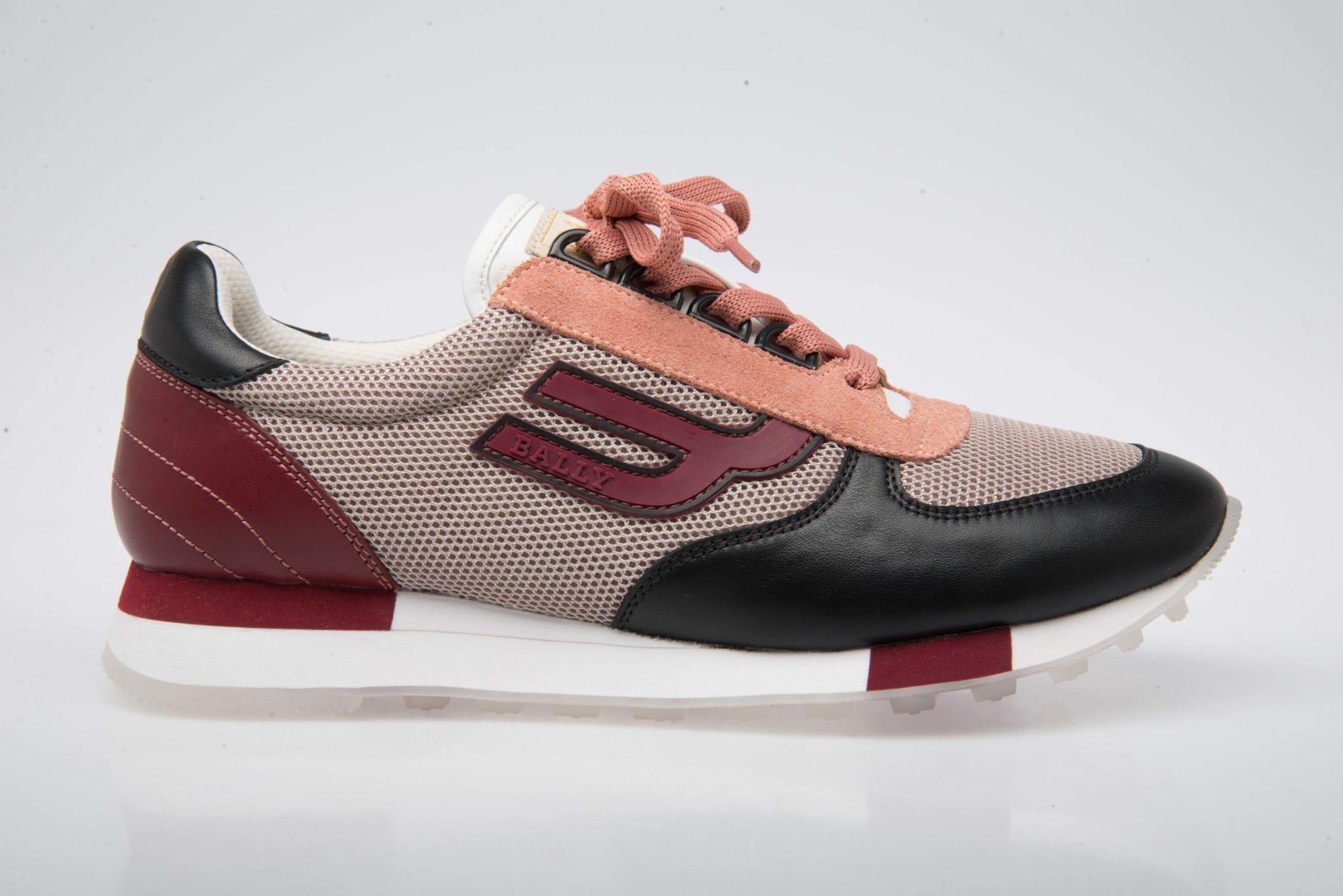
  • DFS and Bally To Launch Exclusive New Galaxy Sneaker for Men and Woman

    DFS and Bally To Launch Exclusive New Galaxy Sneaker for Men and Woman

    DFS Group, the world’s leading luxury travel retailer, and Swiss luxury brand Bally are bringing back classic 1980s design with the launch of the new DFS x Bally Galaxy sneaker for men and women.

    A replica of one of Bally’s most iconic products, the new Galaxy is the company’s lightest sneaker yet. Available in two versions, a maroon for men and a blush derivation for women, both pay tribute to Bally’s origins in elevated sportswear, mixing luxury suede and leather detailing with a more breathable canvas and a new sporty treaded sole that provides greater traction.

    “At DFS, newness and innovation are hallmarks of our approach to delighting our customers. We are thrilled to be partnering with Bally on this exciting rendition of the Galaxy sneaker, and to introduce yet another product to our customers that is available only at DFS stores worldwide,” said Sibylle Scherer, DFS President Merchandising and Consumer Marketing.

    “Born in 1983 and recently relaunched, Bally’s Galaxy remains as modern and stylish as ever, whether you’re hitting the track or walking the city streets. We are delighted to be partnering with DFS to share this iconic sneaker with a whole new generation of Bally lovers,” said Frédéric de Narp, CEO Bally Group.

    The Galaxy is part of Bally’s Retro Sneaker Collection, a re-release of some of the company’s most iconic sneaker styles from the past four decades. The new collection includes four replicas of the most successful lace ups, from hip-hop era classics to tennis shoes and sporty runners.

    DFS and Bally will officially launch the new Galaxy sneaker on Saturday May 12 at T Galleria by DFS, Macau, City of Dreams. Following its release, the sneaker will be available exclusively at T Galleria by DFS stores worldwide.

  • Sofina Beaute continues its growth

    Sofina Beaute continues its growth

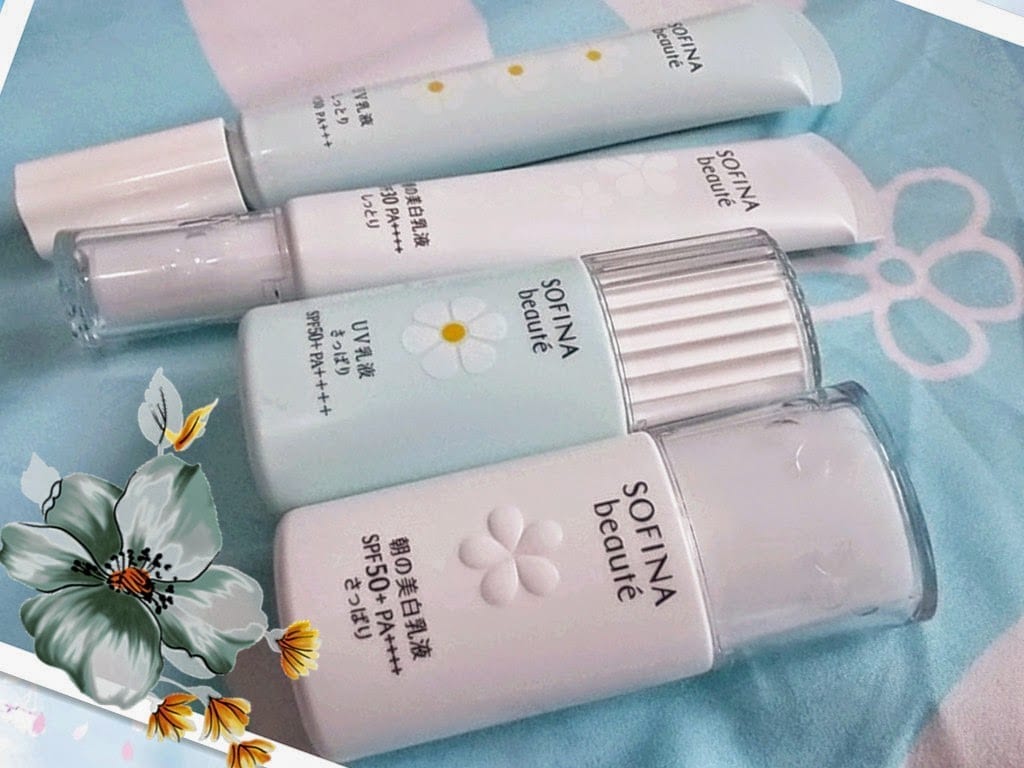
    Japanese brand Sofina Beaute has arrived in Singapore as part of its rollout in Asean countries.

    Under the wing of cosmetics group Kao Corporation, the brand’s offshore expansion has already included Taiwan, Hong Kong and Mainland China.

    Its Singapore counters will offer skin-analysis technology with consultants available for beauty advice.

  • Paragon flagship for Tod’s Singapore

    Paragon flagship for Tod’s Singapore

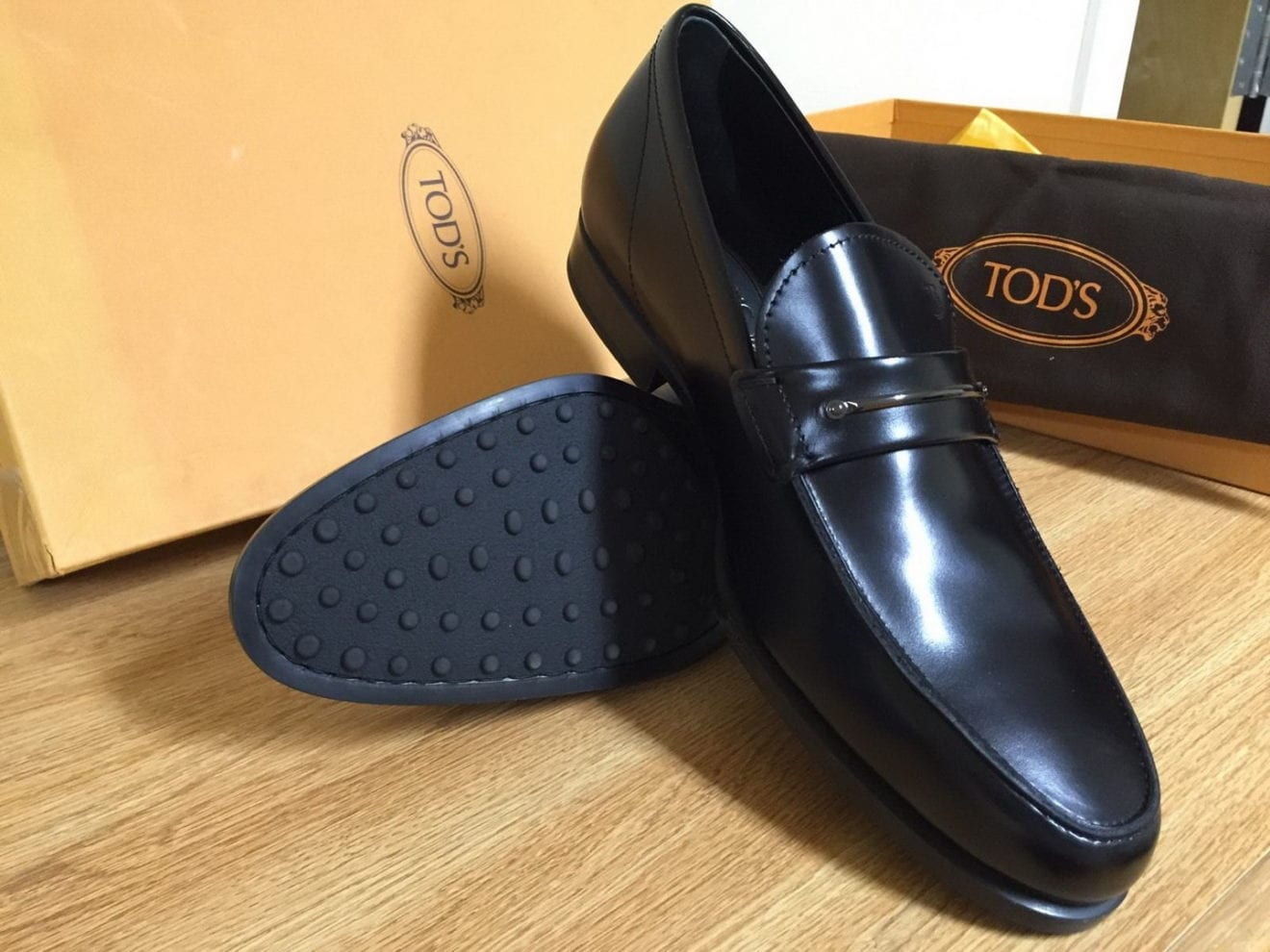
    While known for its classic Gommino driving shoes, Tod’s introduces more accessories at its new flagship, featuring a limited-edition Wave backpack.

    Covering 190sqm, the boutique has high-gloss ceilings, freestanding handbag rails, marbled flooring and features a concept exhibition space.

    Centre stage this season is the Surf collection, a range of shoes and accessories inspired by the sun, sea, sand and laidback style of Malibu, California. Exclusive to the store, the Wave backpack is available in metallic gold or silver, with contrasting multicoloured or rich-gold studs.