Category: Fashion

Retail News Asia is committed to providing both local and global retailers with the latest Fashion news throughout the Asian market. This on a daily base.

  • Camper to expand its business in Philippines

    Camper to expand its business in Philippines

    Spanish casual shoe brand Camper has gained a foothold in the Philippines.

    It is offering part of its international collection at SM Aura in Taguig City, Metro Manila, including two of its core lines Drift and Runner sneakers.

    Previously the shoes were available only online in the Philippines.

    Camper was founded in Mallorca by Lorenzo Fluxa in 1975, with its heritage stretching back almost 140 years when his grandfather, cobbler Antonio Fluxa, travelled to England and returned with the first sewing machines for the island. He then started making handcrafted shoes.

  • JD Sports Malaysia expansion plans

    JD Sports Malaysia expansion plans

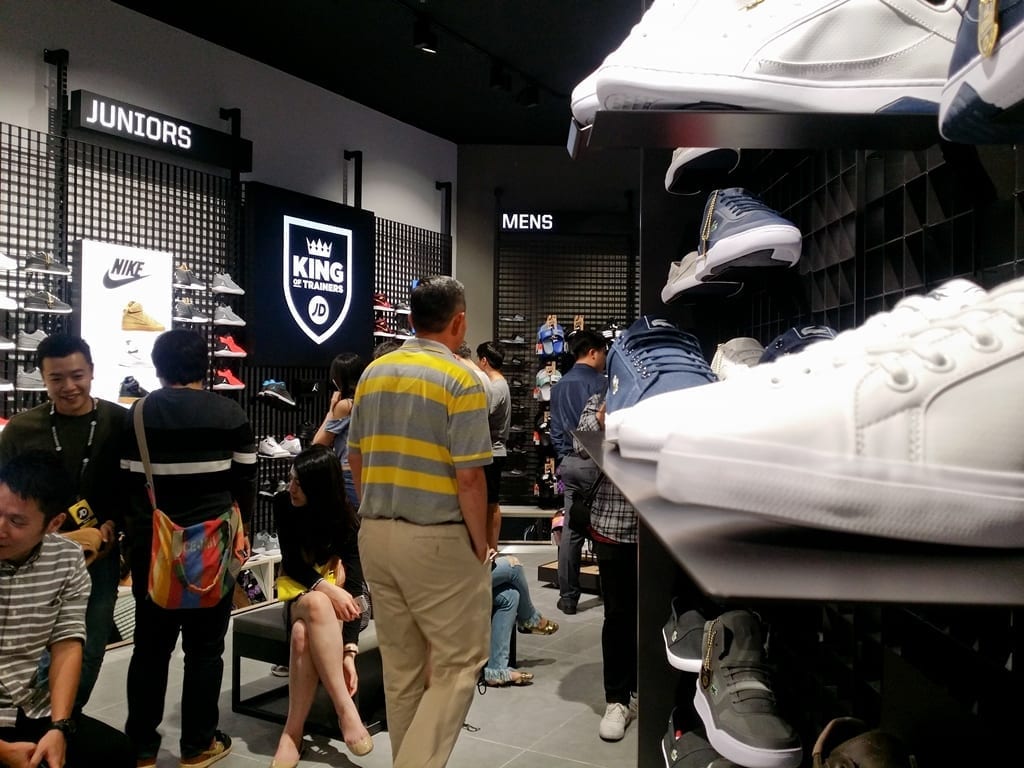
    JD Sports Malaysia has ventured into the provinces with its first Penang and Malacca stores.

    The Penang outlet is at Sunway Carnival, and the Malacca store at Mahkota Parade.

    This follows six other stores for the British sneaker and sportswear retailer in Malaysia, the latest opening in Putrajay’s IOI City Mall in November.

    Meanwhile, a JD Sports Singapore Instagram account has surfaced, indicating the retailer may open a store there.

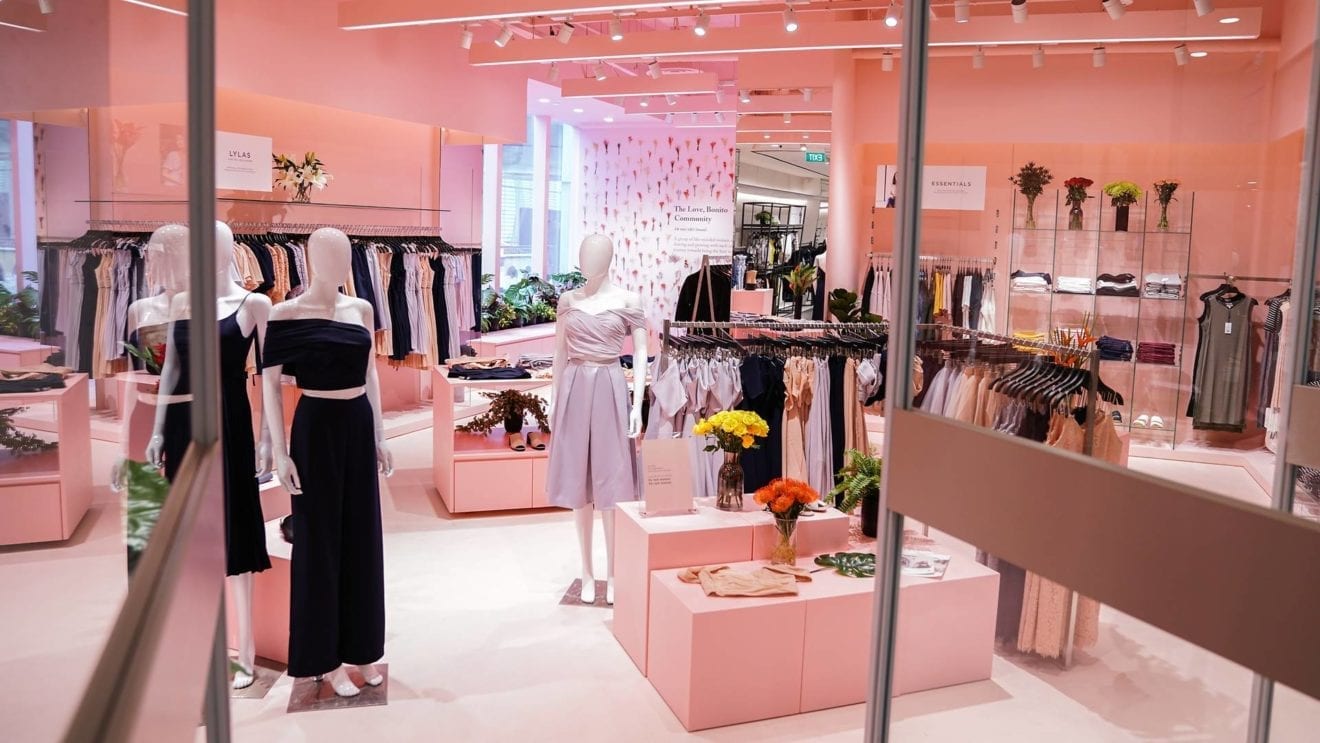
  • Love Bonito to receive extra US$13 million funding

    Love Bonito to receive extra US$13 million funding

    Singapore online fashion label Love Bonito has raised US$13 million in a series-B round led by Japanese comparison shopping site Kakaku.

    Existing investor NSI Ventures also participated.

    Started as a “blogshop” in 2010, Love Bonito has ventured into designing its own line of clothes and opening physical stores. It is believed to have made about $7.6 million in revenue in 2016. Its revenue last year grew 85 per cent to about $14 million.

    Love Bonito co-founder Rachel Lim attributes much of the growth to its boosted digital marketing efforts, with series-A backer NSI contributing its expertise.

    The startup touts several achievements:

    • Average customer makes at least four purchases a year.
    • Average sell-through rate (inventory actually sold) of more than 70 per cent within one month.
    • Marketing spend less than 10 per cent of revenue.
    • More than half a million packages delivered last year.
    • 80 employees and an online and retail presence in Malaysia, Singapore, Indonesia and Cambodia.

    While Love Bonito’s average price tag is around $30, it designs and distributes its own goods to a loyal customer base, keeping a larger share of revenue for itself, says Tech in Asia. The brand also stocks products in Zalora and FashionValet in Malaysia, as well as JD in Indonesia.

    Lim says the company also tries to build a rapport with customers.

    With a flagship store in Singapore, physical retail is a big part of its strategy. Lim says she plans to set up more stores in the region that will serve as avenues for customer engagement with workshops on styling and other topics.

    Love Bonito takes inspiration from American cult brands like skincare specialist Glossier and yoga-gear firm Lululemon, says COO Dione Song, who was previously MD of Zalora Singapore.

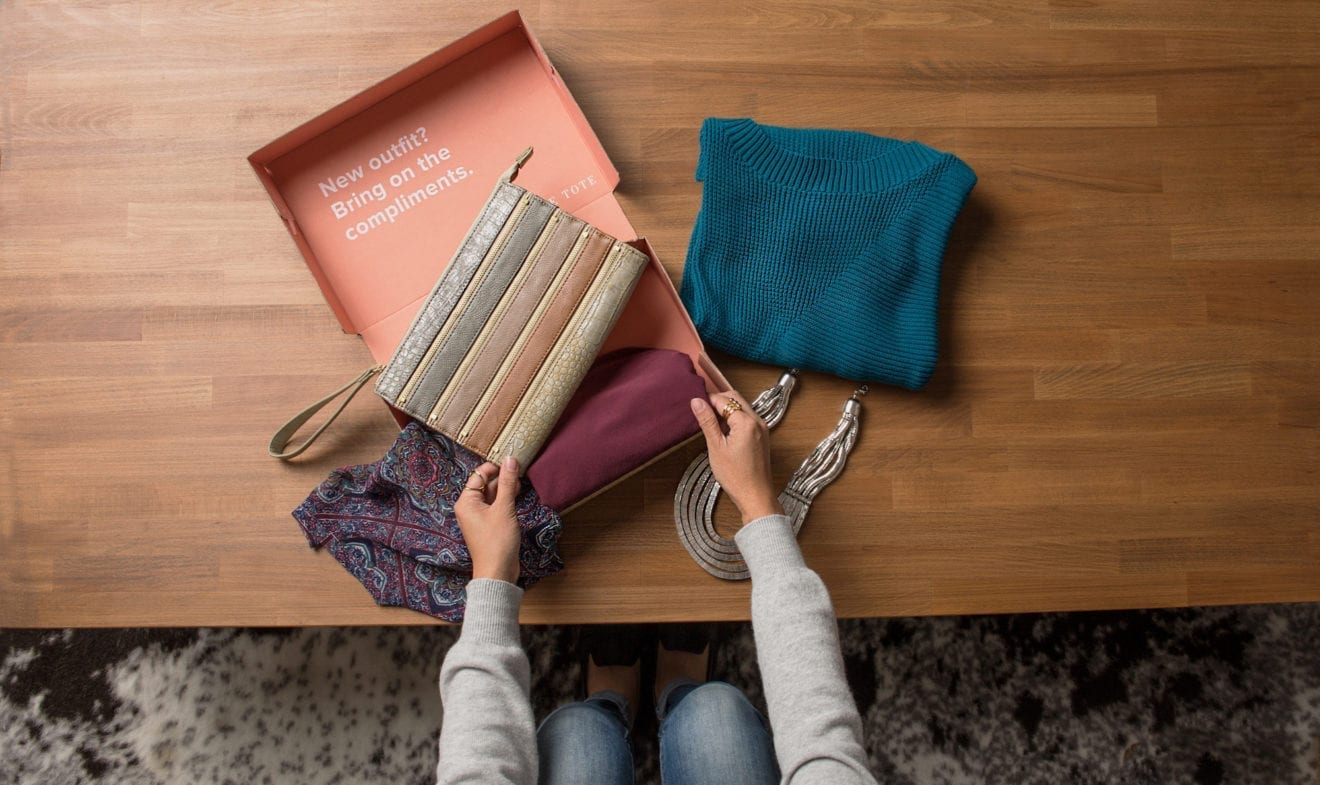
  • US subscription rental service Le Tote expands with China debut

    US subscription rental service Le Tote expands with China debut

    American subscription fashion rental service Le Tote is making its international debut with Le Tote China.

    The San Francisco-based company said the launch is still in beta phase with a full roll out expected to the China public in spring 2018.

    Le Tote is the first US subscription service to launch in China, according to the company, in a press release.

    “To be the first US subscription service in China, the largest e-commerce market in the world, is an opportunity that is both humbling and exhilarating,” said Rakesh Tondon, Le Tote Co-Founder and CEO.

    “Regulatory restrictions are particularly tough and our partnership with Clement allows us to enter a market that so few venture-backed companies have been able to penetrate. With the launch of Le Tote China, we’re now able to reach a target demographic of over 400 million women – and we’re still in the early days of the country’s middle-class boom.”

    Le Tote has partnered with Chinese retail veteran, Clement Tang, to facilitate the Asian move, naming Tang Le Tote China CEO. Tang also invested in the subsidiary, leading the investment for Le Tote China.

    Tang worked for almost twenty years at Belle International, the largest shoe retailer in China, having most recently served as Executive Director and President, until the firm was acquired for $6.8 million.

    Providing women with the ability to rent unlimited clothing and accessories for a flat monthly fee, Le Tote China will provide the same service as its US operator. Tote has leveraged its domestic business model, proprietary technology and in-house talent to transpose the service for the international market. Starting small, some 3,000 ‘Founding Members’ have been selected to participate in the launch, with others placed on a waiting list.

    “China is a nuanced market with its own cultural norms, standards and expectations. We can’t simply cut and paste the Le Tote experience,” said Clement Tang, Le Tote China CEO.

    “We are eager to work with the Founding Members to deeply understand the market and deliver a service that truly resonates. We know that the average per capita income in China is growing 10% year over year and 60% of disposable income is spent on fashion. The Chinese consumer is primed and ready for the future of retail, but has not yet had access to a solution like ours.”

    Le Tote China is headquartered in Shenzhen with satellite offices in Beijing and Hong Kong. The distribution centre is in Dongguan, with plans to expand to Beijing and Shanghai as well.

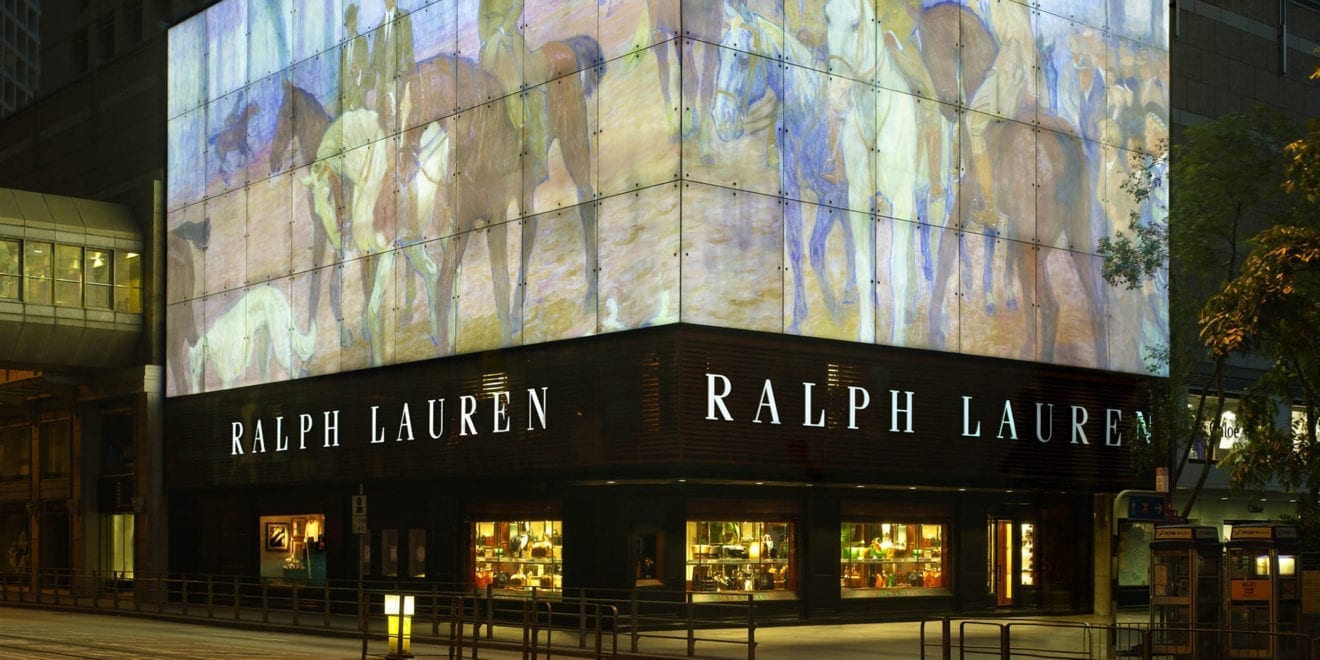
  • Ralph Lauren sales mix figures

    Ralph Lauren sales mix figures

    The latest Ralph Lauren sales figures come with a mixed dose of both optimism and pessimism.

    The pessimism is from the continued slide in sales, which tumbled on both a total and comparable basis. More optimistically, the drop in sales is now flattening out, with some of the decline deliberately engineered as the company looks to rebuild its brand.

    According to the apparel brand, US sales fell 10 per cent in the last quarter of last year, although this was mitigated a little by a 28 per cent increase in Mainland China. The company reported a net loss of $81.8 million, largely due to a taxation issue.

    Starting on the bright side, it is clear that the long run decline in sales is easing. Admittedly there are some factors – such as very soft prior year comparatives – that have aided this trend, but even so, performance is improving. It is particularly encouraging that much of the decline is now deliberately engineered rather than just a function of Ralph Lauren being out of step with consumer demand. The pullback from department stores and a reduction in shipments to off-price channels have both taken their toll on the revenue line, but they are essential steps on the path to rebuilding brand equity.

    A reduction in discounting is also to be applauded, even if this dampened sales numbers over the holiday period. The impact on margins has been good, and we believe that a reduction in promotional activity is helping to strengthen Ralph Lauren’s brand image. That said, as has been seen from other luxury brands that have pulled back from the discounting drug, there is pain before recovery. In our view, Ralph Lauren remains in the painful phase, and it is unlikely to see improvements until well into this calendar year.

    The margin gains, along with some action on costs, has resulted in a much better bottom line performance. At operating level, profits rose by 47.5 per cent this quarter. Its net loss for the period was down to increased tax provisions rather than operational issues, we are not unduly alarmed by the slip.

    For all the good news, Ralph Lauren still has much more work to do before it is back to full health. Our data shows that while there has been a moderate improvement in brand perception, Ralph Lauren has not regained all of the ground it lost over the past ten years and is a long way from where a luxury brand of its kind should be.

    The main brand issues are still clarity and relevance. Many consumers are unclear about what Ralph Lauren stands for or what it has to offer; therefore, they do not see the brand as being entirely relevant to them. In a sense, Ralph Lauren has simply slipped off the radar of many shoppers. Much of this is down to the lack of coherence across the various parts of Ralph Lauren’s business. There are still too many parts to the offer, and they are disjointed and confusing. Steps are being taken to correct this, but it is clear that much more work needs to be done.

    North America challenge

    The problem is most acute in North America, where the brand is arguably at its most ubiquitous. With comparables in the region down by 10 per cent, the scale of the problem is evident. Of particular concern is the 27 per cent slide in retail e-commerce sales. Given the strength of the channel over the holiday period, this is a terrible result and underlines the fact that Ralph Lauren has a great deal more work to do in streamlining and strengthening this part of the operation.

    We note that it has recently taken on new hires in this area, including talent from Burberry.

    However, the lack of progress on e-commerce is as much a function of brand issues as it is to do with online execution. Both need to be corrected before growth can come.

    Overall, we are encouraged that Ralph Lauren is now on the right path. However, we are also cognisant that the road to recovery is long, and winding.

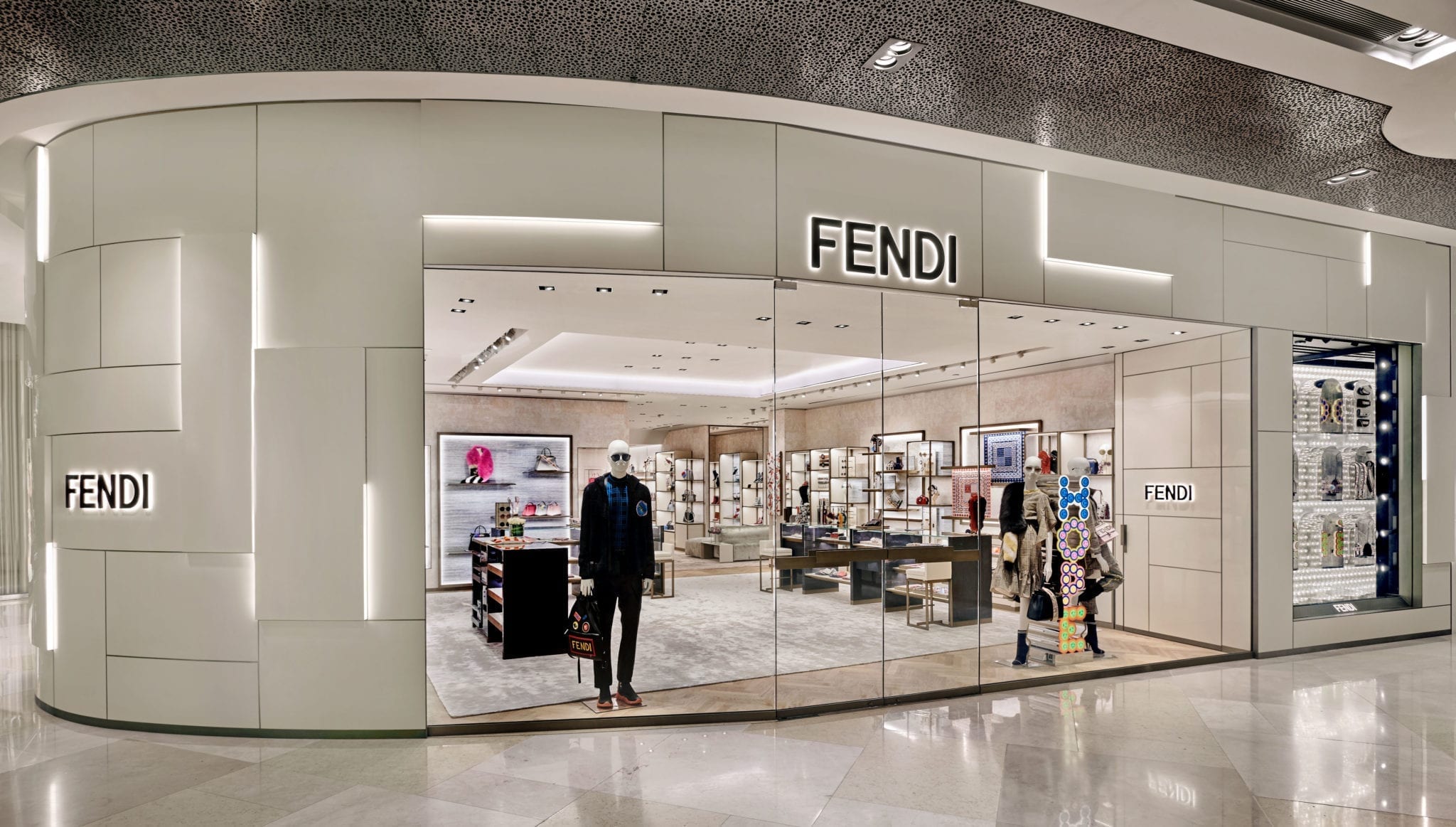
  • FENDI Opens in Singapore ION Orchard

    FENDI Opens in Singapore ION Orchard

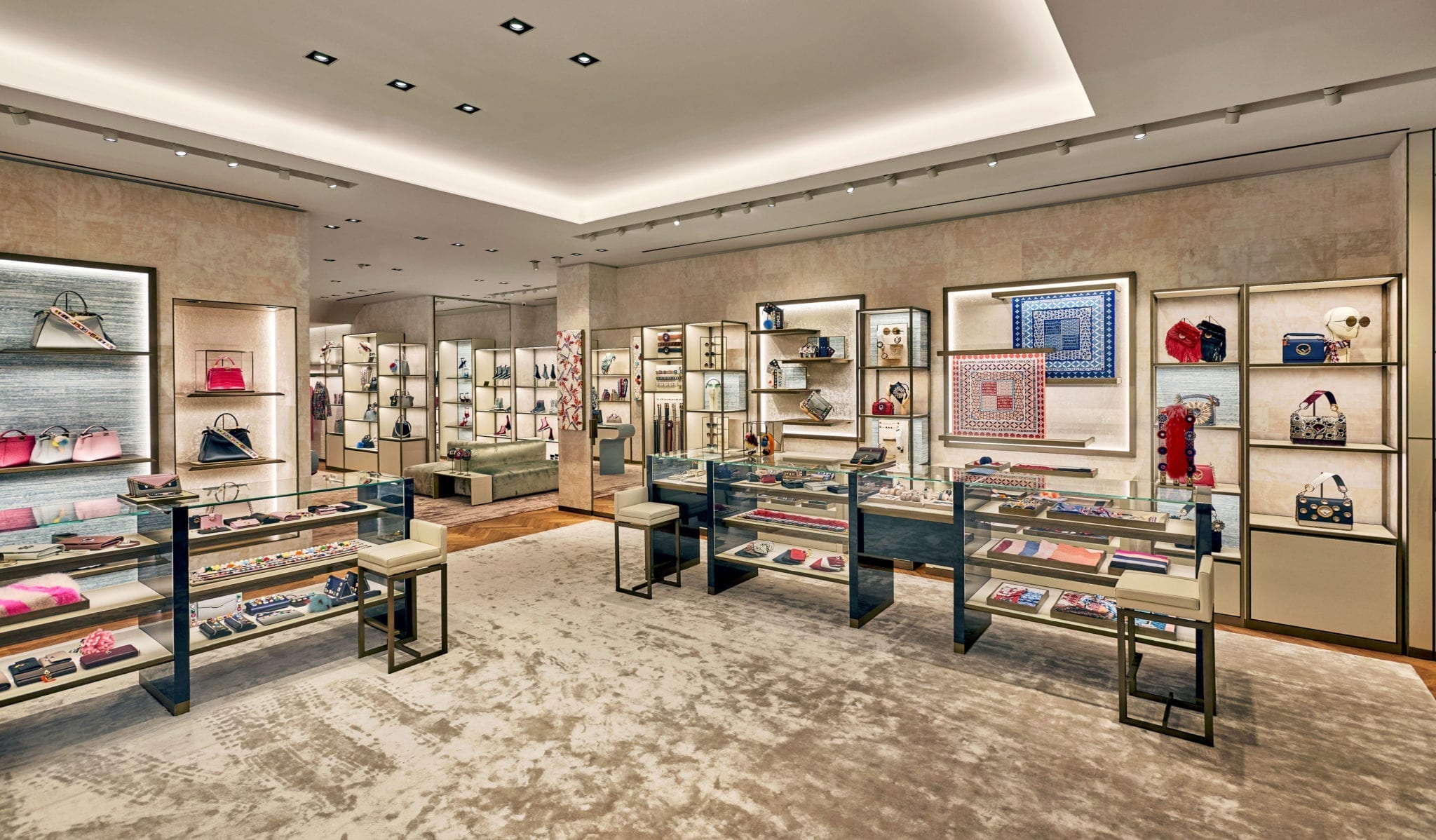
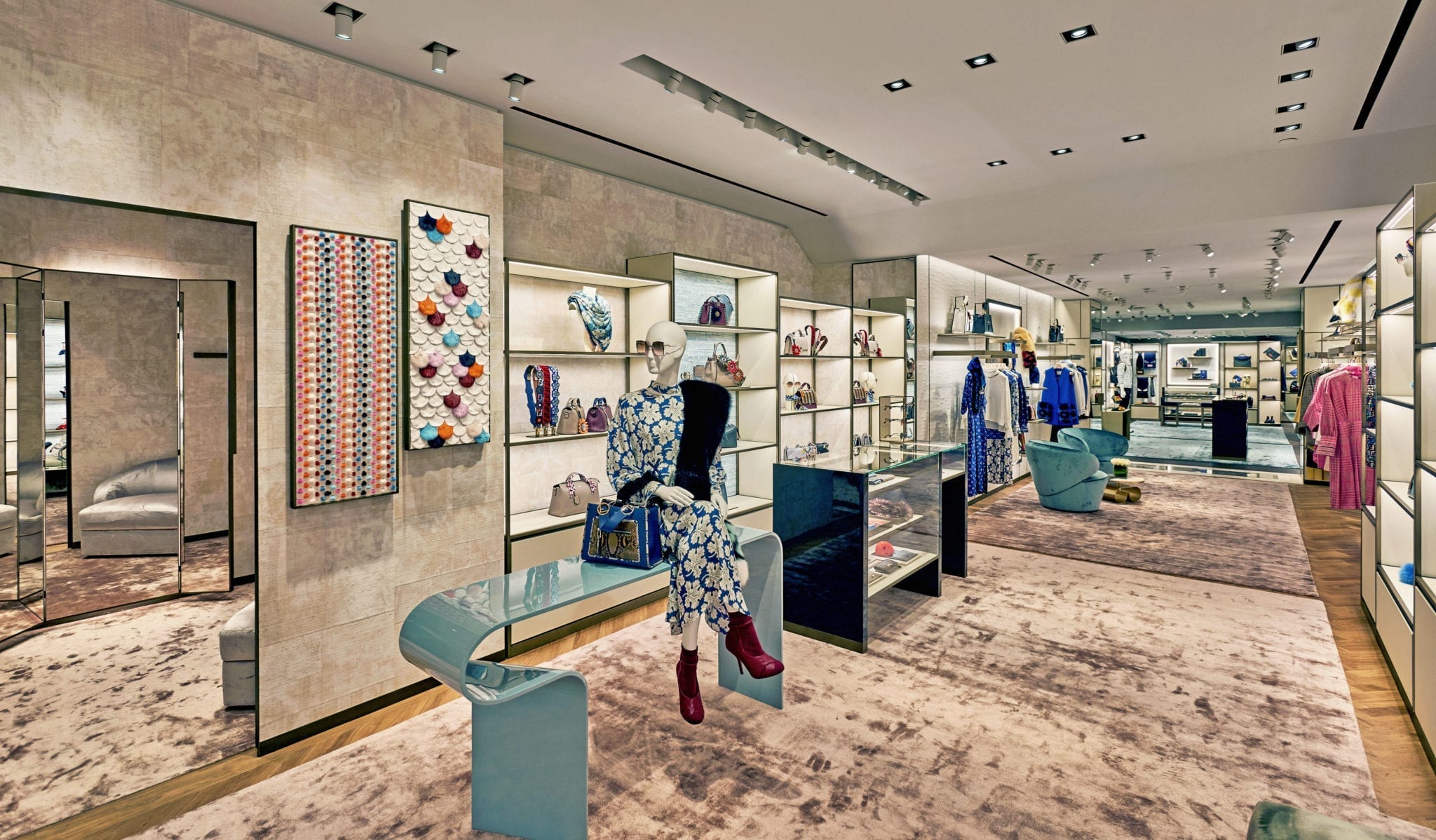
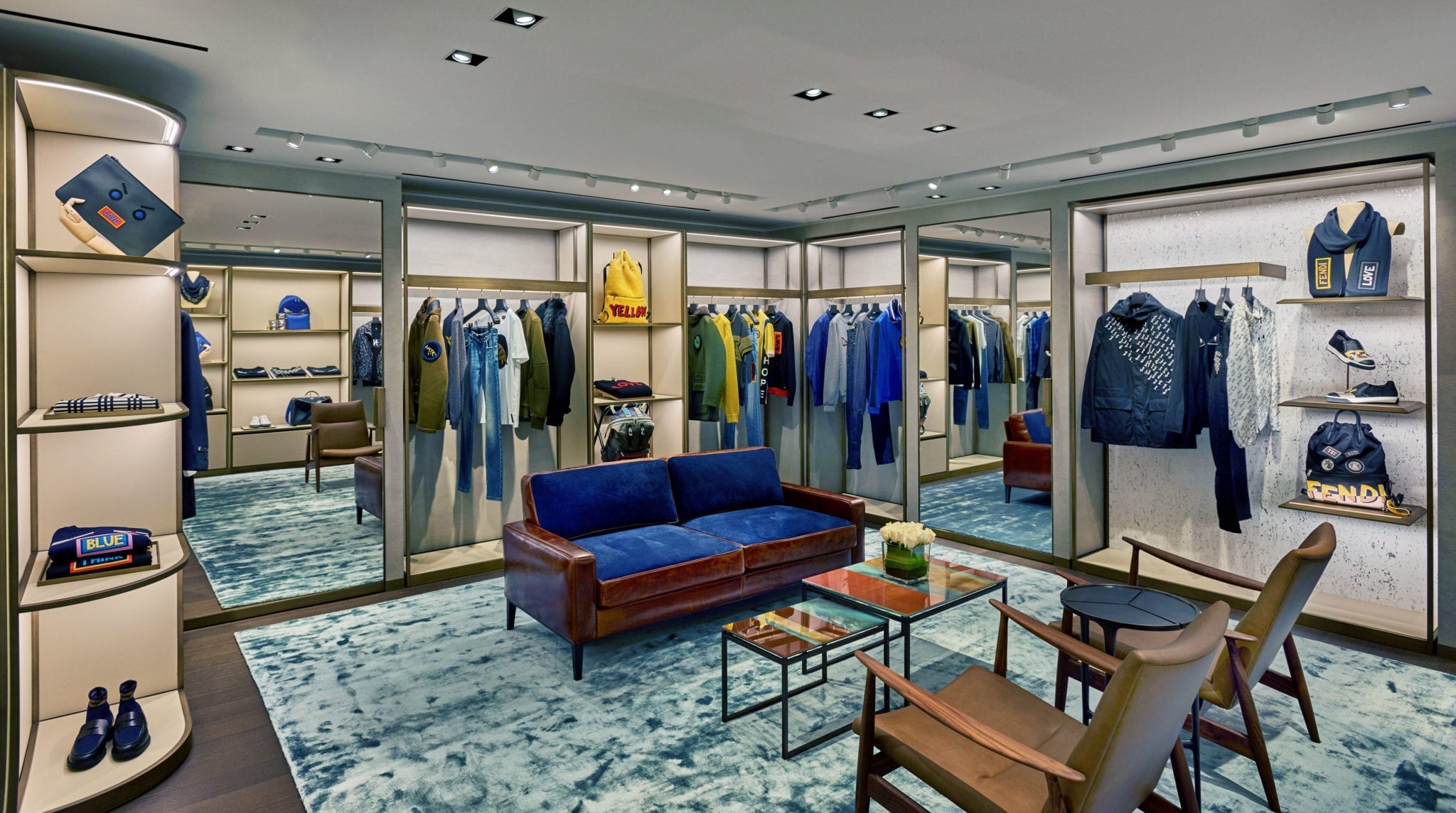
    FENDI opened a brand new store in ION Orchard, right in the heart of the main shopping area in Singapore. The new store has a refreshed store concept, reflecting the culmination of its continuous research of highest standards in store design highlighting its deep heritage.


    The ION Orchard store will be the first store on Orchard road to have a full men’s universe collection, featuring Ready-to-Wear, Shoes, Leather Goods, and Accessories.

    At the same time, FENDI will be launching a new travelling pop-up store in Singapore. The FENDI Kiosk is inspired by the city of Rome and will travel to other parts of Asia, after Singapore. The FENDI Kiosk will be available in ION Orchard from 2 to 18 February.

  • Zara mocked in Asia for selling £70 ‘lungi’ – a ‘Thai grandpa’s uniform’

    Zara mocked in Asia for selling £70 ‘lungi’ – a ‘Thai grandpa’s uniform’

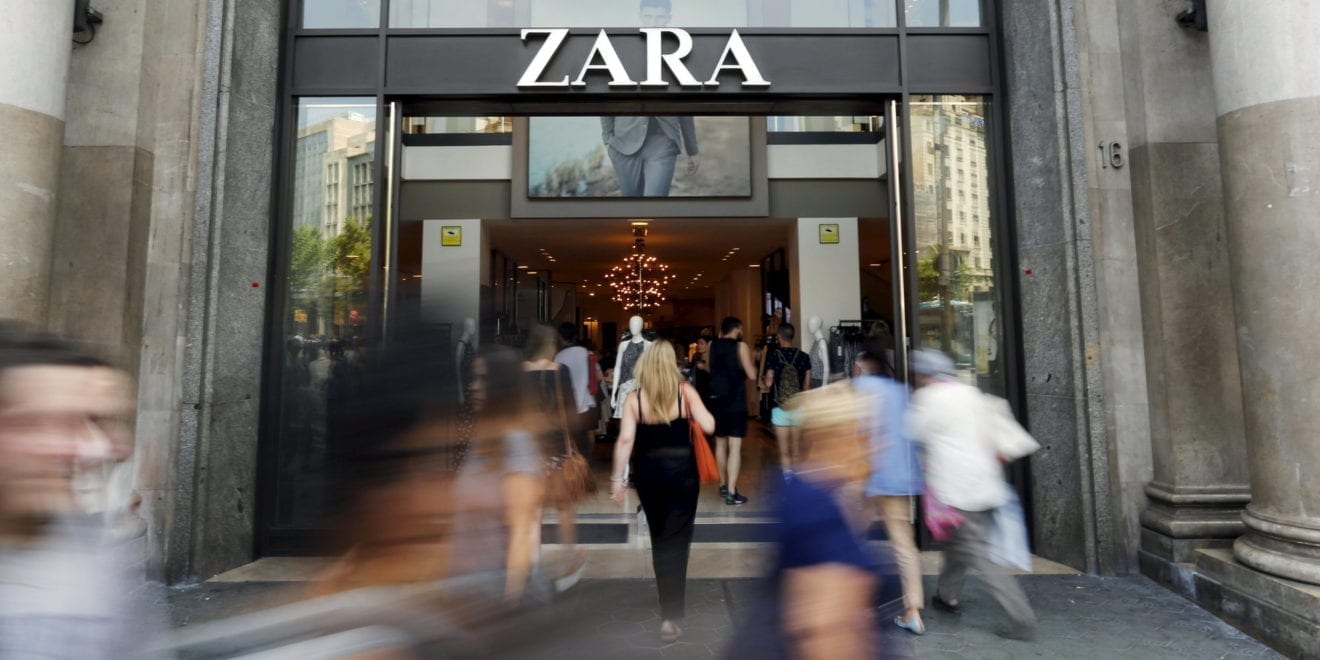
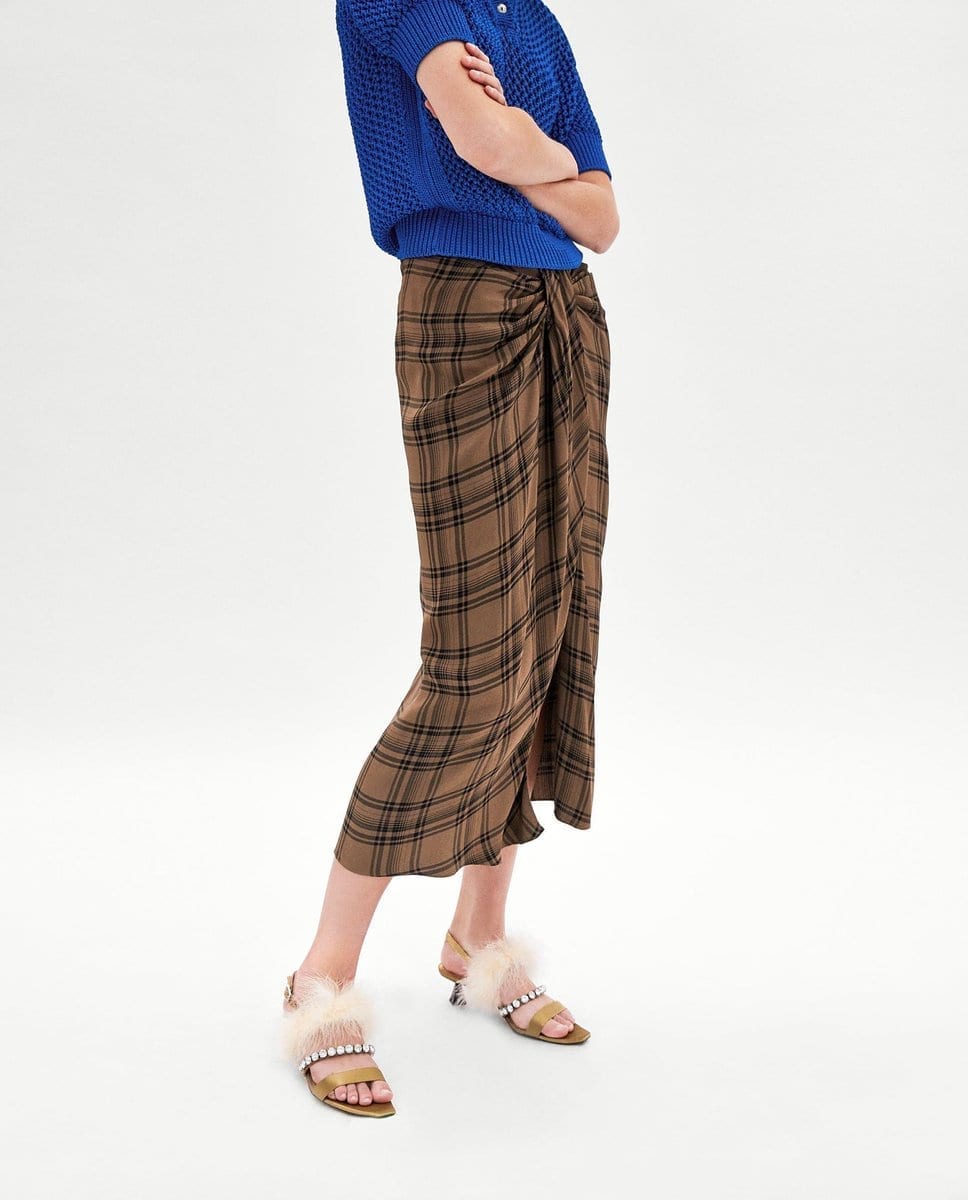
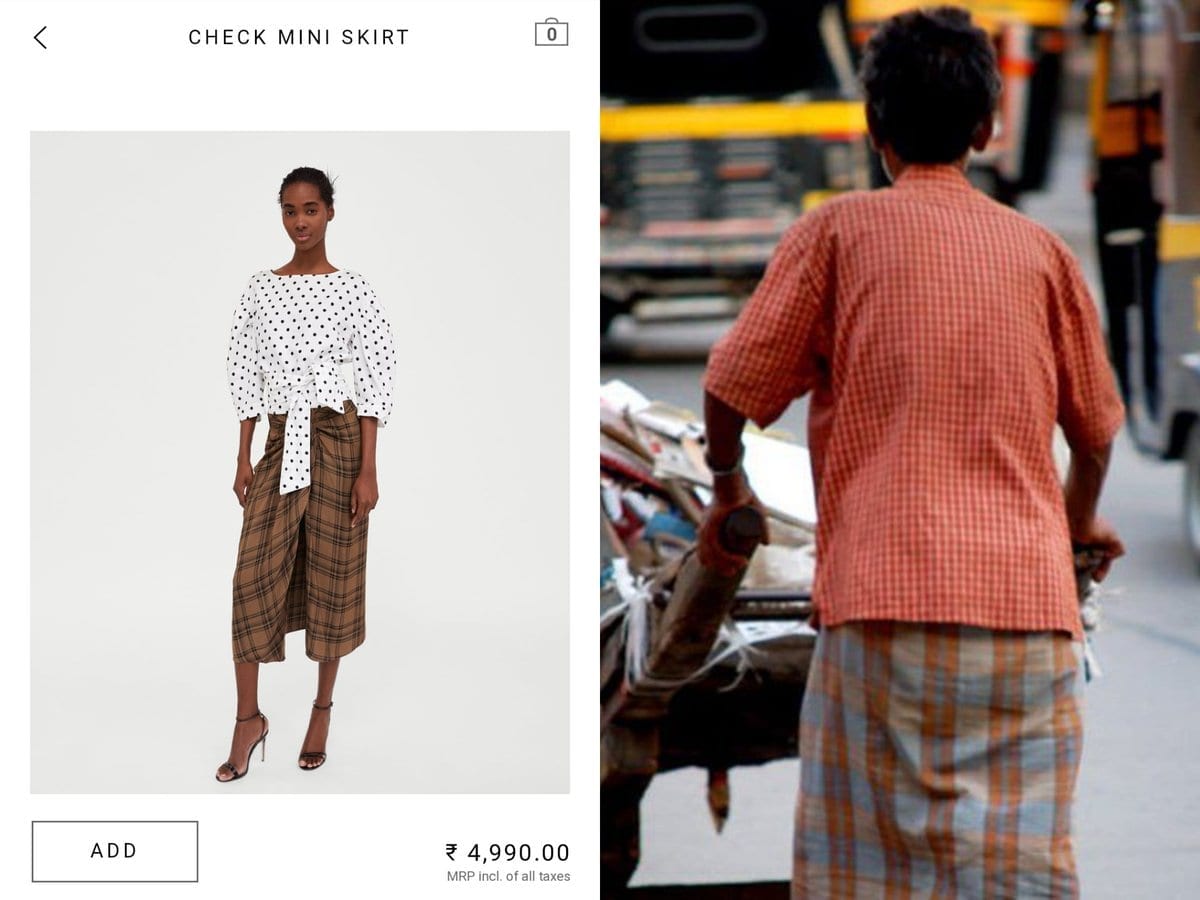
    High street retailer Zara has been widely mocked for marketing a £70 checked skirt which bears a striking resemblance to a cheap sarong worn by Asian grandfathers.

    The fashion brand’s description of the new mink-coloured garment as a “check mini skirt” with “draped detail in the front” sparked laughter across Asia, where social media users pointed out the similarities with the traditional “lungi” worn by their fathers, uncles and grandfathers.

    The lungi is a piece of cloth wrapped around the waist and tied at the front, that has been popular among men in the warmer climes of South and Southeast Asia for generations. It can be picked up in the markets of Thailand, Burma or Bangladesh for a few pounds.

    “Hate to break it to you Zara, but that’s a lungi,” wrote India’s Hindustan Times newspaper, adding that the LungiWala online retailer offered very similar garments for just £4.

    “In other places, it would be available for much cheaper than that. We should know, we’ve seen our fair share of them: we even have a dance for it. (‘Lungi dance’, anyone?)”.

    Meanwhile, Asia-based Coconuts media described the skirt as looking like a “Thai Grandpa’s uniform” commonly used for modesty when washing outside.

    Many social media users made a joke of it.

    “Zara selling lungis is..exactly how my indian mum will be luring my dad to go shopping next weekend,” wrote Australian Twitter user Sarath Chandra.

    Others, however, were upset that the fashion brand had used the design without referencing its origins. Elizabeth Segran, a writer who said she grew up in Singapore, Malaysia and Indonesia, accused the company of failing to acknowledge that the skirt was inspired by the Asian lungi.

    “I am not the only one who is a little peeved by this casual cultural appropriation. Asian Twitter just went up in arms,” she wrote for US magazine Fast Company.

  • H&M hoping to recover profits from its Tmall launching

    H&M hoping to recover profits from its Tmall launching

    Stung by a profit slump, the H&M group is pinning its hopes on China by launching a store on Alibaba’s Tmall next month.

    As well, the Swedish fast-fashion retailer is targeting India, Saudi Arabia and the UAE with new digital stores this year.

    Releasing its full-year report yesterday, H&M admits it has been struggling to keep pace with evolving shopping habits that have depressed sales in its physical stores.

    Sales grew 4 per cent last year but profit after taxes slumped 13 per cent, with CEO Karl-Johan Persson saying the fashion industry is “changing fast”.

    “At the heart of the transformation is digitalisation, and it is driving the need to transform and rethink faster and faster,” he says.

    With physical stores in 69 markets, H&M has an online presence in 43.

    Full-year global sales (to November 30) including VAT increased by 4 per cent to SEK231 billion (US$29 billion). This was a 3 per cent rise in local currencies. Sales excluding VAT reached SEK200 billion.

    Gross profit increased to SEK108 billion, corresponding to a gross margin of 54 per cent, down from 55.2 per cent the previous year.

    Profit after financial items amounted to SEK20.8 billion, down from SEK24 billion. The group’s profit after tax amounted to SEK16 billion, down from SEK18.6 billion.

    Final-quarter fall

    For the fourth quarter, H&M group sales including VAT were down 4 per cent to SEK58.4 billion (2 per cent in local currencies). Sales excluding VAT fell from SEK52.7 billion to SEK50.4 billion.

    Gross profit fell to SEK27.9 billion from SEK30 billion, corresponding to a gross margin of 55.4 per cent (57 per cent). Profit after financial items amounted to SEK4.8 billion, down from SEK7.4 billion.

    Profit after tax was SEK3.9 billion, down from SEK5.9 billion.

    Weak store sales led to increased markdowns and handling costs, impacting the quarter’s results.

    During the year H&M opened 479 stores (497 the previous year) and closed 91 (70), resulting in a net addition of 388 outlets. Eight online markets were launched and the brand entered five new markets. It ended the year with 69 sales markets, 43 of them including an online presence.

    This year the group plans to add about 390 stores to its network and close about 170, a net addition of about 220 stores. On Tmall it will have both H&M and H&M Home.

    At home in Sweden it will also introduce the Afound brand, an off-price marketplace offering products from fashion and lifestyle brands.

  • Heidi Klum Intimate Solutions is now available in India

    Heidi Klum Intimate Solutions is now available in India

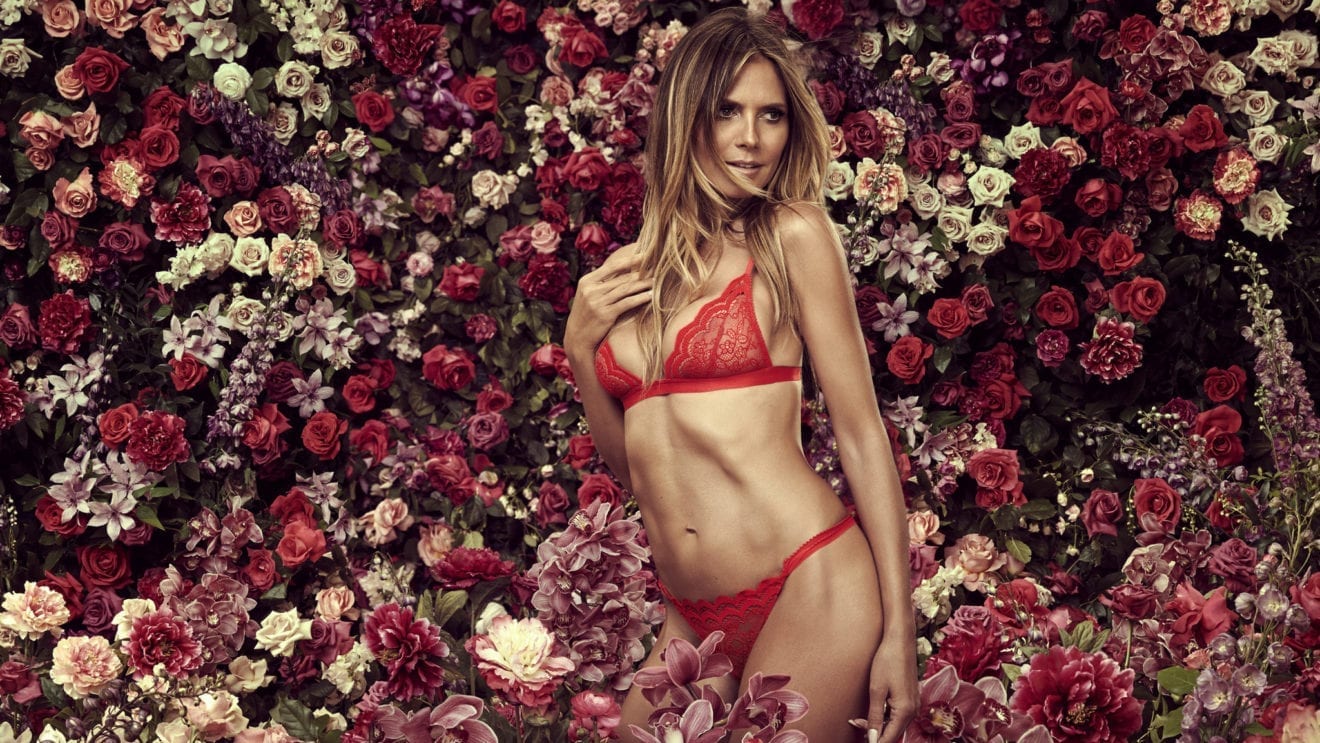
    International Top Model, Heidi Klum Intimate Solutions are available in India exclusively on The Clothing Rental, This collection answers your need to feel effortlessly comfortable every day. The Clothing Rental has got the rights to sell Heidi Klum Intimate Solutions.

    Celebrities and Top Models often wear stunning outfits that are always under the microscope, the world watches in awe as they walk down the red carpet in their effortless chic gowns. Stylist’s best kept secret solutions such as the Dressing Tape: a double-sided tape that sticks on to the garment and the skin while holding a strapless dress, deep neckline or a low back dress in place.  Similarly a low back cannot afford to show the inner garment causing a blunder in press.

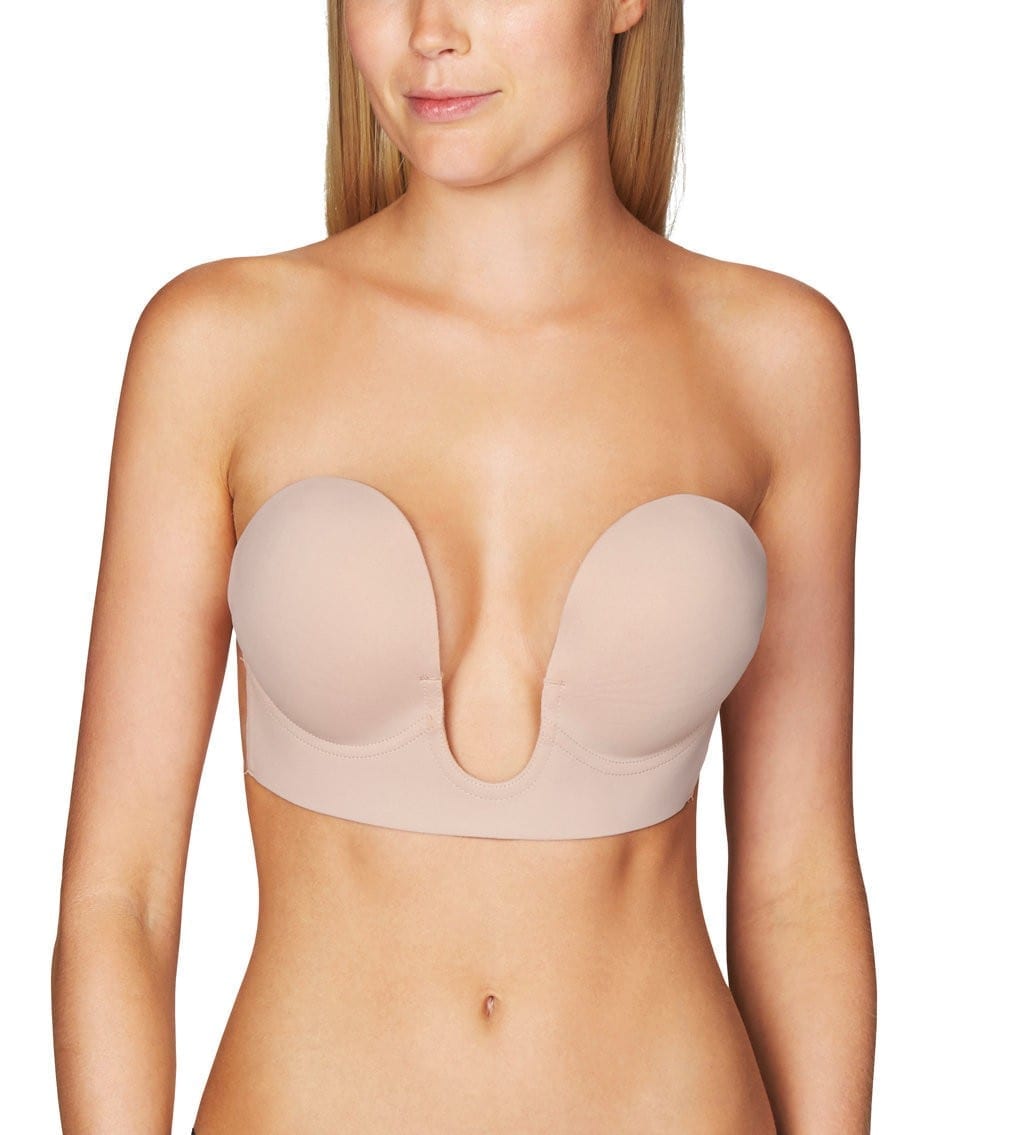
    Heidi Klum Intimate Solutions offers multiple options such as the Low Back Converter that can be hooked on to existing bra and lower the back neckline by couple of inches, the wing bra that sticks to the sides or the deep plunge that can be stuck on with a plunge in the front.

    The Clothing Rental, India’s first portal to rent and retail, started in 2005, The Clothing Rental has been a secret destination for the film and media industry professionals. A favorite of top stylists, celebrities and fashionistas The Clothing Rental has dressed the best names in the country with its fashion forward merchandise.

    While the price range of the solutions falls between INR 800 to INR 2800, thus making the international fashion affordable and easily available.

    According to Shilpa Bhatia, Founder, The Clothing Rental, “We cater to top stylists in the country who are dressing up some of the best names in the world, they have a constant need for such merchandise. Bringing it closer to home and offering a much needed variety. The packaging is super cute in glossy hot pink and the pricing is similar to what you would pay on your trip abroad.”

    Tips on purchasing these Intimate Solutions

    1 – Lower Back Converter – When wearing a deep-neck dress, opt for a lower back converter which will make the straps invisible.

    2 – Wing Bra – While wearing a backless dress always opt for a Wing Bra, which is a backless and a strapless bra with clear adhesive wings that are adjustable. It Includes one set of adhesive wing tape that can be reused by simply saving the protectors.

    3 – Plunge Bra – This type of bra is a must-have for low cut tops and push-up padding for added contour, thus making it a perfect option for plunging necklines. It is adorned with attachable straps, u-shaped plunging neckline and contour cups with underwire support.

  • Mori Building and teamLab to launch “MORI Building DIGITAL ART MUSEUM teamLab Borderless” in Odaiba, Tokyo this summer

    Mori Building and teamLab to launch “MORI Building DIGITAL ART MUSEUM teamLab Borderless” in Odaiba, Tokyo this summer

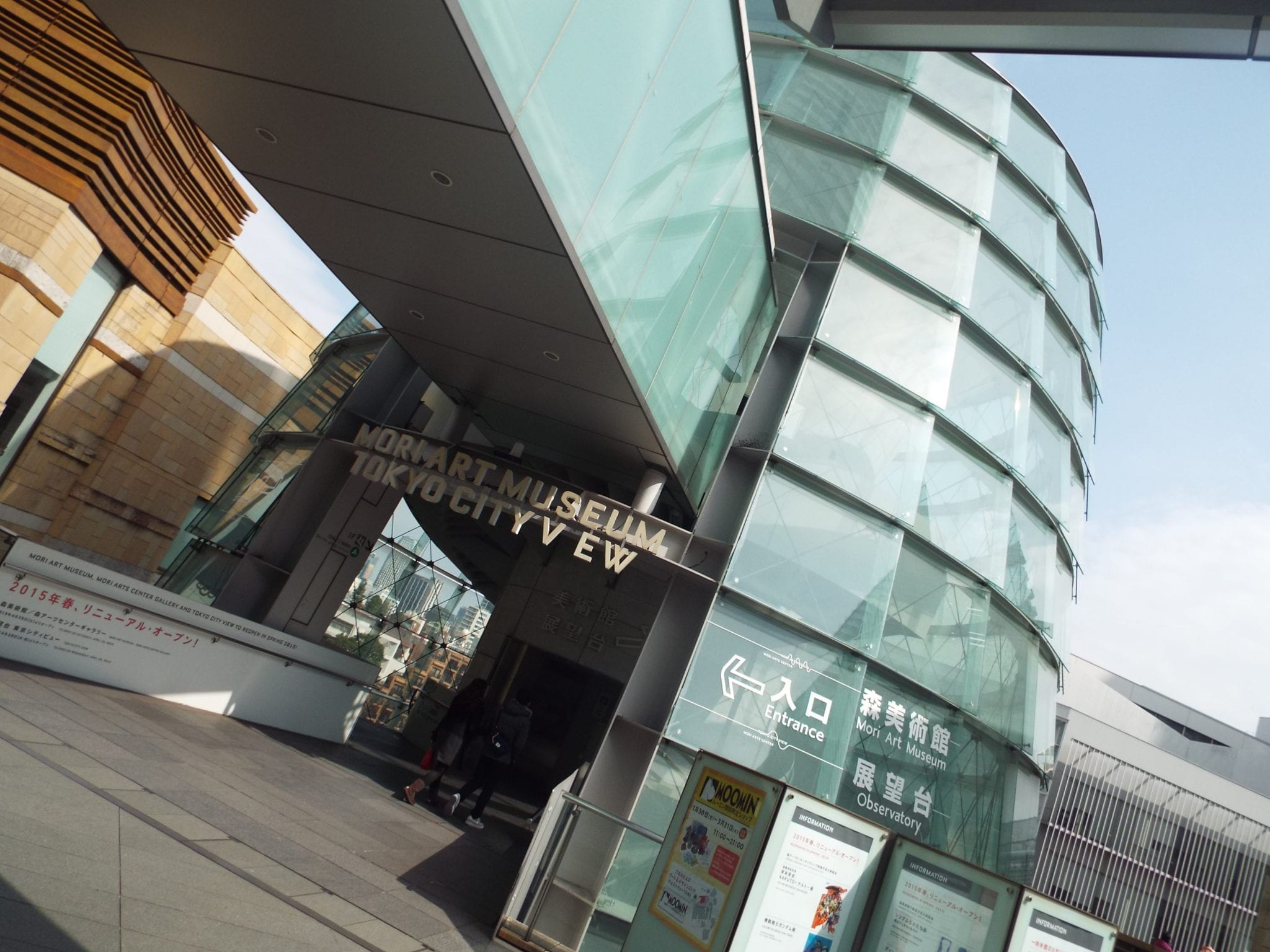
    Mori Building, a leading urban developer in Tokyo, and the art collective teamLab today announced that they will jointly open “MORI Building DIGITAL ART MUSEUM teamLab Borderless,” a full-scale digital art museum in the Palette Town complex of Odaiba, Tokyo in the summer of 2018. The all-new museum concept is a collaborative initiative between Mori Building, a noted supporter of culture and art, and teamLab, an interdisciplinary creative group that utilizes the digital technologies to express art.

    The museum, teamLab’s first permanent exhibition and flagship facility in Tokyo, will boast a massive 10,000 square meters of labyrinthine floor space. The word “Borderless” expresses the museum’s aim to tear down the borders between “one art and another,” “art and visitors” and “oneself and others” by allowing visitors to melt into the art and become part of it. Mori Building and teamLab hope that their groundbreaking museum will inspire people to create enlightened new values and innovative new social frameworks.

    Mori Building actively works to integrate art in cities, including by staging important cultural activities. In the view of the company, cities vitally need culture and art to expand their magnetic power to attract creative people and enterprises from throughout the world.

    teamLab aims to explore a new relationship between humans and the world through art. The collective’s collaborative practice seeks to liberate art from physical constrictions and transcend boundaries in contemporary society, where the border between technologies and creativity is coming fuzzy.

    Through their collaboration, Mori Building and teamLab aim to create a unique destination that enhances the magnetic power of Tokyo toward 2020 and beyond.

  • Little Stories Concept Store, a game for little ones by CLAP

    Little Stories Concept Store, a game for little ones by CLAP

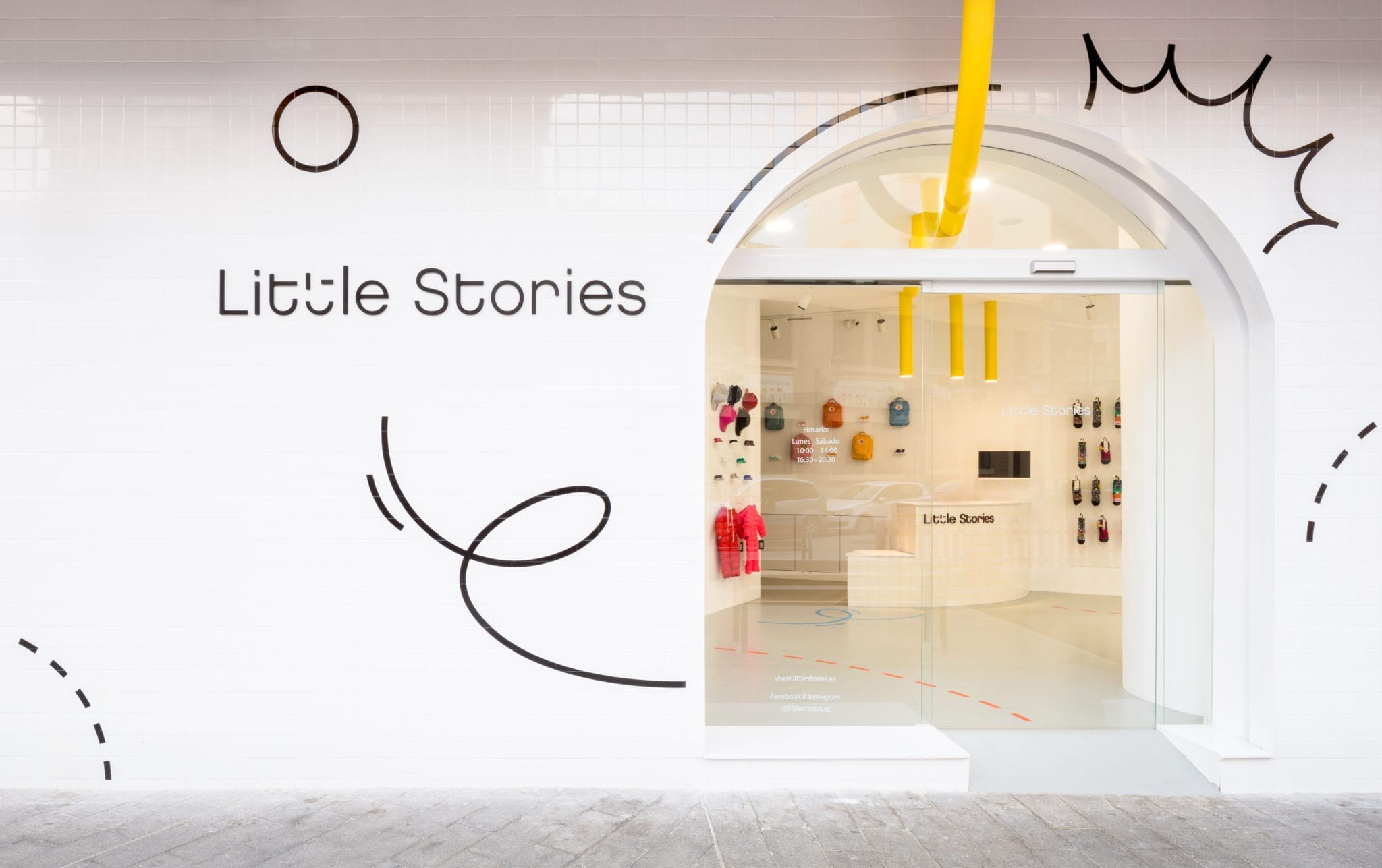
    In March 2017, two partners came to CLAP with the desire to create a Shoes Concept Store exclusively for children. We started with a name, “Little Stories”, and the need to create a strong corporate identity, graphically, to create an interior in accordance with it. After several workshops with the client, we came up with three key points that reflected the essence of Little Stories: game, simplicity and adaptability.

    For the creation of the corporate image we chose a friendly and simple sans serif typography. The corporate image was completed with a system of lines that helps to represent, articulate and express brand identity in different formats.

    Once the identity and corporate image of Little Stories had been defined, we started the creation of the concept Store. CLAP’s goal was to create an experience for little ones. Every detail is designed to encourage imagination and play but at the same time, highlight the products on display.

    The interior of 70 square meters is an open space with large windows that make the interior feel like an enormous shopfront. The product exhibition is completely adaptable and allows a change of distribution thanks to the small movable stands on the floor and the magnetic metal plates on the walls.

    The corporate image of Little Stories accompanies the user from the exterior of the space to the interior, creating a constant game for the little ones and clearing the space for the products to be proudly showcased. Inside, the light points come from tubes that fall from the ceiling in order to illuminate the exposure and focus the clients attention on the product.

  • Uniqlo Collaborates with Ines de la Fressange for a Spring/Summer 2018

    Uniqlo Collaborates with Ines de la Fressange for a Spring/Summer 2018

    UNIQLO today announces it will launch the INES DE LA FRESSANGE Spring/Summer 2018 Collection, starting from Friday, March 16. In its ninth season, the full 82-item collection will be available at UNIQLO Orchard Central (Global Flagship Store), Suntec City and online, while dresses will be available at all stores. Prices will range from $19.90 for a Women’s Waffle Crew Neck Short Sleeve T-Shirt to $199.90 for a Women’s Soutien Collar Coat.

    The collection is the fruit of a collaboration between Parisian chic icon, Ines de la Fressange, and UNIQLO Special Project Design Director, Naoki Takizawa. The range brings together Ines’ belief in designing clothes that all women wear with comfort to reveal their beauty, and the LifeWear philosophy of providing innovative, high-quality clothing that is universal in design and comfort.

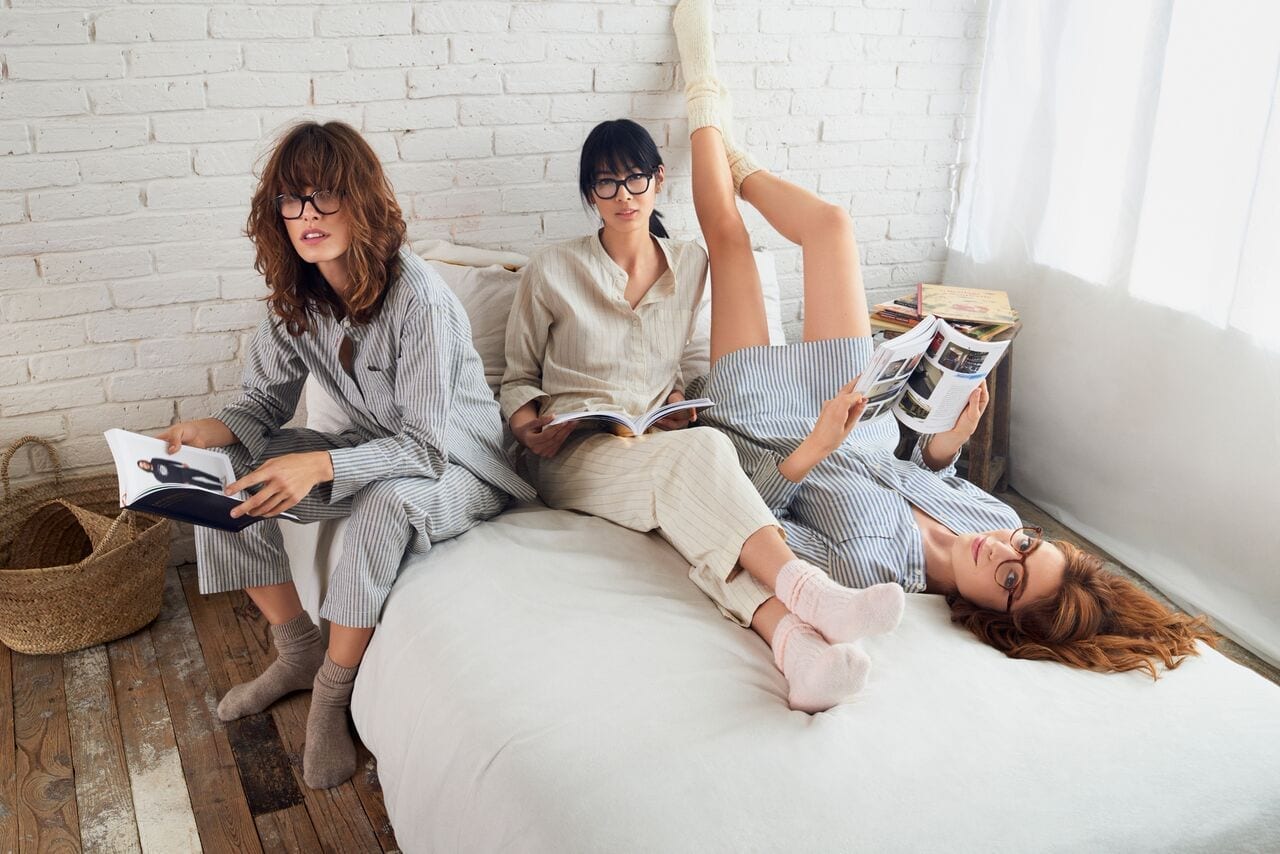
    Celebrating Ines’ recollections of boating scenes and vibrant architecture during holidays in port towns around Europe, the range builds on her desire to offer wardrobe essentials that are also fashionable, newly including pyjamas.

    Key Colours & Prints

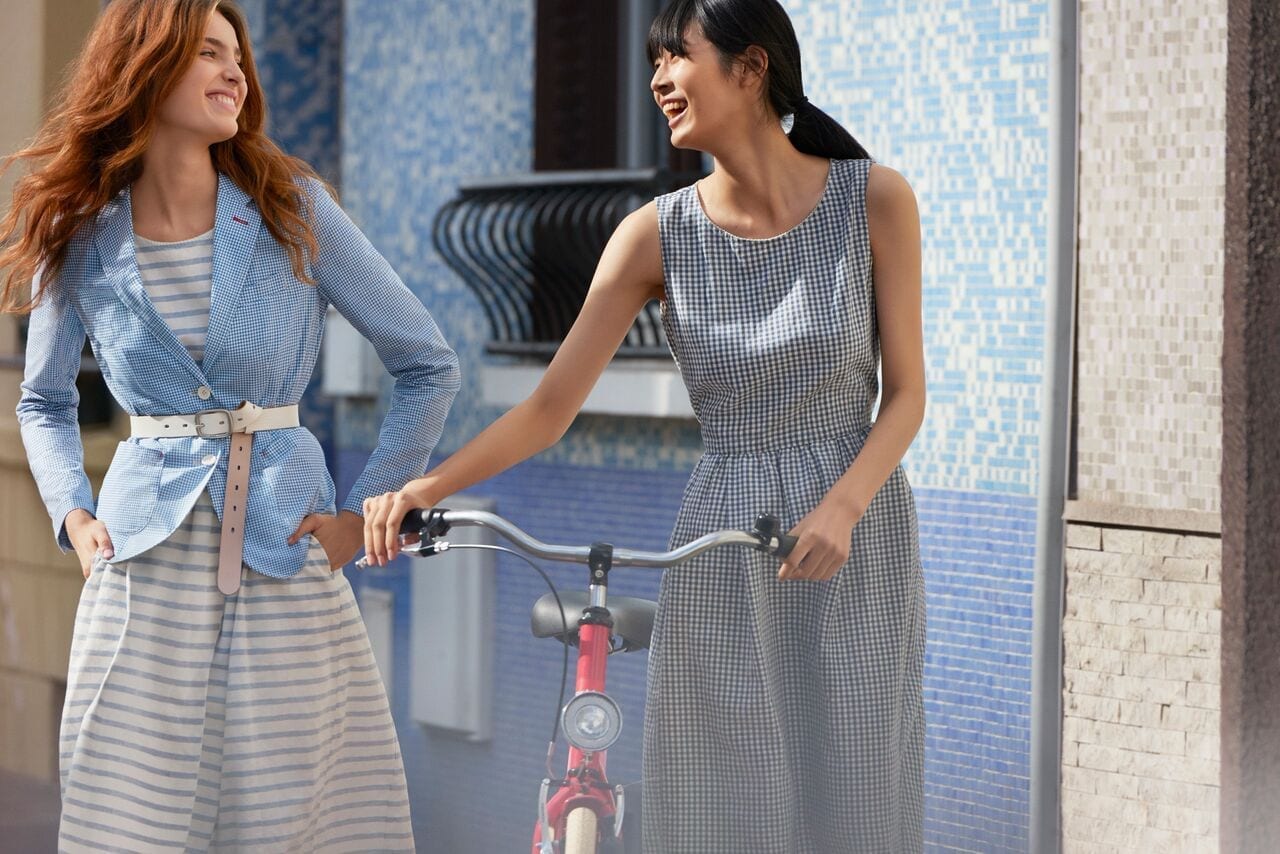
    The collection features cobalt blue, red and a variety of prints such as borders, checks, dots, flowers, and star patterns. Ines’ signature navy blue and indigo are also showcased in new ways.

    Key Items

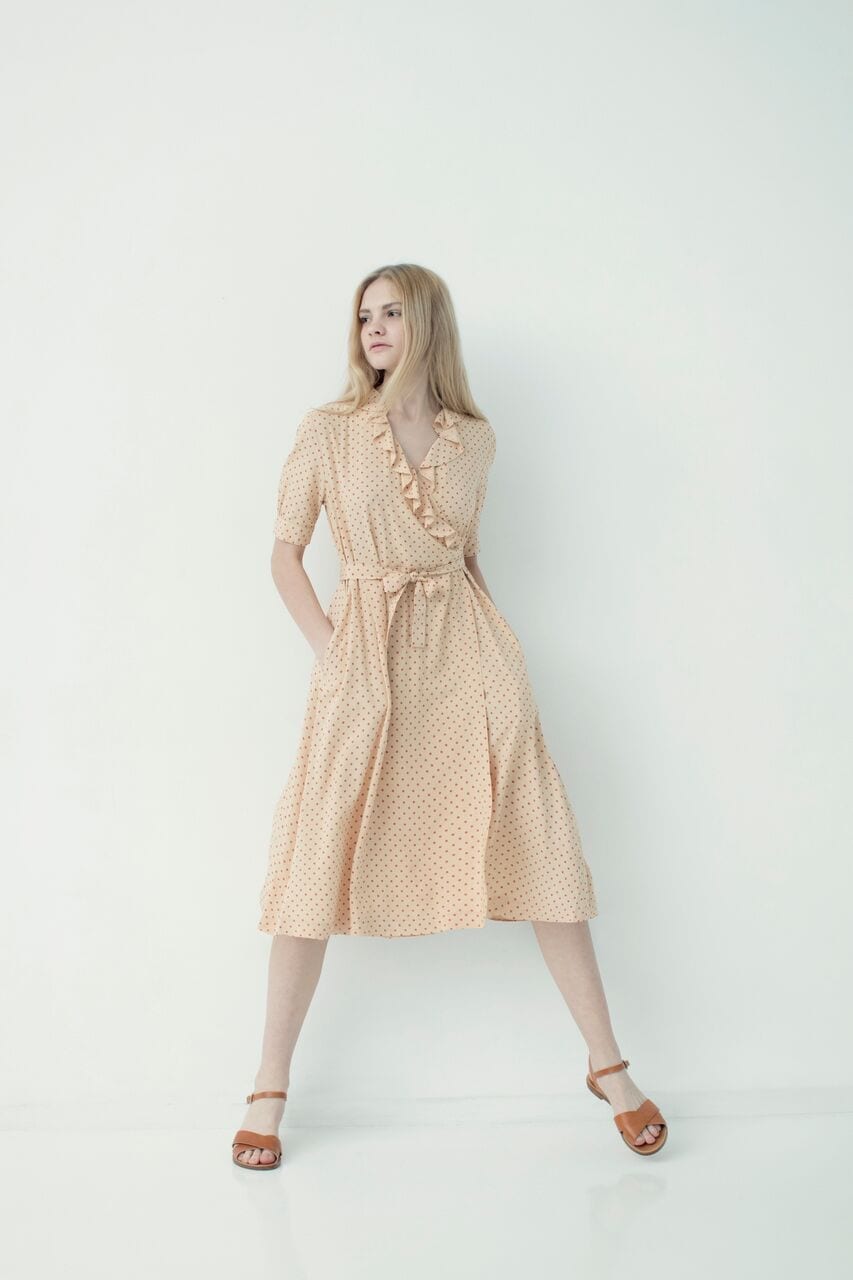
    Key items include gingham check cotton parkas, soft easy pants in delightful spring patterns, and 1960s-style cache-coeur dresses with ruffles. Ines’ effortless style extends to the elegantly relaxing pyjamas with prints that are identical to those used in the collection’s tops, pants, and dresses.

  • Young shoppers’ big, luxurious spending emerges as new trend

    Young shoppers’ big, luxurious spending emerges as new trend

    Shoppers  in their 20s in South Korea have become more prone to spending big on luxury items and services, emerging as a new consumption trend, according to industry data.

    Mobile commerce company Tmon says the sales pattern over the past three months showed that purchases among young shoppers of luxurious products and high-end services in fashion, food and travel categories have significantly surged.

    From 21 October 2017,  Tmon’s overall sales of sneakers from luxury brands like Gucci, Golden Goose, Valentino and Alexander McQueen — which range price between 300,000 won (US$280) and 800,000 won — rose 66 percent, compared to the same period in the previous year.

    The sales increase was particularly high among consumers in their 20s, soaring by 106 percent on-year.

    Over the same period, hotel buffets, particularly dessert buffets, also logged a sales increase of 71 percent on-year among young consumers. The price of a hotel buffet in Seoul begins from 44,100 won per person.

    The company said it had sold over 2,400 entries to such dessert buffets in just two months, portraying young shoppers’ interest in Instagram-worthy food spots.

    “From luxurious goods to upscale brunch bites and private travel products, the tendency of consumers to focus on higher satisfaction is expected to continue throughout this year,” said Han Jae-yeong, Tmon’s chief strategy officer.

    A similar trend can be seen in the popularity of Moleskine, a Milan-based luxury notebook company founded in 1997.

    Its limited edition notebooks — some of which have been inspired by Lego, “Star Wars,” “The Simpsons” and “The Hobbit” — are typically priced from 30,000-40,000 won, but the notebooks quickly sell out.

    “Consumers tend to find high quality and the brand value of Moleskine products worth spending their money on, which also gives them even a sense of ‘achievement’ when they purchase a limited edition, although it’s pricey,” said Yim So-young, a marketing manager for Moleskine in Korea.

    “Korean consumers’ interest in limited edition goods and premium product lineups will only expand in the future,” she added.

    And the trend is more marked among, while not limited to, the younger generation.

    According to Lotte Home Shopping, sales of global premium home electronic appliances such as Blomberg dryers and Balmuda’s steam oven toasters have seen double-digit growth each year since 2015.

    The company said such high popularity is attributable to premium brand products’ high performance and luxurious and sleek design, as well as brand awareness.

    Swiss coffee maker Jura’s E7 automatic coffee machine receives at least 1,000 calls on order each time the product goes on air, the company said. The coffee machine costs nearly 1 million won.

    Among Tmon’s travel products, sales are rising for luxurious accommodation in Japan, such as at ryokan, a type of traditional Japanese inn equipped with Japanese hot springs and private bathing facilities.

    The most expensive ryokan are “Category A+++” which begin at 70,000 yen (US$640) per person. The price for average ryokan begin from 300,000 won per person. Until only recently, ryokan had been considered as accommodations primarily for middle-aged couples or family trips.

    The company, however, said over the past three months, 20-somethings’ purchases of ryokan accommodations through packaged tours or individual trips had soared 166 percent on-year.

    asIndustry watchers say the trend will likely last, as consumers continue to crave satisfactory experiences and pleasures.

    “It is experience that many consumers now prefer, and it’s especially the dominant and preferred choice among those in their 20s, who want to experience the diverse range of the latest, satisfactory products and services,” said Jeon Mi-young, research professor at the Department of Consumer Science at Seoul National University, in an interview with a local daily.

  • Celebrating Lunar New Year with offers from DFS

    Celebrating Lunar New Year with offers from DFS

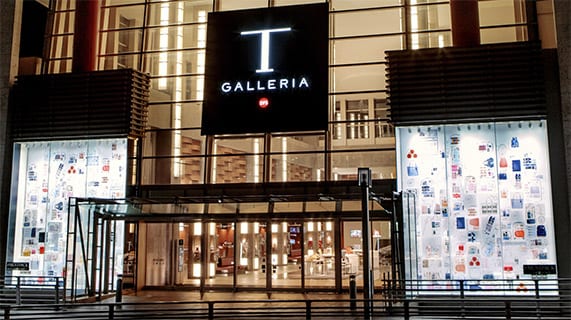
    To celebrate Lunar New Year and the arrival of the Year of the Dog, luxury travel retailer DFS Group will offer special promotions and interactive activities at certain T Galleria and DFS stores worldwide next month.

    There will also be exclusive offers from the group’s Give Joy Together gift guide.

    In-store activities will include a Pokemon Go-inspired game featuring the DFS Lunar New Year dog character Lolo. This will be available at T Galleria by DFS, Hong Kong, Canton Road; T Galleria Beauty by DFS, Hong Kong, Causeway Bay; and T Galleria by DFS, Angkor. It will also be at outlets in Hawaii and Sydney.

    Other activities include a Fortune Tree and Wishing Tree with lucky prize envelopes, and a personalised charm giveaway set for customers taking advantage of Give Joy Together promotions.

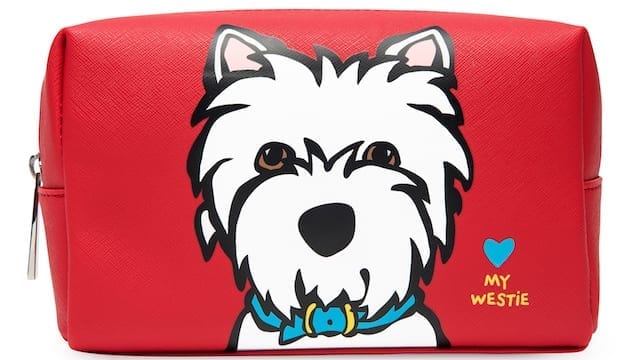
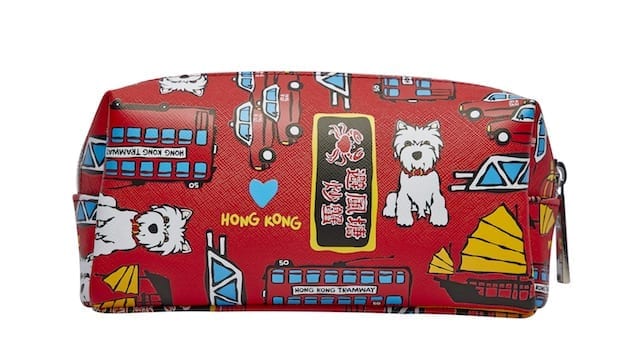
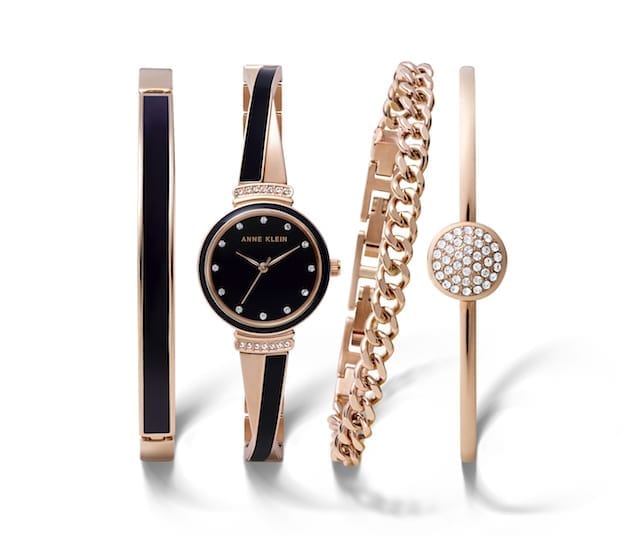
    Exclusive products for the month include: Anne Klein Blush women’s ceramic watch with Swarovski crystals; Bulgari Serpenti Twist Your Time, with either mother-of-pearl or red dial; Emporio Armani Connected touchscreen smartwatch; Estee Lauder limited-edition Pure Color Envy Sculpting Eye Shadow & Lipstick; Hamilton’s Ventura Elvis 80 automatic men’s watch with a complimentary exclusive Elvis Presley tote bag; Marc Jacobs exclusive tote bag; Marc Tetro Hong Kong Pug cosmetic bag and Westie tote bag; Swarovski Haves bracelet, pendant and earrings; and Tiffany & Co Keys Fleur de Lis Key and Keys Petals pendants.

  • Trunk Clothiers to pilot own-brand wholesaling in China

    Trunk Clothiers to pilot own-brand wholesaling in China

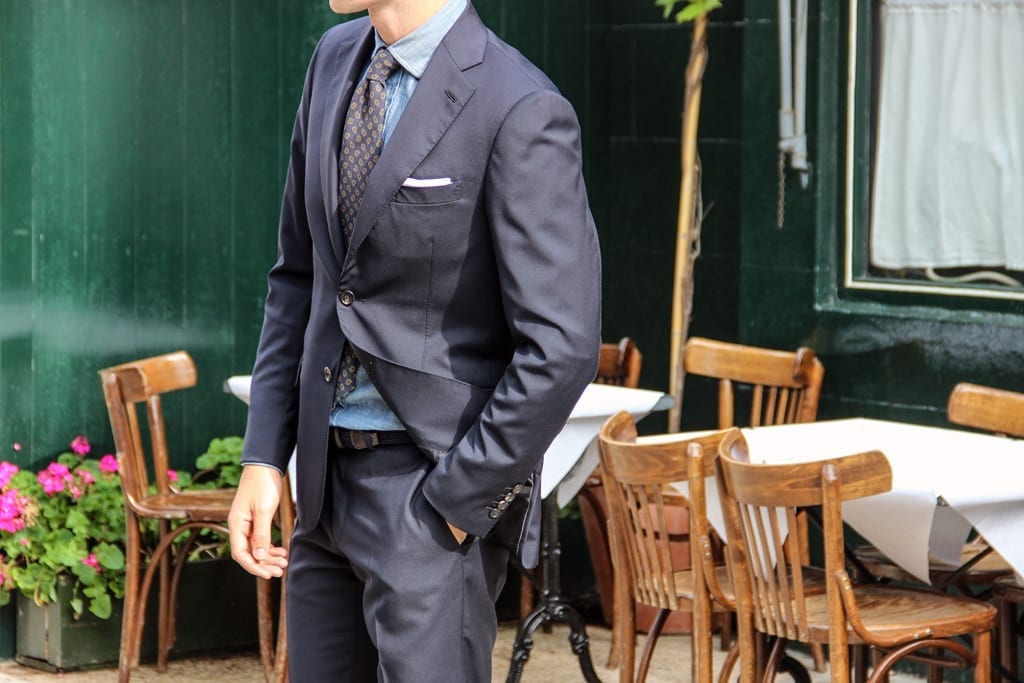
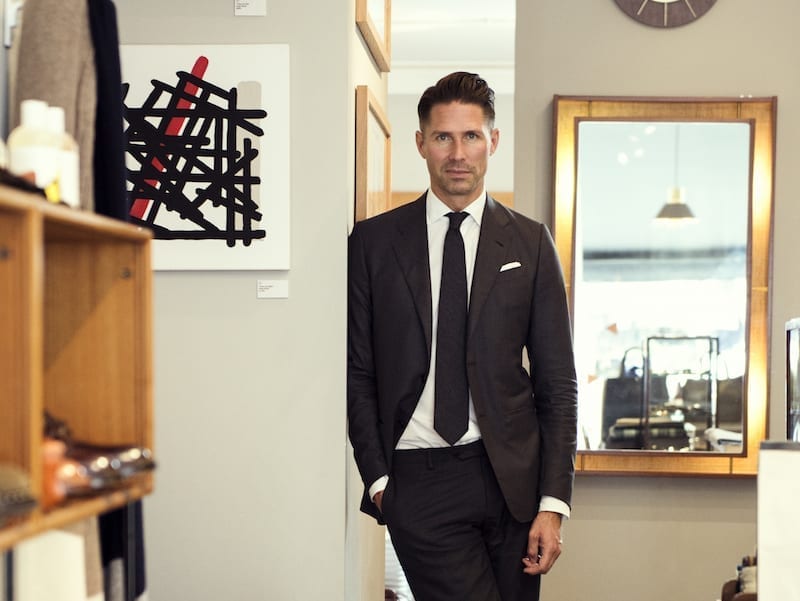
    Gearing up to launch in China, UK menswear boutique Trunk Clothiers is considering a wholesale push of its own-brand offering.

    It plans to trial this through Lane Crawford in Hong Kong, where it already has space, this coming autumn. MD Mats Klingberg says it will pilot a mix of own-label tailoring, shirts and trousers.

    Trunk began collaborating with Lane Crawford last year with a tailoring space at its stores in the Central, Causeway Bay and Tsim Sha Tsui.

    “Coming from a retail background, we have good experience as buyers,” says Klingberg. However, when it comes to taking orders “there’s a lot to learn”.

    “We’re not really set up as a wholesale business. We work with many brands that are also manufacturers, so it would be a natural step for us to do our own thing. It offers more flexibility, because we’re less bound by the seasons. We can also develop our own things based on what we see selling well in the shop, and there’s the creative aspect, too.”

    Meanwhile Trunk’s own-brand offering, which it introduced in 2011 with polo shirts and sweaters, is expanding to t-shirts, outerwear and leather accessories.

    Trunk launched with a shop in London in 2010, followed by its accessories store, Trunk Labs, in 2013.