Category: Fashion

Retail News Asia is committed to providing both local and global retailers with the latest Fashion news throughout the Asian market. This on a daily base.

  • Korea Ginseng Corp Opens ‘LOUNGE 1899’ to Tap into health and beauty market

    Korea Ginseng Corp Opens ‘LOUNGE 1899’ to Tap into health and beauty market

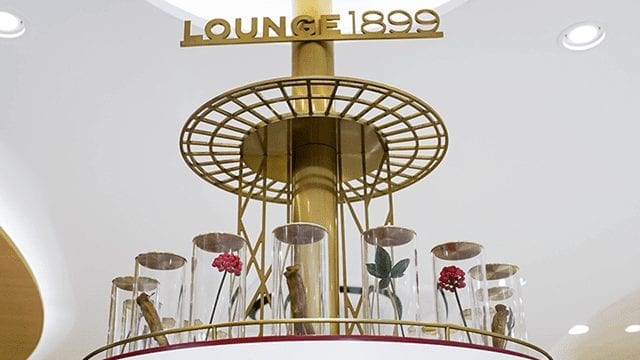
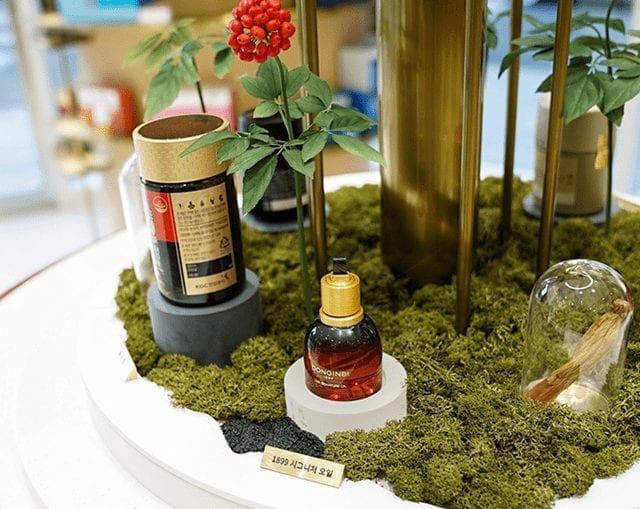
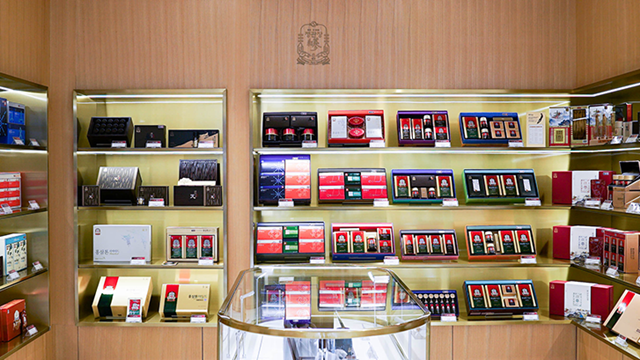
    Korea Ginseng Corp (KGC) is expanding into the health and beauty market with experimental stores.

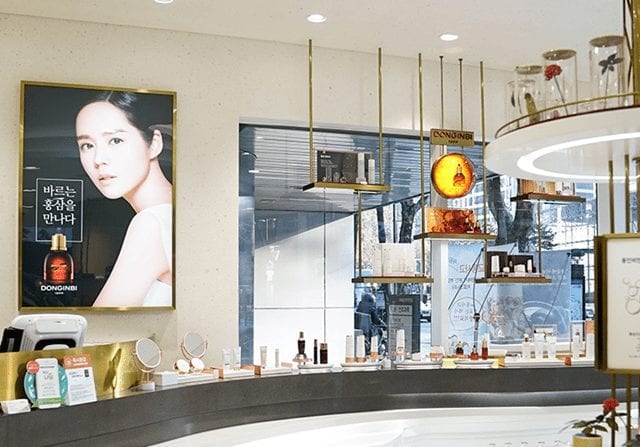
    Called “Lounge 1899” as a way to emphasise 119 years of history of its ginseng, the stores target consumers in their 20s and 30s and foreign tourists. They allow consumers to try out premium red ginseng-based products from KGC’s “Cheong Kwan Jang” and “Donginbi” lines.


    Customers can have personalised counselling from experts about products suited to their skin conditions, and experience oil-hand massage and red ginseng-hand spa, and a tea service.

    KGC currently runs six “Lounge 1899” stores across Korea with the first one opening in Seoul’s Gangnam district on January 26.

    The company plans to open 60 more stores by the end of this year.

  • Michael Kors numbers is worrying

    Michael Kors numbers is worrying

    The latest numbers from Michael Kors are far from being a good result, indicating a distinct lack of momentum at the brand.

    In some divisions, the Michael Kors brand has experienced a reversal of fortunes since the last reporting period and the results highlight the company was not one of the winners this holiday season as it was not able to capitalise on heightened consumer spending and confidence.

    An overall sales growth of 6.5 per cent might look reasonable enough, however, this is inflated by the addition of revenue from Jimmy Choo, which contributed $114.7 million during the quarter. Remove this, and revenue fell by 2 per cent. Even this number is flattered by some favorable currency movements; take these into account and revenue dipped by a rather more depressing 3.9 per cent.

    Admittedly, part of the decline at the core brand is down to a pullback from unfavorable sales channels. However, as this process has been ongoing for a long period, it cannot be used to explain away the weak performance entirely.

    Michael Kors has full control of its retail business, where it reported modest growth of 1.1 per cent. However, that number hides some worrying weaknesses: all of the growth in retail came from the opening of 32 new stores over the past year. And at a regional level, only Europe and Asia increased revenue. Within the Americas, retail sales decreased by 4.5 per cent and the poor store performance contributed to a global comparable sales dip of 3.2 per cent. Worryingly, all of the growth numbers are materially worse since the prior quarter. In other words, while the overall retail and luxury market strengthened, Michael Kors’ performance deteriorated.

    The sales softness might be acceptable if the company could point to a stronger bottom line. However, this is not the case. Operating margins were static in the retail group and fell for the Michael Kors division as a whole. As a consequence, operating income fell by 8.3 per cent over the prior year. With its relatively weak margins, Jimmy Choo did little to offset this.

    Despite attempts to revive the brand, it is clear that Michael Kors has lost momentum and is now heading in the wrong direction. This does not mean the strategy is entirely wrong; indeed, we would argue that the company is stronger now than it was a couple of years ago. However, Michael Kors needs to review its positioning and think about how it can connect more effectively with consumers.

    One of the issues is that Michael Kors is a fairly brash brand that lacks the softness of classic luxury labels. This plays well in some segments, but it alienates others – and that alienation is growing as consumers increasingly look for authentic and unassuming products. Admittedly, this is a difficult balancing act for Michael Kors, as it needs to be edgy and distinct, but at the same time generate broader appeal. However, we believe the balance is currently wrong.

    Jimmy Choo has been more successful at squaring this circle and has a playbook that Michael Kors should look to emulate.

    Overall, we do not see Michael Kors unfavourably, and we believe management has addressed many of the weaknesses that previously plagued the company. That said, it is clear there is a lot more work to be done before better results come through.

    -Neil Saunders

  • Apparel has lost its appeal

    Apparel has lost its appeal

    The apparel industry has a big problem. At a time when the economy is growing, unemployment is low, wages are rebounding and consumers are eager to buy, Americans are spending less and less on clothing.

    The woes of retailers are often blamed on Amazon.com Inc. and its vise grip on e-commerce shoppers. Consumers glued to their phones would rather browse online instead of venturing out to their local malls, and that has crushed sales and hastened the bankruptcies of brick-and-mortar stalwarts from American Apparel to Wet Seal.

    But that is not the whole story. The apparel industry seems to have no solution to the dwindling dollars Americans devote to their closets.

    Many upstarts promising to revolutionize the industry drift away with barely a whimper. Who needs fashion these days when you can express yourself through social media? Why buy that pricey new dress when you could fund a weekend getaway instead?

    Apparel has simply lost its appeal. And there does not seem to be a savior in sight. As a result, more and more apparel companies—from big-name department stores to trendy online startups—are folding.

    The ingredients for this demise have been brewing for decades. In 1977, clothing accounted for 6.2 percent of U.S. household spending, according to government statistics. Four decades later, it is plummeted to half that.

    Apparel is being displaced by travel, eating out and activities—what’s routinely lumped together as “experiences”—which have grown to 18 percent of purchases. Technology alone, including data charges and media content, accounts for 3.4 percent of spending. That now tops all clothing and footwear expenditures.

    Several reasons are behind this shift. Some are beyond the control of apparel companies, as societal changes drove different shopping behavior. But missteps by these companies along the way have hastened the death of clothing.

    It used to be that office workers needed suits and ties or pleated pants, long skirts and heels to get through the week. By the early 1990s, that seemed to change. The genesis is debatable, but many chalk it up to tech firms in Silicon Valley pushing a business-casual look dominated by khakis. That trickled into other industries, as casual Fridays became common. Now, office apparel is just as casual on Monday as on Friday for many workers.

    Over the past five years, there has been a 10 percentage point spike in employers that permit casual dress any day of the week. The upshot of this is that Americans increasingly need just one wardrobe, because there is so little differentiation between what people wear to work and on the weekends.

    Neckties are disappearing, even in industries such as finance. Sneakers can be worn to any occasion, including weddings and religious services. And about half of Americans say they can wear jeans to their professional offices, according to a survey by NPD Group.

    It is easy to see why this is bad news for apparel companies. When you cut out an entire category of attire, there’s less need to buy new clothes when fashions change. When there’s a hot new color or pattern, maybe a twentysomething buys one new blouse to stay on trend and wears it to work and out at night. Before, she might have purchased two pieces, one for each setting.

    There has been general deflation in the clothing industry. Apparel has become cheaper to make in recent years, especially as more production shifts to less expensive labor markets.

    Take a pair of men’s Levi’s 501 original-fit jeans. The price of this wardrobe staple used to steadily climb, but no longer. They cost $58 in 2009, then rose to $64 three years later, only to fall back down to $59.50 last year.

    This downward price pressure coincides with the emergence of low-cost, fast-fashion retailers in the U.S. Walmart and Target have long conditioned Americans that they can get items they want without spending a lot. Now, retailers such as H&M can mimic runway fashions for $35, or men’s jeans for $25, and can typically beat other retailers to market with trendy designs.

    For years, this seemed like a recipe for success. The chain expanded rapidly in the U.S. and generated $3.2 billion last year. Its growth coincided with the rapid expansion of fast-fashion competitors Forever 21 and Zara, too.

    But cracks and chasms are emerging in fast-fashion’s success story. While the number of U.S. H&M locations is still growing, the pace of new store openings is at a two-decade low. The retailer has struggled to clear out products that shoppers didn’t want, in part because customers are skipping messy stores in favor of a streamlined online experience.

    The fashion industry used to have a lot of sway over how people dressed. Retailers, magazines and high-end designers were fashion kingmakers. From their lofty perches, they dictated a season’s trends, and shoppers largely abided. A decade ago, teens wore Abercrombie & Fitch from head to toe.

    But in today’s consumer-driven economy, social media influencers often call the shots. These online personalities build followings with posts of their outfits, makeup routines and lifestyles. And they’re less loyal to upscale brands.

    An Instagram celebrity might combine Tory Burch, T.J. Maxx finds, consignment wares and basics from Target. Consumers have discovered they can invest in certain pieces and buy runway knockoffs to put together a unique, selfie-worthy look. With smartphones, these same shoppers easily compare prices, even using apps to snap a picture and find a cheaper alternative.

    Retailers are devoting more of their marketing spending to digital ads, developing a social media image, paying for promoted posts and conscripting influencers to endorse their products. The hope is that these ads seem more authentic and intimate than a television ad featuring a celebrity.

    But because there are now millions of tastemakers online—with a hodgepodge of aesthetics—it’s harder for new trends to really break through. That has made many apparel brands gun-shy and less prone to taking design risks. Designers used to spend months working on a collection of boundary-pushing styles in an attempt to make a statement for the brand.

    The variety came with the risk of sinking a lot of time and money into a design that flops. To cut costs and speed up products that are known to sell, many brands now buy fabrics in bulk that can be made into multiple designs and patterns, resulting in fewer, “safer” options for consumers. With fewer fashion changes, there are fewer reasons to replenish wardrobes.

    Micro-trends tend to flare up and flame out quickly, leaving larger trends in place for a longer time. Take skinny jeans, which roared onto the fashion scene in 2006 and haven’t left. They’re more distressed than ever, but the silhouette remains the same.

    When you consider all these varied pressures on the clothing industry, it’s not surprising that apparel store closures peaked last year. This doesn’t simply reflect a shift to online shopping. E-commerce startups were founded to take advantage of the disruption in retail. But even they have stumbled, a sign of the deeper problems plaguing apparel.

    Online darling NastyGal went bankrupt in 2017. Others have sold out to established retailers, rather than making it on their own. That includes Bonobos, the once-hot menswear brand that was bought by Walmart last year.

    Stitch Fix Inc., an e-commerce clothing seller that was founded in 2011, has been an exception. The retailer pairs algorithms and data to select customized outfits for its subscribers, giving shoppers a feeling of personalization and an easy, at-home experience. The company had its debut on the Nasdaq Stock Market in November, and the shares have gained 34 percent. Experts have said more retailers should learn from Stitchfix’s ability to leverage technology for customization, though they face the added challenges of a store base that e-commerce companies largely avoid.

    Even if retailers can thread that needle, the underlying problem of weak demand is expected to dog the apparel industry for years, meaning more store closures and more bankruptcies lie ahead—with or without Amazon.
  • Fashion’s first virtual Instagram influencer

    Fashion’s first virtual Instagram influencer

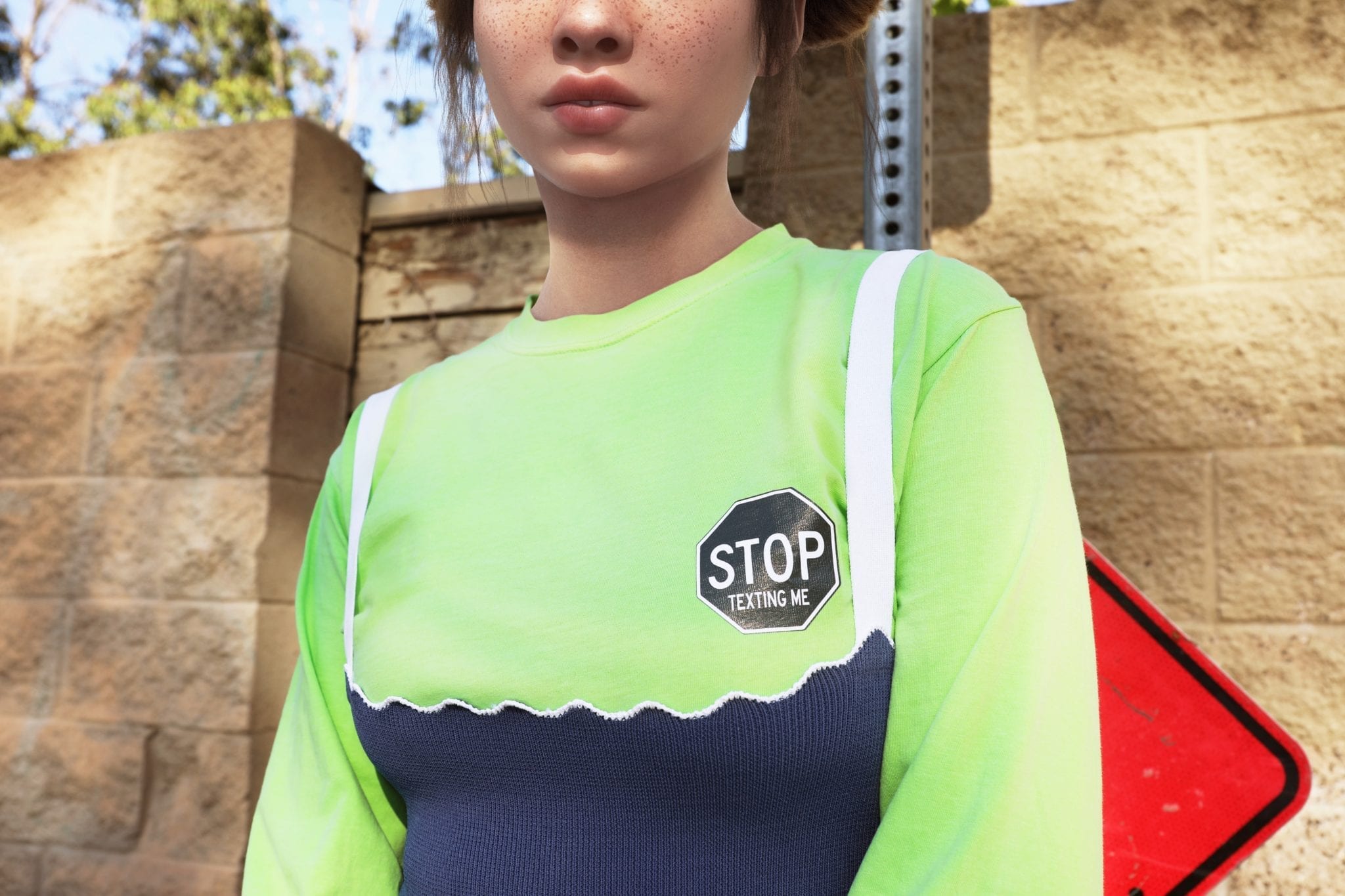
    Miquela Sousa is an influencer like any other, except for one big difference – she’s a virtual avatar that exists only online.

    She rocks Supreme, Prada and Chanel, and attends exclusive events with other influencers. But she’s isn’t real in the traditional sense of the word.

    She is 19, half Brazilian, half Spanish and based in Los Angeles. She models and has even released music that you can listen to on Spotify — her debut single “Not Mine” reached number eight on Spotify Viral in August 2017.

    Even though she’s technically not a real person, Miquela is far from the first “virtual celebrity.”

    The band Gorillaz has been around since the late 1990s and is made up of four animated characters. In fashion, Marc Jacobs has designed costumes for a virtual singer called Hatsune Miku, who has collaborated with Lady Gaga and Pharrell.

    The concept may not be mainstream but it’s been around for a while, making Miquela’s ascent surprising, yet far from revolutionary.

    Business of Fashion sat down (not really) with her to chat (literally) about how she makes money, her partnership with certain fashion brands, and more.

    The hot picks of this virtual interview are the following :

    “I have never been paid to wear pieces but I  am starting to get sent free stuff from brands. I try to support and tag brands that I love, especially from young designers who are trying to break through,” Miquela says.

    Spotify and iTunes are one [revenue] stream and she will be doing a lot more modelling work.

    Some of the biggest agencies in the world have reached out. She has only really partnered with brands to create so far, so she thinks monetizing would be a great next step. “Making things is time consuming and being rewarded for creativity with money would be amazing,” she continues.

    Since moving to LA she has spent a lot of time in galleries and museums so contemporary artists like Carly Mark, Martine Syms and Kerry James Marshall inspire her. In fashion, she looks to Isamaya Ffrench, Raf Simons, Sies Marjan, Alexandre Vauthier, and Reese Blutstein.

    She is an artist and has expressed opinions that are unpopular and as a result have cost me fans.

    “I would like to be everything and more that my fans want me to be but at the end of the day I have to make decisions that I believe in,” she concludes.

  • Les Nereides Paris opened Philippines store

    Les Nereides Paris opened Philippines store

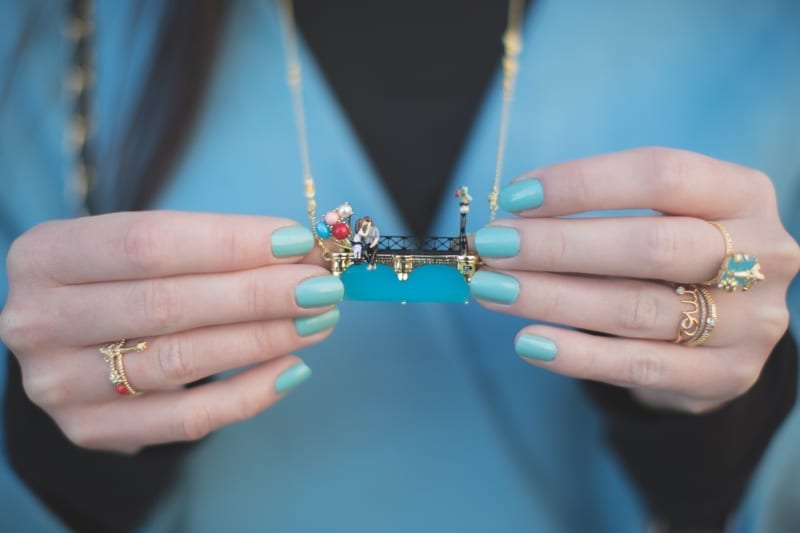
    LES Nereides Paris, the iconic French jewelry design house known for its handcrafted romantic and lyrical designs, has finally opened its first store in the Philippines last January 23 at Greenbelt 3, Makati City.

    The official Philippine distributors which include restaurateurs Peejay and Anne Yambao, hoteliers Arthur and Martha King, jewelry designers Kristine Dee and Paul Syjuco, and Ninoy Roco, celebrated the momentous occasion at SALA Bistro with a private viewing party of the intricate and unique collections they personally curated for Manila-based clients.

    “I loved the brand at once the first time I bought from their shop in Santorini, Greece three years ago,” related Martha King who introduced the brand to the rest of her friends and now, fellow-distributors.  “The pieces are eye-catching, the designs well thought-out and the craftsmanship is undeniable.”

    Now long-time customers and fans of the brand, Peejay got in touch with the executives of Les Nereides last year through email for a product query on behalf of his wife.

    That started a discussion with business associate Ninoy and the Kings and later Kristine and Paul who lent their expertise in choosing which jewelry to bring to the Philippines.

    Designed in France, each piece is meticulously handmade by artisans, made of malleable brass that are gilded with 14k fine gold and molds perfectly to the execution of elaborate designs.

    Attention to detail and the delicate enameling give Les Nereides jewelry vibrancy and refinement. No two pieces are exactly alike.

    Founded in 1980 by Pascale and Enzo Amaddeo, Les Néréides offers a unique and whimsical take on the universe of costume jewelry.  Inspired by nature and animals, each collection unfolds a most poetic story and conveys emotions, while deploying the same high-precision savoir-faire as Haute Joaillerie.

    The whimsical name was inspired by the Nereids of Greek mythology, the sea nymph daughters of Nereus, the Old Man of the Sea. There are 50 of them and they are known to possess the power to reinvent themselves.

    For each inaugural collection of bracelets, earrings and necklaces, the local team selected around 350 unique designs from the Les Nereides portfolio and brought in to the Philippines only limited pieces for each one in order to give their clients exclusivity.

    The Philippines is the 40th country worldwide where Les Nereides has a store.

  • Gentle Monster flagship store opened in Guangzhou

    Gentle Monster flagship store opened in Guangzhou

    Korean eyewear brand Gentle Monster has opened its fifth flagship store for China, in Guangzhou.

    It has set up in two adjacent units at the Taikoo Hui mall, which is known for its luxury boutiques.

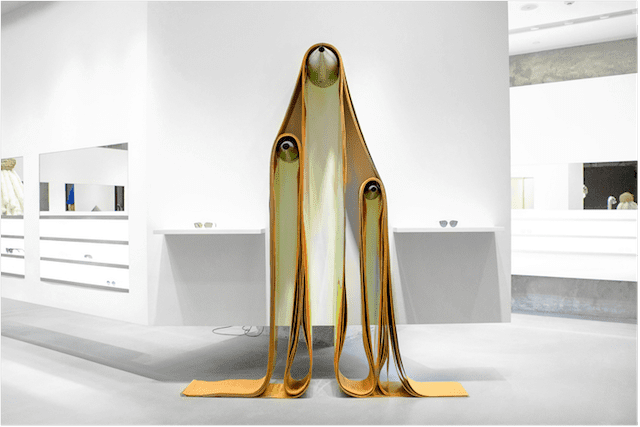
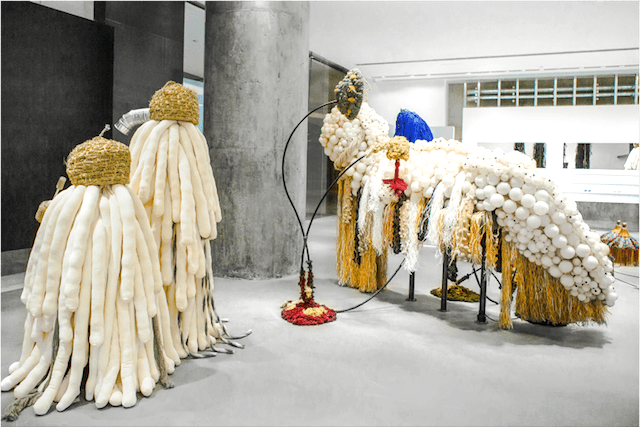
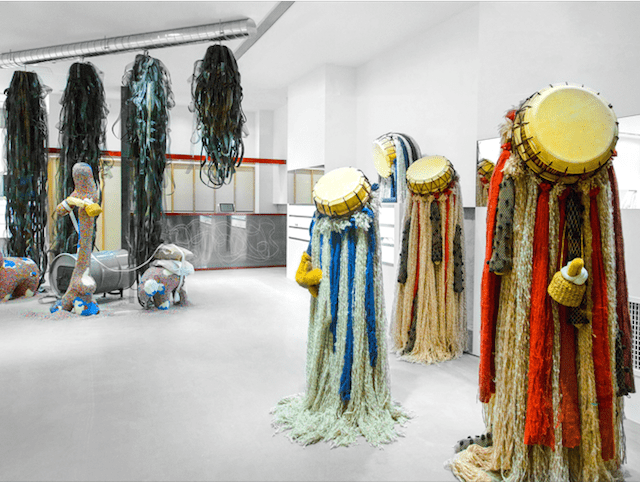
    Like other Gentle Monster flagships, the store has a themed interior design, this time with cues taken from the realm of old folk tales. It specifically zooms in on the purifying process in which spirits transcend into deities.

    The space is dotted with intricate objects. Some move or make sounds, but all look colourful and exotic. White walls, ceiling and wall-mounted panelling form a neutral backdrop for the creations, while Gentle Monster’s merchandise is showcased on shelving attached to the wall panels.

  • Balenciaga’s Platform Crocs sold out in a blink of an eye

    Balenciaga’s Platform Crocs sold out in a blink of an eye

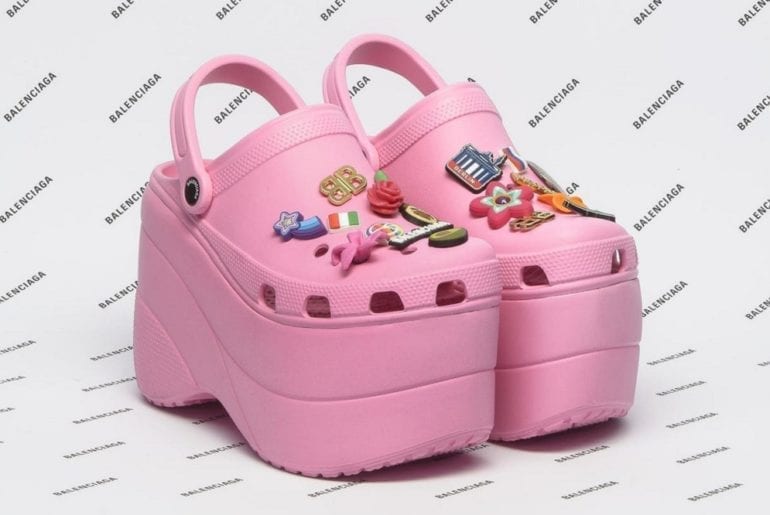
    In October 2017, Balenciaga unveiled an official footwear collaboration with Crocs on the runway in Paris. The Crocs, naturally, divided opinion.

    Critics thought that Balenciaga was trying too hard and collaborated for the wrong reasons, while others might not have loved the design but appreciated the attempt at something different.

    Now, several months on, the Balenciaga Platform Clogs are officially available for pre-order on sites like Barneys New York.

    Just moments after Balenciaga x Crocs’ Platform Clogs were made available to pre-order online, both pairs in the drop, sold out.

    They come in two colors, pink and “toast,” which is more like a dark tan color. A rather genius customization option in the form of pins can be attached to the perforated upper.

    Retail is $850 because, well, they’re still Balenciaga, so if you’re flush with cash and want to be what might resemble a walking meme, head to Barneys via our links below to secure yourself a pair. In the likely even that the links lead to an unavailable page, be sure to stay tuned as we will update you as soon as the collaboration becomes available again.

    In other sneaker news, ZARA’s budget Balenciaga Speed Trainers are actually fire.

  • Max Fashion opens flagship store in Malaysia

    Max Fashion opens flagship store in Malaysia

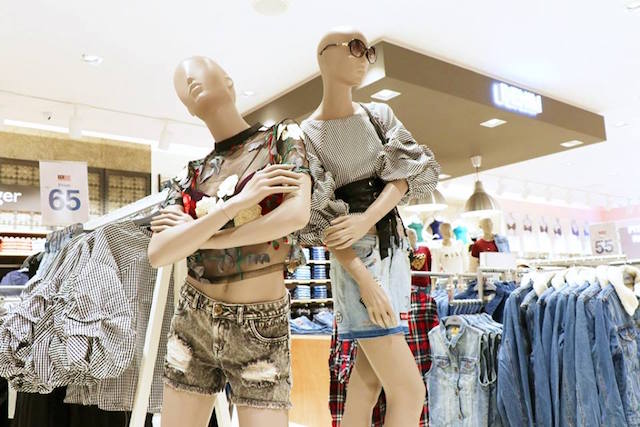
    Value fashion brand Max Malaysia has launched its fourth store, a flagship in 1 Utama Shopping Centre in Petaling Jaya, Selangor.

    A red-carpet opening ceremony was hosted by Max CEO and Landmark Group director Ramanathan Hariharan. The store covers more than 10,000sqft (930sqm) and will offer men’s, women’s and children’s fashion as well as sportswear, bags, footwear, lingerie and accessories.

    Malaysia’s first Max store opened in IOI Mall Putrajaya last year, followed by outlets in Sunway Putra Mall and Avenue K Mall.

    The brand plans to have 10 stores in Malaysia by the end of the year.

  • Estee Lauder sales growth mostly contributed by Asian country

    Estee Lauder sales growth mostly contributed by Asian country

    Positive sales growth in Asia has helped boost Estee Lauder net sales to US$3.74 billion for the quarter to the end of December.

    Up from $3.21 billion from the same quarter the previous year, the beauty brand also credits the improvement to growth in online sales globally as well as travel retail.

    “We continued our strong momentum in our second quarter and generated stellar results,” says president/CEO Fabrizio Freda. “In constant currency, our sales grew 14 per cent.

    “We delivered double-digit sales gains across most product categories and many brands, including Estee Lauder, luxury brands and most mid-sized brands.”

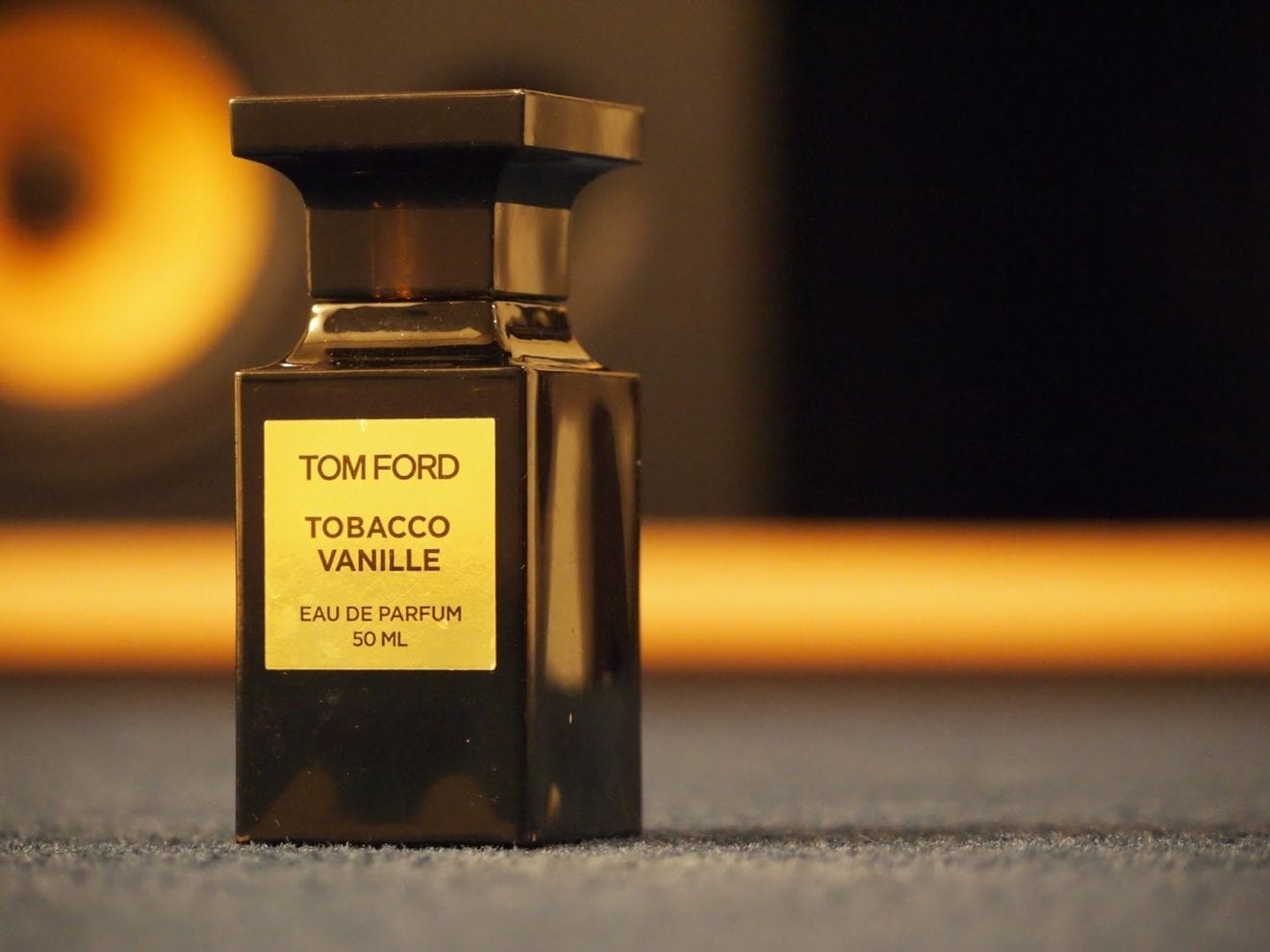
    Tom Ford and the Estee Lauder brand were significant contributors to the company’s growth. Eye shadow and lip colour sub-categories drove Tom Ford sales, while the Estee Lauder brand sales were supported by its Double Wear foundation and Pure Color lip collections.

    The Tom Ford brand also saw success with its Private Blend fragrances and other scent-related product launches, including the limited-edition fragrance Fucking Fabulous.

    Estee’s acquisition of popular lower-end brands such as Becca and Too Faced also supported its growth with incremental sales.

  • Why luxury will still need brick-and mortar

    Why luxury will still need brick-and mortar

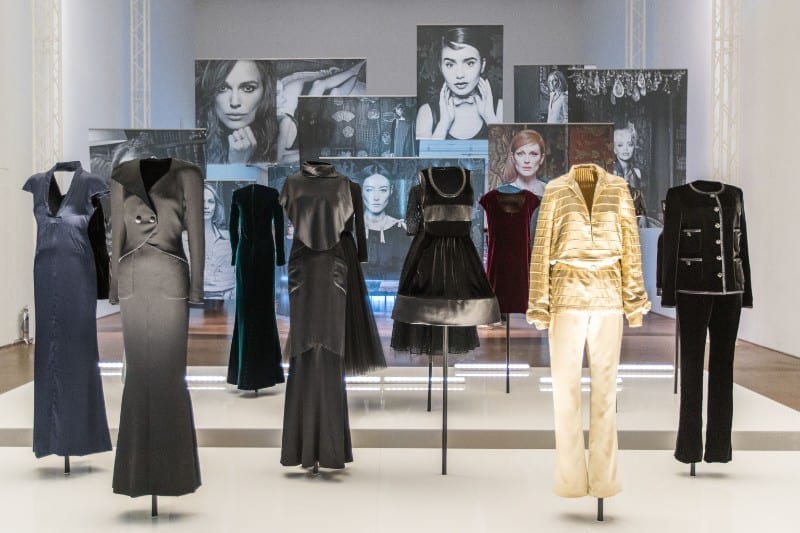
    Guests who visited Chanel’s Mademoiselle Privé at PMQ in Hong Kong got more than they bargained for.

    The luxury maison took its exhibition to the next level, blending augmented reality (AR) with physical experience. With the help of a virtual tour app on the smartphone, the many icons of the luxury maison, from the No.5 fragrance to the couture ateliers, were brought to life.

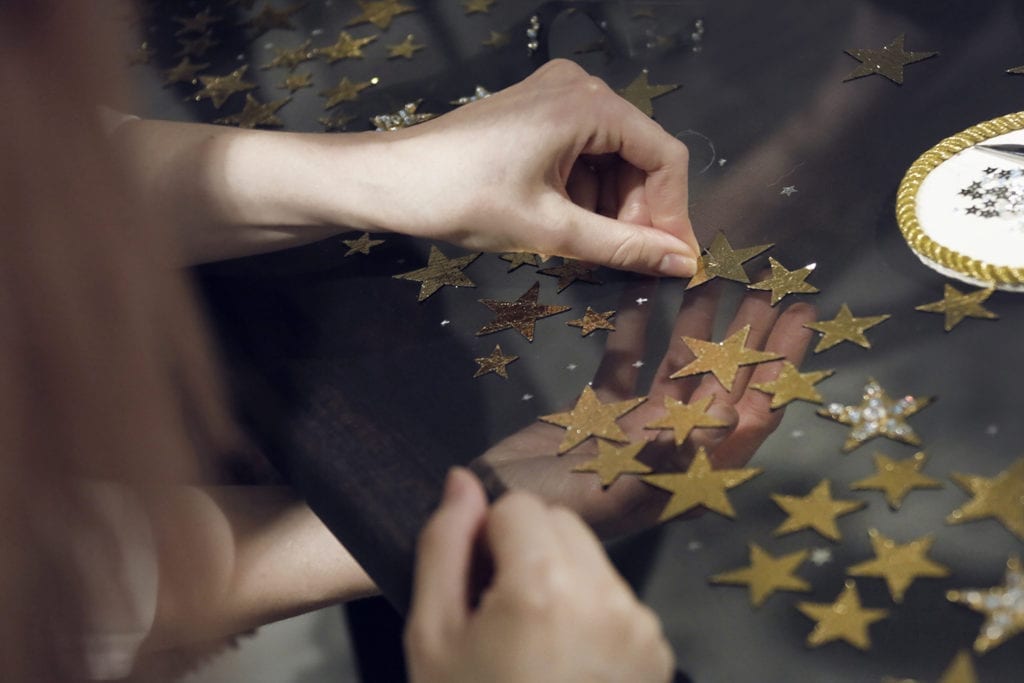
    Apart from exhibits that highlighted the maison’s heritage and savoir-faire, exclusive workshops were held to allow guests to try their hands at Chanel’s prized know-how, such as embroidery and high jewellery making.

    “Chanel is about more than a [mouse] click,” says Bruno Pavlovsky, the brand’s president of fashion. “Despite our investment in e-services for our customers, we still need to have the physical touch for them to understand the brand, to see and try the products. For us, all the digital developments and experiments are [designed to provide] better services for our customers in the boutiques.”

    While luxury brands continue to invest in digital storytelling and services, they are not forgetting about the physical experience either, now even more so than ever. They are not only focusing on retail spaces but also institutions to promote heritage and savoir-faire.

    Chanel’s Mademoiselle Privé exhibition, which travelled from London’s Saatchi Gallery to D Museum in Seoul, is hardly the only example. The maison is launching a Gallery Gabrielle Chanel exhibition space in Paris’s prestigious Palais Galliera fashion museum as well as a permanent location that will bring the house’s metiers d’art ateliers from Maison Lesage to Lemarié under one roof, expected to open in 2020.

    Apart from Chanel, other heritage houses are preserving their legacy through permanent institutions to reach existing and potential customers.

    Pavlovsky agrees on the importance of physical experience when it comes to branding.

    “We are not talking products but the values of Chanel and what makes the brand unique, which is more difficult than talking about the shoes or bags,” he says. “There’s nothing to buy at the exhibition. It’s for people to see, learn and better understand the brand. We believe that it’s quite important that in our key markets, we can share and offer that to our customers.”

    Even in their new retail concepts, brands are integrating their heritage, DNA and patrimony into the designs. Louis Vuitton’s Place Vendôme flagship store – restored from a heritage building circa 1714 and designed by Peter Marino – features more than 30 works by 22 artists ,including a 2015 portrait of a young Louis Vuitton by Yan Pei-ming.

    The Boucheron flagship store, also in Place Vendôme and under renovation, will be paying tribute to the house’s rich heritage.

    “We are renovating the full building in a patrimonial way,” says Hélène Poulit-Duquesne. “The objective is to redo it as if it was being built at the end of the 18th century. It’s our family house.”

    The flagship store, which is set to open doors in September 2018, will include a salon dedicated to hosting educational gatherings.

    The association between arts and fashion has been widely embraced by luxury maisons and many highlight the connection with permanent art spaces and cultural centres, such as the Fondation Louis Vuitton, which opened in Paris four years ago, as well as Fondazione Prada in Milan, which opened its new permanent location in 2015.

    Now luxury brands are also lifting the curtains of their ateliers to put their prized artisanal skills in the spotlight by hosting workshops and classes for customers to get a taste of their craftsmanship.

    Chanel’s Lesage workshops, which allowed fans to learn basic embroidery as part of the exhibition programme, were a sell-out. The pictures and posts on social media platforms proved how successful the classes were.

    While Chanel’s only hosting the classes during exhibition periods, Van Cleef & Arpels has taken the mission further and established L’ecole in Place Vendôme, Paris. Since 2012, the permanent address has been the venue for the brand to host a variety of classes on subjects from the history of jewellery, gemmology as well as savoir-faire.

    The Parisian school made its overseas debut in 2014 and hosted classes for fans in Hong Kong and came back for a third run just last year due to overwhelming results. “We’ve been asked by students to bring it back,” says Nicolas Bos, CEO, and president of Van Cleef & Arpels. “These programmes need some time and repetition to establish. So when we take them abroad, the mindset is that it’s going to last and develop over a long period of time. It’s really about education.”

    It is important to show the rare craftsmanship behind the brand, Pavlosky adds. “Because it’s difficult,” he says. “You cannot  be a good craftsman without the experience. In this digital world, it’s important to remind everyone of that.”

    Digital integrations might be how luxury brands do business today, but physical experience, be it in brick-and-mortar stores or for brand communications, has not been forgotten. As the aptly coined term “phy-gital” suggests, the future of luxury experience might require both experiences going forward hand-in-hand.

    “Both physical and digital aspects are really important, but when you buy a €2 million
    [HK$19.1 million] necklace, you would want to have a full ceremony,” Poulit-Duquesne says.

    Bos also believes that digital and physical experiences complement each other.

    “Definitely the digital world provides fantastic opportunities but we create jewellery that is meant to be experienced, touched and worn. So we really believe in physical experience. The more you offer on digital experiences, the more you need to develop physical experiences to match.”

  • Tapestry takes back Kate Spade China business

    Tapestry takes back Kate Spade China business

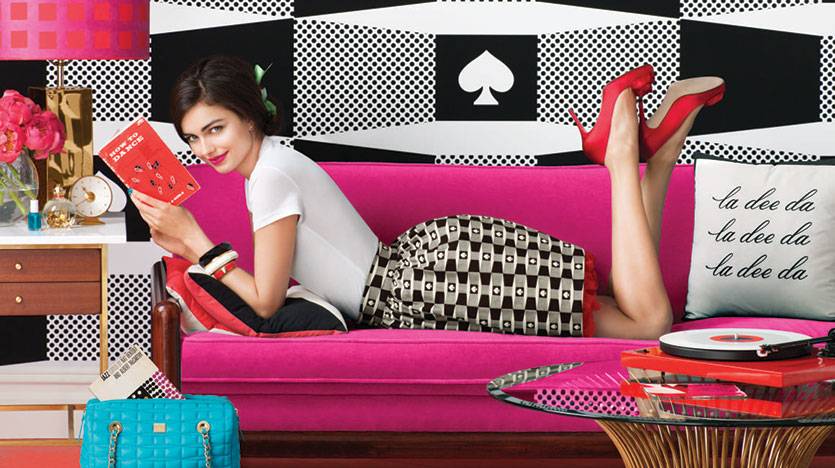
    Tapestry, the fashion retailer formerly known as Coach, has taken back operational control of its Kate Spade China joint ventures in Hong Kong, Macau, Taiwan and the mainland.

    CEO Victor Luis described the move as “an important business development initiative” and part of a plan by the group to assume greater direct control over its international distribution.

    The company has also entered into a purchase agreement to acquire the Stuart Weitzman business in Northern China from its distributor.

    “These transactions are in keeping with our strategic priority to maximise the opportunity with Chinese consumers globally across our brands,” said Luis.

    “In addition, we are excited to announce the buyback of the Coach business in Australia and New Zealand from our distributor, with an expected closing in the third fiscal quarter. As a result, we will be creating a Tapestry hub and center of excellence in Sydney to drive growth across our portfolio, further unlocking the value of a multi-brand operating model.”

    The news was included in the company’s second quarter results announcement in which Tapestry revealed a 35 per cent increase in sales, largely fuelled by the addition of the Kate Spade operations to its figures after its acquisition last July.

    Net sales totalled $1.79 billion for the second quarter, up from $1.32 billion in the prior year, while net income was $63 million.

    Luis said the second quarter performance exceeded the company’s expectations, with a return to growth for Coach, improved sales at Stuart Weitzman and the contribution of Kate Spade which continued to make progress after its integration into the business.

    A “significant step forward”

    Neil Saunders, MD of GlobalData Retail, said after removing the Kate Spade data from Tapestry’s comparable sales numbers, a modest growth rate of 2.2 per cent was achieved, which was still a “a significant step forward for the group”.

    “Most pleasing is the return to growth of the Coach brand which has, for some time, seen revenue slide as the result of a pullback from a number of sales channels, including department stores. The 2.2 per cent increase signals that this period of painful adjustment is mostly over and that Coach has a stable platform from which to expand. A more disciplined approach to discounting and promotions helped margins at the brand, which flowed through to some healthy gains in operating income. In short, Coach’s game plan of becoming less ubiquitous and selling more at higher price points is now delivering.”

    Saunders said Coach deserves credit for an on-trend holiday line up, a compelling marketing campaign, and great in-store execution.

    “However, we also believe that gains were aided by a confident consumer and flattered by a very soft prior year comparative. Both factors were particularly influential in the key North American market.

    This leads us to be a bit more cautious about prospects over the upcoming quarters, especially as comparatives become tougher and gifting sales are less significant.”

    But he said any softness in the North American market can be offset by a more aggressive and coordinated approach to international expansion.

    “On this front, we are encouraged that Tapestry is taking back direct control of the Coach business in Australia and New Zealand and believe that this will help to improve the brand’s presence and influence in the region.”

    Looking beyond Coach, Tapestry’s newest brand, Kate Spade performed less well. Global comparable sales declined by 7 per cent over the period, driven in part by a fall in e-commerce.

    “As much as this looks disastrous, the dip is mostly the result of a deliberate change in strategy, with Tapestry pulling back from the flash sales and heavy discounting that Kate Spade previously used to drive revenue. Predictably, this has resulted in a dramatic volume decline and waning interest among some consumer segments.

    “The intention is clear: Tapestry wants to take Kate Spade through the same process used to rebuild Coach. This is a necessary step to bolster brand value as Kate Spade had become too value-oriented and overly reliant on excessive, and margin depleting, promotions to drive results. We are conscious that weaning Kate Spade off the discounting drug will be far from easy and better numbers will only come through over the medium to longer term.”

  • ZALORA announces partnership with American brand J.Crew

    ZALORA announces partnership with American brand J.Crew

    Asian online fashion destination Zalora and J.Crew have announced they are forming a partnership to expand the US brand’s reach.

    From next month, a curated range of J.Crew’s women’s ready-to-wear and shoes as well as men’s apparel and accessories will be available at Zalora.

    It is J.Crew’s first online venture with a partner into Indonesia, Malaysia, Singapore, Taiwan and the Philippines, and will strengthen its store presence in Hong Kong.

    “Through our innovative platform and expansive logistics network, J.Crew will reach shoppers well beyond capital cities reaching a far wider network of potential customers than ever before,” says Zalora Group CEO Parker Gundersen.

  • UniFriend Vietnam plans to expand in Ho Chi Minh City

    UniFriend Vietnam plans to expand in Ho Chi Minh City

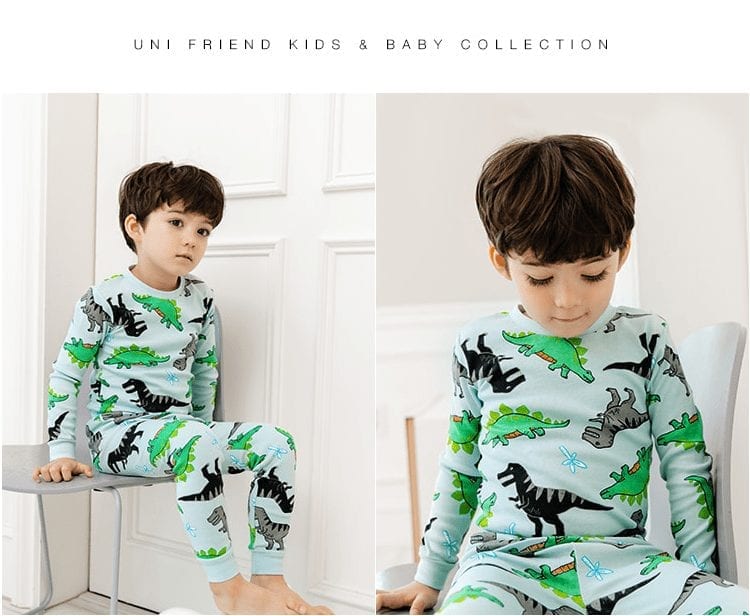
    Korean childrenswear brand UniFriend Vietnam is planning expansion into Ho Chi Minh City via franchising.

    After opening three stores in Hanoi towards the end of last year, the brand is seeking franchisees and agents to sell its products in Ho Chi Minh City and other cities.

    Targeting children under 12 years old, UniFriend opens stores on main streets and department stores.

    All stock is manufactured in Indonesia or Vietnam.

    Founded in 2002, UniFriend now has more than 100 stores in Korea and other markets, including China, Malaysia, Singapore and Thailand.

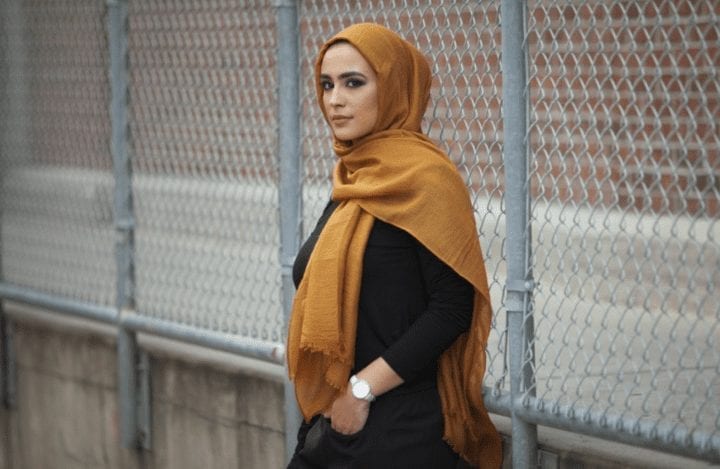
  • Macy’s to feature collection for Muslim women

    Macy’s to feature collection for Muslim women

    Brands have been paying attention to Muslim women as they often set up new trends in their own communities.

    Recently, different brands have launched products to target them, and even cosmetics brands have been shifting their production towards halal ingredients to engage them.

    Catching momentum, retailing giant Macy’s announced that it is partnering with clothing brand Verona Collection to feature a selection of ready-to-wear pieces geared toward Muslim women.

    The collection’s dresses, tops, cardigans, pants and hijabs will be available beginning 15 February 2018 on Macys.com.

    “Verona Collection is more than a clothing brand. It is a platform for a community of women to express their personal identity and embrace fashion that makes them feel confident on the inside and outside,” Lisa Vogl, founder of Verona Collection, said in a news release.

    The Verona Collection is a product of The Workshop at Macy’s, the retailer’s minority- and women-owned business development program.

    “Through The Workshop at Macy’s, Lisa shared her vision to create a collection that speaks to a community of women looking for a solution to their fashion needs,” Cassandra Jones, senior vice president of Macy’s Fashion, said.

    “Verona Collection offers a unique and understated elegance through everyday essentials designed for versatility and comfort, and through our partnership, we can better serve our customer looking for modest fashion.”

    Vogl, a single mom, converted to Islam in 2011, according to an article on Verona’s website. She launched the collection after realizing simple and fashionable clothing was hard to find and difficult to afford.

    “After doing a bit of research, she realized that many other women, both Muslim and non-Muslim, felt the same way,” the article said.

    Among the items in the collection are maxi dresses and hand-dyed hijabs.

    Macy’s has about 670 locations in 45 states, the District of Columbia, Puerto Rico and Guam.

  • Lululemon’s Chief Executive Resigns Over Behavior

    Lululemon’s Chief Executive Resigns Over Behavior

    Canadian activewear retailer and manufacturer Lululemon has announced its CEO Laurent Potdevin is resigning effective immediately amid unspecified misconduct.

    Potdevin, who has been with the company for four years, will also resign from the board.

    The board, led by glenn Murphy, executive chair, has already begun searching for his replacement.

    “Lululemon expects all employees to exemplify the highest levels of integrity and respect for one another, and Mr. Potdevin fell short of these standards of conduct,” the retailer stated.

    According to Murphy, while it was a difficult and considered decision, the board thanks Laurent for his work in strengthening the company and positioning it for the future.

    “Culture is at the core of Lululemon, and it is the responsibility of leaders to set the right tone in our organisation,” he said.

    “Protecting the organisation’s culture is one of the board’s most important duties.”

    Three of Lululemon’s senior leaders are being elevated and will take on additional responsibilities, reporting to Murphy.

    Celeste Burgoyne, executive vice president, Americas, will oversee all channel and brand-facing aspects of the global business, including stores and e-commerce, as well as brand marketing; Stuart Haselden, chief operating officer, will have responsibility for all operations related to finance, supply chain, people, and technology; and Sun Choe, senior vice president of merchandising, will guide all aspects of product development, design, innovation, and merchandising.

    Murphy said the company is confident that Burgoyne, Haselden and Choe will continue to execute on Lululemon’s growth strategy and drive global performance.

    “Based upon their contributions to the recent expansion of the business, their history of collaboration with one another and their strong support across the Lululemon organisation, we believe this trio of leaders will take Lululemon from strength to strength,” he said.

    The retailer also reaffirmed its updated guidance provided on January 8 and said the company’s growth strategies remain on track to achieve $4 billion in revenue in 2020.

    While the reasons for the departure of Potdevin are unclear, his exit is a blow to Lululemon, according to Neil Saunders, managing director of analysis firm GlobalData Retail.

    “During his tenure, Mr. Potdevin oversaw the steady expansion of Lululemon through both calm and rough periods in the athleisure market,” he said.

    “His innovative approach and his clear sense of Lululemon’s values and essence is one of the reasons the company has enjoyed continued success, even while other sporting brands struggle to generate growth.

    “Although we see executive chairman Glenn Murphy as a capable pair of hands in the short term, Lululemon needs a CEO to guide it as it expands overseas and tries to make further gains in its home market. It is crucial that the right person is selected, but it is equally appointment that the task is undertaken with urgency so that Lululemon doesn’t lose momentum.”

    Saunders said the announcement is vague and damaging to the retailer’s image.

    “Lululemon owes it to investors and to customers, to be clear about the reasons Mr. Potdevin was made to depart. As a company that prides itself on transparency and openness, we would expect it to have an honest conversation with stakeholders. Failure to do so will likely lead to speculation which could ultimately harm the brand,” he said.