Category: Fashion

Retail News Asia is committed to providing both local and global retailers with the latest Fashion news throughout the Asian market. This on a daily base.

  • tomas maier and uniqlo collection to Debut in Early Summer 2018

    tomas maier and uniqlo collection to Debut in Early Summer 2018

    UNIQLO yesterday announced a new collaboration with the tomas maier brand, famed worldwide for its casual yet designed lifestyle concept. The new tomas maierand uniqlo collectionis for women and men, and it will be available in early summer at selected UNIQLOstores and online. The range infuses the time offand escapephilosophy of the tomas maier brand into LifeWear,which embodies UNIQLOs enduring commitment to top-quality fabrics, outstanding technology and functionality.

    Commenting on the announcement, Tomas Maier said, “The concept of my brand is based on simple, yet sophisticated designs. tomas maieris all about clothes for time off -a way for people to enjoy a much-needed escape from some of the complexities of modern living. I am confident that we wereable to incorporate UNIQLO’s remarkable technologies and expertise successfully into our collaboration line, which I hope can help people to relax and get away from the hustle and bustle of daily life.”

    Yuki Katsuta, Group Senior Vice President of Fast Retailing and Head of Global Research and Design at UNIQLO,commented that, “LifeWearembodies our belief that individualitycomes not from clothes, but the people wearing them. That’s why we devote our energies to creating clothes that people will enjoy and value for a long time. UNIQLO and the tomas maier brand share a long-held philosophy of including contemporary touches in casual clothes that are made fromqualityfabricsand are comfortableto wear. Our first resortwear collection marks a newstage in the evolution of LifeWear and adds a splash of summer fun to people’s lifestyles.”


  • Christopher Bailey takes final bow for Burberry at LFW

    Christopher Bailey takes final bow for Burberry at LFW

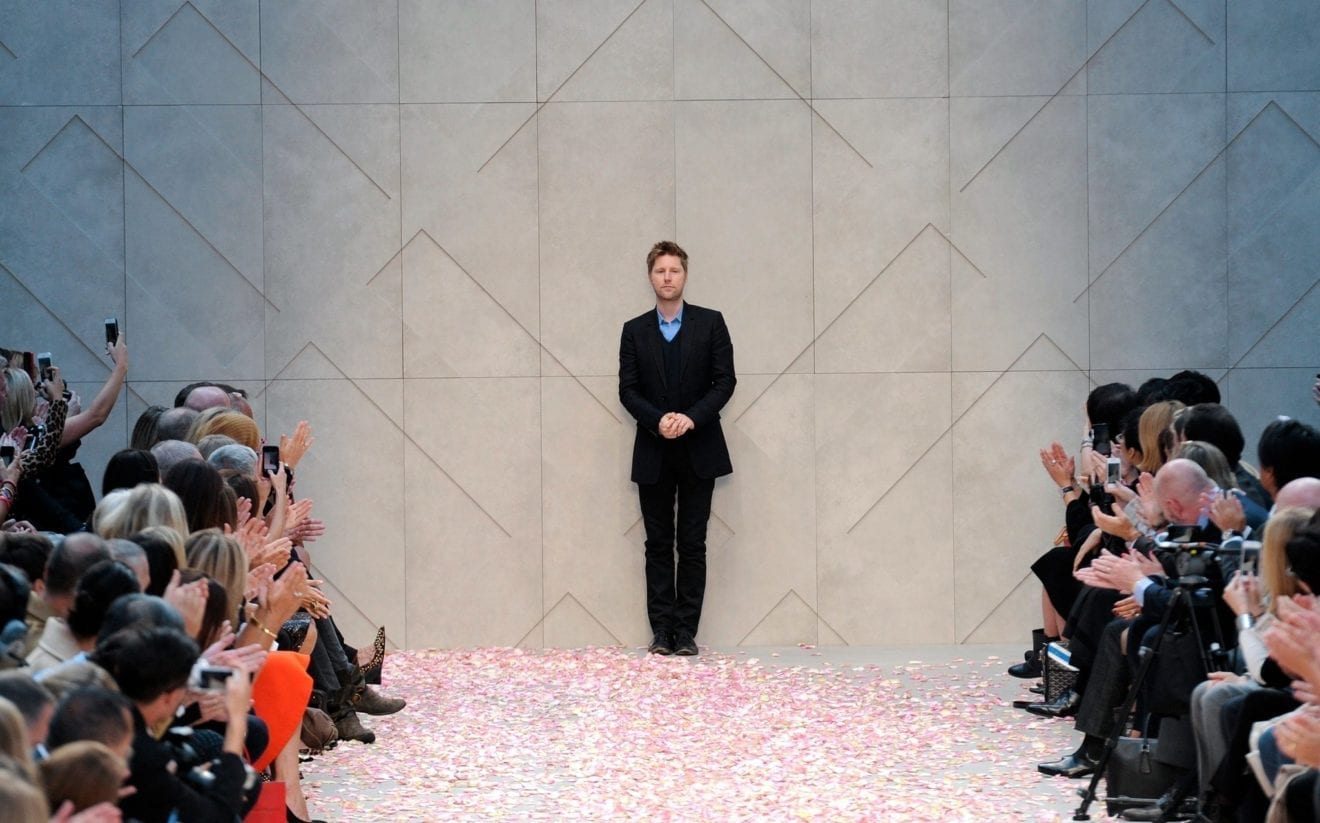
    Christopher Bailey has marked the end of his tenure at Burberry with a final, rainbow-themed collection unveiled at London Fashion Week over the weekend.

    Bailey first joined Burberry in 2001 and has since been a driving force behind the brand’s revitalisation and success both as a high street retailer and wholesaler.

    He is credited for transforming the once-struggling British label into a luxury powerhouse and the biggest drawcard in London Fashion Week.

    He was promoted to the dual role of chief executive and chief creative officer in May 2014, a position he held for just over three years.

    In July last year, he gave up his chief executive officer duties for Marco Gobbetti and transitioned into his current dual role of president and chief creative officer.

    Bailey’s final collection for Burberry, which was unveiled on the second day of London Fashion Week on Saturday, featured a mix of styles from the past, present and future.

    The rainbow was a central motif, with rainbow stripes woven into Burberry’s famous heritage check, a nod to the brand’s support for three LGBT charities and Bailey’s career as an openly-gay chief executive of a FTSE 100 company.

  • Aidijuma Colors Group, Hijup, acquire majority stake in United Kingdom’s e-commerce retailer, Haute Elan

    Aidijuma Colors Group, Hijup, acquire majority stake in United Kingdom’s e-commerce retailer, Haute Elan

    Aidijuma Colors Group of Companies — which owns the popular Malaysian ‘Bawal’ hijab range under the Aidijuma label — together with its modest wear e-commerce site Hijup have acquired a majority stake in UK-based modest fashion and e-commerce company Haute Elan ahead of Hijup’s expansion into the UK market.

    Established in 2012, modest fashion brand Aidijuma adopts the creative business model of online merging offline to offer the best possible experience to customers.

    With its omnichannel strategy, Aidjuma is the only brand in Malaysia that offers online shopping and owns 12 retail concept stores nationwide, complemented by 12 Scarf Machine.send.sell.story mobile concept stores to provide a seamless experience for consumers.

    With plans for listing by 2020, the latest venture capital investment for Aidijuma Colors Group is in Haute Elan, which is also the organiser of the London Modest Fashion Week – the UK’s very first modest fashion week — that was held for the first time last year that brought together more than forty designers from countries including the United Arab Emirates, Saudi Arabia, Egypt, Turkey and -Malaysia.

    Modest fashion has become increasingly popular among millennial Muslim women worldwide who see it as a way to dress stylishly.

    “Modest fashion is a growing trend that offers women options, choices and freedom to express themselves while being fashionable which mass-market retailers and designers are already taking notice of the market’s potential so we are investing in the future by taking a stake in it now. We look forward to build strategic business partnerships around the world to expand this business model for Modest Fashion globally,” said Aidijuma Colors Group Chief Executive Officer and founder, Datin Norjuma Habib Mohamed.

    The latest investment in Haute Elan brings Aidijuma Colors Group’s total venture capital investment amount to date to US$20 million, which includes stakes in Brunei’s event organising company and retailer BIFASH, Singapore e-retailer MODESTyle, Malaysian cosmetic and skincare brands Simplysiti and Zawara, as well as Indonesia’s Hijup.com in which it also controls.

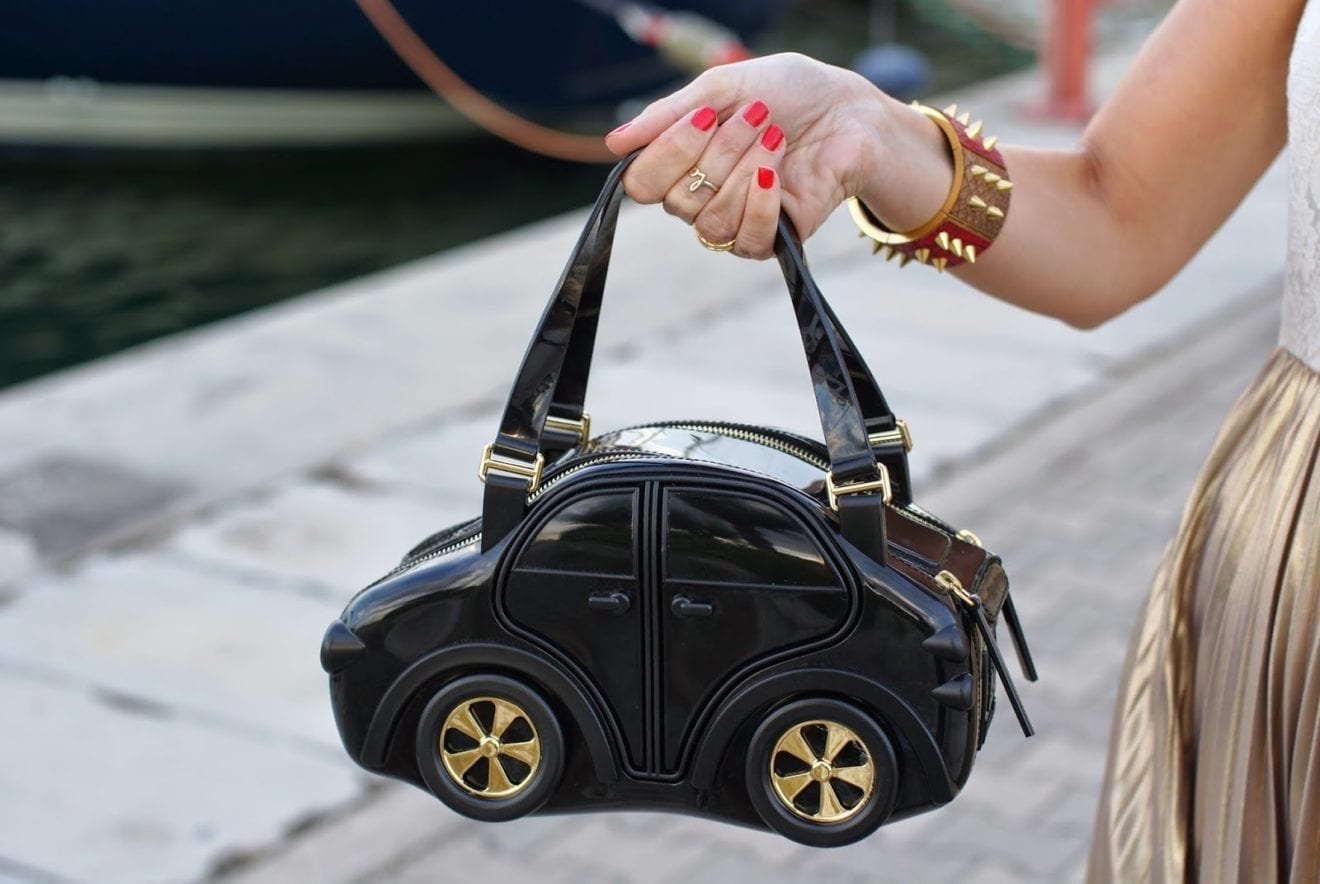
  • Braccialini declared bankrupt

    Braccialini declared bankrupt

    A court in Florence has declared the Italian fashion brand Braccialini bankrupt after rejecting a request for an arrangement with creditors.

    The request was filed by the fashion house in June 2016 but the tribunal on Wednesday ruled that in Braccialini’s case there was the “technical impossibility” of managing a company that is “at this point insolvent”.

    The tribunal said that “several uncertainties weighed on the arrangement”, not enabling to “ensure the payment of the minimum 20%” to creditors. Luxury handbag-makers Braccialini and Tua in 2017 were bought by Arezzo-based jewelry and luxury brand Graziella Group, which is continuing production.

    Braccialini Spa had retained property of real estate, a depot and other brands after the acquisition, all assets that will now be managed by a trustee.

    The decision was reportedly affected by the issuing in 2016 of invoices to four suppliers, all Chinese creditors, according to court documents.

    The agreement included the “duplication of invoices” and delayed payment of money Braccialini owed to the four Chinese suppliers, among other things – “operations worth hundreds of thousands of euros” allegedly made right before and after the request for an arrangement with creditors, according to the ruling.

    Braccialini’s attorneys have denied that the company forged invoices, insisting it pursued the “interest of all creditors” and its over 80 employees.
    Meanwhile prosecutors in Florence are investigating 25 people, including members of the company’s board and trustees between 2011 and 2014, when the company’s crisis worsened.

    The label, known for its colorful and trendy handbags and accessories, celebrated its 60th anniversary in 2013 with a new museum inside its headquarters in Scandicci, near Florence.

    The family-run business was first launched by Carla Braccialini in 1953 with a collection that included dresses and hats, as well as bags.
    It quickly became popular thanks to its combination of different materials and bold take on patterns and color.

    Luxury purse maker was bought by Graziella Group in 2017

  • Fendi opens Singapore ION flagship with pop-up attached

    Fendi opens Singapore ION flagship with pop-up attached

    Fashion house Fendi opened a flagship store in Singapore, marking the Italian firm’s fourth boutique in the city.

    Located in ION Orchard mall, the new store is Fendi’s most impressive to date in Singapore. Boasting a brightly-lit façade, the interior design of the Fendi retail outlet has been renewed and rolled out in Singapore, harking back to Fendi’s Roman roots.

    As for the products, ION Orchard offers women’s and men’s ready-to-wear, furs and accessories and collectible design pieces and furniture from a mix of heritage and new guard creators. Meanwhile, it the first Fendi store on Orchard Road to have a full men’s offerings including fashion, accessories and shoes.

    Fendi has created a Singapore exclusive Mini Peekaboo bag in velvet too, featuring a tapestry woven pattern and the signature Fendi whipstitch details.

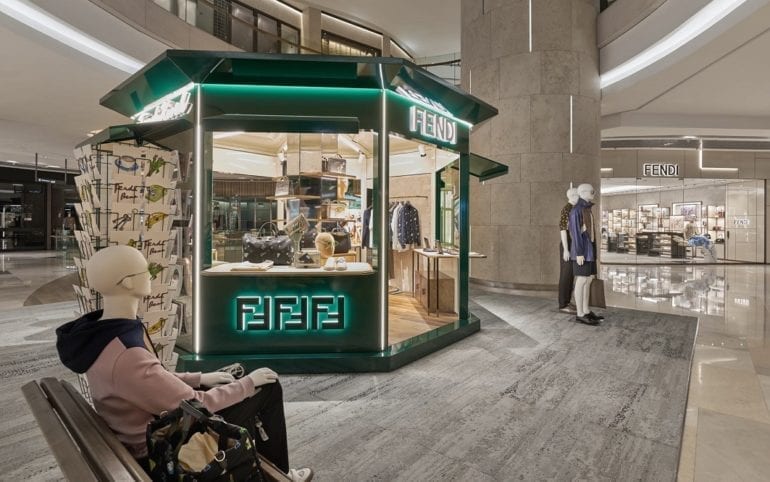
    Marking the store opening, a Fendi pop-up store has been set up at the entrance of the new physical store. Painted a lush forest green, the kiosk is designed to mimic heritage newsstands that one might find in a Piazza in Rome. The octagonal dark green structure features materials inspired by apartments in the city, such as brass, rosewood, velvet and parquet wooden floors.

    It stocks smaller items such as bag charms, small leather goods, sunglasses and t-shirts, as well as free Fendi postcards for guests.

    The ‘travelling’ kiosk opened until 18 February, before moving on to Siam Paragon mall, in Bangkok.

    Many international luxury brands have been doing the nomadic pop-up retail debut lately. Both Chanel and Louis Vuitton recently launched pop-up concepts in Singapore.

    Fendi is part of the French luxury conglomerate LVMH group. LVMH posted record revenues in 2107, with sales increasing overall by 29% last year.

  • Muse Shopping Centre’s new Incubator Store designed by JHP

    Muse Shopping Centre’s new Incubator Store designed by JHP

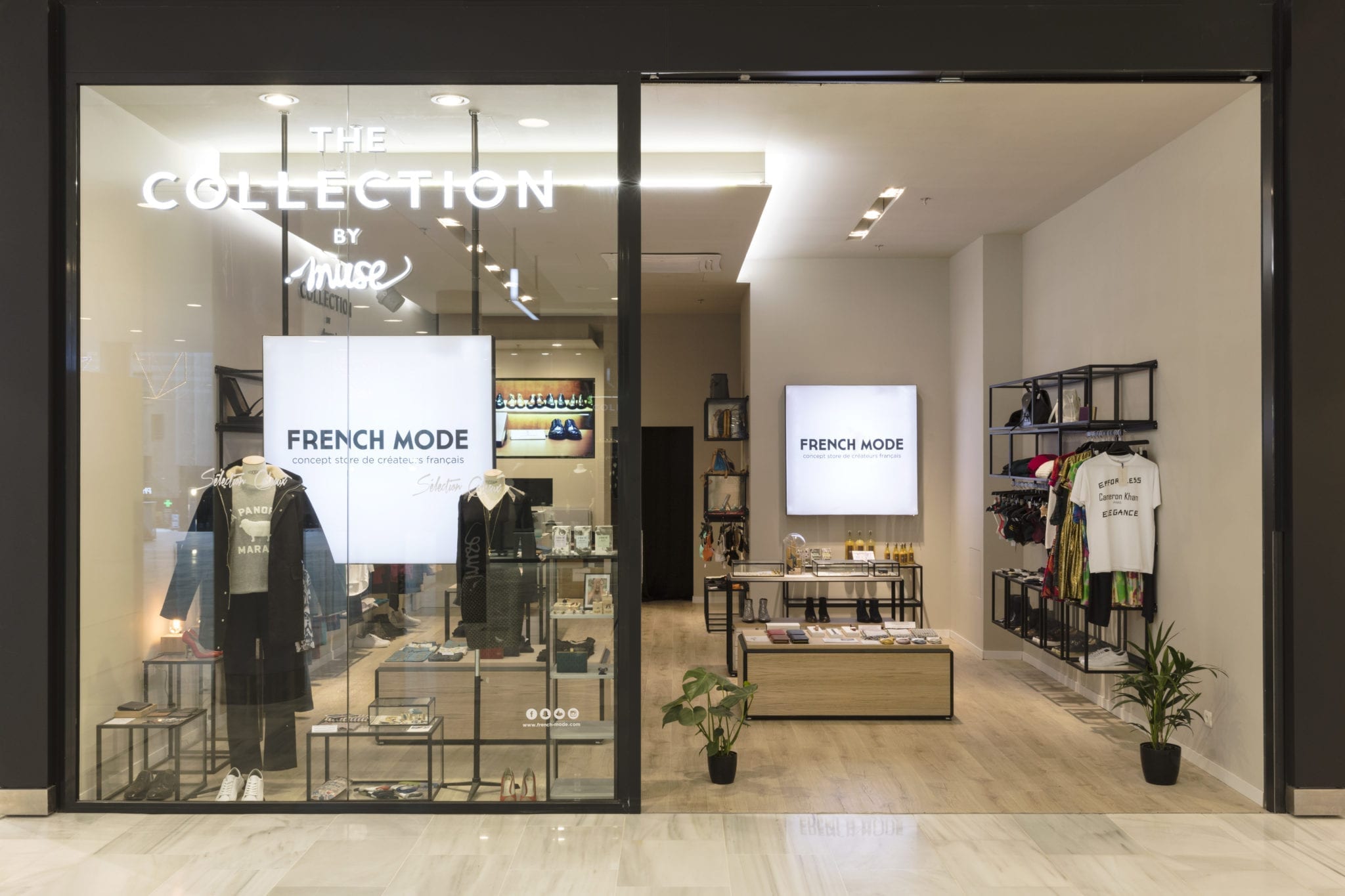
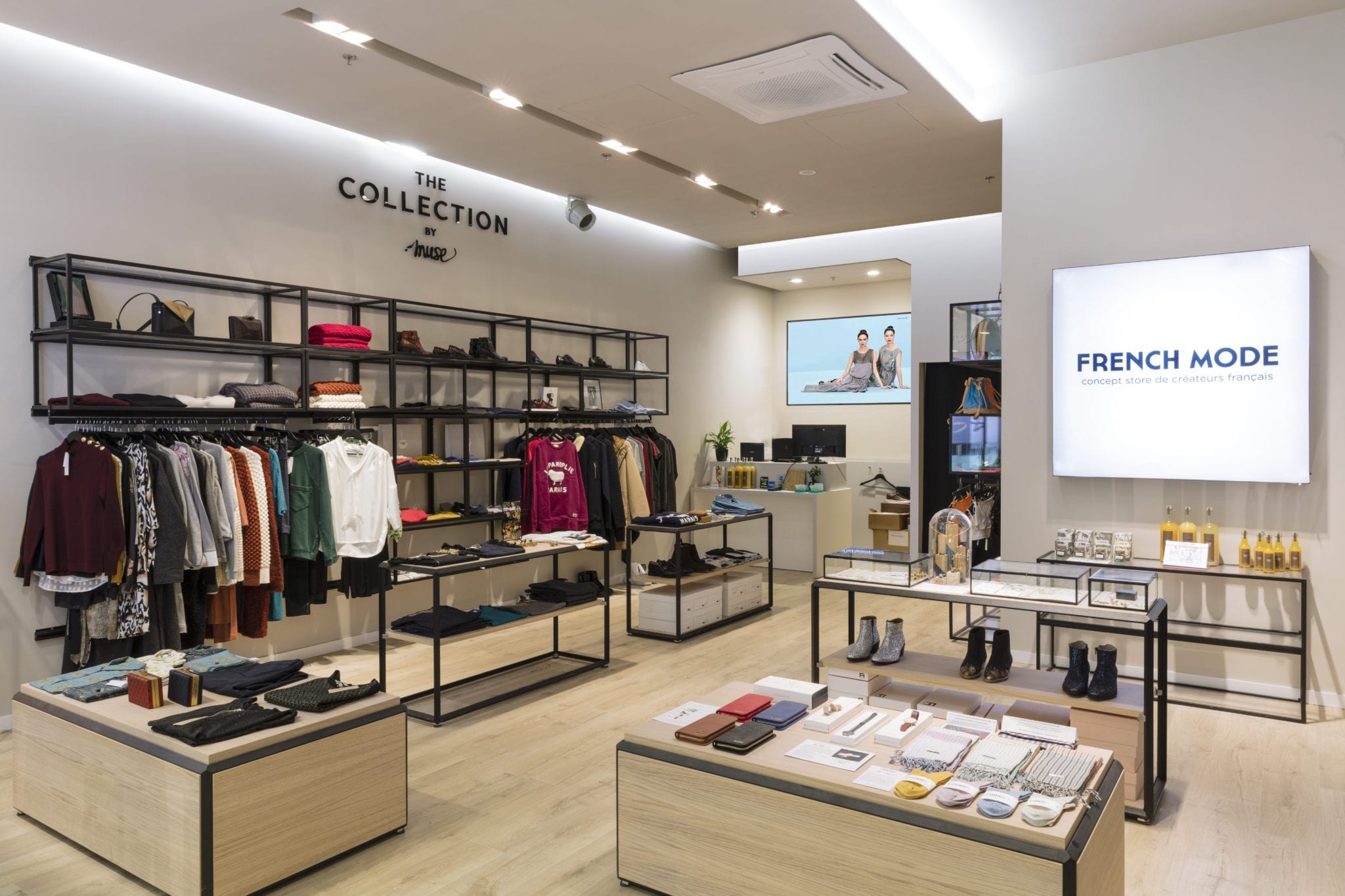
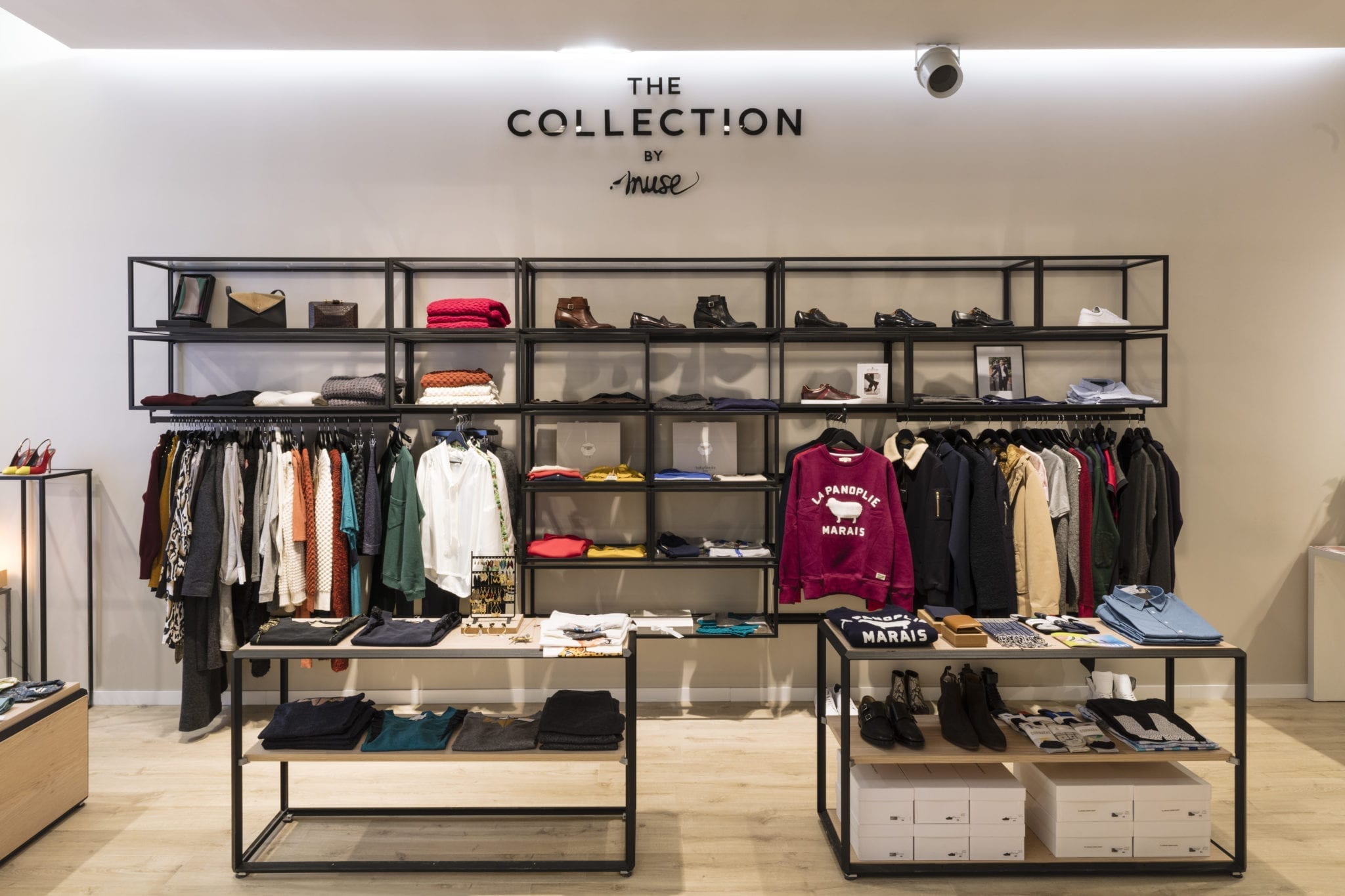
    JHP have been appointed by French developer Apsys to create a radical new store concept. ‘The Collection by Muse’, located in the newly opened Muse shopping centre in Metz, France, is the ultimate incubator store. Its flexible design and centralized POS system allow it to host brands on a temporary basis. Brands range from already established brands to young designers and emerging labels from all around the world, and are as diverse as Fashion, Accessories, Beauty, Home, Objects and Technology companies. Current tenant is upcoming French fashion label ‘French Mode’.

    The principle is simple: every three to four months, a new brand takes the reins of the shop to exhibit their collections. Located on the first floor of Muse, the Collection by Muse’s main purpose is to incubate new retailers and brands, test the popularity of new categories, respond to seasonal demand, inspire and encourage customers to return again and again.

    Muse, Lorraine’s new mall, opened its doors to the public on 22 November 2017, opposite the Centre Pompidou-Metz museum complex and a few minutes’ walk from Metz city centre in France. As the cornerstone of the new Amphithéâtre quarter, Muse fosters an urban mix thanks to a combination of retail outlets, homes, offices and leisure facilities of over 80,000 sqm.

    The centre accommodates 112 outlets including fashion boutiques, home décor stores, restaurants and day-to-day shops, including Primark, Carrefour Market, Superdry, New Look, Zadig & Voltaire, Sephora, and the restaurants Burger King, Air Bagels and Beef House.


  • Under Armour Asia saves the brand globally

    Under Armour Asia saves the brand globally

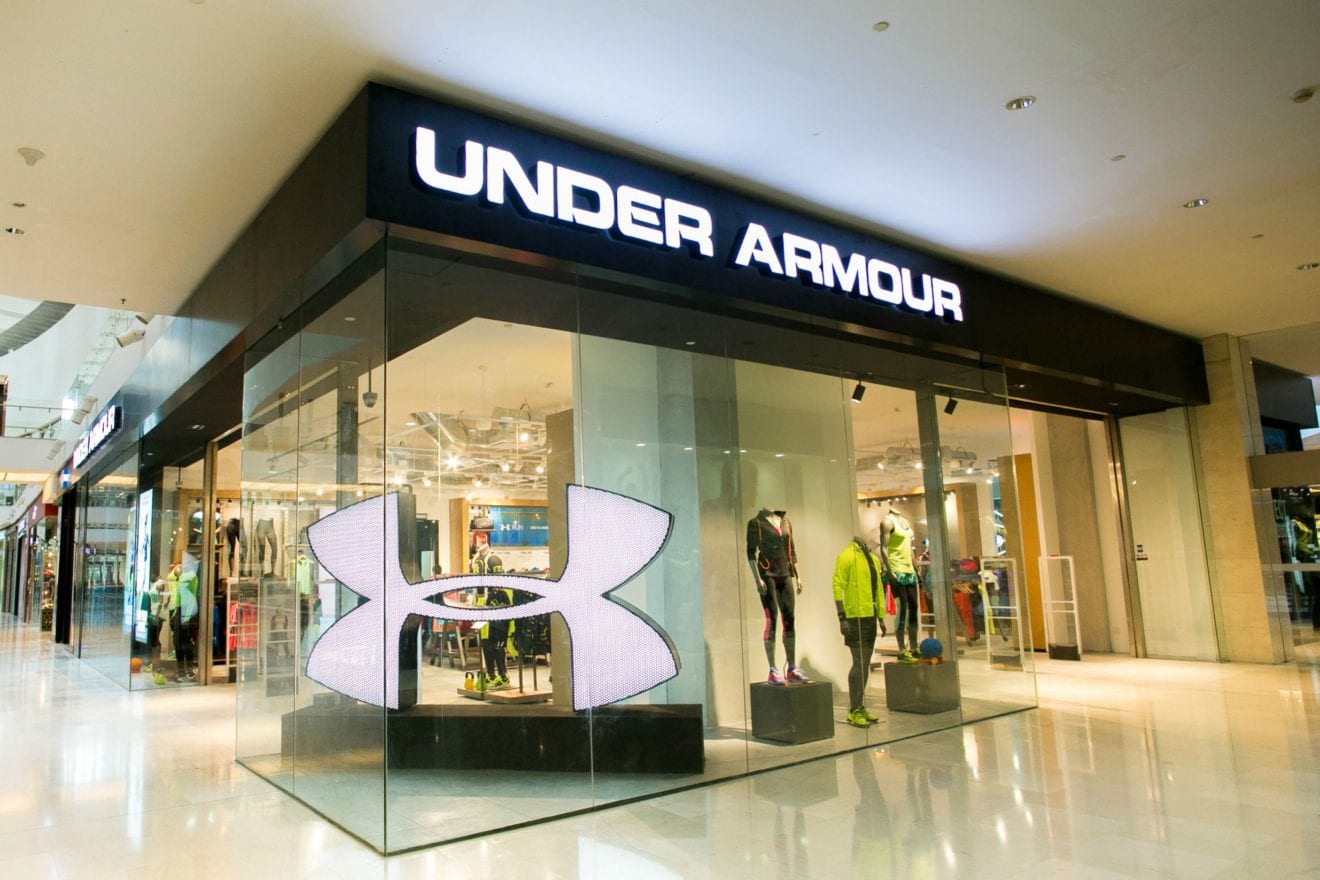
    Under Armour Asia sales soared 61 per cent in the 12 months to December – a highlight in the US-headquartered sportswear retailer’s year in which it lost US$48 million.

    Global revenue was up a mere 3 per cent to $5 billion with the company losing ground in the wholesale sector, but raising its direct sales – which now account for 35 per cent of turnover – by 14 per cent.

    Asia was by far Under Armour’s top-performing market, with sales in Latin America up 28 per cent and in Europe, Middle East and Africa, by 42 per cent. It is in the company’s core North American market where the damage is being done – sales fell 5 per cent

    The loss was caused by restructuring costs and impairments of $124 million. Those excluded, Under Armour achieved an operating surplus of $87 million.

    While noting a small improvement in the company’s fourth quarter, retail analyst Neil Saunders, MD of GlobalData Retail, said the results “show signs of a company in difficulty”.

    Fourth-quarter sales rose 4.6 per cent, a sharp turnaround from the 4.5 per cent decline of the preceding quarter, but that growth came entirely from overseas markets, led by Under Armour Asia, up 66 per cent.

    “While overseas growth is to be applauded, it carries investment costs and also accounts for just 25 per cent of group revenue,” noted Saunders. “As such, Under Armour is reliant on its North American operation to drive performance on both the top and bottom lines. Unfortunately, the North American division had a lamentable quarter and is the main source of Under Armour’s woes.”

    Saunders said the brand has “lost power” in North America.

    “Compared to last year, Under Armour was firmly off the radar for holiday gifting. Far fewer people thought of or requested the brand for gifts, and consequently fewer people bought into it. Under Armour has spent too much time trying to expand its footprint and product coverage, and too little time building connections with customers.”

    He said Under Armour was failing in terms of customer experience.

    “Customer service at some of its own stores leaves a lot to be desired. Meanwhile, expansion into retailers like Kohl’s has weakened exclusivity and made the brand feel commoditised and ubiquitous.”

    GlobalData Retail’s consumer data reveals Under Armour has lost its way, with consumers unsure what the brand stands for, what it specialises in, and why they should use it.

    “For many, it has become something of an also-ran,” said Saunders. “These shallow roots are dangerous: they leave Under Armour vulnerable to competition and the vagaries of changing market conditions.”

    In contrast, rival Lululemon has a very clear sense of identity, and its approach is more disciplined and focused, which has helped it maintain price integrity and remain a destination of choice for many consumers.

    “While we do not believe that Under Armour should simply emulate Lululemon, we do think it can learn some lessons from its playbook.”

    Saunders said Under Armour has already warned of further full-year revenue decline in North America this year and operating profit will also be weak thanks to restructuring and impairment costs.

    “For all of this, Under Armour still has potential; but it needs to use the year ahead to regroup and rethink its strategy. The company that once believed it could challenge Nike has come down to earth with a bump. Humble reflection is now the order of the day.”
  • Centara signs agreement with TreePay for mobile payment solution

    Centara signs agreement with TreePay for mobile payment solution

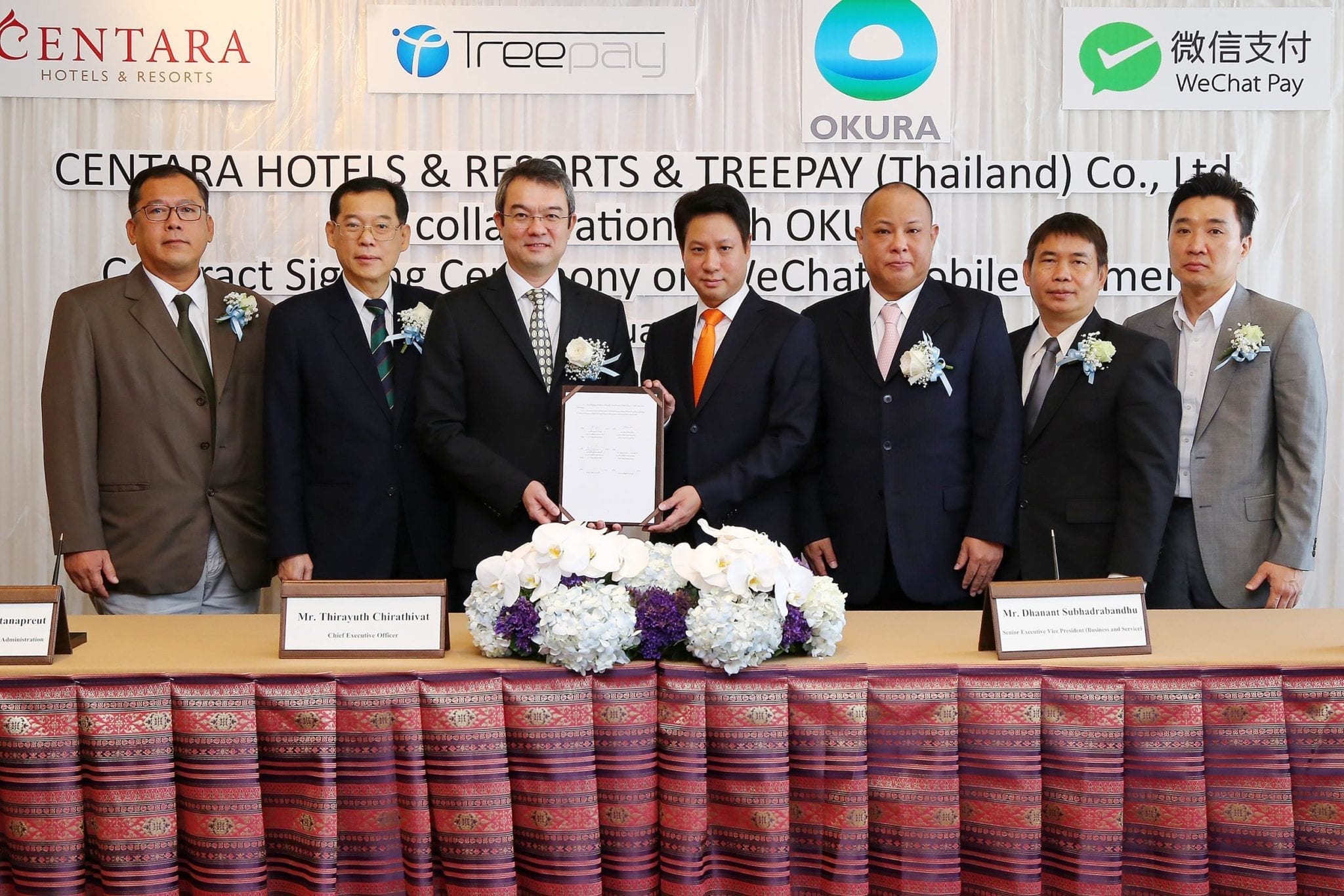
    Centara Hotels & Resorts, Thailand’s leading hotel operator, yesterday signed an agreement with TreePay Co., Ltd., a specialised payment facilitator, to develop a system to allow Chinese customers to use their mobile phones to pay for accommodations and services at Centara properties. This will begin with Wechat Pay. Chinese tourists are an important market for Centara and mobile payments using apps like WeChat are extremely popular with Chinese consumers. Centara chose TreePay, a collaboration between CAT Telecom, SKT, and NHN KCP, to help it serve its Chinese guests more conveniently. Okura Co., Ltd. will be the project consultant.

    “Our goal to double in size over the next five years will be achieved by serving growing markets better,” said Centara’s CEO Thirayuth Chirathivat. “Our strategies include opening new properties in China as well as attracting more Chinese to our hotels in Thailand and elsewhere. One way we do this is by improving our service infrastructure. Being able to accept mobile payments is an important component.”

    Centara aims to double its number of properties and become a familiar name for travellers throughout Asia, the Indian Ocean and Middle East. The company bases its confidence on a successful formula of Thai hospitality, excellent food, a variety of formats, and family-friendly hotels, in great destinations. It is also investing in technology to serve customers more efficiently through multilingual websites, on their devices, and with high-tech services at Centara hotels.

    The TreePay solution will first be introduced at Centara’s hotels and resorts in Thailand within 2018, then rolled out to the company’s other properties.

    “We look forward to making our destinations more welcoming and convenient for our Chinese guests, and supporting the expansion of Chinese tourism in this region and the world,” added Chirativat.

    Suvicha Nalita, Chief Executive Officer of TreePay (Thailand) Ltd., said “TreePay will be providing China Payment services to Centara Hotels and Resorts, starting with Wechat Pay mobile payments. We aim to become an Omni channel payment facilitator providing a single connection for all payment channels and types. Besides our expertise in payment platforms, we also strive to differentiate ourselves in this competitive market.”

  • Kering to celebrate new sales record

    Kering to celebrate new sales record

    In a “phenomenal” result, global luxury group Kering had record operating revenue last year, driven in large part by the popularity of Gucci.

    Kering’s income totalled €15.4 billion (US$19 billion), up 25 per cent as reported or 27.2 per cent on a comparable basis. Revenue from luxury activities was up 27.5 per cent as reported, or 29.9 per cent on a comparable basis, while for sport and lifestyle activities, revenue was up 12.8 per cent as reported or 14.7 per cent on a comparable basis.

    Describing it as a phenomenal year, chairman/CEO François-Henri Pinault says the group created more than €3 billion in extra revenues in a single year, and generated more than €1 billion in additional EBIT.

    In a performance “nothing short of spectacular”, Gucci was amplifying its desirability across all markets.

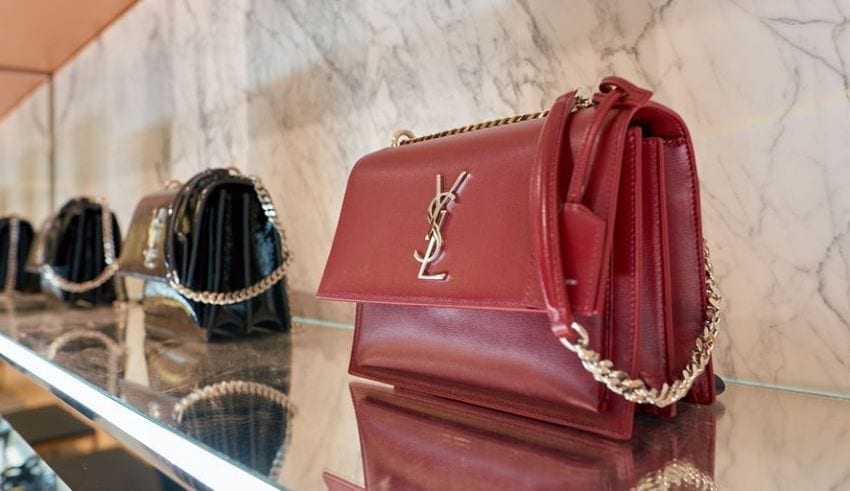
    “Saint Laurent is on a rapid growth track, while Bottega Veneta pursues its redeployment. Balenciaga is charting an impressive development trajectory, and our other luxury brands are experiencing positive momentum,” says Pinault.

    Revenue for luxury activities topped €10 billion last year, up 29.9 per cent year on year based on comparable data. Comparable growth was up 44.6 per cent for Gucci and 25.3 per cent for Yves Saint Laurent.

    Other luxury brands saw accelerated revenue growth (up 14.1 per cent on a comparable basis), especially Balenciaga, which delivered the fastest growth rate of all group brands in the second half.
    Puma’s revenue topped €4 billion for the first time, a rise of 15.8 per cent on a comparable basis, while recurring operating income for the brand jumped 92.7 per cent.

  • G&M Cosmetics expansion plans into Vietnam

    G&M Cosmetics expansion plans into Vietnam

    Australian skincare brand G&M Cosmetics has expanded into Vietnam, with a presence in Aeon supermarkets and at Ho Chi Minh City’s airport.

    This follows the company exporting to Asian markets such as China, Hong Kong, Taiwan, Thailand and Singapore in the past few years.

    The company has also opened a showroom and sales office in Ho Chi Minh City, and plans to open up to five of its own branded retail outlets in Vietnam.

    “We have always had a high demand and interest in Southeast Asia and believe the time is right to enter the Vietnam market, with a population of more than 90 million and a growing middle and upper class, making it an ideal export market,” says G&M Cosmetics global marketing and sales manager Peter Bosevski.

    “Vietnam also give us access to the wider growing Southeast Asian markets of Cambodia, Laos and Myanmar.”

    To promote its launch in Vietnam, G&M has secured Miss Globe as brand ambassador.

  • Lululemon pushes out CEO

    Lululemon pushes out CEO

    Canada’s Lululemon Atletica has ousted its current chief executive office, Laurent Potdevin, citing code of conduct reasons for his swift departure.

    The yoga gear brand said that Potdevin resigned, with a $5 million exit package, after the CEO “fell short” of its standards requiring employees to “exemplify the highest levels of integrity and respect for one another.”

    The firm didn’t provide any other details, such as where or how its former CEO fell short of the company’s standards of conduct. However, considering the mass pay out it was deemed as a range of ‘minor’ things that went against the firm’s ‘culture’.

    Potdevin’s departure means Glenn Murphy, former Gap Inc. Ceo who joined the board in April, is now executive chairman, and will act as an interim CEO until a new hiring is announced.

    “Culture is at the core of Lululemon, and it is the responsibility of leaders to set the right tone in our organization. Protecting the organization’s culture is one of the board’s most important duties,” said Murphy.

    Meanwhile, three senior level executives were promoted as a result. Each will report to Murphy.

    Celeste Burgoyne, executive vice president, Americas, will oversee all retail channels of the global business, including stores and e-commerce, as well as brand marketing.

    Stuart Haselden, chief operating officer, will oversee operations related to finance, supply chain, people and technology. This will be absorbed into his current role as chief financial officer, which he started in 2015. Finally, Sun Choe, senior vice president of merchandising, will lead Lululemon’s product development, design, innovation and merchandising. She joined the company as chief global product merchant.

    As for the new CEO spot, not one specific person has been hinted at to replace Potedevin.  However, analysts on Tuesday began speculating that Lululemon could be eyeing Stefan Larsson, whose non-compete agreement with Ralph Lauren Corp. just expired.

    Both parties have not commented.

  • Fosun International reportedly acquires Lanvin

    Fosun International reportedly acquires Lanvin

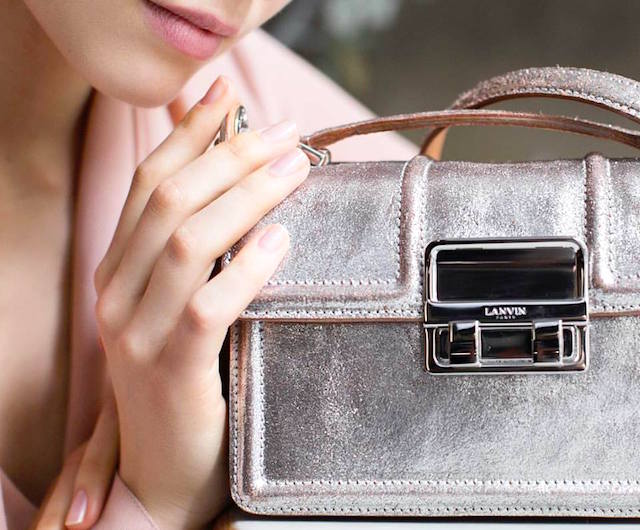
    Fosun International has purchased Paris fashion brand Lanvin for more than 100 million euros, two sources close to the matter have revealed to the French fashion press.

    Sources revealed to FashionNetwork.com late Friday that the Chinese group would acquire France’s oldest fashion maison, beating out Qatar’s Mayhoola, winning the auction-style fight for Lanvin that has been ongoing for some weeks.

    “Fosun has won Lanvin and an announcement should be made this week,” one of the sources said.

    The deal will see Fosun International invest more than 100 million euros in Lanvin with the company issuing new shares to its new controlling shareholder.

    Current majority shareholder Shaw-Lan Wang, the Chinese, Taiwan-based entrepreneur, who goes by Madame Shaw, will remain a minority shareholder alongside Swiss German entrepreneur Ralph Bartel, who had to increase his stake in Lanvin to do so. It remains unclear how much of the cash will go to Madame Shaw.

    “It is a surprising decision,” one of the sources said. “This is a complex affair, many will be watching how Fosun handles it.”

    It’s a blow to Mayhoola’s portfolio also. The owner of Valentino and Balmain has been eyeing Lanvin for a decade now.

    Sales at Lanvin have more than halved in the past three years to less than 100 million euros as the French fashion house struggled to reinvent itself under two successive designers in a desperate attempt to find the right strategy after sacking its star designer Alber Elbaz in 2015.

    Owned by Shanghai billionaire Guo Guangchang, Fosun International already has investments in luxury companies, namely French holiday operator Club Med and knitwear band St. John in the United States. It also has stakes in insurance and trading companies.

    It was reported in September last year that the Chinese investor was also in the running to purchase Swiss luxury brand Bally. However, it was announced this week that fellow Asian investor Shangdong Ruyi, the Chinese group that also controls SMCP and Aquascutum, has acquired Bally.

    Lanvin, Fosun International and Mayhoola were unavailable to make a comment on the news.

  • Shiseido’s results for 2017

    Shiseido’s results for 2017

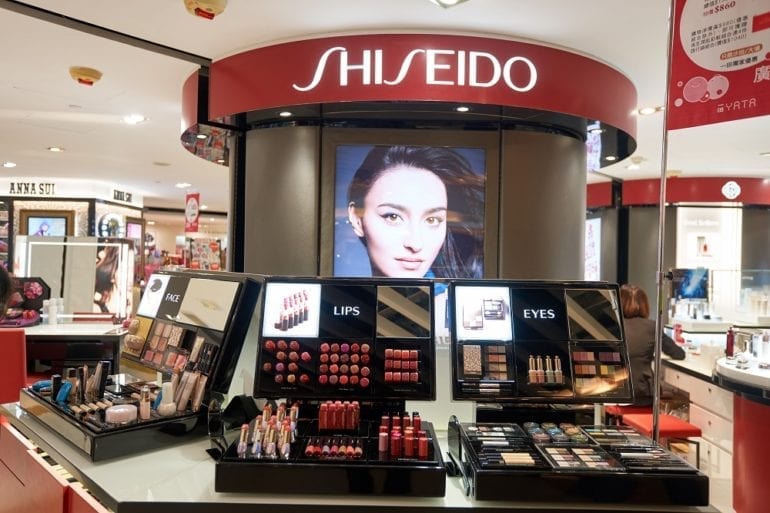
    Shiseido just released its results for the Fiscal Year Ended 31 December 2017.

    Shiseido achieved Global Net Sales of ¥1,005,062 (compared to ¥850,306 in 2016) and a Global Operating Income of ¥80,437 (compared to ¥36,780 in 2016).

    In the Asia Pacific Business, the brands driving sales are Clé de Peau Beauté, NARS, and other brands in the prestige category, mainly in South Korea, Thailand, and Taiwan.

    Sales of Clé de Peau Beauté were particularly strong in the flagship store opened in Singapore.

    In the cosmetics and personal care categories, sales growth was seen for SENKA, which benefited from enhanced marketing tailored to the differing consumer preferences and lifestyles in each country, and for the sunscreen ANESSA, owing to an expansion of sales channels.

    The growth is the result of the improvement in the product mix and higher margins.

    The Shiseido Group formulated VISION 2020, a medium- to long-term strategy in 2014 while positioning the three years from fiscal years 2018 to 2020, as the period to accelerate growth in order to tackle a new strategy.

    It seems this long-term strategy is working and the company plans to announce the new three-year medium-term management plan on 5 March 2018, and disclose the consolidated results forecasts and the dividend forecast for the fiscal year ending December 2018, the initial year of the plan.

  • Pandora posts good numbers in challenging market

    Pandora posts good numbers in challenging market

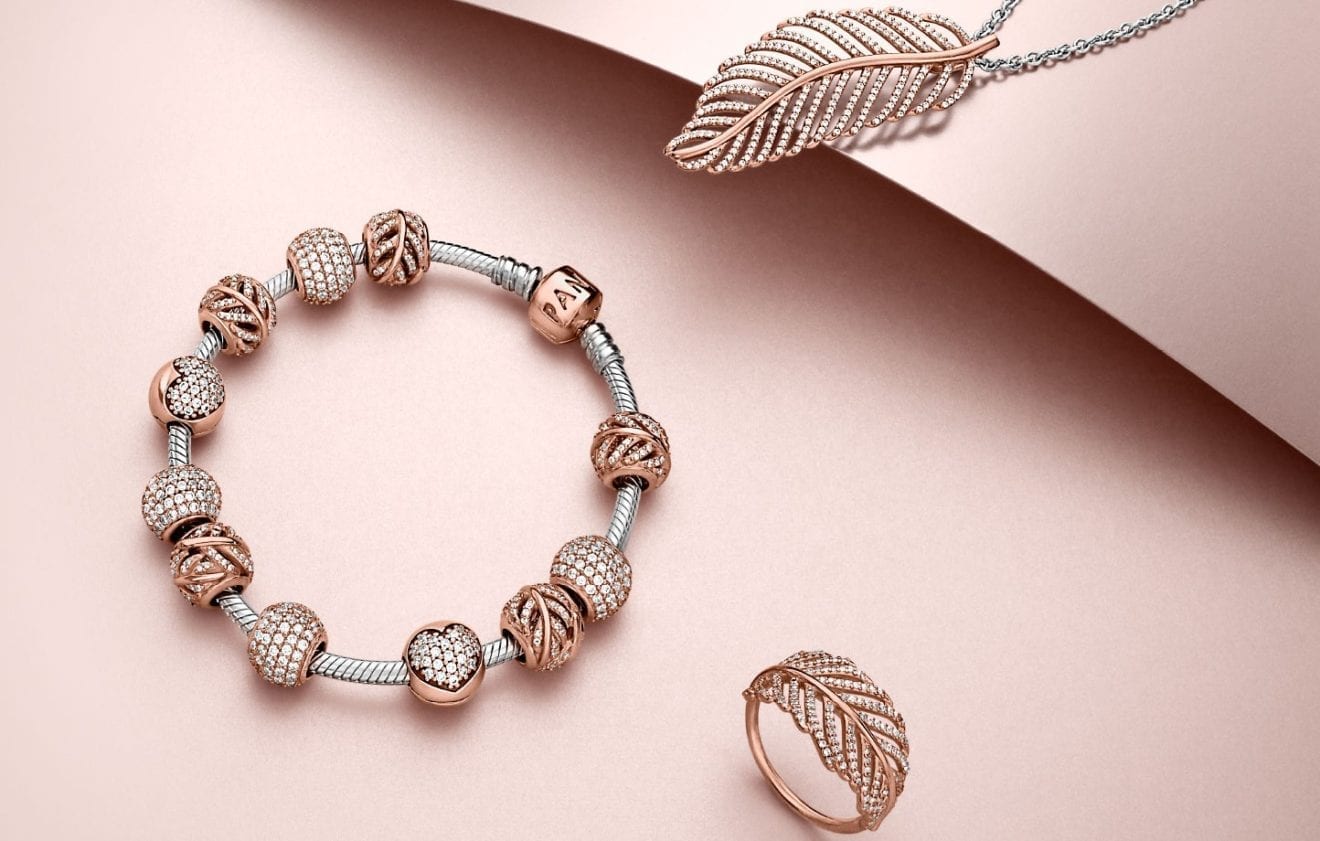
    Danish jewellery manufacturer and retailer Pandora reports a strong year despite market challenges.

    Group Pandora sales increased by 12 per cent (15 per cent in local currency) last year to DKK22.7 billion (US$3.7 billion). Revenue from Pandora-owned retail grew 42 per cent (46 per cent in local currency). ​

    Like-for-like sales-out growth for the brand’s concept stores was 11 per cent.

    Pandora sales in Asia Pacific were up 25 per cent (28 per cent in local currency).

    Revenue from charms was up 8 per cent and revenue from bracelets increased 8 per cent. Full jewellery brand development remains on track with combined revenue from rings, earrings and necklaces, and pendants up 28 per cent. The three categories represented 26 per cent of group revenue compared with 23 per cent in 2016.

    Gross margin was 74.5 per cent last year, down from 75.1 per cent).

    Describing the year as “challenging and eventful”, CEO Anders Colding Friis says revenue was driven by a strong performance from Pandora-owned retail, and double-digit growth in local currency across all product categories.

  • Gap Malaysia is Closing All Stores Nationwide

    Gap Malaysia is Closing All Stores Nationwide

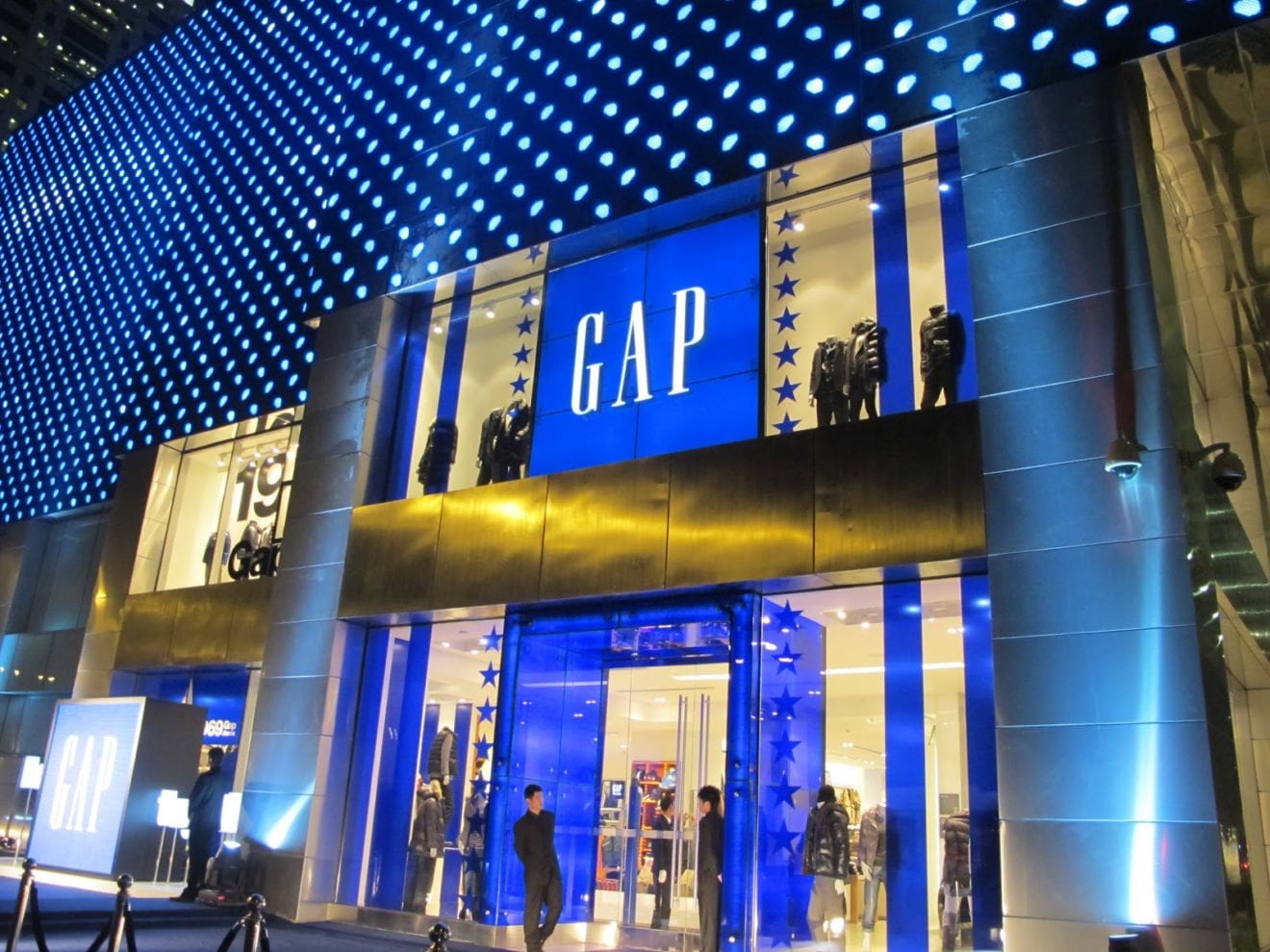
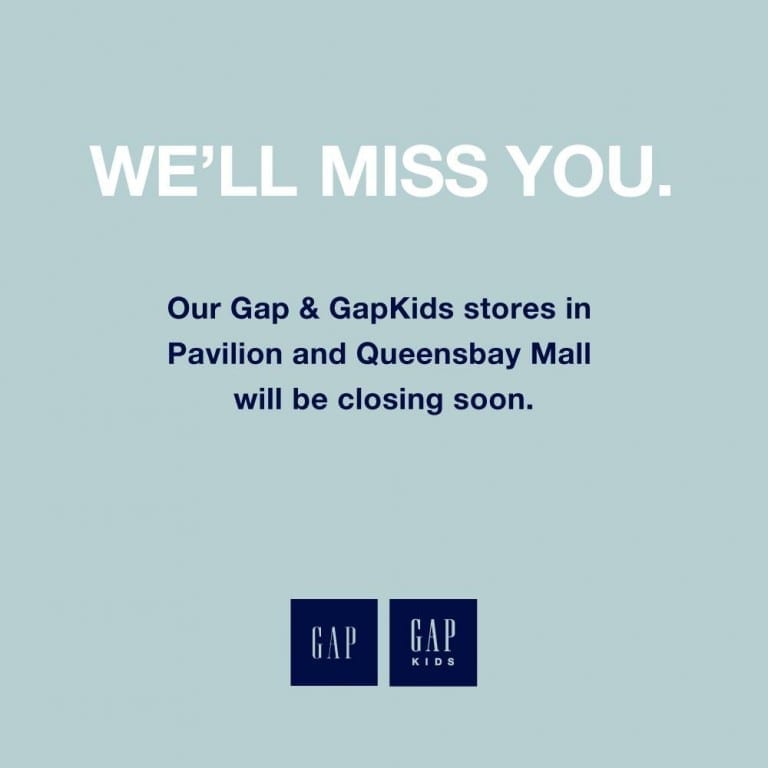
    Gap Malaysia has announced on its Facebook page that it is about to close its store and GapKids in the Gardens Mall, Kuala Lumpur.

    The American clothing retailer first announced it would be shutting down its Queensbay Mall, Penang and Pavilion KL stores in January, and now adds Gardens Mall and 1 Utama as well.

    Its remaining stores are running sales to get rid of stock.