Category: Fashion

Retail News Asia is committed to providing both local and global retailers with the latest Fashion news throughout the Asian market. This on a daily base.

  • Safilo appoints new CEO

    Safilo appoints new CEO

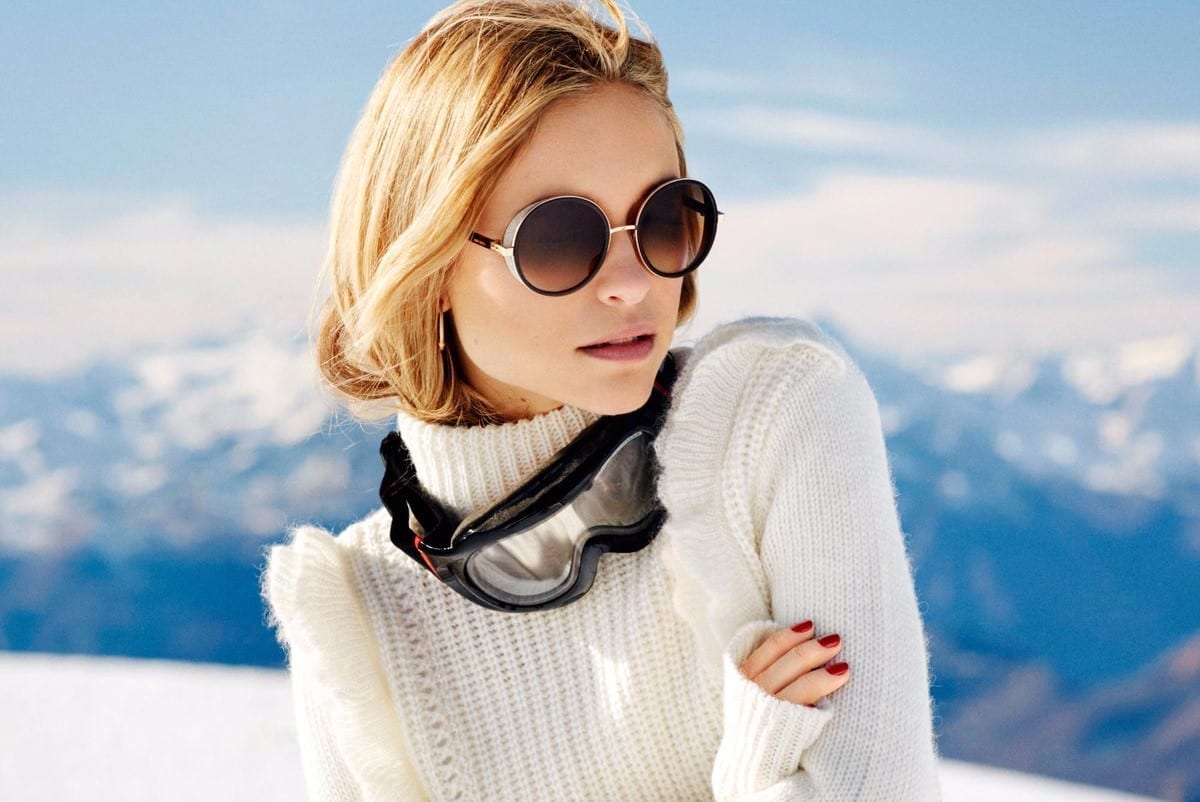
    Eyewear manufacturer Safilo has appointed a new CEO this week, following the sudden departure Luisa Delgado, who relinquishes her role at the Italian firm for personal reasons, as of 28 February 2018.

    The maker and distribution of luxury sunglasses has named Andrea Trocchia as its new CEO. Trocchia will become director of the Safilo group on 1 April 2018.

    Until a new CEO is appointed, Safilo’s President Eugenio Ranzelli will take charge of the business in the interim, Safilo said in a press release. The firm added that Delgado’s contract was terminated by mutual agreement with the group’s board.

    Delgado’s severance package will be worth €1 million, plus vested stock options and other non-monetary benefits.

    Trocchia will join Safilo Group S.p.a. as a director at the beginning of April. He will be included in the list put forward by Multibrands Italy BV, the eyewear group’s holding company, to be appointed CEO of Safilo Group S.p.a. at the next AGM on 24 April 2018.

    Trocchia was previously chairman and CEO of Unilever Italia, a role he held since 2013. Before this, he was chairman and CEO of Unilever Israel. After an MBA at the STOA’/MIT in Naples and a PhD in aeronautical engineering at the University La Sapienza in Rome, Trocchia began his career at Unilever in 1991, in the supply chain and sales departments.

    Safilo has been experiencing difficulties for several quarters. It claims to be still affected by the termination of its Gucci eyewear licence, which took place in December 2016.

    At the end of the 2017 financial year, consolidated net sales were €1.047 billion, down €194 million (-15.6%) at constant exchange rates compared to the 2016 financial year. At the time of reporting last months, Safilo said the “sales decrease reflects both the transformation of the Gucci licence into a supply contract, for a total of €155 million (-12%), and the deployment of a new IT system for the global management of orders and stocks at the start of the year.”

  • Gap CEO & president Jeff Kirwan resigns

    Gap CEO & president Jeff Kirwan resigns

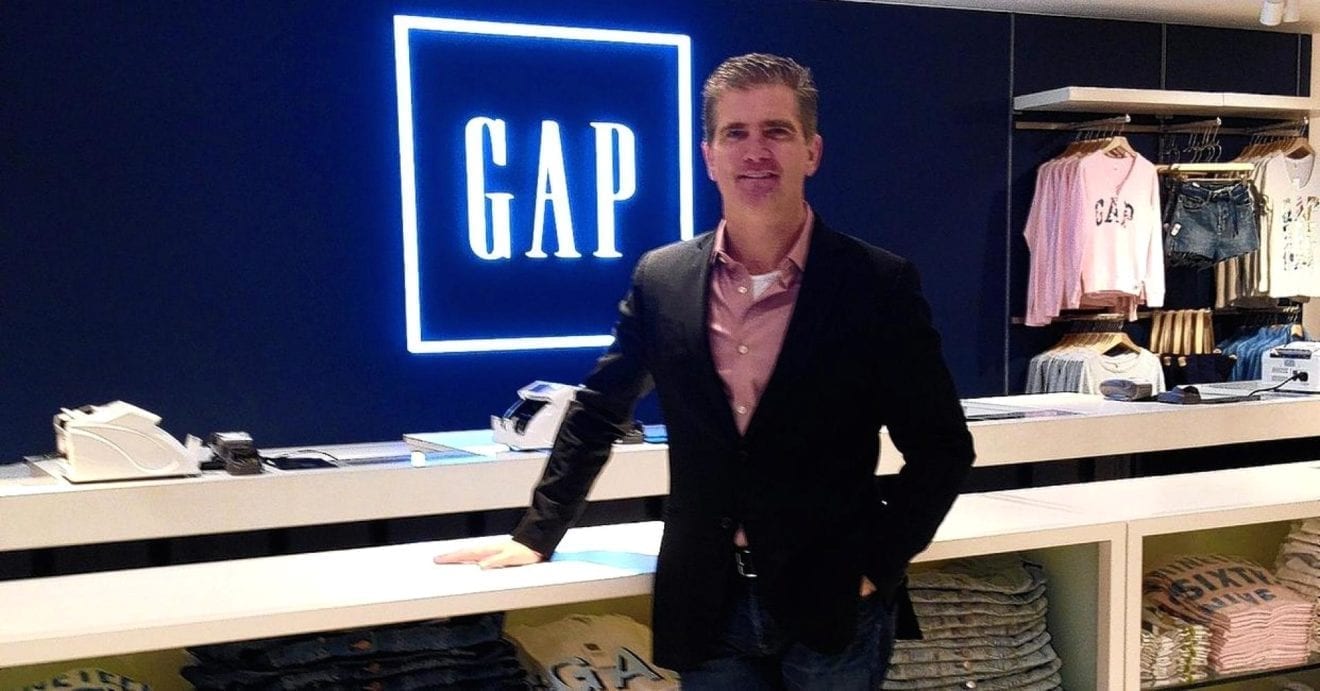
    Gap Inc has announced that Gap brand president/CEO Jeff Kirwan will leave the clothing retail company.

    A search has been launched to find a replacement.

    “As we move into the brand’s next phase of development, Jeff and I agreed it was an appropriate time for a change in leadership,” says Gap Inc CEO Art Peck.

    “Under Jeff’s leadership we made significant progress on the operating model of the brand. We are faster and more responsive than ever before, we radically improved quality and fit, and we centered the brand on the aesthetic our customers love: casual, optimistic and American.

    “We have also seen the results of exceptional marketing and customer engagement reflected in increased traffic, improved sales and the strength of the digital business.

    “While I am pleased with our progress in brand health and product quality, we have not achieved the operational excellence and accelerated profit growth we know is possible at Gap brand.”

    Until a new president is found, the brand will be overseen by executive VP Brent Hyder, who was previously the brand’s COO.

    Gap has been struggling both at home and abroad in recent years. Its Singapore franchisor FJ Benjamin this week announced it was ceding the franchise for both Gap and Banana Republic.

  • Company Announces Plans to Sell Nautica

    Company Announces Plans to Sell Nautica

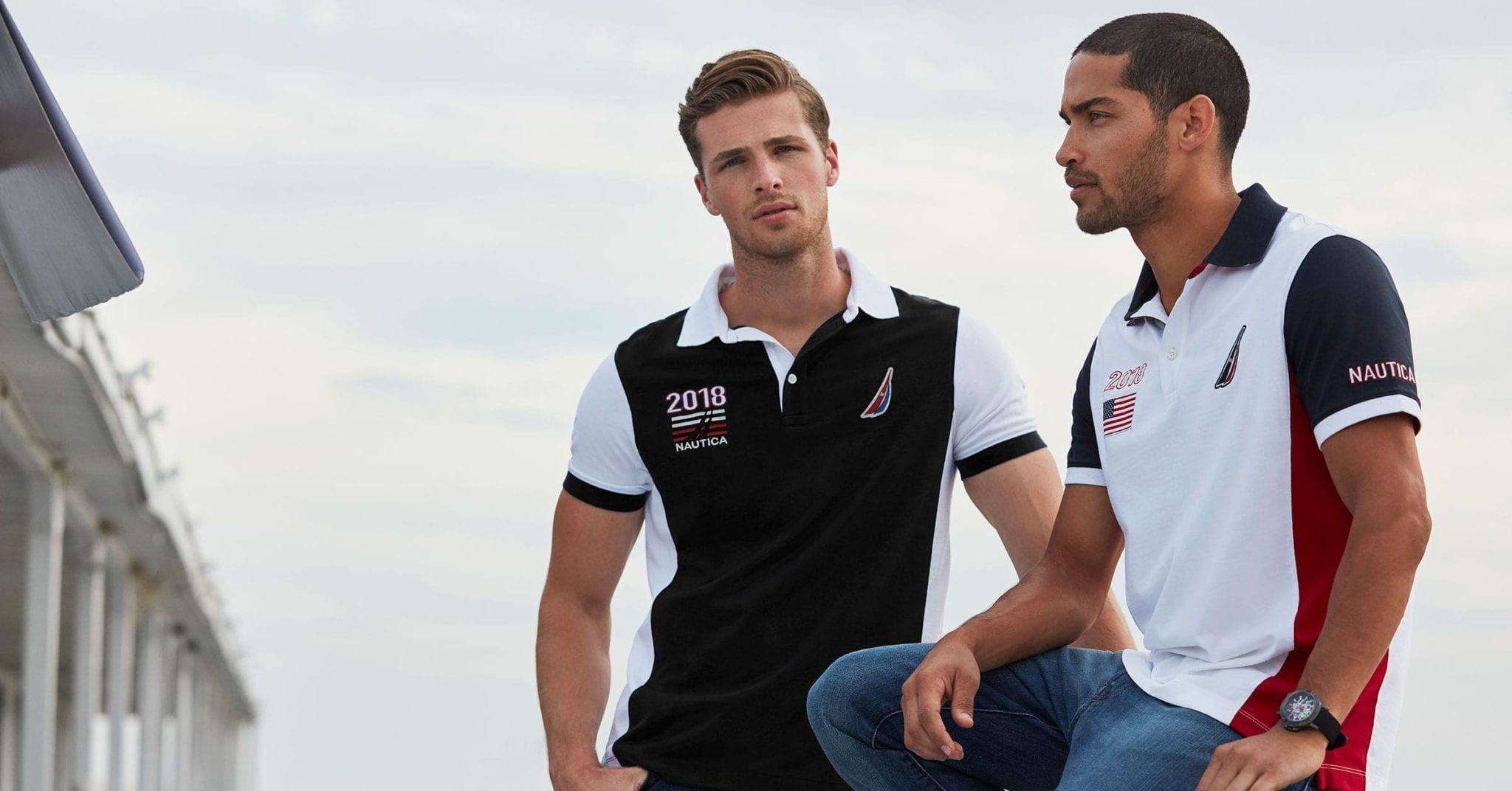
    US apparel group VF Corp. is on a mission to divest its Nautica brand, saying the decision to sell met the “held-for-sale and discontinued operations accounting criteria”.

    VF Corp. bought Nautica Enterprises Inc. in 2003 for $586 million.

    The company, which owns the North Face, Vans and Timberland, said it had decided to sell Nautica during the fourth quarter and has classified it as a discontinued business.

    It follows VF Corp’s decision in early 2017 to sell off Licensed Sports Group and after it sold its Contemporary Brands business in 2016.

    The news coincided with VF Corp’s fourth-quarter results released on Friday.

    For the three months ended December 30, net losses were $90.3 million, or $0.23 cents per diluted share, compared to net income of $264.3 million, or $0.63 cents, a year ago. On an adjusted basis, earnings per share were $1.01.

    However, revenue for the quarter increased 20 percent to $3.6 billion, which included a $247 million contribution from the company’s acquisition of Williamson-Dickie, a global workwear company, in October. This was a touch below analysts’ estimations of US$3.66bn.

    Full year 2017 revenue increased seven percent to $11.8 billion. Excluding the Williamson-Dickie acquisition, full-year revenue increased five percent.

    “VF’s fourth quarter results were stronger than we expected as growth continues to accelerate across core dimensions of our portfolio,” said Steve Rendle, Chairman and Chief Executive Officer. “We remain in the early phase of a multi-year journey to become a purpose led, agile, consumer centric organization. I am pleased with our early progress and look forward to building on our momentum in 2018.”

  • Jason Wu to leave Hugo Boss

    Jason Wu to leave Hugo Boss

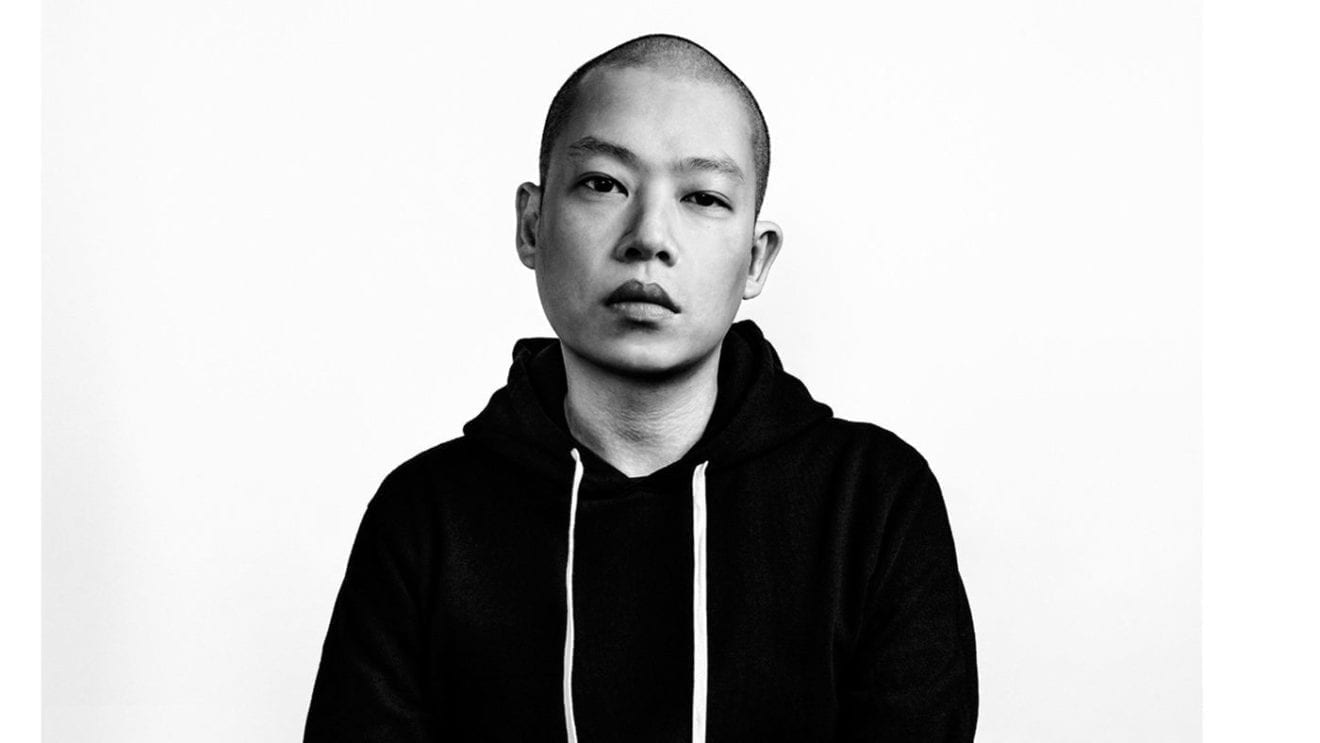
    Jason Wu is stepping down from his role as artistic director of Boss women’s. His Autumn/Winter 2018 show, presented during New York Fashion Week, is the designer’s final collection for the German fashion house.

    “The five years at Hugo Boss have been a very exciting time for me. I am especially grateful to the entire Boss womenswear team. Now the time has come for me to concentrate fully on my own label,” Wu said in a statement.

    “I would like to thank Jason for his incredible creative input and inspiration. I feel certain that he will approach all his future projects with the same compelling passion and zest that he brought to Hugo Boss,” added chief brand officer Ingo Wilts.

    Wu, an editorial favourite, as well as a go-to for celebrities and former First Lady, Michelle Obama, gained fans with his namesake line’s merging of classic American sportswear with sophisticated society dressing. In September 2014, Wu sold a majority stake to investment firm InterLuxe.

    Since joining Hugo Boss as artistic director in June 2013 — when he assumed responsibility for all product and image-related components of the brand’s women’s line — Wu has been credited for injecting a new, approachable, ease to the women’s line of the storied house, while remaining in tune with the brand’s roots in German austerity.

    Wu’s departure follows 18 months of strategic changes at Hugo Boss, which has struggled with unclear positioning between premium and luxury. In November, 2016 — six months into Mark Langer’s appointment as chief executive — the German fashion house shifted its priorities away from its womenswear business. The brand announced its plans to eliminate two brands (Boss Orange and Boss Green) within its portfolio, while narrowing its focus to casualwear and business clothes. Meanwhile, it slowed expansion of its store network and put more resources towards its online operations.

    The refocusing on men’s is slowly paying off, despite a trend of men moving away from formal wear. In its most recent fourth-quarter earnings, posted last month, Hugo Boss reported a 5 percent increase in currency-adjusted sales to €735 million ($902 million) compared to the year prior.

    This increase was driven by a rebound in direct-to-consumer sales (online sales were up by 42 percent), as well as a recovery in the US. Hugo Boss will report its full-year results on 8 March 2018.

  • Hong Kong luxury watch imports reached its peak

    Hong Kong luxury watch imports reached its peak

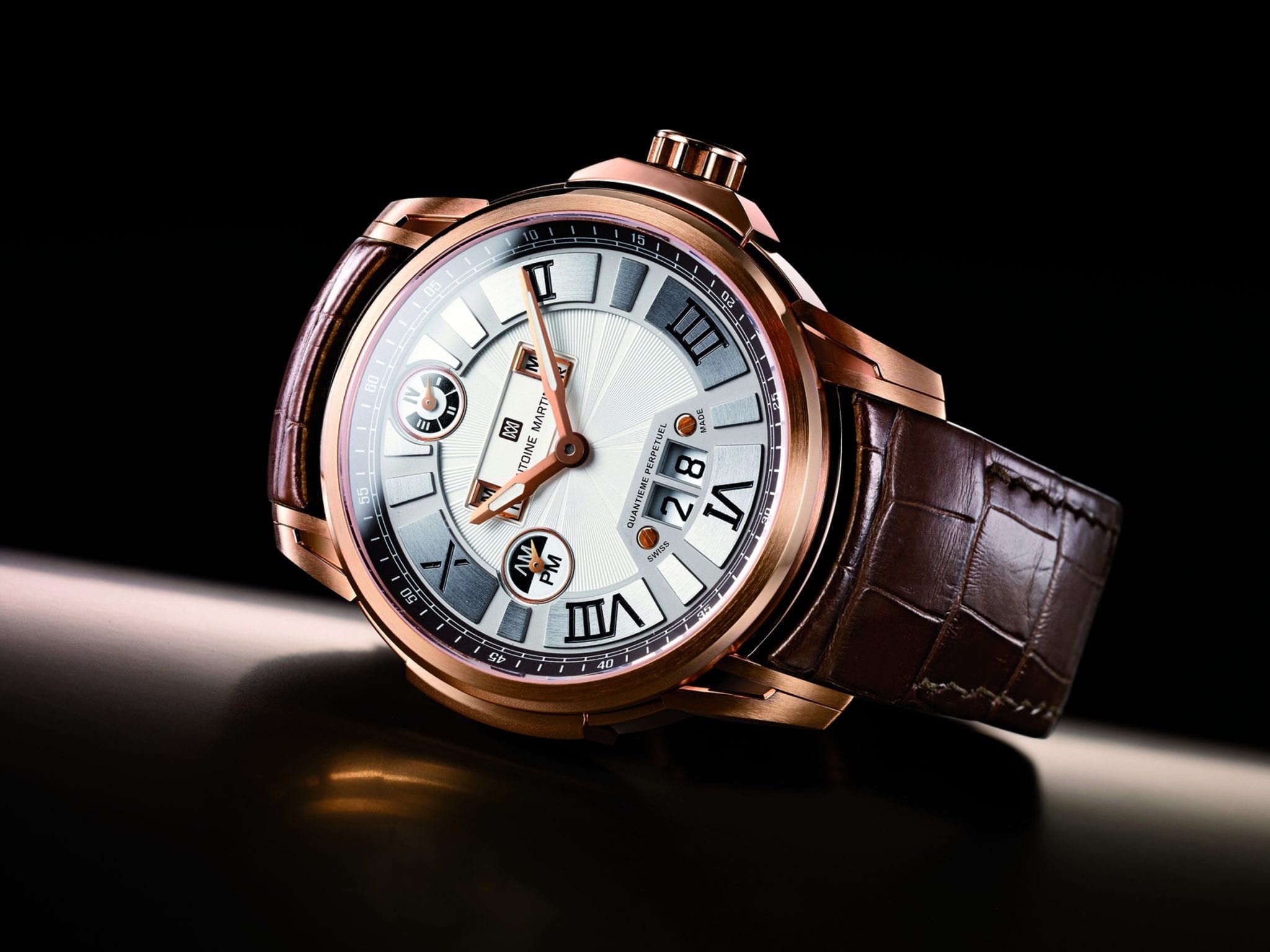
    Hong Kong luxury watch imports posted their highest monthly increase for more than five years in January.

    According to the Federation of the Swiss Watch Industry, exports to Hong Kong rose by 21.3 per cent in January, leading a broader Asian rebound which saw China overtake Japan into second place as a destination with 44.3 per cent growth. Exports to the US fell 1.9 per cent, dropping that market into third. Japan was also strong, up 12.9 per cent.

    January’s improvement followed the dynamic performance of previous months and a favourable base effect, the federation reported.

    Swiss watch exports for the month were worth CHF1.6 billion (US$1.7 billion), equivalent to 12.6 per cent growth.

    The value of all the main groups of materials increased. Steel and bimetal watches made the biggest contribution. Total volumes were 2.5 per cent higher, boosted by timepieces in steel and the other metals category.

    Against the trend, the ‘other materials’ category reported another substantial fall.

    After declining for more than two years, watches costing less than CHF200 (export price) continued to lose ground last month. All the other segments had sustained growth, especially in the CHF500 to CHF3000 price range which improved by about 20 per cent.

    Many markets saw strong growth for the month.

  • Stella McCartney-Kering ready to separate

    Stella McCartney-Kering ready to separate

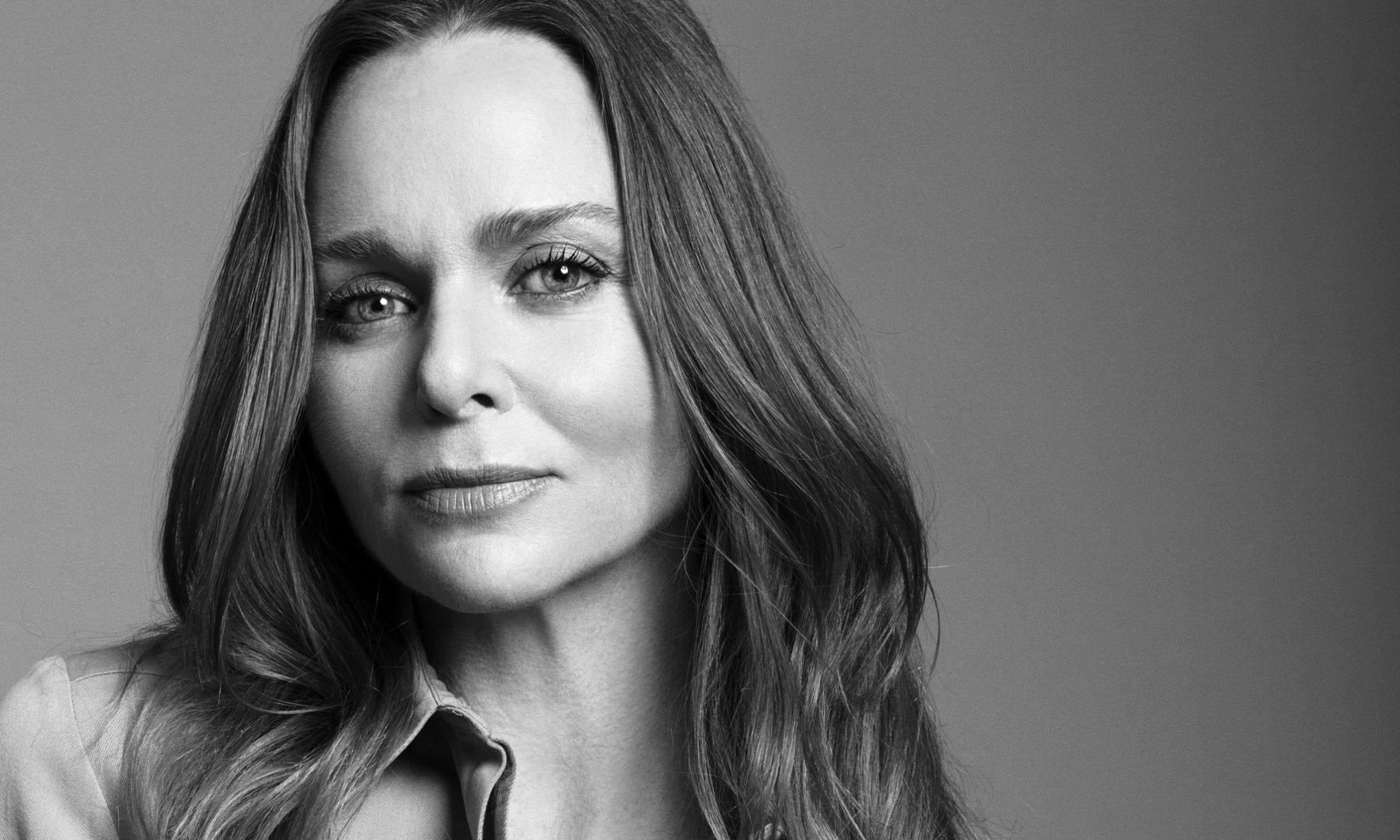
    After a 17-year partnership, French luxury group Kering is selling its 50 percent share of Stella McCartney back to the namesake designer. The public announcement, originally slated for early January 2018, is imminent, according to a source with first-hand knowledge of the discussions.

    According to the source, the Stella McCartney HR team is preparing a booklet outlining the details of the separation to answer outstanding questions and ease employee concerns. However, both parties issued a joint statement saying nothing has been confirmed.

    “Kering and Ms Stella McCartney have been operating and growing the Stella McCartney brand since 2001 as a 50/50 joint venture. As already stated, as it is customary between stakeholders, there are regular discussions about the future of the partnership,” Kering and Stella McCartney said. “Any significant change to the current relationship would be made public at the appropriate time. Any piece of information circulating to this respect can only be considered as speculation.”

    To be sure, unravelling the partnership will be a time consuming, expensive process.

    According the source, Kering’s brands will be forbidden from hiring Stella McCartney employees during the transition process, which could take as long as two years.London-based retail strategy consulting firm Javelin, part of global advisory firm Accenture, is working with Stella McCartney to reorganise during the transition period, creating a blueprint for the newly independent Stella McCartney business.

    While Kering and Stella McCartney have acknowledged that there have been separation talks on more than one occasion over their 17-year partnership, the exact reasons for the break, and why it’s happening now, are not yet known. The reported split does come at a time when Kering is streamlining its portfolio and focusing its attention on blockbuster brands including Gucci, Saint Laurent and Balenciaga.

    In early January 2018, the group announced that it would spin off German sportswear brand Puma, inching the parent company further toward becoming a pure luxury player. In the fiscal year ending December 31, 2017, consolidated revenues were €15.5 billion, up 27.6 percent on a reported basis. Sales within the luxury group, which excludes Puma, Cobra and skate brand Volcom, were up 27.5 percent on a reported basis.

    Stella McCartney first launched as a joint venture with the Gucci Group in 2001. At the time, the Gucci Group was run by chief executive Domenico De Sole and Tom Ford, who designed both Gucci and Yves Saint Laurent. Alexander McQueen joined the group in 2000.

    Over the next two decades, McCartney and Kering built a global brand, driven not only by the designer’s exuberant sportswear but also by her commitment to animal-free fashion. McCartney’s faux-fur and faux-leather apparel and accessories helped to elevate the materials in the eyes of the consumer, serving as an example for other brands and a resource for Kering’s entire portfolio, which now also includes Balenciaga, Christopher Kane and Brioni. In 2016, Stella McCartney published its first environmental profit-and-loss account.

    Kering does not break out the revenues of its smaller houses, although in 2015 market sources estimated that Stella McCartney’s annual global sales were somewhere between $150 million and $200 million. However, the annual retail value of Stella McCartney products is likely significantly more thanks to branded collaborations with Procter & Gamble for beauty, Adidas for activewear and Bendon for lingerie. Her collection with Adidas, first launched in 2004, has become a brand in itself. McCartney then launched menswear in 2016.

    As for how Stella McCartney may transform under the founder’s absolute rule, a push to drive more direct sales could be in the cards.

    In May 2017, the company announced that it would open four new store locations, including a second store in Paris, one in Florence, in one Costa Mesa, California, and a second location in New York City.

    A year earlier, it also assumed control of store operations of its three Hong Kong stores, which were previously managed by a local partner. The brand’s retail store portfolio currently includes 52 locations, with another store on London’s Bond Street on the way.
  • Gucci korea reopened its flagship store by going back to basic

    Gucci korea reopened its flagship store by going back to basic

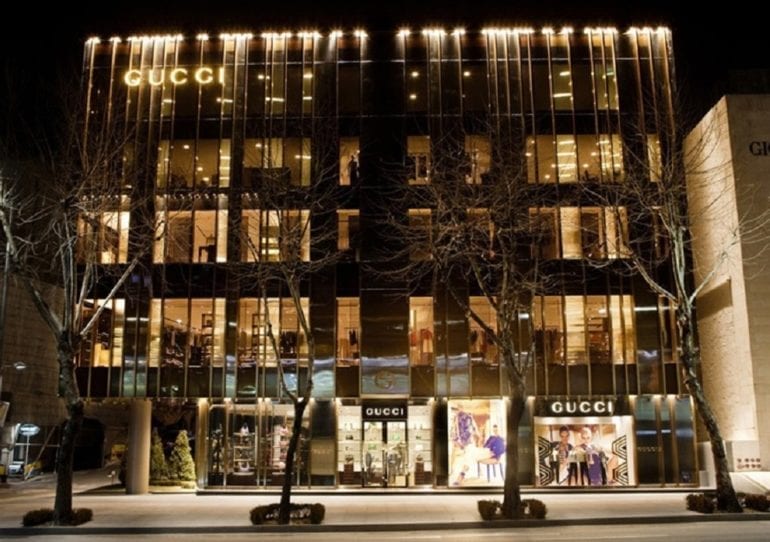
    Italian luxury house Gucci opened the doors to its renewed Korean flagship store in Cheongdam, Southern Seoul, giving fashionistas a new reason to visit the neighborhood.

    The three floors of the shop carry the brand’s most popular items, from bags, wallets and shoes to clothes and the newly launched “Gucci Deco” home-furnishing items.

    Just a few years ago, Gucci was regarded as a luxury brand with a slightly old-fashioned design that failed to appeal to younger trendsetters. But after Alessandro Michele took the helm in 2015 as creative director, Gucci has started a whole new chapter in its history, becoming the most searched for brand on Google in 2017, and adding over 8 million followers on the Gucci official Instagram account.

    Their success was attributed not to trying something entirely fresh, but to Michele’s decision to get back to basics, returning to the vibrant colors and patterns of the old archives, but adding a 21st century twist. His designs were vintage, but not too classic – bold but not gaudy.

    The flagship store carries all the popular items that made Gucci the hottest brand in town, within an interior of walls decorated in old rose, and antique carpets that add a classy ambience to the overall space. The toned-down color of the walls lends a stark contrast to the colorful products on display.

    Visitors to the store can see all of Gucci’s treasures in one space, but there are two distinct reasons why the new shop is worth a look: the do-it-yourself (DIY) zone and the Korean edition goods only available at the flagship store.

    The two DIY zones are located on the second and third floors and are both equipped with different ready-made patchworks and pins that, when guests choose from them, staff members are ready to sew them on in different ways. On the second floor, visitors can decorate their very own jackets, while on the third, one can create DIY handbags and clutches.

    Also available are the Korea-exclusive edition items, which have been embroidered with a Korean tiger that differs from any of the animals usually seen on other Gucci products. The unique Korean tiger is printed on men’s Beastiary bags, wallets and Princetown shoes, which can only be found in this particular shop and nowhere else in the world.

    And while they don’t have their own DIY zone, many of the women’s sneakers have metal buttons on them, which allow the wearer to snap different patches into place and change them as one likes.

    “The Gucci flagship store is like a cabinet of curiosities that’s made to please and inspire visitors,” said a staff member on the day of the opening. “The store is a space where you can experience the unique brand culture of Gucci.”

  • Nature Republic opens store in Indonesia

    Nature Republic opens store in Indonesia

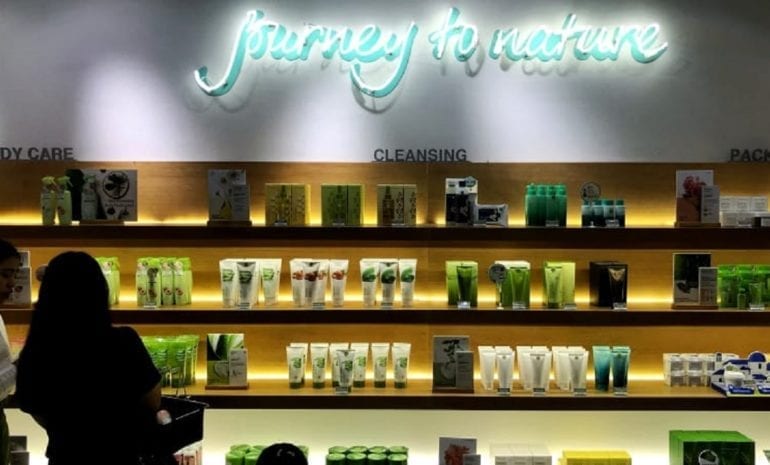
    South Korean cosmetics company Nature Republic opens its first outlet in Indonesia.

    Nature Republic speeds up to expand overseas market. The store is in a Jakarta shopping mall and registered 100 million won (US$94,000) in sales on its pre-opening day,  the Seoul-based company said.

    Indonesia is the fourth largest country in the world and is considered the next big thing after China.

    The economy continues to grow at a rate of 5% and has more potential to growth. As about 90% of the population is Muslim, the world’s largest Muslim country, the company plans to establish a bridgehead for the Middle East and other Muslim markets.

    In order to enter Indonesia, the company has been thoroughly prepared for one year including local market analysis and product pre-registration.

    The company focused on product selection, reasonable price, and all-round marketing strategy, and online marketing considering the characteristics of the country.

    Jakarta shopping mall, chose by Nature Republic to open the store, is main shopping area for Muslim Indians.

    In particular, young people from 10s to 20s who are interested in Korean culture such as K-pop and K-beauty visit the store. The company is targeting young customers to raise brand awareness and stabilize the local market.

    “We will expand our presence in the overseas market, including the Middle East and Europe, in the long-run, with Indonesia as our outpost,” the company said.

    Nature Republic plans to operate up to 10 outlets in Indonesia by the end of this year.

    The company has stores in 17 countries, including China and Vietnam.

  • Gap, Banana Republic to exit by end of Feb

    Gap, Banana Republic to exit by end of Feb

    Clothing brands Banana Republic and Gap are about to quit Singapore, FJ Benjamin has announced.

    Both outlets have announced their impending departure on their respective Facebook pages.

    FJ Benjamin, which brought both American brands to Singapore, says it will be closing the final two Banana Republic and three Gap stores in Singapore by the end of this month. The company has decided not to renew the franchise, which expires on February 28.

    When the fashion retailer announced the brands’ arrival in Singapore in 2006, it said it planned to open 30 stores – including outlets in Malaysia – by 2010.

    Gap’s stores are at Suntec City, United Square and VivoCity, while the Banana Republic stores are at Paragon and the Shoppes mall at Marina Bay Sands.

  • Paul Marciano resigned from Guess

    Paul Marciano resigned from Guess

    Guess co-founder Paul Marciano has stepped away from the business for an indefinite period while an investigation takes place into allegations of improper conduct.

    Marciano denies the allegations which have not been detailed by Guess.

    However Retail Dive has reported that actress and model Kate Upton, who has worked for the brand, accused Marciano of sexual harassment via Twitter and model Miranda Vee, who previously accused Marciano and real estate developer Mohamed Hadid of sexual harassment and assault, had filed a report against the two men with the Los Angeles police.

    “The company takes very seriously any allegations of sexual misconduct, is committed to maintaining a safe work environment, and looks forward to the completion of a thorough investigation of all the facts,” the company said in a brief statement.

    Two independent directors were appointed to oversee the investigation on February 7. The probe is being conducted by the law firm of O’Melveny & Myers and the directors have also retained the law firm Glaser Weil.

    “The board… and Mr Marciano have agreed that Mr Marciano will relinquish his day to day responsibilities at the company, on an unpaid basis, pending the completion of the investigation,” the statement said

    Marciano added: “I have pledged my full cooperation to the company, and I have the utmost confidence in our CEO, Victor Herrero, to continue leading the company during this time.”

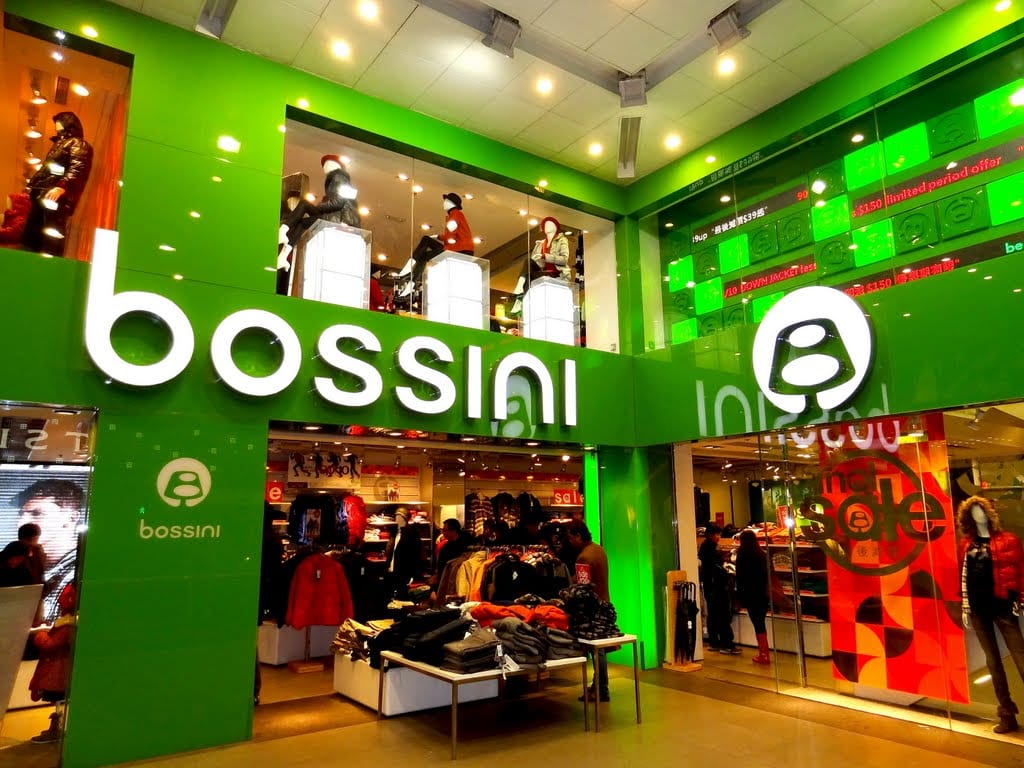
  • Bossini reports Bossini $12m interim loss

    Bossini reports Bossini $12m interim loss

    Apparel brand Bossini International Holdings remains optimistic despite a slip in revenue and profit turning to loss for its six months to the end of December.

    It says growth is projected to continue rising in emerging markets and developing economies, supported by a favourable global financial environment and a concomitant recovery in advanced economies.

    “The regional picture is particularly encouraging as expansion in Mainland China and other parts of Asia remains solid, reflecting the strength of a broad-based upturn that saw global growth reaching its strongest rate since 2011. Mainland China is spearheading this long-overdue regional expansion, its economy having grown following two years of decline.

    “Hong Kong’s apparel retailing industry seems to have bottomed out after shrinking for consecutive years. Nonetheless, various downside risks remain evident, including geopolitical tensions, sudden capital outflows, policy indecisiveness and a sharp adjustment in Mainland China.”

    Bossini’s revenue for the six months fell by 5 per cent to HK$974 million (US$124 million), with gross profit slipping 1 per cent to $512 million.

    The group’s operating loss was $10 million with a -1 per cent operating margin, down from a positive 2 per cent a year earlier. Loss for the period attributable to the owners was $12 million, a switch-around from a $17 million profit 12 months earlier.

    Economic backlash

    Bossini says it weathered economic backlash from the China government’s “one trip per week” policy, more in-depth travel instead of retail shopping, and changes in tourist buying patterns. These factors hit retail sales in Hong Kong and Macau, which accounted for more than half of the group’s consolidated revenue.

    The drop in profit attributable to the owners was mainly because of the decrease in the profit derived from the retail and export franchising business in the Hong Kong and Macau segment. There was a 5 per cent drop in overall revenue and a 2 per cent decline in same-store sales for the period. However, same-store sales rebounded in the second quarter, particularly in China and Taiwan.

    Gross margin improved by two points to 53 per cent.

    Same-store sales in Hong Kong and Macau and Singapore declined by 4 per cent, an improvement over a 6 per cent decline the previous year, and 8 per cent (no change) respectively. Same-store sales in Mainland China and Taiwan grew 9 and 5 per cent (both had 2 per cent declines previously).

    Overall, same-store sales slipped by 2 per cent, an improvement on the previous period’s 6 per cent decline.

    At the end of the six months, the group had a presence in 29 countries and regions with  total 940 stores, the same as at June 30. The number of directly managed stores dropped by two to 282, while the number of franchised stores was 658, up two.

    Hong Kong/Macau remained the group’s core market and major contributor to the total revenue. A new outlet lifted the overall total number of stores to 41 while the export franchising business added five stores to the global network, taking the total to 656 across 25 countries.

    Mainland China had 166 stores (down two) comprising 164 directly managed stores and two franchises. Two non-performing stores in both Taiwan and Singapore were closed, giving both markets 16 outlets.

    During the six months, the group continued to launch its “on-the-go” collection to ride on the athleisure trend.

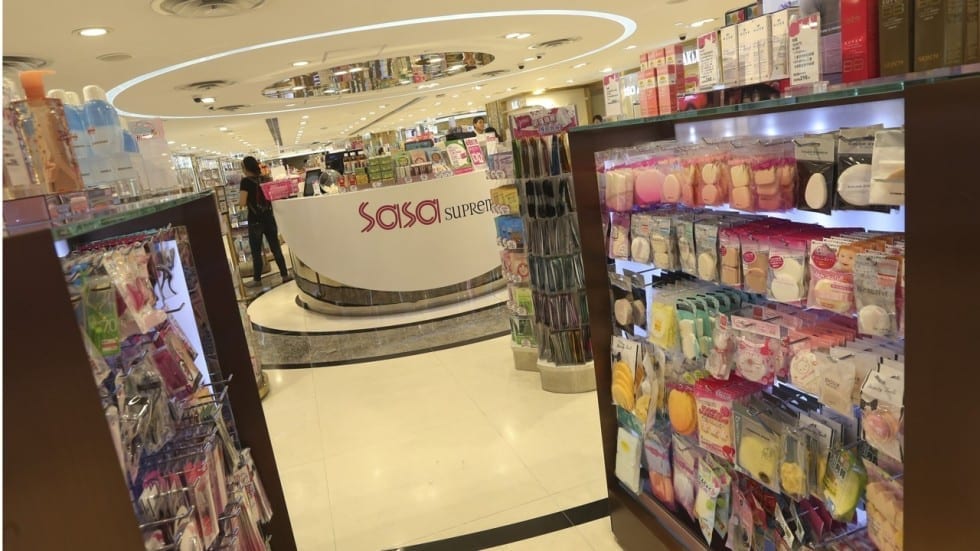
  • Hong Kong’s Sa Sa cosmetics retailer pulls out of Taiwan

    Hong Kong’s Sa Sa cosmetics retailer pulls out of Taiwan

    Hong Kong’s largest cosmetics retailer Sa Sa International Holdings said Wednesday it will shut all its shops in Taiwan after losing money for six consecutive years.

    Sa Sa has 20 stores across the island according to its official website, and employs about 260 local staff. All the shops are expected to be closed by the end of March, the company said in a statement.

    The retailer’s Taiwan operation has been a drag on the group’s business, with turnover decreasing by 11.5% to 154.3 million Hong Kong dollars ($19.7 million) during the 10 months ended in January.

    “The group’s performance in Taiwan has been persistently weak, and the possibility of improvements is low into the foreseeable future,” said Simon Kwok, Sa Sa chairman and CEO.

    The Hong Kong-listed retailer operates about 280 shops — mostly in Hong Kong and mainland China — and employees about 5,000 staff. It also has operations in Singapore, Malaysia and Macau.

    Exiting the Taiwan market will allow Sa Sa to rationalize its resources to gear up for better opportunities in other markets and the development of e-commerce businesses, the statement said.

    The company said it believed the retail market in mainland China, Hong Kong and Macau would benefit from major infrastructure projects linking the mainland and the two special administrative regions, such as the Guangzhou-Shenzhen-Hong Kong Express Rail Link and the Hong Kong-Zhuhai-Macau Bridge. Both are expected to be officially rolled out this year.

    “To fully capture the opportunities that will arise from such developments, the group has decided to reorganize its business proactively by closing its loss-making operations in Taiwan,” the company said.

    While Sa Sa expects the store closures in Taiwan to result in a loss, it said the action will have limited impact on overall financial performance, as the affected stores only contribute about 2.5% of the company’s revenue.

    Sa Sa has been a popular brand with mainland tourists to Hong Kong, who contribute roughly 60% of the group’s revenue in the city. But its sales slumped in the past two to three years, as wealthy mainland shoppers traveled further afield for more diverse experiences.

    In the past few months, the company has recorded a robust performance in Hong Kong and Macau, thanks to the recovery in tourism. Sales in the two markets rose 8.1% to HK$1.89 billion in the quarter between October and December, compared with the same period last year.

    Turnover in mainland China, Singapore and Malaysia increased 13%, 3.6% and 3.9% respectively during the period.

  • Interparfums and Bolloré Logistics Extend their Partnership

    Interparfums and Bolloré Logistics Extend their Partnership

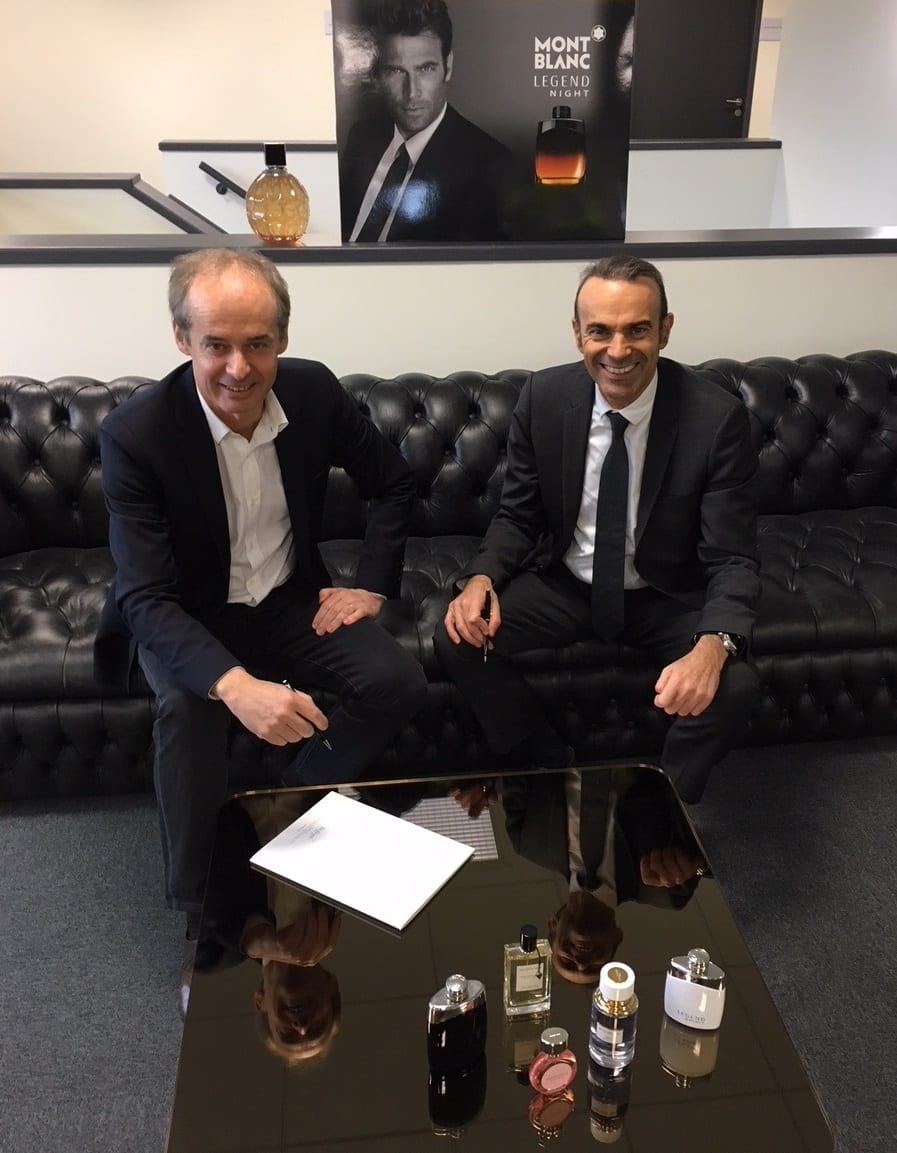
    Interparfums and Bolloré Logistics announce the extension of their partnership for a period of three years including 2018, 2019, and 2020.

    Interparfums is a French company that develops perfumes and cosmetics lines on the basis of global exclusive licensing agreements with luxury, fashion or accessories brands that include Montblanc, Jimmy Choo, Coach, Boucheron or Van Cleef & Arpels. They own Lanvin fragrances and Maison Rochas (fashion and perfumes). The company monitors and takes complete care of the perfume life cycle, from its creation to its distribution in France and internationally.

    Bolloré Logistics has accompanied the development of Interparfums’ logistics activities since 1994.

    The logistics partnership started in a 200 m² warehouse located in Petit Quevilly, Upper Normandy, and then was transferred to a dedicated warehouse of 9,000 m² in Grand Couronne in 2000, after which was expanded in 2003 to reach a surface area of 12,000 m².

    Given its strong growth, Interparfums continued their expansion with the construction of an additional 9,000 m2 building to reach a total surface area of 21,000 m2 in 2006. In 2011, activity at Grand Couronne was transferred to Criquebeuf sur seine in a 30 000 m2 building rented by Interparfums.

    To date, a construction permit for the creation of an additional 6,000 m2 cell of was issued with a delivery planned for the second quarter of 2018 therefore increasing the total surface area to 36,000 m2.

    The Bolloré Logistics branch in Grand Couronne provides upstream transport from the packers located in France in the Normandy, Centre Val de Loire and Hauts de France regions, as well as logistics services. It takes care of unloading, reception of products, storage and stock management, ordering, order preparation for France and global destinations by sea and air routes, transport planning, documentation management and returns, thanks to interfacing systems, Electronic Data Interchange (EDI) with Interparfums. Bolloré Logistics teams also provide monthly and annual inventories.

    Olivier Boccara, Global Sales Director at Bolloré Logistics, commented: “Interparfums is a historical customer who trusts us and we are proud to support during their expansion by providing quality logistical services that are recognized throughout this long partnership.”

    Philippe Santi, Deputy Managing Director of Interparfums added: “Bolloré Logistics has been a key partner in our development for many years. Their expertise in the perfumes and cosmetics sector, the quality of their processes and the professionalism of their local teams are for us key factors of success and allow us to offer a powerful service to all our customers worldwide.”

  • Uniqlo launches in the Netherlands

    Uniqlo launches in the Netherlands

    Japanese retailer Uniqlo has entered the Netherlands, with a debut Dutch store launching in Amsterdam.

    The Fast Retailing flagship brand, after months of speculation, has confirmed it will enter the Dutch market in the autumn of 2018.

    Located on Amsterdam’s busiest shopping street, Kalverstraat, the three-level, 2,040 square-metre-store has a secondary entry for shoppers to access to the store via Rokin, opposite Canadian retailer Hudson’s Bay. The building served as the home of US retailer Forever 21, until early 2018.

    The Amsterdam flagship will boast collections for men, women, children and infants, as well as key collections like LifeWear.

    “Amsterdam is well known for its relaxed and casual lifestyle. I believe our LifeWear, designed around core items such as Denim, Ultra Light Down outerwear, Extra Fine Merino knitwear and more, will be a perfect match for the people of Amsterdam. Our entry into the Netherlands marks the next step in our plans to grow our presence in the Benelux region,” said Taku Morikawa, Chief Executive Officer at Uniqlo Europe.

    Europe has been expansion point for the Japanese retailer in the past twelve months. In May 2017, Uniqlo debuted a European distribution centre in Oud-Gastel in the Netherelands, in partnership with Ceva Logistics.

    At the time, Uniqlo said it plans to take its European store count to 100 outlets over the next three years, in a bid to strengthen its retail presence outside of Asia.

    With the opening of the Amsterdam store, the Netherlands serves as the eighth European market for the fashion giant.

    Uniqlo is owned by Fast Retailing, which also operates Comptoir des Cotonniers, GU, Helmut Lang and J Brand. It boasts 1,900 stores, in 19 markets worldwide including Asia, Europe and the Americas.

  • Chanel invests in Farfetch for digital retail push

    Chanel invests in Farfetch for digital retail push

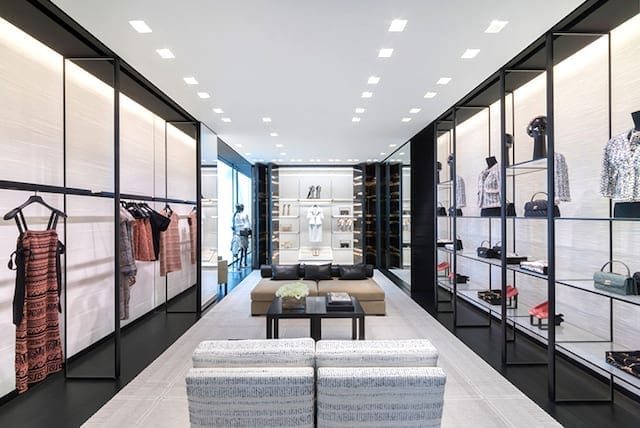
    In an effort to become more digitalized, Chanel has tapped e-commerce firm Farfetch, consolidating the partnership with a minority stake purchase in the UK retailer.

    The French couture house looks to develop digital communication such as chats to connect Chanel clients with store assistants.

    Privately owned, Chanel is known for its reluctance to digitize or stock itself in multi-brand retailers, adding to the allure and rarity of the brand.

    With the Farfetch deal, the label will still not sell its luxury fashion and apparel online, but will solely work with the platform on digital innovations linked to customer services in the coming years, said Bruno Pavlovsky, Chanel’s fashion president.

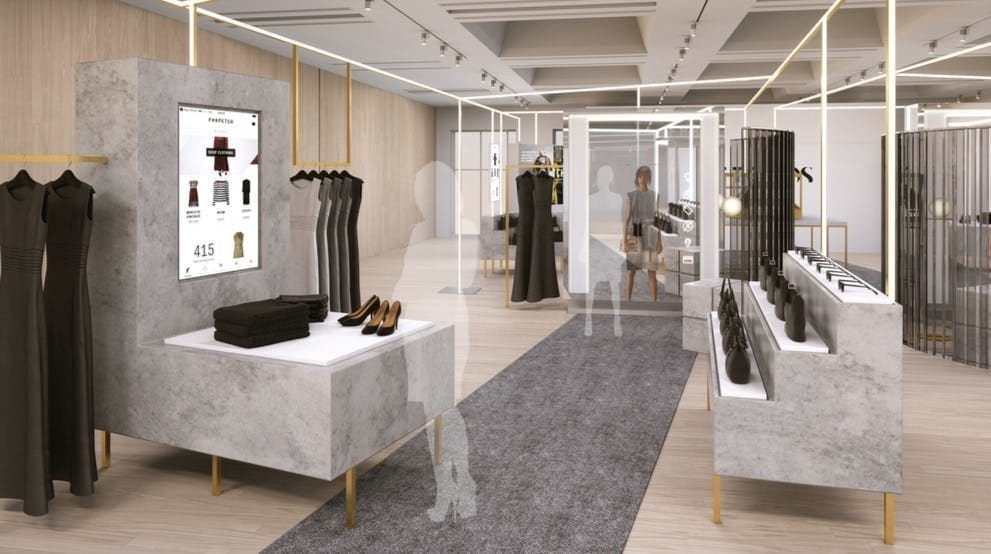
    Smartphone applications — allowing people to select their preferences and sizes on their phones before visiting a store, are in works and will let shop assistants better cater to individual needs, Pavlovsky said.

    Meanwhile, in store, shoppers will be able to preselect items as they browse, rather than wait for a sales associate to help them.

    The deal is the first of its kind for Farfetch. In 2015, Farfetch launched the Store of the Future division, and acquired London boutique Browns, serving as a playground for innovations in omni-channel retail technology and ‘augmented retail’.

    It’s the latest move from a luxury brand to tap Farfetch and other digital savants like it, in a bid to lure younger or more teched-out shoppers.

    Burberry announced a new deal with Farfetch that will see its full range being made available to shoppers in 150 countries on the Farfetch platform. It also means that its entire global inventory will be available to e-buyers for the first time.