Category: Fashion

Retail News Asia is committed to providing both local and global retailers with the latest Fashion news throughout the Asian market. This on a daily base.

  • Reiss North Korea makes debut

    Reiss North Korea makes debut

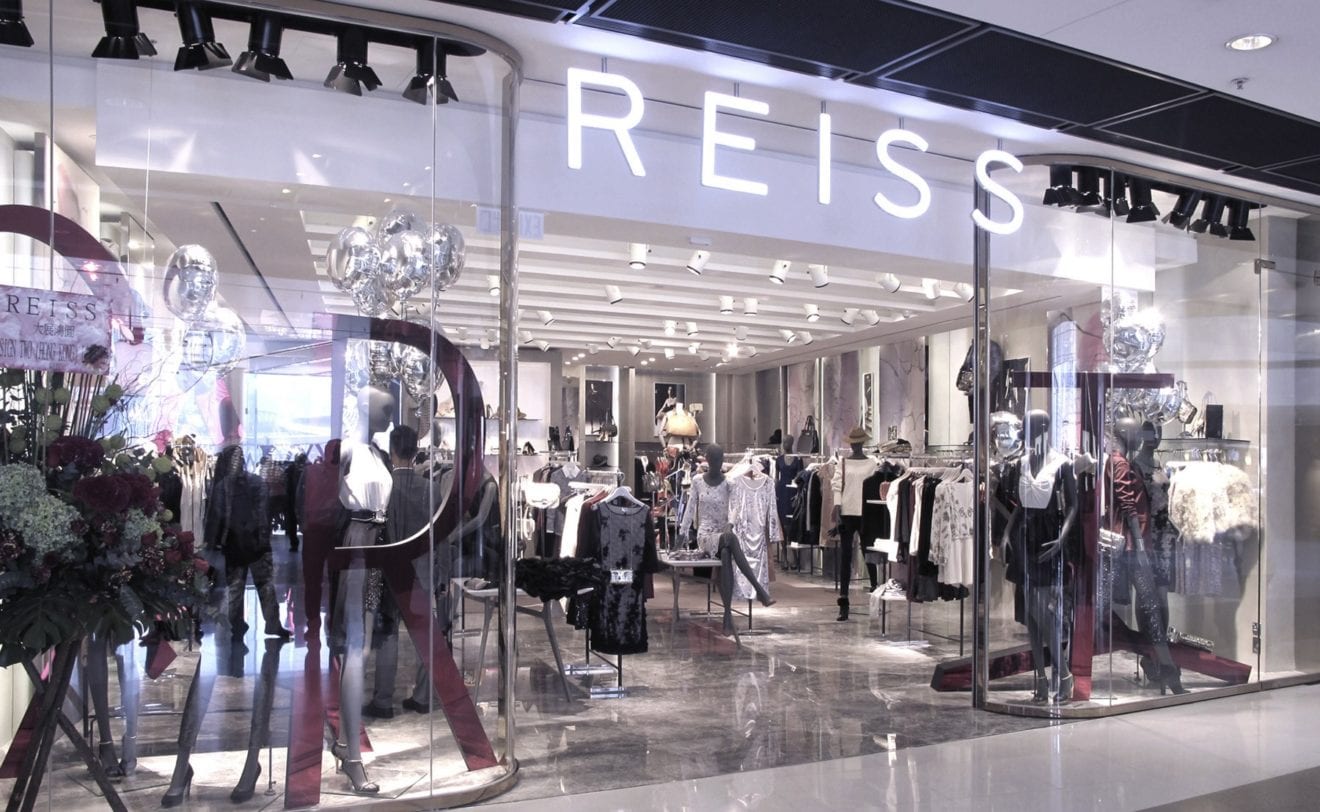
    British fashion brand Reiss has launched in South Korea, at Shinsegae Department Store in Kangnam.

    Introduced by Shinsegae International, the brand plans to open 12 stores in both Shinsegae and Lotte department stores across the country by the end of this year.

    Reiss says it expects high sales with its offering of trending items priced to compete with local and international brands.

    Founded in 1971, Reiss offers designs inspired by classic movies and artworks. Its international expansion has also taken it to the US, Canada and Australia.

  • Fewer sales, but more profit for Bonia

    Fewer sales, but more profit for Bonia

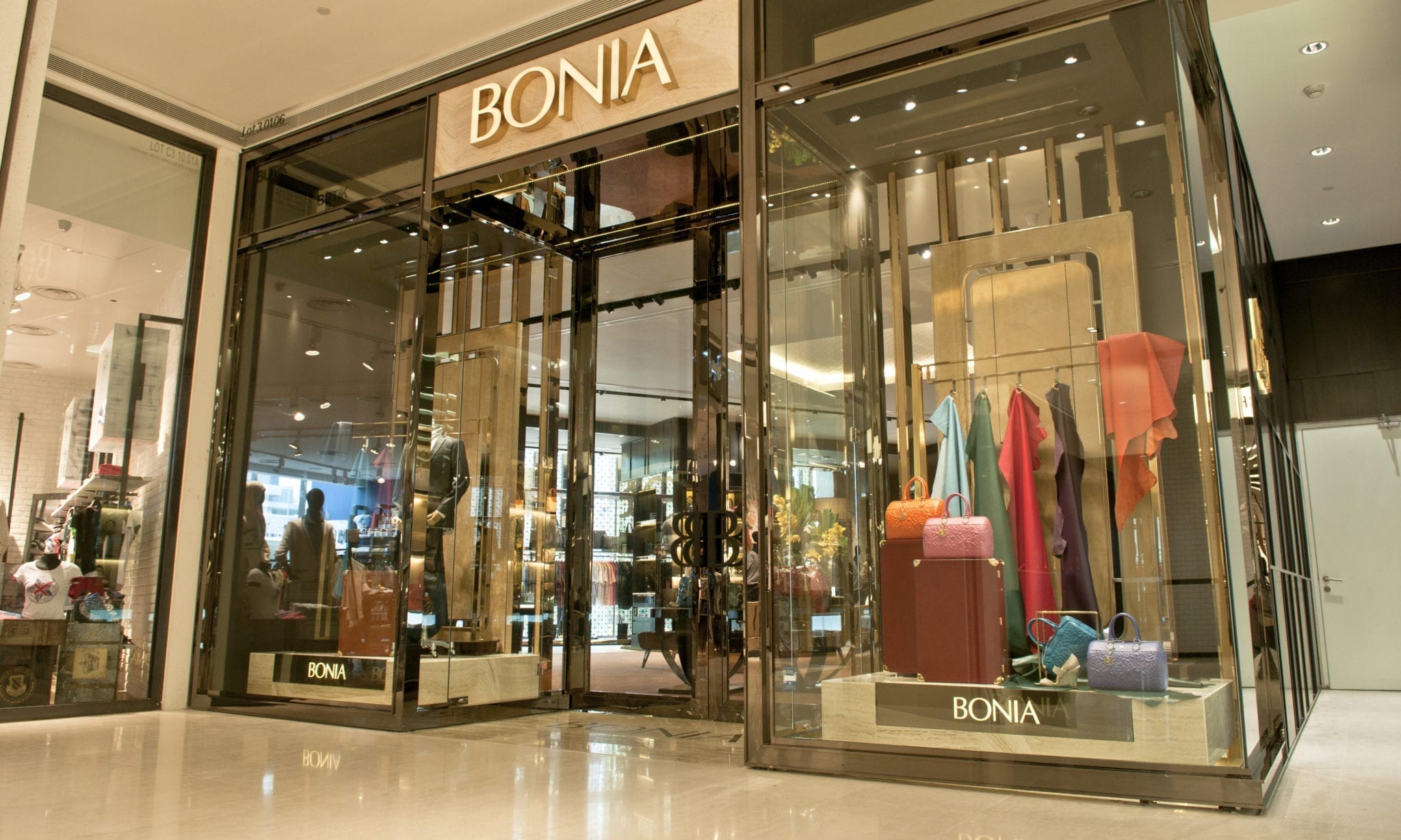
    While Malaysian fashion retailer Bonia sold fewer handbags in its second quarter, it did manage to grow its net profit.

    It achieved a net profit of RM11.99 million (US$3 million) for the period, to the end of December, up 8 per cent. It attributes the upswing to lower running costs and improved gross profit margins.

    Quarterly revenue dropped 7 per cent to RM160.34 million, Bonia saying this had been anticipated because of the closure of counters as part of a rationalisation process.

    However, the lower revenue was offset by improved gross profit margins, up 5 per cent.

    Year-end sales and the festive season boosted revenue and operating profit to RM15.35 million.
    Business in Indonesia, Singapore and Vietnam was hit by weak consumer sentiment.

    Still, the quarterly growth was not enough to stem the fall on its half-year earnings, which saw net profit slide 31 per cent to RM13.3 million. Revenue contracted by 10 per cent to RM279.23 million.

  • Moncler Sales Climb 14% in Nine Months

    Moncler Sales Climb 14% in Nine Months

    Clothing retailer Moncler international had double-digit growth in all key financial indicators last year, with soaring Asian sales playing their part.

    Its revenues for the year reached €1.1 billion (US$1.3 billion), an increase of 17 per cent at constant exchange and 15 per cent at current exchange rates. In the fourth quarter, revenues rose 17 per cent at constant exchange and 14 per cent at current exchange rates.

    Moncler chairman/CEO Remo Ruffini says the growth plus a net sales growth of about €200 million confirm the group’s strength and validated its strategy.

    In Asia, revenues grew 20 per cent at constant exchange rates with double-digit sales growth for Japan in the fourth quarter.

    Robust performances continued in China, says Moncler, driven by a double-digit organic growth in the fourth quarter, and in Hong Kong, where it opened a flagship store in Canton Road.

    Revenues from the retail distribution channel last year reached €892.4 million, up 19 per cent at constant exchange rates. The group also achieved comparable store sales growth of 14 per cent.

    At the end of December, Moncler’s mono-brand distribution network comprised 201 directly run retail stores, 11 more than the previous year, and 59 wholesale shop-in-shops, up 17. In the fourth quarter, Moncler opened six retail outlets and 11 shop-in-shops.

    For the full year, the consolidated gross margin was €917.5 million, 76.9 per cent of revenues compared to 75.7 per cent the previous year. This is attributed to retail channel growth and higher production efficiency.

    Adjusted EBITDA rose to €411.6 million from €355.1 million, resulting in an EBITDA margin of 34.5 per cent compared to 34.1 per cent.

    Net income was €133.3 million, up 63 per cent.

  • Hong  Kong to have first CLUSE mono-brand kiosk

    Hong Kong to have first CLUSE mono-brand kiosk

    The Amsterdam-based watch brand CLUSE, renowned for its timeless sophistication and strong focus on materials, quality, and style, opens its first branded kiosk in Asia Pacific with the leading Asian brand accelerator Bluebell Group.

    CLUSE, already popular among Hong Kong millennials after its arrival at kapok and City Chainstores last year, moves into retail expansion and chooses LCX at Habour City to launch its retail concept with the support of Bluebell Group.

    The brand has chosen HK as its gateway to Asia Pacific and also to first launch its jewellery collection with an event hosted by the founder Rudyard Bekker, who brought one of Europe’s most sought-after accessory brands to the city. Retail in Asia met him and asked him to share with our readers the secret about CLUSE fast-track success. Watch the video interview!

    Innovative, minimalistic, and affordable, CLUSE rapidly conquered millennial women in France first, becoming the bestseller among lifestyle brands, and Europe later, to quickly become DW‘s first competitor.

    As an online fanatic, Rudyard sees the importance of engaging storytelling for brands in today’s rapidly changing media landscape.

    CLUSE has been building the brand with a big focus on influencer and online marketing. It was discovered early by fashion bloggers like Sincerely Jules, Veronica Ferraro and Negin Mirsalehi.

    Proven successful, CLUSE has gained 882,000 followers on Instagram over the years; with a social media team of  people working in its Amsterdam headquarters, on its analysis, strategy and execution.

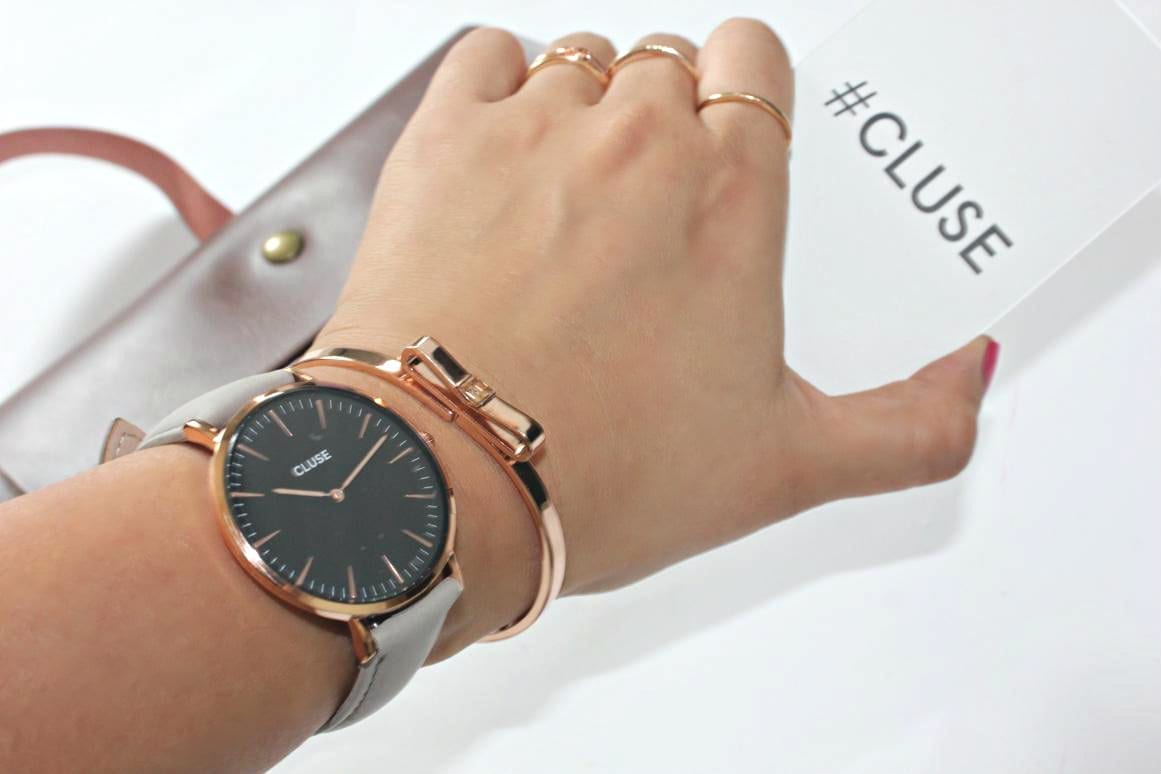
    Today, not only CLUSE has built a strong brand identity and unique design concept, but differently from its competitors it keeps refreshing its collections to provide its customers with more diversity. CLUSE watch is characterized by the use of materials such as pearl and marbles and the versatile straps available in different themes. The new store offers a wide selections of bestsellers and new collections.

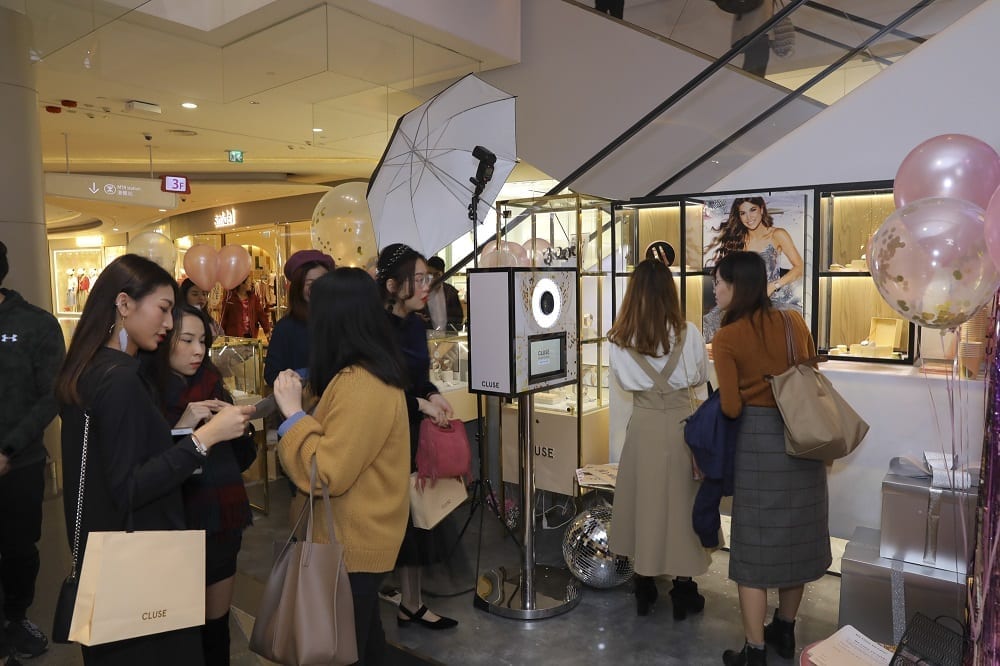
    The new store will be unveiled 1 March 2018. It is the first branded kiosk in Asia Pacific and it showcases the retail concept of the brand, designed by the in-house team based in Amsterdam and HK. A 360 degree retail space that encapsulates the sophisticate CLUSE soul.

  • Macy’s shares jump at first sign of sales turnaround

    Macy’s shares jump at first sign of sales turnaround

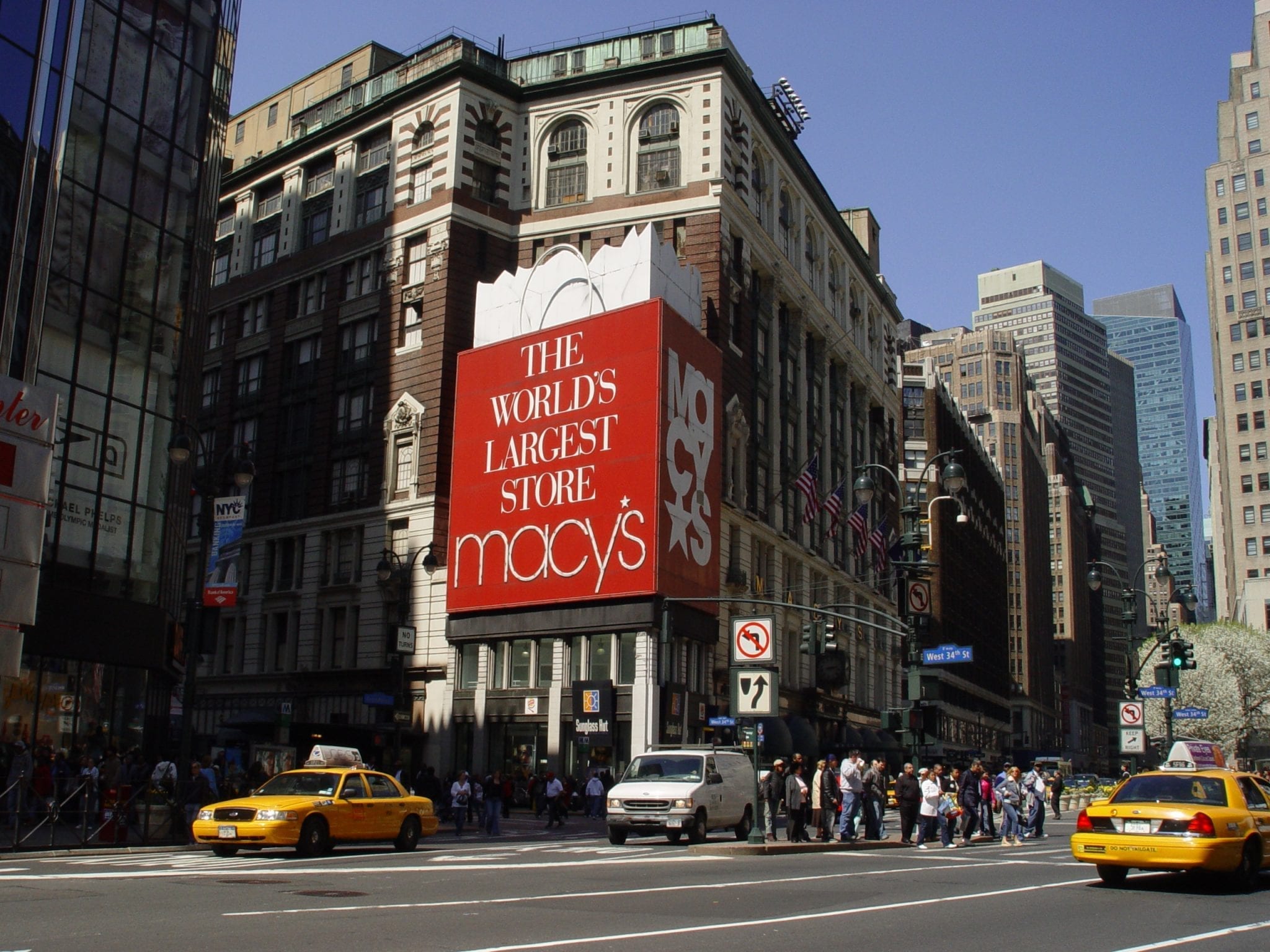
    While the latest Macy’s sales figures do not suggest there is a miracle on 34th Street – or at any other Macy’s location – they do provide a little cheer.

    Comparable sales are now positive after an extended period of decline, meaning Macy’s gets to end its fiscal year on a positive rather than a gloomy note.

    That said, the note sounded is rather faint. And these results are by no means a clarion call that Macy’s is firmly back on track. This is not pessimism, but realism about Macy’s situation and the context of the latest numbers.

    A total Macy’s sales uplift of 1.8 per cent is aided by an additional week of trading. When this is removed, we estimate that total sales shrunk. Admittedly, much of this relates to the prudent store closure program, but it nevertheless provides a more balanced picture of Macy’s current position.

    The comparable Macy’s sales figures account for the additional week of trade, so are an accurate reflection of underlying performance. However, while we applaud the 1.3 per cent growth, it is essential to unpick how much of this is down to Macy’s strategy and how much is attributable to the general uplift in external conditions.

    A simple way of assessing this is to look at whether Macy’s is gaining or losing market share. Unfortunately, on this basis, Macy’s growth is well below retail spending growth of 3.9 per cent over the same period. So, Macy’s has lost ground both at an overall level and, by our calculations, within a number of key categories like apparel and home. This view is backed by our consumer data, which shows no real recovery for Macy’s in terms of shopper share or shopper opinion about its proposition.

    None of this is to suggest that Macy’s is standing still. We know that the business has many initiatives in play, and we recognise that it is making changes. However, as we have noted before, that change is not yet established enough nor is it ambitious enough to drive a step up in performance. One of the main reasons for this is that although Macy’s highlights improvements to its proposition, there are many stores where this cannot be seen or felt by shoppers. In essence, there is a long tail of shops that look dated, are in sub-optimal locations, and where the customer experience is poor. Macy’s must remedy this if it is to transform the business.

    Thankfully, we believe Macy’s is in a position to make and create the more widespread change required. Finances are in a sound state, with asset and property sales are helping to provide capital for investment. Smaller divisions like Bluemercury and Backstage have potential and can become much more significant contributors to profits and sales. The refurbishment of departments such as home furnishings and footwear in some stores have shown that where Macy’s makes an effort, sales results follow. And the digital operation is still growing and puts Macy’s in an excellent position to meet the omnichannel needs of consumers.

    The latest boost to performance affords Macy’s more space and time to enact its plans. Hopefully, it will also give management the confidence to be bolder and more ambitious – especially as the near-term trading environment looks positive and should cushion performance. In short, Macy’s cannot just wait around for a miracle; management needs the strength and will to engineer one.

  • Esprit posts H1 net loss of 954 mn Hong Kong dollars on weak sales

    Esprit posts H1 net loss of 954 mn Hong Kong dollars on weak sales

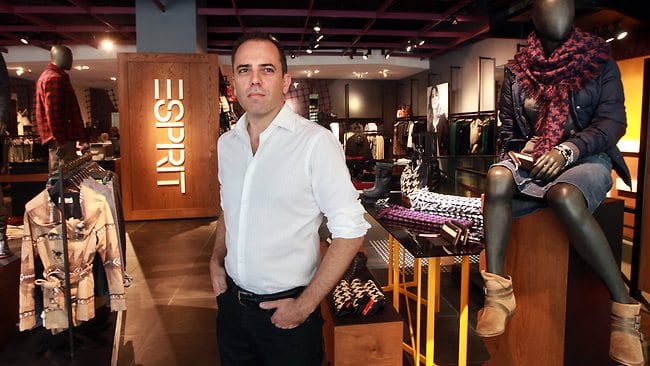
    Esprit Holdings swung to a net loss in the first half, hit by weak sales at its brick-and-mortar retail stores and goodwill impairment due to a decline in its China business.

    The fashion group is in the midst of an ambitious multi-year revamp that has included store closures, price adjustments, and technology and distribution improvements.

    “Given the weaker-than-expected sales performance in 1H FY17/18, we remain cautious about the expectations for the second half of this financial year,” the company said in a filing to the Hong Kong stock exchange.

    The Europe-focused retailer on Wednesday reported a net loss of HK$954 million ($121.85 million) for the six months ended December, compared with a profit of HK$61 million in the year-ago period.

    Revenue slid to HK$8.04 billion from HK$8.32 billion.

    Esprit had in January flagged a net loss of up to HK$980 million for the July-December period.

    Bigger rival Sweden’s H&M, the world’s second-largest clothes retailer behind Zara owner Inditex , has seen sales growth stall in recent years as it has struggled to adapt to the shift online and fend off increased competition from other budget brands.

  • Charlotte Olympia US to stop business

    Charlotte Olympia US to stop business

    Charlotte Olympia US has collapsed, with all of its store closed.

    The US retail arm of the UK-headquartered luxury fashion and shoe retailer is believed to have debts amounting to US$19.2 million, and assets of just $3.2 million. It had four stores: in New York, Las Vegas, Beverly Hills and Orange County. A fifth store in Bel Harbour, Florida, was closed last year.

    In its bankruptcy filing, the company cited “unprecedented disruption in the retail market”.

    The stores were operated by Pinktoe Tarantula and its affiliates Desert Blonde Tarantula and Red Pump Tarantula.

    “The brick-and-mortar retail environment has been experiencing, and continues to experience, unprecedented disruption due to a confluence of factors, including the proliferation of online retailers, changing consumer tastes and demographics, and increased competition,” the companies said in the filing. “Despite selling the iconic Charlotte Olympia brand and taking steps to reduce their expenditures, the debtors’ operations are not profitable due to the widespread disruption in the retail industry.”

    Charlotte Olympia’s US wholesale business is unaffected by the bankruptcy of the retail operations.

    The fashion label was founded in 2007 by Charlotte Olympia Dellal and also has stores in the UK, Dubai, Thailand and Russia. Its clothes and shoes are stocked by upmarket department atores around the world, including MyTheresa, Saks and Bloomingdale’s, and online on Net-a-Porter.

  • American Eagle Outfitters to exit Singapore by end Feb

    American Eagle Outfitters to exit Singapore by end Feb

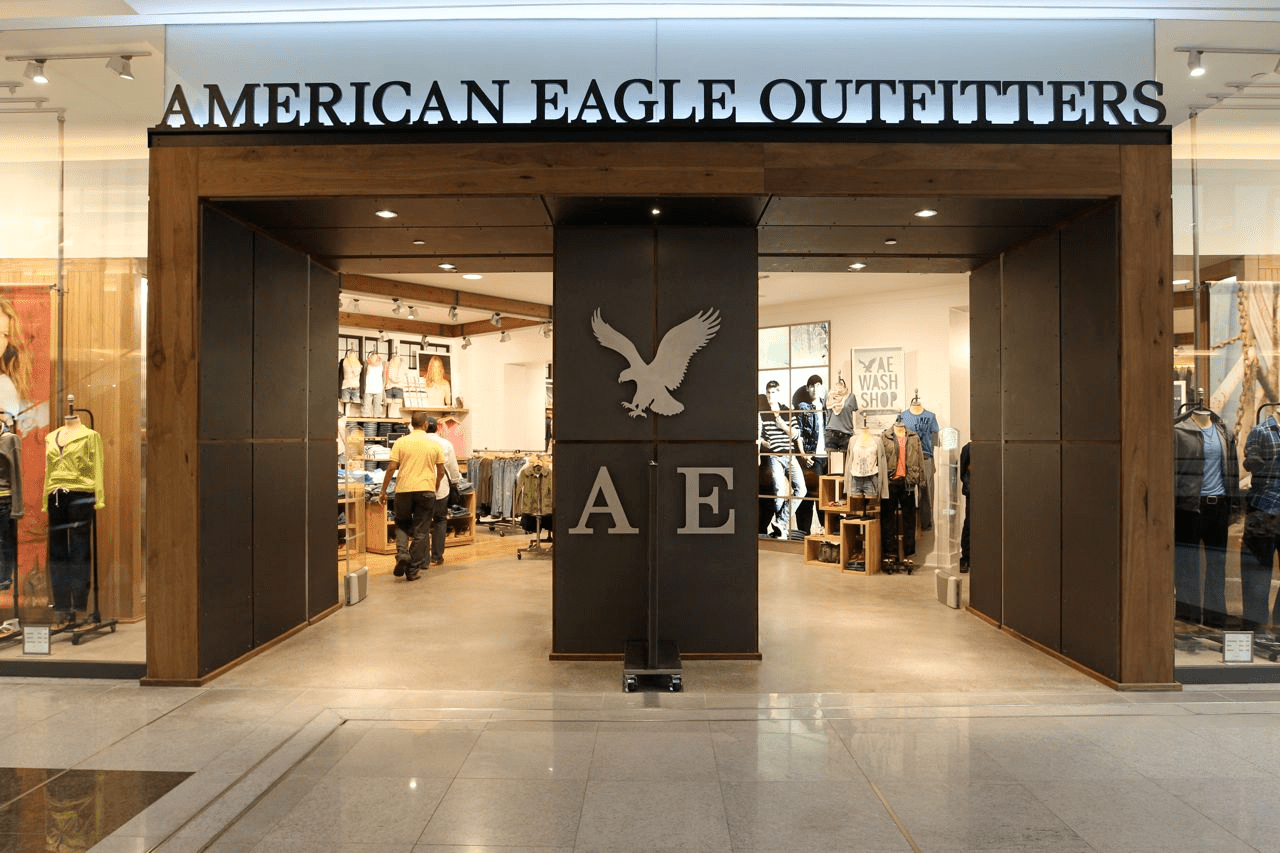
    US fashion retailer American Eagle Outfitters is about to quit the Singapore market.

    At a closing-down sale at at its Suntec City outlet, staff members have confirmed that the store’s closure on Wednesday will mark the end of the brand’s presence in Singapore.

    Its VivoCity flagship store closed last week.

    The brand’s departure comes within days of rival US brands Gap and Banana Republic signalling a retreat from the city after FJ Benjamin decided to drop the franchises.

    American Eagle Outfitters entered Singapore less than three years ago when local firm Star 360 Holdings scored exclusive retail and distribution rights for the brand in Singapore and Malaysia. Star 360 represents brands such as Birkenstock, Cole Haan and Onitsuka Tiger as well as running multi-label footwear and apparel stores.

    A spokesman for subsidiary Trendz 360 says the company will be refocusing on its strategic business in footwear both in Singapore and around the region, and its core business of footwear brands will not be affected by the exit of American Eagle Outfitters.

  • Parkson Holdings’s second-quarter looks bad

    Parkson Holdings’s second-quarter looks bad

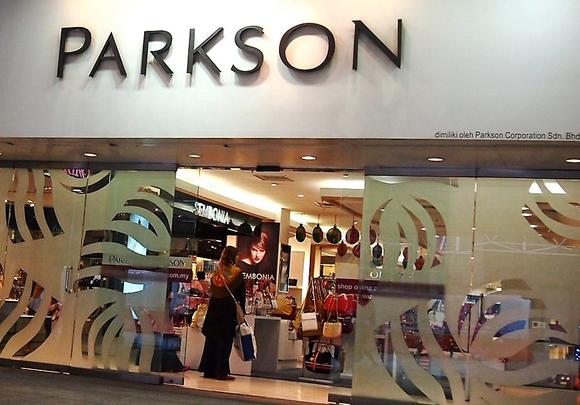
    Despite slight revenue growth, Parkson Holdings’ retailing division ended its second quarter with a loss.

    For the first half, its interim financial report shows there was 3 per cent growth in revenue to RM1.9 billion (US$485.9 million) with an operating loss of RM9 million.

    For the second quarter, to the end of December, the department store group’s revenue grew by 16 per cent to RM1 billion, mainly from higher consumer spending for year-end festivities and holiday seasons. The higher revenue coupled with continued business efficiencies enabled the group to move out of the red with an operating profit of RM27 million.

    After accounting for impairment losses of RM36 million, the group had a loss before tax of RM3 million for the quarter.

    Performance by location:

    Malaysia

    Parkson Malaysia had 4 per cent revenue growth to RM505 million for the six months thanks to the contribution of new stores. However, same-store sales shrank 4 per cent, attributed mainly to the absence of Hari Raya buying following a shift in the festive calendar. This meant the operating loss of RM20 million was higher than a year ago.

    Parkson Malaysia had 45 stores at the end of December after opening two stores and closing two underperforming stores.

    China

    Parkson China, the major contributor of the group’s retail business, had encouraging returns from its transformation strategies, says the company. Same-store sales growth was 3 per cent and 2 per cent respectively for the quarter and year to date, with revenue increasing by 4 per cent to RM1.3 billion for the first half.

    This enabled Parkson China to report an operating profit of RM32 million against a loss of RM85 million a year earlier.

    At the end of December, the group had a network of 48 stores in 30 cities.

    Myanmar/Vietnam

    Same-store sales growth for Parkson Vietnam sagged 5 per cent for the first half amid intense competition, while the contribution of the Myanmar business remained negligible.

    The group had six stores in Vietnam and one in Myanmar at the reporting date. However, the group is about to close its fourth location in Vietnam, Parkson Flemington in Ho Chi Minh City.

    This follows the closure of Parkson Keangnam (Hanoi) in 2015, and Parkson Paragon (Ho Chi Minh City) and Parkson Viet Tower (Hanoi) the following year.

    Indonesia

    Same-store sales were also negative for the first half in Indonesia, falling 8 per cent with revenue lower at RM86 million, largely impacted by the absence of festive spending following the shift in the Lebaran celebration. There was an operating loss of RM13 million.

    Following the closure of two stores in Jakarta during the first half, the group ended the year with 15 outlets in Indonesia.

  • Singapore’s Orchard Road gets its own Korean-style store opened

    Singapore’s Orchard Road gets its own Korean-style store opened

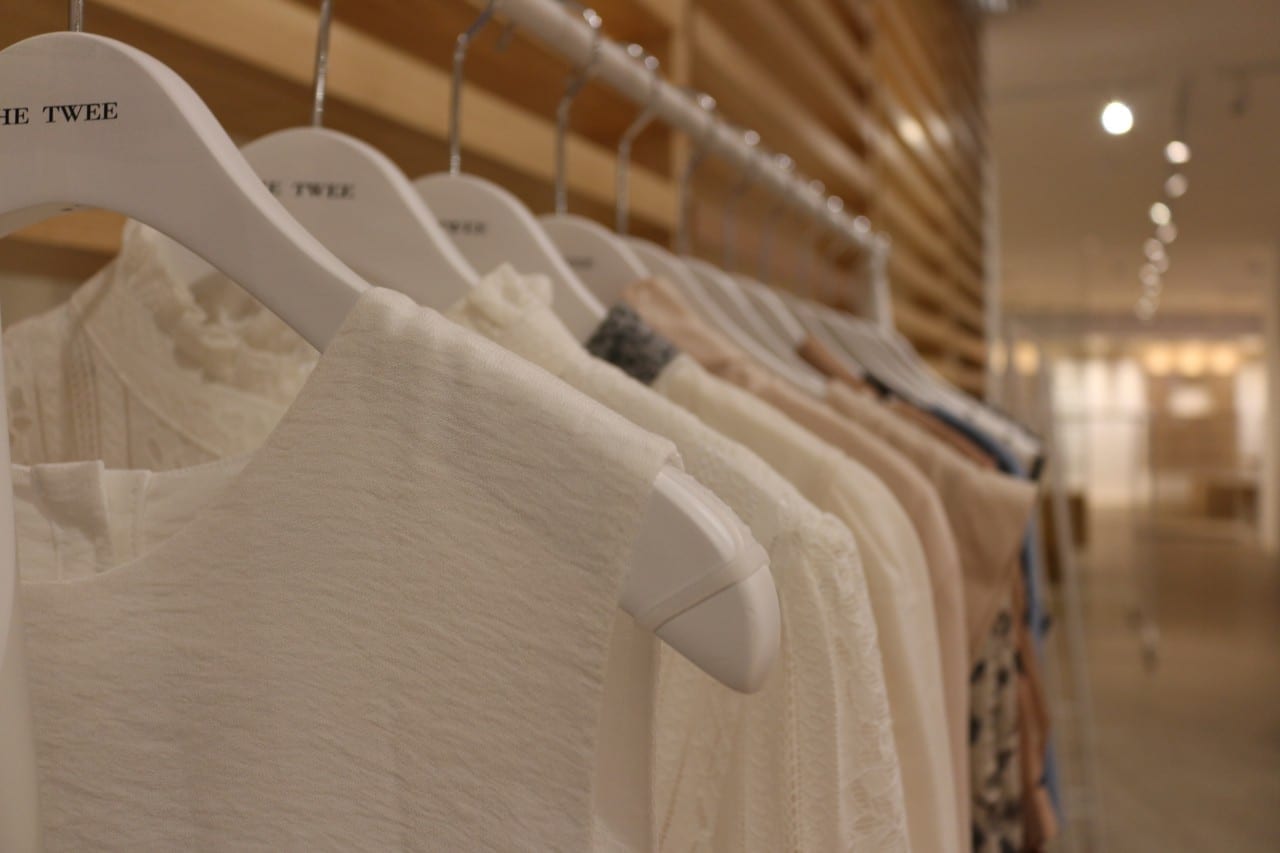
    South Korean fashion brand Twee has opened a flagship store at 313@Somerset on Orchard Road.

    The  4030sqft (374sqm) Twee Singapore store offers an exclusive collection of party dresses as well as Superface beauty products. The store promises to bring in more than 400 new styles for women and men every month.

    Twee has more than 40 stores in South Korea and 11 overseas, including nine in China and one in Malaysia. The brand plans to launch stores in Tokyo and Shanghai this year.

  • Sapinda takes over La Perla

    Sapinda takes over La Perla

    After negotiations with Chinese conglomerate Fosun International faltered, Italian luxury lingerie label La Perla has a new owner, Amsterdam-based investment company Sapinda Holding.

    Two months ago, La Perla announced it had entered into exclusive negotiations with Fosun, which this month took control of Parisian fashion label Lanvin.

    La Perla has been owned since 2013 by Italian businessman Silvio Scaglia via Pacific Global Management holding company. He restructured the brand’s organisation before seeking a buyer.

    Founded in the1950s, La Perla diversified under Scaglia to focus on women’s and men’s ready-to-wear and become a fully fledged lifestyle label. It has been under the creative leadership of Julia Haart for nearly two years, and has 150 monobrand stores worldwide, mainly through retail expansion in Asia in the past few years. “We are delighted Sapinda has bought La Perla,” says Scaglia. “I have known Sapinda and its CEO Lars Windhorst for many years, and have worked with him several times. I know Sapinda has the resources necessary to bring La Perla to the next level and continue my vision of creating a worldwide luxury brand while keeping its production in Europe.”

    Windhorst says Sapinda is ready to invest more into the brand. “We have been trying to invest in the luxury industry for some time, and after assessing opportunities over the past few months we are happy to have been able to strike a deal with La Perla.”

    Sapinda Holding is a Dutch investment company with offices in Amsterdam, Berlin and London.

    Meanwhile, La Perla is facing eviction from its Causeway Bay flagship in Hong Kong following a claim of HK$9.2 million in outstanding rent.

  • Coty focuses on AI with growth accelerator competition

    Coty focuses on AI with growth accelerator competition

    Coty, the global beauty company, is to begin a new technology start-up programme which will offer $100,000 in cash prizes for the best pitches involving artificial intelligence (AI) solutions.

    The digital accelerator start-up programme will ultimately see eight companies work with Coty’s brand portfolio which includes GHD, Burberry and Covergirl, and will see a focus placed on a number of digital capabilities including AI.

    Dates for submitting AI pitches using one of Coty’s brands will be accepted by 12 March, with a concise description of brand benefit expected, including metrics.

    A follow up presentation for potential winners will take place at Coty’s brand leaders Digital Accelerator Summit in London and New York on 27 and 28 March. Prizes will range from between $10k – $50k with strategic support offered by the digital team at Coty.

    Publicis’ media group, Zenith will be involved in summit, working alongside the company’s inhouse agency, Beamly as the business aims to foster its own ‘act like a start-up’ ethos, with AI one of its key priorities for development, explained Jason Forbes, chief digital and media officer for Coty.

    “At Coty, we’re focused on transforming our digital capabilities across the organization, and the launch of the Digital Accelerator represented another step in this transformation. I’m thrilled to take this initiative a step further by bringing external start-ups into the mix. Coty has a growing expertise in partnerships with a breadth of start-ups to drive growth across our brands,” he commented.

    Fred Gerantabee, Coty’s VP of digital innovation, added: “Partnerships between Coty and emerging companies such as Beamly and Holition, which launched our first an app free Augmented Reality (AR) experience exclusively for Covergirl, is an indication of how we’d like to bring disruptive new approaches to the market in partnership with unique new players in AI, AR, voice and other rapidly growing technologies. We intend to foster these relationships and looks forward to more examples like this coming out of our Digital Accelerator summits.”

    Benoit Cacheux, global digital & innovation Lead at Zenith, said, “We’re really excited to work closely with Coty across this important strategic capability. Zenith and Publicis Media have been able to unlock a suite of great AI start-ups and we look forward to introducing more through this important initiative.”

    This is the second year of the digital accelerator programme which aims to develop the digital capabilities of Coty overall.

  • Perry Ellis inks licensing deal for men’s underwear in south korea

    Perry Ellis inks licensing deal for men’s underwear in south korea

    Perry Ellis International has granted Good People a licence to produce its men’s underwear and loungewear under the Perry Ellis Portfolio trademark in South Korea.

    Founded in 1991, Good People makes and wholesales underwear and loungewear products for men, women and children  in Korea and internationally. Its brands include 1st Olor, Bodyguard, Don & Dons, G-gear, James Dean, SexyCooki and Yescode. The company is also the licensee for Levi’s bodywear in South Korea.

    It is planned Good People will launch the Perry Ellis Portfolio line in autumn this year, says CEO Yoon Woohwan.

    “We see great potential for growth in the South Korean market,” says Perry Ellis International CEO/president Oscar Feldenkreis.

    Perry Ellis International is a US designer, distributor and licensor of men’s and women’s apparel, accessories and fragrances. The company’s collection ranges through dress and casual shirts, golfwear, sweaters, dress pants, casual pants and shorts, jeans, active wear, dresses and men’s and women’s swimwear. Its brands include An Original Penguin by Munsingwear, Axist, Ben Hogan, Cubavera, Farah, Grand Slam, Jantzen, John Henry, Laundry by Shelli Segal, Manhattan and Rafaella.

    It also licenses trademarks from third parties such as Jag and Nike for swimwear, Callaway, Jack Nicklaus and PGA Tour for golf apparel, and Guy Harvey for performance fishing and resort wear.

  • Intersport opens door in the Philippines

    Intersport opens door in the Philippines

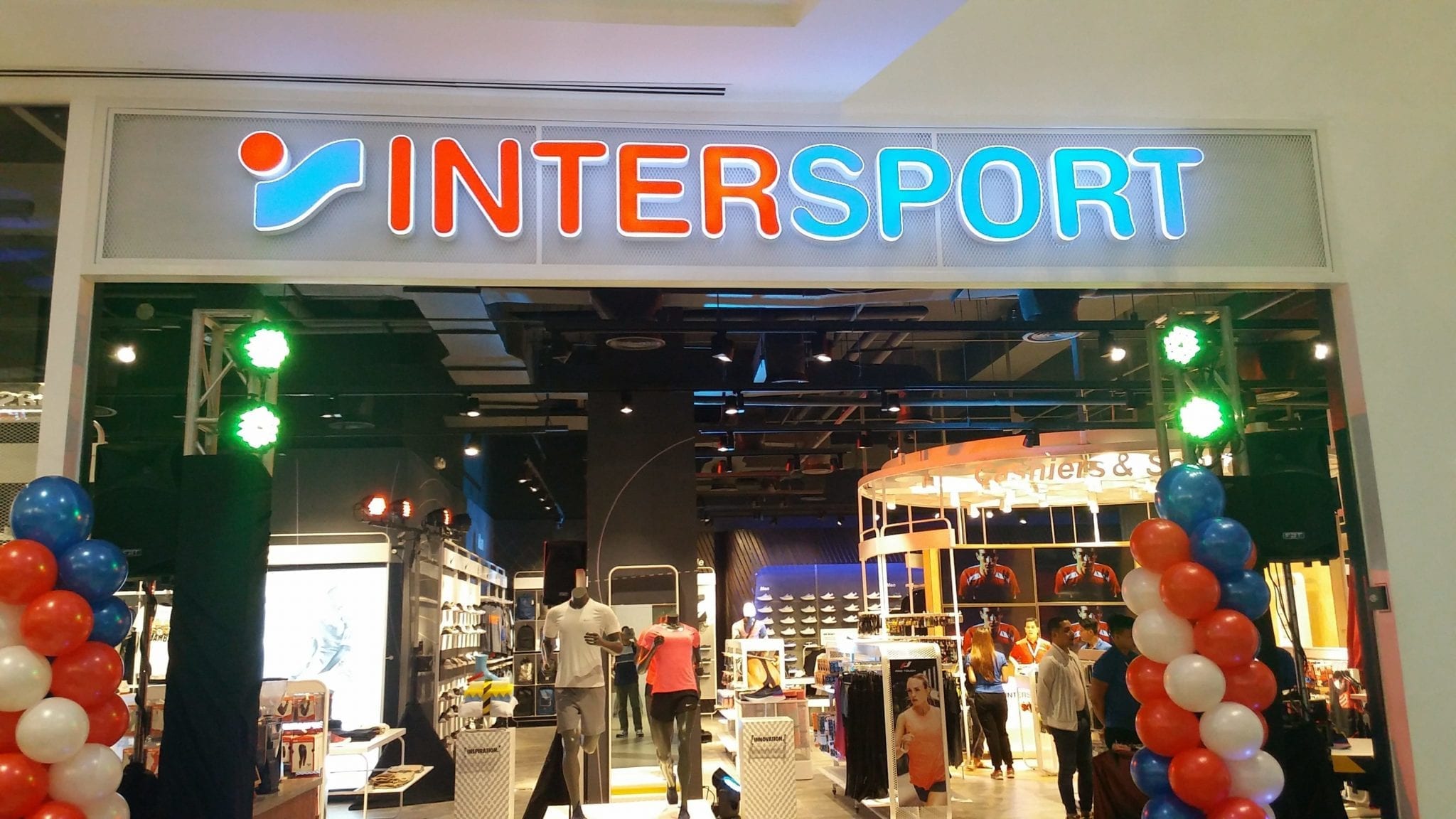
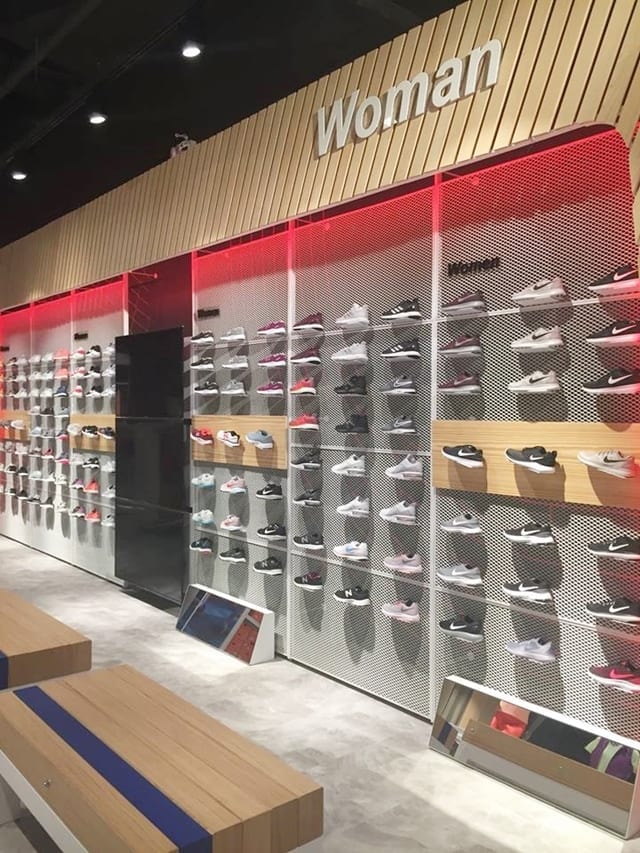
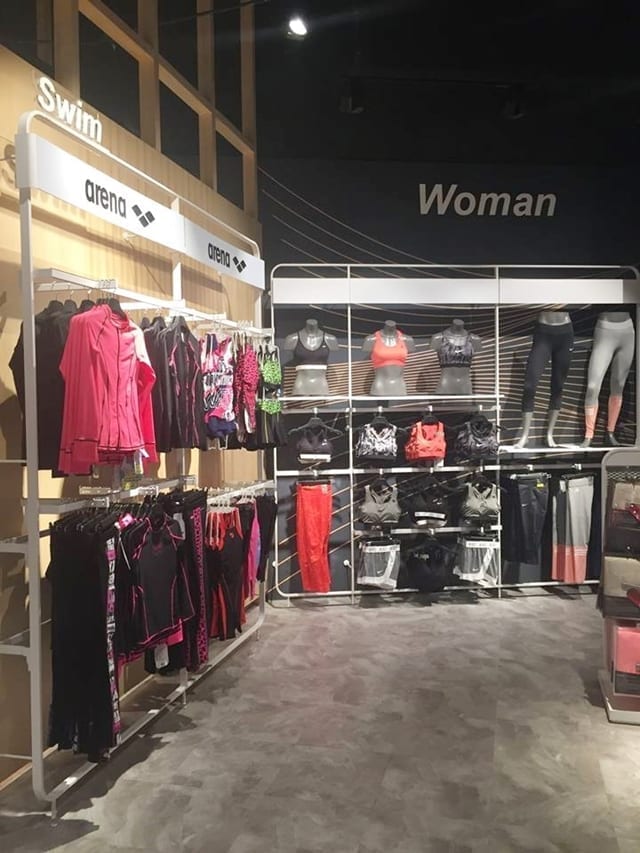
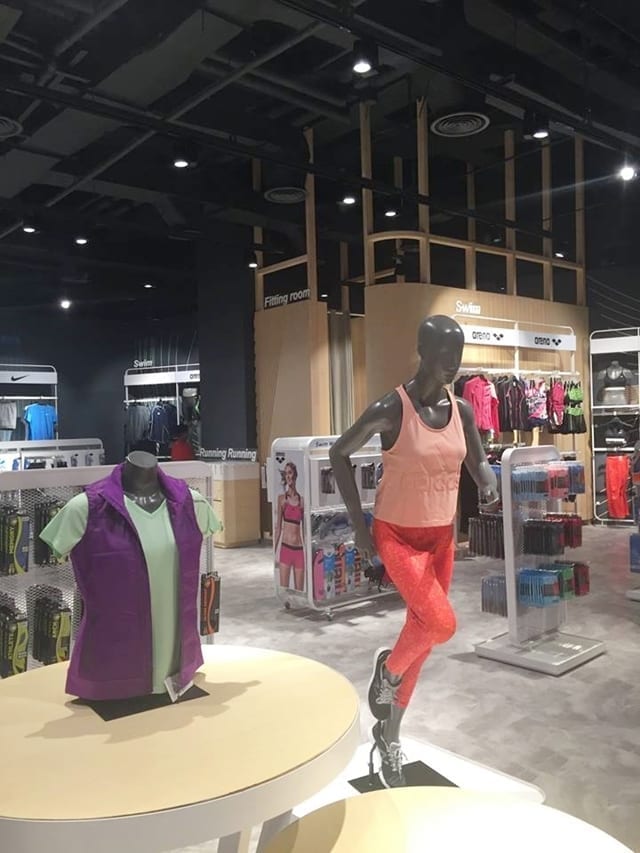
    Intersport Philippines has opened its first store at the Ayala Vertis North Mall in Quezon City.

    It is the Swiss international sporting goods retailer’s first outlet for Southeast Asia.

    Being introduced by Planet Sports Incorporated, the company behind Athlete’s Foot, Planet Sports and Sports Warehouse, it is the 5500th international outlet for Intersport, which carries such brands as Adidas, New Balance and Nike.


    A ribbon-cutting for the store was attended by volleyball stars Alyssa Valdez and Thirdy Ravena, along with basketballer Willie Miller.

    Planet Sport plans to continue its expansion with stores in Makati, Bonifacio Global City, Mall of Asia and Cebu, says president Anton Gonzalez.

  • Mr. Ruffini’s Moncler Genius Building unveiled

    Mr. Ruffini’s Moncler Genius Building unveiled

    Moncler Genius Building is finally unveiled.

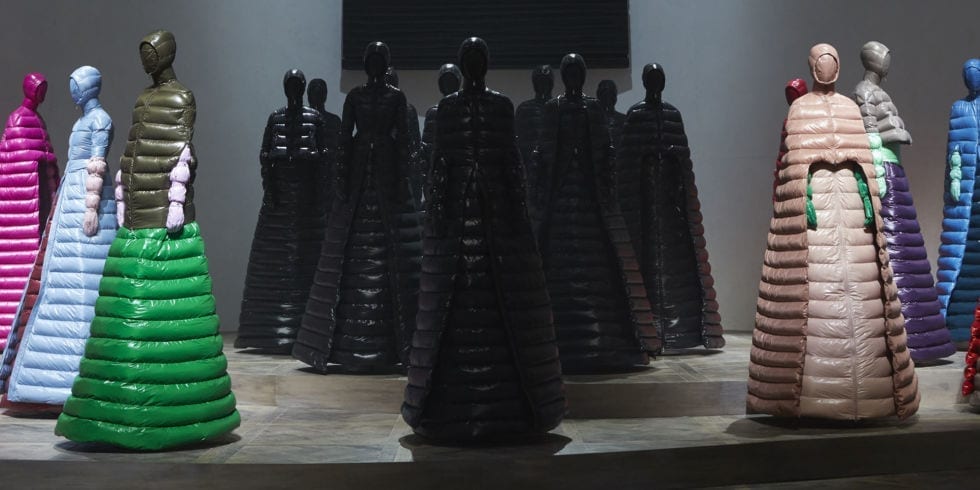
    During the opening of Milan Fashion Week, Moncler finally revealed the highly anticipated Moncler Genius Building—a conceptual space that housing the Moncler Genius collections designed in collaboration with Hiroshi Fujiwara, Francesco Ragazzi of Palm Angels, Craig Green, and other well-known names.

    Moncler packed out the Palazzo Delle Scintille—a 15,500 square meter exhibition space—with an international crowd excited to finally discover what Moncler had been hiding and shrouding with mystery for weeks.

    Upon entering the Palazzo Delle Scintille, the mystery continued. The space was filled with large tent-like shapes of all sizes shrouded with silver fabric, surrounded by smoke and glittering under bright spotlights.

    It looked like the silver shrouds would at once fall away for a big reveal but instead, following a long wait and a sudden countdown, curtains within the silver fabric opened and guests were invited inside the designers’ minds one at a time.

    None of the spaces featured a traditional runway presentation. Instead, the capsule collections were displayed on mannequins in a humid jungle; in an eerily dark room; hung from the ceiling; and on models performing a snow angel dance routine reflect in an enormous mirror.

    Francesco Ragazzi of Palm Angels took the most unorthodox approach, hosting two booths advertised by the slogans “Make It Rain” and “I’m So High.” Ragazzi and his team simply handed out free t-shirts periodically to keen attendees throughout the two-hour event.

    In the build-up, Moncler explained that with this new project it would “let creativity run wild,” and it certainly backed up its claim. Pierpaolo Piccioli of Valentino put together a monastic collection disturbingly reminiscent of the women’s uniforms in The Handmaid’s Tale and surrounded by the work of artist and monk Sidival Fila.

    Craig Greens’ collection was typically conceptual and utilitarian, denoting inflatable life jackets. Hiroshi Fujiwara of Fragment brought preppy, and in places grungy, vibes to the table with a sense Americana and mountaineering.

    Moncler did not stop at human clothes either. Happy pooches clad in tiny Moncler outfits ran joyfully around a doggy obstacle course as the brand showcased its animal jackets.

    The Moncler Genius Building acts as the project’s central hub. Within the space, each designer’s individualized cell represents a different facet of the brand’s identity and alludes to its unique vision for the future of fashion and design. The result is a grand composite of extraordinary minds united by the desire to innovate and create the new.

    Moncler’s President and Creative Director Remo Ruffini hopes these monthly capsule collections will disrupt the traditional, biannual fashion schedule. They will release in a similar fashion to the routine “drops” employed by some streetwear brand and provide consumers with newness far more regularly.

    Moncler will launch a collection once a month starting June. Clothes and accessories from its collaborative lines will be available in cities around the world at boutiques, selected stores and pop-ups.