Category: Fashion

Retail News Asia is committed to providing both local and global retailers with the latest Fashion news throughout the Asian market. This on a daily base.

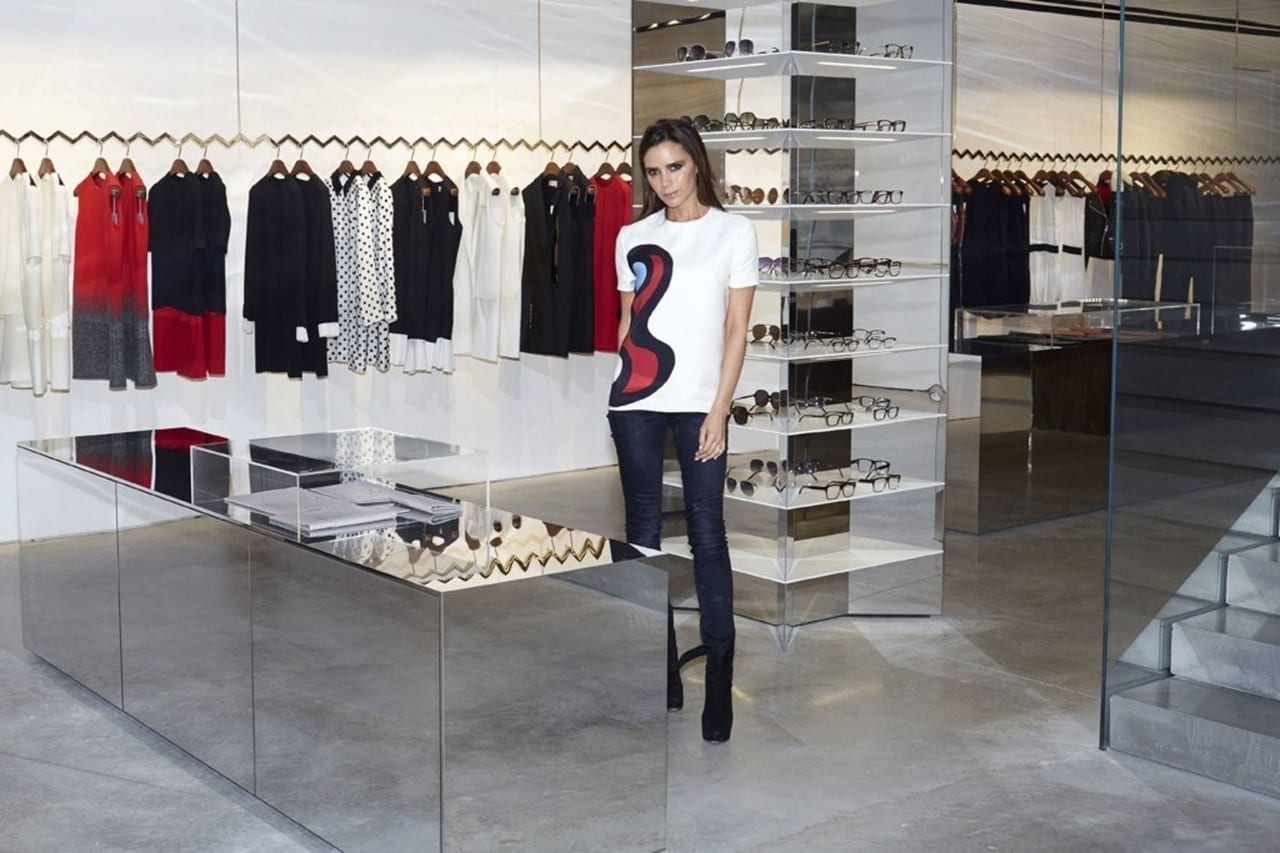
  • Victoria Beckham unveils major expansion plans in Asia

    Victoria Beckham unveils major expansion plans in Asia

    Asia will be a particular focus as UK fashion brand Victoria Beckham pursues further geographical expansion.

    This follows a £30 million (US$ 41.7 million) investment from NEO Investment Partners in December, plus the appointment of fashion-industry veteran Ralph Toledano as chairman.

    Previously the CEO of Chloe, he will work closely with the team to “nurture the creative vision at the heart of the brand” as well as help it “prepare the business for its next phase of growth”, says the company.

    Toledano says his ambition is to turn the brand into a modern luxury group, while reviewing its cost base to return it to profitability. He says further expansion, particularly in Asia, where Victoria Beckham has a store in Hong Kong, is a “realisation of the company’s direct-to-consumer ambitions”.

    “Following the investment from NEO last year, I am thrilled to have the added expertise of Ralph as chairman,” says founder/creative director Victoria Beckham.

    NEO Investment Partners brands also include Parisian contemporary menswear brand AMI Paris, cult Italian luxury leather-goods brand Valextra, luxury British design brand Tom Dixon and contemporary F&B and boutique hotel brand Experimental Group.

  • Japanese confectionery brand Morozoff enters Dubai

    Japanese confectionery brand Morozoff enters Dubai

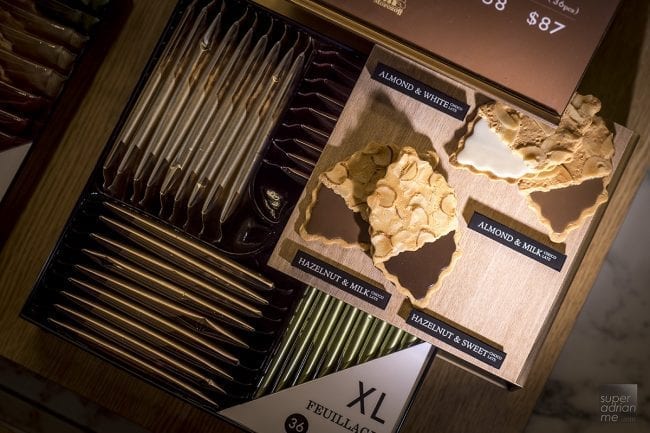
    Japanese confectionery and chocolatier chain Morozoff has opened its first Dubai store, at Wafi Mall.

    Launched by the Emerald Star Group, Morozoff Dubai offers not only cookies and cakes but also a gift collection to suit a range of celebrations and events.

    Morozoff president Shinji Yamaguchi says the Dubai launch is a significant development for the group, with plans already in place for expansion.

    Emerald Star, which specialises in distributing Japanese products, plans to take Morozoff to other territories in the region as well as India.

    The chain returned to Singapore in November after an absence of 14 years.

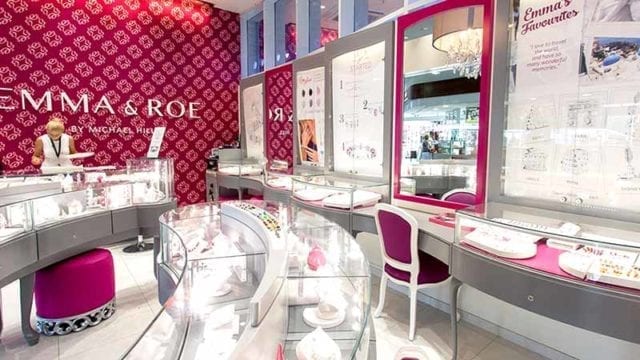
  • Jeweller Michael Hill is closing all but six of its 30 Emma & Roe stores

    Jeweller Michael Hill is closing all but six of its 30 Emma & Roe stores

    Michael Hill will spend $5.8 -$7.9 million closing all but six of its 30 Emma & Roe stores by the end of the financial year as part of its repositioning of the struggling brand.

    The move will see Emma & Roe exit its operations in New Zealand and New South Wales to focus specifically on south-east Queensland.

    In an update provided to the market on Tuesday morning Michael Hill said that its review of the Emma & Roe brand, kicked off in January after another set of lacklustre trading results, was now completed.

    While management believes there’s an opportunity for the business in the demi-fine jewellery segment, it has opted to drastically reduce the brand’s footprint and will move forward with a “smaller, concentrated store footprint” for an initial trial period that will run until the end of FY19.

    Michael Hill has already negotiated non-binding lease exit terms with most of its Emma & Roe landlords and will now move forward with binding negotiations, which will likely see the brand exit several states and concentrate on a “single market area”.

    Chief financial officer Andrew Lowe said that Michael Hill will consider scaling the brand back-up in the future, but wants to preposition the company in an agile way.

    “30 stores is a very large footprint and the intention is to reposition the brand…we want to do that effectively and in an agile way with that smaller footprint,” he said.

    Michael Hill said it will redeploy Emma & Roe employees to Michael Hill stores where possible, but will undertake redundancy arrangements for others, with total severance costs expected to be finalised in 2H18.

    Severance costs, alongside one-off cash costs associated with lease terminations, are expected to cost $5.8 – $7.9 million, although management said this reflected the information currently available to it and was subject to change.

    The company also said that its negotiation to exit its nine stores in the US are ongoing with landlords.

  • Indonesian fashion e-commerce app LYKE shuts down

    Indonesian fashion e-commerce app LYKE shuts down

    Indonesian fashion e-commerce app Lyke is shutting down, and is encouraging its users to transfer to the JollyChick app.

    Lyke says most of its employees will be joining Chinese fashion and lifestyle e-commerce startup JollyChic, which entered the Indonesian market last year.

    CEO Bastian Purrer says the company has been struggling to survive on its sales revenue despite having secured 1.6 million users.

    He also says the popularity of bank transfers as a payment method has also contributed to the shutdown, as they are relatively costly for e-commerce platforms to maintain.

    While the company’s marketing and business team is set to join JollyChic, its developer team will stay with Lyke during the transition period.

    Launched in February 2016, Lyke is an aggregator app for online fashion and beauty stores. It also offers a personalised service so users can follow their favourite shops and brands.

    The company raised nearly US$4 million in series-A funding in August 2016.

  • Burberry lost marketing head Sarah Manley

    Burberry lost marketing head Sarah Manley

    Britain’s Burberry is set to lose its long-serving Chief Marketing Officer, Sarah Manley, who joined the luxury brand back in 2001, just one month after Christopher Bailey’s entrance into the top spot.

    Coinciding with Bailey’s last runway show for Burberry last week, Manley is reportedly packing her Burberry bags too, with a departure date slated for July’s end, as reported by FashionNetwork.com.

    While neither Burberry nor Manley have made a comment on the departure news, it is believed that the executive desires to take a break after seventeen years with Burberry. Manley’s departure has evidently been prompted by Bailey’s leaving too.

    No hints have been given as to who might replace Manley either.

    Manley joined Burberry in 2001 as global director of public relations, before being promoted to vice president, and then senior vice president of marketing. In 2008, Manly was named Burberry’s Chief Marketing Officer, where she oversaw a now 200-strong communications team in London.

    Major brand achievements linked to Manley include building the Burberry brand globally via elaborate events such as the holographic show, exhibition and store opening combinations in Beijing and Shanghai.

    She also put on the ‘London in Los Angeles’ party in Los Angeles’s Griffith Observatory, attracting 700 celebrity guests such as the Beckhams, Elton John, Rosie Huntington-Whiteley, Cara Delevingne and Anna Wintour.

    Manley was also involved in building Burberry’s burgeoning digital presence, growing its social media following and providing content that surpassed that of its competitors in terms of creativity and authenticity. Last week, social media analytics firm NetBase released its 2018 Luxury Brands Report, indeed naming Burberry as third in its overall ranking of the top ten luxury brands on social media, behind Louis Vuitton and Land Rover.

  • J.Crew hired the Starbucks executive

    J.Crew hired the Starbucks executive

    Adam Brotman, a longtime Starbucks executive who helped mold the Seattle coffee giant into one of the most technologically advanced retailers, is leaving the company after nine years for a top role at J.Crew.

    Brotman will join J.Crew as president and chief experience officer and report to new CEO Jim Brett, who replaced legendary chief executive Mickey Drexler this summer.

    Brotman was most recently the top executive overseeing Starbucks stores but is perhaps best known for the work he did in previous digital-focused roles. As chief digital officer, Brotman oversaw the launch of Starbucks’ popular “mobile order and pay” smartphone feature — which now accounts for 11 percent of total transactions at Starbucks-owned stores.

    He also led the teams that developed the original payment feature inside the Starbucks app. Starbucks said last year that 30 percent of in-store transactions are completed via mobile payments.

    “Adam’s experience with global field operations and cutting-edge consumer-facing digital platforms makes him an invaluable partner in shaping and driving J.Crew Group’s strategic initiatives to the next level,” J.Crew’s CEO said in a statement. “Adam will help us establish customer relationships that leverage all our channels, helping us to serve them in ways that are more meaningful and relevant to how they shop and live.”

    Brotman will join an executive team attempting to lead a turnaround of the classic American clothing giant that has seen sales slide as customers opt for less expensive clothes from fast-fashion retailers and shift loyalty to clothing brands that originated online.

    Amazon’s push into fashion probably hasn’t helped either. Last year, Drexler said J.Crew approached Amazon about a sale.

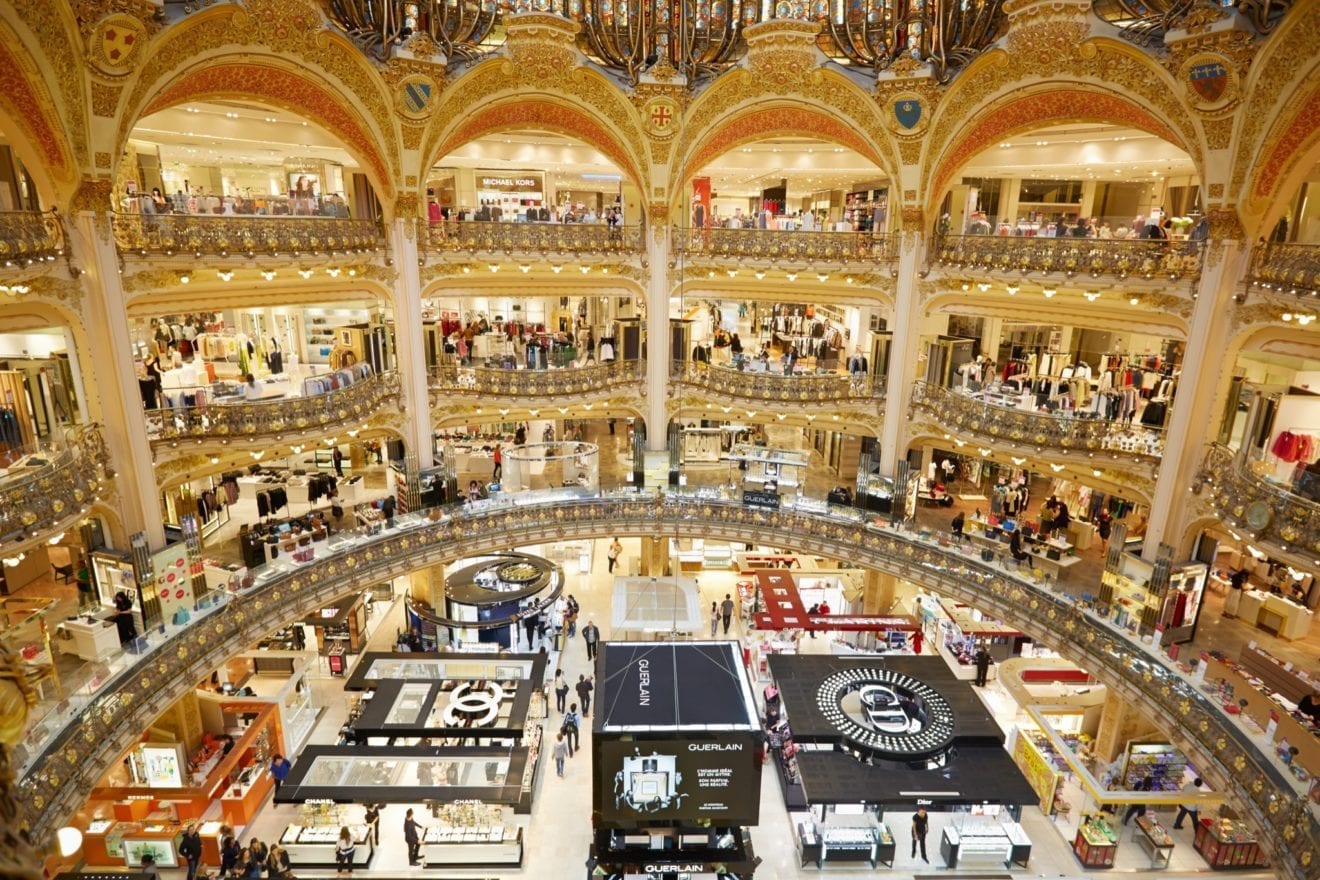
  • Galeries Lafayette Europe names new head of watches

    Galeries Lafayette Europe names new head of watches

    European department store Galeries Lafayette has announced the appointment of Arthur Lemoine to head of watch activities. Lemoine succeeds Daphné de Jenlis, who is taking sabbatical leave but remaining in the group.

    Reporting to the French group’s executive chairman Philippe Houzé, Lemoine will be in charge of luxury watch brands Louis Pion, Galeries Lafayette-Royal Quartz Paris and Augis 1830 as part of the Paris retailer.

    In addition to the new role, Lemoine joins the executive committee of Galeries Lafayette BHV Marais, helmed by Nicolas Houzé.

    Arriving at Galeries Lafayette ten years prior, the 33-year-old executive was most recently in charge of the firm’s Eataly rollout, after the group signed an exclusive franchise agreement with the Italian food chain in France.

    With plans thoroughly underway, the first Eataly in Paris is slated to open in 2019.

    The new appointment looks to strengthen Galeries Lafayette’s plunge into travel retail, by bolstering its luxury watch offering at key airport terminals in Paris.

    Most recently, the department copped a contract to manage a network of watch stores at Charles de Gaulle and Orly airports, coining each Galeries Lafayette-Royal Quartz Paris.

    Meanwhile, the retailer announced last year the slated opening of its first mainland China store. The flagship is scheduled for Shanghai in 2018, with close to a dozen more outlets planned for major cities in China in the next seven years.

    To coordinate international expansion, which in addition to China includes Istanbul, Luxembourg and Kuwait, the group has also created an international development team. At its head is Philippe Pedone, currently CFO for the group’s department store business and a member of the executive committee.

    Galeries Lafayette group annual consolidated revenue is expected to be €4.5 billion, compared to the current €3.8 billion for the current fiscal year, with goals to reach €5.5 billion in 2020, 30% of which is to be generated online.

  • Aquazzura Hong Kong plan to open

    Aquazzura Hong Kong plan to open

    Italian luxury shoe label Aquazzura is to open a standalone store in Hong Kong as part of an ambitious global expansion plan.

    While the timing of the seven year old brand’s Hong Kong store opening has yet to be revealed it has been described by the company as “soon”.

    Currently, Aquazzura has just eight boutiques worldwide – in Florence, London, Moscow, California, New York, Miami, Las Vegas and Paris and six shops-in-shops, including one at T Galleria in the City of Dreams, Macau.

    Aquazzura co-founder Edgardo Osorio has revealed plans for nine new stores this year, with six locations revealed so far – Hong Kong, Dubai, Qatar, Milan, Brazil and Paris. Two more US stores will follow next year.

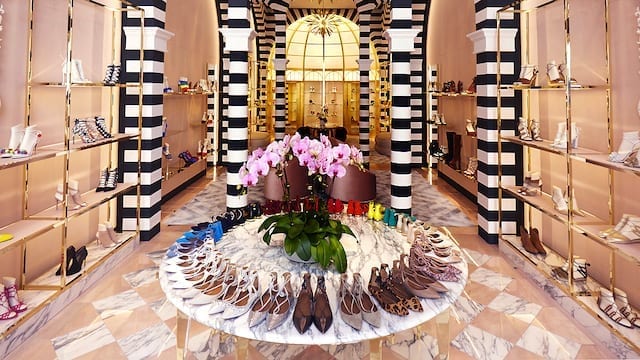
    As our photos show, each Aquazzura store is different, featuring localised design elements to suit the location and customer base.

    “You wouldn’t decorate a house in New York the way you would in Miami or London,” Osorio said in an interview. “There’s a certain DNA but you wouldn’t have the same furniture. You might not even use the same colour palette necessarily.

    “In Dubai, there might be some Middle Eastern-inspired architecture. In London, it’s inspired by an English townhouse with a fireplace and stucco ceilings.”

    The stock in the Hong Kong store – like that in the brand’s other boutiques globally – will vary by as much as 40 per cent from other stores. Expect to see different colours and styles created exclusively for the territory.

    “People nowadays travel everywhere, yet retail is so repetitive. It’s always the same stores with the same windows in every major city in the world,” Osorio told BoF. “If I travel somewhere, I don’t want to go to the same shop that’s around the corner from my house. I want to go somewhere different.”

    Aquazzura is known for its colourful shoe designs and craftsmanship.

    Born in Colombia and raised in Miami and London, Osorio believes he has an eye for “drop-dead glamour”, a passion for modern design and a hand for creating desirable footwear from luxury craftsmanship.

    Shoes from Aquazzura sell from between US$465 for a pair of pool slides to $1500 for embroidered ankle boots. Last year, its global sales exceeded euro 100 million (US$124 million).

    Aquazzura CEO Jean-Michel Vigneau has hinted at further expansion in Asia.

    “We’re focusing on markets where we’ve seen strong performance. In terms of strategic regions, we are focused on the Middle East and are targeting Asia through local partnerships.”

    The company is negotiating a partnership with an unnamed company in Asia.

    Meanwhile, plans are afoot to develop a men’s footwear range next year and follow that up with lifestyle lines including a fragrance and eyewear.

    Osario was just 25 when he launched Aquazzura after working in the industry for 10 years.

    His shoes are now sold in more than 300 of the world’s leading retailers in 58 countries and this year’s boutique expansion is part of a plan to increase the company’s volume of direct-to-customer sales.

  • The luxury mobile shopper emerges in Asia, says Worldpay

    The luxury mobile shopper emerges in Asia, says Worldpay

    Shoppers in emerging economies such as China and India are seeking a more luxury, personalised shopping service on their mobile, and many Asia Pacific shoppers are even willing to pay more for a product or service if the mobile shopping experience is better. This is according to new research from Worldpay, a global leader in payments.

    Worldpay’s research examined the viewpoints of 16,000 consumers across 10 global markets, including China, India, Japan and Australia in Asia Pacific. Questioning consumers about their last mobile shopping experience and what makes them hit the “pay” button, the research found that mobile payment apps are on track to become the luxury shopping experience of the future.

    Key findings in Asia Pacific include:

     62% of Chinese consumers and 64% of Indian consumers are happy to pay more for an item, trip or service if the mobile user experience is better; far ahead of the global average of 41%

     56% of consumers in India and 54% in China are more likely to shop on a mobile phone if sent a personalised push notification from a nearby store; far outweighing the global average of 35%

     As the mobile shopping experience improves, more Australians are purchasing higher-end goods on their smartphones, with 36% spending over $85 AUD (US$67) on their last purchase

     In Japan, 38% of mobile shoppers spent over ¥7410 (US$69) on their last purchase

     India and China prefer purchasing via apps over mobile browsers more than any other markets in the world, at 82% vs. 18% and 80% vs. 20% respectively. This is compared to the global average of 71% vs. 29%.

    Phil Pomford, General Manager for Asia Pacific, Global Enterprise eCommerce at Worldpay, said: “Shoppers in Asia’s emerging economies are active mobile users who have leapfrogged past traditional modes of online shopping and now demand a personalised, luxury, on-the-go experience in the palm of their hand. Online merchants that can deliver the right experience have much to gain, as Asian shoppers are making bigger, more valuable purchases via their smartphones and are even happy to spend more with merchants that deliver a better experience. At the same time, to capitalise on the mobile shopping opportunity, merchants must consider how to help smartphone shoppers feel secure.”

    Indeed, despite exciting growth in mobile shopping in Asia Pacific, security concerns continue to hinder the full potential of mobile commerce. Australia is behind Asia in terms of mobile app adoption, with significant issues remaining around security and usability – 73% of Australian consumers say they only download apps from brands they trust. The number one reason for smartphone basket abandonment in Australia is concerns that the website wasn’t secure. In Japan, meanwhile, security is also a concern, with just 37% of consumers saying they would be happy for apps to store their payment details, against a global average of 57%.

    Pomford added: “Merchants can help to mitigate shoppers’ security fears by providing a mobile payment experience that’s quick, seamless and familiar. This might mean storing consumers’ payment details so they don’t need to enter them every time, or simply providing a range of payment options so that consumers can always use their preferred method. In China, for example, lack of preferred payment options is the top reason for smartphone basket abandonment – an important reminder that capturing this emerging class of luxury mobile shoppers depends upon providing a comfortable and convenient mobile payment journey.”


  • LANCÔME Spreads Festive Joy At King Power Rangnam

    LANCÔME Spreads Festive Joy At King Power Rangnam

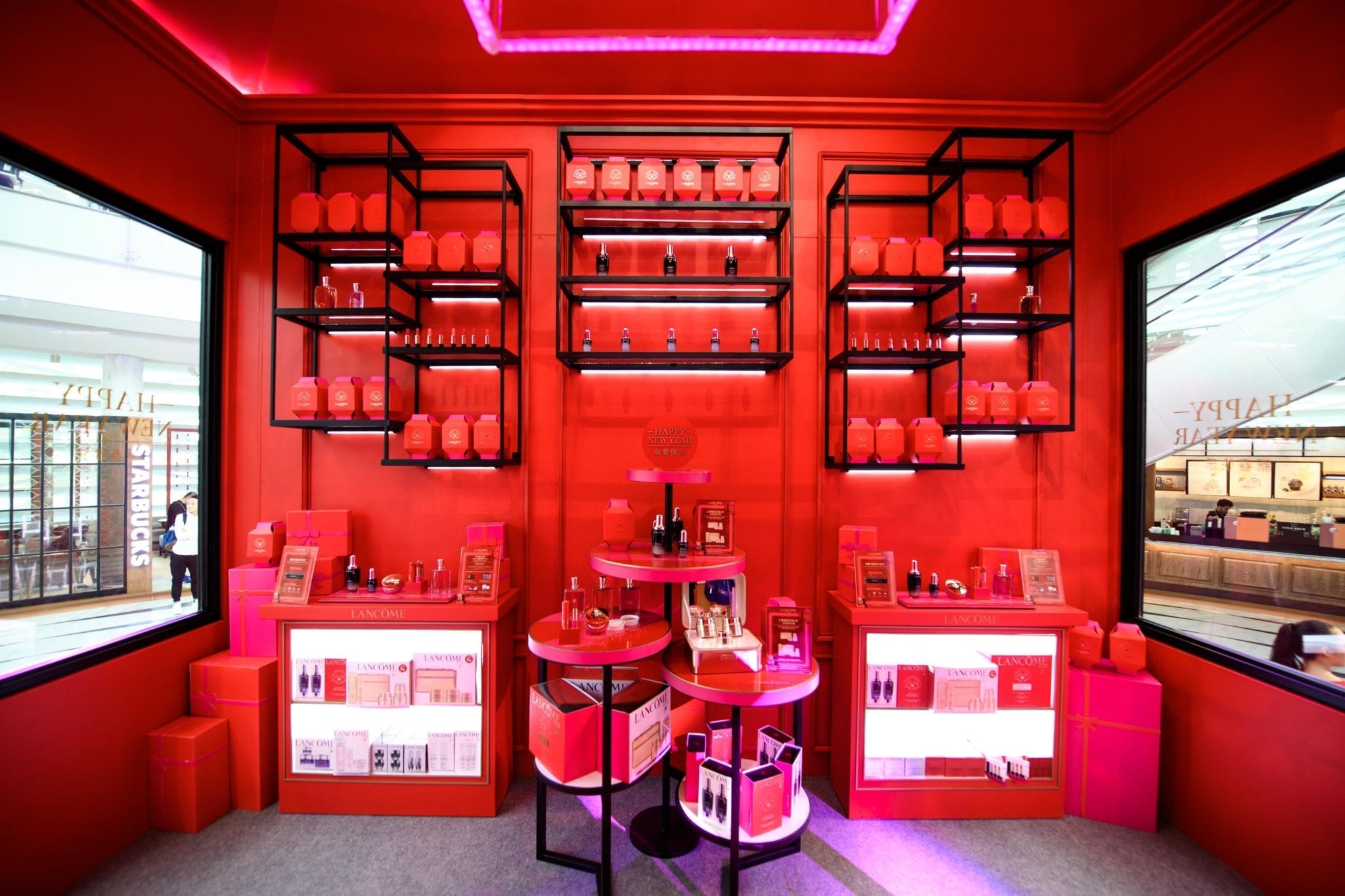
    Lancôme has unveiled its first travel retail pop-up in Asia Pacific, complete with an AR feature.

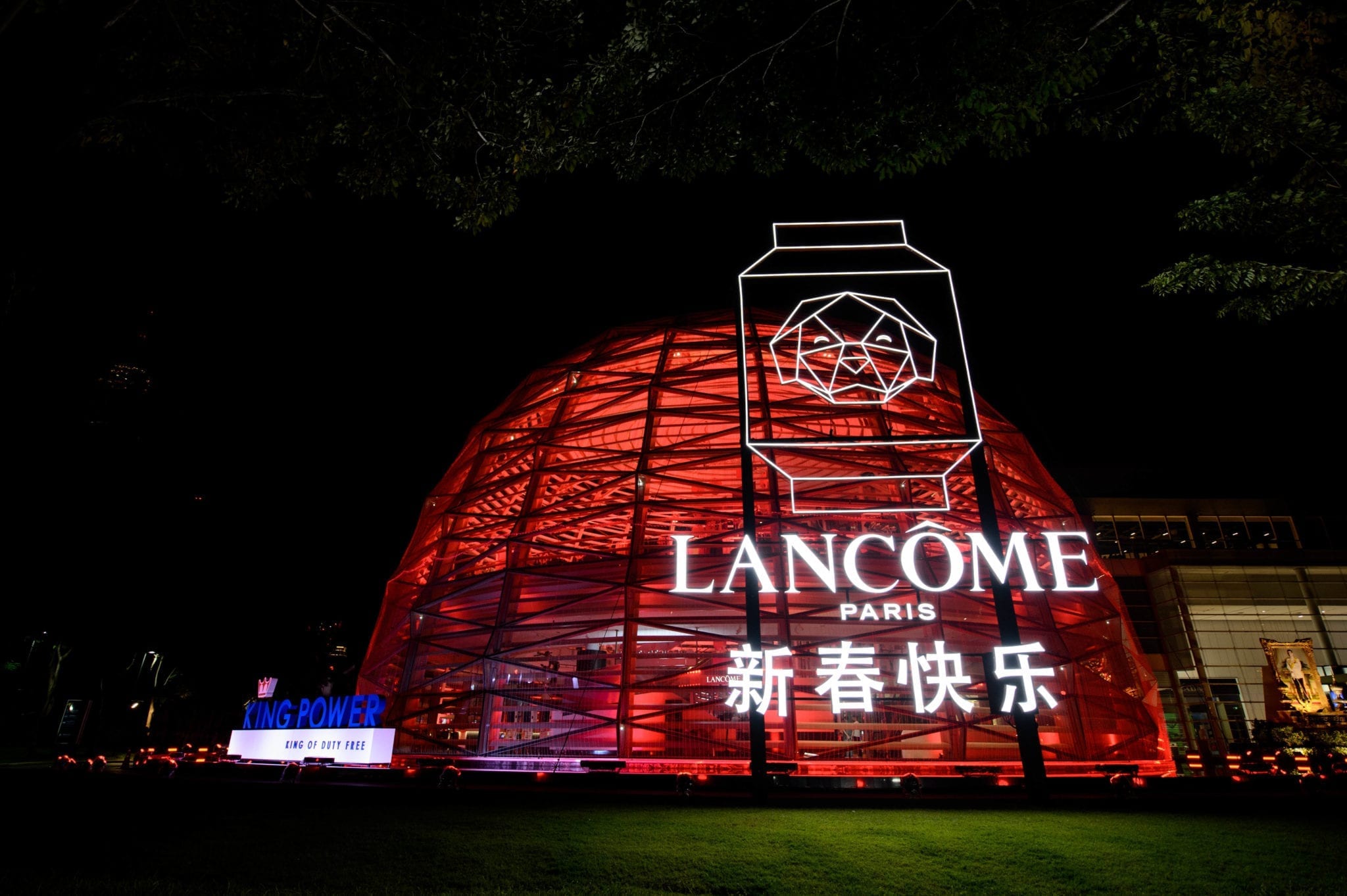
    The activation at the newly-refurbished King Power Rangnam is to mark the Year of the Dog for the luxury beauty brand. The scheme invovles a red facade, pup-up store, light shows and live performances.

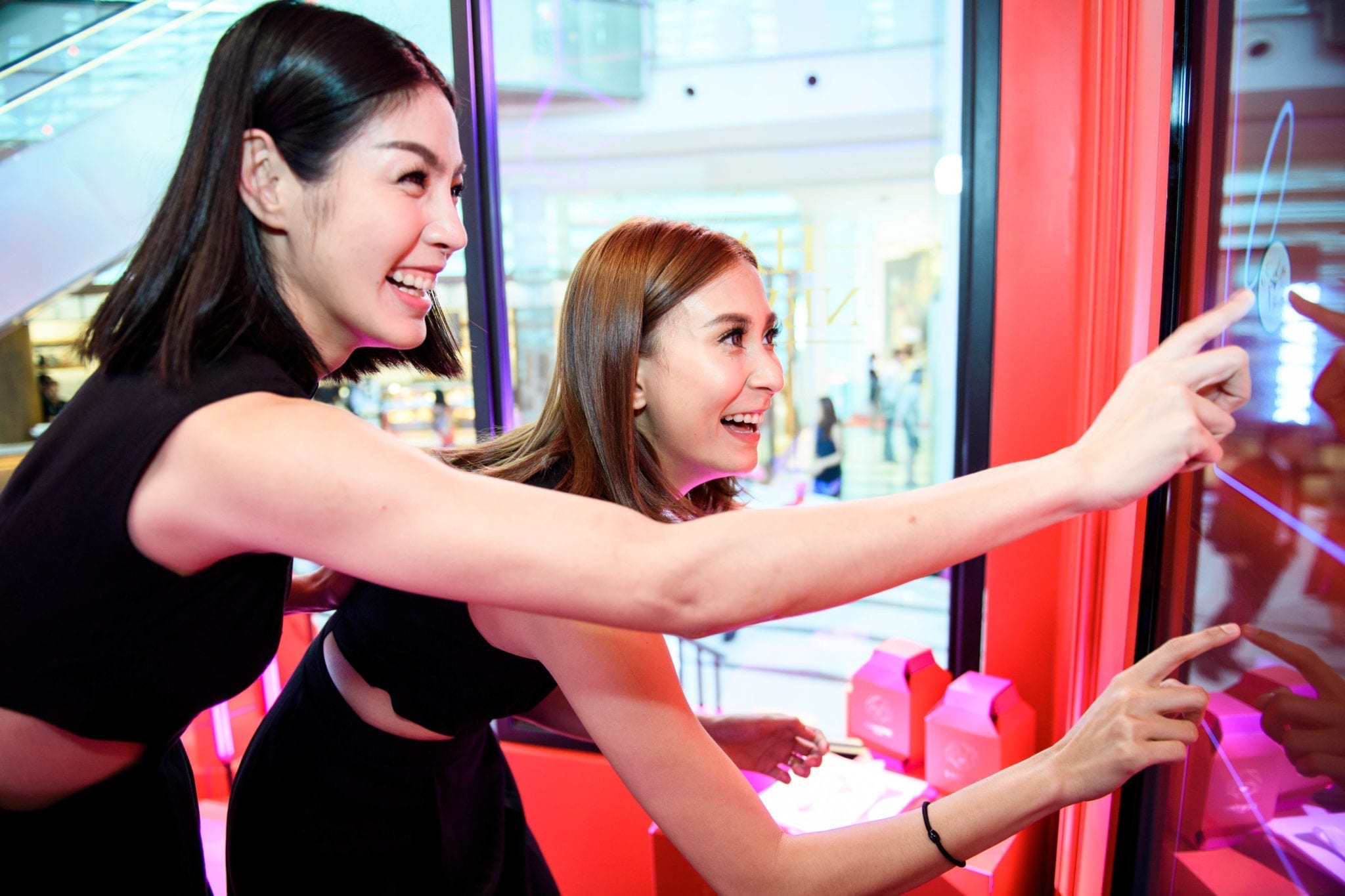
    Lancôme Travel Retail Asia Pacific has looked to create a “multi-sensory festive treat” with the campaign. It begins as shoppers approach the store with red lights illuminating the front façade, inside giant TV screens and a fountain symphony of lights and water choreography greet travellers. At the heart of the mall is the Lancôme pop-up which features a lantern-inspired design and digital offerings which draw in shoppers to explore. Inside, an augmented reality photobooth creates images of users with a virtual puppy, while there is also a touch-screen digital game.The bright red colour is both eye-catching and draws in the Chinese New Year theme.

    Lancôme Travel Retail Asia Pacific general manager Tao Zhang said: “Having been inspired by Lancôme’s Chinese New Year campaign design, we specially conceptualised and brought to life this exclusive Chinese New Year pop-up with King Power. Every touchpoint from the digital LED wall to the pop-up was specially created to excite consumers so we hope that this will deliver a memorable brand experience for our travellers. We look forward to sharing moments and memories of happiness with more women during this festive season.”

    Shoppers will also get their hands on limited edition Chinese New Year offers and travel exclusives at the shop. The event launched on 13 February and will end on 31 March in the atrium of the King Power Rangnam Downtown Duty Free Store.


  • MANGO Opens New Flagship Store In Madrid

    MANGO Opens New Flagship Store In Madrid

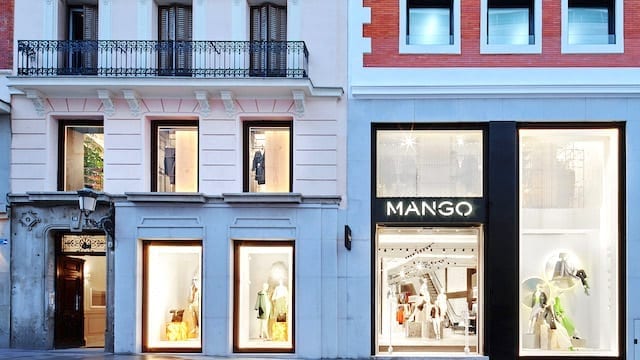
    Fast-fashion retailer Mango has opened a new megastore in Madrid, located in one of the Spanish capital’s most prestigious shopping precincts.

    The 1711sqm store on Preciados Street is twice the size of the store it replaces, stocking mens and womens lines across three floors.

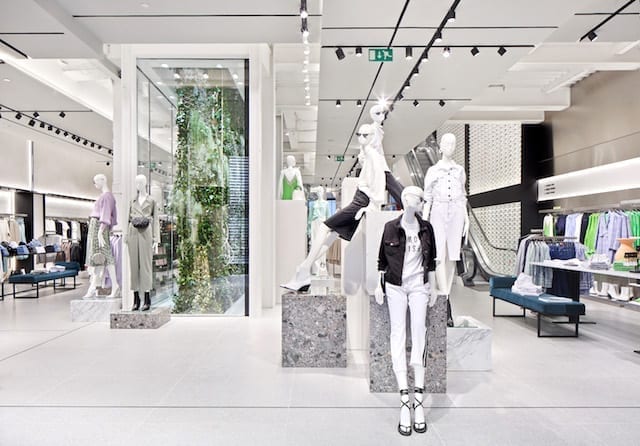
    Featuring an industrial style with exposed beams, the store combines a spectacular exposed wall painted in white with velvet, marble, wood and stone elements, according to Mango.

    On its upper floors, the store has internal patios and landscaped skylights, which give it plenty of natural light.

    Mango invested euro 3.5 million (US$4.3 million) refurbishing and fitting out the building, incorporating the interior style being rolled out across the company’s stores internationally.

    It features digital changing rooms, e-tickets, a PayGo payment facility, WiFi for shoppers and a click-and-collect counter.

    The Preciados Street store is Mango’s 31st in Madrid and its 381st in Spain.

  • More challenging situation for Esprit Holdings

    More challenging situation for Esprit Holdings

    Trading conditions have continued to be challenging for clothing company Esprit Holdings.

    With the industry changing rapidly, the company says it has had fewer customers in its brick-and-mortar retail stores as well as increased competition in the e-commerce channel. As a result, the group’s first-half performance to the end of December was below management expectations.

    Esprit says it has experienced a significant decline in its China business in recent years.

    While gross profit margin improved by 0.4 points, the group had a net loss of HK$954 million (US$121.8 million) for the half-year, following a net profit of $61 million for the same period a year earlier.

    First-half revenue was $8 billion, a year-on-year decline of 9.6 per cent.

    Esprit says rationalising its distribution footprint by closing unprofitable stores and non-performing wholesale spaces continues to be paramount. During the six months to the end of December, the group reduced total controlled space by 21,766sqm. This, with the 24,122sqm reduction in the previous six months, added up to a year-on-year reduction of 7.4 per cent.

    Revenue for the first quarter fell 7.4 per cent in local currency, while in the second quarter the decrease was 11.7 per cent, larger than expected primarily because of weak sales in its brick-and-mortar stores.

    Representing 12 per cent of total group revenue, Asia Pacific (mainly China, Australia and New Zealand, Singapore, Hong Kong, Taiwan, Malaysia and Macau) saw revenue fall 17 per cent to $966 million.

    In terms of distribution channels, retail contributed 82.4 per cent of the region’s revenue with the e-shop contributing 11 per cent.

    Asia Pacific represented 9.9 per cent of total group revenue, down by 18.4 per cent year on year, and down 20.3 per cent in the first quarter and 17.1 per cent in the second quarter.

    There was a 10.2 per cent reduction in net sales area under the company’s restructure of its store network. “Sales performance was visibly dragged by the underperformance of concession counters in department stores in China.”

    E-commerce accounted for 26 per cent of total group revenue, up from 24 per cent. The channel generated $2 billion in revenue, a 2.5 per cent dip.

    This is Esprit’s 50th-anniversary year, and it has been listed for half that time.

  • South Korean cosmetics to seduce Europe

    South Korean cosmetics to seduce Europe

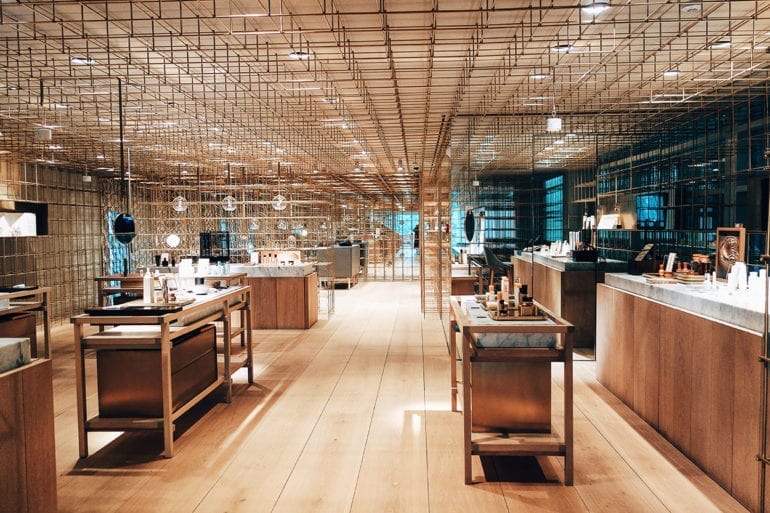
    South Korean cosmetics brands, wildly successful at home and across Asia, now have their eye on the European beauty market where their penetration is, for now, only skin-deep.

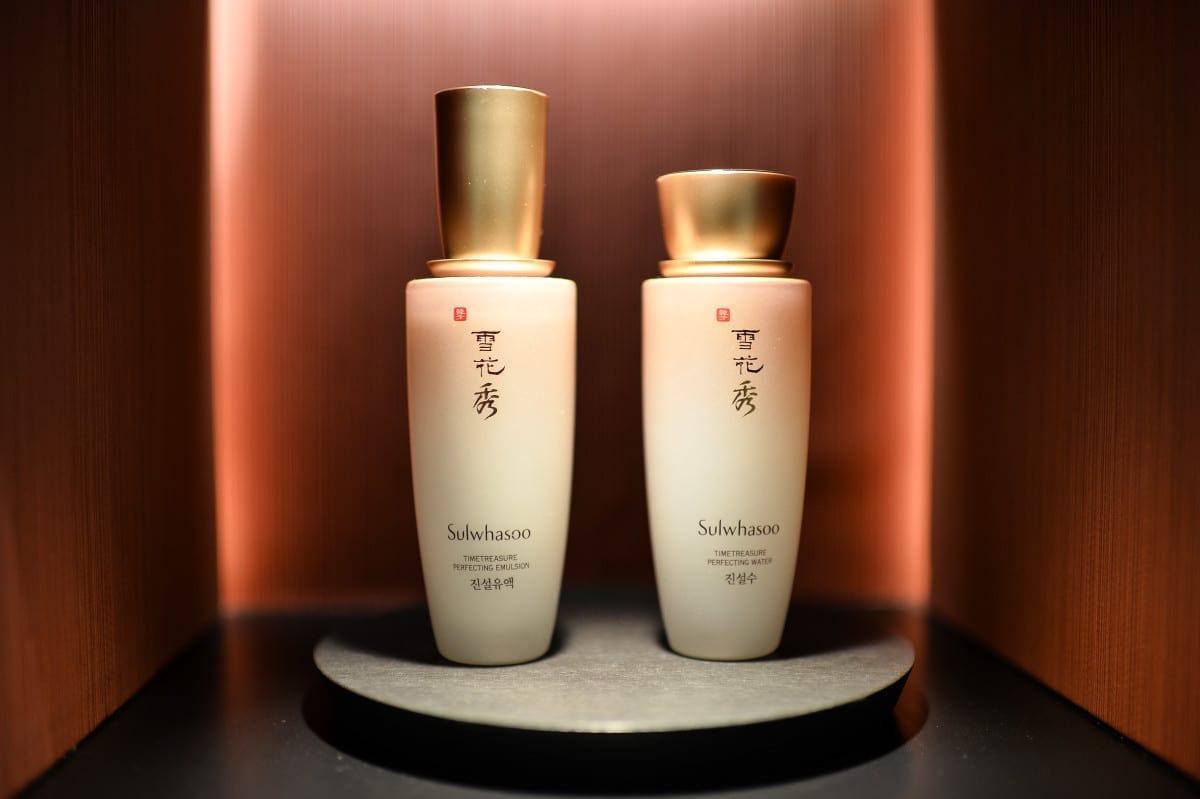
    Picking luxury goods powerhouse France as its bridgehead to seduce European consumers, South Korea’s leading cosmetics firm Amore Pacific launched its top brand Sulwhasoo at the upmarket Galeries Lafayette department store a few months ago.

    Britain is the next planned stop for Amore next year, when the company also plans to launch its other flagship brand, Laneige.

    The Korean industry has a solid reputation for innovation and a particular knack for blending natural far eastern ingredients – such as green tea, ginseng root or even snail slime – into beauty products.

    Hallyu, the “Korean Wave” of pop culture sweeping Asia since the 1990s, has given cosmetics sales a big lift, with young fans wanting to make up just like their K-Drama or K-Pop idols, or even become K-Beauty ambassadors for big brands.
    Amore Pacific, which had sales of around US$5.6 billion last year, is still heavily reliant on its domestic market, which accounts for two-thirds of its revenues.

    Its European and North American operations pale by comparison, generating combined sales of less than US$100 million.

    “The company’s aim today is to widen its geographical presence beyond Asia,” Thierry Maman, head of Amore Pacific Europe, told AFP.

    Tensions with Chinese clients after South Korea allowed the United States to install a missile shield added urgency to the group’s ongoing drive towards “globalisation”, said Maman, who was a manager at French luxury conglomerate LVMH before joining Amore.

    One of the challenges for European expansion is that the Korean Wave of pop culture has not really taken off there.

    The Hallyu association can even be a bit of a drawback, says Laura Koeppler, who co-manages the Korean Smooch online store which sells avant-garde cosmetics made in Seoul to European customers.

    Koeppler said early Korean cosmetics imports to Europe rode a wave of enthusiasm for Kawai, meaning “cute” in Japanese, including TonyMoly and Skin79 which makes face masks in the shape of a panda.

    “Consumers thought that that is what South Korea is about,” she told AFP.

    Koeppler said that, actually “there is real skill” in K-Beauty, which has come up with game-changing products such as BB creams, good at covering imperfections, CC Creams, which improve complexion, and so-called “cushions”, which blend skincare and make-up ingredients into a single product.

    Merging traditional Asian ingredients with ultra-high tech components is another hallmark of Korean cosmetics making.

    South Korean beauty and skincare require different “application rituals” than those Europeans are used to, said Thierry Maman.

    “There is a need for guidance” for European consumers wanting to work Korean products into their routine.

    “The priority for western brands is the effectiveness and the quantity of active ingredients that they manage to incorporate” in a beauty product, he said.

    But in Asia “the smell, the touch and the pleasure that a cream brings” are just as important, according to Maman.

    A number of Western beauty companies have copied South Korean cosmetics inventions, industry experts say.

    But sometimes they simply buy into local companies for fast Asian market exposure, such as when Unilever picked up South Korea’s Carver, LVMH bought a stake in CLIO Cosmetics and Estee Lauder invested in Dr. Jar+ and DTRT.

    These acquisitions “show that western beauty giants acknowledge K-Beauty players as a fast and effective instrument to capture China and emerging Asian markets. Private equity firms will continue to drive such deals, attracting the appetite of western beauty giants”, said Sunny Um, Asian beauty sector analyst at the Euromonitor research firm.

    L’Oreal, the world’s biggest beauty products company, could be next on the takeover trail.

    “We are looking at all acquisition opportunities in South Korea,” L’Oreal’s chief executive, Jean-Paul Agon, said recently.
  • Burberry has new chief creative officer, soon

    Burberry has new chief creative officer, soon

    Fashion company Burberry has appointed Riccardo Tisci chief creative officer, effective from March 12.

    With expertise across womenswear, menswear, leather goods and accessories, Tisci joins Burberry from Givenchy, where he was creative director from 2005 to last year.

    A graduate of Central Saint Martins in London,Tisci will direct all Burberry collections and present his first for the brand in September. He will be based at the brand’s headquarters in London.

    “Riccardo’s skill in blending streetwear with high fashion is highly relevant to today’s luxury consumer,” says Burberry CEO Marco Gobbetti.

    Tisci says he has enormous respect for Burberry’s British heritage and global appeal. Born in Lombardy, Italy, in 1974, he worked with Gobbetti when he was president/CEO of Givenchy from 2004 to 2008.

    Since 2013, Tisci has been collaborating with Nike and previously held design roles at Antonio Berardi, Puma and Ruffo Research.

    GlobalData retail analyst Charlotte Pearce says the market reacted positively to Tisci’s appointment.

    “He will be able to breathe new life into the company and bring a fresh perspective to the luxury British brand. With six months to go before Tisci presents his first show for Burberry in September, he will have time to firmly establish himself in the business and lay out his creative vision for the renowned brand.”

    Peace says it is imperative that Tisci and Burberry CEO Marco Gobbetti work closely together over the coming months – as they would have at Givenchy – to reinvigorate the Burberry brand.

  • 3.1 Phillip Lim opens new stores in Seoul

    3.1 Phillip Lim opens new stores in Seoul

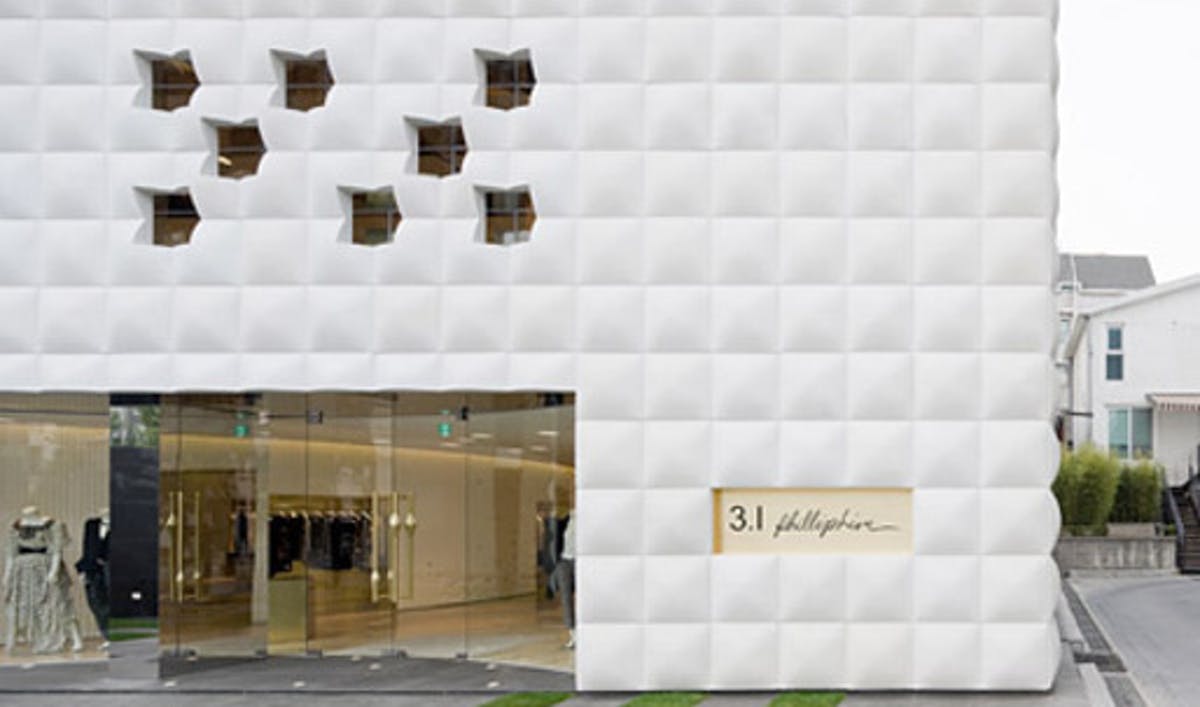
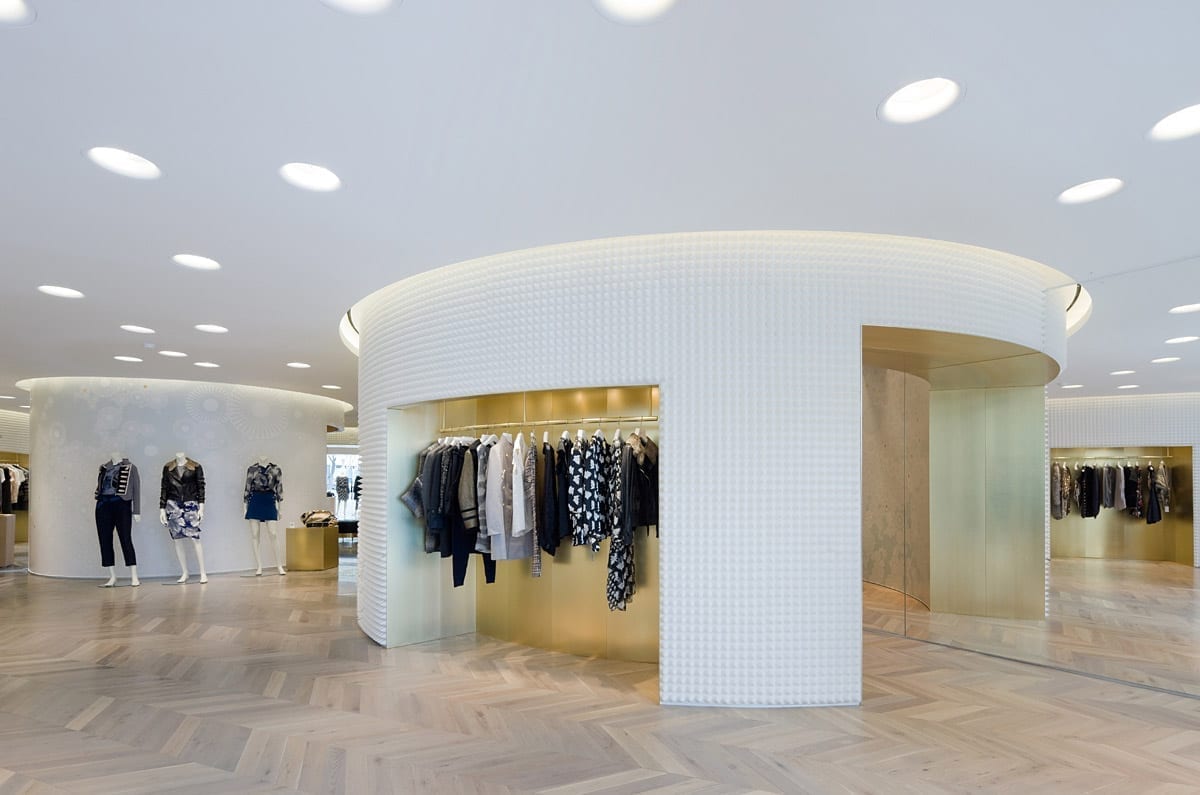
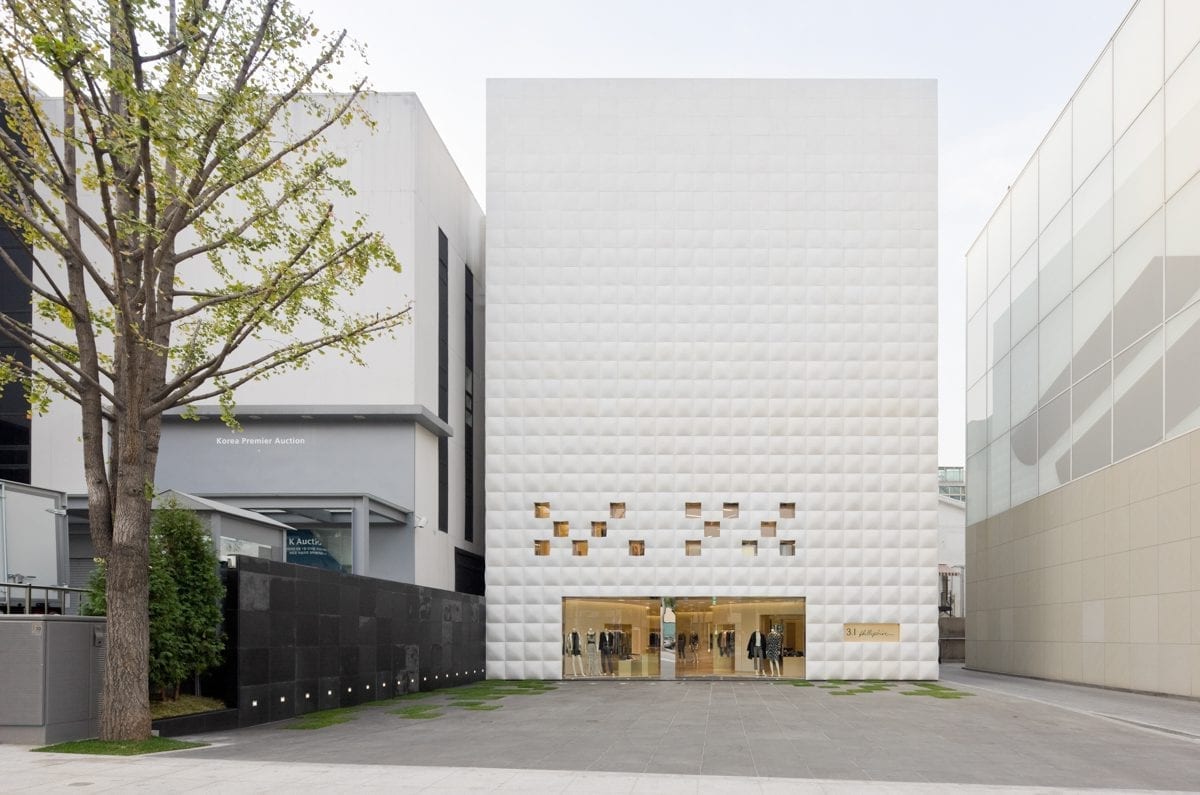
    US fashion brand 3.1 Phillip Lim is opening stores in Seoul via Handsome, the apparel unit of Hyundai Department Store.

    Handsome says 3.1 Phillip Lim men’s and women’s apparel, bags and accessories have just gone on sale at outlets in the luxury hall of Galleria Department Store in Apgujeong.

    Handsome, which has 27 global fashion brands in its portfolio, will expand 3.1 Phillip Lim distribution channels through Hyundai Department Store.

    Launched by Chinese-American designer Phillip Lim in 2005, the label opened its first brick-and-mortar branded store for Korea in Cheongdam-dong in 2009.