Category: Fashion

Retail News Asia is committed to providing both local and global retailers with the latest Fashion news throughout the Asian market. This on a daily base.

  • Amorepacific Enters Australia

    Amorepacific Enters Australia

    Korean cosmetics giant Amorepacific Group has made its Australian debut this week.

    While the company has yet to open a standalone store there, it has opened a counter for its mid-range brand Laneige inside Sephora stores and started selling the range online. It describes the launch as “its forerunner to the Australian market”.

    After opening a Melbourne head office last year, Amorepacific’s is making plans to launch its luxury flagship brand Amorepacific, and eco-friendly Innisfree label later this year.

    Caroline Dunlop – Amorepacific Australia’s first GM, said working with Sephora in the US had proven a success and it had high expectations in their Australian partnership.

    “Our journey of beauty in Australia will begin with the launch of Laneige and as we progress, we will continue to present many unique brand experiences to local customers.”

    Amorepacific is ramping up its international expansion to compensate for a sharp decline in the number of Chinese tourists into South Korea.

    “I am very excited to meet with Australian customers after a long preparation,” Suh Kyung-bae, chairman of Amorepacific Group, said.

    Australia’s cosmetics market was estimated at about 7 trillion won (US$6.56 billion) in 2016, with an average annual growth rate of 5 per cent, the company said, citing data from market research house Euromonitor.

    In a statement, Amorepacific said it has studied the advanced beauty market in Australia and its customers over several years. “The study revealed that Australian customers are indeed very beauty conscious with a keen interest in global trends and innovation developed particularly to protect against strong UV rays and other environmental factors that can cause skin damage. It was also found that their preference for a natural makeup look with healthy skin has led to a growing interest in Korean beauty trends (K-beauty).”

    The Chinese tourist challenge has affected Amorepacific’s earnings, which last year fell 39.7 per cent.

  • PolyU partners with Alibaba to create AI for fashion retailers

    PolyU partners with Alibaba to create AI for fashion retailers

    Students from Hong Kong’s PolyU have partnered with Alibaba Group’s Vision and Beauty Team to develop AI technology for fashion retailers.

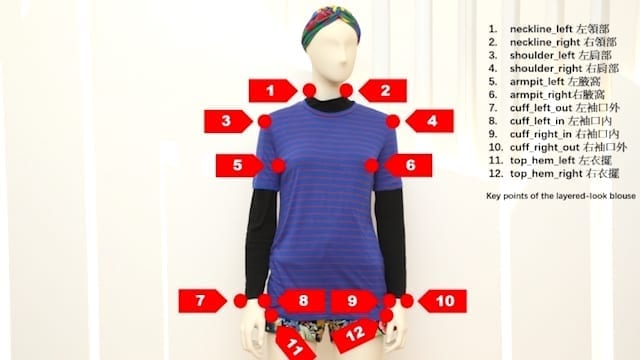
    The students, from the Institute of Textiles and Clothing (ITC) of The Hong Kong Polytechnic University, have created the first-of-its-kind “FashionAI Dataset” for systematic analysis and labelling of fashion images based on “fashion attributes” (fashion characteristics) and “key points” of an apparel.

    PolyU explains that by integrating fashion knowledge and machine learning formulation, the establishment of the dataset will enable machines to better understand fashion, “bringing a new horizon to the fashion retail industry through the application of AI”.

    “Transforming fashion knowledge into determination of fashion related attributes and fashion item categorisation of the fashion image database is a very complicated and challenging task, while it is the most fundamental task in deep learning applications,” explains Calvin Wong, Cheng Yik Hung professor in fashion and associate Head of ITC.

    “ITC is pleased to collaborate with Alibaba to address the needs of fashion retailers and consumers.”

    Menglei Jia, senior staff engineer with Alibaba’s Vision and Beauty team, believes there is huge potential for AI applications in the fashion industry.

    “In order for AI to understand fashion, which could be very subjective, we need to turn fashion knowledge and experience into language that machine can understand. We hope to work with academics and the industry alike to explore the wider applications of AI in scenarios including fashion mix-and-match, assisting design and shopping guide, with the aim to bring new values to the fashion industry.

    “The traditional fashion sector should embrace the new retail practice, and we hope FashionAI can be a bridge that connects AI with fashion.”

    Challenges presented by data on fashion image

    Current fashion image searching technology used on online platforms is based on the whole fashion image to search the exact or other similar images.  However if a customer is interested in some particular fashion attributes of a fashion image and wants to search other fashion items with these attributes, the current searching technology cannot meet the needs of the customer. This greatly limits the potential development and applications for offering more customised shopping experience, PolyU explains.

    From an AI research perspective, this limitation of the current image searching technology is caused by the absence of available fashion image dataset constructed with both fashion professional knowledge and fulfils the requirement of deep learning, ie: the current technology is unable to train a machine to accurately understand and recognise the fashion attributes of each fashion image.

    Addressing the needs of fashion retailers

    Fostering the application of AI in the fashion industry, a PolyU research team led by Professor Wong, worked closely with Alibaba to develop “FashionAI Dataset” to solve two fundamental problems of the deep learning algorithm: “apparel key points detection” and “attribute recognition”.

    Key points (e.g. neckline, cuff, waistline) and fashion attributes (e.g. sleeve length, collar type, skirt style) build the foundation for machine learning in understanding fashion images. The establishment of key points and fashion attribute database enables the computer to effectively and efficiently understand the fashion image which is fundamental for deep learning and recognition algorithms.

    The accuracy of key points detection is determined by several factors such as the dimension and shape of the apparel, distance and angle of shooting, or even how the apparel is displayed or the model is posing in a photo. These factors can lead to poor key points detection and result in an inaccurate analysis of fashion images by the computer. Accurate key points detection can therefore improve the performance of deep learning algorithms.

    Fashion attributes are the basic design elements of an apparel, and their combination determines the product category and styles of a fashion item. With the wide variety of fashion attributes, attribute recognition is a complicated process. A systemic classification of fashion attributes is essential to accurately label fashion attributes, facilitating research on deep learning and algorithm design for fashion image searching, navigating tagging and mix-and-match ideas, etc.

    The Dataset can greatly facilitate understanding fashion images and related algorithm design, and developing machine learning. It would help improve the accuracy of online fashion image searching, enhance effectiveness of cross-selling and up-selling, create innovative buying experience and facilitate customisation of online shopping platforms.

    Global challenge

    PolyU and Alibaba will host two world-first events – the AIFT Conference and FashionAI Global Challenge – with the aim of bringing a new horizon to the fashion retail industry through the application of AI and encouraging knowledge exchange among practitioners.

    The AIFT Conference, to be held from July 3-6 at PolyU, is a first-of-its-kind academic conference to bring together researchers, engineers and practitioners to share their insights on the most updated development and applications of AI and fashion.

    This event will become an annual activity for academic exchange and networking with like-minded individuals who are redefining the world of AI and fashion, and advancing AI research in fashion and textile.

    The FashionAI Challenge invites worldwide AI researchers and developers to solve two imminent issues on the application of AI in fashion with over 400,000 images with high-quality annotations from Alibaba ecommerce platforms. The competition offers a prize pool of RMB 1.34 million. The FashionAI Global Challenge 2018 runs from now until April and is open to the public.

  • Audemars Piguet unveils its future vision for luxury retail

    Audemars Piguet unveils its future vision for luxury retail

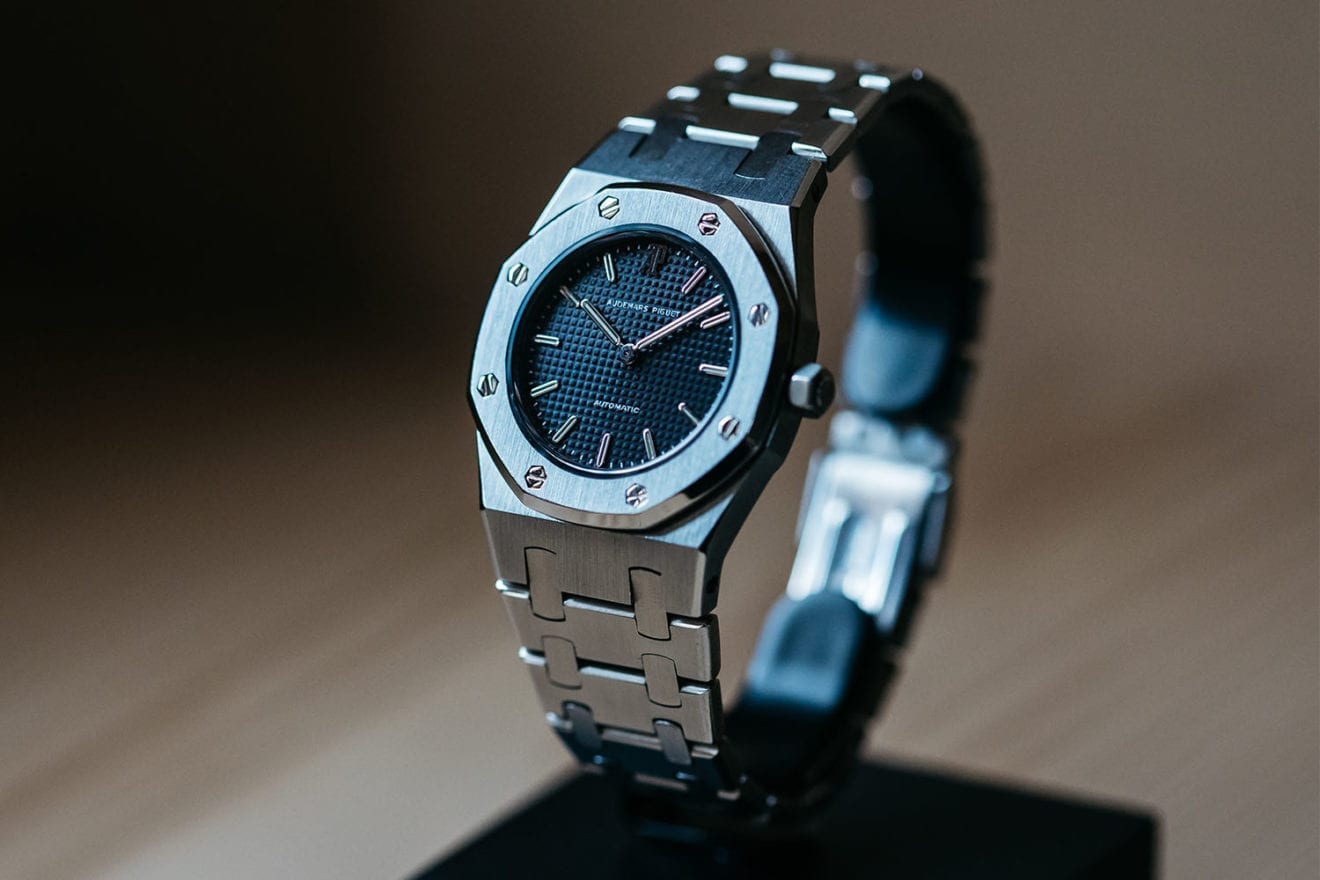
    High-end watch brand Audemars Piguet has opened a concept in Hong Kong which it believes will transform the way it interacts with its clients.

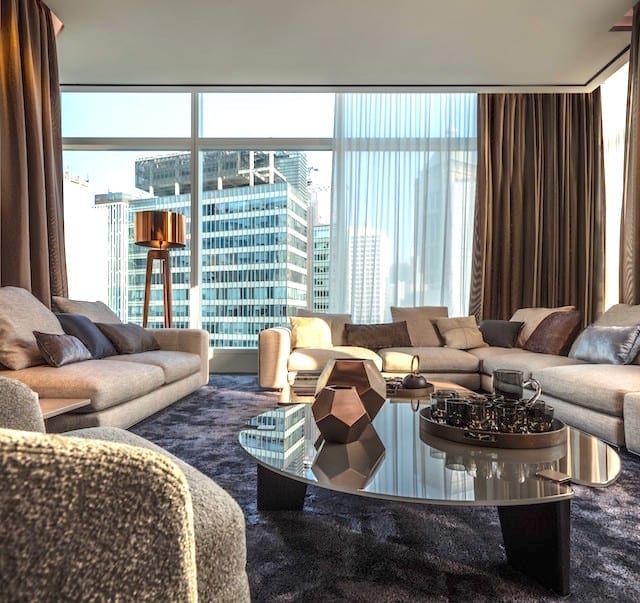
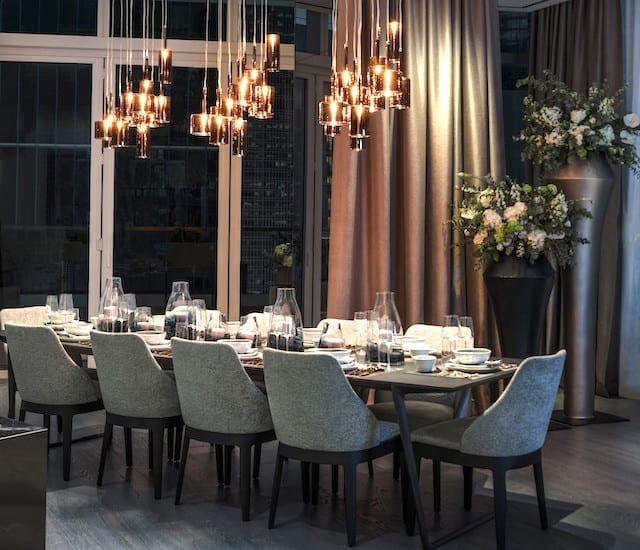
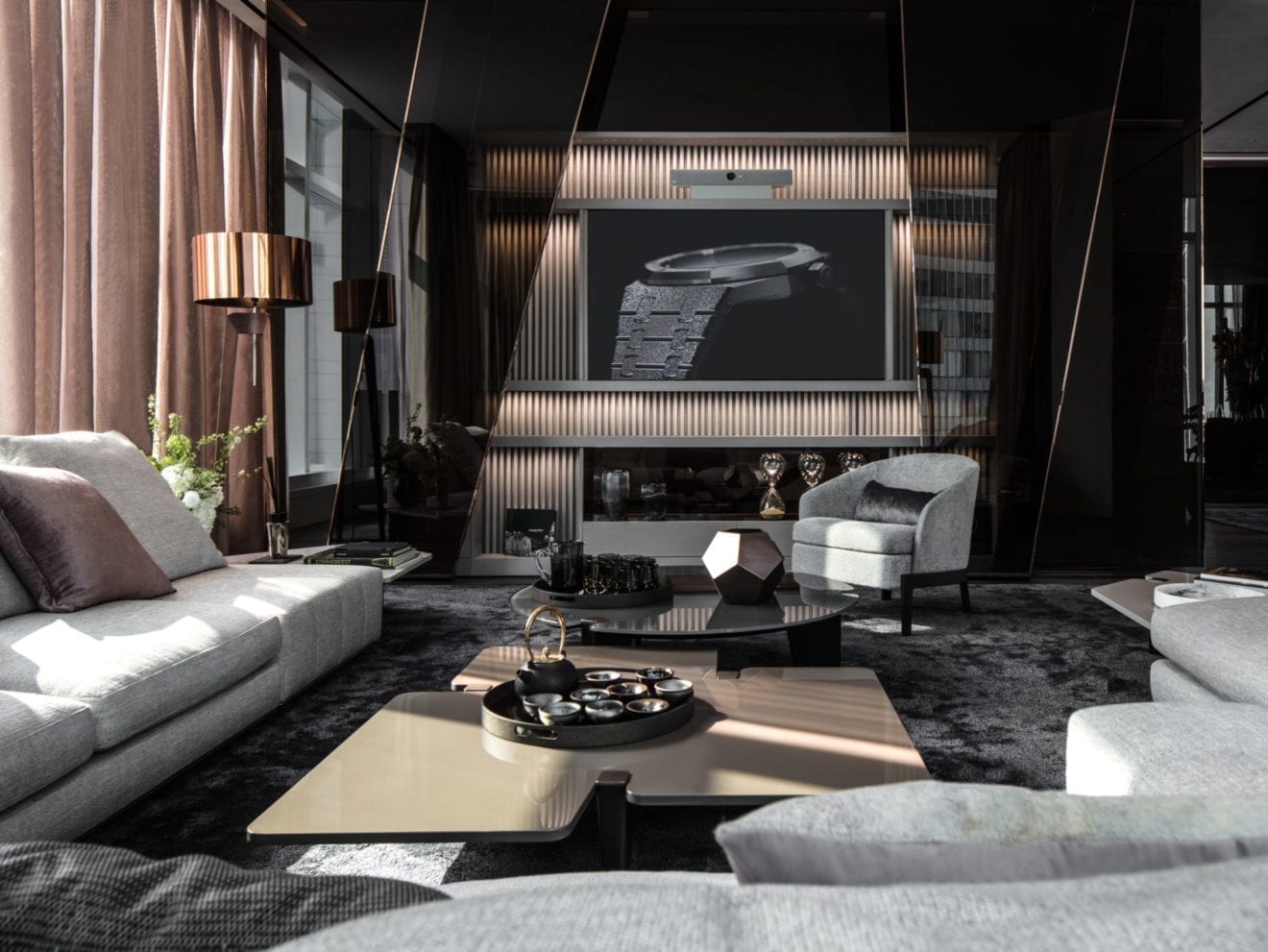
    Fusing hospitality and retail, AP House is designed like a luxurious apartment and located on the 21st floor of the new H Queen’s Tower on Queen’s Road, Central.

    AP House is the brand’s vision for the future of luxury retailing. It grew from the Audemars Piguet team imagining how the 143-year-old brand’s founders Jules Louis Audemars and Edward Auguste Piguet would be dealing with their clients if they were living in the 21st century, travelling the world and sharing their passion for beautiful watches.

    They posed the question: “What more can we do to elevate customers’ experience with Audemars Piguet?”

    The result, a home away from home for the watch brand’s clients. Customers can use the space to invite friends for lunch or host a business meeting.

    “There’s no obligation to buy a watch,” says Audemars Piguet CEO Francois-Henry Bennahmias. “You can take a seat, relax and chill out, if that’s how the mood takes you.”

    “Visitors are welcome to relax, reflect, connect or disconnect, while experiencing the team’s impeccable service,” the company said in a statement. “The lounge will also play host to exclusive events where guests can discover the manufacturer’s creations, its savoir-faire and its place in today’s world.

  • DFS Group Celebrates Mido’s 100th Anniversary with  Exclusive timepiece

    DFS Group Celebrates Mido’s 100th Anniversary with Exclusive timepiece

    DFS Group, the world’s leading luxury travel retailer, and premium Swiss watchmaker Mido, have joined together to commemorate Mido’s 100th anniversary with the release of an exclusive watch piece which is available exclusively at select T Galleria by DFS stores and airports across the globe.

    The newly released Mido Commander Big Date features the namesake date complication situated at six o’clock, in the form of a large polished and sandblasted date aperture offering unrivaled legibility. The timepiece also boasts Mido’s flagship automatic movement, the Caliber 80, which offers a generous power reserve of up to 80 hours. This iconic watch adopts the codes that grant the Commander its legendary status – a black sunray satinfinished dial that is extremely pure, protected by an elegant round two-tone case in satin-finished stainless steel and enhanced by a polished bezel with rose PVD treatment.

    The timeless and versatile DFS exclusive edition of the Mido Commander Big Date is the perfect gift for men looking for a timepiece that is high performing, yet sleekly elegant.

    “DFS is honored to celebrate Mido’s 100th anniversary with this exceptional watch, and to be chosen as their official travel retail partner to commemorate such a special occasion,” said Christophe Chaix, Senior Vice President Fashion, Watches, Jewelry and Accessories, DFS Group. “At DFS, we continually seek to offer our
    traveling customers newness and innovation, and The Commander Big Date is a perfect example of this commitment.”

    “We are delighted to celebrate our 100th anniversary with our esteemed long-term partner DFS through special activities and this model. The Commander Big Date is a very special timepiece that emphasizes the Commander’s legendary status in the world of watches. It symbolizes everything that Mido stands for – timeless
    design, superb quality and technical innovation,” said Mido’s President Franz Linder.

    Throughout March and April, shoppers can discover the Commander Big Date exhibition and interact, via exclusive DFS x Mido photo booths, with “Robi the Robot”, Mido’s ambassador which was first introduced in 1939. The exhibition displays an array of archival pieces showcased alongside current best sellers to narrate Mido’s story over the years.

    These special exhibitions are displayed at T Galleria by DFS, Macau, City of Dreams, T Galleria by DFS, Macau, Shoppes at Four Seasons and T Galleria by DFS Singapore Scottswalk. Additional smaller pop ups will be highlighted in T Galleria by DFS, Hong Kong, Canton Road, T Galleria by DFS, Hong Kong, Tsim Sha Tsui
    East and T Fondaco dei Tedeschi by DFS in Venice.

  • Hubert de Givenchy Dies at 91, Fashion Pillar of Romantic Elegance

    Hubert de Givenchy Dies at 91, Fashion Pillar of Romantic Elegance

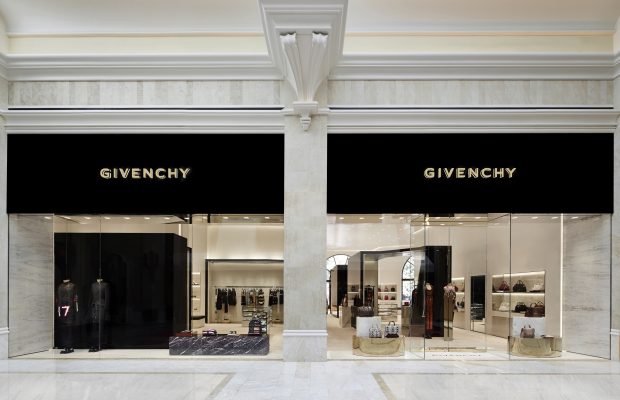
    French couturier Hubert de Givenchy, a pioneer of ready-to-wear, has died at the age of 91.

    Paying homage to its founder, the house of Givenchy says he was “a major personality of the world of French haute couture and a gentleman who symbolised Parisian chic and elegance for more than half a century”.

    Givenchy designed Audrey Hepburn’s little black dress in the movie Breakfast at Tiffany’s.

    “He revolutionised international fashion with the timelessly stylish looks he created for Audrey Hepburn, his great friend and muse for more than 40 years,” the house says. “His work remains as relevant today as it was then.”

    Givenchy was part of the elite cadre of Paris-based designers, including Christian Dior and Yves Saint Laurent, who redefined fashion after World War II. He forged close friendships with his famous clients including Elizabeth Taylor, Jackie Kennedy and Princess Grace of Monaco.

    He was born into an aristocratic family in the provincial city of Beauvais on February 21, 1927, and founded his label in 1952, selling it to luxury conglomerate LVMH in 1988. He retired several years later.

    Clare Waight Keller, who has been at the helm of the brand since last year, said on her official Instagram account she was “deeply saddened by the loss of a great man and artist I have had the honor to meet”.

    LVMH CEO Bernard Arnault says he is “deeply saddened” by Givenchy’s death. “He was among those designers who placed Paris firmly at the heart of world fashion post-1950.”

  • Fast Retailing to open first Uniqlo shop on Indonesia’s Sumatra Island

    Fast Retailing to open first Uniqlo shop on Indonesia’s Sumatra Island

    Japanese casualwear manufacturer Fast Retailing will open a Uniqlo shop on Sumatra Island, its first outlet outside Indonesia’s most populous main island of Java.

    The shop will open at the Sun Plaza shopping mall in Medan this week, in the northern part of the island. It covers about 2000sqm.

    Fast Retailing Indonesia president Michiaki Tanaka says the Sumatra opening will be followed by another outlet outside Java, in Makassar on Sulawesi Island, in May.

    Two more shops are planned for Jakarta and Yogyakarta before August, taking the number of outlets in the country to 18. Tanaka says brand recognition has been boosted through the store expansions.

    Uniqlo first opened in Indonesia in 2013.

  • Prada not looking good outside China

    Prada not looking good outside China

    Global Prada sales fell 3.8 per cent last year – but rose 4.6 per cent in greater China.

    For all of Asia, the Italian luxury fashion brand’s sales were down 1.2 per cent, but in Japan, which it treats as a separate regional market, sales slumped 14.6 per cent.

    The group’s net income for the 12 months was €248.9 million, or 8.1 per cent on net revenues.

    Prada says it has made further progress on updating Prada and Miu Miu stores to meet the brands’ new aesthetic concepts; Church’s stores are next in line for restyling.

    Meanwhile, the group says its sales plan was supported by bold action on the digital front even as physical retail remained at the centre of its omnichannel strategy. During the year the group strengthened its partnerships with major online sales outlets.

    “Moreover, the direct e-commerce channel is growing: it has been enlarged in scope and the new graphic and functional version of the Prada.com website, unveiled in China in December, will be gradually expanded to all countries this year.

    In various markets the group has been promoting “pop-up” events in shopping malls to launch products and emphasise brand identity.

    As well as the Prada, Miu Miu, Church’s and Car Shoe brands, the group also works in the eyewear and fragrance industries under licensing agreements, and has entered the food industry with the acquisition of Pasticceria Marchesi 1824.

    Prada products are sold in 70 countries through a network that includes 625 directly run stores and a network of luxury department stores, independent retailers and franchise stores.

  • Hollister sales hits US$2 billion as A&F rebounds

    Hollister sales hits US$2 billion as A&F rebounds

    Hollister sales helped drive a strong fourth quarter for parent Abercrombie & Fitch in both revenue and profit.

    In the past year, Hollister sales broke the US$2 billion sales threshold for the first time, rising 19 per cent in the final quarter to February 3, to $709.2 million.

    All of the Abercrombie & Fitch brands posted increased sales in the quarter, as did all geographical markets.

    Net sales were $1.193 billion, up 15 per cent for the quarter, which included an extra week. The company said the additional week benefited fourth-quarter net sales by approximately 4 per cent.

    Comparable sales rose 9 per cent and comparable operating income doubled, according to CEO Fran Horowitz.

    “We are pleased by our performance. Our focus on staying close to our customer, executing to our playbook and maintaining our disciplined approach to expense management delivered a strong performance on both the top and bottom line,” she said.

    The company’s main brand, Abercrombie, returned to positive sales for the quarter after a series of declines, in part reflecting the success of a new store format now being rolled out across the US and in selected international markets, including Hong Kong. Global sales rose 9 per cent.

    The company also recorded record digital sales across all brands.

    “We continue to improve the customer experience with ongoing investments in loyalty programs, stores, direct-to-consumer and omnichannel capabilities,” said Horowitz.

    “We have a strong balance sheet, proven cost management discipline and a clear plan for building on the foundations we laid last year. This year, we will continue to focus our attention and our investments on engaging our customers with compelling assortments and new experiences, in clearly defined brand voices, positioning our business for sustainable long-term growth.”

    US sales rose 13 per cent and international sales by 20 per cent,with direct-to-consumer sales accounting for 34 per cent of total company sales, up from 31 per cent in the same period last year.

  • MUJOSH Debuts in the United States with Three Store Openings

    MUJOSH Debuts in the United States with Three Store Openings

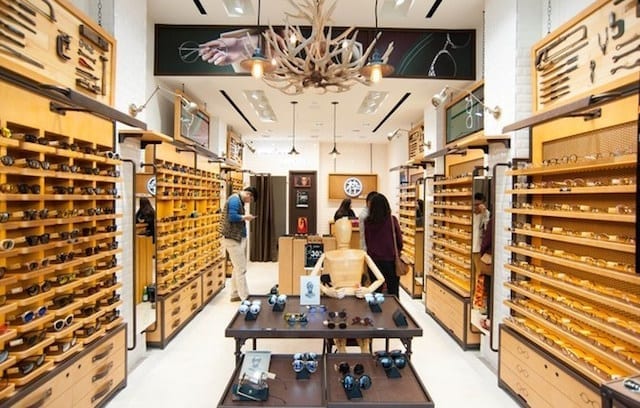
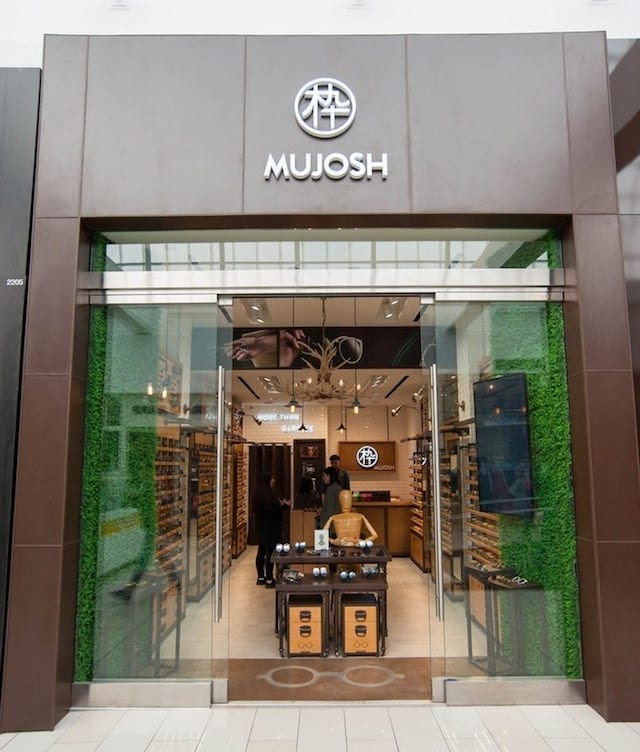
    Hong Kong fashion eyewear brand Mujosh has arrived in the US market with successive grand openings of two stores in San Francisco and one in Los Angeles.

    Located at Stoneridge Mall and Westfield in San Francisco, and at Glendale Galleria in Los Angeles, the stores introduce the eight-year-old brand’s in-house designers from China, Hong Kong and Korea.

    Representing the brand for its US debut is the muse of Sweat the Style Adrianne Ho, who showcases the latest sunglasses collection, Retro.

    Mujosh already has more than 800 specialty stores in high-end shopping malls and department stores covering Mainland China, Hong Kong, Taiwan, Singapore, Thailand, Malaysia, Vietnam, Australia and Canada.

  • India shifts to gold discount but Akshaya Tritya seen reigniting demand

    India shifts to gold discount but Akshaya Tritya seen reigniting demand

    Gold was sold at a discount in India as demand remained subdued for a fourth straight week while buying in the rest of Asia picked up as prices fell for a third consecutive week.”Many consumers are busy in paying advance tax. Since this is last month of the fiscal year, they have to pay taxes by March end,” said Ashok Jain, proprietor of Mumbai-based wholesaler Chenaji Narsinghji.India’s fiscal year runs from April to March.Dealers in India were offering a discount of up to $3 an ounce over official domestic prices, compared with a premium of $2 last week. The domestic price includes a 10 per cent import tax.”Retail demand is very weak.

    Despite the correction in prices, consumers are showing little interest in buying,” said Harshad Ajmera, the proprietor of JJ Gold House, a wholesaler in the eastern Indian city of Kolkata.In the local market, gold was trading at 30,405 rupees per 10 grams, after hitting a 15-month high of 30,839 rupees last month.India’s gold imports in February dropped a quarter from a year ago to 63 tonnes as higher prices curtailed demand in the world’s second-biggest consumer of bullion, provisional data from precious metals consultancy GFMS and bank dealers showed.

    Weddings and Akshay Tritiya festival, when buying gold is considered auspicious, could lift demand in April, Ajmera said.Meanwhile in China, there was some good buying through the mid week, with gold selling at a premium of $6-$8 over benchmark rates this week, down slightly from $8-10 last week.

    Gold prices extended losses into a third session on Friday as the dollar strengthened against the yen on hopes of easing tensions between the United States and North Korea and ahead of U. S. non-farm payroll data later in the day.Benchmark spot gold prices have fallen for a third straight week.

    Premiums of 70 cents to a $1.20 were being charged in Hong Kong last week, while in Singapore, premiums were unchanged at the 80 cent level.”There was a pick up in demand when prices fell below $1,320 last week … There is buying on dips and we expect prices to go down further, which should see some buying,” said Ronald chief dealer at Lee Cheong Gold Dealers in Hong Kong.

    In Japan, premiums were unchanged from last week at 50 cents despite good demand.The demand in Japan was strong due to lower prices in Japanese yen terms, but have started to wane towards the end of the week, a Tokyo-based trader said.

  • Parkson Holdings to expand in new malls, pull out from less popular ones

    Parkson Holdings to expand in new malls, pull out from less popular ones

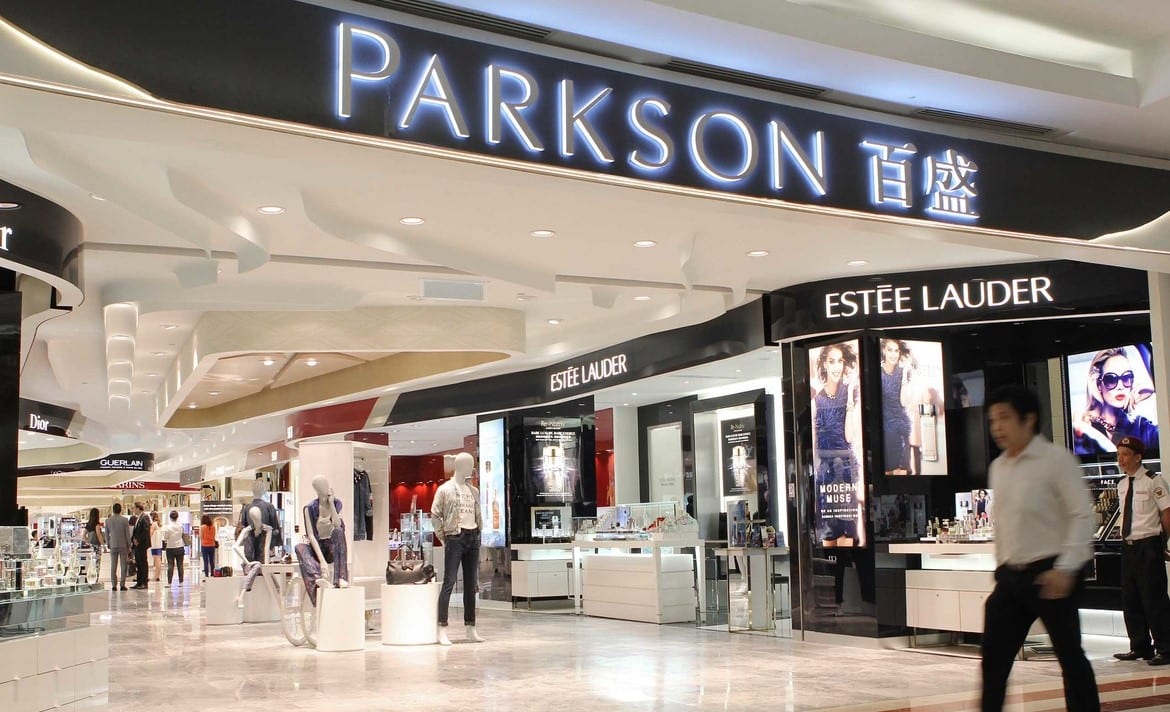
    Parkson Holdings is looking to open in several new locations with a presence in newer and more exciting malls while exiting those that do not fit in with the company’s market dynamics.

    The Malaysian department-store operator with a regional presence said it was looking at a few strategic areas in Damansara, Bukit Jalil, Klang and Melaka as possible locations for new stores.

    “In China, we plan to open two in the near future, with a few more in the pipeline,” a company spokesperson said.

    The spokesperson said the dynamic and evolving nature of the retail industry means that certain older malls have become less relevant compared to other newer malls with features appealing to shoppers.

    “Hence, the closing and opening of stores is part and parcel of the business,” the spokesperson said, referring to last month’s closures of two stores in the heart of the city.

    Currently, Parkson has 114 stores in the region with 44 in Malaysia occupying a total of five million sq ft.

    While exiting from malls that do not fit into the brand image, the spokesperson said the company will take up larger spaces on a net lettable basis in newer malls. The spokesperson noted that the company’s strategy will ensure that the brand stays relevant, noting that both MyTown and Sunway Velocity malls which are only 1km apart have Parkson stores and cater to different markets.

    The spokesperson said Velocity catered for the young and fashionable while MyTown catered more for the family crowd.

    “They are observed to have different racial and cultural mix,” the spokesperson said.

    Besides the two closures in Kuala Lumpur, the regional mall operator also closed Parkson Flemington in Ho Chi Minh City, Vietnam, on Feb 26. It closed the Sungei Wang Plaza’s 107,000 sq ft outlet, which opened in 1987, on the same day.

    The spokesperson said while Sungei Wang Plaza used to be a popular hangout several decades ago, the market dynamics have changed.

    The company closed the 220,000 sq ft Maju Junction outlet, located at the Jalan Sultan Ismail-Jalan Tunku Abdul Rahman intersection, in early February. It was an anchor tenant of the mall and started operating there in 2014.

    On the closures, the spokesperson said: “Over time, market dynamics change vis-a-vis customer demographics, profile, alternative locations and competition from new competitors.

    “We have to react quickly to be at the right place where the market and customers congregate. Those that do not have these criteria may have to be replaced.”

    Henry Butcher Retail managing director Tan Hai Hsin said the main challenge of Sungei Wang Plaza was the ownership structure.

    “It is a strata-titled shopping centre with hundreds of owners. When external retail market and consumer shopping behaviour changed, the strata-titled shopping centre is not able to react to the changes quickly due to its multiple ownership.

    “Firstly, it requires consensus from the owners in the mall before any action on refurbishment and reconfiguration can be done. “Secondly, it is difficult for the management to change the configuration of the retail shops based on market changes due to multiple ownerships.

    This challenge also applies to the strata-titled Pertama Complex and Campbell Complex.

    According to CapitaLand Malaysia Mall Trust in a report from last year, the retail industry remains challenging. The opening of various new malls in the Klang Valley within a stone’s throw of each other and an oversupply of mall space have impacted the retail scene.

    While the more popular malls never seem to lack visitors, those with lesser pull have suffered. The emergence of online retail is another factor.

    On the closure of Parkson Flemington in Ho Chi Minh City, the spokesperson said: “As in every business, we have to know our market and this applies to all the markets we are in. Our strategy is to identify and be present in such markets with the right demographics, population size, disposable income and, of course, the right location.

    “In order to have the sustaining power to remain ahead, we have to diversify our offerings and stay focused on our customers’ needs and wants.”

    Parkson became one of the leading retailers in Vietnam by building a chain of retail stores in Ho Chi Minh City, Hanoi, Haiphong, and Danang. Competition came. Since 2014, Parkson has yet to open any new stores in Vietnam. Parkson Flemington was the fourth store that closed since it entered that market in 2005.

    The Malaysia-based retailer has six stores in Vietnam, 48 in China, one in Myanmar and 15 in Indonesia. The Malaysian retailer also operates the Centro retail brand in Indonesia.

     

  • New Look to close 60 stores, with 980 jobs at risk

    New Look to close 60 stores, with 980 jobs at risk

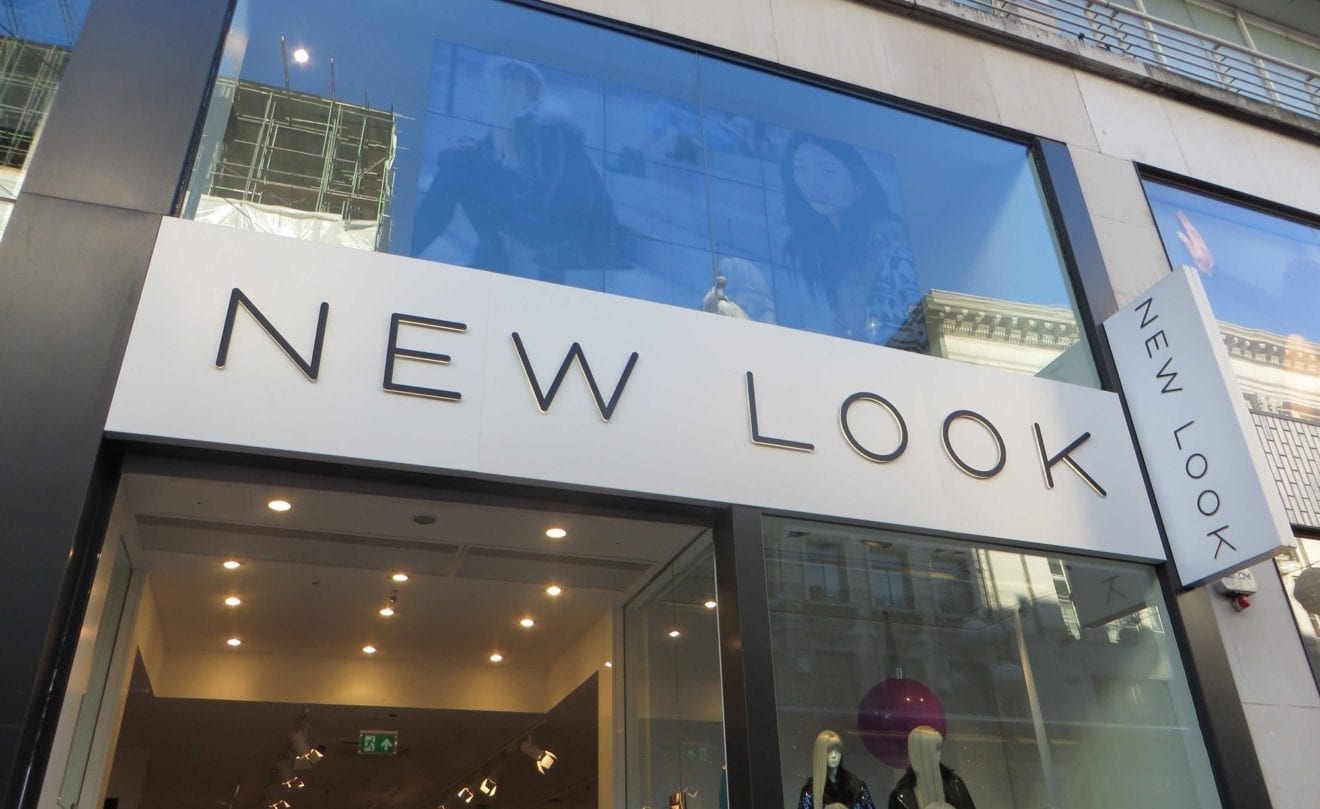
    UK Fashion retailer new Look is to shutter 60 stores – but at least one analyst fears that may not be enough to arrest its sliding performance.

    The closures are a core feature of a company voluntary agreement (CVA) proposal to its creditors that will also see rents reduced and the loss of almost 1000 jobs. It has 593 stores in the UK.

    Stores slated for closure include its flagships in Oxford Street and some standalone menswear stores, suggesting  that strategy failed.

    “While the closure of stores will lead to market share loss in the short term, it is a long awaited and necessary move,” commented Charlotte Peace, a retail analyst with GlobalData.

    “New Look is now in danger of slipping out of the top 15 UK clothing retailers this year. The retailer’s plan to close just circa 10 per cent of its UK store estate is not enough and New Look must continue to rationalise its remaining oversized store network given it is a huge encumbrance for the retailer.”

    Peace said New Look is suffering from “a loss of brand appeal and growing irrelevance among its core UK shopper base”.

    “A leaner store estate will improve space productivity, increase profit per store and provide a more consistent brand image, which is much needed for the retailer’s survival,” she said.

    Deloitte’s Daniel Butters and Neville Kahn have been appointed as nominees to the CVA.

    “Given our challenged trading performance and over-rented UK store estate, we are having to take tough but necessary actions to reduce our fixed cost base and restore long-term profitability,” said New Look executive chairman Alistair McGeorge.

    “We have held constructive discussions with our key landlords and strategic partners and will now seek creditor approval on our CVA proposal.”

    Butters said the retail trading environment in the UK remains extremely challenging, driven by weaker consumer confidence, the implications of Brexit and competition from online channels.

    “New Look is an iconic brand on the high street and the CVA will provide a stable platform upon which management’s turnaround plan can be delivered.”

    In the 39 weeks to December 23, New Look reported an underlying operating loss of £5.1 million and a pre-tax loss of £123.5 million after sales slumped 10.7 per cent in the UK..

    No stores will be closed ahead of the March 21 deadline for creditor approval of the CVA.

  • UNIQLO Singapore Rewards Shoppers with New ‘Scan to Win’ Game

    UNIQLO Singapore Rewards Shoppers with New ‘Scan to Win’ Game

    UNIQLO Singapore announces the launch of Scan to Win, a gamewhich offersnew and existing users of the UNIQLO SGmobile app the opportunity to win UNIQLO couponswith every $20nett spend in-store. It is available at all physical UNIQLO stores in Singapore.

    Each ‘UNIQLO SG’ mobile app userwill be givena unique Member ID barcode, which they are to present at the cashier counter whenever they make a purchase in-store. With every $20 nett spend, they are entitled to 1 chancein winning UNIQLO couponsworth $2, $5 or $10, which are valid for use on their next purchase.

    In celebration of the‘Scan to Win’ launch, UNIQLO Singapore will also be giving away a UNIQLO gift card worth $250in March and April! The winnersof themonthly grand prize will be announced atthe start of April and May 2018 respectively, via the UNIQLO SG app.

    Step-by-Step Guide:

    • Download or update your ‘UNIQLO SG’ app. ‘UNIQLO SG’ is available for download onthe App Store and Google Play.
    • Present your unique Member ID barcode as you makeyourpayment at the cashier counter. The barcode is accessible via the app.
    • Every $20 nett spend entitles you to 1 chance. Spend more to earnahigher number of chances in winning UNIQLO coupons, which are valuedat $2, $5 or $10.
    • The app will notify you of the number of chances which you’ve earnedthe next dayand you can start playing the ‘Scan to Win’ gameto stand to win UNIQLO coupons.
    • UNIQLO couponswhich you’vewon will be stored in theapp for up to 3 months.

  • Diptyque opens its new Singapore store

    Diptyque opens its new Singapore store

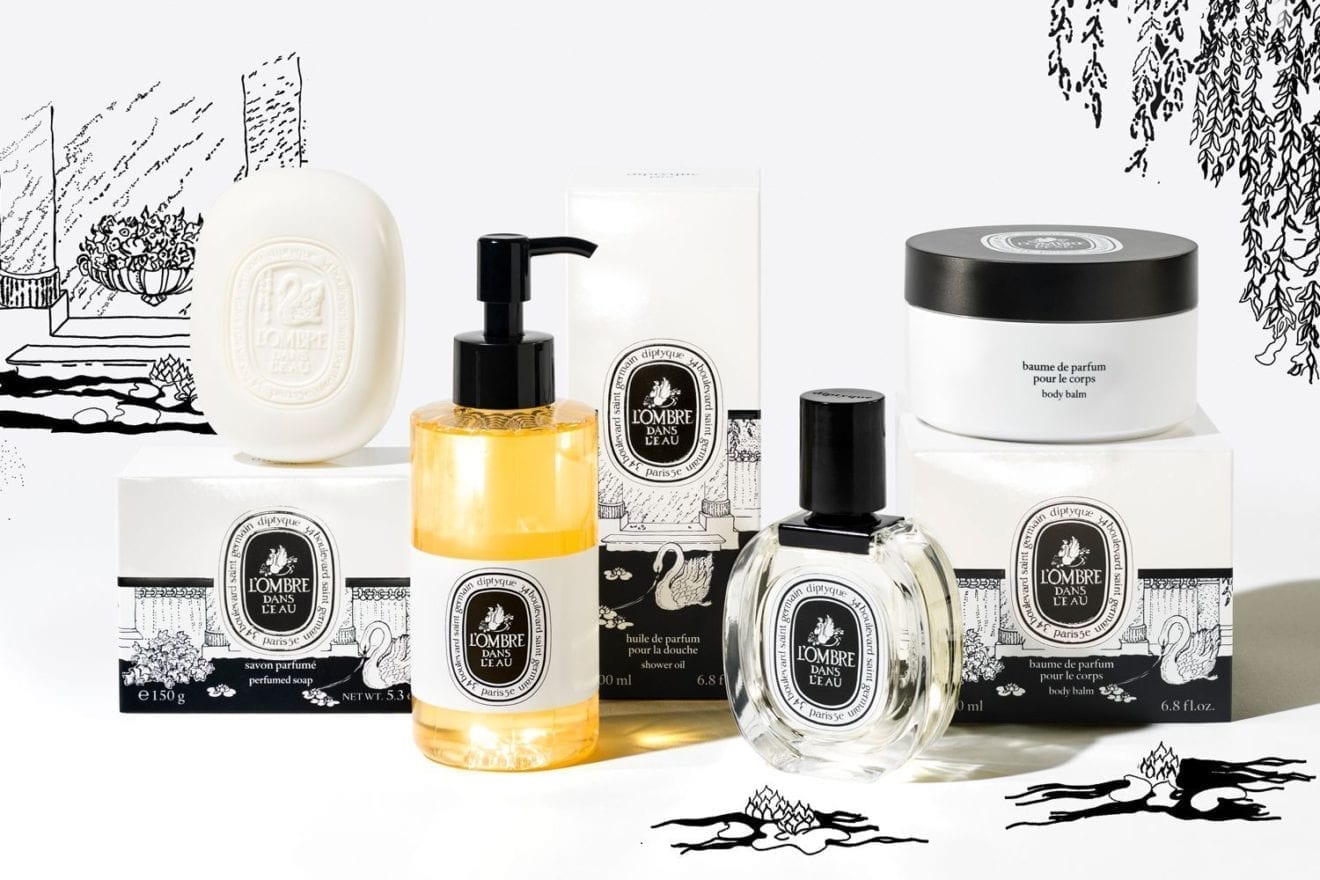
    Diptyque Singapore has opened its first store, a 423sqft (39sqm) space at Ngee Ann City.

    Previously, the French firm’s scented candles, perfumes, and face and bodycare range were available online or through smaller retailers and stores like Escentials and Tangs.

    It is only the second Diptyque boutique in Southeast Asia, the first being in Kuala Lumpur. It features brass furnishings and forest-green Indian marble, while its walls are bottle green. This echoes Singapore’s status as a garden city, as every Diptyque store is designed with the locality in mind.

    As the opening in Singapore coincides with the 50th anniversary of the brand’s first fragrance, L’Eau, two new scents have been released, Fleur de Peau and Tempo, both developed by perfumer Olivier Pescheux.

    A feature of the store is a gift-wrapping service.

  • E-business of Giordano International looks good

    E-business of Giordano International looks good

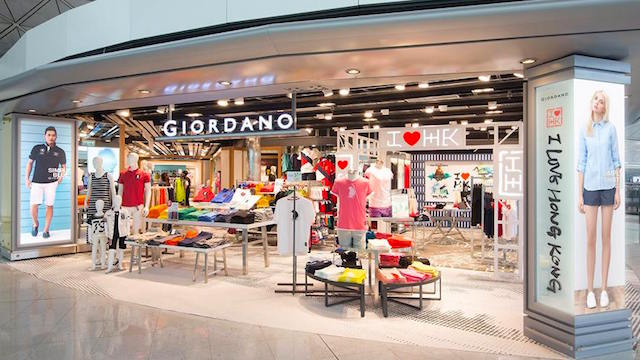
    E-business last year was particularly strong for apparel retailer Giordano International.

    Overall, consolidated sales reached HK$5.4 billion, up 5.2 per cent. Group comparable-store sales and comparable-store gross profit rose  by 5.2 and 5 per cent respectively.

    Consolidated gross margin edged up by 0.1 points to 59.5 per cent.

    Profit after income taxes attributable to shareholders of the company was $500 million,
    an increase of 15.2 per cent over 2016.

    Operating profit rose by 21.3 per cent, with most regions having double-digit growth, particularly Southeast Asia, Mainland China and Taiwan. The group’s business in Vietnam was acquired on July 1.

    With an improved merchandise assortment, Indonesia and Malaysia delivered good results.

    Operating profit increased by 18.6 and 26 per cent for Indonesia and Malaysia respectively. In Singapore, operating profit increased by 31.2 per cent, attributable mainly to the gross margin improving by 1.7 points to 63.7 per cent.

    Unusually strong sales from Thailand in 2016 resulted in an unfavourable year-on-year comparison. Operating profit declined by 20.1 per cent in local currency terms.

    A surge in net profit for South Korea – a 48.5 per cent JV under an independent management team – resulted from better cost control, closure of non-performing stores and enhancement in gross margin.

    Giordano had a network of 2414 stores at the end of December, of which 1268 were standalone outlets. Most stores were in Greater China, South Korea, Southeast Asia and the Middle East.

    Meanwhile, the group’s e-business is directly managed and derived mainly from third-party platforms as well as its own proprietary website in Greater China. This channel generated $310 million in revenue at a 31.4 per cent growth rate.

    Accounting for 93.2 per cent of the group’s e-business sales, Mainland China continued its momentum and recorded a 28.2 per cent increase in sales on various platforms combined.

    Giordano’s e-business in Taiwan was revamped during the year to become its second-largest online presence.