Category: Fashion

Retail News Asia is committed to providing both local and global retailers with the latest Fashion news throughout the Asian market. This on a daily base.

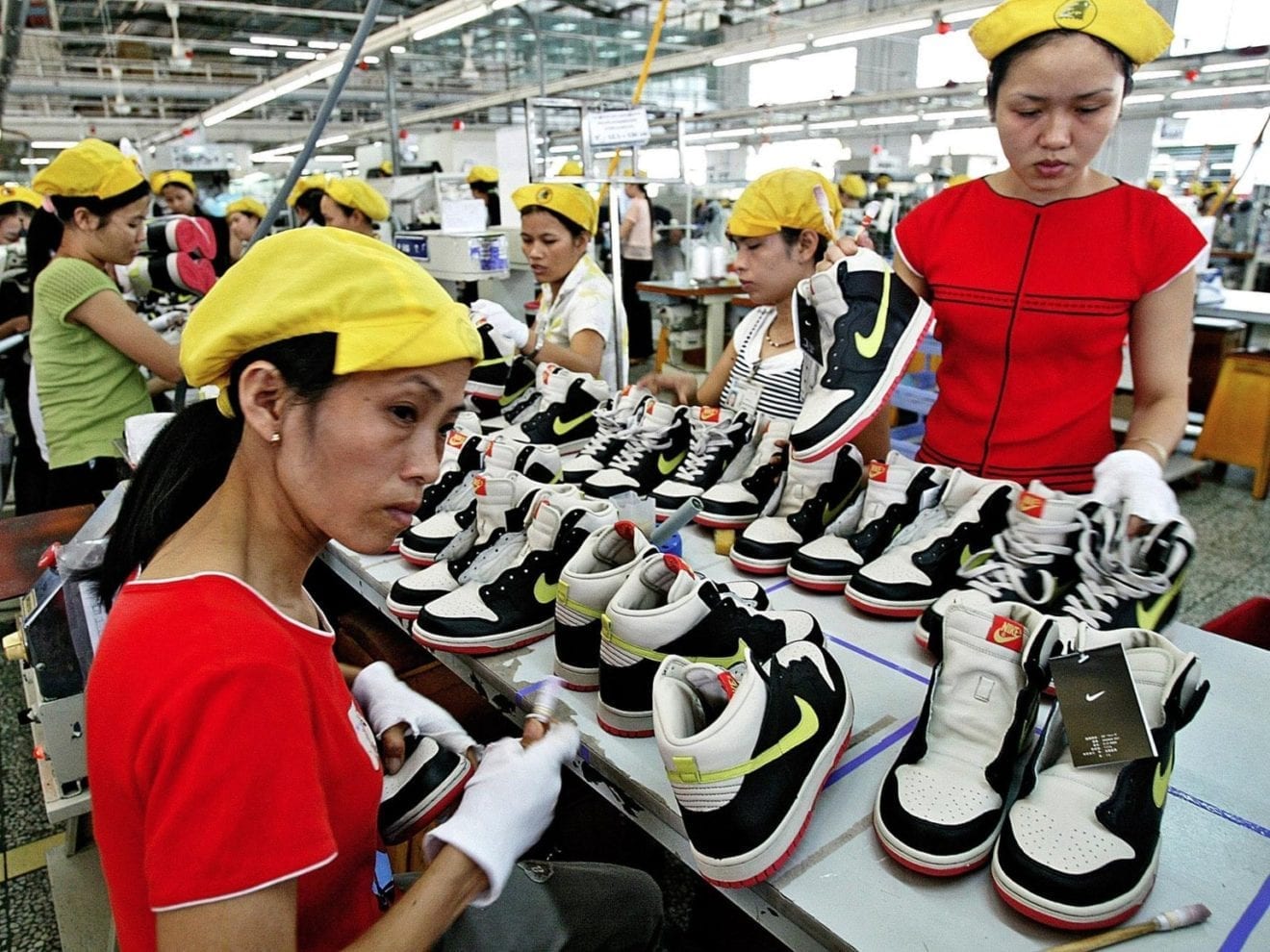
  • Vietnam footwear boasts strong development prospects

    Vietnam footwear boasts strong development prospects

    Vietnam’s leather and footwear industry will continue to develop in the coming years, according to the Vietnam Leather, Footwear and Handbag Association (Lefaso).

    Speaking at the two-day Vietnam Footwear Summit which opened in HCM City yesterday, Diệp Thành Kiệt, Lefaso’s deputy chairman, said exports of footwear and bags increased to US$18.1 billion last year from $16.2 billion in 2016.

    There are opportunities for the industry to continue developing, he said.

    Vietnam has free trade agreements with most major markets like Japan, the Customs Union of Russia, Kazakhstan and Belarus, South Korea, and ASEAN in addition to the Comprehensive and Progressive Agreement for Trans-Pacific Partnership and an agreement with the EU, he said.

    “We have a golden demographic ratio with 66.9 per cent of the population being of working age, providing an abundant supply of cheap and skilled workers.

    “ Vietnam can supply materials for the footwear industry and becomes a destination for large producers.”

    The country has succeeded in producing and exporting high-value products, he said.

    “This is a big opportunity for the industry. If we continue to promote the export of high-value products, the industry will develop strongly.”

    Replying to a question on the impact of the US’s withdrawal from the TPP on the footwear industry, he said this would not affect Vietnam’s footwear exports to the US much.

    Matt Priest, president and CEO of the Footwear Distributors and Retailers of America, said the US imported 2.39 billion pairs of footwear last year.

    “Per capita spending on footwear climbed to a record last year,” he said.

    China was the biggest exporter to the market, but China’s share is declining and Vietnam’s is increasing, he added.

    Talking about the EU- Vietnam FTA, Nguyễn Thị Xuân Thùy, a researcher at the Vietnam Institute of Industrial and Trade Policy and Strategy, said all tariff lines on leather, cases and bags and 37 per cent of tariffs on footwear would be removed immediately when the FTA comes into effect.

    To enjoy tariff incentives, the products must meet rules of origin and technical barriers to trade commitments with regard to labelling, conformity assessment, and market surveillance, increasing compliance costs, she said.

    Challenges

    Kiệt also spoke about the challenges faced by the industry such as increasing labour costs, automation, protectionism, and competition from other countries.

    Pointing out that between 2010 to 2017 the minimum wage increased 3.02 times while GDP per capita only increased by 2.04 times, he said: “If we had not improved productivity, labour costs will be high.

    “Large customers tend to shift orders to countries with cheaper labour costs, especially for simple and manual items. This initially will not have a great impact on Vietnamese footwear, but in the long term, if we do not adjust our strategy, we will lose orders to Cambodia, Myanmar, Bangladesh, and Ethiopia.”

    The application of automation and Industry 4.0 technologies will help raise productivity. But more than 75 per cent of footwear enterprises are small firms, and it is difficult for them to afford automation.

    Duncan Scott of New Balance Athletic Shoe, Inc, said countries moving up the value chain could stop making footwear and those continuing to make footwear would need “sophistication”.

    Low cost labour alone would not ensure success, and firms need to continue to drive efficiency and digital connectivity among others, he said.

    Delegates said proper use of automation could eliminate redundant workers and make factories much more efficient and profitable.

    The industry’s development plans target rapid, sustainable development and better use of the country’s FTAs to expand exports.

    It plans to restructure production to add value to products, increase local content, improve designs, and focus on medium- and high-quality products for the domestic and export markets.

    John Graebin from US footwear company Deckers Brands said: “More and more automation solutions will be used. I think that is a real opportunity for Vietnam so that the country can compete in a few more decades.”

    There are 939 enterprises in the footwear industry in Vietnam, which is the third largest producer and second largest exporter in the world.

    The US was the largest importer of Vietnamese footwear and bags (accounting for 35.9 per cent), followed by the EU (30.6 per cent), China (6.4 per cent), Japan (6.3 per cent), and South Korea (2.8 per cent).
  • Esprit Holdings to announce new leader

    Esprit Holdings to announce new leader

    Leadership changes have been announced by apparel brand Esprit Holdings in Hong Kong.

    Jose Manuel Martínez Gutierrez will step down as group CEO and executive director of the company on June 1, with Anders Kristiansen appointed as his successor.

    As a precursor to the change of CEO, chairman Dr Raymond Or Ching Fai will assume the role of executive director on April 1, to play a more active role in the next phase of the group’s strategy, including an ambitious expansion plan for China, the company said in a regulatory filing.

    “We very much regret losing Mr Martinez, as his contribution has been most valuable to Esprit,” said Or.

    Over the past five years Martinez had reversed a severe decline in the group’s results by stabilising procedures, restructuring and improving overall profitability.

    “After this phase of bottomline recovery, the group enjoys a sound financial position, with no debt and net cash of HK$4.5 billion.”

    Martinez, whose resignation is for personal reasons, said he was leaving the group “strong and well equipped” and he believes the new leadership will bring a positive impulse to take on the challenges ahead.

    “I will stay on to support a smooth transition into the new scheme.”

    Or says incoming CEO Kristiansen is a well-rounded and seasoned executive in the fashion industry with extensive experience in business development both in Europe and Asia, especially China.

    “Our objective will be to recapture market share and ultimately return the company to growth,” said Kristiansen.

    Or, 68, was appointed as independent non-executive director in March 1996 and became chairman in June 2012.

    Or is also a director of Chow Tai Fook Jewellery Group, Industrial and Commercial Bank of China, Regina Miracle International (Holdings) and Television Broadcasts. He has entered into a service contract with Esprit, which may be terminated by either party on 12 months’ notice.

    Kristiansen, 51, is an industrial advisor for a global private equity fund Permira. He was previously CEO and director of New Look, a global fast-fashion apparel company based in London. Before this, he held senior executive roles in the Bestseller Fashion Group China, Staples China, and Lyreco, an office supplies company.

    Kristiansen has also entered into an employment contract with Esprit subject to 12 months’ notice of termination by either party.

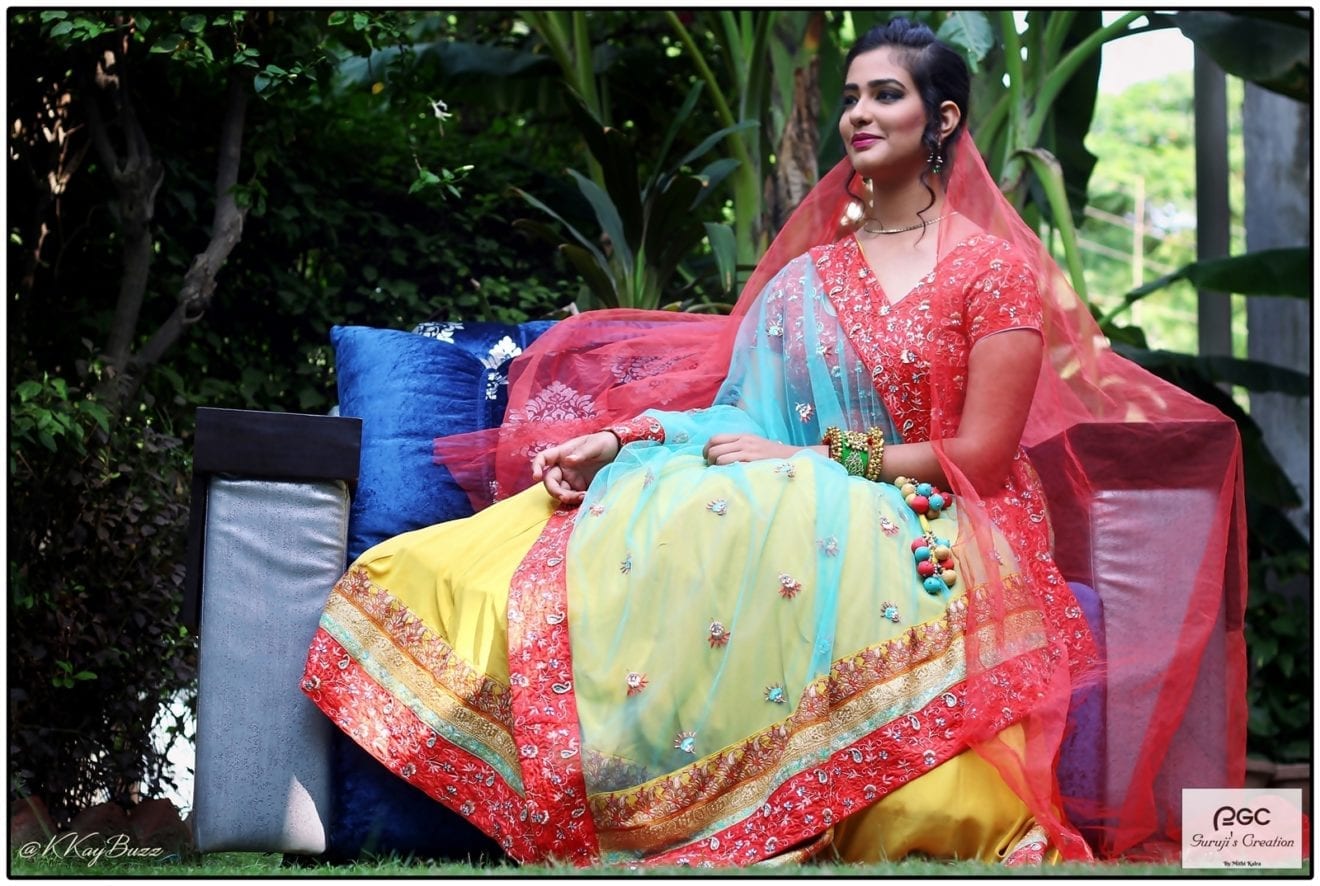
  • Fashion Designer Mithi Kalra, launches Punjab inspired collection

    Fashion Designer Mithi Kalra, launches Punjab inspired collection

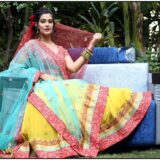
    After making her debut at India Runway Week, celebrity designer Mithi Kalra is all set to launch a Punjab inspired collection.

    Titled ‘Barkat Punjab’ the collection is celebrating the moods of a girl from Punjab who wishes to look traditional as well as contemporary.

    The new Indian bride has stepped out of the tradional way of dressing and has adopted comfortable as well as contemporary look.

    According to Mithi Kalra,”I am a Punjabi and so I took inspiration from my own culture. I have used shades from the smokey palette like black, grey, silver and at the same time have used bright colours like yellow, coral and blue, as my collection is for the people from all walks of life”

    The fabrics used in the bridal collection were silk velvets and nets blended with dabka and mirrors.

    Every bride needs a couple of those pieces in her trousseau which comes handy when she has to mix and match be it with a kurta or anarkali or just a chiffon saree draped over a legging.

    Today, bridal wear has a vast spectrum, it not only includes those heavily embroidered lehengas and embellished sarees but it has a good mix of Rich Anarkalis with Ethnic Skirts, subtle yet rich Crop Tops with Lehengas paired with beautiful capes.


  • Fendi to open Kiosk Travels in Siam Paragon

    Fendi to open Kiosk Travels in Siam Paragon

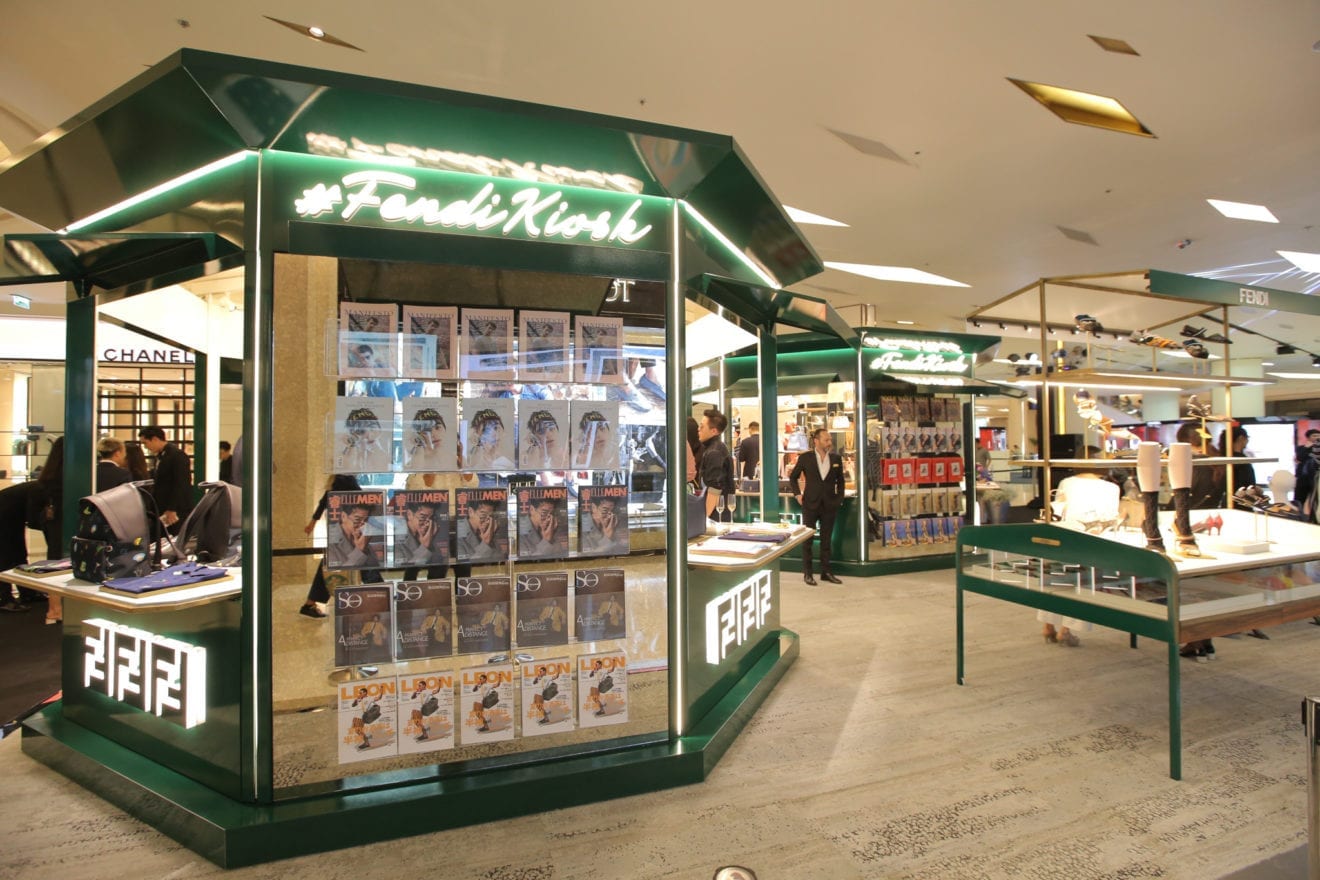
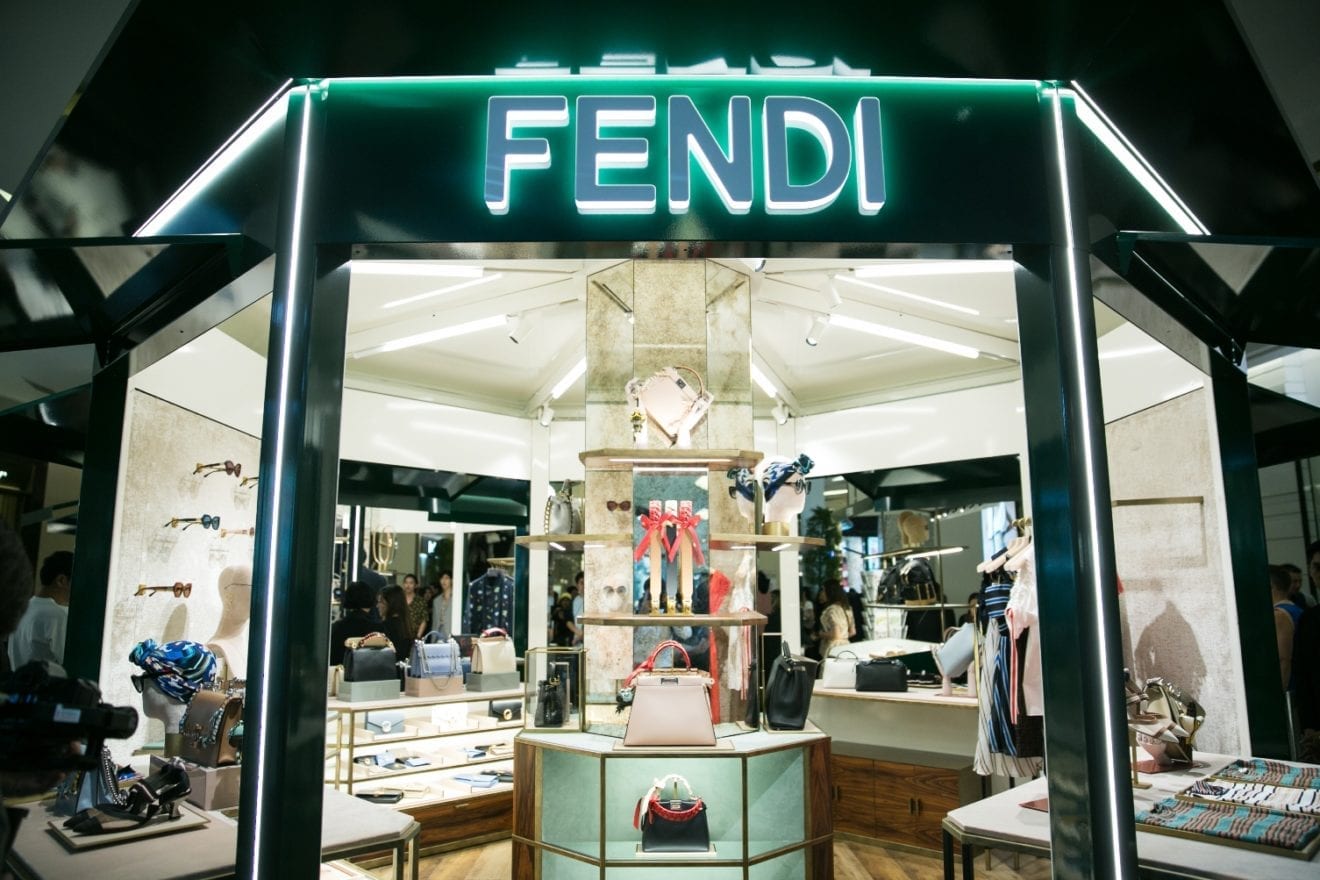
    FENDI opens a brand new store as pop-up store in Siam Paragon, right in the heart of the main shopping area in Thailand. The pop-up store concept, the FENDI KIOSK, is a luxurious reinterpretation of the Roman style vintage newsstands that you will find in a typical Piazza in the heart of Rome. There are two FENDI Kiosks at Siam Paragon, one dedicated to the Spring/Summer2018 Women’s show collection, and the other one is dedicated to the Spring/Summer 2018 Men’s show collection. Both FENDI Kiosks feature ready-to-wear, leathergoods, small leather goods, accessories and shoes.

    To celebrate the launch of the pop-up store, FENDI has thrown a roman inspired cocktail party on the 16th of March 2018. Special guests including Mai Davika, Note Panayangkool, Violette Wautier, Sonya Singha, Nattarat Nopparuttayaporn, Chontida Asavahame, Pasakorn Vanasirikul and Sorawis Saengvanich have joined in the celebration of the pop-up store.

    The two FENDI Kiosk travelling pop-up stores in the Atrium of Siam Paragon will feature the Women’s and Men’s Spring Summer 2018 Collection.

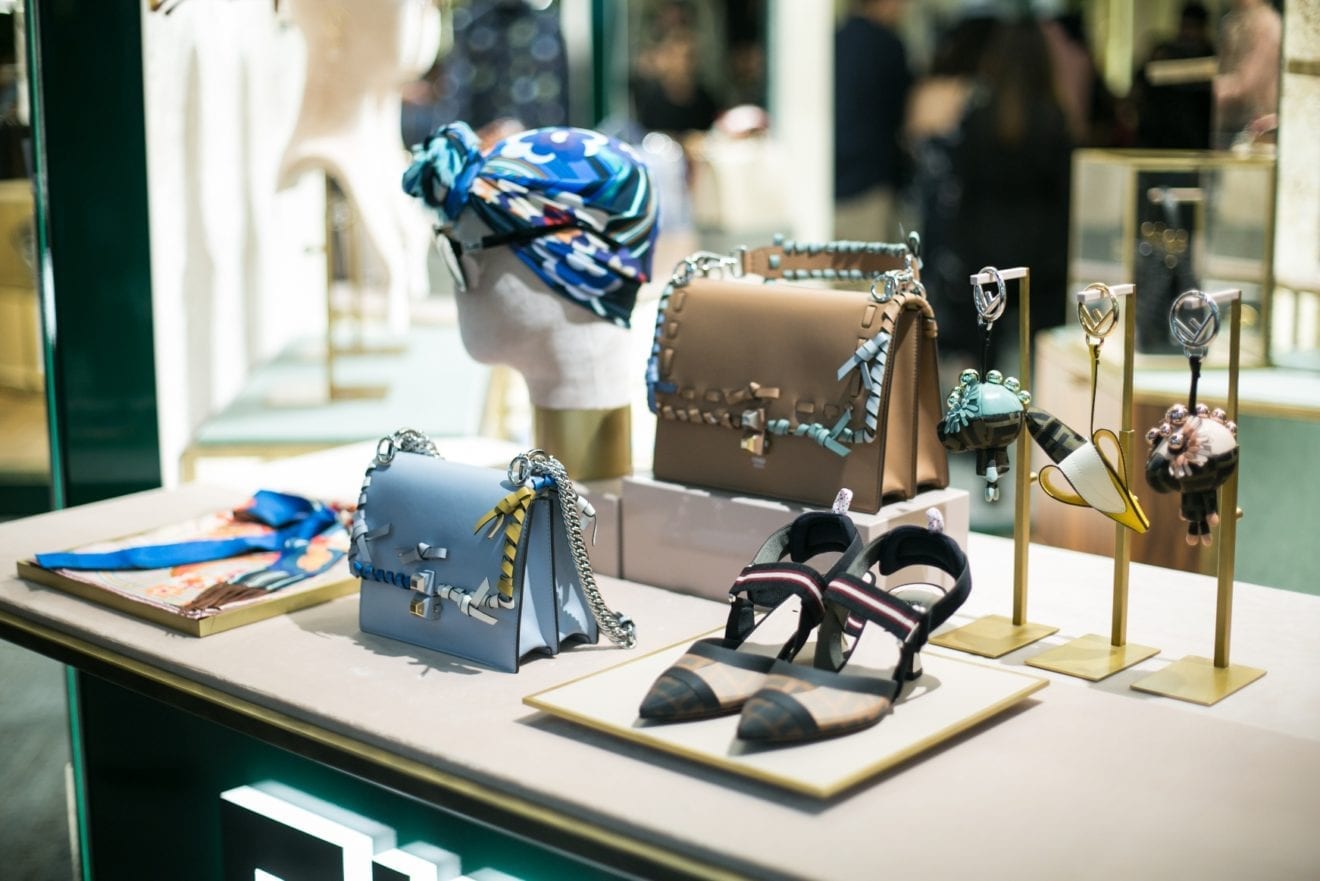
    The Women’s SS18 Collection focuses on the Tropical Futurism Theme, with the iconic FF Logos which can be seen throughout the collection, from Leather Goods, Small Leather Goods, Shoes and Accessories. The adorable Space Monkeys and Banana charms make an appearance at the Kiosk as well.

    The Men’s SS18 collection feature Everyday FENDI Items. These pieces feature illustrations done by British artist, Sue Tilley. From a glossy red corkscrew to an antique set of keys, leaky bathroom taps, a plastic rotary telephone, desk lamp, banana peel, Tilley’s focus zooms in on the banality of everyday life – not glorifying but simply reflecting on these universal domestic motifs with a vibrant, spontaneous hand.

    The FENDI Kiosk will be open until June 2018.

  • The Children’s Place Expands Into China

    The Children’s Place Expands Into China

    The Children’s Place is the latest fashion retailer to look to the Far East for new growth opportunities.

    The Secaucus, N.J.-based firm, which operates 1,014 stores in the U.S., Canada and Puerto Rico, announced today that it has signed an exclusive licensing agreement with Zhejiang Semir Garment Co. Ltd. (Semir), parent of Balabala, China’s largest specialty kids’ apparel retailer. The partnership will take The Children’s Place brand into the Greater China market, encompassing Mainland China, Taiwan, Hong Kong and Macau.

    Over the first five years, Semir will open at least 300 Children’s Place retail locations — stocking a mix of apparel, footwear and accessories — in Greater China, as well as operate the brand’s e-commerce business. The partnership is projected to generate between $125 million and $150 million in sales by 2022.

    “Entering China through this strategic partnership is a game-changer for our international business. It takes us one step closer to our goal of becoming the leading global omnichannel kids’ apparel brand,” said president and CEO Jane Elfers. “The young children’s apparel market is already one of the fastest-growing categories in China.”

    Indeed, the category is estimated at $24 million, and with China’s recent shift to a two-child policy for families, it is forecast to double by 2025.

    Elfers cited Semir’s dominance within China’s children’s market and its strong retail, digital and operational expertise. Through its Balabala brand, Semir operates and franchises approximately 4,400 children’s apparel stores and runs the largest such e-commerce business in China through third-party platforms such as Tmall, JD and VIP.com. Semir boasts annual revenues of $1.9 billion.

    “This partnership provides an entrée for The Children’s Place into the China market that would not otherwise be possible with any other partner,” Elfers said. “[Semir] provides The Children’s Place with instant access to prime retail locations, established relationships with a large number of franchisees, and significant local sourcing and logistics capabilities.”

    The Children’s Place is one of a growing number of U.S. retailers eyeing China, which is in the midst of a consumer revolution, fueled by an exploding middle class and aggressive moves by Chinese e-commerce giant Alibaba Group to shape China into a consumption-based economy. Joint research by Alibaba’s AliResearch think tank and Boston Consulting Group predicts that the Chinese consumer economy will swell to $6.1 trillion by 2021.

  • It’s business as usual at Sa Sa Malaysia

    It’s business as usual at Sa Sa Malaysia

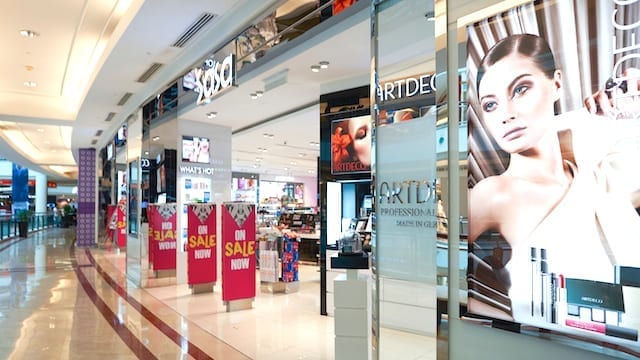
    Cosmetics retailer Sa Sa may have seen the closure of its Taiwan operations recently, but the move is not expected to affect the Malaysian business under Hong Kong Sa Sa (M) Sdn Bhd (Sa Sa Malaysia), said Sa Sa regional general manager for Malaysia & Singapore business Lisa Soon.

    “Sa Sa Malaysia is operating a total of 75 stores in Malaysia and still has plans of expanding our network nationwide in providing the best offerings of beauty products and brands internationally to our shoppers,” Soon said.

    Last month, its Hong Kong-listed parent Sa Sa International Holdings Ltd announced that it will close all its stores in Taiwan by March 31, 2018 after six consecutive years of losses, affecting 260 employees.

    With the closing of its loss-making operations in Taiwan, the group said it will concentrate on its other markets including mainland China, Hong Kong, Macau, Singapore and Malaysia markets as well as its e-commerce business.

    As at Jan 31, 2018, the retail network of Sa Sa consists of Hong Kong & Macau (118 stores), mainland China (55 stores), Singapore (19 stores), Malaysia (75 stores) and Taiwan (21 stores), all of which are solely owned and operated by the group.

    Established in 1978, the cosmetics retailing group opened its first store in Malaysia in 1998.

    According to Sa Sa International’s interim report 2017/2018 (six months ended Sept 30, 2017), the turnover for the Malaysian operations was HK$169.3 million (RM84 million), an increase of 9.2% in local currency terms over the previous period. Same-store sales growth rose a modest 1.1% in local currency.

    It noted that the reason for the conspicuous slowdown in same-store sales growth was weaker demand and purchasing power of local consumers amid the rising cost of living as a result of inflation. However, the group maintained its focus on continuous improvement with a readiness to capitalise on market recovery as and when opportunities arise.

    For the six months ended Sept 30, 2017, the Malaysian market contributed 4.6% of the group’s total turnover. The bulk of Sa Sa’s turnover comes from Hong Kong & Macau (81.5%), while the rest are from e-commerce (4.9%), mainland China (3.8%), Singapore (2.7%) and Taiwan (2.5%).

    Filings by Sa Sa Malaysia showed it posted a profit after tax of RM6.09 million for the financial year ended March 31, 2017, with revenue of RM181.52 million.

    In Malaysia, Sa Sa said it is the leading beauty specialty store in terms of number of stores and coverage. In recent times consumer sentiment has shown signs of a slowdown, necessitating a “comparatively conservative development strategy”.

    Sa Sa will continue to adjust its product portfolio and services to accelerate its penetration of the Malaysian market, it said.

    Adopting a “one-stop cosmetics specialty store” concept, Sa Sa sells more than 700 brands of skincare, fragrance, make-up and hair care, body care products, health and beauty supplements including own-brands and exclusive products. The group’s e-commerce arm sasa.com provides online shopping service to customers.

    On its business strategy, the group said with its global purchasing and sourcing capabilities, often buying in large quantities to increase bargaining power, Sa Sa manages to offer a wide selection of quality products at competitive prices. Its market leadership reflects its innovative retailing formula based on choice and convenience, it added.

    The group, which had a total workforce of around 5,000 employees as at Sept 30, 2017, considers employee training as crucial to the continued success of its operations and business expansion

  • AmorePacific apologizes for tainted cosmetic products

    AmorePacific apologizes for tainted cosmetic products

    AmorePacific Group, Korea’s largest cosmetics company, apologized Tuesday for selling products that contained high levels of the dangerous heavy metal antimony.

    The company said it is in the process of taking the products off store shelves.

    On Monday, the Ministry of Food and Drug Safety said that 13 cosmetic items from a local contract manufacturer were found to have levels of antimony that were beyond legal limits. The ministry ordered the companies selling the products to pull them from the market.

    Among the products, six were sold by AmorePacific’s brands – four concealers from Aritaum, and a concealer and an eyebrow pencil from Etude House.

    “As a manufacturer and distributor, we should have paid full attention to ensure quality control of all products sold,” AmorePacific said in a statement. “We are very sorry for causing inconvenience.

    “We will make every effort possible to minimize any further inconvenience in the process of retrieving the products.”

  • Céline to open first standalone Melbourne store

    Céline to open first standalone Melbourne store

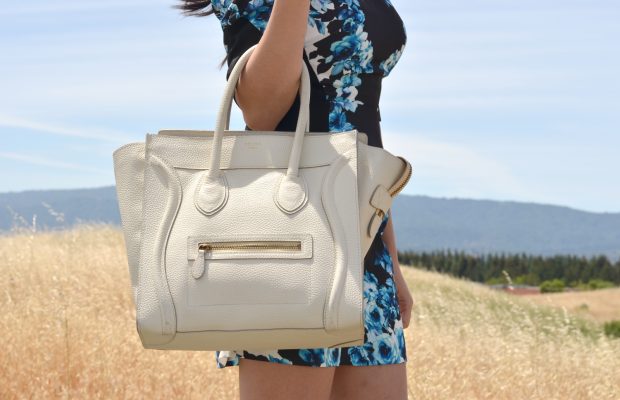
    Paris fashion maison Céline has announced the opening of its first standalone Australian boutique in Melbourne.

    While it is the third official store for Céline Australia, the new Melbourne location will be the first localized store to bow outside the walls of a shopping mall or department store.

    Located in Melbourne’s city centre, the French luxury brand has signed a lease for 13 Collins Street – a 57-level office tower owned by the Commonwealth Superannuation Corporation.

    The specific Céline store will replace the retail lodgings of Cose Ipamena, a mixed-brand retailer that recently closed after 25 years. It will open alongside fellow international heavyweights Fendi, Cartier, Gucci, Versace and Bottega Veneta.

    Céline currently has a flagship within Melbourne shopping mall Chadstone, as well as a store in Sydney’s Westfield. The high-end brand also has concessions at luxury Australian department stores David Jones in specific locations such as Pacific Fair Gold Coast, Melbourne CBD and Sydney CBD.

    The news comes as global luxury brands continue to explore Australia’s retail landscape for profitable locations to set up shop.

    A CBRE leasing director said Melbourne CBD, particularly Collins Street, has attracted huge interest from major retailers resulting in leasing deals.

    Some of the names rumoured to be opening at the top end of Collins Street — and Exhibition and Russel streets — include YSL, Balenciaga, Hublot, Ferragamo, Chloe and Loewe.

  • Delhi Duty Free relaunches refitted Hugo Boss store

    Delhi Duty Free relaunches refitted Hugo Boss store

    Delhi Duty Free Services (DDFS) has recently relaunched its Hugo Boss store at Delhi International Airport the first of many fashion outlets in the pipeline.

    This luxury brand offering includes the Boss Black and Boss Green collections for men. The store has been designed in line with DDFS’s vision to offer an “exclusive travel retail concept store”.

    Key design elements of the store emanate the brand essence of Hugo Boss, featuring a black façade and merchandise display areas to facilitate ease of shopper navigation.

    DDFS CEO Luke Gorringe said: “Hugo Boss was one of our most successful fashion stores before the refit commenced, so our objective was to minimise trading disruption.

    “In response to this, we fast-tracked the refurbishment project to ensure we reopened in advance of the summer period.”

  • China’s luxury consumer drives global sales

    China’s luxury consumer drives global sales

    With Chinese consumers now making up almost a third of all luxury purchases globally, premium brands are having to turn their minds to China-specific engagement strategies.

    “The vast social influence of the Middle Kingdom has shifted the ‘Made in China’ moniker to ‘Made for China’,” according to Chris Maier, Managing Director – Analytics, Research & Insight at Publicis Media for Greater China.

    He explains how this trend is “driving a cultural movement to inspire local product flavour, rather than languish with off-the-shelf Western styles.

    “More and more global brands – especially in the luxury sector – are creating China-specific products with local bents to cater to the key consumers,” he says.

    A Publicis Media study of 1,000 luxury consumers across North Asia – including China – delved into how luxury resonates through consumer lives, including attitudes, behaviours and time spent. One insight was that China continues to push ahead as the most digitally native and highly digital-social culture, particularly in the information gathering process before a purchase.

    When asked about top touchpoints of influence on luxury purchases, invariably the top five of digital were head and shoulders above others: official website (41%), e-commerce website reviews (35%), social media advertising (31%), official social content (30%) and message app advertising (26%).

    Likewise, e-commerce is booming among Chinese luxury consumers.

    “Across the consumer’s journey – from awareness to research and consideration to purchase – e-commerce reviews landed as the top touchpoint influence, barring reviews and recommendations on TV & OTV. Recommendations rated high, but the go-to point is online retail,” Maier says.

    To capture the Chinese market, several luxury brands are now creating product lines specifically targeted to the Chinese market. Maier singles out luxury fashion retailers LVMH and Loewe as early movers.

    “China consumers are, justifiably, voicing specific wants for unique, locally relevant products to go with their new-found authority on the world stage,” he says.

    “If brands are to successfully maneuver in this new consumer age, uniquely fitting the what, where and how together is the trifecta for success.”

  • Harry Winston opens store in Switzerland

    Harry Winston opens store in Switzerland

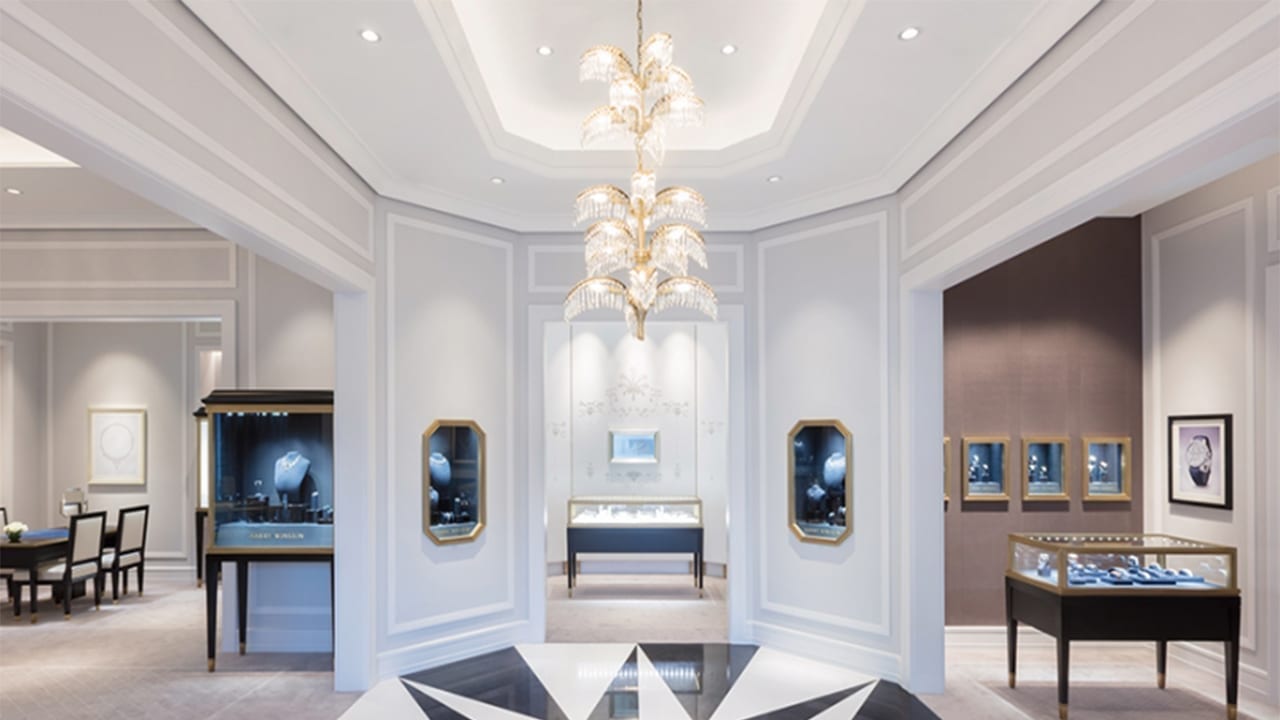
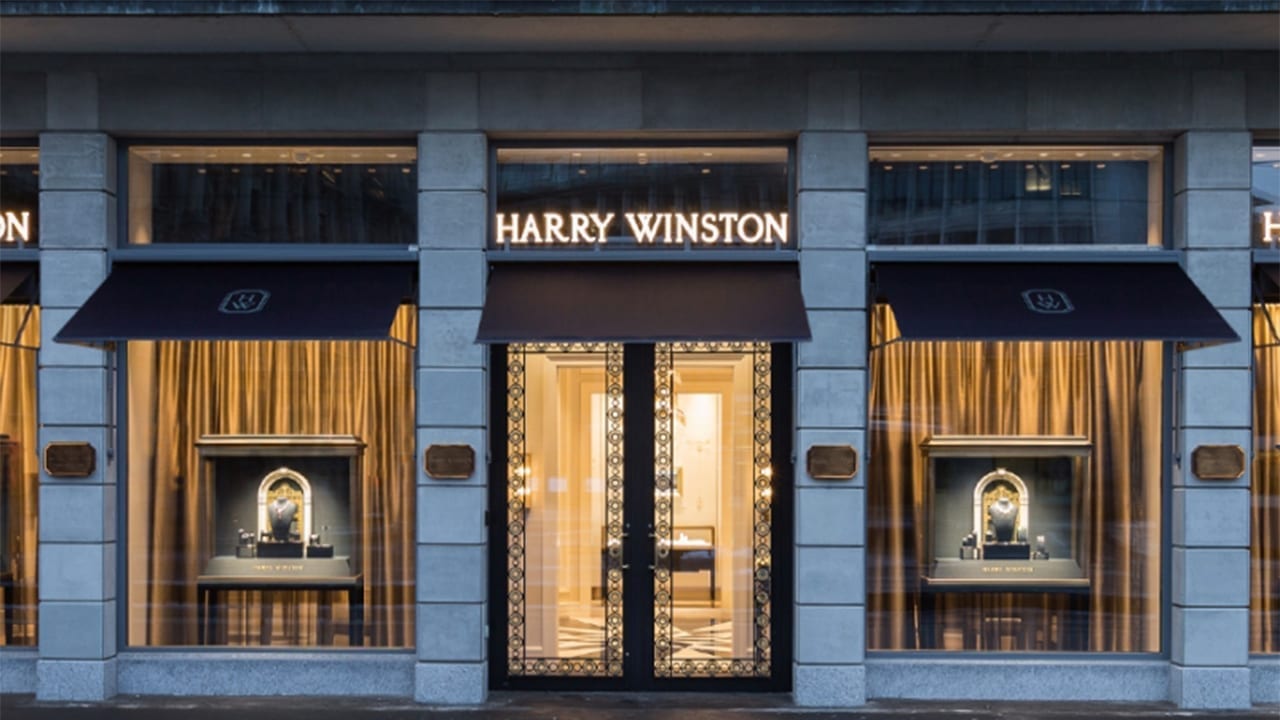
    Harry Winston has recenly opened a new salon in Zurich, the third in Switzerland.  Located on the famed Bahnhofstrasse shopping mile, the 146.2 square meter salon will house Harry Winston’s exquisite jewelry and timepiece collections, including the finest diamonds and rarest gemstones available today.

    “The opening of our Zurich Salon marks Harry Winston’s third location in Switzerland,” said Nayla Hayek, CEO of Harry Winston, Inc. “As the “King of Diamonds,” Harry Winston built his career around the world’s most sought-after diamonds and gemstones – a legacy we are proud to uphold today. With the opening of our new salon on Bahnhofstrasse, we are honored to bring the House’s tradition of excellence to one of the most exclusive retail destinations in the world and to share our commitment to incredible jewels with our new and existing clientele across the region.”

    Designed to capture the elegance and intimacy of a private estate, the new salon reflects a contemporary variation on the traditional Winston style. A soft taupe and grey color palette complements the custom designed black lacquer and antique bronze furniture, with bespoke chandeliers, hand-beaded silk walls and antique accents. A grand marble foyer, decorated with a striking black and white starburst motif, displays the House’s signature design collections. Dedicated areas for Harry Winston’s high jewelry, bridal, and state-of-the-art timepiece collections, ensure clients receive the discreet and highly personalized shopping experience that the House is known for, while private selling rooms provide a luxurious space for the ultimate in exclusivity.

    To commemorate the opening, the House hosted an exclusive cocktail reception for VIP guests, where it presented its most spectacular creations, from vintage Harry Winston designs, to the iconic Winston Cluster to the unparalleled Legacy Collection, to exemplary pieces inspired by the Harry Winston Archives.


  • Issey Miyake Opens Traditional Kyoto “Machiya”

    Issey Miyake Opens Traditional Kyoto “Machiya”

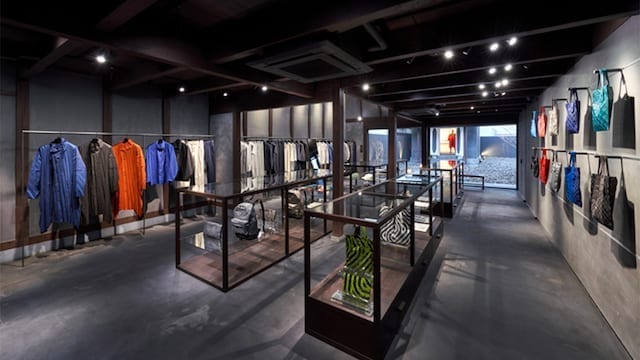
    Issey Miyake Japan has established a boutique in Kyoto, in a preserved traditional machiya (townhouse).

    Inspired by the classic japanese sumi, or ink colour, the interior has been created by designer and longtime collaborator Naoto Fukusawa. The retail setting is understated, balancing the structure’s original elements with modern interventions across two levels.

    Included in the store is a traditional kura, or storehouse, in a zen-like enclosed backyard. It will be used as a gallery space for Issey Miyake shows. The inaugural exhibition was dedicated to the third collection of Ikko Tanaka Issey Miyake, one of its many apparel lines that features the bold designs of graphic designer Ikko Tanaka (1930-2002).

    Check out the gallery below :

    The boutique stocks the men’s lines Homme Plisse Issey Miyake and Issey Miyake Men, as well as its Bao Bao Issey Miyake tote bags.

  • Authentic Brands Group acquires Nautica

    Authentic Brands Group acquires Nautica

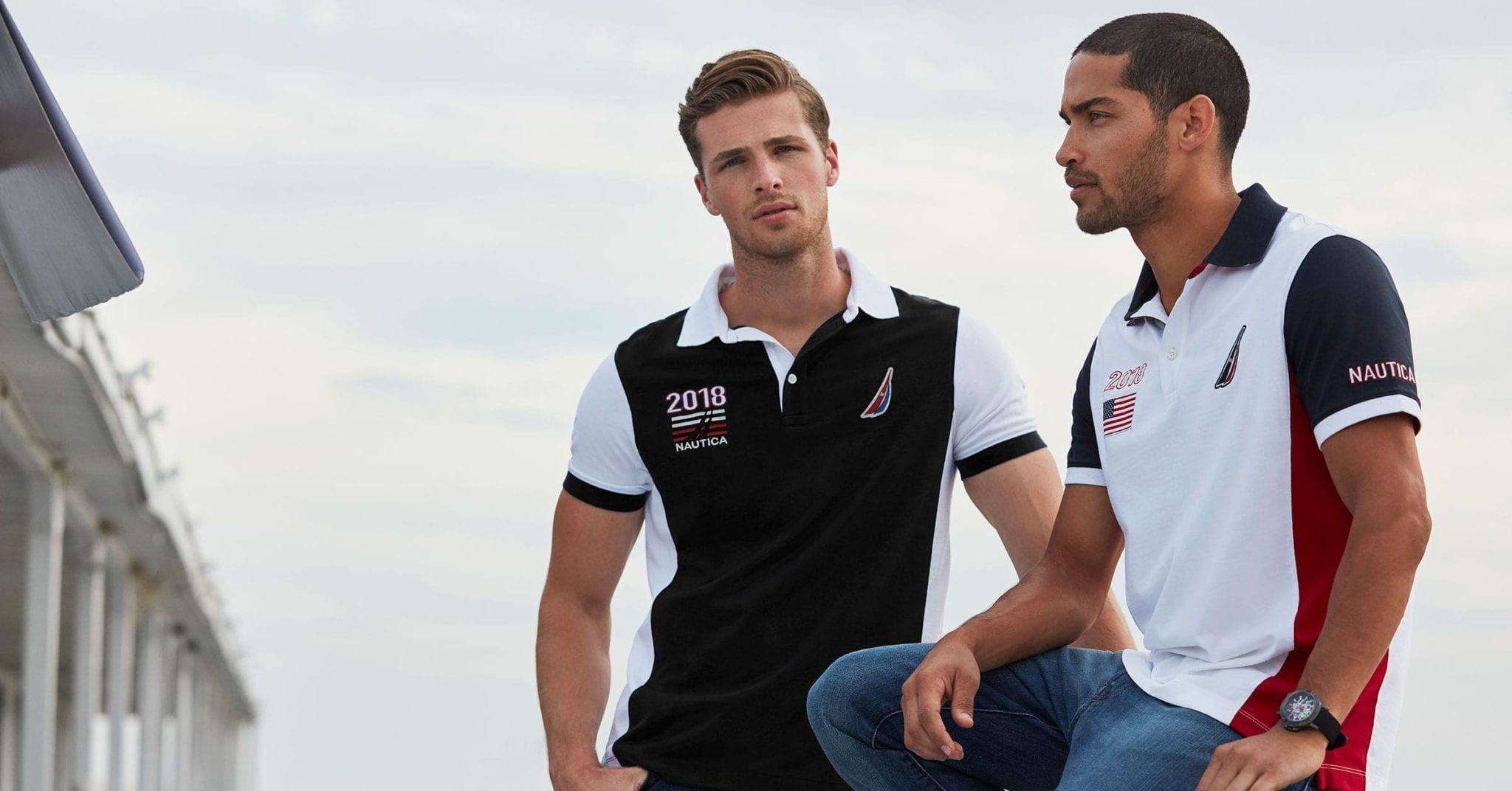
    Authentic Brands Group has bought the Nautica business from VF Corporation.

    The new owner, which lists Marilyn Monroe, Elvis Presley, Muhammad Ali, Greg Norman, Aeropostale, Juicy Couture and Frederick’s of Hollywood among an extensive portfolio, will take over the sports-inspired brand in the first half of this year. Terms of the deal have not been disclosed.

    VF chairman, president and CEO Steve Rendle said the company’s global business strategy is to actively manage its brand portfolio to ensure its composition allows strong growth.

    “This announcement marks yet another example of how we’re delivering on our commitment. We are pleased to have reached this agreement with Authentic Brands Group. The Nautica brand is an iconic, globally recognised brand, and Authentic Brands Group is the ideal owner to guide its next phase of growth and success.”

    Nautica, an American brand, has a strong nautical heritage, particularly associated with yachting. Besides producing clothing for men, women and children, it sells fragrances, watches and accessories.

    VF Corporation still owns the Vans, The North Face, Timberland, Wrangler and Lee brands.

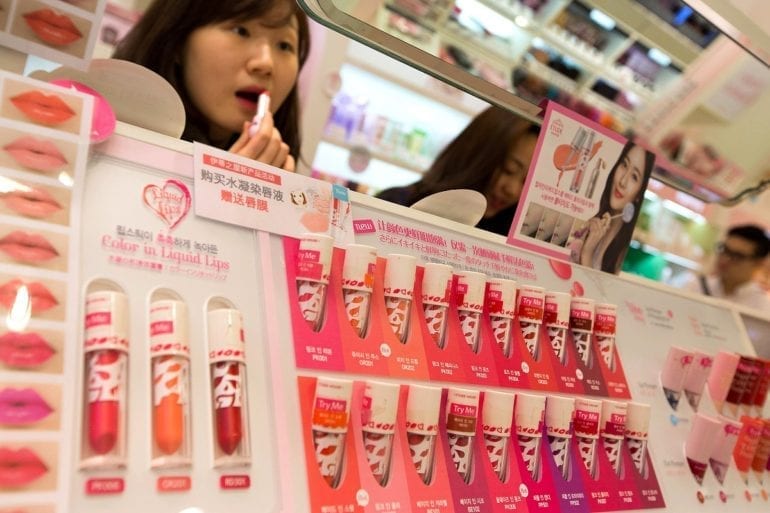
  • Amorepacific’s Etude House opens store in UAE, first in Middle East

    Amorepacific’s Etude House opens store in UAE, first in Middle East

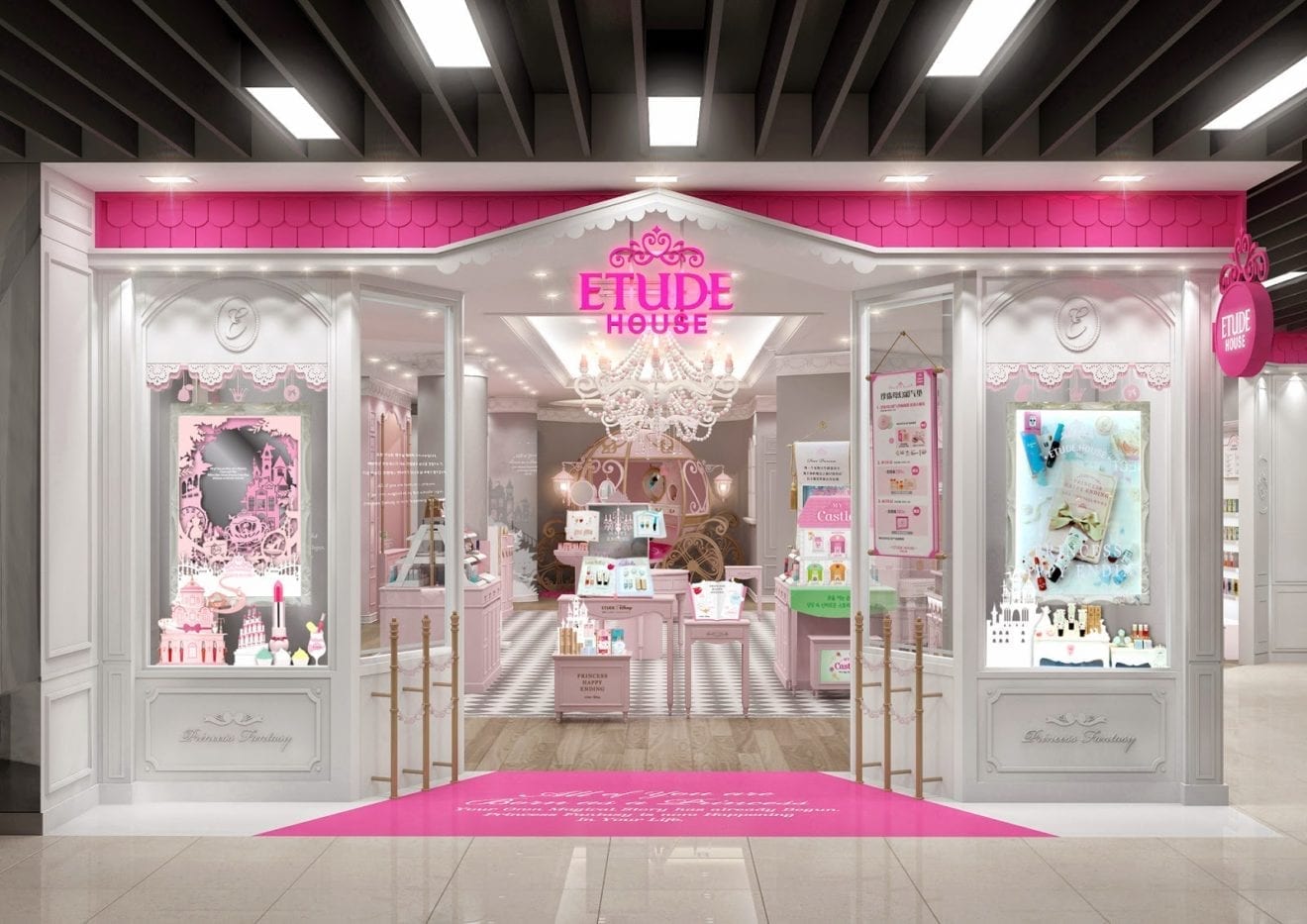
    Amorepacific-owned beauty brand Etude House has arrived in the Middle East with the first store opening in Dubai.

    The standalone store is located inside Dubai Mall, the world’s largest shopping centre, boasting 80 million visitors a year.

    All of Etude House’s best-selling products including Double Lasting Foundation, Dear My Blooming Lips and Real Powder Cushion are available at the store.

    For the Middle Eastern launch, Amorepacific said it studied makeup trends in the region for a long time to develop products tailored to locals.

    Etude House will open its first Kuwait store at the Avenues Mall on Thursday, followed by Saudi Arabia within the first half of this year.

    This year, Amorepacific has been boosting its international business. It has recently brought Mamonde to the US and Laneige to Australia.

    Its eco brand Innisfree also opened in Tokyo last Friday with a two-storey store.

  • FJ Benjamin sets up advisory board to integrate online and offline retail

    FJ Benjamin sets up advisory board to integrate online and offline retail

    Fashion and lifestyle retailer F J Benjamin has set up an advisory board to help the company integrate its bricks-and-mortar stores and online sales channels.

    The omni-channel advisory board will advise F J Benjamin’s management on strengthening links between new digital channels and the group’s network of over 200 stores and 1,500 points of sale in Singapore, Malaysia and Indonesia, the company said in a statement on Tuesday.

    The advisory board comprises domain experts as well as senior F J Benjamin executives. The domain experts are: Marcelo Wesseler, former CEO of SingPost e-commerce and now managing partner of e-commerce platform developer Codem; Jon Sugihara, head of global strategic partnerships at Google; and Tito Costa, chief marketing officer at Zalora.

    “We are pursuing an omnichannel strategy where we hope to harness our existing customer database in the region, which should have the twin impact of both optimising our regional network as well as growing our business volume online,” said F J Benjamin director of corporate strategy Ben Benjamin, who is also on the advisory board.

    “We have observed the online ecosystem evolve rapidly over the past two years, including last mile logistics, payments and mobile commerce, and feel that the time is now ripe to pursue an economically viable business model that will integrate the online ecosystem with our retail infrastructure.”

    F J Benjamin manages over 20 brands – incuding Guess, Marc Jacobs, Nautica and Swarovski – and operates 226 stores.