Category: Fashion

Retail News Asia is committed to providing both local and global retailers with the latest Fashion news throughout the Asian market. This on a daily base.

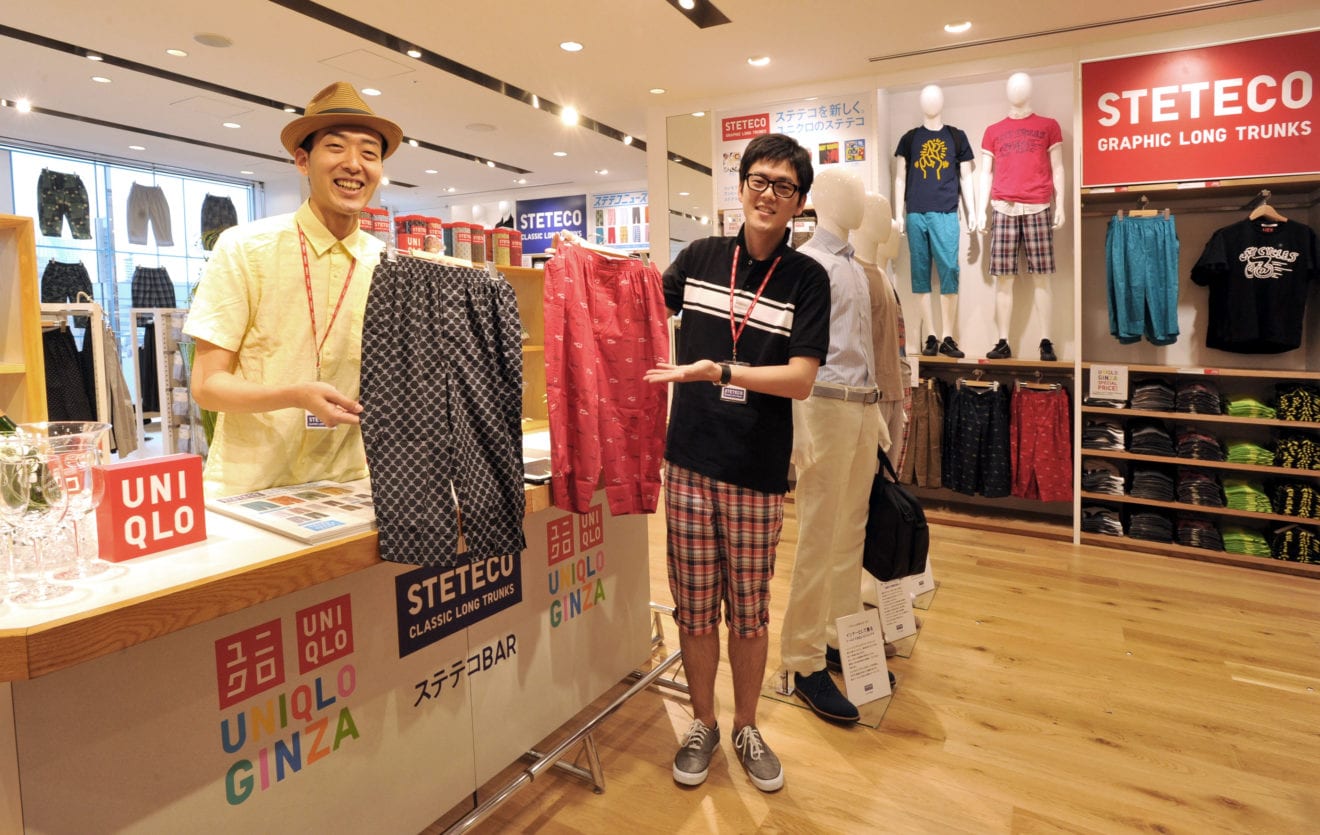
  • Adam Scott to Play at 2018 Masters Tournament in the Latest Apparel Co-Developed with UNIQLO

    Adam Scott to Play at 2018 Masters Tournament in the Latest Apparel Co-Developed with UNIQLO

    The concept for UNIQLO’s highly functional KANDO Pants, co-developed with Adam Scott to leverage his insight as a world-class athlete, is to deliver the ultimate in lightness, stretch, and dryness. The 100% polyester fabric, jointly developed with Toray Industries, features a cotton-like natural texture, with exceptional moisture absorption and quick-drying properties, greatly reducing discomfort from perspiration to ensure comfort all day. They are also wrinkle-resistant after washing, and easy-iron.

    Ultra Light Wool-Like pants feature a texture like high-quality wool, appropriate for more formal occasions. The Ultra Light Cotton-Like version is ideal for sports, work and leisure settings, with a feel resembling napped cotton material, despite being 100% polyester. With two styles on offer, customers can select one to fit their needs.

    Special pocket backing material

    The pocket backing uses “Airdots” (jointly developed with Toray) with holes made using a special process. This material improves breathability and ensures quick drying, while making the pants more lightweight.

    ■ Washable Knitted Short Sleeve Polo Shirt offers the softness and comfort of knit

    These items based on UNIQLO’s LifeWear concept combine style with comfort. The knit material is comfortable and extremely soft, featuring a simple design appropriate as both dressy and casual. They are also machine-washable, making care simple. These clean-looking shirts pair well with a jacket and are perfect for a smart casual business look.

  • Creyate eyes Singapore after Japanese success

    Creyate eyes Singapore after Japanese success

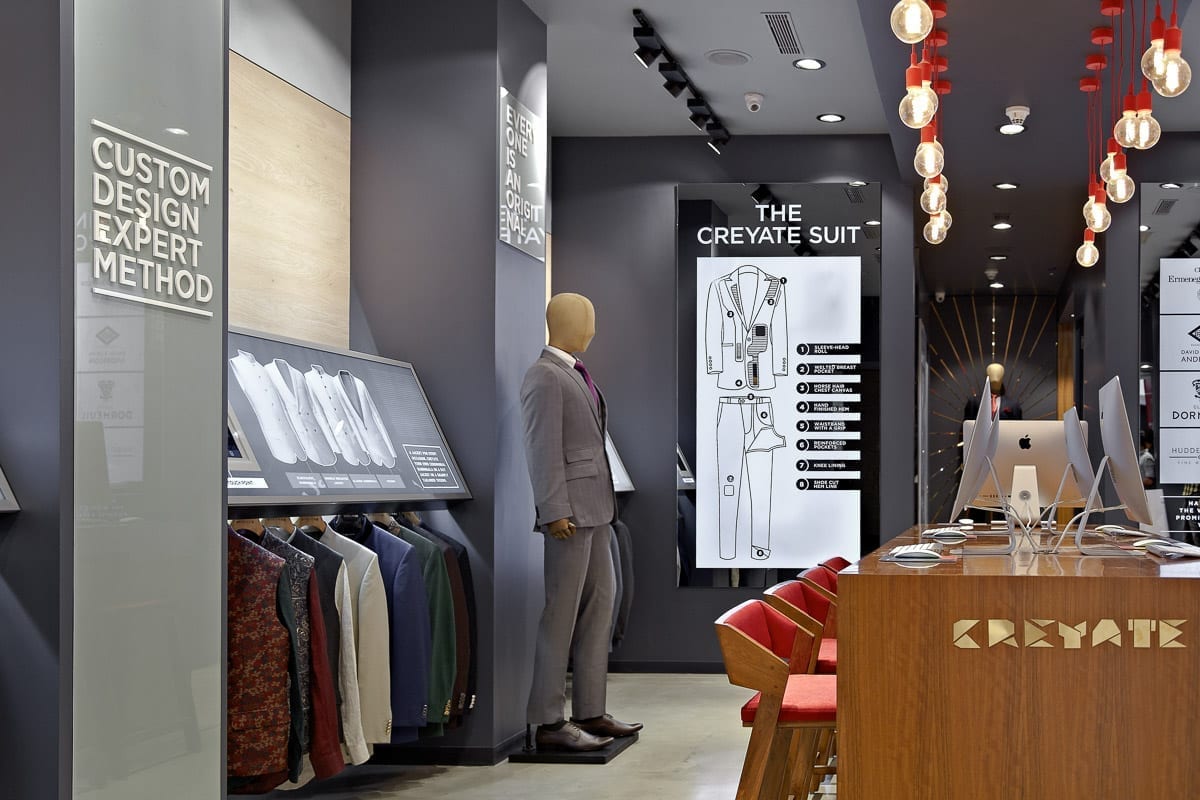
    Indian custom-clothing brand Creyate plans to open stores in Singapore, the US, UK and Dubai after a successful foray into Japan.

    Owned by Arvind Internet, the company recently opened its first luxury store in the Indian city of Bengaluru and is considering ramping up its expansion through a franchise model. It has 13 stores operating in its home market already.

    Described as an emerging brand, Creyate customises apparel products to people who buy online or in-store. Online, they can submit measurements and select designs in advance of picking up the products in store – or having them delivered.

    In Japan,Creyate already has 50 stores-in-stores specialising in denim.

    Arvind Internet COO Tejinder Singh told reporters the company wants to double its retail network within 18 months.

    “With our omni-channel approach, we may cap it at two stores per city, so we are looking to explore Tier-II cities, as well. It is an inventory-light model, which suits the all stakeholders at a macro level,” said Singh.

  • Nike arrives at number one in Brand Finance Top 50

    Nike arrives at number one in Brand Finance Top 50

    Despite losing popularity with American teenagers and a drop in brand value of 41 per cent, Nike is still way out in front in the Brand Finance Top 50 list of the most valuable apparel brands in the world.

    In the list, just been release by the independent brand valuation and strategy consultancy, Nike’s main competitor Adidas was fourth behind H&M and Zara with an increase in brand value of 41 per cent.

    In the realm of luxury brands, Hermes overtook Louis Vuitton, jumping two spots from 7th to 5th from last year. Luxury brands including Cartier, Gucci, Hermes and LV had strong growth in value as more consumers in emerging markets buy into the market.

    Japan’s Uniqlo was the only Asian brand in the top 10, with Hong Kong jeweller Chow Tai Fook and China’s Anta Sports taking up the 13th and 33rd spots respectively.

    These are the top 50 most-valuable apparel brands in the world this year:

      1. Nike (brand value, US$2.8 billion)
      2. H&M ($1.8 billion)
      3. Zara ($1.7 billion)
      4. Adidas ($1.4 billion)
      5. Hermes ($11.3 billion)
      6. Louis Vuitton ($10.4 billion)
      7. Cartier ($9.8 billion)
      8. Gucci ($8.5 billion)
      9. Uniqlo ($8 billion)
      10. Rolex ($6.3 billion)
      11. Coach ($6.1 billion); 12. Victoria’s Secret ($6.1 billion); 13. Chow Tai Fook ($5 billion); 14. Tiffany & Co ($4.6 billion); 15. Burberry ($4.5 billion);16. Christian Dior ($4 billion); 17. Polo Ralph Lauren ($4 billion); 18. Prada ($3.8 billion); 19. Under Armour ($3.7 billion); 20. Armani ($3.5 billion)
      12. Puma ($3.3 billion); 22. Ray-Ban ($3.2 billion); 23. Omega ($3.1 billion); 24. The North Face ($3.1 billion); 25. Pandora ($3 billion); 26. Michael Kors ($2.7 billion); 27. Tommy Hilfiger ($2.6 billion); 28. Anta ($2.6 billion); 29. Old Navy ($2.3 billion); 30. Bulgari ($2.2 billion)
      13. Bershka ($2.2 billion); 32. Calvin Klein ($2.2 billion); 33. Levi’s ($2.2 billion); 34. Primark/Penneys ($2.1 billion); 35. Moncler ($2 billion); 36. Boss ($2 billion) 37. Gap ($2 billion); 38. Ferragamo ($1.9 billion); 39. Saint Laurent ($1.8 billion); 40. Bottega Veneta ($1.8 billion)
      14. Valentino ($1.8 billion); 42. Skechers ($1.6 billion); 43. Swatch ($1.6 billion); 44. Tag Heuer ($1.5 billion); 45. Timberland ($1.4 billion); 46. Massimo Dutti ($1.3 billion); 47. Reebok ($1.3 billion); 48. Woolworths ($1.2 billion); 49. Stradivarius ($1.2 billion); 50. Pull and Bear ($1.2 billion).
  • Lingerie e-tailer Adore Me expands offline

    Lingerie e-tailer Adore Me expands offline

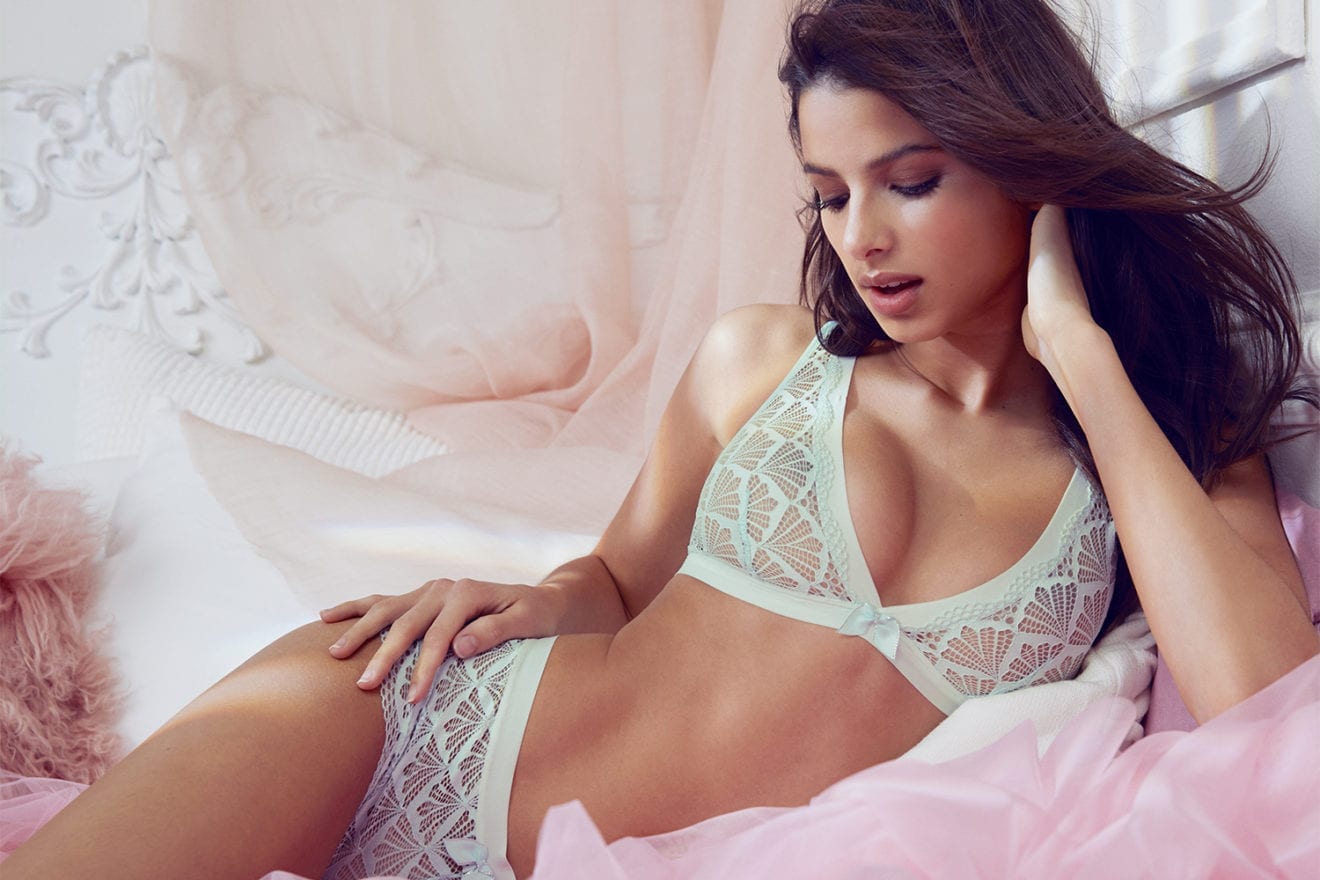
    Lingerie e-tailer Adore Me says it plans to open between 200 and 300 stores during the next five years. The company will make its brick-and-mortar debut in New York City within the next few months, followed by up to 10 locations this calendar year and another 20 next year to gauge foot traffic in different locations.

    The offline expansion will accelerate in subsequent years.

    Adore Me founder and CEO Morgan Hermand-Waiche told The Wall Street Journal that online retailers need a physical store presence in order to compete with mainstream retailers.

    “Victoria’s Secret is the big guy in the room. Even if we are successful for a digitally native brand, we will remain small compared to Victoria’s Secret.”

    Adore Me is considering new formats for its stores, including bars where shoppers can relax with friends and showrooms allowing customers to try clothes on and have purchases shipped to their homes.

  • Louis Vuitton hires Virgil Abloh as artistic director

    Louis Vuitton hires Virgil Abloh as artistic director

    Louis Vuitton has taken on Virgil Abloh as its men’s artistic director, with his first show scheduled for Men’s Fashion Week in Paris in June.

    “Having followed with great interest Virgil’s ascent since he worked with me at Fendi in 2006, I am thrilled to see how his innate creativity and disruptive approach have made him so relevant, not just in the world of fashion but in popular culture today,” says Louis Vuitton chairman/CEO Michael Burke. “His sensibility toward luxury and savoir-faire will be instrumental in taking Louis Vuitton’s menswear into the future.”

    Abloh says the heritage and creative integrity of the house are key inspirations “and I will look to reference them both while drawing parallels to modern times”.

    Born in Rockford, Illinois, in 1980, Abloh is an artist, architect, engineer, creative director and designer.

    After earning a degree in Civil Engineering from the University of Wisconsin Madison, he completed a Master’s Degree in Architecture at the Illinois Institute of Technology. It was there he learned not only about modernist design principles but also about the concept of multi-disciplinary working.

    Born in Rockford, Illinois, in 1980, Abloh is an artist, architect, engineer, creative director, and designer.

    After earning a degree in Civil Engineering from the University of Wisconsin Madison, he completed a Master’s Degree in Architecture at the Illinois Institute of Technology. It was there he learned not only about modernist design principles but also about the concept of multi-disciplinary working.

    Virgil Abloh’s brand Off-White c/o Virgil Abloh launched in 2012 as an artwork titled Pyrex Vision. In 2013, the brand premiered a seasonal men’s and women’s fashion label, and has shown runway collections during Paris Fashion Week since 2015.

    Abloh has also presented his work at major design institutions such as Harvard Graduate School of Design and Columbia Graduate School of Architecture, Planning and Preservation. Next year he will have a major exhibition at the Museum of Contemporary Art of Chicago, Illinois.

    Virgil Abloh for Off-White c/o Virgil Abloh was among finalists of the LVMH Prize in 2015, and his other accolades include the British Fashion Awards Urban Luxe Award and International Designer of the Year at the GQ Men of the Year Awards last year.

  • Longchamp Philippines expands with fourth store

    Longchamp Philippines expands with fourth store

    French handbag brand Longchamp Philippines has opened its fourth boutique, in Rustan’s Makati.

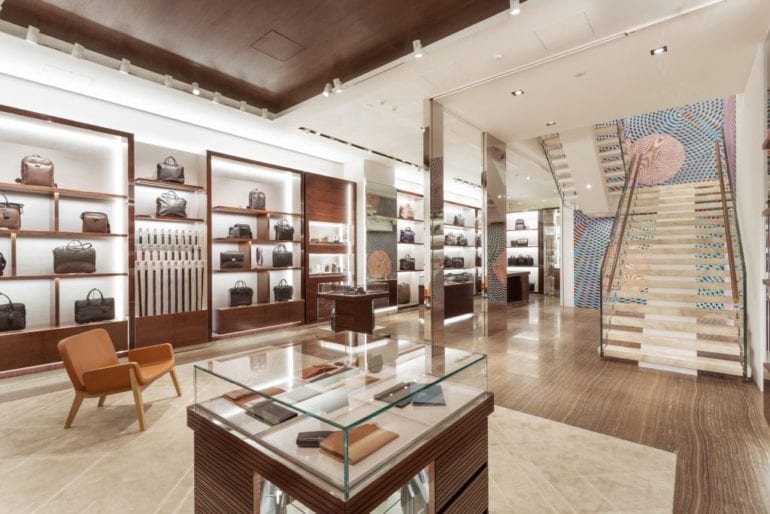
    Inspired by the brand’s Paris flagship along rue Saint-Honore, the new 65sqm store is  decorated with modern interiors – lots of wood, leather and fabric, and rich textures in order  to highlight the collections.

    “We are honored to welcome Longchamp into a bigger and better space at Rustan’s Makati. As a brand beloved not only by the Filipino shoppers but by the entire global community, Longchamp further brings prestige and is truly a great part of the Rustan’s portfolio of distinguished retail partners,” said Rustan’s president Donnie Tantoco.

    The store is highlighted by Longchamp’s Spring/Summer collection featuring African-inspired patterns, prints and colors, as well as the signature Mademoiselle handbag, the classic Le Pliage tote, and other leather goods.

  • JD Sports Fashion Korea

    JD Sports Fashion Korea

    JD Sports Fashion Korea will launch with a store in Seoul’s Gangnam district on Friday week.

    It is the British sports fashion brand’s first venture into the Northeast Asian market since forming a JV with Korean retailer Shoemarker in September.

    By the end of the year, JD Sports hopes to have 32 stores across Korea, to be promoted and managed by Shoemarker. They will offer such global sportswear brands as Adidas, Fila, Nike and Puma.

    Founded in 1981, JD Sports Fashio has more than 1250 stores in 14 countries including Australia, France, Germany and the UK. Sales reached US$3.24 billion in 2016.

  • Retailers find winning strategy in online-only

    Retailers find winning strategy in online-only

    Retailers have long been using online channels to make up for sluggish sales at their brick-and-mortar stores, but recently, they have taken the shift to another level, introducing products exclusively for online.

    The trend-conscious fashion and cosmetics sectors are at the forefront of this new strategy. Beanpole Ladies, a brand under Samsung C&T, recently introduced Lime Beanpole, a series of products sold exclusively through its website. The target demographic is Koreans in their teens to 30s, and the prices are around 60 to 70 percent of Beanpole’s original lineup. The designs are youthful, including engraved prints and embroideries for fruit.

    The nearly 30-year-old brand has been releasing clothes aimed at younger consumers since 2016 starting with Choco Beanpole. The last line before Lime Beanpole, called Coffee Beanpole, released for the fall and winter season last year, was a success – 80 percent of the stock was sold out.

    AmorePacific brand Innisfree’s True Care cosmetics line is popular among consumers in their teens and 20s and can only be purchased online. Another AmorePacific brand, Etude House, sells its Tapa sheet masks this way. Iope’s Whitegen Essence Cushion foundation, exclusively sold online, has a demo target of consumers in their 30s.

    “In the past, online-only products were special editions for those who don’t shop at brick-and-mortar stores but nonetheless have a sense of loyalty to the brand,” said Lee Min-kyu, senior vice president at AmorePacific. “Now, they’re starting to make exclusive products rather than one-time events.”

    Similarly, LG Household and Health Care’s The Face Shop sells 14 products from its Bifida line only online. Another well-known cosmetics brand, Nature Republic, has 18 products from its series Bulgarian Rose sold the same way.

    The biggest reason why companies are developing online-only products is their cost effectiveness. Operating brick-and-mortar stores incur high maintenance costs and investment in various stages of distribution.

    “If a product is sold at brick-and-mortar stores, it’s practically impossible to sell the same thing at a lower price online,” one industry source said. “Online-exclusive products can be sold at a lower price while maintaining the same level of quality, which is why it’s more effective in attracting new customers.”

    Another important motivating factor in the strategy is boosting brand loyalty among younger consumers. If something is sold exclusively online, this can attract more people to the company’s website, even if it’s just out of curiosity.

    “To prevent a brand from aging, it’s important to constantly pull in younger consumers,” said Won Eun-kyung, head of Bean Pole Ladies. “But conventional ways [of rebuilding a brand image] through [such methods as] a logo change are expensive, whereas the same results can be obtained by releasing online-only products.”

    Companies anticipate that if they succeed in creating a more favorable perception of the brand, sales will be affected positively in the long run.

    Some companies think online is a better channel to present the product’s differentiating points to the public.

    “A characteristic of online consumers is that they tend to compare the pros and cons of a product through multiple sources like blogs rather than rely on one-sided information offered by the manufacturer’s ads,” said Koh Hyang-sook, who leads one of Woongin Foods’ marketing teams. “Apart from raising awareness of the brand, online-only is now a method used to effectively highlight the product’s advantages.”
  • Shoe store chain ABC-Mart seen beating profit forecast

    Shoe store chain ABC-Mart seen beating profit forecast

    A larger line-up of foreign brands for the end-of-year holiday season helped Japanese footwear retailer ABC-Mart grow its operating profit by a better-than-expected 3 per cent to about ¥43 billion (US$406 million) for its year to the end of February.

    It is the 15th straight year of growth for the company, which had forecast a 2 per cent lift in profit, as reported

    Sales rose 6 per cent to nearly ¥255 billion, boosted by such brands as Adidas and Nike. An unusually snowy winter created extra demand for boots and other winter footwear.

    Sales of women’s shoes, which were sluggish in fiscal 2016, seem to have bottomed out, thanks partly to television advertisements, says the company.

    ABC-Mart attracted more customers as it opened about 60 stores in downtown areas and in malls, and added locations of chains that cater to women and children. The retailer also refurbished about 30 stores in order to expand floor space and improve the look of its displays.

    In addition, ABC-Mart saw more Chinese and other foreign visitors shopping at its stores. Online sales also grew.

    In South Korea, where ABC-Mart has about 200 locations, sales grew but probably fell short of its forecast. Business appears to have taken a hit from Chinese restrictions on group tours to South Korea following Seoul’s decision to deploy a US missile defense system.

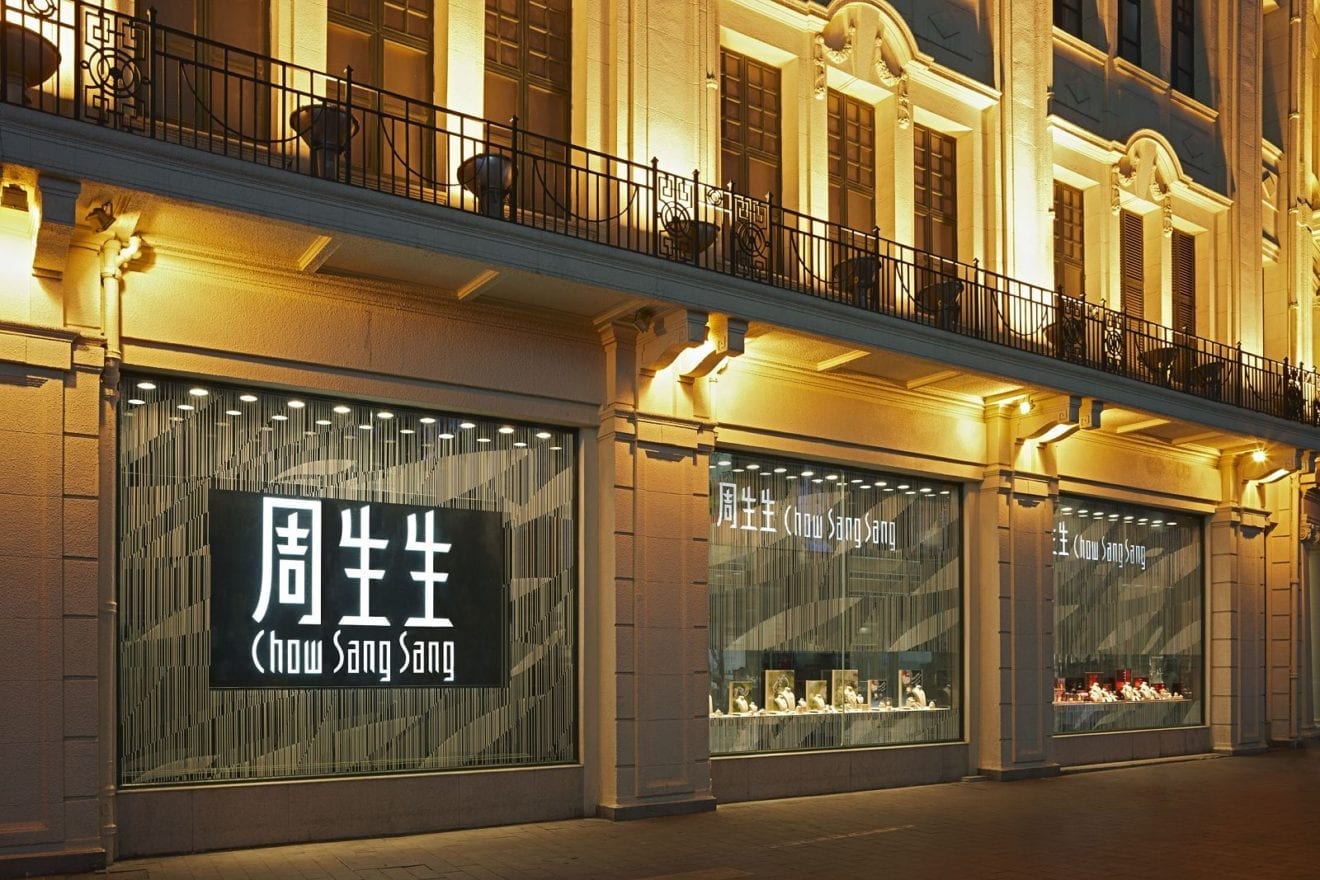
  • 50 more Chow Sang Sang stores to be launched this year

    50 more Chow Sang Sang stores to be launched this year

    With a focus on urban markets, Chow Sang Sang Holdings International plans to open around 50 stores this year.

    While consumer sentiment improved in the second half of last year for the jewellery retailer, it says a strong recovery is yet to be seen, especially in Hong Kong. Meanwhile, global markets are already anticipating an interest rate rise, and international trade disputes seem to be looming.

    In Hong Kong, the company will continue with the realignment of its network to match the change in consumer patterns and preferences. Overall, it expects to reduce the amount of floor space with no significant changes in the number of shops.

    “In China, increasing sophistication in consumer behaviour provides opportunity for growth via product and brand differentiation. As our online competition heats up, we are putting more effort into offering a seamless customer experience.”

    Turnover last year grew 3 per cent to HK$16.6 billion (US$2.1 billion). The disposal of a part of a long-term holding of shares in Hong Kong Exchanges and Clearing resulted in a gain of $114 million. Including this amount, the group’s overall profit attributable to equity holders increased by 18 per cent to $876 million.

    After dropping for three consecutive years, jewellery retail turnover returned to positive growth, rising 3 per cent. Jewellery retail accounted for 87 per cent of the group’s turnover.

    Operating profit fell by 5 per cent to $902 million, because of an extra gain of $176 million in 2016 resulting from a movement in the price of gold.

    Sales slipped per cent in Hong Kong and Macau, affected by shop closures. Same-store sales growth was down 2 per cent, mainly because of soft turnover of gold in the fourth quarter.

    Sales of gem-set jewellery improved in the second half, and in the last quarter reversed its downward trend since 2016.

    During the year, four Chow Sang Sang shops and one watch branch in the tourist district were closed. However, three new shops and one new watch branch were established in non-tourist districts.

    Despite Macau’s tourist traffic improving, shops in the shopping arcades performed worse than the main-street shop.

    Total turnover in Mainland China rose 9 per cent year-on-year to $8 billion. In RMB terms, this was 11 per cent growth, and same-store sales rose 5 per cent.

    Online sales continued to grow, accounting for about 14 per cent of China sales. Gold products dominated the sales mix.

    At the end of the year, the group had 422 shops in 119 cities. Of these 63 were new outlets, and there were 15 closings. Of the new stores, 28 were set up in shopping malls.

  • Singapore will be next destination for Creyate

    Singapore will be next destination for Creyate

    Indian custom-clothing brand Creyate plans to open stores in Singapore, the US, UK and Dubai after a successful foray into Japan.

    Owned by Arvind Internet, the company recently opened its first luxury store in the Indian city of Bengaluru and is considering ramping up its expansion through a franchise model. It has 13 stores operating in its home market already.

    Described as an emerging brand, Creyate customises apparel products to people who buy online or in-store. Online, they can submit measurements and select designs in advance of picking up the products in store – or having them delivered.

    In Japan,Creyate already has 50 stores-in-stores specialising in denim.

    Arvind Internet COO Tejinder Singh said that the company wants to double its retail network within 18 months.

    “With our omni-channel approach, we may cap it at two stores per city, so we are looking to explore Tier-II cities, as well. It is an inventory-light model, which suits the all stakeholders at a macro level,” said Singh.

  • JD Sports in Deal to Acquire Finish Line

    JD Sports in Deal to Acquire Finish Line

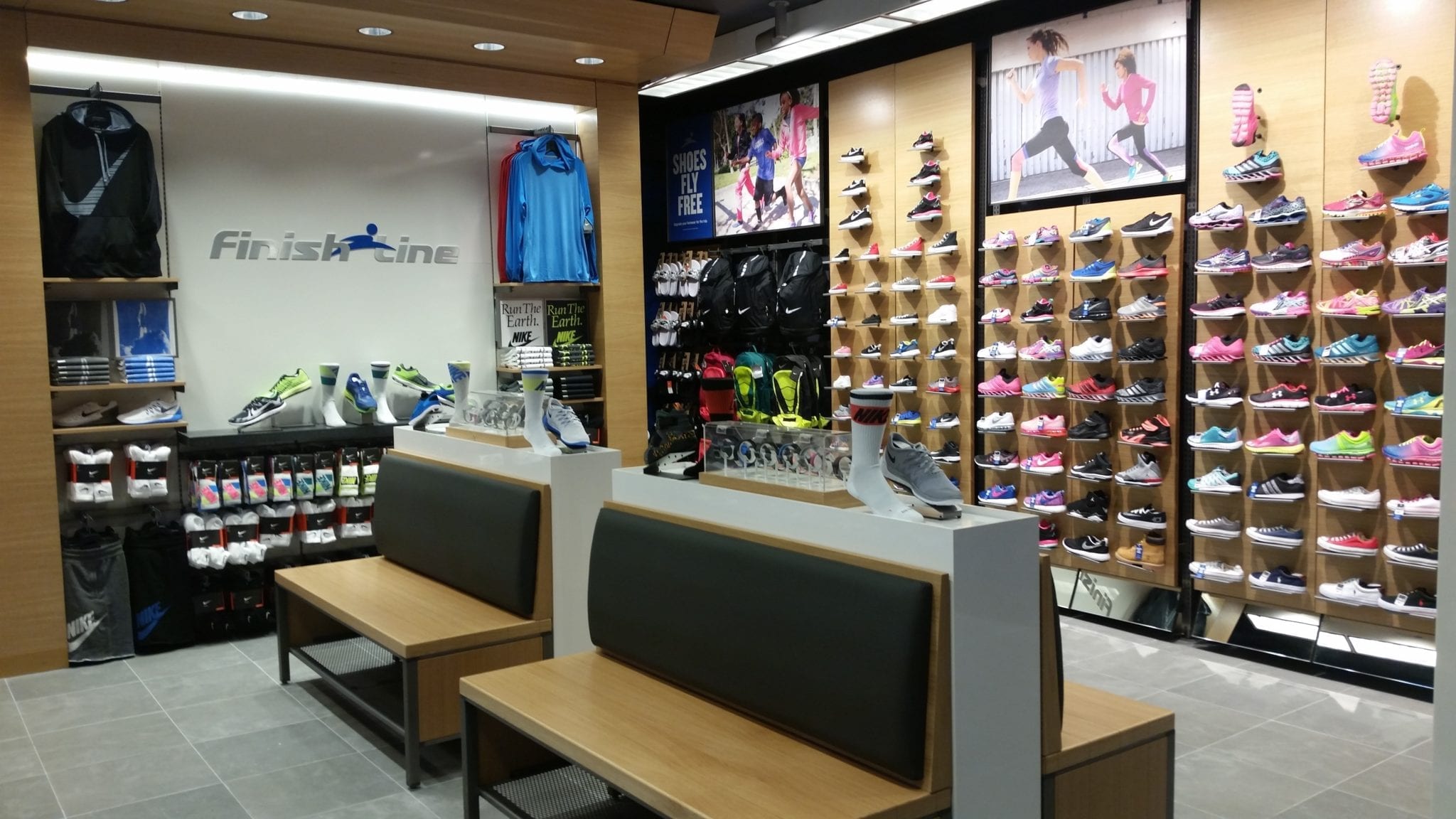
    British retailer JD Sports Fashion is to pay US$558 million to acquire America’s Finish Line, one of the country’s largest upmarket sportswear chains.

    Finish Line, whose sales reached $1.84 billion in the year to March 3, is listed on the Nasdaq. It sells multi-brand apparel and accessories from 556 branded retail stores across 44 states and Puerto Rico, and online.

    Besides its own stores, Finish Line sells athletic shoes through 375 branded and 188 unbranded concessions within Macy’s stores and on the company’s website.

    JD Sports, which recently overtook UK rival Sports Direct as the nation’s largest sportswear retailer by market value, has previously expanded in to South Korea, Spain and France, with other Asian markets on the horizon. This is its first foray into the US market.

    “This is a landmark day for JD and will be transformational for the business. It immediately offers a major presence in the US, a clear next step to further increase our global scale,” said executive chairman Peter Cowgill in a statement.

  • Weak sales brought H&M to bad raport

    Weak sales brought H&M to bad raport

    Swedish fashion retailer H&M has posted a decline in its first quarter profit and has warned that it may need to cut prices to clear unsold stock.

    H&M posted a 61 per cent drop in profit for the three months to February. Pretax profit fell to 1.26 billion crowns ($154 million). The clothing retailer’s net profit of 1.37 billion crowns was boosted by a one-off positive tax income of 399 million crowns related to US tax reform.

    The company had warned recently that markdowns due to weak demand in its main H&M brand stores would hit earnings, and this month said quarterly sales had fallen by two per cent.

    Online sales increased by approximately 20 per cent year on year.

    “As communicated previously, the start of the year has been tough,” said Karl-Johan Persson, company CEO. “2018 is a transitional year for the H&M group, as we accelerate our transformation so that we can take advantage of the opportunities generated by rapid digitalisation.”

    “The weak sales development combined with substantial markdowns had a significant negative impact on results in the first quarter,” Persson said.

    But, the retailer had said it expected sales and profits to return to growth.

    “Many of our ongoing initiatives are giving good indications and results, even though they have not yet been implemented at a large enough scale to have a decisive effect on the overall results,” Persson added.

    This year, H&M announced it is planning to open 220 new stores. Most will be H&M stores, but 90 will be its newer spin-offs including & Other Stories, Cos and Monki.

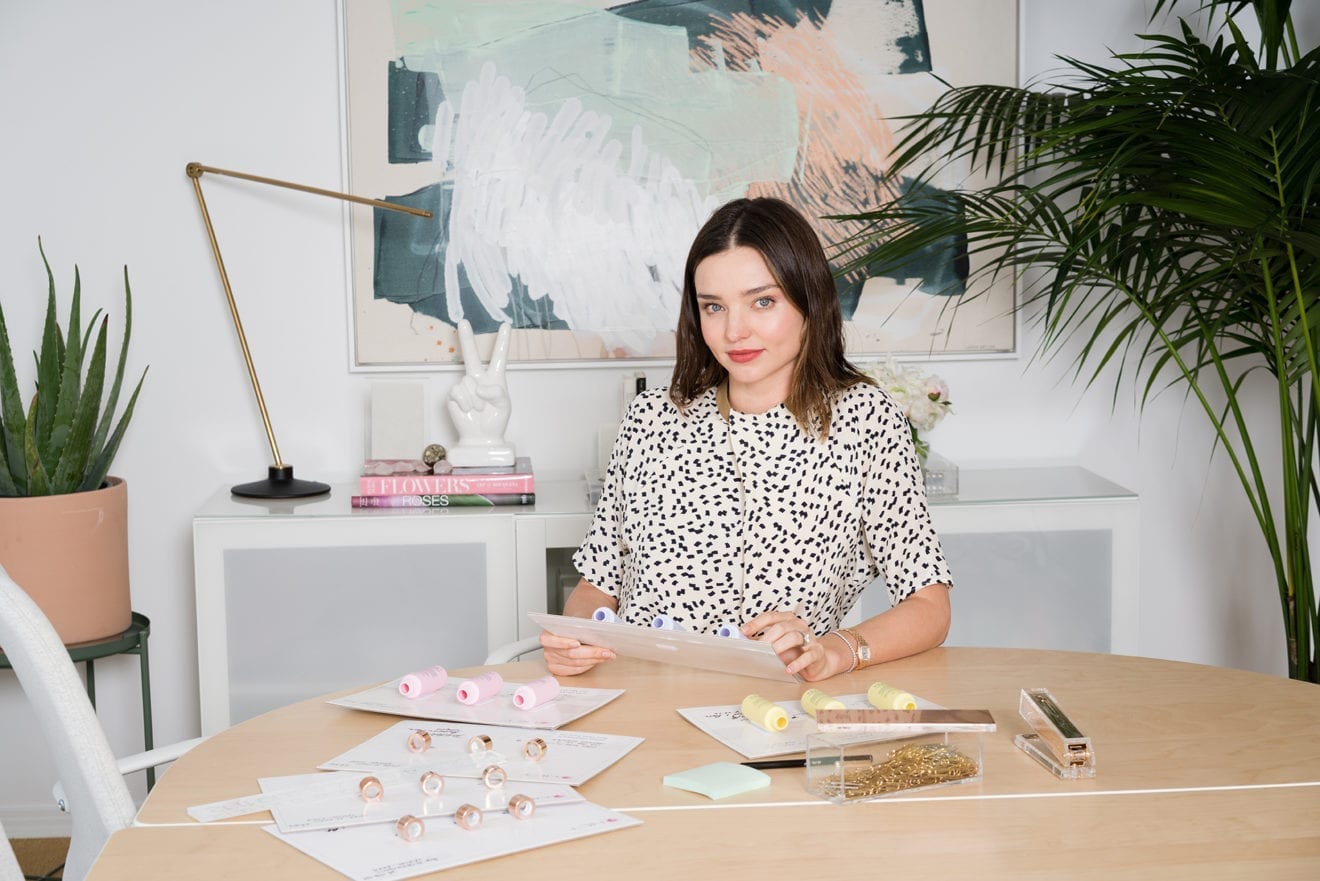
  • Miranda Kerr launches organic beauty brand KORA on Tmall

    Miranda Kerr launches organic beauty brand KORA on Tmall

    As China’s desire for organic, healthy products gains momentum, international beauty brands are seeking to take advantage of a new approach to well-being.

    Last week, founder and supermodel Miranda Kerr launched Australian luxury skincare brand KORA Organics’ first Tmall store in China via live-stream from her Hollywood home. The event attracted more than 223,000 live viewers, with KORA Organics offering exclusive giveaways for spectators.

    “From my experience over the years, I have come to believe in and appreciate a holistic approach to overall wellness, and the connection of the mind, body and skin,” Kerr says.

    This kind of health-focused lifestyle philosophy is soaring in popularity among Chinese consumers, with last weekend’s Tmall Beauty Summit reporting that premium health and fitness products are more popular than ever with young Chinese women.

    “The appetite for natural and organic products in China continues to grow, and skincare is no exception” says Maggie Zhou, managing director of Alibaba Group Australia and New Zealand.

    With a growing awareness of health and well-being in China, Tmall Global is hoping to capitalise on luxury international brands seeking to enter the market. Tmall Global helps international brands like KORA Organics sell directly to Chinese consumers. For more than 80 per cent of brands on the site, these virtual flagship stores were their first foray into the Chinese market.

    “KORA Organics is a proudly-owned Australian brand whose certified organic and natural products speak directly to the growing demand from many Chinese consumers for clean and green Australian products” Zhou says.

    Korean beauty brand Innisfree has long been popular with Chinese consumers, marketing its innovative all natural, organic products from Jeju island. K-Beauty has struggled in China over the past year, with consumers turning to Japanese beauty when searching for high-quality products. However, according to L2’s Digital IQ Index: Beauty China 2018, Innisfree still ranked seventh among Chinese consumers, in large part due to the social media marketing of the brand’s all natural cosmetics and ‘green philosophy’.

    In line with this trend, KORA Organics is promoting certified organic and natural products, formulated with herbal extracts, essential oils, and vitamins. KORA’s products are certified by the international body COSMOS-standard AISBL/Ecocert, which guarantees the absence of toxins, synthetic pesticides or chemicals. In Australia and the United States, KORA Organics is stocked in more than 200 Sephora stores, and by the end of 2018, the brand hopes to be in place in over 2,500 stores across 25 countries.

    For now, KORA Organics will be entering China exclusively through Tmall, hoping to reach a growing base of Chinese consumers seeking healthy and organic skincare products before everyone else does.

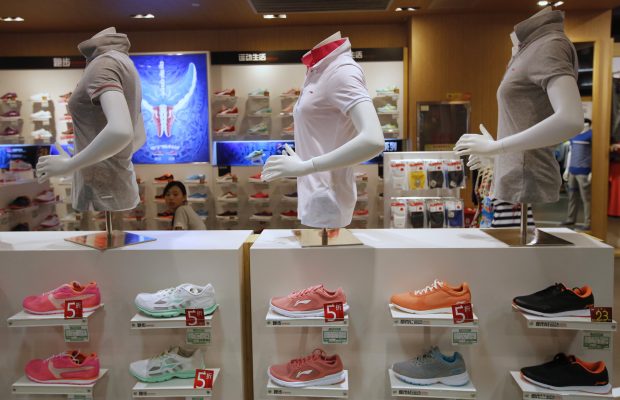
  • Li-Ning showing positive margin number

    Li-Ning showing positive margin number

    Stronger margins helped Chinese sportswear brand Li-Ning boost profit attributable to shareholders by 56 per cent last year, to RMB515 million (US$82 million).

    The company says sales rose 11 per cent to RMB4.176 billion and the net profit margin from 4.1 per cent to 5.8 per cent, with both brick-and-mortar sales and online turnover rising. E-commerce now accounts for 19 per cent of total sales of its core brand.

    Li-Ning is coming to the end of a major business restructure and brand repositioning which has resulted in shorter product life cycles, reduced in-store inventories and – after widespread discounting and buy-back programs to reduce the excess stock – stronger margins.

    Last year, the company showed the results of placing more emphasis on sports research and investment in product research and development to design and provide professional products to athletes and sports enthusiasts.

    “Incessant imagination, on the other hand, is driving Li-Ning to be more trend-setting by integrating fashion, entertainment and leisure elements with professional sports, therefore creating more professional and stylish products and sports experience for sports enthusiasts and life enjoyers,” the company said in its earnings statement.

    “To enhance retail capability, we are dedicated to enhancing the precision of our product planning and optimising the supply model, so as to satisfy end-user demands in a ‘swift + precise’ way. As for retail stores, we upheld the consumer-oriented approach by enhancing and re-shaping retail experience at stores constantly.”

    As at the end of last year, Li-Ning had 6262 points of sale in China, a net decrease of 178 during the year, excluding its Li-Ning Young channel, which now has 173 stores across 26 mainland provinces.

    “The group has taken continuous initiatives to refine channel structure and raise channel efficiency by implementing various measures including closing down and renovating inefficient and loss-making stores and opening highly efficient stores and key experience-concept stores,” the company said. “During the year, the overall retail sell-through registered a high-single digit growth, with product discount rate and sell-out rate further improved.”

    Li-Ning says competition in the sports-casual market is still intense.

    Founder and executive chairman, Li Ning himself, said the robust development of the sports industry brings new opportunities as well as challenges to the future.

    “We foresee the consumption structure of consumers to be transformed toward a more refined and mature dimension while the influence of brand power and brand value deepened. Looking forward, we will continue to devote major resources into sports knowledge learning, technological research and development and Li-Ning brand experience development, proactively exploring and broadening room for business development.”