Category: Fashion

Retail News Asia is committed to providing both local and global retailers with the latest Fashion news throughout the Asian market. This on a daily base.

  • Is hype gone for AmorePacific?

    Is hype gone for AmorePacific?

    AmorePacific seems to be in a quandary, with the country’s fair trade watchdog investigating the cosmetics giant amid declining performance.

    According to AmorePacific’s auditory filing, the company logged 731.5 billion won (US$685.2 million) in operating profit last year, down 32.4 percent from a year earlier. Its sales also declined to 6.29 trillion won, down 10 percent during the same period.

    Its share price also nearly halved from two years earlier.

    In the first half of 2016, AmorePacific hovered over 400,000 won per share, but started to decline, falling as low as 236,500 won last Sept. 29, and did not rise above 350,000 won. It ended at 278,000 won on Tuesday.

    The situation is quite similar for AmorePacific Group (Amore G), which is the holding firm of AmorePacific. It has been on a downturn for the past two years, falling from 215,000 won on July 3, 2015, to 127,000 won on Tuesday.

    On the fall of the titan, analysts and other observers cited the diplomatic friction between Korea and China, due to the former’s decision to deploy a U.S. Terminal High Altitude Area Defense (THAAD) battery here.

    They said China’s cap on the number of items purchased at duty free shops directly affected the revenues of domestic cosmetics firms, whose sales to Chinese tourists account for a significant portion of their entire sales.

    However, some others say blaming the THAAD issue as the sole cause of AmorePacific’s fall may be unfair, given LG Household & Health Care’s (LG H&H) surge last year.

    In January, LG H&H said it posted 6.3 trillion won in sales and 930 billion won in operating profit last year, up 2.9 percent and 5.6 percent from 2016, respectively.

    LG H&H explained it has overcome the harsh market environment, in which overall market growth faced headwinds due to a sharp decline in inbound Chinese traffic, due to its luxury brand strategy and robust sales in the onshore Chinese market.

    With the handsome numbers, LG H&H overtook AmorePacific to become Korea’s top cosmetics company.

    As the two companies show stark differences while suffering the same THAAD issue, analysts interpreted the performances of their luxury brands as the decider.

    According to LG H&H, its Whoo brand logged 1.4 trillion won in sales last year, up 200 billion won from a year earlier. Though AmorePacific did not disclose its luxury brand Sulwhasoo’s sales, Kiwoom Securities analyst Lee Hee-jae assumed Sulwhasoo posted 1.15 trillion won in sales last year, down 245 billion won from 2016.

    AmorePacific denied the assumption, saying it cannot disclose the amount but Sulhwasoo outperformed Whoo in sales last year.

    Further data showing AmorePacific products’ popularity is the market share in duty free shops. According to a Daishin Securities report, AmorePacific’s duty free market share declined from 12 percent in the first half of last year to 5 percent in the fourth quarter.

    Amid doubts on the competitiveness of AmorePacific products, with its fairness in business also questioned, the Fair Trade Commission (FTC) investigated Amore G and its subsidiaries.

    During the five-day investigation that started Feb. 21, the watchdog looked into internal trading between Amore G’s affiliates on suspicion the group unfairly helped affiliates in which Suh Min-jung, the eldest daughter of AmorePacific Chairman Suh Kyung-bae, owns stakes.

    Despite the negative issues, Amore G and AmorePacific decided to pay dividends worth more than 40 billion won to the Suh family. Of them, Chairman Suh will take approximately 39 billion won thanks to his more than 70 percent stake in Amore G and 11 percent stake in AmorePacific.

    Unlike the owner family, AmorePacific employees did not receive incentives, which they normally receive every six months, throughout last year.
  • Stella McCartney buys Kering’s 50% stake in her fashion label

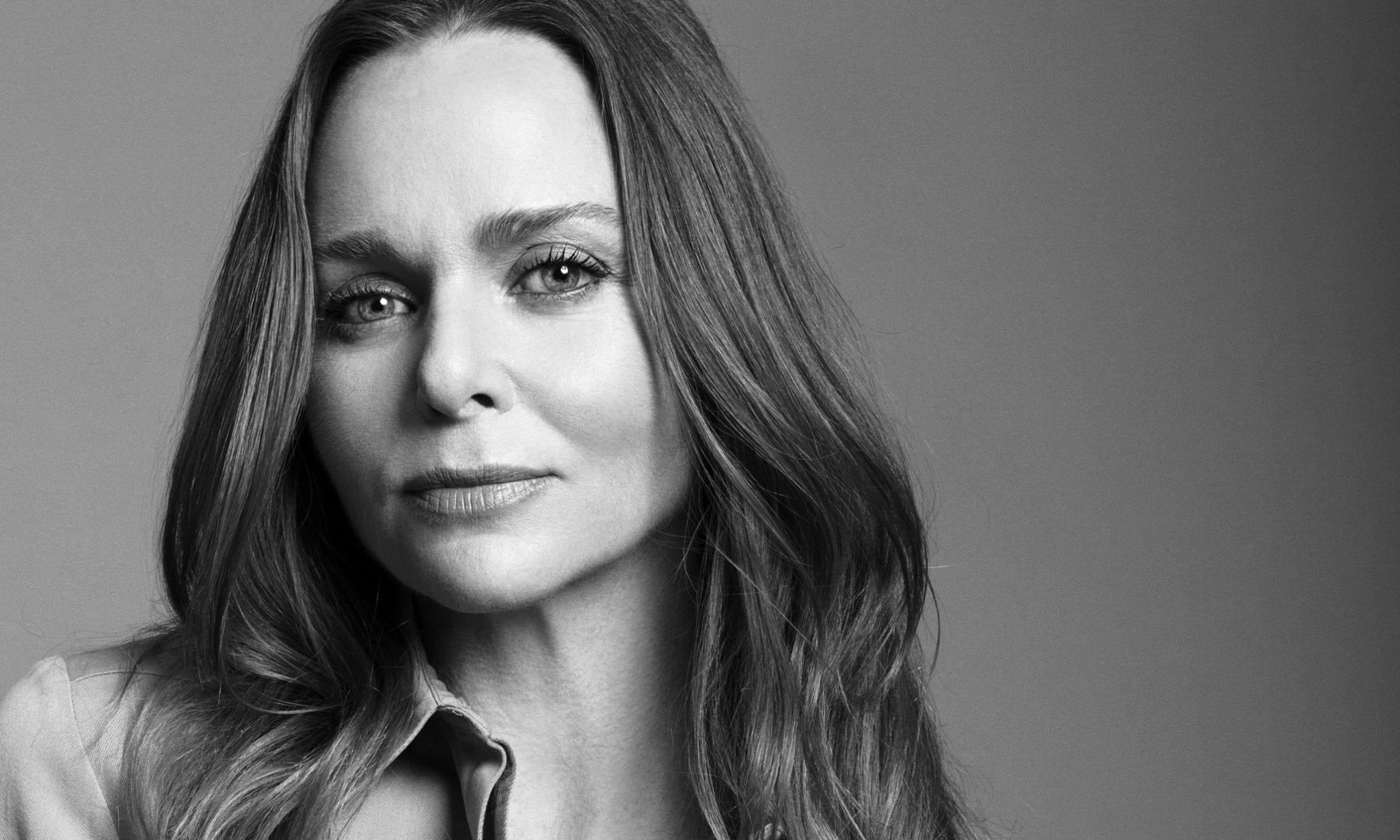
    Stella McCartney buys Kering’s 50% stake in her fashion label

    Kering is selling its 50 per cent stake in fashion label Stella McCartney back to the namesake designer after a 17-year partnership.

    The news follows a report last month revealing that a formal transition process was already in motion with an announcement imminent.

    “It is the right moment to acquire full control of the company bearing my name,” says McCartney.

    “This opportunity represents a crucial patrimonial decision for me. I am extremely grateful to Francois-Henri Pinault and his family and everyone at the Kering group for everything we have built together in the past 17 years. I look forward to the next chapter of my life and what this brand and our team can achieve in the future.”

    Kering chairman/chief executive Pinault says it is the right time for McCartney to move to the next stage. “Kering is a luxury group that empowers creative minds and helps disruptive ideas become reality. I am extremely proud of what Kering and Stella McCartney have accomplished together.”

    McCartney had the option, expiring on Saturday, to buy back Kering’s shares in the label, according to the terms of their JV. Kering and Stella McCartney have previously acknowledged separation talks on more than one occasion over the course of their partnership.

    McCartney’s father, musician Paul McCartney, is said to have played a role in helping to finance the buyback, but this cannot be independently confirmed. A spokesperson for McCartney previously said that her father has never been involved with the business.

    The disposal of Stella McCartney comes at a time when Kering is streamlining its portfolio. It announced in January it would spin off German sportswear brand Puma to its own shareholders.

    The split comes after Kering announced its most profitable year on record, with group net profits soaring 120 per cent last year driven by “spectacular” growth at Gucci and Yves Saint Laurent as well as a strong performance by Balenciaga, the group’s fastest-growing brand in the fourth quarter.

    The conglomerate posted sales of €15.5 billion (about US$19.2 billion), up 27.2 per cent year on year. Revenues topped €10 billion for the first time, with Gucci crossing the €6 billion mark in sales.

    McCartney first made her mark at Richemont-owned fashion label Chloe, before launching her eponymous brand in partnership with Gucci Group (once a subsidiary of what is now Kering).

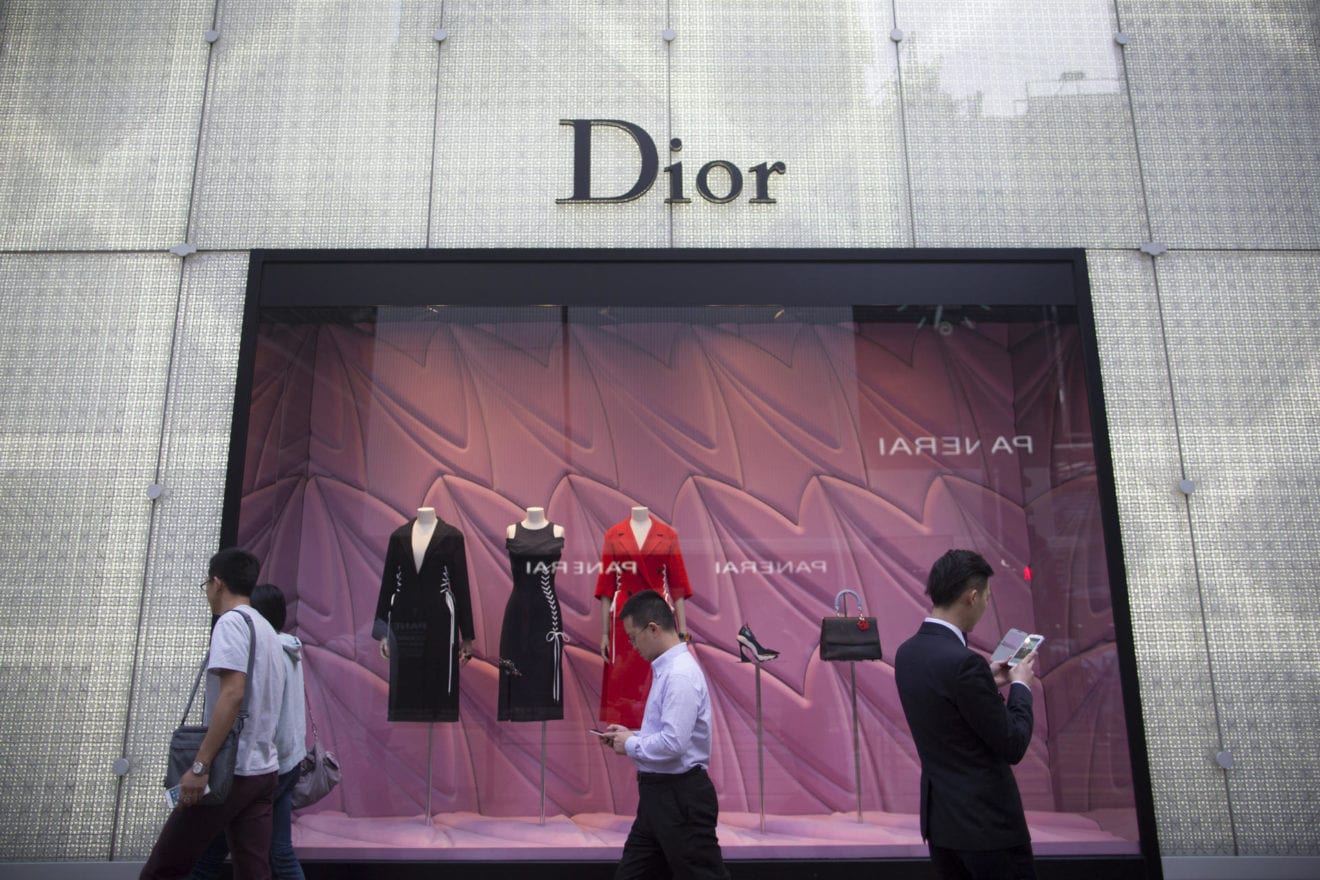
  • Kim Jones is the new artistic director of Dior Homme

    Kim Jones is the new artistic director of Dior Homme

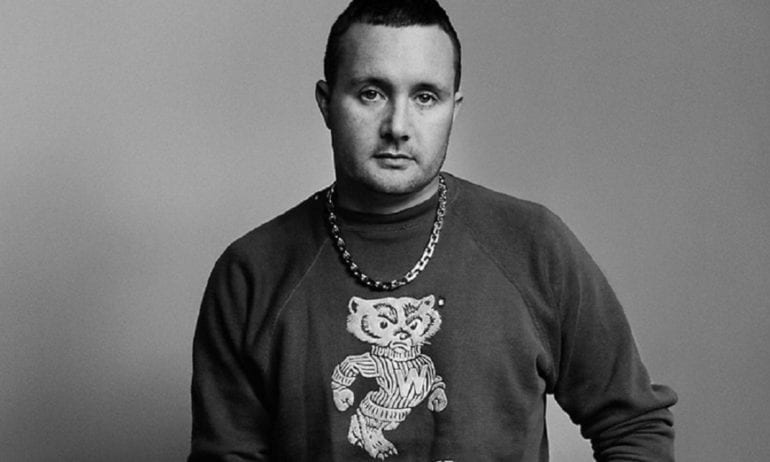
    Kim Jones, the British menswear designer who left Louis Vuitton in January, will become the artistic director at Dior Homme in April. He replaces Kris Van Assche, who had helmed the menswear arm of Dior since 2007.

    Jones is a widely liked figure in fashion, with 345k Instagram followers and famous friends on speed dial including Kanye West and David Beckham, both regular guests at his show. His finale at Louis Vuitton took things to another level. He walked to applause, flanked by two of his best friends, Naomi Campbell and Kate Moss, wearing Louis Vuitton-monogrammed trench coats. Before the Dior Homme announcement, he was linked to top jobs at Versace and Burberry.

    In a statement, Jones said: “I am deeply honoured to join the house of Dior, a symbol of the ultimate elegance.” He also thanked Dior CEO Pietro Beccari for the opportunity, the man widely thought to be the mastermind behind the move. He worked with Jones at Louis Vuitton, and moved to Dior in February. Both brands are part of the LVMH luxury group. The CEO paid tribute to Jones in his own statement. “I admire his creative vision, which combines both his own inspirations of contemporary culture and his own reinterpretation of specific codes and heritage of a house,” said Beccari.

    Jones’s tenure at Louis Vuitton was characterised by just that combination. The designer managed to mix the wealthy traveller feel of the house that began as a luggage brand in 1854 with the cool streetwear references of his own history. As a young designer, he started his career in London in the 90s, working with sportswear brands including Umbro, peaking with a collaboration between Louis Vuitton and Supreme at the beginning of 2017. Something unthinkable the previous decade – in 2000 the streetwear label received a cease-and-desist letter from Vuitton for using their famous monogram on a skateboard – was made tangible by Jones. It was a big hit. Consumers queued up outside pop-up stores in July, with many of the pieces resold for 1.5 times their original price.

    Dior Homme will be hoping that Jones can bring his cool factor to the brand. Van Assche’s reign has been successful but without fireworks. His aesthetic was sharp suiting with graphic details, and he worked with celebrities including Robert Pattinson, A$AP Rocky, Mr Robot’s Rami Malek and Depeche Mode’s Dave Gahan.

    Van Assche was promoted from the design studio to lead Dior Homme in 2007, with the departure of Hedi Slimane. It was Slimane – due to present his first collection for LVMH brand Celine this autumn – who first gave Dior Homme a jolt of stardust in the noughties, during his seven-year stint. His ultra-skinny rock’n’roll tailoring was favoured by rock stars of the era including Pete Doherty and Johnny Borrell. Van Assche built on this work with similar silhouettes and references. It is understood that the Belgian designer will stay within the LVMH group with an announcement imminent.

    Jones’s first collection for Dior Homme will be in Paris in June. A-list stars in the front row and cool references on the catwalk can be expected.

  • Nike is world’s most valuable apparel brand, says Brand Finance Top 50

    Nike is world’s most valuable apparel brand, says Brand Finance Top 50

    Despite losing popularity with American teenagers and a drop in brand value of 41 per cent, Nike is still way out in front in the Brand Finance Top 50 list of the most valuable apparel brands in the world.

    In the list, just been release by the independent brand valuation and strategy consultancy, Nike’s main competitor Adidas was fourth behind H&M and Zara with an increase in brand value of 41 per cent.

    In the realm of luxury brands, Hermes overtook Louis Vuitton, jumping two spots from 7th to 5th from last year. Luxury brands including Cartier, Gucci, Hermes and LV had strong growth in value as more consumers in emerging markets buy into the market.

    Japan’s Uniqlo was the only Asian brand in the top 10, with Hong Kong jeweller Chow Tai Fook and China’s Anta Sports taking up the 13th and 33rd spots respectively.

    These are the top 50 most-valuable apparel brands in the world this year:

      1. Nike (brand value, US$2.8 billion)
      2. H&M ($1.8 billion)
      3. Zara ($1.7 billion)
      4. Adidas ($1.4 billion)
      5. Hermes ($11.3 billion)
      6. Louis Vuitton ($10.4 billion)
      7. Cartier ($9.8 billion)
      8. Gucci ($8.5 billion
      9. Uniqlo ($8 billion)
      10. Rolex ($6.3 billion)
      11. Coach ($6.1 billion); 12. Victoria’s Secret ($6.1 billion); 13. Chow Tai Fook ($5 billion); 14. Tiffany & Co ($4.6 billion); 15. Burberry ($4.5 billion);16. Christian Dior ($4 billion); 17. Polo Ralph Lauren ($4 billion); 18. Prada ($3.8 billion); 19. Under Armour ($3.7 billion); 20. Armani ($3.5 billion)
      12. Puma ($3.3 billion); 22. Ray-Ban ($3.2 billion); 23. Omega ($3.1 billion); 24. The North Face ($3.1 billion); 25. Pandora ($3 billion); 26. Michael Kors ($2.7 billion); 27. Tommy Hilfiger ($2.6 billion); 28. Anta ($2.6 billion); 29. Old Navy ($2.3 billion); 30. Bulgari ($2.2 billion)
      13. Bershka ($2.2 billion); 32. Calvin Klein ($2.2 billion); 33. Levi’s ($2.2 billion); 34. Primark/Penneys ($2.1 billion); 35. Moncler ($2 billion); 36. Boss ($2 billion) 37. Gap ($2 billion); 38. Ferragamo ($1.9 billion); 39. Saint Laurent ($1.8 billion); 40. Bottega Veneta ($1.8 billion)
      14. Valentino ($1.8 billion); 42. Skechers ($1.6 billion); 43. Swatch ($1.6 billion); 44. Tag Heuer ($1.5 billion); 45. Timberland ($1.4 billion); 46. Massimo Dutti ($1.3 billion); 47. Reebok ($1.3 billion); 48. Woolworths ($1.2 billion); 49. Stradivarius ($1.2 billion); 50. Pull and Bear ($1.2 billion).
  • Vera Wang Group appoints new president

    Vera Wang Group appoints new president

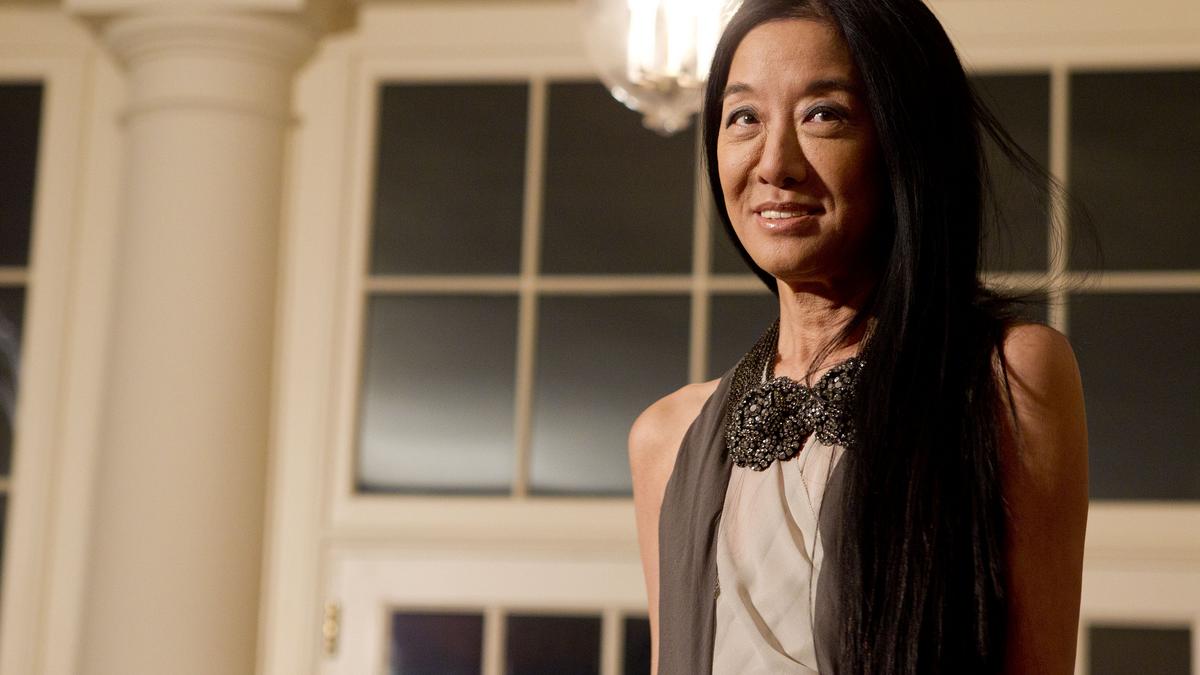
    Peggy Eskenasi has been named president of Vera Wang Group.

    A former Nine West Holdings and Kohl’s executive, Eskenasi succeeds Veronique Gabai-Pinsky, who has been at the helm since January 2016.

    An industry veteran, Eskenasi has served in multiple executive roles since debuting her career. She was executive chairwoman of Nine West Holdings, Inc. from late 2014 to mid 2016, following a stint as senior executive vice president of product development at Kohl’s Department Stores.

    For Kohl’s, which has held the license for Simply Vera Vera Wang for more than ten years, Eskenasi lead the building of a large stable of brands, made up of both Kohl’s exclusives and licenses of the company. Big names include Simply Vera Vera Wang, Jennifer Lopez, Candie’s, Rock & Republic and Juicy Couture.

    Prior to this, she was president of private brands at Saks Inc. from 1997 to 2004.

    According to WWD, Gabai-Pinsky is resigning for personal reasons.

    “Vera Wang personally thanks her for her valuable contribution to the company during her tenure and wishes her all the best,” the Wang spokeswoman said of Gabai-Pinsky.

    Neither Wang nor Eskenasi were available for comment.

    Vera Wang has dozens of flagship stores worldwide. In the Asia Pacifc region, Vera Wang stores are located in China, Japan, Taiwan, South Korea, The Philippines and Australia.

  • Louis Vuitton points Virgil Abloh as new menswear designer

    Louis Vuitton points Virgil Abloh as new menswear designer

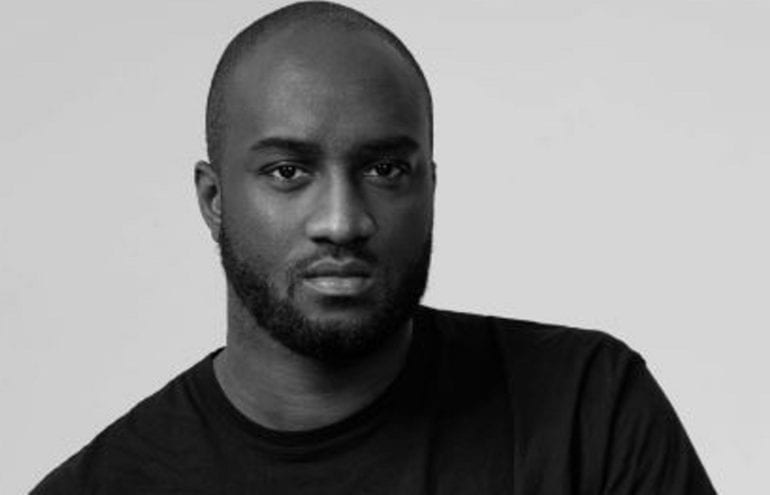
    Virgil Abloh, the founder of the haute street wear label Off-White and a longtime creative director for Kanye West, will be the next artistic director of menswear at Louis Vuitton, one of the oldest and most powerful European houses in the luxury business.

    He will be one of the few black designers at the top of a French heritage house. Olivier Rousteing is the creative director of Balmain, and Ozwald Boateng, from Britain, was the designer for Givenchy men’s wear from 2003 to 2007.

    r“I feel elated,” Mr. Abloh said via phone on Sunday, adding that he planned to relocate his family to Paris to take the job at the largest brand in the stable of LVMH Moët Hennessy Louis Vuitton, the world’s largest luxury group. “This opportunity to think through what the next chapter of design and luxury will mean at a brand that represents the pinnacle of luxury was always a goal in my wildest dreams. And to show a younger generation that there is no one way anyone in this kind of position has to look is a fantastically modern spirit in which to start.”

    The appointment, widely rumoured in recent months, is part of a shake-up on the men’s wear side of LVMH, which began in January with the departure of Kim Jones, Mr. Abloh’s predecessor at Louis Vuitton. Last week, it was announced that Mr. Jones would become the menswear designer at LVMH stablemate Christian Dior, replacing Kris van Assche.

    Mr. Abloh’s appointment is also a reflection of the increasing consumer-driven intermingling of the luxury and street wear sectors, which helped boost global sales of luxury personal goods by 5 percent last year to an estimated 263 billion euros (about $325 billion in today’s dollars), according to a recent study by the global consulting firm Bain & Company. And it is an acknowledgment on the part of the luxury industry that it must respond to contemporary culture in new ways.

    “Virgil is incredibly good at creating bridges between the classic and the zeitgeist of the moment,” said Michael Burke, chief executive of Louis Vuitton. The two men first met about 12 years ago when Mr. Abloh spent six months interning at Fendi with Kanye West, where Mr. Burke was then the chief executive.

    “I paid them $500 a month!” Mr. Burke said. “I was really impressed with how they brought a whole new vibe to the studio and were disruptive in the best way. Virgil could create a metaphor and a new vocabulary to describe something as old-school as Fendi. I have been following his career ever since.”

    Mr. Abloh, 37, a first-generation Ghanaian-American raised in Illinois, is widely considered one of fashion’s consummate purveyors of cool; a master of using irony, reference and the self-aware wink (plus celebrity, music, digital and hype), to recontextualize the familiar and give it an aura of cultural currency.

    Despite having no formal fashion education (his mother was a seamstress and taught him her trade; he studied architecture and civil engineering), Mr. Abloh founded Off-White — a reference to his belief that old barriers are breaking down — in 2013, almost a decade after he first meet Mr. West and became his creative partner. In 2015, Off-White was a finalist for the LVMH Young Designers Prize. (Mr. Abloh will be the first LVMH finalist to take on a major design role in an LVMH brand.)

    Off-White currently has 3.1 million Instagram followers (Mr. Abloh alone has 1.6 million), and Mr. Abloh received the Urban Luxe award at the British Fashion Awards last year. During the just-past women’s wear season, there was almost a riot in the Rue Cambon outside the Off-White show as fans crowded to get in.

    A champion of the cross-branded collaboration, Mr. Abloh has worked with names as varied as Nike, Jimmy Choo, Moncler and, with an upcoming project, Ikea. Most recently, he teamed up with Takashi Murakami, a frequent Vuitton collaborator, for a show at the Gagosian Gallery in London.

    “In a way, all of my output has been to make a compelling case for me to take on a role such as this,” Mr. Abloh said. “I think of it as kind of the ultimate collaboration.”

    It also presumably made a compelling case that Mr. Abloh could be the man to make Louis Vuitton men’s wear more relevant — and more visible — to the millennial generation. He will build on the foundation laid by Mr. Jones, who also gave classic men’s wear and Vuitton’s history as a luggage expert an urban edge, and recently engineered a sellout collaboration with Supreme, another street-wear success story.

    “For the last eight to 10 years we’ve been having this conversation about what’s new, and for me, that has to do with making luxury relatable across generations,” Mr. Abloh said, adding that he had been putting together an eight-page “brand manual” defining the new ethos of his Vuitton. “The first thing I am going to do is define new codes. My muse has always been what people actually wear, and I am really excited to make a luxury version of that.”

    Mr. Burke added, “Louis Vuitton was not a couture house. From the mid-19th century to the 1920s and beyond it always sought to cater to the new wealthy class, not the old aristocrats.”

    Mr. Abloh also said he would be focused on rethinking how the brand communicated with its consumers, including the release of products, the runway show and the way it interacted with the global political mood.

    Certainly, Vuitton will give him a bigger platform than he has had. Men’s wear is currently sold in only about 150 of the 450 Vuitton stores around the world, though the company plans to increase that by between 25 and 28 stores. There are also 13 free-standing men’s stores, with six more planned this year, according to Mr. Burke. Though LVMH does not break out specific brand performance, Mr. Burke said the men’s wear business had been growing in the double digits and “had a stellar 2017.”

    That places a burden of expectation on Mr. Abloh’s shoulders, especially given all the hype around his name — he was mentioned for possible top positions at Burberry and Versace. One of the criticisms most often lobbed at him (by Calvin Klein’s designer, Raf Simons, among others) is that his real genius lies in repurposing other people’s work, as opposed to creating new silhouettes of his own.

    Mr. Abloh is also not one to shy away from political statement-making, a tactic often seen as a risk for a luxury brand. Last year, during a guest appearance at the Florence men’s wear show, Pitti Uomo, Mr. Abloh eschewed the traditional runway show and instead collaborated with the artist Jenny Holzer on a piece addressing the immigrant crisis.

    “Product is only one part of the luxury narrative,” Mr. Abloh said in the phone interview. “I want to use Louis Vuitton’s history with travel to really look at different cultures around the world to help make all our humanity visible. When creativity melds together with global issues, I believe you can bring the world together. Fashion on this level can really open eyes.”

    Mr. Abloh will continue to run Off-White — “it is for the 17-year-old version of myself, whereas Vuitton is for the 37-year-old I am today,” he said — and to work with Mr. West. But he said he would cut back on his other activities, including moonlighting as a D.J. He will show his first collection for Louis Vuitton during Paris Men’s Fashion Week in June.

  • The Face Shop X Coca Cola has been launched

    The Face Shop X Coca Cola has been launched

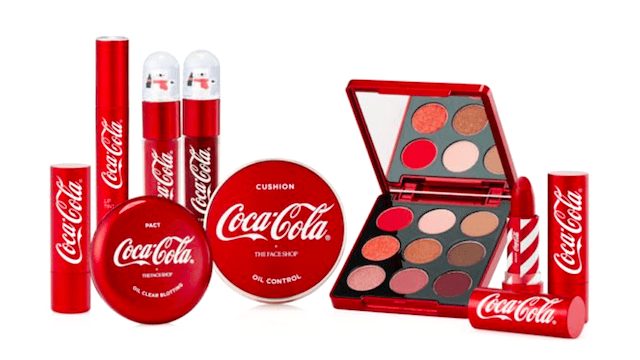
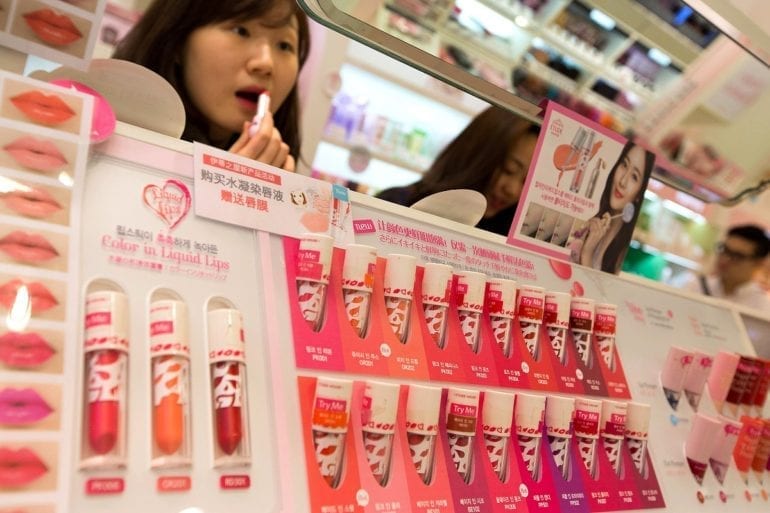
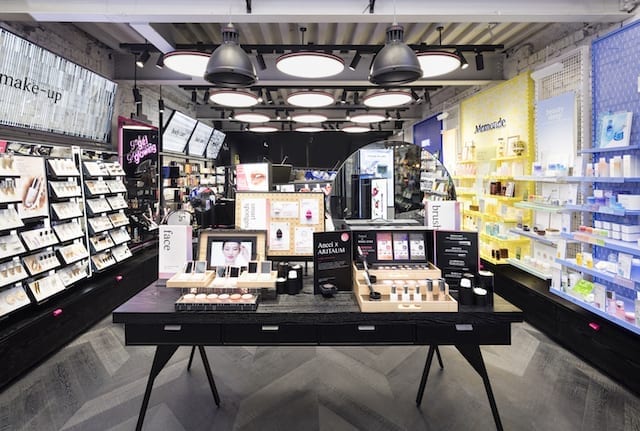
    Korean makeup brand The Face Shop has launched a range of Coca Cola cosmetics in an unusual collaboration with the US soft drink brand.

    The makeup range includes cushion compact, powder pact, five cream lip tints, five lipsticks, three gel lip tints, and an eyeshadow palette – all in Coca Cola pattern packages.

    Not only are they sold to look a little like Coke products… they even smell like Coca Cola.

    The Face Shop says the lip tints and lipsticks really do have a scent similar to “the real thing”…

    The lip tint packaging also features a cute polar bear image on the cap.

    The Coca Cola cosmetics collection by The Face Shop is sold online and at retail chains in Korea.

  • Alcis Sports expansion plan in India

    Alcis Sports expansion plan in India

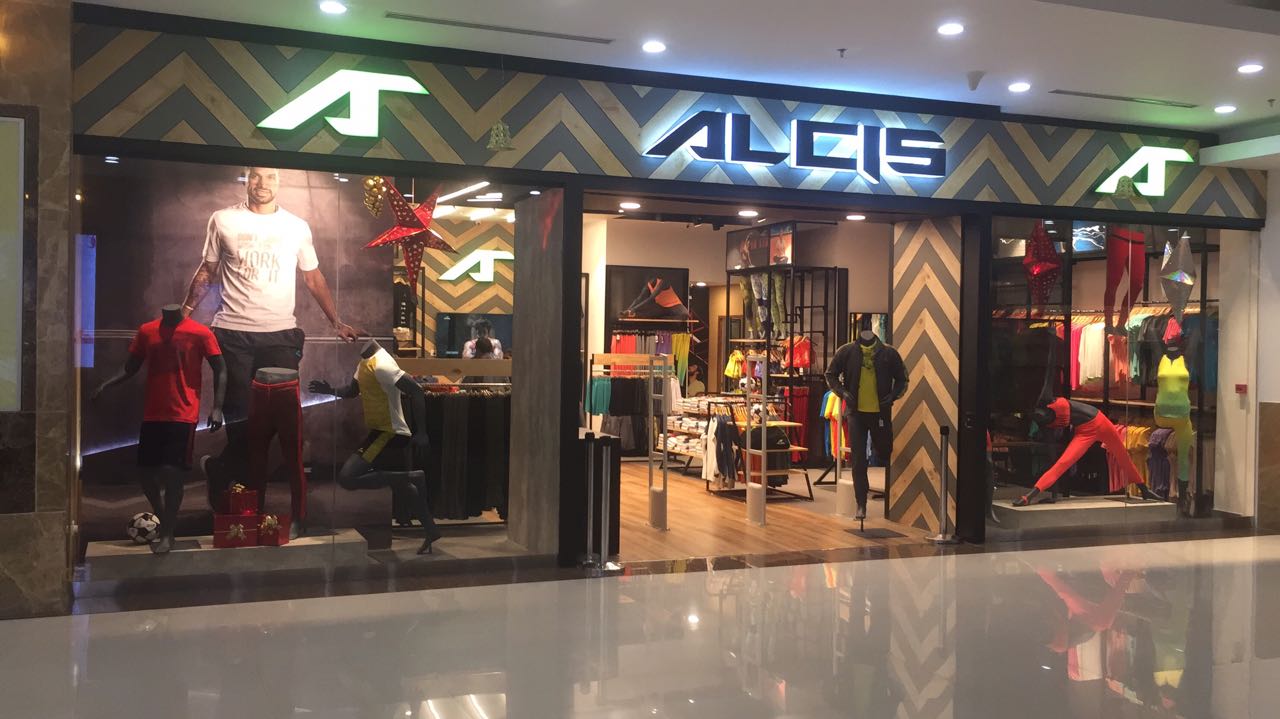
    Indian fashion brand Alcis Sports plans to add 15 exclusive brand outlets in metro areas by year’s end.

    President Anuj Batra says the brand may also enter some top towns such as Lucknow and Mysore through franchise partners.

    While the brand is available through four exclusive stores it has opened its first franchises in Guwahati and in Kamla Nagar in New Delhi. “We are looking at expanding across India, be it through company-owned stores or franchised stores.,” says Batra.

    Alcis also has 150 shop-in-shops in large-format stores like Central, Globus, Shoppers Stop and Sports Station. The brand will be soon launch a shop-in-shop in Lifestyle as well.

    “Along with this, Alcis is also present in South India with brands like Jayalakshmi, Pothys and RS Brothers. Offline, we cover about 700-odd retail outlets (shop-in-shops) across India, and in the coming year are looking at increasing our spread to tier II and III towns.”

    He says that for online business Alcis has been gaining traction over the past year on both Jabong and Myntra, and has also tied up with Amazon, Flipkart, PayTM and Snapdeal.

    Going ahead, Batra says he expects offline will contribute 60 per cent of revenue.

    Alcis Sports has just secured an investment from Singapore venture capital firm RB Investments, and the company has also appointed Indian cricketer Shikhar Dhawan as brand ambassador.

  • Positive trend for Swiss watch in Hong Kong

    Positive trend for Swiss watch in Hong Kong

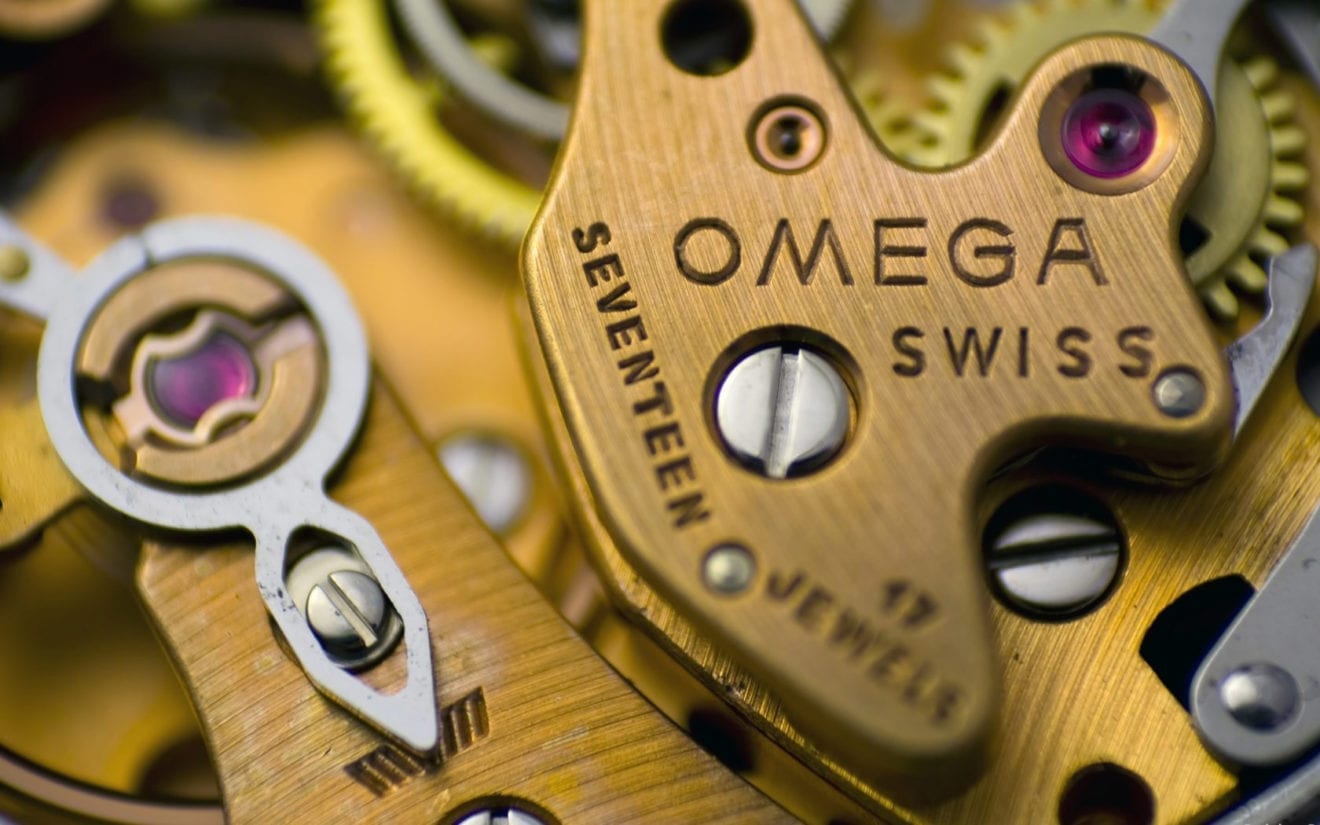
    Exports of Swiss watches to Hong Kong rose 35.7 per cent last month, their strongest advance for six years, according to the Federation of the Swiss Watch Industry.

    After 44.3 per cent growth in January, China also exceeded the global average with a 21.7 per cent rise.

    Japan (up 7.1 per cent) and Singapore (up 7 per cent) posted significant growth.

    Following stronger January exports, February was even better, says the federation. The total value of watch exports reached SF1.7 billion francs (US$1.7 billion), up 12.9 per cent.

    Watches made of precious metals and steel set the pace. While overall volumes were less sustained, there was still significant growth, says the federation, driven by timepieces in steel. The result was nevertheless held back by the “other materials” category.

    Growth extended to all price segments, led by watches priced at between SF500 and SF3000 (export price) where the value of exports rose 19.3 per cent.

    Timepieces priced at more than SF3000 francs, up 12.9 per cent, fell within the average range. Products costing less than SF200 achieved 7.8 per cent growth after falling sharply for more than one year, says the federation.

  • Cosmo Lady Says Unit To Form JV With Kappa

    Cosmo Lady Says Unit To Form JV With Kappa

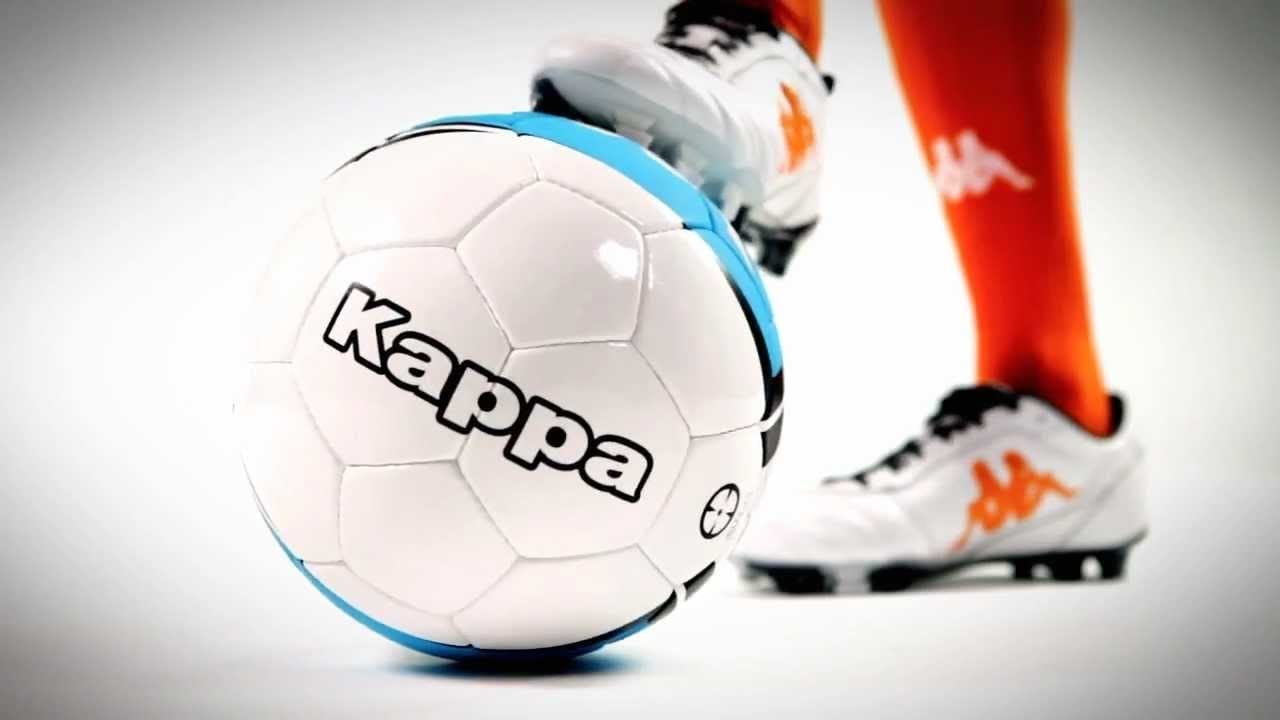
    Cosmo Lady has formed a joint venture with Shanghai Kappa to develop and sell intimate apparel in China.

    The partnership – 75 per cent owned by Cosmo Lady and 25 per cent by Shanghai Kappa – will focus on men’s underwear and women’s sports underwear products.

    Shanghai Kappa and the JV company will enter into a licensing agreement giving the JV the exclusive right to use the Kappa trademarks on its intimate wear products in China for eight years.

    Shanghai Kappa, incorporated in China, is a wholly-owned subsidiary of China Dongxiang, which owns the rights to the Kappa sportswear brand in China and Macau.

  • Korean fashion brand Hazzys to launch collaboration collection with Todd Selby

    Korean fashion brand Hazzys to launch collaboration collection with Todd Selby

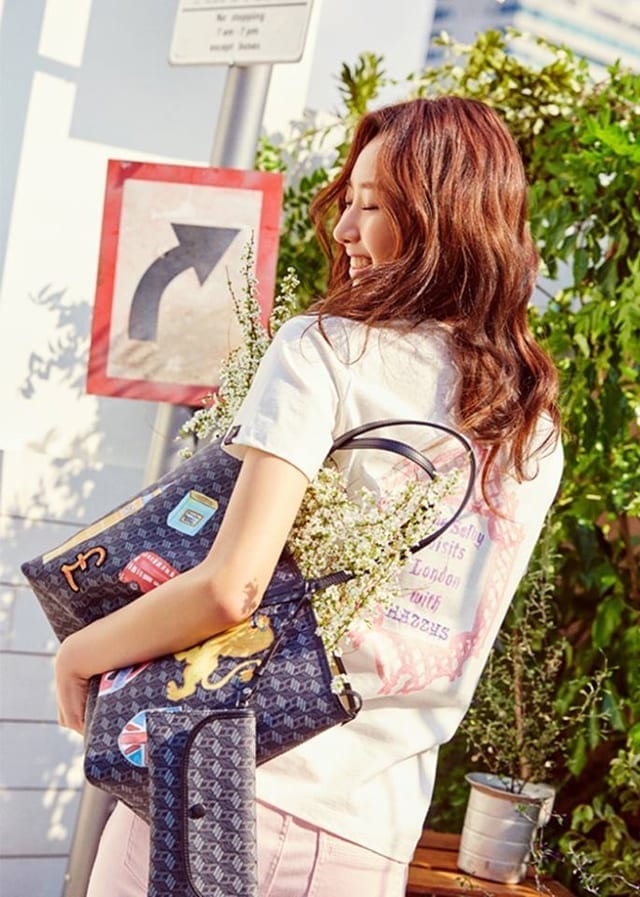
    Korean casual fashion brand Hazzys has unveiled its second collection for Artist Edition in co-operation with photographer Todd Selby.

    Including more than 30 items for womenswear, menswear, golf wear, accessories and childrenswear, the Todd Selby collection will be available at Hazzys stores across Korea and online at LF Mall.

    Slide to view the gallery below :

    Launched last year, Hazzys’ Artist Edition is a global market collection created with international artists. The previous collection featured French artist Ramdane Touhami, who is also creative director of French cosmetics label Buly 1803.

    Hazzys is owned by LF Group, which also has such brands as Alegri, Daks Men, Il Corso, Maestro and TNGT.

  • These 13 Korean Beauty Products Are Being Recalled From The Market

    These 13 Korean Beauty Products Are Being Recalled From The Market

    Unsafe levels of the heavy metal antimony have led to the South Korean government banning 13 cosmetics products.

    Some of the products, including eyebrow pencils from 3CE and Etude House, were previously available in Hong Kong and have been taken off store shelves.

    According to the Ministry of Food and Drug Safety in South Korea, antimony at levels ranging from 10.1 parts per million (ppm) to 14.3ppm was found in the 13 products. The maximum legally permitted antimony level is 10ppm.

    After the department ordered recalls of the products, Amorepacific Group, whose brands accounted for six of the products, issued an apology to customers.

    Antimony is found in consumer products such as batteries and electrical appliances, and has been detected in food packaging and toys. Research has shown that chronic exposure to antimony in the air can lead to irritations of the skin, eyes and lungs. Drinking high levels of the metal in water could cause vomiting and abdominal pain.

    Among the products recalled were: 3CE Slim Eyebrow Pencil (chestnut brown) and Makeheal Naked Slim Brow Pencil (shades BR0203 and YL0801); Aritaum’s Full Cover Cream Concealer and Stick Concealer; Black Monster Homme Black Erasing Pen; Etude House’s AC Clean Up Mild Concealer; Skeda Concealer; Skinfood Cherry Full Lip Liner; and XTM Style Homme for Men Easy Stick Concealer.

  • Strong sales growth posted by Hermès Asia

    Strong sales growth posted by Hermès Asia

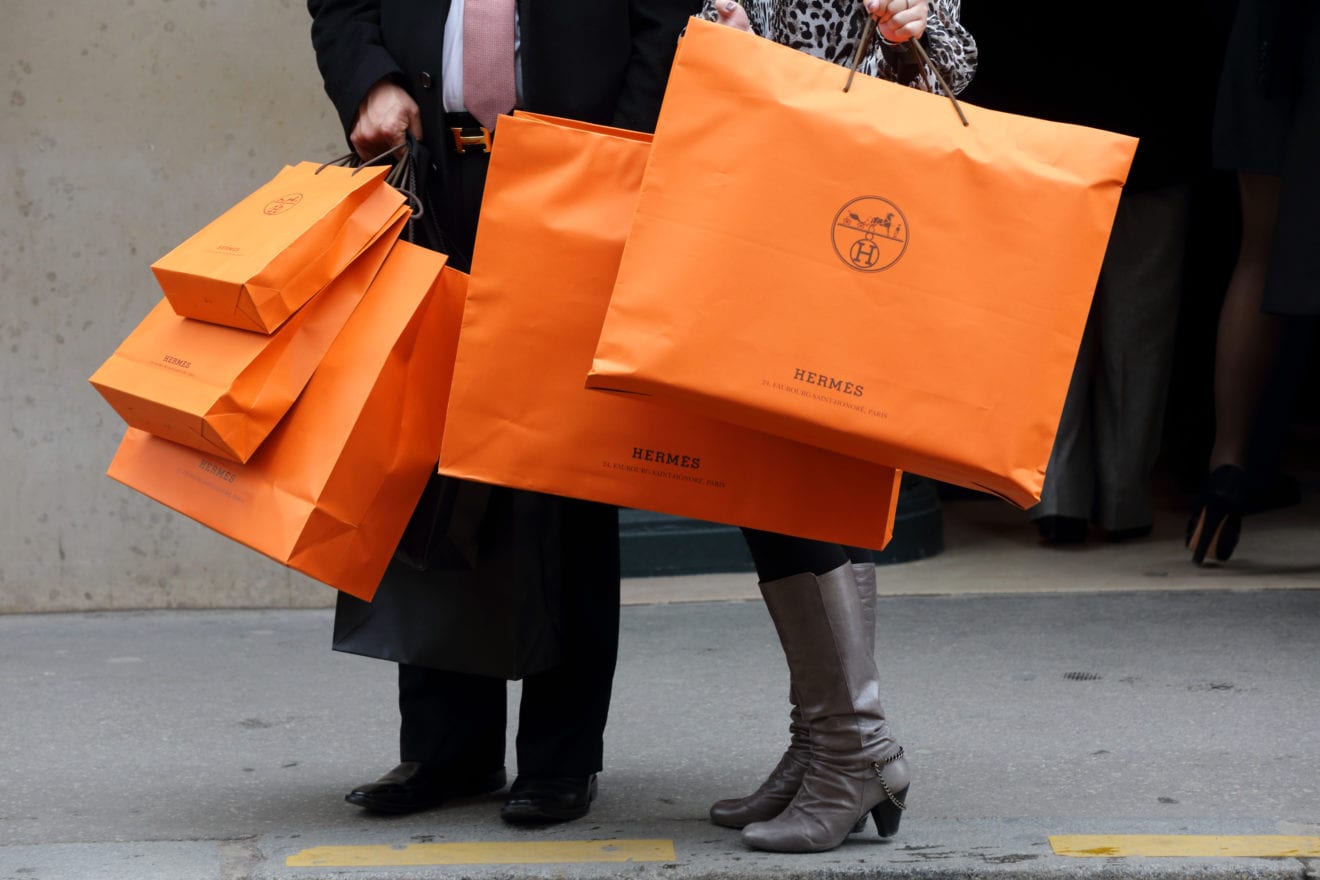
    Hermes Asia sales grew 11.3 per cent last year to €1.946 billion (US$2.4 billion) as the luxury retailer set a new record for gross retail margin.

    The company said the retail market was improving in Hong Kong and Macau, with the Asian market “pursuing its upward curve” and positive outlooks in Mainland China and South Asian countries.

    Growth was aided by store revamps at Sogo Fuxing in Taiwan, Elements mall in Hong Kong and at Kuala Lumpur.

    Sales in Japan (separated from Asia results) rose 4 per cent to €724.1 million, despite a high comparison figure from last year, which the company described as “a sustained increase” in what is a mature market, citing a selective distribution network.

    Group sales totalled €5.549 billion (US$6.863 billion), up 9 per cent at constant exchange rates. Operating income rose 13 per cent, to €1.922 billion, representing a record 34.6 per cent gross margin, while net profit rose 11 per cent to €1.221 billion.

    “Hermes achieved a new year of historic results, thanks to the quality of our know-how, the success of our creations and especially the incredible commitment of the women and men of Hermes,” said executive chairman Axel Dumas.

    Hermes will ramp up its online offer in the region this year, with a new website scheduled to go live in China at the end of this year.

    Meanwhile, the company said the sale of the Galleria building in Hong Kong’s Central district, which previously housed its flagship store, would likely generate a net capital gain of €50 million this year.

    Leather drives growth

    By category, Hermes’ leather goods proved the strongest performer last year, sales rising 10 per cent globally, reflecting increased production capacity as demand rose for its handbags.

    The ready-to-wear and accessories division grew 9 per cent, driven by the success of new collections, fashion accessories and particularly shoes.

    Sales of silk and textile products grew 6 per cent and of perfumes by 10 per cent, largely due to the successful launch of Twilly d’Hermes.

    Watch sales grew just 1 per cent with what Hermes described as “good sales” in company-owned stores. Other Hermes business lines- jewellery, Art of Living and Hermes Table Arts, grew sales by 11 per cent.

  • FILA launches Pokémon-inspired sneakers

    FILA launches Pokémon-inspired sneakers

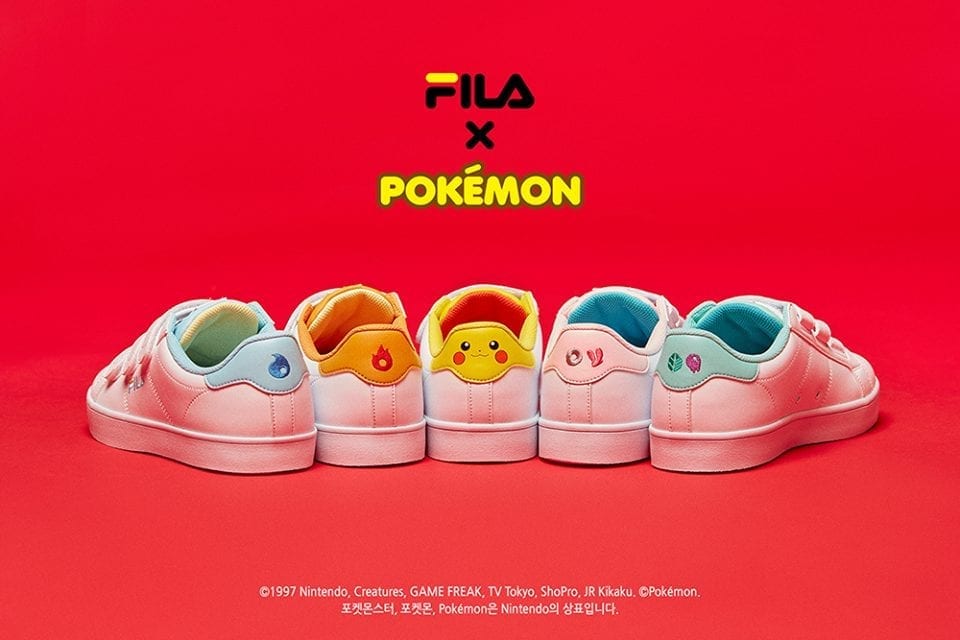
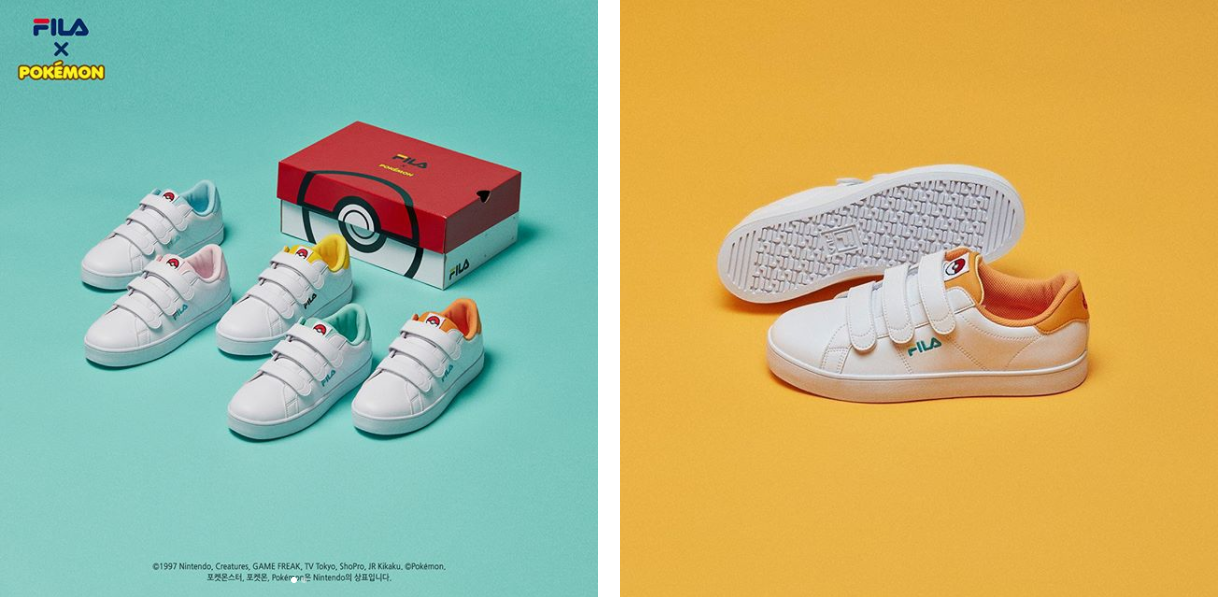
    Fila Korea has collaborated with Japanese VR game franchise Pokemon on a range of colourful sneakers.

    Available via Fila South Korea, the limited-edition shoes feature Pokemon characters including Bulbasaur, Charmander, Jigglypuff, Pikachu and Squirtle. The shoes are wrapped in a Pokeball-themed box with a badge and sticker of the corresponding Pokemon.

    There are just two models: the Fila Court Deluxe and Classic Kicks.

    Orders for Hong Kong, Japan, Malaysia, Philippines Singapore, Taiwan and other Asian countries as well as the US can be placed through Harum.io.

  • Jins, Japan’s biggest eyewear chain, to open in Manila

    Jins, Japan’s biggest eyewear chain, to open in Manila

    Japan’s largest eyewear chain Jins plans to open in Metro Manila this summer.

    Brought in by Suyen Group, the parent of fashion brand Bench, Jins will add a broad variety of eyewear design to the Philippines.

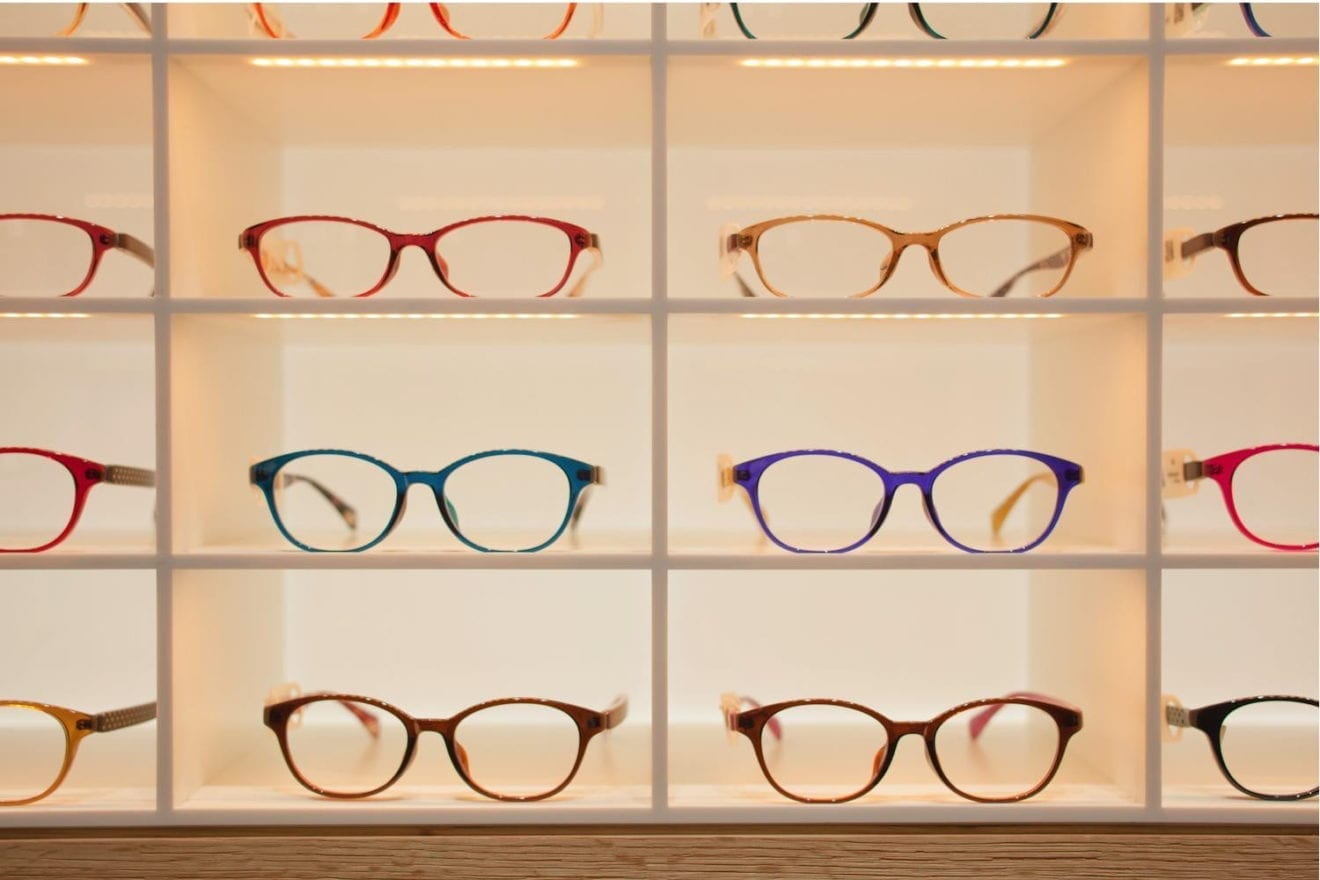
    Each Jins store regularly stocks more than 1200 frames, ranging from classical styles to fashionable.

    Jins offers a visual experience with stores designed like a pop-art gallery, collaborating with graphic artists and architects from Japan and other countries in designing both the eyewear line and their stores.

    Recent collaborators include British product and furniture designer, Jasper Morrison, and Japanese graphic artists and architects Teruhiro Yanagihara and Sou Fujimoto.

    Customers usually spend less than an hour having their eyes checked and spectacles prepared at Jins.

    Jins has around 60 stores in Tokyo, and 300 nationwide.