Category: Fashion

Retail News Asia is committed to providing both local and global retailers with the latest Fashion news throughout the Asian market. This on a daily base.

  • Richemont bids to take full control of Yoox Net-a-Porter

    Richemont bids to take full control of Yoox Net-a-Porter

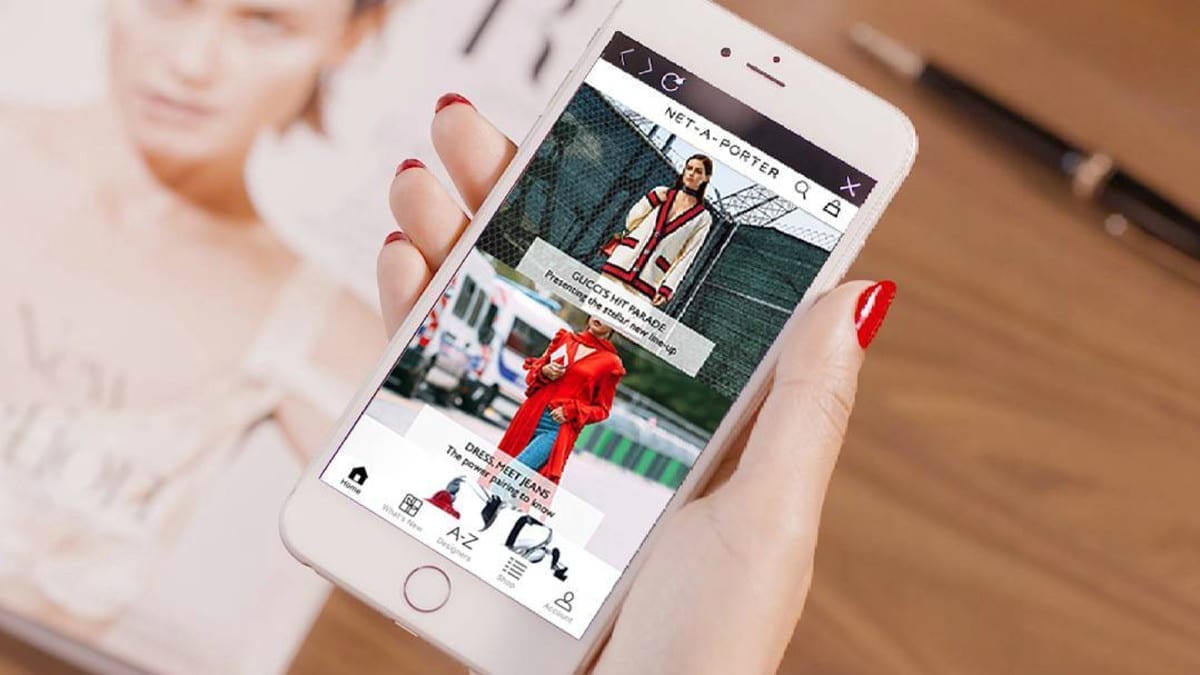
    Swiss luxury goods holding company Richemont has moved to take full ownership of e-commerce company Yoox Net-a-Porter (YNAP).

    Nearly three years after Richemont merged Net-a-Porter with Italian rival Yoox, the company has made a public tender offer to buy the shares in YNAP it does not already own, equivalent to half of the company.

    It is offering for €38 (US$46.50) a share, nearly €8 above Friday’s YNAP closing price.

    YNAP chief executive Federico Marchetti says he is receptive to the bid, and YNAP has waived a clause in its shareholder documents that would have prevented Richemont and any affiliates from buying more shares in the company.

    Richemont says it plans to continue to running YNAP as a separate company.

    “Thanks to our long-term commitment and resources, we see a meaningful opportunity to strengthen further Yoox Net-a-Porter Group’s leading positioning in luxury e-commerce, growing the business in existing and new geographies, increasing product availability and range, and continuing to develop unparalleled services and content for today’s highly discerning consumers,” says Richemont chairman Johann Rupert.

    Marchetti says the rationale for the investment is to build on YNAP’s solid track record of growth. “This means investing even more in product, technology, logistics, people and marketing.”

    In its latest preliminary results, the company revealed it had surpassed €2 billion in net revenues, up nearly 12 per cent year-over-year, and that more than half of its sales in the year came from mobile devices for the first time. Full results will be released in March.

    Meanwhile, Richemont saw its sales for the year ending last March decline 4 per cent to €10.7 billion.

    “With this new step, we intend to strengthen Richemont’s presence and focus on the digital channel, which is becoming critically important in meeting luxury consumers’ needs,” says Rupert.

    “Nearly 20 years after inventing Yoox, YNAP’s magic excites me even more,” says Marchetti. “The prospect of no longer owning 4 per cent of the share capital does not change my entrepreneurial commitment to YNAP. Dreaming and innovating to the benefit of our customers has always been my motivation; it will remain so in the years to come.”

  • Nike footwear supplier Yue Yuen to make HK$6.7b from retail arm’s privatisation plan

    Nike footwear supplier Yue Yuen to make HK$6.7b from retail arm’s privatisation plan

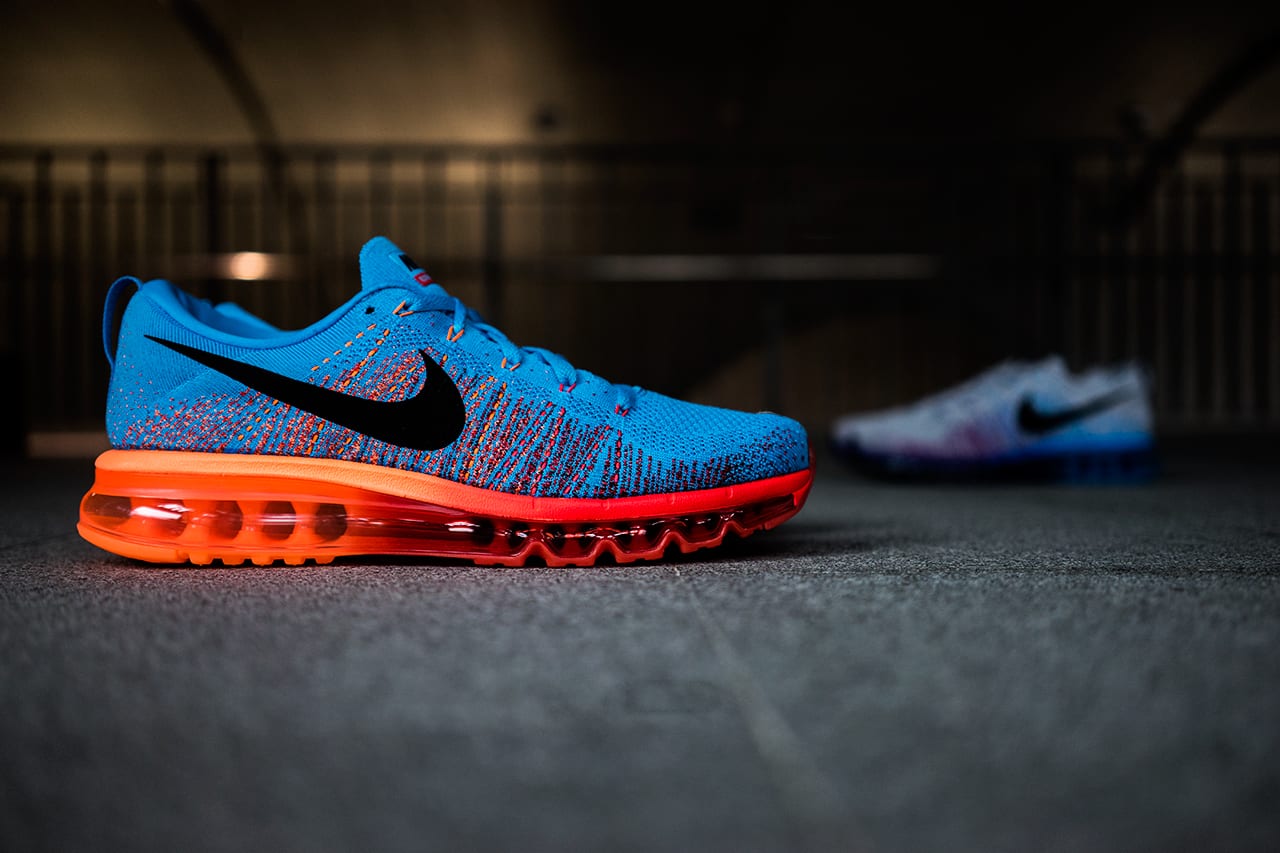
    Yue Yuen Industrial Holdings, the world’s largest footwear maker which supplies global brands including Nike and Adidas, is set to receive HK$6.76 billion (US$860 million) from the proposed privatisation plan of its retail arm, according to a stock exchange filing on Sunday.

    Yue Yuen plans to sell its 62.41 per cent stake in Chinese footwear retailer Pou Sheng International (Holdings) to its Taiwan-listed parent Pou Chen Corporation in a HK$10.9 billion privatisation plan. Pou Chen in turn owns a 49.99 per cent stake in Yue Yuen.

    Pou Chen is offering Pou Sheng shareholders HK$2.03 per share, which represents a 31.82 per cent premium over the HK$1.54 per share closing price on Friday.

    The privatisation offer, which needs shareholders’ approval, is expected to be completed by May 30 after which Pou Sheng will cancel its listing status in Hong Kong.

    Pou Chen said it intends to finance the offer from internal cash resources and loans. Its financial adviser Citigroup is satisfied the company has sufficient financial resources for the offer.

    Yue Yuen said it plans to return part of the HK$6.76 billion as a one-off special dividend to its shareholders while the rest will be used for general working capital.

    Pou Sheng was spun off from Yue Yuen and listed in Hong Kong in 2008. Since trading in the shares was not active it made the “listing status ineffective in providing a sufficient source of funding for Pou Sheng’s business and growth”, the filing said.

    Pou Chen said turning Pou Sheng into a wholly owned subsidiary would allow the retailer to be more flexible in developing a new business model to better compete in China’s retail market where it faces increasing competition from online stores and aggressive marketing from sportswear companies.

    “Pou Sheng needs to be very flexible in transforming its operations in a timely fashion; Pou Sheng will enjoy more advantageous financing and coordinated internal treasury management under Pou Chen;

    and Pou Sheng will benefit from a streamlined corporate and management structure and an enhanced sharing of expertise,” the announcement said.

    Yue Yuen, which has been listed in Hong Kong since 1992, owns factories in China, Vietnam and Indonesia, producing 300 million pairs of shoes a year for Nike, Adidas, Reebok, New Balance, Puma and Timberland.

  • Former DKNY Commercial Head, Paul Kotrba joins SEAFOLLY as Chief Executive Officer

    Former DKNY Commercial Head, Paul Kotrba joins SEAFOLLY as Chief Executive Officer

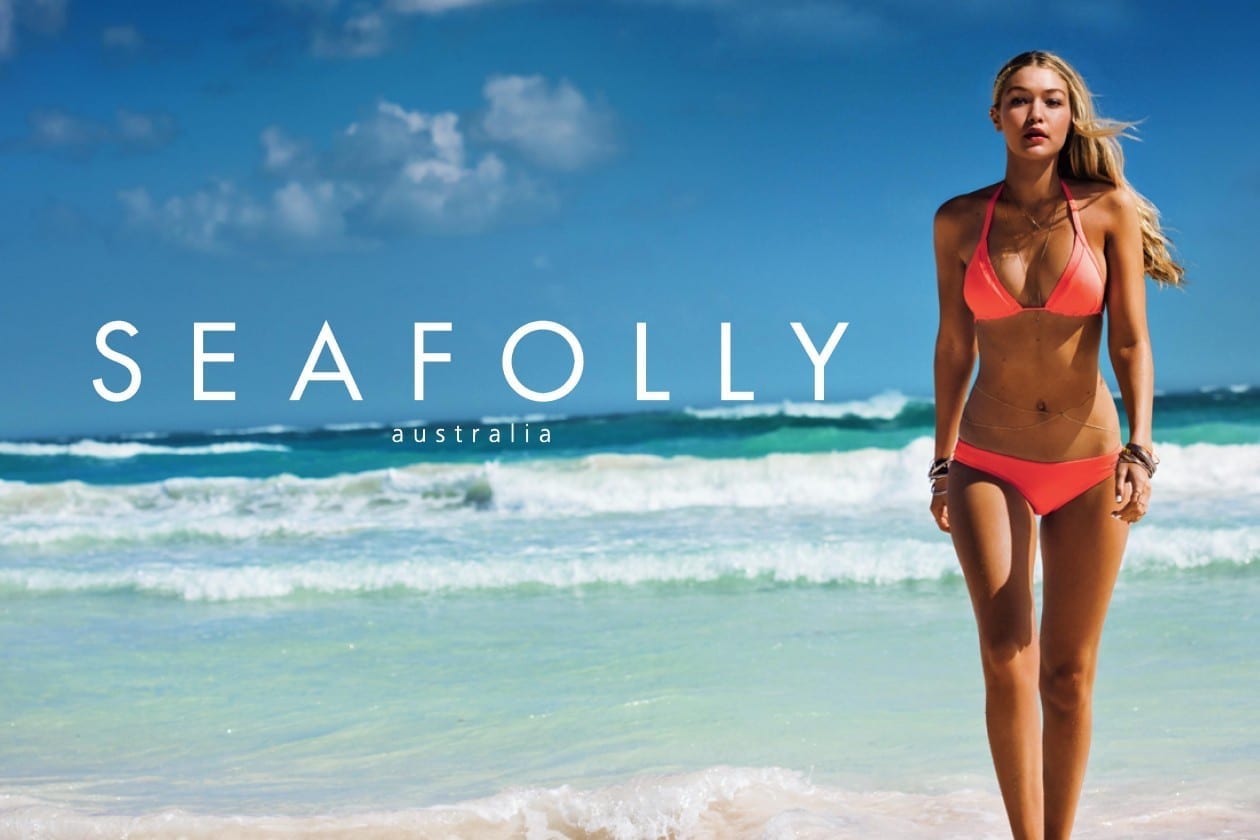
    Paul Kotrba has been appointed SEAFOLLY’s new CEO. This international appointment will enable SEAFOLLY, the 42-year old Australian swimwear powerhouse, to further develop its global growth potential.

    Originally from Vienna, Austria, Kotrba is an experienced global retail executive with over 15 years spent in New York City at Donna Karan and DKNY during the period of ownership under LVMH. There he successfully built brand equity by leading the execution of the groups’ commercial growth strategy across the US, Europe, Middle East and Asia.

    Paul Kotrba: “I am very much looking forward to joining the SEAFOLLY team and for us to expand this powerful Australian brand across the globe. It is impressive what the founders and the management team have accomplished and to experience the loyal following the brand has, especially here in Australia. I believe there is now a real opportunity to build SEAFOLLY into the world’s number one iconic swimwear and beach lifestyle brand.”

    Commenting on the appointment, Chairman and Managing Partner of the majority shareholder private equity group, L Catterton Asia, Ravi Thakran, stated: “Paul’s appointment is another significant step in our journey in continuing to expand the brand that Peter and Anthony Halas have successfully built over the last four decades. Paul’s leadership and experience will be a huge asset to SEAFOLLY in the next stage of growth and bring us closer to becoming the world’s most recognized brand in this exciting category.”

    Founded in 1975 by Peter & Yvonne Halas, the SEAFOLLY brand was led by Anthony Halas since 1998 when he became CEO, and subsequently grew the business across several international markets in Europe, North America and Asia.

    Anthony Halas, who remains a Non-Executive Director and shareholder stated, “Paul’s extensive commercial acumen and experience building brand equity in established and emerging markets is second-to-none. His international experience combined with SEAFOLLY’s unique history is a success formula for the brand’s future.”

  • Moonshot cosmetics opened store at T Galleria

    Moonshot cosmetics opened store at T Galleria

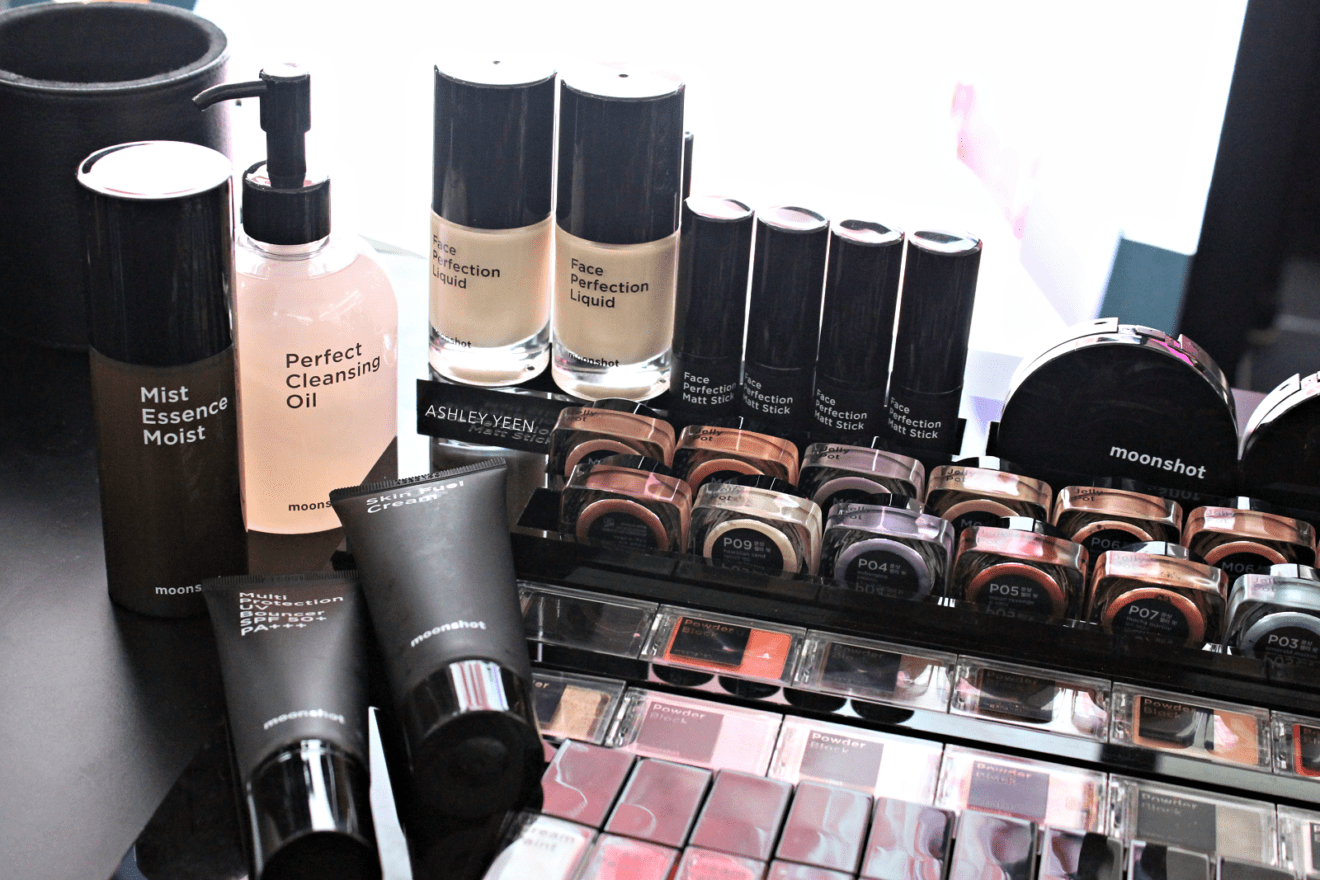
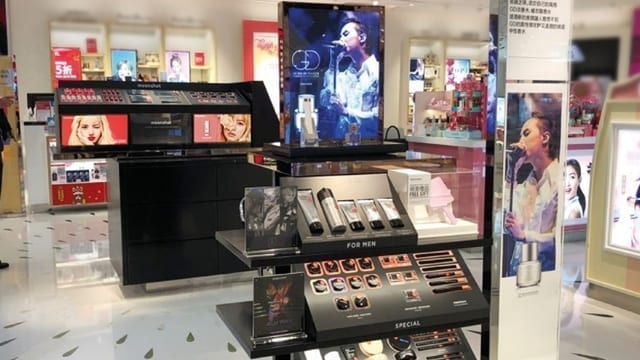
    Korean brand Moonshot cosmetics has opened its first Hong Kong outlet at T Galleria, operated by DFS Group. Before launching in T Galleria, Moonshot was distributed in Hong Kong and Macau through Sasa stores.

    Last year, the brand opened three stores in Malaysia after a long term association with Sephora.

    After Hong Kong, Moonshot is planning to enter China, Indonesia, the Philippines and Thailand. Moonshot was founded by YG Plus, a subsidiary of YG Entertainment in 2015.

  • GFG Group appoints CEO

    GFG Group appoints CEO

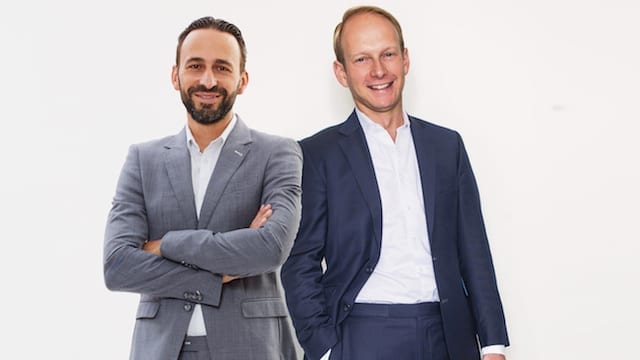
    Online fashion destination Global Fashion Group (GFG) has appointed co-CEOs, who will take up their roles on February 1.

    Patrick Schmidt and Christoph Barchewitz will be responsible for the overall strategic and working development of GFG, working with the management teams of GFG’s fully owned regional businesses Dafiti (Latin America), Lamoda (Russia/CIS), Zalora (Southeast Asia) and The Iconic (Australia/New Zealand), as well as minority-owned Namshi (Middle East).

    “Patrick and Christoph are the perfect fit for the next chapter of GFG,” says chairman Cynthia Gordon. “Patrick has built The Iconic into the market leader in its region, increasing revenue by eight times in four years.

    “Christoph has established a broad understanding of all five regional businesses through his role on the board of GFG since 2015. He was responsible for key strategic alliances such as the Ayala/Zalora joint venture in the Philippines and the Emaar Malls/Namshi partnership in the Middle East.”

    Schmidt says that when he joined The Iconic four and a half years ago, he saw a company with unlimited growth potential. He will continue as CEO of The Iconic until a successor is named. Before The Iconic, Schmidt founded Groupon Australia and later oversaw its Latin American business.

    Barchewitz joined GFG from Kinnevik, where he oversaw the e-commerce investment portfolio. He led the creation of GFG in 2014 and has served on its board since 2015. P

    Meanwhile, Kinnevik CEO Georgi Ganev will join the GFG board while Romain Voog steps down as CEO after nearly three years.

  • Positive trend for Burberry sales in Asia

    Positive trend for Burberry sales in Asia

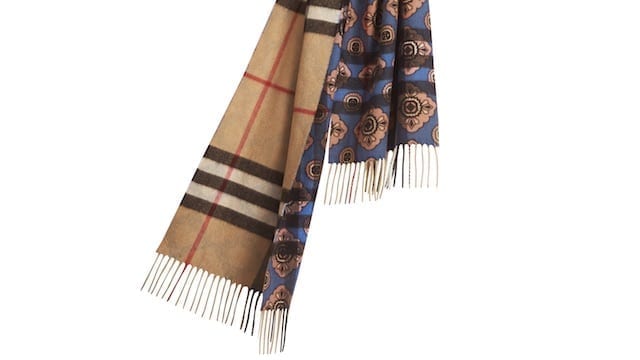
    Burberry sales in Asia rose “by the mid single digits” in the three months to year end, as the company reported a modest 2 per cent same-store improvement gobally.

    Asia Pacific was the strongest performing market for the UK-headquartered luxury retailer, with Mainland China leading the way. Hong Kong sales were “broadly unchanged” year-on-year despite an improvement in domestic trend.

    “Korea saw a better performance from both domestics and tourists, although sales still declined slightly,” the company said.

    “We are making good progress embedding our strategic vision into the organisation and remain on track to meet our full year profit target,” said CEO Marco Gobbetti, in a short statement.

    “We are building on strong foundations and are fully focussed on the successful delivery of our multi-year plan to position Burberry firmly in luxury and deliver long-term sustainable value.”

    Sales in Europe, Middle East, India and Africa decline by a low single digit figure, impacted by unusually strong figures from the UK the previous year.

    While the US was broadly flat, sales overall in the Americas rose marginally.

    Online sales posted solid growth, led by Asia Pacific, with Burberry saying mobile transactions accounted for 40 per cent of turnover online.

    By product, fashion outperformed as customers continued to respond positively to new products across categories.

  • Sportswear brand BARREL enters cosmetics market

    Sportswear brand BARREL enters cosmetics market

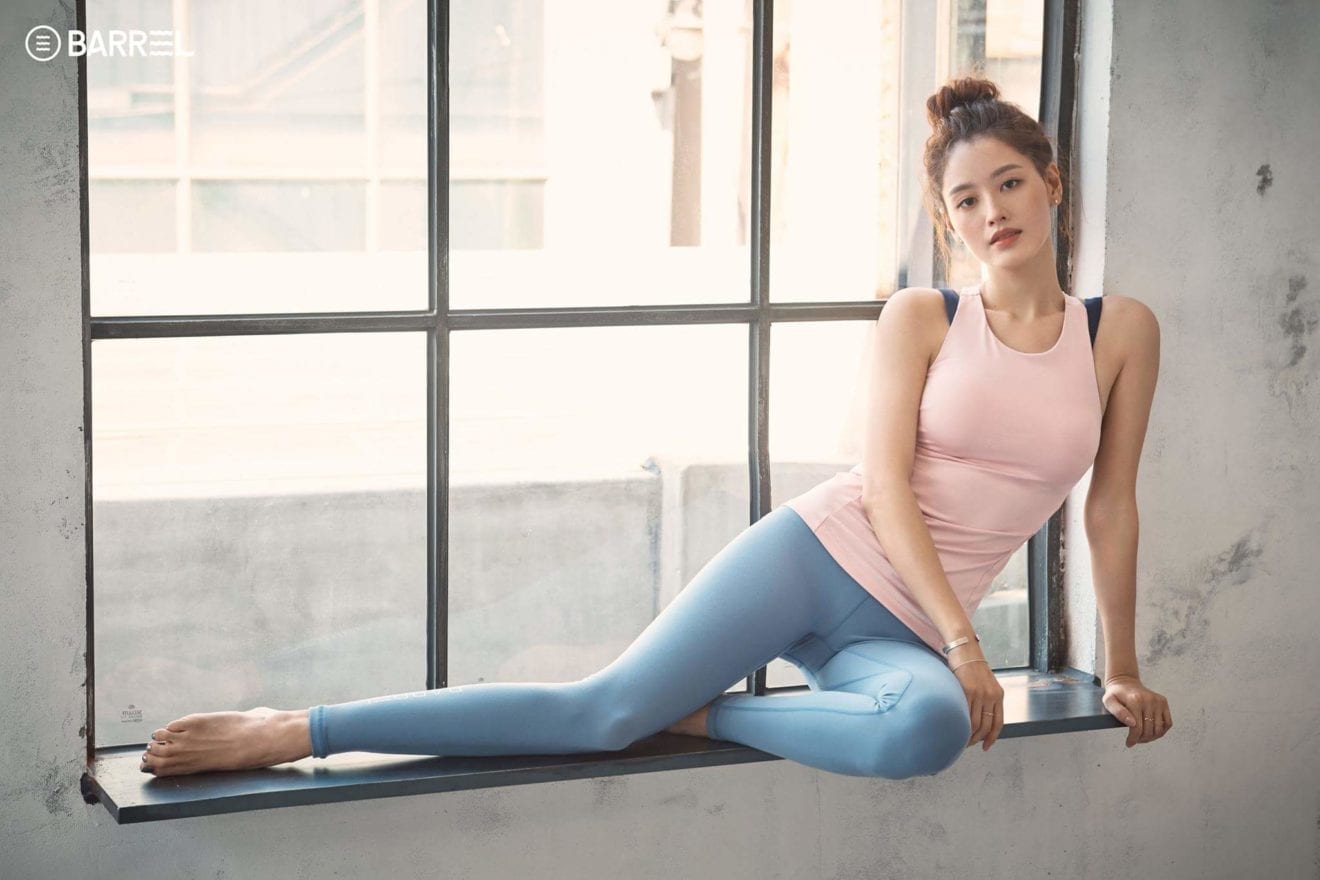
    Sports brand ‘BARREL’ enters cosmetics market with its water-based travel concept.

    BARREL announced its plans to expand its business into cosmetics as well as indoor swimwear and athleisure markets.

    Launched in 2014, BARREL is a company specializing in high-performance water sportswear and athleisure.

    Sales in 2016 reached 24.247 billion won. BARREL is the domestic leader in functional water sportswear ‘rash guard’. The domestic rash guard market was around 130 billion won ~ 200 billion won in 2016.

    BARREL offers a product line that professionally treats and protects skin from external factors such as stress, taking into account skin sensitivity to seasonal and environmental changes.

    The key brand concepts are Activity + Trendy + Safety.

    The activity applies a highly functional daily care solution tailored to the efficacy of clinically proven waterproof based shades, while Trendy introduces multiple complex functional products including wrinkle improvement + anti- aging + UVA / UVB.

    Additionally, the brand plans to offer safe prescription products for NO STRESS.

    The product line is primarily 45 ~ 50 items including UV protection (sun protection, sun stick), skincare, color make up (lipstick, eyebrow, eyeliner), cleansing and body.

    The price rage is middle-low price. Main distribution channel is online. Offline, the products will be sold in drugstore.

    An official of the barrel cosmetics division said, “We will release water based products and color make up with travel concept based on the youthful, healthy, active and trendy brand image in May 2018.”

    “We are planning to expand into a young and healthy concept sports cosmetics brand by expanding the range of waterproof and sweatproof based cosmetics such as color cosmetics and sunblocks,” he added.

  • Tiffany polishes up outlook on holiday sales rise

    Tiffany polishes up outlook on holiday sales rise

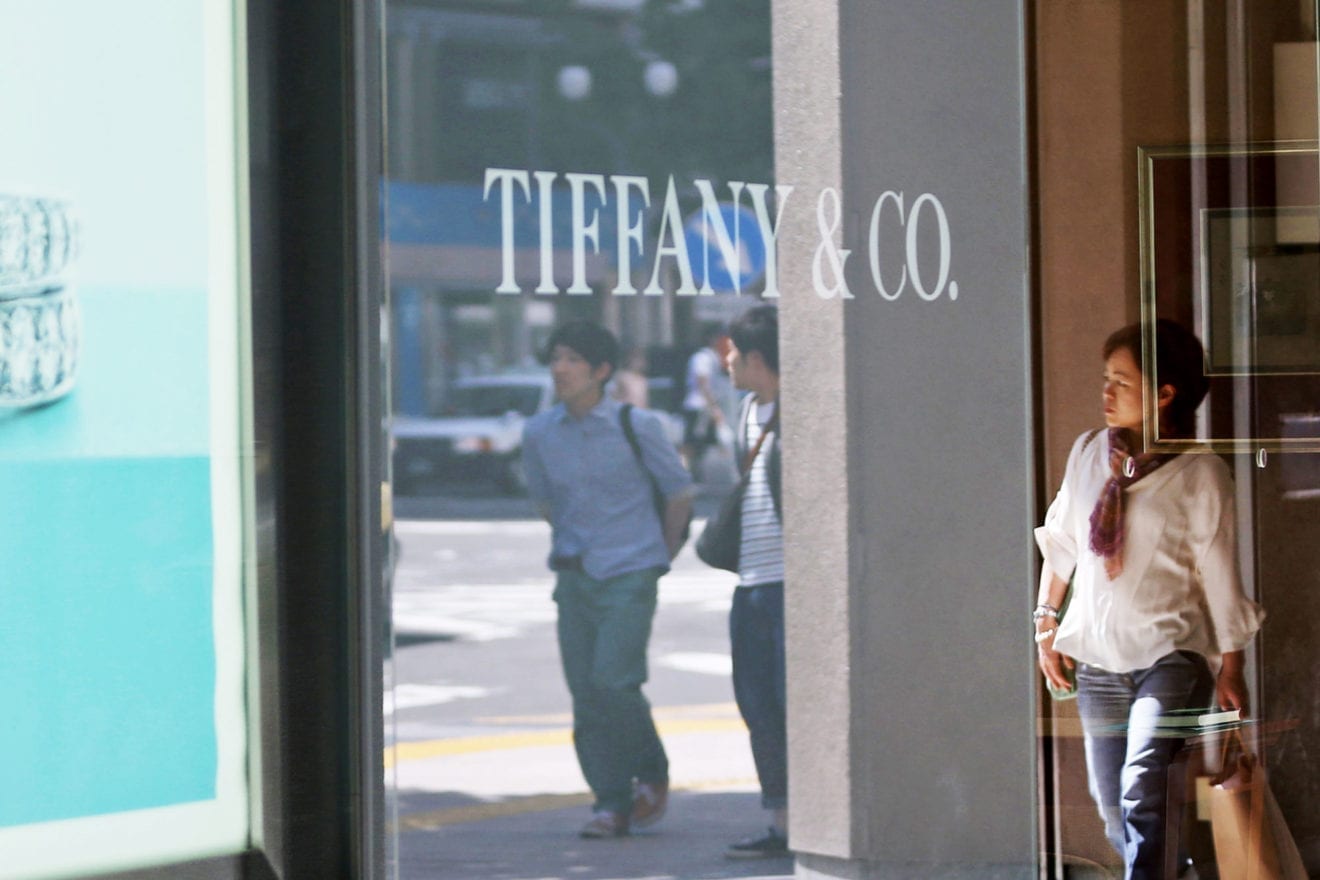
    Tiffany holiday season sales surged 16 per cent in Asia-Pacific, driven by strong performances in Hong Kong, Mainland China and Korea.

    The region accounted for US$232 million of Tiffany’s $1.05 billion global sales in the two months to December 31. The figures were driven by a 7 per cent increase in same-store sales, new store openings and an increase in wholesale turnover, the US-headquartered company said in a statement.

    Management attributed Asia-Pacific retail sales growth primarily to higher spending by local customers.

    On a constant exchange rate basis, total sales and comparable store sales increased 13 per cent and 4 per cent, respectively.

    In Japan, Tiffany holiday season sales increased just 1 per cent to $145 million and comparable store sales were unchanged. Management noted a difficult comparison to exceptionally strong growth in spending attributed to local customers in last year’s holiday period.

    In Europe, Tiffany holiday season sales rose 14 per cent to $136 million and in the Americas by 7 per cent.

    As at December 31, Tiffany operated 316 stores (125 in the Americas, 87 in Asia-Pacific, 54 in Japan, 46 in Europe, and four in the UAE), a net increase of two year-on-year.

    CEO Alessandro Bogliolo, said the company was pleased with the improvement in sales during the holiday period across all regions and categories, both instore and online.

    “While our major fashion jewellery collections continued to perform well, customers were equally excited about our fine jewellery, watches and our new home and accessories collection.

    “This recent return to growth in worldwide comparable store sales, fuelled by a substantial improvement in the Americas and Asia Pacific, is consistent with our commitment to generate solid and sustainable growth in sales, operating margin and earnings that is at least comparable to our industry peers over the long-term.”

  • Uniqlo to expand to Sweden

    Uniqlo to expand to Sweden

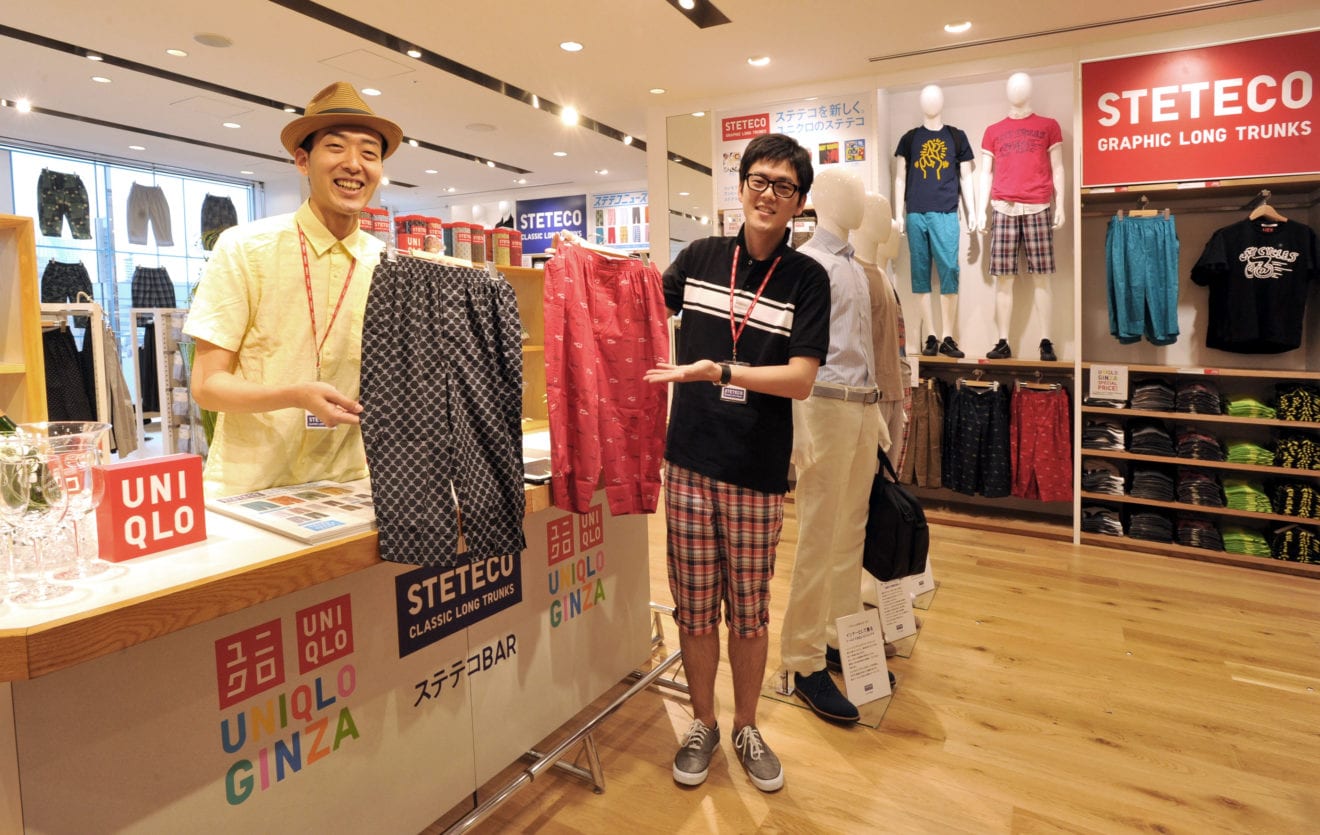
    Japan’s Fast Retailing plans to launch its Uniqlo clothing brand in Sweden with an initial store in Stockholm this year.

    Taking on its rival H&M in its home market, it marks the cut-price brand’s debut in the Nordic region.

    Uniqlo has fewer than 70 stores in all of Europe, and Fast Retailing CEO Tadashi Yanai says he wants to overtake H&M and Zara parent Inditex of Spain as the world’s top apparel retailer.

  • Rise of local Malaysian cosmetic brands

    Rise of local Malaysian cosmetic brands

    Malaysian make-up brands and skincare products are now coming to the fore.

    Cushion foundation by So.Lek. Picture credit: Instagram So.Lek

    When it comes to make-up, local beauty enthusiasts tend to look for products offered by global brands such as L’Oreal, Estee Lauder, NARS, Maybelline, Urban Decay and Bobbi Brown.

    Meanwhile, the younger crowd, heavily influenced by Korean music and drama series, will go for branded Korean make-up and skincare used by their favourite celebrities.

    However, there is a new breed of beauty consumers. Rather than looking up to cosmetics giants from the United States, the European Union, Australia, Japan and Korea, they prefer to buy make-up products from independent local entrepreneurs.

    CULT STATUS

    Homegrown cosmetic brands started becoming popular when Instagram, Facebook and Twitter started became a norm in our society.

    They are mainly founded by fashion entrepreneurs, professional make-up artists and celebrities as well as social media influencers.

    According to a 2016 research on personal care and cosmetics products in Malaysia done by the United States International Trade Administration, while some big local manufacturers produce and own their house brands, a growing number of local players turn to local cosmetic manufacturers and focus on contract or private labelling.

    These homegrown brands work on a non-traditional and more personalised marketing strategy i.e. the brand founder is also the spokesperson or “The Face” on billboard advertisements, etc. They sell their products mainly via their own online portal or other established retail platforms such as FashionValet, mySMINK, Zalora and Pretty Suci.

    Although operating on a small-scale, some have managed to penetrate international markets or have their brands placed in established retail stores, pharmacies or global departmental stores.

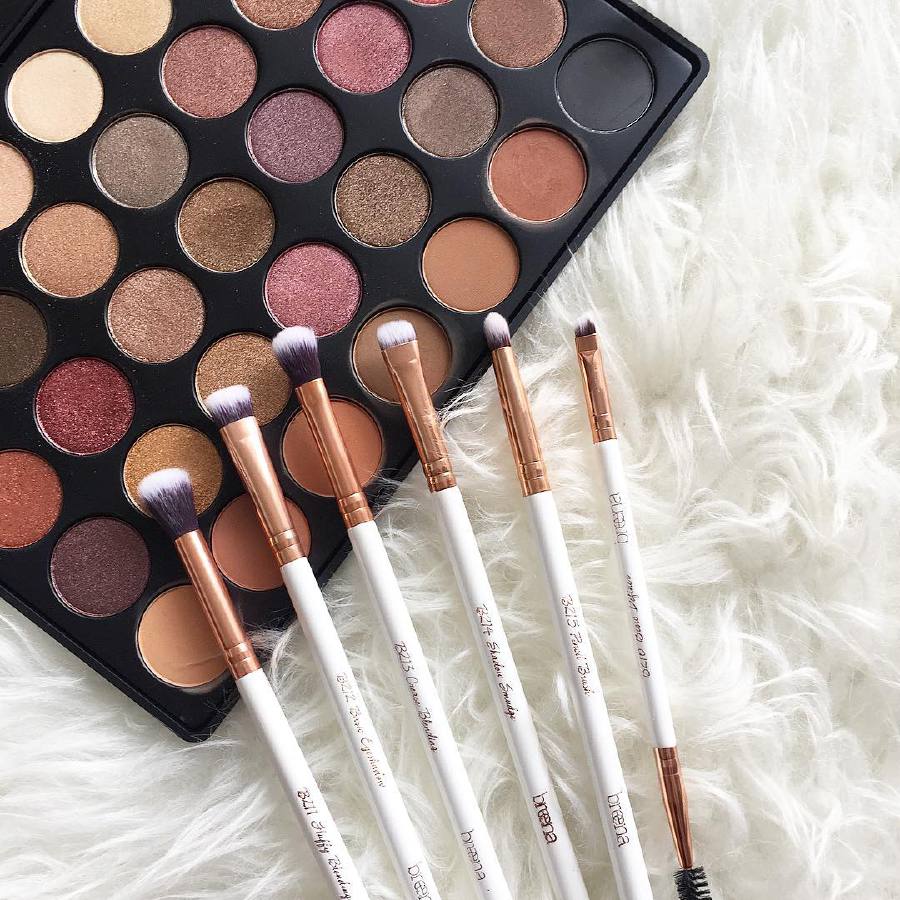
    Breena Beauty was among the earliest independent brands in the scene. Founded by well-known blogger Sabrina Tajuddin in 2014, the brand took off with a stellar make-up tool called face luxe brush.

    Can Can’s Beauty was created in 2015 and is known for lipsticks that are suitable for dark-skinned women. Fame Cosmetics and Stage Cosmetics (founded in 2008) are cult favourites, particularly among professional make-up artists.

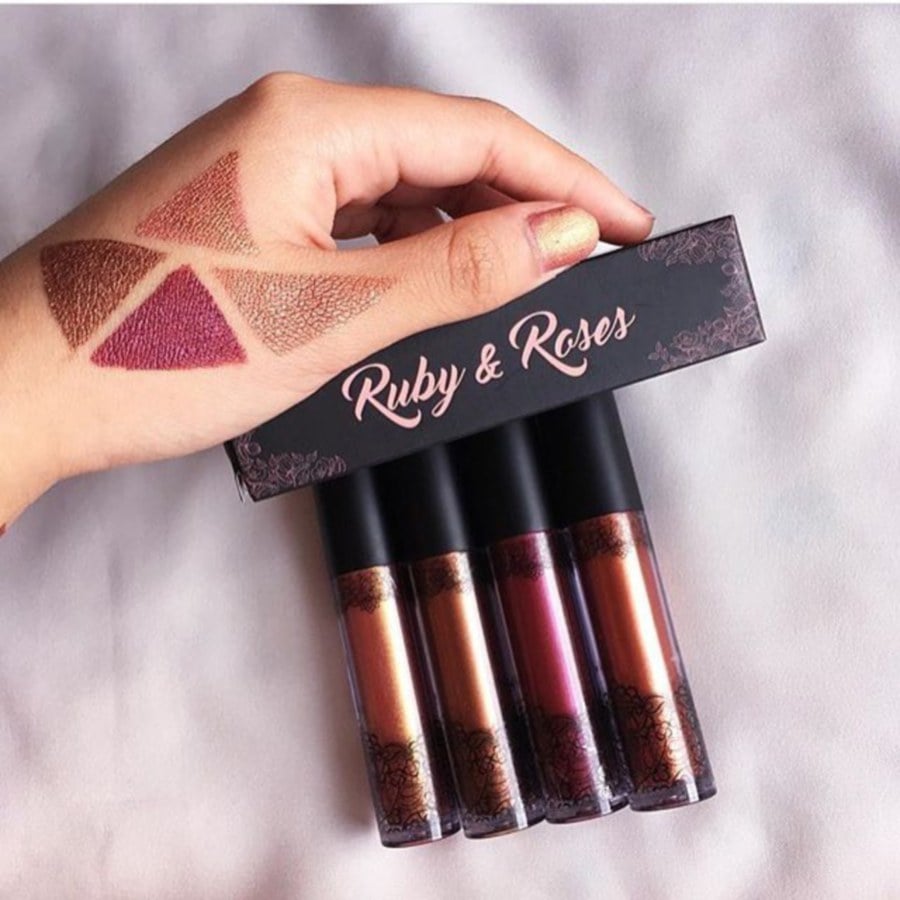
    Year 2016 saw the establishment of a string of new local brands such as Velvet Vanity (known for liquid lipsticks), DIDA For Women (known for matte lip creams inspired by luxurious designer lipsticks), Zhuco Cosmetics (Sabah-based brand known for rainbow-coloured highlighter), Chique Cosmetics (synonymous with fun-looking product packaging) and the Malay influenced So.Lek with its Gincu (lipstick) line and cushion foundation.

    Singer and television host Hunnymadu launched Madu Cosmetics that same year, offering The Artist Collection matte lipsticks named after her favourite songs.

    In December last year, celebrity make-up artist Syed Faizal Syed Noh launched Pipi by Syedskillereyes, a new addition to its Syedskillereyes make-up range that was first introduced in 2016. Pipi (cheek) is a chic cheek palette combining contour, blush and highlighter and is currently retailing on FashionValet.

    The latest label to jump on the brandwagon is OhMostWanted Cosmeceuticals by actress Nora Danish. Launched early this year, it combines both cosmetics and pharmaceutical properties formulated by local aesthetics doctors.

    HALAL FACTOR

    Halal and wuduk (ablution)-friendly elements are significant marketing factors in some local cosmetics brands such as SimplySiti (founded by singer Datuk Seri Siti Nurhaliza Tarudin), Ronasutra, Zawara, Nurayysa Beauty and Sugarbelle Cosmetics.

    Shah Alam-based Sugarbelle Cosmetics is among the cult brands on Instagram. It was founded by social media moguls and Muslimah fashion entrepreneurs Sharifah Nabilla Al-Yahya Syed Sheh a.k.a. Belle Al-Yahya (founder of Bella Ammara) and Eyqa Sulaiman of Sugarscarf.

    Starting with its first product, a creamy liquid lipstick, the brand has grown by leaps and bounds, with halal certification being among its strengths (apart from the 24-7 online marketing efforts and Belle’s endless make-up tips and tutorials).

    “I love make-up. I was inspired to start the business as I couldn’t find many cosmetic products that conformed to halal standards back then. I’m sure I’m not the only one facing the dilemma,” says Belle, 30.

    She says she and her team made sure that all Sugarbelle Cosmetics complied with the standards set by the Health Ministry and the Department of Islamic Development Malaysia (Jakim) from day one. This is why the brand went through a careful selection process of cosmetic manufacturers in Malaysia to cater to its mostly muslim consumers here and abroad.

    “I guess it has helped us stay alive in this competitive field. It has also beefed up our profile, and eventually led us to being among the few local brands to retail at Guardian outlets starting last year,” she says.

    The brand will launch new products to complete its cosmetic range soon and is ready to enter more Guardian outlets this year.

    CHALLENGES

    FashionValet is among the established online fashion retail platforms that curate brands by local entrepreneurs. There are more than 20 beauty and cosmetic brands, including local labels, currently retailing on the platform, with colour cosmetics being the fast-selling item.

    Founder Vivy Yusof says one of the challenges in curating and dealing with homegrown brands is the fact that they are small players.

    “In my seven years in business, I have seen lots of brands come and go. Most are very new to the market and are run by one or two persons. They have the passion and what it takes to tackle the market but they need support in marketing, financing and branding,” she says.

    As part of its ongoing streamlining effort this year, the platform is focusing on keeping only a few brands onboard. “We want to maintain a certain standard and quality. We also want to continue offering products from mid to premium brands.

    “We will focus our efforts to help local players who are ambitious, willing to learn and ready to grow with us,” she says.
    Fast Facts

    * Malaysia’s total trade volume for personal care and cosmetics products was about US$2.24 billion (RM8.9 billion) in 2015.

    * Over 50 per cent of the demand was met by US$1.3 billion in imports mainly from China, Thailand, France, the European Union, the United States, South Korea and Japan.

    * The 2015 Global Economic Summit reported that Malaysia is among the countries with highest Muslim consumers’ expenditure with US$2.6 billion, indicating a huge potential for halal products including cosmetics.

    * There are 210 cosmetic manufacturers in Malaysia that conform to the Good Manufacturing Practices requirement in accordance to the Asean Guidelines for Cosmetics.
     

  • Luk Fook Holdings retail Business 3Q Same Store Sales Up 1% On Year

    Luk Fook Holdings retail Business 3Q Same Store Sales Up 1% On Year

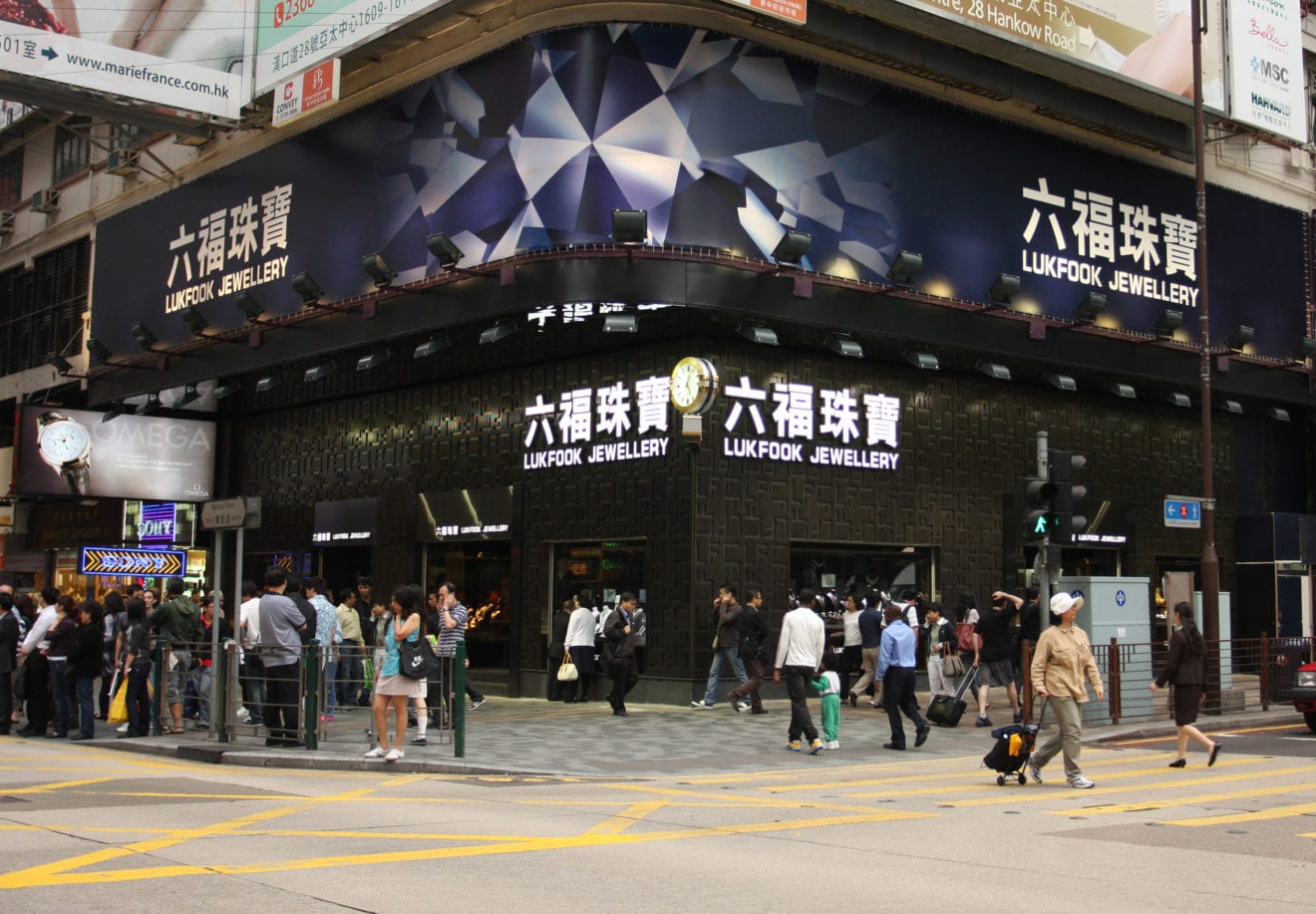
    Luk Fook Holdings (International), a Hong Kong-listed jewelry retailer, said Wednesday its retail business same store sales for October to December was up 1% on year.

    In the third quarter, same store sales growth of gold products were down 3% and gem-set jewelry products were up 10%, it said in an exchange filing.

    “The gem-set jewellery products in Hong Kong and Macau market continued to benefit from the market improvement as well as the successful introduction of more varieties of stylish and good-value-for-money products,” it added.

  • Burberry third quarter sales slip 2 percent as it starts up-market move

    Burberry third quarter sales slip 2 percent as it starts up-market move

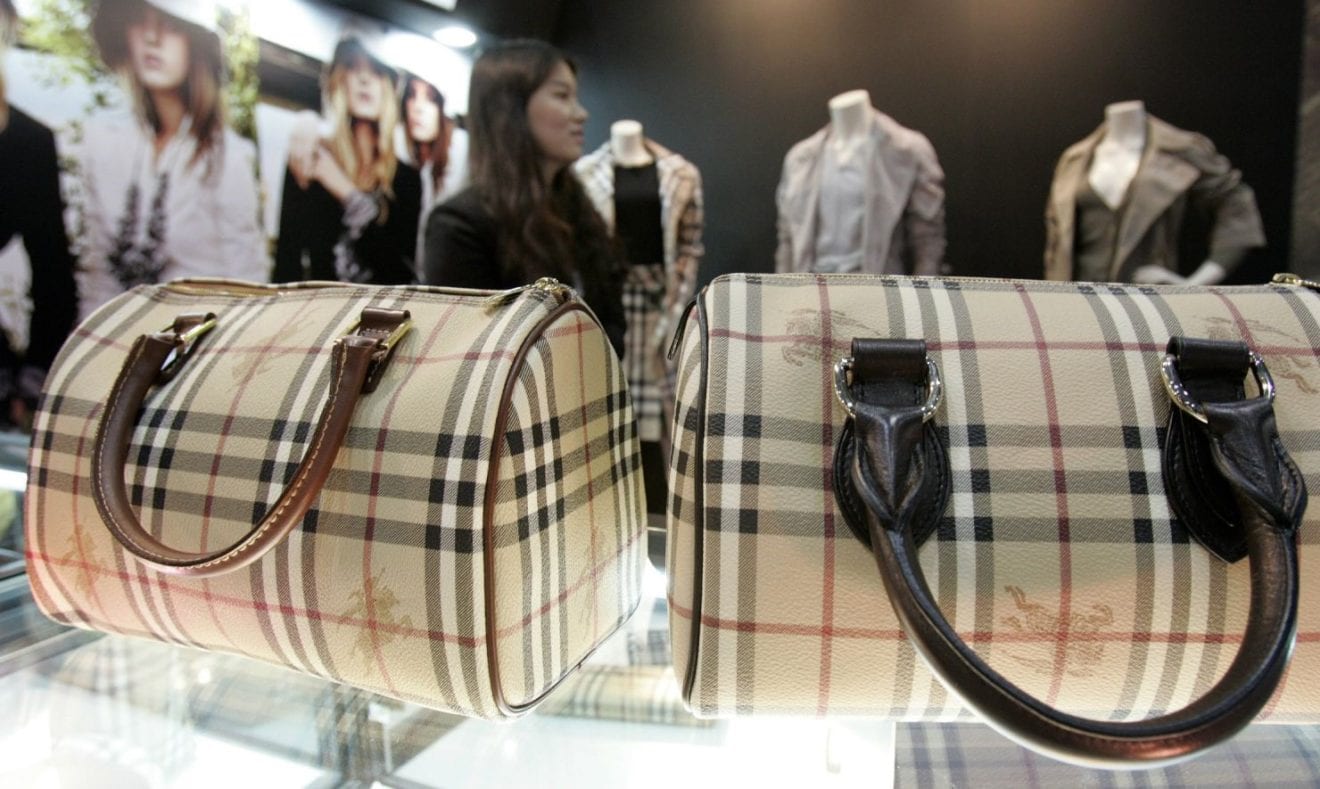
    UK luxury brand Burberry today reported a 2% drop in retail revenue for the Christmas quarter after sales in Europe slipped against a year ago when a fall in the pound had helped its home market.

    Chief executive Marco Gobbetti set out a plan in November to take the label further up-market.

    But the company said there would be little, if any, growth in revenue and operating profit until its 2021 financial year as the programme was implemented.

    Burberry said its retail revenue was £719m in the three months to December 31, its fiscal third quarter, down from £735m the same time in 2016.

    The firm, known for its camel, red and black check, said retail revenue was up 1% on an underlying basis, while comparable store sales rose 2% – below analysts’ expectations.

    Comparable store sales grew by a mid-single figure percentage in Asia Pacific and mainland China, and by a low single digit in the Americas.

    However, they fell by a low single figure in its Europe division, hurt by a larger fall in the UK which performed very strongly in the same period in 2016.

    Burberry did, however, maintain its operating profit guidance for the full 2017-18 year and said it was on track to make cumulative cost savings of £60m in the year.

    “We are making good progress embedding our strategic vision into the organisation,” said Gobbetti.

    Burberry announced in November that Christopher Bailey, the designer who turned the firm into a global label, would leave this year.

    Today’s statement did not give any update on the search for Bailey’s successor.

  • Kim Jones is leaving Louis Vuitton

    Kim Jones is leaving Louis Vuitton

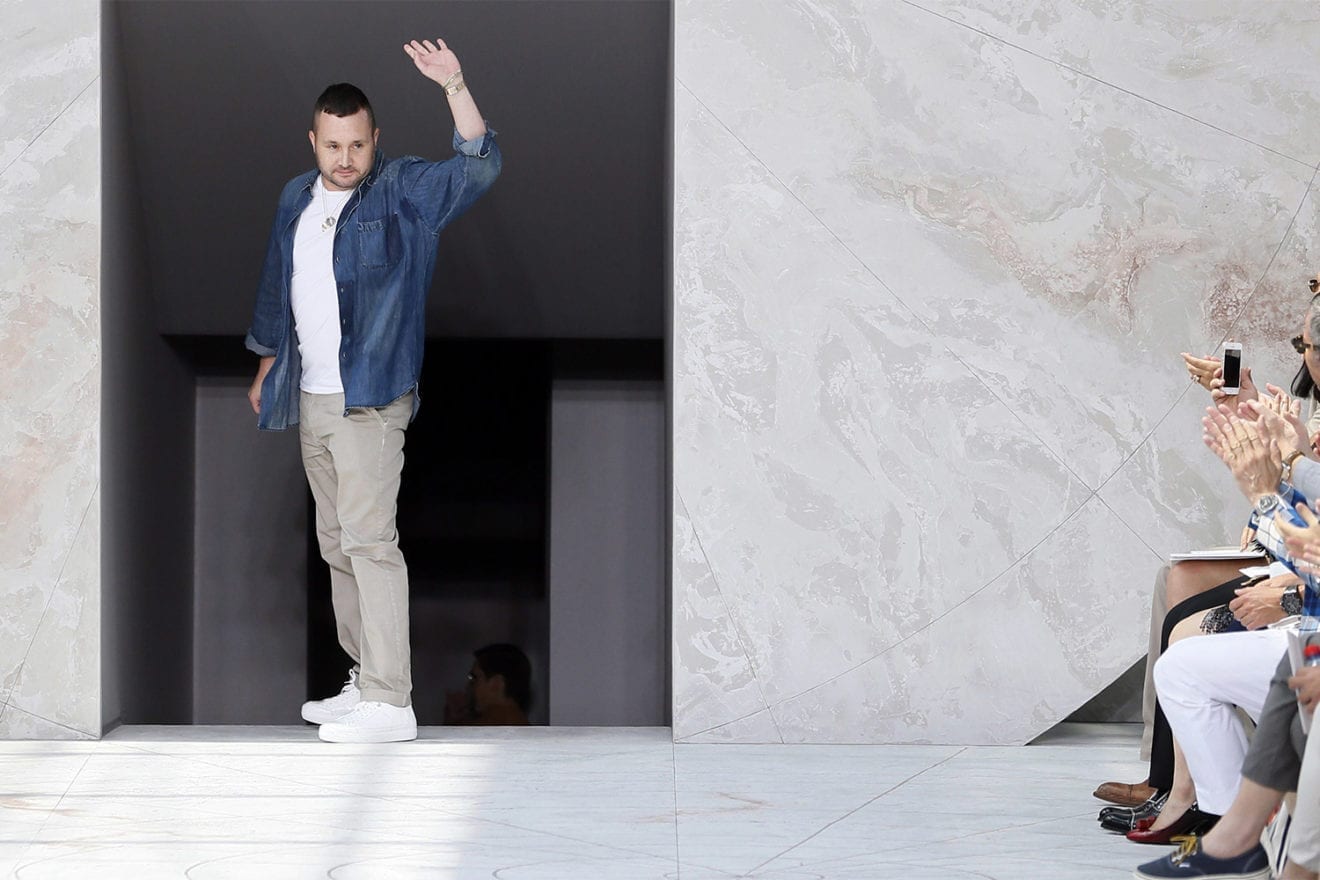
    Kim Jones is reportedly parting ways with Louis Vuitton. The English designer was appointed as LV’s men’s artistic director in 2011, and has been largely credited with breathing new life into the storied fashion house. His implementation of streetwear sensibilities has received praise from fashion icons Kanye West and Off-White designer Virgil Abloh. He was also instrumental in the wildly popular and highly coveted Louis Vuitton x Supreme collaboration.

    “Some critics say that I am just jumping on the bandwagon, but actually I am not. [Streetwear has] always been part of my DNA.” Jones said in 2017. “Street wear is the modern contemporary menswear. Look at the Japanese street wear designers such as Undercover: the details of the clothes are just incredible. It is really intelligent menswear.”

    It is unclear if Jones will take a role with another fashion brand; however, BoF reports there are rumors of him moving to Burberry.

    In September of 2017, reported that Versace was looking to hire Jones as its creative director; however, ​his deal with LV seemed to pose the biggest challenge.

    “No contract has been signed and the likelihood of a deal could not immediately be learned,” the publication wrote. “It is understood that the biggest barrier is a contractual one: [In 2016], the Englishman renewed his employment agreement at Vuitton.”

  • Hugo Boss China brand’s growth set the sales higher

    Hugo Boss China brand’s growth set the sales higher

    An upward trend for Hugo Boss China contributed to positive final-quarter sales growth for the German luxury fashion house.

    Online growth was particularly strong, preliminary figures show.

    Currency-adjusted group sales were up 5 per cent for the quarter, with comparative store sales up 7 per cent year on year, while online sales growth soared by 42 per cent.

    For the fiscal year, currency-adjusted sales rose 3 per cent.

    CEO Mark Langer says the company achieved its goals for the year, with the final quarter being “particularly pleasing”.

    “With the launch of the spring/summer collection, the realignment of Boss and Hugo is now fully visible for the first time,” he says. “Our online business is on track, too, and will make a sustainable contribution toward the growth of the company.”

    Based on preliminary figures, final-quarter group sales reached €735 million (US$901.5 million), attributed mainly to strong sales development in the group’s own retail outlets.

    Sales for the full year reached €2.7 billion in the full year, corresponding to 1 per cent growth in the reporting currency, but 3 per cent adjusted for currency effects.

    Subject to year-end closing procedures, the group expects EBITDA will be largely the same as in the previous year, €493 million. The increase in sales was balanced by investments in repositioning the Boss and Hugo brands, the digital transformation of the business model and negative currency effects.

    Final results will be published in early March.

  • Hermès opens the door of its Orange Box in Hong Kong

    Hermès opens the door of its Orange Box in Hong Kong

    On 11 January 2018, Hermès opened the door of its new store in Hong Kong, the original and first home in Greater China.

    Located in Landmark Prince’s, within the dynamic Central district on the corner of Ice House Street and Des Voeux Road, this new destination marks a significant milestone for Hermès and is a delightful occasion to celebrate the long-standing relationship
    between Hong Kong and our house.

    The relationship between Hermès and Hong Kong started with the first store in the city
    in 1975, followed by a dynamic expansion with a current network of seven shops in key locations. The Hermès homes host outstanding events and exhibitions, whilst encouraging a constant dialogue between  craftsmanship and the effervescent local culture.

    For the opening, Axel Dumas, CEO of Hermès, welcomed the guests and walked them through the three-floor majestic Orange Box.

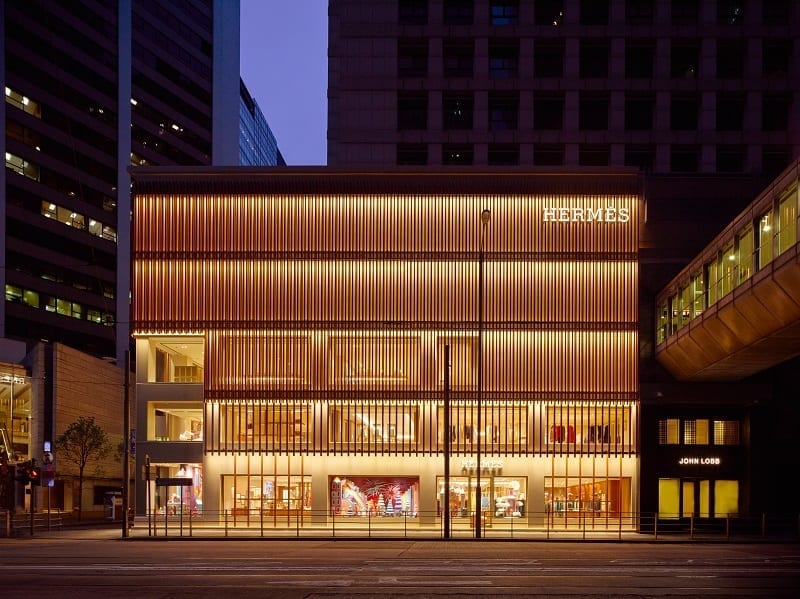
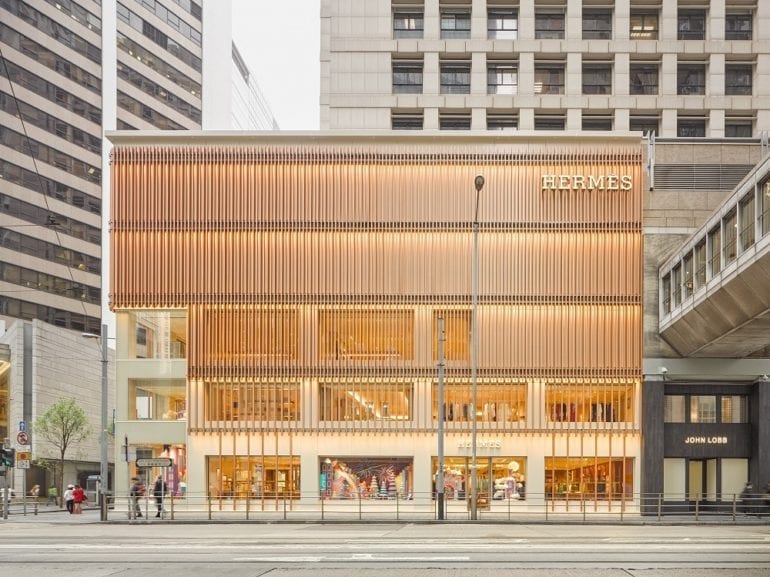
    Designed and built by the Parisian architecture agency RDAI under the artistic direction of Denis Montel, the edifice draws its stylistic influences from local architecture.

    The design is inspired by bamboo scaffolding construction techniques, the copper-coloured anodised aluminum facade asserts the rhythm and verticality of bamboo.

    Eight kilometres of rectangular tubes align to form a mantle with kinetic effects. This storefront of a thousand reflections allows glimpses of a ground floor, a mezzanine level and an upper floor – three levels totalling 9,167 square feet of retail and reception space.

    The aluminium facade rises a further two storeys, accentuating the presence
    of Hermès at this strategic crossroads in the city. The building’s pre-existing structure – comprising numerous pillars and a low ceiling height – required the architects to draw upon their constructive prowess.

    The building benefits from natural light enabled to penetrate throughout. Staircases and daylight cascade down the openings. The three floor areas have been subdivided using openwork screens and mobile partitions to create small lounges and private salons.

    On the upper level, it gives way to a balcony from which the city, its skyscrapers and its double-decker tram can be admired.

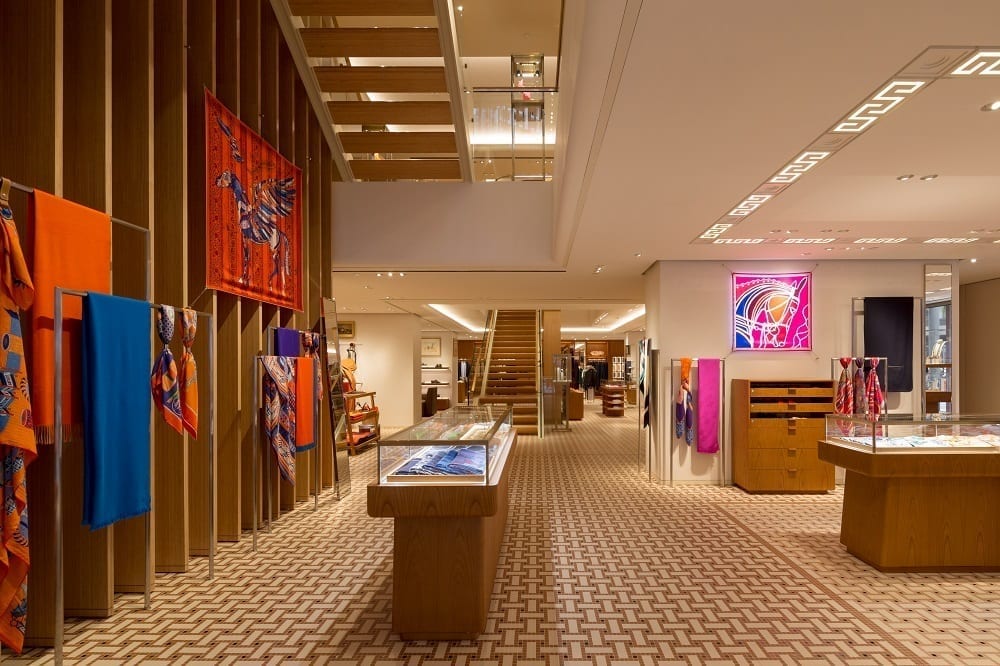
    The store has two entrances. The main door, located on Ice House Street, opens onto spaces dedicated to women’s silk, fragrances, and jewellery accessories.

    Source : Hermès

    The second entrance, on Des Voeux Road, leads to the men’s universe, with silk, shoes, leather goods, ready-to-wear and a private lounge for made-to measure. The mezzanine is formed of a succession of alcoves on either side of the central space, offering an exclusive setting for jewellery. It is home to the women’s universe, with ready-to-wear, gloves, hats, watches, leather goods, and even a powder lounge, a precious and private boudoir.

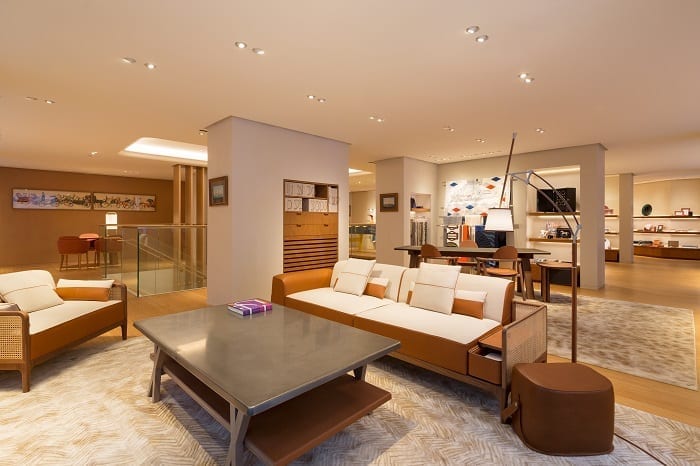
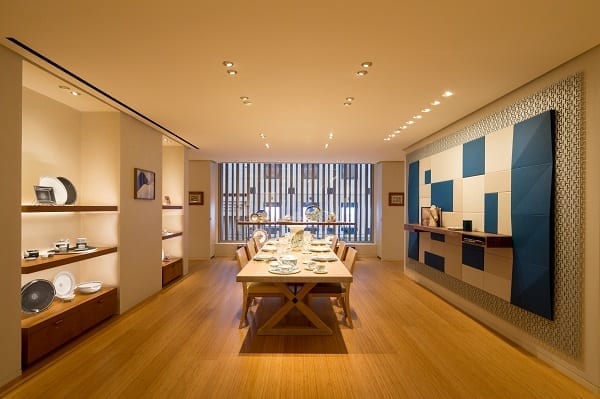
    The upper floor accommodates the home universe: furniture, lighting, furnishing fabrics and wallpapers, tableware, and offers guests a lounge where to enjoy the comfort of Hermès home.

    Source : Hermès

    The floor, in mosaic on the ground floor and bamboo parquet elsewhere, is in places covered with rugs that incorporate the pattern of bamboo fibres.

    Source : Hermès

    The interior design features lacquered wood, leather, stucco, marble, and woven metal. A palette of warm colours ranging from the sandy hue of the women’s universe to the burnt wood shade of the men’s universe. Elements in champagne-coloured woven metal subdivide the spaces.

    The extensive use of glass on both façades suffuses the store with golden light. Filtered by a forest of bamboo in the heart of the urban jungle, it allows a sophisticated nature to regain its rights and powers. In an ultimate act of celebration, Hermès has invited the French duo of artists ZIM & ZOU to transform the store windows with delicate humour into enchanted paper castles.

    The opening was followed by a party in the West Kowloon Cultural District of Hong Kong to link Hermès to the local artistic culture.

    The Orange Box of Hermès is an interwoven space of the brand heritage. It is a celebration of art and craftsmaship, which stands out for its delicate and warm colours. While walking through the three floor, the retail space resembles an art gallery and the products are showcased as if they were artworks to be appreciated more than purchased.

    Isn’t it the image of luxury we all have depicted in our mind and that today seems to be lost?