Category: Fashion

Retail News Asia is committed to providing both local and global retailers with the latest Fashion news throughout the Asian market. This on a daily base.

  • Swatch Group rent coup underlines landlord challenge

    Swatch Group rent coup underlines landlord challenge

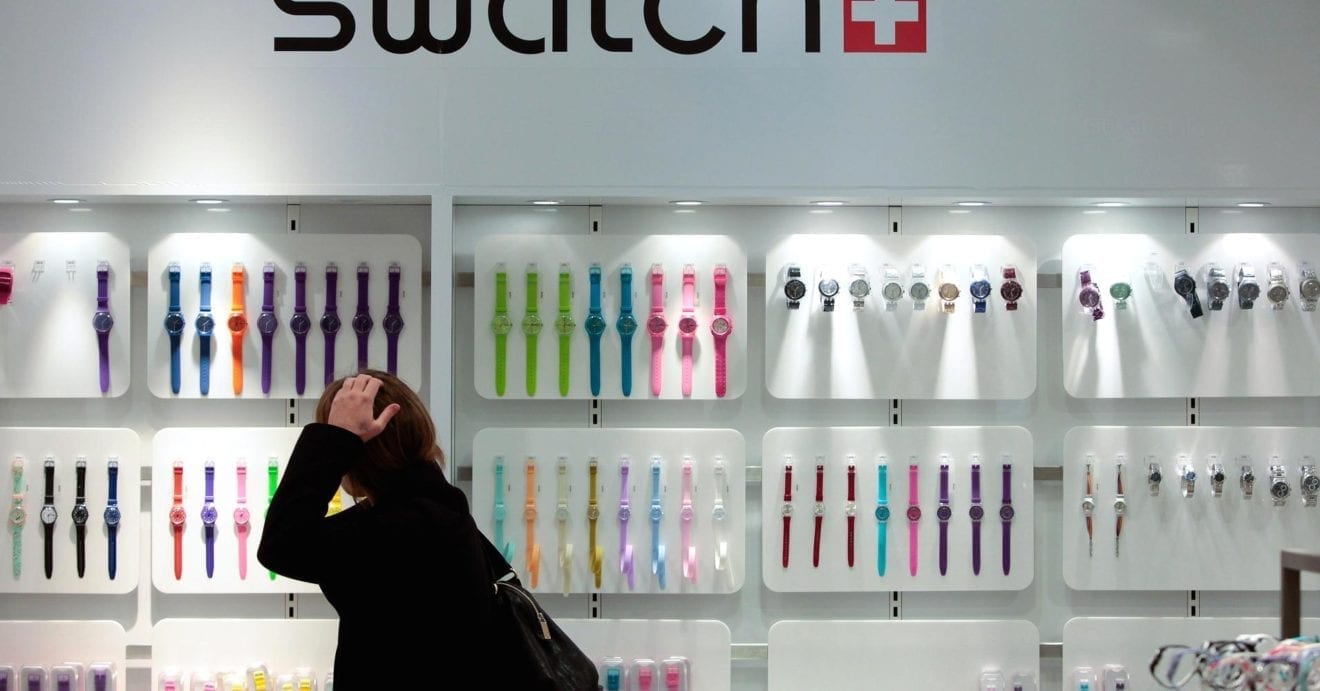
    Swatch Group has secured two prime Central stores at rental rates less than half the previous tenants were paying – evidence that retail rents in Hong Kong may not yet be levelling out as the market is being told.

    According to a report in the Hong Kong Economic Times (published in Chinese), Swatch is paying HK$1.4 million (US$179,300) per month to rent two shops covering some 4000sqft (372sqm) in the Central Building on Pedder Street.  That equates to HK$350 per square foot.

    The previous tenant was Hugo Boss, which the HKET says was paying about $3 million per month. That equates to a reduction of more than 53 per cent

    The rent stress has been brought about by the collapse of luxury watch and jewellery sales in Hong Kong over the last three years, as the Chinese government clamped down on gift-giving and cashed up mainlanders started travelling to Japan and Europe instead of Hong Kong, lured by favourable exchange rates.

    Pascal Martin, Partner, OC&C Strategy Consultants, describes the current rental environment as “a re-basing to a new reality”.

    “This year is an interesting year because it is three years after 2014, which marked the peak for Hong Kong retail rents. Rental contracts are often renewed after an initial period of three years, so we also see this year as the peak of “cut-down” in rent levels versus contracts signed in 2014.”

    While Hong Kong retail sales have started to regain ground this year, they are still well below the so-called Golden Era and many chains have trimmed back their store networks leaving retail landlords seeking new tenants from affordable luxury brands, fashion concepts and other categories. Those tenants have been attracted to high street locations by lower rents which make the locations more commercially viable.

    “Some would say that retail growth is back, but we think that it is at a level which is not comparable to what was experienced before 2014,” Martin told.

    While most major retail precincts have been affected by the trend, Central appears to be hardest hit. On Pedder Street, Abercrombie & Fitch’s former  25,600sqft flagship remains empty more than six months after the US fashion brand abandoned the HK$7 million (US$903,000) a month site, despite having to pay a reported US$16 million early termination fee.

    And in September 2015, Adidas took over a Coach store on Queen’s Road, paying 22 per cent less than Coach had.

    Mingtiandi reports that Hong Kong’s Puyi Optical is paying HK$600,000 per month to lease two basement units totalling 1285sqft in the same building as Swatch, a 60 per cent drop from the HK$1.5 million paid by the previous tenant, luxury phone brand Vertu.

    Martin says Forever 21 is another interesting example of the rental re-basing.

    “When Forever 21 set up its flagship store in 2011 in Causeway Bay, it was the golden period, where we saw approximately 30 million mainland tourists in 2011 with 20 to 30 per cent growth every year. Causeway Bay was – and is – one of the top locations for mainland tourists in terms of shopping. Therefore, the high rent Forever 21 was charged for that location was partially based on the significant growth potential in mainland tourists.

    “However, given the decrease over recent years, traffic – and therefore revenue – were not as expected and Forever 21 had to make the painful decision to close its Causeway Bay flagship store.”

    That space has been gutted in anticipation of lingerie brand Victoria’s Secret opening a flagship at the site. But work seems to have stopped, raising questions as to when the store will open. Given the current state of the site it would appear impossible the store will be trading by Christmas.
  • Supreme to become the coolest streetwear brand

    Supreme to become the coolest streetwear brand

    It was 1994, when James Jebbia opened the doors to his Supreme skate store on Lafayette Street in downtown Manhattan, in its own way also an incredible NY moment.

    Without realizing it, Jebbia managed to bottle the energy of the city and the style of the streets with his skate and fashion brand.

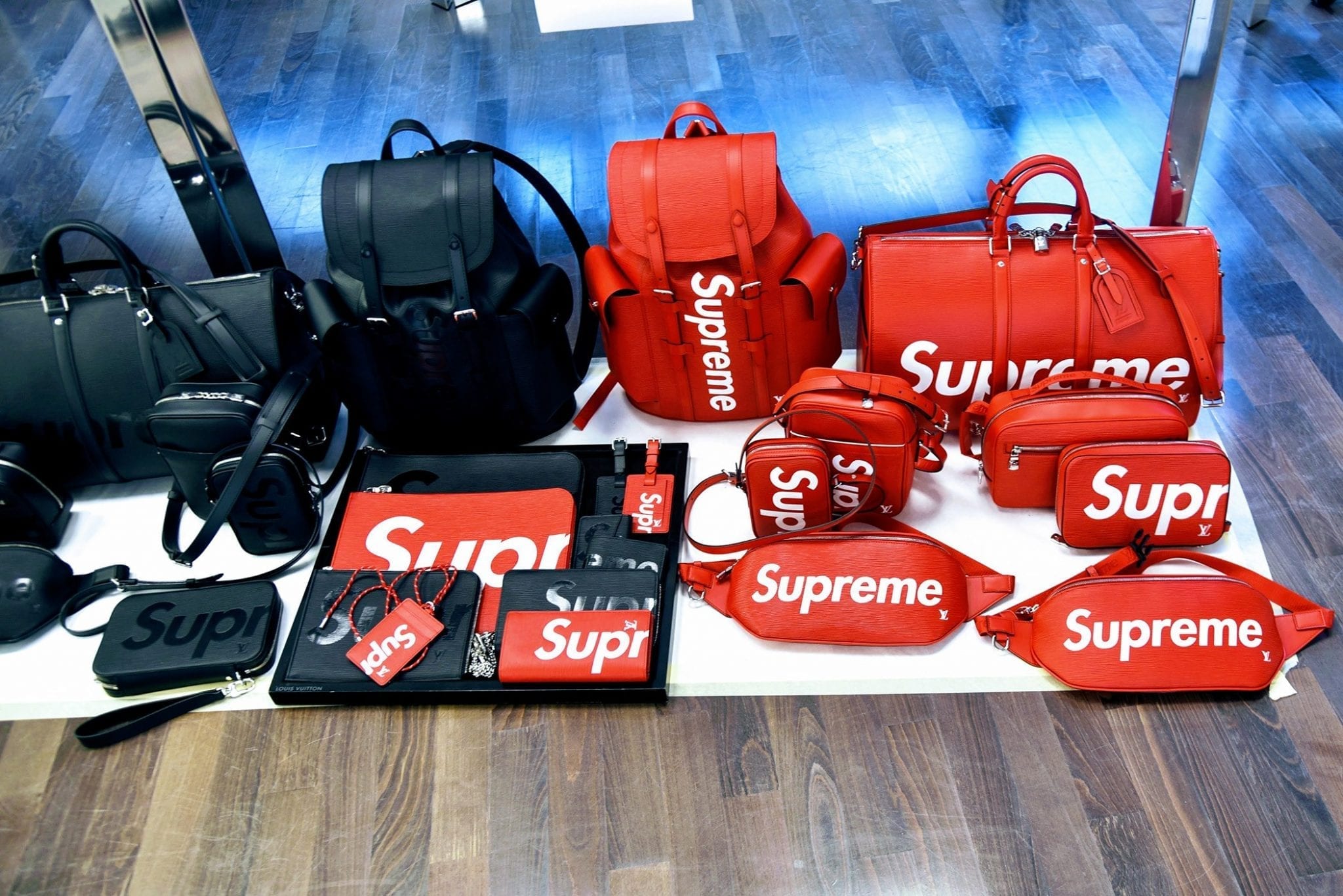
    Throughout its 18 years, Supreme has defined and refined what it means to be cool. The brand’s effortless logo – a Barbara Kruger-influenced red box surrounding a white block typeface – is an iconic emblem for a worldwide gang as recognizable as the LV Monogram or Hells Angels’ rocker for those who know.

    Jebbia’s personal style is understated, neat and crisp, today’s outfit being a grade-four buzz cut, worn with a button-down Oxford shirt and dark jeans. His accent has a transatlantic shade, yet is still resolutely British. Born in the States to a British mother and American father who worked in the US Air Force, James and his family moved to Britain when he was just 18 months old, before he gravitated back to New York aged 19.

    “I came over here with $100; it was 1983 and I just ended up staying. New York at that time was very inexpensive and it was very easy to get a job. We lived on Staten Island and you could get cheap rent. It was a good time to be in New York,” James said.

    Sitting behind his desk in the Supreme office in Soho, James’ work space is bright and airy, with KA WS artwork and a framed photo of the Godfather of Soul, James Brown, sitting on the bonnet of his silver ghost Rolls Royce with an MVP license plate hanging on the walls. On the floor in the corner sits a collection of new boot samples and a pair of legendary rapper and graffiti artist Rammellzee’s 3-D tracers pieces.

    James’ office is located above the space where he first found work in fashion: a store then known as Parachute, where he was taken under the wing of its owner, Morgan. “He was a good boss, a real mentor. Parachute was a bit futuristic, it was kind of cool; Gary Numan came in and Michael Jackson wore the leather jacket with the big epaulettes. It was a great time but I just wanted to do more,” he told GQ.

    With his girlfriend at the time, James started a market stall on Broadway and West 4th, making and selling backpacks. In 1989, he opened his first seminal store, Union, on Spring Street.

    The key stores then around the Downtown area were X-Large, Stüssy, Triple Five Soul and Union. While James was trying to stock Stüssy, a chance meeting with Shawn Stüssy led to James running the Stüssy store on Prince Street. “I wouldn’t be doing what I’m doing without what Shawn has done,” James admitted.

    Shawn Stüssy was the forefather of what would become streetwear as we now know it.

    With an eye on the skate and surf cults, Shawn created a style with Stüssy that was coveted globally not just as clothing but as a way to join Shawn’s posse, the Stüssy World Tribe. Setting up teams in NY, London, LA and Tokyo, his collaborators included the brains and brilliance of designers Paul Mittleman, Hiroshi Fujiwara and distributor Michael Kopelman. From hip-hop kids to ravers, surf dudes and grebos, they were all drawn to Shawn’s baggy denims and signature hand-written emblems.

    When Shawn moved on from Stüssy and sold his share of the business, Jebbia made the decision to launch Supreme.  Everybody who worked in the store was a skateboarder. And there were a lot of young people starting to skate and they would gravitate towards the store because of the crew who worked there, so the store became like a hangout.

    The architecture of the Supreme stores and their sales assistants have always played a crucial role in establishing the brand identity, with the staff bringing the ubiquitous, middle-finger-to-the-world attitude. The shop kids were gnarly and raw and generated an intimidating, real vibe where skate videos played all day and the freshest hip-hop mixtapes blasted -out on to the sidewalk. But such intimidation never discouraged customers from visiting.

    Gravitating to the store were a host of locals and downtown rebels. There was Justin Pierce (Casper in Kids), skateboarders including Harold Hunter and Jason Dill, artist and illustrator Gio Estevez (who was also the store manager) and Aaron Bondaroff, CEO of the anything brand, co-founder of the OHWOW art collective and model in this feature.

    There was also the art and photography crowd, such as Ari Marcopoulous, Kenneth Cappello and Terry Richardson. Ari and Terry’s photography established an identity for Supreme, their images becoming synonymous with the brand. Ari’s documentation of the mid-Nineties scene forms a collaged backdrop at Supreme’s stores in Tokyo and London, while Terry and Kenneth have shot lookbooks for the brand and fly-poster campaigns and T-shirts that have seen the legendary box-logo tee worn by Lou Reed, Kermit the Frog, The Diplomats, Raekwon, Lady Gaga, Mike Tyson and the latest with rappers Three 6 Mafia.

    The word-of-mouth excitement among guys interested in stylish clothes is – in this day and age – breath-taking to see. The customers know that each product comes in such limited quantities that once a particular item has gone that is it.

    The Supreme look is delivered between the styles continuously appropriated by the hip-hop and skate worlds: Ivy League, collegiate, military and sports­wear themes, denim, checks, plaids and stripes, alongside a classic workwear influence. The collection weighs in with a referenced knowledge that goes into fabric, cut, details and durability, making each piece often feel and look like perfectly preserved vintage.

    Over the years, Supreme has collaborated with (among many others) Levi’s, Vans, The North Face, Nike, Comme Des Gargons, Adam Kimmel, Malcolm McLaren, A Bathing Ape and W Taps on their fashion – and skateboard graphics with Damien Hirst, Jeff Koons, Takashi Murakami, Harmony Korine and most recently Jake and Dinos Chapman.

    As James expands the business with additional stores around the world, (LA, London, Nagoya, Osaka, and Fukuoka, with the third Tokyo store recently opening in Shibuya), he is quick to establish that his ambition for his company is to maintain its integrity. “If I was to stop working tomorrow, I would be like, OK. I did what I wanted to do; I did what I liked, what I really believe in, and I’m fine with that. In an ideal world, we can just remain a small but tight business that grows naturally.”

    James’ philosophy behind Supreme is straightforward: “We just want to make really great-looking clothes that are well-made, fit well that you can skate in.”

  • Bershka SoHo pop-up covers two floors

    Bershka SoHo pop-up covers two floors

    Everything in New York always seems bigger than in real life – even the definition of a pop-up store…

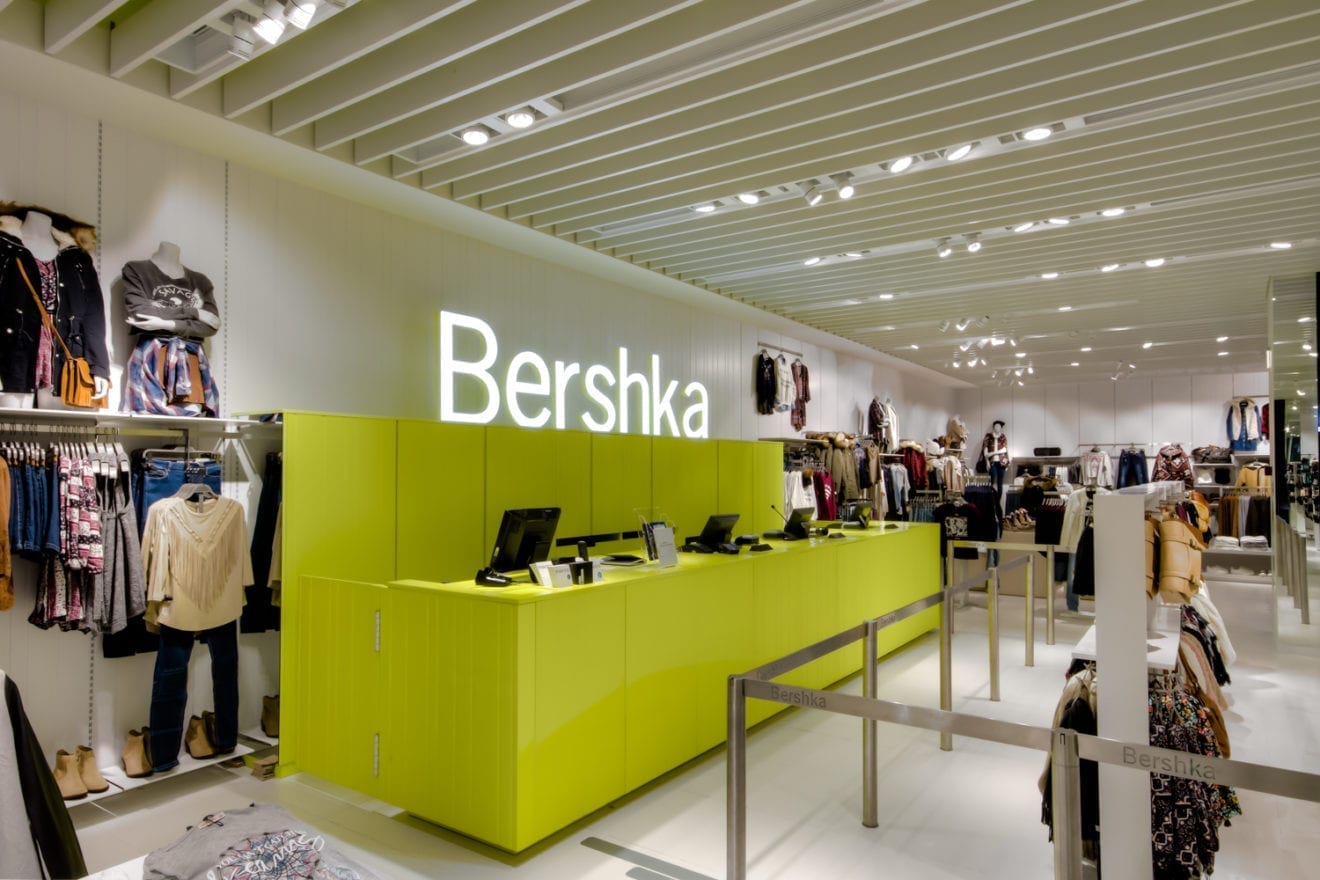
    An 8180sqft Bershka SoHo pop-up which opened its doors this week at 580 Broadway covers two stories of a previously empty retail space. The store is intended to boost the Inditex brand’s image in the US, where it launched an e-commerce platform six months ago.

    Bershka chose the heart of SoHo, one of the world’s most emblematic fashion districts, as the location, where it will trade until the end of the year, displaying all of Bershka’s FW17 collections – Bershka, Bsk and Man, as well as the sports lines, Start Moving, for young men and women.

    Features of the store include leading initiatives to be as eco-efficient as possible, guided by the Leed sustainable building criteria. Additionally, within the store, the Bershka Stage store image has guided all of the furniture and decoration designs. The layout has been similarly adapted for the store space specifically and with the US consumer in mind, offering the trendiest current looks, complete with accessories and footwear.

    Bershka Stage is the latest store design concept being rolled out internationally.

    “Inspired by the world of music concerts and what goes on behind the scenes, the Stage aesthetic epitomises Bershka’s DNA: music, fashion and youth,” the company said. “The result is an interior design that is industrial yet airy, with open ceilings that reveal the establishments’ skeletons. The structure is framed by truss scaffolding that runs around its entire perimeter and is used to hang the lighting, speakers and some of the screens that make up the whole look..

    “The Stage concept facilitates the shopping experience by means of more user-friendly and versatile furniture and fittings, making it easier to get around the store and providing a better way of displaying the brand’s garments and, by extension, each season’s new looks.”

    Bershka has 1098 stores in 75 markets across Europe, the Americas and Asia. The brand is forging ahead with an international expansion strategy that has been marked by high-profile openings in recent years in markets such as China, Japan, Taiwan and South Korea, along with flagship store openings on some of the world’s most important shopping streets, including Oxford Street, London, Via Vittorio Emanuele, Milan, Nanjing East, Shanghai, Gran Vía, Madrid, Rue Rivoli, Paris, and Shibuya, Tokyo.

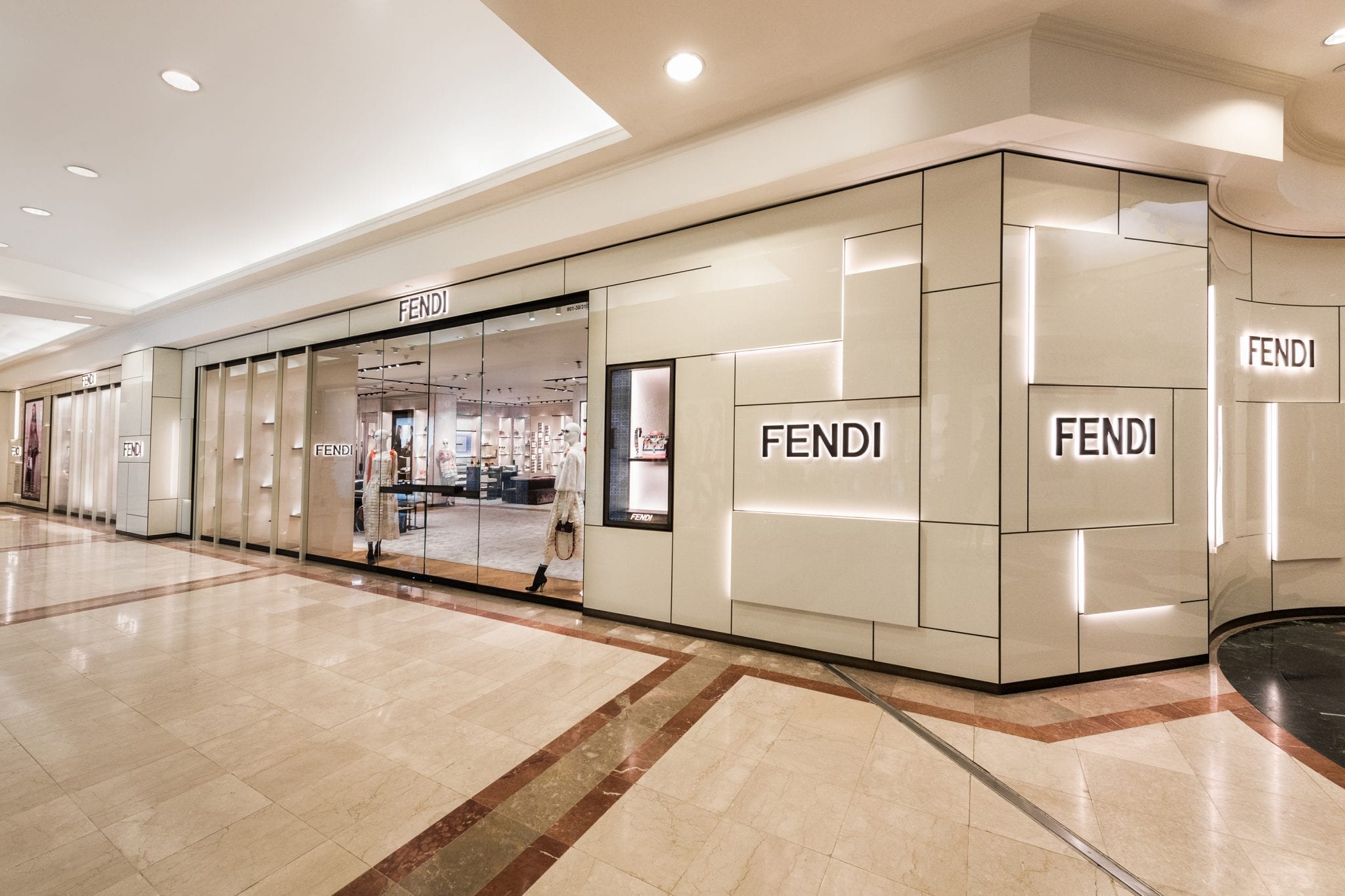
  • Fendi’s Peekaboo Project arrives in Hong Kong

    Fendi’s Peekaboo Project arrives in Hong Kong

    Italian fashion house Fendi is introducing its Peekaboo Project to Hong Kong, bringing together regional celebrities in the spirit of philanthropy.

    Launched in the UK in 2014, the Peekaboo Project has already been unveiled in China, Korea and Japan. For Hong Kong, Fendi has invited Hong Kong singer/actress Joey Yung and Taiwan singer/songwriter/dancer/actress Jolin Tsai to each personalise a Peekaboo bag.

    These bags will be auctioned online, with proceeds from the sale being donated to charity organisations nominated by the two stars: the Hong Kong Cancer Fund for Yung and the Prader-Willi Syndrome Association (PWSA) for Tsai.

    Yung’s design is of a golden phoenix, embroidered on black silk with gold threads, a tribute to her mother Kam Fung (whose name directly translates to “golden phoenix”). Both sides of the bag feature gold satin, while the handle and bar feature multicoloured hand-painted exotics. Her mother’s name is engraved on a metal tag inside the bag.

    Tsai, aiming to celebrate the strength and power of contemporary women despite their delicate appearance, designed two 3D leather Venetian masks for each side of her bag, which is crafted from canvas. The lining features black leather with “No” in graffiti on one side, and “Yes”. The bag also features Fendi’s Strap You shoulder strap, adorned with multicoloured degrade beads and sequins.

    Both bags will be exhibited at The Landmark atrium for nine days from Friday, along with 10 select pieces from previous Peekaboo Projects in China, Korea, Tokyo and London. These include creations by Chinese supermodel Liu Wen, Olympic diving champion Guo Jingjing, Hong Kong actress/model/singer Angelababy and English singer Adele.

    A digital made-to-order area will be included at the exhibition, offering visitors a Peekaboo bag design experience with colour and pattern options.

    Yung and Tsai’s Peekaboo bags will be auctioned online from tomorrow until October 29.

  • Paul & Shark Thailand opens store in duty-free mall

    Paul & Shark Thailand opens store in duty-free mall

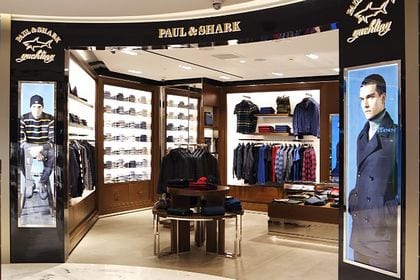
    Paul & Shark Thailand has opened a store at the Downtown Duty Free Mall in Rangnam Road, Bangkok.

    Run by King Power, the complex combines both international and local brand shopping with a hotel and theatre.

    Offering key pieces from the luxury Italian sportswear brand’s autumn/winter collection, the outlet follows the new Paul & Shark store concept characterised by high-tech steel, smoked glass and the brand’s signature blue.

    It is one of several stores the brand has opened this year, and comes in the final quarter of what the company says has been a successful year.

    It also opens in time for the Trinity Forum airport commercial revenues conference, which is being hosted at the King Power Pullman in Bangkok, “so we very much hope delegates will have the chance to see if for themselves”, says Paul & Shark worldwide travel retail director Catherine Bonelli.

  • Kathmandu smashes sustainability targets

    Kathmandu smashes sustainability targets

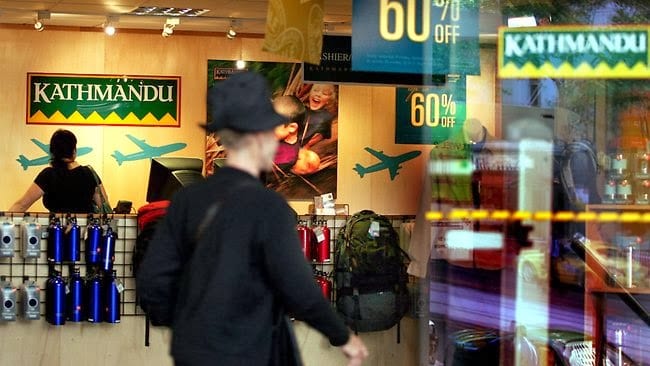
    Travel and outdoor apparel retailer Kathmandu has exceeded several sustainability targets in its latest report, also calling for industry-wide change in the adoption of driving sustainable innovations.

    In 2017 alone, Kathmandu recycled 3.9 million plastic bottles into gear, a three-fold increase on 2016 and outperforming its own 2017 target by 1.4 million. It also increased its use of sustainable cotton from 59 per cent in 2016, to 74 per cent in 2017, and is on track to achieve 100 per cent sourcing of sustainable cotton within three years.

    Kathmandu said its top priority in sustainability has been aligning with the Fair Labor Association to ensure global best practice in monitoring and improving worker’s rights in the supply chain. This work was acknowledged in 2017 with a B+ rating in the Ethical Fashion Report released in April, one of the highest rankings for a New Zealand based business.

    At a manufacturing level, Kathmandu has reduced fresh water usage by 4.25 million litres in 2017 by introducing Recycolor cotton to its fabric mix. Made from cotton scraps gathered from factory floors and cutting tables, Recycolor cotton uses 70 per cent less water than traditional cotton.

    Tim Loftus, marketing manager global brand at Kathmandu told that sustainability is about driving innovation, efficiency, team member engagement and customer loyalty.

    “Certainly cost savings come from striving to become a more efficient business, but more importantly there is unprecedented value created by challenging the status quo and addressing the social, economic and environmental issues of our industry,” he said.

    Loftus said collaboration is key when it comes to trying to realising sustainability objectives.

    “The large scale challenges associated with becoming a more sustainable business are shared by all businesses across the industry,” he said.

    “Industry-wide collaboration is an unstoppable force, working together with competitors and suppliers we have a far more substantial impact. We need our industry to throw their collective support around sustainability to drive real and lasting change.”

    Kathmandu’s sustainability work now spans across all functions of the business, including managing working conditions in factories, sourcing sustainable and ethically produced materials, eliminating restricted chemicals, reducing waste, and educating our staff at all levels.

    “Sustainability is not a department in our business, it is in the DNA of our business and is central to our brand,” affirmed Loftus.

    Kathmandu has also signed a partnership agreement with Bluesign®, an independent chemical auditor which helps factories select chemicals which are safe to use, eliminate ‘black’ chemicals which are unsafe, and put in place best practice management strategies for those rated ‘silver’, or classified as usable with good management.

    In distribution, Kathmandu opened a new custom built 5 Green Star, 25,000 square metre distribution centre in Melbourne, Australia this year, which is the company’s third 5 Green Star Rated building and has been future-proofed with innovations in water use, energy and emissions.

    Kathmandu continued its ‘war on waste’ in-store by increasing its recycling rate to 72.8 per cent, and is working more closely with landlords to increase recycling of soft plastics in shopping centres.

  • Hong Kong first to see Valentino’s VLTN pop-up

    Hong Kong first to see Valentino’s VLTN pop-up

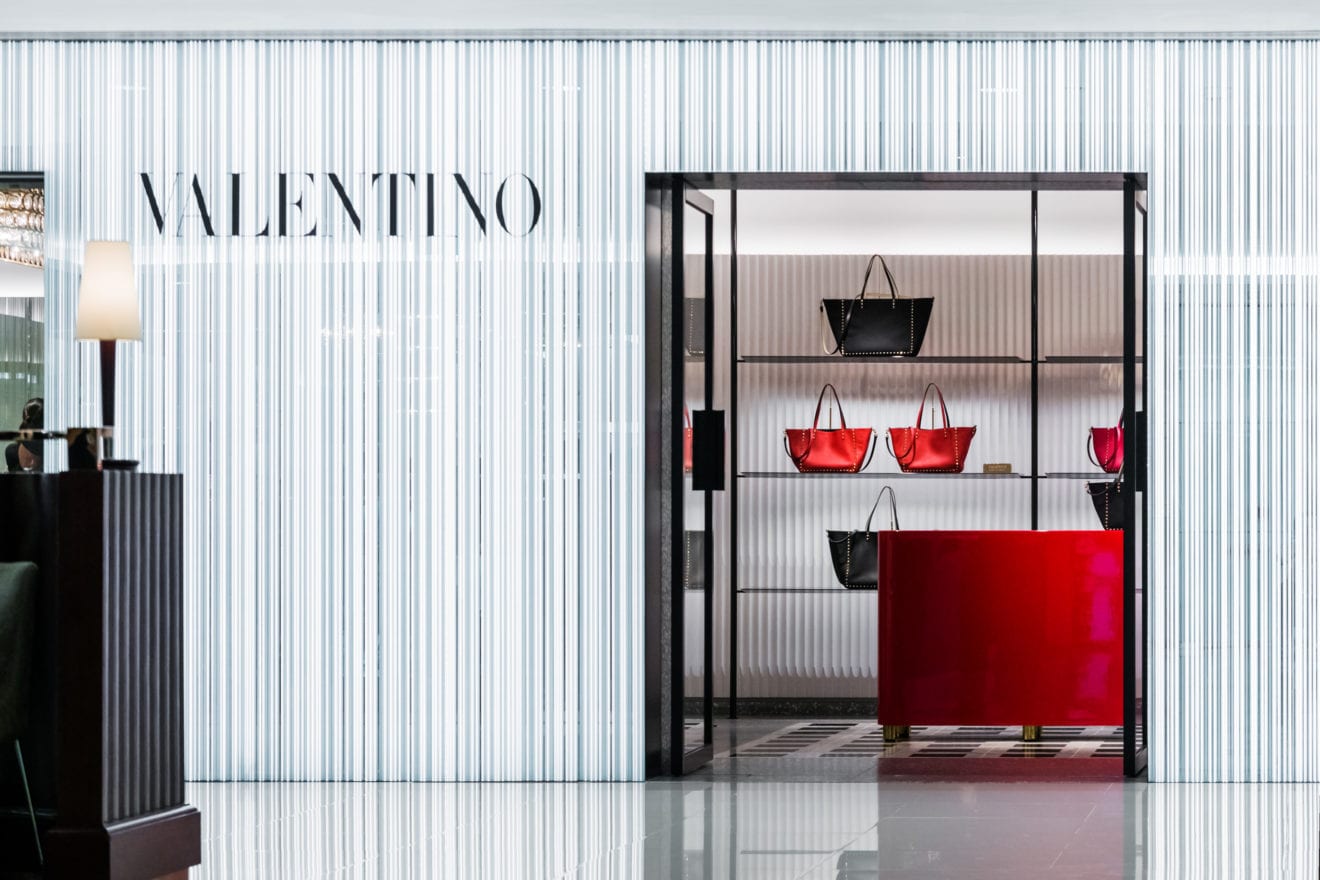
    Italian luxury clothing brand Valentino is launching sport-themed pop-up shops in limited cities internationally to promote its limited-edition resort collection VLTN – starting in Hong Kong.

    Resembling gyms, complete with basketball courts, the VLTN pop-ups will feature limited-edition training shoes, yoga mats, basketballs and tracksuits. The stores also present NYC fashion photographer Terry Richardson’s VLTN campaign images, as well as a painting in homage to Valentino Garavani himself, who founded the brand in Florence in 1960. The brand is now part of Valentino Fashion Group, owned by the State of Qatar through Mayhoola for Investments.

    VLTN debuted at New York Fashion Week in May. Details of Its pop-up stores:

    Hong Kong (October 24-31) IFC Mall
    Tokyo (October 26-November 19) Omotesando, QC Cube Jingumae
    Shanghai (October 30-November 6) Plaza 66
    Seoul (November 8-19) Boon the Shop, Cheongdam

    In its own words

    Valentino explains the VLTN sportif brand in its own distinctive fashion:

    “Within the active spaces, sport, which is the fundamental principle of inspiration of the Valentino Resort 2018 Collection, reveals its pure significance as an ideal space of possibilities and identity. Reinforced concrete, samples in primary colours that recall the functional training box-jump, imaginary metropolitan basketball nets: the active underground enters the magnificence of the Valentino boutiques conquering an unexpected, authentic and distinguished space.

    “It is not an embezzlement of an aesthetic universe nor a contamination: it is more likely an opening toward an aesthetic invasion, something that is able to break a border, the border of the artisanal Valentino culture, in order to look toward new routes, the routes of the self-affirmation and of the unconscious dressing, typical of the new generations.

    “These spaces will have authors, not vendors: dedicated personnel, chosen for their inclination and cultural belonging, and will be wearing as a uniform the white shirt from the Valentino Rockstud Untitled collection, that will act as a surrounding to their personal style.

    “Further to the items and accessories of the Valentino Resort 2018 Collection, the active spaces will also have a limited-edition collection that will include multiple contemporary sports facets: basketballs, yoga mats, sneakers and other objects that unite the maison’s artisanal savoir-faire culture to the urgency of individuality and self-affirmation of the new sport-oriented cultures.”

  • Hublot Vietnam makes debut with pop-up store

    Hublot Vietnam makes debut with pop-up store

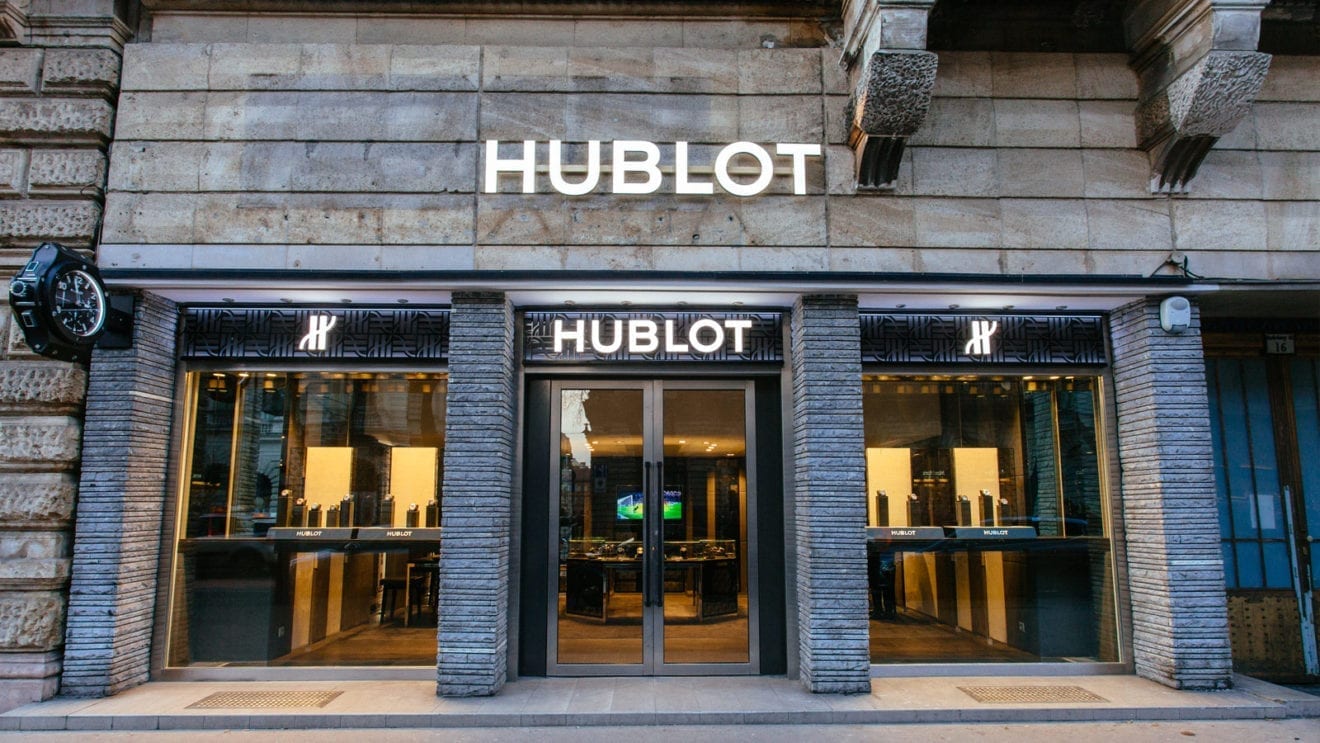
    Hublot Vietnam is making its debut with a pop-up store in Hanoi Sofitel Metropole Hotel this month.

    This was announced by the luxury Swiss watch brand CEO Ricardo Guadalupe while introducing the limited-edition Classic Fusion Fuente 45mm in Ho Chi Minh City.

    Hublot is distributed in Vietnam by THG S&S, a JV with Hublot’s long-term partner The Hour Glass and Vietnamese company S&S, which also distributes other watch brands such as Richard Mille and SevenFriday.

    After long research, Hublot has recognised Vietnam as a potential market as its citizens have been buying the brand in other countries like Singapore and Thailand, says Hublot Vietnam brand manager Hoai Anh. “All our collections, including limited editions, are available here.”

    The brand also offers lower prices for the Vietnam market.

  • Adairs upgrades guidance

    Adairs upgrades guidance

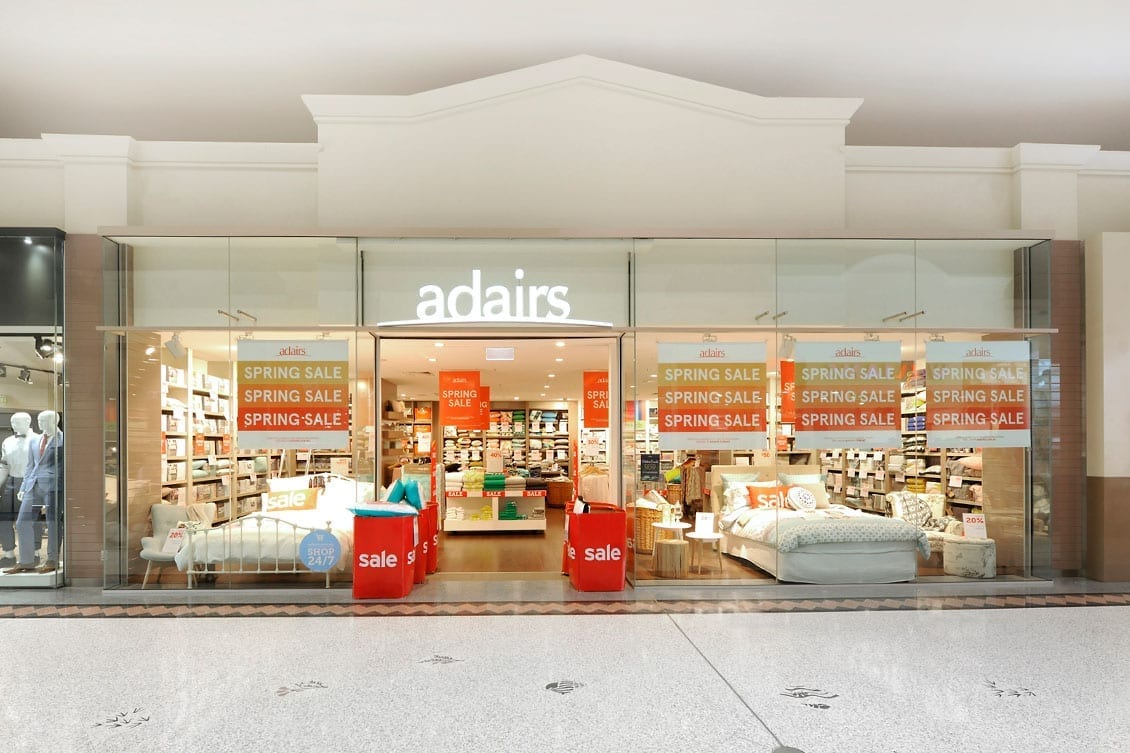
    Bedding retailer Adairs has upgraded its guidance for FY18 after experiencing a bumper start to the financial year.

    Adairs CEO Mark Ronan told the market on Wednesday afternoon that year-to-date LFL sales  were up 13 per cent to October 15.

    It’s a continuation of trading momentum kicked-up in the second-half of FY17, with July LFL sales growth spiking to 10.4 per cent after a disastrous first half that drove FY17 profits down 19.6 per cent.

    The company now anticipates FY18 earnings before interest and tax (EBIT) of $34.5 – 39 million, up from its prior guidance of $33 – 37 million on the back of a $5 million bump in its total sales growth estimates.

    However, Ronan did say that the company anticipates its year-to-date sales to moderate somewhat as trading heads into the upcoming holiday promotional period in the December quarter.

    “While our year-to-date sales have been pleasing, the key trading periods and promotional events lay ahead in the financial year,” he said.

    Adairs anticipates LFL sales growth in the 5 – 10 per cent range for FY18, saying it will provide an update on its strategy at its upcoming Annual General Meeting.

    Ronan has previously said that the company’s poor performance in the first-half of FY17 was due to mistakes made by management which are unlikely to be repeated, and that its new range of high-end linen and velvet doonas were doing extremely well with customers.

    He’s also indicated that Adairs is evaluating whether to sell on Amazon marketplace when it launches in Australia in the coming months, something that he’s previously identified as a strategic opportunity for the business.

  • Simply Shoes step back in time for Henry Sy

    Simply Shoes step back in time for Henry Sy

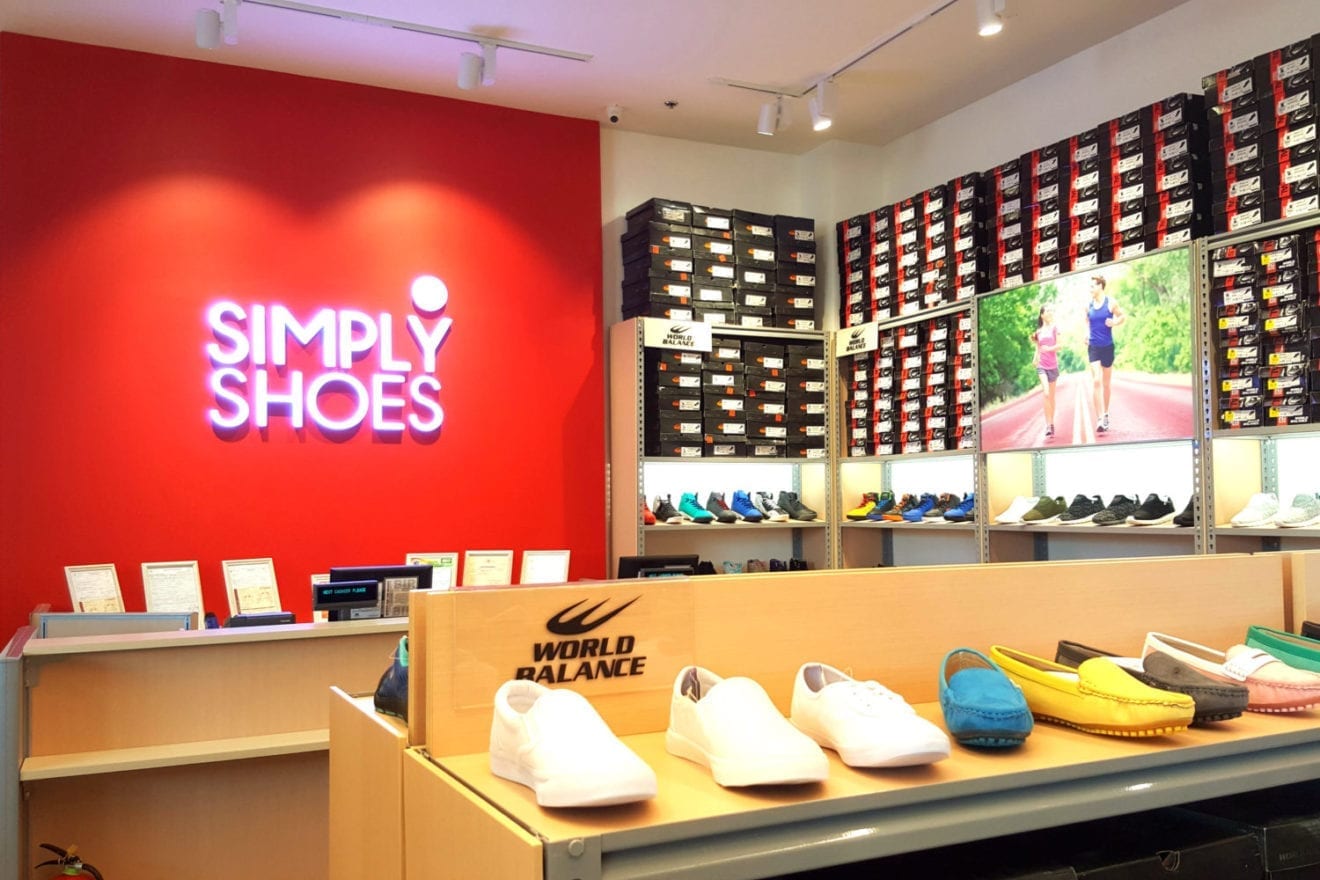
    Mall billionaire Henry Sy is returning to his roots with a new warehouse-style shoe shop for budget shoppers, Simply Shoes.

    Customers pick out sneakers, sandals and heels from the plain displays that are piled up to the ceiling, as they would in supermarkets and outlet shops.

    Tapping into a middle class that is growing more affluent, Simply Shoes is also a tribute to Sy’s beginnings at the original Shoe Mart in downtown Manila’s Carriedo, the seed of his mall empire, says SM Retail senior VP for shoes and bags Eugene Saw.

    “He got busy with other businesses, but his true love, his true passion is the shoe business, so it’s really going back to the roots,” Saw says.

    “As we grow big, we also want to stay true to ourselves. In fact, that’s one of Mr Sy’s dreams. He said years ago that he wanted to sell a pair of shoes to every Filipino, so it’s part of accomplishing his mission.”

    Two more branches of Simply Shoes are opening this week to join 29 branches, mostly in emerging cities.

    SM has 63 malls in the Philippines and seven in China, where Sy was born.

  • House of Chanel exhibition for Hong Kong

    House of Chanel exhibition for Hong Kong

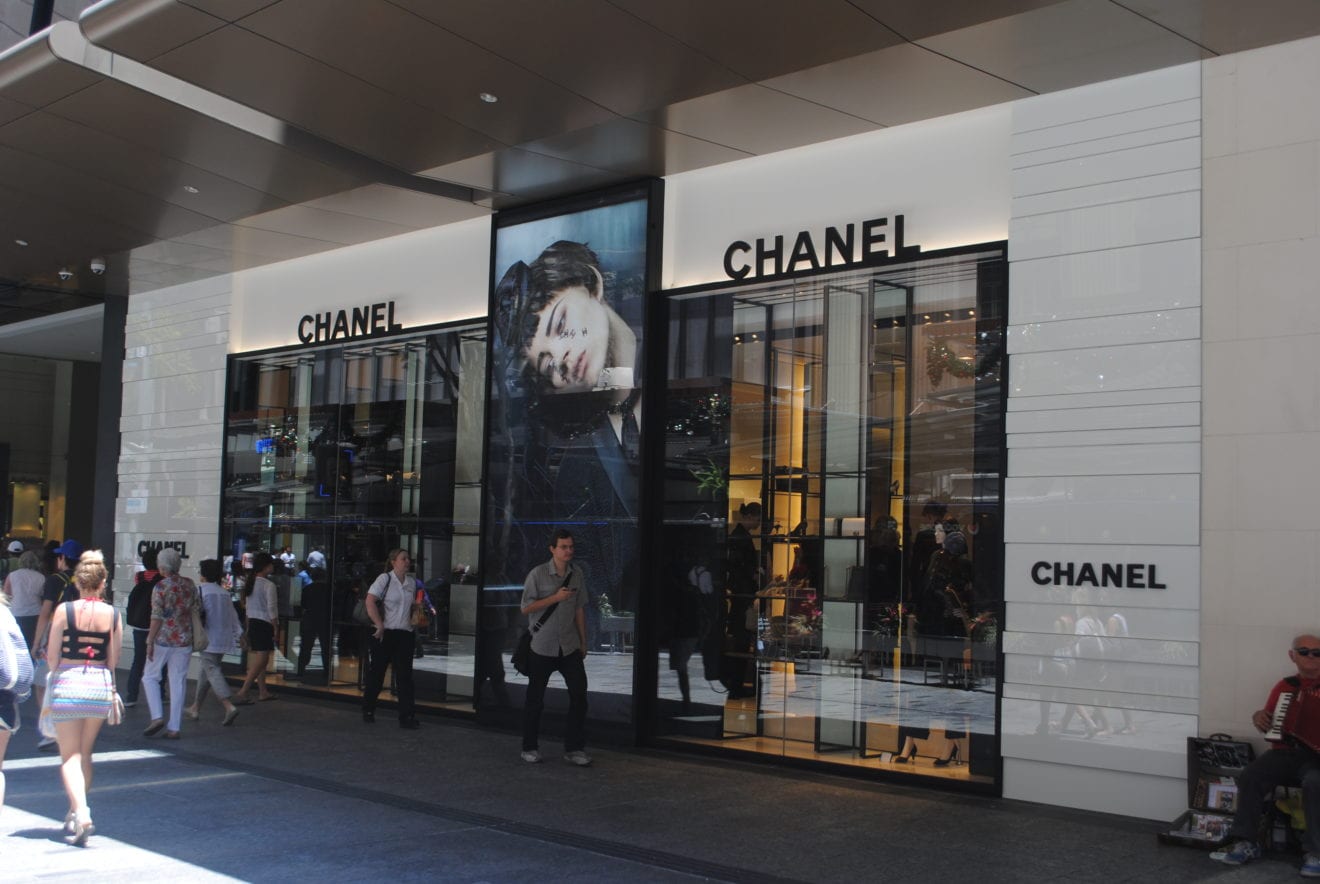
    Hong Kong is the next destination for the House of Chanel’s Mademoiselle Prive exhibition – the third chapter after London and Seoul.

    Opening early next year at PMQ, the four-week exhibition will offer an immersive experience that traces the brand’s origins and inspirations over the years.

    It also captures the charisma and irreverent spirit of Gabrielle Chanel as well as Karl Lagerfeld, the two driving forces behind the house, through a narrative tailored especially for Hong Kong. The show highlights Mademoiselle Chanel’s creations as modernised by Lagerfeld, from haute couture to the Chanel No. 5 fragrance to high jewellery including the re-edition of the Bijoux de Diamants collection designed in 1932.

    Running from January 13 to February 10, the Hong Kong edition will be open to the public free of charge.

  • Acne Studios launching 48-hour online pop-up

    Acne Studios launching 48-hour online pop-up

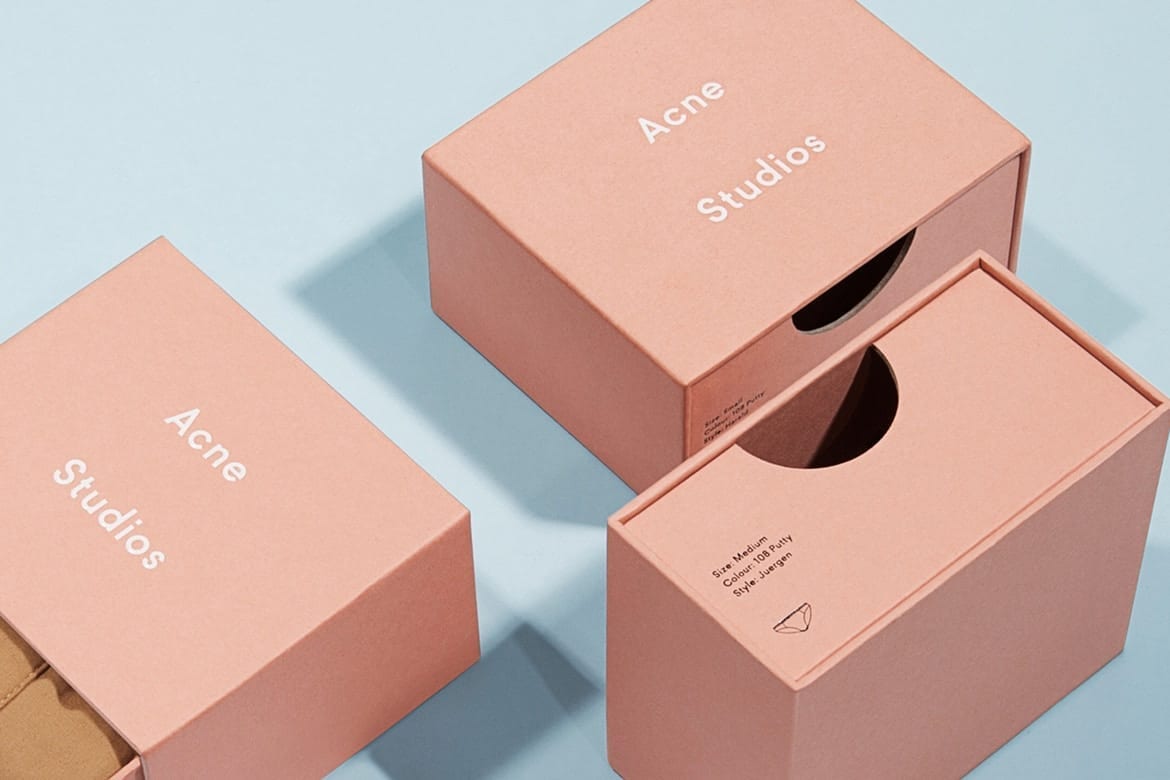
    Swedish fashion brand Acne Studios is about to launch a 48-hour online pop-up store offering a handpicked selection of its classic style, show pieces and exclusive items.

    Discounts of up to 75 per cent are being offered during the retrospective, which launches on October 24 “exclusive” to Hong Kong, India, Japan, Malaysia, New Zealand, Singapore, South Korea, Taiwan and Thailand.

    Based in Stockholm, Acne Studios is a multidisciplinary luxury fashion house, founded in 1996 as part of the creative collective Acne, an acronym for Associated Computer Nerd Enterprises but later changed to Ambition to Create Novel Expressions. The fashion house specialises in men’s and women’s ready-to-wear fashion, footwear, accessories and denim.

  • EleVen by Venus Williams makes Asian debut

    EleVen by Venus Williams makes Asian debut

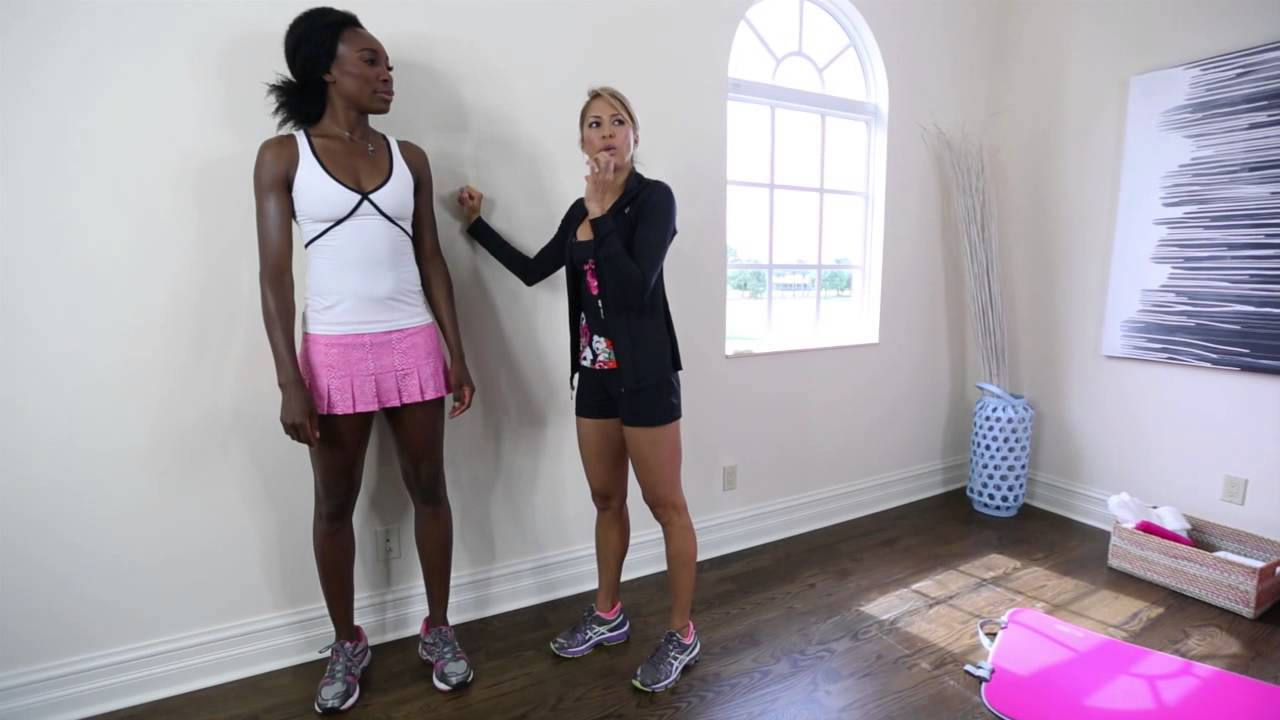
    Athletic apparel line EleVen by Venus Williams has partnered with luxury department store Lane Crawford for an exclusive capsule collection.

    It is an eight-piece line of elevated sportswear, all items featuring a quick-dry performance fibre with breathability. It is all white as a nod to Venus Williams’ tennis background, and was created to empower women to express their individuality with confidence while exercising.

    Available exclusively in Asia, it can be found at Lane Crawford online, or in the Hong Kong, Beijing and Shanghai stores. It is the brand’s debut in the Asian market.

  • Travel focus in Uniqlo’s Wherever You Go campaign

    Travel focus in Uniqlo’s Wherever You Go campaign

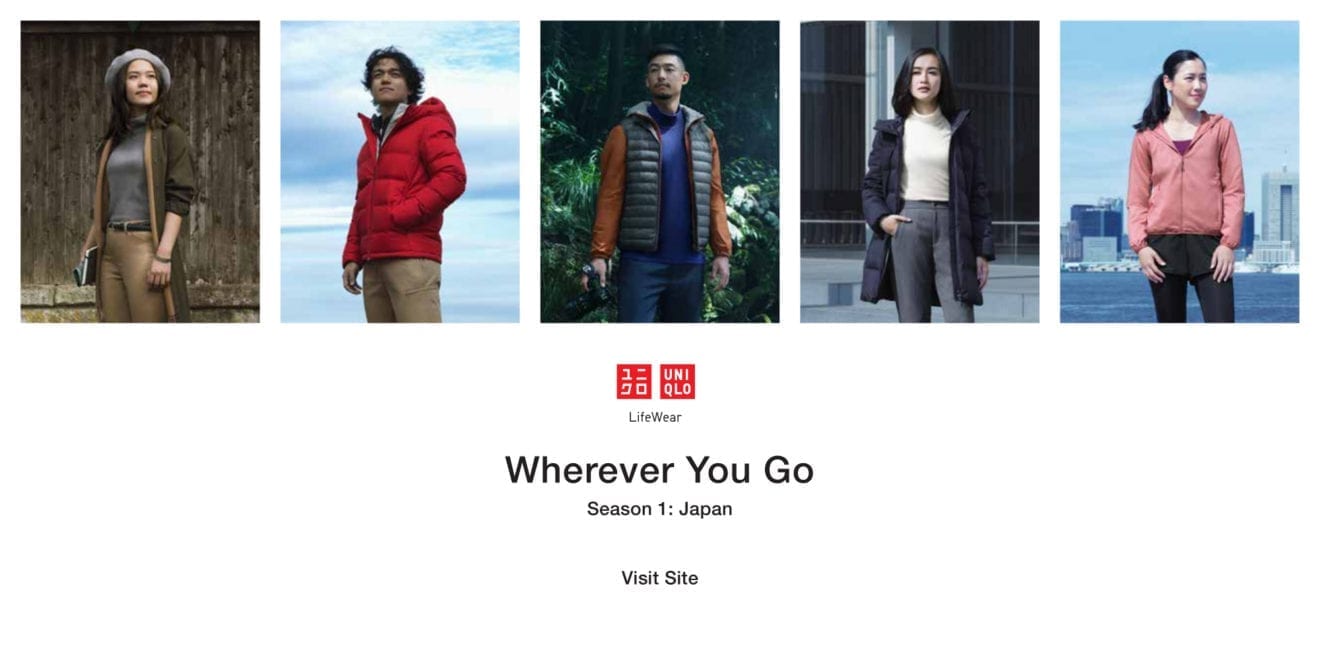
    Recognising the growing interest in travel in Southeast Asia, Japanese fashion brand Uniqlo has introduced a Wherever You Go campaign featuring short films of ordinary people having extraordinary travel experiences around Japan.

    Featuring key pieces from its latest collection, the films aim to inspire people to immerse themselves in new cultures and novel experiences, and highlight how Uniqlo LifeWear suits travel and adventure in varied climates and destinations.

    “The campaign tells the story of what LifeWear is about – apparel that never stops evolving because life never stops changing,” says Uniqlo Asean marketing director Masahiro Endo.

    Starting today, season one of the campaign features five travellers from Southeast Asia who share their experiences and inspirations around the cities of Japan.

    For the campaign’s second season, Uniqlo is running a contest to find people to feature in the movie. Entry is by sharing travel photos, stories or inspirations on Instagram. The prize is an all-expenses-paid, four days/three nights’ trip to Tokyo for two worth US$5000. The contest runs until November 30.

  • Dolce & Gabbana net profit soars, revenues up 9%

    Dolce & Gabbana net profit soars, revenues up 9%

    Dolce & Gabbana closed the financial year 2016/17 on March 31, 2017 with a turnover of 1.296 billion euros, a 9% increase on the previous year, according to the balance sheet consulted. D&G Srl, which controls the group, obtained a 57.6 million euro dividend from Dolce & Gabbana Holding.

    The latter oversees Dolce & Gabbana Trademarks, owner of the group’s brands, and Dolce & Gabbana Srl, in charge of the label’s operations in Italy and abroad.

    D&G’s consolidated balance sheet showed a net profit of 80 million euros, around four times higher than the 17.93 million achieved by the company in 2015/16, and an EBITDA of 168 million euros.

    This result is due largely to an increase in sales, particularly in Italy, which represents 24% of total turnover, with the rest of Europe making up 27%, the Americas 13%, and Japan 6%.

    Dolce & Gabbana’s strong presence in its domestic market has led the firm to further its initiatives abroad.

    On 4 October , the brand organised a runway show in the Isetan Department Store, Tokyo, for which the creative duo Domenico Dolce and Stefano Gabbana designed a special collection.

    In the same month, the label also opened its first outlet store in Mexico, in the Premium Outlets Punta Norte mall, in the northwest of the country.

    For the holiday season, the brand has plans for a large-scale operation with London-based luxury department store Harrods. These will include the launch of exclusive products, as well as a number of in-store interventions organised by Dolce & Gabbana from 2 November to 28 December, such as in stores-in-stores, a Christmas tree, window displays and a traditional Italian market.

    Breaking down the brand’s results by distribution channel, Dolce & Gabbana’s wholesale increased 8.7% in 2016/17, retail grew 7.1% to 769 million euros, while licensing revenue fell 9.2% to 61.2 million euros.